


Ep 214: Video Content Systems with Marley Jaxx
RV (00:07):
Hey, brand builder, Rory Vaden here. Thank you so much for taking the time to check out this interview as always, it’s our honor to provide it to you for free and wanted to let you know there’s no big sales pitch or anything coming at the end. However, if you are someone who is looking to build and monetize your personal brand, we would love to talk to you and get to know you a little bit and hear about some of your dreams and visions and share with you a little bit about what we’re up to see if we might be a fit. So if you’re interested in a free strategy call with someone from our team, we would love to hear from you. You can do that at brand builders, group.com/pod call brand builders, group.com/pod call. We hope to talk to you soon.
RV (00:54):
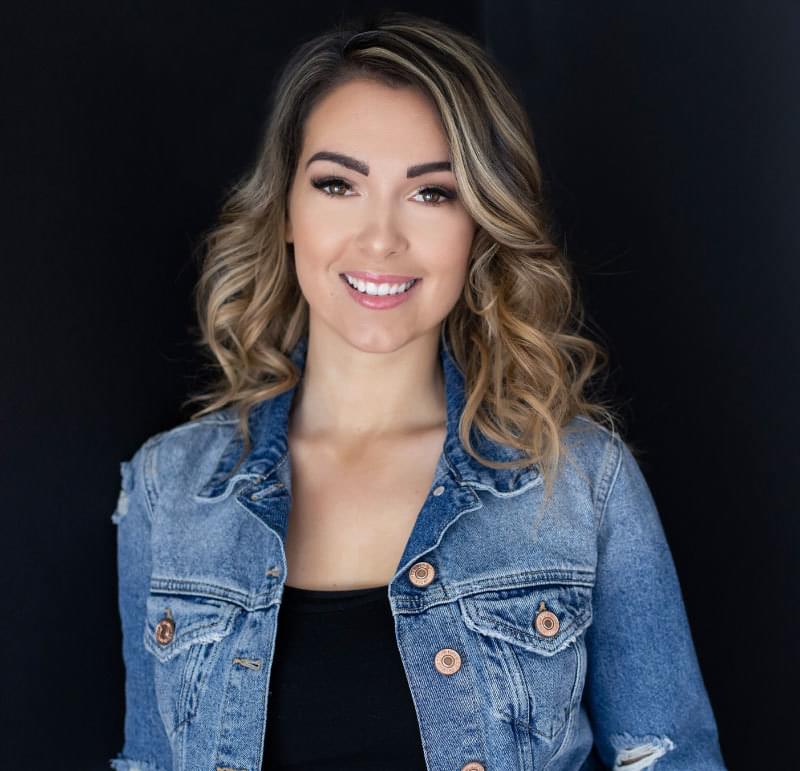
One of the greatest mistakes that I have made in my career as a personal brand is I missed the boat on YouTube. I missed it badly. And then and then we sold all of our social media and I had to start over anyways. And so I started over on YouTube right away, but it’s difficult to build a following from scratch. And that’s one of the reasons why we brought in Marley Jaxx today. I had an opportunity to see her live. She spoke at an event called funnel hacking live with Russell Brunson. She shared the stage with him and Tony, Tony Robins, and Tom bill, you and Frank Kern. And she’s worked with a lot of other, she’s worked with other friends of ours. Alex Charfen has been a long time friend of ours. And we really just enjoyed her content talking about video and her specialty, I think is, is understanding video and YouTube and specifically using that to drive leads for your business. And also I think another specialty of hers is selling high dollar offers and kind of like more complex offerings, not just the, you know, the $200 video course, but you know, converting it into high high-dollar offers and high ticket stuff. So anyways, Marley, welcome to the show.
MJ (02:09):
Hello. Thank you for having me.
RV (02:11):
Yeah. So I wanted to just start with the, like the, the camera in general. I think, you know, a lot of people are still uncomfortable. They’re kind of camera shy. They you know, they, they get a little nervous about YouTube and just kind of video in general. Do you have any, like, what do you think are some of the big mistakes that people make or do you kind of have any advice for somebody who’s kind of sitting in that mode going like, yeah, I kind of want to step out of this, but I’m still nervous and reluctant. Yeah,
MJ (02:44):
Definitely. When people say they’re, they’re afraid of the camera, I usually try to lighten the mood and kind of joke. Like you’re not afraid of a camera, it’s a piece of metal and plastic, what you are afraid of. It’s the fear of stepping out of your comfort zone, but we know that nothing grows there, right. And the fear of what other people will think, but you’re going to be judged no matter what, whether you’re doing something you hate or that you love. So you may as well be judged for doing something that you love that you know, is making an impact and is part of your passion and purpose. So when people say that they’re afraid of the camera, it’s typically or shy, you know, it’s typically something like time tech or talent. It’s what do I say on camera? What kind of equipment do I use?
MJ (03:27):
What, what do people actually want to hear from me? And that’s where that’s kind of the, the personal development, the self discovery and the research of, of your audience around you and what you’re good at that people are asking you for that they want to hear your stories and your message. And, and just starting, you know, sometimes I compare Gary Vaynerchuk, who a lot of us know, he’s, he’s a very popular figure online and he’s got like, whatever, 5 million people following him now. But when he first started his YouTube channel years ago, wine library, TV, he didn’t have many people watching at the beginning, but he kept going. He kept finding his voice. You don’t always get to see the 10,000 hours someone puts in to find their voice. So when you start creating content, you first start creating content for you to find your voice. And that’s, what’s going to build the audience.
RV (04:17):
That’s interesting. Well, and on the tech thing for a second, cause I do think that people get tripped up and you know, at this, at this point, even now, like I have, I have a ring light and and my phone and I shoot all this stuff on the phone, but w w is there like a camera that you recommend or like a, something that’s not super intimidating just to get going, or like, what’s the, what’s the big tech thing that you, you just need to know? Like, if you just want to hit start and you just want to go and you don’t want to spend like six months learning about equipment and all that, but, and you also don’t have a bunch of money to hire a team. Like, what would you recommend for that?
MJ (04:56):
The best camera to use is the one you have. And often in these little smartphones that are attached to our hands or hips at all times, lady Gaga, Selena Gomez, they filmed some of the recent music videos on their iPhone and they’re good quality. And honestly, you can get a little tripod from Amazon. You can get a ring light, or you can even be in front of a window for natural lighting. And those can be really high quality. And the thing is, people want to watch people that are relatable. So sometimes when you think, oh, I got to get all this big fancy equipment and gorgeous luxury is backdrops. That can almost take the personality out of it. So I say, start with your iPhone and what you have.
RV (05:37):
Th th this is one of the things that we learned is you know, every week we kind of do like a little five minute video and we re we have some editors, they run a process, you know, just some, just some basic stock photography they drop in there. And some like royalty free music, those videos perform about a third as well as when I just am in a t-shirt with, with my hair on done. I turn on the camera and I just talk for two minutes and post a to GTV. It will outperform the professionally thing, three, two on every single time.
MJ (06:11):
Yeah. We want to see people that are relatable, that we can see ourselves in them to think they’re just like us.
RV (06:18):
Hmm. Yeah. I love that. I love that the best camera that you use is the one that you have. So, so, all right, so now we get up the courage to record you know, you mentioned time tech or talent when it comes to talent. I think of that as like, what selecting, what do I talk about? What do I say? You know, and everyone that listens to this podcast is, I mean, we have literally billionaire billionaire entrepreneurs who listened to this. We have New York times bestselling authors, and we have, you know, 16 year old kids, like in high school, trying to figure out how to make money on the side. So you’ve got a broad mix of people, but how do you know what to talk about? Or like, you know, what your talent is in terms of what you should put on camera?
MJ (07:07):
There’s a few different places that I recommend looking when you’re trying to come up with, what, what do I talk about? What are the topics to speak to? The first one is the frequently asked questions. You get, what are people asking you all the time? What are the, what’s the experience, the expertise, or the stories that they want to hear from you, that’s going to help them along their journey, or even think about the questions that you were asking that you wish that there was someone like you to answer for, for yourself years ago. And it’s also pretty easy to look right on YouTube or Google and see what are people searching for. Like, you know, when you start to type in the search bar and it autocompletes a tries to finish your sentence, to, to suggest what it thinks you’re typing. Well, that is auto-populated based on what people are searching for.
MJ (07:48):
So if you start to type in how to train your dog underneath that, it’ll be like how to train your dog, to sit, how to train your dog, to stay, how to train your dog to bark. All of those suggestions are video ideas, because that’s what people are searching for that like Google is giving you the data right there. You can also look at other people in your industry or niche and see what kind of content they’re creating. And you could do a similar topic with your own spin, your own story. And, and that’s going to be able to help your audience. And especially when you’re on YouTube, you want to be creating content that, you know, your audience is searching for because YouTube is a search engine, not a social media platform.
RV (08:26):
Yeah. That’s a big distinction to understand. And I, it’s almost like you know, the, the search thing, like you know, there’s all these, these different tools [inaudible] you know, SCM rush and yada yada, that will just, or even just Google, even just a Google like analytics. I forget what the, I think it’s Google keyword research, keyword research tool that will tell you, these are the topics that people are searching. Like these are the, the phrases people are searching for related to your topic. And it just gives you the content calendar. Or the other thing is Quora that website Cora has like a bunch of questions that people are asking. and so you just basically answer one video, answer, one question per video, you’re like off and running
MJ (09:10):
Done. And like, there’s another tool that we like there’s answer the public there’s SCR, where you can just type in a keyword and it’ll populate with tons of suggestions based on exactly how people are typing them into search. And you could make all of those videos, like you, you will never run out of content ideas as long as you just know where to look for them. Yeah.
RV (09:29):
I love that. So, all right. Now when it comes to optimizing and I will, I will openly admit here, this is where we are lazy. Like we is even saying it out loud. It’s so stupid. Cause it’s like, why bother doing all this work? And then not then not optimize the video, but we, we haven’t, we, I think the reason why we haven’t is because we’ve been like, just start just, you know, we have to start over our channel rebuild from scratch. It’s already discouraging. And it’s just like, let’s just get con like, just get going, but now I know we need to optimize and why do we need to do right. So, like after the video is up there, is there anything, or as you’re putting the video up there, like, are there a couple kind of key things that we should be paying attention to and spending the extra few minutes, like they’re worth the time to do? Yeah,
MJ (10:21):
Definitely. Well, the first thing is the title of the video. And you should, you should know what the title of the video is before you even start filming it so that you’re framing the message the right way that you’re answering what people are coming to. You don’t want to bait and switch them and you know, make them click off because they’re like this, isn’t what I clicked here for. So the title of the video based on how people are searching for it, and you’re just going to put that title of person, the headline of the video, and then in the description of the video, you want to be reiterating that title and other keywords similar to it. So that when YouTube and Google takes like just a snapshot of this video, they know this is the topic. And typically in my intro of the video, like when I’m physically, when I’m speaking on camera, I will say the title of the video in the beginning, in my first few sentences, because YouTube also they’ll transcribe your video. So then that also gives more keywords and input to what the video is about. And your thumbnail is also one of the most important things, because when you’re searching for a video topic and all these all these options come up underneath, you’re typically going to choose the video based on the thumbnail that stands out the image that’s more cooking or engaging or someone that you might think might look familiar if you know them already, someone that you already follow, or just that it captures your attention.
RV (11:39):
Yeah. That, you know, it’s interesting. So like one of our close friends is Lewis house. And, you know, I noticed that the titles of his videos and the thumbnails don’t match and his, his YouTube channel has really been a big, it’s really been a big focus this, this last couple of years, and they’ve, they’ve really done a great job of adding the optimization and you know, so like that thumbnail is interesting. It’s almost like it’s a whole separate strategy in and of itself to just go, like, what I mean, other, do you just basically go, what would someone need to see in order to click on this? Or like, is there any other kind of thought process that you use or for what makes a great time nail?
MJ (12:24):
The, the thumbnail is a whole other opportunity to hook people in. Like, it, it’s something that is, you know, is thumb stopping worthy. Like it’s going to stop their scroll because it, it, it stands out among the rest. So it’s not just like you smiling and the title written on, on the thumbnail. Again, it can be another like curiosity hook. Like you’ll never believe what this person said to me, or how did I make a million dollars in 12 months or whatever, like something that’s different than the title of the video. And then the picture next to it that really demonstrates that, like I saw one the other day from Alex, her mosey, he’s a channel that he’s just blowing up so fast he’s. So well-spoken he and his wife, Layla they’re both, their channels are incredible. And Alex had I think the title was something about like spending a hundred thousand dollars and the image was like influencer, like other influencers that we recognize, like grant Cardone and things like that. But then there was also like a supermodel in the background. So it makes you think like, what did he spend a hundred thousand dollars on? So it’s something that leaves that curiosity hook, or that question in your mind that you’re like, well, now I got to click this video to find out what exactly he’s talking about.
RV (13:35):
Yeah. I mean, the neuroscience, there is super powerful as the brain hates incomplete things and the brain hates unanswered questions. So it’s like, if you can create a question of some type with the thumbnail, it’s almost like we’re addicted to watch it to just to answer whatever that question is. Some people call them opening, like opening a loop or opening a question. So I love that. So then, all right, so now we got this put together, we’ve done some keyword research. We know people are searching for we’re answering this question. You mentioned early on you say in the first few minutes, what the video is about. Is there anything in terms of like, when you put together a video and you think about how to structure, like the outline of it in terms I’ve also heard competing answers on how long a video should be.
RV (14:33):
Some people are like, oh, they should be short. People’s attention spans are short, but then it’s like, well, no AVD average viewer duration is the primary metric on YouTube. And so they want it to be long, but they also pay attention to how many people watch the whole video. And if it’s too long, then people don’t watch the whole video. And I’m just like, oh my gosh, like what’s, can somebody just tell me what the answer is? Do you have a philosophy on the right kind of length of time and then like a general kind of outline for structuring one of these videos?
MJ (15:01):
Yeah. Typically, like we aim for an average of 10 minutes. And in that 10 minutes, we can insert about three content hooks, three different stories or frameworks, or three steps of one general framework inside that video. So that also makes it fairly easy to reach 10 minutes. When you’re thinking like, well, how am I gonna, what do I talk about for 10 minutes? So our formula for kind of putting together the script of the video is any intro. Like I mentioned, you want to repeat kind of the title of the video. So I’ll give an example. One of our clients, Cristy code red maybe her video is how let’s say that people are searching for, why am I dieting and exercising and not losing the weight? She’s a weight loss coach. So she could be like, if you’re someone that you are stalled, you’re at that plateau and just tank it that last few pounds off you’re in the right place you ever asked yourself, why am I dieting and exercising and not losing the weight?
MJ (15:54):
I’m going to answer that question for you in today’s video. So she reiterates the title in that intro. Then before going right into the topic, she’s going to give three content hooks. So this is teasing what’s coming up so that people hear that and they go, oh, I got to stay for 0.1 0.2 point and three for the things she’s about to talk about. But we want to introduce these again, as curiosity hooks, things are gonna, that are gonna open up that loop or that question. So she might say something like, first of all, I need to share with you the number one biggest lie in weight loss. This is one that we have all been fed to believe. And one that you no longer have to believe. And so that makes you think like, what is the number one biggest lie? Like I’ve been lied to.
MJ (16:33):
I need you to know, then she can go. And after that, I’m going to make sure. And then she could say and you know what? My clients come to me when they are stalled, when they’re plateaued, I changed these two things in their routine and they hit their weight loss goal faster than ever. Ooh, what are those two things? And then she said, and lastly, I’m going to share with you my strategy for how to get 10% of your body weight off every month without diet pills, shakes, or exercise. Oh, that sounds amazing. 10% every month. How do I do that? And so that creates these three bullet points. These three content hooks that are typically going to make people stay to the end because we’ve now opened up three loops and we want to keep people watching as long as possible.
RV (17:12):
And it almost sounds to me kind of like a table of contents to what a table of contents would be for a book, but you’re, you’re titling. And that actually made my mind go. Hmm. We should probably put more focus on the titles of our chapters, in a book for the same reason to help people to just like actually reading it. And that’s sort of what you’re doing, you’re doing here. So you tell them who the videos for, then you kinda like roll the little like bumper and then you just go in and you just do 0.1, 2.3. Yeah. I mean, it’s pretty straightforward. I mean, it’s pretty straightforward. Yeah. So how does it turn into money? So let’s not, let’s talk about that for a second. Right? Cause it’s like, okay, now I’m making videos. I’m, I’m putting them out there. How do we, yeah. How do we make this into, into money?
MJ (18:11):
So the greatest thing is that you’re creating content based on what, like we already said that people are searching for. So we know that by the time people land on our videos, they are already problem aware. They’re coming to solve a problem for themselves, that your video is now answering and sure you’re giving them lots of value. You’re giving them these steps, but then you’re like, Hey, if you want the framework or if you want the next thing you need, or if you want a done for you template or some kind of resource, that’s going to help you to now get results from what you just learned, click the link in the description below. And that is your lead magnet. It’s a freebie. Maybe it’s a low cost, low ticket thing to bring them into your value ladder, but that’s going to be the most important part is that you take them from YouTube into your funnel so that then you can nurture and ascend that relationship.
MJ (18:58):
And you can even bring them right on to maybe like you maybe bring them into a challenge. Maybe you bring them into a webinar, or we have clients that will bring them straight to a webinar or a challenge. And then from that can very quickly sell into high ticket because the clients that come through YouTube, like I said, they’re already problem aware. And often they’ll binge watch a few of your videos and then are just like, look at how much value I’ve gotten for free. Imagine how much I would get if I invested, if I spent some money and actually invested emotionally and financially into getting this result. And we have clients that say, if they get on a sales call with someone that has come through from YouTube, they’re like, they’re as good as sold. Like we have a a very high conversion rate because they’ve been warmed up so much through YouTube.
MJ (19:41):
So YouTube turns into an evergreen lead generation machine because people are finding this content completely organically just by searching for it. So this isn’t like Facebook lives where you can do a Facebook live or an Instagram story or whatever that disappears in the timeline. Like the algorithm pushes it down to put the more recent stuff up at the top. But with YouTube, like you can have content from years ago that is still showing up at the top of search. I have videos from 2016 that I made once never put any ad spend towards it. And it’s still generating leads for my business. Like I don’t even touch it. If I were to stop posting any more videos, these videos would still be building my email list. And because we have the funnel set up on the backend could still be driving sales consistently.
RV (20:24):
Gosh. Yeah, it’s so true. I mean, sometimes it’s like I did one Ted talk and it’s years ago we get more speaking leads from that Ted talk. Then every other thing we have ever done added up all together and multiplied by two, like I’m going, I should not do anything except just do another Ted talk. Like, because it’s, it’s that evergreen, that power of evergreen of YouTube, it’s totally different than the other, the other platforms. And so w you know, generally speaking, like here’s the thing that I always kind of struggle with is you go like one piece of content, one call to action. That’s super simple. Like, what you just said is basically deliver a 10 minute value bomb and then offer them a lead magnet to take the next step. And then that drops them into whatever your funnel sequence is, which is super simple. When, and how do you do the, like, hit the subscribe button? Like, do you w which one, like, which one do you do first, or do you do them both together or is it sometimes one and not the other, like, does it matter?
MJ (21:34):
So I never want, and this is what I recommend for clients is that we don’t wait until the end to ask for that subscribe. We want to be able to just go straight into the call to action. And even when we do the call to action, I don’t, I don’t want to lead my audience into thinking that I’m ramping down the videos. So you’re not like, all right, thanks so much for watching. I hope you liked this video. If you want some more value, click the link below, like we just go straight into it as if it’s another content hook. So like with the example with Christie about weight loss, and she’s talking about like the, how to lose 10% of your body weight every month, like this strategy works, I’ve seen this person, this, you can give some social proof and I want to help you with this next.
MJ (22:10):
So click the link below and join my 10 pound take-down challenge. That’s so she’s not like slowing her role. She’s, she’s going right into the call to action. But the best time to ask for that engagement is between your content hooks. So let’s say between content hook, number one and two. Now, before I tell you the two things that I change in my client’s routines, this is something that I’m talking about every single week. So hit that subscribe button to my YouTube channel. So I can help you with your weight loss goals, or it can be an engagement break asking for for a comment. Now before I go into my next point about the two things, I change in my clients for teens to help them to lose the weight I want to hear from you, what weight loss programs have you tried tell me in the comments below what’s worked, what didn’t work. Let’s all, let’s all collaborate here. So she’s, you’re always asking for the engagement in the middle of the video when people are still engaged and present. If you wait till the end, typically people are, you know, they’re losing their attention span by them. So we ask in the middle.
RV (23:05):
Yeah. So that’s the other one is about the comments. So you really have subscribe, comment, share, and then like opt in. So you just, you just kinda like vary them up and mix them in, but you do. I like, in-between the content, like, like I like that term engagement break. I’ve not actually heard that. Like, you take an engagement break, almost like a little commercial. I mean, it’s like, how, what on TV? It would be like a little commercial break, but it’s an engagement break.
MJ (23:33):
Yeah. It’s just subtle. So like, you don’t have to stop. And like, before I go into my next point, you could do that. That’s just the example I gave, but it could just go straight into the question. And by the way, I want to hear from you, like what, what weight loss programs have you tried comment below? I’d love to hear what’s worked or like, Hey, and by the way, I’m, I put out videos like this every week. So hit the subscribe button if you’re loving this just quick.
RV (23:56):
Yeah. That’s that that’s super quick. And then what about like the editing part? Like you know, multiple camera angles putting B roll footage under it, stock footage, all that kind of stuff. I mean, you know, jump cuts back and forth is all that pretty important. You can live without it. You do it if you can, or it doesn’t really matter. Yeah.
MJ (24:21):
Do whatever you have the capacity for. And honestly, I’m a huge proponent of outsourcing. And especially when you can hire people overseas who have a lower cost of living, that you can bless their lives by paying them more than even, you know, I hired my first video editor for $15 a video. And that was incredible for me, starting out as an entrepreneur. And that was more than what he, they were actually asking for at the time and my time, like how long it would take me longer to fill, to edit that video, then how long I could make $15 back. And then now knowing that that video can be an evergreen lead generation machine, I’m likely going to make more than $15 from that video. So I highly recommend outsourcing that, but when it comes to the editing quality and that can be a personal preference, it can you know, we want to make sure that it’s aligned with your branding, but typically you can totally go simple.
MJ (25:15):
Of course you want to cut out any ums and AHS or sometimes leave those in because it makes you human. But cut out any parts where maybe you tripped over your words and you restarted. One of the things that I really like to do though, is have attention resets. And that’s just very quickly like subtly moving the camera angle from like, you’re zoomed in now, you’re zoomed out. Now you’re a little to the left. Now you’re little to the right. And it’s very subtle that people don’t even really notice that it’s happening, but it just, it changes the view, but you don’t have to have different cameras to do that. It’s just all in the editing. And especially when you’re starting, I don’t film with multiple cameras. I think that that would be complicated. And what I want to focus on is the message that I’m sharing and who I’m speaking to. I don’t want my head to be caught up in the tech.
RV (26:03):
Yeah. I love that. Cause they’re just zooming in, zooming in zooming out to the side, they do all that. They can do all that in post-production. So the video, where do you find these people? So like you’ve mentioned this, this person and, and I, I’m a little bit shocked that there’s not, maybe I’m just looking in the wrong places, but in my mind, I would think that, you know, like there’s gotta be a whole bunch of kids graduating high school or college that are just like been editing YouTube videos since they were 12 years old and they can make good money doing this, but I’ve, I’ve had kind of a hard time finding these video editors. Are you just looking, where do you go to look? I mean, is this are you posting jobs on like job boards? Are you going to like Upwork and Fiverr and just doing that or, or like, where do you find them?
MJ (26:58):
My favorite ones to go to or Upwork online jobs.ph is specifically for people in the Philippines. So that’s another one that you can find people overseas. Fiverr is good fibers. Okay. I’ve just found more success on things like Upwork. And I think a big part of finding the right people is also you setting the right expectations and giving them what they need to be successful. So for us, like we have a very specific job description and examples of the videos that we want ours to look like. We have a branding guide of, of here’s what our colors are. Here’s here’s examples of videos that we’ve made even giving them some of the editing templates, like my lower third, how my name comes up on screen. It’s the exact thing. Every time I don’t have to ask him to, or my editor to recreate the wheel of here is the resource that I already have.
MJ (27:49):
And then from there, like go expecting that there’s going to be back and forth. Like I rarely even editors that I’ve worked with for years, we rarely have a, we call it like a one hit wonder, like it’s, it’s rarely perfect. On the first time there’s typically little things to go back and forth like, oh, the music I’m going to, I want to change this here to match the emotion a little bit better, or that lower third came in a few seconds too early. Let’s change this or oops, little typo here. Or the B roll. Let’s change out to this one. So expect that back and forth. And then the longer that you continue to mentor or nurture that relationship with your, with your new employee or contractor they, they can improve and get to know your branding and your style. So it’s, it’s just to be expected. And I actually have some YouTube videos on my channel where I talk about our hiring process for hiring video editors. So people can go check that out. Cause it’s, it’s quite a, kind of an intensive process because we want to make sure that we are finding the right people and that we’re setting them up for success.
RV (28:53):
Yeah. And the pay for this. I know I’m a very, it’s like you, you, you said you’ve been able to find people in the Philippines that can edit a good video if you give them some instruction and it’s, well, I mean, what’s the pay range that you’re usually seeing to like edit a video? Yeah.
MJ (29:09):
Sometimes people will will ask for like by the hour and they can be like five, seven, $10 an hour. Typically, and this is something that I learned from experience was I like to pay them by the project that we were both incentivized. Like you get paid quicker, if you are quick and efficient with this. And then I get quality of work at a, at a good timeframe. And we’re both incentivized. I had an editor once that would take longer to, to edit things so that they would get paid their hourly rate. So I just think it’s a win-win to be by the project.
RV (29:42):
Interesting. Yeah. I guess I’ve never thought about that. That way. You think of it as like, well, if they do an efficient job, they’ll make more money doing it by the project, but you’re in, you want to do that because if you’re happy, they still, you still have to be happy and sign off. That’s really cool. Well, Marley, this has been super helpful and tactical which is awesome. You mentioned, you know, you’ve got your YouTube channel. Where else do you want people to go? If they want to learn about you, connect more and see, like, see some of your other tips and stuff that you’ve got here on you know, video and you’re, you’re managing your YouTube channel and converting that stuff into revenue. Yeah, that’d be great.
MJ (30:20):
Well, YouTube is great. Instagram, instagram.com/marley jacks. I respond to all the direct messages there. So if anyone has any questions, please reach out. And we also have a free training. If you go to hello to high ticket.com, it’s a system that teaches you how to generate leads the hello through YouTube and the send them all the way to high ticket. So that’s hello to high ticket.com.
RV (30:43):
Well, there you have it friends Marley. This is just empowering. It’s just very clear and direct and straightforward. It makes, makes it feel like it’s doable. And that we could, we can pull this off. So thank you so much for sharing your expertise and your insight and your time. And we look forward to watching you. It feel like you’re a very much a rising star that you’re yeah, you got big, big things coming into your future, and we’re glad to catch you on the way up.
MJ (31:10):
I appreciate that. Thank you so much for having me
Ep 211: Gaining Instant Attention with Mike Michalowicz | Recap Episode
RV (00:02):
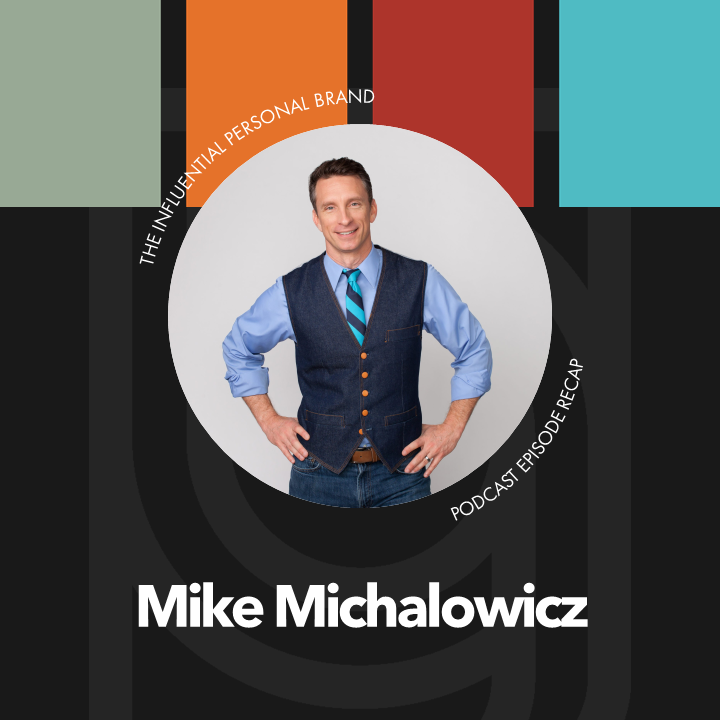
Here we go. We are back on the influential personal brand podcast recap edition today. We’re talking about the interview that we had with Mike Michalowicz, who is a long time friend of ours. Now at this point and a really brilliant author. We spent a lot of time getting to know Mike here in the last couple of years. And I know AJ has read some of some of his work and he’s just a friend, a friend of the community, and I am joined by AJ our CEO of brand builders group AJ. Welcome. Good to see you
AJV (00:32):
Always happy to be here.
RV (00:34):
Why don’t you kick us off today and share you know, let’s just kind of go back and forth. Here are our top three takeaways, but why don’t you get us started on, on what did you learn from Mike?
AJV (00:44):
Well, first of all, I had a really hard time watching this interview because all I could focus on was this enormous beard he has grown. So all I was like distracted the first 10 minutes of going, how long did that take? How does he care for this? Why is it so long? So first of all, just note like the first 10 minutes, I wasn’t quite focused, but what I did take away in those first few minutes, and I thought this was really interesting. So I don’t think this is necessarily like a tip or a technique or anything. I thought it was fascinating. And it’s that 98% of businesses in the United States are considered small business. Only 2% are considered enterprise businesses. So like, you know, your Amazon and your Googles and your Teslas only 2%, 98% are considered small business. And all of that, 98%, most of them are considered micro business, which means they’re doing under $1 million in revenue.
AJV (01:46):
Like that’s insane. And I just was like, wow, I think we forget because we focus on these huge companies all the time and the media and everyone’s case studies and comparisons. You’re talking about the Coca-Cola’s and the Amazon’s and Facebook. And it’s like, yo, that’s only 2% of us business. 98% are the rest of us like myself and Rory. And most of you listening and even a huge percentage of the 98% are micro businesses, which are doing less than a million dollars in revenue. And I think that’s really, really important when you choose what outlets to listen to. What books do you read what entrepreneurs to follow it’s. I think that’s really significant because I think there’s amazing. There’s amazing opportunities to learn from these enterprise businesses. Like I love learning about Disney and Nordstrom at the same time, I don’t have the ability or the funds or the Reese’s resources or the staff or the time to implement some of those things at that level.
AJV (02:56):
But if I was looking at someone who was just a slight step ahead of me, like, how are they doing this? I would be able to act so much faster and probably with a lot more confidence in going like, no they’re doing it. They’re just one step ahead of us. We got this versus like one day I want to have a customer service team, like the Ritz-Carlton and the four seasons, and we’re going to deliver, you know, Hain tattles to everyone who comes to our events. Right. and so I thought that it was really, really important just to take a step back and remember that for all of us, especially beaver, if you’re B2B and some capacity, it’s like, we’re really selling to other businesses who are considered small business and a huge percentage of those are micro business. And so how you reach those people, I think is fascinating, which is what the majority of the interview is about is your lead attraction process. But it’s just taking a moment and realizing 98% of American business or small business. And that’s what we’re going after. That’s who we’re selling to that’s who we’re a part of. And I guess that was a good statistic that I hadn’t heard in a really long time. So, you know, I was attracted to the, the statistic. But I just thought that was really good. So that’d be my first
RV (04:08):
Interesting, well, I think, you know, you make a good point there about like, if most businesses are micro businesses, then what would be relevant most relevant for us would be to learn from other micro businesses or ones that are a step ahead. And I think a lot of this conversation really was about gaining instant attention. And one of the things that he said was about relevance. He said, you know, our brain is designed to efficiently ignore things that are irrelevant. I thought that was such an eloquent, eloquent quote. Our brain is designed to efficiently ignore things that are irrelevant. And basically in marketing, you’ll hear this phrase. It’s, it’s a good phrase. It’s a good concept. It’s called a pattern interrupt that, that people, as they’re scrolling through their social media feed or zipping through their inbox, or just cruising along down the highway, you have to do something like that is a pattern interrupt that is sort of jarring or jolting to even get the split second opportunity to tell them what you do or introduce yourself.
RV (05:17):
And that you don’t, we don’t realize how much the brain is constantly ignoring and that the brain has to ignore there. The, I loved when he was talking about like, you know, if you just look around your office space, there’s so many things there that your brain is ignoring and you have to ignore it for survival as a way to like conserve mental capacity, to focus on like things that are really important and go that’s, that’s the battle here that marketing is really neuroscience and understanding the way that attention works. So I, that was, that was my first big takeaway.
AJV (05:50):
Yeah. I think that’s really, that’s really good and important. And similar and I had highlighted that as one of the, I thought that was a very interesting and what you said eloquent way of describing that the followup to that, and I’ll make this, my second point is don’t confuse different without rages. And I thought that was really good because I think some people think in order to stand out in order to differentiate, we’ve got to do something that’s completely outrageous. That’s never been done before. And that’s not necessarily the case, right. It’s just because you want to be different doesn’t mean you have to be so outrageous that it’s completely polarizing or it’s, you know, so outlandish that it takes some incredible ideas. Like that’s not really what we’re saying here. And I, I loved that whole concept of pattern interrupt and what it made me think about.
AJV (06:42):
And I thought about a couple of different examples of this. And for those of you who don’t know, you can go and Google the videos on this because they’re so stinking hilarious, but just a pattern interrupt, right? Just not outrageous, but different would be the advertising of some of these brands like Poo-Pourri right. Like that is just enough where it’s got personality to the brand. So you kind of fall in love with the personality of these people who were behind Poo-Pourri, which is like, you know, the spray that you spray on the toilet before you, you know, go to the bathroom, but the commercials are hilarious and they’re like these like mini series, like it’s, it’s not your typical 32nd commercial. They’re like three minutes. And it tells this whole storyline and you’re like, I got to see what happens next. What, what are they going to do?
AJV (07:27):
What are they going to say? And then the other one is the Squatty potty, right? It’s like that thing, which you put your feet on. I don’t know why are these are all about in the bathroom, but they’re so hilarious. And it kinda like gets you trapped in, and you’re no longer even paying attention to the product. You’re paying attention to the story. So it’s a true, you know, pattern interrupt. But that doesn’t mean it’s so outrageous that, you know, no one else could do it, that it’s just different enough that it catches your attention in a new way. So asking yourself, like, what is everyone in my industry doing? And then just think about how could I do it or talk about it or communicate it just a little bit differently. And I, I won’t go on a tangent on this because I could, but I thought about one of our clients and I hope he doesn’t mind me sharing the story.
AJV (08:16):
But one of our clients, his name is Matthew Davis and he’s an attorney, right. So he’s a lawyer and he’s got a law firm in Oklahoma. And, but here’s what I love about it is like, he’s also this like old school, like gun metal rocker. Right. So it’s like, you know, like eighties hair and like hardcore, like, you know, like I think about like seventies rock but just like Jammin, right? So I’m like white snake. And that’s like, that’s a huge party, like who he is deeply then this like professional, like white shirt and tie. And so they’ve got this whole new idea of talking about the lawyer. And they’re going to make all these hilarious, like, you know, F the law stuff. And I just think like, part of that is like, well, that is not what you would expect from the typical normal everyday attorney. Right. But it’s like just enough different where he’s infusing his personality. They’re not trying to be outrageous. They’re just living into how they’re already different and infusing that into their business. So a couple of rants there, but I thought those were all very relevant of you don’t have to be outrageous to be very different.
RV (09:24):
Yeah. That’s a good distinction. I, I, I made it, hadn’t made a note of that. My second takeaway was just kind of related to the first thing, but was that the brain immediately processes something as threat opportunity or ignorable, like threat opportunity or ignorable. And if you just think about like your website or your social posts or the start of your video, and you just go, okay, step back, detach yourself from the content for a second. And just look at the thing that you’re creating and ask yourself, is, are people going to see this as a threat and opportunity or an ignorable? And, and for most of us, you know, personal brands, we’re living in that space of opportunity. We want them to see opportunity. We want to, to quickly tell them what is in it for them, so that the viewer hears it.
RV (10:20):
And you know, this is, I recently heard a, an advanced training on like growing your YouTube channel. And this was one of the things that they were talking about is that basically the start, like the first seven seconds out of your mouth on a YouTube channel should be something like, Hey, welcome in this video, you’re going to learn blankety, blankety, blankety blank, and three reasons why you shouldn’t blankety, blankety blank, stay tuned, and we’ll get, you know, stick around. And then you go into the trailer and think, and so they’re like immediately hitting people with that opportunity. I think of the title tests that we teach at brand builders group to our, to our clients in our phase one course, one brain finding your brand DNA event. We talk about why most titles are terrible and it’s, it is very much connected to this conversation with Mike about just going, you have to demonstrate within milliseconds how, what you’re communicating is an opportunity for the viewer, for the reader, for the listener. And it’s very simple, but it’s, it’s super, super difficult. And you just, you just gotta be intentional about it.
AJV (11:26):
Yeah, no, I think that’s really good. You really went on like the science brain.
RV (11:31):
I know. Yeah. I was on the, I was in the nerdy. I was nerding out over this. I was like, Ooh, I like this.
AJV (11:37):
That’s awesome. Okay, so this is my last one. I’ll make it short and sweet since my other ones were really long. But it was he asked a simple question, like, what’s your number one source of lead generation. And for most small business, it’s word of mouth and words. It’s somewhat reactive, not a whole lot of proactive. And I think this is really true. It’s like even in our business, you know, ad say we’re just exiting our start-up mode from brand builders group. We’re three years in. And most definitely a hundred percent of the business that we have garnered in the last three years has come from word of mouth, through affiliates or clients or through friends and family and past clients. But it’s definitely been word of mouth. And here we are three years in and we’ve built an awesome, you know, multi seven-figure business off of word of mouth, but probably to go to the next level, we’re going to have to do something else.
AJV (12:31):
So it’s like, at what point do you prepare yourself to move from this reactive? You’re just doing such a good job. Everyone is talking about it to no. Now I’m intentionally going after growing and expanding, scaling my business with intentional proactive marketing. And if you really want to grow, then you’d have the responsibility to market. And if you believe in what you do, then you have the responsibility to go out and tell people about it. Right. And I think a lot of people very much put marketing off to the side of like, oh, we’re, we’re, we’re doing just fine. We’re going to let it grow organically. And I think that there’s no problem with that. And then there’s another school of thought of, well, if you really believe in what you do so much, that you think it helps and you think it changes lives, then you have the responsibility to get out there and make sure people know about it. And I think there’s, you know, somewhere in between is where a happy medium is probably where you should be. But I also believe that it’s like, you know, if what you do really helps, then it is your job to get out and tell people about it. I E marketing.
RV (13:34):
Yeah. That’s I think a marketing is just like one of those things. It’s a skill you have to learn to do it. You’ve got to do it consistently. You got to choose to do it over and over. And yeah. I think what you said there AIJ is so true. It’s like, so to scale, at some point you got to extend beyond just the, just the word of mouth. When I think about marketing lessons that we’ve learned which is also my third takeaway here, because Mike reminded me of it was that in your marketing, you have to tell people exactly what to do. Like the marketing cannot just be like brand awareness or impressions. You have to include a direct call to action, which would say, you know, make sure you like, make sure you follow, make sure you subscribe, make sure you share, leave a comment, register, click this link, sign up, go like you have to include the actual instruction and the order and the command because otherwise people don’t do it. And it just because you, they have to be told exactly what you want them to do. So don’t just tell them who you are, tell them what you want them to. And that’s a big, that’s a big thing that I’m trying to focus more on. And cause you see like all the top marketers are doing that all the time. They’re very clear with what’s the instruction that they are, they are driving with their audience. So on that
AJV (15:06):
Of you who are listening, what we want you to do is go and subscribe to the podcast, the influential personal brand podcast. Here’s what you need to do. Subscribe, make it very clear, just like that,
RV (15:20):
Just like that. And if you haven’t yet requested a call with our team, go to free brand, call.com and request a call with our team. And we can start working with you formally on, on crafting your custom personal brand strategy plan to help you build and monetize your, your impact in your influence. So check that out. Also keep coming back every single week. We’ll catch you next time on the influential personal brand. Bye-Bye.
Ep 210: Gaining Instant Attention with Mike Michalowicz

RV (00:07):
[Inaudible] Hey, brand Builder, Rory Vaden here.
RV (00:10):
Thank you so much for taking the time to check out this interview as always, it’s our honor to provide it to you for free and wanted to let you know there’s no big sales pitch or anything coming at the end. However, if you are someone who is looking to build and monetize your personal brand, we would love to talk to you and get to know you a little bit and hear about some of your dreams and visions and share with you a little bit about what we’re up to see if we might be a fit. So if you’re interested in a free strategy call with someone from our team, we would love to hear from you. You can do that at brand builders, group.com/pod call brand builders, group.com/pod call. We hope to talk to you soon. Well, my man, Mike Michalowicz is one of my favorite thinkers on entrepreneurship.
RV (01:00):
I, you probably have heard of his book profit first. He’s the best selling author of that book has got thousands of reviews on Amazon is very popular among the entire entrepreneurship community. He also has written several other books, clockwork fix this next. And he’s got a new book coming out at September of 2021. It’s called get different, which is what we’re going to talk about. But by age 35, Mike had founded and sold two different companies wanting to private equity, another to fortune 500 he’s a former small business columnist for the wall street journal. He was a make-over specialist on MSNBC and he travels the world speaking to entrepreneurs. He’s he? He is a speaker he’s on stages. We’ve met each other, gotten to know each other a little bit over the years. And I just think he is one of the most influential thinkers and thought leaders in the space of entrepreneurship. So Mike Michalowicz welcome to the show, man. I was in
MM (01:57):
The house. Yeah.
RV (02:00):
So get different is it what’s this is, this is the newest, you’ve got a nice, you’ve got a nice building brand, like a very consistent just body of work that you have done, which I love. So what’s, what’s get different. Why, why the need for this book? Why now?
MM (02:22):
So it’s the why I want to do is boil down what the essence of effective marketing is. And the reason is most small businesses are highly ineffective at marketing. Actually that’s the whole reason your business exists is because so many people, we can’t do it on our own, but what’s interesting is you know, this is kind of pre COVID with all the traveling that’s going on and starting to come back. But nothing like it was in 2019, is that when I go to events, I just ask people by show of hands, like an informal survey, what is your number one source of lead generation marketing cash lead flow. And I would say, raise your hand if this is the number one source word of mouth and like 90% of the hands go up. I like the whole survey is done with the first question and realized that most businesses are dependent upon their clients to do the marketing for them.
MM (03:18):
It’s a blessing. If your client wants to refer you business shows that they trust in your service. They think of you to a high enough degree to refer you. But at the same point, that means you’re at the whim of the customer to market for you. And so I said, what was the consequence of this? And consistently it’s these pendulum swings of too much opportunity for me to handle. And therefore we stopped doing service effectively, or we fumbled the sales process and we actually disappoint people, even in marketing and sales before they do business with us. And then the flip-flop side is no opportunity. We’re panicked. We have to start cutting costs. And as this kind of maniacal bipolar existence for business. So I wrote at different, I spent 10 years working on this. I’m in the research phases, extrapolating knowledge and stuff, but really in the last three years actively writing the formula and testing it and then writing the book and what it boils down to is a, a, we have responsibility to market like you, I, we, the listeners, if, if we have a offering that is of service for our clients, if our offering is better than the alternatives are considering competition doing it themselves, if what we offer is better, we have responsibility to market because if they don’t discover us, that’s going to be the client’s problem.
MM (04:41):
It’s, it’s admittedly our fault for not exposing our brand. So the first component is, is like, wow, people are afraid to market because we think it’s invasive. And the reframing is you must mark it because it’s the only way to be of service. Then I go through the elements of effective marketing and there’s, there’s these three key elements that if you miss any single one, your marketing is going to fumble. So that, that’s what the book’s about.
RV (05:04):
I love it. So maybe we’ll dance this into some of those three things, but the first thing is just going you know, word of mouth, isn’t predictable. It’s not scalable. It’s not controllable. There’s not a, there’s not a button that you can push or a lever that you can pull that says, bring me more clients. Right. And if you don’t have that, like if you don’t have that one button or that one lever, I feel that’s a pretty freaking scary place to operate. And you’re saying you think that, I mean, do you think most businesses, like the massive majority, the large majority, most som all, like, just kind of like how many people you think are living in that world.
MM (05:49):
Yeah. Yeah. So I’ll give you the shocking observation on buggy tobacco numbers. So the massive majority are highly ineffective and marketing, meaning they’re not doing any marketing whatsoever besides getting a referral from a customer which is not marketing in the first place. It’s this customers referring us out now, here, here’s the data that backs it. Over 98% of businesses are defined as small business in the U S so it’s only the, the very few that the mega corporations, the names recognize the Amazons and the Facebooks of the world are truly the exception. And others, 98% of small businesses 90% of them or thereabouts are micro enterprise, meaning they do less than a million dollars in revenue. So your company is Rory is the exception to most businesses. Most businesses are a handful of people. And the, the marketing is a kind of a shotgun or pot shot approach reactionary.
MM (06:50):
So we don’t have enough leads. Oh my gosh, why are clients referring us? We better do some marketing. Hey, I heard some potent rent. Someone ran Facebook ads in our industry and had great results to start running Facebook ads. So we go in, ill-prepared not understanding what the marketing is or how it works. And then when it fails to succeed, we’re like, oh, Facebook socks, no, we didn’t even understand the basic principles of how functions, but more importantly, we didn’t even know the basic functions of effective marketing. So it’s a very kind of knee-jerk reaction, which has no marketing at all. And sadly, that’s just the majority of business.
RV (07:23):
Yeah. Well, and it’s like, not only is the business vulnerable, the, the, you know, certainly the revenues vulnerable for the owner, but even the, the viability of that business. And so the job security of those people inside the business is a little, that feels, that feels pretty vulnerable. So what should small businesses be doing? Okay. So if they’re not, if they’re, if they don’t want to do that, or in addition, let’s say in addition to that, right. Cause you’re not saying word of mouth is bad. You’re not saying referrals.
MM (07:52):
I think it’s wonderful, but it’s Hey, right?
RV (07:55):
Yeah. Like what should we be doing if we’re not doing that?
MM (07:59):
Yeah. So if client referral is the icing, we need to be in a deliberate process. That’s the cake and what we first need to do. And we talked about this to some degree already is see that marketing is not a burden. It’s not to the client or prospect. Your targeting is not offensive. Marketing will either be ignored because it’s irrelevant or not seen. In fact, most cases it’s just not even seen. But when, and we’ve all been there, I, I need, you know, I’m, I’m so hungry. I need somebody to eat right now. I, gosh, I’m driving on the highway, going back to visit my Alma mater. Thank God for those marketing signs that say, you know, restaurant or diner this way. And that’s marketing because it’s satisfying a need. I have. If those signs didn’t exist, I wouldn’t find the restaurants. I wouldn’t know where they are.
MM (08:50):
Thank God for GPS has made. I can find it that way. So marketing satisfies need. And so we have to realize that marketing is a necessity, a responsibility that we also have because it serves clients. But then to market effectively, we have to go into these three elements that explained in the book. The first one is the acronym is called dad, dad. And the first one stands for differentiate marketing. Doesn’t get noticed once the same as everyone else’s. So you have to do something that is unique for your target audience. So for example, if my community of readers all get emails from other authors, all saying, you know, read my next book. Well, my message gets blurred into that. So I have to find a way to differentiate, to get noticed. And why is it so important is the human mind is wired to ignore what we expect and already qualified as irrelevant.
MM (09:48):
The classic example is, Hey friend, the first time I got, Hey, friend, email, Rory, I was like, who is this friend? Like, you know, it’s probably five, six years ago. I’m like, Hey friend. I’m like, oh my gosh, I have a friend called me friends. Like, which friend is this friendly friends? Like I told you, and as I was reading it, then I’m like, oh, this is not a real friend. This is a marketing message. That’s totally not applicable to me. Well, the next, Hey friend that came in a day or week later, I was like, Hey friend, last time was a marketing message. I read this, this one’s a marketing message. The third one, everyone, since the tens of thousands that got sent to me or hundreds, I don’t know what it is. I’ve never looked at one again because it’s habituated. Habituation is where our mind is designed to efficiently ignore stuff that is irrelevant.
MM (10:35):
And if you mark it and a common method that everyone else uses, you’re deemed irrelevant because it’s already known to be irrelevant. So stage one is do something different and don’t confuse different or outrageous. I’m not saying you’ve got to wear a bozo, the clown costume with those big floppy shoes. And you know, Wakawaka lapel and tell people to do business with you now will get noticed, but it may not pass some other tests. Just what is uncommon in your industry. Maybe you can take something from another industry introduced to your clients and there’ll be enough to awaken them. It’s like, if you and I were outside in your yard behind you there, and somebody squiggled on the ground, if it’s unexpected, we will take notice of it because we have to qualify it as a threat or opportunity.
RV (11:18):
Huh. Yeah. This is a kind of the concept of a pattern interrupt. Yes.
MM (11:24):
Right? What it is, it’s exactly what it is. So our mind, there’s a thing called the reticular formation. There’s a thing called reticular activating system that some people are familiar with. But reticular formation is this neural web that says the brainstem it’s job is to ignore 99.999. He goes on for a long time. Percent of the stimulus round is, and right now, where if you look around the that’s you’re at I look around mine. There’s stuff that could just draw our attention and go on for hours and hours as picked up this blue pen, I could look at it and say, well, you know who, why blue? First of all, who invented the word blue? Hello? You know, why is that rhyme with two? And whoever had the word and you know, it just goes on and on. It could just be endless consideration, but our minds are wired to ignore all the stimulus so that we can pay attention and gain value.
MM (12:11):
Hopefully the dialogue we’re having. So differentiate breaks the pattern and it works, but here’s the deal. It works for one 10th of a second. So I call us the blink test. If you do a deliberate blink now, as fast as you can, like your fastest blink ever, that’s still slower than how much consideration we put into something. Meaning as subconscious level, our mind can evaluate is something worth considering further or can it be flushed out in less than one 10th of a second? So differentiate gives you this one 10th of a second window, that gets you to the next part of our brain, which is the prefrontal cortex where conscious thought happens. And this part of our brain, the mind then says, okay, this guy know this got prioritized as something to consider that squiggly snake in the grass. Now I’m looking down at it.
MM (12:58):
I’m consciously considering this is this a snake. Does someone turn the hose on? It’s kind of flopping around what is this? Our brain is looking for three things, threat opportunity or ignorable. If there’s a threat, we’ll go into fight or flight or freeze. There’s other things, but we’ll, we’ll basically combat it. So you don’t want your marketing to be a threat. I can sell you, send you a mailing piece and say, you know, direct mail works so effectively when you put white powder in it, everyone pays attention. Yes. Yes. Everyone pays attention to the white powder coming out of the envelope, but it is a threat. I will go to jail. You know, you will call 9 1, 1. You will never want to receive or open that email, that message I sent. The next thing we go through, is this an opportunity? So by the
RV (13:37):
Way, on this one, so, you know, like people always, I was always confused. Cause I heard people say stuff like the first thing that people look at when you meet them is your hands. And so, you know, I heard someone say like, oh, that’s a reason why you should have, you know, get manicures or like take. And then I realized, I learned later that it’s like, no, they’re not inspecting your hands. Like, are they lotioned? They’re looking to see if you’re carrying a weapon. Like that’s what, when people say that, that’s what they mean is your brain is instantly calculating. Like, is, is there a, is there a threat? But even, but even that it’s, it’s almost like even a threat would be better than being ignored. People like to be like, you don’t, if, if you’re doing the same marketing as everyone else, you don’t even get that consideration. Like you don’t even make it to level two without the pattern interrupt. That’s correct. That’s correct.
MM (14:29):
A threat though. Causes problems down the marketing chain, but you’re right. Again, it guarantees attention. Like if you and I have a meeting, I said, Roy, we got to have serious conversation here. And I plopped down a gun. We’re gonna have a serious conversation. The thing is, you’re gonna punch me in the nose is the second. You get a chance. And take that gun away from me. So it causes conflict. The ignorable is a risk. Like if, if it’s, if we don’t see it, but once we get the attention of the prospect, if it’s not a threat, they will then say, is there an opportunity and an opportunity? Is there something that delivers value to me
RV (15:04):
By the way today is this attention, is that the D is differentiation, is this? And then the next
MM (15:09):
One is called attraction. Oh, okay. Yeah. So differentiate is stage one and it gets to the prefrontal cortex and the prefrontal cortex says, is this a threat run? Is it an opportunity consider or is it ignorable? And then it just, it qualifies it. Or it puts in the catalog to ignore in the future. If you get the opportunity at the differentiate level, you get forwarded on to the next step, which is attraction. Once I say, Hey Rory, I got I have someone that you got to meet wherever I get your attention. I got someone you gotta meet. Now I’ve positioned yourself for attraction. Attraction is where we go through the qualification process. Like, well, tell me about this person and why is this an opportunity? Our mind is now going into incremental segments of, should I continue this conversation? Is there a continuing value to me?
MM (15:57):
And yes, it plays out at multiple levels and we have a rapport. If I say someone you should meet. And that person is of no value to you. Since we have rapport, you may want to maintain that so we can maintain rapport, but the primary level is, are you going to derive direct benefit? And when I’m marketing, I have to show that very quickly, that direct benefit could be solving a problem. It can be entertaining you in some capacity, if we arming you for the future education it could be just a curiosity factor where you’re you keep people engaged in something as they learn more, as you kind of drip it out. The key to attraction is it happens in these millisecond increments also. So we’re, we’re looking to constantly stay engaged or dump out. And so our job during the attraction phase of our marketing is to keep people engaged.
MM (16:41):
The thing is the longer you try to maintain attraction, the less compelling it is to stay. And therefore people over time, if it’s not building a compelling argument, people are gonna drop out. So be concise and grow the compelling nature of it. So if it’s going to be long, make sure that keeps on building more and more interest engagement, not Dwayne waning, but growing. And then the final phase of effective marketing is the direct phase. So we differentiate to get attention, attract for engagement and then direct to compel the audience, to take a specific action. And is your, is your friend, our mutual friend, Don Miller says, you know, if you confuse, you lose and most people just kind of leave their clients or prospects in ambiguity. It’s like, w what do I do? I guess nothing. And they fade away. So here’s where we give them a specific action to take.
MM (17:33):
But the key for this is it needs to be reasonable. So say you’re in the market for a car and on the sorts of the sales guy and you come in and I’m like, Hey, we’re already nice to meet you. Give me a hundred thousand dollars. Now I’ll start searching for your dream car and wherever the distance difference is, I’ll it to you. You big? No, but what could happen is that you can come to the showroom and I say, Hey, Rory, would you be willing to give me your cell number? I will then text you pictures of the cars in our inventories. We discovered the cars to see if they match up with what you want. And we find the one and we can take the next step together. That may be much more reasonable action. And I have permission to market to you. So the direct stage for me, the person trying to do the sale, I want to move you or matriculate you as fast as I can toward the ultimate transaction by the car. And I need to balance that with you feeling safe at every step of the way. So that’s the three elements that
RV (18:26):
Huh. I love that. The, the, you said that last, that last line is, you said, I want to move you as fast as I can towards the transaction, but I need to be able to balance that, that you said an interesting phrase, you said with you feeling safe. Yeah. Why did you say that?
MM (18:48):
Yeah, because a threat is the trigger for avoidance or conflict. And so you’ll see every step of this, if the threat presents itself, transaction’s over. So if I differentiate, because I walk into the room with a gun, you’ll notice, but the transaction’s over. It’s about survival during the attract phase. I am putting threatening messages out there. If you don’t do this, I’m gonna destroy you. Now, I’m going to combat a situation at the very end, as I’m trying to direct you to take action. The second you feel threat, you know, you’re out you know, we’re, we’re like any other herd animal that the second that CA the antelope sniffs, a hunter it’s bolting. So I need to make sure that I’m moving you in reasonable substance, kind of the Goldilocks porridge. It needs to be just right, that you feel safe and comfortable taking that next step together that there’s trust building in these, these different interim transactions before the ultimate transaction. But also I need to do as quickly as possible
MM (19:42):
If I move so slowly,
MM (19:43):
We may never get to that transaction. You may be engaged in another marketing campaign or sales campaign. That’s moving into a transaction much faster, and I lose out. So I want to move you expeditiously to get to the transaction, but also reasonably so that you maintain a comfort level throughout.
RV (19:58):
Mm. Love it. Y’all I mean, that’s what I’m saying. Like these are so sharp and concise and understanding, you know, what I love about what you’re doing here, Mike is this book get different, is connecting the neuroscience of the brain into marketing strategy and the, and the fundamentals of marketing. So this has been so powerful. I think there are there’s, there are at least three ideas here that are going to stick with me for the longterm. Where do you want people to go? If they want to get, if they want to get a copy of the book or keep up with you and all, all the things you’re up to.
MM (20:38):
Yeah. I invite people to go to the one place, singular direct, right? Go to go get different.com. And the reason I invite people to go to site is if you want to get the book, there’s ways to get it through that site, all major retailers and so forth, but more importantly, there’s a resource link there. It has always different case studies. So we ran hundreds of companies through this, and we came up with these case studies. Some that you can apply immediately in your own business, out of the box marketing that is different, attractive, and gets results and case studies where you can just see how another company went through in the experience of implementing campaign like this. So it’s go get different.com.
RV (21:17):
We will put links to that. Go get different.com. I like the dad method. I like the dad model. Cause I’m dancing. That’s the stage of my life.
MM (21:29):
[Inaudible]
MM (21:29):
You’re saying at the end, any marketing you look at simply ask yourself, does data prove certain context is a little bit creepy when you’re older, but you
MM (21:36):
Know that doesn’t approve. We ain’t doing it.
RV (21:39):
I love it. I love it, man. Well, thanks for sharing your time and your wisdom and your insights. So sharp. I know we’ll see you again soon and we wish you the best. Thank you, brother.
Ep 193: How to Be an Amazing Show Host with Ken Coleman | Recap Episode
RV (00:02):
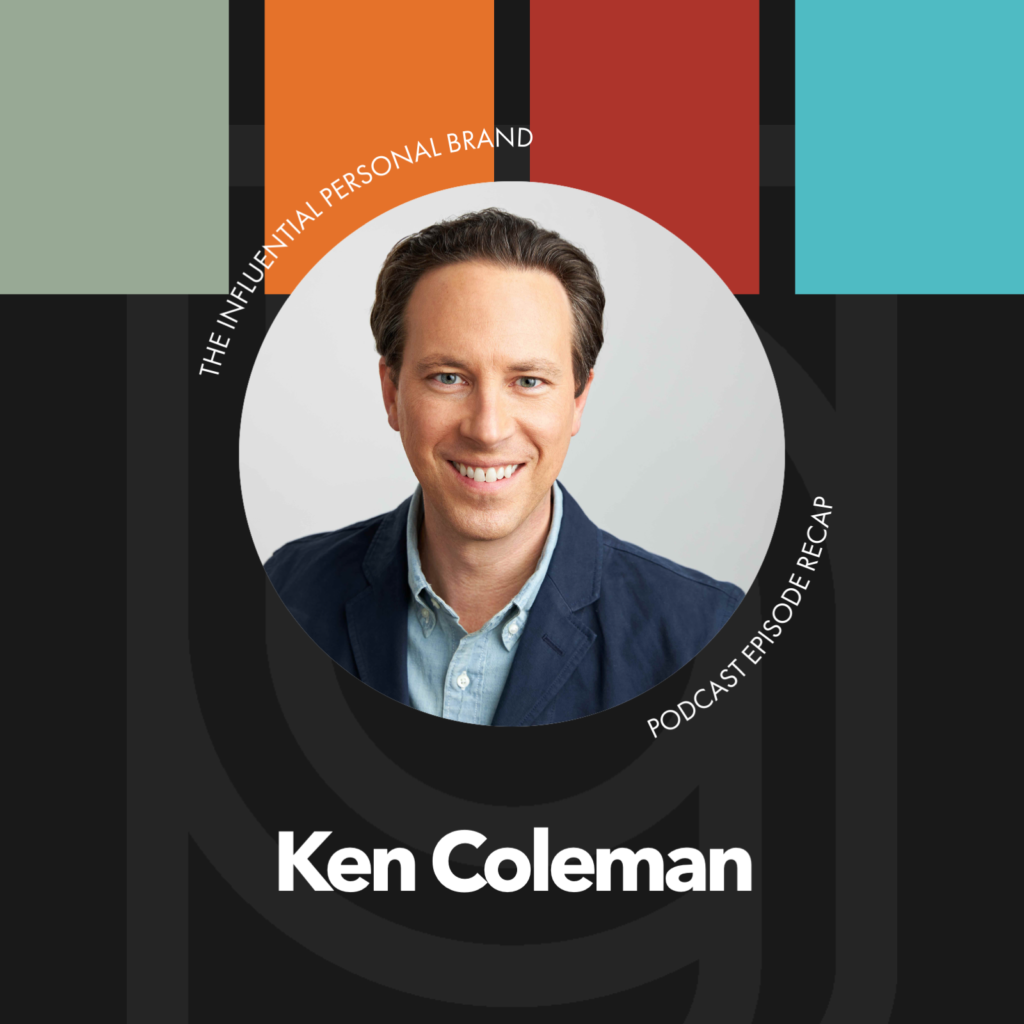
On this episode of the influential personal brand podcast, I had a chance to interview her interview, a master interviewer about he prepares his interviews, his guests, uh, obviously I’ve known Ken for a long time. It was actually my first ever recurring media appearance was being on Ken’s old show back when he was in Atlanta. So this was really great. I’ve always loved Ken as an interviewer. And, uh, I’m joined of course by our CEO, my business partner, my wife, aj Vaden, uh, she is here. So we’re breaking this down. I’m going to hop right in to probably the, I guess probably the, the biggest takeaway or at least the first like this, this was a big one was when Ken said, don’t listen to what they are saying, but how they are saying it. And listen for the emotions, listen for kind of like underlying emotions that they might be experiencing that they’re not sharing.
RV (01:01):
And, you know, I thought this was really good because I, I think a lot of personal brands are doing interviews these days for whatever, for, for their, for their book, for their podcast, for their, you know, live show, whatever. But it also reminded me of the days of sales, like in teaching sales, where you’re, when, when you do sales training, you’re listening, you’re listening to what they’re saying, but you’re kind of listening for what’s behind the scenes. And I never really equated those two things like, oh, this is a skill that, you know, I kind of learned in sales that really applies to being a great interviewer. So that
AJV (01:36):
Was, that was the question. Yeah, exactly. Exactly. That’s a good correlation there.
RV (01:42):
Yeah. It’s stuck that stuck with me. So what was your, what was your first takeaway? I
AJV (01:46):
Think the first one for me, I thought was really important and overarching is something that he talked about that he’s never intimidated when interviewing guests. And I think this is really important because we listened to a lot of podcasts interview. A lot of people, we are interviewed by a lot of people. Um, but I think there’s some real power in going first. Someone here was, you know, doing interviews of presidents and world leaders and various significance, uh, to give significantly low known individuals is that it’s like, you can’t be intimidated when you’re interviewing your guest because when they’re your guests, I get your show, right? Like you’re, you’re the boss, you’re, you’re the one leading the charge. And I loved, uh, he shared this example about Tom Brady, right. But he said, I’m never intimidated because of preparation and experience. Not because I know this person so well, or we’ve had all of these intimate conversations, it’s like, no, I prepared.
AJV (02:43):
And I’ve done this enough to know what questions make a difference and how to pull out really good answers. And he said, I love this little quote, relentless preparation leads to reflexive performance. I thought that was really good. Um, and then also just, you know, using this Tom example about, you know, him as a quarterback and how he can like lead this team on the field war, it’s like he didn’t go out there and do that for the first time. Right. That didn’t happen on try number one, but at some point by doing it enough times and preparing enough, it really becomes instinctive. Right. Um, and it’s, it’s not like you’re going out there going, okay, I’m going to study up on every single person to the, you know, millions degree, even though we’ve had other guests come on and say, that’s their unique advantage.
AJV (03:29):
Right. They do it. And that’s okay. But at some point you got to just be a good enough interviewer where you know, what questions to ask and you know, what to, how to pull out the question behind the question. And I thought your point was really good. It’s, it’s being intuitive enough that you can listen to the emotion versus just the words. But to me, it was more about, uh, you’ve got to know what you’re doing enough, that it really becomes instinctive so that you’re not worried about what’s the next question. I’m going to answer that you’re just present in the interview. Right? And I, this is how I’ll wrap this up. This was my, I thought this was the most interesting part in my first point, which was, he said always, always the best parts of the interviews are the ones that you do not plan. Right. It’s the best parts. And I just think that’s true in life. That’s true in life. Um, but it’s like the best part. So the parts that you don’t plan, but you can only do that if you’re being present and what’s really happening versus being nervous or worried about your list of questions or trying to make something fit, but don’t do that. Just be prepared enough and confident enough that you can be instinctively present in the conversation because that’s when the magic happens.
RV (04:44):
Yeah. I think it’s ironic how though, it’s almost like the more you plan, the more you’re able to do things spontaneous and unplanned just where that magic happens. So I want to dovetail on a dovetail off that because, um, this was going to be my third point. But since you were talking about prep, my second big takeaway was just how, like tactically, how he preps for an interview. I remember the interview we did with Jordan harbinger, which you can go back and listen to y’all, it’s still up on the podcast. Or if you, you go to our influential, personal brand, summit.com, you can listen to it there. But, um, Jordan reads like the entire book of every guest and his prep. That is his competitive advantage of one of the things he does. But he’s a, he’s a full-time interviewer, like that’s his gig. But what Ken shared here was that there were three, three things about how he preps number one asks, how can this guest provide value to my audience?
RV (05:43):
That is the core of it. Right. And putting yourself in the audience’s shoe shoes, um, was huge. And then he said, right, the last question first and right, the first question second, that was super tough. I love that. I thought it was super practical because it, if you write the last question first, it kind of tells you, oh, this is however we get there. This is sort of the arc that I’m wanting to go on, which I thought was powerful. And then the first question, second of which I think it’ll really stick with me, those two things. And he said, Hey, that first question, I always try to focus on an intimate detail from their life. That’s basically, I don’t think Ken said it quite like this, but at what resonated with me was he was going ask them a question about a detail of the, of their life that a normal interviewer never would have done enough prep work to know that question, to ask in the first place, because it creates that connectivity and it lets their guard down. Like it’s something they’re super passionate about. That’s maybe even unrelated to the interview. So a couple ninja tips there that are super practical on how to do expert interview prep. Yeah.
AJV (06:53):
Well, I’ll, I’ll dovetail off of your number two, because that was, um, because I, I wrote that down too, as a part of my point too, which is, you know, the most important thing is to really go, what’s the last question I want to ask and really like, you know, orchestrate the whole interview around knowing that, and everything’s leading up to that. Um, but I also wrote down a couple of other things that were very tactical and very technical. That would be very helpful. It’s just, first of all, you have to know as the host, right? The interviewer host of whatever it is that the interviewer is, what does your audience want to know? Question one, right? Question two. What is your audience need to know? And then three, what can my guest through their experience and expertise give to my audience based on those two things.
AJV (07:49):
I love that. And I think that is really a healthy juxtaposition of making the interview about both the guest and the audience. And I think one of the things that he had mentioned was that, you know, a great interviewer makes the interview all about the guest. And I would just add onto that is like a great interviewer, makes it all about the guest in relation to the audience. And I think it’s just this really healthy juxtaposition of like, yeah, it’s all about the guest. It’s not trying to highlight anything from the host experience or their background or their whatever. It’s like, no, this is really just about you, the guest and how you, the guests can provide value to the people who are listening. So what is, what do the people listening want to know? What do they need to know? And what can you, the guest give to them? And those two regards and your job as the interviewer is to make that connection.
RV (08:49):
That’s good. That’s good. Yeah. I like that. That, that’s a good thought. Like you have to know what your audience wants in order to be a great interviewer in order to be able to know what, what, how can I, what do I need to ask and how do I get the value out of them? You’ve got to be connected to your audience too. Um, I love that. So the, my third takeaway, which was really gonna be my second takeaway was about making your, how to do your interview in a way that it is entertaining also. And it kind of ties to what my first point was. But I asked Ken specifically about radio shows because radio shows are really difficult. Um, I did one for a while. Terrestrial radio Egypt probably remembers those day. I wasn’t very good at it,
AJV (09:32):
But we had the part of our past,
RV (09:38):
Well, it’s hard because it’s live and it’s, everything is compressed. There’s like, you’ve got, you’ve got six minutes to build rapport, get to know this person, get their backstory, get into the issue, solve their problem. And it’s like doing this in six minutes and be entertaining all at the same time. It’s really difficult. But when, when Ken basically said something to the extent of, of basically if you can get them to share their heart, it will be both powerful and entertaining. Um, so it’s like if they just talk from their head, it might be useful and educational, but if you can get them to share their heart, that will be entertaining, whether it’s sad or happy or, you know, like funny or, or profound or whatever. And so it’s kind of that same thing of what the first one was, was, was figure out what’s going in their heart and ask them about what’s going in their heart more than what’s going on in their head.
RV (10:37):
And I think, I think it gave me permission as, as a host. I’m sometimes also in the back of my mind, going, not only how can this be useful for people, but how can we make it sort of fun and engaging for them to listen to? And it, I feel like Ken relieved a little bit of that pressure to be like, Hey, like if you do this right, and you’re so present, like you were talking about ha like if you’re so present and you’re dialed in on like their real underlying emotion, that question behind the question, or like trying to access their heart, it’ll, it’ll be entertaining automatically as a by-product. So you can just like really focus on that. So that was a, that was a helpful thing for me.
AJV (11:16):
Yeah. Well, my third one isn’t necessarily something that I picked up, um, from the Ken Coleman, uh, interview, even though Howard, if you’re doing any sort of interviewing, you should definitely go listen to this. There’s some really great technical, uh, tips and, you know, just tactical strategies, like it’s really solid. However, my third point did it come from the interview, but more as a listener of a bunch of interviews and some things that I kind of jotted down throughout the course of this interview around like, no, this to me is just a listener sometimes. Like these are the things that are really awesome. And then also as a guest, right, as the person who’s being interviewed have some tidbits. And so I’ll just give a couple of quick are those, cause I think these are really relevant to the conversation. And the first one is like, I find that the best interviews of all times are the ones that are hyper-specific right.
AJV (12:07):
Like a great example, as I was listening to an interview, not too long ago. And one of the questions was, uh, what piece of leadership advice would you give to all the listeners it’s like, that is that it’s too broad. It’s too general. It’s too generic versus what is the one piece of advice that you would give to someone right now who is leading a team of people who do not see the vision. Right. And it’s the difference of something so broad in general that it doesn’t latch onto it doesn’t have that same, um, memorability factor. It’s like, I don’t even remember what the answer was. Um, but it was just at, it’s fine that there’s power in the specificity of the questions and the answers, um, that really allows you to hone in and go, oh yes. Tell me that. Right. Or also specific stories.
AJV (12:59):
Right. I remember some of the best interviews that I’ve ever heard are, do user stories. I still remember. And you would have thought, I’ve heard this conversation yesterday when it was like 10 years ago. And I think too, it’s the specificity of the stories as well as the points. Uh, but that has a lot to do with the person who’s asking the questions. But then also I would say as important as it is to be a great interviewer, people also need to learn how to be a great interviewee. Right. I think that is really important too, because I’ve listened to Sue minty interviews where I’m like, okay, that was not what it could have been to the interviewer, but also due to the interviewee, right? Giving generic, uh, stories and examples and not being prepared or not really answering the questions that the interviewer asked. Like, I hear that quite often. I’m like, well, I really wanted to hear the answer to that question. Not whatever you just shared.
RV (14:00):
That’s like a political move. It’s like the politicians, the politician answer
AJV (14:05):
The politician answer. Um, I think those things are really, uh, important. And here’s what I would say too, is just like a, an interview. We, uh, here’s something that I think is really important is not make it about the subject matter, but this is something that, um, Kim said, make it about the human, right. Like start with something that is humanizing. I remember one of my favorites, a podcast that I was a guest on here lately. And it just made me think about this, uh, was a good friend of ours, Carrie Jack, the happy hustle. Yeah.
AJV (14:39):
Um, but he was such a great interviewer, not just because he had prepared questions, but the enthusiasm he brought and the genuine excitement, like I felt genuinely like he was excited to be talking me. And he also does this like rapid fire list of questions to his guests, but they’re not always the same questions. And I think that’s really unique and it, you know, he was asking me about different, um, you know, uh, tricks or tips, uh, about all these different areas of your life. And I think it had nothing to do with personal branding, but it had everything to do with me, the guest, and it took the pressure off. It took the weight off of him and made go, okay, just for a minute, rapid fire, tell me the answers to these 10 things. And it’s really humanizing and fun and different. And I think really powerful to do in the very beginning because then it’s like, I get to know, even if it happens in 30 seconds, just enough about the personality that I’m like, oh yeah, I want to hear more of this. So those would be the things that really stick out to me. I’m going, those, those things are powerful of like, yeah, that person is fun and engaging in one of expected that, so it’s this humanizing factor that has nothing to do with the interview, but yet has everything to do with the conversation.
RV (15:56):
Yeah. That’s so cool. It’s being dialed into that person. Carrie does do a great job of that enthusiasm and making me feel so special and wanted. And that makes you perform better as the guests. I feel like when somebody is like, I’m excited that you’re here. Yeah. Um, well I love that stuff. Uh, again, very specific skill. That’s becoming more and more important and useful in the world in many, many ways, from one of the great interviewers of our time, Ken Coleman to go make sure you listen to the full episode, uh, and just keep coming back week after week, we’ll be here to support you on your journey. That’s all we got for this edition of the influential personal brand podcast.
Ep 192: How to Be an Amazing Show Host with Ken Coleman

RV (00:02):
Well, long before Ken Coleman was a Dave Ramsey personality. He and I were friends. He hosted a talk show in Atlanta and my appearing on his show as a regular guest was one of my first ever gigs like a regular recurring guest. And it’s amazing to see how Ken’s career has grown. He truly is like one of America’s number one, you know, like the number one career coach or one of the top career coaches, he is the bestselling author of a book called the proximity principle. And he hosts a nationally syndicated radio show now called the Ken Coleman show. And so he has been hosting. He also has, you know, he hosted the, the Rams, a YouTube channel. Now he has his own YouTube show. He hosts a lot of the events for entree leadership, the summit master series and all of these different events that they do. And he’s just an amazing guy and it’s been awesome to see how his career has evolved. His personal brand, at least, you know, as, as I perceive, it is really around helping people find purpose at work. And, and, you know, he’s got a new book coming out later this fall or around seven seven stages for how, how to really do that. And so anyways, I’m excited to bring Ken to the show. You haven’t talked to him in a while, buddy. It’s good to see you.
KC (01:30):
Good to see you. I feel like you couldn’t be any more of a beautiful serene setting behind you. There is. That is that real people need to know
RV (01:39):
It is that’s our, that is our back. That’s our backyard.
KC (01:42):
You have to finish the interview by running out and jumping in the pool so that we can see that that would be great.
RV (01:47):
So here’s the thing. So that’s the backyard, but I am in the basement. So it is a picture. It is, it is actually, it is a picture of the backyard. And then we just put it on a green screen. So it’s a little bit
Speaker 3 (02:03):
Magic of show business. I love it. Let me feel like I’m outside because I’m seeing it behind me, but I love it. So,
RV (02:11):
Buddy, can you just kind of catch us up on I mean, I thought it would be fun to talk to you specifically one, cause we’ve just been friends for years, but about hosting specifically. And I know you know, I was with Dave a couple of weeks ago. He told me that you had the interview with George W. Bush coming up. I know that you’ve done thousands of interviews on some of the biggest stages in the world. And and, and tell me about like the, tell me about the Ken Coleman show. Like what’s going on with what’s going on with that, where where’s it at now?
KC (02:45):
Yeah, so it’s very exciting. We’re now approaching 80 stations in national syndication. That’s just traditional talk radio. We’re also on Sirius XM live each day, Monday through Friday, I lead into the Dave Ramsey show. Of course we podcast that each day. So we have a daily podcast and because it is a, in my mind, it’ll always be, I’m an old school radio guy. So to me, it’s a radio show first, you know, now podcasts has become a part of our nomenclature, you know, in the United States for sure, and around the world. And so we take that live radio show and we, we put it out as a podcast because it is a color driven show. I do teach each day and give out great, you know, personal growth content and relevant data and stuff. That’s in the news that affects people that are trying to work on purpose and do what they were created to do, to make the contribution that they were created to make.
KC (03:42):
But we, you know, we do it on YouTube as well. So we have a different format on YouTube for that YouTube Bonnie’s cause it’s very different viewer and engagement habits there. So we’re all the platforms. But simply put, we are helping people discover what they were created to do, and then come up with a plan to make that purpose in your work or reality is based on this premise. We believe that everybody, every man and woman was created to fill a unique role in their work, that means that they are needed and it means they need to do it because somebody out there is relying on them, needs them to show up and be their best. There is a view of work. Roy, you know, this, there’s a view of work. That is, that is this cultural view that says that I work to live.
KC (04:31):
In other words, I work to get a paycheck. And then that paycheck allows me to take care of my basic needs. If there’s a little bit left over, we can make some memories with it. And so that’s pretty much the dominant view of work in the world. And I’m trying to put on a different set of glasses for people and say that you live to work. Now when some people hear that they’re like, Ooh, gross, right? That’s workoholism, it’s your identity. They’re all in place. Now what that means is, is that you were in fact created. I just believe that. So whether you’re a person of faith or not, I wouldn’t argue with anybody for two seconds over that, but I would say that you were created to work. If I substitute the word workout and put contribute, then it go, the yuckiness goes away and somebody goes, oh, that’s right.
KC (05:22):
Created to contribute. See, because the most confused person I’ve ever talked to on the phone or in person would say, can, I don’t know what I want to do. I just want to help people. Right? Most confused person will say that Y Aurora, you know, this, you’re a student of personal growth. You understand this. We all long to make a difference. We can just say it simply as that. So when we say created a contribute, created a work, I don’t think you can separate who you are personally from who you’re supposed to be professionally, meaning your worth is not in how you make your worth is not in your accolades, but, but you, but you get tremendous significance out of the contribution you make in work. So that’s the overriding philosophy of the Ken Coleman show. And so that’s what we’re doing.
KC (06:10):
We’ve got people that are calling in who don’t know what they want to do with their life. We’ve got people that are calling in that know what they want to do, but they don’t know how to get there. We’ve got people who call it, know what they want to do. They know how to get there and Roy, but they won’t do it because they’re scared to death. I get that too. Or they’re held back by financial or relationship issues. And then we have people who are on the path and they’re just trying to get promoted. They want to move up the ladder. They want that next wrong. And so I’m, I’m their coach. Well it starts out every phone call and the counselor first. Then I put on the coach hat and then I put on the cheerleader hat.
RV (06:43):
So I want to talk about that for a second because working with callers you know, when, when I think of hosting, there’s kind of two things I want to, hopefully we can get into one is working with callers. The other is preparing for like expert interviews, so to speak. But on the, on the working with callers which also could be, you know, in a live audience, you know, you’re engaging from stage with somebody, somebody out in the seats. It’s a, it’s a real skill set. And what’s amazing about terrestrial radio. Like I remember when I used to host a terrestrial radio show way back in the day, it’s such a short time, like you only have, how long is it? How long is an entire segment with with a guest? You don’t ask that a few minutes, right?
KC (07:26):
Yeah. Well, you you’re traditionally in an hour, you’re most radio clocks. You’re going to have at most an eight to 10 minute segment. So you might have a couple of eight minutes segments and you might have one 10 minute segment, but but yeah. And, and then you got at most, you know, six minutes with somebody you’re right. I mean, you have to, you have to,
RV (07:48):
That’s so hard. I mean, coaching calls usually are like an hour. I mean, and you’re having to do it in six minutes. So like, what are some of the, what are what’s some of your thought process? Because well, in, in, in, in, in here’s the, here’s the other thing that I’m, that I’m thinking about with you, right? Like, like I’m going, when you’re on a radio show, you’re trying to listen to the caller, you’re trying to get to the point, you’re trying to help them. And you’re also trying to make it quasi entertaining for the people who are listening in on the conversation. Like, how do you, what’s going on in your head when you’re working with a color like that? Yeah. That’s a really
KC (08:31):
Good question. And the reason that question is so good is because you can’t focus on those last two things. Oh, those last two things happen organically, which was well, so, so you got, so you got to coach them quickly, but you also got to be caused by entertaining. So it starts with though you got to listen to the caller. So you said, listen to the caller, give them the advice, coach them, but also make it quasi entertaining. Right? Right. That’s the way you worded it. So it starts with, you’ve got to really, really listen. And I’ve got the benefit of a call screener. So, you know, you get some of your clients who are thinking, Hey, maybe I want to do a call and podcast because what makes our show unique in the space that we’re in is that I’m one of the few, if, if only that are dominated by real live calls and by the way, not knocking anybody who does it this way.
KC (09:20):
Cause for some of your clients, it probably would be good to have somebody call them ahead of time, get some type of a worksheet and figure out what the issue is. Then they schedule a call to me. I think that’s cheating. If you really want to grow, you really want to grow as a thought leader. And as a content provider, put yourself on the high wire of taking calls live with no previous knowledge. So all I have when I’m taking a live call is I’ll see will from Kalamazoo, Michigan. And I’ll have one line that my associate producer will kind of say general direction of the call got two job opportunities deciding that’s all I know. And so what happens is, is I must listen. And now I’ve got a call screener who coaches that caller who’s nervous because it’s live right. And it’s a national show.
KC (10:08):
So coaches indigo get to your question pretty quickly. Be super specific. Ken will take over from there. So when they call in you, you have to listen. Not so much as to what they’re saying, but how they’re saying, like, so you, you can’t just listen to the question. Hey, Ken I got two job opportunities, blah, blah, blah, blah, blah, blah, blah. I need your help. You listen for their emotion. You listen for little clues and this happens over time. You don’t get this right away, but over time you realize that basically you’re getting the same five to seven questions every day. Just details. Details are different. And so what happens is you must listen. What is the real question? They may ask me this question, but they’re really asking me this question. Okay. So an example would be, instead of them, they’re not asking me they’re really not asking me which job they should take.
KC (11:09):
What they’re really asking me is, am I an idiot for wanting to take this other job because it’s less money. But it’s gonna eventually get where I want to go. The other one is on paper. It’s just a much better job. But this one over here, the heart’s telling me it’s right, is get the best payoff, little bit of risk. You see what I’m saying? So the question behind the question. So when I’m listening to the question, I’m trying to figure out what are they really asking? And many times I’ll just come right at him and go, well, what’s going on here? And so my job is to respond quickly with a scalpel. And the scalpel is the question. And from years and years and years of doing expert interviews with big name people and all this kind of stuff, and trying to develop conversation for an audience to get something from I’ve learned how to ask a question that goes about three levels deeper.
KC (12:00):
So the magic is listening for the real question, the emotion, the challenge, the desire, that’s what you’re listening for. And then you ask questions to get deeper to that and uncover it, not just for the caller to now answer your question full circle, but to uncover it for the listening audience and when the listening audience sees and hears that happening, it’s the theater of the mind because it’s radio or podcasts. So they’re picturing what I look like, the picture and what that person looks like. You can’t help it. And so that becomes entertaining when you uncover somebody and turn somebody’s light bulb on that’s entertaining as hell,
RV (12:37):
Man. So you’re just so basically it’s just, you’re focused on serving that one person and by virtue of doing that, it’ll be entertaining and engaging for the, for the listener. I like that. So that’s, that’s let me
KC (12:50):
Add one thing to that. You must serve the caller, but in serving the caller, you’re talking to the general audience too. You see what I’m saying? You’re taking, so I’m answering Will’s question, but as I’m teaching, I’m going and folks, Will’s not the only one, some of you out there right now are feeling the same way you drop in little moments like that. So it goes from Will’s application to their situation. They apply it, however they would, but they’re voyeuristically engaging, and that is entertaining to people.
RV (13:21):
Huh. And so you actually will step you’ll use language that kind of steps out of the conversation with you and will to kind of connect to the listener
KC (13:29):
And say yeah, sometimes I’ll apply it to everybody, but other times I’m just going to go deep with will and I’m going to go, will you feeling doubt? Why, what are you doubting? And by going really deep with him, everybody else in the audience, that’s listening to us, dealing with some doubt, they totally apply it to them.
RV (13:46):
So, so how do you go deep in six minutes? Like, so you
KC (13:51):
Have to listen to it. And I mean, I know you’re a busy guy, but you’d have to listen to it to really break that down the way I do it is again, I’m approaching 5,000 calls now in four years, live on the air. And so the repetitions, I know what I’m hearing. I, I mean, within 30 seconds, I usually know what’s really going on. And so your diamond did it dig, dig with questions and it seems
RV (14:16):
Like you’re really driving towards the emotion. Almost like it’s, it’s going, they’re asking whatever they’re asking. But the real issue is how are they feeling underneath the surface? And if you can, if you can get, if you can get them to open up about the emotions that they’re feeling, then we’re having a meaningful conversation. I must uncover their heart.
KC (14:40):
I’m all about uncovering their heart. I mean, I joke around with my wife about this, you know, but I don’t say this often publicly because it could sound cheesy, but I I’m in the business. I had a lady call today and she had two options. One was stay where she currently is where she’s crying once or twice a week. At the end of the day, she’s killing it. She’s making 180 grand. She’s really good at it. Loves the people there, but the job is stressing her out. She’s on the verge of burnout. And then she’s got this other opportunity where she’ll make 150 it’ll keep her on the same career path, keep her on the ladder. But it’s gonna be way less stressful. She may make 30 grand less and she’s called me. And instead of me telling her what I think, I just walk her through a series of questions and I get her to tell me, I said, I know what you should do cause I can hear it.
KC (15:29):
But I want you to tell us what are you leaning towards? Because I think your head’s telling you one thing and your heart’s telling you another is that right? And she goes, she starts giggling. And I’ve, I’ve had that call a hundred times where it’s a wrestling match between the head and the heart. So, but I got to get the color to tell me the voice of the head and then the voice of the heart. And then I go, before you called me, which way were you leaning? And she said, kid, I was 75%, one way, 75%. The other way I said, that’s impossible. She starts laughing again. I said, what’s your heart telling you to do? She goes, take the other job. And I go, what did you think I was going to say, she goes, you were going to tell me to follow my heart. She’s going to listen to my show long enough to know what I’m going to tell her, see the heart and the head should be in alignment, but it should always be the heart driving and the head joining.
RV (16:21):
And did I hear you say that you want them, there’s this wrestling match of the head and the heart and you want them to speak out both. What’s your head telling you and what’s your heart telling you? You try to get them to say them both out loud.
KC (16:37):
Absolutely do. And that’s for the audience. They think it’s for them, but it’s really audience because I want the audience to catch up and, and, and not just to follow along, but to see the exercise itself because that’s what we need to do. You and I have both been in a situations where we’ve been torn and we’ll speak to somebody that we know and we trust. And they’ll just however they do it. Maybe not as intentional as that, but they get us to that point where we go, I got to trust my heart here. My heart’s telling me this. I’m overthinking it up here. This is what the heart says is right. I’m going to go do it. And so then my head gets in alignment, but the problem is our brains are these logic machines. And that’s a wonderful thing from our creator, the greatest logic processor in the world, the greatest supercomputer of all times the brain.
KC (17:22):
But the problem is, is that I’ve been relearning this you and I’ve grown up in a world that kind of says our thoughts drive our feelings. I’m now totally reversing that and rethinking that and relearning that it’s our emotions that drive our thoughts. So when I have the emotion of fear, then my thoughts are going to all be about fear. And that drives my actions. So I’ve got to get my heart settled. And when I get my emotions in heart settled, then I can think better. And that’s, that’s that alignment. So when we’re talking about doing something that you love, these people call, they know ahead of time, they just want me to give them permission, right? Yep. Anyway, I just did with lots of questions. You’d be surprised how quick you can get to the hardest something with about the first of all, a really good question.
KC (18:12):
And then when somebody starts talking around it, see it’s my show and I’m in charge. So we’re all polite, real life. I’ll just stop and go stop, stop, stop, stop, stop. You didn’t answer my question. Let me ask it again. I’ve had people say kid. I say, what, what would you do? If, if, if money wasn’t an object and you couldn’t fail and you didn’t have to commit to the rest of your life, what would you do? I don’t know. I don’t remember the first time I did this almost threw up on my desk. It was in a moment. Okay. It was very Tony Robbins. I’ve watched Tony. I’ve studied Tony. And I remember the first time somebody said that to me and I let them right to the edge and they went, I don’t know. And in that moment I was like, okay, I can redirect, give them some advice and put them on hold and move on.
KC (18:54):
And in the moment were, I just went. That’s not true. You know, because while I was setting you up, but I’m going to do it again so that you can hear yourself one more time. I want you to see the thoughts. I asked you. If you could do something tomorrow where you knew you couldn’t fail, you absolutely loved it. And you have to commit to the rest of your life. What would you do? And I know that while I said that the second time, the same thought that you came up with the first time rolled through your head, you couldn’t help it. It popped up. And you’re not telling me because you’re scared or you’re doubtful now. No more excuses say it. And dude, I was totally terrified. I was like, if, if this person locks up on me, I don’t have a place to return to.
KC (19:36):
And would you believe it? That they said it blurted it out? Just like that. Now I’ve done that many, many times because here’s what I’ve learned. I’ve learned that when I create that vision for people, those word pictures, right? I say, what would you do if you knew you couldn’t fail? What would you do if you knew you’d love it? What would you do if you didn’t, you have to commit to it. It’s just as fun work adventure, like no risk. It’s impossible for a human. Not to have some thoughts. All I’m doing is taking them on a little journey. And so you got to trust that the thoughts are there and then you gotta make them say it.
RV (20:11):
Yeah. I remember when I was getting radio Koshin they used to call that the slap where you kind of confront, you kind of can respond to the call or directly and kind of go, no, you’re not being honest. You’re like, there’s a, there’s something very powerful about that kind of moment of conflict where you, you force them to reconcile the truth that they’re like you said, they’re so afraid. They can’t even say it. That’s powerful. So let’s shift the conversation. That’s awesome, man. I love this. So I want to shift the conversation to the expert. I mean, you got to interview George Bush. Like it’s gotta be a little bit intimidating. I mean, I, I know, I mean, at this point, I know you’ve interviewed so many people, the different podcasts that you’ve hosted, the different radio shows and stuff. How do you prepare for an interview with,
KC (21:09):
You know? Yeah. All right. So I want to address the first thing. And, and when I, when I give you, I’m going to give you all my secret sauce, all right? I’m not, I can charge a lot of money for this, but I’m not intimidated. And there’s two reasons why I’m not intimidated. One is preparation and two is experience. Preparation is everything. And I’m about ready to give you the secret sauce of how I prepare an interview like this, to do it in front of thousands of people. Plus, you know, a former head of state, but I’ve said this many times, relentless preparation leads to reflexive performance. I’m going to say it again. Don’t you? Any of you steal that because I see it on social. I’m going to bust you. Relentless preparation leads to reflexive performance. The reason the great quarterbacks like Tom Brady or Bret farmer, John Elway Joe Montana, you could plug in the names, Dan Marino, we Marvel at how they can lead a team from the one yard line down to a touchdown with less than a minute, less than two minutes to go.
KC (22:08):
No time outs. We Marvel at that. Except what we fail to think about is they’ve practiced that two minute drill hundreds and hundreds and hundreds of times. Number one, number two, they’ve watched film. They know what the other team’s two-minute defense looks like. They know their place. They know wherever it’s supposed to go. So when they’re out there, they’re moving on instinct. Brett Farve is not this chess player out there. All of a sudden where he’s out thinking everybody know he’s instinctively reacting. He knows where his primary, secondary, third check downs. He knows he’s done it. And he knows how to get out of bounds. You know the thing. So these guys they’re relentlessly prepared so that they can reflexively perform. There’s no brain going on out there. It’s just all instinct. All right. So that’s the first thing. Secondly the experience that I’ve had, I’ve done so many interviews that at this point, while I’m honored to sit across from George W. Bush or Condoleezza rice, or Mark Burnett, or you name it. Okay. Jim Collins, Malcolm Gladwell, whatever those
RV (23:12):
It’s true. You got to interview Rory Vaden one time for like, that’s it, man,
KC (23:17):
That’s it? So the issue is, is that they’re experts in their bigger deal than me, for sure. But they’re still a human being. And in that moment, for whatever reason, they’ve submitted to a conversation with me. So I’m in charge. So I might as well act like I’m in charge because I’m in charge. Now how much charge I take is up to me. So I’ve learned that they’re just a human and they’re sitting there and most of them have never been interviewed really, really well. So if you really prepare, use the process, I’m about ready to unveil. Then you’re going to find that they’re going, this is enjoyable. This dude, this gal, they came prepared. They’re teasing me up. This is enjoyable. All right. So here’s the process. First thing I do, there are questions that I ask before I write the interview and writing the interview is the most important part of the interview.
KC (24:07):
One of the mistakes that a lot of people make is they get up there and have a general idea where they want to go, but they haven’t really thought through the process. They haven’t thought through the journey. They’re taking the audience on, because remember this isn’t about you as the interviewer, okay? Some of your clients are big brands and they become known as interviewers, big freaking deal. Okay? It’s not about you. It’s about the audience. And if you want to get praised for being an interviewer, well, you’re only going to do that when you generate and produce a great conversation. So most people get into this stuff and they’re kind of prepared and then they get nervous or they get caught up in the moment. Oh gosh, I’m talking to Georgia, a Bush and they get tongue tied. They don’t know where to go.
KC (24:48):
Or he takes them one direction. And they’re too busy looking at their next question, cause they’re not prepared. And they miss a nugget. That should be a rabbit trail that you go down. Hmm. The best part of of interviews are the parts you don’t plan. But the only way you can discover that, realize it in the moment Roy is because you’re so prepared that you can listen to the full answer. And when George Abbey gets George, w Bush gets done, you go, oh, here’s my next question. It’s right there. I’m already prepared. I glance at it. And I go, so here’s the process. First thing you do before you write the interview, you ask yourself, what does the audience want to know? That’s the first question. What does the audience want you to think about your audience? If you have a podcast or you’re at a leadership event, like I was at a leadership event, there’s 3000 leaders out there.
KC (25:38):
So what does the audience want to know? They have come to this event and what they want to know is something that will help them lead better. Right? You can just general as you want to make it. What do they want to know? Second question is, what do they need to know? Now? This is where we get more specific. So what does the audience want to know? Well, they want to know how to be a better leader, right? How to grow their company, whatever. What do they need to know? Well, now this is where you, as the interview, get a chance to shape the conversation to go. They want to be a better leader. They want to grow their company. So what do they need to be able to do that? Right? So if somebody comes in and they want to lose weight and they meet with a nutritionist and Tricia goes, okay, they want to lose weight or they want to get a, they want to lower their blood, blood cholesterol, whatever.
KC (26:24):
Well, okay. Now what do they need to know to be able to achieve the one? Okay. So that’s the, so you start writing these things down. Well, they need to know about leading in crisis. They need to know how to lead in collaboration. They need to know how to lead in conflict. Okay. Those are three separate buckets right there that I just went, oh, that’s what they need to know. Well, I’ve got a president of United States who can speak to those things. And that leads to your third question. What can my guest, through their experience and expertise? How can they meet those two needs? What they want to know and what they need to know. So what does the audience want to know? What do they need to know? And then, well, how can my guest meet those two needs? That’s where you start. And so what that starts to do is give you themes, conflict, collaboration, crisis, whatever.
KC (27:13):
So you start to get these themes and go, okay. Again, some themes. I’m just writing this stuff down on the paper. This is what I do core Rory, I’m sorry. I don’t know why I keep calling you. Corey. I just got with a marketing guy named Corey in our billing. It’s a Freudian slip. So, so I’m writing all this down, all these topics. So once I get my bank of topics, then I say, what’s the last question I want to ask. So I write the very last question first, right? First, first question I write is the last question. Why do you know why I do that? What do you think it is? What’s the reason. Hm.
RV (27:50):
I don’t know. Maybe that’s just what they’re going to remember.
KC (27:52):
Well, that’s where we’re ending. So, you know, it’s how you close a talk. So I want to know, where am I taking the audience? So this is what most interviews never do. That’s why you weren’t able to answer. I put you on the spot because I don’t know anybody that thinks this way, but it works for me because I want to know, where am I taking the audience at the end of an hour conversation with George W. Bush, where am I taking them? Where are we going to finish? So once I know where I’m going to finish, that’s the story arc. So now I go, where do I want to start? And then what’s the rest of the journey looked like that takes me here. Or else you’re just going to have this Papa shot style interview where it’s not connected. I like for the interview to start here and make sense organically as it gets to the end point where I’m leaving the audience.
KC (28:45):
This is the final word they’re going to hear from this guest. And I think that’s the way you write a good interview. So I write the last question first. Then I write the first question. Second, I’ll give you some more tips on this. I always try to ask a icebreaker, very personal question. That could be fun or a very significant to them personally, early on. The reason I like to do that is because if you really do your homework and you dig deep and you ask them a question from their past, that’s very significant to them. Number one, you unlock their heart in the first question. They’re like, oh yeah. So the first question I asked Condoleezza rice, okay. This is the most decorated woman, arguably in us history. Okay. besides vice president Harris, who’s now the first female president. So, you know, Condoleeza, rice, big time, big time.
KC (29:37):
And most people don’t realize that she was competitive ice skater when she was in her early teens. So the first question I asked her was about ice skating. Most people in the audience were like, what where’s he going with this? She lit up big smile on her face, started talking about all the hours, why she loved it. And so I introduced a different Condi rice to the audience, number one, but more importantly, I established rapport with her. Cause she’s looking at me going, all right, man, you did your homework. You showed up, you, you know something about me. You’re not asking me the general question. And so she w she leaned in, she warmed up to me. We had rapport and Mrs. Thing, I think thing I did with George W. Bush, I started the interview, will my publicist sitting here. I started off by going, Hey, before we start talking leadership tell us what you’re up to now.
KC (30:26):
I knew he was going to talk about painting. Cause he just released his third pamphlet. I knew it was going to ask him about painting his wife, Laura. Cause he’s got a hilarious story on it. And so our first five minutes was hilarious. I’m talking about learning how to paint and paint and his wife and she hated it and making sure he threw it away. And the audience was roaring with laughter and he and I are having a blast. And I haven’t even asked him a leadership question yet, but I had established rapport. So that’s, you know, that’s my process. That’s a little bit of how I get into it so that people feel like they’re eavesdropping in on a real conversation. Then it’s no longer, I can’t believe Ken Coleman’s up there talking to George W. Bush. People are largely ignoring me because I’m not hemming and hawing over my question. I’m this guy who’s having the time of his life having a conversation and you’re getting a watch me do it. You’re not even focused on me. You’re focused on the present, which is what should be a great interviewer makes the interview about the guests because they’re so smooth, so prepared and leading somebody, not just the audience, but the guests you’re leading the audience and the guests at the same time.
RV (31:40):
Love it. That is, those are that’s so great. Can like that is I really love that idea of asking, writing the last question first and just realizing no matter how this goes, that we need to end up here. And and that is so true when people share an intimate detail about their life. It, it opens, it’s just, it’s disarming, it knocks down walls and it creates the rapport. So powerful. Well, man, I, I, I knew that you would have secrets on how to do these interviews and you’ve been so generous and this is so helpful. Where do people, where do you want people to go to learn about you? And I mean, obviously you’ve got the Ken Coleman show, we’ll put links to the proximity principle book on on our blog post about this. Where else would you, would you direct people?
KC (32:30):
I’d love your audience to connect with me on Instagram at Ken Coleman. If I can ever add any value to your audience, I love what you’re doing. I love connecting with other influencers and best practices and encouraging each other. Ken coleman.com is the website where you can learn anything and get connected with anything I’m doing. And of course the Ken Coleman show, you know, if you want to learn how to dig into people’s hearts in six or seven minutes, give it a listen. It’s a daily podcast. And once you get tired of it, you don’t have to listen to it anymore, but you can steal some trade secrets and, and listen, it’s just cuts at the plate, man. You know, it’s just, it’s just being willing to suck and put yourself out there and learn how to do that. And it, over time you, you get really good at it. If you just keep showing up.
RV (33:21):
Yeah. Well for sure, I mean, you you’ve been, you’ve been doing this for a long time. It’s great to see you growing what’s what’s your favorite interview question someone has ever asked you?
KC (33:38):
Favorite interview question someone has asked me man, that’s a tough one a lot. And so I’m trying to think.
RV (33:48):
Or do you have a favorite question that you’ve asked somebody?
KC (33:57):
I, I think the favorite interview question I ever asked of somebody was with coach cave, legendary hall of fame coach for duke. Who’s one of my favorite coaches. So it was it was an unbelievable honor and I prepared that interview and I asked him my favorite question I’ve ever asked, cause it was so personal, but also I thought what he did with it was really fun. And I felt like he was going to crush it. I asked him how he, how he led different point guards. You know? So, you know, in basketball, the point guard, at least back in the day, you know, the Tommy Amaker is the, the Johnny doc is the Bobby Hurley’s and coach K was done for these great point guards. And in the question I said, you know, Tommy, Amaker very different than Bobby Hurley both led your team.
KC (34:49):
And one graduates and the other comes in, how did you lead them differently? And you get this big, old smile on his face. Like that was a freaking awesome question. And he was like, I love that. And he said, he said that that’s that’s really, really good. And, and so he told me, and so he, he began to go into how he led Tommy was much more intentional and much more structured because Tommy wanted to know which play to run in the timeout, draw it out. And Tommy was going to run it perfectly. He said, I’d draw plays, but I’d make suggestions to Bobby Hurley. Cause Bobby Hurley was an instinctive leader. He goes, and I knew that I draw play up, but if Bobby didn’t see it, he just run his own plane, make it up. And he goes, I was okay with that.
KC (35:31):
And I had to learn more control, more intentionality with one leader, less allow him freedom. That’s a fantastic, fantastic answer. So I’ll tell you that was probably my favorite question. I think people have asked me before. What’s the, I think probably most favorite question is what’s the challenge. What’s the greatest challenge of, of being a thought leader and somebody who’s been given a really large platform like Dave Ramsey placed me here. This is the real question that God and Dave Ramsey they’re the hands along with others that poured into me, but they’re the hands that have put me in this position. And I got asked that question recently. How do you handle that? And what’s the greatest challenge, cause this is fun. What you and I get to do is fun to pour into people and see their light bulbs go on every day. It’s really, that’s a juice. That’s hard to get tired of it. So that was a good question. That was a really interesting, because most people don’t associate challenge, you know, personal challenges with what we get to do. And I thought that was a really thoughtful question.
RV (36:39):
Yeah. Well I love that. And that, that, that question that you asked coach K is such a great example where, you know, it was not only led to a great insight, but you tapped into an intimate place for him in his life that he was like,
KC (36:57):
That’s the key, that’s the key. You know, when you’re interviewing somebody like Malcolm Gladwell, like don’t ask him about 10,000 hours or something he’s been interviewed on 50,000 times, you know asking him, you know, what he admires most about distance runners. Does he see himself in them? Like that’s gonna like mocking level. The guy loves runners. He runs for, for his health, but he’s also a geek out super fan of these long distance runners. Ask him about something that he’s juiced about and then it’s game on, man.
RV (37:38):
I love it. I love it. Well, Ken Coleman, one of the greatest hosts of our time sharing secrets right here, stop and in full transparent disclosure. Buddy, I’m so grateful for you. You’ve been such an encouragement to me, keep going. And we wish you all the best
KC (37:57):
I will, man. Appreciate you. You’ve always been so kind and I got to get over there to that pool. You and I need to be in big, giant rubber ducky floats.
RV (38:05):
Do it, man. See you brother.
Ep 191: How To Accelerate Your Personal Brand Through Strong Visual Identity with Stephen Scoggins | Recap Episode
RV (00:02):
Welcome back to the influential personal brand podcast. This is the recap edition of the interview that you probably just heard recently with Stephen Scoggins, who is very unique. He is one of our clients. He then became a certified strategist, and now he is one of our implementation partners. And you got to hear his story and his own personal brand journey. And then we got into talking about visual identity and also doing an overview of, of what he provides. So AJ is here with me. Hi, AJ we’re going to do just our three biggest takeaways. And from, from the episode, obviously the episode was a little bit of an introduction, especially towards the end of what brand amplifiers is. But before we got to that point, when Stephen was telling the story about why he built a personal brand, this despite already having many successful entrepreneurial ventures, and he was telling the story about how he actually didn’t want to build a personal brand, or he wasn’t sure. And his friend asked him this question or, or made this observation. He said, what you’re really struggling with Stephen is not whether or not you should build a personal brand. What you’re really struggling with is an internal battle, an internal battle of answering the question. Am I worthy enough to have a voice? And that, I mean, I got goosies w when, when he said that, and I think, I think everyone struggles with that. I still feel that I still feel that from time to time. And so that was my first takeaway.
AJV (01:50):
No, I think that’s a really good point. And just knowing Stephen, and also probably so similar for all of you, it’s you question like, well, there’s already someone else who talks about this in my space, or there’s already a company that does this well, you know, it’s, Bernay brown talks about shame. So I can’t talk about that. And it’s like, millions of people talk about it, but it really does come down to that inner level of clarity of am. I meant to do this. Like, it’s like, why am I doing this? And I think that’s really important. And just knowing Stephen it’s like building his personal brand has so nothing to do with money. I he’s like all his financial endeavors and successes have paid him well enough. And this really is an impact thing for him. And it really is. I was like, no, I want, I want to be a beacon for people who’ve been where I’ve been and know that there’s another way there.
AJV (02:45):
And so for all of us, it’s going, when we have those feelings of, am I worthy enough? Am I good enough? Or is someone else better than me? And it’s, you know, this comparison battle that we’re all in going well, am I doing what I feel like I was called to do hi, is this like the calling on my life to talk about this, to speak about this, to share about this. And I think not always, but in many ways, it’s, it really does help subside some of those feelings of inadequacy or comparison of just knowing it’s like, I may not be the best, but this is what I was called to do at this time for these people at this place. So I love that. I think that was really significant. I think one of the things for me, this kind of like 0.1 and 0.2 is a lot of what he talked about was like, what is the most frustrating part about building a personal brand?
AJV (03:33):
All right. It’s just like, we all start with this. Like, I want to talk about this and I want to share this and I have this message and this calling, and I want to help people. And it gets clouded by the monstrosity of complexities that potentially can be there. Okay. We’ll have to figure out what I’m doing and who I’m doing it for and where I’m going to do it. And then what is my offer? And then how do I actually collect the money? And then what different platforms do I need? And it’s like, okay, well now I need a designer. Now I need a website developer. And, oh my gosh, now I need this technology. And it’s like, our mission gets clouded by the complexities that we add to it. And one of the things that I love about this is he said, do what you can with what you have.
AJV (04:16):
You don’t have to do all the things right now, but do what you can with what you have. And he talked a lot about how he’s a, he’s a bootstrapping counting guy and it’s like, it’s like, you do what you can with what you have. It’s like, we still, one of our primary funnels was shot within a 24 hour time span, changing outfits in our backyard using our iPhone and a ring light. That’s it? Like we launched our whole company brand builders group without a website. In fact, we didn’t have any website for the first six months. And it was like, so it was like, do what you can with what you have knowing it doesn’t have to be perfect. It doesn’t have to be pristine, but do what you can with what you have. And, you know, as it leads into why I think this is so relevant and why I love him so much is a huge part of him becoming a client and then a certified strategist.
AJV (05:11):
And now one of our primary implementation partners, like our preferred implementation partner is he knows how to bootleg Leggett, but do it in a high class way where it’s like, it does not look bootlegged. And that’s because he’s been through the process of doing it on his own and then hiring people and finding what works and creating the packages that, you know, you’ll hear about in the interview. And we’ll talk a little bit about here. It really is built to help the person who’s going, oh, why is this so frustrating? Why is this so difficult? All I want to do is get my message out there. Really figuring out a way to have these consolidated vendors and a consolidated process to get things done is a huge part of making this not only less frustrating, but also making it more successful in the process. So I just, I love this whole concept. Do, do what you can with what you have.
RV (06:07):
Yeah. And just dovetailing off that. I think my, so my second point was, you know, he talked, we were talking about how people have to be able to sample you. They have to be able to see what you do. And that’s why video is just, is so important. And you know, there’s a lot of people that shoot video, but being able to go and knock out a video for your sales page and video funnel for your lead magnet and your demo video in your full link keynote video all at once is that you can really be proud of it. And, and like you said, it’s just, it’s hard to find quality vendors. It’s hard to find quality employees. Like it’s hard to hire good, to, good to help. It’s really hard. And so
AJV (06:55):
I was so baffled, like why it’s so hard to give people money, how are you making it so hard for me to give you my money? But to your point, yes, it’s challenging.
RV (07:06):
And that’s why we put this together. So, you know, we mentioned that link brand builders, group.com forward slash brand amplifiers. You know, and there’s, they customize the package for each person, depending on what you need, but just go there and check it out. And if it feels like a thing that might be good for you request a call, but yeah. Do what you can with what you have and then level up level up when you can so that people can sample you and they can, they can get a level of production value that matches your level of expertise. That’s obviously why we put this together. I think people should, should go check that out.
AJV (07:39):
Absolutely. okay. I’ll get my, my third point, my third point, my third point was I thought this was interesting and he kind of talked about it in a side note, but just being in the industry and in the business, it’s such a problem as, you know, what comes first, the chicken or the egg. And when he talks about that getting a speaker reel for his demo video to get booked as a speaker, I immediately thought, oh my gosh, this is something that everyone is really challenged with because it’s like in order to get booked to speak, you really need a good demo. Cause people need to see you speak. But if you’ve never really gotten booked to speak before, how do you get a demo? Then
RV (08:21):
I
AJV (08:21):
Need to get a demo video. But in order to get a quality demo video, I need to be on stage speaking. And in order to get booked to be on stage, I need this demo video. And it’s like, wait, what, what and I, and it’s, it’s a challenge for so many of our clients. And just top of mind for me, cause at brain builders group, we recently had one of our two day events called full keynote calendar. When we talk about what are the four assets you need to get booked as a speaker. And one of them is a quality demo video. And it’s not just a clip of seeing you speak like that’s old school. That’s like, no people actually need to be your demo. Video is not just a clip of you speaking. It is a selling of who you are, what you bring to the audience, what problem you solve, how you’re going to enthrall the audience, why you’re different than other speakers and it seeing you speak.
AJV (09:08):
So there is production value. That’s really important in demo videos. And that means you gotta have not just a great stage. You need to have multiple great stages and voiceover and B roll and you, and that takes a great videographer and then a great video editor. And I can’t tell you how many speaking engagements that Rory you and I both have been at separately where we spent thousands of dollars bringing in a high professional film crew. And then I get the video back and it’s a camera in the middle of the room, looking at me, waist up the whole time, no stage, no audience, no movement. And you cannot use any of the footage at all. If you were in this boat, you know how hard it is sometimes to get a big audience on a high production space stage with great audio. Like those don’t happen all the time.
AJV (10:02):
And most everyday people’s lives who are trying to build a speaking business. And so I know not to like harp on this, but I, one of the things that I love so much about what Stephen is doing is like, he’s like, I’m going to fix that problem for myself and for everyone else. I love that he built a huge warehouse and a huge stage for this huge led like 50 foot screen and Milton audience. It’s beautiful. And he goes like F that I’m not waiting around on this stuff anymore. It’s like, I’m going to build my own high, get my own film crew, my own cameras. And it’s like a five camera set up on this huge stage with this huge led screen, with a built in audience.
RV (10:47):
You can’t get that anywhere. You cannot cannot like you can’t get it.
AJV (10:52):
You can’t even get it from a client, much less on demand. And I think, you know, one of the things that I loved about that is like, if you can’t find it, then it’s like, how do you go and build it? Right? And then how do you find the resources to get what you need when you need it? And to me, that just so resonated because we work with so many people who are speakers are speaking as a part of their career, a part of their business, but you need a fit, you need video. And it’s hard to find really good video. So I just, I just loved the whole concept of, well, I couldn’t find it. So I built it.
RV (11:23):
Yeah. That’s that’s that’s bootstrapping again. That URL. One more time is brand builders, group.com forward slash brand amplifiers. My last little takeaway, you know, I highlighted it in the interview because when he said it, I thought it was so powerful. He said, I realized that in my striving to be like other, the more I strive to be like other people, the more I diluted myself and the more disconnected I became with my audience. And so it’s like find your uniqueness and center in that. Don’t worry about what other people are doing be you, and then capture that on video, like so that people can see you. Like you don’t have to pretend you don’t have to be something you’re not like just center in and be you and the right people will find you and fall in love with you. And so anyways, thank you for listening. We’re always so grateful for you. Hopefully you found that inspiring instructional and maybe you even get a great vendor partner out of it. We certainly recommend them keep coming back here every week on the influential personal brand. We’ll see you next time. Bye. Bye
Ep 190: How To Accelerate Your Personal Brand Through Strong Visual Identity with Stephen Scoggins

RV (00:00:10):
Hey, brand builder, Rory Vaden here. Thank you. Thank you so much for taking the time to check out this interview as always, it’s our honor to provide it to you for free and wanted to let you know there’s no big sales pitch or anything coming at the end. However, if you are someone who is looking to build and monetize your personal brand, we would lovph to talk to you and get to know you a little bit and hear about some of your dreams and visions and share with you a little bit about what we’re up to see if we might be a fit. So if you’re interested in a free strategy call with someone from our team, we would love to hear from you. You can do that at brand builders, group.com/pod call brand builders, group.com/pod call. We hope to talk to you soon.
RV (00:00:54):
We love Stephen Scoggins. We love him for a number of reasons. Mostly just out of a pure respect and genuine admiration for his heart and his desire to serve, but we also very much admire what he has done. He is a serial entrepreneur, not just a personal brand, but he has several other businesses in homes and siting and all sorts of real estate and different things that he does. And he’s a, he’s a true entrepreneur and there’s not really another term other than serial entrepreneur that describes him, but w our lives intersected with his a handful of years ago. And since that time he’s become a best-selling author, he’s the podcast host his, his thought leadership has been featured in major media outlets. I mean, several of the big ones, Forbes, entrepreneur thrive, global NBC ABC. Several others he’s been on our pal, John Lee Dumas podcast to entrepreneur on fire.
RV (00:01:56):
And so basically Stephen has helped fortune 500 leaders, professional athletes, entertainers, pretty much anyone with a dream with with a plan and a set of principles to help them exceed their wildest expectations for all that life has to offer. And so he offers education and inspiration and encouragement for anyone looking to make their dreams a reality. And we also have a very unique relationship with Stephen from a professional standpoint that he was a client, is a client is still an active client who became one of our strategists at brand builders group. So he is also certified in teaching stuff at brand builders. And then he is a
New Speaker (00:02:40):
lso one of our brand implementation partners where he does execution for some of our clients, which we don’t do internally. And so we refer that out to him. And so I think he’s like one of the only people ever that we’ve had that relationship. And anyways, that’s, that’s a lot, but there’s, there’s a lot to you brother. So welcome to the show.
SS (00:02:59):
It’s my pleasure. No, I was gonna, I was fixing to say, did I get kicked out of the group? You’re gonna get fired as a client. No, man, I love you guys. You guys, has it been a, a major influence and a major impact or in my own personal brand and we’re changing lives because of it. So I’m grateful to you guys big time.
RV (00:03:13):
Yeah. Well thank you for that. And our team loves you and, and, you know, AIG loves you and AJ doesn’t love everybody, but once she finds someone that is like truly authentic and all about integrity and doing the right thing, like she latches on and, and, you know, I want to talk about how you’ve built your personal brand as an entrepreneur, like in addition to being an entrepreneur. Because I think, you know, a lot of our clients kind of set on the path to go, I’m going to be a coach, a consultant, you know, whatever thought leader expert, and they do that, or they’re in professional services and they’re like, okay, I’m going to X, I’m going to accelerate myself as an accountant, or they’re an executive, you know, kind of, you know, on the path of trying to get promoted or you maybe just create more visibility for their company, but you’re an entrepreneur who has quote unquote real businesses like businesses, separate of not personal and team members and employees. And, and actually let’s start with that. How many employees do you have and give us, like, give us a bit of a sense of the scope of your non-personal brand businesses.
SS (00:04:24):
Yeah, I think the easiest way to do that is to basically say that I’ve been at this game for almost 22 years. I started my first business CHG, where it’s known as custom home exterior siding business, not super sexy, unless you need siding on your house, then it’s super sexy.
RV (00:04:39):
Awesome. I mean, you guys like your house that you just, you did, it was just awesome. Like you guys do some awesome stuff.
SS (00:04:45):
Thanks, man. No, you know, it’s you know, I started that company sleeping car roughly 22 years ago. I grew up but grew up in a very difficult situation growing up was very fortunate to have a mentor that believed in me when I didn’t believe in myself, what kind of got me going began to kind of change my mindset a little bit, and then quickly grew that business wise, it quickly 20 years, it took me 20 plus years to get that company to be self-sufficient where, you know, I could spend time with you today and kind of share and whatnot and focus on some other business endeavors. But that company is now in three states, I employ about 400 people. Company-Wide on that, on that side of things. And we do with that one business do really high eight figures in revenue in that one business, which then led me to real estate, which then led me to other things.
SS (00:05:26):
And then, you know, I discovered that when I would get up and share my heart at, you know, HBA functions, which is, you know, homeowners association, it’s not, again, not super sexy to the, to the average listener, but it was, you know, it was my industry, right. They would be really drawn in by the simple fact that I had this, the story of overcoming. And then as that resonated, they would come up to me and say, Hey, you know, my, my son is really having a difficult time. If I got him on speaker phone, would you call it? What’d you talk to him? I said, yeah, sure, absolutely. And then over the course of 20 or 30 minutes, you, you would hear tears. She would hear laughter and then that person would then exhibit change. And then, you know, that, that word began to get out a little bit more.
SS (00:06:04):
And I was joking around with you before we hopped on air, but you know, our friend, John ACOF, I just told him recently that it’s all his fault that I even got on this journey because I w my friends and family would say, Hey, you should write a book. You should write a book. You should write a book. Now my ADHD dyslexic kid, right. Writing a book was not something I was concerned about. Right. And you know, and I remember him sitting down, we were, we were at an event together and we were going through some things and he was, and I was like, man, I didn’t pick the telling me to write a book. He like, I dunno, man, it’s really hard. You’ve got editing, you’ve got pillar. You know what we, we call it brand builders group. What you taught us is pillar point points, which I knew nothing about at that time.
SS (00:06:44):
And, you know, and all these different things. And he’s I tell you what, just tell me what one of the stories and, you know, I, and I proceeded to tell him the story of me you know, attempted to become a Navy seal and, and how that almost led to my suicide attempt and some other, just, just some very difficult things to kind of the transitions. And lo and behold, he runs out the door cause he was 30 minutes late for another meeting, slaps the wall and says, you should totally write a book and do it seven a month. I met you for the first time when you guys were training us on infusion soft and that’s how our friendship began.
RV (00:07:12):
Yeah. I mean, what a story, I mean, just to you, you breeze through a lot of those things, but you were sleeping in a car like living in a car, started a business that now has 400 employees, high eight figures. You know, you’ve turned that into generational wealth through real estate. And this is after being ADHD and dyslexic and, you know, for a moment being suicidal in your life, also your wife your FA your personal life, you’ve, you, you, you’ve had a number of health issues that you guys have had to, to navigate. And so I guess, why did you decide to start a personal brand? I mean, you kind of started to touch on it there, it sounds like it was really about the impacts because you clearly, you, you, you, you, you have the money. The other thing that you didn’t say is that you, you recently bought a building or you, what you have, you have several buildings, but you just bought a conference, a live event center is, is part of, as part of what we’ll talk about later. But, but also there’s a church that operates out of there on the weekends, right? And like, you got all this stuff going on and then you decide I needed, I need you to build a personal brand. Why
SS (00:08:31):
Can, can I be honest with you? I was one of the last
RV (00:08:33):
Ones I actually prefer when people lie and tell us the fake dishonest in authentic story. But if that, if you’d rather just tell us the real story, that’s cool, too.
SS (00:08:49):
Awesome. Awesome. Well, the real story is I didn’t want to build a personal brand. I didn’t, I have fought against that for the last five. You know, Casey, who was, who was with the team, you’re one of your senior strategist flew here to work with me specifically. She probably spent the first entire day of phase one die, dude, you’ve got to be the personal brand. You can’t just folk. You can’t just let the, like, it’s all connected together. And it took me a long time. And then a buddy of mine asked me a very interesting question. He said, Stephen, I don’t think it’s about whether or not you want to be a personal brand or whether or not it should be a business entity or whatever he goes. I think the question you’re really trying to solve is am I worthy of having a voice? Whoa.
SS (00:09:28):
And I started to cry, man. He goes, Stephen you’ve, you’ve overcome, you know, suicide, depression, anxiety dyslexia, ADHD, homelessness, you’ve built a major organization. You have all these different team members that you, that you pour into consistently on a weekly basis. He goes, dude, you’re worthy of having a voice and people gravitate to you because people hope and want more. And it dawned on me to answer your question, Rory, that my first mentor, Steve mark, that gave me the second chance. He’s my father’s employer. You know, I want to be Steve mark to somebody else. I want, I want to be able to give hope and inspiration and a framework and a process and a learning method. And if you look at all the businesses that I own, all of them, you know, from the real estate side to the construction side, to the thought leadership side, to the now the live event side, all of them have one thing in common. All of them, they’re all trying to make people better than they were yesterday, all of them. So I think at the end of the day, the reason I do what I do is not because of money, not because of wealth, not because of things. It’s because I want to be someone who creates a legacy that outlives myself. And the only way you can do that is by making an impact.
RV (00:10:44):
Yeah. That’s power. Am I am I worthy enough to have a voice? What an astute observation from your friend, cause that’s really the issue and you know, what’s so cool about that is going. It’s not about whether or not you’re worthy. It’s about whether or not other people out there can benefit from what you know. And when you shift to that conversation, the legacy conversation, and I know journey principles was part, part of your, your first book and partly of what your courses and stuff are about is when you make that shift off of yourself onto other people, then it’s all about making people better than they were yesterday. It’s not about making Stephen famous or liked or popular lots of followers. It’s about making people better than they were yesterday. I, I love that. So that makes sense to me. And also let that be a lesson for all of us that it’s like, there’s not really amount of money that will ever satisfy you.
RV (00:11:47):
It’s if we ultimately are all drawn to that impact, which is something you can do now with, with little to no, but you have built a personal brand very quickly. Your Instagram, like you, you went, you, you basically grew to a hundred thousand followers on Instagram and like the last 12 months, I know that you guys just crossed 2 million views or you’ve just crossed 2 million views on YouTube. You know, you’re I had a conversation with a very famous seminar promoter Peter Lowe, which he used to promote Zig Ziglar, Zig Ziglar’s to speak at his events. And then it was like, oh, Stephen Scoggins is speaking at my event. And I was like, what? Like, this is amazing. Like you’re growing so fast. So how have you built a personal brand quickly? I mean, you, you, this has happened fast or maybe it hasn’t
SS (00:12:43):
Well, I think it is, you know, for me it doesn’t feel very fast, right. Cause you know, it’s, it’s like that whole bamboo thing where you’re underground, you’re underground, you’re underground, you’re underground. All of a sudden you start to bust to the ground. And I was like, Hey, let’s get Scott to come out of nowhere. You know, I think I actually owe a lot of credit to brand builders group, just being straight up honest. And here’s why when I first went out to go create my first personal brand you know, I tried to mimic all the people that I know and respect that, you know, I had a an acquaintance style relationship with Dave Ramsey and knew Lou Maxwell a little bit and, and all these different people early on, I was like, well, I’m just going to do what they do. Right. I’m going to copy what they copy. And then I, and then I realized there’s this this veil, if you will, of stuff that you can see. And there’s also this, this hard work that goes in behind the scenes, you know, and as a result, I started focusing on getting, well, how do I get through here to here so I can get the information I need to, you know, to then level up. And what I ran into was my lack of clarity was causing a lack of connection.
SS (00:13:42):
So my striving to try to mimic everything that I saw was pushing me away from my authentic self and what brand builder is. One of the things that our brand builders did for me is they helped me get crystal clear, crystal, clear on what it is that I am here to serve who I am, who I’m called to serve what I’m supposed to be doing. And once I did that, I began to say things differently. I began to write things differently. I began to do things differently on camera. And as a result, I think that’s a direct reflection of your authentic self is ultimately your connected self, meaning that’s the self that people are going to connect to. You know, I, for the life, you know, when my team has been on my heinie for the last year about doing more Instagram stories and live, I’m like, dude, you’re really people care that I get up at 5:00 AM.
SS (00:14:28):
I pour myself some pre-workout and I head to the gym and they’re like, yes, I’m like, there’s no way like try it. I’m like fine. So I’ve been getting up and screenshot on my phone and whatever, and doing my stories and heading off to the gym. And lo and behold people identify with it and it blew my mind. And what I realized was people are looking for a beacon of inspiration so they can take a chance on themselves. And I think that’s at the core of what’s caused the rapid growth, but I could not have done it without the clarity that was forged through brand builders, groups, processes,
RV (00:15:01):
Not sure say that, say that again, people are looking for a beacon of inspiration
SS (00:15:07):
To prove to them that they can do it themselves.
RV (00:15:12):
That is so powerful. The other thing you said a little bit ago was you said my lack of clarity was causing a lack of connection. And then you follow that up with, you said my striving, something about my striving to be like other people was preventing me from
SS (00:15:30):
Yeah. So my S my striving to be like other people, right? So the mimicking of other people I’m mimicking Ramsey’s organization. So my first live event that I’ve tried to put on was like not, it wasn’t entree leadership, but it had elements of like, what I learned from entree leaders. Not, not the content, because I know I don’t steal content from anybody, but like the, the flow, the feeling kind of thing. Right. Well, I wasn’t being authentic to myself. So when we went to go do it the first time, and this was a few years back, you know, I, I didn’t intentionally do some key things that are in our live events now that are uniquely us. Right. I try to say things how Ramsey would say, well, that Dave’s Dave, like I’m bold, but I’m not, I’m not Dave’s Dave. Right? The more I tried to be like Dave, or the more I tried to be like, John, and the more I tried to be like or ACOF or gosh, any of the people that are in this industry, the more I diluted myself and the more I diluted myself, the more I broke connection with the audience that I was ultimately called to serve.
SS (00:16:27):
And that dilution process, that disconnection, that that unintentional focus on being connected was a major shift with me when I began studying all the content at brand builders, which is another reasons why I was like, AAJ, Rory, let me help, man. I’ve got, you know, I’ve got a window of time, let me, let me help. I gotta help other mission-driven messengers, make it to make it to the market. Like all of these things I learned from you guys, you know? So when you say, how does your brand grow so rapidly? Well, brand builders was the first step for me. Otherwise I was like shooting a shotgun when I should be shooting a sniper rifle. You guys helped me ane the scope.
RV (00:17:05):
Yeah. I love that. And, and, you know, I like to think that we pay our strategists very well, you know, like they, they, they make about a hundred bucks an hour, like which is annualized is, I don’t know if some, some six-figure number. And and yet when I look at how much you make on an hour, I’m like, this makes no financial sense for you whatsoever to be to be a brand builders strategists. And I think that, again, as part of why we were drawn to you is this, like, it wasn’t a financial calculation for you. It was a give back. It was a give back of going, you know, I’ve never actually heard you say this about that, that, that the, the clarity that you got from our process, cause I didn’t work with you directly. You worked with Casey, you worked with our team.
RV (00:17:56):
I worked with the AGA you and I haven’t had all that many touch points as a client. You and I have been more friends and stuff. And that’s, that is so, so powerful. So I want to, so those are some of the things that’s so huge. I mean, that, that part about the more I strive to be like other people, the more I diluted myself and the more disconnection I created with my audience, I mean, that is really profound. And totally true. And so that speaks to what we believe in and teach and promote. And Europe, you’re a great living example of the success that comes when someone becomes more of who they are. But there’s been a lot of frustrating parts of building your personal brand as well. And I’d, I’d, I’d love to hear about that, you know, all sides included and, and that was originally how we met you as we were specifically helping you with building your, your Infusionsoft application, which is now called keep cause that’s, that’s one of the things that we do really, really well.
RV (00:19:02):
It’s an extraordinary internal competency of ours. So what are some of the, the, the most frustrating parts, because you’ve built a lot of these businesses, you’re used to handling problems and challenges, but there’s been some unique ones. I feel like in the, in the journey of personal branding, that even if you’ve built other companies before I mean, obviously clarity is one of them, but, but I, I’m talking more about the mechanics of building a personal brand. What about that has been frustrating or difficult compared to maybe like other stuff that you’ve done?
SS (00:19:36):
Oh gosh there’s a bunch you know, the first one that comes to mind is this problem of creating enough content with the limited time that I have. And that was long before I understood the content diamond. That’s made things so much easier, so much easier, but so that’s, that’s a huge one. The second one content content
RV (00:19:54):
Diamond y’all is where we’re using a little bit of our internal speak that our customers and stuff understand. But the content diamond is is the, the process that we teach clients for taking basically one video and disassembling it into repurposing that all across the web. And it fills one five minute video fills your entire content calendar on every, on every online platform throughout the week. And your team does all of it. And it’s like, basically you do it for five minutes and you’re done and you’re everywhere online. So anyway, sorry to interrupt, but I, we don’t have too, too much internal jargon, but so that’s cool. So content diamond, what else? Yeah.
SS (00:20:34):
Well, I think the other thing too is, you know, when you, when you step out to begin to build your personal brand, I think there’s absolutely nothing wrong with doing, doing what you can with what you have. Like I’m a, I’m a big bootstrap guy clearly, right? Every, every business I’ve, it’s a bootstrap that kind of scenario. And as a result, I learned the hard way that there comes a point in time where you can’t do things by yourself, meaning you can’t necessarily go out and hire all these various subcontractors all over the place and expect them to know your brand, to the essence that you know at yourself and expect them to have consistency across your brand with them. So for example, I had three different website providers, all of them, none of them worked out. I had four different media companies that I tried to partner with to do personal branding for myself, to try to create visual assets and things that I had.
SS (00:21:27):
The, the one biggest problem I had, especially, and in trying to cut through the clutter as becoming a speaker specifically, was I had this essence of not being able to get the speaker footage. I need to create the demo reel that I needed to then sell me more speaker footage. Right. So it was like this, okay, well, I’m a speaker. I know I can speak like I’ve, I’ve been working on this craft and working on it and I’ll continue to work on the rest of my life, but you know, I’ve been doing it, but I can’t really showcase it. And I can’t showcase it because I don’t have an audience. And when I do have an audience, you know, it might be a couple of hundred people and there’s no cameras around there or the there’s cameras around, but the lighting sucks. Or if the lighting sucks, the bike sucks, you know, and it’s just like this combination of problematic behaviors are problematic consistency that comes from a strong visual identity, you know? So when you asked earlier, you know, what do you attribute some of the success of recent success of some of your growth to, you know, on top of the clarity, it’s going to be coming down to consistency. Right? We started doing some things in house. I started, I got so frightened. I don’t recommend this for everybody. I got so frustrated. Right. I just started investing in, building out, building out an organization myself to make it work.
RV (00:22:36):
It’s fine. You couldn’t find reliable vendors to do this stuff. So you’re like, it. I’m just going to buy them. I’m just going to hide it. I’m just going to build my own. I’m going to build a company. I’m going to hire them. And, and, and I’m going to have their full-time attention basically, and make sure that they care about my brand. And you’re, you’re in a very rare and unique position to be able to do that. Like, Hey, let’s buy a building. Let’s buy. I mean, you bought some led screens that were what? A quarter million dollars. Oh
SS (00:23:07):
Yeah. I mean, I’ve got, I’ve got a half a million bucks in the stage alone.
RV (00:23:11):
Yeah. So you bought it, you bought it, you actually bought an auditorium. Like you bought a venue, built out an auditorium. I mean we, we were there recently and it was like, I want to say it was, it was like a six camera shoot. So that means you buy six cameras, all the switchers, all the lighting these beautiful, I mean, those LEDs, these led screens are just huge and you know, all the chairs and yada yada yada. So you got, you bought a half million dollar venue. You dumped a half million dollars just into the venue piece alone. Yes. yeah. And it’s interesting. This is an interesting point to me. And, and one of the things that we realized that brand builders group, because about a year, maybe 18 months ago, we started dipping our toe into the idea of helping with the execution for our clients of actually doing the stuff for them.
RV (00:24:05):
And what we’ve found is there’s so much, we couldn’t, we can’t keep up with it. And that our real, our real uniquenesses is personal brand strategy. It is sitting, we’re like the CMO for a personal brand. We guide the overall big picture and we know the right things that need to happen in the right sequence, you know, in the right way. But we don’t have the, we don’t have, I mean, we don’t have a building, we don’t have a hundreds of employees. We don’t have a lot of these things. And so, but we noticed both for ourselves, we’ve had this same story, our entire career can’t get a reliable web designer. Can’t get a consistent graphic designer. They ghost you. They’re, they’re outrageously expensive. They build something within, in some stupid code language that nobody else on the planet earth understands. You, and you know, like you’re saying with the event production, either the lighting is bad or the, they don’t know the video angles that you need, or the microphone sucks, or this, the, the slides look weird in the background.
RV (00:25:17):
And there’s so many X factors. And so we started for those of you that don’t know what we did was we deliberately got out of the execution business at brand builders group. And we said, no, our real magic is, is specialty. And specialty is strategy. It’s helping people get clear on who they are, what they can do that no one else can do. And, and the high level orchestration of all of the vast amount of moving parts. And then we created a vendor network. And I mentioned this earlier in your bio. I said that Stephen has become, which was never part of the vision for either of us, one of our vendor partners, because we have, we realized we have to build a network. So even the, we can’t do the execution. We’re not staffed at the level. We need to support our hundreds and hundreds of clients. We have to find partners to help them do certain things. And so that’s how we solve the problem for our clients. Even though we can’t do it ourselves, we created, okay, here’s a, basically our trusted vendor partner network. And one of the biggest challenges is the speaking footage. Like you, you talk
SS (00:26:28):
To this, it is impossible to get on a stage unless you have proven footage, even TEDx now wants you to have a, some kind of footage of you speaking, just to get, it’s such a, it’s
RV (00:26:37):
Such a chicken and the egg thing. It’s like, yeah, I need, I need to have a video. I need to have a, a demo video of me speaking in order for someone to book me to speak, but I have to get booked to speak, to get enough footage that I need to put together a demo video. It is, it’s like the ultimate frustrating, most painful. This is how do you get around this until you solve this one thing? Your speaking career is zero. Like you, yeah, you can’t. Yeah,
SS (00:27:08):
You can’t do it. I mean, I mean, until I started getting some demo reels and some sizzle reels and speaking footage, I mean, I think I took as many free speaking events as I could get my hands on earlier. Went from that to getting one demo reel was able to go from zero to almost 2,500 bucks in one shot, got an updated version to some other speaking footage. Cause I, you know, obviously I host my own live events here that we do for my brand. And as a result, you know, very quickly
RV (00:27:35):
Again, I just want to say is really unfair. It is really unfair that you just bought a building and like built all this out, but you’re doing something really special with it, which we’re going to talk about here in just a second. But yeah, so, so anyway, so you, you, you reinvested and you upgraded. Cause that’s how I did it too. Was I went and spoke 304 times for free, but here’s something I noticed, even events that you speak at that you have to speak out for free. They usually don’t have a lot of high production value. It’s not as it’s camera shoot. It’s not led screens. It’s not uplighting and, and multiple angles. And it’s usually, I mean, it’s like the back of a Perkins restaurant. I mean, that was my career.
SS (00:28:20):
Yeah. You haven’t even seen the new relation lighting we just put in,
RV (00:28:23):
I don’t even know elation lighting is, but it sounds really cool and awesome. And it isn’t all, all those points. So, so this is a big problem. Getting this, this demo video footage, it is one of the number one problems I faced in my career. When AIJ you know, in our former life, AJ built a speakers bureau, not everybody knows this. One of the, one of the businesses that we sold as part of you know, our roll up of the last company that we sold. There was a speakers bureau inside of that, that AIG built from scratch. One of the biggest problems she always had was getting her, her younger speakers, new video footage, and hard to get the new, the newest, the newest speakers are the hardest to get booked just because nobody knows who they are. And you can’t prove that you’re good because no one can see you because of this whole chicken and the egg thing. And so there used to be a company that did this, that they T tell us about this company. Cause you actually hired them. There was a company that, that did this thing where they, they put on an event and speakers could come and you, they, they had people from the public or how, how did it, how did it work? I never was a customer, but we many of our brand builders customers, including you were a customer. So like what was the, what was the concept of this, of this company? Yeah,
SS (00:29:47):
So, you know, it was a, the original plan for the event was for, to solve the chicken and the egg problem we’ve been talking about for the last couple of minutes. And that was to get aspiring speakers, the video, the video keynote footage they need, you know, so you would do it and do a very short keynote, five to seven minutes, something like that. And as a result, you would get the speaker footage you need. They had people in the audience that were alive event attendees. Some of them were speakers like myself because you’re, you’re watching the other speakers as well. And then you would sit down and you would also have other folks on the audits. And that was folks would go, as soon as you’re done, go do your testimonials. So you had an arc of, you have basket of testimonials from your speaking that you could use. And then that company
RV (00:30:24):
Would then right into your demo video. So people say how awesome you are and it was so inspiring or funny or whatever. Exactly.
SS (00:30:32):
And then, you know, and then, so you had, you know, basically you dealt with three products, so a testimonial, a speaker demo reel, and a keynote footage. However, it was
RV (00:30:40):
Now, now hold on. It was also in front of a real life audience. It wasn’t a fake that, that was the thing that always got me was, and I’ve I’ve, I have done this several times in my career where I will record early versions of my demo video in a room where no one is actually in the room except me. Like, that’s the, that’s the only thing I could think to do to create a video, a demo, to get video footage, if I couldn’t get it in front of a live audience. And so, you know, I either would like you know, borrow a room or whatever, and go speak somewhere and you just record it. But this was an, this is a real life audience. So they invited, I mean, obviously all the speakers were there at this, but then they open it up to the public and people come, yeah, they
SS (00:31:21):
Have like a, they have like an outreach that they kind of do like an outreach and you know, so in doing so I’ll a friend of the owner, the original creator of that program really, really well. And it just so happens. He decided to come to my venue and shoot a video in the studio. I’m actually in right now doing we have the class whiteboard thing that we can do, like neon markers. And, you know, I said, man, you know, ha ha you know how things go on? When’s the, when’s the next event? And he’s like, man, I, I had to shut it down. And I’m like, well, why like, well, you know, COVID, I’m like, well, dude, you, you know, if you need some help get back on your feet, I’ll be glad to help you with that. He goes, man, I’ve I’ve, I’ve had to pivot my entire business away from it. And he gave me like three key factors that I don’t have permission to share. But the dude had a huge heart and he said, the number one driving factor, preventing him from like relaunching that is simply the the cost of actually putting on a live event. And I got to talking to him. I said, well, I said, dude, I’m standing in a live event center. What if, what about using my place? Like
RV (00:32:20):
You haven’t.
SS (00:32:21):
Yeah. And I was like, dude, I’ll I’ll I won’t charge you a thing. Just like, let’s go. Right. And he said, man, he said, I’d love to, but you know, I’ve already launched this other thing. I’m going to focus my attention over here. I said, well, dude, this is a major problem. Like I, you know, that’s the reason I came to you in the first place. This is a major problem for a lot of people. And it just is a, and it’s just exactly, and I just happened to be doing a live event. AIJ was actually teaching it. I briefly covered that little conversation with AIJ and age. And I was like, I, you know, I’ve got this event. She’s like, dude, so many of my, our clients need like this, you know? And then, so we went from like just really brainstorming really fast. And then a good friend of mine have Carmichael. Who’s been really helping us on, on with, with a lot of our YouTube stuff specifically. He said, he goes, man, I know people that need that. And then I know people that need that. And then I know people that need that. And I’m like, well, the, the building sits, the auditorium sits empty half of the week.
RV (00:33:18):
Right. It’s only there for Stephen to shoot his videos and nobody else is selfish it’s so, so, so anyways, the short of this is, you said I’ve got the space, I’ve got the capacity, I’ve got the team. The other thing that you have, which is really unique is it’s when you have 400 employees, it’s actually quite easy to assemble a real life audience because you go, Hey, guess what? Today it’s personal development day, everyone funnel into the auditorium. And so, so, so what happened? He basically just said, take this business and do it.
SS (00:34:00):
Yeah. I mean, I called him right back after AJ and I had a quick conversation and I was like, dude, can I, are you cool if I do this? He said, man, it would mean a lot to me. If you actually ran with it, to be honest, he said, I always felt bad for the fact that I had to close it. And I said, well, dude, I got you. If any point in time you want to reengage, just let me know. And then that’s how it started and ended. And as a result, we began thinking, okay, well, how do we take now? This is going to sound kind of weird given the fact that we haven’t really told everybody about what’s going on. But I said, well, how do we take that event and amplify it? That was like the question that we were having at our, at our little team
RV (00:34:32):
Meeting. Well, how could you, if you’re going to take it over, how do you, up-level it like, how do you make this even more valuable? Like, you know, what, what could you do to make it better? Sure. So
SS (00:34:42):
I asked Aja, I said, Hey Jay, I’m just curious, what are, what are all the things that you think?
RV (00:34:48):
And sorry, just to clarify, when he says, Hey Jay, he’s talking about our AIG, my AJJ the CEO of this group and the, and the woman I sleep with, right. My wife, she’s my business partner. This is art. So he’s used an ADJ. Cause again, it’s, you know, he, he’s one of our team members, but it’s our AIG that you hear do the recaps. So you two are having a conversation by the way, completely unbeknownst to me, strategizing and scheming and planning and never did either of you think, Hey, we should talk to Rory about this. You guys, you guys plotted this whole thing and then told me, Hey, this is what we’re doing. And by the way, by the way, you’re flying to Raleigh.
SS (00:35:28):
Yeah. I mean, it was, you know, it was, it was one of the situations where I was like, what, what did brands need? And she just rattled off just off the top of her head, the sales letter demo, video, mini courses, webinars, sequences all these different photography. [inaudible]. I said, we can do all of that here. Like all of it. I have, you know, quite a bit of income invested in rhino sliders and jibs and Gimbels and all these different camera devices.
RV (00:35:53):
These are all equipment jargon terms he’s using for fancy equipment stuff. And not only do you have the live event center, which is, that’s probably the hardest, the hardest thing to recreate is that beautiful stage live event experience. It’s like, even if you want to do it, it takes so much money. Like, like this guy was saying, he, it was his full-time business and you can barely, barely do it cause it’s expensive. But then you also have the podcast studio, by the way, I know this because I went there. And I’m going to tell you about my personal experience here in just a second, but, but the podcast studio that you’re sitting in right now, you can see that if you’re watching this on YouTube, you can see or go watch on our YouTube channel. You’ll see this, the beautiful lighting, a soundproof studio that’s there. You’ve got like what, four or five? There’s like five whiteboards. There’s
SS (00:36:47):
All right. So in this one room, so this is the magic of camera, right? If everybody’s watching from home or on YouTube or whatever, they’re going to say, well, he’s in a podcast studio because they see all the podcasting equipment. Okay. What they don’t know is over to my left hand side is another set over the truck and my caddy quarters, another set over there against the walls, another set, and in three other rooms, I’ve got other sets and I’m building two more sets.
RV (00:37:10):
And by the way, if you’re listening, if you go to brand builders, group.com forward slash brand amplifiers, we took a video of this. So there’s a video of all these different sets and layouts that you can, that you can, you can see. And that’s, you know, part of, part of what we’re we’re we, we did is we went on site to understand exactly what Scoggins the visual went on here. Yeah. And we were, we became clients. We went through the whole process ourselves personally. But one of the things that we did was we got a video of all these different sets so that you can see and we also recorded a video course cause that’s another thing that we teach all of our clients is, Hey, you need to build a video funnel, something that is just like sh a mini video course that you give away for free.
RV (00:37:59):
That adds value. That is kind of your first introduction to people. And so me and Elizabeth Stephens our, you know, our director of events and then Jeremy Webber we went and we’ve filmed. We did, we did the, we did the full experience. We, I recorded a keynote, a new keynote that I’ve been working on my team in front of your team, personal development day with, with Rory Vaden, which, you know, we’re stay loved by the way, which, which they were forced to be at against their will, but I was grateful for it. And then, and then while we were there, so we, we, we, we shot the keynote and then we shot a video course and we shot each video in a different set. And you can see that also, if you go to Bramble, there’s group.com/brand amplifiers, you can actually see what those sets look like.
RV (00:38:52):
And you see screenshots of, of me and Jeremy and Elizabeth. And then we also did a photo shoot. So it was like we were there less than a full day. No, in our case, how much, how much time was it? I think you were four and a half hours. Yeah. Now we had the whole place to ourselves. You didn’t have other other clients there, but we in four hours shot a full video. Course. We shot a keynote demo video. I think I spoke on stage for like 25 minutes. Yeah. And then you guys produced a five minute demo video for me, which again, you can see this demo video, if at that URL, I mentioned brand builders, group.com/brand amplifiers. And, and one of the things that we did with this demo video, which is cool is we didn’t use any of my other footage.
RV (00:39:45):
We didn’t use any of my like TV appearances and yada yada, yada, like other stuff we have, we did this as if this was the only footage I had ever had so that anybody who’s brand new can see what you, your team can create. Even if you have zero assets before arrival and the actual full length, it’s like a six minute demo video, five minute demo video is up at the, at that URL. So sorry to interrupt. So I just thought that was the place to interject, like what we did and what happened. But, but basically you’ve got this keynote experience, which is impossible to recreate. You’ve got all these video studios, which lots of people do that they’re not easily accessible, but the cool thing is if you’re there, why not knock it all out at once? And then the other thing was wa again, if you’re there and you’re all in makeup and dressed up and hair dead and like teeth whitened and whatever, you might as well do a photo shoot. And so you, you do all of this in one, one shot, right? Like how does it work? Like in your words?
SS (00:40:57):
Yeah, no, I mean, so, all right. So first of all, everybody’s a little bit different on their journey. So some folks may already have keynote, but then they may need updated photo shoots for social images or for a website, you know, your header bars, your transparent images. Like there’s a lot of color
RV (00:41:11):
Ads, Facebook ads, like all stuff like that. Yeah. Lifestyle shots and yada, yada back book covers for the back cover of your book or whatever.
SS (00:41:20):
Yeah. I mean, all of that. So there’s, there’s so many different places that these assets can be deployed. But one of the things that I feel is really important is that people are, have definitely gone through certain phases of the brand owner process. So they don’t come here and waste time. They come here and they can knock it out and it’s super duper important. Right. but when it comes down to it, we’re going to book off a whole week. Right. We’re only going to allow 20 people. We just, because it, it, when you see the movement of all the people that we’ve got working behind cameras and sound equipment,
RV (00:41:48):
Stuff like that coordination. Yeah. It’s,
SS (00:41:50):
It’s, it’s a, it’s a symphony. I mean, it really is. And as a result, we can only have a max of 20 people on, unfortunately, you know, in a week’s timeframe. And so we’re gonna book off a week. Yeah. Well,
RV (00:42:00):
You guys must have had like 20 people there, just, just taking care of the four of us, three of us, there were three of us for four hours. And you, you guys you, your team, which your team was incredible, you literally rolled out the red carpet for us. And they were young and savvy and sharp and professional and, and, and intelligent and service minded and catering, and just helpful and, and brilliant. And it was like, I, I have been around so many different production teams and this, this was probably the single best experience I’ve ever had. And just being directed, go here, go here, go here. Now this, now this, Hey, change that, tilt your head this way. Look over here. Let’s get, let’s move this camera. And like, I mean, it makes you feel like a celebrity, like you guys directed from the minute we got out of the car door until the minute we left back to the airport, you guys directed this with like first class a first-class experience. It was incredible. Yeah. Yeah.
SS (00:43:06):
And again, it all comes down to treating people how I want to be treated. Right. When I went through this experience that most of my major frustrations came from the fact that everything was disjointed. No one took me seriously. No one really cared about my end product that I was then trying to use to impact other people. Yep. That is a major underlying problem that we have worked really, really hard to solve. We want everybody that comes through those doors to feel like the million dollar brands that they’ll soon be. Hm. That’s what we want. Right. Because we’ve learned that a healthy visual identity is to a personal brand like emotional health is to mind a mental mindset, right? Those you can’t separate your visual identity from the personal brand that you are ultimately trying to become. Right. And there is a time to do it yourself. There is absolutely a time to do it yourself, but there’s also a time to say, enough’s enough. I’m going to make an impact. And I need the assets to get me there.
RV (00:44:03):
And that’s, you know, that is true. I mean, if there is one thing that I wish I would have done sooner, as I wish I would have invested sooner in high quality production of, of these things. We’re talking about video assets, speaking, speaking, real footage and photography. But frankly, you know, the more I’ve thought about that, cause I told you that whatever it was a couple of months ago when I was at your place or when it was like a month ago, a month ago, or two months ago, what I realized, even as I said, you know what? I actually would have made this investment. If I had confidence in the vendor, like if I would have found somebody who I was like these people, first of all, they care like first and foremost, they give a crap. It’s, I’m not just a number they’re cranking through a system.
RV (00:44:49):
And they’re only touching one little piece of my brand. And they’re trying to like spin me out, you know, as, as profitably and as efficiently as possible. So they have to care. And then they have to be extremely con like competent. They have to know what they’re doing. And then they have to be like reliable and, and responsive. And that has been the experience with you, by the way. So brand amplifiers is the name of this, that we’re, we’re, we’re talking about a, and w we’re not going to ask anybody for a credit card or anything today, but if you, if you go to brand builders, group.com/brand amplifiers, you can read a little bit about this and you can see the different services that these guys offer. The Quito, you know, demo video experience, the video course experience the photography. And you can just request a call with their team.
RV (00:45:42):
And they’ve got, I mean, I’ll say this, I don’t have all your prices memorized, but they’re extremely reasonable. They are for what you get, especially, but it’s like, you’re getting a top tier experience, like a top, top tier experience for what I would consider a very low to reasonable price range, which, you know, it costs something because you can’t do all this for nothing, but it’s much less than what you could, you could be charging. The other thing is at that URL brand builders, group.com/brand amplifiers. Again, you can see this cause you can cause we went through the experience. So you can see samples of the pictures that your photographers took. You can see the demo video that y’all produce just from that one visit. You can see the video of course, that we knocked out in a couple hours. And, and so anyways, the way that this happens for you guys is you have the venue, but you got to get all the staff there. And so it all happens inside of a week. And so you’re saying there’s there’s room for 20 people. They, they have to fly to Raleigh. So, so they, they, they got to pay their expenses and on top of whatever, they invest with you, they fly to Raleigh and there they’re there for how many, how many days. Yeah.
SS (00:47:04):
So it depends on what product they need. The reason we coordinated a full week is because with 20 folks, we’re going to have keynote day. So we’re going to do all the keynotes in one single day. But then on the other days, most people can get most of what they need done filmed within a two day window, possibly a three-day window, because we’re going to put the keynote day in the center. That way you have time to get your mini courses, sales letters, all the photography and everything else. You,
RV (00:47:30):
The other thing we’d even talk about the sales videos. We, we, we actually recorded one of those, which is also on that page, that the brand builders group.com/brain fires at the top is a, is an example of a sales video that we recorded. So you can see that as well. I totally forgot about that one. That’s a huge one. Yeah.
SS (00:47:48):
I mean, there’s, there’s, there’s, there’s so much, they’re going to get from a content and strategy side of things. You guys did a wonderful job in, in creating the strategy environment. You got to have the assets to deploy it. You know, one of the things that common questions I used to get as a strategist repeatedly is how come I can’t go faster? How come I can’t go faster? How come I can’t go faster? How come I can’t go faster? And I’m like, take it from me. I literally wasted millions of dollars, millions of dollars in the last five years, because I was unclear and I was deploying capital at a rate that was just straight up foolish, get clear and then put the assets together. And when you actually have those to deploy on a regular basis, literally you could turn on the faucet, you call it the revenue engine. You, you turn on the revenue. Right. But you can, you can’t scale what you don’t have to sale. Right. You got to get it filmed.
RV (00:48:37):
Yeah. So one of the other things that’s really awesome about this y’all and, and, you know, we want you to at least look at it and it’s, it’s like you said, it’s, if you’re, if you’re flat, flat broke and you have no choice, you might be where I was, where it’s like your first demo video, you’re recording in the public library in some back room with a, with a camera. You just start there, but you, at some point you got to go, I’m going to level up. Because I was embarrassed about my visual identity for years, for years in my career, I was like, you know, I have to do this, but I kind of don’t want anyone to see it because I don’t think the production level matches my expertise level. And there was always this gap. But you know, when you’re ready to level up and go, I need to get my first true set of quality assets.
RV (00:49:28):
And I’m actually going to hire you guys to do my next full production demo video, where I give you all of my assets and we do a real one. Cause I want to see what your team can do. If we like go all in on, like, let’s create something awesome. That’s going to be a project. But you got to do this. I mean, it’s super affordable. You knock it out all at once. You guys know what you’re doing, it’s a real life audience. It’s not a fake, it’s not like a fake simulated thing. It’s it’s a real experience. You meet other speakers and personal brands. And then the other thing is, you know, Stephen, you mentioned this, this has basically become, even though this is not technically a brand builders group offering, this is basically become a brand builders group guided experience because we created some tools exclusively for this that are available for our clients and anybody who finds out about this.
RV (00:50:21):
You know, even if you’re not yet one of our brand builders group clients, but you, you, you think you could use Stephen services. If you, if you come through our, our page brand builders, group.com/brand amplifiers we will give you some tools. We have a tool called the demo video template. We also have the brand builders group guide to photo shoots specifically for personal brands, all the different looks that you need. And we’re giving you these tools to make sure, in addition to what you guys provide, anyone who comes from us that comes to you is going to be dialed in. They’re going to know I’m coming to knock out this and this and this and this. I know where I’m going, what I’m doing, it’s aligned with my brand positioning statement. So, you know, and by the way that that URL that I keep mentioning, it’s just a free call.
RV (00:51:10):
So if you, if you go there, you’re just going to see samples of these assets, and then you request a free call with Stephen’s team. So this is, this is not a brand builder group offering officially, but you, as I mentioned at the very beginning of the show, because of your journey, because of our relationship with you as, as a customer, a strategist, you also, now through brand amplifiers have become one of our preferred vendor partners. Frankly, we don’t even know anyone else like after 25 years of being in this business. Well, how long? No, I guess more like 20 years we’ve been in the business for 20 years. I don’t even know anyone else who does what you, what you guys have put together here.
SS (00:51:56):
Yeah. It comes down to, what did I need to get to where I’m at today? What did I learn from that experience? What are the problems that we can solve? Which is something that is very clearly taught at brand builders. And as a result, we have tried to think through every facet of not only the experience for the personal brand, that’s going through the experience, but everything that they could possibly need to launch, right? You can’t, you’ve got to launch, excuse me, you’ve got to launch you’ve you’ve, you’ve got out there, you’ve got to get yourself out there. And you know, and we simply want to treat people how we want to be treated. We’ve kept that as close to cost as possible, because I knew how expensive it was to kind of get stuff going and it’s even more expensive and stuff’s disjointed. So we we’ve done everything in our power to put together a, a process and a program that helps messenger. Mission-Driven messengers, man, get to get to market. Right. That’s what you call a mission-driven messenger. So I’m happy to be one of them.
RV (00:52:47):
Yeah, absolutely. So anyways, the, I hope you’ve gotten, you know, just value from this conversation in general. I mean, Stephen did this because it’s a cautionary tale as well, that you can spend so much money. So fast trying to piece together, different things from different places. That’s why brain builders group we’ve created our, our what we call them, our brand implementation partners. It’s our trusted vendor network, which you’re one of because we just see our clients spending money left and right with people that have no idea, really what they’re doing, it’s totally disjointed. It’s, it’s, it’s falling down, but also going, even if it’s not with, with brand amplifiers and Stephen’s team, at some point you have to do this, you have to one of my favorite pieces of advice that I received from a mentor was a guy named Randy gage.
RV (00:53:39):
And he told me this early in my career, he said, Rory, you have to be the number one investor in your own dream. Yep. Like at some point you have to be the one that says I’m going to, I’m not going to put my money on a, on a house or a car or into someone else’s business or into like via stock or angel investment. Like at some point I’m going to take my money and I’m going to place a bet on me. And I’m going to say, I feel called to do this. And there are certain tools and assets that I need to do this. And I’m going to invest that money as a bet on who I am and what I feel called to do. And, you know, if you trust brand builders group we’re extending that trust to Stephen’s team and brand amplifiers because he, even though brand amplifiers, technically is not a brand builders group offering.
RV (00:54:37):
It is one of our trusted vendors. And Stephen is a strategist of ours. Like he is in this all the time. Like he knows the stuff that we teach and we know him. And if something goes wrong here, this is our reputation at stake too. And we care about this cause we want to see this work. Not, not so much because we love Stephen, not so much because we get a small referral fee from this, if you do do it. But because we know you need this to succeed that sooner or later, you’re going to have to solve this problem of photography and, and video funnels and sales videos, and, and most rare and difficult of all that speaker demo video. And we think this is a rare opportunity in a, in a very rare chance. Like I said, I don’t even know anyone else who does do this.
RV (00:55:26):
And so we need this to work. We want this to work because we care about Stephen, but, but more because we care about you and because we’ve been there before, and Stephen has been there before we’ve experienced this, this problem, this massive frustration that I can’t get new subscribers because I don’t have a quality video funnel. I can’t get conversions on my sales page because I don’t have a great sales sales letter video. I can’t get hired to speak because I don’t have a demo video that shows people what I can do for them. And we’re working together to try to solve this problem for you in as fast as a way as possible. So, so the, the net, the net result of that question was, you said, this is like two to three days.
SS (00:56:08):
Yeah. Yeah. Give me, you know, give us, give us three days. If you need everything, go ahead and come for the week. Be part of the experience, share in it. You know, that way you can hopefully go home and tell your friends and family about the experience that you had, you know, but more importantly, come get, you need, let us serve. You, let us help you, let us help, help you make you the million dollar brand that you are.
RV (00:56:29):
Yeah. And you feel that way when you go. So anyways I hope this episode was valuable for you. I mean, just hearing Stephen’s story and how, you know, he’s become an entrepreneur and the power of clarity first, right? Like I hear that as a, as a consistent theme here is don’t start producing assets until you’re clear, right. And if you’re not clear, come to brand builders group and get clear, then go to Stephen and produce, produce these, these visual assets. So I, I hear that you know, I hear very powerfully this idea of that. You gotta be a beacon of inspiration for other people because that proves to themselves that they can do it. And just believing that you’re worthy of a voice and then B, and then being willing to invest in your own dream. But if you are interested in this, then go to brand builders, group.com forward slash brand amplifiers.
RV (00:57:19):
It’s, there’s, there’s nothing, there’s no credit card or anything there. You’re just going to see samples of the work of the experience that we actually went through. You’ll see me there, our team there, you can read about it. And then if you’re more interested, then you can request a call with someone on Stephen’s team and they will help customize, customize a package for people you’ll help them. And it depends on what you need. Not everybody needs a photo shoot. Not everybody needs a demo video. Not everybody needs a video funnel, but those are things that you will need at some point. And you might be able to knock them all at once or upgrade what you have or just, you know, make contact with these guys. So we’ll link up to that, obviously in the show notes, brand builders, group.com/brand amplifiers Stephen, you have such a great story. We feel so lucky to attract people like you as clients and strategists. Again, like, you know, I think we pay our strategies really well, and we strive to always like, be able to pay them more. But you know, clearly for you, it’s, it’s not about the money. It’s just about this desire and this whole business of brand amplifiers, basically as, I mean, not basically it legitimately came out of a frustration, a problem you struggled to solve for yourself that you said, Hey, I, I I’m in a position. I can help other people solve this.
SS (00:58:34):
Yeah. I mean, I, you know what, it’s one of the greatest things that you guys have taught me and I’ve heard of repeatedly is if you see a problem in the world and you have the capacity to solve it, don’t let a night go by until you try something, you know? And that’s at the heart of everything we’re doing. A lot of the folks that I’ve worked with as a, as a strategist they had the same, the same concerns, the same means, okay, well, I got my clarity down now, what do I do? You know? And, and, and they’re in my heart and my mind, as we were thinking through this thing, man, it’s going to be special. I firmly believe it.
RV (00:59:03):
Yeah. I mean, I’m excited about it. We have total confidence in you. And you know, the other thing was is that this episode, you know, whether you’re interested in doing this now or later with Stephen’s team or not is just going at some point, people have to be able to sample you. Like they have to be able to see you. I call it chicken on a stick. I’ve been using that phrase a lot chicken on a stick. Cause like when you go to the whole foods or Costco or the food court, they give you a free piece of chicken on a stick because they know once you taste it, you’re going to go, Ooh, that was awesome. I want to buy the whole, I want to buy a bag of that. We’re the same way as personal brands. We’re like basically our marketing assets is just chicken on a stick.
RV (00:59:44):
It’s like, here’s a chance to sample me. And if people aren’t buying from you, there’s a good chance. It’s because you haven’t, you either don’t have a sample available or you haven’t spent enough time in care crafting and preparing that sample in the same way that you would craft and prepare an entire meal. And, and so you need to, you need to give them a chance to sample. You need to put out something that you’re proud of. You need, you need for the viewer of that video to get to S to experience a small taste of what it’s like to do business with you. This is a chance to do it. And whether you do it with brand amplifiers, or you do it on your own, you, you need to do this at some point and be willing to invest in your own dream. Stephen, thanks for sharing your story. So much of this. I think emulates our story. And so many of our, our values are aligned. And so anyways, man, I hope that a few of our people will take you up on it. We’re going to take you up on it again. I’m going to be investing money with y’all to, to produce my next demo video. I want to see what you could do at full, full strength. And we just, we just wish you all the best for your continued inspiration,
SS (01:00:56):
Dude. I, I, I firmly enjoyed law or love being part of this community. And so grateful. You gave me a chance to share my heart today. Thank you, Man!
Ep 175: How to Write a Great Book with Allison Fallon | Recap Episode
Welcome back to the influential personal brand recap. I am joined today by my wife and CEO. AJ Vaden she’s back back with us. She’s been, she’s been gone for a couple of weeks, but great to have her back. We’re talking about Alison Fallon and breaking down the interview that we had, and we’re just going to share our kind of top three and three. So since you’ve been gone awhile, I’ll, I’ll extend you the floor for.
Okay, good. So my first, my first kind of recap, takeaway or highlight that I jotted down was this a comment that she made very early in the interview and it kind of set the tone for the rest of the interview, in my opinion, which is great writing comes from great thinking. And I thought it was really good cause she was like, great writing is not about great grammatical structure and commas and periods. And she goes, that’s what editors are for great writing is about great thinking. And I love that because it really tied in to a couple of other things that popped up that I’m sure we’ll discuss later. She said, but the challenge is, is that most great thinking never turns into great published books because of our own writer’s block. And I thought that was really well connected because I think so often we don’t think, well, we’re not good writers.
And we think about being a good writer is in the grammatical sense, not in the thinking sense. And so we go, well, I’m just not a great writer. I, you know, I don’t know where all the commas go or I don’t know how to get my thoughts on paper. And I just love it. It’s like, well, it’s not about any of that. It’s that great writing comes down to great thinking. And then you work with editors to take care of the rest and what an amazing relief of going. Oh, there is a way for me to get my thoughts into a book and create this established thought pattern that I so believe in and get it out into the world, but it doesn’t require me being such a writer and the, in the, I dunno, traditional sense. So I just thought that was pretty revolutionary in my opinion. Yeah.
I had never heard anyone say that. That was my first takeaway too. I thought that was so profound. I wasn’t even copying off your paper. I came up with that legitimately as it may take away. And there were, there’s a couple things that stuck out to me cause you know, people ask us all the time to say, Hey, this brand builders group helped people write books. And the answer is yes. And they’ll say, well, do you publish books? And it’s like, no. And we do edit them. No, I think what we help with the thinking we help with the organization.
That’s why I like it so much. Cause it’s, it’s related to what our skill are. Right.
We actually farm out the editing and the publishing to our implementation
Partners. Yeah. And
We also are not the pros on how to design the book and how to get it distributed and warehouse and all that stuff. We’re good at. We’re good at the, and then we’re good at the selling, but all the actors outsource the production part. We have to outsource the rest of the rest of it. But yeah, that’s super powerful. The other thing that I think is, is a worthwhile you know, lesson here that I’ve learned over the years is there’s a lot of different types of writers, writing and writers and editors. There are content editors, which like, you know, I think of Marianne who is via my content editor, our content editor for the books.
There’s a lot of hands going around right now.
Yeah. Hands, but they’re just listening. So they can’t, they can’t, they can’t all, not everybody can see, see that. But you’ve got content editing, which is really about the thinking and the organization. And then you’ve got more of like copy editing, which is like the commas and the periods. And then, then you have copywriting, which is different. That’s more of like the marketing and sales copy that would go on the jacket. And those are a couple of different types of skillsets and different types of people. If you’re thinking about launching a book or doing a book that, you know, just to kind of think about that. So we both have the same first one. What was your second?
My second one I’m kind of connected to that was around this writer’s block kind of concept and idea. And I’ll kind of say this again, but I wrote it down and the way that I translated what Allie said Alison, this year that Allie or Alison goes by Allie, Allie, I’ve got her in my mind is Allie. So Alison alley, but most great ideas never get published due to your own inability to get your great thoughts onto paper and most great ideas. Never turn into great books because of your own writer’s block. So in order to get past that, it’s really somewhat simple is that great content comes from trying to simply provide value to the end reader. So instead of thinking about yourself all the time of, well, what if no one likes this? Or what if it, no one buys this? Or what if me, me, me, you just stop that and you go, what would provide value to the person I’m trying to reach?
What lesson have I learned that could, that could provide impact for someone else? What is something that I have done that I hope no one else ever does? So if I can share this and save you some time, heartache, trouble money, or this is something that I did do. So instead of just thinking about, well, what if it doesn’t hit the list? Or what if no one buys it? Or what if it’s not any good? What if no one likes it? What if people hate it, stop all that nonsense and just go, how do I provide great value? And one of the ways that you can start providing great value is just to start answering valuable questions that your audience has just go through. What are the questions that you wish you would have had the answers to back when, and start answering those and develop your content from there. And she goes just a simple way of getting out of writer’s block as you start answering questions. Thought that was brilliant. We talk a lot about that. But, and the context of a book about it was so helpful and simple, which is so important to all of you who are listening.
You know, it’s funny, cause I think of myself more as a writer today, but so many people don’t think of themselves as a writer. And I never thought of myself as a writer and I was worried like, are they going to like my writing style into what you’re saying? The best writing style is just something that’s valuable to the reader, like who they don’t really care about the others. So I think that’s so good. My second takeaway was this a super quick little nugget that she said, which was, she said, think about what’s your favorite book and then who published it? And none of us would actually know the name
Unless you’re a publisher, unless you’re a publisher. But even though I bet a lot of publishers yeah.
They didn’t publish. And so I think, you know, we get caught up a lot of times and like who’s the publisher and you know that, and it’s like at the end of the day, it’s just what you’re saying. It’s how do I create a valuable book? I mean, the there’s there’s value. Each publisher has different values and there’s, you know, there’s pros and cons of, of different things. But at the end of the day, as, as the author, it’s your ideas that matter. And don’t get so hung up on whether it was self published, traditionally published, you know, vanity publishers, just like in between just create an awesome book and help help some people. So that was a great reminder.
Yeah. Well that actually has a really good transition into my third and last point, which is when it comes to asking yourself, should I try to go the traditional route and try to get a traditional publisher to publish my book? Should I self publish it? Should I do this hybrid model? Like what’s more important, right. But which one should I really go for? And I loved what she said. She goes, well, it’s a really simple question. And remember to ask yourself this, what’s your favorite book. Okay. Now who published it? And if you don’t know, there’s your answer because it doesn’t really matter. And I think that’s really just kind of so awesome. I think we do get so hung up on that. And she said, the truth is, is that most great books. You never know who the publisher was because it doesn’t matter.
It’s about the great content and truly what’s way more important than the type of publisher you have is your own ability to distribute the book. It’s your own personal distribution plan, which comes down to your platform, which is, well, how many people can you get it in front of, on your own without, depending on a publisher, because publishers don’t sell books, let’s just call that what it is. They’re publishers, they’re not marketers and they’re not sellers per se. They’re publishers. It’s going to be up to you anyways. So why not focus on that in the first place of going, how am I reaching people on my email list? Who am I speaking in front of? Who’s like, who subscribed to my podcast? Or how many podcasts am I on what’s my social media reach, but what, what platform do I have? What distribution do I have with that platform? And that’s the much more important question to ask versus who’s going to publish them.
That’s such a, such a good reminder. Cause you think about it. You know, when you start on the journey, you think that the quality of the book determines the sales success of the book. And it’s not really that it, I mean, that’s a part of it, but it’s like the quality of the book is directly and in proportion to the number of people, the audience, the author can get in front of. Yeah. So that’s really good. But the, for me, the third takeaway was, was just kind of a different way of thinking about it. And she said, if you’ve got an idea that’s been gifted to you, you feel this prompting on your heart, this calling, the word that she used really stuck with me. She said, you are the steward of that idea. Like if you’ve been gifted, this, it now means that you are the steward of it.
You, it is your responsibility. It’s your obligation. It’s your, it’s your duty, it’s your privilege to carry this idea and sort of, you know, birth it into the world. And that was just really powerful for me to go, okay, you know, you want to be a, a big author and you want to impact lives. But just the idea itself is something that you’re, you’re stewarding. And that, that means that somebody else out there needs that idea and you gotta be accountable for delivering that. So I love that beautiful stuff. Make sure that you’re listening, go back and listen to the episode. If you haven’t. Allie drops a lot of little nuggets and tidbits. And we really love her and recommend her for a couple of different things that we introduced clients to. But that’s all we’ve got for this recap edition of the influential personal brand podcast. Keep coming back. We’re here for you, cheering you on, see you next time.
Ep 174: How to Write a Great Book with Allison Fallon

Hey, brand builder, Rory Vaden here. Thank you so much for tuning in to listen to this interview, we are so excited to bring you this information and wanted to let you know that, Hey, there’s no sales pitch coming. From anything that we do with this is all our value add to you and the community. However, if you are somebody who is looking for specific strategies on how to build and monetize your personal brand, we would love to talk to you and we offer a free call to everyone that’s interested in getting to know us and is willing to give us a chance to get to know them and share a little bit about what we do. So if you’re interested in taking us up on a free strategy call, you can do that at brand builders, group.com/summit. Call brand builders, group.com/summit. Call to talk to you soon on with the show.
I trust people who my good friend, Donald Miller trust and Donald was how I originally found out about the woman you are meeting about. Alison Fallon comes it turns out we’ve got several mutual friends, several mutual clients that we share. Allison was living at Donald’s house for a minute here as she, she moved in her family moved to Nashville, but Allison Fallon is an award-winning author. She’s got this new book that just came out. It’s called the power of writing it down a simple habit to unlock your brain and re-imagine your life. So she’s a speaker but she’s most well known for being a a writing coach. In the past she’s ghost written very successful books. She’s worked with New York times bestselling authors. She’s worked with newbies and really her company finds your voice specializes in helping people to basically complete their manuscript more or less to get the ideas out of your head onto paper, into a book proposal, into a manuscript, you know, and or manuscript and then get them out into the world, which is important if you are building a personal brand.
And that is why she’s here. So, Allie, thanks for Coming on.
Thank you for having me. I’m so happy to be here.
You are so cool. And I’ve known you for years. I mean, I guess I knew you because you used to work with Don official. Like
I did. Yeah. I was on full-time staff for maybe a couple of months until I realized that I didn’t, I just worked better as a contractor and a freelancer and whatever, but we, I’ve worked very closely with their team for a long time teaching workshops and traveling and teaching keynotes and that sort of thing. So
I know, and you know, we know several of the same literary agents and you just, you’ve got such a great reputation in this, in this space of writing. And I, you know, I’m probably AJ and I probably get, I would say at least two pitches a month from people who are writing coaches that want to come on to this show and, and, you know, so there’s very, very rare where we bring someone on and it’s because writing is such an intimate process and it’s, we really, really trust people who have, have really, really done it. What do you think is the biggest kind of hurdle here for people? And, you know, I know you talk about in the book about the blank page and getting started, and can you kind of just set the, the stage of like, what are the mental roadblocks to writing? Because I think that’s, that’s as big of an issue to overcome as the actual, like writing itself
A hundred percent. Yeah. Well first let me say, I’m honored that you are having me on the show, hearing. You say that you get requests and you’re having me just, I don’t take that lightly. So I hope I can do justice to this conversation because there’s definitely a lot to talk about, but I think you’re making the point here that I would make, which is that the biggest obstacles to actually writing our book are mostly mental. In fact, the number one obstacle that I see most people face when it comes to writing their book is just feeling like they aren’t a writer or a lot of people will say to me, well, I’m not a real writer. I’m not a writer. I’m not really supposed to be doing this. What they don’t realize is that this is a conversation that I’ve had with almost every client that I’ve ever worked with, regardless of how many books they’ve ever sold, whether or not they’ve ever been on the New York times bestsellers list you know, whether or not they make a full-time living from their writing, I will hear people whose names you would recognize and whose books you’ve read.
Say to me, I’m not really a writer. I’m not a real writer. I wasn’t ever supposed to do this. A publisher came to me and asked me if I would write this book. My field is really this other field, but I just got sort of sucked into this idea of writing a book. And here I am, and I have this book out in the world. So I think it’s helpful for people to know here, understand that they’re not the only ones who are facing this. It’s like the, it’s like a different version of imposter syndrome specifically in the field of publishing where people feel like, because I don’t necessarily call myself a writer. That means that I don’t have the chops to get this finished. And it’s just simply not the case. I mean, the biggest predicting factors to whether or not someone will ever publish their book have far more to do with how passionate do you feel about the topic or subject matter? How important does it feel to you to have this book out in the world? How much do you want to be considered a reputable source when it comes to this topic? And those are really the things that drive people to get to the finish line far more than whether or not they have any training or background in the specific field of writing.
So once you get past that hurdle what do you think really makes a great writer? And I think like, and I want to just talk about the pure form of writing here, right? So there’s a whole different conversation, which is, you know, half the battle probably, which is the marketing, but yeah, just the purity of the written word. Yes. What do I need to know about that? That makes, would make me a better writer.
I’m so glad you’re asking this question, because I say to writers all the time that great writing is really great thinking and we get confused. We think that great writing is great grammar, and this is no knock on great grammar. We need good grammar and we need good editors to fix our grammar and edit our grammar because you know, the you’ve heard like all the jokes about how, if you get one piece of grammar wrong, it changes the whole meaning of the sentence. It’s like, let’s eat grandma, let’s eat comma, grandma. You you’ve heard that example. So, okay.
I haven’t heard that. Exactly. It’s funny. It shows you how original, like you take things like assume everyone has heard it, but if you’re not in the same space, even yeah, it’s true.
So grammar is important. It matters because you know, changing the grammar can change the meaning of the sentence, but when it comes to really creating a great book idea, it’s much more about how can we think about this idea versus how can we execute it perfectly. So I teach writers that great books start with great questions. And so if you’re not happy with where your book idea is, let’s ask some better questions. So so that’s a lot of the work that I do with writers is, is helping them dig a little bit deeper, ask better questions, really get to thinking about this idea in a multilayered way, in a multi-faceted way to think about it from a lot of different perspectives. And then to think about how this idea is really going to impact your reader. I teach authors outline books based on the transformation that you want to take place in the end reader. And so that’s, that’s sort of the path that I take writers on, but I think the biggest paradigm shift is really moving away from feeling like, well, if I don’t know exactly where the commas go, then this isn’t going to be written well, and that’s just not true.
Yeah. And, and when you go to the go to the written part, so, I mean, I love this distinction that great writing is really great thinking fully believe that and support that. When I think of the concept of great thinking, my mind kind of goes to logical right. It’s like I’m, I’m presenting some logical arguments, some logical structure. I mean, let’s table fiction for a section for for for a minute. Most of our audience are, are non would be nonfiction. We do have, we do have some fiction clients and stuff, but you know, when I think of non-fiction there, you know, that even my mind kind of goes to the logical, how do we find the balance? Or how much does the balance of logic and emotion matter? Does it depend completely on the book? Is it like some books are all, you know, they’re all heartstrings and emotion. Some books are all logical. Should we always have a balance of both? How do we find it? Is it more one than the other? And, and then, you know, if I’m an emotional person, how do I access more of that logical, if I’m a logical person, how do I access more of the emotional? So can you just like touch on that balance for a second?
Yeah, I totally. So we divide books into two categories. This is connected. I promise, but we divide books into two categories, either story-driven books or content driven books. And I think of content driven books, the content driven books are driven by the content. So this a really great example of a content driven book would be a how to book or some sort of educational resource. That would be like a really clear cut content driven book I’m picking up
Storybrand or take the territory, ran from Donald Miller, even take the stairs from, from like our first book. Those are con content books,
Content driven books. It doesn’t mean that they won’t include stories, but they’re much, they’re usually much more logical, rational, reasonable, analytical, linear. And then there are story-driven books, which are driven by the story. So when you pick up a story driven book, you’re not wondering, you know, how do I like cook chili? You’re picking up a straighter and book because you’re wondering like, will this person survive this obstacle that’s in front of them, will they be able to overcome the obstacle? What’s going to happen to them next, who they meet? Who do they meet tomorrow? You know, wild by Cheryl strayed is the most common example that I give with a story-driven book, because you’re not wondering, you know, the book is about a lot of things. It’s not just about hiking, the Pacific crest trail, it’s about grief and it’s about drug use. And it’s about, you know, a coming of age and all kinds of things.
But you don’t pick up the book because you’re wanting to know more about illicit drug use. You pick up the book because you’re wanting to know what happens to this woman and does she make it to the end of the trail? And that’s what a story-driven book would do. So that those two categories don’t exactly match up with what you’re talking about, about like, you know, some writing being more logical and something more emotional. But I think there, there are some parallels there. And a lot of times people will say to me, I don’t know if my book is content driven or story driven, because I definitely want to tell a lot of stories and I’m going to tell some personal stories, but, but there’s still some content that I want to teach. And there’s a lot of gray area. There’s some books like wild that are obviously story-driven and then some books like, you know, business made simple that are obviously content driven, but then there’s this middle ground where like an author, like Bernay Brown for example, is a great example of an author who tells a lot of stories.
And there’s a lot of emotion in what she talks about, but the book is really content driven. It’s focused on delivering information and sometimes the medium that you use to deliver that information is a personal story. And sometimes in order to deliver that information to the reader, you need to sort of tug at their heartstrings or get them to feel a little bit emotional, or even be a little bit vulnerable as an author. So the question I don’t think is about like, how analytical should we be, or how emotional should we be? It’s more like, who is the end user? Who’s the reader that’s going to pick up this book. What kind of transformation do you want to create inside of the reader? And then what are the tools at our disposal in order to create that transformation that I’m trying to create. And then these two categories that we use of content driven and story driven are more just helping us think through, you know, like what’s the frame, what’s the structure that we’re going to use to deliver the message.
I mean, one thing I love about those questions is, you know, who’s the end user, what kind of transformation in the reader is that they are audience centered questions. And the biggest mistake that I think first-time authors make is they’re all self-centered questions. Like, am I smart enough? Is this good? Will anybody like this? Like, are they going to know I’m not really a writer? And it’s like, they’re so caught up in their own self centered questions. They’re not even thinking about the actual, like, how do I make this valuable for the reader? And if you kind of scent sit and center on that, it’s like, whether it’s logical or emotional, it’s going to be good.
I mean, think about a book like five love languages. And this is not meant to be a negative statement about this book at all, but the book is so simple and it has sold better. I don’t know the exact current stats on the book, but I just, I I’ve heard a lot of statistics on the book because publish I, the same publisher who published my first book, that book is still a hundred percent funding that publisher still to this day, it’s been translated into more languages than almost any other book. It’s I think at one point it was selling more copies than the Bible. So to think about the kind of reach that that book has had, and then the way that the, the five love languages themselves have become totally ubiquitous to the point where I can say, like, what’s your love language, and you know exactly what I’m talking about, regardless of who you are. It just is a good reminder to us that your, your idea doesn’t have to be complicated. It doesn’t have to be very intelligent. And I’m not saying that that idea isn’t intelligent, I’m saying it doesn’t have to be like some really complex way of thinking about the world. All it has to be is helpful for people and it will land.
Yeah. I, I love that and I, I think that’s so true. In fact, I think it’s, you know, like I think back, so like my second book procrastinate on purpose five permissions to multiply your time, you know, it’s based on how to multiply time and there’s this focus funnel. I think the ideas are so much more eloquent and forward thinking and advance that book. Doesn’t sell a fraction as well as take the stairs, which is basically like, you know, more or less it’s do, do hard things. Like it’s a kind of a motivational, but I, you know, I was reading a book here about social media strategy recently, and it was kind of saying the number one thing that matters more than anything is not how advanced the idea it is. That how advanced the idea is it’s how shareable is the idea, how transmittable is the idea, something like five love languages. It’s so transmittable because it’s so freaking simple and applicable. Whereas, you know, sometimes I think some of the stuff that I’ve written is like, it’s too complex to be easily transmitted. And so people like it, but they can’t transmit it
A hundred percent. Yeah. It also feels important to say that there are a lot of different reasons to write a book. And sometimes we write a book because we’re trying to understand a very complicated topic. Or sometimes we write a book because, you know, we, we feel this like creative work coming through us and we kind of can’t, can’t not do it. I would imagine in your audience, those reasons to write a book or maybe more secondary, and the reason I would recommend most people in your community write a book is because it will establish you as a credible expert in your field. It basically tells people, this is the thing that I want you to know me for us. This is the thing I want you to remember me for. And when you’re, when that’s the end goal for your publishing life, it actually makes the act of writing a book much simpler because it doesn’t have to be like this complicated or like really, it doesn’t have to be like this, like masterpiece, you know, like
You’re not trying to win. You’re not trying to win a Nobel prize. You’re just trying to like, make sure that people know, you know what you’re talking about
A hundred percent. So it actually makes the process of writing the book a little bit easier. And you know, like I said, all of those reasons are great reasons to write books, but I work with authors on establishing at the beginning. What’s what does success look like for you? What is the reason that you’re writing this book? Because, because there are so many different reasons to write a book. If you set out trying to achieve them all, you’re probably achieved none of them. Whereas if you set out to write a book so that people remember you as the guy, who’s the expert on commercial real estate, you’ll write a very different book than if you’re trying to channel some great piece of art, you know?
Yeah. I love that. And I I mean, I think that’s so good at even, even determining up front with like your whole publishing strategy, what kind of publisher do I need? And all of that is, is like just being clear on why, why are you writing the book? And it kind of, it kind of points to one of the things I wanted to ask you about in terms of the New York times bestseller list. So brand builders, I’m letting the out of the bag a little bit, depending on when this comes out. So we conducted an independent nationwide research study, weighted to the U S census. We had an independent firm conduct this study about the importance of different factors when it comes to hiring somebody. And we asked them things like, how much does it matter to have a Ted talk? How much does it matter that they have a blog?
How much does it matter that they have a YouTube channel or a podcast or a large social media following? And one of the things we asked them was how much does it matter that they have a New York times bestselling book or a wall street journal, bestselling book. And only 36% of people said that they would, that they would be more likely to hire someone because they have a wall street journal, bestselling book, but 62% of people said they would be more likely to hire someone if they have testimonials on their websites from real people who have experienced an actual transformation. And so it’s like in the industry, we all think of like, I gotta be a best-selling author, but our study literally proved that people don’t give a crap. Like they don’t care about that only you care and authors care, but I do think it matters.
Cause I do think it’s like, sure, you know, in the industry it matters, right? Cause it’s like, if you’re going to get on someone’s podcast, it matters. If you’re going to get on good morning, America, it matters to that. But it doesn’t matter to the end user. So when it comes to the New York times or wall street journal, or just when it comes to the bestseller lists, how much do you think the writing of the book matters as it relates to hitting those lists? Getting on them? Cause I know you’ve worked with authors, you’ve probably ghost written books that have actually hit the New York times. How much does the writing matter when it comes to hitting those lists? Do you feel like,
I mean, I wish I had more like verifiable data, but just from Ali’s brain, it matters very little if at all. Yeah, I mean, I would say there are books that have been in the New York times list that are the kind of books you would save forever and you would underline and that could really transform a reader’s life for the long haul. And there are also books that have been on the New York times list that I don’t think are all that good. Now that’s subjective. It’s my it’s it’s Allie’s opinion. But I would imagine probably if you went through the, the, you know, hundreds of thousands of books, I don’t know how many books have been on the New York times list over the decades, but you would probably find some books on the list that you don’t think are that good either you don’t even think are that interesting.
You think like why would anyone ever pick up this book? So I think that’s good and helpful for authors to remember, because there are a lot of things that you can do if one of your publishing goals is to get your book on the New York times list. But I think it’s helpful for people to remember that there are only certain people who consider that a requirement, they consider it a benefit. They see the sort of value in it and those people, most of them are inside of the industry. So these are the people who you mentioned, it’s national media outlets that care about New York times bestseller it’s other publishers or agents who care about New York times bestseller it’s other authors who, you know, you may be sort of like, they might be colleagues of yours who might see that you hit the New York times bestseller list.
And they might think like, Oh, that gives you extra credibility in my mind. But for the most part, the end user, the consumer doesn’t pick up a book like blue, like jazz by Donald Miller or the shack by William Paul Young, because it was on the New York times list. They pick up a book like that because someone handed it to them and said, you have to read this book. So that’s social proof is far more valuable than the, the tag or the, you know, the title of New York times bestselling author. Although I don’t think that there’s anything wrong with striving for that, that title either. I mean,
So in this study, because we asked, you know, New York times bestselling author versus wall street, journal, bestselling author versus self published, author people, more people said that they value a self published book than a wall street journal bestseller. Like the average person doesn’t even delineate between the two.
Yeah. When people get really caught up about whether they should self-publish or traditionally publish, I will ask them like, what’s your favorite book? And they’ll tell me, and I’ll say who published it? And the fact of the matter is most consumers don’t have any clue who published the book. Wow. People, unless you work in the industry, because I work in the industry, I pick up a book off of the shelf and I go, who published this? And I flipped it, flipped open to the title page and I’ll find out who published it. Most people don’t have any clue who publishes books. So the only way that you can know that a traditional publisher published the book is because it’s sitting in a Barnes and noble, and that’s the biggest that’s the biggest obstacle that currently exists in 2021 for self-published authors is distribution. That if you choose to self-publish your book, it means your book. Won’t sit in a Barnes and noble. It’s not going to sit in and books and books a million, but also the fact of the matter is in-person retail is down significantly since COVID happened far fewer books than ever have been sold in in-person retail stores. The internet happened. Yeah. I mean, truly. So like even my book is my book is traditionally published. It’s in all of the brick and mortar stores, but 90% of my book sales are coming from Amazon.
Yeah. It’s it’s, it’s like getting in the store is not the thing that’s going to make you sell millions of copies. It’s it’s your platform will drive millions of copies. And like, man, they’re going to buy it off of Amazon or wherever anyways, like that’s a really, that is a really, really great insight Allie, in terms of like who nobody even knows who published it. I love that. And it’s yeah, you read it. Cause your friend, like, you know, really it’s like you had three friends tell you, that’s how I do it. I’m like my mine is minus the three friend rule when I’ve had three people who I respect that are like, dude, you have to read this. I’m like, okay, let me like, look at what this is really about. And, and you know, so many books sell thousands and thousands of copies never even hit the New York times. They sell hundreds of thousands of copies, never hit the list. And to your point too, like, why are you doing it? If you’re doing it to help you get clients for your business, your clients literally don’t care if you’re doing it because you’re trying to build respect and notoriety and credibility among your peers and like the industry. That’s a little bit of a different story. Yeah.
This is actually an interesting story along those lines that I heard from a colleague of mine the other day, who, where he helps in book marketing. And he was telling me about a book that I know and love. And probably many of your listeners have heard of called boundaries, Dr. Henry cloud. And he told me that, that book, when it first came out, it didn’t hit the list. And it, for a long time, it didn’t hit the list. And it wasn’t until years later that the, with some marketing help, they pulled that list out of, or they pulled that book out of a backlist and got it to hit the list. So now it does have that title of New York times bestseller. But it’s just a great example. There’s very few people in our space who wouldn’t have heard of the boundaries empire, you know, like boundaries and boundaries in dating and boundaries and business and boundaries and leadership and whatever. And it’s been a very influential book in so many people’s lives. And to think that it wasn’t immediately, you know, like number one on the New York times bestsellers list is kind of helpful because of what we’re trying to do is create positive transformation in our reader to know that we can do that without necessarily hitting a New York times bestsellers list.
That’s a Dave Ramsey is the same way. That’s the same. That that’s also true about total money makeover was out, I think for like nine or 10 years before it hit the list. And that’s where it’s like, those are the books where it was well, in his case, he also built a huge platform in those 10 years and that made a difference. But you know, it’s also great writing, but Dave Ramsey is also, I think he’d be the first to say my ideas are very simple. Like by design, they are transmittable, but the, they are very simple. He’s, he’s not trying to have the most complex investment strategy out there. It’s the opposite. It’s like the simplest plan they like get debt free. So this has been super fascinating, Allie. I I want everybody to know. Okay. So if you go to brand builders, group.com forward slash publish brand builders, group.com forward slash publish you can learn about Allie she’s.
She has a course that several of our clients have been through called prepare to prepare to publish. But if you just go to brand builders, group.com forward slash publish, there’s different, there’s different ways you can do at different investment levels. And you can kind of check it out, but I’m telling you, we, we have it. I mean, I can think of five clients off the top of my head, that brand builders group works with that also work with Allie. And these are people that you would recognize. There are people that we feature on our website and stuff. So yeah, she’s doing a great work. Obviously we share a lot of the same philosophies. Is there anything else, Allie, that you would want to leave people with? I mean, just, you know, someone that’s debating out there, should I write, should I not, or they’re kind of struggling with some of that self doubt or does my story even matter? What would you, what would you leave them with?
I would just leave them with the encouragement that if you have a book idea, I believe that book idea has been gifted to you and that you are the steward of that book idea. So nobody else is going to get that book idea. It’s yours alone. You’re the only one who can, can communicate it in exactly the way that you could communicate it. And I feel like that that gives us hearing that gives us a little bit of like responsibility and accountability over this idea and delivering it to our readers in our particular way. The, the voices in your head that tell you, someone else has already done this. I’m not a real writer. I don’t know if I have the time to do this well, what if I put in all the time and no one ever reads it just know that those voices are happening in the heads of your favorite authors, whose books you’ve read and who you keep on your shelf and who have changed your life too. So you’re in good company.
I love it. Alison Fallon, ladies and gentlemen, go follow her on Insta and tag her on Facebook and say hi and give her a shout out and hello, Alison. We’re so grateful for you, and we’re glad you’re living in Nashville now. And we wish you the best. Thanks for thanks for having me.
Ep 159: How to Launch a Powerful Podcast with John Lee Dumas | Recap Episode
Hey, welcome to the recap edition of the influential personal brand podcast. AJ is back.
So enthusiastic
You’ve been mom and hard and working hard and all the things she’s been CEOing and momming, but she’s back for John Lee Dumas, but which is great because she’s going to share with us her top three highlights from the interview as am I. And why don’t you go first my dear?
I will gladly go first. So my first take away from the podcast episode with John Lee Dumas is the whole concept of the first mover advantage. And I think that is so interesting because nobody really talks about that. That often in terms of being first in the space means a great deal. And I love he talks about this later, so it’s one of my points down the line. So I won’t get too much into it, but you don’t have to be the best if you’re the only one. I think there’s a lot of merit to just really thinking through it’s like, what’s really missing out there. Like what, what is the space people aren’t filling and fulfilling that people need. And that’s what John did. And he looked around, he said, there is no one who is giving daily content to the everyday entrepreneur. It’s just not there. And so he filled that space. He was the only one and he self-proclaimed that he sucked for a long time. I don’t know if that’s accurate. But he’s been out of our long time. And I think the biggest point there is that it means a great deal if your first, right, it’s that early adopter syndrome, you’re filling a space that no one else is filling. So you don’t have a lot of competition. It’s just you. So you don’t have to be the best if you’re first.
That’s good. Yeah. It’s worth it. It’s worth, it’s worth a look of, of, of knowing that. And there’s, there’s places, you know, like clubhouses happening right now. And there’s a lot, it’d be like, you know, you see certain people going all in on clubhouse trying to like take advantage of the first, first mover thing. So well that’s really good. I, you know, you pointed out the fact that he went to a daily podcast, which really was the first person and still to this day, I think the only person that I could say that I know personally that has consistently done a daily podcast. And you know, that was my first takeaway was just getting the raps. Like he’s done 3000 episodes and the, the reps count for a lot. I mean, I love, you know, I did martial arts when I was younger and there’s a famous Bruce Lee quote that says, I fear not the man who has practiced 10,000 kicks. Once I fear the man who has practiced one kick 10,000 times. And it’s like, well, yeah, you’re going to get good at hosting. Yeah. You’re going to have a good process at booking guests and promoting when you’ve done it so much. Yeah. So that was just a good, whether you’re a speaker, you’re a writer or you’re a video editor or you’re, you know, whatever it is, you’re trying to get good at that the volume, you know, counts, counts for a lot. So that was a good reminder. Yeah.
Yeah. And honestly, that is a great intro into my second point. And I’ve loved this. I’m totally gonna steal this example, this story from this interview, and it was this pottery examples. If you haven’t listened to them, I won’t do it justice. They go back and listen to it if for no worries, a reason to just like steal the story and use it. And I loved it. But the short, the short of it is there was a a class and a professor divided the class. And he said for the first half of the class, I’m going to solely grade you on the best piece of pottery that you can create over the semester. That’s it? I don’t care how many you make, just the best one. Then the second half of the class had nothing to do about the quality of it. But it had everything to do with I’m solely going to grade you on how many pieces that you make quantity, quantity. And at the very end there was no surprise that the people who had done the most actually had the best. And I love it because you had asked the question like, okay, like, let’s talk about it. Like what’s really more important quantity or quality. And I loved his response. And he said, it’s both because quantity always leads to quality,
Like drop. And that was my takeaway.
And it was like very similar to like the first mover advantage. It’s like, if you’re the first and you just keep doing it and doing it and doing it, like you will be the best. And it’s you know, back to the Bruce Lee example, it’s like, it’s about getting your reps in and quantity leads to quality, but you’ve got to get those reps in and there’s, that’d be that consistency and you just gotta be out there constantly and it will make you better. And I love that. So that was my second.
It’s great. It’s great. I, for me, the second, the second thing is funny. Cause I’m going to, I’m going to quote some Gandhi and Bruce Lee in the same episode. But you know, Gandhi said be the change you want to see in the world. And you were kind of talking about this earlier, where it was like John created a podcast that he thought the world needed, but also that he wanted, that he would have wanted. And I feel like brand builders group is a lot of that way for, for us. I mean, at least, yeah. It was like, why isn’t there someone who can just spell out how all of the steps building a personal brand fit together, podcasting and speaking and writing books and digital marketing and you know, and media, and, you know, I had a paid advertising and like, why is nobody coordinating a strategy?
And I think that is what brand builders has been for us. And when, when you hear us say you’re most powerfully positioned to serve the person you once were, that’s kind of what we’re talking about is, is going, what is the thing that you would have helped? What is the thing that would have helped you succeed faster? What is the thing that you would have wanted more of, or that you would’ve wanted to discover sooner? If you can create that, not only is it going to, you know, serve a market that you understand, but you’re going to do a really great job. You’re going to have a strong, visceral connection to those people because you’re just, you’re just living it. So, so create the thing that you want to see. And, and we cannot tell you what this is, but Aja and I have been dreaming up a TV show for,
I think it’s more, Rory has been
Driven up with TV show for
A while. I have been entertaining ideas.
Yeah. But that’s not that dissimilar from lots of our relationship. I’m always like throwing out all these crazy dream ideas, but, you know, anyways, if that ever happens, it will be because it’s like, man, I can’t believe that nobody has done this show yet. Like this is the show that I want to see. And
You might be the only person who wants to see that,
But even if, so that is a great reason to do it. Like if you go, I, I would love this. I would watch it. Then somebody else probably would too probably. And that’s what D you know, that’s kind of what he did. So anyways, that speaks to your uniqueness more than like a hole in the market. More of like what you’re passionate about moving onto my third. Okay. With that let’s transition to AJC.
And this was very, very much towards the end of the interview and completely separate from my first two points, but just, I loved the realness of him walking through his offer for his new book, which I love just uncommon success. I think that’s such a cool like concept. And but just, I love it was Vic so simple as you guys were actually talking through what he’s doing and how compelling it was to just be direct, honest and personal. I think that it says a lot of like the honest truth is I want to move a lot of books. And if you buy lots of copies of the book, I will have higher results on Amazon. And it’s like, thanks for just being transparent. And it kind of makes it easier to be like, yeah, I feel, yeah, I want to help you out versus like, Oh, he’s only doing this because he wants to, it’s a good, so much better and easier to be like, Oh yeah, he’s coming right out with it. Like no shame, no beating around the Bush. It’s like, this is what it is. It’s honest, it’s direct, but it’s also personal. And that’s what every offer should be because it doesn’t make anyone be like, Oh, well, wonder why they’re doing that. Or I wonder what that’s really about, or is that really authentic? And it’s really hard to argue with just honesty.
Yeah. That was my third takeaway too actually was w it wasn’t even related to what he said on the interview where she did it. He did a direct ask, like, Hey, go, you know, it really would help me out if you go buy my book. And I love what you’re saying, that it’s like an offer. Doesn’t have to be this like crazy thing. That’s all intimidating. And that you like spend years preparing for you just go, Hey, here’s what I’m doing, why I’m doing it. And here’s how you can help me. And it’s short and clear, but he also did the same thing behind the scenes when he asked us, Hey, can I come on the, can I come on the show? Will you, will you help promote, promote the book during its launch? And that’s, it was, he sent a video. It was like a, it was like a 92nd video. And it was super, it was personalized. He like, he used our name and he just said, here’s what I’m looking to do between these dates, will you help? And it was like, it was so clear and it was easy to say yes. So just tell people what you’re doing and, and, and offer them a chance to help and do it honestly. And clearly just exactly, exactly. As you said. So we had this here, look at that. We do have, we have things in common.
Well,
That is awesome. Our friend, John Lee Dumas said, Hey, support his book, check it out. I think you’ll get lots of, of, of worthwhile timeless principles and nuggets. And he’s just one of the masters of, of this space. And he’s built a really great personal brand and helped a ton of ton of people. And hopefully that in story, that story inspires you to go out and do the same. We’ll catch you next time on the influential personal brand. Buh-Bye