

Ep 158: How to Launch a Powerful Podcast with John Lee Dumas
RV: (00:07)
Hey brand builder Vaden here. Thank you so much for tuning in to listen to this interview. We are so excited to bring you this information and wanted to let you know that, Hey, there’s no sales pitch coming from anything that we do with this is all our value add to you and the community. However, if you are somebody who is looking for specific strategies on how to build and monetize your personal brand, we would love to talk to you and we offer a free call to everyone that’s interested in getting to know us and is willing to give us a chance to get to know them and share a little bit about what we do. So if you’re interested in taking us up on a free strategy call, you can do that at brand builders, group.com/summit. Call brand builders, group.com/summit. Call, hope to talk to you soon on with the show.
RV: (01:05)
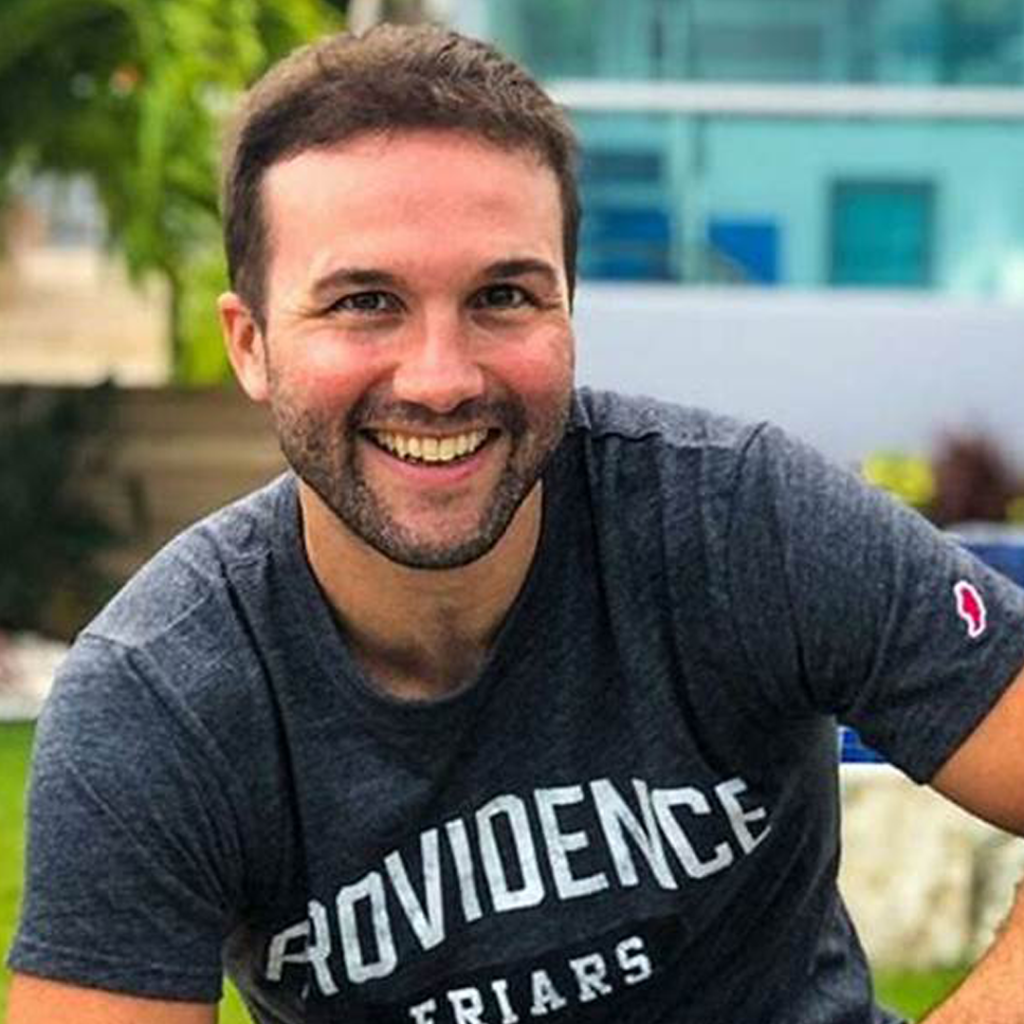
Well, you can’t really have a conversation about building a personal brand and specifically about podcasting without talking to and about my man, John Lee Dumas, I mean, EO fire entrepreneur on fire is a podcast that is like, he’s like the godfather of podcasting. Certainly one of them his show now has over a hundred million total downloads. He gets like a million monthly listens. He’s interviewed Gary Vaynerchuk, Tony Robbins, Seth Godden, all these other legends. And I’m excited because you probably know, or if you don’t know, you need to know him for his work and what he does at EO fire. But he also has a book really his first official book just coming out right now called the common path to uncommon success. John and I have known each other for years. I feel like it’s amazing to see everything that he has done.
RV: (02:02)
And you know, I was lucky to be, I’ve been on his show several times, three times, I think, and now honored to have him on mine. And he’s just a solid dude. So John, thank you for being here. Rory, whenever I get to hang out with you, whether it’s on entrepreneurs, on fire, your show, wherever that might be in the world, it’s a good day, man. So I’m excited to be here. Yeah. Well, and I appreciate you doing this. I know you’ve got a passion for the, for the entrepreneurs and specifically you understand our mission driven messengers, you know, that is our audience. And you know, I think when I, when I think of the common path to uncommon success, I feel a little bit, and maybe you can tell me whether or not this is true, but when you look at your success as a personal brand, in a podcaster, it’s pretty much been that it’s been a, a straight forward path. But you’ve had uncommon success because you’ve stuck to some core fundamentals. And so I’d love you just to take us back to in the beginning, launching the show and from there to a hundred million downloads, what are the most important principles that we need to know to be growing our brand?
JLD: (03:25)
So, I mean, Your brands is really building your life. I mean, how are you building your life? I mean, I’m from Maine, very small, tiny town spent the first 18 years there went to college and an army scholarship. So post army, you know, I did a 13 month tour of duty in Iraq actually while I was deployed. So I kinda got like the real deal, Holy field army stuff, not just like I’m playing army. And I went through six years of struggle. Post my military experience from 26 years old until I was 32. I knew nothing about building a brand. I knew nothing about building a business. And I tried a bunch of things. Law school dropped out corporate finance, commercial real estate. Like none of it works. One thing I finally did right towards like my fifth and six year during that six years of struggle, the sort of listening to great content, reading, great contents, you know, the right business books, the right podcasts.
JLD: (04:20)
And that led me to, to find these podcasts, you know, many that you’ve been a guest on Rory that, you know, interview entrepreneurs. And there were some great shows that were out there. Unfortunately they thought it was the right move to have one episode per month or two episodes per you know, per month that were going live on their feeds. And I was just, just voraciously consuming these content, this content with, you know, interviewing entrepreneurs and their stories. I was learning so much from them, but there were so few of them. And so I remember saying to myself, I’m just going to go find that daily podcast, that interviews entrepreneurs. So I can just have a fresh episode waiting from each day. So I went home, loaded up the Apple iTunes back in 2012, searched all the way through it. And the show did not exist.
JLD: (05:09)
And it was literally like, like Paul McCartney waking up and being like, wait, the song yesterday doesn’t exist. Like I just, I had a dream about it and it doesn’t exist. I can just make this hit song from a dream. I was like, this is like a dream. I can’t believe a daily podcast interviewing entrepreneurs doesn’t exist. Cause that’s like, that’s the show that I want, that’s show that I need. And so I said, Hey, let’s follow Gandhi’s advice. I read about it somewhere. Like be the change you want to see in the world. And I said, I’m going to create the first daily podcast interviewing entrepreneurs. So the day I launched Rory back in 2012, entrepreneurs on fire was the best daily podcast interviewing entrepreneurs. It was the worst daily podcast interviewing entrepreneurs. It was the only, and so like I built this brand entrepreneurs on fire that one because I was the only game in town delivering a daily podcast, interviewing entrepreneurs, it’s called the first mover advantage.
JLD: (06:07)
I had the first mover advantage I won as a result. Was I good? No. Was my interview style good? No. Did I bring on good guests? Yes. Thankfully like they made the show good, like listened to ball. And then I put in the wraps and I got a little bit better. Every single time I did that. And like, that’s the story of entrepreneurs on fire. So I challenged people who are building their brain right now. We can take this in any direction you want. But I challenged people to like, look in the mirror and say like, how am I being the best at one thing that I’m doing? Like, how am I being the only, like the quote that I love is the higher, the barrier, the lower the competition, a daily podcast is a flip and high barrier. I had no competition. I built a moat around my business and I won as a result. I’m the quote unquote godfather of podcasting. Not because it was the first, but because I was the first person to go all in daily, seven days a week. Now you and I are talking, as you mentioned, the intro 3000 episodes, a hundred million listens, 1.4 million listens every single month, eight years in a row of a multiple millions in net profits, all from that one big idea.
RV: (07:19)
Well, and you know what I love about one of the things. I mean, there’s so many things I’ve always, always loved about you. Not the least of which is you being a military man, which I always have much love and respect for, but I is, and, and I don’t mean this to sound bad at all is to go. You didn’t try to even compete so much on my quality. You just went for quantity and that’s that you don’t hear about that as a strategic decision that much, but to go well. Yeah. Where else were people gonna go? You know, like that, I think you hear so, so do you believe in quality over quantity? Or do you think it’s quantity over quality or is it both
JLD: (08:04)
Question? Cause there’s, there’s different circumstances. There are absolutely times when quality is going to win. Period. End of story. The highest quality product is going to win a lot of the times. Then there are times you look in the mirror and you say, well, I can’t be highest quality because I’ve never podcasted before. I’ve never interviewed somebody before I am going to period. End of story. Stink as a podcast host for the foreseeable future. So I’ve got a win some other way. I’m going to win on quantity. Do you think the person that just went actually there’s actually, I’m gonna back up. There’s a, there’s a fantastic, fantastic, like real case that I’ve read. And one amazing book. Maybe, honestly it was even years. I was like this, this pottery class and the professor divided them into two separate sides of the room.
JLD: (08:52)
He said the left side. I’m only you on your best pot, just one single best pot. That’s all it means. So just take the whole semester, but only present me one pot and give you a grade on that one pot. He goes to the second half of the class. I don’t, I’m not going to grade you on any quality whatsoever. I’m only gonna grade you on the amount of pots you finish. That’s it just the quantity. And guess what? At the end of that semester, not only were the best pots, all from the people who did the highest quantity, but the people who just had to do one good pot, none of them were good because they was just trying to get one good pot. They weren’t putting in the reps, they weren’t actually doing the work. So I was a really bad podcast hosts for like 480 episodes.
JLD: (09:39)
Like that’s really the number that I look back at. I was like, okay, four 81. I was kind of good that episode. It took a year and a half of daily podcasting to put in the reps to become a quote unquote decent podcast, or just like it took those students 50 pots of just cranking it out. Cause they could care less. It’s like, I’m only getting graded on the quantity, but then they started getting good almost despite themselves. Cause they already even trying to get good. It didn’t matter if they were good, but they became good because they put in those flipping reps and this one person trying to create the best pot ever. It was just one they stunk. They never put in those wraps. So as both sides of the equation, listen, I buy the best products because I love the best, the highest quality. But if you, as an individual, can’t be the best, the highest quality step day one, step one. How are you going to get there? You’re going to put in the raps, you’re going to put in the quantity and you’re going to get it.
RV: (10:36)
Yeah, yeah. I mean that is, that is my story of, of professional speaking was like, I was in my twenties, I spoke 304 times for free, like back of a Perkins restaurant, two people in the restaurant, me on a Friday night, like doing my speech and, and you know, and now people see me on stage in front of thousands and thousands of people and they’re like, Whoa, you know? And it’s like, no, you don’t understand. Like it was quantity like quantity is so underrated. It is so underrated. Now. What’s interesting. One of the things I love about podcasting sometimes, like I actually think I enjoy being a podcast host more than I like being a podcast guest. I actually like the role of being the student and the interviewer more than the teacher. And you know, it’s interesting about podcasting is the nature of it is someone else can be the star. Like you can be the host and, and it’s like, you’re bringing in the stars and you did that right away from day one. You always had great guests, like from the very, very beginning. So you also kind of had a both situation going. Yeah. So that’s
JLD: (11:54)
Exactly my mentality. I said, Hey, if the spotlight’s on me, this podcast is going to fail because I’m not good. But if I can bring a guest on, I can ask them four or five really meaningful questions, quickly turn the spotlight on them and just step back and shut up. They’ll make this podcast listen to bowl. So Seth Godin, Gary Vaynerchuk, Tim Ferriss, you know, Tony Robbins, Barbara Corcoran. Like I brought them on. I ask a question, I step out of the way and I shut up and boom, they took it off and they crushed it. And that’s what they do. They were great. They had put in the reps for years. I knew how to ask a question and I stepped out of the way. And so that’s how I got my feet wet. That’s how I put in my reps. That’s how I put in the work. So would you,
RV: (12:40)
When you talk about quantity, so of course, you know, your book is just coming out and this is your first book, common path to uncommon success. Do you feel like quantity and reps? Is that a part of that story? That it’s just, it, no matter what you’re doing, that, that ties in
JLD: (13:00)
100%. So this book, the common path to uncommon success, it is a combination of these 3000 interviews I’ve done over the past nine years of again, interviewing people like Rory, Tony Robbins, Seth Godin, Tim Ferris, and just sitting down. And this was in late 2019. I sat down and I literally like wrote down, like, what are the core foundational principles that Rory has that Tony has that Tim have that these successful entrepreneurs have, that they possess? What are the similar touchpoints that they’ve all gone through on their journey to uncommon success? And I wrote them all down. You know, I matched up the ones that were identical and I got rid of the ones that didn’t make any sense. And I was left with just 17 core principles that every one of us and by us, I mean successful entrepreneurs that we have as foundational core principles, I put them in chronological order, step one to step 17.
JLD: (14:00)
And then I sat my butt down in 2020 and for two hours every day for eight months, I wrote this book 71,000 words, 273 pages is my first traditionally published book. It very well could be my last, I mean, I’m not saying I want to write books for a living. I wrote, I needed to write this book because it needed to get out there. This book is the book that people need in their hands. And they’re looking for financial freedom and fulfillment. But man, I put everything in there. I got nothing left. I don’t have any illusions of grand jury. Like, this is what you need. If you have a question, there’s the answer crashing.
RV: (14:38)
Keep your energy up. I mean like 3000 is a flipping ton. 3000 of anything is a ton. Like I don’t know that I’ve been on stage 3000 times. I definitely I’ve done close to a thousand interviews. But like every time I listened to one of your interviews I’ve been interviewed, like I know that you’re doing a ton of interviews now as a guest, like somehow you have this energy that is always turned on. Like where does that come from? How do we do that? And is, is that a part of, of this you think like, is that a part of the 17 principles here?
JLD: (15:24)
Absolutely. It is a part of the 17 principles. In fact, it is principal numero UNO. When you see Rory Vaden onstage, guess what he is living in his zone of fire. He is living in that zone of fire. When you hear me in a podcast, whether I’m being interviewed or interviewing somebody else, I am living in my zone of fire. That is it. So guess what? Step one chapter, one of this book, identify your big idea. So few people have identified their big idea. They don’t know what their zone of genius is, what theirs on a fire is, and they’re not living it every single day. That’s why I have so much energy because I feed off of this. I’m an extrovert. I love having these conversations. I thrive in them. This is my big idea. It’s not everybody who’s watching. This is not your big idea. What I’m doing, what Roy does, this is not. But your big idea is out there. It’s up to you now to find it. So that’s step one, chapter one. And Roy is my video coming in. Okay.
RV: (16:30)
Yeah. So I think you are a great example of like living your truth there and being the zone of fire and you feel it. I mean, it’s it that conveys it transfers through, through the interviews. One of the other things that I’ve always admired about you personally, I actually don’t even think I’ve ever told you this. I’m gonna use the word transparency. He is it, it is a couple examples of this. You have always posted your income your income statements, your Mo what’s it called the Mo it’s a monthly, monthly reports, monthly income reports, right? You you’ve always been so trans a trans parent with how you’re making money and what’s going on. The other thing is, is with your, just this launch that you’re doing for this book you know, you sent me a video and I know you sent it out to some others of just a very direct two minutes.
RV: (17:28)
Like, Hey, this is what I’m doing here. Here’s, here’s a few ways you can help me. I’m just asking for your help. And it was amazing as the recipient, you know, I’ve always like been in launch mode. How powerful, the just clear, open, honest ask it. Wasn’t like buried within something there wasn’t like some like, you know, Hey, help me and I’ll help you in there. No, it was, it wasn’t pushy though. W at all, it was, it was just very like, and so I feel like there is some strength about you that you’re willing to just like, be open about your intentions in what you’re doing. How did you get to be that way? How do you think it helps you? And then how do we get to be more like that?
JLD: (18:20)
I think life is short. Life is short. We’re here on this earth for a blip of time. And I’m here to have fun, to make an impact, to add value to this world. And when I write a book like this, where my heart, my soul, my blood, my sweat, my tears, I poured into it. And I know with a hundred percent certainty, and this comes to confidence, and this is something we can talk about later, cause this is a huge part of it. But when I know the a hundred percent certainty, a hundred percent confidence that this book is going to help. So many people, basically every single person that reads this book and genuinely falls the principles and takes action is going to have a massive impact positively on their life. I’m not going to be shy or I’m not going to, you know, kind of come at things in that.
JLD: (19:07)
Half-Ass kind of way. Like I want to be direct and honest, and I’m gonna say, Rory, you have a great platform. I’ve had, I have a great platform. I’ve had you on my show. You’ve rocked the mic. I’ve helped you, you know, promote I’ve helped grow your brands and build your audience. Now it’s time to flip the tables. I would love to come on your show. I would love to share with your audience, the value this book will bring to their life. By the way I want you to, pre-order not just one but multiple copies of this book.
RV: (19:34)
Well, and you did.
JLD: (19:38)
Why? Because Amazon bases their bulk order off of my pre-order. So pre-orders are so, so importance. And that even went forth. And I said, Hey, I actually want you to consider a bulk order because I have amazing bulk orders starting at 12 books, going up to 1200 in a bulk order will help me cause that’s how HarperCollins basis their print run off of bulk orders. And lastly, and then that was the last part was all about. I’d love to find a way to get on your platform and your show in front of your audience, because you built an amazing audience. And it was a personal video. I recorded only for Rory. You know, I started by obviously saying his name and giving a couple of personal examples of, you know, things that we’ve done in the past together.
RV: (20:15)
I literally was, I was like, what technology is he using to do this? Cause I was like, it was, so it was called sit down and record a personal video for your personal friends, doing a personal ask. And I was so blown away as, as just the recipient of it, John, I forwarded it to some of our clients and I was like, this is how this should be done. Correct? Honest, confident, not arrogant. And like a personal ask. Like it
JLD: (20:48)
Was so powerful. Did you say, and by his book, that’s my point though, is that like, I literally was just like, Hey, this is what I’m asking of you. And I gave the reasons why though, too, like, I didn’t say, can you prepare some copies? Like, I think it’s important to give people reasons and clarification. Like why, you know, you tell the story, like the story’s huge. It’s like Amazon will base their pre-orders of my book based off of pre-orders. Roy knows that he’s a very successful author. And when I say that, he’s like, Oh, I get why John’s asking for not just one order. He’s not like being greedy because he knows I’m not making money from these books. You know, sales. I mean, I’m with Harper Collins, you know what? It’s not this isn’t a money play. This is, I want to get this book out, ranked high, as many sales as possible so that I can help as many people as possible. And in fact, we can talk in a second about a way that I’m losing a ton of money on every pre-order literally, but that’s not the point like this, isn’t a financial play. Like I’ve made my money in other ways, over nine years, this is, get this flipping book into your hands. Yeah.
RV: (21:52)
And you, you know, this concept of give value, you know, give you build relationships like before you ever need something, you’re doing that with the book. You’re I know that you’re, you’re giving away like hard cover bonuses. Like isn’t it. Three, is it? It’s all three of your journals.
JLD: (22:10)
My mastery journal. I am shipping you my freedom journal and my podcast journal. These are $150 of journal value that I’m shipping to everybody’s door. Who pre-orders one copy. Like most people like order. Pre-Order 10, 10 copies of my book and get all three of my journals. Pre-Order one because I just want you to get one and read it. If you want to get two and three, I’m not going to stop you of course, but I want you to get one of these books, read it because you’re going to love it. And you’re going to tell your friends about it and it will spread organically that way. And by the way, these are fantastic journals. So I’m going to ship them to you, to your door with one single pre-order. And I hope you love them. And it’s going to cost me a lot of money to do so, but that’s not the point.
JLD: (22:52)
The point is, how do I make this a no brainer for people that I know need my book? Cause I know there’s a lot of people out there that are like, like this is $16. This is $28 a hard cover. This is a $17 audio book. That’s not insignificant money for a lot of people. And I don’t take that lightly. So I want to make this a no brainer value for you. So that’s just one bonus. I have four other bonuses. I won’t bore you now, but well let me, yeah. Yeah. Here’s what I want y’all to do. Go to where
RV: (23:20)
We go to uncommon success, book.com and here’s the thing one you should buy the book. Like I, I believe in John, I love him and love what he’s doing. Th you know, he’s done all of these interviews. He’s put this together. The bonuses are incredible. The other reason why every single one of you listening to this specifically should go is because you should go to uncommon success, book.com and look at how launch is done.
JLD: (23:46)
This is a great example of the bulk bonuses that are laid out. You’ve got links off the, Oh, it’s very clear. It’s very simple buying in bulk a personal message from you. It’s just a simple clean website. And it’s like, this is how a book launch should be done. So even if you’re not going to buy the book, you should go to uncommon success, book.com to see a real life example of someone who has spent years developing an audience, thousands of episodes, hours and hours of reps living in a zone of fire, pouring into people’s lives, being transparent. And now that culminating with a, with a traditional book launch, which is exactly to a formulate T what we teach, build the audience and then release, release the book. And I just, man, I’m, I am so proud of you brother. And I’m just grateful for you.
JLD: (24:42)
And I hope this book just crushes it and that you just keep doing what you’re doing. Well, listen, I don’t take this lightly. I, I really appreciate, you know, our friendship and, you know, your kind words, they mean a lot. And, and you know, this is one thing that I hope people that are watching and listening really take note of is when you’re building your brands, like your network is your net worth. Like you got to find ways to connect with the right people. Like there’s a reason when, why, when Roy is on my show, I end each episode by saying, Hey, you’re the average of the five people you spend the most time with. You’ve been hanging out with Rory and JLD, so let’s keep up the heat. Cause I want you to realize that’s how I went from this 2012 law school dropout kind of loser to, you know, a year later making a hundred thousand dollars a month.
JLD: (25:29)
And now I just crossed my 89th month in a row of net profit, a hundred thousand dollars a month. And I’m not saying it’s all about the money and all about this and all about that, but it is about financial freedom. It is about fulfillment. It is about living in your zone of fire. And those are all the things that Rory’s achieved that I’ve achieved, that other people have achieved. The you can too. And why not make it easy on yourself by learning from others in the common path to uncommon success. It is the book that will get you there. I’ve bought and read every one of Rory’s books because they’re awesome. And I know if you’re watching this, you likely have as well. That’s smart. Keep educating yourself, keep investing in yourself. And that’s not just money. I’m much saying like invest enough and buy this book. It’s the time it takes time to sit down and read a book and really, you know, apply its principles. But that’s what winners do. That’s what I did in 2012. And I was struggling. This is what you can do today. The common path, the uncommon success is the name of the book. Uncommon success book.com is the URL. We’ll put a link to that in the show notes, buddy. We wish you the best. Keep kicking butt and stay on fire brother. Thanks Rory.
Ep 149: Using Written Articles to Grow Your Personal Brand with Robert Glazer | Recap Episode
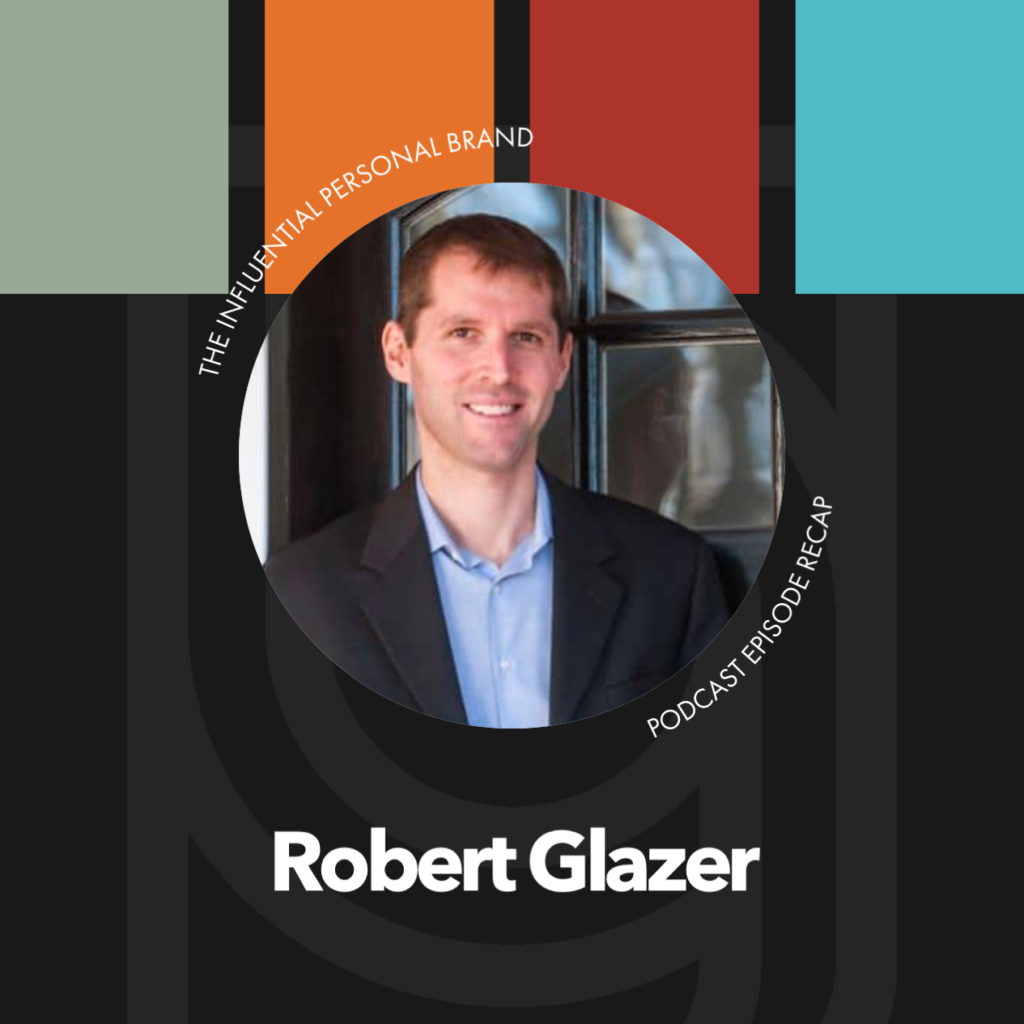
Hey, welcome to the recap edition of the influential personal brand podcast. Rory Vaden is here, Roland solo. Again, we’ve had some weather challenges around town and we’ve had a crazy time trying to get coverage for the babies. And so mama CEO, AJ is off helping manage a million things. And so I’m solo on this recap edition, but this is an important one. Bob Glazer is the episode that we’re breaking down. If you didn’t go listen to that, make sure that you do, because Bob tells the story and talks about the story that we know we should do. We, we hear about it.
We kind of know intuitively off. I’m going to build my personal brand. I should write more and I need to write, and I’m not writing enough and I’m writing, but I don’t like it and it’s not working. And he tells that story about why it matters. And you can’t hear it. You just, you can’t hear it enough. I mean, it’s, it’s just about impossible. I think, to build a personal brand without having to, at some point master the written word. I mean, even if you are a video personality, like even if you’re a TV personality, there is something there is, at some point comes along in your journey where it’s like, you have to write a book. People want the book that you’re writing articles, you’re writing copy, of course, for your emails and for your website and marketing copy. But I think this, the idea of writing articles and just the power of the written word is so important because one reason is because of Google because of search engine optimization, the written word can be indexed and searched and shared and reviewed quickly and highlighted.
And you can go to specific points like you can’t, you can’t do that with videos. It’s, it’s really hard, you know, without going, Hey, go watch this video at minute one, you know, 10 minute, seven seconds, 38 seconds in, right? Like people don’t do it. And, and, and Google and the search engines, don’t, don’t yet fully index and you know, track. And it’s just not the, not the, the way of the digital world. So the written word is really important. It always has been important. I think it will always be important. And, and Robert is talking about how you can use the written word to grow your personal brand. It is free traffic. It is trustworthy reputation building. I mean, to this day, when people say, Rory, how do I become a speaker? Like, how do I get hired to speak? Like how, how do you get these gigs where you’re standing on stage in front of all of these people.
I want to do that. How do you do it? It’s very simple. I always tell them that the, it has never changed. The number one reason that people hire you to speak is because they have seen you speak. That is number one, right? We talk about all of that in world-class presentation craft in that course, and then also full keynote calendar. Those are our two courses. One is the artist speaking, the other’s, the businesses speaking our events, our courses that we teach, but the other, the number two reason, which is why I’m bringing it up here. The number two reason why or how you get booked to speak is because someone has read something that you have written, right? So number one is they saw you speak. They said, Oh my gosh, that was amazing. I need you to come do that for my people, for my audience.
But number two is they read it and they said, Oh my gosh, this is amazing. Like, this is what I need. My, my people, my audience, my, my fans, my customers, they all need to see this. Like, can you come and do it? And, and so the written word is powerful and, and the written word is the currency and the backbone and the spine of search engine optimization, which is, is like the core of, of digital marketing, right? And, and, and, and content marketing in the written word. And so this is just an important to hear about someone who has built their personal brand, mostly from the written word. And, and it’s, it’s really powerful. So anyways, here’s my top three, my top three takeaways for you and for myself, just as, as a recap, right?
So the first one, which
Is not unique, it’s not unique to this interview, and it’s not unique to Bob or to me, but you need to hear it. I’m going to say it because we need to hear it all the time is that it starts by asking, how can I deliver value for my eyes?
Like
That is the Genesis y’all
Of how this works is if you are not
Sitting and soaking and praying and meditating and focusing on how can I create more value for my audience,
Your brand,
Isn’t going to make it, you’re going to burn out. You’re going to get consumed with all the noise you’re going to get frustrated. Like, because if it’s all about you and your vanity metrics and your growth and your money and your, you know, your sense of fame or importance, like it’s going to burn out and, and re the written word, especially, you know, I loved, I loved what, what Robert said, where he said, look, I’ve been doing this for five years. And I figured out writing rewards the long game. It rewards the long game that, that search engine optimization as a hockey stick, right? Like it’s slow, slow, slow, slow, slow, slow, slow, slow spike. And that’s just, that’s the name of this game. Like, and it’s not just writing that, it’s all this stuff. It’s, it’s producing your videos on YouTube with eight views and 12 views and 20 views and 30 views.
And it’s like, the reason that more people don’t make it is not because their content is bad. It’s because they give up. Right. It’s because it’s discouraging. When you look at the numbers, it’s discouraging. When you go, gosh, I’ve been doing this for a year. I’ve been doing this for two years. I feel like nobody’s watching, nobody’s paying attention. And, and you know, that is, that is the path. But, but like, everybody dies on that path. And the first one or two years, there’s few people left when you get to your four and five and six and 10. And, and those are the ones you see and you go, Oh my gosh, it’s amazing. I want to be you. But it’s like the 10 years before, you know, at least five, I mean, don’t get discouraged in year one or two. And people, some of, some of us, like some of y’all get discouraged after three months.
And you’re like, ah, I’ve been posting videos every day on social media for three months. And now I, you know, I’ve got a hundred followers and it’s like, don’t even look, don’t even look until a year has gone by. And this is why being serviced centered matters, matters so much. Because if you’re, if you’re self centered in this pursuit, if, if your personal brand is really about you, it’s really about your ego. It’s really about your followers. It’s really about your money. It’s really about you feeling important and dah, dah, dah, dah, whatever, if it is self centered, you’re going to burn out because you’re either going to hack your way there. And it’s going to be fake by doing all sorts of crazy stuff, or it’s going to be a slow build, and you’re going to go, man, I’ve been doing this for two years.
I’m not sure it’s working. And it’s like, if you feel that way, guess what it’s working because for everyone else who’s been on this journey, they tell the story, you listen to every single episode we do. Like all, all of us have the same story. And, and, and even for me, like, it’s so frustrating. Cause I already paid my dues once. Like I already, I already went on this journey and then started over. Right? So I mean, we, we exited a company and there were a number of things that went along with that. But, but the net impact is I had to start over. Like I just started my social media from scratch. I just start my blog from scratch, how to start my website from scratch, like start over. It is painful. And, and, and here’s what Robert said that I loved. He said, you know, I’ve been doing this for five years.
I’ve still never found a hack. And gosh, that’s so important to hear because I feel the same way I’ve been doing this for so long. I haven’t found a hack, right? The hack is provide a lot of value for a really, really long time. Like, I know it’s not what you want to hear, but you need to hear it and you need to hear it every single week. And I don’t care if that’s, it. It’s like one of the top three takeaways from every single episode that you hear, we’re going to bring it up every time because we know how frustrating it is and how discouraging and how lonely and how empty and how hopeless it can feel and how you can be overwhelmed. And, and just beaten down that like, Oh, I’m putting in all this work. I’m spending this all this time. I’m putting in all this money.
Does it matter? And, and, and you have to be centered in service. You have to go, yes, it matters if only to one person, right? Like you have to stay grounded in that. And if you do it catches, it’s a snowball. It’s exponential. It’s a hockey stick. You know, like it is all of those things, but it starts by saying, and, and staying centered in how can I deliver value for my audience? You gotta live in that. You gotta, you gotta remind yourself of that. You can never forget that. It, it, it’s just, that’s the nature of the beast here. And, and it’s good. It’s good for our, it’s good for our ego. Like, it’s, it’s good to be reminded. Like, it’s not about your views and your comments and your likes and your engagement and your followers and your money and your duh. It’s like, it’s good to be reminded of like, no, I’m focusing on the one person who’s gonna read this.
I don’t care if one person watches this video, or one person reads this article. Like I’m doing it for that one person. And I am, I am doing it because I feel called in my life that, that there is some message inside of me that I feel called to share. And it is irrespective and independent of how many millions of people or how many zeroes of people ever see it. Because I feel called, which means there is one person out there that needs to see this. And that is why I do it. Not for vanity, not for likes, not for followers, not for comments, not for money, not for any false sense of importance or influence, but because I feel in my heart that there is a message that I was put on this earth to deliver, and I’m going to follow that prompting. And I will do it for as long as it takes, even if no one shows up that is the commitment that you gotta make.
And you gotta make it as a writer, as a speaker, as a content creator, as a podcast, host and producer at like, as a, as a, as a video producer, like whatever form of content it is that you just got to make it. And I’m telling you like, that is the battle. We have all of these amazing techniques and strategies that we teach and they frigging work. Like they’re really, really good, but nothing replaces that. So make sure you stay centered in that. Okay. Very good. My second takeaway this one, I don’t like as much, this one I don’t like as much was that sensationalism isn’t clickbait. Ah, I don’t like this one as much, but it’s a takeaway because it’s true. This one is also true this Sox, but it’s like, man, there is just a part of this that there’s just a game that you have to play to, to get ahold of people’s attention.
Like it’s, it’s weird, right? To say in this almost in the same breath, as you gotta be focused on your audience, which is, is still a hundred percent true, but it’s like to say that the vanity stuff doesn’t matter. And then to turn around and go, you know what? You have to not be afraid of a little bit of sensationalism. I don’t like it, but gosh, it’s true. It’s true. The data is true. It’s indisputable. People respond to all that crap. They, they, they do it’s it’s it’s it’s and, and here’s the way that I wrap my mind around, around being okay, to embrace a little sensationalism. Cause, cause y’all, I’m resistant to this, like this is not me. Like this is not the, this is not the way we play it at brand builders group, we’re playing the long game. We’re bringing value.
Our strategy is reputation. Our strategy is trust. Our strategy is, is ethical and honest and, and integrity. Like it is all of those things. And part of that is just going like, look, I mean, I think the way Robert said it, which hit me hard was he’s like people don’t click on the warm cup of tea titles. They don’t like, they just don’t. And, and the hard part is going, okay. We need to be willing to put out our content regardless of how many people are watching it. But at the same time, it’s like, we also have to be doing everything in our power at the marketing game. Like we have to do everything in our power to like communicate truth and honesty and integrity. But we also have to do everything in our power on the marketing game, because there’s a bunch of scam artists out there that we’re competing against a bunch of, there’s a bunch of negative images.
I mean, I would go so far as to say the devil is out there using every tool in his power to, to communicate false lies and propaganda and trash and, and negativity. And it’s like part of we got up, we got to stand up and go, you know what? I’m going to master marketing. Like I’m going to learn marketing. I’m going to do it because not because of the vanity for me, but because it’s like, if I’m going to, if I’m going to change lives, if I’m going to reach souls, if I’m going to impact people, I gotta be in front of people. Like if no, one’s reading the article, it’s not, it’s not doing any good. If nobody’s seeing it now I should be willing to do it. Whether there’s one person seeing it or a thousand, that’s what I just got to saying.
But at the same time, it’s like, I also want you to fight and scratch and claw and hustle and go, all right, how do we, how do we get in front of more people? Remember the reputation, formula results times reach equals reputation. Reach matters, reach matters. So there’s no, there’s no replacing the long game there there’s there there’s. We don’t want to be flash in the pan. We don’t want to be gimmicky. We don’t want to be empty promises. We don’t want to be over promise under deliver. We want to be substance. We want to be truth. We want to be valued. We want to be solid. We want to be honest. We want to be content, but we also need to have good packaging and a good wrapper and good marketing strategy and good and good tactics and good promotion because people, people got to find us.
And so when he was saying sensationalism, we’re talking about titles specifically where he said, sensationalism, isn’t the same as clickbait. And here’s how I processed. Here’s how I made sense of this because clickbait here’s, here’s what I, when I think of clickbait, what I think of clickbait as clickbait is bait and switch. So what is bait and switch bait and switch says, you know, click here to see a picture of, you know, Brad Pitt’s abs, and then you click here and it’s, it’s not a picture of Brad. Pitt’s abs it’s a, it’s a picture of, you know, it’s, it’s an article for how to buy my, you know, something that that’s, that is clickbait it’s bait and switch. It’s I Lou, are you here with one thing? And then I give you something that is other than that thing. It is not that thing to me, that is really when people say clickbait it’s bait and switch.
I do want to give people bait. I want to, I want to set a hook. I want to give them an appetizer. You know, the way that I think about it is like, when you go through the food court at the mall, they give you a bite of chicken, you know, honest toothpick, and they hand it to you and they go here, you know, it’s a sample, right? So they, they, they, they get you to salivate. They get you, your wedding, their appetite, your, your, your drawing, their interests. You do have to do that. And some of that is, I mean, he uses the word sensationalism. I, I, I hesitate, you know, for me, I’m just so reluctant to take it all the way that far, but, but maybe, maybe I need to be more aggressive. I mean, frankly, maybe this is why my brands my, you know, have grown slower than, than they could have is cause I haven’t embraced this.
Cause it’s like, I’ll tell you this, for sure. There is some other person out there that is not providing as much value who doesn’t have the depth of expertise, who is a lot more slimy and shady and unethical and they’re getting clicks, right? Like they’re getting the attention because they’re, they’re unafraid to just bait people in. And so that’s part of what you’re competing against. Right? And so the good people we got to learn to compete here a little bit. Like we gotta be willing to, to, to play the game, not in bait and switch, but in bait and deliver. Right? So that would be my theme here is rather than bait and switch bait and deliver. But I want you to bait, you got to set the bait, right? Like you, you got to hook them in there’s you can’t just throw a hook in the water and have no bait on it.
Like the fish aren’t biting. There’s God, there’s got to be bait there, but it’s not bait and switch it’s bait and deliver. In fact, it’s really bait and over deliver, right? That’s what we want. Not bait and switch bait and over deliver. That is what it’s after. But you gotta, you gotta, you gotta bait. You gotta be good at the bait. Like it’s just an, it’s a necessary part of this. And I wouldn’t even say it’s a necessary evil it’s it is just simply necessary that we are, we are battling for attention span. Like there is a battle that the especially the digital world is, is, is a, is a, is a 24, seven, three 65 battle for attention span. And, and, and we are in a battle. We are competing for people’s attention. And if you have valuable ideas, if you have good ideas, if you have worthwhile products, if, if you have substance, if you have truth, if you have integrity, if you have honesty, then you also be it.
You have to be willing to fight that battle, to get those people over there. What good is it? If you have the cure for cancer and nobody knows about it, not good, you gotta, you gotta be willing, but bait and deliver, not bait and switch. So sensationalism me. I mean, I might not, I might not sign off on that and give that the official brand builders stamp or Rory Vaden stamp, but I, I would sign off on, on bait and deliver. All right. So do what you have to do to get the viewers and the readers w you know, within reason, but you need to learn how to create better subject lines. You need to work to create better titles, which is my third takeaway. Okay. So my third takeaway was I actually went back through all my notes from this interview and just, you know, was, was trying to create a a list of great article titles.
Now, if you’ve been through our brand DNA event, our course, or our first course, or you’ve been through captivating content in both of those courses, we teach something called the five title tests, which is how to title your, your products okay. That you know, is kind of similar. But this list, this list is different. This list is for articles specifically, this is titling your blog articles and stuff, which, you know, I also think you can afford to be a little more Beatty with articles because they’re not as permanent as a book title or a coaching program title, or a course title. Right. That’s something like you’re going to live with for awhile. So but here’s, here’s some of the things that, that, that, that Robert threw out.
Ep 148: Using Written Articles to Grow Your Personal Brand with Robert Glazer
Hey brand builder Rory Vaden here. Thank you so much for tuning in to listen to this interview. We are so excited to bring you this information and wanted to let you know that, Hey, there’s no sales pitch coming from anything that we do with this is all our value add to you and the community. However, if you are somebody who is looking for specific strategies on how to build and monetize your personal brand, we would love to talk to you and we offer a free call to everyone that’s interested in getting to know us and is willing to give us a chance to get to know them and share a little bit about what we do. So if you’re interested in taking us up on a free strategy call, you can do that at brand builders, group.com/summit. Call brand builders, group.com/summit. Call, hope to talk to you soon on with the show.
A while back, I was in a mastermind, a true mastermind of colleagues of best-selling authors who got together to spend some time to share some of our secrets with one another. And Bob Glazer is somebody who was there, who I got a chance to meet, who I really have enjoyed following and learning from and watching here ever since, you know, he is like me a practitioner. One of the things I really love is he teaches not so much from theory, but from experience. He’s a serial entrepreneur. He’s the CEO of a global marketing agency called acceleration partners. And you know, he, he has they’ve won a lot of different awards for his actual business. The reason I invited him a lot of people come talk about, which is really through writing.
He is a regular columnist for Forbes, for Inc., for Entrepreneur. He really started his brand with something called Friday Forward, which was very simple. It’s a weekly inspirational newsletter that now reaches over a hundred thousand people. He is a podcaster, but also as a writer, he has written several books. He’s a wall street journal and USA today bestselling author of four, four books. And I just think he’s a really great example of somebody using writing to leverage his personal brand. So anyways, welcome to the show, Bob Glazer, thanks, Rory excited to be here. So, you know what I just shared about you? I don’t even know how much, you know, that that’s how I kind of view you as an outsider. When I look and go, this is what I see about what you have done. Would you say that’s an accurate assessment or, or would you say that you’ve built your personal brand based on something else or other other things?
I mean, it was no, I think totally accurate sort of by accident, you know, it started, it started within our industry. You know, I, I always felt like I could communicate clearly in writing and our industry is just devoid of thought leadership. And I started writing stuff that was a little controversial, a little different you know, people really resonated, you know, with people in our business was strong and I realized it really set us apart within our industry. And then I kind of followed the cam. Harold was a coach and, and Tucker and we, you know, there was no industry book. So we said, look, we’re going to, we’re going to write the definitive book about our industry and how to use it and, and really lean into that. And then along the way, like how we were growing our business, in those words that you were saying around culture and stuff, I, I B sort of became passionate about how we were.
I thought we had figured out some things and leadership and culture and, and, and started to then take that writing and share it outside. And, and, and, you know, in articles, getting, getting, you know, byline articles, getting columns, you know, related to the books. And then as you mentioned, the big thing that sort of blew up really unintentionally was a note that I just started sending to my team every week that was getting, that was just about getting better. Just about sort of some of the core things I believed in and pushing them to this notion of build their capacity. And basically it started getting shared outside the company to the point where I then opened it up. And when I opened it up, all these people were interested in it and it, and it kind of exploded and then turned into two books later on. So it w it wasn’t an, it, it wasn’t
When you say, when you say industry, you’re talking about like marketing agencies,
Partner, marketing, affiliate marketing, like really about like the opportunity within our industry. But, but we always were trying to do our industry better, but part of the way we did that was build a company that focused on development and leadership and people. And so it became almost these two separate trees of topic. And, you know, one of the things that I always say, I, because we work in affiliate marketing, I see people write a lot of stuff to try to make money. Right. I, I never, for me Friday, I actually got a lot of questions. I, I, I never was clear how it was going to help my business, whether it was going to make any money. I was getting really great feedback from people. And it made me the next week to say, how can I deliver value to this audience that, that, cause I’m making a difference for them and not worry about what I was going to get out of it. And, and probably the best thing I ever did for myself or my business or otherwise, but because, but I didn’t have a goal other than to add value to, to the readers every week.
How, how long did it take you? Like, so at you’re at over a hundred thousand subscribers on this, this week?
Yeah. Probably reaches about 200 now across LinkedIn and a variety of channels each week across in about 60 countries.
Okay. And, and how long, like when did you start it? Like how long has it taken you to ramp to five
Of years? And I think like anything I’ve heard, you’ve probably heard James clear, like we were, writing’s like, it rewards the long game. Like I think, you know, it it’s a hockey stick of both SEO and stuff, getting out, you know, it was probably, you know, w w you know, year three to four, I probably added more people than year, you know, w one to three. So this is the thing, whenever I see anyone looking for the outcome before they put in the work, I kind of think you have to put in the work and then hopefully hope for the outcome. I, I, I’ve never found a hack to, to doing that.
Yeah. I love that. You know, the hack thing is like, sure, little tips and tricks here are always good, but I’ve felt the same way. It’s like, no one, no one’s significant ever hacked their way there. It was value over the, over the long haul. Now, when did so writing for like Forbes and entrepreneur and E Inc, right. Those are things that I think really helped with credibility and all that. And also search engine optimization, and also just reach, like, there’s just flat out people who will find you there that would never find your own blog. So how do you, how did you get that? And when did you add that to the mix and like, how do you even go about getting one of those
Posts? Yeah. You know, a lot of times a book or something, or it’s just a reason to connect with people. And, and I think I had done some work with John Hall and you probably know him in his team, and I think they were able to help me. I was actually at a conference when I met the guy he had been on Friday for, we talked for an hour and he, he handled some of the Forbes columns, was able to get me that column. And then it was when I launched I think my elevate book, that part of the outreach and some of the PR connected with the leadership writers, they saw what I was writing about offered, offered a column, and then, you know, it’s like anything, once you have one or two, it’s much easier to go to the third and say, you know, I, I, I do X and Y I think one of the things that, that the mistakes that I made I’ve learned is, is I think sometimes you just try to create too much new stuff.
Right. I, I could adapt the Friday forward into an Inc article and do different angle. I learned to take the articles and put them on medium and put them on LinkedIn. And I really, in the last year or two, try to, you know, cause some of the commitments on those things that used to be pretty high, you know, in quantity to write weekly and, and, and for free, which is so, so it’s a lot to do. So I focused on syndication more. I focused on bringing something back from years ago and redoing it again and reaching a new audience. There’s always the desire, something new and shiny, but I, I I’ll bring back like one of my tried and true, you know, new York’s posts you know, into, into one of my things every two years. And I will do just as well or better than the first time.
So, yeah. Would you mind sharing with us a little bit about like, do you have a system for how you sequence that? And then also like, you know, are you, I know you’re saying now that you’ll repurpose on more like social, like you’ll,
Unless something like the LinkedIn or medium, right. You can bring stuff back as much as you want.
Now, were you having to write unique articles for each of these Forbes and entrepreneur and Inc like, like, were those when you first started, were those all new, new proprietary? Like, you’re only see this post here.
Yeah. Those have to be new, but then after two weeks you can take them to LinkedIn. You can take them to medium, you can take them to other places. Right. And they’re even in other places that will syndicate them. So you write new for them. But I would also have something where Friday Ford was a certain storytelling format, but I could take just the core essence of that and make a eight ink article about it. That was different, but on the same topic. Right. So just in terms of trying to leverage, and a lot of times, I know I knew the topic resonated, right. But, but Friday Ford is a storytelling and Forbes and anchor like a one, two, three, so you need to take it. And, you know, you’ve got to shift the format a little bit, but yeah, I, I think there are a couple of places, right. That require that it be new, but, but I was in the LinkedIn pulse program earlier, early you know, I have a 305,000 followers on the newsletter system there. I think it’s the number two newsletter. And so obviously that built a little flywheel around, you know, publishing on LinkedIn is as well.
Hm. Hm. Yeah. I, I love that. So, so what is your rhythm now? Like how frequently do you think I have to write a new article? Is it still once a week for Friday forward and then everything kind of emanates from that or, yeah.
I slowed down the new creation, so I read it on Friday forward. I syndicated on LinkedIn. I will then, you know, if I’m doing an article for ink or Forbes that is timely or something I want to write about I’ll then do that. I’ll wait the two weeks and I’ll, I’ll put it somewhere else as well. But I I’ve actually slowed down the new because it, it became, it became a lot. And, and, and that was easy to do actually, because it got complicated last year to write about things at certain times, just from April to may, to June you just certain topics you couldn’t write about. And, you know, didn’t want to write about COVID stories every, every week. So also, you know, you start looking at the data and, and, and what works and where do you see impact and where do you see, you know, the flip side of this sometimes is you can get caught up with, you might have a column somewhere or whatever, and it does nothing for you. Right? You got to kind of look after a year to say, look for the hundred hours I put into this. Should I have put them out? Where should I have created a course or written a book or, or otherwise. So I, I’ve tried to really look at the data and what worked and where are people hearing me from it. And I’m always sort of calling something every time I add something. Yeah.
Yeah. I mean, that’s true about anything, right. You could spend that time creating Tik TOK videos, or creating YouTube videos or creating whatever. But so at your peak, would you say you were writing like three new articles a week, five new articles a week,
But two, three a week. And it was, it was a lot of work. How long
Did that go on for
At least a year or two.
Okay. So, so you’re doing like two at the peak. You’re doing two to three new articles a week. And how for how long were you writing at that frequency?
I think about 12 to 18 months just to see if it made a difference, but I, but I had sort of an assembly line. Like I had the ideas, I do the drafts. I have some really good editors behind me and we’d have kind of a bunch in, in, in motion. Like I can write really quickly, but editing takes me forever. So that’s something I have people that can edit really fast. So I, you know, you need, you need a system, I think, behind that in order to do something like that.
So, yeah. So I agree. So the ideas thing is interesting cause I, I have yeah, I basically write on for kind of four topics, all influence. I think of my areas just influence, but I’ve got four different topics in each of them. I have a sheet with ideas for posts in each of those categories. How do you do your drafts? Do you sit in front of a computer and like, just type it, do you talk it out? Do you shoot a video and then transcribe it like
I I’ve had two getters I’ve worked with for years that, you know, at this point, understand me and my race. I have actually tried everything except for the video I’ve done recording and memos. I will do like a really deep outline where I’ll write a couple of the things and I’ll say, what we need right here is a study or a reference to this point, you know? And then I have some they’ll research it and grab it for me. So I I’ve tried a bunch of different ways, honestly, as long as you’re comfortable with it, like, like for me to like, I can get it done fast, it’s messy as typos, but I’ll just sort of say, look here, I, I got this all out. This is a thing. Can you just, can you clean it up? You know, for me
Are these editors like contractors? Are they staff or are they PR like, were they provided by somebody like else or did you just like find it person?
Well, I I’ve used outside. I think it takes three to six months to get to somewhere where like someone’s editing or stuff and they think it’s you, I I’ve worked with outside, but these were staff. So we had a head of content for our business. And then eventually I brought someone on who handled a lot of my personal stuff and writing, you know, it was a big part of that. So I think there’s two people I’ve reached that level too. I always, I always joke with her if he could write something and send it back to me and I would think I wrote it because one of the things that I, that I do when I’m getting to work with that editor is I make a lot of comments around their edits. So like, one of my things is I never used things. I have a thing about sort of super motives, like always or never things that big can be disproven. So if they ever edit without word, I will say, I wouldn’t use this word. Right. Like I I’ll never use always. I don’t use never. So I, I actually will try to comment to them and give them some of my like isms so that as we edit, you know, it gets, it gets better.
Yeah. We’ve we do a similar thing. Like we’ve been doing something very similar with videos where, you know, a video editor will be editing and then it’s like, I’ll make a comment specific to something I want them to change, but then I’ll make a second comment that says why this is, and then we add it to a style guide that it’s like a list of just if you’re going to edit for me, these things should always be there. I mean, that’s interesting, just like the super-light sieves and you go, don’t ever send me something with a superlative in it. If it, if you are, then that means
Something that says never, never
Send me something
Explained. I explained it to, I said, because again, in my writing, I think if, if, if you’re trying to get to the reader and you say this never happens, and if someone can think of an example where it happens, then you’re sort of discredited. Right. So I it’s, I’m conscious to never, never say that. Okay.
So, so, so that you have this process, you kind of idea that you just sort of like puke it out there in whatever format, and then you let the editors do it. And you’re just kind of like always running that production cycle. Why that’s what you did for like 12 to 18 months. Yeah.
We have one in early, early development, middle development, like late development. Right. And they’d be coming back and forth.
Yeah. But if you do 12, I mean, if you’re doing three articles a week, let’s just say, so that means you’re doing, you’re doing 12 a month. You do that for 12 months, you got 144 articles. Then basically from that point, you can repurpose and backlog again, switch things around and brush it up. And now you’ve got a stable plus anything.
And then you go to write a book or something eventually, and you’d realize that four or five of those articles are key concepts in the chapters of your book. In fact, I’m, I’m doing that for my next book. Now I did the outline and I was like, I’ve talked about this concept before I’ve talked about this concept before. So, so we’ll be able to pull in some of that stuff.
Yeah. Plus the data, like what you’re saying is going on the readers are really responding to this. It’s like this needs to be in the book and know, you know, the book’s going to be a hit before you publish it because you already have the data out there of going, I know people love this. Right.
I know they love this unless you blow the title, which is, you know what, I learned a lot from you on that, on that map.
Yeah. That’s pain. That is, that is the pain. I mean, it’s funny because procrastinating on purpose, that that is a lot of what ended up in those, that book was they were, those articles appeared on my blog and there, you know, like the 30 X role is this, the section that I wrote and it’s like, I never wondered if my Ted talk was going to be a hit because there, it had all been proven before, you know, we, we messed up the title, which was super painful, but
And by, and by the way, in writing and in articles and Inc and Forbes push this, the title might matter five times more than what you write. So you get, you spend a lot of time on the title. And I saw this in ink, it’s a B test, every title. And you cannot guess sometimes which title will do better. But what they did was they would send out the top 10 articles every month. And there’s this travel guy and he’s number one, two, three every month. And it’s his formula. It’s just really clear. So this is where you have to use, you know, Ben, Hardy’s big on this. You gotta use data. And I know for people who are really good writers and purists, they don’t like getting into the sort of title and they think it’s clickbait. But I always say to people do want, you could write the same article and 10 times the amount of people will read it. Everything’s going by people really quickly. And they need a reason to read that article that day, that hour, because once it passes, they’re not going back to it.
Yeah. So let’s talk about that because you know, you’re referencing the story that I shared with you all about titles and we’ve, you know, my second book, which is painful, which we share a lot of our, like a lot of our members know that story, but let’s talk about titles. Like, is there anything that you can share that you go, man, this, this works like, these are general rule of thumbs, actually. Can you tell us what should we always do? And never do as it relates to our titles.
Look, I think you got to get uncomfortable with making it a little sensational. If I look at all, every time they send out the top lists, you know, the formula tended to be, you referenced a well-known company or name or something. And you said, this is the top reason or what they do, or the single thing. Like you see that a lot. But every time I get a list of the top performing articles, those titles are already on top of it. So this is, you know, this is the one thing Michael Jordan did to get ready for games. And here’s how it can help you like those title or, or those titles work. It’s coming by your desk. You’re like, Oh, what’s the one thing. And you’re not going to get to the one thing until halfway down. Now, I, I don’t consider that clickbait at all.
I consider clickbait when, what you get them into the article is not what the article is about or not. And it’s a bait and switch switch. Yeah. I don’t consider a clickbait like something that’s a little sexy in terms of, you know, bringing someone to the topic. But I, but when I get the list and again, if you’re ever an ink, it’s fascinating. They send out the top performers, this travel guy every month, it’s like, you won’t believe the one policy change Delta just made their customers love it. Right? His title is always something like that. Or United airlines just made this huge blunder and their customers revolted. And, and you know what, I even go through that list. I’m like, what was it? I wanna, I wanna, I wanna learn what it was. So it’s very clear that there’s some formulas that, that work.
So, you know, I really resonate with this though, because it’s like, I hate feeling like I’m pandering. Right? Like I hate feel like I’m just, you know, it’s, it’s like, I don’t want to,
You’re like, I wrote a good article. I wrote it
And cheap what feels like cheap wrapping paper.
Correct. But when somebody, if you get to the why someone said, what’s the point, I want people to read the article. Cause I think it’s, I think it’s good. It’s not true. And I think it can help them. Well, if you can tell me that one approach, we’ll get 10 times the people reading it than the other, then, then I can get comfortable with, you know, why I want to do that warm. As I, as I said to my editor, sometimes when we’re debating titles, this, this is something that someone at my company said to me, like warm cup of tea, titles, like don’t work. They just don’t things that sound like, you know, could check it out. Like, so-so that travel thing, right? The Delta airlines made this policy and their customers freaked out. You know, if I said like, you know, this is why it’s never good for an airline to change, you know, its policies on its customers without notice. Like, it’s kind of like the warm cup of tea Virgin. I got, I got, I see it. Come on. I don’t really need to read that. It, it is, it is interesting. Yeah.
If it’s not a warm cup of tea, what is it like, what’s the, what would you say it is? Is it like the extreme or the like, like what
I think that formula is like is ER urgent and simplicity, right? That’s what that formula is. Like. You want to it’s news. You want to read it now and by the way, there’s a, there’s a quick, not a quick, but there’s a simple takeaway for you. It’s always better to have the one thing than the seven things right here are the seven keys to success in life versus bill Gates said, this is the one thing that made him successful in life. Like which one are you more likely to read quickly or think you’re going to read quickly because you’re just curious. You might just be like, well, what’s that bill Gates? One thing I can look at that quickly, but then I get pulled into the article.
Hmm. Yeah. So you’re saying quality article, be okay with a little sensationalism or you’re just saying that’s what works, which I agree with. It’s like, whether you like it or not, that is what is, that is what people respond.
Sorry. I had to, I had to get comfortable with it because the data is clear and you’re in this, you know, if you ever watched a 16 year old these days, their phone, you have three seconds to like, you know, get someone’s attention as they’re going through. I mean, you know this from books, I always say to you with books, you can have a great launch and a book, or you can have a great launch and a great book. You can, you can pump a crappy book up at launch and then it will kind of crash afterwards, right? Or, or if you have great content or like how L rod, it’s not about the launch, it’ll come back. But if you have really great book, you will do better. If you have a great launch and you get the flywheel going, right. And it’s it’s, you shouldn’t feel bad about trying to sell your great book. If you wrote a piece of crap, you know, infomercial bug, then you might feel a little dirty about trying, you know, it up in the book. So this is predicated on that you wrote a good and meaningful article that has value to people.
Huh. So as long as it’s good and meaningful, then wrapping it in a trashy title is no problem, no biggie.
Again, you said it best. You can not do it, but, but the data will show that you’ll get maybe a third of the amount of people on it. And then the algorithmic world, you know, the more people that click and read it earlier, the more it gets shown
It’s it is such a heart it’s Russia, but it’s the same thing, right? It’s like, what good is if I have the cure for cancer, what good is it? If nobody knows that I haven’t. Right. But I feel they’re there. It’s like an artist struggle. You know, this is like a, this is like an art.
I struggle with it. And then the data became so clear to me that I became released.
What’s what convinced you. You’re just like, it doesn’t matter just that the data tells this is clear. It’s a strategic decision. I just got to make.
Yeah. I want people to read my content and get value from it. So if the title, it makes them more likely to read it, then I’m going to do that. As long as I don’t, I, again, I’m not, I don’t feel like I’m beading and switching them or trying to go with them into something. I think that’s where it gets a bad name. You know, ones that get you into these 25 clicks or whatever, but just talking about an article on ink, that’s been edited. Like it’s not, it’s not selling you, you know, potion or anything. Like it’s, it’s just content for someone to read.
Yeah. Well, I I like this. This is good stuff. I mean, this is, thank you so much for just kind of sharing, you know, like your, your process, Bob, where do you want people to go? If they want to connect with you or learn more about you and kind of like follow, follow up with your work?
I sure I I’ve got ever everything finally integrated which I’m sure you’ll appreciate at Robert glazer.com. So you can get the podcast Friday forward books courses, all this stuff is, is right on that page. It’s a GLA Z E r.com.
That is awesome. Well, you won’t get warm cup of tea titles. You won’t, you won’t get super Latinx, but you will get awesome insight and practical stuff. This has been so great, man. I really appreciate you opening up to let us see a little bit behind, behind the curtain of how you’ve been using the written word to just really build and grow your personal brand.
Great. Thanks for having me. It was great discussion.
Ep 145: How To Get Bigger Brand Deals with Eric Dahan | Recap Episode
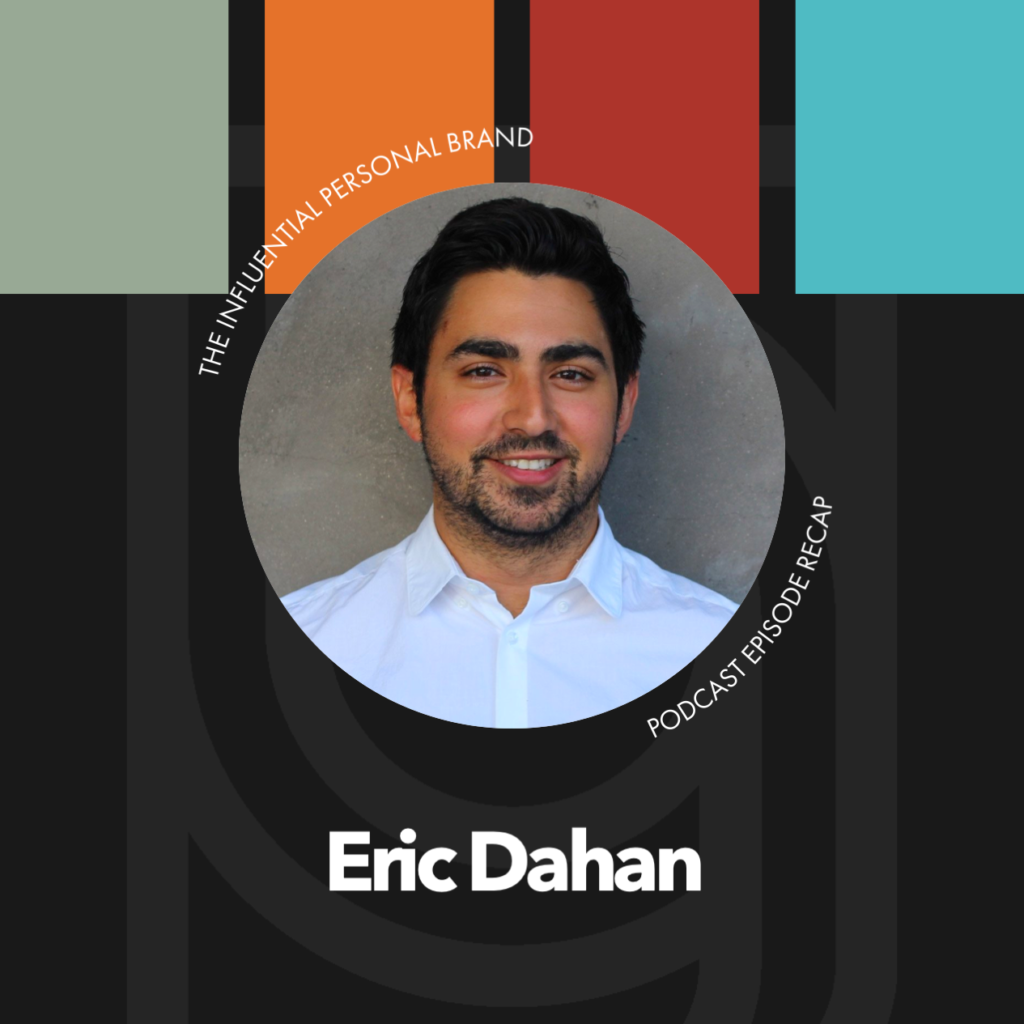
Hey, welcome to this recap edition of the influential personal brand podcast. It’s your man, Rory Vaden breaking down the interview and the recap with Eric Dahan and I’m rolling solo, no wifey and CEO. AJ on this one. She’s out traveling, but I am fascinated with this interview with Eric, because if you haven’t listened to the interview yet, I mean, this is guy who has an agency and also developing software that is specifically sourcing influencers to pair them up with his corporate clients. These companies who have money to spend on advertising and they are recognizing the power of micro influencers. And in his case, they’re not all micro-influencers. There, there are lots of bigger ones. But this is amazing. I mean, this is, I like the first thing that jumps out to me about this interview, which is not part of like what my takeaway is, but it’s, it’s just something for you to realize and was something for me to realize is like, this is really incredible.
That big brands and big companies are looking to for the most part every day, average normal people. I mean influencers, but micro influencers and paying money. They’ve got budgets, they’re hiring companies like Eric’s to go out and do the research and source people to say, this person is reaching our audience and showing up with real money to pay you, not, not the radio stations, not the people who own the billboards, not the people who own the TV commercials. You know, not the people with the who own the magazines, but that you, an individual person quote unquote an influencer, whether or not you think of yourself that way, but just you as a messenger and someone serving and cultivating an audience that you have the power to monetize that audience by way of the, the most classic. And this is what’s fascinating is in the one way, this is so new is it’s just the idea of micro influencers in two other ways.
It’s as old as time one is paying for celebrity endorsements, right? So we all understand that we would expect, you know, Brad Pitt to get paid a ton of money to be in a commercial. So we understand the concept of celebrity endorsements, both what’s new is it’s like it’s the local celebrity, the super local hyper niche, like micro influencer celebrity. So we kind of understand the concept, but it’s at a much more granular level, which is powerful, but then you also have the dichotomy of the, the age old, most pure form of advertising. There is companies paying to put their brand, their message, their, their commercial, their product placement in front of viewers in front of listeners in front of eyes and ears to get the message out. And that vehicle, that model has existed ever since there was media, right? Like pretty much ever, ever since there has been the, the modality of TV or radio or newspaper or print or magazine, like, and, and even probably before that, right, is just the idea that companies will pay and they have budgets to pay.
They, they have advertising as a part of the way that they function and they grow their business and they’ve got money to spend and they’re willing to spend that money in whatever vehicle gets their brand in front of their people and these micro influencers, which is you and it’s me. I mean, it could be at which, which is amazing to think of that even though you don’t, you know, you might not be a huge media company and you might not have hundreds of thousands of followers or even tens of thousands of followers, but that you can do a better job of reaching their core market in some ways, then like a national TV commercial, because they are captive. And I found, you know, this is powerful for me as an author. And as you know, somebody who is is an influencer, like being on other people’s podcasts, we see more direct response from that than we do from national TV and from major national hits.
Not, not always, sometimes, you know, the major national hits are huge. They have major, major impact, but sometimes, you know, I can think of one time specifically where I was on a major national morning TV show. And it was like, I literally don’t know that a single person saw it. I mean, I know they did, but we got like zero response, zero, like speaking leads, zero customer coaching requests, zero, you know, book us for this podcast, appearance, zero like tweets and comments. It was other than friends and family being like, Oh, Hey, I saw you. And no notable increase in book sales. And so brands and companies are waking up to this idea that, that the local person has influence, which is what has always been word of mouth, but now it is you and it is measurable and it’s trackable and it’s repeatable and scalable and predictable.
And that is fascinating to me. And somebody like Eric is out there living on the, you know, on the bleeding edge of this emerging space. So I just thought that was amazing in general, just to kind of realize and contextualize this interview with Eric of, of what this means. And, and if you’re new to this, if you’ve never heard of this, this concept is called influencer marketing and it is about getting brand deals. And that is what this is all about. So if you want brand deals, let’s talk about my three biggest takeaways from Eric, somebody who’s living in this all day every day. So number one, biggest takeaway of all don’t fake it, right? Don’t fake it. Don’t, don’t take the followers. Don’t fake the engagement, like the data is out there. The algorithms are out there, there’s the apps are out there.
Artificial intelligence is out there. Like if you want to have a legitimate shot at monetizing your personal brand through brand deals, which you may not. Right. And, and frankly, for me personally, and for brand builders group, the likelihood that we will ever care about this is, is very little we are much less likely to do a brand deal, like where a company’s paying to access us because we, it’s not worth it probably to us for that one time payment, when it cannibalizes our own offerings of our own coaching program, you know, like, which is our primary business is one-on-one coaching. So we, we would be more likely to do more of like an affiliate arrangement or something more long-term. So I don’t personally know that this will ever come into play for me, although it could, particularly as we kind of like focus more on my personal brand, now that brain builders group is kind of like up and running and starting to scale.
And, you know, we turn some attention maybe back to my personal brand, but anyways, regardless, don’t fake it even for yourself. Like if, if you’re faking it, the problem is you don’t know how you’re doing. Like you don’t get an honest assessment of what is there, which means you can’t make a strategic decision about what to do and how to move, to grow it. Because everything you do is like kinda clouded by this, this group of people who aren’t really followers. You know, now there’s a case to be made. And some people do this to just like nobody cares. I don’t care about audience engagement. All I make doing is a credibility play. I just need people to come out and see, I’ve got a lot of followers and they’re not check-in. And I don’t care about brand deals. And I literally just want, you know, whatever my clients are, members of the media to go, yeah, you know, you look credible because you got a lot of followers, you know, that’s a choice for you to make that’s a strategic decision that you gotta make.
A lot, this is perception. And so it’s, that’s something to consider. But if you want brand deals is the point, like if you want brand deals. And I would say, even if you don’t want brand deals, if you actually want to use the vehicle of social media and use the vehicle of audience building to drive real revenue growth for your company, don’t fake it, do the hard work and do the slow work. And don’t be embarrassed about how slow you’re growing or how small your following is. I mean, look, this is what he’s saying is going, you know, they don’t care. They’ve, they’ve got a budget based on how many impressions and they’ll pay you for whatever that is. But, you know, 10 qualified impressions is 10 qualified impressions. And, and I think some of these companies are realizing and waking up to the idea that we’re paying all this money for mass market media advertising.
And we’re not, we’re not even sure we’re reaching our right people. We could spend a lot less money in more targeted ways with influencers that are much easier to get ahold of and have, you know, probably a much smaller legal department and it’s easier and it’s faster and it’s more fun and it’s more organic. And it’s like, they’re supporting individual people and not you know, these huge enterprises. So just, I really loved what he said. Don’t fake it. The algorithm will pick it up and just, you need to know, like you gotta know, is my content working? Are we growing? Who are the people who are my followers? Like one of the most valuable parts of social media is not even just who you sell to. It’s being able to pull the analytics and go, this is the age. These are the geographic locations.
This is the gender. This is the income range. These are the industries. These are the job titles of the people I’m reaching. And these are the topics that my audience response to based on data. If I have a bunch of fake followers in there, then it’s like, I don’t really know what’s working in the data is constantly skewed. So, you know, just, just be really, really I guess, critical or cautious about doing the fake fake follower thing. And if you’re going to do it, you know, make sure you’re clear about why you’re doing it and just know it’s probably, you know, you’re, you’re missing out on some, some other things here, which, you know, might be a decision that you make, and those are just decisions you make. But that was the first thing. And I really believe, you know, clearly with artificial intelligence, that’s going to get smarter and smarter over time that, you know, at some point people like Eric are going to automate this whole, this whole space, this and, and companies are just going to literally go to some platform and say, I want to reach, you know, personal brands and, you know, some software or tool or AI will go scrape the web.
And it will say, ah, here’s the top 500 profiles that reach personal brands. And it’s like, Oh, brand builders group is on there and they’ll just email us and say, Hey, we got some money. This is what we think you’re reaching this number of people. Do you want it so fascinating, fascinating. Don’t fake it, pay attention to the data or, you know, think critically before you just kind of do the fake follower thing. Number two, simple it’s about supply and demand. This was a good reminder for me. I think this is a theme, as I’m even just talking this out of how there’s like a new thing going on here, a new movement that’s kind of fresh and fun and exciting. And at the same time, these are old principles, the principle of supply and demand, how many people are out there who do what you do, right?
And this is where the, the, the whole niching down thing is really powerful. If I have, you know, if I have, I mean, it can work for you and against you. If I have the world’s number one website on, you know, hand niche, Paul shoes for cats and kittens, then I probably have a very dedicated, loyal audience of cat owners who follow me, which means that pet smart is gonna, it’s going pay me a lot of money. Cause they know my entire platform, whether it’s a thousand or 10,000 or a hundred thousand, like they know I’m reaching their audience. There’s not really any question about it. And so that is super powerful. Now, at the same time you go, you got to pay attention and be mindful of what is the demand for it, right? So like how many, how many brands are interested in marketing to cat owners?
Well, probably a huge number. It’s a huge market. But if it’s, if it’s something else that’s like super specific, there may not be brands interested in that. So if you’re playing the brand deal game, which by the way is a dedicated business model. And it’s a difference in positioning. If you come through finding your brand DNA, which is our phase one course, one event curriculum experience, one of the things we help you get clear on in addition to what audience do you serve? What is your uniqueness? What is your unique solution? Your unique message is what is your, your perfect business model that is suited for you? The reason why is because when you, when you make a strategic decision, if you’re going after keynotes, that’s different than going after brand deals. The business model you’re in drives a lot of these, you know, practical on the ground decisions that you make every single day.
So you need to be mindful of what is my primary business model. That’s what we call it in brand DNA. It’s finding your primary business model. And we, we take people through something called the golden grid, where we look at what your short-term primary business model and your longterm. And then we look at secondary business models, ancillary revenue streams, and you know, all, all these different, different ways to the five ways to monetize your personal brand, et cetera, but know what business you’re in, make strategic decisions accordingly. Don’t just like wing it by the, you know, fly by the seat of your pants. And if you’re playing the brand deal game, it’s simple. How many other people are out there that do what you do? How many other people, and more specifically I think is going, how many other people out there have the same defined audiences you, and if you are clear on what that is, you know, just be, be aware of it.
Because if there are a lot of people out there who do what you do, or more specifically, as it relates to brand deals who reach the same people you reach, then that means supply is high. When supply is high, that drives the price down, meaning the money coming to you. So you got to that’s, that’s, that’s a factor for you to consider how many other people out there are, are doing what I do or what I’m thinking about doing. And if there’s a bunch of them, right. You know, like if it’s general interest motivation, there’s a ton of them, right? Like a ton of people are doing that. If it’s leadership, there’s a ton of, you know, you know, tie to people now, good ones, maybe, maybe less, but what’s how many people are reaching your audience. And then the other part is the demand calculation.
And look, I’m I’m I know this is like basic freshmen, econ from college, but a lot of people don’t understand supply and demand, even though super simple. So if supply goes up, the price goes down because that means I can, I don’t need to buy from you because I can buy from there’s a hundred other people that do what you do. So I’m paying attention to supply how many other people are out there, have an audience like mine have as a result of having a topic like mine. Then the other thing is what is the demand for what is the demand for it? How many companies or entities or enterprises or organizations want to reach this market using something like pets. As an example, there’s a lot of companies with a lot of big budgets who know that pet owners spend money on their pets and they’re willing to pay money to get access to those people.
There’s high demand for that. Versus, you know, if you teach tennis lessons, how many companies are interested in the game of tennis? There’s plenty, but it’s probably not as many. There’s not as many people who play tennis in the world as there are people who have pets, right? So you’re, you’re paying attention to that. And then in terms of the pricing, it’s just knowing how many impressions can you get, right? So part of when you’re selecting your topic and, and your positioning in the marketplace, which is really like what we do as good, if not better than anyone else in the world is help you determine your positioning in the market. What is your uniqueness? What should you be offering? What are the words you should use to say it? How do you differentiate yourself from the competition? And anyways, once you nail that, then it’s just a function of how many of those people can you reach?
How many impressions can you get for the brand? And by the way, you don’t need to wait for the brand to show up to you. When you know this, if you, if you select brand deals as your primary business model, you just simply go, ah, I’m reaching cat owners. And, and, and you’re clear on that, which should come from your data, which should come from your dashboards, which we talk about at our high traffic strategies event. You could also listen to the interview that we did with Praxis metrics Aja grin, and Megan canal Connell about digital dashboard tracking. Or you could come to us through our high traffic strategies course that will pull and tell you who you’re reaching. And then you can actually go approach brands. And you can say to them, look, I believe like PetSmart, I believe PetSmart, I am reaching your target audience.
Here’s the data on the audience I’m reaching. And that is a sales job. Like, you know, just like generating any business. Any revenue is a sales job. And if you’re, you know, if you’re in this game of brand deals, I think understanding brand deals, this is a great episode. The other great episode that we did on this was our, our friend and client and fan, and one of our close Nashvillian neighbors who we love and believe in and support. And she supports us is Julie Solomon. She’s one of the masters at brand deals. She’s got a course on this, that we are an affiliate for, but she did an interview like a free interview with us, or back in one of the early episodes that was just killer. Also Kevin Harrington, the interview we did with Kevin Harrington, which is, you know, he was the, basically the founder of the infomercial.
One of the, one of the godfathers of this whole movement, which is now digital, Mark has evolved to digital marketing. And just talking about the way that he thinks about, you know, pairing up brands and ad spend. So check it out. But it’s supply and demand, simple supply and demand as supply goes up, price goes down, okay. As demand goes up, price goes up, okay. Because if there’s high demand and low supply, that means a lot of people want it. And there’s not many places they can it from. So price goes up if supply goes down and yeah, demand goes up. That drives the price up. If supply goes up, okay, meaning I can get it from anywhere. And demand goes down, price goes down. Because there’s not that many people who want it and they can get it from anywhere, right?
Like that is how, how it works. So toilet paper, you can get anywhere. I mean, demand is stable, but it’s not like super high until when COVID hit. And there was a run on toilet paper. Everyone was afraid of running on toilet paper. And so demand, even though supply was high demand skyrocketed. And so that drove up the price, the price K follows demand as demand goes up, price goes up as demand goes down, price goes down, prices, inversely related. So price is directly correlated to demand, but prices, inversely correlated, or indirectly correlated to supply as supply goes up, price goes down. A lot of people make it well, it’s available. Price goes down. If supply goes down, few people make it. Or few people have it price that causes the price to go up. So price and demand are directly correlated. Price and supply are inversely correlated.
So there’s your freshmen, economics class brought to you by Rory Vaden. All right. Third takeaway for me here, which is, is, is probably the biggest. One of all was the attitude of how you got to think about these people as your customers. These, these companies are your partners. Like even, it’s like, even though they’re paying you for the ad, spend your working for them, your, they are your client, they are your customer. And I think too often influencers and people going specifically after brand deals, it’s almost kinda like this game of like, how can I, how can I trick a company into paying the most amount of money I can get out of them? I’m all for, you know, being paid fairly and being paid well for the work you’ve put in, but you’re not. You don’t want to game the system here. You want to find a good match.
You’re looking for a partner. You’re looking for a relationship. You want to be able to provide results to this person, to your advertisers. And this applies to podcasting too, right? Like you don’t want to just sell your ads to anybody. I mean, at some point you might need to for cashflow or whatever, but it’s like, that’s not really what we’re after. We’re trying to find mutually beneficial relationships. We want them to advertise. Not just once, like, Hey, I’ll pay you and your posts. You want to be able to deliver results. So it’s like, Hey, I’ll keep paying you. I’ll keep paying you. I’ll keep paying you. That’s a mutually beneficial relationship. And it’s just a great reminder that this business is about reputation. It’s about relationships. It’s about trust. If people aren’t buying from you, they don’t trust you. If they’re not coming back, they don’t trust you.
If they’re not following you, they don’t trust you. Like this is a game of trust. And you have to make sure you are always working to earn your client’s trust. To adapt something that I wrote about and take the stairs called the rent. Axiom that says success is never owned. It is only rented. And the rent is due every day. Trust is never owned. Trust is rented and the rent is due every day. You have to be out there servicing your customers, working to make their life better, not just taking money from them and disappearing. Be constantly thinking whether you’re doing brand deals or not. This goes for all your clients. How can I make my life better for my clients? How can I make it easier for them? How can I make them more money? This is what we are constantly thinking about at brand builders group.
I’m going, how can we make our, how can we make our affiliates more money? I want, I want them to get massive passive mailbox, money. How can we create more income for our clients and our referral partners? How can we help our clients be more successful in making money for themselves? How can we help our strategists make more money? How can we make our team members make more money? Like when you adopt that service centered attitude of how can I help everyone else win quickly, man, it’s like, it’s like the old psych. My man Zig Ziglar used to say, like, if you help enough other people get what they want, you will get what you want. So view these people as your partners, help them succeed and you will succeed. That’s all we’ve got for this recap edition. Thanks for tuning in. Keep coming back. We’re going to help you build and monetize your personal brand right here on the influential personal brand podcast.
Ep 144: How To Get Bigger Brand Deals with Eric Dahan

Hey Brand Builder, Rory Vaden here. Thank you so much for tuning in to listen to this interview. We are so excited to bring you this information and wanted to let you know that, Hey, there’s no sales pitch coming. Ufrom anything that we do with this is all our value add to you and the community. However, if you are somebody who is looking for specific strategies on how to build and monetize your personal brand, we would love to talk to you and we offer a free call to everyone that’s interested in getting to know us and is willing to give us a chance to get to know them and share a little bit about what we do. So if you’re interested in taking us up on a free strategy call, you can do that at brand builders, group.com/summit. Call brand builders, group.com/summit. Call. Hope to talk to you soon on with the show.
Now, y’all know, I don’t very often bring someone on to this show that I don’t personally know or haven’t seen speak or something like that. And occasionally we get those cold pitches and they make it through our team because of how relevant they are for you. And this is one of those I’m excited to introduce to you and really meet along with you for the first time. A gentleman named Eric Dahan and Eric is the co-founder and CEO of a company called Open Influence. And he’s a graduate from Pepperdine University and I’ll tell you what they do in just a second. But he was on the Forbes 30, under 30 list in 2017. And his company’s clients include people like Disney, Google, Amazon, Facebook into it Unilever P and G Coca Cola, Pepsi L’Oreal Under Armour and a whole bunch of others.
And so what he does is, is he’s basically an ad agency. His client is the company, but what open influence does is they source influencers to help place ad spend to help their clients accomplish their ad advertising goals. So he’s looking for people like you probably that are listening to say, who has the audience that my client is trying to reach and helps to identify them, contact them, negotiate the deal, create the strategy, and just kind of oversee the whole campaign so that his clients spend their advertising dollars well through influencer marketing. So with that, Eric, welcome to the show. Awesome. Thanks for having me. Is that a pretty accurate description of what y’all do? I could not have said it better myself. You nailed it. Well, awesome. So, so that is, that is so great. I’m so excited about it because I feel like this is coming up a lot for our clients.
You know, some of our clients have really explosive growth where they’ll, you know, like I think of one of our clients who went from zero to half a million followers on Tik TOK within 60 days. And now all of a sudden she is like in this world of brand deals and trying to navigate it. And so I guess what I, I would love like if, if, if I put my influencer, if I put myself in the shoe of the influencer, what I really want to know is what do I need to know to help your clients be successful? What are you looking for? You know, when you identify influencers kind of, how do you go about it? And, you know, let’s just start with that.
Yeah. Yeah. So you know, like you mentioned, we represent the advertisers and when we start off the process, it’s really all about finding the right influencer for that campaign. And you know, typically we’ll work with, you know, dozens to sometimes even hundreds of influencers on a given project. But we, we use the data first and foremost really find out who’s the right match. And so we look at you know, we look at things like our size. We look at audience metrics, we’ll look at impression rates as well. But also like just what you talk about and how does your audience engage, which is really the first and foremost most important thing is when we’re working with a brand, we want to find influencers and creators that you know, really just having an audience that will be very receptive to that kind of messaging to that kind of branded content.
And so we’re looking at things like past sponsorships, we’re looking at how your audience reacts to different subjects and different pieces of content. And so if you’re an influencer, for example, we’re running your videos and images through image recognition or seeing what’s actually in the content itself, we’re looking at keywords that you may be using such as hashtags or mentions. We’re looking at freeform text and all this comes together to let us know. You know, how does your audience react when you talk about a certain thing, do they engage in lean forward or do they kind of tune out? And one example, it could be like, you might describe yourself as a fitness influencer, but you know, when you talk about yoga, your audiences are really engaged, but when you talk about boxing, they really engage in lean forward and they, and they really engage in that kind of content. And, and that tells us you’re going to be a much better, a much better match for a brand looking to talk about boxing, maybe like an Everlast, as opposed to an aloe yoga or Lu lemon. And so, you know, that that’s sort of first and just really looking at the data and understanding that, and then in terms of what can influencers do or creators do to make,
So hold on for a second. So I want to stick on the data, cause we’re, we’re, we’re, we’re huge data people, and we love data dashboards and we love doing studies and all that. So how the heck do you know my audience metrics? Like, clearly you can tell audience size, but how do you know how whether or not they’re engaging and what the impressions are like, how do you see that as an, as an outsider?
Yeah. So some data we can’t get as an outsider and we only get, once we start working with influencers, but we work with thousands of influencers a month. And so that gives us access to more of those lower funnel metrics, but at a high level you know, we’re, we’re pulling a lot of data from a lot of different sources from a lot of different platforms. We’re marrying that with with other data that we get from different data providers and really most importantly, most basically, you know, you post a picture on the beach, we’re looking at how your audience is, you know, engaging, how are they liking that? Are they commenting? What are they commenting? So we’re taking all that public information. We’re putting that side by side. So we can say, you know, when Rory talk, you know, post about, you know you know, going surfing his content does really, really well. His audience really engages on average, as opposed to when he talks about, you know cooking. Right. And so, you know, and, and so these are just random examples, but
Not very often that Rory Vaden talks about cooking. I mean, let’s be, let’s be, let’s be honest. I, I, outside of like, geez, I’m not, I’m not adding much value to the community there.
Well, you know, and maybe it could be entertaining if you do start talking about cooking, you know? I, I’m a terrible chef. But my girlfriend gets, gets a laugh out of me trying to cook. So, so clearly there’s something entertaining that
You’re saying that you’ve got data sources like these kind of like aggregators or whatever, you’re pulling those in, you know, to your company. And then at some point when you research, you literally just go to the person’s profile and like, look and see, do they have comments? Do they have lots of likes and views and saved? Well, I guess you can’t see saves. But is that what you’re saying? Like part of it is just looking at their profile.
Well, I actually a lot more sophisticated than that. So, so we’re pulling information directly from the platforms we’re pulling information that’s publicly available on the web. We’re then marrying that with, with other data sources that, that we might be able to pull. And we’re, you know, we built a proprietary system. That’s bringing this all in. And so rather than someone just looking at your profile and saying, Oh, here’s what you tend to post about. You know, we’re, we’re running this through our machine learning and AI, and we have hundreds, millions of posts that we’re analyzing. And so I could actually look and say, here are all the different keywords you talk about here, all the different, you know, here’s how many times you had a wine bottle included every one of your posts here’s the average performance when you do it, here’s how you perform.
You know, here’s how your audience engages when you do sponsored content versus not sponsored content. Here are the 20 brands you, you, you mentioned in the past 180 days, so we can get really in-depth with that. And then we could use that to surface. So I could say I wanted to find an influencer. You know, coming back to the yoga example, I want to find an influencer that performs really well with their audience when they talk about yoga on, you know, on YouTube and Instagram. And, and I could type that in I’ll, I’ll find that people, I could sort that by engagement rate, I could sort that by number of posts, if we have the data, we can look at impression rate and, you know, our video views. And then we could say, okay, here are the people that are going to perform the best. And these might not be the people that are, you know, when you think about yoga, they’re not maybe the first names that come to mind, but these are the people who have a lot of influence in that category that you’re not necessarily thinking of as a brand.
Interesting. So do you ever furnish that kind of data back to the, to the influencers or only when you contact them and say, Hey, did you know that when you post about boxing, you’re, it’s like some of you, you know, your engagement rate is super, super high, or is that not really, that you’re just, you really only bring it up when you get into actively kind of, you know, I guess, recruiting an influencer for a campaign.
Yes. So it’s funny, actually, we like, all that data is, is pretty much brand facing. Like we don’t, you know, we’re not, we’re not necessarily going back to the influencers, giving them reports on their own accounts or on what we’re finding. You know, we’re definitely letting them know like, Hey, you know, we’re working with you because of these different things or, you know, here’s why we’re engaging with your, you know but you know, one of the things we kind of talked about, it’s like, we’re sitting on this mountain of information and it’s been pretty much exclusively, exclusively used to be brand facing. We said, you know, maybe there’s something we can do. That’s influencer facing. Also, we’re playing around with some ideas now, but you know, whether it be to help influencers, you know, proactively find the right brands to partner with, or just see what different brands are doing are there similar influencers that a brand is working with to them, which could be a good signal to say, okay, I should reach out to that brand. I could be a good match. So these are sort of the ideas we’re playing with. But to be honest, we haven’t really delved into that too much.
Yeah, yeah. Yeah. Well that, you know, that is interesting as a, you know, as a business idea because it’s like, you know, I think there’s whatever there’s, well, there’s a thousand fortune 1000 brands, but there’s 2 billion people all trying to figure out what is their audience respond to, which is like the part that you really figured out. So it’d be interesting to see if that flips at some point to where you, you, you offer that. But so then, so now let’s talk about, so that’s really cool. So you’ve got some different data sources you’re pulling from, you’re aggregating it in your own tool and you’re basically going, okay, Everlast hired us to do a campaign. We need to find all the people who have audiences that respond when it comes to boxing, you plug that in, and then if I am an influencer, do I just randomly get a message one day from, you know, Eric or someone on your team at open influence that says, Hey, we’re doing a campaign for Everlast, you’ve been identified as someone in an influencer in this area. Like, is that how it works?
Yeah, yeah, correct. So, so we in our network you know, we have a lot of influencers that we’ve worked with before. And, and yeah, if you’re a new influencer or someone from our account management team, we’ll shoot you a note outlining the opportunity. That part is automated in our system actually. So, you know, account manager would say, okay, you’re a good fit based on the data, I’m going to add you a reach out, we’ll go out. And then from there, we’ll, you know, we’ll negotiate a rate and, and, and the terms of the deal. And you know, we’re, you know, we’ve gotten this down to a science where we know, you know, w we essentially know what the ask for and what the outline, and, and also eliminate surprises on both sides, because for us, you know, we, we don’t want to, you know, we want to avoid reshoots. We want to avoid surprises. This is definitely a business where you want to be very, very clear. And so, yeah, so essentially when we reach out, we outline the full scope of work for that influencer. And, you know, they’re able to, you know, to say yes or no, and we’re not a talent agency. So, you know, we’re not asking to represent you. We’re not asking for any exclusivity is just like, Hey, here’s the deal if you want to do it. Great. And if not a well,
Yeah. So you’re, and does that usually happen like through a DM or something? I mean, do you, or do you, are you scraping their emails somehow offline? Or is it like, Hey, it’s most likely that it’s going to show up in my, my DMS because your software scraped that information and then followed me and then automatically sent me a message to say, Hey, we think you’re a candidate for this, for this campaign.
Yeah. Typically it’s through email, right. We’re, you know, a lot of, almost every influencer has some sort of contact detail, whether it’s on their Instagram account or their YouTube account, or on their own website, our blog. And so you know, that, that information is there and we just send them an inquiry to that, you know, essentially to that, that information provided and you know, and if they choose, they could, they could provide us with, with, you know the ability to contact them through, through text message as well. But you know, initial reach out is always done through, through email.
Okay. All right. So I’m just, you know, I’m trying to help people identify if they get one of these, like, how do you, how do you vet as an influencer? How do you vet the legitimate ones from the, from the, the, you know, the scammy ones, but before we do that, tell me what your, so I get the engagement. Well, I guess here’s a specific question. How much does followers matter? Like how many followers do I need to have before I might get one of these opportunities? Do I need to have millions, hundreds of thousands, 10,000, 50,000? Like how, how does that factor in here?
Yeah. Yeah. So, you know, I, I think from a, from just a visibility and kind of vanity standpoint, I think when you start looking at like 20 to 30,000, it starts to become interesting. You know, you, it really depends on what your niche is as an influencer as well, and what you’re talking about. So like you’re talking about something really specialized or you’re doing something really unique, like stop motion, animation, having a huge following is not really as important if someone’s looking to access that niche, they’re going to come to you because, you know, you’re an expert in, in that. You know, if you’re talking about teen fashion, you know, there are people with hundreds of thousands to millions of followers in that category. So you really have to look at it from the lens of supply and demand. But yeah, I would say that 20 or 30,000 is arranged now from an advertiser standpoint followers size doesn’t really matter at all.
What really matters are how many impressions we’re getting, what kind of click-throughs are you getting? Can you really drive and move your audience? And, and, you know, sometimes that process is hit or miss where, you know, you, you might think your audience will be a good fit for a certain product, but they end up not, or, you know, or a product you thought they wouldn’t be a good fit for ends up, you know, you ended up converting really well. So it just really depends. But you know, I, I think the key is to really just look at how many people are actually consuming that content and legitimately engaging with it, as opposed to just looking at follower count, because that could easily lead you to optimize for the wrong sort of things.
Right. Okay. So, yeah, so I, it’s interesting, you bring up the impressions where it’s like at the end of the day in advertisers paying either for impressions or some type of a conversion. So it’s, they don’t really care how many followers you have, but the number of impressions and conversions you drive is going to be related to, you know, to the number of followers you have and what your audience is interested in. So talk to me about the money for a second. Like, you know, you hear stories of, you know, people making $50,000, a hundred thousand dollars, millions of dollars, but realist like, realistically, like what’s the real, like, what’s the real world on this and what’s a baseline and you go cause, cause you know, the other thing that I hear a lot is it’s like influencers, a lot of influencers end up doing deals for just like merchandiser product. Right. And so they’re getting free and they’re not getting any money and they’re missing out on realizing, Oh, actually my audience is worth something. How do you kind of like cost justify? How does the brand cost justify? Is there like a, you know, any type of rough standard or baseline you’re looking for?
Yeah. So there are a lot of variables involved with it, right? So you have to look at one like the influencer size and just the amount of impressions they get. You have to look at the market that they talk to in the audience they have. So, you know, if you’re looking for like again, like teen fashion verse, like if you’re looking at like Sonic high performance, mountain biking equipment you know, an influencer in that category can definitely command a premium because they’re so specialized. That’s the platform
And like the niche, the niche ones command a premium because of supply and demand. There’s not a million people talking about high-performance mountain biking equipment.
Exactly. And they’re really focused, so they could really convert. And so brands know that if they want to engage with influencers, these are the ones that are really right to talking to that audience. And so and then you have to look at like platforms, content, formats, usage, rights exclusivity scope. So there are a lot of different factors to consider. And then also like bundling it, like, it’s, it’s very rare that, you know, you’ll just pay an influencer for a one-off post. Typically, you know, these are more involved activations. And so you know, and it, it just depends out what, what we’ve seen is it’s actually very rare in, in our world to, to have, you know, working with the brands we work with to have those engagements just pay like for merchandise or free, I guess the trade-off is, it makes it works when you’re working as a brand working micro-influencers, but the trade off there is, you know, those influencers are in your favor for you, right.
They can’t pay their bills with merchandise. Like it’s nice, but you lose the ability as an advertiser to really, you know, essentially, you know, set a schedule, set the terms, outline what you want from a content perspective. You know, you, you can’t really dictate and say, Hey, I want the post to go live on Tuesday at 2:00 PM. You know, you’re not paying for that post. You’re not paying that influence or they’re, they’re doing a favor for you. And so, you know, what ends up, hold on. I’m just going to pause my Slack notifications, right. So, you know, you end up, you know, it ends up just not making a whole lot of sense. Now when you, you know, when you’re an influencer, you know, you, you might, you might do that because you have a relationship with the brand or someone, but ultimately you know, th this is definitely a paid model.
You know, brands are going to want to hedge, you know, from our experience, like some brands want to pay influencers on the back end of the deal with like some sort of rev share, but you know, that, that, you know, a lot of influencers aren’t really receptive to that because they’ve gotten burnt with small brands and like, you know, like startups just, you know, kind of, you know, not having their business model, figure it out to where they’re not able to drive conversions. And so you know, so typically I, you know, I think there’s some upfront amount what those dollar amounts look like can change, but, you know, you could look at, you know, a thousand dollars, couple thousand dollars to tens of thousands of dollars, depending on the influencer size you know, and, and the activation type, and also you know, how good you are for that Cuban brand.
Yeah. So if you, you know, let’s say if you’re, you got 30,000 followers, and maybe you are a fitness person and it’s like, Hey, there’s a, there’s a yoga campaign. And they want you to do, you know, like if T for a $5,000, let’s say like a $5,000 deal. How many posts is that usually? Is it, are you, is it is a brand typically going to be looking for like three posts, five posts, 20 posts. I mean, I’m sure the larger, the fee, obviously the more posts they want and the more control they want and, you know, that kind of thing.
Yeah. Look, they could be looking for three to five. You know, they’ll look at like some stories typically, because stories are sort of your, your most transactional and cheapest form of a posts, right. If it’s, you know, Tik TOK is a little bit of the wild West right now, it’s pretty new. So you know, that that’s a little bit all over the map. If it’s on YouTube, that might be part of it, right. Where you’d like saying, okay, I, you know, 30,000 followers or 30,000 subscribers, you know, from a story standpoint might not be a lot, but if I’m creating a YouTube video, that’s really focused and it’s a dedicated video you know, then, then a bulk of whatever fee I’m charging would go towards that. And, and, you know, and, and then brands will run the assessment and say, okay, well, if you’re working like a DD brand, they’re going to look and see how that converted, right.
If you’re a smaller influencer, you’re, you’re going to tend to fall in the realm of you know, more direct to consumer type businesses that are looking for like a direct response to whatever you’re doing. And so they’re going to look at that say, okay, well, we generated X amount of sales from that post, you know, they might not break even, but they might be really happy with that because they understand that, you know, as an influencer, one part of it’s branding and, you know, prospecting a new audience and the other part is converting. Right.
Huh. And, and would you like if you’re dealing with a real brand deal kind of a thing, do you typically deal in almost like, kind of like a set type of cost per impression, where if you show up and you come to me, you basically have a budget in mind because you have the data and you go, okay. I think if Rory runs a post with a surf board, we’re going to get about this many impressions, and I know my client’s willing to pay on average around, you know, this much for a CPM or whatever. And so you kind of have a number that you’re coming to me with to say, Hey, Roy, this is what we feel like we want you to do for this many posts.
Exactly. Yeah. So, so like, we, we have, you know, and we have a pricing model based on, you know, tens of thousands of transactions per year that we run. And so, you know, we’re looking at that and we’re saying, okay, like, based on all these metrics, here’s what we’re willing to pay for based on all these different variables. And, you know, we know this is competitive. And we also look at, instead of, if everyone’s saying yes you know, then it probably means worth pie. And if everyone’s saying, no, it probably, it means we’re too low. Right. So you know, we want to find a rate that’s competitive for, for the advertiser you know, our, our clients, but, you know, makes sense for the talent as well.
Interesting stuff. It’s so interesting, Eric, just that, you know, this kinda, I mean, I don’t know, five, 10 years ago, this was like only available to the biggest media companies in the world. And now it’s just like, this is becoming an everyday occurrence for anybody with any kind of reasonable following. Like if you’ve been, if you’ve been dedicated to building an audience for a few years, you know, you’re gonna, you’re probably gonna be in this space you know, if you’re doing it well and you’re doing it consistently. I think it’s, I think it’s fascinating stuff. Is there anything that you would say this is kind of like a last question in terms of mistakes that you see let’s say that influencers making consistently that either kind of ruin their reputation or immediately kind of like throw them out of your pool to either where you would never contact them or, you know, they say something to you early on and you go, I definitely know. I mean, this, person’s not a, I obviously, if they’re a total jerk, but like beyond, beyond that, are there any kind of like red flags or common mistakes you see that you go, man, this influencer just lost five grand because they didn’t do blank.
Yeah. Yeah. So, so I mean, you know, the metrics are the metrics, right? So we, like, we know that upfront, we don’t get hung up on that. What tends to really, you know, kind of screw up a relationship would be things like just, you know, being unreliable and unprofessional you know, changing scope midway through as an influencer or like, you know, not following through you know, or just in general being difficult to work with. Like ultimately you know, this is you know, it is a people’s business. You know, we are working on a piece of content gathering it’s collaborative and someone that’s going to be combative and difficult and unreliable will just automatically, you know, get put on our, do not use lists or do not work with lists. And you know, we have a whole system internally for rating influencers and on, on things like from responsiveness to professionalism.
So, you know, I, I really think, you know, going into it as an influencer with the right attitude, really treating the brands you’re working with, whether it’s us or a brand directly as your partner, right. And as a customer you know, that’s, that’s really what goes along this way because ultimately brands and agencies want to work with, with people that they can trust and that they enjoy working with. Because they know that, you know, they can come to something reasonable and that’s going to make sense, but, you know, no one wants to work with someone that’s going to be difficult to throw a tantrum or, or, you know, not follow through.
I love it. Really good stuff, Eric, I think fascinating, you know, just your business, even the existence of your business. Again, I think you’re, I mean, you guys have done a lot. You’ve got a great, a great thing going on, open influenced.com. We’ll link up to that, of course, in the show notes and y’all can see know just a really interesting space, something that, again, didn’t, we wouldn’t have existed as an opportunity even maybe a few years ago. And it seems like you guys are early to the space and you’ve got some big brands on your roster and you’re doing great stuff. Is there anything that you anywhere else that you want to point people to, if they want to like connect up with you or learn more about what you guys are up to?
Yeah. I’m pretty active on LinkedIn, so you can just follow me there and connect with me there and same with, you know, open influence. You could, you know, I, we have a great content marketing team. That’s, that’s pumping out you know, latest trends and insights and, and white papers on the influencer industry. So you know, follow us on LinkedIn or sign up for our newsletter on our website and you know, stay tuned with, you know, with everything, especially from a brand perspective.
Love it. Eric Dohan is his name open influence? Y’all hopefully you have learned a lot. I know. I certainly have Eric. Thank you for being here, man. We wish you the best. Awesome. Thanks for, I appreciate it.
Ep 141: How To Get Millions of Followers on TikTok with Maggie Thurmon | Recap Episode
well, I think that was our first teenager experience with a guest on the influential personal brand. Although she may technically not be anymore Maggie Thurman, but I was blown away. This girl is sharp and intelligent and compassionate and, uh, just really wise and clearly entertaining millions of followers, a hundred million likes on her videos. That’s amazing. Uh, so we’re breaking down. Welcome to the recap edition. We’re breaking down the interview that we did with Maggie Thurman and Tik TOK on millions of followers. And, uh, gosh, I just, I was just thought it was fun. A different perspective for me. So what were, what were your age? And I will break down our top three and three takeaways for you.
Yeah. You know, one of my biggest takeaways is something that we actually talk a lot about at brand builders group, which is you are your own media channel. Like we always say, it’s like, you are your own media channel. And we live in a day and time where individuals with their social media platforms, podcast, blogs, um, YouTube channels, that you can be your own media channel, like a network, each person like your own network. And I thought this was an amazing Testament, real life case study of what it means and what it looks like to be your own media channel. And in this specific, and this specific medium on Tik TOK, right? And she was talking about, she’s got friends in college who are 19 year years old, getting six figure brand deals for doing videos on Tik TOK. And here’s what I love about this.
This isn’t about the platform paying you. These are true brand deals based on your viewership, right? So this is like, you know, I was an advertising major for a hot minute in college. Like this is like the Nielsen ratings, right? It’s like how many people are watching and how much is each commercial worth. And that’s, that’s what the that’s what dictated commercial spend. And the exact same thing is happening now on all of these social platforms with brands going, you align with our brand. And we think that your audience meets our audience demographics. So let me pay you to do videos. Doesn’t matter if they succeed or fail, but it’s you or ship, same thing as a commercial
Literally are your own
Own media channel. And I just thought she was such a great real life case study of someone who’s doing it and figuring it out. And she’s completely supporting herself right now through her Tik TOK brand deals.
Not every gen Z ears could live in at home with the parents. Some of them are rolling in Lamborghinis and Ferraris from videos they’re making
Well, I, I, that was my first and biggest was like, yeah, it’s like, this is a great case study Testament of you are your own media channel. And in this case, if you think about it, you got to think about it that way you put it that way. And, uh, so I have, I have
All right, well, I’ll, dovetail on that. Cause so for me, I, one of the things that I was left with was that there’s basically like, uh, there’s four ways, you know, to monetize as a, as just a sh as a pure creator. And, um, you know, what you were just talking about our brand deals, right? It’s like you get a company to pay you that’s number one. The other is that there is ad revenue that comes from the platform. So a Tik TOK launched the creator fund. Facebook watch does it. And now, uh, and then YouTube does that, right? And so more and more that’s becoming like an additional source of income. And one of our friend’s clients Lewis’ Howes, has been sharing pretty publicly that he turned on ads on his YouTube channel for the first time ever. And it’s a massive flow of money that’s coming in.
That’s like, wow. Um, so you’ve got brand deals and ad revenue. And then of course, you’ve got your direct revenue, which is mostly what we specialize in is helping you convert your audience into becoming your own paying customer for something. And then you also have affiliate revenue, which is where you, you know, promote other people’s stuff. Uh, you know, like Lewis is an affiliate of ours and, and, and, and he gets paid when we meet people through him. We all, all of our clients, uh, for the most part are referral partners of ours. But, you know, that was just a quick takeaway for me was going, you know, people go, how do you make money from YouTube? And like, how do you make money from this? That’s it, there you go. Brand deals, ad revenue, direct revenue and affiliate revenue.
Yeah, that’s good. So, um, I started, okay. My big second takeaway was just listening to how many takes that they do to get video that they think will go viral. And she said that on their dance videos, that they would do a hundred
Takes. That’s crazy.
That’s crazy. He was like, say what? Like, and that is treating it like a real business, right? That this isn’t a hobby. This isn’t some side gig. This is like, no, this is my business. This is my brand. This is how I want to be represented. This is the quality of content that I put out in her case. It’s entertainment, uh, you know, the former part of it she was doing, but I just was like, that is no beginner, right? That is expert. Like, I’m taking this seriously. I’m going to make this a business. I’m going to make money doing this. Like, I don’t even know that many professionals who will make a hundred. Right. So it’s like, yeah, girl, you should be getting six figures. If you’re doing a hundred takes to get one, you know, 10 seconds, ten second video, you dang straight. Like you need to be getting like, but that’s what it takes. And I just was like, girl, what?
You don’t see? You don’t see that part of it. You just like, Whoa, a 62nd video with millions of views.
And she said, yeah, it’s like, we would, you know, and I love that she does it with her dad because that’s so much of her brand. Yeah.
Plus he’s cool. We interviewed him a few weeks ago.
I think that that would, to me, it was just like, that is you taking this seriously? This isn’t something that you’re just slapping some content up. This is, this is scheduled. This is planned. This is practice. And this is perfectly curated for your audience.
My second takeaway too was, I don’t know if you caught this. She said three hours of editing for every one minute of video. So you’ve got the hundred takes. And then you got three hours of editing, right? This, this is a business. It is a, it’s an art form. It’s a science like excellence. This is a, from a great book called take the stairs back in the day, like amazing. One of the best books ever. You should read this book by Rory Vaden. And he talks about in this book, excellence is never an accident. And here it is three hours of editing for every one minute of video. There’s no easy road, but you could do it. It just takes time and work and talent and talent. Yeah, that’s my problem. I don’t have the entertainment talent to do it. Although you keep posting these weird pictures of me and my pajamas, which are not supposed to make it onto the internet Baden
All the time. I know exactly how to make viral. He just refuses to take my advice. He doesn’t want it.
Nobody wants to be seeing my pajama, my pajamas online. Anyways, what’s your third takeaway? What’s your say? Focus. Third takeaway.
Okay. So my third takeaway was actually an internal thought that I had, because I am not tick talks demographic,
Except for Trump impersonations, AIG, Trump, Sidney.
Weird. Uh, they’re hilarious. But you know, it’s funny cause I really loved dance. I was a ballerina for 18 years. I like love dance. So you think I would really be into Tiktaalik it’s just not my platform. Not your demographic. That’s okay. Um, but I was asking myself if I were to be on Tik TOK. Okay,
Here we go. What would it
Be that I would want to make videos about? And I’ve been thinking about this ever since,
Wait to hear this. I don’t know what you’re about to say.
So that listened to Maggie’s interview. I was like, Hmm, what would I make videos about? And I’ve got two ideas. Um, so maybe, maybe I will get into the tech talk if, uh, if one, if you can give me some feedback on which one of these you think would be the best. So my first thought was I would love to do, um, kid interviews.
That would be awesome
To interview all the kids that I know specifically my kids, but not just my kids. Um, our friends, kids, just all the kids that I know of. Like professionally sound crest.
I love this. This is, yes. This is like that show. Are you smarter than a sixth grade? Kids say the darndest things, but this is the Tik TOK version, short version.
Hilariousness I love it because I think that would be this really the other one. So yeah. My other one would be to, um, do behind the scenes, um, where no one knows I’m filming you embarrassing moments.
I think you already started that. Haven’t you with husband?
I’m just testing out, testing out my concept. But I think that would be hilarious. I’m like behind the scenes, funny videos of like, nobody,
Like people say get in their car, like at the stoplight and they don’t know anyone’s watching them. Yeah. That’s good.
Is that people like yelling at the barista for no reason. I’m just like, what are you doing? Like why? Like, why are you, so
I want videos of people yelling at like Fox or CNN, like when they watched the, in the news of the other of the TV. Like, no,
No, these are my two ideas. And so I need feedback. Any comments I need you to tell me, uh, are either of these viable for a successful talk account and don’t we still an ideas.
I think what she’s saying is we need you to purchase services from brand builders group so that we’re not forced to head in this direction because this is not what we’re designed to do. I would probably do the kid interview. I think the kid one is legit because they’re hilarious. Oh my gosh, our kids, they say funny stuff. All the kids do.
They’re so funny. So those are ads. What I’ve been, I’ve been like, Oh, what would my Tik TOK channel be about?
That’s good. Um, mine. So my third takeaway all was, was a little, was it a little more? It was so fun, but it was a little more on the serious side, I guess, which was just something that I thought was just so profound and wise from such a young woman with so many haters.
I love this. She answered this so well.
And she said, just, you got to realize that people are hurting everywhere. And it’s easy to take that out on people everywhere. And, and for her to realize it has more to do with them than it does with you. I mean, I think most 40 five-year-olds putting content on social, do not get that. Right. And it’s so good.
Immature statement, realization, self realization. And I want to add something to it. You said since I already use my third one, I’ll just do
You’re intervening on my okay. Three, three.
Um, she also said on this exact same subject matter, she said, here’s what I have to realize is that I’m less of a real person online.
Like to them. They don’t really, they think of you as just a fake a character.
Um, I, I don’t have a family, right? You don’t know me. You don’t know my background. You don’t my backstory. You don’t know the struggles or the successes. Like I’m not as real online. So it’s easier to be mean to someone that you don’t actually know. You forget that I’m a real human being with real feelings and real issues and real things going on. And when I’m just a face behind a dance video, people forget that. Oh yeah, that’s our real human being. And I thought that was just such a mature insight of any age. I’ve just, yeah. It’s like when you don’t know someone it’s easy to talk smack and be mean and, and hate on them. Cause you forget, Oh yeah. Like this impacts them. This is a real person with real feelings. I thought it was just really, really well.
Absolutely. Absolutely. Well there you have it. Go listen to the interview with Maggie Thurman, uh, YouTube maybe can have millions of followers on Tik TOK. We’ll have a couple more of these come in. Cause it’s, it’s, it’s exploding as a platform. Of course now there’s clubhouse and all these other, you know, always emerging things, but we want to help you stay in the loop on what’s going on with those and see how you may or may not be able to use them to build and monetize your personal brand. So keep coming back. We’re so glad you here, that’s it for this week’s edition of the influential personal brand.
Ep 140: How to get millions of followers on TikTok with Maggie Thurmon

Hey brand builder, Rory Vaden here. Thank you so much for tuning in to listen to this interview. We are so excited to bring you this information and wanted to let you know that, Hey, there’s no sales pitch coming from anything that we do with this is all our value add to you and the community. However, if you are somebody who is looking for specific strategies on how to build and monetize your personal brand, we would love to talk to you and we offer a free call to everyone that’s interested in getting to know us and is willing to give us a chance to get to know them and share a little bit about what we do. So if you’re interested in taking us up on a free strategy call, you can do that at brand builders, group.com/summit. Call brand builders, group.com/summit. Call. Hope to talk to you soon on with the show.
I have certain times in my life and career where I just feel old. I used to be like this young guy making the moves up and coming and now people like the woman you’re about to meet Maggie Thurman. They make me feel old because I guess I am old. I am almost 40 now. And young Maggie here is the daughter of Dan Thurman. Who’s been a longtime friend and acquaintance. We had him on the podcast a while back. But Maggie is 18 years old and she has been on Tik TOK for about a year. And within one year she has managed to accumulate not one, not two but 3 million followers in a year. And it’s dramatically changed her life. She’s had over a hundred million likes on her videos and her and her dad do some fun things together on Tik TOK.
But it’s really been her personal account, which is just named it’s at Maggie Thurman that has really just blown up. And so I figured we got to bring in, you know, we bring in a lot of the old timers to learn from, and it’s like, we got to bring in the young movers and shakers. So Maggie, thanks for making some time for us. Thank you for having me. This is awesome. Yeah. I mean, it’s, it’s, I’m so proud of you. Like I know it’s weird. Like we’ve never met before, but it’s just really, it’s really cool. So can you just like, just tell us the story, like, how did you get started? Why did you get on there? Was it a joke? What have you, did you start with like, I’m going to become an online influencer or what happened?
Yeah, absolutely. I downloaded the app beginning of my senior year, which was fall of 2019. And I originally just got it because I kind of had no idea what it was. The app had previously been musically, which I had been on for a brief time and then deleted it. And then once it became tictok, I kind of wanted to see what everyone was talking about. And my first post actually was essentially saying that I was going to make one tiktok for every week of my senior year. So at the end of my senior year, I could look back at my Tik TOK page and it would be somewhat of a scrapbook like a really cool online scrapbook that the whole world could see if they wanted to cool
One a week. That was the original, like one a week,
Once a week. Yeah. and that post got maybe 80,000 likes and that was insane to me. I thought I had peaked. I thought that was the highest I could go. Okay.
I definitely would have thought I would have peaked. I, if I got 80,000 views on one of my videos, I’d be calling everybody. I know being like I am a baller. Yeah.
Really funny. I actually, I walked into school the next day sat down in my first period anatomy class and people were telling me that they saw me on there for you page last night. I was like, I know isn’t that crazy. And so from there I got a little bit of a following. I think I got about 15,000 followers of people who just, they didn’t know me at all, but they were interested in seeing my senior year. And a few weeks later I kept doing the one a day tech talk. I did a Tik TOK dance with my dad too, for delicious. And that tic talk blew up. I think it has 3.5 million likes at this point. A few maybe like 20 million views or something, not sure. But it was all over tech talk. I saw it on Twitter. I saw it on Instagram and that is what really kind of gave my page a lot of traction.
And from that I got a few hundred thousand followers. I think I was at 400,000 or something. And then I just kept going about doing tech talks every week. For my senior year, my dad was in a lot of them just because we genuinely had so much fun doing this. My dad travels a lot or he did before COVID for his job. He was a motivational speaker. And so even when he would fly home really late at night and only have a day here, he would make time to learn a dance and we’d go do a dance. And it was just this really cool thing that the two of us had. And then I’d say we’re really changed, was quarantine.
So hold on a second. So pause right there. When was the, so you originally were going to do one a week, but then you started doing one a day.
I I’d say the one a day kind of started in quarantine, but from the one a week, it kind of got to the point where if we could do more than one within our busy schedules, we’d shoot for two, but it was still a lot of work trying to get the two of us to learn a dance or do whatever we wanted to do and get it to a point where we wanted to publish it. But one a week was the original plan and it slowly built up to the goal of one a day.
Okay. And so then, and then have you been doing one a day, like consistently
Ben trying to, it’s a little, little different with college now I will say. Especially when I’m at school for the semester, I’m on break right now. But especially when I’m at school, I’ll try and get a few done on the weekend so I can post one a day, but it doesn’t always quite equal out.
How long does it, can you, so like how much can we, do you mind sharing your process a little bit? Like what happens? I mean, so I know most of yours have been like dances and stuff, which are really fun and entertaining, which lends itself well to, to the platform. And even though most of our audience is probably not going to make dances. What, what I’m, I’m trying to understand is just your creative process. And then also like how much time it takes, but so do you just, do you just hear a song and then you’re like, Oh, I should do a dance to that. Or do you come up with some other idea or like, how do you come up with the idea? What do you do to like develop it before you turn on the camera? How many times do you turn on the camera and then how do you edit it? And then is there anything you do to promote it other than when you don’t have to answer all those in one breath, but that’s like what, what, I’m what I’m interested in hearing. Yeah.
Yeah, for sure. I think a lot of tic talkers have a different process. I don’t, I mean, I know that from talking to my friends, but for my dad and I, in particular and for me in particular, in the beginning, it was strictly, we’d see other people do a dance and we’d learn their dance and the learning process, he’s gotten a lot better. He’s gotten a lot better at learning them quicker, but sometimes we would learn for two hours and then go shoot a tech talk. And we’re both not perfectionist, but very, we want our product to be as good as it can be. And so we’ve had times where we’ve been feeling
And you were a cheerleader, right? Like when you were in high school, so you and, and yeah, for those of you that don’t know her dad, Dan Thurman, I mean, he’s Acrobat and top of being insightful and inspiring and amazing. He’s also an incredible acrobatic performer and juggler and physical specimen of man. Did you dance it around and stuff? So you guys have a little bit of athletic talent, so you’re putting that to work, but you’re saying you would prepare, you like spend two hours maybe learning the dance and then you record, how many takes are you recording?
Say our longest sometimes a few times, maybe two times we’ve gotten it within one take. But there’s definitely been times where we’ve done over a hundred takes trying to get something perfect.
Yeah. Wow. A hundred takes now. It’s only like 60 seconds, right? Yeah. The top
Is 60 seconds. Usually the dances are closer to 1520, which is helpful. But especially when it’s two people, one of us can feel like we completely killed it and the other one got off a little, so we’ll have to redo it. And then there’s the process of once you’ve done all the takes, watching all of them to decide which one you both agree on is the best.
Oh my gosh. Yeah. Yeah. I mean, how long does that take?
That can usually, I’d say about 30 minutes. Just to kind of watch them. Sometimes we just watch one, we both agree on it and we say, okay, we’re not going to watch anymore. We’re just going to go with this one. But that’s more in specific talking about dances because a few months ago, well maybe more than a few months ago, we kind of started to do more comedy. And sometimes the comedy videos we’ll talk about days in advance and then plan them out. And then sometimes we’ll have spur of the moment things where I’ll just say, I have something I want to tell you, can I turn on a camera while I tell you and we just get your genuine reaction. And we found that people really like to see that because it’s kind of a more authentic view of our relationship, which I think is one of the reasons why a lot of people follow us is just because of the connection we have with each other and the fun we have with each other. And so those are often a lot easier to make because there’s a lot less prep that goes into them.
And, and when you’re editing, what are you editing for? And, and are you taking, you know, like if you’re doing, let’s say a few dozen takes, are you taking clips from each different take to put it together or do you mostly just like, no, the reason you’re doing all those takes is for one and then like, what, what do you, what’s your, what’s your eye searching for,
For dances? It’s always a one-take we never edit those together. Which that’s one of the reasons why it takes so long because there’s no room for error in that
It doesn’t take you as much time to edit. So you’re doing it all in the shoots and it’s just like, once you nail it, 30 seconds, like, bam, we got it. Yeah. Okay.
But more comedy you’re talking videos, I’d say there’s a lot more room for editing editing, depending on the video, I’d say usually takes me around 30 minutes to an hour. Especially when you have to add close captions to videos, which we’ve really been trying to make that consistent, just so we’re more accessible to the deaf community, hard of hearing to add that onto our platforms, but that’ll, that’ll add on a good bit of time. So it really does stack up
Is, and, and, and are you so, so the non dance videos, like I know a lot of the videos you, you do with your dad, you do as a team, but you do a lot of them by yourself too. And, and here’s the other thing I was trying to figure out the music that you actually hear on Tik TOK. That’s not really the mute, like when you do the dance is that that music is playing. And is that what it’s recording? So that’s recording the actual music in the room. So you’re just like hitting rewind on the track.
It’s Hmm. I don’t know how to explain this. So the actual audio that plays through it, doesn’t pick up our audio when we do the dance. It just uses the audio that we’re hearing, but it doesn’t rerecord it with our room audio. It just takes the audio directly from talk.
That’s what I was trying to understand. So, so because you, you choose the song to play in the tick talk app to overlay with your dance, right? So, so when you record the dance, you’re playing the same song to dance to the music, shooting the video, but then it’s basically, you’re just stripping the like you’re, you’re effectively stripping the audio off of that when you upload the video.
So what you can do, and what we usually do is select the audio beforehand. So every time, once you select the audio and go to record inside the Tik TOK app, the audio will automatically play as you record and you can dance to it. And when you go to publish it or edit it or whatever, it uses the same audio that you were hearing during it, the one you previously selected, if that makes
Got it. So you’re actually dancing to the song that is playing out loud through the Tik tock. It’s not like you have some other speaker or something that you’re dancing to and then overlaying it. Okay. So and then you do this and I mean, there’s a lot of time going on here. I mean, this is like one, one 60 seconds. How long does it, I mean, all in for one 62nd video, how much editing time are you putting in?
I’d say 30, 45 minutes, maybe an hour with closed captions.
Okay. Now that’s just the editing, right. But the whole, like researching the dance, learning the dance shooting, the takes, then editing, you’re talking about three hours per, per one minute of video,
Depending on the style. Yeah. like I said, sometimes it’s very spur of the moment. Things are, sometimes we immediately get a dance if it’s easier and we can knock that out in 20 minutes, but there are certain times when we really want to shoot for a hard dance or go for a concept that requires a lot of editing and it just takes more time.
And are you kind of like, so you kind of built the platform on dance, but now you’ve mentioned like, you’re, you’re, you’ve gotten more into comedy. Has your audience like, have they received that pretty well? Not as well. Not at all more than dance. Cause that’s an, and, and, and are you, you know, like what’s the balance in terms of, you’re still doing dance videos, but now you’re, you’re doing these like sketch comedy kind of skits.
Yeah. I’d say they received it very well. It’s one of the same kind of, like I said, where it’s an even more genuine look at our relationship. Cause it’s us communicating with each other. It’s us joking with each other, which does play through in a lot of dances, but it’s kind of another aspect of that. Yeah. I think people really appreciate seeing another side of our relationship. And honestly, I think it has done better performance wise than a good bit of our dances. Which is interesting. Cause we used to be so specifically just dance take talks, but it’s really nice to be able to do both.
Yeah. And the way you described this, it’s basically like, you know, your, you and your dad is it’s the epicenter of this. It’s not an ancillary thing. It’s like, it’s the relationship between the two of you that kids and parents like whoever’s watching, they enjoy and it is endearing to see your relationship together. And you think that that’s part of the secret sauce?
Yeah, no for sure. I mean, what I’ve always kind of strived for with my tech talk is I want it to be genuinely me and a huge part of my life is my family. And so I think that plays through on my take talks because they mean so much to me. They are truly, I mean, my parents are some of my best friends and so it’s really easy for that to show through on my page. And I think people really appreciate that.
Yeah. Well, I mean, that’s awesome. The idea of a teenager being best friends with their parents is, I mean, that’s like AAJ my wife. So my wife is also my business partner and that’s like, her dream is just that our kids would grow up to like want to just be our friends. So I could see why a lot of people tune in to watching, watching that. Cause it’s kind of rare really. And you know, coming back to the videos, do you feel like you’re able to predict which ones will go viral? Is there, is there certain things that you see like, Oh, I know this one’s gonna go well because of this or not really. Is it a, is it a total like toss up every time?
There are a lot of the times it is a toss up, but there have been a few instances where all even I’ll even say to my friends or my family or something where I’m, I’m feeling this one, I think people are really gonna enjoy this one. There was one where my dad and I did this trend where we put my dad in heels. I was like, no way, is this not going to do well? He’s, he’s a 50 year old man and heels. It’s amazing. And sometimes, sometimes we just get feelings or a lot of the times it’s things we’re just really proud of that we put a lot of work into and that we think other people are going to enjoy as much as us. And usually I’d say that’s correct instinct.
So it’s just, it’s not really a formula as much as it’s like an intuition. Yeah, I’d say so. Okay. And, and are you at this point, it seems like the way that you described this, it’s, it’s a lot of entertainment, you know, it’s basically, you’ve got dance and now you’ve got some comedy and it’s, you know, a little bit of this kind of like showing your relationship with your dad. Do you, do you kind of plan on using it or do you, do you intentionally, like, are you deliberate about kind of saying, yeah, this is, you know, we’re putting out content that is really for entertainment, not so much for like education or encouragement or, you know, some other type of content, but you know, that’s, is that how you see yourself as basically like an entertainer or how do you, how do you see yourself in your product, as you say, like your content,
I’d say as much as, as much as it is entertainment, it is also become somewhat of a business. For me in particular over the past, I’d say about six months, I signed with some management and we’ve been working together where it really has become a business. I make my living off of it. Which was really cool. But I’d say overall, what I’ve come to know about the tick talk app is it can be very full of negativity. I’ve seen a lot of my friends struggle with that. I’ve struggled with that. And with the platform I’ve been given, like I said, I didn’t really start out on Tik, talk with the intention to become an influencer. I wanted to have fun. And over the time kind of realize what I’ve been given and with the negativity on Tik TOK, my goal has been to just make something that’s going to make someone smile. If there’s something negative on their page and they can scroll. And it’s one of my videos. I want it to have a positive impact. And so entertainment. Yes. Joy. Yes. That’s all stuff that I aim to accomplish with this, but it is also at the end of the day, a bit of a business.
Yeah. So can you tell me about the business part of it? Like when did that w at what, how many, like followers did you have before you started monetizing and then how are you monetizing? Like what actually what’s the vehicle that money actually shows up? Cause this is like, like you’re saying here, it’s like three hours of time for a one-minute video. It’s not like you’re just slapping together or something and throwing it up there and it’s going viral. Like this is a job.
Yeah, no, absolutely. It was, I, I had just hit a million followers. I’m pretty sure. Or I might’ve, I think it was a few days right before I hit a million followers. I had previously worked with Hollister as part of their high school media team. And I had some connections there that translated to United talent agency and they reached out, we had a meeting with them and we started working with them. And I’d say that was the game changer in this shifting from something fun. I do to a business, to my source of income, to, it was one of those things where I’d been putting in the hours beforehand. And this was kind of the turning point where I began making money off of it. And with that essentially, I’d say the main source of income is collaborations with brands, which my team will bring to me, we’ll discuss it. We’ll either take it or leave it. And then from there, we’ll go off working with the brand to create a monetized product.
And, and so what does that mean exactly? Is this like, does that mean we’re going to do a product placement in a video somewhere and you guys are going to dance while that people are seeing that product, or is it more involved in
The, I’d say it ranges for sure. Depending on what the brand wants. A lot of the times I just, I just did a deal with Amazon where I had a call with Amazon discussing what they wanted to promote being their Amazon prime students. Since I am a college student who that’s eligible to and we discuss how that would fit in authentically with my brand and in a way that it will be well received by my followers. And that’s a huge part of being successful when working with brands is it can’t seem too forced or like a blatant ad. And from there, we came upon a conclusion where I was going to order some things as a prime student, create little presence for some of my friends who were going through finals and give them to them. And through the video that ended up being the ad, it was following me, ordering them through Amazon prime, me, building them and me giving them. So while it was an ad, there was still a little bit of a storyline and something positive that came out of it. And we decided that that would resonate well for my audience. So it’s what we went forward with.
And did it, did the video perform well relative to other videos?
It did. Yeah. that one actually did pretty well. I think it has 130,000 likes which I consider good for an ad. But it was very it fit in very well with my brands and with my content. And I think that’s one of the reasons why it said well. Yeah.
Yeah. And I guess when you, when you’re making that decision to going, okay, what, how do I make this fit with my audience? Is that, is that a gut instinct or, or is there something specific like, like when you say fit in with my brand, what do you think of as your brand? Like, so, so when these other companies are bringing opportunities to you, what, what do you think of as your brand when you’re trying to like assimilate the two together?
Yeah, for sure. I think it directly goes back to who I am and kind of, I mean, when I think about my profile, my brand, I don’t cuss on the internet. I don’t do any very sexual things. I try and keep it very wholesome and family content. As well as with my personal things, like who I am as a person, I had a butcher shop, reach out to me for an ad. I’m a vegetarian didn’t quite make sense. And so it’s just things like that, where if I were to promote a butcher shop, my followers would be a little confused and it would look very much like I was just doing it for a check, but when you can do it for things that actually fit with who you are as an individual, if it comes off as a lot more organic, like I use Amazon prime, it worked out
Right. And then do you, when you have this is so interesting to me, I just think this is so cool. I mean, and you know, we have we have at least a handful of our clients who make real substantial income from Facebook watch. And I mean, just for you listening, you know, this can be tens of thousands of dollars a month in income that people are making. I mean, it can be Randy, I was, I mean, what, what are, what are some of the numbers don’t, you don’t have to share your numbers, but just like, since you’re in the community, like if somebody is listening, going, gosh, like maybe I should spend more time putting into editing my videos. Like realistically, what are some of the numbers that you hear from like other influencers and different brand deals that somebody could realistically expect after, you know, if they are able to build their profile over time? Like, what are these arrangements look like?
Yeah. I’d say they definitely vary a good bit because there’s certain partnerships, collaborations that are one video and done. And then there’s other that have posting commitments consistently throughout a six month contract, a year long contract. One in particular I can think of. I have a friend who does a deal with bang energy drinks. I’m not exactly sure what his deal looks like. I think it’s one a week. I’m not entirely sure, but I know he’s estimated to make six figures within a year, which is crazy as an 18, 19 year old. Absolutely crazy from one sponsorship from individuals I’ve heard of people making between two to, I think this was a much bigger influencer than myself, but somebody made like $80,000 off of one video. Absolutely. Mind blowing.
Yeah. It’s, it’s, it’s pretty wild. I mean like on YouTube. So for those of you that are members, right? So we teach in phase three in lesson one, we are events called high traffic strategies. And we talk about paid traffic and YouTube specifically, you know, there, which as I understand is also how Facebook watch works is they’re paying you for the length of time that people are watching, but also who they are, who is watching matters a great deal, because you’re getting paid per based on the performance of the video. And so you know, like statistically, the English speaking audience is going to pay the content creator much higher than a non-English speaking audience. And then it’s like, you know, there’s certain demographics like women, as an example, if you have women viewers, typically those pay higher than male audiences cause they’re buyers, but that is very different than what you’re describing, which is you’re not getting paid based on the performance of the video.
You’re getting paid a flat fee, regardless of how well the video performs by a specific brand for a specific project. Which I guess is for everybody, that’s the, I guess the difference between a brand deal, which is what you’re talking about. Somebody saying, I will pay you a flat fee to make this video and post it versus getting paid based on the performance of your videos from the platform itself like Facebook or YouTube or in this case, Tik TOK. So are you monetizing your channel as well from Tik TOK? Like, are you also receiving like, is that that’s a, that’s the other stream of income here, right?
Yeah. So that’s actually fairly new. I’d say maybe it was may when creator fund became a thing, because before, if you were a creator on Tik talk, you made no money just based off of your channel and its performance. Your only source of income was work with outside brands. And that could be a performance-based income based on certain videos or a flat fee. But none of it was coming from Tech-Talk like YouTube monetization. It was completely different, but a little while ago, the Tik TOK creator fund was announced. And that is essentially a payment each day. You can take it out after 30 days after the end of a month, you can receive your earnings from that month. And it’s a payment based on views. So that was a fairly, fairly new change to Tech-Talk where now it can be monetized that way. And I think the only qualifications you need is 10,000 followers. And roughly, I think it was 50,000 views within the past year or something that may be completely wrong, but you, you can find it on the internet, but it’s not. That sounds about right.
Cause I think that’s what you’d like. Although actually, no, I think with YouTube, I think you need, maybe it is 10,000. I think it’s a hundred thousand. I think you need a hundred thousand subscribers before you can monetize from YouTube on YouTube, but these brand deals like you can get, you don’t have to have any there’s no, there’s, you just have to prove to a brand that you can reach their audience and that, you know, you’ll, you’ll help create positive brand awareness. Now you said you so immediately you hired an agency. Like you engage with an agency as soon as this started happening to help negotiate all this. So you don’t really deal with all that stuff directly. Right now.
I, I used to a little bit, I was kind of terrible at it though. People would reach out to me and say, you know, can you use my song in a video? How much will you charge? And I was like, it’s 20 bucks too much. Like I really didn’t understand the market at all. So I’m so thankful for my team. They’re absolutely amazing. But yeah, I don’t handle any of the negotiations now.
Huh. So, so cool. So interesting. Just two, two last little, two last little questions here. Maggie, this has been so, so informative and I think just helping people understand, you know, just the dynamics of how this platform works, what’s going on. It’s obviously a big mover in the, in the market. Do you, are you repurposing your content in other locations and how has that performed or not performed?
I personally try and keep it a little bit different on each platform. So I’m on Tech-Talk Instagram, Snapchat, YouTube. I don’t really repurpose content. I’d say I know a lot of people, a lot of tech talkers in particular, Instagram has a new feature called reels where a lot of people post their tech talks for me. I just never really got into that. I guess I, I just use each platform differently. So it doesn’t always make sense for my content to transfer, but again, I strive for my brand to be consistent on each platform. So I don’t really repurpose, but I’ve seen a lot of creative friends be successful in that.
Yeah. Okay. Yeah. That’s interesting to hear different different philosophies there. And then here’s my last little question for you is certainly you’re dealing with your volume. You’re dealing with some number of haters and trolls and the negative comments. And we, we know that no matter what type of content you’re putting out there, that’s going to show up and I have to think even though your videos are awesome and hilarious and entertaining, I have to think that you’re getting, you know, some number of hateful comments. So how do you handle those? And, and what’s like, what’s been your, what’s been your outlook on dealing with those?
Absolutely. I think there was definitely a learning curve to it. I think I used to think, take things a lot more personally than I do now, because honestly though, at the beginning I didn’t receive hate for a good long time. My dad and I used to joke that our pages were just an enigma because people weren’t mean to us for a long, long time. But as we both got bigger on the app, we did receive more negative comments. And honestly, I kind of, every time I received that, I really sounds so like textbook, but I kind of have to ask myself a few questions when receiving the negativity. I have to think in my mind, did I do something wrong? Is there a reason I’m getting negativity? Do I need to change something? Or is, are these people just not my demographic? Are we not people who would get along in real life or are we just different?
You know what I mean? Like you’re not going to get along with everyone you meet and you meet a lot more people on tech talk than you do in everyday life. It’s okay. Not for everyone. It’s okay for everyone not to like you. And also just realizing that people are hurting everywhere. And it’s so easy to take that out on someone who you don’t really even understand. I think a big problem and why there’s so much hate on social media is that people don’t necessarily think of influencers as real people. To an extent there, someone they see on their screen. That’s why when I meet people, a lot of the times they’ll say things like, Oh, you’re so much, you’re so much different when I’m really kind of exactly the same. It’s just me in person. Like I’m a real person. People always think I’m taller than I am.
That’s kind of off topic, but it’s just like something where people don’t know you entirely. And so when you’re less of an actual person to them, it’s a lot easier for them to be mean to you. And honestly, at the end of the day, my rule that I’ve kind of told my family is at the end of the day, if I’m proud of the content, then I’m going to post it. I’m going to leave it up. If it doesn’t perform well, but I’m proud of it. I’m going to leave it up. And if people don’t like it, but I’m proud of it. And I think it’s a reflection of who I am and I’m going to leave it up. And I think that’s just something I’ve had to learn by is you can’t judge things based off of numbers because the algorithm is always going to change certain people aren’t going to like it. And you really have to kind of be your own moral compass on things.
I love it. Maggie Thurman is who you’re listening to. Maggie. Where should people go? I mean, obviously Maggie Thurman on Tik TOK is a one place they can find you. Is there anywhere else that you would direct people if they want to connect with you? Maggie
Thurman on Instagram, Snapchat and YouTube.
Nice. Well, thank you so much for this Maggie. Thanks for just, you know, your transparency here and sharing what this, how this, how all stuff works and for your encouragement and your entertainment and making the world a happier, more joyful place. Especially in a a year that’s been pretty dark for a lot of people. It’s great to know that there’s positive content out there that is spreading and that
It’s given you resources to, to make a bigger impact in the world. So we wish you the very best my friend. Thank you so much. [inaudible].
Ep 133: YouTube Secrets Tips and Strategies with Sean Cannell | Recap Episode
Hey, welcome to the influential personal brand podcast. Recap edition, breaking down Sean Cannell. Sorry, Cannell. I keep saying it wrong kennel like YouTube channel. Oh, that is why I’m struggling with that because we have canals. I was like, why do I struggle with this? But anyways, it’s Sean Cannell like YouTube channel, which is the way to remember it,uwhich is smart and,ureally, really good. I mean, I just, I have really grown. I, I follow Sean closely now and he’s like the go-to guy on YouTube these days.
Rory was like, if you want to know YouTube, you have to listen to this
Because it’s, we’ve said in several of our recaps that like YouTube is
Literally every single guest has something unique in huh, to say about YouTube. And this was no different. I love it. And I love too that YouTube is making such a comeback in terms of conversations that people are happening. Cause I feel like for a long time it kind of fell off the wagon and it was all about Instagram and a tech talk and Facebook and you know, all the things. And can, I didn’t hear about personal brands on YouTube for a while, but some of the biggest personal brands we know have huge, massive followings and huge monetization plans using YouTube.
Yeah. And I think that’s part of the, part of the, part of the thing about YouTube is it’s, it’s not as like flashy and instant. And so that’s why it was like super exciting. And then it kind of went away and now people are realizing it’s got massive, long-term staying power. Like this is the place to be. And I think the first big takeaway was that Sean said, look you a skill you have to learn as you have to become a master at holding attention. And Gary V talks about this all the time that what he’s really doing is he’s day-trading attention. It’s, it’s, it’s not so much about the platform or about the content or anything. It’s about understanding your audience and how do you tap? How do these hand gestures, how do you captivate them? How do you hold them? How do you pull them in? And like, and, and, and, and, and have them, this is something that you gotta do. If you’re going to build, if you’re going to build a brand, you got to build your,
Yeah. I love that. And I think just even asking yourself, what am I doing to hold people’s attention? And this is something that we tell people all the time in our curriculums world-class presentation craft is watch yourself. I actually go back and watch yourself. Are you engaging? Are you inviting? Do you even want to watch yourself? Right. I think those are really good things that we forget to do. And you know, something we talk about, even with us, it’s when was the last time that we went back and listened to one of our own podcast recaps or podcast interviews, listening to our cadence and our speech and our hands gastros and all the things. But I think is really important. If you’re really trying to do this and really trying to build up this platform is are you watching yourself and becoming in tune with what is engaging and what holds people attention?
Because so much of it is people can’t sit and watch I talking head for an hour. It’s really hard. Just like you wouldn’t want to watch a PowerPoint with a voiceover for six hours. At some point, you’re going to be like, Oh my gosh, that’s too much for my eyes to take in. So what are you doing to vary it up and to capture and grab someone’s attention and then hold it. So, step one, I would just encourage you if you’ve got any sort of visual format or an audio format for that matter, go back and watch yourself and pay attention to those things. And when we actually talk about watching yourself four different ways,
This is from ed Tate. So this was, we learned this from ed Tate, 1999 world champion of public speaking. Okay. Go ahead and share the four ways to watch,
Just watch it normally. Right. I mean, I think I’m gonna get out of this watch it on fast forward. You know, that’s still a thing that from the BCR days but one of the reasons is that you’ll catch your little what do you call them? Your nervous ticks idiosyncrasies. It’s like do you have like a, you know, do you do this all the time? Like we had this friend one time that did this all the time and when you watched it on video, it looks like she was just filling herself up all the time. Do you remember this?
I do never noticed
It until it was on fast forward. Right. And then watch it on mute and then watch it not looking at it. So you’re just listening to it. Those are the four different ways, but I’m telling you you’re, it will be amazing to you to see what are all of the weird things that you catch just by watching yourself or listening to yourself, a stutter or Maybe you say, ah a lot
Of the little things
Like as mine, for sure. But I just think that’s really amazing to pay attention to because your job is to keep people engaged. So can you even keep yourself engaged? Step one?
Yeah. And part of that is just reducing, reduce, reduce, reduce, which was a big theme of what Sean talked about. I think of where Mark Twain said that brevity is the essence of wisdom. One of my coaches and mentors, David Brooks said he was the 1990 world champion of public speaking. He said, tell the audience every single word they need to know and not a word more. And that’s such great advice here. And that’s a part I think of holding attention, which was to me a great reminder of just edit, edit, edit, reduce, reduce, reduce. And then the last big takeaway for me was interesting because Sean is so technical and the stuff he teaches, he had this thing that he said like towards the end, that was like, whoa…
Oh, this is really, this is really profound. Yeah.
Yeah. So it was, and it was like, it was more than emotional. It was almost spiritual. What he said. He said, use your season of obscurity to prepare you for your season of popularity. Use your season of obscurity to prepare you for your season of popularity. That it’s like, look, you’re building the skills, the character, the talent, the systems, the processes in this, in this season that not that many people know about you because you’re being prepared for the person that the world one day need you to be, that you’re being, you’re being shaped and molded and created to be this extraordinary thing. And you’re just, that’s what’s happening. Like you’re, you’re it’s happening right now. Even though you think, Oh no, one’s watching my videos. No, one’s engaging. It’s now you’re, you’re actually being shaped. You’re being built. Yeah.
I love that. And I, you know, when I, when I read that Roy had highlighted this little sentence that made me think about one of my favorite pastors right now is this guy and I, Michael Todd. So total shout out to transformation church and Michael Todd relationship goals is the book. So shout out to that too, but I think it’s very similar to something he talks a lot about, which is the seasons of your life from being single, to being married. And there’s the season of being single that nobody wants to be in, but that is the season that you are being prepared for the life partner that you will one day have. And this, the season of just figuring out who you are and what you want and your connectedness to in our case, God. But then it’s like, people want to rush past that.
They don’t want to be single. They don’t want to admit that they’re single. They always are dating. And it’s like, if you’re always with someone else, then you never have time to find out who you are. And I think that’s very similar to a little bit of what Sean was saying is the season of obscurity is your season of just you at your time alone, it’s your time to set a solid foundation so that if you do get hit with tons of popularity, you’re, you’re grounded and founded in who you are and what you believe in. And it’s just a setting, a very solid foundation or tremendous growth. So very similar to that. And also just love to find any way to talk about Michael.
That’s a good word, Vaden preach it. That’s a good, that is good. That is strong. That is strong. And that’s why we’re here. We hope to keep inspiring you and keep informing you with our guests and our recap. So thanks for being here, come back next time. And we will see then on the influential personal brand.
Ep 132: YouTube Secrets Tips and Strategies with Sean Cannell

Hey, Brand Builder, Rory Vaden here. Thank you so much for tuning in to listen to this interview. We are so excited to bring you this information and wanted to let you know that, Hey, there’s no sales pitch coming. From anything that we do with this is all our value add to you and the community. However, if you are somebody who is looking for specific strategies on how to build and monetize your personal brand, we would love to talk to you and we offer a free call to everyone that’s interested in getting to know us and is willing to give us a chance to get to know them and share a little bit about what we do. So if you’re interested in taking us up on a free strategy call, you can do that at brand builders, group.com/summit call brand builders, group.com/summit. Call, hope to talk to you soon on with the show.
So recently, one of my best keynote clients asked me the question. They said, who do you know, that does YouTube and video? And I said, easy question, easy answer, Sean. Is that so you’re, and that’s who you’re about to meet. Sean Cannell is one of his, he’s a best-selling author as well, but man, he is YouTube. He is all things video. He is an international speaker. He’s built seven figure business. His videos have been viewed over a hundred million times, which I think is incredible. His YouTube channels have over 1 million subscribers, Forbes listed him as one of the 20 must watched YouTube channels that will change your business. And him and his team. I mean, they produce some of the best content ever, and they’re just on this mission to help 10,000 people, you know, do what they love. And so he gives amazing advice and just had a baby with his wife, Sonia, which is exciting. And brother, thanks for carving out some time for us.
Yeah. Rory, I’m pumped to be here. Thanks for that introduction. Yeah, I guess the other thing was you and I shared the stage also at Shaleen Johnson’s event. That was the first time that I was introduced to you. And then again at social media marketing world, just shortly thereafter. And now, and now, you know, this other client that we won’t be there at the same time, but I hope hopefully they’ll book you. And I have to say, man, the more that we’ve done, these interviews, I have just become so convicted on YouTube and there I have missed the boat, my entire career. I don’t know how, but I have somehow just completely missed what it is and, you know, so can you just kind of talk about like, obviously everyone listened to his personal brands, how do you view YouTube in the landscape of everything going on with a personal brand? Like all the other social, you know, social media outlets, website blog, like podcasting, how do you think of YouTube?
Yeah. you know, I think of course from my perspective, but I’ll back it up. I mean, I think YouTube is, is the most important place to build your personal brand. It’s the number one video site in the world by far, far and away, you know, Amazon bought Amazontube.com and the URL and people thought, okay, what are they going to do? And even if they do something, they don’t have the content library. Of course there’s Twitch and that’s kind of gaming and live streaming there’s other things. But even if a competitor was to start, it’s going to be so difficult for them to build the backlog of YouTube, let alone the technological infrastructure of distribution to mobile around the world, over 2 billion, monthly active users, the best feature set and it’s free. So I think it’s irresponsible for any serious personal brand, serious online entrepreneur, business owner, anybody that wants to share their thoughts, their wisdom, their message with the world to not be on YouTube.
I am empathetic because I understand that what with YouTube, it’s kind of like maybe the hurdle of content creation podcast, you know, audio it’s its own challenge for sure. But it’s, it’s a little bit simpler. I think some of the other social media platforms also give you more of kind of that quicker dopamine hit you. They’re able to like post on Instagram today, or even write an article on LinkedIn or a medium post. And you get it done and you didn’t have to like pull out your suit jacket, take a shower, do your hair that day, set your mic up, plan the content, figure out how you’re going to edit it. I think there’s a level of that complexity, but that keeps a lot of people if you will, out of the game that are missing out on the opportunity that if you can create a simple system to create what we would encourage one significant upload per week on YouTube it can have massive dividends.
And I think the other thing about YouTube is it doesn’t give you as much immediate gratification like, like a Tik TOK does right now, or even some of the other platforms. You get a comment, you get a, like you upload a YouTube video, you got zero views. You know, a week later you got 10 views, but you’re like, well, that’s how many my IETV got, but that was a lot easier to create. And the YouTube video took more energy. But the thing with YouTube is it’s like a fine wine. It gets better with age. It’s a content library. It’s not a content feed. You build up your thought leadership there, a body of work there. And over time you can create so much passive momentum, passive traffic. And I think the last example of that I think is important to note is there’s a reason why some of the most influential online entrepreneurs and personal brands really invest a lot in YouTube, whether it’s a Brendon Burchard, a grant Cardone, Gary Vaynerchuk Billy Jean whether it’s just you know, a Marie Forleo whether it’s of course, a lot of the YouTube in foot, Jay Shetty, you think about these different people Lewis’ house.
Why are they investing also in YouTube, even if they’re doing a podcast as well or other things, because YouTube is the second largest search engine in the world. There are so many people, there it is. It’s the town square of online video. And we are allowed to have our own shows all land the plane with this final analogy. What, what would it have been worth to buy? I looked it up a piece of land in Manhattan in New York. You can get a little lot, that’s an empty lot, so you could build on it. I looked it up just the other day. You know, real estate prices are going up. Maybe they’re going down, depends on the pandemic. But it was only 17 million, $900,000 to get that piece of real estate. And actually you can, we can connect later cause I got my license.
So I’m happy to flip that to you if you want. I wish. And, and so what, but what would that piece of real estate have costed 10 years ago? 20 years ago, especially 50 years ago. Nobody knows a future, but YouTube is such a dominant platform of where online video happens, where so much education and entertainment is consumed, where so many people are planting their flag. I think a lot of people are going to regret, not investing in YouTube even now and here. And we’re actually putting, we put an offer on a house today. Then the Vegas is a boom and bust market. We just need someplace to live. We didn’t really want to buy, but gotta live somewhere. And like, we don’t really want it. So we’re timing some things. Here’s the deal. It’s just continued to go up and up and up and up. And I looked at I’m like, it’s going to probably drop no, it keeps going up. And so I would rather get in today. It’s not too late to get into YouTube. I’d rather get in today because even if it dips a little, like if you play it out, it is where you want to really establish your voice as a personal brand in mind.
So the, the concept of getting in today. So just to talk about that, cause it’s, I think it’s a little bit overwhelming when you see exactly what you said, where it’s like, you don’t get the immediate gratification. I’m rebuilding my YouTube channel. You know, it’s taken a year to get to like 400 subscribers. I mean, it’s just like, or six, six months, it’s been like six months we’ve been doing it. And it’s just like, Oh my gosh, I’m just getting killed. Like w you know, putting energy into it. How do you get over that? How do you get over that mental block of like, I’m too late to the game? You know, it’s, it’s not worth it. I should be spending my time somewhere else. Cause I can get more traffic, you know, quicker, anything around how you think about that? Is it just what you’re saying? It’s just that long.
No, I think it’s two things. I think it’s mindset and systems and we’ll go systems first. I think the system is to just create a simple system to be consistent on YouTube. Even if you start really simple, let ask you will this episode go on YouTube? Yeah, it will. Yeah. Yeah. So you’ve already you’re this is what this is not, I mean, I’m not, I don’t want to belittle the process, but this is not that challenging. Like we’re on zoom right now. You know what I mean? Like we’re recording this interview. So, so I only have 400 subscribers. Yeah. But like also the show format, you’re doing a video podcast and that’s 400 subscribers. It’s like, it’s, if you can get this systematized and especially for those that are scaling out with a team, a virtual assistant, you just get a simple workflow going, by the way, I recommend everybody listening.
Here’s the model, a weekly video podcast. And if you are podcasting, especially during the pandemic, mostly just like this over zoom or something like stream yard or something else, like just flip the webcam on and have your guests flip the webcam on as well. That’s like the minimum viable product I think to get started with YouTube. Then you’re able to promise a weekly show. You’re able to leverage YouTube for the SEO properties. And if Amazon, if Apple podcast and Spotify and Google play is giving you more love, that’s just bonus on YouTube. And that becomes a foundational thing to get the algorithm seasoned. And then here’s your opportunity. Two things can happen if you were to layer the next strategy on top of that, the next strategy would be, well, this is 30 minutes. This is 45 minutes is you do a Joe Rogan. Does you cut out the three minutes or the five minutes?
That has more of a chance when we really touch on that, that hot button topic, that poll cause that’s the kind of stuff that gets clicked on. That’s why JRE clips, the Joe Rogan clips channel all the video podcasters that are smart, do this. They cut out the clips to go viral, to get awareness, to get more love. Because a lot of people that don’t know you yet, aren’t going to click on longer form content like this. And so that’s one way to evolve. And then the next one is not even necessarily weekly, but when you have the bandwidth, when you invest the time you study some of my work and you then actually create native YouTube videos, shorter that are meant to like pull or push all of YouTube buttons to blow up your awareness. So then cause you’re always one video away from changing your whole life in business with YouTube, you put out the right video at the right time with the right title, with the right thumbnail, with the right.
And again, maybe you don’t keep following up with that, but then they go, Oh, at least Roy has got a weekly show. So all of a sudden you go from four to 400 to 4,000 because of consistency. And because of having some smart systems because of potentially planning team and energy around when it is, you’re going to evolve into that. But in the meantime, Hey, in a year it’s 800 in another year at 1600 and YouTube does grow like a snowball, even if it is slow and steady, potentially with minimal effort, just with the videos you’re uploading here. So that’s systems, the mindset is simply that is really looking at it for the long haul, recognizing that you gotta level up with kind of the copywriting, the headline really good recommended book, Brendan Kane hook point. How do you write hooks? How do you grab people’s attention in a three-second world?
Those skill sets matter so much on YouTube, but you don’t want to get overwhelmed again. Even if you put out Sean Cannell was, you know, you’re already amazing at that, but if you just guessed, like it’s not the best title in the world, but you show up every week and keep leveling up. Then a year and a half from now, everything changes. And you’ve got a backlog and consistency for people that are like, man, now I want to go deep with this guy. Cause there was a short form star smart content that eventually kind of went viral. And in your case, my case as well, virals 10 K views, you know, it’s 25 K it’s a hundred K when you’re normally only getting 50 to a hundred and that’s so much more common when you just stick with it. And you know, I just got to pull this one on you. Then the mindset side is he got to take the stairs stairs on YouTube because there’s that moment when, when putting in the work pays off. And so that’s what I’d recommend.
Yeah. Well, I mean, I love the, I love the idea of, of your one video away from changing your life. I mean, my Ted talk is an example of that, right? It’s like, even though it’s not on my channel, I wish it was, but it’s like 4 million views later. I don’t do any, I don’t have to do any other marketing for speaking. It’s like people just email it. Hey, will you come do your Ted talk? People hire me to do a 25 minute version of the 18 minute Ted talk that’s available for free. But it’s, I mean, so I love that. And the, the other thing that this is part of why I’ve bought into YouTube finally, is what you were talking about, about how it gets better, like a fine wine, all the other social platforms. It’s like the, the longer it’s been around, the less valuable the content is YouTube is the opposite.
Just like Google, because they’re the same. So, you know, you mentioned the SEO part of the video, the, are there some basic things like you’re saying, okay, yeah. Just throw up some video content. That’s basically what we’ve been doing. We’re just now starting to you know, so we put these on brand builders channel and then I do a weekly video blog on Rory vaden.com, which is the, you know, we’re just starting to like put more into that or there’s some basic things because of the relationship between Google and YouTube and how SEO works that we need to know in terms of like, don’t, don’t miss this, right? Like if you’re not gonna take an hour to optimize every video, but if there’s two things you’re going to do when you post a video, my gosh, like don’t forget to do this on YouTube specifically. That makes it, you know, more find-able absolutely.
So there’s going to be two priorities, especially going into this next year that are critical for winning on YouTube. I’m going to share the lesser priority first, but it should be a given. It’s kind of like you, you like shouldn’t even have to mention the fundamentals because we should all assume you need to do the fundamentals, but it’s not the, the needle mover, but let’s address those first YouTube like Google needs to be optimized, like a great blog post. Your title should be attention grabbing and keyword rich still. And a keyword is what search term are you going after? You know what pain point or you’re solving? We teach ASQ answer specific questions. Just answer a specific question. And when I say answer specific questions, sometimes people think like a question, like what is personal branding? Well, that one’s probably been been touched on.
Here’s one of my favorite strategies. It’d be like how to upload a LinkedIn profile. That was a deep strategy, by the way, because when you answer like something super specific like that, if someone’s on LinkedIn, they want to build a personal brand. Maybe that question is not even answered. Well, the app was just updated. All of a sudden, those are the types of videos that have a quarter million views that are really practical and utility. And then you like it. And you’re like, and by the way, you know, I also help people with, with building their personal brands. And that’s why your other may be more personal development, softer topics actually get discovered because you get noticed cause you teach people how to install a WordPress plugin. So there’s something about answering specific questions and priority number two. Yes. The title, yes. The description should be filled out.
Like with enough words, like a good blog, post keywords, the tags YouTube has let us know these things carry less weight, but that is what’s called metadata. And it’s important. You just don’t want to cut corners there, especially when you’re just starting your YouTube channel. Youtube really doesn’t know what your video is about. So you’re giving it metadata. And that means you’ve architected the content to be actually tackling something very specific. And then of course the thumbnail, because that’s, what’s going to be what people click on or not. And so it’s like title thumbnail, tags description. And then the topic itself, that’s really the needle mover because if you’re not talking about the right things at the right time, especially, let’s say you were to talk about news, like there’s, this is what we would call trend surfing. It’s a good strategy. And that would be like related to personal branding.
You put, you extrapolate some principles out of pop culture and you commentate on somebody. They don’t know you, but they know something that’s happening in pop culture collection. We talked about how we didn’t do it, but with like we’d recognized, we totally could have personal branding mistakes from it and whatnot. And it brings awareness. So that’s actually a topic thing. That’s actually the content strategy, but all of that, I would cluster under important, but the lesser priority, the way to optimize your content going into this next year is the content itself. And what I mean is here’s how YouTube ranks videos now AVD and CTR, Oh, say those in reverse CTR click through rate. And then the second one’s average view duration. So almost all the other stuff is so much lesser important than does someone click on it. And what would determine if someone clicks on it?
Well, a great title that kind of like opens up a loop and curiosity, a thumbnail that’s also great and gets attention, but the topics almost more important because you might see it. You’re like that’s the best thumbnail I’ve ever seen. Well, I’ve never seen such a what Mark Twain couldn’t have written. And as PO Shakespeare, couldn’t have written a title as good as this. What does it matter if they’re not actually interested in the content? So your choice of topic, knowing and understanding your audience’s problems and ambitions their mindset, what keeps them up at night? What would actually get them to stop scrolling? Because that’s what they want to learn about. That’s what they want to hear about what gets you to click. You actually have to get the click, but getting the click. It’s not enough. They call it click bait. Wow, you got the click, but you trick me.
I don’t want to watch. So AVD average view duration, AKA watch time, right? Another way of putting it is just how long do people spend on the video? So then once you start the video, it’s actually the architecture of the content. So I would challenge you. I watched some of your stuff, this probably maybe a long time ago. Maybe you still need to do this in this next year. Quality over quantity matters. And it’s quick to be able to set your phone up and maybe just record real time for seven, five to seven minutes or 13 minutes on a topic. People who know you will endure that, but there’s so many people that are just putting more effort into at least editing out the breaks at any hour, ums, structuring their content, putting something powerful in the beginning. I’m not saying it needs fancy production value, but you’ve really optimize that content to hold viewer attention.
You’re really thinking about creating open loops, if possible, to have people go. You’re even more. So if you teach and you can have visuals, even if you do like kind of a webinar style and you share some things, you bring people from point a, B, C, D in the video. If you can hit an average view duration of eight minutes and a click through rate of over 10%, which your YouTube analytics will show you, YouTube will keep showing your video to more and more and more and more and more audiences through suggested 10% or higher 10 20, 30. And it’s crazy over eight minutes because if YouTube sees, so if you a couple of metrics and these are all taken with a grain of salt, but some good targets, a good target length of a video is 15 minutes. A good chance of a great 15 minute video will have an average view duration of about half that around eight minutes.
And if the topic has a wide enough reach that people click through it at 10%, meaning when YouTube shows and recommends it and impression someone clicks through and then stays on it at that percentage, then that’s what could potentially spread throughout the algorithm. And if you don’t hit those numbers, but you raise those numbers, people dwell and watch your videos longer. And then people are clicking through on your videos. More those priority. Number two, title, topic, covering a trend. All of that is very important. It’s like just the fundamentals, but those are the levers, which how do you optimize those? The content itself it’s taken some time practically editing. Like I don’t care if you shoot your video on your phone, get it to an editor that can actually make it more interesting, more poppy and like, think about, about faster, because everyone’s rushed. You know, everyone wants it.
It makes me think sometimes we’ll do something like this. That’s, you know, 30 minutes. But a lot of times we bond YouTube. If you took you 10 minutes to record the video on your phone, chances are a good editor could make that five and a half. And the difference between that 10 minute, just like free flowing train of thought versus just edited down is everything on YouTube. You know, this isn’t unlike English and there’s the English teacher story who had the class write a paper on a topic. And they had them write a six page paper. So he had to write a six page paper. And they were like, all right. So just choose a topic, six page paper, then they turn it in and then you send it all in. And then he handed it back to him and he said, look, I want you to cut this in half. And they were like, what?
You want us to cut 50%
Of this paper? Then he said, yeah, I want you to cut it in half because I want it to be stronger, more punchy, better. And they’re like, that’s insane. There’s no way. Okay, fine. So then they go to work and the class goes back to work, cuts their six page papers into three page papers. Then they turn them all in and then the teacher goes awesome. Great job. Hey, before actually we finished this out. I’m going to hand these back to you. I want you to cut these in half again.
What a page and a half are you kidding? Like from six to eight,
This is insane. He said, I want you to do it. And so then they cut it all the way down to a page and a half. Well, how strong was that content? By the time it got down to a page and a half, it’s what probably any great journalists would learn when they have to fit a complex thoughts into just an article in the New York times. So how can you make your content half short and twice strong? That’s sort of the idea of optimizing the content, grabbing attention, creating a story that has tension, a climax conflict resolution and holds attention. If you, I’m not saying that’s easy, but that’s like the key of YouTube right now. And to alleviate some pressure, just upload your weekly video podcast. And when you want to take a shot at maybe editing something down more or apply some of that editing to the clips channel, you go, man, during that conversation, we hit a point that’s strong that’s that’s title that one point, let’s settle that.
And let’s make this three minute clip, five minute clip, seven minute clip that just really directly delivers that promise. Let’s do a good thumbnail. And for example, Joe Rogan does it all the time. Like of course celebrity meets topic, but like Elon Musk shares opinion on Corona virus. And you know, you’re like what? And you see it. And of course you just clicked through all they’re doing is sitting there and talking, but it’s delivering like one idea. One question, one, answer, one video on sort of that you got to click on it. You want to think about how you can do that for your own content.
So if you’re saying a target length of 15 minutes and you’re trying to like cut it in half, does that mean you’re recording like a 25 minute and then trying to edit it down to 15? I mean, that’s interesting to hear you say 15 minutes and that’s low that’s long time. But you’re saying that that kind of, I mean, I don’t know if you would classify that as longer form content, but you know, like normally I am for five to seven and they end up being more like eight or 10, which then if we chopped it down, it would be like five or six. But you’re saying try that, that it’s good to have videos up there that are longer than 15 minutes because the, the AVD is higher.
The videos should be as long as they need to be, but as short as possible. So if you’re your eight should be fours and your thirties should be fifteens. And so, so I only put that out there because the average iteration of a 15 minute video, if it’s great will probably be eight minutes and YouTube loves videos that cross that eight minute threshold, but there’s no reason to try to inflate your content. Three’s great fours. Great. If you look at think media right now, our main channel, we spend a lot of time around six minutes, seven, but sometimes the content goes to 12 or 13 and it’s usually for a reason, doesn’t mean it holds attention. But if we’re we’re teaching somebody how to use a particular camera and walking them through all the settings, well, it takes 13 minutes to do that. My thought is, if you take 26 minutes to do that, when it could have been 13 a competitor, let’s say teaching on the same camera when you hold that viewer attention that YouTube is going to love you more.
Now, if both are pretty good and that person’s personality is so great and they do it in 30 minutes, we do it in 15, but they end up with 18 minutes of watch time. And we end up with like 12 minutes of watching that YouTube wants time on platform. Of course, there’s nuances to the algorithm period. End of story. How can you hold viewers attention longer? And so maybe the other way to attack this challenge is just definitely trimmed. The fluff, definitely think about dead spots. You know, I recently let me give you one example of, of actually how we practically do this. I do a show called coffee with Cannell. I livestream it. So I try to be pretty good as a communicator, but there nobody can be as good as a video editor on top of a community. There’s no way you could pause it.
Video editing is always going to make it stronger even to the point where a lot of people trim out ums and some breaths are long pauses because YouTube just likes people want that content. You know, there’s a reason we probably listened to audio books and podcasts sometimes on 1.2 or 1.5 or two X YouTube saying, Hey, just give it to me. And viewers are saying, just give it to me, you know, as fast as possible. So I don’t even have to turn it up to two X speed. And so I do, what’s called coffee with Cannell. I record the content. And then because we now have two channels, I almost have like a channel where I experiment it’s called think marketing. And then I’ll, I’ll put the hottest parts on think media that are like worthy of have taken off with. Great.
I want to ask you about that, about the channels. Okay. Well, where do you use the delineation between this should be its own channel versus like a, you know, you can, I think they’re called categories, right? You can go, I can have, I can just have several categories, like you know, like the, like you you’ve used this example a couple of times, the long form content is over here, but then the short edited clips live on a different channel. Like, is it by length? Is it topic? Like, how do you determine, Oh, I should move this to its own channel because then you’re also kind of fragmenting the viewers, but they’re getting a more focused experience.
Yeah. That’s a great question. I actually think it’s something you shouldn’t even worry about until your, you get to a hundred thousand subscribers. Yeah. So it’s kind of like, like if you’ve got your main channel, you could upload your video podcast there and also your clips there and also your one-off videos there. And also the seven week blog series when you’re touring on the road, because it’s all just building up momentum around the one channel for us, it was actually kind of creating two different brands. Think media was sort of my strategy as well as tech reviews and camera reviews combined. And this is a really powerful YouTube tip that the channel suffered for from is you never want to upload a video that subs the subscriber didn’t subscribe for. That’ll kill you on YouTube this year. You never want to upload a video that the subscribers didn’t subscribe for.
That’s how the trend strategy could backfire. Because if people thought you were always going to be political, I mean, you should do it anyways, potentially cause you want the growth and the reach, but it doesn’t make sense. Like I’ve learned this. If somebody is like, okay, Sean does camera reviews. And then I’m talking about social media strategy. They don’t want to watch that. Now. I’m not suggesting that you shouldn’t do it. I’m suggesting that you should know the rules and then break them intentionally and understand that it’s like, well, that’s why because they clicked subscribe because they want more camera reviews. So they don’t click on your next video, which kills it in the algorithm. Like anybody that doesn’t engage with your most recent upload and scrolls past it on any platform signals to YouTube, Oh, we shouldn’t show this to any more people. So the dream is to have a clear value proposition of your channel and continually deliver on that value proposition.
It’s almost like a target where you could on the bulls-eye is great. Those are your best performing videos, but you don’t want to like completely miss the dartboard. You don’t want to completely miss the dartboard. You’re like, it’s kind of like it’s tied in if I go to the far outskirts, but that’s about as far away from my core promise, my core value proposition that I want to go. So we just were really steering our channel. Think media, really towards tech how to use cameras, how to use your light. What is the best light black Friday tech specials for creator gear. And then we started to think marketing. When we launched a video podcast and our minimum effective dose was at least our weekly Tuesday video podcast show on think marketing. And then it also gave us though a chance to just experiment. So especially when the pandemic happened, we started a show called coffee with candle.
Cause all my traveling got canceled and I started answering people’s questions, had their tourists on our team, started to think marketing live show. And they started to be like one hour, 90 minutes, even two hours. We’d bring people on and talk to them side by side on stream yard and answer questions. Just try to do community and try to build momentum. But what we now do is we teach for 15 to 30 minutes at the beginning and sometimes that content can be really dialed in. Great. So to land a plane on the strategy the other day I did it, it was 30 minutes long, about 28. And my editor, one of my editors did it, did an edit of it. And I went back to him and I said, we got a half short twice, twice. You know, I was like, I maybe like to hear myself talk, but like this whole story, that’s not essential.
Let’s take that thing out. And four minutes was gone. It was kind of like, it didn’t help the content. And I was like, this part right here, I took 10 seconds or 25 seconds to click around. Cause I was sharing my screen to show people. I’m like, you got to cut that down. And, and he’s typically on top of it, but I was sorta like, you know, it was maybe he’s like, he just did a quick intro, outro, whatever I’m like, bro, you need to like, this thing needs to be optimized because that’s, that’s the difference between it doing well. Let’s say with people who know you and trust you, right, as soon as you hit like a lull and you know this, cause you’re a master speaker and architect, you know, it’s like, you’ve tried different things. You’re like, okay, that story bombs. Like I lose the audience during that time.
I lose attention during that time. So masters of YouTube, which let me encourage you and everyone to that, if you can learn these types of skills, which I would argue is not an option. You have to learn how to master getting attention in a 20, 21 and beyond world. It’s just the name of the game. Janell, Elena is a great example. She went from zero subscribers to 1.3 million in three weeks with three videos. Whoa. So you don’t actually necessarily, it’s not like, Oh, if I did it, if you put out the right video with the right title, with the right thumbnail, with the right tie you know, tags and the whole deal, that’s on the right topic. And it’s a good optimized video. Youtube. It can just blow you up overnight. And maybe the strategy becomes not being so stressed. Like hope is not a strategy.
Just thinking that, like Sean said, I’m going to eventually hit it, but, but creating a system and having a mindset of taking the stairs, but leveling up those little tweaks little by little because you go okay. Once I feel that once I hit my moment and arguably, I like to encourage a lot of people use your season and obscurity to prepare you for popularity. Oftentimes people are not ready for a viral video. So if you’re building a backlog of a catalog in a backlog and you’re dialing in your YouTube strategy, you’ll be able to sustain it after you go viral and keep following up with, with a level, if you will. And again, viral could be a 33,000 viewed video that grows your channel 3000 subscribers. Now you have that core audience that really changes everything for your topic, your niche, how you not, how you help people.
And so I had Kyle edit that video down. So we took a 28 minute video out of a really long live stream. Cause I went into Q and a and knocked about nine minutes off it. So it went till about 18. It’s still like a longer teaching. I wasn’t, I’m not worried about the time if you will. I was like, it has to be 15 or it has to be, it just has to all count. As far as what’s left in there, we got to trim the fat trim, the fluff that was I, my bro, I, I repeated myself and stumbled all over my words. That whole part was unnecessary. I agree. Yes it was. And so then dialing that in and that might start with you as your own editor. It might start with you with the mindset as you’re maybe coaching somebody else. Zero, very unlikely that you’re just going to find somebody who just gets this unless you like connect them to our movement. And we just we’ll train them for you. But like, you know, you probably just keep coaching, keep tweaking. And those small tweaks eventually lead to giant peaks on YouTube.
I like it. Sean canal, kennel. I say it wrong every time Canales, how you actually say it, right? Sean Cannell rhymes with YouTube channel. Nice. That’s that’s it Sean Cannell. You guys check him out. I mean, we could go on and on. There is so much stuff. He’s one of my favorite people to follow that I actually follow. And I learned a ton from him and his team really, really, really great stuff. I love this. I think, you know, use your season of obscurity to prepare you for popularity. Isn’t that true in also a spiritual sense and a financial sense and the every other sense buddy, we just wish you the best. Thanks for pumping out such great content all the time and for sharing some of your secrets here and you know, keep it going brother. Appreciate you. Thanks for having me on
Ep 121: How To Build and Manage a Membership Site with Chris Ducker | Recap Episode
Hey, welcome to this recap edition of the influential personal brand podcast. It’s your man, Rory Vaden breaking down the interview with my good friend, Chris Ducker. I’m rolling so low on this one agent. Couldn’t be here, but I’ve known Chris for so long that I think it’s apropos that I got a chance to learn from him. And to just share with you, I think some of my highlights from somebody who I consider a friend, and I think that the first thing that Chris said that stuck with me was super simple and it’s related to something that we say ish, you know, like we, we, we talk about this concept a lot, but there was something about the way that he said it, that really,
Really resonated with me in, in a fresh way. And, and that was this, he said, when you’re building your personal brand, just focus on becoming someone’s favorite on something, right? Like, so we talk about finding your uniqueness. We talk about you know, staying, staying focused. If you have diluted focus, you have diluted results. So we kind of talk about it, like from the lens of you, of like you doing the work and our, our, our brand DNA experience is all about taking someone through these exercises to figure out what is their uniqueness. Right. But when he said it that way, it’s almost like coming at it in the reverse, it’s thinking about from your customer or from your, from your prospect’s perspective, what could you be someone’s favorite resource for, I mean, that’s such a good question. We should probably consider adding that question.
I mean, he didn’t say it that way. He just said become someone’s favorite about something, but to, to, to translate it, I guess, to a practical question and you know, maybe, maybe we should actually include, this is it’s it’s so good is to say, what could I become someone’s favorite resource for that causes you to ask the question, you know, it’s another way of coming at your uniqueness, but it also has the kind of the entertainment aspect of it to be like, you know, what do I learn the passion question of, what do I love? What am I good at? What do I know so well that I could just, you know, I could teach it in a way that so many people would, would absolutely just love it because I, I love it. And I know something about it. So that’s a question that I would, I would encourage you to just maybe think about for the week, what is something that you could become someone’s favorite resource for and think about it, think about it as the consumer, right.
As you think about, okay, who is my favorite person to follow that has spiritual messages. Here’s, who’s my favorite person to follow that has financial information. Who’s my favorite person to follow with like, you know, technology tips. Who’s my favorite person to follow in my industry. Who’s my favorite person to follow on like you know, fitness and nutrition and right. Like we another quote of mine, not a, not a quote of mine. Another one of my favorite quotes is from a guy named Scott McCain, Scott McCain, as a, as a mentor of mine. And he’s a hall of fame speaker and a bestselling author and all that. And, and one of my favorite quotes from Scott McCain, as he says, mind, share precedes market share. So it’s almost like, you know, the human brain, it’s almost like, there’s like these it’s like a filing cabinet, right?
And so we have a file for like, who’s our accountant and who’s our doctor and who’s our eye doctor and all that stuff. And so it’s people want to be able to like put you in a file. They, they want to be able to like, when I have this problem, this is the person I call. So you, you want to reverse engineer that and go, okay, what is the thing that I want people to think of when they think of, when they think of this, they call me I I’m their favorite resource for it. I’m their go-to person on it. I’m going to occupy that space in their mind. I’m going to work to own that question and to become their favorite resource so that when they have a problem that they need solved, they’re immediately going to think of me, mind is share proceeds market share.
So but anyways, the way that Chris said it was become someone’s favorite about something. And I just thought that was super simple, but super fresh in a different way of thinking about this, all important idea of finding your, your uniqueness. The second thing that he mentioned, which I really love, just because we don’t talk a lot about it. Like we don’t talk about pricing. We haven’t talked a lot about it so far in the other episodes now we have one of our events, one of our topics is called building your revenue engine. And then in the revenue engine, you know, we teach about offer structure and pricing and how to lay out your offer in a way that gets people to buy, et cetera, et cetera. But a lot of our guests, we haven’t had very many guests on this show where that has kind of come up.
And one of the things that Chris said, which I think is a very salient, you know, important nugget that you, you might’ve skipped over, but I think it’s a really big deal. And it was a, it was a big reminder for me too, is he said we almost never discount things. We almost never discount things. And I find that to be a really important principle. Like I would actually consider that to be a core financial principle that we would, we would talk more about later on in like our eight figure entrepreneur curriculum and event, which is, you know, there’s certain financial ways of thinking that are really important. And I think discounting is one of the big mistakes that people make is they just get into this habit of discounting. They set this culture of discounting. You know, when you start to scale your business, you have salespeople and then salespeople think, Oh, I can just go out and discount stuff.
And I mean, think about this for just a second, about how negative, how negative discounting can be. Right. So generally speaking for many, many businesses are for most businesses, a 10 to 20% profit margin would be really good. So like, I mean, break even it’d be 0%. Right. And that’s hard to do a lot of most businesses never succeed because they they’re never able to break even. And 10% profit margin is like, okay, that’s healthy. And 20% is like, all right, you’re, you’re crushing it. Like you’re killing it. Right. So think about discounts. Think about like coupons. Usually, what, what do you think is the most common percentage that people give away when they discount? You know, usually it’s like 10% or 20%. Like now when you go to department stores and stuff, sometimes you’ll like, see deal for 30% off or whatever. Now, you know, that’s a totally different model than a personal brand, which is a professional service.
But even in service-based businesses, 20% can be very difficult to get to if you start having a staff and a team and you really start to scale a real business. So when you do a a 10% discount or 20% discount, what did you just do? You gave away the profits of the business. That’s what happened, like all of the work and the time and the energy that would have gone into creating a successful customer acquisition and making a sale and delivering a service and making a reasonable, healthy amount of profit. All of that disappeared with the discount. Now, when we give discounts, we think, Oh, 10% is not a big deal. Even when we get discounts, right? Like if I said, Hey, I got a 10% discount for you. You probably would be like, man, whatever. But when you put on your entrepreneur hat, when you put on your business owner hat, when you put on your CFO hat, when you put on your do I have resources to invest back into a team and to grow this thing, if I gave a 10% discount, I just gave away the profit.
I just, I literally gave away the whole financial reason of being in business. That means that every, all the work that we did to find customer, you know, find a prospect, introduce ourselves to them, make them know who we are, earn their trust, make a sale, deliver a product, make them happy. They have a great experience. We did enough to pay our team, pay our employees, pay the, you know, pay the government, pay whatever, and literally nothing left over. Right. So discounting is, discounting is extremely detrimental. Discounting long-term is extremely detrimental, which, you know, if you have to do it initially to get some customers and to build some credibility, you know, I guess you do that or did to build momentum around a book launch or something like that. But it is not something that can be a part of your core business for you to scale a truly successful long term enterprise.
So, you know, and now, and what he said, which I also appreciate is, so what do you do? What you do is you add on bonuses and you can add on incentives and you can, you can do promotions. You know, like if you’re trying to create urgency, you’re trying to get someone to action. What you do is you add on something, you add on some type of of a bonus, but you don’t discount the actual price of what you collect. And if you’re building a personal brand, that’s one of the most amazing parts about being in this space is that you can create a lot of digital assets, right? Like block two hours on your calendar record of, of some videos or have a long video training. And now you have this really incredible bonus that you can offer without compromising the profit margin of your business.
So that’s just not a lesson. We hear a lot. And I thought that was really good. And then the third thing which I always love. I mean, you’re just, I think you, you, I never get sick of tired talking about it, but again, the way that Chris said it, I thought was cool. He said, do the unsexy work? Do the unsexy work like so many people get into the personal brand space specifically because it’s like, it looks glamorous, right? Ooh, I have a book, I’m an author. I’m on stage. I’m leading a webinar. I have a lot of social media followers, you know, whatever I’ve got endorsements from all these people. And yet it’s like that, isn’t the job. I, it takes me back to an episode, another really great episode that we had a while back with David Avron, who truly is one of my most influential mentors in my life.
And he was talking about getting speaking gigs. And he said something on our interview that I’d actually never heard him say, or it never stuck with me. What Dave said is he said, you know, speaking is not the business. It’s getting the speaking gig, which is what the real business is. Everybody wants to be a speaker, right? Like being on stage speaking is the fun part, but that’s not really the business. The business is getting the speaking gig. And that’s what, that’s what you need to, you need to be willing to do the unsexy work. You have to take the stairs to, to use the metaphor and illustration of my first book. In fact, there was an interview. There was an interview in the take the stairs book, one of the ultra performers that we profiled. I’ll never forget this guy. I haven’t talked to him a long time, but he’s a total stud, his name is Chad Goldwasser.
And at the time he was like the number one agent in the world out of like 76,000 agents for, for Keller Williams worldwide. And we profiled him for the take the stairs book. And Chad said, you have to learn to fall in love with the daily grind. Not just deal with it, not just get by, not just like stomach it and be okay with it. The real measure is can you fall in love with the daily grind? Can you fall in love with the hard stuff? Can you learn to embrace and enjoy the, the challenge and the struggle of the day to day? Because that’s, that’s how you’re going to make it right. Everyone can make it when things are easy, everyone can make it when the economy is booming. The question is, can you do the work when things aren’t going well, will you do the unsexy work?
Will you take the stairs? Will you fall in love with the daily grind? Because if you cannot or you are not willing, I think maybe you should just pull the plug on the thing right now, because that’s what happens to most people. Most people hang around while it’s fun while it’s easy, while it’s super lucrative. And then it’s like the moment it gets difficult, they’re out. But if you just resolve and decide and commit right now, and you say, I am going to do whatever it takes, I am going to become whoever I have to become. I am going to build the business in whatever way I have to build the business to get my message out into the world, because I believe that is the calling for my life. And I am, I am going to be driven by purpose and driven by calling and not driven by financial incentives or what is easy or what is convenient.
If you can make that decision right now, you will make it. You will make it. You will simply outlast everyone. You’ll figure it out. You’ll stay the course succeeding in this business. And really in any business, isn’t rocket science. It’s about commitment and determination and discipline. The same thing we’ve been talking about would take the stairs ever since I’ve stood on stage is discipline. And, and you hear these people come on like Chris Ducker and say it. And so we’ll say it over and over and over again. And we’ll highlight that you hear the true story, right? Like the reason we’re inviting these people on this podcast is so that you can hear the true story. You know, not the stuff you see on social, not that you see on their website, not that looks pretty.
You can hear the true story of some of the biggest personal brands in the world. And you can hear them tell the behind the scenes reality of what it took and what it takes to operate at that at that level, at their level, because that’s what we want for you. We want you to become that person. We want you to follow that calling. We believe that your message matters. We believe that you can become that person and that that calling on your life is inevitable to come true. If you stay the course, you follow some principles, tenure simply be disciplined. Thanks for being here. We love you. We’re cheered for you. Make sure you keep coming back. Come on back. We’ll catch you next time on the influential personal brand.