

Ep 248: Tips for Growing on TikTok with Tori Gordon
RV (00:07):
Hey brand builder, Rory Vaden here. Thank you so much for taking the time to check out this interview as always, it’s our honor to provide it to you for free. And while wanted to let you know there’s no big sales pitch or anything coming at the end. However, if you are someone who is looking to build and monetize your personal brand, we would love to talk to you and get to know you a little bit and hear about some of your dreams and visions and share with you a little bit about what we’re up to to see if we might be a fit. So if you’re interested in a free strategy call, call with someone from our team, we would love to hear from you. You can do that at brand builders, group.com/pod call brand builders, group.com/podcall. We hope to talk to you soon.
RV (00:54):
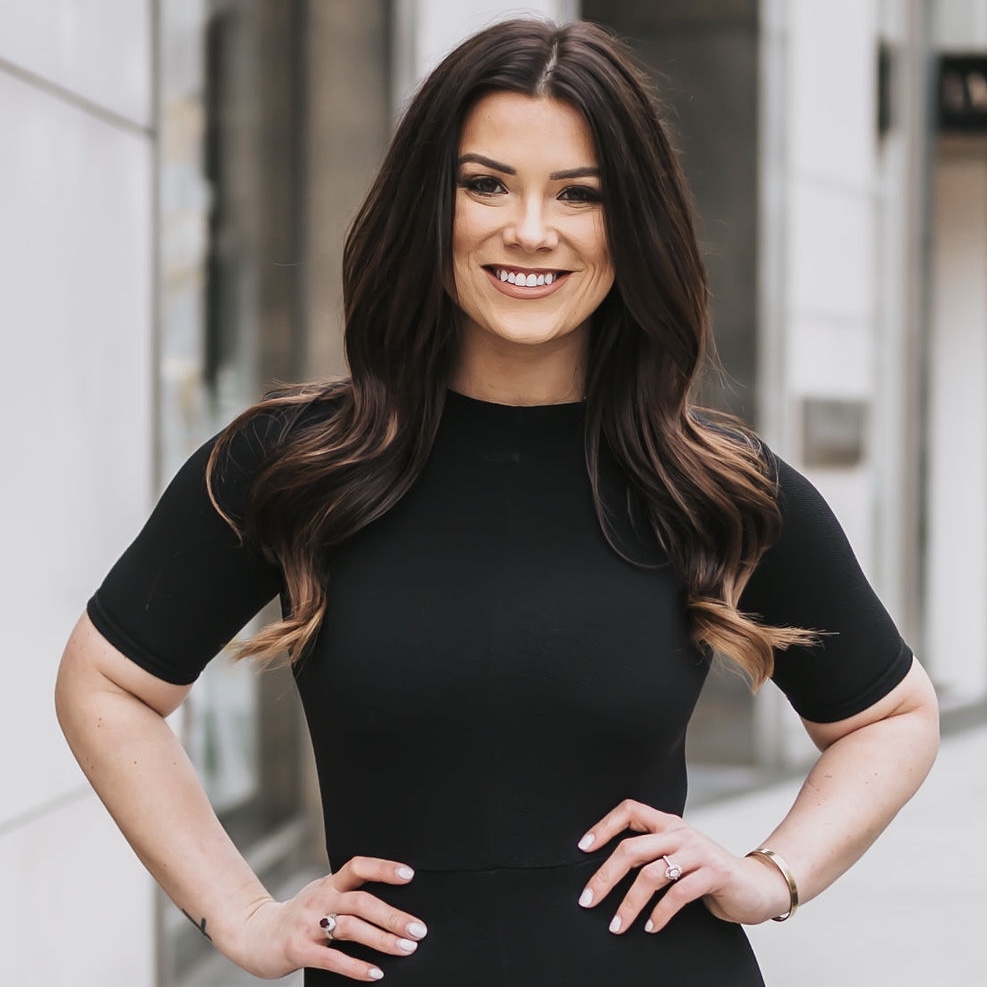
Oh man, I’m so excited. I cannot, I cannot wait for you to meet Tori Gordon. Tori is someone who has become just one of my favorite people that I met in the last couple years. We met her through brand builders. So she is, she’s a brand builder. She’s one of our clients, but she is extraordinary and she’s been doing huge things long before we ever got a chance to get to know her. In 2021, she actually has been one of tos, top 100 female creators. She has over 800,000 followers on TikTok. She has transitioned that into a fantastic coaching business. Speaking, she’s doing brand deals. There’s a number of things that she’s doing. And her content is really around helping people overcome their suffering and find perspective. And it’s just super inspiring. She is also a trauma informed breathwork facilitator.
RV (01:54):
She’s been featured in outlets like NBC and Fox news and CBSs and Yahoo business insider. And she hosts a podcast called the coachable podcast, which is in the top one and a half percent of all podcasts globally. And it’s fun to see that taking off for her and just so many different things that she’s working on. And obviously she’s an influencer. So she’s, she’s doing brand deals with big companies like can bud and better help, et cetera. And just inspiring a lot of people more than that. We just think she’s cool. And and she’s someone even like so many of our clients, even though she’s a client, it’s like somebody that we look up to and we learn from and just felt like you gotta meet Tori Gordon. And she’s got some awesome stuff to share with us. So anyways, Tori, welcome to the show.
TG (02:41):
Thank you so much for having me that was such a warm intro. And it’s just fun to be here and have this conversation with you. You’re somebody that I very much you and AJ are somebody people that I look up to admire and have learned so much from. So it’s, it’s fun to have this come full circle and get to chat while we record. So I’m excited for the conversation.
RV (03:03):
Yeah. Thank you, buddy. I mean we, we totally believe in you. You’re easy to believe in. I mean you have just built, you know, a, a such a phenomenal and loyal following which we would describe as quickly only because we’ve been around for 20 years. And you know, it’s taken you less time than that, but tell us the story a little bit. I, I mean, I wanna hear, I wanna hear about TikTok and how you’ve built that, but, but before that, tell us a little bit about your personal story. And you, you know, how you got started and how you figured out what, you know, I know that led to how you figured out what type of content you were gonna start producing.
TG (03:48):
Yeah. Yeah. It’s a great place to start. I think for me, I never would’ve anticipated that I would be having this type of conversation or be doing the work that do with clients or online ever if you’d asked me, you know, what, what would my future look like a couple years ago? You know, I’ve, I’ve been doing this full time for less than two and a half years. And before that I was in corporate sales, outside sales, and then I was leading a sales team of about a hundred people in five countries teaching and training them in sales training and onboarding and performance management, and was really kind of growing my, my career in that, that traditional way. And for me, I grew up in Alabama in Tuscaloosa. And so and I grew up in a family of educators and teachers, my mom and dad were both professors at the university level.
TG (04:47):
And so it was really always instilled in me the value of education and learning and being a student of life. And you know, I never really had a clear idea though, growing up of what I wanted to do. And so fell into sales. Like I fell into a lot of things early in my life, looking for other people to tell me who to be and what to do. I got my degree in social work at the time because a friend of mine said, Hey, it’s easy and it’s interesting. Come get this, you know, this degree, it’s an easy a and it was in college that my sister was diagnosed with acute myeloid leukemia. She’s 21 at the time. So I was for the first time experiencing a lot of upheaval in my life and just felt kind of lost at that season about who I was and what I wanted and felt like I needed to stay close to home to cuz of everything that was going on.
TG (05:43):
And over a couple of years, you know, I lost my sister, lost her battle with cancer. We lived through a massive F four tornado that came through our hometown in Tuscaloosa. And then my mom was diagnosed with stage four ovarian cancer and wow, those losses just kind of piled up on each other to the point where after my mom passed away, 10 days after my 27th birthday, I kind of looked at my life and I looked around this beautiful house that I owned at 26 and the money that I had had made and all of the things, all of the boxes that I had checked that I thought were gonna make me happy and I felt alone. I felt empty. And I didn’t know what if I were to have been the one to, to have died genuinely like would I have left behind?
TG (06:39):
Would anybody care? Like, did I make an impact? Did I, did I have a powerful influence on people in a positive way? And obviously my, my mother and sister did in so many ways, not just on my life, but so many other people. And it put, set me on this path of really trying to figure out what my legacy would be. What did I wanna be remembered for and how did I want to leave the world a better place than I found it. And so that required me to do a lot of personal healing and get to know myself in a whole new way and give myself permission to do things I’d never done before. And so my journey really started from a selfish place of, of really trying to, to figure out my life path and purpose and what I needed. And it, it began with starting a podcast just to talk about the things that I was learning personally in my journey and that evolved very quickly. I actually got a call from my corporate boss and her boss right after I launched my podcast back in 2019 saying the first thing they said was we saw that you launched a podcast and were disappointed.
RV (07:45):
Really.
TG (07:46):
Yeah. And they told me, you know, we, this looks like it takes a lot of time. How do we know you’re not, you know, doing this on the side, we want you to be fully committed to this company and nothing else. And it was very clear that they hadn’t listened to the show because they had no idea what I was talking about on it. And they made a lot of accusations. And so it was clear then I think my life started to open up this natural path of saying, if, if you really want to pursue this, you’re gonna have to have a deep commitment and current to do something new, but you need to learn how to trust yourself. And so after that conversation, I put in my two weeks notice and I started on this entrepreneurial journey that I’ve been doing the last two and a half years, but had no idea was one of those jump out of the plane and build the parachute on the way down kind of thing. Wow.
RV (08:37):
I mean, so I, I wanted to share that story for so many reasons cuz it’s just, it’s such a powerful story. And there’s, I think when people think of like, you know, oh, TikTok or they’re a talker, you know, it’s easy to go, oh, it’s somebody who, you know, just wants fame or just, just, you know, waste their life away in video. Or like we have all these really stupid preconceived notions of like what that means. And we, I think specifically for brand builders and our community of mission driven messengers, I mean obviously we of the things that we say all the time is you’re most powerfully positioned to serve the person you once were, your story is such a beautiful, one of going, you’re just using the tools of the day to help people walk through pain that you have already experienced. And I think it’s really important for people to catch that it’s like, it’s not vanity it’s, it’s not, it’s not even entertainment. It is. You’re, you’re just using a vehicle to reach a lot of people to, to try to help those who are going through something like what you’ve been through. I mean, to lose your mom and your, and have a, a tornado that magnitude all within a few years. I mean, that’s crazy. That’s, that’s crazy Tory.
TG (10:03):
Yeah, it was a lot. And I didn’t, you know, mention the three grandparents and the uncle and all the other people who passed in that time. So there was a lot that was going on. And, and to your point, I think a lot of people do we have these, these ideas in our head about what it means to be on social media. It’s funny. I was having a conversation in a discord channel the other day with a venture capitalist who was asking me about TikTok. And I was saying it would be an amazing opportunity for him to, to get global exposure and just to become kind of known as an expert in his space. Even if you’re not, you’re not selling, you know, your services on, on the platform, you’re just letting people know who you are. And it’s funny that no matter where people are in their journey, there’s all of these ideas that people have about, oh, people would think of me, what he said is people immediately think I’m phony.
TG (10:59):
People would think what he is really saying is people would judge me and I’m afraid of that. And the other piece is how many of us don’t think our, our ideal client is out there. And for me it was really, you know, before I was even thinking about selling to an audience or converting people that watch my content into clients or anything like that, it was just, I have a story and a message that I feel like can help somebody. And if I had had somebody, there were people in my life that I listened to that really encouraged me to, to do the work on myself that I needed at the time. And my, my goal was just to be a voice, you know, that would encourage people to to live a life that they were proud of and to, to stop avoiding things that they were, they were trying to run from.
TG (11:52):
And I think, yeah, practically, it’s just a, a smart strategic move because there’s millions upon millions upon millions of people that are on this platform. And the funny thing is when I got on TikTok, it wasn’t really strategic. It TikTok actually reached out to me and they said, Hey, it was in the middle of the pandemic. It was traditionally known as a young kid’s platform with that. A lot of kids were on dancing and doing trends like that. And they noticed a need in the market that there are so many people that are at home that can’t go anywhere and we wanna educate and inspire people through our platform. So can we bring content creators to create educat inspirational content across all these different industries? And I was one of ’em and then I just, for the first 30 to 40 videos was completely doing something I’d never done before, but it, there was this huge permission slip there because no one I knew was on TikTok at the time. So I just was doing something that was a little bit new and I a little bit fresh and ultimately resonated with people. Mm-Hmm
RV (12:59):
TG (14:03):
Yeah. I think definitely early on, I was trying to figure out what my voice was gonna be on this platform, because the thing about TikTok, if you’re coming from Instagram or any other social media platform TikTok at the time, really required me to think differently about how I was gonna share my message. And what I knew was my sweet spot was, was really just talking authentically to the camera. And so I started doing that like on my daily walks during COVID, I would have no makeup on, and I would just like be telling, you know, sharing a, a snippet of, of my day or something that you know, had just listened to in a podcast or something that inspired me. And I think the thing about TikTok is it feels really relatable and raw and real, the it’s built in such a way that you can create content on the fly and really document your real life, as opposed to what we had been traditionally kind of conditioned into, which is perfect feeds and perfect photos.
TG (15:03):
And this highlight real. So people were really hungry for authenticity and, and something that genuine. And so regardless of, of the type of content, I think the thing that helped me was just pulling, allowing myself to like put down any mask I wore on any other platform and just show up as me. The thing that really, really does well with, with audiences on TikTok is feeling like they know the person that they’re watching that you’re part of their life, or you’re part of this journey that they’re going on. And, and just telling a story is of one way to really engage an audience and take them on, you know, that journey. But yeah, we talk about deep topics and, and the thing that I’ve realized is that trauma doesn’t discriminate. You know, everybody has experienced something hard in their life and they’re all seasons that, that we need support in and can relate to.
TG (16:07):
And that’s the kind of content that moves people. It’s either funny, it’s emotional in some way, whether it, it causes you to laugh or to cry or to, to feel something think about all the, the videos you’ve seen of dogs or, or the, you know, pet of the week. And it just like makes you wanna cry. But I just talk about, you know, personal stories. And I, that’s what I encourage other people to do is let people get to know you on a deeper level that they might not see on other platforms.
RV (16:39):
So I, I have that question for you. So clearly that has been your strategy on TikTok. That’s worked really, really well for you. The, you know, and, and if y’all, don’t already follow her, if you don’t know. So if you it’s coach, coach Tory, Gordon is her TikTok handle. You’ve got videos of you crying and on camera and stuff. So do you think that other, do you think that that approach doesn’t work on other platforms? You know, just kind of like the raw authenticity thing, do you think it just especially works on TikTok? Do you think that other platforms are migrating that way now, or they’re not did it, did it really just work cuz you were early to the platform mm-hmm
TG (17:34):
Well, I’d say since Instagram has rolled out reels a lot of the, the things that you see do really well on TikTok are starting to do well on Instagram several months later. So I think there’s part, I don’t think it’s necessarily only on TikTok, but for those who’ve been on Instagram for a really long time, there has been a way that we’ve been conditioning used to seeing feeds and content there. So TikTok was for me, the first platform that kind of was this permission slip to be more vulnerable on social media. But I think that’s the way it’s trending in general, across platforms. People want realness. They want to see that they’re, we’re tired of that kind of fabricated airbrushed look all the time. And I think that showing up on Instagram different ways, whether it’s through video content or through other types of posts, but ultimately when, what I’ve experienced in trying to build a personal brand is people want to know you and TikTok makes it super easy to just post you can post a large quantity of content so that people can get to know you quickly as opposed to feeling like I can only post one post a day on Instagram.
TG (18:57):
Right? it it’s sort of like taking your Instagram stories and actually posting it. So it doesn’t go away after 24 hours. So those little snippets into your life that you might post on your, your story, people actually can go back and kind of track your history and see the things that you’ve done or the things that you’ve talked about. And, and there gets to be kind of this, this theme of what is this person’s content about? Is it, am I gonna go there and I’m gonna learn something, am I gonna go there gonna be entertained? Am I gonna go there? And I’m gonna be inspired. Am I gonna laugh? And people start to, to go to your profile cuz they’re looking for a certain type of content. And so the thing I love about TikTok is very quickly O the audience will tell you the, the kind of content that they wanna see more of. That’s just how the algorithm is built. There is so that anybody starting out, even if you have zero followers, you can get organic reach and the TikTok audience will tell you if they like it. And then you can do more create more of, of that kind of content, which is invaluable feedback to get
RV (20:14):
Mm-Hmm
TG (21:03):
Yeah. Definitely record in the app. That’s make it native to the platform. It’s a something that they really, really like when it comes to the algorithm, they they’ve built the platform in such a way that it’s easy to record right there in the TikTok app, as opposed to recording you know, with your HD camera and then uploading it. And having this perfectly curated video. It’s, it’s almost better if it’s not a lot of my content has been terribly lit, you know, when I’m walking my dog in the middle of the night or sitting in my car before going to meet a girlfriend for dinner, and it’s just like, I just whipped out my phone and I press record record, and I just started talking. So I wouldn’t over it’s it doesn’t need to be overproduced. The other thing I’ll say practically is, is definitely use the, the text overlay feature because the TikTok algorithm picks up on the text.
TG (22:02):
That’s written through the app and those key words show up show the algorithm who to show that piece of content to. So that’s really helpful. So if you have keywords such as success or motivation or mental health or anxiety that that’s gonna dictate kind of who gets to see your piece of content first, and if they like it and they watch it for a significant amount of time, that population gonna grow getting people’s attention early is another thing. So just practically doing something that kind of hooks people in. And, and this is something that’s talked about on a lot of PR platforms, but especially on TikTok, if you’re just a user of the platform, you’re gonna start to notice the types of that really gets your attention. There’s something that happens in the first couple seconds that makes you intrigued. And that can even just be a shift of, of the camera, like the camera angle that you have or a sound that you make.
TG (23:05):
So using the, the video, like for feature within the app, using the text overlay and using keywords and now I think actually it’s becoming sort of SEO driven and keyword driven. So it’s actually, your videos will show up in Google if you search for certain keywords. So it’s similar to what YouTube has done. When you’re thinking about titles or, or kind of click baby word choices, that’s gonna help people to, to click on your your content. So that’s one thing you can be thinking about, but ultimately I say people really like to be taken on a journey. So if you’re thinking about the type of content, think about either something you can teach or steps to a process something like that even, and it can be around just anything and everything. Whether it’s, Hey here, 10, 10 best things to do on a date or the 10 things you don’t wanna do on a date that can be 10 pieces of content right there, and people will come back for more. Do
RV (24:16):
You, how long does it take you to make a TikTok video?
TG (24:20):
I, the be the shorter, the better traditionally so around, I would say five minutes if you’re editing and everything that I would tell people to do 15 seconds or less, less for a TikTok, if you’re just getting started. But there’s a three minute feature now and I sometimes use that and those have done extremely well, two but ultimately I don’t overproduce my content. I really I try to make it as raw as possible because that’s kind of my, my thing and how people know me, the more edited, the more transitions there are. It actually just doesn’t do as well with my audience. They, they know me for just sitting there and talking to the camera spilling my heart out and then you know, letting that be that be it, I don’t really overthink it when I, oh, it comes to producing the content itself.
RV (25:22):
How do you make money from this? Okay. So this, that, this is a question I think that people have, right? Like you know, you start doing this, you’re incorporating it into your rhythm, even if it only takes five minutes. And of course, when you’re first learning how to use the app, like, what are all the buttons do? It’s there’s, you know, learning curve. Sure. The it’s a lot of time, there’s some risk. I mean, you’re putting yourself out there. I mean, I think to the, to, to the fear of to, to the fear of you know, that VC, that person that you were talking about earlier being judged, I think you will be judged. I mean, you will have haters. Like you will have some people who, who show up, but like, so you, you do all of this. How does it turn into money? So talk to us about that.
TG (26:11):
There’s several ways. One is just creating content on the platform. Once you have reached, I believe it’s still 10,000 followers. You can join the creators fund, which will pay you based on the number of views that you get. And you just get paid simply for creating content that gets viewed. That’s one way you can also
RV (26:39):
That’s really cool by the way, cuz that no one else has none of the other platforms have that. I don’t think of just like mm-hmm
TG (26:52):
So that’s and that’s available for any and everybody. So that’s one super easy way. The second is if you have a thousand followers, you can start to use their go live feature. That’s one of the best ways to create a real community, having some kind of cadence and consistency around going live so that you’re really building relationships with people and on your lives, people can pay you so they can pay you through coins. They can tip you just on your videos, on your channel in general, there is an option to add tips. And so people will just, if they like your content, they’ll, it’s basically like being able to support an artist or something that you like, but you can support a creator through tips. So
RV (27:37):
It’s like a band, like a band playing at a bar or something and you just like drop the money into the tip chart.
TG (27:44):
Yep. And it will interesting surprise you the other day. I just actually added that feature and I never thought, you know, anybody would, would do it. And then I looked the other day, somebody had tipped me a hundred dollars and I was like, wow, that’s so amazing. So I really felt compelled to reach out to that person and start a relationship with that person. Just thank them for their generosity. But you’ll be surprised. You know, I think especially as content creators, we forget how much of an impact we really do make on people and how one piece of content can be the thing that inspires someone to quit a job or leave a relationship or start a business or ask for help or whatever it it is. And people feel indebted to you when, when you’ve been kind of that voice, that, that was guiding them in a time that they really needed it and they want to give back and they want to say, thank you in the ways that they can.
TG (28:39):
So whether that’s through lives or tips that’s one way that you can monetize it. Then as you grow, there are so many brands that want to collaborate with content creators on TikTok. It really is. Video is the next, the next thing that’s, that’s really being pushed on social media. We moved from, from photos to, to video and now
RV (30:11):
I love that. That’s, I mean, that’s simple, but that’s, that’s, that’s a lot of different things. I mean, you’ve got the creator fund, you have the tip function, you’ve brand deals, and then you have basically just driving your audience to buy your thing, which is kind of the world that we live in mm-hmm
TG (30:51):
Yeah, well, like, like I said there are people in our lives that kind of point the way and show us, I always look to people who are, are doing the thing I wanted be doing. And as many listeners of the show know like Lewis houses is probably one of those people for many of us who we’ve watched and admired and, and listened to. And I remember hearing you on Lewis’s show and seeing all the things that he has built. I, I wanted to work with somebody who could guide me in terms of all of these opportunities. I was kind of naturally getting anyway. I didn’t know where to focus my attention or my time or my energy. And it had felt like in, in a year and a half or two years of doing this, I had been piece it all together and trying to hire somebody for, you know, a website and hire a branding person and hire somebody to help me with ads or whatever it was.
TG (31:55):
And what I really needed was a mentor. What I really needed was somebody who could, who had done it before
RV (32:59):
Yeah. I love that cuz I think that’s one of the, you know, some people we work with are like brand new in their journey and it’s like, help me get clear on all this. Somebody like Lewis is obviously way far down the path and it’s more of like help me sort out my options. But I think with everybody, we’re always trying to play that long game and go like, how do you make this substantive? Not just viral or, you know, a flash, but like a true sustainable career. You know, when meeting people like you and hearing your story is just, it’s like you, you should be, I mean, there’s such a need for, for what you’re doing. And it’s been, I think, you know, aging, a heart and, and, and mine in our teams like has been the first couple years of brand builders group, I think have been a lot about the, the curriculum.
RV (33:48):
You know, we’re just trying to formalize, like you’re saying like how have we built what we’ve built and helped the people that we have and like turning it into a process that I think the next generation of brand builders is really about
TG (34:32):
Yeah. I mean, when I think about investing now, as opposed to when I was initially investing in coaches or, or mentors or programs early on on the motivation has definitely shifted a bit. Now, obviously I care about the curriculum, but I really care about the people that are in, in the community. Who am I networking with? Who, who can I learn from? Who can I support and how can I collaborate with them? That’s really so much value that you guys bring on top of everything else that you teach is just attracting really powerful purpose driven leaders together. And that when you get people like that together, there’s just synergy. And so many idea is that, that form and how can we do this? And and that’s really exciting for me because as a entrepreneur that has built an online business, it can feel super isolating. And like you’re the only one. And you only get to connect with people, you know, via the internet. And that’s great. And sometimes you, you wanna go deeper and that’s what we get to get to do and what I’ve, I’ve had the opportunity to do with other brand builders, which has been really amazing. I love
RV (35:51):
That. Yeah, that’s that, that fill just fills me up and you know, I’ve, I’ve, I’ve gotten no doubt. Like, you know, if I could buy stock in somebody, I would buy stock in Tory Gordon, because it’s just like the trajectory of where you’re going and, and the people that you’re hanging out with inside our community. It’s like, you, you can, you quickly spot the ones who are willing to do the work and willing to spend the time and get to know each other, speaking of the future, just while I have you. I do wanna, I know we got way over time, but, but you mentioned the metaverse, this is something I’ve started paying attention to a little bit. You know, I was late to the game with Facebook. Definitely missed the boat on Instagram, missed the boat on TikTok. Podcasting was the one thing that I kind of caught the wave early, but then we ended up selling the podcast when we sold the company.
RV (36:39):
And so that disappeared, you know? And so mm-hmm,
TG (37:14):
Like you, I have my, my hesitations and my fears around what, what the future holds, but I am also, I have learned to follow where the young people go and I’m not I’m I know I’m still young, but the, the kids are kind of on that cusp of what’s coming and what’s new and it’s, they it’s to crypto and it’s the metaverse and it’s NFTs. And I actually heard an interview that you did with, I think Tom bile talking about NFTs on success of successes page on Instagram. And that kind of got my, my wheels turning. And so I started to do my research and we just invested in our first NFT. And metaverse project over the weekend. I’m really excited about because the truth is I, I do think that’s where we are headed. And like you said, it it’s about getting in early and really adopting the, the technology and just accepting that this is kind of where the future is headed.
TG (38:20):
That the sooner I can accept that and get on board with it, the sooner I can also help to shape it and what that’s gonna look like. And so if we’re gonna be, you know, meeting virtually in the future, then that means I can help to create a safe space for people to do that and to, to connect and engage in a way that is nourishing and is supportive. And that, that’s the things that really excite me is being part of something that’s being built so that I, I can have a hand in part of that conversation. And, and what, what does that look like in the future? And typically in my experience, the, the kids are the ones that are leading the charge on that. And so I’m gonna kind of keep my eye out for where they’re headed and what they’re, what they’re into and do my research. Like everybody else. We, none of us really know, but I’m, I’m learning along with everybody. Just like you
RV (39:21):
Love it. I love it. Well, Tori, that is that’s enlightening and, and just yeah, I mean, that’s how I feel. It’s like, I, I used just for so long, I’ve been, I was always the youngest, the young guy, the young kid, the youngest one in the room and, and, and I look back and go, wow, I’m not that guy anymore. And pretty soon I’m gonna start being the old guy and the oldest person in the room. And and so I just admire how you’re learning and growing and just like, even what you’re saying, looking to the, looking to the young people. And yeah. So thank you for, thank you for your trust. Thanks for the chance of, of an, the opportunity for letting us shape, you know, some of the direction of what you’re up to. We know it’s gonna be huge, huge, even huge than it is
TG (40:14):
I’d love to connect with you guys. I’m on social Instagram, TikTok I’m coach Tory Gordon. You can also go to my website, Tory gordon.com. Find out all about me. And we’d love to give you guys access. We’ve been talking about a lot about success and how to get there, but one of the things I really teach a lot about is, is how to make that sustainable long term. And so I’ve got a free training if you guys are in should you can grab that on my site and we’ll, I’m sure we’ll put it in the show notes or something, so you can guys can get access, but to gordon.com is the best way to learn more.
RV (40:48):
I love it. Yeah, we will. We’ll link up. We’ll link up to all of that. We’ll be following you on the TikTok. And maybe looking out for you in the metaverse here at some point hopefully seeing you at a brain builders group event live, we, we got about half our events live in person next year, so that’s good. And we just, no matter what, we’re just know, we’re, we’re, we’re polling for you and praying for you and wish you the best. Thanks so much for sharing your story. Thanks
TG (41:13):
For having me, Rory
Ep 239: 400k TikTok Followers in 40 Days with Hilary Billings and Marshall Seese Jr. | Recap Episode
RV (00:01):
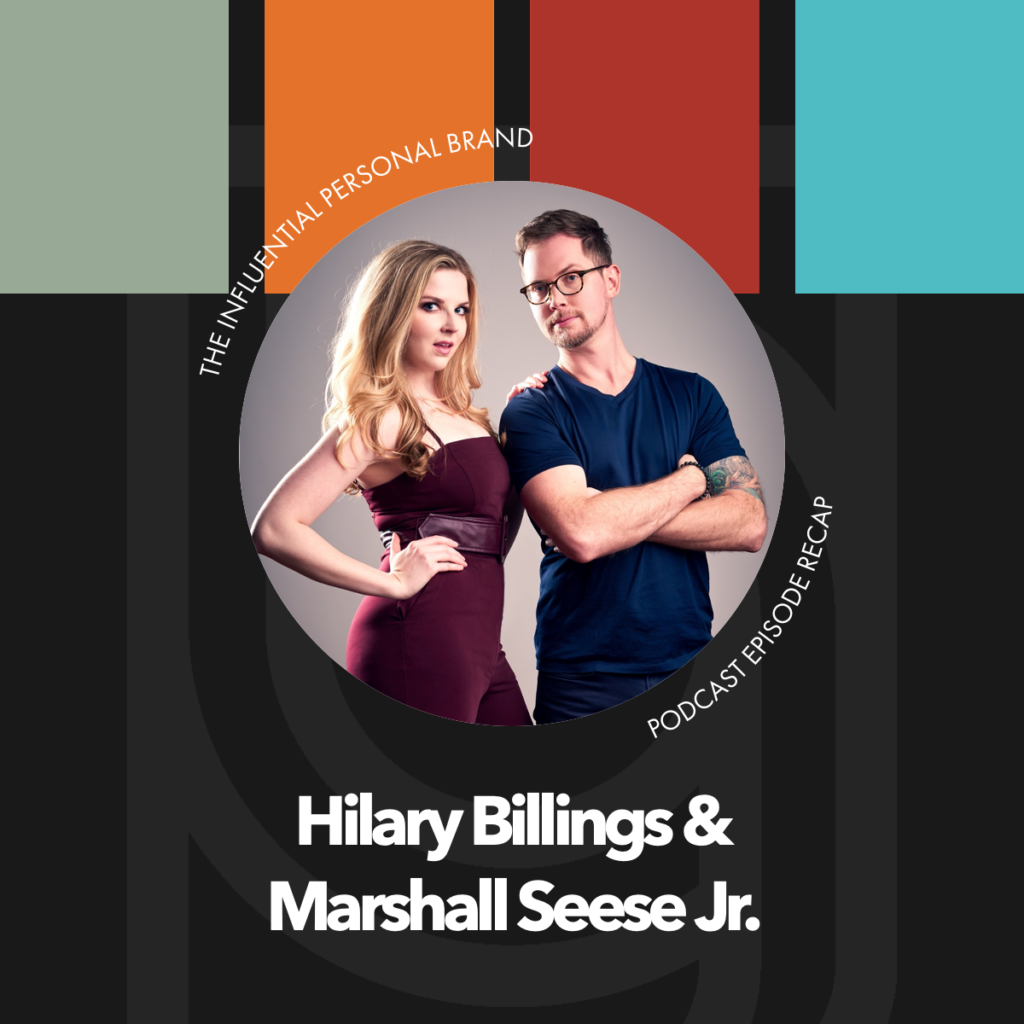
How in the heck, did she grow 400,000 followers in 40 days? That was the topic of the interview that we just finished with Hillary billings and, uh, her boyfriend Marshall talking about how they do, you know, a, their TikTok strategy. And, oh my gosh, what an amazing interview. These two, these two are freaking brilliant. Like they are so creative and, and intelligent and systematic, but artistic and just like insightful, but also intuitive. I mean, it is amazing. And that is a hundred percent true story. She grew 400,000 followers and 40 days on TikTok that’s that is, is gnarly. So if you didn’t listen to that, go back and listen to the interview. Uh, of course this is the recap edition here. I’m gonna be breaking down this, this interview with Hillary and Marshall and, uh, I’m learned a ton. I’m gonna boil it down to my top, my top three takeaways here for you, but oh, so powerful.
RV (01:10):
And, um, and really cool. So, so first of all, one of my biggest takeaways is at a macro level, there is a major, major shift that is taking place that you at least need to be aware of and mindful of. Um, and that is that entertainment, like the entertainment, uh, you know, like actors enter entertainers in Hollywood, like it used to be who can bring the talent, right. It was like, okay, you know, if, if you’re gonna even, even I think this is gonna apply to sports and it’s like, okay, if you’re gonna get a scholarship, you know, to come play at some college, you know, who can throw a football or who can, who can shoot a basketball or whatever. Um, and it was like, you know, if you’re gonna get on Broadway in New York, it’s like, who can sing? Who can dance, can act?
RV (02:04):
It’s all of these different things, right? It used to be who can bring the talent. But the major macro shift that’s happening right now is it’s not just who can bring the talent it’s, who can bring the audience, who can bring the audience. Right? The Logan, all of the world are getting these huge acting deals. This is what Hillary was talking about. Um, and that it’s it’s it’s because they bring their audience with them. They have this built in audience. And in a way, this is what, how endorsement deals have always worked. Like whoever the famous actor is, gets the big or act gets the big endorsement deal, because they know that so many millions of people know who that person is. And if that person says it’s good, then they’ll buy the thing or sign up for the thing or whatever. But, but it still that they had to become famous initially by getting some role, doing something, usually based on their talent.
RV (03:04):
Now it is based on their audience who has a huge audience. And it’s almost like, I mean, in a weird way, I think just the value of talent is changing because it’s almost like, well, what is your talent worth? It? It’s it’s going well. One of the, the measures of what that talent is worth in the marketplace is how many people pay attention to it. And because there’s sort of this equal playing field of us, all building our own audiences, you go, well, you know how many people are paying attention to it? How many people are following it and liking it and subscribe to it and engaging with it. That is a, is an indicator. It’s a market indicator of not just how talented someone is, but, but what is the appetite of the market for that talent right now in real time, you know, in, in compared to everything else that’s happening in the world.
RV (03:55):
And you go, man. So that, that, that is why the number of Allers you have it, it does matter. Like people say it doesn’t matter. It, it does matter. We’re just, you know, we, we often talk about, Hey, don’t, don’t, don’t put yourself esteem in that, like, you create what you create and you should be focused on, but, but you should be focused on growing your reach because it matters, right? Like you, your ability to monetize is gonna be directly related to your reach. That’s why we talk about the reputation formula. Don’t forget what the, the brand builders group reputation, formula results, times reach equals reputation, results, times reach. So results is like the talent, right? How good are you? But reach is a huge part of it. And that’s just a monster shift that’s happening in the market. This, by the way, is something I realized early on as a speaker.
RV (04:44):
Um, if you know anything about my story, right? Originally my dream was I wanna be a speaker that was like the path that I was on. I never thought I would end up doing what we’re doing now, but it was kind of like I realized early on that the best speakers in the world were the people who won the world championship of public speaking for Toastmasters and the hall of fame speakers, uh, for the national speakers association, they were the best speakers in the world. When it came to mechanics delivery, the art form, the craft, the using the, the stage, the stories, the structure, the, you know, the jokes, but they were not the highest paid speakers. Why? Because they didn’t and bring an audience with them. The highest paid speakers are former presidents, right? And they’re celebrities. And they’re, you know, a lot of times they’re, they’re whatever their, their icons of industry, because they’re more well known.
RV (05:35):
Well, why is a meeting planner willing to pay more for that person? Because the reputation of that person being associate with the event increases the value of the event, the perceived value of the event, it increases the credibility of the event. And because that person is a draw, if it is a public event or any type of event where people aren’t, you know, forced to be there like employees, but any type of event where you’re trying to get people to, to opt into coming or paying all or some of their way to come, people will pay to come see someone they’ve heard of. They will not pay as much to come see someone they’ve never heard of. They don’t, they don’t, you know, they need, they don’t know why cuz they don’t know who the person is yet. So used to be about talent, who can bring the talent.
RV (06:18):
Now it’s about who can bring the audience. I mean, it’s still about talent, but it’s about both. And so this is a big deal and I’m not saying I like this. In fact, I, I, I’m not sure. I, I’m not sure that I prefer this, but on the one hand, there is kind of a, a beautiful part of this, which is the equal playing field of so media to go, we’re all playing with the same algorithm. We all have the same opportunity. Like we can all build our own audience today. We all, you know, for the most part, have an equal opportunity there to do that. And it allows people with great talent to get discovered or, or not even to get discovered. It’s like they discover themselves because their, their audience lifts them up versus have having some, you know, executive have to choose, choose them out of a hat, so to speak.
RV (07:02):
So you gotta realize this, this is what’s happening. And there is a lot of economic value in the fact that you have your own audience, not just cuz you can monetize that audience, but it makes you more valuable to everybody else because everywhere you go, some portion of your audience goes with you. That’s a really, really big deal. Um, you gotta really understand it. And uh, anyways, I, I think in some ways I’m a little bit late to the game. Ironically have, have been late to that game over over the years. Um, so that was huge. Um, the second way I had was such a simple, simple technical tip, which, and this is just cuz I don’t use TikTok really to I am on, I am on TikTok and uh, we’ve been, we are, um, focused on, on, we’ve been focused on growing Instagram and growing my Instagram reels.
RV (07:56):
And so we will at some point start moving that over to TikTok one as we could do it consistently. Um, but we’re not really on TikTok cuz we’re not able to, we don’t have the bandwidth to like keep up with it yet, but we’ll be there. But um, anyways, the discover tab in TikTok will tell you the tags that, that the platform wants you to use right now.
RV (08:46):
When you, when you pro I assume you let me just speak for myself when I am thinking as a consumer and I look at the trending hashtags on Twitter, I almost always go, those are so weird. Like why are people paying attention to these stupid hashtags, right? That’s me approaching it as a consumer or maybe I go, oh, that’s really cool. I wanna see what that’s about. But if I flip the switch and, and approach this as a creator, I go, this is a, this is a roadmap. This is an instruction manual. Like this is, these are the keys to the kingdom right here. The platform is saying, this is what’s hot right now. This is, this is what everyone’s paying attention to give me fuel for this thing that has already taken off. Basically it’s like this train has already left the stage, jump on while you can.
RV (09:38):
And it’s, it’s, it’s the most clear direct roadmap. I mean, this is so simple, but so massive to just go, okay, if I’m on Twitter, let me look at the top training hashtags. Um, I’m sure there’s a way to do this on Facebook. I don’t know. We didn’t really talk about that. But on TikTok specifically was what we were talking about is it’s the discover tab. Uh, you can also do this in Instagram, on the, on the explore page, right? And you can run searches with like, what are these top performing hashtags? And then you go, this is approaching it as a creator rather than a consumer. As you say, what piece of content could I create? That would be on brand for me, but that would speak or, or plug in or tie in or draft off of this hashtag that’s such a simple shift, but it’s massive.
RV (10:26):
Right? Everyone, you know, we all go, man. I wish the algorithm would help me more. I wish I could go viral. And yet every single time, every single one of us logs into one of these platforms, it tells you what’s going viral. If you wanna go viral right now, create content on these topics. And yet, as a consumer, when I have my consumer hat on, I, I basically like, it goes, it flies right past me. But you know, these professional creators like Hillary and Marshall, I mean, these people are genius at the same time. It’s also kind of simple, right. And going, duh, like open your eyes, pay attention. It’s right there. Like they’re, they’re serving it up to you right on the silver platter. Like this is the content that’s hot right now. Create content for me on this. Oh, it’s so simple. Um, it’s so simple and, and it’s also helpful to go instead of having to create a thousand content ideas yourself, what if you just logged in and said, what’s trending right now.
RV (11:28):
What piece of content could I, could I create that would align with what is trending right now and then right that way. And I’m just going, man, I am an in honestly, I’m going like, how have I missed this?
RV (12:22):
But like outside of that, leaving as a review is, is one of the most helpful things that you can do. And you know, if you are listening to these episodes, they’re, they’re just powerful, full, right? Like, I can’t believe the amount of, of free advice that all these guests are given away and stuff, and hopefully you get value outta these recaps. So anyways, the third thing was just the mindset, um, in how Hillary and Marshall approached this, right? Like, and I would put them in this kind of professional creator category, right? They’re they’re true creators. I wouldn’t even call ’em influencers. It’s not that that they’ve got like millions and millions of followers and people buy whatever they say. I would put them in the creator category. They, they are specifically in explicitly understanding how to manufacture virality in views. And so how they think is really important to go, how could I adopt more of this?
RV (13:17):
And, and this was one of the biggest takeaways is they simply said, if you wanna be a great content creator, you have to approach it with an experimental mindset, an experimental mindset. And, and this was one of the, one of the lines. I can’t remember if Hillary said this or Marshall, but you know, they create a lot of this stuff together. And, um, they, they’re definitely a team. And, and they said, don’t base the success off of the videos. Think base your success off of the systems, don’t base your success off of the, off of the videos, base your success off of the systems and, and going, you putting your self esteem and your pride and your focus into like, okay, I’m, I’m creating this production company and there’s this set of processes that we run. And there’s these, there’s these certain things that we monitor and we measure and we account for, and we tweak and we test and, and, uh, and that is what that, what sort of like the value is, it’s not, oh, we got lucky or we feel really good cuz this one video went viral. And did you hear what she said? Like about the video that she made about the parallel parking? She said that video didn’t perform on Facebook. So she had this, this video about parallel parking that she posted on Facebook that didn’t perform. And then it got 40 million views on TikTok. That’s insane. Like it went, it blew up on TikTok. How did it get 40 million views? Well, you know, there’s a couple lessons there. One is, it
Speaker 2 (14:51):
Shows the lesson of, of posting content on multiple platforms, right? Like the audience on each, platform’s a little bit different and you know, so the content that you think tanked over here might be useful over here. If you have the team, uh, who can help you do it. So be experimental in your mindset, in your approach and just keep going, just keep going. Just keep going, keep coming back here every single week on the influential personal brand podcast we love having ya. We’ll catch you next time. Bye. Bye.
Ep 245: How to Know if Writing a Book is for You with Tia Graham | Recap Episode
AJV (00:03):
All right. This is the debrief from my interview that we just had with Tia Graham, who is a brand builders group client. She’s a long time client. She’s been with us for over two years. And over, over the last two years, she’s been through the somewhat grueling process of writing and publishing and launching her book that comes out this, this month, January, 2022. So I wanna give you a couple of the quick highlights of some things that she said that I think are really important and really good. So this is your cliff notes version of this podcast interview with myself and Tia. Here’s the first thing when we were talking about social media, I loved what she said, because I hear it so many times right now it’s create content that’s unique for the platform that you’re putting it on.
AJV (00:50):
Right. And I think there’s, there’s a time and a place for duplicating content so you can maximize the use of every piece of content in a variety of different ways. And you can still do that. I just think addition to that, there’s a lot of power in going, I know the audience that I’m trying to reach on X platform and in her case she’s got a huge B2B audience. And so LinkedIn right. Is a huge platform for her. But actually going, it’s like, okay, what is the mindset of someone who is on LinkedIn? Right? So they’re in the work mindset, it’s career oriented, it’s business oriented and being really intentional about the type of person and the mindset that the person on this platform is in while you’re creating content for that platform is so good. It’s like, it’s so common sense, but it’s so good because we don’t do that all that often.
AJV (01:47):
It’s like, what would it mean for your social media following or engagements to actually go, no, I’m gonna curate content that is really unique for the people who spend time on this platform. So I know if they’re on this platform, this is what they’re looking for. So I’m gonna give it to ’em on this platform. I love that. I thought that was awesome. And I love to hear what she said about all the growth she she’s had on LinkedIn. And I could just say for me personally, in the last three months, I’ve made some huge shifts and how I produce my content actually producing. It was one. So back in the saddle for me after like a three year hiatus but it’s it’s being so super intentional about what platforms you’re creating for. And one of the things that I’ve been doing, and I, I learned this from several different interviews that were on this podcast.
AJV (02:35):
So yeah, I listen to our own podcast. It’s really good. I encourage you to go back and listen to some episodes too, is really telling your audience what platforms go to for what? So, like, for example, like if you want to learn about me as a person, like a human being, like you wanna learn about my awesome husband, Rory Vaden, you wanna learn about my awesome two little munchkins Liam and Jasper you wanna learn about what I like to do on the weekend or what I like to eat or where I like to go me as a believer. It’s like all these different things go to Instagram. It’s just about me. It’s like, it’s me as a human being. But if you wanna learn from me, you wanna learn about personal branding, entrepreneurship, leadership. You want my content, you want educational value go to LinkedIn, cause you’re not gonna get a ton of that on Instagram.
AJV (03:23):
And you’re not gonna get a ton of the personal side on LinkedIn because I’ve gotten really clear on how I build and create my content and for what platform and what people like. And I, I love Tia’s comments on that. And I think those are great takeaways for all of us of taking a deep hard look at how am I creating content for each platform. So that would be my first big takeaway. And I love that. I thought that was awesome. So that’ll be my first one. The second one that I think is so awesome is around the book. And I think this is a great reminder. So my second and third are both around writing book. So if you’re out there and you wanna write a book or you wanna write another book, right? Or maybe you’ve done a self-published book, and now you wanna do do a traditional published book or vice versa.
AJV (04:10):
It doesn’t matter. It applies all the same as one is be prepared to do the work. I think we live and time of, I want it and I want it right now. And if it takes longer than three months, then something isn’t working or if it doesn’t make me an immediate return on investment, this was a waste of my time and my money. And that’s just not true. You guys, weren’t privy to this conversation that I got to have with Tia after I stopped hitting record, I should have hit it again. But I thought this was like a great reminder of, you know, what it has been two years of learning and hiring experts and working with coaches and a lot of accountability of like, no Tia, don’t do this other thing, stay focused. This is what you’re doing. This is what you’re doing.
AJV (04:59):
Don’t, don’t get distracted by all the shiny things that we see happening out there, stay the path. And I think it’s really easy to just go and this and this and this when we don’t see the results that we want immediately. And one of the things that Tia said in our debrief discussion is she goes, I know I’m not gonna see an immediate return on all the investment I’ve made or over the last two years. But I know that the investment that I have made is going to keep going for years. So maybe I won’t recoup all of it in the first six months or even in the first 12 months, but I already see the amount of sales that are coming in and the consulting opportunities and the speaking opportunities that this is going to pay for itself and a whole bunch more.
AJV (05:43):
And I think we all have to have the perspective of that. Our investment is going to be worth so much more if you just stay at it, don’t give up and keep going. And don’t think because it didn’t hit the New York times and opening week that it’s not gonna be a huge raging success. That does not mean that it’s just keep going consistency over, you know, the flash is always better. So I just love that, just that re that reminder of like, it takes time, but if you put in the time and you do the work, it will come back and, you know, it’s like I can use our books as examples, you know, you’ve got take the stairs and procrastinate on purpose. It’s like we still get steady royalty checks for those every quarter, or I guess really twice a year now.
AJV (06:32):
But you know, officially in 2022, which seems so crazy, take the stairs launched 10 years ago, this year, it’s out for 10 years. And so when we think back about those original investments of time and money and resources of going, man, is it worth it? It’s like, man, we’re still getting good, healthy royalty checks 10 years later. And the amount of consulting and businesses and speaking engagements I’ve come from that is extraordinary. Now it did all happen in the first two months or three months, but it will continue to go. And that’s a beautiful thing about writing a book is it’s got a very long shelf life. So just be patient, that would be my takeaway is be patient. And then my third takeaway was I also connected to the book, but was something about the actual content of the book itself, which I just think is such a good title.
AJV (07:26):
And it’s so relevant and makes me wanna like go read it the whole thing tonight be a happy leader. And I love one of the things that she said in the interview about what is one thing that every single person should read that’s in this book and it’s about the importance of owning and sitting with your emotions. And I think that’s really important because so often it’s like, you know, we hear, we literally hear the phrases. Don’t be emotional, don’t get emotional. And Tia is saying, no, get emotional, be emotional, feel, accept, and deal with all of the emotions. That’s a part of what makes you happy. It’s like if it’s anger, figure out where it’s coming from if it’s sadness figure out where that’s coming from, whatever it is, it’s like, you’ve got to accept and actually interpret and sit with those emotions.
AJV (08:13):
That’s a part of being a human being. So pushing ’em down, isn’t gonna make you happy, but actually explore them and discovering them and figuring out where they come from makes us happy. And ultimately when we’re a happier human, we’re a happier leader. So I just, I love that around happiness, doesn’t come from having hardcore deadlines and lots of stress and overwhelm. Like that’s not happiness. Happiness comes from, there are things that bring excitement and we experience all of the emotions. And so it’s like, how do you become more happy? Right. Happy at work, happy at home, but how do we create more happiness, more joy, more fun, more excitement just more peace and what we do, because when we’re happier people, we will be happier leaders. And I think a lot of that has to do with falling in love with what you do. So how do you do that? Right. I don’t have the answers for you. Those are, those are in Tia’s book.
Ep 244: How to Know if Writing a Book is for You with Tia Graham
AJV (00:02):
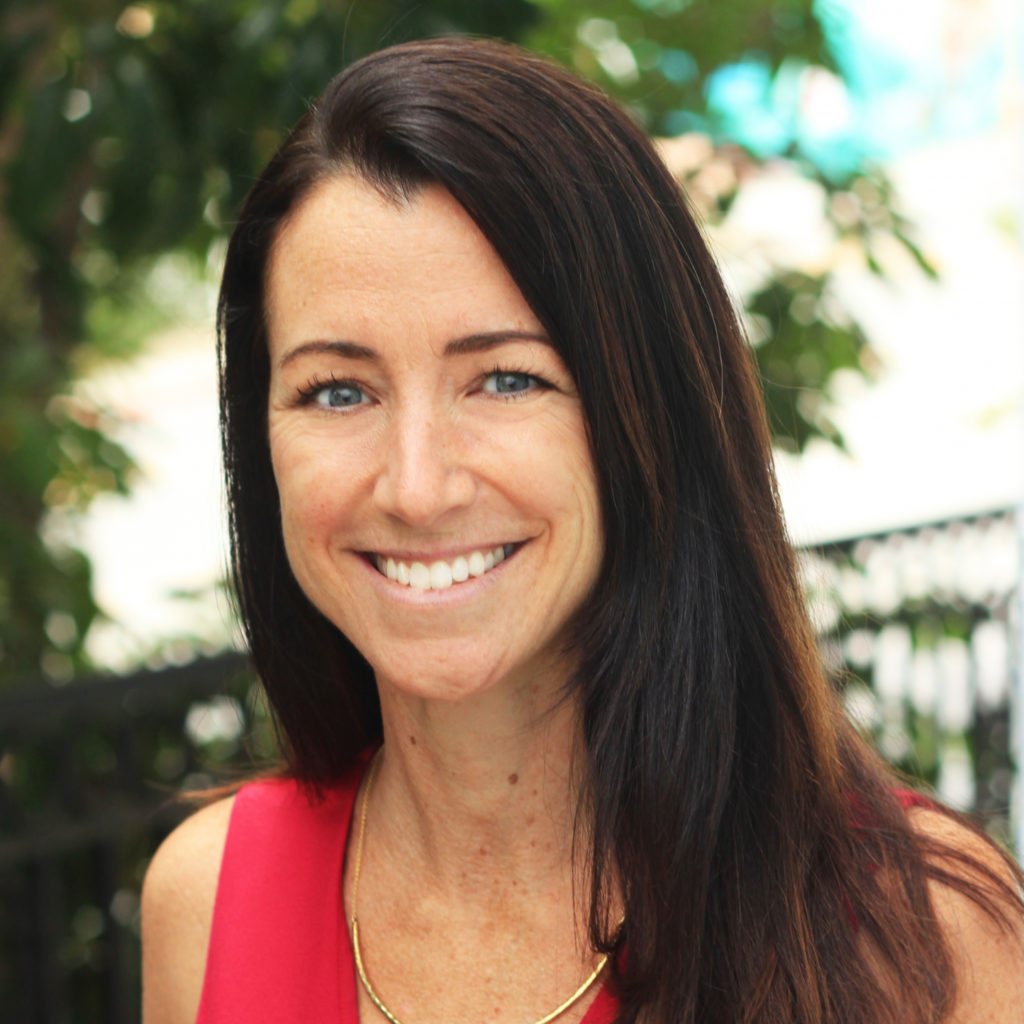
Y’all I am so excited to have our guest on the influential personal brand podcast today. You will, if you’re watching this on video, you’ll see her lovely face. If not, you’re about to hear from her. I am so excited because we have the opportunity to not only know miss Tia graham also get to work with her. She’s a client of ours at brand builders group. She has this amazing upcoming book. Again, if you’re watching, you’ll see me holding up a book, if not you’ll just hear me talk about it, but it’s called be a happy leader and who does not want to be that, but I think one of the reasons that I wanted to have a team on is this really cool divide and combination of how do you use your personal brand to grow your existing business while also extending the parts of your personal brand outside of your existing business, which I really love. And I also, I just love this whole concept of using happiness as a science to have more productive team members and leaders and humans as a whole. So Tia, I’m so excited about this. Welcome to the show.
TG (01:15):
Oh, thank you. I’m honored to be Here
AJV (01:16):
Oh, this is gonna be so great. So, okay. So we’re gonna keep this a little casual and as we go throughout the interview, I do want people to tell I want you to tell everyone a little bit about the book that’s coming out later this month. It’s very exciting. And then I want you to make sure you can tell people where they can get a copy of the book because it’s launching soon. Right. So, alright Tia. So you’re a guest on this show today and we don’t typically have a ton of our clients on the show for whatever reason, but I thought this would be a really great opportunity for someone who in your words would say that you’re maybe in more of the beginner mode building your personal brand, but also established in your business. And so I’m curious, what was it about you and what was it about it in general that says, yeah, I want to build my personal brand. So tell me how did that come about for you?
TG (02:12):
Sure. Yeah, so I was very intentional when I named my company and created my company, which is called arrive at happy. It’s not called Tia graham. And because I, my intention is I want it live on way past me and, you know, continue to grow and, and help people, you know, pass past my life is, is definitely, is definitely part of my intention. But I also is very cognizant that so much of arrive and happy right now is, is Tia graham. And I, I, you know, now I’m an author, but I speak, I do professional development with leaders, very active on social media platforms, et cetera. And the way, one of the main ways that I’ve built my business is through relationships, relationships with Tia Graham
AJV (03:17):
I love that, you know, and it’s something the, that we talk about all the time with our community and, and even on this podcast around everyone has a personal brand, IE, your reputation. It’s just some of it build it more proactively. So I’m curious. So how would you say, because you do have this really awesome combination of both B2C and B2B opportunities here, how would you say that you have seen building your personal brand actually help you grow, arrive at happy?
TG (03:49):
So I have, I would say the number one way is strange what I call strangers, right. I just said, I built my business through relationships and people that I’ve worked with in different companies over the past couple decades, but by focusing on building my personal brand, I’ve seen an increase in amazing, wonderful strangers reaching out to me, you know, people from different types of organizations, different locations that have found me because of my personal brand growth and the are interested in wanting to work with me, partner with me. And the, you know, whether it be because of videos that I’m creating or articles that I’m writing are all of these different things that I’m doing to to push out content that is, that is valuable to people. I think that’s the, the number one indicator that, that I measure. It’s not just people I know, it’s like, you know, as I said, loving strangers that then become clients and friends because of the focus on my personal brand.
AJV (04:53):
Ah, that’s so good. So I’m curious. So I think this is interesting, cuz we ask this all the time. So when you talk about your social, you’re putting out content, you’re putting out videos. What would you say, have you seen as when you get these loving strangers, which I love that. But what would you say, what types of content do you most often find that people are going, Hey, I saw this video and wanted to connect or this really resonated, like what type of content are you seeing? That’s really getting the most bang for the buck for you. Yeah.
TG (05:24):
It’s actually aligned with something that R said recently. I see the same. So it are it’s shorter videos, like I would say sort of in the one to three minutes, not edited, not even though I do have those, you know, edited videos, but the ones that just feel very natural, very native. And I’m speaking from the heart and truly answering questions that, and, and sharing content that I think will really help people. And when, when the people watching videos feel my energy and feel my emotions, those are the ones that get the most engagement comment, shares people reaching out to me re really thanking me and then wanting more.
AJV (06:13):
Oh, that’s so good. I know this has a whole thing that if you guys, if anyone listens to the show on the regular, like we literally have been diving into this with every single guest because we’re so fascinated, but yeah, we’ve seen the exact same thing in our company’s feed and our own feed. It’s like the more production value, the less engagement. And it’s like the more it’s like just you know, your phone out the, the woods or, you know, in the gym, it’s like, that always gets the most engagement for us right now. So that’s really interesting. You’re seeing the same another question about social media platform is what do you find like for you since you’ve kind of got this like unique combination of you do lots of different things that all fit in the personal branding world, right? You’ve got this book now, which you’re so excited about. You’re speaking and you have all these different things that you’re doing. So what would you say, what platform, when you think about LinkedIn, YouTube, Twitter, Facebook, Instagram, TikTok, all the things. What platforms are you using that work for you and with your more professional audience? Yes.
TG (07:21):
So for sure, number one by a long shot is LinkedIn. Although I ha I do focus and continue to focus on other platforms because not as of right now, really 90, 95% of my business and my revenue is B2B. I work with corporate some nonprofits, but really it’s it’s corporations. And so LinkedIn, whether it be for direct connections conversations doing LinkedIn lives, of course, and then, you know, pushing out relevant content. That one is, is definitely the one that, that I’ve seen the biggest ROI on. And even for example, for press like I’ve had journalists from, in, in north America and even like Australia, find me on LinkedIn and wanna interview me. So definitely number one, LinkedIn,
AJV (08:14):
I love that. So I have a question for you then about that. So was that something that you discovered organically or was that this intentional decision of I’m gonna analyze all the platforms and see which one’s getting the most engagement, or is it something that you just kind of fell into? How did you decide which platform that you were really gonna go all in on?
TG (08:34):
So it was really intentional. My background is leading sales and marketing teams in luxury hotels. And so I’ve actually been very active on LinkedIn, my whole career, just in leading sales teams previously to, to having my own company. And so already I was living in that, you know, B2B sort of corporate space. And when I started the company and was, and was growing arrive at happy, I put a lot of time and investment and intentionality towards that. So, so yeah, I think it was, is a continuation from my corporate life and as, but then also I was intentional in growing other brands. Like in Instagram, I put a lot of focus on over the last four years and, and successfully grown that, and that was, that was new. I wasn’t doing that in my corporate life before.
AJV (09:23):
Yeah. So you already had like a good established connection with your LinkedIn. And so it’s just really building that over the course of time and just transferring the content and the business. Yes,
TG (09:34):
Yes, absolutely.
AJV (09:35):
You know, we we had Jasmine star on the podcast a couple months ago. Yeah, let’s do that one. And she said something, but I probably have said like a hundred times since, so I’m gonna totally steal this, but I’ll give her credit. So I think it’s fine. But she said there’s really two types of content that you have to consider. When you’re thinking about posting social media, there’s a platform that you consume content on and then there’s the platform that you create content for. And I thought that was a really good distinction cuz very similar to you. It’s like my previous life was a B to B sales consulting, leadership consult. And so it’s like I had all these different connections and established on LinkedIn. But then when we started brand builders group, I kind of forgot about LinkedIn because in this kind of like personal branding world, it’s everyone is talking about, you know, YouTube and Instagram and TikTok and, and it’s, it was one of those interesting things where I kind went this amazing platform that I had built for 12 years of going all right now I need to expand.
AJV (10:45):
And it wasn’t only until here recently, really when I heard that interview from Jasmine and star, that I really started pulling back up my LinkedIn and realized I have a gold here, gold mine, gold mine. What have I been doing with myself for the last three years? So super refreshing to hear that. Cause I don’t feel like you hear as much conversation around LinkedIn when it comes to this world we live in, but I would totally attest to what you’re saying. It’s now that been really just since October, really back active in producing content for LinkedIn and curating for that, I’ve seen an incredible boost of, you know, anything from media to speaking requests, to just engagement. And so I’m curious because you do have such a B2B presence what would you to someone who really is building their personal brand, who has a really large B to B you know, kind of machine going mm-hmm,
TG (11:52):
Well, great question. So I think posting, like we going back to what I said before about creating, creating native videos, but also being very cognizant that it’s not Instagram and it’s not Facebook, so it shouldn’t be exactly the same that it is more of a corporate business environment. So that, those regular videos that, and thinking that I’m speaking to people who are in a community that are thinking about work that are thinking about career and all of that. Right? So, so that’s one for sure, to be very intentional and authentic with the way that you communicate with people. So there are so many people that reach out in a very inauthentic copy and paste fake salesy. I mean, I just wanna use the word icky way that it’s complete turnoff and you just want like delete, I never wanna talk to this person. And when I think about LinkedIn and say, for example, there’s a CEO or there’s a VP of sales that I would love to be working with a company that I would love to be working with.
TG (12:55):
I really look at LinkedIn as how can I start a conversation with this person? And I don’t go at it, you know, I wanna sell, or I wanna tell them what arrive at happy does, or I want them to book me as a keynote speaker. No, it’s about, you know, doing some research, looking at what’s going on in their company and really starting conversations or that they post something commenting in a, in a really off way and having conversations with people and those conversations, ideally then turn into zoom meetings and the zoom meetings then. Okay. Yes, you’re moving along. So those are the, those are the two strategies that I’ve used consistently that have been very successful of just, you know, those, those native videos. But again, you’re speaking to professional audience and then really having, having real conversations with people.
AJV (13:41):
Mm that’s so good. I want everyone to make sure that you paid attention to this native video comment of make sure that you’re creating content for the platform that you plan to put it on. I think it’s so easy in this world of feeling overwhelmed with like, I’ll just make one video and I’ll put it everywhere and it’s like no create native content for the platform that you’re curating it for. That’s so good. That’s so good. All right. I’m gonna switch gears a little bit because I really wanna talk about, be a happy leader. And I wanna talk about this book. I want you to tell us what the book is about, but I also wanna know why in your journey of building your personal brand and your business, why did you think, or why did you want to write a book?
TG (14:26):
So I very early on realized there’s a, so many people in the world and I’m not gonna be able to get to all of them. And I wanna help as many people as I can with, with the, with the lessons and, and the learnings and insight that I, that I have. And through speaking and, you know, doing leadership retreats and everything, you could only hit so many people in a year. And so I have this vision of, you know, there’s, there’s a overworked tired executive in Sweden. There’s another person in Australia and books have that power, right books, whether it’s audio books, print, ebook, et cetera. So really it was, it was impact. And that’s essentially my word for 2020 is impact of how many people I could reach. So that was one big reason for writing a book. And also I am very cognizant that it adds credibility. It, you know, and, and I I’ve seen it, you know, with, with clients and, and they’re like, oh, great, we want your books. So and, and being a part of the national speakers association, I’m very active there. Of course, there’s a lot of talk about books. So those were the two main reasons on the reason why I wanted to, and I really hope to write a lot more.
AJV (15:38):
Hi, so it’s reach and credibility reach and credibility. And I think that’s really important. I, I love what you said, cuz I don’t hear a lot of people phrase it that way where it’s like, I can only reach so many people at once, but it, like with this, it’s like I could be reaching, you know, a person in LA and a person in Sweden and a person over here. And I think that’s so true and it’s, and I love too just the reminder that if you really wanna write a book, you better have a de hearted passion for the message because you’re still in the thick of it. It, and I want you to tell everyone about the dirty, hard behind the scenes work yeah. That it takes to write a book. So for the person out there who has never written a book, but fills that tug on their heart or that longing of, I want a message that lasts beyond me. I wanna create this legacy and wanna expand my reach and I wanna help as many people as I can. And of course I want more credibility and more money, but, and you better have those first reasons cuz this is not for the faint of heart. I would love for you to just go, all right, here’s the behind the scenes truth of what it’s gonna be like to write a book. Yes.
TG (16:51):
Yes. So for short, you don’t know, you know, until you’re in it and you’re like, oh my. So one piece of advice that I recommend to anyone that asks me writing a book is to hire a writing coach. So I actually had a coach who I invested in and of course also writing a book and launching a book it’s an investment time and money and your heart and soul. So that helped me in terms of researching and designing and then writing the manuscript. But I will say, I believe writing the manuscript and actually writing the book is the easy part, which for a lot of people that seems like a big undertaking and it is, but if, if you wanted to it right and, and really get it out to as many people as possible and, and make the mark and have the reach, of course there’s the marketing and the promotion piece that comes after it.
TG (17:44):
So as soon as I finish the manuscript and all the editing and I mean, it’s like work, it feels like never, ever ending. You know, you’re also, there’s the piece and some people do this before. And so do it after depending if you want traditional publisher self-publishing hybrid publisher, but there’s the proposal piece, which is the business plan for the book. And I actually found that, and I’ve written business plans for 20 years for major hotel companies. This was more work for me in terms of how to do, you know, all of that piece. And then in a di then there’s the execution. So looking at whether it’s social media list, building the PR the influencer marketing, in my case, doing bulk sales to companies the retail sales partnerships speaking, all of it. So yeah, under the hood is a very, very big detailed engine of, of all the pieces. And I’m two years in and I, I mean, it’s launching now and I’m very aware that it’s gonna continue, you know, for, it’s not like it, it does as an end. And so you AB going to your piece about the heart, I have a mission statement that when I was writing the book and through all the work that I continuously look at on it’s the why, and, and, and the why needs to be more than money to keep you going. It needs to be more than I wanna make a lot of money
AJV (19:12):
And I wanna make sure I don’t neglect the fact that you said it’s been two years, two years, y’all one, two, right? This idea of like, Hey, I’ve got this idea and I wanna have this book published in the next six months. Sure. It can happen. But this has been two years and I think would be worthwhile of going in and talking about the book proposal process. As you know, this is something that we talk a lot about at brand builders group. We have an entire curriculum built around bestseller launch plan, how to launch a bestselling book. And it was one of the biggest mistakes that we made. Right. And it was one of the hardest lessons that we had to learn of what makes a successful book proposal because it is, it’s a full business plan with sales and marketing and content for the book. So I’m curious how was doing the book proposal different from actually writing the book mm-hmm
TG (20:12):
So I believe that for me, writing the manuscript, writing the actual book was easier because it is, it’s your planning, your research, your ideas, and most people are very intimate and close with the format of books and how books flow. Right? I’m an avid, I like devourer book, so it wasn’t foreign to me. Whereas the book proposal, this was the very first time that I had ever seen one before. Like I said, I’ve done, you know, hotel sales and marketing plans, but this book proposal is very, very different. This business plan is very different and there are very specific pieces of the proposal that you need to follow. It’s not like you could just, you know, get super creative and no, you need to have, like, what are the competing titles? You know, all of, all of these different sections. And you have to be very in with every sentence, every word you knowing that these are going to publishers, knowing that they receive the huge volume of how do you have yours stand out.
TG (21:16):
And it took me so much longer than I thought. I mean, I allocated okay these days, these weeks. No. I mean, I think it took me five times longer. And, and also I there were several people, several professional people that I were, was going to, and they were giving feedback saying, no, Tia scrap this, do it again, not good enough.
AJV (21:53):
I think that’s the gift of feedback. If you’re willing to receive it, it’s gonna make you better. It might be painful in the process, but it’s gonna make you so much better if you just take it and go, what can I do with this? How does this apply? Yeah, but it, it, I think we went back and forth with our book proposal for two years.
AJV (22:36):
And all the things that you don’t think it’s like, oh, I’m just gonna get this huge advance and we’ll take care of everything. It’s not how it works. Right. Not how it works. Yeah. all right. So now I want you to tell us, like, tell us about, be a happy leader. This is specifically for my own selfish knowledge. I wanna talk about this science of happiness and how do you apply that to what you do, and then how does that apply to the book? So give us a, give us some insight scoop of some of this amazing content you’ve been working on. Sure.
TG (23:07):
So be a happy leader is about every single day as a leader, choosing your own wellbeing, choosing your own happiness and using the science of happiness and neuroscience research to make choices, to really be the best version of yourself. And it’s also about really focusing on the happiness of your team of the organization and having a beautiful, rich life where you’re not working all of the time. You know, I say a happy leader also has time to sleep time with their family time to exercise. And so it’s in my eight step methodology that I’ve put together based on my leadership experience in the hotel industry. And then all of the happiness research I’ve been doing over the last five years and the science piece is really the research over the last few decades coming out of Harvard and Yale and Berkeley. And it’s the research that teaches us what makes humans thrive.
TG (24:08):
So how you can increase those great emotions like excitement and joy and pride and, and have more fulfillment and purpose in your life. And it’s also the research on when you’re going through challenges when you’re extremely stressed, when you’re really over when you are having, you know, whether it be, you know, personal relationships or, or professional relationships, just life’s challenges. It’s also about this resiliency toolbox. And I think the science of happiness is even more valuable when you’re going through the challenging times. And so I’ve put a lot of tactics and, and tips and research in there that people can use, they can apply right away. And it’s all research based on, on how to be a happier human.
AJV (24:55):
Yeah.
TG (25:20):
Oh, great question. One thing that every person should read is the, this section on emotional wellbeing, I think, and this is something I wish I learned when I was 16. And I learned about it when I was, you know, closer to 40 is having a really healthy relationship with all of your emotions and being very accepting of all of your emotions and being, being curious about them, seeing, seeing them as teachers, whether it’s your personal life or whether it’s work challenges that I think that is a very, a very crucial part to being a happy leader.
AJV (26:01):
Oh, I love that. All the emotions all the time. I always tell Roy Roy says, babe, don’t get mad and I’m like, I’m not mad. I’m passionate. Don’t mistake. My, what you think is anger for passion. It just comes across in an aggressive way. And it’s always, this is ongoing theme. He goes, why are you so angry? And I’m like, I’m not angry. I’m passionate. All the emotion, anger
TG (26:28):
Is a anger is a teacher. I really, you know, anger’s telling you something, whether it’s passion and anger or not. So keep, keep, keep
AJV (26:36):
Feeling it. I love that, but I think that’s so good for everyone. Building a personal brand, building a business, just being a human it’s. We all wanna be happy. Right. And we all search for happiness in the wrong places. And I think too, it’s like, we all, we try to shut out the emotions because they’re they’re time consuming or we’re told, comfortable them out uncomfortable. Yeah. It’s like, I don’t know what to do with all these. I love this. I think everyone should come out and get this book. So Tia, can you tell everyone where they should go to learn more about you and how to get a copy of be a happy leader? Aw, thank you.
TG (27:14):
You can learn more about [email protected] and for the book, happy leader, book.com. And thank you so much for, for having me and for all of brand builders support in building the brand and helping me, helping me spread
AJV (27:28):
The message. Oh my gosh. I hope every single person across the world from GU to New Zealand to Sweden gets hands on this. And it’s happy leader book. Yes.
TG (27:43):
Happy book
Ep 238: 400k TikTok Followers in 40 Days with Hilary Billings and Marshall Seese Jr.

RV (00:07):
Hey brand builder, Rory Vaden here. Thank you so much for taking the time to check out this interview as always, it’s our honor to provide it to you for free and wanted to let you know there’s no big sales pitch or anything coming at the end. However, if you are someone who is looking to build and monetize your personal brand, we would love to talk to you and get to know you a little bit and hear about some of your dreams and visions and share with you a little bit about what we’re up to to see if we might be a fit. So if you’re interested in a free strategy call with someone from our team, we would love to hear from you. You can do that at brand builders, group.com/pod call brand builders, group.com/podcast. We hope to talk to you soon.
RV (00:54):
RV (02:06):
And so this was like, wait, what, what, what the, wait, what, so anyways, here to talk to us about that, Hillary and Marshall.
HB (02:15):
Woo. Hey Rory,
MS (02:16):
thanks for having us Rory excited to be on it.
RV (02:18):
You guys, I mean, you’re killing it. You are freaking killing it and I love you and I am so jealous and mad at you.
HB (02:59):
It’s so funny, Rory, because I go back to attending like the revenue engine and the high traffic strategies events, where we talk a lot about the power of being first to market. Right. And we have a really unique situation right now in the world with platforms like TikTok, like clubhouse, where personal brands have the ability to actually create a foundation and grow upon that in ways that you just can’t do nowadays on YouTube or Facebook or even Instagram. And I was probably the most vocal person in as, as a strategist and as an attendee that didn’t wanna do TikTok. Mm I was tired and I was doing all this other content and building my brand in other ways. And it just seemed like, well, one more thing I gotta do that I didn’t wanna focus on. And I think that this really came down to a divine intervention
HB (03:50):
So what happened, you know, our, our primary platforms are on Facebook and the week that I decided to get on TikTok, the only reason I did that is because was a glitch on the Facebook platform. Mm. Which essentially demonetize my page because of something on Facebook’s backend. So we were not able to make any money on it for an undetermined amount of time, potentially. They didn’t know how long it would take to fix this issue. And we had just posted a video that was viral and I was sitting there and I was watching us lose millions and millions of views in revenue and it was making me batty. So I needed to do something to take my mind off of what was this mess that was happening over here and just decided, well, I guess now’s the time let’s make some TikTok videos. And I just started posting and repurposing content much like we do with the content diamond old videos that I liked that I thought would work for the audience based upon what I was seeing on TikTok. And it just took off from there. It was, it was crazy and unexpected. And we did 400,000 followers in 40 days and then half 1,000,0 60 days. And now we’re own pace to hit a million followers by next month.
RV (05:04):
Wow. And do you think, so what, what I hear you saying there is, it’s not so much, oh, we had this am. I mean, we had, we, we, we came up with this amazing content exclusively for TikTok you’re repurposing content that you had other places. When I hear you say that in the, especially the reference to clubhouse, you’re saying that there’s basically an optimal window that you can get inside these platforms and have this accelerated growth. I mean, is that true? Is that a big part of it or not? What, what
MS (05:38):
It’s part of it? I think there is definitely when a, when a platform first gets going, they’re trying to get creators excited. And the best way to do that is to get things, you know, going viral. You reach a point of saturation to where that doesn’t become as optimal anymore. And now you have to, you know, make the way for revenue streams like advertising TikTok. However, I will caveat saying is an interesting use case because they came out even recently in the past couple months and specifically said, we want, we are giving people content. They, we think they want to watch. It’s the only platform that defaults you to a feed based upon what they think you wanna see, not who you follow. You actually have to scroll to a different area to see the only the people that you follow. Mm. So they are trying to keep themselves more open to, you know, profiles exploding if it deems that that’s content that people want to see. So I would say the ability to grow a following on TikTok is, is good. It’s still very good right now and probably will be for a little while. Interesting.
HB (06:42):
And I would also add to that again, this goes back to one of the tenants that we talk about all the time in brand builders group, which we got ourselves into this predicament where, you know, we had put all of our eggs into a piece of rented real estate, right? Mm-Hmm
RV (07:22):
That glitch that you’re talking about was not the worldwide glitch where Facebook went down for four hours. This was another one that was only on the back end for people like you that were like creators that have monetized. Cause you have to, you have to have what like 10,000 followers on your watch page to be able to monetize it. Some like that.
MS (07:40):
Yeah. There’s a whole getting monetize on Facebook is a very difficult process that requires it’s. It’s not just objective there, there are a lot of subjective qualifications with it as well.
RV (07:49):
Gotcha. So what about, let’s talk about revenue on TikTok. So I I’m curious about, I mean, other than the broad awareness kind of thing, how do you actually make money on TikTok and, and, you know, so I, I guess I understand a couple components. I understand the idea of like, Hey, a lot of people are hearing about me the same way they, they, they might hear about anybody. And from that there’s some, some runoff in terms of like recognition that you can parlay into other things. And then I also understand brand deal. Like I have a large platform. And so somebody pays me some money to talk about their product or company or service to my audience. Is that, is that how you make revenue on TikTok or is there there’s, there’s something else
MS (08:41):
There’s also a creator fund. Yeah. That is very small right now that if you have over 10,000 followers, you can apply to became a, become a part of, and that will ebb and flow and grow as they figure out what their advertising model looks like. Yeah.
HB (08:55):
So if you’re running through like the basic paids acronym, right? So you’ve got products where you can be advocating doing brand deals, doing product placements within your videos, you could be doing ads and affiliates. So ads is essentially the creator fund, right? Because they’re putting a basic ad on the front that you see when you log in, it’s not on a specific piece of content that shift in the future. We don’t know where that’s going. We highly recommend that anybody that meets the criteria for video hours watched in the followings should apply because it’s just additional monthly revenue that’s coming in that you don’t have to worry about. And you can withdraw. I think it’s every 30 or 60 days. Then you have affiliates, right? So a lot of products give you an affiliate link. You can put that in your profile. You can say, Hey, I love this type of makeup.
HB (09:41):
Go to my link in my profile for my 20% off code. And then you get an affiliate check, right? For everyone of your followers that can go there. You can drive information to courses. I know we have some clients Ram builders that do that, that they’ll utilize the content that they’re doing on TikTok to push back to their websites, back to their courses, back to their one-on-one coaching. So their, their services, then you’ve got deals right for the D which could be, you’re endorsing a product you are saying, Hey, this is the best makeup I’ve ever had. And let me do a creative TikTok to show you you that. So there’s a lot of different ways over time that you can monetize that outside of just building a following. I will also say, and I think we’re gonna talk about this a little bit, but going into the future of, of how influencers, I, I really dislike that term, but how influencers are able to monetize, we’re seeing already that the big content creators, right?
HB (10:39):
Like the Logan Pauls of the world, the top talkers, they are getting acting deals. They are getting huge spokes model deals and they are able to take and monetize off of that platform because they have such large followings. But back when I was an on-camera host, it used to be, I’d submit my resume to, to a network or an agency or a company in the hopes that they would pick me based upon my talent. Well, now talent is table stakes and your content and your personal brand is table stakes. And now it’s a matter of what else can you bring to these opportunities to show that you can add a value and make something take off. And I think that long term we’re gonna see that out more and more into monetization strategies for content creators.
RV (11:22):
Yeah. I mean, I, I, I noticed that too, that it’s like, it’s not just about, who’s talented. It’s about who can bring an audience. And yeah, there’s a huge part of that. And now that we all have our opportunities to bring our audiences to things that has real value, and you’re seeing people at cast Y you know, the, the thing that AJ and I noticed recently was on the voice that Ariana Grande has like she has hundreds of millions of followers and she was the new coach. Meanwhile, Blake Shelton and Kelly, and John legend, who are in my eyes much more well known to majority of the generations have only four or five, like, you know, a few million followers. And I, I can’t help, but think that’s no a us not an accident that she got herself cast for that fourth coaching spot.
MS (12:18):
I mean, another great example is only murders in the building, which is our, our, our current, or I guess we just finished it TV obsession with Steve Martin and Martin short, I mean, two of my all time, favorite actor comedians. And, but the third party is Celina Gomez, the second largest following on all of Instagram. And there’s so many people, especially younger generations watching this show because of Selena who had no idea who Steve Martin and Martin short were. And so it’s, it’s, it’s a really great, and the chemistry is great. It’s a really beautiful example of what that can look like when done. Well, I
HB (12:53):
Think it also speaks to, and we talk about this a lot R and brand builders, whether it’s with a book, right? Whether you’re speaking career, whatever you’re trying to do, we want to show that you have a profitable business model, right. And if you’re able to bring a following to that book proposal, if you’re able to bring a following to as a, as a keynote speaker, you know, whether it’s through YouTube or whatever, that, that particular revenue stream is that you’re trying to build through your primary business model that is attractive to whomever you’re trying to work with. So this applies across a across industries, I believe.
RV (13:28):
Yeah, well it, so the, on the topic of building an audience, one of the things that I know has been a little bit of a pain point for y’all and, and, and for, and for a lot of people is the intellectual property discussion about TikTok. And you know, there, there are some strategies that people use to grow a following that kind of go in the face as you know, of some of this copyright stuff. And I think that’s one of the things creators were worried initially about TikTok was like, oh my gosh, like anyone can take my video and post it on TikTok and now belongs to them. So what are some of the, what are some of the things that you’ve learned there in that kind of like I P intellectual property, right. Sort of world, as it relates to TikTok specifically,
HB (14:19):
Do you wanna start with that one former? I,
RV (14:21):
Why don’t we take a former as a former lawyer Marshall, former IP attorney who like to officially comment
MS (14:29):
So copyright, and there’s a big misconception around this. A lot of people have with copyright, as soon as you publish a work you have copyright protection. Now you can also go a further step and register that with the copyright office, with the government, you don’t have to, to have protection. So once you publish something, say on YouTube or TikTok or Facebook, you know, you have a date and a timestamp that has been released to the general public. You have copyright protection in that now enforcing that is an entirely other bag. And, you know, some of the platforms, Facebook has a really great rights manager where they will track and look for similar videos and show them to you. So you can say, Hey, yes, this was approved or no, this was not approved. Not every platform is developed and sophisticated enough to have that. Interesting yet it will go there. It’s coming. Yeah. And so, you know, we are very active about takedowns and, and Hillary can probably speak to, to the takedown side of things, but that’s, that’s an important part. And also a large reason why we put our content on multiple different platforms to, to kind of, you know, put our stake in the ground and make sure there is no, I don’t have to show YouTube that we put on Instagram first. You know, if you’re putting it everywhere at the same time,
HB (15:41):
I think there’s a couple of misconceptions that we get push back on, which I would like to, to clarify for people right now to help them and, and to help us too. One just because things out in the public does not mean that it’s in public domain.
MS (15:54):
Yeah. That is not what public domain means.
HB (15:56):
And that is something that we get pushed back on a lot is what do you mean? I found this on TikTok it’s in the public domain. No, it was publicly shared. That does not mean that you get to put it out on your own platform. So, Marshall, what is the definition of being in public domain? Just so we can all get, yeah,
RV (16:10):
That’s a good question.
MS (16:12):
Copyrighted piece of work goes into the public domain, which is a legal term 100 years after the author’s death.
HB (16:23):
So we can all safely assume that anything that has been created for a video on YouTube, Facebook, Snapchat, Instagram radio. It’s not going
MS (16:30):
Public domain anytime soon.
HB (16:34):
And then the second piece is
RV (16:36):
I think a lot of people misunderstand that I really, I mean, totally like that, that, that, so, so you’re welcome to quote the Bible freely, but yes, nothing on social media ever. So, so, but you have,
MS (16:50):
But that’s where the van go. Exhibit is so popular. You’ve seen van goes that is popping up everywhere because Vango works just went into the public domain. Oh,
RV (16:58):
Interesting. Yeah, we’re going, we’re going next week. There you go. We’re going to a Vango exhibit in Nashville next week.
MS (17:05):
That’s because we hit the a hundred year mark after his death. Yay. So, and you’re
HB (17:08):
Welcome.
RV (17:20):
Pretty safe to say Hillary, I don’t see anybody reading the community guidelines. Like, let me scroll down 73 pages here and figure out what all this Gar says pretty safe. Absolutely.
HB (17:33):
That’s and that’s a, okay. But with that, there is a very, a very specific community standard on every single platform. Mm-Hmm
MS (18:09):
And the law and
HB (18:10):
The law, throwing that out there and the law, which means that if you were to somehow make money off of that video, we can come after you for damages. So that’s like worst case scenario for you. Best case scenario for you is we get that video taken down. We can also, because platforms are now trying to prioritize and protect creators and work with their creators to protect their IP. We have taken down accounts with millions of followers because they really continually, again and again, posted videos of ours without our explicit written permission. So you need to license that content from another creator, if you’re going to do that. And that needs to come with written permission and possibly even payment of some sort, if that’s what they want. So it’s just safer to create your own everybody, cuz we, we have, and we will take down accounts for stealing our stuff.
RV (19:00):
Well, it’s not, I mean, I mean, I see that all the time, a lot of times it’s like puppy dog videos or military videos or like these really heartwarming videos. And you’re saying that, that I think it’s tricky. So a share button like hitting the share button is okay, but, but not downloading the video and then reposting it to your account. Like technically that’s,
MS (19:23):
Let’s it this way. If you’re utilizing the tools within the platform to share and or create with something, then they have built that into the terms and conditions that we as creators have signed and agreed to when putting our copyright content onto their platform. If you are doing something that requires a plugin or some sort of external third party website, or you’re having to rip something or download something, I can pretty much tell you right now, that will not be okay because
HB (19:51):
What’s happening is when you use the share button, when you’re using the retweet button, when you’re using duet features on TikTok, you are still giving, I haven’t heard of that one
RV (20:00):
Yet. Duet features on TikTok. I need you to explain that, but I kind of get the gist anyways, keep going.
HB (20:06):
So you’re, whenever you use a feature that’s built into a platform you’re still giving credit to the original creator. When you take something from somebody else’s page and re-upload it organically on your own, you are saying that that is your video and that you own that video. So you have the ability to post that video, which is untrue. And that is a violation of our IP. Does that make
RV (20:27):
Sense? I mean, everybody does this. I mean, everybody does. I mean, I like major, major are celebrities and huge accounts and, and
HB (20:36):
We don’t take downs on celebrity accounts
MS (20:38):
Too.
RV (21:28):
But you guys had, you actually had if I remember, right, not major, always talker, but you guys had a video about parallel parking. Wasn’t there a parallel parking video that you posted on Facebook that went viral and then somebody else posted it on TikTok. Like how
HB (21:44):
Many didn’t even do well on Facebook, which was the very, a frustrating part for me. Oh, that’s interesting. And I, I had written it off as a bad video mm-hmm
RV (22:29):
That’s crazy. So, so, so 30,000 people like used whatever plugin or did a whatever tool they used to rip the video and then, and then put it up. You have to go through through that, that that’s, what’s so hard about it, right. Is like who’s gonna sit there and do this for 30,000 videos. But, but the other concept that jumps out about that to me was how a video video that didn’t perform well on Facebook, the exact same video got 40 million, 40 million views. Like that’s interest. That’s a fascinating concept to me to go, what we think is going, oh, well, you know, I guess it wasn’t that good. It’s like how there’s more to the story here about the algorithms and how’s stuff gets picked up and you just don’t. I mean, what’s the explanation for that?
HB (23:14):
I think there’s a number of things. And, and what was interesting is even looking at the data on the back end of all of those stolen videos is that only a few of them had major views. Right. But I, I think part of it is, you know, depending upon the platform, right, because TikTok to face book to Instagram, to YouTube, they’re all serving different demographics. And and then depending upon your audience, right on your profile, who, who are you serving, what audience is watching your stuff. So maybe we post it and it doesn’t do well, but somebody else’s audience is a better fit for it. There there’s just so many variables that can go into something like this. And I do see often that videos that do well for us on TikTok are not the same videos that are doing well for us and other platforms and vice versa. And I think part of that is just age group and what they want to watch. So what I learned for this experience is not to judge the quality of a video just because it’s not taking off in one place. But to see how I can utilize it across multiple platforms and leverage that piece of content.
RV (24:18):
What if you have videos that all consistently underperform on all platforms should I be worried about that? Does that mean that I might have a crappy video? We should probably talk about how to make your videos
HB (24:30):
More consumable
RV (25:43):
Yes. Yeah. Is there, so on that note, like in terms of a video on TikTok, like I think about a video that I maybe post on YouTube, I mean, other than kind of knowing like, Hey, maybe the audience skews younger, although I feel like that’s probably changing or destined to change here before too long people are jumping over. Is there anything I need to know about how, how I should edit my videos on TikTok? Or and then I, I would say the other thing is kind of like the, the features, like, what are, are there, are there certain key features? Like, you know, you mentioned a few of these duets and trending sounds and trending hashtags. What are those?
HB (26:29):
Do you want us to take this one to start? No, you can. So I think for starters, like a great thing for you to do is just go to the, for anybody is to go to their four you page, which is what your TikTok is going to send you to anyway, when, as your landing page, when you open up the app and just start scrolling and seeing what’s working. Right. And I think you’ll find when I first got Onik TikTok and I showed Marshall, his response was, oh, it’s human cartoons.
RV (26:59):
What this is nice.
HB (27:00):
Yep.
MS (27:01):
And so yeah, Sunday
HB (27:01):
Comics. Got it. Yeah. So, so our question became, how do we make even, you know, these, these difficult or deep co you know, topics, how do we make ’em cartoonish? How do we make ’em more over the top? You know, there’s, there’s a couple of clients with brand builders that have very serious topics that they’re dealing with, whether that’s death or divorce, or, you know, in these really traumatic events. And they’re able to take those topics and find ways to poke fun at them, or find ways to poke fun at themselves as moms. And just making it more of that lighthearted, I think also on TikTok, at least because the platform was built on under a minute, initially, you’re gonna have much quicker edits than you would have on another platform. I’m gonna
MS (27:41):
Pull a pandemic moment and go let our dog in because we all live in this world. Now I’ll be right
RV (27:46):
Back. Nice.
HB (27:48):
He says, I dunno if y’all can hear him, but he is just downstairs and making a ruckus. And we had a conversation before we started this of okay. Let’s just hope he makes it through without, without
RV (27:57):
Working at us. It’s all good. Hear it faintly. But talk, tell me about those features. Yeah. So the light, the
HB (28:04):
Them up for you right now. Yeah.
RV (28:05):
The quick cuts make sense. The lightheartedness, I mean, that, that makes sense.
HB (28:11):
So when we come to one of the other things that’s interesting about TikTok is that you have this discover tab, which is you have your home tab, and then you have a little discover tab. And what the discover tab will do for you, which I think is so fast in comparison to most other platforms, is it will tell you now Twitter does this too, as far as like here’s the trending hashtags, but what TikTok does for you as far as how we understand it as these are the, the hashtags that it wants you to create content around, because that’s what it’s pushing out right now. Oh, so you can go through and, and look at, okay, we got hashtag arts and crafts, hashtag relationships, hashtag productivity, and you can go and see what’s trending within those and make content that fits within those topics. So that’s a really interesting feature that talk’s actually encouraging you to utilize that
MS (29:02):
There’s also, and again, something pass is that people
RV (29:06):
You’re just saying, you click on the discover button on the bottom and all those hashtags that like, if you’re gonna use a hashtag or if you’re gonna create a video natively for the platform, it’s like, use one of those.
HB (29:19):
If you don’t know what to create, I would go to the discover tab and it’ll give you 30 to how I’m probably in unlimited now of hashtags to utilize that it’s currently trending and pushing content for
MS (29:32):
Tiktok also has some really great creator resources online that give again, nobody reads just like terms and conditions, community guidelines, but they tell you how to succeed on the platform. Like do this immediately make this, your first shot, do this, and then this, and then they’ll tell you how to create and construct a good video that will work well on their platform. It’s, you know, beautiful kind of PDF and other types of, you
RV (29:57):
Know, they’re saying on just on TikTok website, mm-hmm
HB (30:00):
RV (30:54):
Frequently were you publishing?
HB (30:57):
I think when we first started, I was doing a video a day. It was not that frequent.
MS (31:01):
It, it was, it was a a day. And then you reached a certain point, I think, two weeks in. And you started to do every other day mm-hmm
HB (31:11):
Yeah. And I think what’s also interesting about TikTok is that maybe unlike other platforms, although I don’t know, I feel like it’s all changing with TikTok. I think there’s a, a understanding that if a video doesn’t perform right away, then that means that the videos are dead. But the truth of the matter is, is that it can take a few days to a few weeks for a TikTok to take off. And, and then when that happens, the ones around it that you’ve put out will get a boost. Right. And so I would encourage people, never to judge the performance of a TikTok based upon
RV (32:31):
Can deter something fascinating. I mean, even as you guys talk, like you can tell, like you mentioned earlier, you don’t like the word influencer and it’s like, the word creator is a much better term. I mean, you’re reading these stuff, you’re familiar with all the policies. Like it, it also strikes me as it’s very professional. It’s a job. Like you’re tracking things, you’re doing it consistently. Like this is not a, oh, I just like make some funny videos, like in my spare time and throw ’em up there. Like you’re, you’re working, you’re working at this. And I think it’s important for people to see that just like working at anything. And and, and right when you start anything, you have to work hard and fast and consistently, and there’s this like some natural velocity that you gotta create early on. I do have one more question in terms of advice for new Tuckers, but before we do that, where do you want people to go? If they wanna link up with you guys and get connected to, to, to you and maybe watch some of your viral videos?
HB (33:26):
I think the best place to go is probably just my website. Cuz you can find all the links there. Hillary billings.com, H I L a R Y B I L L I N gs.com. That’ll have all the links to everything and you can also get my free confidence load book as well. If you’re interested in that. And we we’ll take you on a journey from there.
RV (33:45):
I like it. I like it, but we’ll put links to that. So first if you have someone that’s new to TikTok, I mean, you mentioned like the ha the discovery trick is pretty cool. I actually was just noticed that for the first time, the other day, you mentioned duets, which I have never heard about. I’m gonna have to figure out that, but like what else, what else in terms of like practical advice or things that we should be doing, if we’re, if we’re new or if we like, okay, I need to get, I need to get serious about this.
HB (34:14):
I think for anybody that wants to be a content creator across any platform, or just in general, especially if you’re new, you and you’re starting off to this, it’s really important to take an experimental mentality. I think especially early on in my content creation, I held every piece of content, so precious and so close to me and was basing my success off the result of that video versus the system that I was putting into place to make the video. And we don’t have control over what something does, but when you take an experimental approach and say, okay, I’m gonna make 30 videos and I’m gonna throw ’em all up there and we’ll see what happens. And that’s exactly the approach that I took when I started TikTok was, well, I’m gonna post a video a day. Let’s try a different genre every day. Let’s try this one, let’s try that one and see what’s working.
HB (34:59):
And then at that point, you’ll have a data set to then work off of and say, oh, interesting. These ones worked for me. Let me do more of those. Let’s see what happens if I do more of those, oh, those aren’t working. What if I do this type of video in this genre, or try this trend or try this TikTok dance all of that can come into play, but it’s, I think that the art of mastery and we were talking about this, I think it was last month, come without holding that content so close to you. You have to be able to let it go and move on and let it go and move on in order to continue to become better.
RV (35:31):
Ah, I love it. I love it guys. Well, thank you so much for this. I mean, I learned a ton here. It’s just crazy how the world is changing and looking at this. And I mean, TikTok is powerful. It it’s honestly like it’s really good at at least mine is it’s serving up things that I’m actually interested in and funny and inspiring. And like, it, it I’ll tell you it’s a whole lot better than TV. It does a better if a job than TV does at like putting stuff in front of me that I wanna see. So keep going. I mean, this is cool. I wanna make sure we’ve got good people out there leading the world of TikTok creators and you guys are awesome. We appreciate your wisdom. We’re, we’re always cheering for you. And you know, we’ll be, we’ll be following your journey. We love you guys. Thanks Rory.
Ep 225: How To Get 1 Million Followers with Brendan Kane | Recap Episode
RV (00:02):
Brendan Kane was this week’s appearance guest on the influential personal brand podcast right now, myself and our CEO, Amanda Johns Vaden are going to be breaking down this interview. Which was, whoa. It was awesome. This, I loved it. This is one of, probably the most where I, like I learned the most personally AJ so anyways,
AJV (00:30):
Heavy content episode where you will undoubtedly, no matter what level you’re at, learn something, it is really good.
RV (00:38):
Yeah, totally. And it, it, there was like a few things that it changed my mind on. And then there was some things that were, that were very different than I expected. And I guess I’ll start, I’ll start with that. So, so my first takeaway was like really early on where I was like, I was kind of joking with him, like, yeah. So how do you hit 1 million followers, which he has, which you know, is kind of the premise of his first book was how he did it. And I was, I, I, you know, I was kind of saying it tongue in cheek, like, yeah, what’s the secret. And he just very like approached it very systematically. He’s like, yes, there are four ways to hit 1 million followers and, and, and just started like rattling through them. And I was like, whoa. And so, you know, one is organic and algorithms and playing that game, which is why I think what most people think of.
RV (01:26):
And the thing about that, that I loved that he just nailed was he was like, look, it is, there is not any sort of slant or favoritism or politicalness to the content. There’s no way they could keep up with all of the content creators in the world of what they’re saying. He said it is completely objective. It’s completely democratized based on one thing. Does your content keep people watching? Yes or no? That’s it like, it is a very straightforward, fair metric whether you like it or not, doesn’t matter, but it’s like, does your content hold people’s attention? Yes or no. If yes, it will get shown to more people. If no, it will not get shown to more people. And that was, that was really like good to hear. But then he also said giveaways, giveaways are a huge way that people get lots of followers.
RV (02:25):
Now. They often get, you know, the, the question is, do you get the right followers? And people will unfollow, but giveaways work and you don’t, we haven’t heard anybody really talk about the power of doing giveaways on social and then influencers and doing trade for share for share, like you do a post for me, I do a post for you. And then pay paid, but specifically with paid. And this is the thing that I want to highlight was, you know, we’ve been, we’re really set, been setting the stage to some paid campaigns, but he said specifically for followers, I would not run paid ads. If the goal is to get more followers, he was saying, I would do promoted posts. And I would pay me my accounts to do a post that’s, how you’ll get the most followers is by being tagged in someone else’s posts, which is like, duh, that’s true. Like we know that organically, but, but don’t think of that as like basically a brand deal, like go pay people with lots of followers to tag you in their posts. Like that’s a much smarter way to go about doing it. So anyways, that was, that’s all I know, that’s a lot, but that was those, those were good things and hit me
AJV (03:39):
Hard. It was that all one takeaway.
RV (03:42):
That was all one takeaway. That was, that was one fun four-part takeaway.
AJV (03:48):
So yeah, it was my first one was very similar to that and it was kind of around that question. It’s like, you know, how would you grow your following? Right. And I think you asked that in the very beginning. And it’s like, if I had money at all, I would be using it to build growth. But building your audience is a longterm play. Right. And so it’s like, you gotta be doing it in a few different ways. And so the kind of thing that I highlighted was harnessing the traffic of a different source, right. It’s go where the traffic is. And if your platform doesn’t have the traffic, then how do you get your content on a platform? That’s got a lot of traffic. Right. And I think there’s just a lot to that. And I think the one thing that came up to my mind and all of these different interviews is I’ve kind of been adverse to like getting on Tik TOK because it’s not for me.
AJV (04:36):
But that’s where tons of our customers and consumers are. And Roy’s like, they, we got to get them ticked off. I’m like, you get on ticked up, but it’s kinda like one of those things, it’s like where you’ve got to go where the traffic is and the traffic is on tick-tock. So it was like, then how do you use that to harness all of these different things? And so I think that was like the big one for me. It’s not just go to the platform that you prefer to consume content, which is something we just picked up from the Jasmine star episode. She go check it out. But it’s like have a preferred platform in which you create and you need to create where your customers are. So where are the customers? Where is the traffic? And I just, you know, it’s like, tick-tock just you know, labs YouTube for most time spent on any platform. And it’s like, kind of undeniable, it’s no longer should I it’s like, well, you need to, but it’s in an effort to grow your following. And so I thought that was really good and it just connected a few dots for me. So that would be my first one. It says, you just have to go where the traffic is.
RV (05:36):
Yeah. And that was, that was my second takeaway was, was just talking about that, which is we, you know, in our high traffic strategies event, we teach it that’s the kind of the central premise of the whole event is find an existing audience and figure out how to get in front of them. But, you know, here he was referring to it as like content distribution, which is a little different from going, okay, search engine optimization is like, there’s people searching this. I want to get in front of them versus he’s, he’s kind of going, yeah, just get your content distributed to somebody who has an audience. And I’ll tell you one of the things that our team immediately did after this episode or after the, you know, the interview was we immediately started researching meme accounts on Instagram. So for our topical areas, we immediately started going, okay, we gotta go, we need to go identify.
RV (06:30):
And just so you know, if you’re, if you haven’t listened to the episode, a meme account is an account that is it’s themed. So it’s not like a person’s account, like a Rory Vaden or an AIG Vaden. It’s not a company account, like a brand builders group. It’s like, you know well, like the one that came up a couple of times was the good quote and that’s a huge account. It’s got millions of followers and it’s, it’s all just like inspirational quotes. And then, you know, you can pay up a truckload of money and they’ll, you know, for certain people they’ll do, they’ll do promoters partial posts, but basically it’s is the, you know, do you know, do you know what those accounts are? And those accounts exist for the purpose of doing what we’re talking about here. Like that is their business model is to find great content and build an audience around it so that people who are interested in that topic will come and pay them to do those posts. And just like in my mind, that was just a big, giant disconnect and just got super clear and went immediate into action mode. So that was my second takeaway. I’d say, what was your second one?
AJV (07:40):
My mind was the content itself and asking yourself is your content holding someone’s attention? Because at the end of the day, that’s the only care of the platform is can you keep people on the platform? So if you want to win, it’s like, are people staying in tune with your content? Is your content holding attention? And then I love this. Cause I thought he shared some really amazing like little stats. He said one of the big ahas we had with the 28 seconds of content versus the 21 second hold. And if that’s like a very, like, you’re talking about seven seconds, right? And this isn’t like three minutes or five, no seven seconds. And attention span of like, how do you go from this to this? And if you can’t keep people’s attention for 21 seconds, you will lose. And so to that, I go, wow, that’s really amazing.
AJV (08:31):
And like, and I thought to myself, it’s like, how much content can you really teach in 21 or 28 seconds? And the answer to that is like none, pretty much none, but you can tell a really good, quick story. And I think those are like those kind of like, what are you doing in those first? Let’s just call it 30 seconds to get someone latched, to get someone hooked. And I love, he said, it’s not about super high production. It’s not about like tons and tons of content. In fact, the content doesn’t even have to be that great, but it’s got to have an emotional tug, right. You’ve got to be pulling up those heartstrings. So it needs to have a good story and it needs to be something that can suck someone in really, really quickly. And so it’s like, how are you starting all of your videos?
AJV (09:15):
And that’s like, I know for a while, we’ve since done away with this, but it’s like, we had all these like bumpers that were seven seconds. And I was like, gosh, we probably were losing tens of people for it. I get to the end of the bumper. And so it’s just to me, it’s coming, going back in, it’s not about high production value. It’s about the realness. It’s about the stories. And then he talks about a couple of different accounts to go and follow. One of them, he said was the Dodo. But then I actually thought about Jay Shetty’s Instagram accounts because Jay Shetty’s Instagram account is like every single time I watch one of those little videos he shares. I’m like heart love, like so good. So funny. But here’s the thing it’s like, he didn’t produce probably 90% of those, right.
AJV (09:53):
That’s already existing found content, but it’s like, I love that account because they’re all inspirational motivational, like heart tug stories. And they’re really short and they’re quick someone who hasn’t seen a loved one in like 21 months for, because of COVID or, you know, a dad coming home from, you know, overseas and surprising his kids at graduation. And it’s like, I love all of them. And I thought, well, movies. And like, when I listened to this, that was what dawned on me. It’s like, you don’t even have to be the creator of a lot of really good content to build your following, but you need to be a curator of really good content. So there’s some that’s created and there’s some that’s curated. How can you make a combo of both?
RV (10:34):
Yeah. That, and that that case study he was using was a, I think it was from Alex stamp where he said one video got 90 million views. The other got 5 million views. And the difference was a seven second watch time. So it’s like that even making an incremental improvement in the watch time of seven seconds can be the difference between 5 million views and 90 million views. And and that, you know, this was my third takeaway too. I mean, just moving people emotionally, it’s gotta be what moves your audience emotionally? Like, it’s that inspiring? Or, you know, and even the angry stuff. I mean, like, I don’t know that you want to like do stuff that makes people angry. But if you, if you think about it, it’s like, why does the very political content get, get so much reach on social media? It’s not because the platforms are going, yeah, let’s put this political content in front of people.
RV (11:39):
It’s saying people are engaging with this. They’re reacting to it. They’re responding to it. So the things that activate our human emotions, the things that make us laugh, the things that make us cry, the things that make us mad, the things that, that make us sad, the things that make us inspired or ambitious, like those are the things that people watch and they watch it all the way through and they share it and they comment on it and they engage with it. And so you got to find a way to make your content more emotional. It’s gotta be more, more captivating and just understanding the kind of funded, you know, fundamental things. And like, you know, you’ve mentioned the word AAJ. It’s like, if you don’t know how to do that on purpose, just tell a story, like stories inherently keep us hooked because we want to know how the, how the story ends. So just really, really good stuff. And, and you know, you, you also said this, like, it’s not the quality of the production that matters. It’s just the quality of the storytelling. That’s, that’s, that’s the part. So I loved, I loved it. So what was it? The third
AJV (12:47):
Oh, mine are mine is, is kind of like the summary of like the three things to be asking yourself, which I thought were just really simple and powerful. It’s like one, how are you stopping the scroll? So what are you doing to make someone go? I need to watch that. I need to read that. I need to look at that. So question number one, how are you stopping the scroll question? Number two, how are you holding their attention? Right. So what is it that’s going to pull those heartstrings and suck them in. We’re not going to start to see what happens here, right? So what are you doing to stop the scroll? What are you doing to hold their attention? And then how are you going to monetize that attention? Right? So if this is a part of your business, it’s like, what is the next step? Right. So it’s like, is the next step, just a follow me? Is it subscribed to something? But it’s like, how are you using that to grow your audience and to monetize your business? So just again, it’s like, how are you going to stop the scroll? How are you going to keep their attention? And then how are you going to monetize it?
RV (13:52):
Simple stuff, simple stuff. But it works really, really, really powerful interview. I was totally impressed with, with Brendan. And he clearly lives in the world all day, every day,
AJV (14:04):
Very content rich. It’s really, really good with, I think really actionable, like, okay, that’s what you do. That’s how much you spend. And then also some really good, quick case studies that really back it up. It was really good.
RV (14:17):
Love it. I love it. So go listen to it. Listen to all the episodes, dang it. They’re all really good and listen to it for a long time and then share them with everyone, you know, and be like this At least 30 seconds, 27 seconds worth. It’d be like this podcast is amazing. So we are grateful for you. We love doing the show. We love reading your comments over on iTunes and seeing all the testimonials and stuff. So make sure you drop us one of those, if you haven’t yet. And keep coming back, come back next week. And we’re going to be talking about Jeff Goins and being an amazing writer and finding your, your, your brilliant idea. So we’ll catch you soon. Bye bye.
Ep 224: How To Get One Million Followers with Brendan Kane

Speaker 1 (00:05):
[Inaudible]
RV (00:07):
Hey, brand builder, Rory Vaden here. Thank you so much for taking the time to check out this interview as always, it’s our honor to provide it to you for free and wanted to let you know there’s no big sales pitch or anything coming at the end. However, if you are someone who is looking to build and monetize your personal brand, we would love to talk to you and get to know you a little bit and hear about some of your dreams and visions and share with you a little bit about what we’re up to see if we might be a fit. So if you’re interested in a free strategy call with someone from our team, we would love to hear from you. You can do that at brand builders, group.com/pod call brand builders, group.com/pod call. We hope to talk to you soon.
RV (00:53):
So I straight up overnight manifested 1 million followers. And some of you are out there like trying to get a million followers. I manifested it. I literally like went to bed thinking, ah, what, what do I need to do to get a million followers? And the next day, the next afternoon, I got 1 million followers. It wasn’t 1 million followers on social media. Someone dropped this book off at my house the next day, true story, 1 million followers by Brendan Kane. And so I read the book 1 million followers. I’ve read it, cover to cover. You’re about to meet Brendan. We’ve kind of hang out in some of the same circles we’ve never met in person though. This is our first time interacting. He has a new book called hook point, how to stand out in a three second world. And he’s worked with a lot of celebrities. He’s worked with Rihanna and people like that. Taylor swift and for years, like at MTV working like helping with that. And some of my other friends, I know Vishen from mind valley and people you would recognize, but kind of like his personal claim to fame was that he built a million followers in 30 days. So anyways, I’m just really excited to meet him in person and introduce him to y’all. Cause you might not, you may not know him or maybe you do, but anyways, Brendan, welcome to the show.
BK (02:21):
Thanks for having me. It’s a pleasure to connect with you and everybody listening to this.
RV (02:25):
Yeah, man. So how do you get a million followers? I mean, that’s the name of the book? That’s like what you did and you know, just to kind of dive in to that as, as a, as a starting point, like if you had to sum it all up in a couple sentences, how do you, how do you do it?
BK (02:44):
Well, I mean, in a very simple high level is you create a piece of content. You put it in front of somebody and that motivates them to click the follow button. That is the simple way to do it. Now it’s not necessarily because there’s a lot of nuance that comes into specifically the content side of things. There’s many different ways that you can do it. You can do it through paid acquisition, through paid advertising distribution of content, through other channels or influencers giveaways. You can do it that way, or you can do it purely through the content and playing to what the algorithms are looking for and get mass reach because the algorithms deem your content is playing to the goals that they’ve set for us. We’ve done it every single way. We’ve tested every single way we continue to test every single way. But first and foremost, it comes down to what is the piece of content that is going to motivate or inspire somebody to be like, I need to go and follow this account.
RV (03:51):
Yeah. Well you, that’s interesting just in and of itself, you kind of lifts it off like four big buckets there paid influencers, giveaways and organic. And like when I think about my personal journey, like we had we had six figure followings and then we sold our accounts when we sold our company back in 2018 and actually had to start over in 2018. And most of the followers that we have now are from influencers. They have come from just our network appearing on other people’s shows. We’ve never done a giveaway. We do do organic. We’ve never done paid. So let’s talk about paid. If you had, let’s just say, let’s say you had $20,000 and I say, okay, I’m gonna just go. I’m going to put $20,000 aside sheerly with the objective of growing my reach and growing my following. How would you spend that 20 grand?
BK (04:55):
It depends on the business. So it’s a, it’s a great question. And the, the first place that I always start when working with a client is really understanding the fundamental goals because there’s, there’s a lot of people out there that will think, okay, if I get 10,000 more followers, a hundred thousand, a million followers, my business is going to take off. I’m going to sell a bunch of product, my profit margins, going to go through the roof. I’m not going to sit here and say that that never happens, but it’s a longer term play like building an audience is a longer term play for the business. So if, if it was a business to be like, I need leads, I need revenue. I need to generate profit. Then we’re going to take that $20,000 in and work on lead gen campaigns or conversion-based campaigns to drive that revenue, drive that profit that can then be reinvested in the growth because is it as effective if you sell a product and correlate that purchaser into a follower versus going after a follower?
BK (05:57):
No, but does it happen? Yes. Like if you sell a lot of product through paid acquisition, it will lead to followers. If your product really resonates with you with if your brand does now let’s just put that aside. That’s the first step that I take now, if we’re just like, no, we’ve got our revenue, we’ve got our lead gen campaigns. We’ve got all of that set up. I just want to go after followers. Then it heavily dictates the platform that you’re going on. But one of the most successful ways that we found and you’ve alluded to it, cause you did it organically is if you have other people sharing your content on their channels, that will lead to follow our growth. It’s all a distribution model is like, how can I get my content distributed in other channels that will lead back to mine?
BK (06:52):
And there’s several different ways. Like you said, organically, I do interviews on podcasts or I’m friends with influencers or work with influencers and they talk about me in their posts or they have me on their podcast or they talking about me on their stories. That’s one way of doing it a second way of doing it. One of the successful ways with Instagram is meme accounts, you know, accounts that are all around a specific niche, like there’s meme accounts around quotes, like the good quote or inspirational pages, like note for me, there’s one’s around food or fitness and things like that. And that whole ecosystem is built off of selling advertising, quote unquote, like a shout out on their accounts to correlate back to the followers. So if you don’t have those influencer connections, meme accounts are kind of that next best thing.
BK (07:39):
The next best tactic that you can do, you can leverage the paid advertising networks, but we haven’t really see seen a high enough conversion rate to warrant the spend behind that. I’m not saying that I haven’t heard of people having success with it. We’ve tested extensively ourselves. Facebook super easy to use those platforms for follower acquisition. The other platforms, not so much, but I think at the, at the high level we look at just, how do you get your content distributed across? And I’ll look, let’s look at some larger examples is like you look at the rock. For example, who I think is still like the most followed person on Instagram, people will say, well, he grew that completely organically. No, he didn’t. Every movie he’s in that marketing budget for that movie is a hundred million dollar plus he was in the WWE for years.
BK (08:31):
The, that that company, you know, spends tens of millions of dollars to market their people. Or if he follow tennis recently a young girl, an 18 year old girl won the us open. She went from, I think like a hundred or 200,000 followers to 2 million followers in a two week span. Wow. Because of that distribution of her being on television there was another breakdown that I saw a guy hit a million sub sub subscribers on YouTube. He did a collaboration with Mr. Beast. So if you want to just think about generating followers at a high level, it’s all about how can I get my content distributed in front of the audience that I want and making sure that, that story or that connection to that content that they’re seeing will correlate back to them saying, well, I want to follow this account.
BK (09:22):
So it’s like what I learned early on in the movie industry when I first started is go where the traffic is. Don’t start it from scratch. And even the, the, the core social platforms we’re talking about were built this way. So YouTube was sold for $1.7 billion. And I think it was under 24 months. How did they do that? Well, the predominant player at the time was my space and my space didn’t have a video player. So YouTube had created one of the first embeddable YouTube players. So people that had my space profiles would see their friend upload a video to YouTube or take a movie trailer or something, put it on their profile. And then when you saw your friend had one, you would click the YouTube logo. Cause you’re like, I want one. So that’s how YouTube scaled their traffic so quickly is harnessing the traffic of a different source. The same principles apply to growing a social following. And as we mentioned, there’s many different ways that you can get your content in front of people, but it’s all about how do we get our content, our brand, our message out to where the traffic is and then drive it back to follow our account. What,
RV (10:31):
Yeah, that is such a simple, but powerful concept is interesting. And so when I said, if I was going to put money into it, your thought would be not going promote your page or take a piece of content and like boost it or run it as an ad on Facebook or Instagram. But your thought would be to go, where can I find like a meme account more, more like you’re paying an influencer or you’re paying whatever you can, whoever that person, more like a brand deal rather than running it as advertising. How do you find those? Not, not, how do you find those accounts and then how do you contact them and like get their rates and pricing and stuff.
BK (11:16):
Yeah. Finding them is just searching like one of the greatest assets in the reasons that we’re successful that I find other people don’t do is we are constantly doing research. Like I’ve been in the social media space since 2005 and still to this day, me and my team are always passing, references back and forth, looking at content, looking at content creators. And if you do that, it’s pretty easy to find like you just search. Like if you’re a fitness instructor, go into Instagram, go into Facebook type in fitness, see what type of accounts come up that are driven. Again, it’s not an influencer. It’s not a brand. It’s an account all about that. Or like travel. There’s a lot of travel based ones. Like beautiful destinations is a perfect example of a meme account around travel. So it’s, it takes a little bit of time, but it’s pretty easy to find if you’re actually looking for it.
BK (12:11):
And then most of these companies, even influencers themselves, they’ll have an email for business opportunities, contact us email, or you can direct message them and you can straight out ask them like, what does it cost to work with you? So it’s not super difficult to find it takes some time, but I recommend that if you’re spending any dollar, don’t go with the first person you find, you know, it’s like, actually do your research, do your due diligence of who works. And then always test don’t, don’t spend all of your money with one account until they’ve proven themselves with you. And it’s the same with like in 1 million followers, as you remember. I interviewed a friend of mine who is the chief growth officer for a company called fab fit fun. They reached a billion dollar valuation in a matter of a few years.
BK (13:00):
And it was all through paid acquisition and they’ve tested over 10,000 influencers. The last time I talked to him, it’s probably well over that. And the thing is that, that they know the model they have written on the walls is we love low CPAs. So that’s their benchmark is they love low cost per acquisition. So everything that they do is benchmarked across that. And that goes again to influencers is like they would test and constantly test these influencers. They wouldn’t put all their money into Kim Kardashians. They would test to see who’s generating the content who’s generating the, the reach, the engagement and that, that key KPI that we’re going after, same principles apply here is you test and you iterate to find what is the best growth mechanism for hitting our key KPI in this case, we’re talking about social followers. Interesting. And so there was actually, before you move on, it was interesting.
BK (13:55):
I was watching a video last night and I haven’t seen the show, but squid game and Netflix is the hot commodity. And I think it was Colin and Samir was doing a breakdown of it. And they said that one of the actors is now at 19.6 million followers off of that shell vans, which the key characters are watching their sales are up 7000%. So again, it just goes back. And the thing that I want to engrain in everybody’s head is go where the traffic is, harness it to your ability. But just because you go where the traffic is, doesn’t necessarily mean it’s going to correlate if the content is not there. Like for example, if squid game was no good, if the show sucked, would that actor have hit all those followers? Would vans have that increase in sales? No. So just because you get on Netflix, just because you get on a meme account or if you’ve ever run a paid ad, just because you’re getting in front of doesn’t necessarily mean it’s going to correlate to the action if the content is not designed properly.
RV (15:01):
Yeah. So I want to talk about the content, but on the topic of dollars, I mean, this is, I think, I mean, there’s so many takeaways. I mean, I’ve got like just all these pages, all these pages that are earmarked in here, but you know, like one of the, I mean, you hear about it a lot, but something, it seems like you’ve done as you just kind of split tests. And so like in my mind, I’m thinking, okay, if I’m going to go target like a meme account, not only do I want to do a lighter budget with them, I probably want to test that piece of content organically on my own place, put some money behind it to see how it responds and cold traffic, even just like whatever few hundred bucks or something, and then try to show up and could play the hits basically like give them the best, the, the, the the best stuff that I already know performs, and then just basically use them to throw gasoline on the fire. Yeah.
BK (15:52):
Yeah. I mean, I wouldn’t put, so the way that I would approach that is see how it performs organically. If it’s not performing organically putting paid behind it. And we can talk about the algorithms if you want, but you’re basically training the algorithms that your content is not good. So I would rely heavily on the organic and your best performing organic ones, because I know people like Jay Shetty prince EA even a Gary V they have built massive audiences off the distribution of their content. However, their content performs well, so well organically that when a meme account takes it, and I’m not, you know, most of these people will do kind of like share for share deals or distribution deals, or like in your case, just friends, reposting content their content is designed so well that it’ll perform. So let me give you an example, like there’s, there is a, a meme account called the good quote, and I don’t know what they’re at followers wise.
BK (16:52):
Now they gotta be over 20 million, but I know prince EA and Jay Shetty have a relationship with them. I don’t believe it’s paid, but the good coat will post their content because it’s valuable content. And by the good quote, posting their content that can lead to 25 to 50,000 followers off a single post. However, if you, and we’ve tested with them, if you have a non-optimized piece of content that goes to a good quote or any meme account of that size, and it’s not designed properly, especially from an organic perspective, even if you’re posting it on an account of that size, it may lead to like 500 followers or less. So again, it comes back to how, how good is the content designed to a play, to the reach of what the algorithms are looking for? And then designed in a way that’s like, this person is really fascinating. This person is really interesting. I need to follow them and consume more of their.
RV (17:51):
Now, when you say that, like, people like prince EA and whoever that they have, they have built their followings based on distribution. That’s what you’re saying is that basically they either, you know, their content performs well organically, and then they either build organic relationships with influencers, like what I’m talking about, or they will be able, they’ll just pay to have their content displayed somewhere where there’s a lot of traffic.
BK (18:20):
Yeah. Well, I’m not going to say that Jason,
RV (18:24):
It’s not those two people specifically. Right. But just conceptually.
BK (18:27):
Yeah. And listen, their content is so dialed in that they’re getting organic reach, which is leading to your followers. They’re like the best content creator. So, but they also understand the power of distribution of content on other channels that just fuels that growth even further. Again, going back to the analogy of like the rock, the rock started on the WWE, the wrestling Federation. So that was one channel. And then he’s like, okay, this is interesting, but I want to diversify my brand. So then he was in movies and then he was on magazines. Then he was on television shows. It’s, it’s syndicating out that reach, which keeps amplifying that brand. You know, it keeps amplifying and going in these different directions. It’s not just pigeonholing yourself into one distribution outlet, being your own channel. It’s going to all of the different audiences and driving it back to you yourself.
RV (19:24):
I love it. I love it. So you you’ve mentioned the content, obviously the, which is normally where we, we probably should, you know, start the conversation. I think what’s awesome is you go, yeah, you post it organically. If it’s a winner organically, then it should perform some somewhere else. Is there, is there anything, cause I do want to talk about hook point. I’m fascinated. I think it’s a wonderful title and concept, but on, on the topic of content is there any thing that you feel like we, I mean, I know there’s a lot, you’ve got to say about this and people could obviously get the books, but on content design specifically, is there anything you think that we should know that we maybe haven’t heard somewhere else or you think people overlook?
BK (20:08):
Yeah. And this is one of the core focuses of how we work with people today is working with solo premiers all the way up to companies that are doing 30 billion a year in revenue. We find that that most people are struggling to achieve success with social, whether it’s paid or organic or struggling to break through to the next level is they’re lacking process. And we have a viral content engineering process. That’s backed by over 50 billion views, organically, we’ve generated hundreds of millions of followers for our clients using it and billions in revenue. And that is the biggest thing is most people are just designing content in a vacuum. They’ll basically, you know, set brand guidelines and ideate off of that. Or they’ll just come up with ideas that they like without actually having a process of how to engineer virality. And there’s a lot of misinformation in the market today, mainly because a lot of it has been outdated.
BK (21:11):
So you’ll hear a lot about consistency, frequency, hashtags, time of day, all of those things to drive growth. And yes, was there a point in time in social media that that stuff worked? Yes. but it really doesn’t work as well anymore if your contents not dialed in. And the reason is the amount of people on social media. So we, I remember when I first started in this space you know, Friendster was kind of on the fringe, but MySpace was the big player. And I remember when MySpace hit a million users were like, oh my God, that’s a ton of people using this social media platform. And this was like 2005, 2006. You fast forward to today, there’s 3.9, 6 billion people on social media. And there’s hundreds of billions of pieces of content seated on these platforms every single day. So we went from a million people on MySpace to 3.9, 6 billion people producing hundreds of billions of pieces of content every single day.
BK (22:16):
So what does that mean? I mean, there’s only when you open up any of these apps, no matter which one, they can only see you. One piece of content at a time. It’s not like they can see you a million pieces of content for you to choose from. So the algorithms, and there’s a lot of conversation around the algorithms, what they are. There’s a lot of demonization. There’s a lot of myths about it. Like one of the biggest myths about algorithms. They’re there to get their suppressing, your reach, to get you to pay for it. And it’s completely false because then that means nobody would go viral organically. If that was the case, the algorithms have one job and one job only to keep people on the platform longer because the longer you stay on the platform, the more ads they can serve you. In addition, that means they’re having a better experience and it takes your attention away from the other social platforms.
BK (23:04):
So these algorithms have billions and billions of pieces of content to choose from to keep you on the platform longer. So that’s where people are really struggling is, and I’ve seen it across the board. I’ve seen people generate purely organic followers and have suppressed reach. And I’ve seen people that have generated purely off of paid and are going viral. So I’ve seen it across the board that the most important thing is the content is the content playing to what the algorithms are looking for, which is holding people’s attention. I’ll give you an example. As I’ve, we’re launching a magazine called viral content engineering, and I was interviewing a friend of mine that just hit 20 million followers on Tik TOK. And his name is Alex stamp. You should look him up. He’s amazing. And we were doing an analysis of his, of his content.
BK (23:56):
We looked at his highest viewed video, which was 90 million views. And we looked at another video that was 5 million views, which is kind of like the 5 million, three to 5 million is his average. The 90 million view, the retention was 28 seconds average. The 5 million was 21 seconds. So we’re talking about a seven second differential that made up 85 million views and performance. Wow. That’s the world that we’re, we’re living in. That’s, it’s, it’s just a cutthroat world based upon the amount of content that’s published out there. So that’s where it’s really having a solid process to follow in creating content is critical so that you’re not relying on luck.
RV (24:38):
Yeah. So basically you’re talking about a structure and a process for ideated shooting, editing content that just holding people’s attention for as long as possible. And in this case it’s it’s that, that, that extreme like seven seconds can make a massive, massive difference. But that’s really, it’s really the game. It’s not even necessarily to make good content. It’s just to make content that holds people’s attention, which doesn’t necessarily have to be
BK (25:10):
Good. I don’t know that. I agree with that. I would say that to hold people’s attention, there has to be something that’s good about it because of the, because of the amount of choice that we have in terms of content. Because if the content is not good, I know that there’s 50 other pieces of content I can find. And I would say the best content creators in the world that hold attention are doing a good job, but that doesn’t mean it has to be high production value. Doesn’t have to be a motion picture, but the storytelling technique is, is good. Like I can give you some examples is like the Dodo is an amazing account. It’s all about pets and rescuing pets and things. And most of it’s found footage, or if they’re doing interviews at zoom interviews, the quality of the production is low, but the storytelling is amazing.
BK (26:00):
Like it really connects with your heartstrings about these animals and these rescues and things like that. Another thing is like the top YouTube is used. What’s called the Jenga effect, which is if you’ve ever played Jenga, you know that you have all these blocks stacked up on a table. And with each one, you pull out your closer to the outcome, which is the whole thing falling. But with each block that has pulled out the tension built, you know, what the outcome is, but the tension keeps rising. So an example of it is there’s a YouTuber. That’s amazing named Graham Stephan. And he teaches like millennials about financing. And he did a video. His number one video, I think is about how he got a Tesla for $76. And you watch that video. He doesn’t reveal the math of how he actually did it until like eight or nine minutes in. But that doesn’t mean that he’s filling it with fluff, just to rig the system. He has a storytelling technique that kind of ebbs and flows and builds that tension to the eventual outcome. Mr. Beast, one of the top YouTubers in the world does the same thing is you look at his crazy stunts and you think, oh, it’s just a crazy stunt pulling people in, but it’s not. It’s a storytelling that builds to the ultimate outcome that you came in for,
RV (27:14):
Man. Yeah, that is, that is fascinating. Okay. I, we have to spend a few minutes on hook point. This is, this is what you’re talking about now. So you hear people say this all the time. What’s the, like, what’s the hook, what’s the hook. But they say that in music, what’s the hook. Like they say that, or the cover of a book title, like what’s the hook? What the heck is the hook? Like when people say that, like, what do they mean? And what, what is a hook?
BK (27:40):
So for us, there’s three key pillars to a successful hook point. So first is like, how do you grab that attention? How do you stop the scroll? How do you earn the click? Because without that, in the world that we live in with those billions of competing messages, people are going to move on because there’s so much choice. So your first job as a brand, as a marketer with any piece of content you’re creating, whether it’s organic or paid is how are you stopping the scroll? How are you earning the click? How are you getting that email open? Because without that, you’re never going to get to your store. You will never get to retaining the audience’s attention. So you get completely lost in the noise. And that’s the first signal to an algorithm that your content is not going to retain attention, because if they see people’s filling, plants are not clicking, they’re automatically suppressing reach.
BK (28:28):
The second part is once you have the attention, how do you hold it? Because we don’t, you know, clickbait is kind of gone in a way that the algorithms have picked up on it. I’m not going to say that there’s nobody that’s that successful with it, but the algorithms and even the auctions too, are looking at your ability to hold that attention, because all the attention to the world with no substance doesn’t mean anything. So how compelling is your story to maintain that attention? And then third and finally is how are you monetizing that attention? How does it play to the overall growth of your company of your brand? Now that doesn’t mean that every piece of content has to sell something, but there has to be an underlying foundation and monetization strategy to make it sustainable because otherwise you’re going to burn out or you’re not going to have the time or the resources or the money to keep reinvesting in it. So again, the way that we look at a hook point is a holistic picture is how do we grab attention, hold attention to that, monetize that attention.
RV (29:30):
And in terms of stopping the scroll, grabbing attention like you mentioned clickbait, right? So that would be the sort of like the lowest form of it. I mean, how do we stop the scroll? I mean, you know, it’s, it’s, it’s one thing. And I’d like to you to think specifically about like experts here. A lot of our audiences experts, if you’re an entertainer, it’s, you know, I think it is a little bit different if you’re, you know, you’re showing a cat hanging up the side of a building that grabs our attention, or if you’re a news channel, you’ve got some scary statistic or something
BK (30:05):
That grabs our attention. But if you’re just a, an expert trying to like teach people how to, you know, save money on their taxes or, you know, a lawyer trying to do, you know, just talk about your business or an author, something, how do you grab the attention without like, what are the ways to really capture attention without kind of the you know, kind of, I guess, spamming this kind of things. Well, the first place you have to do is you have to start with research. You have to identify the patterns of what people are talking about of your subject, and also identify the patterns of what’s happening in content. So let’s break down both of those first understanding what and how people are saying about your subject in your specific niche, because the minute somebody sees something and they think that they already know what you’re going to say, they’re moving on.
BK (30:55):
Even though you may have a completely different spin on it. It’s like if you’re a meditation teacher and you, you say in the first three seconds, meditation is the key to content or success or whatever. And I think, okay, I already know that I’m moving on. I’m not giving it a second thought. So identifying the patterns of what everybody else is saying so that you can break those patterns and stand out. Secondarily, you have to understand that people are scrolling through social media. So they just watch LeBron James dunk, a basketball, they watch the squid games trailer. They watch Kevin Hart tell a joke. Now your piece of content comes up. So understanding how do I break that pattern of all these things that they’ve said already? So that is the fundamental core of where you start now, there’s nuance details for each specific sector or industry that you can play with. But in order to design an effective hook point, you have to identify the patterns so that you can break them. And that’s where most people are going wrong with it.
RV (32:00):
And that’s what I heard you say as both the pattern of what other people are saying on your topic and the overall pattern in the way that content is being presented by anybody, which is, which is interesting. It’s like even a video on certain platforms a couple of years ago. Just the fact there was a video would be a pattern interrupt. And today it’s, it’s not at all. Cause we all, we all are used to seeing content that way in the feed. Phenomenal stuff. Brandon, where do you want people to go? This, this was awesome, man. Like I you’re really, really brilliant and just have a real natural mind for this. And I love it cause I don’t find it to be something we’re pretty good at making money, but I don’t think we’re as naturally good as the Martha marketing pieces. And I love this. So where do you want people to go if they want to learn more and connect with you?
BK (32:49):
Yeah. If they want to learn more about the process, they can go to hook point.com. There’s a video that breaks down what we talked about in more detail. And there’s a deck that they can download for free, or they can schedule, call with our team, or if they want to check out the books for hook point, they can buy it anywhere. Or if you go to book dot hook point.com, there’s additional there’s additional ad-ons there or book that 1 million followers.com. But I think like really, if you, if you were intrigued, you want to dive in a little bit deeper, start with hook point.com. Cause there’s a lot of free information there that people can dig into.
RV (33:24):
I love it, man. Well, we will, we will put a a link there. Fascinating, absolutely fascinating stuff, practical stuff. And just a lot of fun I think in breaking this down and I definitely, I definitely recommend it obviously. That’s why we had Brendan on the show and thanks, man, for the gift of your, your wisdom and spending some time with us, we wish you the best.
BK (33:44):
Yeah. Thanks for having me. It was true. Pleasure to connect with you and everybody listening to this
Ep 223: Secrets of Growing a Social Media Following with Jasmine Star | Recap Episode
RV (00:02):
Welcome back to the influential personal brand podcast recap edition today, me and Aj are breaking down the interview with the one and only Jasmine Star, which is pretty awesome to get a chance to have a conversation with her and just get some of her thoughts and behind the scenes kind of secrets on how she’s built a huge, awesome personal brand and social media following. So AJ, welcome to the show.
AJV (00:32):
Happy to be here.
RV (00:34):
Yeah. so we’ll share our top three highlights. I’ll go first. I think, you know, the first one that jumped out for me was where she said, I’d rather be liked for who I am than for a carbon copy of who I am or for a pretend version of who I am. And she said, this is, this is the line that she said, having lukewarm followers, isn’t powerful having lukewarm followers, isn’t powerful. I want to attract or repel. And that really stuck with me about just like the lukewarm part of it. And just having people that are really engaged in the way you have people really engaged just by being like yourself and letting people, letting people see you. And I, that kind of hit me of like, I wonder how much I’m doing that online and should I be doing a better job of that and doing more, you know, but anyways, that I thought that was super powerful. So that hit me hard. I knew that was my first takeaway.
AJV (01:35):
I love that. I love that people do fall in love with who you are, not the carbon copy. I love that. That’s really good, not my first one, but I love that. I think that’s really good. My first one was when she was talking about a platforms of choice and she said, I’m not choosing a platform on where I want to be. I’m choosing my platform based on where my customer is. And I think that’s really good because so often we hear so many people talk about, you need to be on every single platform and it’s going, I just hear more and more these days. Well, is that really true? And why would you invest time on being on a platform that your audience is not on? And I think that’s just really good. And I think it’s really important to go, where is my customer?
AJV (02:23):
And I think the second part of what she talked about that I thought was really connected to this and like really like close the circle on this was if you have to choose just one platform, then divide the platforms and how you choose them. In other words, separate where you want to consume information versus where you want to create information. So if your platform of choice is Instagram, because you love it and you love pictures and you just love keeping in touch well, that’s where you consume information, but if that’s not where you’re gaining traction and that’s where your audience does not live, then you don’t need to use that platform to create you have one to consume and one to create, which really allows you to have a preferred platform in which you consume information because you enjoy it, but a separate one where you create information because that is where your audience lives. And I just loved that. I thought it was very clear. We’ve heard a lot of conversations around that over the last few months. And I just love the way that she just split the two and to have a place where you consume, have a place where you can create, maybe they’re the same place, but if they’re not make sure you’re creating where your customers are.
RV (03:30):
Yeah. Amen. I love it. The second thing for me was, was it was towards the end where we started talking about monetizing kind of your following and going okay, how do we turn this into money? And she said, basically people get discouraged because they try to launch something or do something. And nobody buys and they have these really low conversions. And she said, don’t think of low conversions as a no think of, think of it as a, not yet. And that shifting is really good. I that’s the thing I’ve shared before on other episodes that I learned from you AJ that you you’ve always said, like, basically there’s no such thing as a, no, like everyone will buy eventually. And that, so hearing her say it was a good, it, you know, I guess edification and iteration of it, even on like social media and your funnels and stuff is just like, you can’t think of it as a fail or a no.
RV (04:25):
Or I don’t like you, or I don’t want you, or I’ll never buy this thing. It’s just the idea that you have a lot of trust to build and you have to add value for a long time. And if you out serve them in the meantime, eventually it catches back up with you. And I don’t think we can ever hear it enough. And the other thing I want people to hear, which is between the lines on that is I also hear her saying even I don’t convert massive percentages of my following, right? Like you don’t, you assume that people are like, oh, they make millions of dollars. They probably have 50% of the people that buy, but that’s not at least our experience. She didn’t say that directly. But you know, we see behind the back behind the scenes of a lot of these funnels and even the biggest names in the world convert 1, 2, 3, 5%. And so the way they keep going is, is this mindset. And so don’t be discouraged if that’s you, you just need more people and more time don’t give up.
AJV (05:24):
Yeah, I like that. And my second one was kind of connected to that. I’m very similar to, it’s not just a it’s not a, no, it’s not a, not yet, but not just that in terms of helping people get to know you, you have to have multiple points of entry. So multiple funnels. And I share this because I just know so many of our clients have one it’s like one lead magnet, it’s one video funnel, it’s one webinar funnel. And I’m just going, it’s like, really think about how do I have one of each right, for the people who just want the immediate gratification of here’s this immediate thing, I’m going to get a PDF. We have to be able to fulfill that desire and our audience and for the other people who want a really short video course, or for the people who want longer form content and a 2, 3, 4 hour webinar, it’s like we have to be able to create multiple funnels so that once they complete one, we can feed them another one.
AJV (06:20):
And once they complete that one, we can create another one. And it’s funny because this is literally what we were talking about on our internal marketing today is our marketing cycler of how many different funnels do we want to constantly make available to our audience, that people who haven’t bought yet? Because it isn’t a no, it’s a not yet. And people have to know you and trust you before. They’re really willing to give you their money. And it can’t just be one quick PDF. And you’re like, why didn’t I buy or one video funnel? And you’re like, well, that didn’t work. It’s like, no, this is a relationship. And that takes time. But it’s about that relationship building process. And multiple times the more you can have multiple times in front of them, the better you’re going to be. So similar to yours with just a little add on of like how many different points of entry do you have and then how do you combine all those? So people can constantly get fed all of your information over the course of time.
RV (07:19):
That’s funny, AJ and I literally came off of a call like a 2 hour call. And if you ever hear us use the term marketing cyclers. So that’s the term that we use, which is like we’ll cycle people from one free training to the next free training to the next free training, and basically just drop value, value, so much value that it’s like, eventually they have to go. These folks are awesome. I want to talk to them. So that’s so good. My, my third takeaway, it was funny cause it’s, it was actually more like emotional. You know, she used a word that is is sort of near and dear to my heart is this it’s in the subtitle of our second book permission. And when we wrote procrastinate on purpose, we talk about the emotional side of productivity. And we say, what people are missing is permission.
RV (08:07):
They have to give themselves permission to say no permission for imperfection permission for the incomplete. And Jasmine hit that word really hard in this interview with just permission to succeed. So it was a different, a different context, but I love where she said, one day, I’m going to write a book. And the last page in the book is going to be a permission slip that you have to fill out for yourself. And you’re going to write your own name in and say, I give myself permission to blank. And that really hit me hard because I was like, how many of us have a dream? But we don’t even give ourself permission to daydream about it. Or we have a tactic we know we should do, but we haven’t given ourselves permission to try it. Or there’s something we’re doing that we D we, we don’t really want to do. We feel like we should let it go, but we haven’t given ourselves permission to just let that thing go. And I just thought that was really good. Like, what do you have to give yourself permission to? And the permission slip. So I, I, that really was simple and clean and powerful and inspiring for me.
AJV (09:18):
I love that. I think that’s really good. And I thought for a second, that your third one was going to be my third one. Cause when you said emotional, I was like, oh wow, we’re gonna have the same one. But it wasn’t, it’s completely different. And so my third one was give people who follow you the opportunity to have an emotional response, to getting to know you. And I thought that was really good. It’s, you know, social media is giving someone the emotional response to knowing you. And I know that oftentimes we can get stuck in the content side of what we do, and it’s all about information and content and value. And at some point it’s like, but who is the person behind this information and this content. And it’s like, how do we create that emotional connection to the human being who is creating this?
AJV (10:12):
That’s allowing them to get to know you, to get to know your family, your likes, your interests, your dislikes, what you believe in. And although that’s connected to your content, it is different. It is less letting people know you for who you are, not just for what information you can provide. And I thought that was really good of, I think that the idea of these perfectly curated Instagram accounts or social media accounts, although in theory and even visually they’re real pretty, it’s like people don’t really want pretty, they want real and authentic, and they just want to know that it’s not curated, that it’s just who you are. And I really appreciated that. And also it’s like, don’t be afraid to, you know, have a series of content next to you making spaghetti with your kids or Halloween costumes, or just the, the realness of who you are as a person. Because that’s what really makes people fall in love with you. It isn’t just what you teach them, it’s who you are. So I love that.
RV (11:11):
That’s really, really good. And y’all, I mean, this is an episode. I mean, Jasmine is, I mean, she’s one of the best in the world that organic content, viral marketing, social media, like go listen to the full episode. If you haven’t already there, there are so many nuggets and we talk about Instagram reels and how they’re, over-indexing lists a lot of like really important practical tips. And also some, obviously some inspirational ones like we just shared, but check out the full length interview. Thank you for being here. Keep coming back. We got lots of amazing guests and you know, we’re, we’re getting people to tell the stories of exactly what you need to do to be successful. We’re glad you’re here. We’ll catch you next time on the influential personal brand.
Ep 222: Secrets of Growing a Social Media Following with Jasmine Star
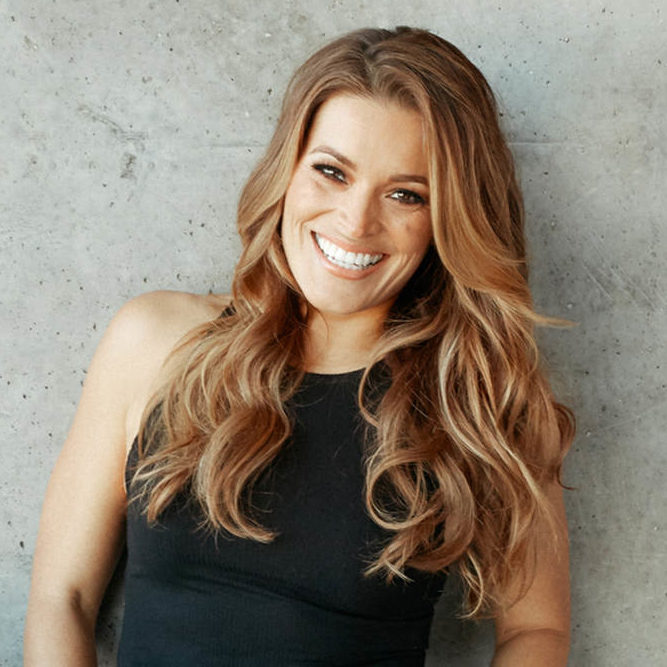
RV (00:07):
Hey brand builder, Rory Vaden here. Thank you so much for taking the time to check out this interview as always, it’s our honor to provide it to you for free and wanted to let you know there’s no big sales pitch or anything coming at the end. However, if you are someone who is looking to build and monetize your personal brand, we would love to talk to you and get to know you a little bit and hear about some of your dreams and visions and share with you a little bit about what we’re up to see if we might be a fit. So if you’re interested in a free strategy call with someone from our team, we would love to hear from you. You can do that at brand builders, group.com/pod call brand builders, group.com/pod call. We hope to talk to you soon.
RV (00:54):
Oh my gosh. I am so excited to introduce you to Lee legitimately. This is my favorite bio point about Jasmine star is that she is one of my favorite people to follow personally on social media. I love her content. It’s so practical. It’s fun. It’s inspiring. You can just tell that she is one of you, a mission-driven messenger, and she just has become one of the most influential creative entrepreneurs in, in the world. She started as a photographer. She dropped out of law school, picked up a camera, was doing her photography business and has just since grown this huge personal brand. I got to meet her a few years ago. When I was with Louis at his mastermind event, she was there and then we kinda lost touch. And now all of a sudden we’re like seeing each other three times here in a matter of two weeks. And her most recent project is something called social curator. This is a subscription that is for business owners to help them do social media marketing and keep up with all the trends that are happening, understand how to do it right. And I’m hoping that’s a little bit of a preview of what we’re going to get today. So Jasmine, welcome to the show.
JS (02:04):
I am so happy to be here and right, lest you forget, we did not lose touch. Your girl was creeping from a distance. We are just now happy that I can creep openly. So now, you know, I’m creeping on you openly as opposed to privately. I’m happy. I’m happy to be here. Thank you.
RV (02:18):
Yeah. Well, and, and I know, and so AIJ, so my wife business partner, our CEO, you guys shared the stage at Amanda tresses event for faster way, and Amanda’s a close friend of ours. And and you and I are speaking at Christy Wright’s event here in a few weeks, and it’s just awesome. All good. It’s weird to say, I feel kind of weird to say this, but like, I’m, I’m so proud of you. Like, I, I love that you’re winning. I love when good people win. I feel like a lot of times, not always the good people win, but you’re like doing it the right way and,ly winning. And so yeah, so I have to share us your shares your ways.
JS (03:00):
Oh, well, okay. Well, before we get, before we get to the ways, cause I’m like, you set that bar really high. You set that bar like Olympic level high. Let me lower it a little bit. I have to say that one of the things and part of the reason why I still feel such a closeness to you and to your business and an affinity for what it is that you teach is when you had started this podcast, you had said, oh, and we with Lewis one that is like an aspirational model. I hope that one day you’re in a podcast like, well, when we were a Jasmine, when you become just your first name, you know, you’ve made it. It’s kinda like when we were Louis, everybody knows it was like Lewis house. Like
JS (03:42):
There you go. You know, very few can get to that singular letter like Oprah. But oftentimes I feel your presence when I really do talk to a business owners, because one of the things, I was a member of Lewis house mastermind, which is where you and I met. And one of the things amongst many that I had learned, and you had an hour presentation and I just had a book full of notes, but one of the things that just has stuck with me for years since that point is what I believed you call. At least I attributed to every time I say this, I’m like, well, Rory Vaden calls it the five X role. And it was one of the things that you had said is when you are teaching somebody to do something, you do, it will take them five times as long to do it, which was such a profound thing.
JS (04:24):
Because when our paths first crossed three years ago, we had like two people on our team. And now we have upwards of 23 and it’s always going back to man. It is really, you got to slow down before you speed up. And so I always think to myself, if it takes me X to do this thing, it’s going to teach me and take somebody else at five X. So let’s build that into our plan. And it’s just given us so much permission to slow down before we speed up. So thank you friends for that legacy.
RV (04:51):
Well, and you nailed the word, so that permission. So for those of you that are listening. So this is from my second book procrastinate on purpose five permissions to multiply time which was what my Ted talk was based on. And that word is permission like it is. So this is the delegate chapter you’re talking about. And we, we call it the per the permission of imperfect and granting someone else. The permission of imperfect allows you to free yourself. Which I think is interesting. So that conversation is about time. And one of the things that we learned when we were studying and putting that together was that 80% done right by someone else is always better than a hundred percent done right by you.
JS (05:33):
Oh, hold on, hold on. We need to slow that down that you need to say that again for the people in the back, because you say it because it’s just your truth and you know it, but oftentimes it’s like, Rory, like, say that again, say it just to me, I’m sure your audience is like, he says it all the time. Listen, I need to hear it. in Rory’s voice so that it sits in the back of the crevices of my mind. Please
RV (05:54):
I’ll say it. And then I want to segue to why saying it again. So 80% done right by someone else is always better than a hundred percent done right by you. And we call it the permission of imperfect and it’s it’s it’s the struggle is what got you here as a performer, won’t get you there as a leader because you got here by perfection and being good and crushing it and doing everything neatly and tightly in organized. But when you become a leader, it’s not about doing things yourself. It’s about getting other people to do. And so you have to grant yourself some imperfect. When I hear you talk about getting on camera and doing reels, that same emotional permission of imperfection is something that I’ve learned from you is just like, it’s the same thing where you go, you’ve got to give up that feeling of control and being perfect so that you can create I mean, I feel like that’s a big part of your message. [inaudible]
JS (07:00):
A hundred percent, a hundred percent. If I, if, if we can just get down to that, like I’ve often said, if I could write you a permission slip, I would, in fact, I’m telling you why I have no, I’m not writing a book right now. I have no plans. I’m not pitching. So if people are listening, I was like, I’m an agent. No, no, no. I don’t need to get the DMS. I’m nowhere near that. I know the title of my book. I know the purpose of my book. I am not ready to be a vessel for the book, but let me just tell you that what I know to be, to be certain is on the very last page, I am going to have a template for a permission slip, and people are going to write their name in, and they’re going to write the thing that they want permission to do.
JS (07:39):
Now, I don’t care what you do with that piece of paper. You can put it on your fridge. You can put on a wall, you could take a picture of it. It could be a screensaver because oftentimes we are looking for people to give us permission. When the only people who can give us permission is ourselves. But sometimes it’s nice to hear it from somebody else. I asked you Rory to repeat it back to me because that message is something I needed to hear this week. And I’m going to keep on replaying it because 80% perfect by somebody else is better than a hundred percent perfect by me. And that’s the thing I needed to hear. So yes, and amen. That’s where we started this conversation. We are hitting the ground running. I don’t even know if people, I don’t know if people’s hearts are prepared. People need to prepare their hearts for the heat that the Jay star and Roy are bringing in
RV (08:27):
And let it be done. When you get off this call, you’re just going to have to shorten your Instagram handle to J-star this is happening. So can you tell us about the early days? That’s one of my favorite things about this show is, you know, people are listening and it’s you know, they see, they see you and frankly go, holy moly, like this, this woman’s awesome. She’s crushing it. She’s up. People should make money, like tons of followers and stuff. And one of the things we want this show to be is tell me how it was when nobody was there. Tell me how it was when you posted a video. And there weren’t hundreds of thousands of people. And there weren’t views, like, take us back to how you got started and like, what did you do? And, and how did you feel? And like, how did, how did this come about for you?
JS (09:18):
Well, before I answer, I actually do want to call something out and it’s like very, very, very clear. And it is my truth is that for every person who says, wow, she’s crushing it, she’s doing a great job. I know there’s about three. Who’s like, she’s a hot mess. She’s not that talented. She’s not saying anything new. That’s not a great idea. In fact, a couple of weeks ago, I was accidentally BCC on an email where somebody said, oh yes, yes. Not that innovative. I’ve seen better in reference to the thing that I was working on. And I’m like, I sat on it. Right. I sat on it and I was like, should I say something? Am I going to be a petty, Betty? And I let it go then, and then said, person asked for a favor. I agreed to the favor. I shared my insight and advice.
JS (10:08):
And I also sent a screen grab. And I just said, I saw it, but we’re still cool. But the best thing that you could do in our relationship moving forward is if you tell me directly and this person agreed this person, so let’s just start there, right. Because I don’t wake up and be like, oh my God, it’s so great on social. Everybody loves me. Everybody sees I’m crushing it. No, there are more people who do not like what I do. And to that, I say yes. And amen. I would rather be disliked for a hundred percent of who I am than to be liked for a carbon copy of who people think I need to be. So thank you for you thinking I’m doing great. Thank you for being a champion of who I am. But I also realize there’s a ton of people who don’t like me, but I would rather have somebody not like me or entirely like me being lukewarm.
JS (11:00):
Having lukewarm followers is not my cup of tea. That’s never the thing I would want to do. One of two things. And this goes back to building a brand. I want to attract, or I want to repel. If I am not doing one of those two things, I’m doing a disservice to my brand, into the experience. I really believe with all my heart that a personal brand goes farther with a small group of people who wildly believe in the mission and the ethos and who you are. Then a lot of people are kind of like cool, forgettable, not sure I care enough to have an opinion. And so I know that it might be a little counter opposite or a little intuitive. So as I get into like origin stories, like, please know, I don’t think I’m the best thing since like flour tortillas. That’s not the case.
JS (11:39):
I just do my thing. And if some people like it great and have others, don’t, it’s equally as great. So I so one of the things as we kind of started building things out was I am the, of an immigrant I’m first-generation Latina first generation college student first-generation post-grad. I went to UCLA law school on a full academic scholarship, and I’m also first generation law school dropout. My mom had brain cancer and she had a relapse when I was in my first year of law school. And it really brought to the surface asking a big question of why, what am I doing? And I believed that getting a degree or having multiple letters after my name would be the ticket out of the body of would be a way for my family to move from one socioeconomic level to another. But I never asked if that was the thing I was supposed to be doing.
JS (12:30):
And so in combination with my mom’s relapse and culmination being me being wildly unhappy, and in combination with me having my first bout with depression, I was like, I’m unhappy. And this isn’t working. And when I gave myself again and let’s talk about permission is I couldn’t give myself the permission to truly ask what it is I was supposed to do, because that’s not, when you do, when you’re a daughter of an immigrant, like you see your parents do whatever it takes to put food on the table. And so all of a sudden it felt very luxurious for me. Like, let me punch suffocate. What makes me happy? It’s a very American notion what makes me happy? And that’s all the thing that my parents wanted, but I felt like the weight and the responsibility being the eldest of five children. And again, it was a story I’m telling myself.
JS (13:11):
So then we’re sitting at dinner and my husband has the conversation and says, well, what do you want to do? And it was the first time in my entire life where I’m like, what do I want to do? And I vocalized that I wanted to be a photographer. And he said, great, but you don’t own a camera like that might help. So decide to get a camera. And the thing that I realized as most people starting, any, anything, this is the conversation happens in 2005. I get a camera 2006. Okay. I get my first gig paid gig late 2006. And then 2007 is when I file a DBA, like 2007 is my first year of business. And I was terrible. I was terrible. I wasn’t even bad. It was like, so my daddy is the pastor of a church in east Los Angeles. And so, you know, you’re really bad when parishioners of the church don’t even want you to shoot their photos for free.
JS (14:08):
Like, you gotta, you gotta be real bad. I was like, yo, they’ll look, God, like, you know, it’s like, there’s like, where’s the nepotism here. So you know, that’s the case. But the thing that I started to do, which was very new at the time was to share what I was learning. And a lot of people who were seasoned in the industry, if they happen to see the content that I was putting out. And by this time there wasn’t social media, it was just putting out on a blog. I was putting out the blog on my journey, what I was doing, what I was learning, the pitfalls and the struggles and people who are seasoned, who happened to see that would be like, well, that’s a stupid idea. Nobody like nobody cares where you’re going on vacation or nobody cares what you’re shooting, sweetheart.
JS (14:42):
Why don’t you just get a camera and get some practice? And number one, I agree with the sentiment, but what happened was the climate of the way that businesses were being built was wildly changing. And the thing that I understood early on as a result of putting stuff out imperfectly, was that people were buying a highly emotional pro service wedding photography, which is the thing that I was doing, having no idea of the intellectual property or the talent that it took to create the thing that we did. So photographers want to lead with the camera, the gear, the awards, the studio, the albums, the flash, and then along comes somebody and breaks the paradigm of listen. You’re selling something that people really don’t understand. If I could sell on emotion, that somebody would invest with me as the photographer, in addition to the photography, the game shifted.
JS (15:29):
That’s what I started to do. So I was writing blog posts when nobody were reading blogs, I started getting on Twitter early days of Twitter. And I’m just like, let me just see what I can do here. And I realized that what was happening on the blog was unidirectional conversation. I was writing about what I was doing and people would come and read, but it was coming to me. Very little dialogue. Twitter changed the game in that the dialogue became two-way. And I started realizing that I can create experiences. Having somebody have an affinity toward me or the thing that I was creating simply by responding. Now, this is not, I was having a two-way conversation because my work was so good or my business savvy was so impeccable. It was truly, people started caring about what I was producing simply because I cared about them.
JS (16:11):
So I learned that in 2009, 2010, and that has been foundational when it comes to building a brand on social and on the next big thing, people are like, oh, well Jasmine’s about Instagram. And I was like, yes, but I was about blogging heavily. I was getting 25,000 unique views a day before social media came around and I started realizing, okay, I’m going to start building a hundreds of thousands of followers on Twitter. And then all of a sudden Facebook came around and I did the same with hundreds of thousands on Facebook. So you tell me the next thing I need to do. So worry. If you were to tell me Jasmine, to build a personal brand, you need a ride to donkeys and a clown suit and be whistling to kazoo. Watch me buy a kazoo. I will do whatever it takes to make somebody feel something about me. And I’m less concerned about being perfect. The most talented, the most qualified or the richest that’s in me. And I could be wrong to me. A foundation of a brand is what somebody says about you when you’re not in the room. And the way that you buttress, what people say is about caring about them first, before you want them to care about you.
RV (17:06):
Yeah, that was so good. Although I do think J star could be a kazoo.
JS (17:13):
Why don’t we, why don’t we for every person that leaves a review for the podcast, we send a little J star kazoo
RV (17:19):
Is blown up a Shopify store, J star. Cause yeah, so, well, I mean, that’s the irony of the whole personal brand. Like even the, even the, even the name, personal brand, it’s like, it makes you think it’s about you. And it’s like, it’s not about like the more you, the irony is, the more you care about yourself, the more you’re worried about what other people think. The more you’re trying to put out perfect content for you, like the less effective, it feels like it’s such a great paradox. Yes.
JS (17:54):
A thousand percent, a thousand percent. Like you have a stronger personal brand when people have an opinion about you. Like you have a stronger personal brand when people feel like you are never above taking the time that you have to respond to a question or comment. Now, do I think that you need to respond to every comment in every DM? Well, it depends on your bandwidth, but as long as you know, you’re walking in integrity that you’re doing as much as you can, however you can, than anybody else can’t expect enough. And people feel it, people do feel it.
RV (18:24):
Yeah. So I want to talk about the platforms for a second. Cause, cause you know, the principle here is the same and I think brand builders group operates more in principles that we do in tactics. Like we’re where frankly, we’ve never been that strong at like the keeping up. We’re not moving fast enough. I think a lot of times to keep up with some of the tactics and algorithms and things like that. But the, you went from blogging to Twitter, to Facebook, Instagram, these
JS (18:53):
Youtube in the middle, the YouTube in the middle and then Snapchat and Pinterest and clubhouse.
RV (18:58):
Are you still doing all of them? Like, so are you still doing all them? Is there one that you’re hanging out in and you know, people talk about all the platforms are different. Do you feel like they’re really different or is there, are there principles that make them the same and then kind of like, where are you now? Like where do you see this going?
JS (19:17):
So they’re, they’re different enough. And that’s the thing that I really want to put like a little, a little bit of a pin in is that I am not choosing a platform based on where I want to be. In fact, my preferred platform is not where my customer is now, but I do believe it’s where my customer will be in the future where I, if I have free time to spend on social, I’m going to tech talk. I just think it’s fascinating. I think the algorithm is spot on. I think that they serve content. So it almost feels like, you know, you like lift your head up and you’re like, where did two hours ago? And you know that they’ve hit on something when you hear that quite often from a lot of its users. And so am I still active on Facebook?
JS (19:56):
Yes. Am I still active on YouTube? Yes. Am I still active on Twitter? Yes. Do I have a Pinterest strategy? Yes. Am I still blogging? Yes. Am I on Instagram? Yes. But oftentimes we talk about like having a pillar strategy. So it’s quite often and I have a podcast, the Jasmine star show. So we have two pieces of anchor content. It might come in the form of a long form blog post or the form of a podcast. And then based on the topics of the blog post or the podcast, we then can create subsidiaries for each of our social platforms because Facebook, you can get a little bit more long form than people are used to normally reading on Instagram. So what we can do is we create like our primary, our primary platform. And that for me were our customers for social curator are right now is Instagram.
JS (20:37):
That’s where they’re spending. Most of their time, my focus is on Instagram. And then we have like a, like a tailwind from there. So it’s like a week and four hours later that post slightly different copy. So that it’s tailored for the Facebook group, Facebook users. And it feels native. So anything that at mentions or hashtags that existed on Instagram, they’re not going to be pushed over automatically to Facebook. We have to contextualize the content that we have. And then another four hours later, we’ll be putting that out on LinkedIn. If we created a video and like an IETV that is edited in a vertical format. So it feels native to the platform, but then it’ll also be edited in a horizontal format so that when we put it on YouTube, where we put it on Facebook, it feels native to it. So I don’t think that I am like, so all-knowing to create and choose a platform. I am just saying the more that the social curator content exists on these platforms, the higher likelihood it is to find a customer. Now I know that sounds wildly overwhelming to a lot of people, but I’ve been doing it now a decade. So I can think, I think
RV (21:38):
Content on the team. Yes,
JS (21:41):
But it’s not for my personal brand. That’s where social security that’s for social security. The vast, yeah, the vast majority. Definitely. So are
RV (21:48):
You editing all that? You’re not, I
JS (21:50):
Don’t edit, I don’t edit videos. I have a videographer, but when it comes to creating reels, I am creating reels. When it comes to recording podcasts, I’m recording the podcast. We do have a podcast producer, but it’s like, for us, it’s like, I’m doing like intro, body outro and we don’t have any ads. So it’s, we try to keep it as streamlined as possible. We want to work smarter, not harder. Now having said all of that, if somebody is listening and immediately hears, this says, this is so not for me. Great. It pushed you. Remember, I only want to attract a repel. So if I’m repelling you in situate, let me see if I can bring you back into the fold with one thing. Can you choose just one platform? And it’s not the platform that you really like, because you might just love Instagram, but if you know your customers on Facebook groups, okay, then you separate your time with where you want to consume versus where you want to create. And once you’ve chosen, where you want to create on the platform that you think is most inclined where your dream customer actually exists, then your strategy is just to focus on that platform and crazy enough. And just test me on this. The more that you’ve become familiar with one platform, the easier it is to scale when you go to a second, but right now resist the temptation to create for all platforms and always focus on one, build out the strategy, see what’s working and see if you can duplicate it on a secondary platform.
RV (23:01):
Yeah. And to what you’re saying, cause we, we teach something called the content diamond, which is a very, you know, similar kind of thing where you’re just taking one piece of content and, and fractionalizing, if you have the team, you have the capacity, you can do it. So it’s not that you’re creating unique content for each platform. It’s that you’re contextualizing the content you have for each platform.
JS (23:24):
Correct? Correct. And whereas right now, you know, Instagram is heavily indexing on Instagram reels. Well, there was a time where I was testing, repurposing the reels onto Facebook and it just didn’t work. That was just like the views weren’t there. It just sat, there was a really low engagement. And so what I took from that, and which is very clear is that people on Facebook are not about, so when I’m posting a reel, I will not be repurposing it on to Facebook. I might repurpose a real on Facebook stories because it disappears after 24 hours and a real on Facebook stories looks a little bit more native to that platform, which is fine. But what would go in its place would be something entirely else. That’s going to be serving the Facebook audience in a way that they deem most valuable.
RV (24:07):
And so how do you know, like you’re, you’re you you’ve said a couple of times like go where your audience is, by the way, you know my personal brand, when we exited our former in 2018, we had to start over from scratch all our social media, zero podcast, zero email database back on zero. So it’s been interesting building it from 2018 on versus when we had originally started back in 2008, but our team kind of runs, we run the content diamond on my stuff, but what AIG does, we’re just now starting to build AIG has been built in most of the companies, just the CEO, like she’s really been focused on the company. We’re starting to build out her personal brand, but what she’s been doing in the interim is exactly what you said. She consumes on Instagram, but she creates for LinkedIn.
JS (24:54):
Oh, I was going to say that I was like, y’all know, you guys are on LinkedIn. Like that’s, you know that that’s your platform easily. Yeah.
RV (25:00):
And she has a lot of traction there and you know, she just like has a lot of that background that like B2B. So she, she does it. But when you say go where your audience is in terms of where do you create for, are you doing that based on demographic data of who the users are? Are you doing that based on UTM tracking based on who’s clicking through and coming into funnels and buying, is there some other measure? Like how do you, like you’re saying your, your audience right now is on Instagram, but you’re not, you’re not saying that’s because you like to be on Instagram yourself necessarily. So how are you coming up with that answer?
JS (25:39):
So we know that our dream customer is 33 years old and she lives in Manhattan beach and she has two boys aged three and five and she drives a white and black range Rover. And her husband is a lawyer and they met in college. We also know that she was raised on a goat farm in Ohio, California, which is where she developed her craft at creating goats milk soap, which he started selling in Manhattan beach farmer’s market, where she came across a buyer from anthropology who really liked her product. And then she just realized that if she wanted to create a business, you can no longer have a hobby disguised as a business, but to actually create a business. And at this point in time where she’s looking at, how does she create the marketing resources and building brand resources online. And that is how our paths intersect
RV (26:21):
And you’re, and you’re, you’re saying she’s on Instagram.
JS (26:24):
That in order to determine with the platform you should be creating on, you must first and foremost know who your customer is, because if your customer is 33 years old with two kids in an affluent area and educated at this point in time, she’s on Instagram. Now, if you’re creating resources for millennials and it’s a printed tea shop, despite what people say, Snapchat is alive and well, I would over-index on Snapchat. If I was creating that type of content, I would also go over to TechTalk. Now, if my target demo is a 49 year old professional male or female who has expendable income to invest in like my business, coaching, marketing resources, whatever the case may be, I’d be on LinkedIn. So again, part of why people have a difficult time choosing the platform is they need to first and foremost clearly identify who they’re selling to. And then you could just simply look at the analytics, where are those people at? And then you go there.
RV (27:19):
Yeah, yeah. Got it. How do you make money from all this? Like so you put in all this work and you never sell on social media. Like it’s all this value you just don’t, you know, like where does the money happen? Like because if you just go online, you make reels of like five reasons you should, you know, buy my program, right? Like, no, one’s going to watch that. So how do you, how do you make that transition from I’m providing value and adding content to I’m converting a customer and collecting money. Cause mama has got to pay the bills.
JS (27:59):
So it’s not a one size fits all answer, but what I can say, and you and I had a conversation earlier today, and so forgive me for repeating, but I firmly believe that a strong entrepreneur does three things in their business. They build a brand, they market their business and they get sales. That’s like, that’s sort of the three. I mean, obviously there’s a lot of minutia and nuance in that, but those are the three main pillars. Social media is so good at building brand, giving somebody an emotional response to who you are or what it is you sell. The more that you give a K the more that you give away content, when you share your insight, your resources, how you’re set apart, bringing people on your journey. That’s all brand-building. What is somebody saying about you when you’re not in the room? AKA, when are they sending a post to one of their friends who says, you really got to check out this brewery guy?
RV (28:41):
That’s the litmus test right there when they, when they send their best friend. And they’re like, thank God to see this. That’s like,
JS (28:47):
But that’s brand. Now when somebody is getting somebody else to co-sign that brand experience, they’re going to get to your page. And once they scroll past two or three posts, you’re now marketing. You are then there to set somebody up to educate them on what it is you do. That’s marketing. You’re not selling at this point in time. You’re just talking about the benefits of drug testimonials. Talked about insights. You talk about how it is that you do what you do when you talk about this diamond thing. I’m so intrigued. One thing that I could do a heck of a lot better job is like owning frameworks. They’re like the five X role I member. Now. I’m like he’s diamond ring fraction. You know his content. And here I would like, we have pillars either way. We can definitely get better at that, but that’s marketing.
JS (29:25):
Now, if you will, you’ll be hard pressed to, for me to be creating a lot of content selling social curator. What we try to do is to create multiple funnels of getting people in by giving value. We know that our conversions are quite high because far before that they have typically been on our list or in a funnel for more than four months. Now let’s pause here. Social curator is $49 a month. For some people that’s like blink away money for other business owners. That’s a considerable chunk of money each month. However, if it took on average four months to convert somebody new on the list or in the funnel to actually a paying subscriber, how much more longer will it take for somebody to convert somebody at a $500 price point, a $5,000 price point of $50,000 price point. A lot of the misconceptions when it comes to I’m doing this work and I’m not getting sales.
JS (30:16):
And I’m like, yeah, how much is your product or service? The more expensive it is the longer the gestation period will be to convert them strictly on the back of social, which is why whenever I get a DM and someone says, Jasmine, I really want to learn how to build a brand. I’m not using my two thumbs to be like, well, first things first make like one, you’re not paying me for consulting. So what I want to do is I need a list of top 10 frequently asked questions. And then I created a free resource. That number one serves the heck out of them. Number two gives them such high valuable content. And number three empowers me to build trust. And when somebody says, Hey, Jasmine, I’m really wanting to build a personal brand. What I do is like, I’m so happy you’re here. Let me give you a download link to a free brand building guide.
JS (30:54):
I dropped the link for them when someone’s like Jasmine, I’m having a difficult time with Instagram rules here. Here’s a link of a resource that I created. Step-By-Step on how for you to do that. Jasmine, I really need an Instagram marketing guide. Got that for you. So what I’m doing is list building in my DMS because having somebody a paid to click from an Instagram post is so, so, so, so, so highly unlikely and largely happens for lower ticket items. And I’m telling you that as a monthly subscription for $49, the push to click to buy is so low. We have to do is cultivate. Give trust, gives so much value that they believe when they hand over their credit card, they’re going to be getting a five or 10 X return based on if that’s what I got for free. Imagine when I get on the inside,
RV (31:35):
That’s that’s so convicting to hear you say that to just your level, going, even for me to get someone, to pull their credit card out for 49 bucks a month, it’s hard. Like people, people have, you know, they have 25 people show up for one webinar and no one buys and they go, this stuff doesn’t work. And it’s like, no, like it takes trust. It’s trust. You have to build trust. And oh yeah.
JS (32:00):
So Roy, if we, if we tap there for a second, you have just said 25 people come on a, on a webinar. Now, if you’re converting on a webinar, I tip my hat to you. That’s hard. That’s where the gangsters play because you’re giving your heart and soul. And you’re speaking for 35 to 47 minutes before you get into a pitch. And then you sit and you hear crickets. And even though you had 25 people to show up for the webinar, you know, by the time you started pitching about four to 5% of them just completely clicked away. And they’re just waiting to get to that free Q and a, and then you’re like giving your last breath and you don’t see anything conversion. Now we have to say that none of that was in a void. It doesn’t exist in a vacuum. That’s just their inception point.
JS (32:40):
When I teach a webinar where we will get on average 30,000 people to sign up and around 3000 people will convert. You think I’m crying or bemoaning about the 27,000? I say, no, you might’ve said no, but I don’t hear no. What I hear is not yet. My objective is to come back and out, serve you so that you’re like me. I tried, I tried and I couldn’t resist giving her my credit card for the 27,000. I just want to be like, thank you for coming to the party. We’re just getting started. I think that that approaches so much of a better cause it keeps you going and it gives you a reason every day to get up and out serve,
RV (33:11):
Hey man, that is what we’re going to land the plane. Jasmine, where should people go to learn about you and social curator and everything? Your,
JS (33:20):
I appreciate you so much and all social platforms, you can find [email protected].
RV (33:28):
Huh. It will be J star, but not yet. [inaudible]
JS (33:33):
Let’s build on, let’s go and get that URL like J star kazoos let’s let’s make it happen on Shopify.
RV (33:39):
I love it. Well thanks for encouraging and just, just the honesty here and just keep doing what you’re doing. Like you’re, you’re inspiring people and yeah, like just keep winning because you inspire me. I know you inspire ha and so many people, it just it just get it’s tactical and all that, but it also gives you hope that you don’t have to be a shyster to do this. Like you don’t have to be someone that’s Hocking your stuff and pitching your stuff and making wild claims and you don’t have to use flashing yellow boxes all the time. And like, you can just out serve people and just love on them and build, build trust. And it still, it still, it comes around. So.
JS (34:27):
Oh yes. And amen. I thank you. I thank you. A thousand times over.
Ep 215: Video Content Systems with Marley Jaxx | Recap Episode
RV (00:02):
Youtube and video domination. This is a topic that I am growing more and more interested in. Hey, it is Rory Vaden. Welcome to the influential personal brand podcast recap edition of the Marley Jaxx interview. I am doing this recap solo. I got no, AJ with me side-by-side today, but I’m going to break this one down for you. And I’m telling you, like, this is something, when I think about Rory Vaden, a Brand Builders Group, and in two years, it’s like, we better be dominating YouTube. Like we better be figuring this out. And so we’re learning a lot. And this, this interview with Marley was just fantastic because I just, I think this is so important. I think this is such a big part of, of the future and such a big part of like content marketing for professionals as is YouTube because you know, the, the big thing here and I’ll get into my, my, my top three takeaways from Marley.
RV (01:13):
But at a high level, the thing that I hope you’re getting, not just from this interview with Marley, but from some of the, several of the interviews that we’ve done with some video folks, and you know, some of our, some of our various friends, people like Sean Cannell and others that we’ve had on the show is just that, you know, video is the future of marketing period. I mean, it’s also the presence and in some ways it’s the past, but content marketing is, is video. And this even, even Instagrams found, or it was several months ago at this point, but Instagram sharp started as a, as a photo sharing app, right? That’s how it started. And, and, and Instagram, not their founder, but Instagram CEO announced that the, it is now a video tool, and that it is focusing on video.
RV (02:12):
That why, because the engagement is higher for everybody with video. And that’s what these apps want you to do is create content that keeps people on their platform. That’s what they’re interested in because of advertisers, which is how they, they make their money. And so the longer you keep people on their platform, the more ads they can show up their advertisers and the more money that they make. And so that’s why they want to keep people on these platforms. Well, that’s, you know, something like Instagram, Facebook, any of the social media platforms, but YouTube is really different because YouTube isn’t social media in, in a lot of the ways that you think about it because YouTube gets better over time. It’s like search engine optimization and you know, on Facebook and Instagram,
Speaker 2 (03:00):
The, the, the posts that get the most traction are the ones that were posted most recently. And so you have to constantly be pushing stuff out there. If you want people to see it, people don’t see, there’s not a lot of traffic to your old posts, but YouTube is the opposite search engine is the opposite. Like an article that you wrote on, on a blog 10 years ago is worth more in value than an article that you wrote last week. It’s got that one of the it’s got like more Google juice, so to speak, right? It’s got more history and everything with Google, which YouTube of course owns Google. So it’s, it’s all about kind of the legacy value of a piece of content. And, and it grows, it can grow over time, more like a fine wine. And so creating and producing video content and optimizing it in an intelligent way is a really big deal.
Speaker 2 (03:55):
And of course, you know, go back and listen to this, this interview, this episode that we did with Marley. But I just want you to really get that, or at least make sure you, you catch the gravitas of which I’m viewing that. And, and, and part of it is this, cause I think I’ve just missed the boat really badly on, on this. And so it stings a little bit every time I hear someone talk about YouTube and, and we’re still not there yet, right? Like we still don’t have our ducks in a row to like do this or working on other things. And our clients are going really fast. So our, you know, we’re focused on servicing them, but as we’re, as we turn towards scaling and ramping up our team, it’s like, this is a, this is a game that we up, we got win and, and video just lends itself well to professionals and experts because it’s all about trust.
Speaker 2 (04:40):
And I need you, if you want people to trust you and they trust you more, when they see you, they do. And they just, you trust the people that you see every day. That’s why we trust celebrities. We see them on TV. We trust them. So video is a big deal. But anyways, here’s my three by three takeaways from Marley, which I thought were acute not cute. Acute. They were acute. They were sharp. They were poignant. They are they’re, they’re not things that you always hear in the first one is more emotional. And it really hit me when she said, look, you’re going to be judged either way. Like the reason why we don’t turn on the camera is because we’re afraid of being judged, right? We’re afraid of some kid that made fun of us in elementary school, like seeing this video and be like, hi, you’re stupid, right?
Speaker 2 (05:32):
Or, or the online haters or we’re, you know, we just, aren’t confident with how we appear on camera or whatever, whatever. You know, and, and her point is like, in your life in general, there is always a risk of doing it, but there’s a risk of not doing it. Also there there’s, there’s a, there is a cost of doing it. Like there’s a potential loss there. If you do something and you make a mistake, but there’s a bigger guaranteed loss and not doing it, not trying for it, not going for it, feeling this, calling this prompting in your heart, that, that you’re supposed to share your message or that you’re supposed to teach, or you’re supposed to encourage, you’re supposed to educate, inspire entertain, and you feel this prompting on your heart. And yet you’re losing to this, this self doubt, this, this fear, this fictitious imagination, like imaginative dream of all the bad things that could happen.
Speaker 2 (06:34):
And you’re not counterbalancing that with all the good things that might happen and ignoring the fact that if you don’t take this risk, then all you’re going to have is more of what you have right now. And that’s guaranteed. And so you’re going to be judged whether you do it or not, there is risk whether you do it or not there, if you do it, there’s gonna be, there’s gonna be losses, but there’s also gonna be wins. But if you don’t do it, then there’s only losses. There’s just, there’s just no attempts. And, and grasping this idea and go, and look, we got one life. Like we got one shot at this. We got one chance to show up and bring our best to the world. We got, we got one opportunity there. There’s one season that you’re going to be of like healthy mind and healthy body.
Speaker 2 (07:24):
We’re living in this incredible era where never before, has there been such an opportunity to use a tool like video and social and digital and, and, you know, whatever the internet to just impact the world. Like this is a very unique time in history. So do it like go for it. What are you waiting for? Take your shot, take a chance, start doing it. And, and, and who cares about all the reasons you might feel silly or what people are going to say that you don’t care about and, and, and do it. And by the way, like maybe you’ve been waiting, like you’ve been listening to this podcast and you haven’t done a free call with our team. Go freaking, do it, go to free brand free brand call.com/podcast. Right. Go there right now. Let me double check to make sure that link works here.
Speaker 2 (08:13):
A free brand call.com/podcast. It does work. Okay, great. Go there and request a call with our team and we will help get you started. Right. So, and if you’re not ready for that step, or maybe you’re already a member and you just haven’t turned on the camera, turn on the camera. Like I loved when I asked her, what’s the right, what is the best camera to have? And her answer was so perfect. I said, what’s the best camera to use. And she said that, she said, whatever camera you have, that is such a great answer. So you got to do it now. Now there are two things are more technical and these are just super quick ones. So that I thought, gosh, these are really interesting. I’ve never, I’ve never really heard someone say this so sharply. So my second big is the concept of an engagement break and engagement break.
Speaker 2 (09:00):
And so you, you often see people do a call to action at the end of your video, which you should do, right? Like whatever, like share this post with someone who needs to see it, or leave me a comment below or whatever. But especially if you’re creating content natively for YouTube, and it’s more like a nine minute, 10 minutes, 12, 15 minute video, whatever, having engagement breaks along the way, like in between the points of your video. And so if you’ve got three points that gives you a chance to say you know, between point number one and point, number two, you go, Hey, if you are not, if you, if you’re not already subscribed, press that subscribe button, like there’s a lot more to come. I got two other points to share, but make sure you’re tuning in and subscribe to what we got going on.
Speaker 2 (09:42):
All right. Point number two is right. And just that little kind of, it’s a great little break in the action. It’s an opportunity for another, you know, conversion. And I think it’s, it’s, it’s really brilliant and elegant and simple. It’s super simple and it’ll make a big difference. And the other thing is, you know, a lot of times you don’t keep people all the way to the end of the video. So take advantage of this. And I really, really love that. And you can tell people to leave a comment like rate, subscribe, share or give them a link to go off and do something else and buy whatever, whatever. So use engagement breaks, how simple, how Al straightforward, how practical I love it. And then number three was to put your link right in the description of the video below. And for me, like that should be obvious probably for someone like me, but it wasn’t.
Speaker 2 (10:39):
And so maybe it’s not as super obvious to you is to go, you know, the concept of a funnel, which is something that we, we teach. It’s it’s in our more advanced trainings for our members and our community. We teach them funnels in the strategy and the psychology and the technology and all the things you have to do to like make a funnel work. And they’re, they’re amazing, but like version 1.0, can just be a video of you providing value with a link down below for someone to click and request a call or click and go to your sales page and buy. And that’s so simple like that, that is a funnel like a funnel as anything that is proactively nurturing somebody in a way that you’re giving value. First, you’re giving first giving first giving first you’re adding value to their life. And then you offer them an opportunity to take a next step.
Speaker 2 (11:27):
What could be a more simple, elegant way of doing that than just posting a video on YouTube, teaching them some stuff, and then saying, Hey, if you want more click the link down below in the description, you know, or, or and, and that’s it, that’s a simple call to action. And when you do that, then it’s like each video that you create is like a warrior out there. Who’s like recruiting for you. It’s like a marketing warrior. This soldier who is living out there 24 hours a day, seven days a week, that anyone in the world can watch you click on when you’re not there. It’s this, it’s this scalable vehicle mechanism. It’s, it’s like if like hiring an employee for your company or something that is always there and you go, what happens if you create a thousand videos like that? Like somebody’s going to find you, somebody is going to buy from you.
Speaker 2 (12:23):
And if you’re just talking to them and you’re adding value, and then you offer them a simple call to action, click the click, the link in the description below, that’s it, that’s the whole call to action. Give value, click the link down in the description below that is a funnel, because a funnel is not about a certain amount of technology. It’s about psychology and the psychology is give before you ask help before you sell, right, like offer before you, before you inquire and, and a video does that. And that’s just something that it’s like, there’s just, there’s just no excuse you carrying around a phone in your pocket. You can record a video in literally, you know, two minutes you can turn on and record a video. And that’s what I’m starting to do. Like that is what’s crushing for us on social is no fancy graphics.
Speaker 2 (13:16):
No, you know, fancy borders. No, on-screen text no B roll, no music underneath. Just literally hold the phone up, hit record and talk and, and pro and say something inspiring. You know, it’s basically the three E’s it’s entertaining educational the w hold on, let me think here, you got, you got you’re entertaining. Oh. Or encouraging you’re entertaining, educational or encouraging in some mix of those. You have that power, like never before. The only thing that’s holding you back is fear is the only reason why you wouldn’t do it. You’re afraid, silly. Don’t be afraid. Don’t lose to your fear. Don’t let some stupid made up story in your mind about what might happen, be the thing that holds you back, right? Like if you could fast forward your life in two paths and go, okay, what if I could see ahead in the future?
Speaker 2 (14:13):
Well, one path I took action. And the other one I did not. And you, and what if the one where you took action led to every single dream that you have coming true. If it’s like all of the, the deepest desires of your heart were all available and you could actually see and go. The only reason I never got to have that in my life is because I allowed myself to lose to a fictional made up story that I allowed to play in my head over and over. Imagine all the people that you could have helped that you didn’t help because you allowed yourself to fall victim to this fake fictional made up story. It’s not worth it. It’s not worth it. So don’t let it happen to you. You got to stay encouraged. You got to. And by the way, that’s why you got to stay plugged into what we’re doing.
Speaker 2 (15:07):
If you’re not following me on Instagram and AIJ and brand builders group, like you should be following us on LinkedIn and follow us on Instagram and make sure you’re tuning into the podcast. And goodness, if it’s, as soon as you can please become a member of the community, because we’re going to give you the encouragement, keep you going. We’re going to plug you in to other people who are on the same journey as you, because a lot of this battle is just, it is emotional, man. It, it is, it is about fear. It’s not just the tactical, it’s emotional, but if nothing else, please keep listening to podcasts. Please keep coming back. Yeah, leave us a comment. Let us know on iTunes, give us a review and tell us your feedback. What kind of guests do you want to hear more of? Like, who do you love? What are your favorite episodes? We read that stuff. We’ll pay attention to it. And just more than anything, just keep coming back, stay encouraged. Listen to that. Calling in your heart, go out, make something happen, serve somebody. We’ll catch you next time on the influential personal brand.