

Ep 120: How To Build and Manage A Membership Site with Chris Ducker
Hey Brand Builder Rory Vaden here. Thank you so much for tuning in to listen to this interview. We are so excited to bring you this information and wanted to let you know that, Hey, there’s no sales pitch coming from anything that we do with this is all our value add to you and the community. However, if you are somebody who is looking for specific strategies on how to build and monetize your personal brand, we would love to talk to you and we offer a free call to everyone that’s interested in getting to know us and is willing to give us a chance to get to know them and share a little bit about what we do. So if you’re interested in taking us up on a free strategy call, you can do that at brand builders, group.com/summit call brand builders, group.com/summit. Call. Hope to talk to you soon on with the show. Chris Ducker is easily one of my favorite Brits and probably like
I’m literally the only British person. You know, I think that is not true. That is not true. I would say that
Not true. I know quite a, quite a bit of British people, quite
A few Brits,
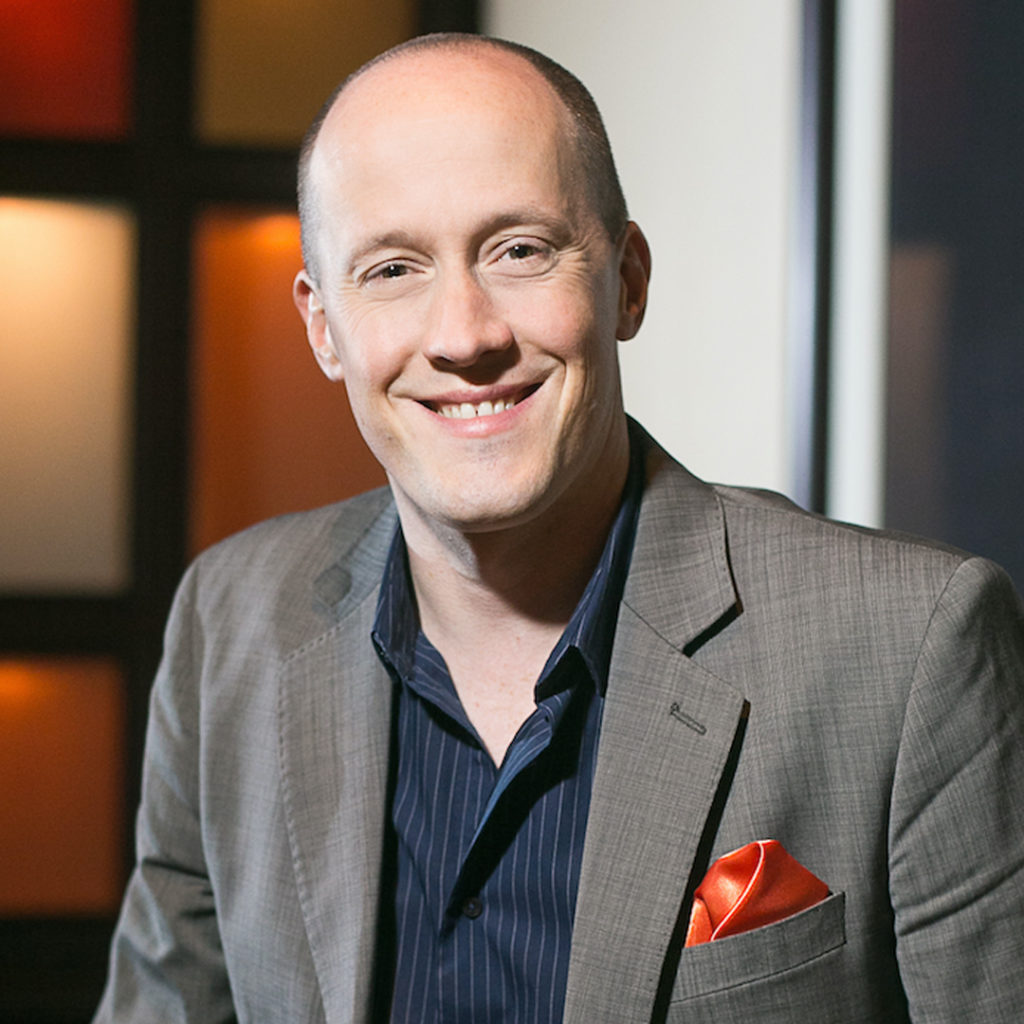
But man, he is amazing. I met him through Jay Baer, which just, we have close personal friends. Y’all know how much I love Jay Baer. And one of the reasons I love Chris because he’s a real entrepreneur in addition to being a, a phenomenal personal brand. So he’s written two books that are awesome, Virtual Freedom and Rise of the Youpreneur, but he owns and operates real companies. In fact, he has 350 full-time employees, mround the world. He’s got businesses in different countries. Umne of which is called virtual staff finder. For those of you looking for virtual assistance, we’ll, you know, we’ll talk more about that later. Um,t he’s also a blogger, you know, he’s a podcaster he’s, he’s got a great following. He’s built a huge personal brand himself. Uh,’s a speaker. He hosts an annual summit, u,,lled the Youpreneur summit, which, u,ually I think is in Cambridge or in England and is in London.
Okay. So he doesn’t event every year. And you know, we have a lot of overlap in terms of friends and audience and philosophy. And anyways, I just loved this guy and I, I, you need to know about him and what he does in his businesses and specifically his online business, which is the smallest part of how he makes his income because he’s got real companies doing real stuff. But he has a really big Academy called Youpreneur. It’s a membership Academy and I wanted to talk about how we built that and what does it take to really month in and month out manage a membership site because there’s good things and there’s bad things. And so anyways, Chris Ducker, my favorite Brit, glad you’re here. I’m glad
I just want you to keep talking about me. This is great. I could listen to you for hours.
Well, AJ always tells me she’s like, your introductions are too long. And I, and I, you know, I listened to everything. most everything AJ tells me, but I think it’s important cause I want you to know how much I love you. And I want, I want you listening to know every person that I bring on is here for a specific reason of someone that I learned from. And, you know, there’s you do so many of those things, but youpreneur.com, which is really the Academy, the membership site. I feel like Chris people, I feel like so many people get excited about a membership site. They start it, they run it for 15 months and then they’re like, this sucks and I’m out and you’ve done it. So how long have you done it?
We we have just hit our fifth year at the Youpreneur Academy. Which is fantastic. I mean, throughout the course of that time, gosh, I don’t know exactly how many people have swung through those doors. If I had to put a number on it, I’d say probably around about 3003 and a half thousand people have joined that period of time. We float anywhere between, you know, based on pre, you know, promotions and kind of mini launches to our lists and things like that, or float anywhere between kind of like six 50 to nine 50 members at any one time. So it’s a good sticking rate as well. I think the majority of people stick around for about a year and a half or so. Uyou know, but, but here’s the, here’s the big thing. I think the one reason why memberships, mome and go so quickly is because man it’s work that people that people think that it’s like passive income or something equally as sexy. And it’s definitely not passive. It’s probably about the most, you know, other than say, like coaching one-on-one or as well, we do, we do.
One-On-One like, it’s
That you guys, you guys would not be good poster Childs for the idea of passive income, but that’s your model you see, and that’s what everybody loves about you. And so look, here’s the deal. If you want that recurring reliable income on a regular monthly basis, you need to show the heck up every single month as well. And we do that. We do that through, you know everything from, you know, video training that goes live every month, right? The way through to a massive archive of stuff. We, the funny thing is actually we don’t produce that much new content on a monthly basis anymore. We’ve been gone well, we’ve been going five
Years, five years. You
Can talk about building relationships and, you know, providing solutions to people’s problems and packaging, your experience, which is what we do and what we’ve done, but what we, what we have been doing really successfully over the last year and a half or so is going in and revamping stuff and re kind of touching stuff up to bring it kind of more up-to-date and things like that. But there’s still a lot of stuff. I mean, without a doubt, the most fun that I have with the Academy is our monthly chit chats, which is where I get to sit down 99% of the time in person. Cause as you well know, I travel a lot and we actually usually, you know, when we’re at a conference or something, I’ll hire a suite and we’ll bring a crew in for an entire day and we’ll film like six videos in one day and then that’s our content for six months. You see? Uand you know, we actually, even though I haven’t recorded anything since March this year, which is the last time you and I saw each other in San Diego,uwe we’ve still got content good until like February next year. So, you know, we’ve
Six hours. So you batch are, are, are those like six hour long videos or are there
They run for about 30 to 40 minutes on average? I mean, how long are you going to actually honestly sit and watch two people talk to each other with like, you know, two different camera angles, you know, like people’s span of attention, pretty poor nowadays as it is. Right. But we, you know, we, we, we do great con you know, we’ve had some incredible people that we’ve sat down with over the years and that
Strikingly mediocre people like Jay Baer and Elsner Pat yeah, Pat Flynn, I know that given a large, large number of very average, average people, [inaudible] one time just wore the pants. I,uyou know, I think what it is is that that’s me,
I’m more of a talker than a typer. So, you know, I like to podcast, I like to do video work. I like to speak on stage and I like to coach and train people. And so everything else that revolves around the Academy and then also the incubator, which is kind of our higher level membership, which is more kind of one to group coaching. So if you imagine,
Are you comfortable sharing the prices with just like, so we were totally, yeah. Kind of give us a sense of like how many people and how difficult it is.
The, the Academy is 39 us a month. That’s it that simple, right.
I know I’m American, but we do have people who listen, but I appreciate that the, the th the, the U S translation, but I’m, we travel a lot. We are quite international,
Actually. It’s funny, you mentioned that on genuinely, because, you know, we, we have a massively like big worldwide audience as well. We’re very blessed like that. And so the question actually did come about, you know, what are we going to do? How are we going to charge? Are we gonna do it in GBP? Are we gonna do it in Euro? Are we going do it in the U S you know, USB? Those are really the only three currencies we talked about when we launched you know, online and Euro was kind of ditched pretty much straight away because people in Europe are used to paying, you know, in USD for stuff online. The, the, you know, the British pounds things was a conversation that went on probably for too long, purely, just because of the fact that I’m British. And since two years ago, we’ve now been based here, back in England. Whereas obviously, as you well know, we’re over in the Philippines for 18 years. Right.
So just, just for everyone to catch that, like you built these businesses living and operating and doing business in the Philippines, you moved for 18 years from England to the Philippines. I mean, that’s a, I don’t know. I mean, you’re definitely my favorite Filipino. Like, I don’t know. I don’t think I know very many and that’s, that’s amazing. Yeah. And I’m pretty sure you S you were charging us dollars when you were in the Philippines. I’m selling a very international membership site.
Totally. And I mean, you know, our businesses, you know, the, the larger of the businesses is fundamentally a B2B call center facility. So we, you know, we bill in USD and we pay all our bills and Philippine pesto, and it’s very, very profitable. And so with the Academy, it, the USD, it was just, you know, the other conversation, a lot of people have this who maybe are not, US-based, they’ll have this issue of if I’m going to write in English, obviously if I’m in Germany and I’m talking to a German audience, I’m writing in German. But if I’m international outside of the United States and I’m writing content in English, do I go with a U S spelling or do I go with British spelling? And that was an open discussion that we actually add to have. But, you know, we went, we do everything in American English. We do everything in USD billing mainly because of the fact that internationally pound for pound, the U S way of writing and charging for products and services online specifically is more universally accepted. So for your, all of your podcasts listeners slash viewers that are listening to this, there you go. I’ve just solved the problem.
Well, that is, and it makes me not feel quite as such a self-centered American. Even though that, that you, you know, so that’s interesting that that’s actually really helpful to have your perspective of that’s a conscious decision that you’ve made is just kind of the most transferable or universal. You know,
The thing is, you know, ever since my know, ever since I kind of got in, you know, left school and I didn’t go to university or college as you guys would call it. And so I went straight into the workforce strain and sales and marketing for a publishing company. I only ever had two jobs in my life prior to setting up my own firm. And,uit, it’s always, I’ve always dealt with people on an international setting. So pretty much from week one, I was talking to people all over Europe, for example, based in the UK, mhat when I went over to the Philippines, you know, set up the firm, et cetera, et cetera, I, you know, instantly knew that America was our big melting pot of prospect of customers. So, you know, it’s just one of those things. I’ve always done business on an international setting. Uh,u know, everything from time zones to international dialing codes, they’re all up here, baby. I don’t need to look any of them up so,
Well, yeah, I mean, you got tired, you got dialing codes, you have currency, you have taxes, there’s you have the writing. Like, [inaudible] like, like you’re saying the American English those are a lot of things. So, so $39 a month also gives you a very, you know globally affordable you’re factoring in certain countries that it’s like 99 a month. Like our lo our lowest price point is 99 a month, but you’re, you’re able to probably capture a much, a large percentage of the, of the world that maybe the 99 a month. Isn’t
The thing is, look, this, this is the way I look at it. Right. whether you’re just getting started online and you want to learn, you know, you want to learn how to build an audience properly and to, you know, become, I always say, you know, that you’ve got to try and become somebody’s favorite, right? So whether you’re looking to become somebody’s favorite podcaster or blogger or YouTube, or live streamer or whatever it might be when you get started, it’s good to have something other than just non-stop Googling that you can go to, that you can converse with other people that are in a similar situation and kind of learn from and brainstorm and you know, that kind of stuff. Right. But then the flip side of that kind of beginner coin is that there are people inside of the Academy who have been in business for 10 plus years, who are already running very profitable businesses, but I’ve never considered personal branding, or as I call it building the business of you ever before, it’s something they’ve never done.
And so, yeah, I’m, I’m profitable. I make money. But I’ve got no idea how to you know, build, build my website out properly to position myself as an expert. I’ve got no idea how to utilize my uniqueness as a person and my personality and my experiences to be able to bring in additional business et cetera, et cetera. Right. So this is, you know, the Academy really kind of just like it ticks all those boxes at a low price so that anybody can really afford it. Some might say, well, why don’t you just give it away for free? The reason being is because I didn’t give anything away for free. It’s really that simple. My time is a premium. And if it requires my time, even just a couple hours a month, if you want it, you’re gonna have to pay for it.
It’s really that simple. And so that’s why, you know, that, that’s one of the reasons why we got around to,ulaunching two years ago, the incubator, which is like, kind of like the next tier, mhich ends up, you know, it’s like 2,500 bucks for the year and us dollars. Yeah. And, and, and, you know, that is, you know, more time with me each month as a group one to many, no, one-on-one coaching one to many. Um, you know, it’s a smaller group of people, uh s up being around about a hundred people or so at any one time, some people come, some people go, um,a uh,i great because you know, those who do stick around for that entire year plus, uh,t see incredible, incredible growth. Uh, ioesn’t take much.
And, and, and even though you, you said you’ve been kind of hovering steadily between 600 to 900 members, you know, 40 bucks a month. That’s still, you know, whatever 20, 25, maybe $30,000 a month. And you’ve got, you got expenses, you’ve got some staff and stuff, but that’s, that’s a, a nice, healthy stream of consistent revenue that helps like pay the bills. And then the incubator becomes a little more profitable and a little more time. And then, you know, most of your time, your personal time, you’re actually putting into these other, other businesses. And so how do you, how do you fill it? How do you fill the membership? Okay. So I, I really love that it’s work, like hearing in that truth is important. How do you go about filling it? Like, do you do the big push twice a year? Like open cart, closed cart? Is it always open? Do people come and go, do you have affiliates? Do you run ads? Is it social? Is it Google, YouTube? Like, how do you actually sell the thing? Right. Like, how do you, how do you get people to pay money for this?
So we don’t do any affiliates. We don’t do any Google ads. We do a little bit of Facebook advertising, I guess we probably drop a couple of grand a month, us on Facebook ads for it. You know, it’s, it’s, it’s a low price point. So you’re going to look at like cost per acquisition, feature, new customers,
Right? Someone’s got to stay a long time,
Incubator incubator a little bit more. That’s a little easier to kind of warrant pushing more ad spend behind because it’s that 2,500 price point, right. Or if I have to drop a hundred bucks, 150 bucks to acquire a customer all day long, I’ll do that all day long. Right. But with the Academy a little bit different, I’ll tell you what we do. We produce [email protected], both from a blogging perspective. So written content along with graphical content. So infographics, Instagram stories we’ve got something that we do on my Instagram account called carousel wisdom, where people have to flick through and it sits on the grid. People love those. We do the podcast on a weekly basis, and there’s just one very simple formula that we follow to every single piece of content that we create. And this is what we teach our clients as well when we’re coaching them.
And it’s just as simple as this, always answer a question, that’s it. If you can create a piece of content that always answers a question, or for want of a better term, provides a solution to somebody’s pain point, regardless of what that might be. If you can do that with every piece of content that you create, it’ll have a long form effect on prospective customers, not only finding you, but then having those actually convert into paying customers for you. And, and by the way, that’s not a $39 like product strategy. That’s just a strategy for selling online. Consistently periods show up every single week, over and over and over again, with whatever piece of content that you feel most comfortable producing, but just make sure that you’re always answering a question or solving a problem. If you do that, people will find you
You’re constantly building trust. You’re, you’re blogging, you’re podcasting you you’re, you’re putting out that content. And then how do you what’s the conversion mechanism? Is it just, you literally send them an email and say, click and go to this. Like, here’s what it is. Click go to this, there’s a sales page. This is what’s included. It’s 39 bucks a month and sign up. Sure.
Ah, I mean, it’s, that’s pretty much it, you’ve just, that’s it’s I don’t like to complicate things out. And so you know, it, it, it really just comes down to obviously, I mean, we’ve, we’ve rewritten and rewritten them rewritten our landing pages, not sales pages. We tested things out. We know what you know, what terminology to use on our ads, but, but we never actually ever, will we ever spend money on cold audiences? All of the ads that we run are run to warm audiences, meaning they’ve either visited our website. They’re either on our email list or engaging with us or at the office.
So they’re all pixeled. They’re either pixeled audiences, or they’re an email list, custom audience that you have.
But for us, I mean, without a doubt, email is King. I mean, that’s yeah, you visit youpreneur.com. You’ll have multiple opportunities to get onto our email list. We have a great opt-in that we provide called the personal Brown roadmap. And it’s just a simple 10 step kind of checklist, 10 things to kind of pay attention to when you’re building a personal brand. Uwe get an average of around about a hundred organic opt-ins every single day and just every day, every day. Yeah. Every day, if we run ads that will double, triple that. Right? So this, this is because the website has been around long enough with, you know, four or five, 600 pieces of content on it that Google is indexing us for all of our search terms, right?
This is why the blogging is so important. Cause it’s like social media over time gets less valuable, but blogging content over time gets more valuable. The website.
Exactly, exactly. And I always say like, social media is great. You should absolutely utilize those platforms. Use that. Absolutely. Make sure that you’re focusing in on maybe one or two of them that you really like yourself, but his, the brutal reality of it, you don’t own those platforms. Google owns YouTube, Mark Zuckerberg and his friends own Facebook. You own Chris ducker.com or Rory vaden.com. You can control those. So you always have to utilize those other platforms to get people back to your hub. And then your number one goal as someone building a business online is to get them on your email list. And we went through five or six different opt-in magnets before we settled on the personal brand roadmap, which has been updated two or three times over the last three, four years. So it’s fully up to date links work, you know, resources are good, all that good stuff in it. But the fact of the matter is that once people are in that funnel, we can not only serve up more content that will obviously help and help them, but we can then obviously, you know, let them know as, and when we might be running promotions, you know, white, this is a good fit for them, et cetera, et cetera, et cetera. I stay away from launches. It’s not my style. It’s too stressful. Um, I do like running promotions two, three times a year where,
We’ll, we’ll very rarely
Discount anything we do, but we’ll add on certain bonuses to it. I stand behind our pricing because I feel like what we do is truly worth it, but I don’t mind giving somebody a free access to, you know, five videos for a month to learn how to XYZ, whatever it might be.
Well, I love it. You can see this, as we’ve mentioned, several times, you preneur.com. So this is, you know, several of our audiences, the perfect audience for this. So you guys go, go watch what he’s doing, check out what he’s doing, get on his email list. And I mean, Hey,
Everything, copy, swipe them and take them for yourself and get them
30, 39 bucks a month. I mean, it’s, it’s like 39 bucks a month. I mean, that’s like what you, you, you, you spend that on like sliced deli at the, at the grocery. So is there anywhere else you would drive people to Chris, Chris Ducker? Where do you want people to go?
I wouldn’t be much of a personal brand entrepreneur myself, if I didn’t have Chris docker.com. So that’s what it’s all about. Really. Chris ducker.com at Chris Docker, Instagram, there are two spots
And we’re going to talk more about virtual staff finder because we have a bunch of people who need help running our system, that we teach them, that we call the content diamond for managing social. And I need to talk to you about virtual staff finder because we need to see if we can hook up a deal for our audience on that. So
Would love to do that. Everybody should have a virtual assistant if they’re building, you know, a personal brand and
Yeah.
Helped just over 10,000 people in the 10 years we’ve been in business, actually find that. So yeah, we, we know a thing or two about it. Let’s do that
When you come back and talk about that. But anyways, Chris ducker.com check him out. He’s awesome. Cool guy. We love him. Appreciate your pre-state your transparency buddy. And showing us just like how straightforward and simple
It’s work, baby it’s work. I’ll do the work. You gotta do
The work, the unsexy work. That’s what you gotta do. You gotta do the unsexy work. I like it. Wish you the best. My friend.
Thank you, brother.
Ep 119: Blending Your Personal Brand and Network Marketing with Rebecca Louise | Recap Episode
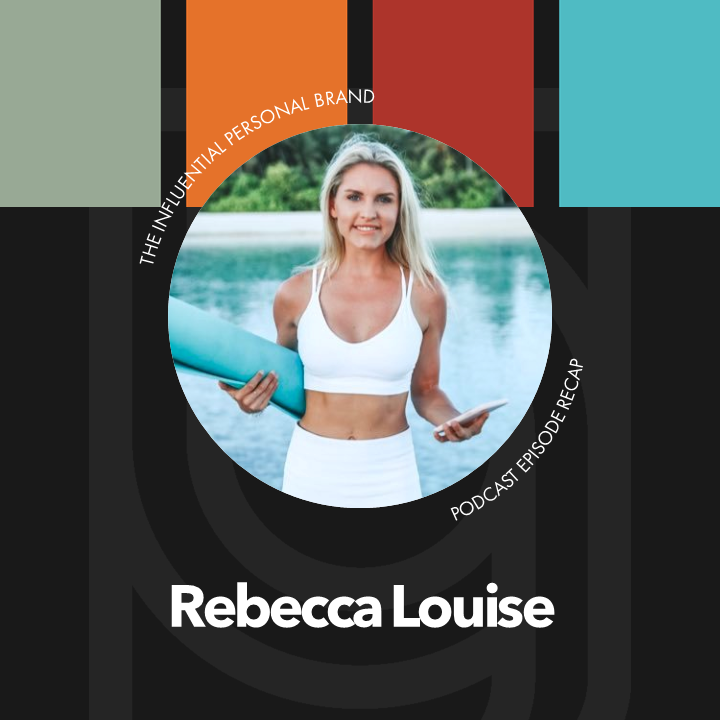
Hey, welcome to the recap edition of the influential personal brand podcast is Rory Vaden and AJ Vaden. Today we’re breaking down our top three highlights from Rebecca Louise. Why don’t you go?
Yeah, as far as well, I just love her. She s so spunky. It’s such a fun interview and she gives so much, so much transparency and value and this interview so highly recommend it I would say the thing that I’m going to start with, and we’ve mentioned this several times now on these recaps is the fact that we’ve heard it once we heard it again and again and again, and Rebecca just kind of came in and reiterated it again, is that YouTube is such a force to be reckoned with. And I just, I am just so I’m so awestruck of the amount of people that we talk to that talk about the fundamental elements of YouTube being a driver for their business, but yet, and kind of the external world, you don’t hear a lot of that being discussed. And what I loved about her, she said that, and this was my big aha takeaway.
So I’ll get to it. She said that the thing that’s awesome about YouTube is it helps you really determine what your audience wants from you so that you can just give them more of the same thing and that the more of the same thing that you give them. And the more that YouTube sees that that’s what people want from you. They, their own algorithm will help explode your videos. And that to me is just so awesome and just genius. And the fact that it’s like, yes, do more of what people want from you. Don’t try to do all the different things, just do more and more and more of the same thing.
I think for me, it was, it’s interesting because there’s technical takeaways from her like that, that I loved and took away also the emotional side of just her attitude and her mindset really stuck with me. And I, I love just this idea of, of starting where you are and just starting with what you have and just be willing to just start and just go, like, no matter how far or fast or slow you can go, just go and then reinvest and reinvest and reinvest, and you can make it bigger and better later on. But I think it was interesting because she, she is a client of brand builders also. And, and you know, her a lot of her personal brand message which I think is where she’ll end up going longterm is really about action. It’s really about helping people move and create motion and and just kind of get, get past being stuck. And, and it comes through in her personality. That’s a huge part of her uniqueness. So start with, start where you’re at and be willing to just reinvest and then, and then grow from there. And that’s similar
To my second takeaway. And my second takeaway was I thought it was such a unique description of how she said that she uses her direct sales business as a part of funding, her personal brand and vice versa, but how she spends her time in both of them as she goes all in on one of them in a season and takes the money that she has gained from one of them to help fund the other. She said, but I’m always all in, on one of them. So in some seasons is my direct sales business and on others, it’s my personal brand. But I think the thing that was most interesting, and she didn’t say this quite this way, but as the fact that they they’re both synonymous with each other, right, it’s her personal brand is actually driving a ton of leads to her direct sales business. And through her direct sales business to her personal brand is gaining an enormous amount of traction, but she’s spending super intentional time and seasons on each of them independently to make sure that they get what they need to get off the ground running. So I thought that was amazing and it goes back to the investment
Well, in my, and, and I, I, that was my second takeaway actually was the, the best way to monetize a personal brand is to bolt it onto the thing you’re already doing. Like the fastest path to cash is to just use it as an accelerant to what you’re already doing. And for her that was direct sales and in the beginning and still is. And I, gosh, I mean, there’s so many people in direct sales and other businesses, financial serves professional, all the professional services, all entrepreneurs that you can just take your personal brand and use it as a marketing engine for the thing that you already have. Why wouldn’t you be doing it? I mean, this, this, I think this is just like, it’s not just the, the, it’s the future of marketing in general. Like, this is what personal branding is, what marketing will look like in the future. It’ll be all about the personality. So I, I thought that was cool. Really cool. Example of her, you know, crushing it in both direct sales and her personal brand.
Yeah. And my third takeaway, and there were so many technical things, but for whatever reason, this really stuck out to me was the fact that she started by somebody else hiring her to do YouTube exercise videos, a casting call, and she was getting paid 40 bucks an episode. And I just want you to like, let that settle in. And here’s what I found that was interesting is she, wasn’t so sure about what her content was about. But it was, Hey, I know that this sounds good and I can do this and do this for her. It was talk, watch she works out. But here’s what I thought was fascinating. It wasn’t that she had this like compelling message within her to start is the fact that she started. Yeah. And from there she realized like, I really love this. I need to do more of this.
So then she got her certification. And then from that, she built her own show and now she just released a book and then she’s got her direct sales is like, now she’s got like this multi-million dollar empire, all because she said, I don’t know where this will lead, but I’m going to start with this. And it was doing somebody else just show getting paid 40 bucks an episode, but she was willing to just start. And from there, that’s where she fell in love with what she was doing and found her passion and found her message. And it wasn’t like all this work you do off by yourself and then trying to make it perfect. It was like, no, just get in and do it and figure it out as you go.
Yeah. I also thought her mentality, wasn’t like, Oh, I’m not making enough money. Or I’m being taken advantage of. She was like, Oh, I’m learning. This is fun. I’m doing it. And then it’s like, Hey, I’m going to do this myself and figure it out. Was super cool. W w one of the other things that, that she said, or we talked about that really reminded me of something that we say around here a lot is we say people don’t pay for information. They pay for organization and application. And when she was talking about that, she basically just puts her exercise tips on YouTube for free. And that’s what she does. That’s what she’s always done. And then what do people pay for? Well, they, they pay for more, but they pay, they pay for them more organized right.
Organization application
In a way it’s not just like some random, like three minute tip, it’s a full 20 minute workout or a series of workouts. And now she’s rolled that into, into her app, this awesome app. I mean, she’s just crushing the app business, which is so cool. And I think just a good reminder because all of us are either we don’t know what we would put out for free, or we go, well, I can’t just teach everything I know for free. What would people pay me for? And just don’t ever forget people don’t pay for information. They pay for the organization and application the assistance of implementing that knowledge into their life. That is,
Yeah. That’s such a good takeaway. And then too, that it’s like this just randomly came to me. It’s like the fact that she has taken this entire message and this archive of content and put it into an app, right. It’s like, it’s, yeah. It’s one thing to do social media, but it’s like taking it to a whole nother level in terms of what does a membership program look like for you? Now, you’ve got to have the money and the investment to do that type of infrastructure. But if you do this the right way and you go all in again, it’s take the money you make to reinvest it to make more money. And it’s building a business that you can have for a lifetime. That’s so much of what it’s all about.
The first, the out thousands of members, she had all sharing the same password. That was how she started. Right? Like it wasn’t, she she’s, she scrapped her way there and you can too. And Hey, you know, that’s why brand builders is here is also to help you apply the things that we’re learning and teaching. And that our guests are we’re in the business of one, on one coaching, help you apply this. So at some point we hope you request to call, talk to someone on our team. Umf nothing else, just keep coming back here and we’ll keep supporting you on your journey. That’s it for now? We’ll catch you next time on the influential personal brand.
Ep 118: Using Your Personal Brand to Grow Your Existing Business with Rebecca Louise
Hey brand builder, Rory Vaden here. Thank you so much for tuning in to listen to this interview. We are so excited to bring you this information and want it to let you know that, Hey, there’s no sales pitch coming from anything that we do with this is all our value add to you and the community. However, if you are somebody who is looking for specific strategies on how to build and monetize your personal brand, we would love to talk to you and we offer a free call to everyone that’s interested in getting to know us and is willing to give us a chance to get to know them and share a little bit about what we do. So if you’re interested in taking us up on a free strategy call, you can do that at brand builders, group.com/summit. Call brand builders, group.com/summit. Call. Hope to talk to you soon on with the show.
I am so honored and excited to introduce you to my friend, Rebecca Louise. Those of you that follow her on social may know her as Rebecca Louise fitness. If you don’t know her, let me just give you a couple stats, I guess, cause I’m a big fan of, of people’s, you know, their actual results and what they have produced, which is what one of the things I love about her. So she, I guess was originally known for her YouTube following. I don’t know if that’s right to say, but she’s gotten about 648,000 followers subscribers on YouTube 250,000 on Facebook, 540,000 on Instagram. But here is to me that one of the coolest things, and one of the reasons I, I invited her on the show is she has an app that is now called BTES that has over 11,000 paying monthly subscribers.
She’s got two different pricing tiers, which we may talk about, and it is one of the, the best fitness apps in the world. And, and very longstanding, very reputable has a lot of success stories from clients. But she also is she kind of, she came out of, or one of the things that she does is network marketing as well. We’re not going to mention the name of the company here, but it is a very recognizable, very well known network marketing company. And you all know that we love network marketing. We believe in it. I’m a product of it. My mom, yeah. I grew up around it. I speak to a lot of network marketing, marketing companies. And then her newest thing is that she actually released a book this year called it takes grit which quickly became a bestseller. And anyways, she’s just an all around baller and awesome, awesome lady. I met her as part of a mastermind that I was a co-leading with Lewis howes for, for Lewis was Lewis’ mastermind. She was, she was in there and anyways, it was like, you got it. You got to meet Rebecca Louise. So welcome to the show, Rebecca,
Thank you so much for the lovely introduction. I go down, I’ll record that and just wake up to that every day. It’s going to be my new affirmations
It’s been recorded and I, you will have, it will be available to you whenever you want. So can you just talk to us a little bit about your journey? I mean, I that’s, we kind of think of this show is like the real life story. Because people go, Oh my gosh, you have millions of social media followers and, and, and literally, you know, hundreds of thousands of dollars in recurring revenue from your app every year. But you know, my guess is it didn’t start quite like that right out of the gate. So could you just give us like your, your backstory?
Yeah. So originally I’m from England and I came to America 22, 23 years old to get my commercial pilot’s license pilot’s
License. That’s awesome.
Yeah. And I ended up getting the whole license. I went back to the UK, did all my written exams. And then I was like, I just don’t feel like this is in alignment with what I’m supposed to do, but I loved Southern California and I grew up watching Laguna Hills on MTV. And I was like one day, you know, Lauren Conrad, I’m going to be driving down PCH in my convertible car and I’m going to go for lunch with my my OC crew. And so I got a visa managed to get myself a visa work visa to come to America because I’d done loads of random jobs in London before. So I had tried to do acting, you know, backing, dancing, TV, hosting, like all the things I got myself, a visa together to come to America. And when I got here, one of the first things that I did was I just started go for castings in Hollywood.
And I was like my British accent. It’s going to be fine. I’m going to be able to get jobs turns out that’s not the case. But what I did is I went to an audition to be on a YouTube channel. And I didn’t even know what YouTube was at the time. Yeah, it wasn’t even, it really wasn’t. It was, I mean, I feel so old. It’s like nine years ago now. And so I get that and it’s to be on a YouTube channel. That’s about fitness. Now. I grew up playing so much sports. I knew. What about fitness? Nothing about personal training. So I did not have my personal training license at the time. However, when I went to the costing and they’re asking you to do like a little workout and tool, I was like, Oh my goodness, this is my one talent in life. I can talk and workout the thing.
This is my thing. And so I remember getting the job and I got paid $40 per episode. And I was just so grateful and I would go up and I would film. And I was just in my element and off the 18 months of filming, we grew it to, I think, a million subscribers it’s now like 3.2 or something. And then they just filming. They stopped filming because I just wasn’t really a passion project. It was more a test or trial and error thing and probably to make some residual income. So after about a year of not filming workouts, people on my social media were like, are you going to film more workouts? Are you going to do this? And I’m like, I don’t know, because I’ve just built something to a million subscribers. I got to start again. She didn’t own it. I didn’t own it.
I was part of it. I just got paid $40 per episode to make these workouts. And I grew it because I was excited and I didn’t think about the residual income. I didn’t understand that. And so during this time where it was ending, I found network marketing and my coach in network marketing was like, you need to be doing it yourself so that you can make the money. And I was like, cause we talk about that in network marketing, right. I’ll do the work and I can do the, make the money, or you can do the work and you can make the money. Right. So I got started with network marketing and got amazing results on these nutrition products and then got my confidence to actually start my own YouTube channel. And I
Just a pause right there, even though you were doing network marketing, it was still kind of aligned with your audience because it was a nutrition, your network marketing business was a nutrition product, and which is kind of what you were building your whole personal brand around. So even though it’s like a different business model, it still fit inside of the personal brand that was becoming Rebecca Louise.
Absolutely. And I knew about fitness because I, by that time, I then got my personal training license. Cause I thought I better get this, this I’m doing these workouts online. And I actually didn’t know anything about nutrition. I’d really struggled in my teens with an eating disorder. I got down to 86 pounds and I’m 107 pounds right now. So 20 pounds lighter, that’s quite a difference for somebody who’s five foot, two and a half. So I didn’t actually know anything about nutrition, but it did fit and because it’s nutrition of fitness, but what it gave me was confidence. And, and energy and strength. And I got an incredible result from it as well. So yeah, I started the network marketing business and from the income that I got from that, I was able to invest it into creating my own brand.
Yeah. That’s, that’s such a common story that it’s like, you’re, you know, you do something to create income and then you’re taking that income and actually reinvesting it into the, the thing you, you wanted to do. So yeah. Talk to me about the, the mentality there of YouTube. Because I went through something similar here, we exited our former business and like one day you, one day you go to sleep, you’ve got hundreds of thousands, millions of people you’re reaching online. And the next day we literally wake up. It’s like, I have zero followers. And I’m starting on zero. So did you have some of that, like emotional, you know, head trash to deal with? Or like, how did you bounce back from going? There’s millions of people watching me too, nobody a hundred and I
100% I Didn’t have confidence. I was like, I’ve already built this. How am I going to start again from zero? So I actually started to do is I created a subscription model way before I even started my YouTube channel and I was trading. It was 9.99 a month. It was all on desktop. It was one video a day, which was 10 minutes. There was no recipes. There was nothing at anything else, but I was like, I need to be able to make money because I just, you know, hadn’t got money anymore from this $40 per episode. I mean, it wasn’t much, but at the time when somebody takes that kind of income away from you, you’re like, you know, even if it’s a thousand dollars a month and you’re only making 3000, that’s a lot of money. That’s a third of your income. Right. So I actually had this subscription because I was like, I needed to get money in.
And after about, I would say like nine months, I think I just, somebody told me like, you need to put this stuff out in the world. You need to just let it go for free. And you need to build your YouTube channel because that’s how you’re going to build your brand. And so my income and my network marketing company had kind of built up by that time. So I didn’t feel that, you know, letting all of this stuff and letting my subscription model go would be such a bad thing financially. So then about six years ago, I was like, you know what, I’m just going to put all my videos on YouTube. And for probably about two years, I just let all the videos go. And then I brought the subscription model back as a desktop version that was through Squarespace where everybody had the same password. So it looked like your unique password. Cause it was like que exclamation, Mark, lowercase, whatever. So it’s like number I like probably had, you know, five, 600 members at that time paying nine 99 with all the same password, no idea how to cancel anyone’s account, but I was just alone. And then it just evolved more.
And if you have, if you have five, if you have 500 people paying you 10 bucks a month, you had, you were having $5,000 a month coming in, just doing it yourself. Like, no, you didn’t have like the tech the about you’re using free Squarespace, like set it up, just password, protect a section. And that was how you started. Like that’s how you got to $5,000 a month.
Yes. Yeah, absolutely. Yeah. Squarespace. Same, same password for everybody. We’ll be fine.
Huh. But you’re so you’re just so you’re hustling it and, and now I don’t want to skip over. It sounded like you said for two years, you actually, when you went free, you gave everything away for free for two years and then went back to charging. Did, did I catch that right?
Yes I did. Because I just let go of everything of the subscription model because it wasn’t actually building my brand. Like it wasn’t building YouTube. And honestly that is where I get most of my referrals from that’s where I’ve grown most of my brand from. So I’m so glad that I wasn’t narrow minded to say, you know, no, I’m not going to allow any free videos out there because then nobody’s going to want to pay for my subscription. That’s not the case. You know, you can have hundreds of videos or hundreds of free content online and people will still pay for your product. So I had my mindset about that.
Yeah. So can we talk about that? Cause I was, that was one of the things I wanted to ask you is I think a lot of us struggle with, okay, what can I give away for free and how much can I give away for free and what should I charge for and where do I draw that line? And like how much and how frequent. So how have you wrapped your mind around that? Like, what’s your personal philosophy there, about how much you give away and what you give away versus what you charge for in the app?
Honestly, I’ve given out a free YouTube video every single week for almost six years. I’ve never missed a new workout coming out. That is one thing, consistency. So there are, I think there might be four or 500 videos on my YouTube channel, but what that does is it keeps the channel alive. It keeps new people coming in and that’s the whole thing. It’s new people coming in that you’re exposing it to one workout a week or even two a week with a couple of recipes here and there isn’t even a patch and what you get inside the app, like the app is just a whole other level. It’s all there in one place. It tracks your progress. You know, you can check off your workouts that you’ve done. You can get points for doing things in the app. So it’s just a whole other level. So there’s a massive difference in standard, but I can still put out content all the time with getting people to still want to purchase the app.
And so would you say those, like, I would classify a lot of that as like additional features beyond the content. So would you say that the way you do that, it was like, okay, I’m kind of giving away a lot of the content on YouTube, but in the app it comes with all these additional, these additional features. Is there also more content in the app or is it more about the additional features?
Yeah, there’s more content, there’s more, less, longer length workouts. So on YouTube every week I put a 10 minute workout out and that same workout is just a 28 minute workout with a warmup and a cool-down in the app. So you just get a lot more you know, there is 300 recipes inside of the app. You can filter them, you can search which ones that you want. There’s a whole video library that you can search through. It just makes it easier. And for a starting price of $3 and 99 cents a month, that will also track your workouts. It gives you what workouts to do each day as well. So that you, everybody’s kind of doing the same thing. It’s an accountability group. We have a Facebook group and people are just feel part of the community. They’re like, Oh my goodness. Did you do your BTS workout today? Yes, I did. Like how did you find it? So it’s more about a structure and being part of it, like being part of the community, rather than just saying, I’m doing a 10 minute workout here, 10 minutes here and I don’t really have anything that I’m missing.
Yeah. I love that. You know, I think brand builders group is very similar cause we do like a five minute video every single week, but then the, the, our, our, our entry-level product is $99 a month. And it’s two hour long virtual trainings every month where it’s like, it’s very similar to the content you would receive for free, but just spread out over forever and disorganized. So I think that’s, so that’s interesting to see in that application, even in inside of your world, inside of the, the fitness, the fitness space. So while we’re on the topic here of, of YouTube, I mean, this is one that I missed the boat on. I’ve missed the boat on YouTube, my entire career. It’s always been just like this, like, eh, I’ll throw something up there and now I’m like, Oh my gosh, I am stupid.
Like YouTube is where it’s at. W you mentioned consistency, which seems like everyone, everybody says, you know, that’s the ultimate secret is just consistency. Which, you know, don’t anyone skip over that and miss that in addition to that, is there anything else specific to YouTube? Cause you’ve done this twice. You’ve built a huge following, started over and built another huge following, which I find even more impressive than someone who’s done it once. Are there any other like tactics or strategies or mindsets or things that you think are out specific to YouTube?
Really, it’s just what your audience want. Like, I mean, that’s the thing with like any social platform? Like what is it that they want? Like I know which videos do really well on YouTube that AB workouts, you know, a lot of AB workouts, basically a lot of app, maybe some booty workouts. So I know that when I put one of those workouts out, it really does like help the algorithms. So, you know, you could just be a YouTuber. That’s like, Hey, this is the one thing that my people like, and you can keep putting the same content over and over and over again and not being worried like, Oh, well I just didn’t add work at like three weeks ago. No, they want more, they want another one and it helps the algorithms go up as well. And you know, I’ve sometimes made the mistake of going, you know what?
I want to give people overall fitness because that’s what I’m about. I’m about doing the cardio, the weights, you know, a bit of everything. So I try to put that on my YouTube channel, but it actually hurts the algorithm. You know, I have a girlfriend that’s done really well on YouTube and completely blown up this shit at everything is just abs abs and the same thing over and over. And again, so sometimes you want to be creative and do different things, but the algorithm on YouTube is very specific of, you know, what is working and it will really literally rocket you, you keep putting the same content that your audience is liking over and over and over again.
And you’re doing, you’re determining that by data.
Yes, you can tell. So as soon as you put a YouTube video out, it will tell you, Hey, this workout is doing higher than your other ones normally. And it will give you a ranking at a 10 with where it’s at, or it’ll say, Hey, this one’s just not picking up as many subscribers or it’s not doing as well. And then you’re like, Oh my goodness. Like I knew I shouldn’t have put that out there. So there is a little bit of like trial and error sometimes because you’re like, I want to put this out to see if my audience would be receptive to it because sometimes they’re not, you know, I started putting vlogs on my main channel and it hurt the channel because that’s just not what my audience were there for. So I had to pivot and put it onto a different YouTube channel.
Interesting. Okay. Yeah, I mean, that’s such a simple process. I mean, that’s, everybody’s create, that’s the way comedians they create and they test, they create a joke, they test it, they create and test and then they’re just responding from, from the audience. So I love that. Do you do you know, so you have the app, which is huge and y’all, if you didn’t catch this, so three $93 and 99 cents a month, like it’s, this is a very affordable deal. You’re loaded into this app. You have you have also a eight, what is it? Eight 99 for a VIP version. And then 11,000 paying monthly members on this thing that you’ve built over, how long
It’ll be three years in January that the app came out.
Interesting. Okay. So within three years now you had spent two years before that though building up the audience for free before you really started monetizing it. Okay. awesome. So one other question here about, I want to ask you specifically about network marketing, because we, you know, I mentioned we love network marketing as part of my background. My family’s background is we speak, it’s probably the number two audience that I speak to. And how do you balance? Because I think this is becoming a really big issue with network marketing is people make a lot of money in network marketing and it’s, it’s kind of a thing where it’s like a lot of people leave but they don’t leave because they’re still making money. And you know, we’re big fans of going, Hey, the, the fastest way to monetize your personal brand is to use it, to throw fuel on the thing that you’re already doing.
That makes money for some people that makes a lot of sense. They go, Oh yeah, for sure other people go, no, I actually like having kind of two different streams going here. So is there anything you can say about maybe your personal philosophy about how you kind of balance a brand of network marketing and then your personal brand, and, and, and I also would ask you in your network marketing company, do you have people on your team, like in your organization, you do right. You’ve got in your kind of downline, a bunch of people. So I think this is a question that network marketing leaders are also struggling with is like, okay, social media and personal branding is so powerful. What is the message I should give to my team about how to use it and not use it. So anything in that kind of mess, because I think that’s like a little bit of a mess that the network marketing world is trying to sort out and we’re trying to sort out and trying to help them, you know, Edify something that enforces the company, but also, you know, helps people succeed with their personal brand.
And, and you just hit the, like one of the top levels of your network marketing company. So you’re doing both. So yeah. Talk about that for a minute.
Yeah. And I love this and mine are completely intertwined and I love it that way. Because I really feel like net what marketing is, how I can help somebody have the life that I have. I have a brand, I, that’s a specific thing that I know if you want to learn how I did my brand, you have to pay me, you know money to do that. But I want to be able to give the opportunity to everybody. And that’s why I love network marketing over the last seven years. You have to be all in. And one of the things to really Excel at that. So first of all, it was my network marketing company. Like I was filling with that. Once I got that to a certain position for 18 months, I was like hard on in my network marketing company. When I got my check to a certain level, I started to work on my brand when I was starting to employ people.
I would get this to a level where then I would go back into the network marketing really heavy and get that to the next position. And so I would literally do one thing at a time because you really have to it’s, it’s trying to build a multimillion dollar business, both of them, you know, they’re going to take all of your time, but Hey, have you got employees that can just take over for a couple of months while you dive back into your network marketing company? This year was the only year that I have been a hundred percent in both because we’ve had so much growth because of what’s been going on. I’m like, I, can’t not, I can’t afford not to go all out with both of these, but how I’ve worked at over the years is that, you know, I worked in fitness and it’s nutrition is that it’s completely interlaced. So I have YouTube, Instagram, all of the things they funnel into a free 30 day program. After that 30 day program, they get on the app or maybe they get on there.
Okay. Sorry, hold on. So I back up a little bit, I’ve, I’ve started to miss that and I don’t want to, I don’t want to miss this. So tell me, this is kind of like how you see the flow of, of moving somebody in kind of through your system. So maybe from the beginning, they start with YouTube.
Yeah. Because if you have a personal brand, it’s like, how can you bring in those leads to actually have enabled them to become distributors? You know, this is my flow. This is how it works for me. So we have you come in through YouTube, Instagram, whatever, probably they’re followers of mine. They come in, they get onto the app after they’ve done like a free 30 day program that we offer or they get on the app. Once you’re inside of the app, there is a free, like five day better you program. And on that, they get a coach and I have nine frontline coaches and they talk with my new clients that come in through the app about, Hey, what results that you’re looking for? You know, are you allergic to anything? How can we get you started? And then they actually get started on a nutrition plan.
And so those leads come in and they get given to my well, I have my BTE as coaches, and they are all in my network marketing team and certain levels in my network marketing team. But they have to be a certain level to be able to apply, to become a BTS coach. So then they get those leads. And then what happens is those people then get started on a nutrition plan. They get amazing results and we tell them, Hey, do you want to be part of our girl group? Do you want to be part of our community of the BTS coaches and other people, you know, getting started and helping your friends and family get results. They’re like, Oh my goodness, of course, I want to be part of your girl, dang. Like this sounds amazing. Like I have 30 girls flying into my, you know, into my home this weekend to celebrate and recognize all of the new coaches.
We have a leadership development weekend. So then those people got started on a program, become distributors because they want to be part of it. And it just drip feeds from them. So I’ve used my personal brand to help build my network marketing because, you know, I love my network marketing company. I’m never going to leave it. My heart and soul is like some that web marketing companies you get in and you get out and you make the money. And that’s absolutely fine. All companies kind of different. We have people that have been there for 40 years. And when I got started as all the same people that are there, and I know that, you know, if I, I can’t film workout videos forever, like there’s going to be a point where I’m just too old and I thought move around. So I don’t know what’s going to happen with that business, but I know that I’m always gonna have my network marketing company and I can always flourish that, and that really is, I think the strong part of this top part here, it’s actually building this legacy forever.
Wow. So you basically, you’ve done exactly what we were talking about. You have taken a personal brand and you have basically bolted it on as the entry point to a network marketing business model. Now it’s, it’s, it’s also its own thing. It’s a sustainable thing of its own, but it’s also feeding back towards towards a long-term network marketing company. Yeah. Wow. I love that. I mean, I just, I think that’s so brilliant because it’s like, you’re living your passion. You’re helping lives. You’re building your personal brand, you’re making a difference. And some percentage of those people are going to be a fit for the ultimate thing that you’re building long term. And you’re not, it’s like a constant pool of people, but you’re not, you’re not offending anyone. You’re not forcing it on them. You’re letting them kind of self-select through the whole process.
That is fascinating. Love it, love it. Love it. Okay. I want to ask you about your book, but before I do that well, let me ask you about your book first, real quick. So it takes grit is, is now you are officially a bestselling author, which is so awesome. We were talking about that when I first met you whatever 18 months ago. And you know, some of those, some of those, some of those things tell us about the book and where does the book come from and how does that book kind of sit in between the space of your fitness personal brand and your network marketing business, and, you know, you’re the old Rebecca Louise and then the future, Rebecca Louise.
Yeah. So I started writing the book in 2019. So I was introduced to an agent in March of 2019 and pitched this idea. And I didn’t know at the time, like I was ready for a book, but I have all of this training inside of my head for the last six, seven years of working with mentors and going to masterminds. And I want it to be able to give my audience something that was like a no BS guide to how you get to where you really want to be. Because I feel like loads of people are like, Oh yeah, just do this and just do these Instagram posts and blah, blah, blah. And then you’re going to be fine. It’s like, Oh no, I’m going to prepare you for all the crap that’s going to happen. And when you’re prepared for that, you’re going to be like, Oh, Rebecca told me this was going to happen.
And this is how it happened to her. And this is how she overcame it because in my community, I have a lot of people who love the fitness and love the nutrition. But what changed for me, most importantly, as I got older was my mindset. You know, I was introduced to Jim Roan and Tony Robbins, and I was like, my community don’t know personal development. And I was like, I get to be the vehicle to share with them. And that’s why I started my podcast in January 28, 2019. It takes grit. And that, that involved into something that I can actually give people to say, Hey, you know, this is what it really takes to get to where you are. And you can look at somebody on a pedestal and be like, Oh my goodness, it’s amazing. How do they get there? But I share a lot of my own personal testimonials and stories of things that have happened to me that could have thrown me off, but instead I just like stepped forward and made it happen. And this is how I got to where I am today.
Wow. Well, I love, I love it. This is thank you for being so transparent with just your YouTube secrets, your app, your numbers your network marketing business. And I think it seems like, you know, transparency, there is like one of your, one of your superpowers and it takes grit. Seems like it’s a lot about the honest truth about what it has taken to build what you have built, which is incredible. And you know, you’re still so, so young, like I think it’s, it’s, it’s really exciting to see the trajectory of where people will be, you know, not just where they’re at today, but where’s the trajectory of go in 10 or 20 years. Like it’s nothing but extremely exciting. So where do you want people to go, Rebecca, if they want to connect with you, if they want to follow you and, and just plug into what you’re doing.
Thank you. Yeah. You can follow me on Instagram and Facebook, Rebecca Louise fitness, head on over to my YouTube channel, Rebecca Louise, you can get a free 30 day program or just go to Rebecca hyphen, the wheeze.com and all the details are right there. Check out the podcast. It takes grit, the book. And yeah, we have we have just an amazing gear coming up. We’ve got new transformation programs, you know, new features coming to the app and it’s just going to be an amazing 20, 21.
Love it, love it, love it. We’ll put links up to all of that. Rebecca Good luck to you and your organization and your team. I know we’ll be seeing you around the brand builders group, community, and our events more and more, and just really appreciate it and wish you the best. So we’ll, we will look forward to watching and monitoring your progress, tune into Rebecca Louise fitness. That’s it for today. Thanks Rebecca, for being here all the best.
Ep 117: Dynamic Speaking and Scaling Joy with Dan Thurmon | Recap Episode
Hey, welcome to the recap edition of the influential personal brand podcasts, Rory Vaden, coming to you. So low, a recap in this Epic interview with Dan Thurman and I’m covered for AIG to on this one just by myself. But you know, I’ve known Dan for so long. It’s, it’s fun to get to go back and listen to this and kind of analyze and break it down and give you my top three highlights. And there was so much going on in this interview. You know, we released these, these podcasts also on our YouTube channel. It’s actually not on the Rory Vaden YouTube channel. It’s on the brand builders group, YouTube channel and,
And you know, usually some people like to watch cause you see the facial expressions, but this one was, was crazy because there were a lot of visual components of it, which, you know, we tried to talk out for you for you visually, but anyways, so to dive in to the top three takeaways. So first of all, I thought the mindset to pivot and, and these were three mindsets that were my big takeaways from Dan and from that interview. And, and the first mindset is the mindset that it takes to pivot. And I loved the actual content that he was sharing, which is from his, his actual content that he, he teaches in his virtual keynotes, this idea that when things become uncertain, we can falsely feel uncertain about everything. And it’s like, when there’s change, not everything is changing. There’s a couple of things that are changing, but, but we sort of have this, if we’re not careful, we have this mental mushroom that we allow ourselves to do, right?
It’s if you’re not dissed, if you don’t have a disciplined mind, if you allow your mind to just run, it’ll run towards the negative it’ll it’ll, it will become just over-exaggerated and, and consumed with all of the, the, the negative possible outcomes. And I remember talking about this with Lewis Howes one time when I was interviewed on his podcast, actually the most recent time I was, I was on there and we were talking about how with successful people, there’s still always like this fear, no matter how successful you get, there’s like this fear that you’ll not just that you’ll fail, but that somehow you’ll fail so much that you’ll just become like homeless living on the street is like this, this deep rooted insecurity that drives someone to be so successful is always there. And it can get so out of control that like you just, when something goes wrong or doesn’t work out or you don’t get number one, or you’re not perfect your mind immediately freaked out and was like, Oh my gosh, I’m going to end up homeless.
Right? And it’s like, you’re so far away from that. Even though, even though things might be changing and you, you might not be winning or you’re just dealing with uncertainty. And, and I thought that was super powerful that, you know, Dan was reminding us that even though you’re uncertain about some things, you don’t have to be uncertain about everything and you can have faith in your, in yourself. And, and you can have faith in your ability that your entire life you’ve had to learn how to operate a new environment, your entire life. You’d ha you’ve had to learn new ideas and new skills and, you know, maybe work in new jobs or a new markets or verticals or industries, and you’ve been able to figure it out. So why do we become so scared and overwhelmed and frightened and stressed and anxious. When we face a little bit of change in our life, knowing that our entire life up to this point, it has been embracing change and learning new things.
We have the ability and the knowledge to figure it out. And if you can just embrace that, you’ll be able to pivot faster. And that’s going to put you in a, a much better position. So that I think was the first thing for me, was the mindset to pivot and, and what that looks like. The second mindset was, is really the mindset to up-level. And this one was more watching. It wasn’t so much what Dan said, like it wasn’t in the content. It wasn’t when he was like teaching his content, it was just kind of watching and processing his demeanor and looking at how quickly, you know, this is someone who’s made a career speaking in front of live audiences, and that’s like been the primary way that he’s made money. And that business model of the live keynote speaker has been disrupted. I mean, it’s been more than disrupted.
It’s been killed. It has evaporated. It has vanished. It, it went from, this is what I knew in my whole life to it disappeared overnight. So as much as like any business model the, the model of live keynote speaking in the physical sense in, in front of live audiences disappeared overnight. There’s no events, there’s no gatherings worldwide. It has shut down. Travel has virtually shut down. And so here you have somebody Dan, that that’s been his primary business, which, you know, we understand, we appreciate it. It’s, it’s always been a huge part of our business. But it’s actually, it’s become less and less over the years. It’s just been fewer engagements at higher fees, but still a smaller total of our proportionate revenue, because we’ve moved into more of building, you know, building a real business kind of outside of, of just being on stage speaking.
But that’s a, that’s a real scary thing. And what did he do? What has he done? He immediately turned to going, all right, I’m going to go virtual, but I’m not just going to do virtual presentations. I’m going to figure out a way to Uplevel the virtual experience. And he’s got a five camera shoot, three sets going on in his house with this ability to create this variation of, you know, the types of just kind of the type of energy in which he’s presenting with. And of course, if you watch, if you actually watch this video of the interview on our YouTube channel, you’ll get to just see. I mean, it’s, it’s worth going to look, even if you don’t watch the whole thing, but just kind of fast forward and see how this set changes. And it’s amazing. He just like walks out of the screen and into another, another screen, it looks like he was walking into a new room, different camera angles.
And it’s, it’s a simple bit of technology, but instead of being paralyzed and terrified and, and, you know, just scared, which would have been understandable, it is understandable. A lot of, a lot of speakers are still reeling with trying to figure out what the heck they’re going to do. He just said, how can I, how can I go virtual? And how can I, up-level the experience? How can I take this performance and this production to another level which people haven’t seen. And so we quickly did that. And, and so the mindset there, which he also did talk about is to go respond to uncertainty with new education, with new personal development, with new growth of, of, you know, he didn’t, he didn’t have all that technology before. He didn’t know how to do all that. He figured it out because he was leaning into the change and going great.
I’m going to, I’m going to use this opportunity for change and challenge and uncertainty to learn something new and, and to, and to prove that I have faith and confidence in myself, that I’ll be able to figure it out by investing and, and, and growing and learning and saying, you know what, there’s a way to learn how to do this and that. I mean, gosh, that is why I think brand builders, part of why we’re growing so much is because people are realizing that online. I have to be able to do business online. There’s, there’s, there’s no other way right now to really be steadily growing your business. And if you don’t have those skills, if you don’t have that knowledge, if you don’t know how to write copy, if you don’t know how to build funnels, if you don’t know what a words should be on a webpage, if you don’t know how to run a or to run Facebook ads, or if you don’t know how to do webinars, if you don’t know how to create content, if you don’t know how to manage social media, if you don’t have systems for training a staff to like, keep up with all this content production, you need to get going and you need to get going fast, sweetheart, like you’re, you need to get on it.
And I think, you know, God just had his hand on us in terms of guiding our life to be sitting in a place to provide this education to people in such a systematic way. And maybe that’s, you know, if that’s you, then, Hey, you should check out brand builders. We do it as good. If not better than anyone in the world, I really believe leave that. But maybe it’s not your personal brand. Maybe it’s some other part of your business that you need to learn. The point is is, and what I took away from Dan, both in what he said, and what he meant is that you respond to uncertainty with personal growth, with personal development, with education, with learning, with knowledge to go, all right, I’m going to adapt. I’m going to grow. And that’s not what most people do. I mean, let’s be honest.
Most of us want to hang onto the old days, rather sit around and commiserate about how things used to be and about how I wish it was the way it was and how, how hard it is been on me versus going, I’m going to educate, I’m going to indoctrinate. I’m going to learn. I’m going to develop. I am going to grow. And knowing that as I do that, as I push myself to, to develop and to grow and to learn out of that will come confidence and ability in the face of uncertainty, which of course is true because there’s always opportunity. Every problem creates new opportunity. And anyways, I just thought Dan modeled it. And you know, he talked about it and totally up-leveled his game to the point where, when I put on my virtual keynote speaker had I’m going crap. Like, you know, he, he sat in a new bar for what that looks like and, and going, man, we need it.
We need to figure it out. We got to find ways to up our production and, and up the exp up the virtual experience for our virtual keynotes. And so anyways, what are you doing, doing to learn? How are you growing your knowledge? How are you leaning in to change and uncertainty and instability with more education and more relevant education? And that was my, my second takeaway is, is the mindset to, to Uplevel. So that’s different from the mindset to pivot and just be safe is then adding onto it. Another layer, which is, which is the mindset to, and then for my third takeaway, I’m actually, you know, I wrote this down, it’s the mindset to serve the mind set, to serve. And this was the money line. Like this was the, this was the, the, the focal point point for me of the entire interview. And he said, yes, I can scale giving and helping on a global level. That is the type of success. I don’t even have to monetize.
Think about that for a second. If I could make worldwide impact, that is enough significance and value in my life that I wouldn’t even have to monetize it. And so that’s why he’s doing it. You got this 50 year old guy on Tik TOK going viral because he’s not, he’s not trying to figure out how do I suck the most money out of my audience. He’s figuring out what can I do that would give value to them? What would entertain them? What would educate them? What would encourage them? What would inspire them? What would teach them? What would, what would bring them a bright spot in their day, in a difficult time? And we say it, we talk about it. We say things like, you never feel fear when the mission to serve is clear. But, but when you look at people like Dan, they’re living it, they’re doing it.
And it’s, I think it’s like how many ultra performers do you have to hear? Talk about that extreme level of commitment to service before you really believe and adapt and buy into the idea that I’m going to serve my audience. Like that is what I’m trying to do. I will let the money follow. I will trust that the money will follow. I’ll have faith that the money will follow. But what I’m going to focus on is not the money. I’m going to focus on the impact. I’m going to focus on the service. I’m going to focus on making a difference. I’m going to focus on delivering value to people that I’m not even paid for. And, and once that, once that switch flips, you can’t be stopped, right? Like once, once that heart change really happens, like once that, that, that, that, that flip, that, that evolution wants that maturity.
Once, once that commitment happens, you can’t be stopped because you’re saying it’s not about the money. It’s not about the followers. It’s about making a difference and you can turn on your camera and reach across the globe in one button, right? Like it’s never been easier. So if you really want to make an impact, prove it, turn on the microphone, turn on the camera, pull up Canva and make a post type of caption. But like, if that’s what it’s about, do it make an impact and, and trust and know that the money’s going to follow and look, you know, Dan’s one of the highest paid speakers in the world. And, and he doesn’t know what life is going to look like in a post COVID area. That’s all still like sorting itself out. But you see him living that, that commitment to service in the midst of uncertainty and, you know, and you watch it from outside and you go, of course, he’s gonna win.
He’s focused on how can he, up-level the experience for his customers? How can he pivot quickly? How can he make a difference? Eventually the money’s going to follow that. And that is why we say we serve mission-driven messengers. It’s not that we don’t care about money. We do care about money. We, we we’re good at making money. We’re we, we, we consider it important, but it’s about the impact in the mission first. And, and trusting that if I serve enough people for a long enough time, I will eventually make money. If I serve enough people for a long enough time, there’s no way I don’t end up making money. But when all I focus on is money, it’s hard to, I’m not focused on service. And so when the money’s not there right away, I give up because it’s not fair today. And tomorrow and next week, and next month and six months, and maybe in a year, maybe even two years, and you go, I’ve been doing this for two years.
I’m not making money. Yeah. Eventually your going to burn out your going to give up, compare that to the person going I’m just here to serve. I’m just here to give value. I’m here to Uplevel the contribution I’m making to the world. And I can’t be stopped because there’s no measurement. That’s going to slow me down. Like I’m only going to make more impact. I’m only going to reach more people, whether it’s one or 1 million or 100 million, I know I’m going to, I’m going to naturally reach more and more people. And I I’m, I know the money is going to show up in some form or fashion, and that’s a switch that you need to flip. And, and it’s, it’s something that you have to flip regularly. It’s, it’s kinda, you know, it’s like what we talk about in the take the stairs book, success is never owned.
Success is rented and the rent is due every day. And the commitment to serve is never owned. It is rented and the rent is due every day. You have to wake up every single day and make that conscious decision that I’m putting impact first. And I’m all in, on making impact. And I’m going to trust that somehow some way, if I’m all in, on providing the best level of service and making the biggest difference, I can, I’m all in on that. And I’m all in on having the faith and the trust and the confidence of knowing it will eventually work out.
And that is how it is. That is always how it is. You just got to wake up and remind yourself of that every day, whether there’s one person watching or 1 million or 100 million, but if you can be making an impact, that’s something that it’s like, you don’t even have to monetize, but you can, and you will. And we’re going to show you how so thank you for hanging around here. Hope you enjoyed the interview with Dan. I loved it. You had listened to it yet. Go back and listen to it and just see if you can catch the mindset of what it takes to pivot to up level and to surf. We’ll catch you next time. [inaudible].
Ep 116: Dynamic Speaking and Scaling Joy with Dan Thurmon
Rory Vaden here. Thank you so much for tuning in to listen to this interview. We are so excited to bring you this information and wanted to let you know that, Hey, there’s no sales pitch coming. From anything that we do with this is all our value add to you and the community. However, if you are somebody who is looking for specific strategies on how to build and monetize your personal brand, we would love to talk to you and we offer a free call to everyone that’s interested in getting to know us and is willing to give us a chance to get to know them and share a little bit about what we do. So if you’re interested in taking us up on a free strategy call, you can do that at brand builders, group.com/summit. Call brand builders, group.com/summit. Call, hope to talk to you soon on with the show. Dan Thurman is one of the reasons why I almost gave up my career as a keynote speaker. He is extraordinary.
I mean he provides amazing content you know, just kind of like real, true thought leadership, but in the most acrobatic and entertaining way. And I use the word acrobatic because he does backflips. He juggles, he throws knives. He can do handstands on podiums, like and I know that most of you are listening to this, but if you don’t know this, we record all of these episodes as videos and we put them also on our YouTube channel. And you know, I don’t know for sure, but like, there’s probably going to be some elements because Dan is so visual that you, you may hear us reference and usual bit too to the visual and you might go check out our YouTube channel and you know, we’ll post we’ll post a link to that. But so Dan is incredible. I mean, he is a hall of fame speaker.
He’s also a former president of the national speakers association. I’ve known him for years. Although I wouldn’t say we’ve been like super close friends. We have the same friends that we’re super close to, and it’s not for any other reason than we just both been out there running a gun. And, but I mean, listen to his client list. Okay. So when I talk about the kind of work that he’s doing and the, the kind of companies that, that he is speaking to it’s extraordinary. So you’re talking about the Coca-Cola’s of the world bank of America, Proctor and gamble, Marriott Johnson and Johnson, Walmart crafts, state farm Honeywell. I mean, these are some of the world’s biggest and brightest companies that have brought him in to speak. The reason, not the only reason, but one of the reasons that I invited Dan to be here is because he has been around in the speaking world as a very successful speaker for a long time.
I mean, he was inducted into the hall of fame almost 10 years ago. So and he has also, you know, he spoke on the front lines in Iraq and Afghanistan. So he’s been around a long time, but he’s doing some incredibly innovative things. So he’s checks like all the kind of like classic marks, you know, he’s got a great book called off balance on purpose, but he’s doing some things. So first of all, on Tik talk, him and his teenage daughter, Maggie are like tick tock celebrities. They have multiple videos that have been viewed more than 30 million times. Their Tik TOK channel has over a million subscribers. And so it’s so innovative. And then one of the other things that he’s doing is the way that he has pivoted to his virtual live stream events is just extraordinary. And so we’re going to, we’re going to just talk about how to stay relevant in a kind of like COVID world as a speaker and all, all things. How do you get to be Dan Thurman except, you know, we’re not going to do pushup and handstand tutorials, I don’t think, but anyways, welcome to the show, Dan, glad to have you,
What an intro of Rory that is so amazing for your compliments. One quick update because things change quick, you know, that Maggie’s following on Tik TOK is now over 3 million. And so yeah, so things just keep growing and growing, man. It’s, it’s a lot of fun though.
I mean, it’s, it’s, it’s really crazy. Like, you know, and I’m serious about that. Like the first time I saw you keynote, I was like, why would someone hire me when they could hire this guy? It was like you know, I have that thought every week, not very often, but every once in a while I have that thought and I was just like, you know, that was it. And then, and then just seeing you guys crush it on social media is kind of the same thing. And I mean, you’re an entertainer. I think there’s a, there’s a big part of your background, right? Like you just been in entertainment, but so let’s talk about tech talk for a second. Since we can kind of dive in, what the heck, like, how do you get 3 million followers? Like why, what are you doing? Like, what is your strategy? Because most speakers, I think, a what a waste of time, and you guys are just crushing it. So like, what’s your mindset there a little over a year,
Year ago, like most people never heard of Tik TOK, but Maggie had. And so she got involved on the platform. She had a good background and foundation because for a year she had been in high school, a brand influencer and advocate for Hollister. She was hired on a team and a project to promote endorse, launched new products and things. They, they really educated her in many ways about social media and Instagram. It was really Instagram based on that platform in terms of how to work for for Hollister that ran its course and the program ended, but she already was quite marketing savvy, had grown her Instagram following a good bit and heard about Tik TOK got involved in, tic-tac had a couple of her videos that did well. And then she had a, she asked me, dad, do you want to do a dance together?
We did this dance that to a Fergie song that just went completely bonkers. We went to the gym to play racquetball. And by the time we got out of that session, it had over 300,000 likes or something stupid like that. And then it just kept going and going and going that elevated Maggie’s platform. And, and she continued to do her own thing, but the things that we did together, what was interesting is it became very much about our relationship. We have a very genuine, loving natural relationship which filled this need in Tik TOK. A lot of people responded saying, I wish I had that in my family. I wish my dad would do these kinds of things with me. And so in a very careful way, we’ve, we’ve managed her brand to she’s now in college, a freshman in college and envisions this as her career. Obviously I’m not going to be a part of that journey for her whole life. And so we we’ve grown the dad daughter stuff in dance and comedy. And of course the variety of skills that we do with juggling and acrobatics and unicycling and silks, and, and kind of found different ways to introduce all these skills.
And very quickly, I just have to say, like, you know, it’s a little bit frustrating that you like God was dishing out talents. And I think there was like a glitch in the system and just like dumped. I mean, you guys are incredible, like the dancing, the acrobatics, the juggling, I mean, that’s really, it’s really, it’s entertaining. It’s really entertainment, entertainment in the most pure sense.
It’s, it’s so fun. And it’s a part of who I am. It’s just by my language of my love languages, kinesthetic movement. I love to just do things, learn things, develop skills, always have. That’s kind of how I channeled my hyperactive energy. And now you and I are a lot, a lot the same. But as she got closer to college, what we began to do is, you know, obviously she’s branching out more with her own videos and her own skills. And, and now it’s probably like 90 10, like where she’s doing Mo mostly her content I’m involved in our channel here and there. We had a trip to LA last week to see some other influencers. And so we did some more together during that. I have my own tech talk where I only have like a half a million followers on mine, but but, but it’s, but I’m still thinking about Tik TOK relative to my brand, because this is gen Z. This is that next level audience. And what I’ve sort of learned is that they, they are very receptive to what I have to teach and to the way that I can teach it, it’s just a different vibe and a different connection. So I’ve been very careful and very fascinated by how I could develop that relationship, that relationship with a new, a new generation all over the world. And it’s extraordinary to wrap your mind around.
Yeah. So like talking about, thinking about the generations for a second, you know, we had Jason Dorsey on here just a few, a few episodes ago, talking about generation Z and all of their research and stuff, you know, on the one hand people kind of go, you know, how do you make money from tech talk other than like brand deals and stuff. But if you’re going to be like a speaker or an author or a, or a personal brand, and do you have some type of a monetization strategy or is it more of like, this is street credibility? Or is it more of like, these people one day will be the book buyers and the decision makers. And so I want to connect with them or do you just, or is it just like, I’m just there because it’s fun. And I think it’s fun to do, like, how do you approach that?
So I’m not trying to monetize it in any direct way. Although I have had speaking engagements that came in through Tik TOK or coaching relationships that started because people found me on Tik TOK, people who find me on Tik TOK, find me, go to my LinkedIn and see my business side. So, so it’s definitely feeding that pipeline. But so much of it, Rory is I know that something great is happening as a result because it’s pure and it’s, and it’s real. And, but my intention is only to give and to help. And if I can scale giving and helping and filling a need on this level, you know, that’s a type of success. I don’t even have to monetize. I would be, it would be so satisfying and wonderful to know that I, that I could contribute, especially now to a world where so many kids are facing depression and bullying and, and all this frustration.
And I’ve been challenged at early early ages to feel like they’ve got to have it all together when really they could, they don’t and they shouldn’t, and they can just be themselves and find themselves and they need joy. They need, they need, as Maggie’s tagline to her whole brand is go make someone smile, literally just go make someone smile. So there’s a lot of ways that you can make someone smile. And the best smile that we can have is when we appreciate ourselves and who we are. And so that’s really my intention with it is that yes, these will be perhaps future clients. It’s nice to have that brand elevated. It’s good to get recognized in Starbucks and in, by Jenny’s eaters, which, which happens regularly now. And, and it’s pretty bizarre cause it, it doesn’t matter where you are, right. It’s not geographic, it’s, it’s a, it’s a bigger type of celebrity, which I’m obviously not accustomed to, as a keynote speaker, I’m accustomed to going into the room. Nobody knows who you are. Right. Right. And then, and then when you’re done, you, everybody knows who you are and you get that like temporary celebrity. And then you can go back to the airport and blend in again and be completely anonymous. So it’s not that I’m super famous. I’m really not, but it’s, but it’s been fun to, to, you know, get recognized here and there.
Yeah. That’s amazing. I mean, I think I don’t want to skip over what you said there about, if you could just scale giving and helping at this kind of a magnitude, this sort of a level, that’s a success that you don’t have to monetize. And I feel like that mindset alone is the thing that ultimately is the cause and the source of the people who break through the wall, what we call breaking through the wall and sustain longterm, regardless of its Tik TOK or Instagram or email marketing or speaking or writing books. And just to like, hear you say that, you know, I want to ask you about some other stuff, but I don’t want to skip over that because that, that is such a big, a big moment. And that’ll probably be one of the biggest things that I take away from this, which I, I love,
It’s easy to say it’s, and we’ve always said that, that we’re in the business of giving and helping and serving, but, but, but really a huge part of our brain is always trying to work the revenue and work the business and grow the business and, and measure ourselves and compare ourselves to our competition by what we’re doing and how busy we are and how much we’re making. And so for me, the challenge of COVID was, you know, obviously the dates fell off the calendar and when you identify yourself as a speaker, who’s out there doing live engagements and there certainly are no, there’s no events, there’s no engagements, there’s no stages. There’s no audiences. Now we’re faced with the question, well, who are you now at? Or who are you really? And so very, very early on the shift became, I’m not sure how much money we’re going to make this year.
Yes, we’re going to, we’re going to pivot. We’re going to do our thing. We’re going to serve our clients. We’re going to grow our business, but let’s change that measurement to how many people can we help this year, because one, thing’s for sure in the supply and demand world point that the demand for our help and our services has never been higher. People need it more than ever. So if, even if it’s just giving it away, that’s what I want to do because I think it’d be interesting if we got hall of fame awards for the biggest impact that we made in the world. I pray, I certainly wouldn’t get one of those. But I I’d love to.
Yeah. And that’s, that’s such a great perspective. And social media gives you that ability to like, if you really want to change lives, like if it really has nothing to do with money, like turn on your camera and talk to the camera and change lives. Like there’s never been an easier way to, to, to access people. So I want to come back to the technical a little bit. What are you doing with reels? So now Instagram has released the reels functionality, which is basically like their answer or competitor of Tik talk, you know? Are you reposting the same videos to reels? Are you not yet paying attention to reels or like what’s yeah. What’s, what’s going on there.
Yeah. It’s not something on my radar right now. I I’m aware that it’s happening, but, but Maggie has I think it kind of told me that her generation kind of thinks it’s it’s not there yet in terms of what it could do and the capabilities you know, so, so that’s not something we’re doing. We are posting on Instagram and we’re posting on, IETV sort of my weekly coaching videos, which get a very modest impression. I think it’s, it’s nothing like the scalability of tick-tock for me. But I’d be very curious to know more.
What is your just for the purpose, what’s your Tik TOK handle and Maggie’s, do you mind throwing that out so that people,
So Maggie’s is Maggie Thurman, T H U R M O N. So just at M a G, G I E T H U R M O N. And and my, my ticket Tik TOK handle is actually Maggie’s dad one, two, three. So, so this, and this was a very early decision because I didn’t. So for me, what was happening with tick-tock was so special as a father and in our relationship. And I didn’t want to, in any way feel like I was trying to, you know, chase her clout and, and trade off of that in my own business. So I’m just, Maggie’s dad one, two, three, which is kind of funny. And it sticks because even though now I’m doing more of my own content on my channel, that origin story is still really special to both of us. But you know, all along, I really saw that as more our thing than my thing.
I love that that is really, really, really cool. So yeah. Okay, great. So we’ll put links to that. Maggie, Maggie Thurman at Maggie’s dad, one, two, three. So I love that. So you mentioned COVID here a while ago and the pivots, and I think most people are pretty aware of this. I mean, if for those of us that earned a large percentage of our ordinary income from getting on an airplane, flying to an event, being in front of hundreds of thousands of people coming in as a stranger, as you say, you know, delivering this whatever 60 or 90 minute performance slash teaching, and then COVID happens. And all of those events disappear. I mean, like literally all of them disappeared and almost literally overnight, they were gone. What so separate of this tick talk, social media thing, you also have done some amazing pivots with your, you know, what let’s call it, your corporate brand or your classic brand, or your classic message even down to the technology and the studio that you’re using. And again for you listening, you’re not going to have the benefit of this, but can I ask you to do a virtual tour for, so the people watching the video can literally see what you’re about to change rooms. Like, like just give us the, the tumor, if you, because when we jumped on here, you like stood up and walked to a different room and like the whole thing changed. So can you just give us like a virtual tour of your studio so people that can watch the video can see what’s happening here?
Absolutely. Okay. So the first thing to understand is my brand, which is that elevated experience. People hire me because they want more than just a speaker. They want mind, body, and spirit kind of all in connection. And my method of teaching is very physical, very, very visual. And so we realized early, we wanted a space where we could do that very well. So we have three different sets I’m currently sitting in the library, which is where we really get into that heart connection. More that spiritual connection, driving stories, home, closing points, that type of thing. But then we needed a physical space, which is right over here. So stepping just to my right, this is the stage, this is our action room.
Okay. And for those of you that aren’t seeing this, I have just, he stood up out of his chair, walked, I don’t know, three feet to the right. And the entire screen changed. And we went from looking at a library to now we’re still on a zoom meeting, but now I’m seeing a completely different backdrop with a podium and a teaching screen.
Right. So, so for example, you see the podium and you see my, my teaching screen. And you mentioned the book off balance on purpose. So in many ways I’ve been preparing for this moment this year and teaching in my contents, very, very congruent because we’re more off-balance than ever before. Moving through these changes with uncertainty, just kind of unfolding and forth in front of us for the foreseeable future. And so one of the ways I teach that here, I’m moving to the lectern is you know, this is like our foundations, which all of our foundations, how we work, we teach how we parent, how we eat, how we shop, all of it’s been rocked. And so the question is, how do you position yourself on top of uncertainty? Okay, here we go.
Going for it. This is crazy. He is vertical, complete handstand on top of a podium. This is so corroborate.
You got to see us. I’m not, I’m not balanced. I’m balancing, I’m making constant adjustments and corrections. And after all that effort, I’m still right here. So we just cut to a second camera, but here’s the message balance. Isn’t what you get balance is what you do this year is about developing the skills to make those adjustments in real time, even though your foundations are rocked and unstable, which you can do, if you bring a greater sense of purpose to the moment that you’re in and manage and use these skills, which we teach to help you leverage the positive aspects of uncertainty in order to, in order to change and in order to grow. So that’s,
That’s awesome. So, so this is where, okay, so hold on. I want you to, I gotta interrupt you because I want everyone to know what just happened. So he just, first of all, the last angle we were looking at, you were doing a handstand on a podium and there was two camps. There were two different camera angles on that shot. So it was the second setup, like a second stage with two different camera angles. And now you’re just walked another, like, I don’t know, three feet to a different direction. And now you’re in a different, what, what do you call this set? Okay.
This is our classroom. This is really where our we teach and break down ideas. So if you think of mind, body, and spirit, so this is where we would really focus on your mind and how we teach you ideas, but then break them down into strategies. Like for example, on this Flipboard here we talk about this is actually a different work for a client that we we’ve been working on right now. But let me move to one of our recent phases. We can interact with this and we can artfully go through different content in different phases. One of the things we talk about quite frequently is this spectrum of certainty. Like I talk about, you know, managing the positive aspects of uncertainty, which you can do because really all you ever get is some certainty. You know,
Just again for everyone that’s listening. So now he’s in his teaching classroom set and there’s another camera angle. So it just shifted. So you’ve got two camera angles here going,
And, and what, what I want you to know is that even with the, the other set, you had the low angle where I went into the handstand, we switched to a different camera here, we have this forward camera, and then we have the second camera, which is how you, where you see me, right. And it’s also a closer shot, a more personal shot. The point is, it’s not extraneous, everything’s intentional. And if you have different cameras, but they’re not for specific reasons, then it’s really the same as pacing a stage without any purpose. And so everything has to be well thought out and used in a strategic way. And so, okay.
So one other, sorry, real quick, before you go into the spectrum of certainty, because I think both your content is relevant to us, as well as how you’re delivering the content is super relevant. So I apologize for the interruptions, but like, are you looking at, do you have tally lights, like a camera lights that come on to tell you where to look or does the camera switch when you look to the camera?
No, I have Stephanie and Shan. Right? So, and that’s been another incredible thing this year. Rory is that so often we’ve, we’ve been on our own on the road doing our deal, and it’s been very much a solo effort. This brought our whole team together. My wife Shea is incredible and is a visionary and a video producer and developer in her own, right? So she brought a lot of understanding in terms of how to do this and was able to source the equipment. We leveraged fellow NSA, friends, like [inaudible] and others who, who helped us understand what they were doing and really cut our learning curve in terms of making this happen. So Shay’s here and she’s operating a camera and and kind of running some things in the background producing Stephanie is the, is doing the camera switching. And so we’ve, we’ve practiced enough and she’s watching me attentively. So when I, when I look from this camera, I do it very abruptly and she sees that and then she’ll, she’ll make that change. So it’s, it’s really a matter of me being clear with where I’m looking and, and then she knows how to read that. But you know,
And direct, you’re directing the camera shots basically by a definitive gesture to move where normally in a TV studio, somebody, the director is moving the tally light, the little red light, and then you follow that. You follow it, but you have it in reverse.
And what I’ve learned is I just have to be very clear because if I’m kind of like wandering around, she’s got no idea where to go. Right. And so it’s just, we’ve, we’ve, we’ve developed that skill over time,
But I love what you’re saying. That’s a, that’s a very SIM, that’s a similar parallel to just wandering eyes in an audience versus deliberate eye contact to like different people in the room. Right.
And, Oh my goodness. I can really go into that. We could do a whole tutorial on how to, how to teach to a camera which is maybe we should
Have you come back and do another one of those.
Yeah, exactly. But but the point is, we’ve learned a lot and we’ve really used this period of time to our advantage. And so this concept of a spectrum of certainty really is about three steps, three strategies that we teach to claim your certainty. So we got to claim what is certain, everything that we know already, still counts. We just have to use it differently. We have to redeploy what we’ve gained all these years and say, how does it still serve us? Or how does it serve us now in maybe even a better way than it did before? And so, instead of when you feel uncertain about some things, you can feel like you’re uncertain about everything, and it’s not true. There’s a lot that, you know, and it all counts and serves you. So you really have to claim it. You have to embrace what’s unknown because you, and I’ve seen a lot of speakers, authors companies, clients, who who’ve just spent enormous amounts of energy saying, well, when will this be over and how are we coming out of it?
And when will we be back on stages? And it just, all this mental exercise on really what is right now, not only unknown, but on knowable, right? We can’t control that. But what we can do think about your future as if it’s not just uncertain, but it’s unfolding, it’s unfolding and you have this role you’re playing in terms of how to shape it. But there’s just some things we’re not going to know until we get to the next chapter, like reading a great book or watching a great movie. You don’t have to know the ending to enjoy the movie to be engaged. And, and, and along the way we can create more certainty than the way you create more certainty is by testing yourself and improving yourself and saying, regardless of how everything else is working out, I know for sure we’re going to be better on the other side of this because of what we’re choosing to do now. And this studio is really our response to putting that into action. Right.
Right. Yeah. I, I mean, I love this. So can you walk back to the library? Is that, is that doable? Yeah. Amazing. And so then you just move over. So these are three, literally three different physical setups you have in the space. Then the room that you’re in this, isn’t like a virtual background shift at all. This is
Three physical spaces, five cameras. So there’s only one camera in here, which is all I really need, because again, this is about pouring into your heart, you know, and, and just really connecting eyeball to eyeball.
Yeah. So, so it’s a five camera shoot. And then the, in terms of the other technology, you got two people to run the room. You said Shay and Stephanie are both there to like help you operate things when you’re doing it. And then so you obviously have a switcher. So this is just like an alive event. You have to have a switcher to switch camera feeds. So you have a switcher. And then is there any other big pieces of technology that’s going on? I mean, must be some program that you’re running to like S or is it just different camera feeds into a school?
The beauty of keeping it with the physical switcher and we’re using an ATM system, a black magic ATM, which has a total of eight different camera inputs. We’re only, we’re using five for cameras, we’re using one for media. So in other words, we could start our show by taking a video and intro video that brings it in or cut to a video. I have, I have a scene where I’m in the action room and I finished something and I’m talking about, you never know where your next challenge is going to come from. And literally at that moment, a rope drops from the ceiling and I’m like, okay, well, I’m going to, I’m going to go for it. And meanwhile, watch this video. And I literally climbed the rope out of the camera lens, and then we cut to video. And so it’s, it’s really like producing a TV show, but the equipment of the cameras, bid cameras, a good switcher, a good computer to drive it, the S the software, because it’s hardware, you don’t need a sophisticated software program.
Usually there’s another device that flows out of the switcher for the interface to whatever platform you’re using. And what we found is depending on the platform, whether it’s zoom or go to meeting or black or whatever, it could be a Microsoft teams this afternoon, we’re doing one for a platform we’ve never done before. It’s a proprietary thing with each of those setups. And also with each of the updates, because there’s always new security settings and things like this, you really have to always, re-examine how your equipment’s working and make that happen. So it’s not a one and done set it and forget it. This is something you have to keep learning as you go.
Wow. but more or less you, you got, you got, you got a switcher, you got some camera and you got inputs from the from the cameras. And it’s not, you know, it’s not impossible. I mean, you guys are pulling it off. This is incredible.
Well, thank you. But I, and I also want to point out because I know that that a lot of people starting out are thinking, well, sure, like if I had a studio and a set, then, then everything would be easier and I’d be much more engaging and whatnot course. And the point is, you know, that’s the trap of this business is that comparison to what others are doing or what they, what you think will be necessary. And it’s not, it’s not necessary. There are so many of our speaker friends who are, who are doing something so much more simple and are still having incredible success because they know how to connect with an audience. And they’re bringing relevant content, which is the whole key. I mean, if you think about like an X, Y axis, this whole business and success and brand is about relevant content and then your engagement and your experience, and, and not just, not just what, you know, how, what, you know, really fixes the problem, applies to your audience and are you delivering it in a way that they can really absorb it, learn from it, remember it for a long time to come.
And so you can do that in any number of ways. This is just one of the answers. This is the answer that works for me.
Yeah. Well, this is so extraordinary. And, and I would, I would just, you know, I echo that point and emphasize that it’s not about the technology or any, it’s like, it’s your mindset to go? How can we serve? How can we adapt? How can we pivot? How can we be off balance on purpose as you say, and make the most out of this. And and it’s fun, you know, like I just, I really love it. You’re, you’re what a great way to showcase you, living out your message and your whole team coming together, and, you know, the family business of your wife and your daughter, like it’s just really, really cool. So Dan, where do you want people to go if they want to connect with you and like find out more, and man, if you’re booking virtual keynotes, like don’t bother calling Rory Vaden, just call Dan Thurman, just like skip past us contact Dan. And w H how do people connect with you?
Sure. Just it’s super simple. Just go to my website, Dan thurman.com Dan Thurman, T H U R M O n.com. It actually loads at the moment to our virtual page, but there’s a lot of content and resources there too, as well as our weekly coaching series. So maybe you’re running a team and you’re really looking for something that you can use to help them recalibrate their mindset. There are some videos on my website that can serve you and conserve them. And by all means, please help yourself and use those and spread those as you will.
So we’ll put links there to Dan thurman.com as well as to Maggie and Dan’s Tik TOK profile. So you can see this as lots and lots of fun. My friend, we just appreciate you and your mission and your heart to serve people. And just make the most of the talents you have to make the world a better place. And that totally shines through. And, and we wish you the best.
Ep 111: The Foot Traffic Formula with Stacy Tuschl | Recap Episode
RV: (00:06) Hey, it’s the Influential personal brand recap edition. Although it’s just me this time I’m filling in for momma CEO. AJ who is out today and I’m going to be breaking down my new friend, Stacy Tuschl interview, which I loved. And here’s why I loved it. I loved it because more, probably than any other interview that we have had, she talks about the intersection of digital marketing, marketing, online marketing, in other words, and offline marketing, this intersection between the offline world and the online world, which is where the magic happens. It’s it’s not about either, or it really is about both now, specifically. I think more of the angle that she takes in her business and in the interview, if you didn’t listen to it, go back of course, and listen to it. But, um, is she’s really teaching online marketing strategies for brick and mortar businesses. But if you listen closely, she’s really teaching both just online marketing and offline marketing, which is the story of my life. RV: (01:25) That is the story of our companies. It’s not free traffic or paid traffic. It’s both, it’s not, uh, offline or online. It’s both, when you’re launching a company, when you’re building a personal brand, you have to do everything you can possibly do to get the word out about what you do, right? Like it, it doesn’t matter. It doesn’t mean you do all the things at once. It means you, you, you know, obviously if you’re one of our members, we teach the brand builder journey. So we teach a specific sequence and how you build this. But the thing you got to know is it’s, it doesn’t matter how advanced you are, how big you are. Like we have to over the course of time, master as many marketing strategies as we possibly can, like build in as many as, as we, as our team can handle and that we can, we can run effectively. RV: (02:23) And that is just important, right? It’s, it’s important that you know, that it’s important that you hear the truth, that nobody built a business on just going viral. And nobody just got lucky where people just showed up. Like that’s not a strategy and it’s not the truth. The truth is that every great personal brand hustled, they built one channel at a time and then the next, and then the next, and then the next all as ways of reaching out. And I think that’s just, you know, something that we can never, we can never hear enough of. Right? Because when you look online and you go, Oh my gosh, like I don’t have the followers that she has, or I don’t have as much engagement as he has, or my videos aren’t as cool as hers. That’s what we look right. That’s, that’s the thought process that we have, but you, you can’t compare your chapter one to somebody else’s chapter 25 and you got to remember that, right? RV: (03:31) You can’t look at what Dave Ramsey’s doing and be like, Oh my gosh, why? You know, like I’ll never be able to do that. Well, sure. You will. It might take you a while though. I mean, it’s taken him him 30 years, but he’s been slow and steady and consistent, and you can do the same thing and that’s marketing you all. Like it’s a, it’s a grind, it’s a hustle. It’s a battle. I mean, I I’m reminded of, you know, shark tank, you know, shark, shark tank has all these famous investors. And you would think, how do the sharks have a company that fails? Like, aren’t they famous enough that they can just like, you know, make a video post about anything and it’ll just turn into success. And the answer’s no, they’re not like it helps tremendously, but they can still fail. They, the companies still fail because, uh, you, you need a marketing system, you need a marketing plan, you need a marketing strategy. RV: (04:32) You need mechanisms that reinforce your message and are constantly working to, to tell people about who you are and about what you do. And that’s, that’s duplicatable. That’s, replicatable, that’s, that’s something that can grow all this other stuff, you know, going viral and all that. That’s just luck. That’s not something you can, you can reproduce. That’s not what you want to build your company off of, even though it’s worth aspiring to do that. So anyways, it was a great interview for that reason. I’m going to give you my three highlights, but that, that was the message, I guess, that was on my heart for me. And for you of just knowing that, Hey, this it’s all online and offline and we got to do everything we can do to tell the world about what we do. And that’s the truth of every successful business and successful personal brand. RV: (05:26) And so Stacy was a good reminder of that, but, um, all right, so here’s my top three takeaways. So first, first of all, she says directly in the interview, my traffic comes from three places, Facebook ads, Google search, and our referral program. Bam, like there, she is sharing her secrets two decades here of a successful brick and mortar business of where her traffic comes from. Facebook ads, Google search, I E search engine optimization, I E Google ads and referral program. So here’s my first question for you. How many of those three things do you have running in your business? Facebook ads, search engine optimization and Google ads and a referral program. It’s possible that you have zero. And if you’re not experiencing the kind of traffic that you want to be having, it might be because you don’t have any of those three things, things running. RV: (06:31) Now we teach all three of those things. Facebook ads, Google. We would break apart into two. We would call search engine optimization. One part that’s free Google. And then we, we, we have Google ads, which is paid traffic, which, um, specifically YouTube and, um, Google ads, which are both the Google ad network. We would actually kind of treat those as two separate things and then referral program, which we would call affiliate marketing. It’s just another word for that. Um, all four of those traffic sources we teach in our event, high traffic strategies. And there’s a reason why now that’s a phase three event and you go, well, Rory, why would you wait all the way until phase three brand builders group has four phases. We have three, two day experiences in each, each phase, right? So this would be like event number nine out of 12. RV: (07:24) And people say, well, Roy, why do you wait that long to teach traffic? I mean, isn’t traffic important. Yes. But if you don’t have, if you don’t have clear positioning and you, you don’t have a clear offer and you don’t have a clear business model and you don’t have your revenue engine, what we call your revenue engine set up for all your lead capture and all your funnels traffic is, is worthless. Um, but when, once you have all this stuff built and you go, bam, let’s go light up the traffic, the traffic ways, um, three of the six that we teach in our high traffic strategies event, you know, sh she’s doing the same thing. So there you go. Like you’re looking for the secret, like there’s the secret, like that’s what to do, um, how to do it is a different story, but that’s what to do. RV: (08:09) Facebook ads, search engine optimization, Google ads and referral program. And how many of those do you have set up? And if you don’t have any, or you only have half of them, well, the good, the bad news is that’s probably why you’re not seeing the traffic you want. But if the good news about that is, Hey, there’s a lot of room to grow. And, and, and it works, right? You’re not, you’re not yet doing the things that other people are doing that get traffic. And that’s why you don’t have traffic. So that’s a good thing. You’re, you’re clear, at least if you’re listening to this episode, you’re, you’re clear on what will drive traffic. Um, now there’s a whole bunch of things that we do for free traffic. And then our favorite traffic of all is what we call get paid traffic. So this, this category, Facebook ads, Google ads, and affiliate is in what we call paid traffic. RV: (09:02) We have another form of traffic that we teach in phase two, which is another reason why these are in phase three for us, which is free traffic. Um, and then our favorite traffic of all, which she actually didn’t talk about is what we call get paid traffic, which is where you get paid to be put in front of someone else’s audience, uh, which is the number one traffic source we have, of course, for us, it’s speaking, um, where you learn how to get paid and get put in front of an audience, which is amazing and book deals. But, um, anyways, there you go. That’s, those are the things you need to be doing. If you don’t have traffic, that’s why, why you don’t have traffic. You’re not doing those things. Um, and the, when is important, that’s what we would add to it, right. And brand builders group. RV: (09:47) So anyways, that was really edifying for me just to hear her go, okay, we don’t have a brick and mortar business, but even in a brick and mortar business, that’s what she’s doing. And that’s powerful. All right. The second thing is that she said brick and mortar is faster. In other words, offline marketing is faster. I believe that is true. What, wait a minute, Roy doesn’t brand builders kind of specialize in, in, in teaching like digital marketing strategies. Yes. We also specialize in teaching offline. Why? Because funnels and traffic and social media and podcasts. These are slower, longer term, more scalable solutions to traffic, but they are slower. So they’re more scalable. And, and in the longterm, they’re, they’re more valuable, right? Cause there’s only so many phone calls you can make in a day. Maybe not. I maybe wouldn’t say more valuable because you can build a team of people, but from you personally, as a one person, as a one man band or one woman band, you can only make so many phone calls. RV: (11:01) But remember our background, I knocked on doors for 80 hours a week for five summers. Then I tell them marketed in corporate enterprise sales. Then we did business to business sales for 12 years in our former company. And then we did digital marketing. And so that’s something I want you to know, like if you’re just starting out Facebook and Instagram and you know, funnels probably isn’t the fastest path to cash. It’s not what we teach. We actually have a, uh, in our virtual training, even for our virtual members, the very first training we put people through is what is called the fast cash, uh, the fast cash formula. And we talk about offline marketing because it’s people that, you know, it’s, it’s your customers, it’s your friends and family getting referrals from people that you know, and your clients. And it just people who trust you, that’s the fastest path to cash funnels and ads and, and, and social media and podcasting and publishing books. RV: (12:08) Those are all great things. They’re amazing things. They’re, they’re important things. They’re life changing things, but they’re longterm things. They’re longterm things, right? If you need to go sign up top 10 customers tomorrow to pay you a thousand dollars each, and you’re just starting out, getting on Instagram is not the fastest way to do that. You gotta get it through your, your friends and family from referrals and from your first clients, even if you do it for free so that you get testimonials and you can get referrals. Offline marketing is the fastest path to cash. Typically in the short term, unless you’re a celebrity, unless you have a huge following, then it’s, then it’s different. But for most of us, offline is faster. You can go knock on someone’s door. You might have to knock on 50 doors to get one person to buy from you, but you can get a credit card in a day versus, you know, it can take six months a year to get a funnel launched in some cases, depending on how much, you know, what you’re doing. RV: (13:10) Um, but asking your, your brother-in-law for a referral, emailing someone and being on a phone call tomorrow, you can collect a phone, a credit card by this afternoon or by tomorrow. So you work your offline relationships, your offline relationships are just as important. Um, and especially in the short term, you know, brick and mortar, I mean human humans. And by the way, those of you that have done, like if I speak in front of a live audience, we might see a 30% conversion. But if I do a webinar funnel, we might see a 3% conversion. So it’s a trade off. Now the good news about a webinar funnel is that we can have an infinite number of people without adding any time in my calendar. So, uh, a one to 3% conversion works as long as I have enough cash to last for six months while we get the thing built and launched and tested and tweaked, but you’re gonna see lower conversions online than offline. RV: (14:11) And it’s going to take typically a longer runway online than offline. And then finally, the last thing, this was so simple, um, was she just said, and this was just powerful, but she said, you have to scrap how you used to do things. And instead ask, how would I do things if I would just starting today in 2020? Right. So what I used to do, you know, it’s irrelevant. It’s irrelevant unless it’s still relevant, right? Like doing something because that’s what I used to do. That’s not a reason to keep doing it. The reason to do it is to go, isn’t the best thing to do today, IR, regardless and separate of what I used to do. But so many people are living in the past going, well, we didn’t, we’ve never done that. That’s never worked. I don’t know how to do that. I w I, we never used to do that. RV: (15:09) So I don’t know how to do it. Great. Learn how to do it. Right. The question is not, what did you use to do? What you used to do is irrelevant. All that matters is what do you need to do? What do I have to do right now? What do I want to do? What do I have to do? And I have to do, I have to learn whatever I have to do. And I have to do whatever I have to do, regardless if I want to do it or like to do it. It’s, it’s kind of what my mom used to say. Entitlement, you know, is, is interesting because enjoying it, isn’t a requirement of doing it, enjoying it. Isn’t a requirement of doing it. And that is true when it comes to marketing. So it’s, it’s what do I have to do more than, what do I want to do? RV: (15:58) It’s not, what did I used to do? It’s what should I do today? And some of those things from the past can still work and other things you need to let leave them behind. And in a lot of cases, you need to reinvent or supplement your traffic strategy with some new skill sets. And you can do that. And you can learn those. Some of those things right here on these podcast interviews, you can learn a ton of them from our team at brand builders group. But no matter how you do it, you got to pump your message out there into the world as fast as possible in many, as many outlets as you can keep up with. Uh, so that people hear about you because excellence is never an accident. People don’t accidentally find you and you don’t accidentally grow your business. So online marketing and offline bring it together. And that is where the magic happens. We’ll catch you next time. Bye. Bye [inaudible].
Ep 110: The Foot Traffic Formula with Stacy Tuschl
ST: (00:06) RV: (00:06) Hey, brand builder, Rory Vaden here. Thank you so much for tuning in to listen to this interview, we are so excited to bring you this information and wanted to let you know that, Hey, there’s no sales pitch coming from anything that we do with this is all our value add to you and the community. However, if you are somebody who is looking for specific strategies on how to build and monetize your personal brand, we would love to talk to you and we offer a free call to everyone that’s interested in getting to know us and is willing to give us a chance to get to know them and share a little bit about what we do. So if you’re interested in taking us up on a free strategy call, you can do that at brand builders, group.com/summit. Call brand builders, group.com/summit. Call, hope to talk to you soon on with the show. RV: (01:03) I’m so happy and excited to be able to bring you a little bit of a discussion from brick and mortar land from one of the women who is really one of the experts and is also kind of a new friend, but we’ve known of each other for like the last couple years, her name’s Stacy Tuschl. And I met her at a couple of different masterminds. I spoke at and through mutual friend, Julie Solomon, some of you know, and she’s amazing. So first of all, she’s a bestselling author and speaker, she’s the owner of multiple seven figure businesses. She’s the creator of something called the foot traffic formula, which we’re gonna talk about. And she, one of the things that I love is she has a real good focus and balance on just not making work, everything always all the time, but like having the personal life and being, being a family, a family woman, or a family, man, I guess you could say two of ’em those of you that are, you know, trying to raise a family. And, and, and in addition to the business recently she actually became she got the Wisconsin, small business person of the year award from the SBA, which if you know anything about like local business, that’s a big, a big freaking deal. And Wisconsin is a big state. So I’m excited to introduce you to her. We’re just going to chat and hear some of her stories. So Stacy, thanks for making some time. ST: (02:36) I’m excited to be here. This is going to be fun. RV: (02:39) So you have 18 years, you five years of doing online business. Yep. Which we’ll talk about that too, but really you’re 18 years, like a true brick and mortar business owner. Like, can you tell us a little bit about that and like how, what you were doing and how you got started? Yeah, so I actually started right out of ST: (03:00) High school. The summer I graduated. I was a dancer in high school, kind of late to the game. So I knew I wasn’t going to do it professionally, but I didn’t want to stop. So I decided while I was going to college, I went to UWM Milwaukee here in Wisconsin. While I was going to school, I decided I was going to teach middle school dancers. And we held classes in my parents’ backyard. Talk about strapping. And I had 17 girls start that first year. Within three years, we had a hundred kids still coming to the backyard. And then thankfully I grew up in a small business. So my grandfather started a construction business about 50 plus years ago, so older than me. So I grew up in that and my family saw the dancers, saw what I was doing and said, I think you have a business here. ST: (03:50) Like, I think we could start charging and you could do this for a living. And like just blew my mind because even though I had grown up in that world, it was very different. I mean, construction, dance classes, it just didn’t feel like this could be something I could do. So in 2005, I officially incorporated started charging, rented a space. Today we have now two locations here in Milwaukee. I own both of the brick and mortar, like commercial buildings that we house the dancers in, and I’m about 50 employees. So it’s a pretty well oiled machine. I no longer teach. I strictly work here in my home office on the business. And then about five years ago, people started to say, how are you doing this? Can you teach me? And that’s kind of the birth of our, my online business. RV: (04:39) Huh. So this is like, so it’s a dance studio effectively. I mean, that’s, that’s what this is. And there’s a whole community dance studios is it’s fascinating. Clint Salter is a, I don’t know if you’ve ever heard of him ST: (04:54) Spoke at cleanse event in January before we all were shut down. RV: (04:58) Oh yeah. I love that guy. And you know, so, but, but one of the reasons that I thought this would be cool to talk about is cause everyone talks about online business and, and I think there’s a good overlap, but foot traffic formula was originally designed. Tell me if I got this right. Specifically for more of those brick and mortars about how to drive more revenue. And so, you know, I kinda think of three things going on here. There’s sort of strategies for, for those of us that are using a personal brand to drive a brick and mortar, then you go, how do we supplement this with online? And then we go, how does COVID interrupt both of those things and marry them together? So that’s kind of how I want to like talk about this, but in a non COVID world for a second, I feel like we never produce content for the people that, that our clients are like, you know, they either have a dance studio or a fitness gym, or they do salons and spas, or we got jewelry designers and they have like boutiques. So if I have a retail business, how do I get people to come in? Yeah. ST: (06:02) Okay. So I love this and here’s what I want to tell you too. Even if you were an online business owner, listen, because business is business is business, right? The strategies I’m using online, I’ve used in my brick and mortar. But the biggest thing that I, I, the difference I should say with brick and mortar is we can get them faster because we’re in person, it’s a deeper connection, right? So sometimes you’ll hear online marketing and they’ll talk about these email drips and spending how many emails, you know, getting them warmed up in the brick and mortar world. I I’m running Facebook ads directly to a free trial or a book, a call or things like that. And we’re getting people on the phone that day and possibly in our building that week. So it’s a little bit different and how fast we can do it because a lot of times our people are searching for us. They already know they have a need and they trust us a little bit more because we are local down the road. We’re one of those neighborhood businesses. But our typical funnel looks like Facebook ad to some way to not just collect their name, their email, but also their phone number. So we get to go a little deeper on our landing pages than a lot of people do in the influencer world. Not everybody’s collecting phone numbers, but in local brick and mortar, it’s more normal. Like it’s the regular everyday thing. RV: (07:20) Yeah. Well, and, and one of the things you said there to me, which is like such a big delineation for people to understand, but whether you’re online or brick and mortar or some combination of the two is when I think of local businesses, that’s like intent based search. Someone is searching for a plumber or a dance studio. And there’s a whole world of digital marketing related to that, which my mind also goes to Google because like the Google network has really like intent based search, which is different from the online world where it’s more like I’m trying to create intent. I’m trying to drum up interest like, Hey, check out this ad, meet me or this piece of content. And then kind of like rope them in versus capture them. Is that, do you see it that same ST: (08:09) For sure. I feel like the intent based marketing is a lot more we spend more time on it. So Google, my business is a thing you want to make sure it’s updated. It’s maximized because people really are searching for us using search engines like Google. So that’s huge for us. It’s absolutely one of our number one resource or sources of new leads. However, we are doing paid traffic to look alike audiences, people that, you know, we’ll upload our current customer base into Facebook and we’re doing lookalikes in this area. So that is an intent. We’re putting it in front of them, hoping, okay, maybe this will be a good fit. Right. So we do a mix of both in our brick. RV: (08:51) Yeah. So, so just so everyone understands, you kind of brushed through that real quick, but it’s like, you actually took your customer, your customer database from your brick and mortar store export it, it, theoretically you could use a plugin, but you export it as a, as an old school CSV file, upload it to Facebook. You could show ads to those people, but then you’re allowing Facebook to create a look alike off of that, knowing that those people are all from a demographic, like a geographic region. And so is going to pick that up and show ads to people like that. ST: (09:25) Yeah. And one thing we do too, to get a little bit more advanced too, is if you have a software where you can say, who is not currently active, that used to be active, like, could we get a reengagement campaign? Could we get them back in the gym? Could we get them? So you don’t, especially with COVID. If, if people have taken a break from you, how do we go back to our inactive list of customers upload that into Facebook and see who we can target. Like that’s another great way to get them back in and engaged. RV: (09:56) And then the other thing. So I love this cause you’re, you’re advertising to your customers. This is like the intersection of digital and brick and mortar you’re advertising to your customers. Like in some that are inactive, you’re advertising to look alike audiences, which are people who Facebook says, looks like these people. And then do you also run ads? I mean, when you’re the one thing about brick and mortar is you go, can I run ads to people who like the ice cream shop right down the street from my studio? Do you do that kind of stuff? ST: (10:25) So it’s a little harder because a lot of these little local brick and mortar businesses, we can’t, we’re not big enough to say like that they like this person, you know, do this. So it’s a little harder, but we will find, you know, for my ideal client, she’s a typical mom who likes target and certain brands. So we can grab bigger companies that are more nationwide that she’s going to, like that would still be a good fit for us. Like if we’re looking for the soccer mom, right. The dance mom, we can find out some of those interests, but it’s, it is harder to grab like the little ice cream shop or the gymnastics studio down the road. RV: (11:00) Gotcha. Okay. So that’s really powerful. So would you say that again, we’re talking brick and mortar, but we’re talking digital strategies for brick and mortar. Do you think most of the, you know, kind of like the primary ways you drive traffic or controllable traffic to your store, is that coming on the digital front and that’s pushing people into your store or are there still a bunch of things that you’re doing that would be like offline advertising that is really moving people into your physical location ST: (11:35) Is definitely pivoted much more digital. I mean, I’ve been around since pre social media. I always tell people, my first memory of marketing was I would walk in subdivisions and hang door hangers on people’s doors. Like Facebook ads was like the most amazing blessing that I’ve ever, that I didn’t have to go walk in some divisions anymore. So I mean, we’ve been doing it a long time. I will say one of our best sources to this day is having a referral program. And I know you’re big on that too. So we, we do kind of like the direct TV model where, you know, the friend gets something as well as the person they refer and we are very public about our referral rewards and referral program. So that’s huge for us. I mean, they’re either coming from a Facebook ad, a Google search or a friend referred them. I mean, those are the three big things we’re finding. RV: (12:25) Interesting. So Facebook ad a Google search or a referral. Yeah. So we had brand builders is that way, right. We have a very public lifetime referral fee. And then Amanda tress, who I know you also know who’s also a good friend of ours. She was on the show, I don’t know, a few weeks ago. And she, you know, her whole business like blew up with all the referral program and she’s talked about that whole thing. Okay. So you talked about Facebook ad, you mentioned, you mentioned Google, my business and then the referral program. Is there anything about else about Google search that we kind of need to know or key in on? And I, I guess this would apply again for brick and mortar, but I think, I feel like we hear a lot of people talk about Facebook ads. But we don’t hear that much about Google for personal brands. And so could you, is there anything there that you feel like we should know? ST: (13:20) So Google my business and Google, right, just in general, SEO is definitely brick and mortar. People are searching for you there, right? We want to make sure that you’re ranking high. Now, if you’re in an area where you want to get on that homepage, but if you have tons and tons of competitors, it can be really hard to fight for a spot on that homepage in the online world. It’s going to be very difficult to fight for that homepage because there are a million people doing something very similar to you. That’s why I think there’s a big difference in people. Don’t really talk about Google and SEO as much online as they do in the brick and mortar world. It’s just less saturated. Right. but I will say with Google ad words I think Google ad words work great for brick and mortars. ST: (14:06) The one thing that I will say is watch your market. So I don’t run Google ads right now because nobody in my area runs Google ads and I’m at the top of Google. So if you Google like Oak Creek, Wisconsin dance classes, I’m going to be right there at the top. So I don’t feel the need to run ads to get higher than myself. If that makes sense. If my competitors started to do it, then I would probably have to consider it. I also know it would totally push me in the game and I’m afraid that if I start proactively, it’ll just push them into the game. And then we’re just going to be outbidding each other when let’s just stay free. If we can. Let’s just say, RV: (14:45) You’re the one that if, especially if you’re the one at the top, ST: (14:49) Yeah. It was still reason to get the Google game. RV: (14:52) We’ll make sure that this podcast isn’t seen by anyone in Wisconsin. We’ll, we’ll, we’ll ST: (14:59) It’s just kind of like my strategy right now, but you may be in a different situation. You might be not even on the homepage, like number one, and you may have a lot of people running Google ads that you might want to think about time to pay to play. Right. There may come a time that I’m going to have to start doing it. It just isn’t right now. RV: (15:18) Yeah. Well, and I think, you know, one of the things about brick and mortar, one of the things about Google in general, that’s amazing is you can actually see how many people are searching for a specific term. And, and then how much it would cost to bid on that term. And so when I think of brick and mortar, I also think about hyper localized search. So like the name of a community or a small, you know, like I’m a Nashville, you know, it, you wouldn’t be going for like personal branding Tennessee, or you could do personal branding Nashville. I mean, it doesn’t really fit for us cause we don’t have like a retail location, but you might use like Oak Hill or green Hills or whatever the name of the community is. If it, if there are people, if there is a lot of, a lot of pain going on, you could like narrow the geographic niche. ST: (16:11) Yeah. And I think there’s different phrases that somebody local is looking for. Especially if they’re typing in Nashville, they might be typing in marketing agency, right. Consulting, like they’re looking for phrases like that. And then that’s something you absolutely could be doing keyword wise, trying to get people to see you, but people that kind of get this whole online world and that there’s gurus out there. Right. They may not be going to Google. They’re probably going to Facebook and kind of going down that rabbit hole. RV: (16:39) Yeah. well, that’s interesting. Okay. So that now this whole context of this conversation was brick and mortar strategies, everything, including the referral program applies to digital as well. Are there, are there things okay, so the foot traffic formula originally, it was kind of targeted at brick and mortar and but all of these things would apply just as you said, in the beginning to any digital business, is there any other sort of advantage that a digital business has that your, you would say is like, you’re seeing a lot of traffic that you really don’t, you can’t do or benefit from and in the brick and mortar world? ST: (17:18) I don’t, I don’t think so. I mean, for the most part, when I started my online business and I was struggling in the beginning, I had to go back and go, well, what did I do in the first business to become successful? And I truly was duplicating a lot of that online. That’s why I always go back and say like, this is just marketing. You know, this is not something brand new. It’s just a transitional period of what our marketing looks like, what business is now turning into. And 2020 has been a slap in the face to say like time to update, you know, your business model if you’re still living in the past. RV: (17:52) Yeah. Well, and like, just even using that as an illustration, like the door hangers, I mean, a Facebook ad is kind of like the equivalent of a door hanger. I mean, you’re going to see it, the diff the difference is you often don’t have to pay for a digital impression where you would have to pay to physically print that. ST: (18:10) Yeah. I paid for everyone. I had to manually put them on every single door, whether somebody took that and just threw it on the ground or threw it in the garbage. Right. but it looked just like a Facebook ad. Would it had a graphic, it had a headline, a call to action with a link. I mean, it took them exactly like you would do it right now in 2020. RV: (18:30) Yeah. I mean, that’s like, you know, when, when we’re trying to teach personal brands about like a webinar or something, we’re going look, the way I built my whole speaking business was I went and spoke for free. And I was on stage in front of live people with humans and they get to sample me. And then that was how they buy the stuff. A webinar is exactly the same thing. Except I think what you’re saying is true. You got to realize in the digital world, it’s, it’s slower, a lower percentage than, you know, kind of like in that physical world. So on the topic of the digital marketing, are there any places, so Facebook and Google, is there any other place that you’re looking or spending time, or you have your eye on right now in terms of online traffic sources beyond Facebook and Google ST: (19:13) For my brick and mortar or online or both? Both. Okay. So we’re definitely, we’re, we’re trying to do Facebook and Instagram, both. So when I say Facebook, I also mean Instagram and we’re definitely starting to look more into LinkedIn and YouTube for our online business this year. We’ve been doing it, but I’m talking like getting really serious and using the platform and maximizing it. RV: (19:38) Yeah. But not for brick and mortar per se. ST: (19:41) I’m not for brick and mortar. I actually thought about with my brick and mortar, I thought about doing a podcast, like a local podcast, and that will be happening. It’s just with COVID things that definitely changed the game a little bit. And that’s something that I is a little different. I don’t see a lot of brick and mortars having a podcast, but I also see podcasting just getting bigger and bigger. And I kind of want to start that trend in my area too, for just that extra credibility. Yeah. So I’m really excited that it would have been on my, to do list already pre COVID, but now we’ll, we’ll be doing something soon which is exciting. Like I love doing something experimenting. Like, let’s see if this works, let’s see what happens. RV: (20:20) Yeah. And we did an interview with a guy named Rick Steele. Who’s has spent hundreds of millions of dollars on Google advertising. And one of the things he was talking about was with the YouTube ads, you can choose to run an ad in front of any specific video, not just a, a channel, but one video. So if there are videos out there that are like getting a lot of views that are somehow for a local market, I mean, it’d be to see, yeah. It seems like the battle there on YouTube and Google land is developing more and more in LinkedIn too. Although I, you know, I hear pretty consistently at LinkedIn feels very expensive to get to people. So let’s talk about just COVID real quick then. So you, you you’ve mentioned COVID for our brick and mortar people. I mean, what do you do, ST: (21:14) Where do you start? RV: (21:15) I mean, yeah. Where do you even start with? I mean, obviously stores, you know, some of them are getting to open up the nail salons and stuff, or start open a little more and more, but what, what was the strategy? I mean, here you are an 18 year vet to brick and mortar, and I’m guessing that for some period of y’all, must’ve got shut down. ST: (21:33) Yeah. We were closed from about mid-March until June 1st. So for us you know, we didn’t have anything digital. We had never been doing anything like that. We, the good thing is because I already was in this world and I, you know, I’ve been on zoom a million times. Like this is where we live as an entrepreneurial online. I was able to go into my brick and mortar and that day say we are immediately going virtual. We are going to have zoom classes. And it’s funny because my entire team was like, what is zoom? We don’t know what you’re talking about. Where are these videos going? What are you after you do the video? Where does the video go? Like, it was just, they were so like, I couldn’t even believe that my team who’s incredible. They just, they didn’t live in that world. ST: (22:18) So what was exciting was I realized, okay, they’re so confused. And this is what’s happening right now for my competitors. They’re doing this whole thing, but they don’t have me going guys. I live on zoom. My mum’s zoom all day long. I’ve got this right. So we were the only ones in my area to pivot virtually. First of all, we pivoted within two days, we opened up on like a Tuesday and said, here’s what we’re doing. And we kind of held it over. We kept, I think we were at like 90% retention that first month. Wow. So we were really like trying everything. And then we got to open back up June 1st, but we’ve actually kept, you can come to us in person or you can stream virtually at the same time for those that don’t feel comfortable. So it’s definitely changed the way we’re going to continue to do business for a little while. But what I realized was we can’t have all of our eggs in one basket in one type of product. Like, all we do is service based businesses in person. That was scary when I realized like, that was a lot more fragile than I realized it was. RV: (23:24) Hm. ST: (23:26) Well now we’re, we’re asking ourselves, what else could we do? Cause I think there’s some people that say, yeah, but I do live of like, like I have a customer that is in live event, promo. They do swag for live events, right. In person events, they’re gone. Right. And they’re so stuck on like, but that’s what we used to do. That’s how used to make money. And you have to just scrap how you used to do things and ask yourself, how would I start again today in 2020? What could I offer that would still work in this market, you know, in the online space per se. RV: (24:02) Yeah. That’s powerful. That’s a powerful question. What did you do to like when you stream? So I was actually curious about this. So we are streaming classes, your dance classes. How are you connecting the camera to zoom? Like, what are you, is that where you using zoom to stream it? Or were you using something else? ST: (24:20) So we were just using zoom. However, some people did not have great computers. So we bought them little webcams that hooked up to their computer. RV: (24:28) Oh, okay. So, so people just, this is your, Oh, that’s right. Cause your instructors are not at the studio either they’re at home or wherever they are ST: (24:36) Correct. Even when we opened back up and they were streaming with it, now they’re in the building, but they all have to have their own computers. We have to have, we have like, I don’t even know maybe seven classrooms going on at the same time. So I need seven computers, seven cameras, seven microphones. Like I needed all the equipment. So that was, that was a process right there. RV: (24:56) But you’re streaming. You basically got a U S like a, an external USB camera that plugs right into the computer. And then you’re just setting that camera wherever you need to film the instructor. Correct. And then how are you miking up an instructor? ST: (25:11) Yeah. So that was a challenge. And that was something I’m like, you know what, no, one’s going to know that, no, one’s going to know they’re going to need good audio. I knew video needs to know. RV: (25:19) I know that. But like these mikes we’re talking on you, can’t like, if you’re teaching dance, you’re not just like, ST: (25:25) I wish I could show you, but there are fitness. Mike’s like, if you Google like fitness microphones, they’re wireless, they plug in your back pocket. So you can actually hook up a headset. And my, now my instructors have these fancy ones that go like around their neck and they sit right here. So they’re talking into the microphone. So there are options for people that need even us, if we want it to walk around and do a whiteboard back here, I could be 10 feet away writing. And you could still hear me with the wireless mic. RV: (25:51) Yeah. Yeah. So the, but it’s Bluetooth, Bluetooth technology basically. Yeah. wow. Well, look at that. We’re getting, we’re getting a few secrets again. We’ll make sure not to run ads to anyone in Wisconsin to promote this episode. And if you’re from Wisconsin, I’m sorry. You just have to ignore this episode. Particularly if you’re in the dance dance business, but I’m not thinking we’re reaching a lot of people in that market, Stacy. So I think, ST: (26:15) And here’s the thing. I really have that abundance mindset of even if they go to do X, Y, Z, I’ll always be one step ahead. Right. I’m always looking and investing and researching, and that’s what you have to do because there are competitors everywhere. Right? So you’ve got to stay on top of your game. They make me stronger. RV: (26:32) Yeah. And I mean, so many of these things, it’s like, they’re simple, but nobody actually does them. Like, there’ll be such a small percentage of people who actually go do something. And it’s, and it’s like as simple as exporting your customer list, uploading it to Facebook and running ads to those people. Who’ve been inactive that could change your business. But only 5% of people who hear that idea will probably ever actually even attempt to do it. ST: (26:58) Right. Cause somebody is thinking, I don’t know how to do that. I don’t know where that would be. I don’t have the software to do that. They think of excuses. Why they can’t instead of just making it work and figuring it out. RV: (27:09) Yeah. So are you, you, you’re still loving the brick and mortar. Like you’re, you’re doing, you’re finding the hybrid. I mean obviously teaching people, brick and mortar. So foot traffic formula is an online business that teaches brick and mortar people, how to use online to drive their brick and mortar business. Right. So you’ve got an online, but you’re still brick and mortar. ST: (27:32) I am. And you don’t, people will say to me all the time, like, why don’t you sell? Like, why don’t you get out of it? And here’s the thing. When you build a business that runs like a well oiled machine, there’s no reason to get out of it. I don’t feel trapped. I don’t feel underpaid. I don’t feel exhausted by my brick and mortar. And when people tell me, like, get out, sell, do this. I always think you probably had a bad experience managing a team. You probably didn’t have consistent paychecks. You probably had a lot more chaos than I’m experiencing. So for me, I don’t have plans to sell my brick and mortar at all. Like we’ve been doing this, I haven’t taught a dance class in over 10 years. I haven’t worked in the building for about seven years. And I plan to keep, to keep running them. RV: (28:17) Wow. Well, and isn’t that the truth? I mean, when you understand the way businesses are valued, all you’re doing is getting an advance on future earnings. So it’s like, I’m just, I’m just giving up an ATM machine that I’ve built and in exchange for a onetime payment, it’s like, well, I kinda like my ATM machine and it’s, as long as I think it’s going to keep running, I’m probably just going to hang on to that. Yeah. That’s awesome. I mean, really, really cool. And just something you just don’t hear every day. So I mean, Stacy, where do you want people to go if, if they want to connect with you or learn about foot traffic formula or, you know, some of the stuff that you’re up to. ST: (28:53) Yeah. So you can just go to my website, Stacy, social.com. I know that is a lot to spell. So I’ll have you look that up on [inaudible] podcast, but yeah, RV: (29:04) L it’s not a big deal, but it, you know, until it’s, you know, you might go Tuscaloosa to show just to shul, but to USC AHL, but yeah, we’ll put a link to it, of course. ST: (29:16) But yeah, I would say my podcasts, foot traffic, and then everywhere on social media, it’s just at Stacey social. RV: (29:22) Yeah. I love it. Well, thanks for sharing some of these secrets. This is a very unique space. I think you’re, you’re one of the earlier people for sure, into this space and I love that you’re doing it. I love that. You’re like running the brick and mortar doing it as an active, not teaching stuff you used to do, but like, you’re actually, you’re doing it. It’s really good. ST: (29:44) I think that was one of the big differences with COVID. We had an influx of people coming to me and it’s because I’m still running it. I’m in the thick of it. That was a crazy mass in March. And when they could learn what I was doing in real time, that was helpful. So it actually showed me the importance of keeping the brick and mortar to truly be able to teach in real time what’s going on so we can continue to strengthen our skills as well. RV: (30:10) I love it. Well, we’ll link up to Stacy tuschl.com. Thanks for being here. We wish you the best and we’ll talk to you again.
Ep 109: Why Research is Your Competitive Advantage with Jason Dorsey | Recap Episode
AJV: (00:06) RV: (00:07) Hey, welcome to the special recap edition of the influential personal brand podcast. We’re breaking down the interview with one of our best friends, Jason Dorsey about him and his wife and business partner, Denise, via dr. Denise via and their new book Z conomy about generation Z and how they’re going to affect the future of the world of business and all things, personal brands. So babe, what were some of your big takeaways from listen to our friend, Jason, in the professional setting that we do? AJV: (00:40) Now, it’s always so great to get a chance to listen to friends. Cause you forget. Wow. Really smart friend. Wow. You’re so smart. Like you have all these amazing skillsets. So I think that one for anyone who has a cause it’s so fun to get to interview people that you’re actually really close to in life, because as friends, you don’t really get to know all the intimate details of their professional lives sometimes. And this is just such a great chance to be like, wow, like I’m so honored to like get to be in your life because you’re so good at what you do. So anyways, that’s just a major kudos to Denise and Jason for just for being so smart. So cool. We love you guys. So here’s one of the things that I wrote looking at my notes here is that I thought this was so fascinating and I knew this, but it had never really clicked before. AJV: (01:35) Jason talked a lot about, he said the more research that we did over the course of time the more data we collected the more just information that we gathered, the more in demand we became. And I thought that was really fascinating. And he said that what they started to realize is that research, it was their uniqueness. It was what really differentiated them in the marketplace and really set them apart and thought leadership. It wasn’t just a motivational speaker or a funny speaker or a really great speaker. It was like, no, this is founded in data. It’s founded in research. That that means something to how you recruit and hire and lead and train. And in his case, millennials now moving on to gen Z, but that research was their uniqueness. It’s what set them apart. It’s what got them on TV and all these national media spots. It’s what helped them increase their fees is they became true thought leaders in the millennial, the generational conversation that has really been really big for the last 20 years. And now they’re changing that ever so slightly to be on gen Z, which will keep them very busy for the next 20 years. RV: (02:51) Yeah. And you mentioned research it’s, it’s interesting. I don’t think their expertise is so much on millennials. I’m just thinking, Speaker 3: (03:00) Thinking not so much on millennials, but it’s on research, which means that it makes them timeless in terms of it. And, and a Z economy of course, is the new book that is all about this next era and this wave. So that was my big takeaway too, is just the power of research. And it was, I felt a little bit of a permission to when they said that there’s, there’s different levels of research. And so you can start with something basic and then kind of like work your, your, your way up. But I loved this quote when he said success is when competitors have to cite your study because your data is, is so good. So that’s something for us to aspire, aspire to. Yeah. So that was the same takeaway for me. AJV: (03:45) Yeah. I thought it was just so good. And I just, I thought this was good to just kind of sum up that point. And he said that research is what separated them in a crowded market. Right. So for those of you who feel like you’re in a crowded market, looking at research and data as a competitive advantage, I think is is really unique. Okay. Why don’t you go ahead and do your second one? Speaker 3: (04:06) My second one was really just understanding this was more of a generational thing than it was you know, how they built their business, but related to where they were saying, well, Jason said a generation isn’t changing. They’re just bringing who they are into the marketplace. And so you need to know them and that’s that’s just a quick like pivot you need to make in your, in your brain. And as a personal brand, you gotta go, okay, who are these people? I have to know who generation Z is and I need to adapt to them. It’s not that they’re changing for me. It’s just, they grew up in a different world with a different set of belief systems and, you know, politics and technology. And so knowing really who they are and, and not being frustrated, like there’s somehow changing from you, but also realizing, gosh, in order to stay relevant in the next generation, I have to adapt some of the things that I do, some of my content, some of the ways I deliver content to reach that generation. And that was just a, AJV: (05:09) Yeah. Can you talk specifically around video? These people are so used to absorbing information through video that if you really want to reach them, it’s gotta be in video. It’s not photographs, it’s not static post it’s video. I think that was, there was a great discussion around video. So if you’re, you know, a little video shy to talk about who is your demographic and here are you reaching. And if it’s in this younger, you know, at this point, you know, gen Z is all the way up to age 24, right? So they’re in your consumer market to some degree. So yeah, I thought that was great. I’m going to read this a little bit. Cause when I listened to it, I took some really tedious notes. AJV: (05:51) So a couple of other things that I put down here if say this is, I thought this was really smart. The data isn’t quite good enough, you have to be able to translate the data into a story that connects with your audience. And I thought that was really smart. And I think so, so often you think, okay, I need data. I need research. It’s like, I need numbers and I need charts and diagrams. And that’s what you think about with data. And he’s going, no data alone is no good. Nobody just, nobody emotionally connects to numbers. And he didn’t say this, or this is what I heard, but you need an emotional story tied to the data that people can connect with, that they can relate to, that they can see themselves or their company or their audience in. And he said that, you know, just even a media, right? They don’t want you to talk about numbers. It’s what are the numbers mean? Like who are the people? What are they buying? Right? What, what, how does that change? How you do business, that those are emotional things. So the data alone isn’t good enough. It’s how do you take that data and turn it into real life stories that have an emotional connection. That is what will differentiate you. That is true thought leadership. It’s not just getting numbers on a piece of paper. It’s translating those things into real stories with real emotion. Speaker 3: (07:19) Yeah. That’s cool. Thought that data is the starting point of the story and really what people are after is the story. So my third takeaway you actually already mentioned was that gen Z specifically was their language. Their native tongue is video. And I was thinking about those of you that are writers going, okay, well, what does that mean for you? If maybe you’re, you don’t want to be on the camera, you know, or you don’t like to be kind of front and center, but it’s going okay, how can I still adapt? And this came up actually in one of our events, somebody asked this question specifically and there’s some really good collaborative discussion. And what came out of that discussion was going okay, well, if you’re a writer and you don’t like to be on video, you can write and then read your writing and overlay it on top of still images or stock Royal, you know, royalty, free footage. And if you don’t want to read it, you can get a voiceover, you know, like you can get someone to voiceover it, but you can still take the written form of content and produce it into video, which if you’re going to connect with gen Z, that’s probably something you should look at doing so that, you know, hit me. It was like, we gotta go video. Everything has got to find a way to be on video because that’s, that’s who they are. AJV: (08:38) That means more showers or having to do Speaker 3: (08:45) More hairspray. Yes. More hair. AJV: (08:49) Okay. My third one you kinda mentioned it earlier, but I’m just going to touch on a little bit more. I said, you don’t have to hire a research firm to start getting data rich, right? You don’t have to go out and spend thousands of dollars to have your own data to have data. He said, one of the first things that you can do is just start compiling all of the research studies that have already been done in your space. Third parties citing them. But then talking about that as you know, one of your core differences is like, Hey, you base it on this research, you base it on the studies, you base it on this data, you base it on this X, Y, and Z. And that you don’t have to be the one to foot the bill to do all of the research that other people are doing research. AJV: (09:34) Just so other people like you we’ll use it, we’ll cite it and we’ll give them credit for it, which is fine. I just think that was really also insightful of going, Hey, have your trying to create real thought leadership. It has to be more than just a personal story, right? It’s got to be a personal story, tied to data. That’s been connected back to a story and that’s really forwarding the message where it’s really concrete and substance, but you don’t have to pay for it. There’s plenty of research studies and data out there go and compile the most credible ones. He talks a lot about how do you know which ones are credible? It’s, it’s definitely an interview you want to listen to not just to learn about gen Z, which is fascinating. But also just like, okay, well, how do I get in this research game? And what does that mean? And what does that look like? And how can you start dipping your toes in it without spinning? RV: (10:34) Yep. So there’s at least two reasons to go buy the Zee economy. Book one is so you can learn about gen Z and know who the heck they are and how you can reach them. And two is to watch one of the best in the business in terms of Jason and dr. Denise via Jason Dorsey and dr. Denise via who’s his wife and business partner and how they make data, become a part of their brand and learn about it. So that’s what we got for you. Thanks for tuning in buys economy, and we’ll see you next time. Bye. Bye [inaudible].
Ep 108: Why Research is Your Competitive Advantage with Jason Dorsey
Speaker 1: (00:05) [Inaudible] RV: (00:07) Hey, brand builder, Rory Vaden here. Thank you so much for tuning in to listen to this interview, we are so excited to bring you this information and wanted to let you know that, Hey, there’s no sales pitch coming from anything that we do with this is all our value add to you and the community. However, if you are somebody who is looking for specific strategies on how to build and monetize your personal brand, we would love to talk to you and we offer a free call to everyone that’s interested in getting to know us and is willing to give us a chance to get to know them and share a little bit about what we do. So if you’re interested in taking us up on a free strategy call, you can do that at brand builders, group.com/summit. Call brand builders, group.com/summit. Call. Hope to talk to you soon on with the show. RV: (01:02) You’re about to meet one of the smartest people that I know, one of my best personal friends, someone that I learn a ton from, and I admire tremendously. Jason Dorsey is truly one of the, I think, most respected, true thought leaders in the world. Somebody who’s work defines our world and helps us redefine our world. So he is the leading generational researcher. I think in the world he’s been on 60 minutes. He’s been on the today show. He’s been on the early show. He’s been on over 200 shows. I mean, he’s on national TV on almost a weekly basis and him and his wife. Okay. So Denise via is the CEO of gen HQ and they are a research firm that helps huge companies conduct data driven, you know, empirical analysis on the trends of how generations are buying, selling, working. And they have a brand new book that’s coming out called Z economy. RV: (02:09) How gen Z is going to change the future of business and what to do about it. So this affects you as a personal brand. We’re going to talk a little bit about how Jason and Denise have built their careers up to where they are at now. And Jason was recently inducted into the professional speaking hall of fame. He’s had over 1000 standing ovations and there’s also one of the most dynamic onstage presenters that I have ever, ever seen. So Jason, welcome to the show, buddy. Thank you. Just thrilled and honored to be with you. And I just want to say thank you for all that I’ve learned from you about brand building and developing a platform and really being able to leverage ideas and to influence. So thank you so much for having me on and for your friendship. It’s truly an honor to be with you today. JD: (03:00) Of course, brother. So I think hopefully don’t mind me sharing this. You’re one of the highest paid speakers in the world and specifically among speakers who are paid a lot of money who are no offense I would put in the non-celebrity Speaker 4: (03:16) Non-Celebrity yes, definitely a non-celebrity over here reminded about that, JD: (03:20) But my nine year old daughter every day that I’m not a celebrity. And when I think about why, okay, we talked about a lot of the reasons why, you know, being amazing on stage, you have been in this industry a long time, but I think that your super power is probably research. And of course, Jen HQ you, you the center for generational kinetics is actually the name of the firm, right? So you guys do real research and so can you just talk about like, what do you, what do you do there as a research firm and how do you think that that shapes, you know, or has shaped your speaking career in terms of what separates you from other speakers, authors, thought leaders, you know, et cetera. Yeah, it’s a great question. And so I think maybe to go back a little bit, I got into this when I was 18 years old and I didn’t have a resource like you or, or other groups that could sort of help me to figure out what my path would be to become an author and speaker and a consultant and eventually a board member and so forth. JD: (04:22) So I had to sort of stumble my way through as many of us do. I ended up sleeping on the floor of a garage apartment when I was 18. I was $50,000 in debt. I had 5,000 books that I had self printed and no idea what I was doing, which is probably a good thing. Cause I may not have gotten that if I do what I was doing, but, but out of that, I sort of took the traditional path of in order to be an expert, I should write a book, which I still believe is one of the absolute best ways to get out there. It’s not the only way, but it’s a great way to do it. It shows depth of understanding and, and sort of a body of work or around a question or strategy or topic or something. So I wrote this first book and then eventually I started speaking for free. JD: (04:58) And then eventually I started getting paid a few hundred dollars and then more, and then I guess it was two or three years later, I was keynoting event. It was me and Barbara Bush, 5,000 people in arena, fireworks, going off. And, and to some degree I sort of thought I’d made it, you know, my mom was there. So that was really helpful. So that was my mini celebrity moment. And then after that, I realized that people would pay me to speak and that there was actually a business here to be a brand at that particular time talking about my generation, which we eventually called the millennials. But back then we did, and it was just young adults. And so I would go when I would speak and write and do all that. And I did that for many years, wrote a bunch more books. And then I ended up on 60 minutes and it was sort of one of those watershed moments, certainly for me in my career, but also around the topic of generations. JD: (05:46) Because until then it wasn’t nearly as hot of a topic, but that 60 minute episode really got the attention, particularly of executives, entrepreneurs, baby boomers, frankly, people that had money and influence and were makers. They then called me up and said, you know, we’ve hired your generation, Jason, they’re terrible. Their pants are falling off. You know, their moms here, they won’t work on their birthday. Like, you know, what’s wrong with you. And so I sort of became the flak jacket if you will, for my generation. And in doing that, I’m speaking at all these corporate board events and just, you know, doing what I do. And I’ll remember distinctly, I was at this one boardroom and I was, I was meeting with the board and the CEO of this public company. So it’s publicly held company trades on the New York stock exchange at the time basically said that millennials were terrible and head and they just had all these problems with it. JD: (06:34) So I not knowing any better when afterwards. And I asked their head of HR, I said, would you mind sending me the data so I could understand the problem that we just heard about because I want to make sure I can contextualize it. Cause then maybe I can try to, to solve for, to come up with some ideas. So they sent me the data and I looked at the data. I’ll never forget it. And the data didn’t match what the CEO had just said. And that was a huge deal because I, you know, I’ve served on the board of a public company. I serve on lots of private company boards right now it’s unusual that a CEO would make such a bold claim that isn’t grounded in their own data. Right? And so I went through the niece, my wife, who has a PhD, and I said, Denise, this is the strangest thing. JD: (07:16) You know, it just was with this company. They’re amazing. The CEO said this, I got the data set. And then the data does not match what the CEO just said. I said, what do you think we should do? And she said, we should start a research company. She said, because then we can give people great data, accurate data, and then they can make better decisions. And if we control the data, if we, if it’s our data, then we’re the people that they’re going to keep coming back to in order to help them grow their business or whatever the problem is you’re trying to solve. So that was how we created the center for generational kinetics. And Diddy’s being a professional researcher, became the CEO, ran up all of our research. And then we started doing more and more research. And we started doing research in the U S and then we started doing research outside the U S multiple languages and what ultimately happens. JD: (08:00) And I think this is so important for people who want to build their brand is the more data that we collected that was our own. The more people came to us for that information, for that context, for that insight. And so when you want to separate yourself in a market, one of the things I’ve learned to do is to be unique or different from everybody else that now I may not be better. I happen to think in most cases, our solutions are better, but I’m certainly different because we’ve now done more than 65 generational studies around the world. We’ve worked with over 700 clients, including many of the biggest brands in the world. And every time we work with clients, we get their data. And you can imagine now when somebody comes to me from, I don’t know, pick an industry life insurance and says, Jason, you know, can you help us think about the generational impact on the life insurance category and what our sales professionals need to know? JD: (08:46) I can say absolutely. In fact, I know exactly what works to sell life insurance, to millennials, gen X and boomers, and why one generation tries one technique to sell and that work with this generation of customers and vice versa. But then I can take that and apply it to automotive. I can apply it to physicians and healthcare. I can apply that to technology B2B enterprise company. So all of a sudden what we did, and it was not intentional. What we did is the more data that we created, the more research we did, the more we stood out in the market and you asked, you know, how do we charge the fees that we get that we receive? It’s because people are hiring me because we bring this data. This research has insights to everything that we do. So even if I don’t do a study for someone, the fact is I’ve already done 15 studies in automotive. JD: (09:28) I don’t have to do that. So they already know what it was, and I’m still getting data from all these different sources. And so for me, like when we wrote this economy book, what I think makes it so powerful. So we have all this data about gen Z. Who’s now 24 years old, as they relate to, let’s say millennials and gen X and baby boomers. And so for people out there, let’s just use the book as an example that wanted to let’s say, recruit or motivate or retain gen Z. They don’t have time managers out there to go try a whole bunch of stuff and see what works. They want to know what works. So we’re able to give them that, cause we’ve already proven it same with marketing or sales or building trust or driving influence. And that’s what people pay us for. They pay us to bring context and data driven insights and help them solve a specific problem. Right? I’m not a raw speaker. I’m not, you know, I, wasn’t a coach of a professional football team. I don’t do that. I help people understand how to solve tough generational challenges. And right now, like in our case, gen Z and millennials are upending. Every major industry, huge issues being created and they need to be solved so that leaders can move forward, grow their own personal brand, but also move their business forward. And so that’s how we got into this. And what was left RV: (10:33) You think for you that they’re all causing ruckus. Cause that’s key that keeps you in high demand, screwing everything up JD: (10:40) For everybody. Well, and that, so let’s take that comment. Cause I think it’s a really good one. So, so the perception we hear from executives all the time is, you know, Jen’s Dean, they’re driving all this change or just all of this change. They’re creating all this problems. And argument is no, they’re not. They’re just doing what they’ve always done. It’s all they’ve ever known for them. This isn’t changed. This isn’t new. This is indifferent. This is purely all they’ve ever known in terms of how to communicate what their work styles are, what their motivations are. What’s important to them. And they’re bringing that into an environment. The environment sees it as change, but gen Z and even millennials, they don’t see it as change. It’s all they’ve ever known. Why are you calling me, send me a text. You want me to do bring a checkbook? JD: (11:23) I don’t have one. You know, like these sorts of things are real deal. And so in the book in particular, we try to humanize with a bunch of Jensey stories, but also have managers who are sharing their personal stories, working with Genti marketers, talking about how they’re using social media and why certain things work and certain things don’t. And I think that’s the biggest issue for me. So we’ve sort of built our brain on the idea that we separate generational myth from truth. That’s really the key, right? We separate myths from truth and that’s what most people want are smart. If they can just get the truth, they’ll make a great decision, but they don’t know who to trust, where to go for the information so forth. And so we can bring that to them. So as a brand, you know, my brand evolved originally. JD: (12:04) I was a writer, writer wrote my first book and then I became a speaker. I didn’t become a speaker out of strategy. I became a speaker cause nobody bought the book, but I could eventually I got offered a free lunch to speak. And then I got offered dinner to speak. And then I got paid on a hundred dollars, whatever. And so, so all of that. So I went from author, really being passionate about a subject to being a speaker and then trying to figure out how to communicate well, right? 3000 talks around the world to all kinds of audiences. I mean the same kind of big stages you speak on. And then from that going into research and every time I’ve done that our fees have gone up, demand has gone up, influence has gone up the media, calls us all the time because we have the data. And so for me, when I think about building a brand, for example, this economy book is the way we’re going to base our brand for the next 10 years, gen Z is not going away. So do this and put it out and build on it. RV: (12:53) I want to talk about gen Z specifically in a second, because I think it’s, it’s you know, they are a massive force in the world, which is going to affect all of our businesses before we do that though, in terms of research. Okay. So, so let’s say that I’m, you know, I’m not a generational speaker, but I speak on something marriages or health or money or something. JD: (13:20) What, what does research, what does research mean? RV: (13:23) Like really mean and how can I, how can I do something semi substantive at lease and semi, you know, like I think there’s gotta be different levels of research, right? Like one thing is like, Hey, I did an Instagram poll to my followers. Another might be, Hey, I actually conducted a survey and I found some audience, another level might be, I hired some research from, and then maybe the next level is I hired an actual researcher that was on my team. Like, can you just walk us through like the varying levels of like what counts as research? And, and, and to what extent we really need to be able to do it in order to kind of cite it as fact and truth and not just like, you know, my Instagram poll. JD: (14:07) Yeah, absolutely. So I think there’s a, a pretty big difference between data and research. And so a lot of people confuse the two. And so for let’s take your Instagram poll. I actually think social media polls are great way to drive engagement, but they don’t represent really anything other than the people who happen to follow you more than likely or you’re advertising to, and then sub some subgroup of those that happen to be so entice that without being paid any money and they have nothing else to do that they’re actually going to complete the poll. Right. And so if you think about who it represents, I would argue probably doesn’t even represent your followers. It represents some subgroup that at that moment was interested enough and didn’t have something else going on that they wanted to participate and receive nothing in return for it. JD: (14:47) Right. So it’s helpful. It’s interesting. You want to share it and it’s a great data point, right? It’s, it’s really interesting. And you’ll probably find a lot of things that will help to inform future things. We wouldn’t consider that research, but we will consider it interesting. And I wouldn’t say that it’s wrong or bad. It’s just one source of data. But I think the problem is people do an Instagram poll or a Facebook poll, or they email their list and then they put it out as infantry search. And that I think is where you, you can, it’s a very slippery slope for us, generally speaking quantitative research, which is primarily what we do. We’re always looking to have a very low margin of error usually plus, or minus 3.1 19 out of 20 times. And so if somebody comes to me and says, Jason, I want to know your methodology. JD: (15:29) I want to know your sample. Then I absolutely want to be able to share that with them, help them to understand it. And I always say in my talks, if people are citing data, but they don’t tell you where they got it from, or they don’t tell you the methodology and sample be very leery because they could have just pulled their friends. They could have just asked their family. They could have asked a group that they knew was going to answer in a very specific way. So sort of on your, your hierarchy, if you will, of what you provided. So, you know, polls and things to your friends, which by the way, that’s a great way to understand your list and a great way to understand your followers. There’s probably even, Speaker 5: (16:00) Yeah. There’s other uses there’s other uses for that data point. JD: (16:04) Absolutely. And if it’s for internal insights in particular, I think that’s fabulous. What you don’t want to do is go start publishing that as if it’s research because anybody who’s an actual researcher, we’ll, we’ll fight, we’ll poke holes in it and that’s it like somebody like us, we have to be careful. We have PhD researchers because other PhD researchers are looking at our research. Right. And so we know that that’s sort of the, just the way it works. So you have the poles like you talked about, and then you could say go up. Like, here’s what I would do. If somebody came to me, cause we work with lots of big name celebrities and we do this for lots of companies that the easiest way to understand what’s going on in an industry that you want to be an expert in is to go and aggregate third party research. JD: (16:43) What I mean by that is you go from find research from all different sources where they did actual studies and then you put it together. And now you sort of have your one page five page, 10 page, 50 page source document of all this great research that other people have paid for, but they’ve released it publicly. Like for us, most of our research, we never released publicly because our clients want to use it as a competitive advantage in the marketplace. And then we have some that want to be really positioned as thought leaders. And so they want to release the research and bring something different to that conversation. And we help them get tons of media and get on TV shows and all this kind of jazz. But, but if we’re going back to the personal brand side, then what I would say is you want to start with this sort of landscape research where you take whatever you can find out there. JD: (17:27) And if you have no budget, you just find all the free stuff and you sort of synthesize it together, you cite it correctly. And now you’ve got this foundational piece of information, right? That you can then refer to going like a step up from that. You could join, let’s say a syndicated study or some other study where there’s a whole bunch of people chipping in, in order to do a really great study. That’s pretty common. And then you can jump up if a mortar, which is to what we do, which is customer. And we do quantitative research, qualitative research, we do mixed method, all kinds of things. But the key there is I like on the quant side, we’re doing pretty large studies, a thousand completes 2000 completes 5,000 complaints. We’re doing it around the world. We’re waiting it to something like the, let’s say the us census for age, gender, geography, and ethnicity or whatever it is. JD: (18:07) And then we’ll do like maybe I just want to find out about people who I don’t know started college, but didn’t finish or people who are small business owners that are millennials and female, right? Whatever those are, I would do studies built around those. And so, as you want to, frankly, as yet to spend more money, you can do much more complex studies. You can do more complex analytics with the data and so forth. But fundamentally what I would say to somebody can mean said, look, Jason, I got no money. Where would I start? I would say, great. What I would do is I go find all the publicly available research. You can put it together in some source documents, cite everything correctly, which is really the key. And then you can start to talk about it, cause it doesn’t have to be your data as long as it’s released publicly and you cite them appropriately. JD: (18:48) I mean, our research gets quoted all the time and that’s how we get so much media. It’s shocking how many other people use our research and their work. I mean, part of the reason we even did this economy book is because we do this study called the state of gen Z. We do it every year and have done it for many years. And that’s really sort of the source study for people trying to understand gen Z. And it was getting so much publicity that we ended up doing this economy book in many ways, because we wanted to go really deep around those core questions and strategy. So I personally believe that research is one of the best ways to separate yourself, particularly in a crowded market. And like there’s, there’s competition everywhere. It doesn’t matter what your topic is, motivation, strategy, generations, leadership, whatever. Right. And so anything you can do to distinguish yourself in a credible way, particularly through research, I think is very valuable. And I believe that if you want to work with executives and entrepreneurs and people that are making big bets, the more data and research that you can bring, the more you’re going to have trust with them because they will know that you know what you’re talking about. And I think that’s really important, even more so where do you RV: (19:50) Nine? I mean, that’s really a powerful, that’s so practical and powerful is just to like, even for your own confidence that you’re not just sharing random thoughts off your head, but it’s like, Hey, this is based. Okay. JD: (20:02) Some, some statistically valid RV: (20:05) Work, even if I, if, even if it’s not my original work, where do you find third party research? You just go to like Google and type it in or is there JD: (20:14) Yeah, absolutely. Yeah. What I always suggest to people. So we do customer research. We do custom research for brands who do it for companies who do it for lots of big institutional investment groups. We do it for tons of people. So that’s our core business, but if somebody wanted to not use us, so let’s say, I, you know, they say, I don’t want to work for the center for generational kinetics. I’m not interested in, you know, whatever the topics are, where we specialize. I want to go hire somebody else. I would just go on Google and would always tell people is get three bids. You’ll be stunned, how different the pricing will be for the same exact thing, dramatically different pricing. If you’ve got five, you have five. And so then you sort of got to work through and say, okay, what’s going to get me what I want. JD: (20:56) What would I have confidence in the deliverables they’re going to provide? Are they going to help me to understand it? Or do they just write a survey and send me the answers? Then I got to go figure it out. Like our specialty is we write really great questions, but that’s what, that’s what we have so much business. And then we turn it into really powerful deliverables. And so what happens is you can do a great study, but if you can’t tell a good story based on the data, then it doesn’t matter how great the study is because people won’t be engaged to it. So you really got to be able to write great questions, have the right sample do all the things that you do and sort of good research hygiene. And then from there, the next step is turning it into that story based in the data that connects with the people you’re trying to reach. JD: (21:36) Maybe those are executives. Maybe those are entrepreneurs. Maybe they’re meeting planners, whoever it is they are, but they need to be able to understand why that, that research is important to them. Why do they need to take action on it? Why should they engage with you? And that I think is where it starts to get very powerful. I think people very often go cheap on research because they think, Oh, I just need to do a study. And I’m going to throw a few thousand dollars at it or something. And then they’re frequently disappointed. They say research doesn’t work, but it’s sorta like you. And I joke about, well, if you pay for, you know, an inexpensive speaker and you’re not happy with them, you probably got what you paid for. You know, that there’s not always a direct correlation, but oftentimes there’s enough, particularly if they’ve been around for a long time, but then RV: (22:15) Aggregating third party stuff. Like you’re saying that you can just search like the state of gen Z. You guys make that available just on your website and stuff like, so you’re saying you can find credible third party research just to help you understand your own space just by basically searching around and then looking for in their citation. What’s their margin of error and their sample size and that kind of stuff to make sure you’re looking at a valid JD: (22:40) Peace. Yeah. All great research will share their methodology. So if you go on our website, which is gen hq.com, GE and hq.com, you can click on state of gen Z. You’ll see our state of gen Z research studies there for those who are still sort of unsure what this looks like. You can see lots of research done for other clients. And so anytime something’s publicly available on the web, it usually says, you know, here’s our methodology, but also says, here’s how this can be used. If you want to use it, make sure you cite us. You know, if you’re going to publish it, make sure you link back that kind of thing. And by the way, you want to do that because that’s the right way to do it. And so yeah, I would go with the third party research first. I think that that’s statistically valid, put it together and provide it to people in a way that’s very helpful for them to understand something. JD: (23:20) A lot of times people think that research is about solving problems. Like we happen to use it for solving problems, but it may just be understanding a situation. Sure. If you don’t have understanding, you can’t drive towards that resolution, you can’t innovate. And so it brings a different perspective. You know, I’ll use millennials or gen Z as an example, lots of our clients say they know gen Z or millennials, and then they start to describe them. I’m like, well, that’s your kid or your grandkid, but that’s not the 80 other millennials, you know, in the U S or RV: (23:51) That’s not a statistically valid sample. It’s not, JD: (23:54) It’s a sample of one that, you know, you happen to have a lot of emotional tie to. And so we always joke that, that a lot of our clients have a proxy for the generation and that representative of the generation is their child or grandchildren. And usually the one that’s most frustrating for them. And so they’re stunned when we say, you know, gen Z is the fastest growing generation in the workforce. Millennials are the largest generation in the workforce, millennials outspend every other generation last year, millennials were the number one generation to refer their friends, gen Z or the key group of trendsetters right now for the first time, the youngest, which is gen Z. RV: (24:29) So let me, let me stop there. Cause I wanna, I want to officially transition here to the, to the, to the Z economy book and to gen Z, because I, I think that, you know, this expertise and the data you’re talking about. So if you put your hat on, so let’s just steal a little bit of free consulting from Jason Dorsey as personal brands that are, you know, communicating about a variety of topics, but we’re kind of like establishing thought leadership and things. What are, what are the things that we need to know about gen Z, that the data is telling you that you go okay, if you’re trying to reach this audience and why we either should or should not care about reaching the audience, but just like, what are some of the macro trends? I mean, obviously that’s what Z economy book is all about is like in the state of gen Z report. But I think if, as you apply that to personal brands, what are some of the things you think we could be on the lookout for? JD: (25:25) Yeah, absolutely. So I’ll show you, I’ll share with you some things that you should do and what to avoid. So in terms of things to absolutely do, like for us, we know a gen Z, they’re very values driven in terms of how they engage with brands and they don’t just engage. They join a brand. And so if you’re going to go out and you’re going to promote whatever it is that you’re, you know, is your personal brand or your larger brand, it’s very important. You share the why behind what you do. And I don’t mean like the Simon Sinek, why, I mean the, you know, how are you going to make the world a better place? How are you helping your local community? How are you working to combat some of these social challenges that gen Z is very much connected to this and we’ve seen it over and over and over in our research around the world. JD: (26:04) So it’s very important to have that mission, that thing that you’re owning, that you’re saying you’re tied to, it’s not just about making money. In fact, gen Z is more frugal than millennials. Gen Z has a higher savings rate. They’re looking for coupons and discounts are entering the workforce later than ever before. They’re going to graduate college there than ever before. 12% of them were already saving for retirement at age 22. Like, I mean some pretty staggering numbers for a generation so young. So if you want to message to them, and again, this is 24 and under you want to be very thoughtful that you’re in alignment with their values, whichever ones, you know, obviously they gotta be your values, but you want to make sure that they’re in alignment and you’re talking about things that are going to resonate with them. And then you to walk the talk on that, you can’t just say it. We saw so many brands over the last 12 months get completely blown up on social media because they said one thing and then they didn’t do it, or, you know, and so that lack of alignment gen Z will call you out so fast for that. So I think that’s really important. The second is RV: (26:59) They socially aware, is that like you would say, they’re kind of like socially aware, JD: (27:04) Well, they’re, they’re aware of social causes, right? They want, they want to know that you’re about more than just making money. And so much of personal branding unfortunately, is like, here’s how to make money or get rich or do this. And then people turn around and try to sell that. Like that’s interesting for gen Z. In fact, we would argue that gen Z would prefer to a side hustle versus trying to Steven start their own business. There’s a bunch of reasons for that tied around risk and money. But, but the idea here is you want to be really clear what you stand for so they can understand and decide if they, if it resonates with them. The second we know is they are very much into video and not into reading. That doesn’t mean they don’t read because they do read. But in terms of them taking the effort to engage with the brand videos where they start, that’s where we see things like ticktock doing so incredibly well or Snapchat and even Instagram. And obviously you’re the expert on videos. So that the video is what pulls them in and drives that sense of engagement reading for many young people is work doesn’t mean they don’t like to do it. It’s just work. And they’re used to just getting so much content through video that if you’re not providing a video, you’re missing them, all the posts with photos and all this stuff. Interesting. But you really want to pull them in. RV: (28:08) Oh, so not even phone, not even photos, you’re saying like donate, don’t think of photo and video is the same video is different. JD: (28:16) Definitely. Yeah, absolutely great distinction video. We find much more effective than photo or an image. They don’t like Photoshop things that are fake things that are perfected. That’s why you see brands like Arie who’s in this economy book doing so well with gen Z, where they’re showing like real images of real women, these kinds of things. So that a real desire for sort of rawness, I think is very strong with them. But we also see when we look at gen Z is if you are trying to sell them something, they need to know they’re getting a good deal. Now that’s important because they are very fiscally conservative or practical with their money. We see that they use coupons, they have this high savings rate, they get money for their birthday. They put it away and then ask their parents for money to go buy stuff. JD: (28:54) They really there’s a lot of that in the book. Does that mean that it reflects all gen Z? No, because our belief is generations or clues and not a box, but they’re powerful clues that do three things. They allow you to connect with build trust and drive influence. And if you can do that at a high level, you can grow your brand faster, but we also see what gen Z, if you want to engage with them, you have to understand their life stage. Remember they’re doing everything later than previous generations. That’s getting their driver’s license later in any other generation and into the workforce later RV: (29:22) Boggles my mind, my, my niece, like she waited like a year to get her driver’s license. And I’m like, everyone I know. Was there the day JD: (29:33) That you were eligible for a driver’s life RV: (29:35) That blew my mind? JD: (29:37) Yeah. Well, th that the concept of freedom, which is underlying that the, that for other generations, your driver’s license was your passport to freedom. Lose your ability to leave your home. Well, gen Z, we find don’t need that for a variety of reasons. We could go into all those take the rest of the time, but, but fundamentally they don’t attach the same thing to a driver’s license. And so if you have a different view of it, then you’re engaging with is different. Even owning a car, sounds like work and expense, but you don’t have to do it in a lot of places. So all of that, that’s why I say, you know what? Work with millennials. Tell brands this all the time, but we’re moving millennials. Doesn’t work with gen Z because they’re not millennials 2.0, I mean, they are completely different. They don’t remember a time before social media. JD: (30:16) They’ve always been able to do everything through, by sliding a finger on a screen. I mean, it’s fascinating. They’ll never write a check. They’ll never have a landline at home. All this stuff that’s sort of millennials started and was new and different gen Z doesn’t remember anything, but that in fact, gen Z does not remember nine 11. And that was one of our biggest discoveries. And that’s when he got here. So yeah, I mean, this generation is so different, more diverse than millennials. So in the book, a NC economy, we talk about this because if you can bring this accurate context, then you can figure out what to do. But the problem is so often we start with our own and then we apply it to them. And that’s where we misspeak. RV: (30:55) That is fascinating. I mean, yeah, just some of those things that you just said, like nine 11 and driver’s license. I mean, those are, you know, these like capstone moments in our life that don’t even, they’re not even on their register. So the way that we live and think is completely different from how they live and think, and it’s not that they have changed. I love what you said early on about they’re stepping into our environment. They’re not changing. It’s who they is, who they have been. Awesome. So Jason, this was like, man, I have to have been listened to this, like several times, just to pull out the part about how to do research and think about that. And then also gen Z, where do you want people to go to connect with? You obviously does economy book is coming out, you know, about this time. And so you can go find that and learn more about how we can take our personal brand and connect it to the trends that are coming with gen Z. But where should people go if they want to connect with you personally? JD: (31:56) Yeah, sure. Definitely. If you want to go check out the book, if you buy it on Amazon and you email us at [inaudible] dot com, we’ll send you all the free video courses that we put together. Denise, neither really, really good in terms of connecting with us personally, you could find me easiest way to find me is on Twitter. You can also just join our newsletter. That’s when we share all of our best research every month, you can sign up for [email protected]. And if you want to read more about the book and different things, you can go to Z economy, Z C O N O M y.com. I really look forward to connecting with everybody. You know, if people are part of your tribe, Rory you know, I I’d love to connect with them. So please feel free to reach out. RV: (32:36) Yeah, well there you have it friends. That, that is what it sounds like. And looks like when you have real data backed insights as research. Jason, thank you so much for, for this. And Kurt, you all go follow Jason, check him and Denise’s books, economy. We’ll link up to that in the show notes. Jason, we wish you the best. Thanks for being here. My man. Thank you, Rory. Congrats.
Ep 107: From Mentors to Millions with Kevin Harrington and Mark Timm | Recap Episode
RV: (00:06) Hey, we’re back with the recap edition of the influential personal brand, breaking down this interview that we did with our good friends, Kevin Harrington and Mark Timm about their new book, which I’m excited. It’s coming out right now this week. If you’re listening to this live as this episode airs, so let’s get right into it, babe. Why don’t you kick us off with your, your three takeaways? Well, one, and then I’ll do one and you know, AJV: (00:34) I know how it works. Yeah. So my first and biggest takeaway is that your personal brand is a business. And if you don’t treat it like a business, it will never be one. And I think so many people, at least that we interact with come into this, that they have this passion, I’m going to have a message and they want to build a personal brand, or they want to grow their personal brand. Without the context of that is a business like you are now entering into the world of entrepreneurship, which means you have to know how to acquire business. I E sales and marketing. You have to know how to collect payments. You’re going to have to know how to outsource staff. You’re going to have to know how to create content. You’re going to have to have a backend system, which means you’re going to have to have technology. I’m not to mention there’s going to be an investment, right? There are all of these things to create the infrastructure of how a business runs. And that is the same thing as building and monetizing your personal brand. And I loved how they talked about it. And they’re like, they’re, they’re the same, a personal brand is a business. So you must treat it like one. RV: (01:44) Yeah, that’s good. And, and it’s interesting to see someone so successful at business, Kevin now investing so much into his personal life for his own personal brand. And I mean, my first big takeaway, clearly, obviously the whole discussion about their book is about the power of mentors. And I think specifically, I thought it was so cool. You know, when Kevin listed off these mentors, it was listing off big ones, but then, you know, he talks about us and he talks about Russell Brunson. We’re both younger than him. And so I thought that was so cool. Just his open humility about the idea of having a doesn’t have an a and I mean, I feel honored to do it cause he’s, he’s incredible. And then also, also Mark, Mark is also a client of ours and also somebody that I would view as a, as a, as a mentor, but who is mentoring you like who’s pouring into your life right now. Who’s teaching you that is outside of your spouse. Somebody that’s like helping guide you AJV: (02:52) And believing in you RV: (02:55) And challenging you and, and warning you about things to look ahead and inspiring, you know, part of your vision. So you got to have a mentor and I, I actually think, you know, that’s kind of like what our business is in a way. I mean, it’s, it’s, you know, it’s coaching and strategy, but so anyways, I just, I love that. And I thought that was super humble. AJV: (03:15) Yeah. That’d probably stuck out to you because you have tons of mentors. RV: (03:19) Yeah, totally. Yeah. I mean, yeah. I’ve my whole life has been since you were little. Yeah. I mean just mentor, always multiple mentors at any given point. That’s a good, that’s a good point. Yeah. I mean, I am who I am because I’ve had so many mentors. AJV: (03:35) I think it’s really hard to find mentors. Right. I Rory talks about having mentors all the time and I am when I turned 37 this year 37, just a couple of months ago, RV: (03:48) Chicken you’re my young spring chicken. AJV: (03:50) Yeah. Well that was for as long as possible. And I thought it was really interesting too, because I knew that you were going to say that because you’ve had so many mentors, but I gotta be honest. I don’t think I’ve ever had one solidified mentor in my life. And I’ve had a really hard time about finding people that I want to be mentored by. And maybe that’s just because I have a mental block about it, or I haven’t tried hard enough, which is probably part of it, but I’ve instead invested so much more into like conferences and courses. And it’s like, I’m at the point in my life where it’s like, I really want a mentor. I was like, I’ve gone to the conferences and seminars and courses. And I love those. I actually really, really enjoy that. But I also, I know that I need a mentor. AJV: (04:33) So I’m actually really genuinely excited about this book and some of the resources that they’ve offered, because it’s like, actually I’m going to investigate that. And I think that takes really intentional effort because I don’t think you can just find one. I think there is a process to finding something and some one that is worth investing your time into, because it’s not just your mentor’s time, it’s your time as a mentee as well. It’s both people’s times. And I think so often we talk about the mentor, but Hey, the mentee is also has to be committed into investing all this time and energy into it. And perhaps, maybe that’s why admin, I haven’t had enough time or been willing to give enough time into it. But I think that’s something that you do really, really well side note, RV: (05:20) But that’s good. Yeah. That’s interesting to have, I would say we’re on opposite ends of the spectrum and how number of mentors that we have had like yeah, AJV: (05:30) Yeah, yeah, totally, totally separate there. Which is interesting because my second point was the value of having a mentor, but what to look for in one. And that is really what I picked up on. And I loved what he said, and I had never heard this exact color quote before, and I loved it and I wrote it down and it, he says, Ziglar said this, and I think it was Mark. He mentioned this on the interview. He said, you do not by falling in water, you drown by staying in the water. And I thought that was just really, really good. And he said, he said, that is really important that you find a mentor who has experienced failure. That was awesome. And I love that because I think so often we searched for the people who’ve always done it. Right? And it’s like, well, one that’s impossible. AJV: (06:22) You can’t have, you cannot be Uber successful and have always done it. Right. And if so, I would just caution that. And I just, I am more interested in learning from the person who’s been to hell and back. I’m more interested in going, what happened? How can I make sure I don’t do that? So tell me what tips and tools and techniques and mindsets and tell me what to do to make sure that doesn’t happen as well as what to do, but then to also have the emotional and mental capacity of resilience and of just grace and fortitude and all the things that come with struggle and hardship and failure. And also by someone who lets you fail, I’m going fail. Failing is a part of the process and it’s okay. And in fact, I encourage you to fail do it more and do it often and then learn from it. AJV: (07:12) What do you do with a failure? But I feel like you can really only do that. If you are learning from people who are willing to say, I failed, I fail all the time. It’s a daily occurrence for me in some arena of my life and that’s okay. And it’s okay if you fail too, it doesn’t have to be perfect and right, the very first time that you do it. And I love just that whole concept of you need mentors who have failed that have not always gotten it right, but who have figured it out along the way, because you will not get it right every single time. And that’s okay. I just thought that was right. RV: (07:48) That’s great. Yeah. I mean, having someone there to give you perspective to help you pick yourself back up when something goes wrong, cause you know, it will. And that was really, really cool. So my, my second takeaway which I, I actually talked a little bit about in the interview is, is from Mark, Tim of, of just, you know, he actually incorporated his family, which I thought was interesting that it’s this mindset that you run your home like a business, because here’s the truth. Anyone who runs a household runs a business like running a household is running a business. There’s a constant, never close. Yes. Just a daily flow of things that happen in cyclical nature over and over. And it needs strategy and it needs systems and it needs money and it needs, it needs resources. It needs time and planning and, and some of y’all out there like, you know, mostly me, I’m gonna say mostly, I’m going to say mostly you mom’s like, you’re running, you’re running at least two businesses. RV: (08:51) Like if you’re managing a personal brand and you’re managing a, and you have a job, like you got three businesses going on, like you, you have to get help and, and think about it in that way and have permission. I think, to think about it that way. Because sometimes we think, Oh, it’s just like my home life, but it’s like, no, it does take so many people and resources. And, and to have them say it directly like run this like a business, do what you would do the way you would organize a business, do that with your family. And I just thought that was powerful and really a good reminder and just clear permission. AJV: (09:32) Yeah. Well, I feel like if husbands and wives, or even if you’re a single parent, but if you guys treated it like that, I feel like maybe that would incline more men to step into what are the functioning roles of running a household. Maybe if you were able to relate to it more. And that’s what Mark talks about. He goes, I was having a hard time. I was giving my best to work until I realized no, it’s like, my family is like running a business. My household is like a business. So how can I take what I learned at work, what I do at work and bring it home to better improve our home life and family life and all the things. And I thought that was really good. I love that. I knew. Yeah. I knew like way back when that was something that he talked about, that we were just in awe of then, and still now. RV: (10:19) And I think there’s a lot of men that would go, ah, run a family kids. Like I don’t know what to do, but if you go, Oh, run a business and just apply those things at home, you go, Oh, okay. I see that. I could do that. Yeah, he did. He’s looking at him here. I’m sitting here realizing I’m like, crap. I have a bunch more stuff I could. AJV: (10:39) Yeah, no, no. Not at all. Keep going. Yeah. So my third one is the concept of collaboration is this as something that Kevin talked about, kind of close to the end of the interview. And he, I think you asked him like, what’s one thing that you would tell to aspiring personal brands. And he said, collaborate, like, don’t forget the power of a borrowed audience. Don’t get, don’t forget the power of the indirect connections that you get. Don’t forget that the power of two is better than one and five is better than two. And I, he talks about all these collaboration projects that he has been on and is on RV: (11:18) This whole career is basically one giant AJV: (11:21) Collaborations. He is the prime example of what that looks like. And I think that hit it home to me because collaboration is one of the core six values that we have here at brain builders group. And I hope our team doesn’t mind me sharing this publicly, but over the summer with our core team, we did these what we call core value check-ins and they rate themselves and we rate them and we say, all right, well, how are we doing on our core values? And collaboration was fifth out of six, was down on the list. And everyone self identified, like I’m not good at collaborating. Like I’m not, I’m not good. I’m a doer. I’m a, you know, I’m a high D task-driven a Thai person get stuff done. And it was like, I’m just a, let me Mark it off Melissa, go, go, go. And it was a very big aha moment to us to be like, Whoa, we have a, we got to slow down and create the space and time for synergy and collaboration and conversation and brainstorming and strategizing because that is what it is. AJV: (12:28) And it’s the concept of somebody else seeing something that you can’t see. And quite honestly, that is why Brett brand builders group exists, why we exist. It is the whole reason that we exist. And yeah, we can act like mentors and coaches, but really we’re collaborators on your personal brand. And it is time to step back and go, what am I missing? What am I not seeing? Or how do I do more of this? Or how does someone else do it? Or why does it feel like there’s some secret out there that everyone else knows that I don’t know, like who hasn’t filled me in on this. And I just feel like that is what we do, but yet our own team would be like, yeah, we suck at this. We need to do so much better. And I just kind of feel like for everyone, like if you’re not collaborating with someone, why not? And what are you missing? Because you’re not. RV: (13:23) Yeah, that, that is so huge. And it kind of comes back again to the power of mentorship and partnership. And that was my thing too, was, was partnership because it’s interesting. You’re talking about it from clients at brand builders, like as part of what we do is collaborate with you, but also brand builders exist because of our collaborations with our affiliate partners, like a huge percentage of our revenue, like 60% or 60% of our revenue is 50 to 60, 50 to 60 comes from someone else introducing clients to us. Like we go on their podcast or they do an email blast or some other campaign that we do. And because we offer one on one coaching, most of our affiliate partners, don’t like, they’re not in the business of one-on-one. And so we’re able to bring something to them and their audience that they can’t provide. RV: (14:14) And because we started the company from scratch, we didn’t have an audience, we have we’re, we’re rebuilding our audience. So they’re bringing the audience. And I think this is Kevin’s whole thing, which is always stuck with me is he said, the keynote negotiation is a win, win, and he will actually turn down deals because people are giving him too much of a percentage because he’s going, if you’re wanting me to take that much percentage, you’re expecting me to do more than I can do, and you’re not getting enough reward for what you have to do to make this successful. What I mean, that is a, like just a different way of thinking. And that’s why he’s like, you know, he’s, he’s not really a shark. I mean, it’s ironic that he was on the shark tank because he’s, he’s a collaborator. He’s not really like a shark in terms of where that term comes from. He’s he’s going, how can we partner to create something bigger together where we both win and what a simple philosophy that has AJV: (15:14) This concept of, you know, being equally yoked in the sense of, Hey, we have equal risk and equal responsibility and equal reward or relevant risk to are not equal per se. And yeah, but it’s like equal in the terms of, we’ve got both. We have something to win or lose here. We’re in it together. Yeah. It’s fair. I love that RV: (15:35) Anyways. I mean, it’s not every day you get to talk to someone who’s like sold billions of dollars of stuff and been on shark tank. AJV: (15:42) I’ve been a part of hundreds of companies hundreds. RV: (15:46) Yes. And then Mark, talk to me upon so listen to the interview, really, you know, some great wisdom in there, you know, you can tell how much we endear them or are in yeah. Endure them. AJV: (16:03) We’re talking about my life. And so I’m like, I’m personally so excited about this new book mentor to millions. They’ve got awesome resources. So make sure you check out all the links and just, you know, go, go get a mentor, RV: (16:20) Go get a mentor. Thanks for being here. Catch you next time. [inaudible].