


Ep 298: Overcoming Sales Reluctance with Dean Graziosi

RV (00:03):
I am really excited and honored to introduce you to somebody who I’ve just recently gotten to know. And I wanna tell you why I’m bringing him to you. First of all, before I tell you who he is and what incredible things you’ve done, which you’re already gonna recognize who it is. But I saw this gentleman stand on stage and make a generous offer to support the victims in Uvalde, Texas, and their families, and to support another man who’s really, really near and dear to me at my let in a way that made a massive difference. And when I think of influence and how you create influence in the world, it speaks volumes to me about who are the people you surround yourself with and who are the people who will come out to help you. And Dean Graziosi stepped up in such a huge way with such a pure heart and being in the same room with him.
RV (00:53):
And we’d never met before, but the night before ed my let’s event, we were at dinner and I just caught, I caught 0% arrogance pretentiousness 0%. I’m better than youness. It was, it was a hundred percent. We’re here to do a mission to support ed, to support the people watching. And then he spontaneously throughout, you know, a pretty generous offer to help a lot of people. And you know, that was, that is how I got to know Dean Graziosi. Now you probably have heard of him before, right? He’s a multi New York, multi-time New York times bestselling author. He has worked with at least 14 major companies that are eight and nine figures that he’s helped him grow significantly. Of course he has millions of social media followers. He’s got lots of different programs, a couple of his books, millionaire success, success habits.
RV (01:45):
And then also the underdog advantage are have been, you know, read, bought, sold hundreds of thousands of people. And in 2019, he began a partnership with Tony Robbins and they started mastermind.com. And they have a, a, a program called the KBB the knowledge business blueprint, and they’ve helped over 50,000 people in this business. And the expert space understand how to better monetize what they’re doing, get their, their passion out to more people extend their reach. And so anyways, when I met Dean, I said, yeah, man, you know, we’re not gonna, we’re not gonna be one of your top affiliates probably, but the way that you have ENCA interacted over the last couple days, I would love to be a part of introducing you formally to our, our community who we hold sacred and dear. So with that, welcome to the stage, the one and only Dean Graziosi.
DG (02:39):
Sorry. Thank you, man. That, that was a great introduction. I’m on vacation for just five days of my family and just happened to what a perfect spot it’s like. It’s great. They got the flag out front. But it, this was important. I come on with you, man. It, it was a pleasure to meet you. I saw what you stepped up and did for ed. He he’s a dear friend of mine and, and you did nothing but serve and help him get that great book in a lot of people’s hands. And I, I just wanted to do my part for everybody else. Listen, I know you got lots of options. Glad you’re here with us today. I promise that we’re gonna deliver some massive value today in the next 25 or 30 minutes. I, I know people have choices. So when you’re here, I always feel like I’m, I’m on like I’m performing.
DG (03:14):
Like I, I gotta bring it because you got lots of other options. So, and I know how much the depth of how Rory cares. We got the chance to know each other a little better. So pleasure to be here. And this is the perfect audience. This, you just explained who this is and what you do. And it’s so amazing when we have that desired dream passion, or sometimes it’s not even a dream. You just so, oh my God, I could be in an industry of sharing. What I know help serve others, help people get faster to the end result, help people avoid the mistakes I made or go quicker to where they wanna be or a million other things. When you get that under your skin, that we can truly, and this is the, this is easy for me to talk to this audience when we truly can make an impact and serve while simultaneously having the ability to create massive success in an industry that’s exponentially growing.
DG (04:04):
That is a real, real a rare combo. There’s not many places where you can impact and serve and create a thriving business. That’s why I’m, I love it. That’s why I think you probably love it. And today I wanna help deliver whatever I can to help you go faster, quicker, because this is a time the world needs the best version of you. We know we have 41 year high inflation. We know we’re headed towards a recession. We know we’re in an economic winter. We know that some people are, a lot of people are gonna hurt through this time, but we also know this industry is gonna grow through this. This industry is gonna be there to serve and help people. So I believe right now is a time we have to find another gear. We have to tap into our full potential. We can’t leave anything on the table. God, the universe, people, the world, whatever you believe need us, need the best version of us. Now, our family need the best version version of us now. And this is one of those rare things that if you do it right, and as you know, if you’re in this, this is a time you’ll actually grow. So anything I can do to help serve any of those topics I’m here.
RV (05:05):
Yeah. So here’s, here’s a, here’s one that I’ve always, I’ve always wanted to, to ask you about for our audience. So we, we refer to our audience Dean as mission driven messengers. So they are people who truly care about the mission more than the money, but sometimes it’s to their own detriment. Sometimes they struggle to sell because they feel like it’s pushy. Sometimes they’re shy about marketing cuz they feel like it’s vain. Sometimes they feel like if I’m asking people for money, you, you know that like somehow it’s, it’s very selfish. And I think one of the things that you do really well is you are, you are super service minded in terms of trying to help people, but you’re also very bold and straightforward in terms of like being convicted in why people should take a next step. Yeah. So if someone is wrestling, how do you wrestle with that? Like how do you reconcile that? Like
DG (06:00):
Really great, really great question. I’ve been helping people with that. If you don’t mind. I, I I’d love to jump right in here because sales, because we grew up with watching cheesy sales people on TV and, and somebody might have been sold something that didn’t serve you. So many people have this negative association with sales mm-hmm
DG (06:42):
Do you think there was other men who wanted to help civil rights and change the world because it was unjust. Do you think there was a lot of people that wanted he did because he was influential and a salesperson and marketed himself. And look at the change that man made to the world, right? Our association to sales is the reason that we might feel icky about it. If you don’t love what you do, if you’re selling an inferior product, if you’ve dabbled and created a half, half baked coaching program, then you should feel bad. But I’m gonna tell you the first thing to do love what you do so much. You feel bad if people don’t use it just simple as that. Mm-Hmm
DG (07:28):
I’m gonna give you a quick little story here. I think it, it really, cuz I’ve been asked this question a lot over the last 25 years of doing this. And I was on stage with five. It was three or four or 5,000 business. Women and women sometimes feel this more than men when it comes to marketing and sales. And I said, who’s ready for, you know, I was in my middle, my presentation say who’s ready for another level. Who wants this? Who wants that? Ever. They were fired up amazing audience. And I said, who’s a little apprehensive or scared or don’t let, doesn’t like selling almost all of their hands went up. Mm. So there’s a woman in front couple rows in, I called on her. I said, Hey, what do you, what do you do? She’s like, oh my God, I help women through trimester four.
DG (08:06):
Nobody knows what that is. That is after the baby, you feel insane. You still look like you’re pregnant. You feel like your life isn’t yours anymore. Cause you got this baby and you don’t know if your husband loves you anymore. And it’s this crazy time emotionally. She goes, I went through hell. But then I found a way to get myself strong and save. And she goes, now I help women go through that. And I, I have gooses cause she’s so passionate about it. Or she was like, so passionate. I said, are you good? She goes, oh my God. I love these women. I empower them. I change ’em and she tells me this. I said, I wanted to break her state. I said, then why are you screwing women over? And she’s like, well, I don’t understand. I said, you said you don’t like sales and marketing and her mannerism.
DG (08:44):
She went, no, I feel bad. I said, so then you’re willing to let women suffer in silence because you have the ability to help them. Can you help them? Oh my God, are you good at I’m the best? Do you love the women? You help more than anything. I was put on this earth to serve these women. I said, here’s the thing. If you build it, they will not come. I don’t care how great you are, how much you love these women. It will not come unless you find a way to attach service to marketing. When you realize every time a woman says yes and cut you a check, you get to impact her lives, her life in an amazing way. And if you don’t only two things can happen. That woman suffers in silence and never gets help. Or she goes to someone who’s not as good as you, but they’re better at marketing.
RV (09:26):
Mm.
DG (09:27):
And I watched three, four, I, I think it was 4,000 women. I watched, I watched cheers and no one had ever given him permission to look at it that way. And I know you, maybe you have, or you thought, but really, maybe, maybe today’s the first time you really heard it. That if you don’t sell, you don’t serve. So you could keep working on your, if it’s comfortable to work on your curriculum, if it’s comfortable to design the logo, you’re probably, if you’re not making the money you want or the impact you want, you’re probably working on the things that make you feel comfortable. And you’re avoiding the things that, ah, I don’t know about the marketing. I’ll get back to it. I’m gonna encourage you today to lean into the parts that are, you’re a little uncomfortable with gain capabilities, fall in love with what you do on a whole nother level. Cause when you fall in love with your product, then gets what the byproduct is. You fall in love with gaining capabilities about marketing and sales from those who’ve already been there. And when that combo comes together, oh my God. It’s magic.
RV (10:25):
Oh, that’s so good. I mean, and, and, and also true, you know, like a lot of the people who are winning in this space today, they’re not necessarily the best or the smartest, but they’re, they are great at marketing. Like it is a marketing game. So here’s another thing I’ve always wanted to ask you. Ads. So ads is another thing that people are afraid to do. Like, oh, it feels cheesy. It feels maybe like I’m cheating or I’m scared of losing money or it’s like, how do I, you know, spend money, not knowing if I’m gonna make that money back or going well, is it, it’s not the same. It’s more competitive yet. I’ve seen, you know, you run ads, you’ve done info initials. Like you’ve done so many things of like, I’m gonna make sure I get myself out to the world. So can you just like, if someone’s reluctance about spending money on advertising, what’s your, what’s the Dean Graziosi? Like what goes on in your head to be like, yeah, I’m gonna dump a bunch of money into this. Not knowing if it’s gonna come back to you.
DG (11:26):
Yeah. So because we’re stuck in a frame of what traditional advertising is. So I really want you to hear this traditional say, brand advertising, say, you’re advertising Coca-Cola you might have somebody drinking a Coke while they’re playing basketball or on stage, or you might have a Coke and a movie, or you might have a billboard or a radio ad or a TV ad. But none of it equates to the exact sale, right? That’s more of brand advertising. I wanna get my brand out there. And I want everybody to know about me, right? What we do in direct response, marketing and advertising is you measure every dollar. If I spend a dollar on Facebook, does 75 cents come back or a dollar 25 come back. So first and foremost know that there’s never gonna be a time right now. We’re Tony Robbins and I are getting ready to do a challenge here.
DG (12:18):
We’re gonna spend a lot of money on promoting this free five day challenge, but we know our metrics. We know every time we spend a dollar, how much we need to come back in order to make it so we can be sustainable and not go broke. Right? So let me just back up a little bit. First thing is we are in an absolute when I first started, there was no internet. How crazy is that? There was no social media. We couldn’t target a demographic. We, I had to do an infomercial. There was no other way to get into people’s homes and see if they, they wanted what it was that I was delivering. But you have the opportunity with social media, where you can go to Facebook groups that are similar to your genre. You could start a Facebook group where you’re given all away, nothing but value.
DG (13:03):
You could post on Instagram and Facebook and YouTube and LinkedIn, and you can test different topics. So let me give you a little example, getting ready. I’m gonna pull back the curtain. We’re going, we’re doing this challenge. It’s called the time to thrive challenge. Over five days, we’re gonna help people in this space, how to go faster, quicker, how to be bolder, how to have more capabilities, how to thrive. Day three is all about selling. Day four is all about building an audience. Day two is about identifying exactly what you be sh should be selling. It’s five days. It is unbelievable. It’s free, but we still gotta get people to come. And what we wanna deliver so much value that people continue to work with us. That’s in complete transparency, right? Sure. But I wanna tell you, you know what I did last month, I was filming different one minute videos that I was posting on social.
DG (13:48):
Whether you have five followers, 500, 5,005 million, I was posting different content. And I found a couple of things. I did a one minute video and I said, Hey, during a recession, during inflation Warren buffet said, there’s two things you should do. Number one, invest in yourself, get better at what you’re doing, become the person that people go to. So you’ll get a bigger piece of the pie. Number two, be a part of an industry that has higher margins. Don’t get caught with supply chain issues or your product costs going through the roof. And then your margins are gone. I shared that in a video. And I said, why not consider the self education industry where you’re teaching your life experience? The margins are huge. You don’t have to store it. You don’t have to warehouse it. You don’t have to ship it. You could sell it over and over again.
DG (14:33):
And you really get to impact people’s lives while you make money. I did that all in one minute, that video skyrocketed people were sharing it all over the place. Roy. So then I had an unfair advantage when I was gonna run an ad. What do you think? One of my topics were when I ran an ad, I was like, oh, that video, everybody loved and liked and commented on. Let me shoot an ad like that. And then let’s spend 500 bucks on it and see if 500 bucks if 200 come back or 600 come back. Right. So just know it’s, it’s the art of Kaizen. It’s one step at a time. Don’t, you know, where people get in trouble is like, I gotta, I gotta market. I gotta do some ads. And they put a whole bunch of money in ads without testing it without tweaking it, without understanding the fundamentals and they could lose money, then they get stung. And then like, I’m never doing that again. It’s only cuz you didn’t have the right guidance. You didn’t have somebody step you into this one piece at a time.
RV (15:21):
Yeah. Yeah. And I want, I wanna talk a little bit more about that in a, in a, in a second here. I know I don’t wanna get too much in the weeds on this, but just a straightforward question. Do you ex do you expect to break even on your ad spend like on the first sale or is it more, do you have a longer lifespan of going ah, some of it I might make back over the second, third, fourth sale.
DG (15:41):
Yeah. So some of it that’s when you first start. So, so write if you’re gonna write anything down today, when it comes to ads, write this down, you know, who wins it at ads? Do you know where
RV (15:53):
The, the, the, the, the person who has the best metrics
DG (15:56):
Or the person who could spend the most?
RV (15:58):
Oh yeah.
DG (16:00):
The person who could spend the most to an acquire a lead wins. Yeah. So if you’re brand new and you’re selling, you know, a weekend, you’re selling your course and your course sells for 500 bucks and it’s costing you $200 to acquire that client. Oh my God, when you do it all day, you spend two, you give somebody a $200 bill. They give you back a $500. Bill spend as much as you can and you’ll get some of those sales, but then you’ll get to where it’s costing you $400 for a $500 sale. And then you’re getting to a point where it’s $500 for a $500 sale. And then most people go, this does this ad game doesn’t work. But when you look at serving people where they need it, sometimes you sell a course. And of course is enough for I sell a book.
DG (16:41):
Sometimes my books are enough for somebody to, I, we have thousands of testimonials just from my book. Then some people go books, not enough. I need Tony and Dean’s course, man, that, that project next, which is, I believe the greatest personal, you know, self education course ever created like that course, oh my God is amazing. And some people say, got the book amazing, got the course, but I need someone to keep me accountable. I need a coach or a mentor. I need to be on a call once a week to get these answers. These questions answered. It’s like the professor at a college, some kids could do it with the books. Some people need the professor, right? And some kids need extra tutoring. So if you have the books and the, and the teacher and the extra tutoring, some people are gonna self-select and say, Hey, I bought your course for 500 bucks.
DG (17:26):
Amazing. But do you have a coach that can help me through it? We do. And it’s X amount. So it’s, I know you guys get this. It’s about lifetime value. It’s not about trying to sell somebody so much stuff. They don’t need. It’s about delivering what they need. Some people need a coach. Some people need their hands held. Some people need to be held accountable, right? So when you have additional products, some people, maybe 80% of the people just need your course, thumbs up 20% might want a weekly coaching call or a deep dive. One on one coaching call. That’s more money. So, which means is your average lifetime value of your client over six months over a year for that $500 buyer could actually be a thousand dollars. Now I’m not getting in the weeds, but really think about that over time. Oh yeah. I want that coaching. Oh yeah. I definitely need that too. And all of a sudden, now that $500 buyer is worth a thousand. So you can go in and spend $700 to acquire a $500 client and you’re still winning and you’ll win in the ad game. Cuz most people can’t afford it.
RV (18:27):
Yeah. I love that. Parallel of some people can do it with a book, a textbook. Some people can do it by going to class. Other people need the tutor. Like, yeah. It’s just, it’s just the same.
DG (18:39):
Would you say, would you say, oh my God, that too, like that is horrible that
RV (18:43):
You’re taking, you’re taking advantage of people because you sold them tutoring.
DG (18:47):
Yeah. Because they’re struggling. You know, I I’ll give you an example. I’ll share this. We call it a value ladder. Right? So I wanna give you this. My daughter was in ninth grade last year. She pitched for her softball team JV. She pitched 13 outta 15 games start to finish.
RV (19:01):
Wow.
DG (19:01):
So proud as a father, right. Won about 75% of her games. And I think she’s gonna be I think she’ll be, if she sticks with it, she’ll be a superstar by the time she’s in 12th grade. If she decides I’m not the forceful type, but I wanna share something with you when she was younger, she watched YouTube videos on how to be better at softball. Right. And then there was a time she bought a $97 course on how to be better. And then we found the guy and he was doing pitching camps where like these little treat they’d spend an hour and it was 40 bucks to pop. It was $40 a pop. And she could go with like six other girls, right? So one was free. One was like 97 bucks. And now it’s 40 bucks. She was going once a or once or twice a week.
DG (19:49):
So let’s just say 80 160 say it was 250 bucks a month. And she was going to this clinic and all of a sudden she’s like getting serious. And the coach said she probably needs one on one she’s excelling. Now that went to 200 bucks, times four, it went to a thousand bucks a month for one on one. And he’s been teaching her a thousand bucks a month, one on one now for two and a half years. Right. It’s the difference where she’s at. You think I’m gonna say, how dare that coach offer us one on one to help my daughter. I feel blessed that I can I’m. So I feel blessed that I could afford it. Whereas some people can’t and if we couldn’t, I’d say work your tail off with that free video, hun, I feel blessed that I could afford it, but there’s somebody else out there in your niche right now?
DG (20:37):
That’s saying, I don’t just want the course. I want, I don’t just want the free YouTube video. I don’t want the $97 course. I don’t wanna work with seven other people. I wanna work one on one or maybe I do wanna work with other people. So when you offer those varieties as a value ladder, each one of those is value to my daughter. Each thing that you share will be value to someone else. But when you get done that client could be worth, you know, $480 a month on average between all of them. And you could spend $300 to acquire that client,
RV (21:06):
If you do, and what, what, what athlete do we go? Oh, you know, they got taken advantage of because they had the private coach. It’s the opposite. We go, they had an advantage because they had the best coaching in the world.
DG (21:18):
Absolutely. So, so when you shift your mindset is that you can be that person for someone else that holds them accountable. So they don’t fail this time. I mean, the, the worst thing I think about is somebody who’s bought 10 courses in their life and they never got the results they want. They need someone to go, Hey, stop buying courses. You need a darn coach that keeps you accountable.
RV (21:37):
Right? Yeah. Get in, get in there. I mean, it’s like those are, those are such, such great parallels. So and I wanna go ahead and throw this out, right? So if, if you go to thrive three fifty.com, the we’ve got some partnerships, there’s some free training, depending on when you go, the sooner you go, the more free training that’s gonna be available to you. So when you, if you’re hearing this, if you go to thrive three fifty.com, Dean and Tony have put together these free trainings and the sooner you get there, the more likely you’re gonna catch the catch, the free training. But it’s also like, it’s interesting to hear like, oh, Tony Robbins and Dean Graziosi have to advertise. They have to go on podcast. They have to get the word out there. Like, of course you do. So I wanna mention that URL it’s thrive. And then the number three 50 thrive, three fifty.com.
DG (22:27):
Yeah. Let me, let me tell you, let me tell you if, if you’re watching right now and if anything I shared today is intriguing to you, then you need to go register and go see what we’re doing. The, the live portion it’s five days, it starts August 2nd. It’s gonna be probably two hours a day. It’s Tony, myself. It’s Jenna Kucher. If you know who Jenna is and Russell Brunson. Oh,
RV (22:45):
We know we know who Jenna Kucher is. Yep. For sure.
DG (22:47):
And, and Russell Brunson and Brendan Burchard and Lisa Nichols. And we even got Matthew McConaughy coming, cuz I loved his book, green lights. And you know, he really went into the self education industry with that and he wants to do more. In fact, we might be doing something special with him, but what we’re gonna do over five days is really pull back the curtain on how to really narrow down what you should be teaching who you should be teaching it to. Right. And I mean, day one, just with Tony, Robbin’s gonna blow your mind. You it’ll get you in a space, especially during, you know, recession during all this craziness out there, you need to get laser focused in here. And I don’t believe there’s anybody better on the planet that can do that than Tony. But over those five days, we’ll, we’ll narrow in that niche show you how to ethically market through service, how to build the following.
DG (23:26):
Even if you’re following is small or next to nothing and then how to tie it all together and how to launch your next sale. It’s either your first or your next sale, right? The whole goal of the five days is get your first sale, your next sale, inconsistent sales. That’s what makes this a real business where we impact others and and create success for ourselves. But it’s gonna be something really special. And it’s only happening once and it’s live. The two things I would share with you Zig Ziegler said if, if you don’t pay, you don’t pay attention. Really? Remember that in your business, think about the things you got for free and think about the things you worked hard for. If you worked hard for your first car, you cleaned it, you polished it. And we also know that we’ve bought children or friends that bought children in their first car.
DG (24:07):
They didn’t pay for it. And they wrecked it in a weekend. It was, it was so nasty on the inside, right? Cause they didn’t earn it. They didn’t have to pay for it. Right. I wanna tell you just because this is free, you need to value it as if it was 5,000 bucks. It’s Tony Robbins. I mean, he’s got a waiting list of people wanna give him a million dollars a year to be his coach, right? It I’ve been blessed. I get paid 250 grand a day for consulting just had one a month ago. I’m not saying that to brag. I’m saying, convince yourself, you paid five grand or a thousand bucks show up and play full out. And what I’d also do is take that 5, 3, 5, zero.com and send it to someone right now who needs it and have, ’em be your accountability partner, go through it with them, have them show up with you, go send ’em to strive three fifty.com. And yeah, it’s gonna be a fun. It’s gonna be a fun five days. It’s a lot of work and it’s worth it.
RV (24:54):
So before I let you go and, and, and check this out and like I said, I, you know, getting to meet Dean face to face in person was a, was a whole different experience and like, see, seeing your heart here. And, and this is, is really encouraging. So, so go there. One other thing that I wanna just like get into your mind a little bit before we let you run off, is your mindset about money, right? So this is another thing, sales, advertising, also money. You know, there’s big talks of recessions coming, obviously, you know, inflation, like there’s a what are you, what are some of the, or like, what’s one thing related to the mindset about money that a a mission driven messenger. I mean, that’s what our audience just, they all have that in common, which is also another thing where it’s like, ah, like making money sometimes feel like evil or like, you know, I, I have to take advantage of somebody
DG (25:47):
Money. Say, I’ll say, I’ll jump in here. Cause I’ve asked, I’ve had that question asked a lot and I love answering it. When people say money, doesn’t buy happiness. I say you haven’t given enough away yet. Mm, simple as that. Yeah. I haven’t given enough away yet. And, and I don’t say that to be disrespectful, but you know Richard Branson, I was blessed enough cuz I raised money for his foundation. It wasn’t, we were best friends and not wasn’t cuz I was super cool. But the billionaire of Richard Branson, I got the chance to spend a week with him on his private island in in the Caribbean Neer island. And I didn’t even know if I was gonna see him. I just knew I was going the same time he was there and him and I both got up at 5:00 AM one morning.
DG (26:25):
He said, Hey, you’re up early. You wanna sail? I’m like thumbs up. Right? And I got in a boat with him and I, and I had some of those thoughts, not a lot, but he said, Hey, I believe God gave us all unique abilities. And I believe some people, God bless their souls. They go to the soup kitchen or they go and they volunteer their time. And what would we do without those amazing humans? He said, but I believe all of us have different capabilities. I found it later on in my life that I had the ability to make money. And that was my purpose because I could cut checks to solve problems. He said, some people need to go work. There he goes, I might be able to do a campaign and walk in and hand that soup kitchen, a hundred thousand dollars gift.
DG (27:03):
And when I realized that I just wanna get better at me. And if I do the right things with the money, then I get to utilize my gift. He goes, favor, started coming my way in the biggest way possible. And that shifted for me too. You know, listen, when I was a kid, I would’ve, I dreamed, I used to dream that someday I could make a thousand bucks a week, 50 grand a year. Oh my God, that would’ve been that would’ve been like when I was in high school, I didn’t come for money. I literally lived in a trailer park with my dad. My mom worked three jobs to make nothing. And I remember, man, if I can make a thousand bucks a week, life will be good, 50 grand a year just because it was in my heart. When I was on ed stage, you know what it felt like that I said, Hey, you know, today, while I’m here last minute, I’m gonna donate $50,000 to the family.
DG (27:46):
Nothing lights me up more than that. And last year we passed eight mil, I think 8 million meals, seven and a half million meals through feeding America. We built two churches in Africa. I donated $600,000 to operation underground railroad to help children in slavery, man, what could be better than that? While simultaneously my business actually helps empower people to go faster, quicker, better to their own dreams. And we get to employ people and I get to make sure my family’s okay. So just like selling, I think you gotta find a way to shift what money means to you, make it and give it all away, make it and help change the world, make it and help your church. Do what serves you. But I just don’t think we’re put on this earth. I don’t think any creator would put us on this earth to play small. That’s just my belief.
RV (28:30):
Hmm. Yeah. What well in just fascinating to just get those perspectives and to see you know, that you’re, if you don’t have that belief, then the conviction to, to tell people about what you’re doing is gonna not, is not gonna be there. And, and, and, and people aren’t gonna feel the energy and they’re not gonna buy. And so getting, getting these mindsets right is so huge. And so that’s why I go to thrive three 50, you thrive three fifty.com. You can check this out. I mean, look, Tony and Dean are reaching millions and millions of people, like regardless of what you might know or not know, you go, you guys are reaching millions of people and you’re showing people how to do that. So like that is just really cool. And you’ve been so generous Dean with your time here, like so many great, great parallels. And just thank you for that conviction Dean. And, and, and thank you for this. I think this is, this is a leveling up my thinking and you know, to, to go, man, I wanna stand on stage and just go here’s $50,000 or a hundred thousand dollars, what an amazing way to to, to, to, to provide blessing the world. So thanks for being here, brother. And we just, we wish you the best.
DG (29:47):
Well, thanks man. Appreciate everybody spending time with us and we’ll see you on August 2nd.
Ep 285: How to Double Your Business In 12 Months | Recap Episode

RV (00:07):
Hey brand builder, Rory Vaden here. Thank you so much for taking the time to check out this interview as always, it’s our honor to provide it to you for free and wanted to let you know there’s no big sales pitch or anything coming at the end. However, if you are someone who is looking to build and monetize your personal brand, we would love to talk to you and get to know you a little bit and hear about some of your dreams and visions and share with you a little bit about what we’re up to to see if we might be a fit. So if you’re interested in a free strategy call with someone from our team, we would love to hear from you. You can do that at brand builders, group.com/pod call brand builders, group.com/pod call. We hope to talk to you soon.
RV (00:54):
I love it. Absolutely love, love, love when we have AJ on this show as, as a guest and not just a host, she’s brilliant. And I like, I’m not just saying that cuz she’s my wife and she’s my business partner. Like she is absolutely phenomenal. At selling, I mean’s several things, but specifically at selling, you know, like she is a one woman wrecking crew and I’m talking about she, she has had multiple years where she’s generated over a million dollars in revenue by herself as a one person individual. And so getting a chance to interview her and talk about how do you double your business in the next 12 months? Fantastic conversation worthwhile conversation. Of course, if you didn’t listen to it, you kinda wanna go back and listen to it. I’m gonna share with you what my highlights are and take away.
RV (01:47):
And you know, I, I hope this isn’t weird for you. Like I love learning from her, like, you know, just as a friend and a spouse, but as a professional colleague, I really, really love learning from AJ. And I find her philosophies very like original and refreshing and different. She has a very different take on the world. So I, I wanna share what my three top takeaways were from listening to her and just sort of like being around this conversation. And obviously she, the reason that she, one of the reasons she came on the show is cuz she wanted to let you know that she put together a completely free training about how to double your business in the next 12 months. And if you go to double dot brand builders, group.com, double dot brand builders, group.com, you can watch the whole free training.
RV (02:37):
Like it’s a whole presentation and everything. And it’s, I it’s, it’s gonna be it’s phenomenal. So the, with that, going back to what we talked about in the interview, the first thing that came up, which to me really is this necessary switch that has to happen. If you are gonna grow your business, like if, if you’re be a successful entrepreneur, salesperson, personal brand, like insert whatever term you want there, mission driven messenger. You have to reach this point where you decide that you are not ashamed of what you do and that it’s also not humble to not tell people about what you do. Like there is a switch that has to flip in your brain and, and for as, as much time as the switch is flipped to, I don’t wanna intrude on people. I don’t wanna push on people. I don’t wanna have to interrupt people to tell them about what I’m doing.
RV (03:43):
Like as long as that switch is flipped off, like flipped in that direction, you’re gonna struggle your whole life. Like the rest of time. Like until we flip this switch, you are going, you’re going to be broke. Like you’re gonna have a hard time because you’re gonna always be shy and embarrassed and timid about telling people what it is that you do. You can’t be timid about telling people what you do and have people find out about it, right? Like you have to be bold. You have to be powerful. You have to be assertive. You have to be commanding. You have to be convicted. Right. And it’s, and it’s not humble to, to not tell people what you do like humility is to me is, is, you know, I, I actually did an Instagram reel about this. That like the difference, like the opposite of humility is not self-confidence the opposite of humility is pride, right?
RV (04:46):
Self-Confidence is being convicted in, in, in what you do. Pride isn’t is about who you do it for, right? So this isn’t about you going, oh, I need to tell the world how great I am. That’s pride. That’s not what we’re talking about. We’re talking about being convicted to tell the world how great the thing is that you have can be for them, right? It’s not about, it’s the difference between pride and confidence is who you do it for self-confidence is going. I am a capable person of helping you. It is in service of you and in when I’m operating in service of you, that gives me the permission, the confidence the, the openness, the power, the authority, the, the, the, the white space, the invitation to kind of boldly proclaim and say, Hey, I’ve got this thing that will change your life.
RV (05:42):
It’s about you. Pride is when it’s about me. Let me tell you how great I am. Let me, you know, you, you should know me, look at what I’ve done. Look at who I am. That’s different than confidence, which is, let me boldly tell you about this thing that I have for you, how it can help you, what we have put together for how it serves you. And, and until you flip that switch, you’re gonna struggle. You’re gonna be broke. It’s gonna be hard. You’re gonna have a hard time finding customers. You’re gonna your marketing campaigns. Aren’t gonna work. You’re not gonna sell your sales people. Aren’t gonna sell. Why? Because selling marketing enrollment registrations are a matter of conviction.
RV (06:27):
There is this transference of going and listening to somebody who believes what they’re saying and not just believes what they’re saying. They believe that what they are telling me about is good for me. It’s not about them, right? They’re just the messenger. But the message is for me, the message can help my life. And that is you have to get to that point. I mean, think about it. You, you can’t shy your way into the world, knowing about you. You can’t timid your way into changing lives. You, you can’t soft pedal your way into making a difference in the world. You can’t, there’s too much noise. There’s too much competition for attention. There’s, there’s too much competition in general. There’s too much negativity. There’s, there’s too much misinformation. If you’re gonna win, it has to be bold and assertive. And, and DEC declarative, like I am here with something that can help you not look at me.
RV (07:30):
It’s look at this. It’s not who am I? It’s what do I have for you? But, but you have to make that switch. You have to turn that corner. Otherwise you are gonna be the world’s best kept secret. I mean, you’re not gonna be the world’s best kept secret. You’re just gonna be a secret. You’re just not gonna be known. And, and this, I think is one of the greatest struggles that mission driven messengers have. And why do we know this? Why do we, why do we have so much clarity about this? Because this is us. This is what we struggle with, right? For us, it’s a spiritual thing as Christians, we’re going, man, you know, the meek shall inherent the earth. So how do I, how do I stand up and go listen to my podcast and, and, and, and tell the world like, you should listen to this podcast.
RV (08:16):
How do we, how do we go? You know, like, oh, it’s, it’s, it’s, you know, harder for a rich person to, or a camel to pass through the eye of a needle than for a rich person to inherit the kingdom of heaven. How do we reconcile that? Because we go those messages, that construct, that concept is not about being broke and, and hidden and shy. And that’s not what it’s about. That’s about positioning. What’s the position in your life. And where do you stand in the pecking order of the things that matter, right? And, and so if you’re a Christian, right? The what, what we’ve realized and have come to understand from studying this really understanding scripture and sort of the heart of this is going, it’s not about how much money you have. It’s about what position money has in your life, right? If money is number one in your life, that’s a problem.
RV (09:11):
That’s, that’s what Jesus is talking about. He’s saying, I want the number one spot. I wanna be first. God should be first. And that’s what he’s saying. You can be rich and God can still be first. You can be poor and money can still be first. And God can be second, right? Even if you’re poor and God is, but money is first, or your pride is first, and God is beneath that. That’s the problem that’s going on there, right? It actually is completely separate of the quantity of money you have. It’s about the position of that item in your life. This is a positioning issue. This is the positioning in your own mind. Like, and, and you, you, until you flip the switch, you’re gonna be living with this struggle of like, oh, I’m self promotional or I’m I’m, I’m, I’m, you know, I’m, I’m arrogant.
RV (10:04):
I’m egotistical. Yes you are. If the mission is about you and as, and, and about elevating you and making people worship you and idolize you. Yes, that’s wrong. But if the mission is to push the message out to the world, if the mission is to solve a problem for the world, if the mission is to help other people, if it’s to elevate them, then you can do that and be bold. You have to be bold and powerful and assertive and loud and consistent and dominating because you won’t get heard. Otherwise, like you gotta, you gotta break through, like you can’t sit in a corner somewhere in a room and think the world’s gonna find out about the solution that you have, that you’re not gonna impact lives. You’re not gonna help people. So it’s rooted in service. It’s not rooted in pride. It’s rooted in service.
RV (11:00):
It’s not rooted in pride, but until you click until this clicks, you’re gonna struggle your whole life. Your business is always gonna struggle because you’re gonna be at odds. You are gonna be subconsciously self sabotaging because on the one hand, you want to grow your business. But on the other hand, you, you feel like there’s this spiritual battle of going, oh, I have to remain meek and humble. And until you reconcile this, you’re gonna struggle. And the way you reconcile it is realizing that they’re not remotely connected at all. I mean, even Jesus, like the great commission is go tell the world, proclaim it. Boldly. Not about how great we are, but how about how great he is about what he has done about who God is, but go boldly into the world. Why can we go boldly into the whole world? Because it’s not about us.
RV (11:56):
It’s about this cure. It’s about this message. And it’s about another person. It’s about him, right? That’s why you can do it. If you are at the center, that is a conflict. But if your expertise is at the center, if your service is at the center, if the product is at the center, if service is at the center, then you can proclaim it wildly and boldly and loudly and confidently without doing it. Pridefully you have to get this. If you’re ever going to grow your business, if you’re ever going to grow your reach, if you’re ever gonna break free of, of being financially poor, like this is, is a really, really big issue. So it was huge. Right? And so just hearing AJ talk about it and give her her take on it. Super powerful for me. The second thing is something we’ve been talking about a ton like AJ and I have been talking about this.
RV (12:56):
We’ve been talking about it with our own team internally. We’re getting, you know, we’re, we’re trying to like make sure our members, our, our messengers and our membership program like that, they’re all super clear on this. And, you know, wanna make sure that you’re in, in the loop on this too, which is this huge mistake that like the entire world has somehow been tricked, like misled. Like it’s like the entire world believes something that is so ineffective. It’s unbelievable. And here’s, here’s what it is. We have all been misled to think that the key to glory is selling to strangers on the internet.
RV (13:57):
Like no, the path to riches is not through strangers on the internet. The path to riches is through trust. And the relationships of the people who know you in real life, the people who know your character, the people who love you, the who believe in you, the people who have been there in your darkest moments, the people who you’ve delivered for, it’s not millions of strangers on the internet. It’s a few dozen people who know you in real life. Why? Because it’s about trust. Now, can you make money from the internet and social media? Of course you can, but only after you’ve built trust, right? And it takes a long time to build trust. When people only watch, you know, three seconds of your videos at a time, they gotta watch a lot of three second videos before they actually really trust you. So it takes a long time.
RV (14:52):
The, the, your next great customer is not a stranger on the internet. Your next best customer is much more likely to be in your cell phone or in the cell phone of your current customer’s cell phones. It’s the people that, you know, like the people who know the people, you know, it’s leveraging the, the relationships. This is reputation, right? When you, when you hear personal branding, please don’t think social media and logos and colors and websites and YouTube channels and podcasts think reputation, right? That is what our company is about. The digitization of reputation. Like, yes, it is digitizing it. Yes, there are these modern things that we’re doing, but the core is not the digital part. The core is the reputation part, the character part, the, the, the personality, the integrity part. And so when it comes to selling and doubling your business in the next 12 months, it’s not going, Ooh, there’s some secret hack that I’m gonna learn on social media.
RV (15:57):
That’s somehow gonna introduce me to millions of people who are all then gonna buy from me, even if it does introduce you to millions of people, which can happen. And that’s a great thing and good things come from that. They’re not gonna all suddenly buy from you. You have to develop trust. And that takes a long time, a long time, right? Like a lot of people who buy from us, we, we had a, a great friend sign up this, this guy’s really cool guy. His name’s Ray Higg. And he joined our program yesterday and he’s got, he’s really huge in the network marketing space. And he’s got this program called rank makers. And, and he’s a great guy like and you know, him and his wife, Jess, like they have business together, but like, he really helps a lot of people that are in network marketing.
RV (16:36):
Like this is what he’s done his whole life. We’ve gone back and forth for a few years. And, and he just now became a customer because it was just like, it just takes time. Right? And so we, instead of believing this sort of lie that, oh, if every, if you do it, all right, people are just gonna flock to you and buy suddenly over the, you know, strangers from the internet instead it’s relationships, it’s reputation, it’s character. And so work through your relationships, work through the people who already know you get referrals from those folks. Right? So obviously our, our pressure free persuasion training is one of the reasons why we’re talking about this now because of the exit of our former company, there was, there was a window of time where we were bound by a non-compete. And so we couldn’t teach sales training.
RV (17:22):
And so we, we, we didn’t for a few years, but now we’re free of that. And, and we created this, I mean, life changing sales curriculum pressure free persuasion, which, you know, if you’re a member, you’ve got access to it. And it’s just like, you know, we teach this stuff, but the psych, the tactical part, but the psychological part is right here is going quit thinking the riches are gonna come from strangers on the internet. And instead start working through in a deeper way through the relationships you already have and asked to be introduced to people that’s and specifically getting referrals from your customers. Like if you’re not getting referrals from your customers, even if you only have one customer or five, like if you’re not getting referrals from your customers, you’re missing on the best, easiest, lowest hanging fruit for more revenue in your business.
RV (18:12):
And just ask yourself this question on a scale of one to 10, how good of a job are you at getting referrals from your current customers? My guess is it might be zero.
RV (19:08):
And so at scale, all this stuff works. That’s why we do it. That’s why we teach it. But it’s over the long term in the short term, do it through the relationships of the people you have, unless you have some massive platform, right. Then that’s, that’s the reason you have it is cuz you’ve been doing it for a while and you do have trust and there’s ways to monetize it. But for most of us, most of you, it’s gonna happen through the relationships that you have with real people in real life. And then the third thing, you know, third, big takeaway here. And, and I got a fourth bonus one, but the, the third one is when AJ was saying, just give away so much value that people feel compelled almost that they have to pay you for something. And that is such a rare philosophy.
RV (19:59):
I think like, I don’t hear people talk about it, but that is how AJ and I have built our life, our businesses. It’s like, we give it away. Like we give it away. We, it, it’s a, it’s a tremendous amount of time and pain and money to just give away so much of this stuff. But like, you know, a great example here recently is, is Tom and Lisa BIU. If you don’t know them, they’re awesome. They, they have a they’re superpower couple. They sold a company for a billion dollars. It was called quest nutrition. They were co-founders and now they have a, a huge podcast called impact theory. Well, Lisa had a book come out called radical confidence. We didn’t know them very well. I had known Tom a little bit. And so, you know, she’s doing her book launch and I said, Hey, did you think about this?
RV (20:42):
And are you guys doing this? And did you know this? And have you tried this and, and have you met this person and that person and this person, right. And just like, you know, we don’t charge for PR. PR is something we do for free for all of our, just our friends and clients. That’s just how we add value to the community is introducing people all the time. Right? So like the more we get to know somebody personally, the more likely we are to ntroduce them. So we’re introducing them, you know, just making connections, but we share tips with everybody, right? Like we’re sharing the same tips with them that we have, you know, somewhere in, in the archive here of all these podcasts, like, and we’re just going, Hey, are you doing this? And what happened was they literally said this. I mean, this is the craziest thing.
RV (21:19):
This is a true story. It happened recently. Right? And they’re really big deal. I mean, they’ve got millions of followers. That’s one of the biggest personal development podcasts in the world and an amazing reputation. And they’re tremendous people like super smart, super successful, wealthy, sharp, inspiring, tons of people, all of these things. And basically what they said was they said, Rory, this has reached a point where we feel guilty. Like about how much value you, we have gotten from you. You’ve been so helpful to us in, in, in our book launch Lisa’s Lisa’s book launch the book is called radical confidence. Right. And they were like, we have to hire you.
RV (22:12):
The intention was just to be helpful, but it was amazing how good people, like really good people actually do start to feel a little awkward when you’ve given so much. Right. And you’re because at some point it’s like, golly, like you’ve done so much for me. Like, what can I give back to you? Like, how can I help you? Like, oh my gosh, like you saved the day here. I, I, I want to repay the favor. I need to repay the favor. It’s like their law of reciprocity. It’s not a manipulative thing. It’s, it’s a, it’s an abundance thing. It’s a generosity thing. It’s a person of character thing going, gosh, you’ve done so much. You’ve done so much for me. Like, what can I do for you? How can I help you? I wanna be a part of this. And that’s what happens, you know, so good people that that’s what happens.
RV (22:57):
And so like, that’s our whole strategy. I mean, that’s our whole content marketing strategy, give away everything for free. Like we teach you everything we know. And so anyway, so they hired us, right? So they’re, they are brand builders, group clients, and we made a huge impact even officially after they hire us. Like, so with Lisa, we helped Lisa grow her book sales 33% in 10 days, right. Of everything that she had done in the launch, we helped her increase it 33% in a 10 day window. You know, and then, you know, she hit the USA today, national bestseller list. It’s amazing. Right. So now we have another client who’s a national bestseller and all of this happened. She’s so cool. Like I love follower. She’s super sharp and sassy. You know, she’s, she’s really, really cool. And all of a sudden we ended up with another client.
RV (23:47):
That’s a very recognizable client. We’ve had a huge, added, a huge amount of value to their life. And she’s a national bestselling author as she straight up legitimately would not have been. If, if it, if it weren’t for us, like, like that’s a really cool thing to go. All we were doing was just trying to help. And, and as much as helping them, we were also helping our network. Right. Because it helps a lot of our friends and a lot of our clients to be able to get to interview somebody like Lisa and get to build a relationship with her. Right. So it’s, it’s not even like, Hey, let’s help her and see if we can get in, it’s going, how can we just help? How can we add value? And it’s, if you just look, it’s another switch here. Like, if you can flip this switch, if you can go, if you can shift from going, what can I get from you?
RV (24:32):
What can, what can you do for me? And you can flip the switch to go, what can I do for you? How can I help you? It radically changes your life and it changes your business, right? Like people are coming to us going. I heard you guys are the best. And it’s like, all we’re doing is trying to help. Right. you know, our stuff is really good. Like our content is really good. Like, we, we, we do, you know, we know what we’re talking about, but there’s other people in the world who do it, but I think it’s, it’s people are drawn to that heart of generosity and anyone can do that. And here’s, and here’s one of the reasons why I think we do it. I hated selling so much. Right. Like I went door to door and felt like such a scam artist.
RV (25:17):
And, you know, I learned some, some really shady techniques along the way about, about sales. Like just some, some, some pretty shady stuff. And I was like, I just don’t wanna be that guy. I don’t care if I’m not the number one salesperson, I’m not gonna be that guy. Like, it’s like the, I, the amount of money you could pay me, isn’t worth a compromise of my own character. Right? Like, I’m not gonna compromise my character just to earn a commission. I’m not gonna compromise my reputation just to grow my revenue. And AJ’s the same way. And I think, you know, that’s one of the reasons we end up married is like, we have this apparently unusual philosophy and belief system that it’s like, no, no, no. Like I know, I know if I use that technique, I could sell more, but I would feel horrible and I couldn’t live with myself.
RV (26:11):
I don’t care that much about money. I don’t care that much about recognition. I’m not gonna do that. So what we defaulted to was just like, how can we give, how can we serve? How can we help? And she became this multimillion dollar producer, like in, in her early thirties. And, you know, it’s just by giving. So how can you do that? Like how can you adopt that posture of, and, and the more reluctant you are about selling, the more, I would say, embrace serving, embrace, giving away, sharing what, know, give it away for free, just go speak for free, put it out on social media, teach it for free. And just test me on this. I promise you, the money’s gonna show up. I promise, like you cannot lose when you do this. Like you cannot lose. And, and this story with Lisa was pretty crazy because it was like, she literally was like we have to pay you something like for them, they were like, we can’t sleep at night knowing how one sided this relationship has been.
RV (27:14):
Right. Like and so it was like, okay, well, I guess, you know, send us some money, but it was literally like, it didn’t really change anything. We were, we were just helping, you know I mean, I guess it did, it made us block more time on the calendar to show up and sort of be on their schedule. Right. Rather than just kind of operating when it was convenient. But do that go, how can I give away so much value that people would want to pay me and make that, make that your posture make that, make that your prayer make that your position in the marketplace make that your reputation and, and just, and just watch. So again, those are, those are the takeaways, love this story, you know, congratulations, Lisa USA today, national bestseller, radical confidence is the book, pick it up, you know, take a, take a look if you haven’t gotten it.
RV (28:02):
Really, really awesome. It’s, it’s endorsed by Jay Sheti and Mel Robbins and Dr. Nicole lap, like all these really modern day, you know, thought leaders, the thought leaders of future of our generation, like really, really cool. And then the other thing is go to, if you go to double dot brand builders, group.com, check out this, this full free training that AJ put together about how do you double your business in 12 months. And then, you know, that brings me to the fourth takeaway, which, you know, I wanna tell you about is we, it’s hard to build a personal brand. Like it’s, it’s hard to be an entrepreneur in general, right? Like you gotta do the marketing, you gotta do the sales, you gotta do the delivery, the customer service, the accounting, the HR, the legal, the strategy, the operations, like the finance, like it’s hard to be an entrepreneur.
RV (28:50):
And that’s one of the reasons why our heart is for so many entrepreneurs. And you know, anyone who builds a personal brand, then it’s like, yeah, you gotta learn, you know, content creation and presentation skills and social media and branding and color design and graphic design and, and, you know, paid traffic and all the things we teach podcasting, right? Like all of the things in our whole curriculum. And so it’s, it’s not easy to make money in the midst of all of that. You actually have to create content and you have to go, man. I started out just wanting to impact lives. I just wanted to help people. And now I have to do all this other stuff that like gets in the way between me impacting lives. Like I have to do all of these things in order to just get to impact lives and, and to be able to make any money, right?
RV (29:36):
Like you have to take care of all that stuff really, before you make money and you create content. And so one of the things that we realized and, you know, our, the feedback from our community’s been awesome is that our content is really, really good, really, really solid and really powerful. And so one thing we’ve never done, we’ve never done this in our career. We are just doing it now is we have started a content licensing program where you can actually you pay a fee it’s moderate, very moderate. You pay this fee. And then what’ll happen is you get a, you get trained on how to use our content to help people find their uniqueness, build their personal brand, established their position in the marketplace. All of these, you know, these things from our, from our flagship brand builders group curriculum, and we give you the content.
RV (30:29):
So you can then you know, like when you become, when most people become a client, we’re taking you through the content to apply it to your own life. This is a program that we have now launched called content licensing, where we are giving you permission to take our content and go out into the world and sell it. And you can make as much money as you want from teaching our content. And you get, you know, the legal authority and the, and the right to do it. And we actually, not only that we train you how to do it. So you, you’re paying just, just a, a very moderate licensing fee in order to be able to use our content and go tell it to the world. And, you know there we give you the tools, right? We give you PowerPoints, we give you you come through the training, we teach you how to teach it to other people.
RV (31:15):
And you get all of these resources that are assets to help you, you know, have this sort of off the shelf service that you can, you know, either, you know, do as a do as a business, or in most cases, just make it a part of your business. It’s specifically for like coaches and consultants. And if you’re interested in that, like go to license dot brand builders, group.com, license dot brand builders, group.com. And you can read about that and, and get more for more information if you want. And it’s just one more way. We’re trying to like help close the gap between where you’re at and money showing up in your bank account. Because it’s, it’s difficult and, you know, to practice what I preach here, the content is incredible. Like we have developed a systematic process to help people figure out who they should be, the rest of their life and what the calling is, what the unique calling is on their life and how they can turn that into a personal brand and to help them figure out what is their uncapable difference?
RV (32:19):
What is their uniqueness? What is their identity that only they can, the, the space that only they can occupy in the world and then teaching ’em how to make a bunch of money doing it. We, I mean, you know, has God inspired, like we believe this system was given to us, but like, it’s incredible. And we’ve now taken 600 people more than 600 people through the process, you know, and a lot of ’em are these really great clients that, that you hear of that we work with. So anyways, go to license dot brand builders, group.com. If you wanna read up about that and just switch on, right, switch on, be proud of what you, you do, be proud of how you can help, you know, don’t, don’t try to get, make people just, you know, worship you and idolize you and fall in love with you and tell them how great you are.
RV (33:08):
That’s pride self-confidence is telling people how awesome this tool is. This service, this technique, you know, that you have this solution to solving their problem, and you can do that boldly and daringly and almost provocatively and aggressively and powerfully and go out and tell the world, be an ambassador, right. Be an ambassador of the problem you solve and be an ambassador of the solution that you have that can actually transform lives, flip that switch. And I promise you’ll double your business. Like that is what makes it possible. Don’t flip that switch, and I promise it’s about impossible to double your business. So hopefully you’ve enjoyed this. Check out the full training with AJ at brain builders, group.com and keep coming back here week after week on the influential personal brand podcast
Ep 284: How to Double Your Business In 12 Months with AJ Vaden
RV (00:02):
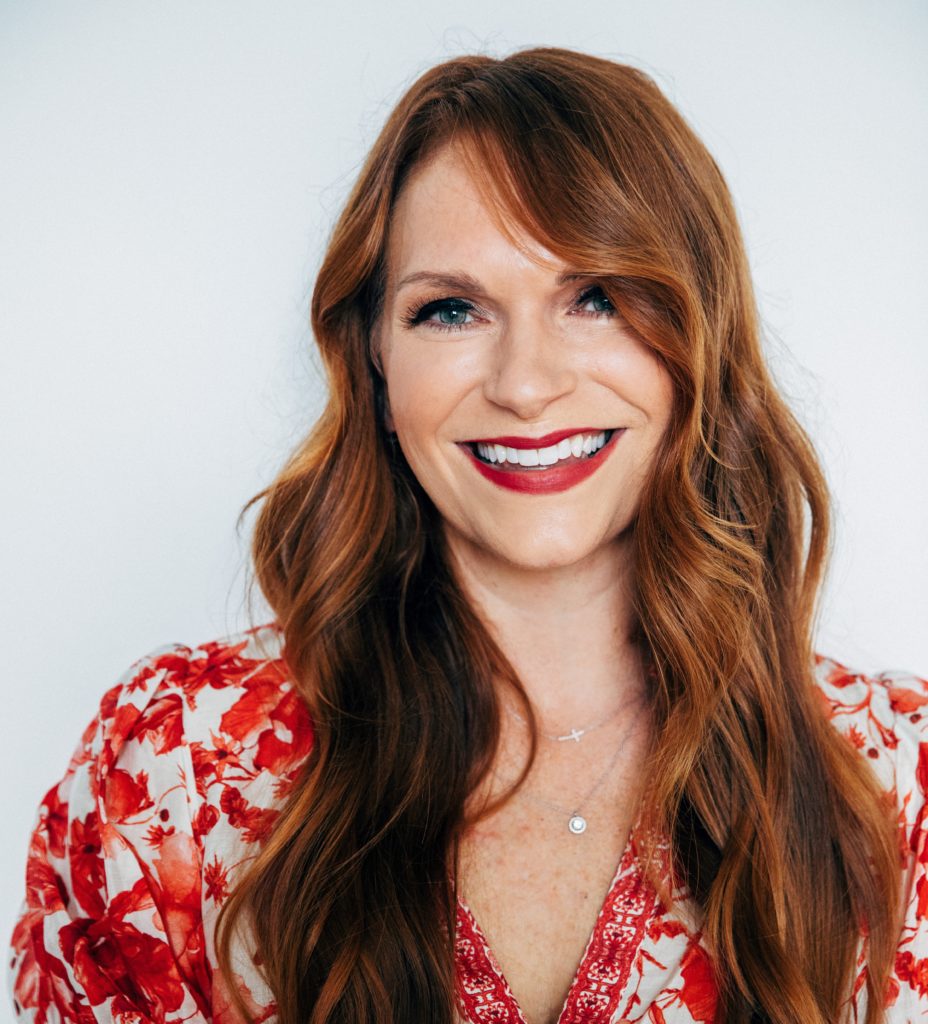
Oh, we have a special edition today. Super special very uncommon format where you actually are going to get to hear from our CEO AJ Vaden. My co-founder my wife, of course, and she is actually going to be our guest. So obviously, usually either her or myself are leading the interview today. I get to play the role of interviewer. AJ is going to play the role of interviewee and our guests, because we’re gonna talk about something that is really, really important and really, really powerful, which is how to double your business in the next 12 months. AJ, as you know you probably know many of her credentials for being with brand builders group, but one thing you may not know about AJ is that she also is a million dollar producer. She is someone who spent personally produced over a million dollars a year in revenue by herself, many years in a row, both in as a in a speaking business, a consulting business, a coaching business. And so she just has a lot of experience growing businesses, coaching businesses, consulting, speaking. And that’s what we’re gonna talk about today. Specifically, she’s gonna share some tips on how to double your business in the next 12 months, AJ made and welcome to your own show. We’re glad to have you,
AJV (01:23):
RV (01:29):
So yeah. So talk to us just a little bit about, I mean, obviously most of the people listening here know about brand builders group, right. They know what we do. But tell us a little bit about your past like pre brandand builders group. What were some of the types of businesses that you built? How were you a top producer and, you know, just what were some of the different business models that you were involved in?
AJV (01:53):
Well, it’s not me. It’s not just me. It’s us. It was our I think most of you probably know that brand builders group is Roy and I second business together, but a little known fact, I’m not sure how many of you listening know this, that we were actually business partners before we fell in love and got married. And so we started as business partners and then broke the Cardinal role fell in love, got married. Luckily 15 years later, it’s it worked out, it worked out in our favor. But prior to brain builders group, you know, we spent the first 15 years of our professional lives building a coaching speaking consulting, training business, but it actually started as a seminar business. So in the first four years of our very first business we lived on the road full time lived in 14 cities and five years was moving pretty much every 16 weeks for the better part of four and a half years putting on large motivational sales conferences.
AJV (02:57):
And that naturally involve evolved into a one-on-one coaching business, which then involved into a consulting practice. We started a speakers bureau brew. It, it was very successful. And when we departed from that company and sold back our equity to our former partners we had over 200 coaches. It was well into the eight figures business. On the coaching side, we had a healthy, a seven figure consulting business, a healthy seven figure speaking business. And so there’s lots of different components of, of what we did, but it naturally evolved over time from large public seminars to one on one consult or one-on-one coaching to full service consulting. Did training as a part of that, and then also built a speakers bureau.
RV (03:44):
Mm-Hmm
AJV (04:36):
Yeah, well, it’s not just double your business. It’s really niche down to a really important sub segment of all the audiences we serve, but it’s one that’s really near and dear to my heart and it’s coaches, speakers, trainers, and consultants. And part of why that’s really important to me is I could still consider myself one of all those things. But that’s really where I started. It’s where I grew. It’s it’s challenging, it’s hard and it’s as everything is challenging and there’s pros and cons to any business out there. I know this business, this world inside and out, and as a part of brand builders group, a huge part of our community find themselves in one of these categories. Even if it’s not their full time right profession, but they do consulting, they do training, they do speaking, they do coaching, they do all these things.
AJV (05:28):
And many of you want to figure out how to make it your full time gig, or maybe you’ve gotten into one of those. And you’re like, oh, I do not want this one particular piece to be all that I do, but I want to do these other pieces. And I think this is a really interesting, unique part of my life and my past and my expertise that I can really lend some really good solid tips and techniques. But also mindset to help any of you who are in that particular business model of a coach consultant, speaker trainer really truly help you amplify your business and, and double it in the next 12 months. And I think those are the things that are really unique. But I think they’re applicable to any business, as you said, it’s how to double your business, but we put together this training webinar hyper specific to that niche group of individuals, trainers, consultants, speakers, coaches to help them leverage five simple ideas, five simple. And I didn’t say simple, not easy, but five simple things that you can do to start doubling your business. But I do think there’s universal appeal and I think anyone can do that, but this specific training is really unique to that. So that’s what it’s all about.
RV (06:40):
Mm-Hmm
AJV (07:44):
Yeah, it’s, it’s a really simple answers. They try to do it all
AJV (08:27):
And at the end of the day, what, what happens and what I find so often for so many of these individuals, is that the reason you started this is cuz you loved doing what you wanted to do. And now it’s the least amount of time that you do it. It’s like what you did is you loved coaching or you loved speaking and you loved this, but it’s like, that’s not the only part it’s like, you gotta have contracts and agreements and signatures and sales calls and follow up emails and, and interviews. And you track people down and there’s customer service issues. And it’s like, there’s all the different things that start distracting you from keeping the main thing, the main thing. And that’s, that’s the biggest thing. And I find it’s distraction it’s that your, your attention is pulled in so many different areas so quickly, cuz there’s so much to do. And then in really in order to be really good at any of those things, you have to practice your craft, which means you need to be reading and learning and going to conferences and getting coached yourself and networking and learning in all these different atmospheres. And guess what? That takes time too. And let’s not forget any amount of time for yourself, your spouse and your families. Oh yeah. That’s important too. And so I think time distraction is really the number one thing that gets in the way of people scaling this kind of business.
RV (09:48):
Hmm. Yeah. That what you just said there, I think is absolutely true. Right? You start because you go, I wanna help people. I wanna make a difference in the world. Like I wanna change lives. I wanna meet people. I wanna like, see, look people in the eye and like share with them what I know and how I’ve helped. And then it’s so quickly can turn to invoices and bills and taxes and technology and operating systems and payroll and, and you know, documents and all of that stuff. Like this is a little bit of a dis a little bit of a disheartening reality, I think in, in, in many cases. So, so what are, what are some of these things that you’re talking about in terms of how to double the business or, or, or what are some of the tools that you think can help alleviate some of that pain and help experts, coaches, consultants, speakers, authors, help them actually make more money, faster, get back to spending more time doing what they love and, and return to the original reason they started in this space.
AJV (10:48):
Yeah. So in the training webinar that I host, there’s five things that we talk about that will help you double your business. I won’t probably have time to go into all five of those today, but we’ll cover as much as we can, but here’s one of the things that I thought was really interesting when putting together all of this information, which really just started as some value add for our brain builders group, community, our audience people like you who are listening. And I started looking at all these different research reports that were out there about the coaching industry and I found some really staggering statistics that made me stop in my tracks and go, I’m gonna spend a little bit more time here because I really just naturally got curious about, wow, like I wanna learn more about this phenomenon that is coaching training consulting.
AJV (11:33):
And where is it trending? And how does that relate to what we do in personal branding? Right. and I just think personal branding is applicable to anyone who has a reputation. All of you, everyone who is listening has a reputation. But there’s, then there’s a really unique group of people where the more dependent your business is on your reputation, the more important it becomes and being intentional about that reputation, which is personal branding. And so I was spending some time looking at some of these stats and here were a couple that really stood out to me that I thought were fascinating, is that right now coaching, the coaching industry is the second fastest growing industry in the world. Wow. It’s the second fastest growing industry in the world. And some of the backup statistics around that I thought were equally as interesting this year alone it’s, it is expected to exceed a 20 billion industry.
AJV (12:33):
Wow. And I thought, well, that’s a lot of money out there. How many people are involved in this? Right. And so on LinkedIn, and now this is just on LinkedIn, right? I thought this was so fascinating. If you just type in coach as a title on LinkedIn, there are more than 4 million people just on LinkedIn that have the title as coach. Wow. And then I narrowed it down to just the United States and in just the United States alone, it’s approximately 1.8 million people who have the title of coach. And so I got really sucked in one day like really sucked in and I probably spent an hour scrolling all these titles, scrolling all of them. Because I wanted to know like, what kind of coaches are these? Like who are these 1.8 million people? And how come I’ve been in this industry for this long? And it doesn’t seem that prevalent.
AJV (13:31):
Now I know there was a season a time where it’s like, everyone was a coach, right? You’ve got spiritual coaches, dating coaches, marriage, coaches, life coaches, business coaches. In fact, I remember being at a networking meeting. This was probably, gosh, it has to be 10 years ago. Right now has to be 10 years ago. And I remember being at this networking meeting, I think it was like a BNI meeting. I used to be like at every single BNI meeting I could go to. And I remember introducing myself and someone said, well, what do you do? And I said, I’m a consultant. And they said, oh, you mean you’re unemployed? And I was like, am unemployed. And they said, well, I just figured like most people who say that don’t have jobs is that the reputation that coaches and consultants have is that they couldn’t cut it at what they’re doing.
AJV (14:27):
So they go off and do something else, like the old saying, it’s like those who can’t do teach. And I was like, that’s some serious BS. Right. I was like, no, I’m employed. And I’m doing really well. And I’m a consultant. I was so offended.
AJV (15:19):
And so when I saw that number 1.8 million people, I was just fascinated around who are all these people. And so I started going through there and, and where are they? Yeah. They’re apparently they’re everywhere. Apparently they’re everywhere. But then it, it was really interesting cuz I was scrolling through all these titles around, this is why people think we’re unemployed. And I looked at those titles and they were so vague and so generic and so general that as I was scrolling, even someone who was in this industry who dedicates her life to helping people in these industries grow and build their businesses, build their reputations in these fields. I was really thinking through here would never hire. You don’t even know what that means. And I was like, whoa, pause right there. And that was like one of the biggest aha moments of going, I’m putting a training together.
AJV (16:15):
I need to talk about this because these are the same problems that I suffered from our team member suffer from our clients are friends suffer from, is that someone says, what do you do? And he says, I’m a life coach. What is that? And what do you do? And you hear that term so often, or I’m a business coach, I’m a sales coach. And those were these like wide broadening terms that I kept running into. And then it just started like triggering the triggering, that old experience that I had from this BNI meeting where they go, oh, that means you’re unemployed. And then it just all hit me at once. It’s like, yeah, like that is the problem. It’s because we’re not clear on what we do and who we serve as the coach, the consultant, the trainer, the speaker. And instead we go, I can help anyone with anything which why they have this, these ridiculously broad terms like life coach, like what can you help me with exactly in my life?
AJV (17:14):
Like, what is it exactly, same with business. There’s so many different things. And we try to be, you know, the master of many thus while mastering nothing. And then I tie that on all in with what we do at brain builders group. And that’s one of these things, all these dots started connecting for me and it’s like really, truly to break through. She hands’ wall. We talk about this all the time. Like to break through the wall, you need to become known for one thing. Yet most of us try to do everything we say yes to everything. Right. I did that for years as a consultant, they were like, well, can you help me with this? Sure. Can I’ll figure it out before I invoice you. Right. It’s like I said yes to whatever it was leadership. Sure. Marketing, sure. Sales, sure. Retention.
AJV (18:01):
Sure. Can you help me with collections? I think so. Yeah, sure can do that too. It’s like, did it matter what it was? The answer was, I’ll figure it out. And I think there’s a time and a place for that and that’s really short lived and then you need to figure out what exactly am I supposed to be doing and who am I supposed to be doing it with? And for, and then I ran into a few of these titles as I was having, like these revelation moments of these are all the mistakes I made. Right. I did it for years and it was really hard and it was exhausting, but it doesn’t have to be that way. It really doesn’t. And then I started running into some titles that said this high business growth coach for young CEOs. And I was like, BA click.
AJV (18:47):
I wanna see what you do, why I’m in a high growth business. And I’m a young CEO. It was so clear. It was so clear. They had niche down so much that I could literally just read their title and go, I think they could help me. Right. And then I saw other ones that were like, you know, a financial growth coach for small businesses. I was like, what do you do? I wanna go to your website. And then I started like paying attention to which ones caught me. And the ones that caught me were really, really specific. This is actually something you say all the time I steal it, but I always give you credit. Oh, okay. It’s the more specific, the more terrific, right. It’s like, however cheesy that is. I have never forgotten it. The more
RV (19:33):
Cheesy, wait a minute. We weren’t talking about cheesy. We were talking about brilliant, but okay. I’ll take cheesy.
AJV (19:39):
Brilliant. Yes. But the more specific, the more terrific. And that’s a huge part of this. It’s like, if you really want to double your business and double your income, if you really want business finding you, if you want other people to explain what you do in layman’s terms, without them having to go to your website, it needs to be that clear. You need to be able to niche down so that anyone who knows you, who has heard of you, who has worked with you can say exactly what you do and who you do it for in one sentence. It is so important for the ability for other people to think of you and to refer you to people because they think about what you do and who you do it for. Right. And I think about like us at brain builders group, like we see all the time, it’s like we help experts become more well known. And then I thought about the first decade of my life as a consultant coach speaker, I had no clarity. I was like, I can help any sales team grow revenue. Oh, well how specific is that? And it was like, then it just dawned me as I was reading through all of is like, they aren’t clear on what they do. And for someone who’s just scrolling of going, what do you do? It’s gotta be that clear in your title. So it’s, it’s ne it’s, nicheing down. It’s getting so specific that someone can read your title, read your business card, right. Scroll through literally a one line statement on your LinkedIn profile and go, I want to learn about how you could help me.
RV (21:15):
Mm-Hmm
AJV (22:15):
Yeah. Like one of the things it’s like, and I think about this in my own life, it’s like, I have, as you know, I have a business coach and I have a life coach. Right. And it’s like, both of them, their reputation preceded them. Right. And it wasn’t like, I probably would’ve just picked a random business coach or life coach off of a LinkedIn title. But it’s enough for me to go. I want someone like that. And so I always think about it. It’s like, do my friends, family, acquaintances, you know, people that I’m in the community with. Do they know what I do that specifically? And it’s part of, it’s a conditioning. Like people ask me all the time. I get asked this all the time. How can I help you? And I’m like, the next time that you hear someone say this, refer them to me. And it’s like, you gotta help people think about you. It’s like, when they say this, refer them to me, that’s how you can help them.
RV (23:12):
Yeah. That’s really good. Those literal like kind of triggers like yeah. And I think about like our speaker friends, like when someone comes up to you after you’re on stage and they say, how do I get to be you mm-hmm
AJV (23:47):
It’s speech down. Do not in general, do not be broad. It’s like, you are not a life coach. You are not, you, you focus on some component of life. What is that? Is it spirituality? Is it health? Is it mindset? Is it nutrition? Is it relationships? You do not talk about life. There are so many things to life. It is impossible, right? So it’s like, tell me exactly what you’re gonna do for me in my life, in my business, with my financials, with my team and with my leadership potential, like it’s not a leadership consultant. Like what part of leadership, what part of sales? What part of marketing, what part of business get so clear that it’s polarizing? And that, that is like, it’s not just get clear on what it’s like, be so clear. It’s polarizing. People need to say, I don’t need that. Or where have you been my whole life? Right. It’s like, here’s my money. Or I’m just keep on going. It needs to be that clear.
RV (24:45):
Yeah. I love that. And again, so the, the URL is double dot brand builders, group.com, double dot brand builders, group.com. You can watch this whole free training. We got a couple minutes left here still.
AJV (24:56):
I got two more. I got, I’ll go fast. I got two more. All
RV (24:59):
Right, go
AJV (24:59):
For it. I’m gonna start, I’m gonna start the second one with a story. So about a month ago, I was on a podcast with this amazing interview with Mo tepo right. And we were talking about negotiation and sales and mindset, right? And the reason that people aren’t sometimes considered good negotiators mainly by themselves or good sales people. And the reason is why. And we have a, a a distorted view of what is negotiation and a distorted view of what is sales. And that’s really true, right. I used to be embarrassed to tells people that I was in sales because I didn’t wanna be viewed as you know, that old cliche, a used car salesman today is the proudest thing. I tell people I’m like, I might be a CEO and I might be these, but at the end of the day, I’m a salesperson.
AJV (25:47):
And I now hold it in such high regard because it’s a skillset that’s so few really possess. And I have come to learn that over the years. And I really took for granted the sales skills and sales training that I was able to get at a really, really young age and just get beat around
AJV (26:42):
So they don’t talk about it. And instead of leveraging the people who know us and trust us and like us the most to help us grow our business, we somehow think finding strangers on the internet is what’s going to be this, the solution. How bizarre is that? Just stay with movers for a second. Just take a moment and think about the people who love, trust and believe in you more than anyone else. How much time do you spend with them talking about what you do? Do they know what you do? The clients who serve their results, do they know? And then think about how much time and energy you spend on trying to attract complete strangers who have never met you before to buy your products and services.
RV (27:28):
Mm
AJV (27:29):
It’s bizarre. Y all it’s crazy. And it’s because we don’t wanna come across as salesy. We don’t want to rub anyone the wrong way or offend anyone. And here’s the real problem is you’re only concerned with yourself. You’re so focused on what, how I don’t wanna look, you pay no attention to, are there people right in front of me who need what I do or do they know someone who needs what I do? And so I believe in something called the six foot role and the six foot role means that you have to be willing to tell anyone within six feet of you about what you do it is that simple, not always easy, but simple. And that is because you feel compelled to talk about it because you were that passionate about it, because you believe in what you can do so much, that you cannot contain it because you have seen lives change.
AJV (28:25):
You have seen businesses change, you know, the transformation that will happen with the work that you do with people. So you feel compelled to share it. It’s not about a sale or marketing or being self promotional. It’s about being of the belief and of the mindset that I do. Something that has the power to change your business and change your life. So, yeah, I will tell any single person who is in six, within six feet of me, about what I do, because I believe in it. And that’s a di a slight shift in mentality. And I’ll give you two quick examples about this. And and then we can just like, kind of go from there, but there are two things that I have found
RV (29:00):
In that that was fired though. Like just to put a punctuation point on like that little clip, like we have to cut that clip for social media, like rewind that and listen to it. Like that was so powerful. And, and you nailed it. Like, we’re so afraid of how we don’t want to look to people that we are ignoring all of the people who are right around us, who need what we do like that is that so sorry to stop you. But that was just like,
AJV (29:31):
Why preach
RV (29:31):
It preach it? Vaden
AJV (29:32):
Believes that some sort of digital marketing tip or some social media formula somehow going to help your business grow it ain’t let me just be honest with you. It’s not, what’s gonna make your business grow is getting incredible results for people and having the courage to ask them to share it and having enough courage and belief in yourself to talk about it and to put yourself out there, right? You don’t need clients from around the world. You need clients in your own community. It’s amazing to me that some people and it’s amazing to myself, right? Our, our, our mindset is so limited. It’s frightening. And we were at a, a recent brain builders group event that I had the privilege of MC and one of our customers was in there. One of our clients and actually has a very expensive package.
AJV (30:19):
It’s a six figure package. And she needs like 12 clients who are willing to pay a hundred thousand dollars with her on retainer for what she needs to do to hit her goals. And and I just, I paused and I said, you know, Joe, can you just listen to yourself for one second? And you’re like, I need 12. And I’m like, no, you only need 12. There are 358 million Americans. You need 12. What’s keeps for some perspective here. Y’all and it’s like, we get so consumed. Where am I gonna find the next person? And it’s like, let me say that one more time. There are almost 360 million Americans. There are almost 8 billion people on planet earth. Most of us are looking for 30, 40, 50, a hundred clients. That’s it? Y’all, that’s it. You do not need to look outside of your own, you know, zip code to find 10 clients you don’t, but somehow we’re trying to far reach far and wide, and we’re not looking right in front of us.
AJV (31:21):
It’s a huge miss. And I just one I’m super passionate about the second thing that I was gonna share is that most of us miss opportunities, because we’re not present in the moment. And I’ve got two stories about this. I wanna share. We’re so sucked into our devices that we can’t see human beings all around us. We’re so sucked into catching up on texts and emails and posting on social and trying to get ahead that we forget the people who are willing to buy our products and services are sitting right next to us on the bleachers. So what if we’re a second, you actually engaged in human conversation? What would that do for you? If every single time you had a spare moment in line or sitting, or on an airplane that you weren’t sucked into some sort of technology and you actually engaged in actual conversation, how much business could you get from just that?
AJV (32:09):
And it’s free. Y’all two quick stories. One of the best consulting clients I ever picked up, I picked up at a softball game brewer. You should probably remember this story. Mm-Hmm,
AJV (32:51):
And he said, oh, they’re on the same team. And he goes, what are you doing here? And I said, oh, I’m here to watch my husband’s niece, Peyton play softball. And he goes, no kidding, Peyton, Gale. And I said, yeah, Peyton, Gale. He goes, that’s my daughter’s best friend. And I said, no way. I said, hi, my name’s AJ Dayden. I said, so what do you do that? You’re reading this book. He goes, oh, I’m the VP of sales for this, you know gifting company. And I said, really, he goes, what do you do? And I said, oh, I actually help individuals. Like you build and grow their sales teams. He goes, what do you mean? And I said, I work with a company that does sales consulting. That specifically is looking to help improve their sales team and their sales processes and sales philosophies.
AJV (33:30):
And he goes, can you tell me more about that? He ended up being one of my best clients of all time, that one conversation at a softball game because of a human conversation led to a book, being sent a conversation, being had a proposal being accepted and more than $350,000 in business, because I was willing to have a conversation with someone sitting on the bleachers at a softball game. It would’ve never happened. If I was stuck in my phone, texting, emailing it, would’ve never happened if I wasn’t just willing to say hi, how are you doing right? More recently we were in The Bahamas for mother’s day. I told my husband here on this interview with me. I wanna go to The Bahamas from mother’s day. So that’s what we did. And we were our second day and our also our second trip to the water park.
AJV (34:18):
And it was at the end of the day. And it was a long day. And so I walked over to the Dery shack because that’s what I’m gonna do on mother’s day. I’m gonna get myself a Dery. And there was this very sunburn gentleman in front of me who was very hot and sweaty. And he had his two daughters and he was like, had a whole tray of drinks. And he was getting these lemonades for his kids. And he looks back at me and he could tell, I was also really sunburn sweaty. And at the end of like the five hours at a water park, and he said, you’re having fun. And I said, I am sits in a long day, but I’m having fun. I said, how about you? And he goes, yeah, we’re here on a big family trip. And I said, that’s awesome.
AJV (34:53):
And I said, your, your little girls are so cute. And he said, thanks. And I said, I do have kids. I know I’m by myself. They’re over there in the pool. He said, where are you in from? I said, I’m in from Nashville, Tennessee. And he goes, let me guess, you’re a musician. I said, I’m the least amount of musical talent on planet earth. He goes, wait an actress. I said, Nope, definitely not that. And he goes, well, what are you doing in Nashville? And I said, oh, my husband and I have a personal branding firm. I said, we help entrepreneurs build their personal brands. And he said, no. I said
AJV (35:38):
And I said, guess what? That’s what we do. We help people actually build their speaking business, craft their content and become better speakers and get booked to speak. He goes, you do that for people like me. And I said, I sure do. And I said, do you have your phone on you? He goes, yeah. And I said, pull up your phone type in www dot brain builders, group.com. So he pulls it up and I said, go to the about S page. So he pulls up the about S page. I said, scroll down. He scrolls down to the very end. You see that person right there. He goes, yeah. I said, that’s me. I said, that look really different. Not in a baby suit. I said, that’s me. I said, that’s me and my husband. This is our company. And so I took him to the next page and I said, scroll down.
AJV (36:13):
You see that little button where it says, request a call. I said, click that button. And I said, there’s a little form there where we’ll actually give you a free call to see if we can help. And if not, we’ll send you a bunches of free resources. And if so then we’ll, we’ll, we’ll help you build your personal brand and we’ll help you go speak all around the world. And he said, are you kidding me? I can’t believe I’m staying online. And I just met you. I was just telling my wife about this. And I was like, I don’t believe in coincidence. So click that button. Y’all wow. You have to be welling to tell anyone about what you do. If you believe in it, the person sitting next to you in the bleachers or the, you know, sweaty sunburn person and head of you at line at the Zachery, you know, at the Dery shack at the beach, it’s gotta be compelling. It’s gotta be just coming out of you. And it’s like, maybe he got a call. Maybe he did. And I haven’t looked it up. The point is, is I’m not afraid and I’m not ashamed cuz I don’t find it as self promotional. I’m like, I believe it. So I’m gonna tell you about it until the point where you go. It’s not a fit and then that’s cool too, but you cannot be embarrassed or ashamed about it. You wanna know why your business isn’t growing. You’re not telling anyone about it. That’s why.
RV (37:26):
Hmm. Wow. That is so good, babe. Like you all need to go watch this training and spend time with AJ double dot brand builders, group.com. She’s gonna walk you through this and just give us like 60 seconds this free training. One of the reasons that we put it together is we, we are launching a program, something we’ve never, ever, ever done before. Just give us a little 62nd hint on, on what, what that is.
AJV (37:58):
Yeah. I mean, this it’s part of the webinar too. Is this doing all this research? And again, coincidentally running across this research report, which I truly don’t believe in coincidence. I believe God puts every single thing in my path. It’s just, am I alert and aware? Am I present enough to see what he’s doing in our life and in our business? And I don’t believe coming across that study and getting sucked into this deep dark hole of wow, like that is what I struggled with. I just don’t think that was on accident. I think it was well intended. And a few of the things that I think are really unique is that one of the reasons that people really struggle with this is they don’t solid content to jump off of. Right? It’s like they know that they wanna help people. They know that they wanna coach or train or consult or speak, but creating content is freaking hard work.
AJV (38:46):
Y’all like, let’s just like, it is, it is work. And it takes energy and time and resources. And personal branding is a really popular topic right now. And we get approached all the time by individuals who are going, man, I don’t wanna be like a personal brand strategist with you, but I wanna be able to teach personal branding to my executive clients. Right. And they’re, everyone’s asking about like, do I need a personal brand or what is it? Or you know, how do I become more well known or in this age of there’s a lot of distrust in the marketplace, how do I create more trust? And so one of the things we said is like, well, we may not be able to do everything for you, but what we can give you is a really solid set of content that we know works.
AJV (39:27):
And that we wanna be a launching pad for people who claim themselves as consultants, speakers, coaches in this world. And we wanna be a launching pad of giving the tools and the resources. We’re not gonna give it all to you. Right? Part of this is like your own unique twist, but we’re gonna give you the, the certification and a personal branding curriculum, finding our brand DNA to give you that launching pad of content where you can take someone through a really secure methodology and a process of helping them identify their reputation and use it to help ’em grow their business. For those of you wanna be speakers, it’s like some of the, the hardest work is like, how do I get everything I wanna say about something into 60 minutes, right? It’s easy to talk for hours. It’s really hard to talk for a little bit of time about something really important.
AJV (40:10):
So we’re gonna give you a keynote. We’re gonna give you a webinar. We’re gonna give you all these different tools to be a launching pad for your business. Now for us, it’s unique in that personal branding reputation space, but I really do believe it’s like everyone has a personal brand. If you have a reputation, you have a personal brand. It’s just a matter of how we, we leverage that to help you become an expert or be known as an expert in your space. And that was the Genesis for all of this. And then along the way of going, maybe our curriculum isn’t for you, but you just need some, you need some insights of what really works and what doesn’t. And that’s why we put this training. You know, this free training together for you whether or not ever licensing our content or being a part of, you know, our community is a fit for you.
AJV (40:54):
We wanna give you free resources. And I’d say, that’s one of the things we talk about in the webinars, don’t be afraid to give it away. People are like, I’ve had a few people who are really close friends of mine who were coaches watch this. And they’re like, aren’t you afraid that you just gave it all away? And I was like, no, no, absolutely not. I was like, I’m gonna give it all. If I had two more hours, I’d give away some more stuff. It’s like, don’t be afraid to give it all away. This is, if you, like, there are two simple formulas to building relationships, give value, build trust at the end, give so much value that the person says, oh my gosh, I feel like I have to pay you for this. Right. Give so much value that they feel compelled to go.
AJV (41:35):
What can I do for you? Like I just learned so much, like I cannot believe how much you gave away in 60 minutes. Like, why would you do that? That’s how I want you to feel. Cause that’s how you should feel. That’s how you garner trusted followers and you don’t need millions of ’em. You need a few, remember you don’t need millions of clients. You don’t need thousands of clients. You don’t even need hundreds of clients. Most of you just need dozens of clients. Right. and it does, you don’t have to do a whole lot of work to get that, but you gotta, you gotta do some right. You gotta do some strategic things to help minimize the distraction that you’ve got in your business. And so this webinar’s gonna give you five of those.
RV (42:11):
Oh, so good. Again, check out the webinar, double dot brand builders, group.com. AJ goes through us whole training about how to double your business in the next year. Also you know, at the end of that, she’ll talk to you a little bit more about kind of our licensing pro program and what we’re doing. And there’s so much it takes to start a business. Creating content can be one of the things that we can take off your plate. I mean, our content has been so proven and well utilized the last few years by very, very recognizable personal brains. And also those just starting out. So we’d love for you to be a part of that. And we have
AJV (42:43):
No shame in saying we believe it is freaking awesome. We have awesome contents.
RV (42:49):
Our content is awesome. You
AJV (42:51):
Should not be ashamed either, right? It’s like brag on yourself because you believe in what it does. I got no problems bragging on Roy Vaden, who is the mastermind behind most of our content. It is life changing. It works. It’s methodical, it’s systematic. It’s all the things it’s entertaining. I will, I will happily sing our contents phrases and yours Rory because I believe that’s, if you believe in what you do that much, that’s what you should be doing. I believe in ours that much.
RV (43:21):
Well, thank you, babe. And, and thanks all of y’all. If you, if you are interested in that you wanna go straight to learning about the licensing. If you go to license dot brand builders, group.com, license dot brand builders, group.com, you can go straight there and start learning about that right away. But if not go to double dot brand builders, group.com. Listen to this training with AJ. Thanks for being here. We love you. We’ll catch you next time on the influential personal brand.
Ep 282: Turning Your Lifestyle Into a Business with Natasha Stoneking

AJV (00:02):
Hey everybody. Welcome to another episode on the influential personal brand. This is AJ Vaden. One of your co-hosts here CEO of brand builders group. And y’all, this is such a special treat today because I get to have an old friend on the podcast and you guys are about to meet Natasha. But she and I actually went to college together and completely lost touch for like several years. And then we both ended up in Nashville. And most recently I think this is like at the beginning of the pandemic. I don’t even know if you remember this, but we ran into each other at Starbucks. And I was like, I’m pretty sure I haven’t seen you like 10 years. And then from there I started following you online and following your blog and you’re doing so many cool things online. And then one day I remember being at green Hills mall and I was walking around.
AJV (00:49):
I was like, pretty sure that’s Natasha on that.
NS (01:55):
Well, I’m thrilled to be here with you guys. Thank you so much for having me.
AJV (01:58):
Oh my gosh. It’s gonna be awesome. And so we start every episode with this kind of same, and, and I told you right before we started, you’ve had approximately two minutes to prepare for this
NS (02:17):
Yeah, I think, you know, first of all, a lot of people in social media kind of just stumble into it. And I was working in, in corporate media marketing for a big consulting firm and was just kind of doing the eight to five Monday through Friday, but not getting to use my creative brain, you know, which is what you and I studied at UT in advertising. And so I started a blog in April of 2008, which is crazy. Like I’m about to celebrate almost 14 of blogging, which, you know, back then there was no hashtag ad. There was no, you know, sponsored posting. There was no monetization of blogging whatsoever. It was mainly me sharing recipes, media events, things going on in my life in Nashville, just as a way to kind of document my life and serve as an online kind of creative journal, if you will.
NS (03:08):
And so I started doing that on the side and it really kind of picked up in 2010 when I got engaged to my now husband, Jeff. And that was pretty much when Pinterest started becoming extremely popular and everybody wanted to know all about wedding inspiration. So that was pretty much one of the early focuses of my blog and all the social media channels. And that’s where I developed, you know, an audience in a community of people who wanted to follow along. And so from that, it was all things wedding. And then we, you know, got married and got pregnant and that it was instantly all things, pregnancy and motherhood and nursery and home design. And so the cool thing about my social media channels is that it has absolutely followed me through a lot of the chapters I love and all of those peaks throughout my life. So it’s fun to see. So many of the people that have followed me since day one, believe it, or, and they’ve seen me, you know, go from a corporate marketing manager to running my own e-commerce business to a full on life and style blogger and kind of navigating all of those different paths.
AJV (04:11):
Oh my gosh. And you said something that I think is so important and it’s actually something that we talk a ton about at our company brand builders group, as we talk about how it’s like to really become known for anything, you have to become known for one thing. And to hear you say that it was like really where your following started was in that wedding niche. Yeah. And then was
NS (04:32):
So crazy to me, but there wasn’t a lot of bloggers back then. Yeah. There was a handful of us. And so I think obviously the pickings were a lot slimmer
AJV (04:41):
But it’s like, I think that that’s prove such a great point. It’s like, it’s like go all in on one thing that you’re super interested in that you’re super passionate becomes really easy to you build a falling with that and then let it naturally and organically evolve from there. Yep. And I,
NS (04:56):
It actually resonates with your audience a lot more and you build that relationship it and that rapport, and most importantly, the trust.
AJV (05:05):
Yeah. Well, I think that’s huge. And it’s like, because now it’s like you, do you talk about so many different things? It’s like, you’ve got cooking recipes, you’ve got fashion, you’ve got tips, trends, favorite things that you love, you know, you still have your girls on there all the time, which I love, of course it’s such, such a family component. But you talk about travel a lot. And I love, you know, learning about your properties that you have in 30 a, and it’s like all these different cool things that it’s evolved to. And so I’m curious, and rather this is just what you’ve done naturally, or maybe there was some logic and science to it. I don’t know. I’m so curious to see what you’re gonna say, but how do you decide what is gonna be the thing and the topic that you’re focused on?
NS (05:45):
Well, obviously I think a lot of that comes from just real life. What do I have going on in any, you know, any given day, week or month? And, you know, I sit with my assistant Ashley and we kind of, you know, strategize on a social media content calendar, what things are coming up, you know, obviously Easter’s on the horizon or summer. So we’re thinking of family stuff. We’re thinking of spring break plans. We’re talking about upcoming summer destinations. So all of these things a lot, you know, just go along with this season, but I’m also thinking about what do people wanna hear. I mean, a lot of times people come to social media for an escape from the real world, but I’m also just very blatantly honest. I think, you know, I kind of show different facets of my life, which is how I’ve kind of moved more into life and style rather than just family or just fashion. You know, I get, I can get kind of bored of just showing fashion or just showing my family because I think there’s so many different things that make me, me, and I hope that that kind of, you know, helps people to understand I’m just like them.
AJV (06:45):
Yeah, no, I think that is true. And I it’s like, like even I had all your stuff pulled up even before getting on here. And it’s like, I love too of like how much of it just reflects your personality. It’s like, it just everything you do screams you. And I think that’s really a huge part of just being authentic and probably why your followers continue to grow, grow and grow as they are. So I have a couple of like odd questions that I think would be just really interesting for all of our audience of do you find that there are certain things that you post that you just know, I know this is gonna, this is gonna be a win or are you always still kind of guessing of like, I don’t know, I don’t know what’s gonna be the most liked or the most shared or the most engaged. I have no idea.
NS (07:27):
Oh my gosh, I wish I knew the algorithms and how they’re always changing. And I wish I could predict all those things. I think if there was one source of content that I know is always is going, you know, to get lots of likes or comments or feedback, it’s gonna be me posting the kids. Everybody wants to see Caroline in Carson. I mean, I’m biased, but I think they’re adorable.
AJV (08:47):
Oh, I love that. You know, and I think that speaks true. It’s like, you know, and one of the reasons I’m asked is like, we’ve been doing a lot of split testing with our different social channels and I can post a piece of content and then I can post pictures of me and my kids in our Halloween costumes. And that will get 100 times the engagement that my piece of content did. And I, I think it speaks a lot too. It’s like people really want to know more of who you are versus what you do. Yeah.
NS (09:15):
Right. And I think that’s also why videos, reels, and stories are. So I think more and more brands and retailers are really spending their, you know, ad dollars on the more video type of things, because you can really get to know somebody, you can see it in action and use, and it’s not just a pretty picture. And, you know, kinda like what you said, the ones where from doing, you know, a selfie of an outfit in my office, they always get better engagement rather than a style photo shoot because that’s not real life.
AJV (09:41):
Yeah. I love that. So, okay. So this is a good transition then. So some tips for people out there who are building this life and style kind of business, and they’re trying to figure out how to monetize it, which we’ll get to that in just a minute, but for, for everyone who, okay, how do I increase my followership? How do I increase engagement? Do you have any best practices on the type of post or the type of reel, the type of video or the type of copy that you’re using to increase followers and engagement?
NS (10:14):
Yeah, absolutely. I think, you know, a couple things that I do very frequently I ask a lot of questions on static posts so that I am getting that engagement, you know, people are answering or if I’m doing a giveaway, I say, you know, list your favorite three things about the beach or whatever the subject matter may be. I think that always helps. One thing I am I do will never hand off to someone else as I respond to each and every DM that I get, it’s very time consuming. I will admit to that, but I do it throughout the day so that it’s not stockpiled for me. You know, when I’m in bed at night and the relationships and the rapport and the community that I’ve built with those people, because one, they know they’re talking to me and two, they know I’m going to respond as they, and it exemplifies what is missing in social media right now.
NS (11:00):
And I think, I hope that it, you know, really shows them that I’m not just walking the wall, but I’m actually, you know, if they ask me, how does that blouse run, I’m gonna text them back and say, you know, it’s true to size or, you know, this is how it fits or whatever it may be, but people remember those things. And like I said before, I think it’s all about building trust. And if you don’t continue to build that trust, they’re gonna go somewhere else. So I definitely think that’s helpful in kind of building that rapport with your followers. I think being open and upfront and honest is also, you know, I think people come to me for positive and, you know, happiness quotes and all those things and color. But I also am honest when I’m having a bad day or, you know, if I’m somethings go going wrong because they wanna know that you’re just a regular person. And so it’s all pretty to have a, you know, a, a very aesthetically pleasing fee, but that’s not real, I think, long gone those days. And as long as you’re staying true to who you are, brands will know that. And it’ll show, it’ll definitely start to show. And so your numbers will follow and you know, just, that’s all I can just, you know, that’s all I have to say about that.
AJV (12:03):
I think that’s good though. It’s like authentic engagement of not outsourcing it, not using bots. It’s like, Nope, this is real life human relationships that I’m working at building. And in order to build a business, you need to do that, right. Yes. Frankly. And
NS (12:16):
Quality over quantity. I think gone are the days where people are just seeing an engagement rate or a conversion rate, or how many followers you have brands really don’t care about that anymore. Yeah. More and more I’m seeing that, which is very great for somebody in my kind of niche, because they’re like, wait a minute. That doesn’t mean she’s not engaged. That doesn’t mean that she doesn’t have, you know, loyal followers. That just means that she’s really paying attention to what she’s doing. And you’re not gonna see me taking on brand partnerships and deals with products that I don’t wholeheartedly back.
AJV (12:46):
Yeah. I think that’s awesome. So, okay. So that’s a great transition to the next thing is monetizing, right? How do we do all this? Cuz I think so many people are fallen into one of two buckets. They have an amazing business and not enough people know about them or they have a huge audience, but they’re not monetizing it. Right. And it’s like marrying those two things is a really big deal.
NS (13:25):
Yeah, so obviously the biggest would probably be through like, to know it because it’s easy, it’s accessible, you know, many people I think through the pandemic had to become even more familiar with shopping online, whether they wanted to, or not, especially in those eight, those older age demographics specifically. I mean, my mom would come over and she’d be like, how do I do this?
AJV (14:14):
Right. Instagram
NS (14:15):
Ram changes, Facebook changes, LTK changes all of these change, things change. And some of these people are gonna be out there without a bone when things change. And they’re like, oh my gosh, I don’t own any of this content because I’ve shared it to only these platforms. So I always try to drive people back to my blog is kind of the hub yeah. Of everything, whether that be recipes or my travel or packing tips, or obviously the life and style component or my home design, anything like that. I always try to bring back to my blog and that way it, how it stays there forever.
AJV (14:46):
Yeah.
NS (14:47):
And I think that’s extremely important is having that platform that you own the rights to another thing is that’s been tremendous in, you know, growing my monetization is email newsletters. Again, that’s information that you solely own on your, by yourself. No one has privileged data to that. I also work directly with brands. You know, a lot of times you have to go through these middle media people. And a lot of times I’ll reach out to brands directly, whether that, you know, be searching for their PR or media email on their website, or if that’s actually sending them a DM on Instagram. And a lot of times that’s how I’ve gotten some of my longer term partnerships like Soma intimates. I work with them on a monthly basis and have done so for a couple years now. And it was me taking a chance and saying, I’m interested in working with you. I think I would be a good fit. And so I think it’s not being afraid to hear. No, I love,
AJV (15:39):
Hear, love, hearing that.
NS (15:41):
I mean, you’re gonna hear no, I hear it all the time still. So don’t be, you know, don’t get upset if you hear a no, because that just means that’s not the right fit. And I’ve, you know, been able to work with some household names over the years and sometimes it simply is, you know, sending them a DM. Yeah. Cause I think that shows ins and a lot of people don’t,
AJV (16:00):
I think, I think a huge part of, and I speak for at least the brand builders group community that we work with. It’s like, I think people forget the art of outreach. It’s like don’t expect the you’re just going to have all these followers and people just come and find you, maybe that happens sometimes, but you actually need to do some good old fashioned sales outreach. Right. Email someone actually pick up the phone and call them, DM them, do the research pitch yourself. Right. Don’t forget that there is a, still a sale to be made here. So you’re still finding, so that’s a great question. I would know. How do you know when a brand is right for you and when you are right for a brand?
NS (16:38):
Yeah. Well, depending on the brand I’m working with, so let’s just say, okay, right now I have a couple collaborations going on with anthropology, which every year I make a list of five to 10 brands that I wanna work with this bucket list brand, you know, that’s been included, Lily Pulitzer, that’s included Disney, that’s included you know, different cruise lines. I mean literally the full spectrum, Nordstrom, Sephora, whatever it may be. And honestly I reached out to anthropology and said, listen, I have a ton of your items. Not only in my wardrobe, but in my home, my audience knows I’m all about color. I think, to be an absolute win. And I just kept kind of building that rapport. I would tag them in outfits that I wore. So they know it’s very organic. Yeah. And then they’re like, okay, wait a minute. Natasha actually is not only a customer, but she supports us. See, she talks about promotions we have or new arrivals or whatever that may be. So I think it’s just, you know, obviously continu putting that kind of bug in their ears so that you do come top of mind when they think about the add dollars that they have to
AJV (17:40):
Spend. Yeah. And it’s really just, it’s reaching out to people that you already love. Exactly. It’s who you’re already using, but I love what you said. It’s like, you make a target list of like, these are my bucket list, clients like this is, these are the brands I already love. I’m already using might as well have a partnership with them and we mutually benefit.
NS (17:58):
Exactly.
AJV (17:58):
Yeah. I love that. And
NS (18:00):
They’re looking, I mean, they’re actively looking, they have a group of people, these huge brands have people looking to find, you make it easy to find, find
AJV (18:07):
That’s right. That which is tagging them. Right.
NS (18:10):
Exactly. Don’t be ashamed. I mean, everyone starts with zero followers.
AJV (18:15):
Yeah. That’s so good. Well, and there’s that, there’s this rise of these micro influencers. Yep. Right. These people that kind of have like that 10 to 30, 10 to $40,000 followers. Yes. There’s a huge rise in the importance of it’s like, you don’t have to have huge followers to make huge incomes by just, not at all, having an engaged Royal following. Cause that millions doesn’t mean anything if they don’t have engagement. And
NS (18:40):
Exactly. And I think more and more, you know, brands are seeing the bots. You know, I was in Dallas a couple weeks ago with the brand and they were showing me how they have access to all of these influencers, statistics through a, you know, a platform that they subscribe to. And it was eyeopening to kind of hear how things are ranked and you know, the response time with these influencers and how many of their followers are real and brands are starting to see this and get really smart. So it makes me very happy to know that staying true and myself and being honest, you know, is definitely gonna pay off in the long run
AJV (19:13):
Preach. Always, always.
NS (19:15):
Exactly.
AJV (19:16):
So, I mean, and you said something too, that we talk about all the time, which is, you know, if you’re only building on social media, you’re building on rented real estate, the only real, the only virtual real estate you own is your blog, your website, your email list, right. Those are things that you own. And some tips to people who are going, I mean, I cannot tell you how many people I know who are like, what do you mean an email list? Like that’s so that’s so old school. I’m like no, no, it’s not. It’s the only thing that you really own. Right. Otherwise you’re just building Zuckerberg’s platform. Right. You’re,
NS (19:47):
You’re helping them more than we have already done. I think they’re good.
AJV (19:51):
Right. I think they think they have hit their, their peak. I think we’re good there. So some tips on how do you convert followers into email addresses?
NS (20:00):
You know, a lot of times I’ll simply ask, you know, how kinda you said, ask for the sale, simply say, Hey, I would love for you to sign up. A lot of times I have added content on I email newsletter that I don’t have anywhere else. So they feel like they’re getting something special. You know, I include all my special discount codes that I’ve worked in partnership with brands to have. I keep those live on my email newsletters. I talk about my target Thursday favorites there. And also I recap a lot of things going on in my life. So I kind of do a little bit more of a deep if so I think people wanna know if they know you on a personal level, but they wanna continue to know you and develop a better relationship of who you are. That’s when they always, you know, wanna do that. I’ll do giveaways to get them to sign up. You know, that’s easy and fun and everyone loves something free. So just little things here and there and I dabble it, but you know, I make it easy to subscribe on my website. I have a popup that comes when you go to hello, happiness blog.com. So you just have to make it overly easy for them to be a part of it because people will continue to ask,
AJV (21:03):
Well, you said three things that I’m gonna highlight that I think are really unique and really important to make sure everyone who is out there listening, you pay attention to this one is create unique content for your eing, right? It’s like if it’s just regurgitated information that they can get somewhere else, you know, it’s like, I think there is a huge trend right now of creating unique content for each platform versus taking one piece of content and displacing it and putting the same piece everywhere. It’s like, are you creating unique content for each platform? And then making it really unique, special content, you can get nowhere else, nowhere else for your email list. I love that. I think that’s so smart. Second thing is giveaways. So are you providing giveaways to make it enticing for someone to want to give you your email? So any quick tips on like, what are the best giveaways that you’ve ever done that made like a huge difference?
NS (21:59):
Oh goodness. Okay. So as you mentioned earlier, we have rental properties down in 38. And so a lot of what I try to do is I like to haul out a lot of small businesses. That’s something that I’ve done for years. It’s super important to me, it’s the backbone of our country. And so I partnered with a lot of Rosemary merchants and catering companies and wine distributors. And I gave away a stay at our Roia boat property for somebody to come and experience 30 a. And so we had the buy-in of all of those different communities and brands and shops. And so they were just thrilled, not only because of the, you know, potential income that they were getting from that new followers, new customers, new people on their websites. But then it was also giving back to my community and saying, thank you for being here and doing this. So that was probably one of the most successful and way. A lot of the items that I design I’ve, you know, collaborated with social threads on Nerine totes, I’ve created custom collections of swimwear for the family, with the Oaks. I’ve done accessory, concierge, jewelry collections. So a lot of times I’ll buy those for myself and then kind of put them aside for weekly or monthly engagement giveaways, just to say, give back and say, thanks
AJV (23:12):
Love those ideas. And it’s like the next time you do a giveaway for a free vacation on 38, me who
NS (23:19):
Doesn’t want that. So, and it really helps those small businesses and, you know, it’s, if there’s anything I can do, that’s one thing I like,
AJV (23:27):
I, I love that. And it’s due, it’s like, it’s finding ways to that compliments what you’re already doing. So everything is still so synergistic and so connected. I love that. And so, so I do have a question tactical, a tactical question. So you’re these giveaways, is it only for new email subscribers?
NS (23:45):
Sometimes it depends on what the specific brands I’m working with asks for not necessarily, but most of the time I try to do it to everybody. Who’s a part of my email,
AJV (23:56):
Their list, but that’s just great incentive of why you wanna be on there and stay on
NS (24:00):
There. Great.
AJV (24:02):
Yep. I love that such good. And then the third thing that you said that I think is just really important, I’m just gonna hit it home one more time. Is that make sure you’re actually building your email list. Right? All of these things don’t matter if the algorithm can change and leadership changes. I mean, that’s such a big deal. It’s such a big, so
NS (24:22):
Make sure, make it easy for them. Have it on a dropdown on your blog, having a dropdown on your, you know, Instagram bio on your Facebook group page. Literally every place they can find you, you need to have a way for them to subscribe.
AJV (24:34):
Love that. So good. All right. So last, just couple of questions. I know when we have like five more minutes together, but a last couple of quick questions and these are just personal, just for fun. What is your favorite thing to talk about? Like when you think about this, all the things that you can be talking about, is there one that just like pulls at your heart of like, man, I love it. When I get to do this,
NS (24:57):
I think, you know, every day I get on stories and I share optimistic quotes and positive things. And I think right now, even more than ever, there’s so much negativity. And if I can bring a smile to someone’s face with just some heartfelt words that I have found from Pinterest that morning, I think it really helps start people’s day out. So I do a morning coffee chat and people, you know, tune in by the thousands to see it. It’s not me doing a hashtag sponsored event. It’s not so fancy thing. It’s me, literally in my PJ is drinking a cup of coffee and that’s something where I feel like I really kind of build that rapport and that relationship. And it’s super important to me.
AJV (25:33):
Do you do it every day?
NS (25:35):
Every day?
AJV (25:36):
I mean, if
NS (25:36):
I don’t come on, people are like, Natasha, where are you? Do the girls get on the bus? OK. What’s going on? I mean, so it’s just, it’s not anything fancy. It’s just me.
AJV (25:46):
I love that, but it consistency,
NS (25:49):
Consistency. And that is key. Yes. You gotta train your audience about when you’ll be there. How many touch points, what are you posting each week? So I think it just always, you know, goes back to being consistent.
AJV (26:00):
Yeah. But it’s like consistency and training. I think that’s a really big deal, but you love doing the more inspirational C that you do it every morning,
NS (26:09):
Every morning and then showing color. I think that’s probably another thing that really separates me from the majority. If you were just scrolling through your Instagram feed of, you know, life and style bloggers, everything is so neutral and that is not my life
AJV (26:31):
I love that. I love that. So. Okay. Two other questions then I promise I’ll let you go. I love this what’s what’s one trend that you would say I see everyone else doing this, but I’m not gonna do it.
NS (26:45):
Oh gosh. Well, one kinda touches on what I just said about everything. Neutral, every home looking the same, I’m just over it. You know, I would have wallpaper in every single room in my house. If I could, my husband would want to kill me, but he knows he’s pretty much taken a backseat to all things, design and decor. So I do take risks when it comes to that stuff. And I love it. Another thing I am not a biker short person.
AJV (27:22):
But I will tell you, it’s a, like, I think the color like makes you pop. Like if you scrolling your feet, anytime you pop up, it’s like, it’s always like just bright and colorful and just it, you know, it’s like, hello, happiness is such a great title for you. It’s like, because everything you are is like so joyful and happy. But like a part of why I wanted to ask is because I think so much of what you’re saying, just rest with who you are and it really does come through. So if you were trying to just play with the trends that are popular, it would be, you know, inauthentic to just who you are. Yeah.
NS (27:52):
You gotta stay true to who you are and
AJV (27:54):
Including no bike shorts. So including
NS (27:57):
No bike shorts. So if you shorts, you can come at me because I guarantee you, this is gonna,
AJV (28:04):
I love that. I love that. Okay. This is my last question. And this is more of a tip for the listeners for anyone who’s listening, who’s going all right. I really, I wanna make that jump from just building my audience to actually monetizing my audience. What’s one thing that you would tell someone to do. Who’s just kind of like trying to figure out how do I Mo this thing that I’ve accidentally built. What’s the first thing that they should do.
NS (28:29):
First of all, I would find the top three things that you wanna post about so that you can have a niche. I think people get so disoriented with, oh my gosh. And having to put, you know, balls in each bucket, find three specific subject matter areas and focus on those. That would be my number one tip. My second tip would be really engaging with your followers.
AJV (28:53):
So good. It’s simple that it’s not right.
NS (28:56):
I know it’s not easy. And it’s something that I’m constantly having to work at. So it’s an ever evolving marketplace and that, but that also makes it fun. Yeah. Makes it not feel like work. And I love what I do. And so it doesn’t
AJV (29:09):
And boring.
NS (29:10):
No, it’s not. It’s never boring.
AJV (29:14):
Oh, this has been so good. Y’all if you, if you don’t know Natasha please go follow her. I would say I’m gonna drive you to hello, happiness blog.com. Sign up for email list, get some get some free tips. There
NS (29:28):
You go. Ask for the cell.
AJV (29:31):
I’ll help you with that. But from there you can check her out on Instagram, Pinterest, all the places, but hello, happiness, blog.com. We’ll put all of her social handles in the show notes. We’ll put the, the blog link in there too. You’re doing amazing stuff. Thank you so much for coming on. It’s dually exciting for me to get to learn from you and also do reconnect with an old friend. So thank you so much.
NS (29:55):
Likewise. Thank you guys so much for having me a means a lot.
AJV (29:58):
All right, everyone. We’ll catch you next time. I’m on the influential personal brand.
Ep 273: How to Make Money Selling Online Courses with Amy Porterfield | Recap Episode
RV (00:02):
Amy Porterfield legend. I mean, did, when it comes to digital marketing, online marketing, personal branding, I mean, she’s a legend, she’s one of the, one of the, the fairy godmothers of this industry or this space, you know, I would say godfather, but you know, clearly godmother and she’s, she has just helped a ton of people, 40,000 people to be exact 40,000 people have gone through her paid courses. And I just, I just love that conversation. I I’m honored when we get a chance to be introduced to people like her and get to go behind the scenes a little bit and bring you the stories, right. Of like she’s working with Tony Robbins for seven years and she’s helping Tony do his first live webinar and she accidentally pushes the wrong button and, and, and, and notifies hundreds of people that the webinar is canceled.
RV (00:53):
I mean, just to hear those stories to me is just so rich and rare and, and, and, and powerful because it just, you know, it shows you where these people start and, and, and hopefully that gives you encouragement for where you can start. Like, you can start right where you’re at. And and I just, yeah, I didn’t know exactly what to expect from the conversation like Amy and I have been sort of acquaintances and, you know, a little bit messaging back here and there, and then more recent, we’ve gotten to know a little each other a little bit since she moved to Nashville. And and I’ve just always liked her, just never really known her that well. And, and this was so cool to get to learn from her and hear her story. So I, I let’s talk away. I’m gonna share, you know, my three top highlights from the interview with Amy Porterfield and the first one, one is, you know, we don’t sell a ton of courses.
RV (01:47):
It’s not a big focus of what we do at brain builders group. We, we do one on one personal brand strategy, coaching and training, right? Like we, we do human to human. And so we don’t, we haven’t like put a lot of time and energy into selling courses. It’s it’s and we don’t even really do it at all. I, a lot of our clients do and we’ve done it before, and we know, you know, we know something about it, but like this, the number one question that we’ll always get that always get from people when it comes to their course is how long does it need to be? Like, how many, how many videos and how long? And for some reason, people really get, really get stuck on that. And I loved Amy’s answer. She said simply however long it has to be to get them the result, what a great answer and just the true answer.
RV (02:41):
Like people aren’t paying for the amount of time, right. They’re paying for a result. If you’ve, if you’ve hung around our, our brain builders community, you’ll hear us say this a lot. People don’t pay for information. They pay for organization and application, right? They they’re, they’re, they’re paying for the application. They, they need help applying information to their life. And so in some ways, the, the better you are at teaching, the shorter it can be, and the shorter it should be. You know, I think it was mark Twain, who said, that said that brevity is the essence of wisdom. I shared that David Brooks, one of my speaker coaches in the world championship of public speaking said, tell the audience every word they need to know and not a word more. And, and Amy is applying that same principle here. It, however long it has to be to get them the result that you’re promising them.
RV (03:34):
So, but do it the fastest way possible, be efficient with it. Don’t just like don’t drag on and on with content, cuz you think it needs to be longer in order to justify a higher price. It’s, that’s lowering the value of it. Like if you can deliver the secret and you know, and you can do it concisely just that’s, that’s even more valuable. And I, I, I do also wanna mention a little subnote here where she said bake in pep talks to your course. I love that. That was such a great tip. Bake in little pep talks into your course and realize that it’s not just information. People need encouragement. They, they need motivation. They need inspiration. They, they need, they need wisdom and direction and, and, and they, they need help believing that it’s possible. And you know, it was funny when she said the, the more like signature course, the bigger course, the longer the course, the more motivation they need.
RV (04:33):
And that makes sense because there’s more places where they can get tripped up, right? There’s there’s more, there’s more points on the journey anywhere they can fall off. So bake little pep talks into your course. It’s not just information. It shouldn’t just be boring drudgery through like content, inspire them, challenge them, help them, coach them, encourage them. That’s a really, really important part of, of the journey. So that was really, the second thing was how do you sell a course? And I love, I mean, she said exactly what we do, exactly what she does, exactly what we teach and exactly what we’ve seen works, which is you don’t even really sell the course. What you do is you create a free training. You create a free one hour speech. The way we would say it is the fastest way to take someone from being a total stranger to a lifelong fan is an incredible 45 minute to one hour presentation, right?
RV (05:41):
It’s your speech now? You’ll that is a webinar like in recorded format. That is a webinar. If it’s, if it’s in live format, it it’s a speech. It could be a live on social media. Like it could be a podcast interview, but it’s like, you have to work to create this tightly bound content, rich value added 45 minute, just delicious and impactful training. And then you gotta deliver it to people like you gotta, you gotta run your mouth. You gotta go out and tell the world. You can do it by podcast. You can do it by going live on social media. You can go on other people’s podcasts. You can go, you can do it as webinars. You can break it up into smaller video funnels. You can, you can go out and do speeches. You like, you can do. ’em Virtually you can do ’em in front of humans, but like you have to give people a chance to sample what you have to teach.
RV (06:37):
And that’s why that 45 minutes is it’s gotta be so good. Not smoking mirrors, not flashing the pan, not a bunch of teaser. And then I’ll teach you the good stuff, like 45 minutes of life changing content that you give away for free give people. And, and you promote that. Drive people to that. You drive people to the free thing where they experience you. And then the people who are still there, which are the ones who are interested. They’re not only interested, they’re super interested because they were interested enough to register and then interested enough to show up, interested enough to stay and interested enough to be there at the end. So it’s like, those are the people who want to buy. So if by the time they’re there with you at the end, they want to know what you have for sale. That’s why they’re there.
RV (07:29):
So, you know, use your email and your blogs and your social media and your podcast and your YouTubes to drive people to a free training. And then at the end of the free training, that is where you make the, the pitch to sell. And, and I, I love the way that Amy said that she said, earn your right to sell to them, earn your right to sell to them. It’s like paying in rears instead of paying in forwards, right? Like some of your bills you pay in rears. Like you go, you pay for the service after you’ve experienced it. Right? You do that like at a restaurant, right? You eat a meal, they give you the food first and then you pay for it after, right? That’s, that’s, that’s paying in rears. Other other bills you have to pay first. And then you, then you get the service.
RV (08:15):
Well, when it comes to content marketing, it happens in rears. You have to deliver the training, add the value first. And then you get the, the, you earn the right to sell. As she says by giving immense value, like 45 minutes of truly immense value. So simple, so simple. The fact that it’s a webinar or a summit or a challenge or a podcast or YouTube video or a live stream, or a standing on a stage, like all of those, those are just details. That’s just the modality of delivery. The concept here is add values to people’s add value to people, add value to people’s lives, show them a sampling of, of what you have to, to teach. And, and then that you earn the right to sell. And then the third thing that I learned from Amy, you know, my takeaway, which is like the grand PBA of them all is we, we always are saying, if you have did focus, you get diluted results.
RV (09:18):
Focus is power, right? Those, those are concepts right out of our first book, take the stairs all the way back in 2012, that it is focus. That creates power. And you hear us say it, but you don’t believe it. And those of you that are members of ours, when we’re telling you, no, you don’t need five revenue streams you one, right? No, you don’t need to have 17 social media channels. Like you really need one. Like just, just like the ultimate thing that matters is your email list. Right? And, and then she comes on, like the queen of course is like one of the, one of the OGs. If you’re not familiar with Amy, the baby, this doesn’t make sense to you. But, but there’s a good, you are like, if you’re listening to this show, you’ve probably heard of her before. Like she’d been around from the, from the beginning of online marketing and, and her, her, you know, like that, she is one of, one of the, the creators of the space.
RV (10:11):
And to go 13 years into the business, she got two avenue streams courses and a membership site. But the membership site, she only sells to people who’ve been through the courses like her primary business model is courses. How many courses does she have after 13 years? Three? That’s it three, three courses, 13 years, one business model, one focus courses are not the answer. Coaching is not the answer. Speaking is not the answer. Consulting is not the answer services are not the answer. Any of these business models work. The answer is having one, not having one, having one, meaning you have a so low primary business, this model that it is, it all other things are subservient to that. You’re choosing it for us. It’s one OnOne coaching, right? Like one-on-one training. Like we’re pushing people, we’ve got a curriculum, but we do it through a modality of talking to you one-on-one every month.
RV (11:15):
And, and coming to our, you know, live coaching events, but we’re human based. Whereas you know, Amy’s doing it through courses and, and, you know, group, group, group teaching, other other people will do it through like selling tickets to their events. Or they’ll just, you know, they’re monetizing their podcasts, all the business models work, but it, none of ’em work when you do them all at the same time. So you gotta find your, your primary. And, and I love what she said too. She said, I’ve I never, one of the things that I did well was I never added something new until the thing that I was currently doing was working really well. I never added something new until the thing I was currently doing was working really well. And, and that’s how you get 40,000 clients. I didn’t do the math on this, but like, you know, you go, okay, if you’ve had 40,000 people, let’s just say, it’s, let’s do a a hundred dollars course buy a $500 course on average y’all that is 20 million in revenue, 20 million at 500, if it’s a thousand dollars, it’s, it’s $40 million.
RV (12:28):
Right. So, and if it’s $250, it’s 10, you know, per course it’s million dollars. All of those are pretty good, right? Like all of those are, all of those are pretty good. Again, it’s not that the, the, the, that courses are the answer. Courses might be the answer. They might not be. That’s part of what we help people sort out, but it’s like, you can make money doing this. If you just do this one thing and you do it really well, and you focus on one thing and you drive that and thing, that’s the secret. And she’s living proof of it, living example of it. And it’s just like, you gotta believe in it and you gotta just go. What is my one thing? And now if you’re struggling to figure out what is my one audience, what is my one message? What is my one business model?
RV (13:09):
What is my one marketing platform? Then request a call with our team, go to free brand, call.com/podcast, free brand call.com/podcast, request a call with our team. And we will help you sort that out. That’s why, that’s why we do what we do, but choose one thing, go all in and it will succeed. You can’t fail. If everything you do, if you have all, all of your focus on one thing, you fail because of distraction, you fail because of diluted focus. You fail. Cuz you’re trying to focus on too many things. Narrow the focus make focus on fewer things and you will guarantee your success. Amy, such a great example of that. So encouraging hope you loved it. Hey you know, share this episode with someone who needs to hear it. Tell someone about this podcast, leave a comment for us. And if you’re ready to find your focus, request a call with our [email protected] slash podcast. We’re ready to talk to you. Keep coming back here, week in, week out, we’re doing our best to bring you the legends and the fresh faces of everything in this industry, teaching you the best of what we can, as we are learning alongside of you here on the influential personal brand podcast. Bye bye.
Ep 272: How to Make Money Selling Online Courses with Amy Porterfield

RV (00:02):
Oh, oh, I’m so excited and happy for you to meet someone who is a, a newer friend of mine, but somebody that I’ve known for years, I mean, she is the definition of someone whose reputation precedes her, which is what we’re always talking about is building trust, building reputation, doing things that last in her significant over time. And those are all things that I think of when I think of Amy Porterfield. Amy is one of the, I would say original, like or online marketing experts. One of the founding people of this space that is digital marketing and course creation and content creators. She’s extraordinary. She has one of the biggest podcasts in the world it’s called online marketing made easy. I mean, if you go on iTunes, you’ll see it like every week, it’s right in the top five. And before, before she, you know, started this business you know, she’s got several different things that she does, but DCA digital course academy is like one of her flagship products that really, really became well known and really helped create the space that a lot of us live and operate inside of.
RV (01:13):
She worked with mega brands like Harley Davidson and she worked with Tony Robbins actually is where she started before. And so she just does things the right way. She believes in action. She helps people take, you know, small steps and she just has a really amazing track record of success. And I’ve had an awesome time just getting to know her a little bit here and there over the years. And so anyways, Amy, welcome to the show.
AP (01:37):
Well, thank you so much for having me. Yeah. I love that. We’ve gotten to know each other more and more, and now that I’m in Nashville, we’re practically neighbors, so that’s a lot of fun. So thanks for having me.
RV (01:47):
Totally. So I know that, you know, so much about online marketing, but what I would love to hear is the story of how you got started, because I think it’s really easy to go, oh, you know, one day, you know, a lot, I know a lot of people, a lot of our clients, a lot of our team members look up to you and go, oh, I, you know, Amy Porterfield, like, she’s amazing which you are, but how did you get started in the beginning? Like before anyone knew your name before you had the email list before you had hundreds of thousands of social media followers in a top rank podcast, like, can you take us back to that moment for a bit?
AP (02:23):
Yes. And I have to say it’s a little bit of a Rocky start for sure. So let me first take you back to when I was working for Tony Robbins. So I was the director of content development, which really meant I was lucky enough to get to travel the world with Tony and work on the content that he did at his live events, unleashed the power within date with destiny, all these amazing events that he still does. Well, I got to be a part of that from a content standpoint and work on his infomercials back in the day when he was doing his infomercials. So it was an incredible time, but I had this one fateful meeting where Tony invited a bunch of internet marketers to come into our San Diego office and talk about their digital courses in their online businesses. So people like Frank Kern, Brenda Rashard, Evan pagan, Jeff Walker were all at this table.
AP (03:12):
Now I didn’t really know who these guys were, and this is very humbling. It’s a big table. I was asked to come in and notes. So I was literally sitting at a different table, taking notes while these guys went around and talked about their online businesses. Tony wanted to sell digital courses at a, a deeper level. And he always looks at people who are getting it right, and figuring out how they’re doing it. So it was a really cool meeting, but I took the worst notes ever because once these guys started talking, all I heard was freedom. All I heard was like, I get to create my own content, call my own shots. I get to build my audience and work with people I love to work with. And they had lifestyle freedom, financial freedom, time, freedom. And I just thought, I don’t know what these guys are doing. And it was all guys. I don’t know what these guys were doing, but I want a piece of it. So my life was forever changed in that one very specific meeting. And over the next year, I
RV (04:07):
Decided what year was that?
AP (04:08):
So that was 2008. Wow. And so for the next year I worked on how would I have my own online business? And I remember turning to a girl I was working with at Tony Robbins and saying, you’re a writer. You have a skillset that can translate into freelancing and doing your own thing. I’ve been in corporate all my life, like from Harley Davidson publishing, before that I’m a corporate girl. Like I have no idea what I would do as an online business, but I was so wrong because I believe that everybody has some in them that they could take and turn into an online business. I am a, a huge believer in that. So fast forward about a year when I finally said, okay, I’m gonna do this. I’m gonna take the leap. I’m gonna start my own business. I quit my Tony Robbin’s job and start my, how have
RV (04:58):
You been there business? How long had you been at Tony Robbins?
AP (05:01):
Almost seven years. So I was there for a
RV (05:03):
Good that’s long time, a long time.
AP (05:05):
And it was an amazing job. They paid me well, I had a lot of clout. I got to call, you know, make big decisions. They respected me like it was, and I got to travel with Tony. I mean, come on. It was an amazing experience, but I wanted that freedom so bad, so bad. You know, I was traveling probably 200, 250 days a year to these events and these other things that we were doing, I had just gotten married. I never saw my husband. So shout
RV (05:33):
Up to Hoby, shout out to what’s up, man.
AP (05:36):
He’s such a good man. So I wanted to spend more time with him. So I thought, okay, I need to change. So I quit my job about a year after that meeting. And I started to do consulting for social media. So I would do I say consulting, but if I really looked at it, I was doing social media for small businesses. And social media was the wild wild west 13 years ago. And so basically I got to kind of just be in a market that was very, very hot at the time, but I hated it. So for two years I built a business I hated. And what I mean by that is I went from one big boss. Literally Tony’s is a huge guy to like eight mini bosses. My clients who I literally let treat me like an employee, I had no boundaries.
AP (06:24):
I was the yes girl. And so I would work way more hours than I did at my Robin’s job, which was a lot of hours. And I didn’t know what freedom was. And I thought, I don’t know who said being your own boss is a great thing, but this is not my cup of tea. So for the first two years, when I started this business, I didn’t like I had a a situation with a free contractor. I was a contractor for the guy in internet marketing, and he had a problem with something, decided to take it out on me. I was getting off of a plane going marketing conference, and he’s on the phone and he’s screaming at me like you did this wrong and you did that wrong and this, and he just needed someone to blame. And I was the girl. And I thought in that moment, I am done with doing this kind of work. It is not the thing I wanna do. I literally fired all my clients. I said, I’m not doing this anymore. I gave him a little runway. That is the day that I started creating digital courses in order to sell online and teach people how to do marketing. So it was a rough two years. I, I went into debt. Things didn’t work out, but it finally did. Thank God.
RV (07:31):
Wow. So, okay, so that’s a, that’s awesome. I, I didn’t realize that you were at Tony Robbins for that long. I mean, that’s pretty cool, like to get really good working knowledge of what a personal brand, you know, operating at that scale. So, so fast forward now, okay. To today, can you still make money selling courses? Like do, like, because people, I hear all the time, right? It’s like, nah, you know, like everyone has a course, like everyone makes courses on courses and how to do courses. Like no one courses anymore, no one finishes courses. Like, but then I go, I don’t know. Like I think my friend Amy’s like doing pretty well and like a lot of our clients are like doing pretty well.
AP (08:11):
Yes. Okay. So the, the short answer is absolutely you can make money with courses, but we’ve also seen the landscape change over time. And I think one of the biggest changes I’ve seen with people who create courses and deliver courses is that people are craving that interaction. We just came out of a two year pandemic. So yeah, people are craving that engagement, that interaction and wanting to get involved with the course creator or the course creators team, so that there’s some and catching going on. And so what we’ve seen is the best courses that are making the most money and the most impact are those were the course creators, willing to show up or willing to create workshops within their courses to actually implement and get things done. I think that’s a shift we’re seeing where back in the day, when I first started creating courses, you could create a course. You didn’t have a community. You didn’t even have live Q and A’s. People could email you if they have a question gone are those days, for sure. But I’m glad that that’s how it is because I love that. I get to see the transformations happening in inside of my courses, but courses are alive and well, and not going anywhere. If anything, we’re continuing to see the climb in people taking courses and really smart people, creating courses.
RV (09:26):
Yeah. I mean, it’s kind of like, I mean, as long as there’s something to learn, there’s gonna be a reason for a course. And it’s like the more and more, it, it becomes easy to produce a high quality product. You know, just using like digital tools. I think to me, the real pressure is gonna be put on like colleges and institutions like that of going like, wait a minute. Like, why should I spend a hundred thousand dollars going somewhere to like, learn from people who have never done it when I can spend a few thousand bucks and learn from the someone who’s the master at this
AP (10:01):
It’s so true. I’ve heard over and over again, not to too my own horn, but to answer that question or to address that where people have said, I have a college education, I have an MBA and I got more out of this, the specifics of what to do than I’ve ever gotten out of that college education. And I think that is very normal for people who create courses that really take it seriously, like find great value in creating impeccable content. I think that’s what’s happening.
RV (10:29):
So, so let’s look at the course then and you go, like, there’s a lot of people. I mean, you know, and a lot of like our listeners and our are like profess service people, right? Like they might be an accountant or they’re a, you know, they’re a dentist or they’re a lawyer or, you know, something like that. And, and, and in those industries, you know, course creation is, is kind of even just coming, you know, just becoming a thing. So how long does a course have to be? I mean, like, I I’d be totally curious in some of these really fundamental questions, just like you said, you’ve been there from the beginning. You’ve seen the transformations that like how long does a course have to be, do I have to, can I shoot it on an iPhone? Does it have to be a six camera shoot? Like how much, how much does it cost? Like just the making of the, of the course itself. Like, okay,
AP (11:16):
I love where
RV (11:16):
We’re at today.
AP (11:18):
Love this question. So first of all, let’s talk about investing and creating a course. Absolutely. You can create it on a smartphone. Absolutely. But you can also even do it easier and use a simple software and do slides in audio. So they hear you, but you’re using slides and you’re educating in that way or a nice little mix of both, but you can do that at on a very tight budget. So number one, you do not need a big budget. Definitely don’t need a crew to help you six cameras, none of that. And I don’t do any of that either. So you could keep it really simple. Also when you ask how long does a course need to be? I teach three different courses and really four with a caveat. So let me tell you about the three courses. Okay. First I teach a starter course where that’s, where you’re helping people just dip their toes in the water just to get started, get that instant momentum.
AP (12:07):
So that could be a course that they get through over the weekend, three modules, a few videos in each module. It’s just the basics. So that’s a starter course, usually around a hundred dollars or so, the second type of course is a spotlight course where you’re gonna take one area of your expertise and you’re gonna go deep. So one of my students is a photographer and he did a spotlight course on flash photography that looked like natural light. So that was his spotlight course, really deep in one topic, never launched anything ever online made $12,000 with this first launch with a list of a hundred people. Wow. So $12,000, just some of you’re like, I wanna make way more than that. Well, yeah, when you have an email list of a hundred, that’s incredibly impressive. Imagine what he can do when he grows his email list.
AP (12:52):
And so that’s a spotlight course, usually around $250 to $500 is what you’ll charge. And then the third type of course is a signature signature course. I call this the Mac daddy of all courses. That’s where you’re giving someone a total transformation from start to finish everything they need to know for that total transformation, how to go from never running in your life, to running a marathon, how to go from never creating a digital course to creating and launching a digital course. So it’s total transformation, usually between 500 and all the way up to $3,000. You got a lot of wiggle room there. So those are the three different types of courses. But I wanna add one thing to that. I was actually reading an apple article about how they’re moving away from the word pro to studio for some of their products and this concept that you need to be pro is going away.
AP (13:43):
And I’m so excited cause I’ve been preaching this forever. You don’t need to be the ultimate pro in your topic, the expert of all experts in order to teach it, all you need is what is what I call a 10% edge. So Jill and Josh Staton are dear friends of mine. They first said this. And I was like, I’m stealing that. That’s exactly what I’ve been talking about. A 10% edge, which means you’re 10% ahead of those that you serve. You’ve done something or you’ve gotten results for, let’s say clients or customers. Now you’re gonna teach how you got those results. As long as you’ve got results in an area. And you’re a few steps ahead of those you serve. You’re perfect to create a course.
RV (14:22):
I love that now. So going back to, okay, so the starter course, you said it might be three modules, three videos in each module, you’re talking about nine, nine videos. How, or yeah, maybe like nine videos. How long are each of the videos?
AP (14:37):
Okay. So an ideal situation and where the market is right now, shorter videos, but multiple videos is better than, let’s say one hour long video. So if, if you need to teach something, it’s gonna take you an hour to teach. Let’s break that up into 15 minute short videos where they’re progressing on each other. People
RV (14:54):
Like four or 15 minute videos, you’re saying
AP (14:56):
Yes. Yes. Okay. Because what you had said earlier makes a lot of sense that people aren’t finishing their courses, we’re obsessed with, with the psychology behind how to get someone to finish a course. So we do a lot of things in our own course and I teach how to get people to the finish line. And one of the ways to get people to the finish line is allowing them to feel as though they have momentum quick 15 minute videos gives you that feeling of momentum. So for a starter course, yeah, you could do three modules in each module. There’s three or four videos let’s say. And that, but I think the more important quite is what do you need to do to teach them how to get the results, whatever it’s gonna take te you know, to get them to that place that you’ve promised that roadmap is really important, but when you’re looking at, how am I going to get them results, if you can do it in the fastest way possible people want instant gratification, let’s give them what they want as close as we can so long, drawn out courses, not ideal.
RV (15:57):
So then you might have, so I love that answer, right? I love that answer of going. It should be as long as it needs to be. Right? Yeah. The the one of, one of my, my speaking mentors in the world champion chip of public speaking said, Rory, tell the audience every single word they need to know and not a word more.
AP (16:18):
Yes, exactly.
RV (16:20):
Very similar to that. And, and so I love that. But like, and so if you’re putting your mind around it, it’s like, okay. It, it might be, if it’s 45 minutes long, like you have nine videos, they’re five minutes. Each that could be a starter course. Like it, it
AP (16:35):
Really could a couple hours. It could really get that way. Absolutely.
RV (16:39):
And then a signature course might be longer.
AP (16:43):
Yeah. So you’ve seen the courses out there like Marie Folio’s B school, it’s a six week course, digital course academy. It’s a seven week course. And there’s seven modules in that seven week course. And they’re gonna take you a few hours to get through now. And I said, you know, don’t create a long out, drawn out course if you don’t need to. But I’ve, if I’m teaching someone how to create and launch a digital course, who’s never done. So might not even have an email list to start out with there’s some things I’ve gotta teach. So then one of the things we do in our course is if it’s a longer course bake in pep talks, it’s a very big deal. So when someone’s going through your course, you’re teaching them something very specific, let’s say nutrition, or how to get their babies to sleep at night or whatever. It might be. There’s moments in the course, you have to stop and say, okay, this is gonna be a tough module. You’re gonna get stuck here and here. And you’re likely gonna think X, Y, Z going. And here’s why like stopping for the pep talks in a digital course are essential to someone getting to the finish line. So the longer, the course, the more mindset type of content you’re going to need to bake in.
RV (17:48):
Ah, that’s so good. I mean, cuz that it’s funny, cuz people are always like, Ooh, I want the, you know, I want the meat, like give me the technique, cut to it. But the reality is the reason they don’t execute is not cuz they don’t know what to do. It’s cuz they get scared and burnt out and frustrated and discouraged and it’s like, they need the pep talk. Like they need, they need that pep talk. Okay. So let’s say this is a big, you know, fast forward, but all right. I created the course, right? Like whatever I did, I, I have the thing now. Yes. how do I get people to buy the thing? Okay. So I got the thing, but if you build it, they don’t come and you go, I don’t have hundreds of thousands of social media followers. And I, you know, I’m, I’m not a like, you know, TV star. I don’t have millions of followers. Like what do I do to sell the thing?
AP (18:40):
I’m so glad you asked this question because one of the things I tell my students is a digital course with, let’s say a sales page is not a build it and they will come kind a situation. You need what I call a marketing vehicle in order to drive traffic. So what I wouldn’t do is I wouldn’t create a course and then create a sales page and then go on social media and email my list and say, I’ve got a course. Here’s what it’s about. Go check it out. I don’t believe that that is the most valuable way for you to get the word it out there about your course. So what I believe is you need a marketing vehicle. My favorite is a webinar. Now it’s funny. Some people will say aren’t webinars going away. 13 years ago, when I came on the scene full time, they would say aren’t webinars going away where they kind of just started.
AP (19:28):
So it’s just people like to, if they’ve a webinar, it hasn’t worked for them. Well, webinars don’t work. Well, let me tell you, I’ve got thousands of students who would disagree with you. Webinars are valuable because if you do it right, and in my course, I literally teach slide by slide by slide because it’s that important when you do a webinar, right? You are giving immense value for about 45 minutes, which I say is you are earning your right to sell. You are giving value before asking anything in return. They see how you teach. They see your personality, your teaching style is so important for them to know and just they get a good sense of what you’re about. And you start changing their mind through that webinar. What do they need to know or believe or understand before they’re ever ready to buy? You’re answering that question in your webinar.
AP (20:14):
So when you get to the selling portion, they’re more likely to buy your conversions will increase so much more. If you do, let’s say a webinar to a sales page. And then of course, if they don’t buy on the webinar, you use email marketing to a sales page. But also there’s other things you can do. You can do challenge challenges. Challenges are really big right now converting. Well, one thing that we’re doing in may that we’ve never done before is a paid challenge. So we’ve done tons of free ones, but now we’re having people. Is it really a paid workshop that we’re then going to sell our course in that workshop? So we’re trying different things, but webinars, workshops, challenges, it’s that vehicle that then gets them to the sales page.
RV (20:55):
Yeah. And I, so, you know, it’s funny when I was in college, Amy, I, I went door to door for five summers knocked on 15 hours a day. This is in, this is the year 2000 to 2005. And people would say, nobody will buy from a door door salesperson. I made $250,000 in five years, five summers knocking on doors. And it was like, there could not be a more antiquated old school doesn’t work anymore. And it’s like, when it comes to content marketing, like here’s the thing, you can call it a video funnel. You can call it a webinar funnel. You can call it a challenge. You can call it a summit. You can call it an IGT or a TikTok. The bottom line is if you give value to people first, if you teach ’em what you know, through whatever the medium is or the modality, the, they will trust you. And then they will buy from you. If, if you want more yes. Or like, yes,
AP (21:55):
Yes, yes. And yes, it’s so true. I love that you use the door to door example. Yeah. People will knock it, but then the people who have actually done it, taken it seriously, look, you’ve gotten amazing results with fit. And I think that the, the thing that people get a little bit stuck on webinars, is it that, that live aspect going live? What if the technology breaks down? I’ve been on many, many webinars where the technology broke down. Yeah. Real quick. When my very first webinar that I’ve ever done was with Tony Robbins and it was back years before I left the position and Tony was doing his very first webinar. Like he had never done it. It was on go-to webinar. He’d never done a webinar before. And he was selling people to unleash the power within, through this webinar. But they paid a hundred dollars cuz Tony’s Tony. So he can get ’em to pay a hundred dollars even be on that webinar. Right. And then he was selling them into U P w we had 800 people signed up the night before Tony and I. He was at his home. I was still in the office and we were practicing. And then he’s like, okay, I’m good to go. I pressed a button. And all of a sudden Tony goes, Amy, why did I just get an email saying our webinar has been canceled? I’m like, no, no, no, no. It’s not no
RV (23:06):
Way
AP (23:07):
Everybody got an email saying your webinar has been canceled. Yes. I literally deleted the webinar. I will say there were tears. I literally stayed in the office all night. Never went home that night. Thank God. Go to webinar, pieced it all together after hours and hours of figuring out what we’re going to do. But yeah, we had to send out an email saying just joking, it’s not canceled. I’m sure Tony wanted to fire me in that moment. But things happen. And I think as an entrepreneur, building a brand that you firmly believe in and that you’re here for the long haul, you have to roll with those challenges. You have to say like, I’m gonna look like a fool on this webinar. Maybe it might not go as planned. I’m gonna figure it out. And I think I’m better because of all the many mistakes I’ve made along the way.
RV (23:51):
Yeah. That’s such a, such a great story. And it’s people like to blame a tactic or blame a tool. And it’s just like, they all work. Like none of ’em, none of ’em are, none of ’em are perfect. They all work. If you work, like if you work it and you gotta, you just gotta keep going now. Okay. So, you know, this is helpful for me. Like even we have, you know, we see a lot of courses and all that stuff. We, we don’t sell a ton of them cuz we’re coaching. But Tony Robbins is using webinars to, to sell events. You’re using webinars to sell courses. We use webinars to drive people to free calls and then we sell ’em coaching. Like, like it, it, you can’t say it doesn’t work. It totally works. Cuz it’s just, it’s not the webinar. It’s human psychology.
RV (24:32):
It’s like I’m teaching, I’m giving value. What, what I am curious while I, while I have you, I know we only have a few, few more minutes, but like while I have you since we haven’t been, you know, all in on courses like, like this, I wanna kind of move to more of the, a little more of the advanced stages and talk about scale. So how many, how many courses can you really sell of the same one? Cuz I hear people be like, well, you know I sold 500 or I sold a hundred and I need a new course. Like, do you have any thoughts on like how often do I need to create a new course?
AP (25:09):
Okay. So you and I are new friends, so you don’t know this, but this is my favorite question ever, because I teach my students that it only takes one course to essentially make a million dollars. I made a million dollars with a $97 course that I did with Louis House. Back in the day, we partnered on a course and also I’ve made a million dollars with courses that were more expensive in a very short period of time. Now the million dollars is not what we should be chasing. That’s not a number that I want my students to fixate on. What I’m saying is that if you create one course and you launch it over and over and over again, and each time you relaunch it, you marketing gets better. Your webinar gets better. Your course is updated each time based on the feedback from the last student group, you can create one course and continue to launch it.
AP (25:57):
And I want you to launch it at least three to four times before you ever move to anything new. Every single one of my mentors, my peers that have done really well with digital courses, they don’t jump ship. They stay with that same thing, keep it simple, get fancy later. And what I mean by get fancy later is once you’ve dialed that in once, that course is making you money. You might wanna turn it on evergreen. You go from a live launch to evergreen and then you wanna add something else to the mix. So right now I have two courses on evergreen, one that I live long lunch once a year and I have a membership. And the only way you can get into that membership is if you go through my signature course. So I have four core things that I do and I do them really well, but I don’t do a lot of other things as well. I get asked to do a bunch of stuff and I gotta get on the no train because I wanna be really good at what I do. The last thing I’ll say to that though, is I’ve never added something new until what I was working on was fully optimized and dialed in and could run itself so that I could move on to something else. So my answer is you don’t need a lot of courses. You don’t need a lot of memberships do one thing. Well Del will down and don’t move on until you’ve perfected that
RV (27:06):
That’s so good. Like y’all, if you, those of you that have heard us talk about Shehan wall and if you have diluted focus, you get diluted results. Yes. You just heard it from the mouth of the queen of this, of this whole space. Like how many years you’ve been doing this? Amy? Oh,
AP (27:23):
Al over 13. So almost 14,
RV (27:26):
13 years. And after 13 years you got three courses, 1, 2, 3, and a membership site, which is just a place to, for people to go after they’ve been through the three. Yeah, they
AP (27:35):
Have. Yeah. You don’t even market it publicly. Yeah.
RV (27:38):
So three courses, 13 years you said.
RV (27:42):
And, and you go, I mean just, if you think about it, you go, if you spend 13 years perfecting the, the sales of three things, do you think you’ll figure it out? The answer is yes. Anybody could figure it out, but when you spend 13 days and then you launch something new and then you go, I didn’t like that. And that webinar didn’t work and I need a new CR am and I need a new social media strategy and a new, I mean, that is so powerful. Like you’ve made millions and millions of dollars from three courses. How many students is this? How many people can you, can you really reach before you go? The market is saturated.
AP (28:20):
So we’ve served over 40,000 students over my
RV (28:23):
Lifetime. Oh man. That is awesome.
AP (28:25):
Yeah. Of building the business. So we’re really proud of that. And this whole idea that the market is saturated. I just feel like you could say that in so many different places, but then you always see people coming out on top. And I always think, well, why not me? Why can’t that be me? And I also really know what I do. Well, I do many things wrong and I’m weak in a lot of areas, but I know step by step teaching. I know taking people through the details, holding their hand virtually. And so I just bank on what I know best and whoever likes that kind of style of teaching, they’re gonna like what I have. So I just don’t focus on the saturation cause I just don’t think it serves us.
RV (29:03):
I mean, well, even if we say, okay, 40, thousand’s the number. Once you’ve sold 40,000, then we’ll call Amy back and we’ll say, Amy, our market is saturated. What do we do next? But
AP (29:13):
Call me then
RV (29:14):
We know 40,000. Okay. So 40,000 times $500 course. Eh, that’s a good bit of coin that you can make between between here and there. Amy, this has been so great. I know you just, you have so much information. One of the things that you mentioned that I wanted to get into that we’re not gonna have time to get into is list building and you building your email list. I know you did a, you did a ton with that. You did a brilliant job of building your own list. You have a a program called list builder society. Yeah. And we’re, we are a new affiliate for Amy because of this. If you go to brand builders, group.com/porterfield, brand builders, group.com/porter you can learn about this. So te so tell us a little bit about what that is and like, you know, the email list.
AP (30:07):
So I always say that the energy of your business is directly tied to the strength of your email list. I wanna repeat that one more time. The energy of your business is directly tied to the strength of your email list. Notice I did not say size because I know lots of my students was small email list, doing big things. But the energy that I’m talking about is your impact, your revenue, your engagement, your audience, building, all of that is surrounded by what you can do with this email list. Social media is fickle that algorithm, you can’t trust it. People will see two to 3% of your post on social media, but email can convert at four times higher than any social media post. So I always tell my students, if you’re asking, where do I start? What do I do? How do I make my business more profitable? You have to focus on your email list, the best time to do so was yesterday the best next time is today. So I created this free master class. It’s called we, why is starting an email list. So dang hard and what to do instead. And it’s all about what you can do to make your email list grow quickly, free masterclass. Whether you buy from me or not, you’ll walk away with value. So go check it out. I’d love to help people get started with that.
RV (31:17):
Yeah. See. So there you go. So brand builders, group.com/porterfield, you can check this out, you know, okay, Amy’s going to deliver 45 minutes of the best stuff she has.
AP (31:26):
Absolutely.
RV (31:28):
This is one reason we’re aligned. One of our mantras that we talk about all the time, Amy is we say, save the best for first. Save the best
AP (31:35):
First. Oh, I love that.
RV (31:36):
Just and, and, and you do this, you give the goods like, so go there brand builder, group.com/porterfield, go there, watch the training. You don’t have to buy the course. The training’s gonna be awesome. Watch Amy do this, right? Like here she is. Right. What? And do what she’s doing. You go on podcasts, you make friends, you share tips on social. And then you say, go watch my free training. And that’s how you, that’s how you build your email list. And on the free training, you say, she check out my course and that’s how you, how you sell the course. It’s. I mean, I think one of the things that’s gonna stick with me the most from this, especially since you and I haven’t like spent a ton of time together is just you know, you, from a far Amy, you look at somebody like you who’s accomplished so much.
RV (32:20):
You’re so influential in the space. You know, so many people like you, you know, everybody that is an, is OG in this whole space. It’s easy to get enamored. Like, well, of course she would, or she started earlier or you know, all of these stories, but to hear you go, I use webinars. I sell courses, I got three courses. I teach people as much value as I can in 45 minutes. And then I show ’em how to take the next step. It’s like, you’re, it’s, it’s, you know, not to take away from your magic whatsoever, but you are, you are a master at the fundamentals.
AP (32:56):
That is like the biggest compliment ever. I appreciate you saying that.
RV (33:01):
It’s awesome. So it it’s
AP (33:02):
Important. So thank you for recognizing that. No one’s ever said that about me before like that, and I appreciate it cause it’s important. And I hope I’m an example to people that it doesn’t have to be complicated. You don’t have to have a tons of tons of bells and whistles to make this work. And, and I hope people see that today.
RV (33:19):
I love it. I love it. So anyways, we’ll link up to Amy’s free training. You can check it out, follow her on social. Amy, we wish you the best. I know you’ve got some big things coming up here in your future, which we’ll be praying for and cheering for. Thank you. And
AP (33:33):
Well, you’ve been such a, a great new friend and I’m, I’m excited for us to get to know each other even more. So thanks for having be me.
RV (33:40):
Yeah. You’re part of the Nashville posse. Now, like once you move into Nashville, it’s just like, we gotta, we gotta stick together,
AP (33:46):
Bring it on. I love it.
RV (33:48):
All right, friend. All the best. Thank you so much.
AP (33:50):
Thank you.
Ep 262: How to Build a Digital Media Empire with Nathan Chan

RV (00:02):
I am absolutely delighted to introduce you to Nathan Chan, who really I’ve known him for years. Very, very briefly. We’ve had very brief interactions, but we, we probably have like four or five pretty close mutual friends. And I’ve always heard the sweetest about this guy and the best things about him. And there, his, the brand that he has built is one that I have respected from afar. So he is the CEO and publisher of a magazine called founder magazine. So it is a digital magazine. It’s really like a digital media group that reaches well over 4 million people. Every single month they’ve got more than 3 million people on Instagram alone. And so they’re especially known for the magazine. I’m sure that you’ve seen them. It’s founder without the E F O U N D R. And so they’ve, they’ve had featured cover stories with people like Richard Branson and mark Cuban and Ariana Huffington.
RV (01:06):
And it just goes on and on. And so Nathan knows how to build a brand. He knows how to build a company. He spent a lot of time interviewing some of the best entrepreneurs on the planet. And then he’s also had quite a nice personal brand he’s developed, although is he would describe it. It would be sort of casual and not so strategic, I think. And so I wanted to hear a little bit of his philosophy of personal branding in relation to what he does as an entrepreneur, actually, as the, as the CEO founder, but also to understand a little bit about the business model of a digital magazine and what does that mean and how does it work and how do you make money? And and most of all, just to introduce you to this delightful lad and somebody that I’m hopeful will become a closer and closer friend. So Nathan, welcome to the show.
NC (02:02):
Awesome. Thanks so much for having me, Rory be here, appreciate the kind introduction and yeah. Really excited to share with you kind of how I’ve thought about personal brands. And yeah, as I said, I haven’t been that strategic around it.
RV (02:19):
Well, let’s talk about, let’s talk about founder first because you’ve been very strategic around that you’ve done phenomenally well, you’ve built a, a very large following, a lot of reach. I a very respectable brand. I mean, it’s very clear that you know how to build a, a great brand. So can you just tell us a little bit of like, tell us the story of how you started founder and how you built that brand?
NC (02:46):
Yeah, sure thing. So started about seven, eight years ago now started just as a magazine digital magazine on the app store, Google play store. First business knew nothing about business. So I thought, I thought I’d start a magazine around entrepreneurship so I could learn literally just started it to try and get a job in marketing. Cuz I just finished my masters of marketing. Couldn’t get a job. So launched the magazine just literally as a side hobby, passion project, no grand vision, no thoughts of raising capital or anything of that sort like, you know, how can people have a business idea for me, it was like literally a, a side hobby passion project. And then I launched March, 2013 and we made $5 and 50 cents with the magazine. The magazine didn’t even have a, a successful person on the front cover. I had no idea what I was doing. And when I launched, I was like, okay, well we got two subscribers now. Now I’ve gotta a commitment. I gotta, I gotta keep producing the next one. Yeah. And then so cuz I’m the kind of person that wouldn’t wanna let others down, especially first business paying customers. It’s like, wow, okay. Especially
RV (04:08):
Two people. I mean you could afford the risk to your reputation.
NC (04:12):
Yeah, exactly. So, so, and I was doing it on the side while I was still working my day job and, and then off I go and then so about, for a year I built it up the recurring revenue to, in the subscriber base so I could, could go full time on it. And then the rest was kind of history. So then as time went on, I was like, okay, I can do more than just the magazine. I can start producing content to build like out a media platform and, and start doing all of that. And, and then over time I, I looked at leverage around like if we do interviews with people for the magazine, then it could be a podcast. It could be a video interview, it could be an article, it could be all these other things could be social content and you know, the, the game, like you chop it up and you can really sweat that asset.
NC (05:00):
And then cuz that’s what, that’s what content is. It’s an asset, right? When you produce one piece of content, it’s an asset. So over time just started to build that out and, and really build the building blocks one brick at a time of each channel, whether it’s audio, whether it’s video, whether it’s written, whether it’s social, whatever social channel. And then started to get into the online education space felt that there was something special we could do there. There isn’t really a well known platform or a go-to platform where it’s like a masterclass, but particularly focus on entrepreneurship or business building or like a digital marketer.com. That’s purely focused on marketing. Yeah. So, so then that, that was the vision that we started to build out about four or five years ago and, and it’s been a journey, but, and so, so then found it became more of a kind of media company plus online education company.
NC (06:04):
We’ve got, I think like 23 courses in our platform and we’re looking to really scale that up. We’re looking to have at least a hundred plus in the next three to five years. Wow. with, with all sorts of different diverse founders teaching topics that our audience wants to know from founders that have actually done it, founders that have built real businesses like, like yourself, right. You’ve built a real business. And yeah, we’re, we’re gonna work on a membership product. We’re gonna launch that in the next three to four months and, and yeah, along the way have slowly built the brand and it’s been an incredible ride thus far.
RV (06:45):
How much, what just if you don’t mind me asking, how did you make the leap? So, so that, you know, that’s something that a lot of our members and our clients and the, you know, our, our listeners are going, okay, I’m starting this as a, that this, the passion project sort of side hustle. How much, like, how did you know when to make the leap or how much, how much recurring revenue did you have to have to where you felt like there was enough to go or, or like talk about that transition a bit.
NC (07:14):
Yeah. So look eight years ago, I wasn’t, I wasn’t on like a high salary. I wasn’t an executive, I wasn’t a manager. I was, I was working in it support. So I was earning about, I think 50,000 Australian dollars a year. That was my annual salary. So I think that worked out to be around after tax around 3000 Australian dollars a month. So I was living out of home and I was like in this kind, like with a housemate and I was in this kind of really old rundown house. So rent wasn’t much. And then you could work. I could just work out my cost of living pretty quickly then. So
RV (07:58):
Did you just wait till it was exactly equal? Like, did you go say it was fit, say it was 50,000? Did you wait until you had 50,000 or whatever, 3000 a month? Or was it kind of like 75% of that or 60% of that? Like how close did you have to get before you went for the leap?
NC (08:15):
So there was a couple of key things. One I made sure I had six months of living expenses saved. I used to love traveling. I always had like right. Living off my credit card. So I made sure I had no credit card debt. I had six months of savings and yeah, ITAC exactly that. I replaced the revenue from the business a little bit more in fact, a little bit more because obviously the business had expense, but it was fairly profitable and such a small business looking back compared to, you know, and then so yeah. How, how did I make around three and a half, $4,000 in MRI to then go, okay, I can safe constantly take two of that and then live. And then the rest I could just keep slowly multiplying capital very, very slowly. And, and I could work on it full time.
NC (09:13):
So, so that was the argue. The argument was if I was working on it nights and mornings, first thing all into the night, all into the morning that if I could work on it full time, I was actually losing money. It got to a point. And that was something that somebody taught me. It got to a point where being in my job was actually losing me money because if I had have been able to apply myself to it full time, I would’ve been able to make a lot more, which it that’s what ended up happening.
RV (09:44):
Yeah. Like the opportunity cost of that time on your business becomes greater than the actual pay for time in your, in your company. I think it was interesting part of, what’s always fascinated me a about you and you even kind of alluded it to it here was like, why a magazine? Like what, what, what, what an interesting choice. But but you know, like you said, there, there, there wasn’t, there, there there’s, there’s, you know, there wasn’t a lot totally in that space and, and the recurring revenue is a wonderful and so is, did the business model, it sounds like really started purely as a magazine. And it was, I want people to pay me a monthly fee to subscribe to this magazine and I’m gonna curate content and do these interviews and produce this beautiful digital thing. Correct. And, and, and support my subscribers. And then how did the BI model evolved to there that it then did it go to courses? And that was how you monetize next?
NC (10:43):
Correct. And what was really interesting was I didn’t need traffic for the app store or the traffic come from the app store. There were people searching for the magazine every day, organically through organic search. And I worked out how to, if somebody typed in Forbes, if somebody typed in entrepreneur, if some type body typed in success, magazine, founder would show up. And then I used, so in the first four months, I got an interview with me, Richard Branson. And we, I, I really capitalized on that. And I used that front cover as a way to build the authority of the magazine. And I made that magazine addition free. So I learned this concept by E pagan called moving the free line, giving your best stuff away for free. So yeah, the magazine piece was not strategic. Rory just fell into it. There was this software that I could per that I purchased that allowed me to produce the magazine and build the app.
NC (11:55):
And it just so happened that it was a smart move because you talk about like your, like part of your process or your unique me methodology working with clients is producing a book. Why do you produce a book? It’s because it build authority. It makes it builds, thought leadership. I believe a magazine is even a higher, a, a higher level of thought leadership people really want to be on that front cover. It actually says something. And then once you build it up around like the people that have been on that front cover, then you’ve built a really strong authority. And it, it is, it has a lot of weight and I didn’t know that at the time, but you know, you get, you get your clients on front covers versus publishing their own book. Even if it is, you know, they’re signed by penguin ran house or whatever, like if they’re on a front cover of a well known magazine and they can use that in their social media profile, like I know like board apes is the new flex for your social profile, but if you wanna build your own personal brand and your you’re on the front cover of entrepreneur magazine, success magazine for like rappers, they rap about how they want to be on the cover Forbes or, or like that’s aspirational like that, that, but then owning the magazine, owning the property, then that yields the, I believe even stronger authority and leverage.
RV (13:32):
Yeah. I remember to this, the new owner of success magazine is a, is a brand builders group, client, and a friend of ours. And I actually just recently finished a term as I, I was an inter I was the interim entrepreneurship editor just like an associate, a kind of stand in when, when they acquired the company. But I, I, you used to be close with Darren Hardy, who was the publisher of success magazine for years. And I remember Darren telling me one time, he said, Roy, the magic of the magazine is it opens the door to any interview in the world of just like, it’s the relationships going? You try to, you try to, you know, sell something to someone they’re not answering. You try to get an endorsement. They’re not answering even try to get ’em on your podcast or something.
RV (14:20):
But if you call and say, I would like to talk to so-and-so about being on the cover of the magazine. Every one of those calls pretty much gets returned and it’s probably not everyone, but I, it made a lot of sense to me. And you know, here you are edifying the same, the same commentary. So what I think is inter another thing that’s fascinating about this to me, Nathan is, okay, so you started with the magazine, which is kind of like, you know, people would go, oh, magazines are dead. You can’t make money with magazines. And yet you’ve built this amazing business from it. And then I actually feel like a lot of people talk about courses that way, like people kind of go, oh, you know, the courses have, have, have run their, have run their road. But you know, you’re doubling down on courses. We, we had an interview with a, a brand builders group client, a friend of ours, Darcy, Ben and Costa was on this podcast. She’s doing seven figures a year from a few courses and she’s just crushing it. And, and, you know, some courses are 40 bucks and other ones are 400 bucks and others are four, 4,000 bucks. But like, you know, so now you’re, you’re, you’re, you’re moving in into the course world heavy.
NC (15:28):
Yeah. So the idea is how can we get a lot of the people like the aspiration is how can we build a platform or an educational platform, like a masterclass.com for entrepreneurship, and how do we get a lot of the people that are on the covers of our magazine, or even not on the covers to actually teach. And really we kind of democratize entrepreneurial education. So you know, we sell our courses, but I think now we’re in a position where we have enough that we can charge a member. We can, we can create an all access pass and, and have a membership. And then also start to build an incredible learn earning platform that is much more than just a course, you know, like, and really take the market because there are you’re right. There are a lot of people selling courses, and it’s so hard to know who to trust, what to follow.
NC (16:28):
We wanna create a membership that effectively is, is the superior product in the marketplace, which is extremely cost affordable. And, and the stuff that you learn is incredible. And your learning experience is, is, is like off the chain. Like, you know, we, we’re gonna build a learning recommendation and engine, we ask you a series of questions and then you’ll have a customized learning journey to fully tailored to your learning needs around where your areas of development are. And then the teachers will be just really next level, legit teachers that have actually done what, you know, they like, they’re so focused on their business that they don’t really need to teach or want to teach. Yeah. So, so that’s kind of the next evolution for us. So, so yeah, that, that was, and then like, it’s, it’s kind of like a really nice natural extension, to be honest with you R because you know, a lot of media companies, they produce a lot of free content.
NC (17:33):
Like we do 99.9% of our content is free, but then they have premium content, like premium paid content. Right. that’s all we’re doing. We’re just creating a, a, you know, premium content. If you want to know about let’s just say social media growth, and you’re reading an article, but actually you wanna do an in-depth course on how to grow your to organically. Then you can, you can get the full program or so to the membership. So it’s like, you can read an article, you can watch a video, but it’s only skirting the surface. You wanna actually go deep and actually get an actionable framework that is unpacked step by step with templates and like, to get you the result faster then. Yeah. That’s what we’re thinking, that’s the vision
RV (18:24):
And, and the course is like, are these kinda like $2,000 Jeff Walker type courses? Or are they, you know, $50 kind of thing?
NC (18:34):
Yeah. So, so that’s two bucks.
NC (18:38):
So it, all our courses range anywhere from a few hundred bucks to a few thousand dollars. So that’s why the, the me, that’s why once we move to the membership model, it’s gonna be, you know, incredibly valuable product. And eventually we’ll work to the, the evolution will be, we’ll only have one product and it’ll be the membership for an annual or monthly fee. And when we launch it, we’ll start with an annual. And honestly, the, the cost of the annual will be an absolute, no brainer. Like the it’ll be a no brainer. Hmm. And then it’s, we move from this idea of people purchasing a course as a form of ownership, to a membership where they’re just renting, they’re renting and that product will get significantly better over time. And that is our number one focus to build the most superior, largest online business school in the world.
RV (19:38):
Mm.
NC (19:39):
Interesting. But then, but then over time, cuz we’re building a platform, we can help founders in many other ways too. Well just be through education. It can be through events. It can be through tools in, can be through services. But one step at a time.
RV (19:59):
Yeah. Well so talk to us about your personal brand for a second, because you don’t have a personal brand website. You do have some personal social media, but this is another thing that’s really amazing. Like it’s not super easier. At least we haven’t found it super easy to grow on social. I mean to grow. Yes. But to, to get to where you have millions of followers is not an easy feat and you did it under a company name and a company profile, which is, I feel like even harder, like there’s fewer companies with millions of followers than there are people, but you’ve been able to do that. Meanwhile, you’ve kind of like not focused so much on the personal brand, which to me is a move that classic entrepreneurs would make classic entrepreneurs would go, no, I wanna, I want the business to operate independent of me or irrespective of me as the founder.
RV (20:49):
And that’s what building a company, a, a company that has equity value. Like we’ve had several we’ve had business valuation expert. We did an episode with Jim Comby, who’s one of our favorite business valuation experts is a Harvard, Harvard, JD MBA guy. And you know, the whole thing the business has to operate without you. So anyways, just talk to us about your personal philosophy for, you know, growing the company versus growing your personal brand and why you, you know, you actually haven’t, you know, gone all in on your personal brand. Like most of the people probably that we, we highlight and, and interview.
NC (21:26):
Yeah. So it’s really interesting R I, this time last year hired like a really experienced executive assistant. And she said to me, Nathan, what’s the plan for your personal brand? And I said, I don’t have one. We just gotta focus on growing founder first. And you talked about kind of the opportunity cost, right? You talked about the opportunity cost right. Of when I was in my day job and sacrificing that time to go all in on founder, I still see it as the same thing I could spend right now, I’m building my personal brand, but I think it would be an opportunity cost to not just double down on founder and still be the face. Right. So you were spot on, I found your study that you were talking about offline really fascinating because that’s, that’s correct more, more and more, the rise of personal brand is happening, right?
NC (22:34):
You look at the Logan, Logan, Paul, the Jake Paul, like it is incredible what those guys have done and, you know, they, they are spinning off businesses like you wouldn’t believe right. More and more people are much far interested in, in the who behind the brand or the person who from they are buying. So for me, in my particular situation and circumstance, I do have the ability to still build my personal brand without creating a Nathan Chan website without creating nation Nathan Chan’s social accounts, where I’m creating custom tailored content, because I can do all of that through founder. And also at the same time, I want to continue to build founder as an asset based business, not as a cashflow based business. So I’m aggressively reinvesting and slowly but surely building out founders. So it’s one for me, opportunity cost. But two, I do have the ability to, to, to build the, the Nathan Chan personal brand, somewhat strategically by still doing the interviews and by still producing content around topics that I believe I have the right to speak about like Instagram growth or social media growth, or building an online educator business.
NC (24:05):
I will strategically talk about those topics because I believe I’m qualified to share. So yeah, I will, I do plan to get myself off the interviews though. That is, that is a master plan. I haven’t quite got there yet. I’ve just rebuilt my whole leader ship team and hire some really, really experienced executives that, that are very familiar with scaling companies. And slowly I’m slowly, slowly getting off the tools. One of the last things is doing the interviews and also doing our, like when, when we sell our courses we, we use a model called a masterclass model, right, where it’s like an old automated webinar, but the way that we do it, because we have other talent that we work with to produces all of our courses we do it like an interview. I still do those. So those are those are those still like the two things that I’m on the tools, but eventually the master plan is to build a podcast network where we have quite a few shows in our podcast network that it will be total acceptable, fine, not even know a difference, who’s doing the interviews.
NC (25:28):
And then I will still create some other shows to have that Nathan Chan who’s behind the brand feel. Because one thing that I found very, very interesting, and this is not me pumping my own tires or anything, but people do like to follow the founder journey and they do, they are in interested to hear what we are doing. Like not everybody, but the people, there are people, there are people that notice, there are people that are interested and I’m not saying this to put my tires. So I have to keep like, like fueling that. I have to keep telling that story, that kind of, that heroes journey starting from nowhere. And then let’s see how far we can build it. It’s like how Gary V is like, I’m gonna buy the jets and people that’s part of his hero’s journey because people are following along. People wanna see how far people wanna champion the underdog, the person coming from nowhere. So there’s a little bit of that where people do follow the founder journey, what we’re up to, how far we’re taking this thing and how big we’re gonna build it. So I have to yeah. Keep, keep feeling that.
RV (26:38):
I think it’s kinda interesting though, cuz it’s like, you know, like the way that we, we would think about it or describe it as even I would say this is you have a great personal brand, you’re actually quite deliberate about building it because you do the interviews, you do speak at the conferences here, you are doing an interview. You’re also guest appearing in places and contributing both on your site. You just don’t have your own com. And I think people sometimes MIS misinterpret to go, oh, a personal brand means I must have a website in the way that brand builders would describe it is no, your personal brand means you have a reputation. And you know, we think of personal branding as simply the digitization of reputation, which you do have, you got a lot of digital assets and like you’re saying, cuz cuz Richard Branson does the same thing.
RV (27:28):
Richard Branson doesn’t have Richard branson.com, but he writes and [email protected] or what, whatever, you know, the, the URL is, but everybody knows Richard Branson. And you know, I, I think it’s really interesting almost even that evolution of what’s happening with personal brand and what that means. Cuz I think you have a great personal brand, even though you don’t have a website, but, but I would say, I mean the, the way that you guys have grown on social is amazing. You’ve really done a great job with that and you know, know where do you see that headed? Because right now I feel like it’s harder. It’s get it’s there is so much noise and it is, it is so difficult to get organic reach. And are you still, you know, optimistic about organic social media growth and still seeing big numbers real in and if so, why and if not, why not?
NC (28:29):
Yeah. So I love the way you think about it and you spot on like, I, I guess I am strategically building a personal brand, but maybe not a traditional way with the, you know, producing a bulk producing content. Nathan’s this guy, you know what I mean? Like, so yeah, you’re right. But no that I used, I’ve only done the interviews Rory because there was nobody else to do at the start and it just got outed that way. But yeah, no, it’s, it’s really cool. And I don’t really do podcast interviews. I, but I am starting to ramp it back up now. So yeah, I’ve gone in and now I don’t speak at, I don’t speak at conferences either. I, I cut that about three, four years ago. So yeah. It’s funny you say that cuz you can, you can go I’m I’m going up and back, but yeah, at the moment I’m, I’m, I’m wanting to double down again because I feel like it’s powerful and I’m finding more time, but yeah.
NC (29:28):
So coming back to answering your question around organic and social growth is it still powerful? Yes. I think there’s a couple of key things to take away there. It depends on the platform like right now I think Instagram is still a very, very powerful platform and we will continue to double down on it. I’m not happy with our creative. Yes. We still grow like 1000, 2000 new followers a day. But I think we can do a better job on the creative and that’s gonna be a focus for us this year, but then also there’s always emerging platforms, right? Like TikTok, TikTok will probably be the next big platform. And, and you see that there are people that grow really fast on there and it’s a different platform. It’s different kind of content and yeah, I think you can of doing incredible things.
NC (30:23):
It’s, it’s crazy some of the numbers and things that you can see, I can’t share them publicly, but you know, we, we know like a significant amount of customers that, that find us. They start with Instagram doesn’t mean they end with Instagram because you’ve only got a couple of ways to drive traffic through stories or that link in buyer. But we know that people ended up finding us via Instagram because when someone becomes a customer or a student and enrolls in one of our programs, we, we have a survey and we find out you can’t, it’s an onboarding survey. We, we find out and that that’s, that’s actually the largest way, most voted way that people find it. So it’s funny, you know, you look at that, but then also you look at you’re retargeting with paid advertising. You know, how much are you spent spending on retar
RV (31:23):
Use to be anyways, like pre that, that the apple iOS update last year was been, I mean, has that that’s gotta have affected you is feel like it’s affected everybody and you guys did a lot, a lot of paid. I mean, you’ve done a lot of paid advertising and I guess presumably you’re driving paid ads to your free masterclass and the free masterclass to, you know?
NC (31:45):
Yep, yep, yep. Correct. Yep. So everybody’s taken a hit on paid advertising. Does it still work for us? Yes. do we get the returns that we used to get? No. Do we have to spend more? Yes. Do we have to become better? Yes. It’s just a fact, right? It was whether it was iOS 14 or something else costs were always going to rise. It was always going to get more competitive. So yeah, I’m not sitting here from an ivory tower saying like, yeah, we’re killing it. Like we have had challenges, but we still sign frequently spend a lot of money on paid advertising because it works still. It still works. It’s just not as effective. So it’s your job as the founder owner CEO to, to, to find ways to make it work. Cuz it still can or diversify look, you know there, there, you know, it’s, it’s just classic business, right?
NC (32:47):
You can’t rely on one channel like anything, you know, you gotta diversify your channels, you gotta diversify your revenue. So yeah, but yeah, coming back. Yeah. So we find that yeah. Top of funnel social still works top of funnel. We still drive a significant revenue from our social channels, but at the same time we’re working on always new channels like SEO, like YouTube, YouTube, massive one massive, massive what you can do there. We still haven’t cracked it. It, it drives substantial revenue, but not, not to the, not to the, not to the size that I believe is the potential. So to answer your question, yes. Social organic still works. You have to look at it from not that being your only play though. I think you’ve got it’s, it’s a multi omnichannel approach. And we see, we, you know, from paid from retargeting, from customers ending up on our email list or, you know, it’s, it’s, it’s a varied approach, but yeah, it still works. It’s more competitive than ever. But even when I started seven, eight years ago, it felt super competitive. To be honest, it didn’t feel like, oh wow, this is Greenfield. I like, there’s no one playing in this space. Like it was still the same. And it was still the same feeling that it’s like, all right, now, now we’ve gotta crack to few hundred thousand followers. Like you ain’t cutting it.
RV (34:27):
What is just like off the top of your head, when you think of like a cost per lead, like what you would pay for an email address, what do you kind of go? Yeah. If we’re in this range, we’re probably doing okay. If we’re not like we gotta shut it down and you know, come up with a, a new creative or something,
NC (34:43):
Look, to be honest with you you, you, we could, we can get leads for a dollar. Right. We can get leads for a dollar. Like we can go Facebook ads, Facebook lead ad form. And we get, we can get leads for a dollar, but doesn’t mean they’re buyers. So, so we don’t use that as a metric, but yeah, we, we, you know, anywhere between three, five, $10, $15 a lead. Yeah. It, it, but it depends. Right. Cause cuz for us, it’s not about leads. It’s about direct response. How, how much did we put in and then how much did we get back?
RV (35:22):
So you’re looking at more like a, see like a cost per acquisition, like number and metric is much more what you’re looking at.
NC (35:30):
Yep.
RV (35:31):
Yep. And do you guys typically kind of ascend people like you go, Hey, let’s offer a masterclass and then a low dollar thing and we try to send them or do you have like sometimes we’re selling the $500 sometimes the a thousand dollars sometimes the two.
NC (35:44):
Yeah, no we, we don’t, we don’t we don’t have like a, a value ladder like that, to be honest with you from a business model standpoint we just have certain courses and we have you know, free trainings that can give you a taste tester of that instructor, their frameworks, their beliefs, their ideas. And then if you really like the instructor, you can roll on the full program. The next evolution for us is, is the membership product. So it’s like, you can buy one course or you can, and then you can go to the membership. And yeah, yeah. We’re, we’re probably not that good at that. If I’m being honest, I’m, I’m looking at it like quite honestly, how do we build a large, like I look at ed tech platforms for inspiration, like what is skill doing? I know creative live was sold to fiber and they kind of went backwards a bit, but like, you know, what is creative live doing?
NC (36:45):
What is skill share doing? What is masterclass doing? What is mine valley doing? What is, yeah. Like companies like that, how, how are they building out their brands? How are they building out their platforms? But still using and being inspired by online marketing or the Jeff walkers of the world. Jeff Walker, you know, launch PLF. We’ve done, we’ve done that before. Right. But you know, it’s interesting when you look at kind of like, you know, the, the, the PRLF stuff, like we’ve done that for, and it didn’t work as effective as just doing the model that we do. And it’s just like, you can do it with one course. Right? You can do it with one course or a second course, but how do you do something like that with 20 courses? How do you do something like that with 50 courses or a hundred courses?
NC (37:38):
And at the end of the day, you want to be able to, of the operations of these things as well. And so when you look to create a $5 product or a trip trip wire for 20 bucks, then you wanna upsell somebody to something to $300, then you wanna do 500. Then you wanna do a thousand. Like there’s a big operational cost when you wanna do out by 20 or hundred or 50. You know what I mean? So like, that’s why, yeah. We don’t, it’s, we’re not very good at that kind of classic online marketing, kind of some of that kind of value ladder stuff. And it, it is working for us now. Yes, we will. You know, I think there’s a great book that I love called ready fire aim had to go from zero to a hundred million flat and they talk about there’s two kinds of products. There’s the product with the sole purpose to acquire a customer. And then there’s a product with the sole purpose to generate profit. That all makes sense. And we are not there yet. Like we, we still have, we, we, there’s a, there’s a little bit of evolution and little bit of work for us to be done there, to be honest with you.
RV (38:52):
Yeah. I mean, that’s so great to have, I mean, that’s I’d say we very much feel that way. I mean, we’ve, we’ve been through this journey once before building from scratch and growing it and exiting the company. And now it’s like we’re three years into the new thing and very much like, oh my gosh, we have so much work to do. Like, we are still so far away from where we wanna be. But I mean, this has been awesome, Nathan, this is so into inspiring. Like I really appreciate you kind of just like sharing the story and opening up a little bit about like what the journey has been. Obviously people can follow founder on Instagram. I know that’s, you know, you got a big presence there. Where else would you direct people to? If they wanna like find out more about, you know, what founder is, is, is doing and you,
NC (39:36):
Yeah. Just go to founder.com founder without the E
RV (39:40):
Founder.Com without, without the E Nathan Chan friends. Buddy, this is so great to reconnect with you and wish you all the best, but look forward to following your journey and, and seeing you, how you, how you do this. So keep in touch.
NC (39:57):
Thanks so much, Roy. Appreciate your time.
RV (00:02):
Love love, love that chat with Nathan Chan and longtime friend. We’ve been colleagues and just seeing what they’ve done over there at founder is awesome. Just such a quality brand and obviously a great guy, right? Like super humble and really intelligent and and just really smart and service mind. So I, I, I love that there, there were, there were a couple big tape takeaways from me or for me from that interview, I mean, like always I learned so much from every, every single guest that we have, but, you know, so the first one is how to make the leap full time. Right. So his personal story about how did he actually do that was really inspiring to me. And, and hopefully something that you picked up too. And, you know, there were a couple, two, two things specifically, well, three, three things.
RV (00:51):
So first of all, he said, I had no debt. And that to me is really important, right? A lot of people believe in debt and using debt in different ways. We come from the school of, of not at having debt. I grew up, you know, financially speaking, being raised, so to speak by Dave Ramsey was where I learned about money. And we just don’t believe in debt. We don’t wanna have debt. We want to be free and clear of, of owing people stuff. And so you know, hearing Nathan talk about that was, was, I’m always into, to hear when other successful people, you know, say, yeah, I didn’t bring on investors. I didn’t go out and get bank loans. I didn’t leverage credit cards. I, I didn’t, you know, mortgage the house. Like you, you, you could, there is a way to do it.
RV (01:36):
Right. And, and that’s how AJ and I have done it. Like, we, we don’t have debt. So we have some lines of credit that are like for emergencies, but their emergencies to the emergencies, which is the second thing he said is he said I had six months of living expenses saved up. Right. And so if, cuz if you’re in that mode of going, okay, how do I make the leap full time? The question is, is typically like, how am I gonna survive in the first few months? Because that, that’s the reality of the being successful at anything. Like, even if you’re busting it hardcore, like when you’re doing something new, it takes a minute, like you can’t just automatically start a business and be successful or start a brand and be successful. Like it takes a while to even get your first revenue dollars in sometimes.
RV (02:21):
So being debt free gives you an opportunity that extends the runway. Why? Because you don’t owe money every month, right? Like if I have a bunch of car payments and a bunch of credit card bills and a bunch of student loans, and you know, now you might have a mortgage. Like that may be the one thing that you have, but like, you know, hopefully there’s not much more than that. And if there’s a way you cannot have a mortgage, then that’s even better. Right. And that’s why so many entrepreneur stories start of like, you know, Lewis, how tells the story of sleeping on his sister’s couch. And you know, people moving back in with their parents and just like, yeah. Two and whatever it takes for a minute, but you don’t, when you don’t have debt, it extends the runway. When you have debt, you’ve got monthly payments that are due and you’re chained to those, right?
RV (03:04):
Like that’s why the Bible says the borrower, the borrower is slave to the lender. You’re, you’re chained to those. You’re, you’re tied in, you’re committed. You can’t break free. And the only way to break free is to pay it off. And you know, there’s there’s to do that, but it’s almost like that’s a season in and of itself. You get debt free and then you gotta stay on that really like frugal fight where you’re, whatever you’re working extra hours at work, you’re making extra sales calls, you’re garage sailing, you’re pitching, you’re doing some side hustle. You’re, you’re taking a second job. And then you save up to where you have six months of limb expenses. Now you can make the leap, right? Like, it doesn’t mean you’re gonna be set and it’s gonna be easy, but it’s like, okay, you can survive. And you gotta give yourself some runway.
RV (03:51):
You be, and this is what it means to be an investor. I mean, when, when you’re a financial investor in a company, they use this term runway, they’re, they’re creating runway. They’re saying, we’ll give you this much money. Not because that’s the only amount of money we have, but that’s the amount of money we’re willing to put at risk for this idea. And when you, when you bootstrap a company, you are the investor. And, and the way that you’re investing is if you don’t have a lot of money, it is through sacrificing some luxuries in your life and, and selling off some stuff and downgrading your quality of life for a while and increasing your work ethic and your output so that you can, so you, you can create some runway. And that I think a lot of people stay trapped in a job.
RV (04:34):
They hate for the rest of their life because they can’t take that risk and they don’t know how to break free. And so I, that, that’s really an important function here about how do you, how do you start a business? And, and when do you make the leap? And then, and then, you know, so you, you know, get debt free, then stay frugal and save up six months of living expenses, which by the way, this is, this is, these are part of Dave, Ramsey’s seven baby steps, too. You know, so if you’re following on that plan, you’re, you’re doing this. And then the third thing that Nathan said is once you can replace the revenue, once you feel confident that you can generate enough revenue in your new thing, that to replace what you’ve got from your current thing, or if you can at least get, you know, like 60% of the way they, or 50 or 40% of the way they’re doing it as a side hustle.
RV (05:21):
And then you give yourself a six month runway and then you go, all right, I’m gonna take the leap. And I gotta get myself from 40% to a hundred. That’s how it happens. Like, if you don’t wanna lose your house and like do the thing, but it’s not easy. Like it’s not easy. Who told you it was gonna be easy? Like when did you think this was gonna be easy? Like, what guest have we ever had on this show who has made and, and built a huge business or a huge brand who was like, oh yeah, it was, it was easy. It’s never easy. It’s hard, it’s difficult. That’s why most people don’t do it. And you have to be prepared to make the sacrifice for at least a little while. It’s why, so that you can have your dream so that your dream can come true so that you can impact people, make a difference in the world, but there are tactical practical steps and strategies that can do it.
RV (06:07):
That, that just like we’re talking about here, like you gotta be willing to pay the price you gotta be. As, as my, one of my, my long time friends, Randy G always says, you have to be the number one investor in your own dream. You gotta bet on you. You gotta take the shot. You gotta take the chance. And why would anyone else give you money if you’re not willing to, to, to, to pay the price of saving up and doing yourself. So that was huge. I always, I love that story. I thought that was tactical. The second thing, which I have never heard be for at least not so clearly, which really hit me from this interview with Nathan. And this will stick with me, is there are two different types of products. There is the product that you create, where the sole purpose is to acquire a customer.
RV (06:52):
And then there is the product that you create to generate a profit. That, that was fascinating to me. And now he, he quoted the book ready, fire aim, which I had never heard of. So I guess apparently that that’s a big concept out of, out of that book, but that’s a really powerful idea. And, and when we have a, one of our, one of our stop on the brand builder journey, like one of our courses that’s called high traffic strategies and it’s about running paid traffic. And it’s more, it’s one of the more advanced courses that, that people get to once you’ve built your whole infrastructure. But one of the things that we talk about there is, you know, this concept of like a self-liquidating funnel or you know, a, a, a recovery or a break even where you’re able to pay money for ads to drive traffic.
RV (07:44):
And then you’re just trying to sell enough of those items to recover your ad spend. And you, wait, why would you do that? Like, why would I spend a bunch of money to only just barely get that money and, and have the risk? Well, the reason why is because in the process, you grow your brand awareness, you grow your email list, you grow your social following, you grow your presence, your street cred. There’s more people that hear about you. So there’s all of these other positive ancillary byproducts. If you can set that up, that’s what he’s talking about here is one product you create exists for the sole purpose to acquire a customer. That’s kind of that concept, right? At least in digital marketing world, that is, is that concept. Then the second type of product you create is to generate profit. So the other reason why you would do this sort of self-liquidating funnel concept is not just because of those, those things like, Hey, I would, I would get more impressions, more, reach, more awareness, more emails, but it’s because if you capture their contact information, that’s an actual asset that you can monetize directly in the future.
RV (08:53):
So just think about it as an email address. Let’s say I put $10 in the machine and I get, you know, $10 outta the machine. I made no money. I spent a bunch of time. I took risk. I made no money. Well, why would I do it still? Well, because the, the byproduct is an email address. And you say, well, what difference does it make you, you don’t get paid for addresses. Well, that’s true. You don’t get paid on the first sale, but you do on the second, the third, the fourth, the fifth, the 10th, the 50th that you go, oh, well, then I’m monetizing it later. And this is this little part right here is like, honestly, functionally. One of the biggest differences, like you think the biggest personal brands in the world are the biggest, because they’re the smartest or they’re, they’re the best, or they have the most original ideas.
RV (09:39):
They’re not, they understand this concept I’m talking about right here, and they’re willing to take risk. And they’re willing to bet on themselves. They’re willing to say not by followers, but by attention, by awareness, by reach by impact. And say, I will put in a ton of work to impact lives, even if I don’t make money from it, because I wanna impact a lot of people. And it’s, you know, there’s a lot of functionality to it, which is one of the reasons why brand builders group exists. Right? But that, that’s the concept here and Nathan’s telling the same story. And then the third thing, which again, is sort of this one’s more classic entrepreneurship is when he was just saying, find a way, find a way you gotta find a way, like, are you gonna take a hit on paid advertising? Yes. Did I, the iOS 14 updates, crush a bunch of us.
RV (10:28):
Yes. I say us, we weren’t actually running paid ads, but the, the, it has, it changed the landscape you yes. Does. Does every time a new social media come on, you know, TikTok comes out. Does that change things? Yes. Is the metaverse gonna affect the future? Yes. Are there new competitors coming in? Yes, it’s hard, but you gotta find a way you gotta make the decision to make the resolution, make the commitment that I’m gonna find a way. Like I have a goal. I have a destination in that I am pursuing, and I am currently on a path that path might get blocked. I am not committed to, to having to follow one path. I am committed to the destination. I am committed to finding a way to get there. The way that I get there might have to change. Right? It’s just like driving somewhere.
RV (11:16):
You have your destination. There might be a traffic jam. There might be road construction. There might be an accident, but you go, I’m going to do whatever I have to do. And it might take longer than I thought I might have to go different. I might have to go, you know, do something new, but I’m still committed to the destination. It’s exactly how it is. And yet most of us go, oh, I had, you know, I, I had destination and the path I was walking it down. It didn’t, it didn’t work out. And so it’s over. I mean, that’s not wrong. It’s not bad. It’s just not what successful people do. And so are you really somebody who’s willing to make that decision to find a way to commit to the destination, to, to go the entire journey, to do whatever it takes, because there is a way like there is a way to get there.
RV (12:01):
It just may not be the way, you know, and, and you gotta, you know, you need help. You need other people to guide you and show you the workarounds. And, and, but there is always a way. And, and what it matters is not so much that, you know, the way as what matters is that, you know, the destination, you don’t have to know the way, but you have to know the destination and you have to be committed to the destination. And if building your personal brand is a really important destination for you, we know a lot of ways to get there and we’ve run into a, out of the roadblock and we know where the construction is, and we know where the traffic jams are and we can help you. And, and we have a track record of figuring out for ourselves and for a whole host of hundreds of clients, figuring out ways around them, because things are always changing, but this is, you know, this is the game that we play.
RV (12:52):
And so if you’re serious about building a personal brand, you need to request a call with our team, right? You need to take advantage of, of the, you know, the, the opportunity to do that and, and request a call and talk to us, we’ll do the first call for free because all of us have had to have that journey. And you hear about ’em every single week, Nathan Chan was no different. They’ve built a really, really wonderful brand a founder magazine, 3.4 million followers. I mean, that gets the attention of the biggest people in the world. I mean, some of our, our very high profile clients are people that we’ve been connecting to, to Nathan Chan, because it’s, it’s, it’s a, it’s a legit reputation and it’s not easy, but it can be done and you can do it. So keep coming back, keep staying plugged in. We’re gonna keep bringing you hopefully valuable insights and inspiration and inspiring stories and guests right here on the influential personal brand podcast catch you next time.
Ep 254: NFL to Shark Tank to Ecomm with Chris Gronkowski

RV (00:07):
So excited to meet for the first time ever myself, Chris Gronkowski. If you recognize that name, he is one of five brothers the Gronk brothers, and he played in the NFL. You know, their, their whole team is a big team of professional athletes and big guys, and they are so fun and they do a bunch of stuff together as brothers. But I wanted to talk to Chris for a couple reasons. Well, first of all, one of the three teams that he started for in the NFL was the Denver Broncos, which is, I’m a huge Broncos fan and grew up in Denver, back in the Ricky Nael and Stevie winder, and like Steve Atwater, the eighties, like golden years for the Denver Broncos. And so that’s cool. We have that connection. But what I love about Chris is that he has parlayed his NFL career into a personal brand.
RV (00:59):
And I think a lot of people don’t understand what that life looks like. And so I thought, Hey, let’s talk about it. The other thing that he did part of that was he launched a, a product that is called ice shaker. And this is a product that he launched in 2016. Within the first five months, he was able to generate about $80,000 in sales. He then got on shark tank pitched a deal on shark tank and ended up signing a deal with mark Cuban and Alex Rodriguez. And so he’s been growing his social media following. He’s got several hundred thousand on TikTok six figure following on Instagram, he’s building this business. And so I just thought, Hey, this is a cool story. We gotta hear about it. So anyways, Chris, welcome to the show.
CG (01:44):
Yeah, man, I like the intro. I appreciate it. Thanks for having me today.
RV (01:48):
Yeah, I, I, I do, man. I think it’s, I think it’s super cool. And so let’s, let’s start with your exit from the NFL. You know, at brand builders, we work with a, you know, F a growing number of athletes. I feel like because I feel like a growing number of them are waking up to this idea that, you know, Hey, you have to work after professional sports. Most of ’em and you have this sort of limited window where people still kind of know who you are and, and parlaying it into something. And I, I think you’ve done an awesome job of that. So talk to us about what, what is it like transitioning from your whole life of sports? You make it to the NFL, you play for several seasons and then it comes to an end.
CG (02:34):
Yeah. And it does. And that can happen at any time in your career as well. No matter how good of a player you are, you’re one injury or way for never playing again. And what most people don’t realize is none of the contracts are guaranteed. So when I entered the league, I was undrafted I signed a three year deal. It didn’t matter. It was that it was a three year deal. If I got hurt that first play, that was the last game I would’ve got paid for. There was nothing guaranteed after that. So a lot of these guys, they make it, or they get drafted, you know, they might play for a year. And after that, it’s done, you know, it’s over, but they’re planning in their thinking that they’re gonna play forever. So a lot of that, money’s already gone. Once you leave, you leave with whatever you made.
CG (03:13):
If you’re on the roster on a Wednesday, you get paid that week. If you’re not, you don’t get paid, you’re done. You’re going home. You know, you’re trying to find a new job. So that, transition’s hard. You, you only know one thing, you know, for the most part, you don’t have a job besides what you did, you know, growing up as, you know, newspapers and umpire and, you know, worked for my dad, stuff like that. But having that actual experience with a real job doesn’t come until you’re done playing. So really the only thing, you know, up until point is how to be a football player. So once you leave it, it’s, you know, you don’t have the skills yet. You’re older. Most people aren’t looking to hire older. And you know, it, it’s, it’s just this whole mentality that, you know, I was making all this money.
CG (03:52):
I was a football player. This is my identity. You know, it’s hard for me now to go start over at 50 grand a year or 40 or 30, or even if, if it’s 90, you know, which is great for someone coming outta college. But when you’re making that per game per week, it’s definitely a, an ego check and it’s hard to start over. So a lot of guys struggle with it. It becomes an issue for a lot of players and there’s a lot of programs in place now to help guys transition because it is a, it’s a tough process.
RV (04:19):
Yeah. well, that’s awesome. And I just, I think people aren’t in tune to that, cause we don’t hear that much about it and go, Hey, this is someone making tens of thousands of dollars a week to go in. Hey, you’re just like everyone else in the workforce trying to, trying to, trying to figure it out. So, so you leave the NFL. How long is it been for you come up with the physical product idea and then talk us through like, what’s that, what’s that timeline like?
CG (04:49):
Yeah. So I had a, I guess I would say unusual transition. After my third year, my wife was living with me. She had to get three jobs in three years, so she had to go, you know, interview every city I went to, I went to four different teams in four years. So by the third year was Denver. And when she got to Denver, she said, I’m not, I’m not going for another job interview. I’m gonna find a way to work from home. So she actually started an online business on Etsy. At that time it was hand painting wine glasses after Denver was my, the end of my career. So her end of my first contract, a three year contract. So I was looking for another team and I had some downtime. So started looking to her business, realized there was a great opportunity there.
CG (05:29):
And I started buying different commercial grade. Laser engravers started sourcing different products. And you know, pretty soon we had this all out business out of our house ended up then start signing with the chargers going there for about five months. I got hurt in can up and I got released. So I went full time into this business. And within the first year we were actually making more money in her business than I was playing in the NFL. So for me, super unusual transition that, you know, had no clue that’s what I was gonna do had no idea about the industry, but kind of just fell upon it because my wife, so I ended up doing that for five years after five years really came to the point where when people would ask me what I was doing for a living, it was kind of like, you know, I wouldn’t even tell ’em I never posted about it.
CG (06:12):
It wasn’t me. You know, I was this macho football player. I was always in sports and fitness and now I was custom and graving wedding gifts. So when people asked me, it was like, yeah, I’m kind of just doing my own thing. Wasn’t super, you know I guess wasn’t super into it, but it was making me a lot of money. So I kept doing it. But after five years thought of the idea for the product ice shaker and realize that it was a great opportunity for me to get back into the sport sports and fitness that I love doing. So when I thought of the idea just started as a side hustle was selling it outta my house after work and you know, had the opportunity to get on shark tank. And that’s when it really exploded and became a full-time business for me.
RV (06:50):
So before shark tank, you know, like if you have an idea to make a physical product and you, in your case, you go, Hey, I wanna make this ice shaker for like sports drinks or just whatever, drinking around the office. What do you do? Like how do you, what’s the first thing in terms of creating the product? Like where do you go? Cause I guess you go, I gotta get plastic from somewhere. Or somehow I gotta like have the little ball thing that’s in there, like a lot of ’em do. And, and do you just like start Googling like manufacturer plastic cup and like, is that pretty much how it starts?
CG (07:25):
So I, I didn’t know what to do at that time. You know, this was, you know, this was six years ago as well, so it’s easier now or there’s, there’s more resources now to do it, but back then I was lucky because we were already sourcing products with my wife’s business, we already had connections. We already had manufacturers. We asked them for help and they helped us find another manufacturer. So that’s how we did it. Now what I would recommend doing is going and getting a sourcing agent, you know, just find someone that does it for a living, you know, ask them for the help. It’s gonna be expensive though. You know, that’s a huge barrier to entry and you also have to know what you want. You know, you have to go get some, want to make you a CAD drawing, a 3d drawing so that, you know, you could present it to a, a manufacturer and say, Hey, this is what I’m looking for.
CG (08:07):
On top of that, you gotta research and you gotta know what you’re getting into. Like you said, the little ball that little ball is patented. So we couldn’t put a little ball inside of our cup. So then you try to figure out other ways to do it. And it was one of the hardest problems for us to solve and became one of our biggest assets, because we now have a patented twist and agitator that breaks up the protein powders, but it also ended up being a way to strain out ice. And it has all these other different benefits. And we’re now launching a, a twist and fruit infuser now as well for it. So it ended up being this huge problem for us, you know, how do we mix up protein without a ball? And then we realized this ball is really annoying, especially inside of a metal cup and it’s patented, so we can’t do it anyways. So let’s find another way to do it. And, and we did. So yeah, that initial process is the hardest part. You know, you could think of a great idea, but actually putting it into play is where everyone gets stuck.
RV (08:56):
So how much money are you invested in before you sell one?
RV (09:04):
Yeah, a Lot, right?
CG (09:05):
Yeah, for sure. So you know, at this time I wanted to be a comfortable level for me, so I wasn’t, you know, all in, I wasn’t getting loans. I had a, you know, decent chunk from the NFL, but my wife’s business was doing really well too. So you know, for me at that time, we invested about 50,000 into it. Okay. That was for, you know, the mold fees to get the first run of product going and then, you know, a website and that was pretty much it. And then I was also set up on Amazon, which, you know, was like 30 bucks a month. So that was the start. So it really to start, it was about $50,000.
RV (09:36):
Okay. So you, you get someone to draw it up on CA you have the idea, you draw it up in a CAD and then you make, you get a mold made so that you have something you can hold up and say, Hey, this is what it is. And then you have a website to start selling it.
CG (09:51):
Yep. And now they do 3d printing as well. So that process of actually getting up a prototype in your hands is a lot easier and a lot cheaper than it used to be. Cuz they could actually 3d print it where before that wasn’t happening. So 3d printing has come a long way and that’s also helped a lot to get a product made.
RV (10:08):
Yeah. I hear that. I hear your kids in the background. You got, you got three, three kids. I, I mean, so my wife and I, you know, we exited our first business. We built it for 12 years. We exited it in 2018 and then we, we basically started having kids right then. So this new business we’ve been building while having kids, that’s a, that’s a whole rodeo in and of itself like doing, doing that at the same time, you got three kids and one on the way,
CG (10:34):
Three kids, one on the way. And I tell people this all the time though, it was probably one of the best things that happened for business because I was so competitive. I was trying to do everything myself. When I started the business and it came to the point where, you know, I would work a hundred hour weeks easily. It didn’t bother me. I’d work every day. Cuz that’s, that’s kind of how I was born and raised. That’s kind of how football was, you know, work hard, put your time in, but with business at the end of the day, if you want to, you wanna scale, you have to build a team and you have to, you have to put processes in place. You have to delegate responsibilities because no matter how good I was at it, I didn’t have enough time in the day to do every single task.
CG (11:08):
So once I had kids, man, things slowed down and you have to figure out how to build a team at that point. So that’s really when it, that. And then COVID, you know, COVID really pulled me away from everything because I couldn’t physically be there. We had different shifts going on. And at that point it was, Hey, we need a solid team. We need solid processes. So if I can’t be here, this thing still runs. And so that’s, that was huge, man. Kids, it’s hard as it is as much you know, time and effort. It is you know, to raise kids. It’s it’s also, so one of the best things that ever happened to me because I’ve actually finally figured out how to run a business, the correct way without having to be there 24 7.
RV (11:47):
Yeah. So, and, and so, so now you’re 50,000 in, you have this mold, you got a website. How do you sell the first batch of people? Cause you all sold like $80,000 of this thing. Yeah. Like pretty, pretty quick. Is it just on social media talking about it or what?
CG (12:06):
So everyone thought it was social media or the fact that I had a following or my brother did and that really didn’t help at all. I thought it would, I figured, Hey, if I could get 1% of my following to buy, I’d be raking. That didn’t happen. My first post, I think I sold zero. I didn’t know how to build an audience at that time. I didn’t have a personal brand. I had a following just because I was an NFL player, but I never engaged, you know, I never hit people back. There was no reason for anyone to trust me or buy from me because I never did than anything to, to build their trust. So I realized that really quickly that a following doesn’t matter, unless, you know, you actually respond to them and give ’em value back as well. So I learned that later on and have continued to build on that. But at that time it was all about first making friends and family buy it. Every friend and every family member had to buy it, had to leave a review. And then for me, the biggest thing that I did early on, I got
RV (12:57):
Amazon, you were talking about. Yeah.
CG (12:59):
Yeah. So I, yeah, exactly on Amazon get, get as many reviews as possible. And then I, I borrowed their audience. You know, you borrow someone else’s platform audience, at least at the beginning. So with my wife’s business, it was Etsy before we built her website and built her email list for me, it was Amazon. You’ll go to Amazon, go to the biggest platform in the world. If it doesn’t sell there, you should probably stop trying because if you can’t sell on Amazon, you’re not gonna sell anywhere. So got on Amazon really had never been on Amazon before, but I just sat there and research and said, Hey, why am I not the first one on Amazon when I type in shaker bottle? And how do I get there? So I sat there, I studied every single other top ranking listing on there. And I looked at it and said, Hey, they got eight pictures.
CG (13:41):
These eight pictures highlight these eight things. These are the keywords you’re using. This is how many times the keywords show up. I’m gonna do exactly what they do. And let me see how high I can get. So within the first couple months, I added up getting to the three spot for shaker bottle, which was the highest row living keyword that I could rank for. And at that time I started selling about 25 to 30 a day, which was, was pretty good for, you know, just paying for zero ads and being a new product as well. That had only been established for a couple months. So that was my first way to sell. The second way was just going to trade shows. I started doing a lot of just different body building shows and I would show up and just, if you walk by my booth, you were gonna hear every single thing possible about this product.
CG (14:22):
And I was gonna try to get as many people to stop and, and talk to ’em about it. And at that time, you know, there wasn’t a ton insulated cups yet. So I put one bottle a plastic shaker with ice in it and I put my bottle with ice in it and I’d hand it to people. And the second they had both in their hands it was game over cuz they, they would, every time they opened it, they would say, no, there’s no way there’s ice in here. And they would open it, there’d be ice in it. And it was boom. It was a, it was an automatic seller because they just couldn’t believe how well the bottle was insulated.
RV (14:49):
That’s like classic infomercial stuff, which makes it a great, is a great, is a great fit for shark tank. Okay. So how do you get, how do you get the call to go on shark tank? Like did you apply, was there a casting call? Did you have a friend? Like how’d that how’d this happen?
CG (15:07):
Yeah. So that process can be pretty tedious. I, I was lucky because 2012 I was with the Broncos. I got an email from my agent. He sent it out to every single guy on the roster and it just said, Hey, ABC shark tank is looking for any current or former NFL players. If you want to come pitch on the show. So they were looking for a way to build their audience, you know, bring some some new new fans into the show. And so they reached out to my agent and that time I didn’t even know how to use email. And I had nothing to present, but I loved the show. I watched it pretty much every time a new one came out. So I started and I said to my wife, I’m like one day, we’re gonna come back to this email.
CG (15:43):
I’m gonna hit her back with something. Cool. So fast forward, like five years later, I think it was four or five years later. I finally emailed it back and she didn’t work there anymore, but she quickly passed me on to the girl that did. And I said, Hey, I got this great idea. Would love to present it to you. At that point, like you don’t have to go to all the trade shows where like you pitch for the first time they just said, Hey, send a video submission over. And if we like it, you know, we’ll get back to you. So I knew at that point, you know, I had a decent chance as long as I had something to present of value. And I did have value at that time I had about, I had about $35,000 in sales. I had a product, you know, we were selling now.
CG (16:24):
I, I knew my brother was crushing it at that time as well. So that would help as well. So with all that, and then this one shot, I just made it super entertaining. I’m like, Hey, let’s make this video ridiculous because I know it’s an entertaining show. They’re looking for entertainment. So I’m, I’m sitting there, you know, ripping my shirt off in the gym, you know, showing my touchdown, passes, all that and submitted it to them. And a couple days later they hit me back and said, you know, we’d love to move on to the next steps with you.
RV (16:49):
Wow. That’s crazy. So then, so then you go on this show. So, so what happens? So basically they’re like, okay, so you go through a couple rounds of screening or whatever. So you send a video, they say, we like the video. We like the idea. You talk to some people on the phone, I guess. And then what you, you, you, at some point you go, come on the show and you’re gonna like enter into the shark tank and we’re gonna film this.
CG (17:11):
Yeah. So it it’s actually about like, like six months of diligence that they do. And they check on everything. They it was, it was crazy. I had, I had one thing from the state of Indiana and paid my taxes or e-filed it, for some reason they never got the e-file. So they, they put something on my record. So I had to get all that cleared. I had to call like, everything has to be perfect for you to get on the show. So they’re gonna check everything and then, you know, they wanna make sure you’re prepared too. So, you know, they don’t want you showing up and just putting on trash. Like they want it to be a good show. So they make sure that, you know, you’re ready, you know, your product and you know, you’ve watched different episodes. You kind of know the, so they get you prepared for sure.
CG (17:50):
So you get there. What’s crazy is for most people you don’t even know if you’re actually gonna record when you get there. So there’s a chance that you still don’t record, even if you make it to the hotel, because if they get enough good submissions, they’ll just cut the last couple people out. So the first thing I saw when I got, there was a guy pacing back and forth at the hotel. And second I walk up, he’s like, Hey man, you here to pitch, you know what, you know, what’s your company name, all this stuff. I’m like, who, who is this guy? And they’re like, oh, he was here last year, but they didn’t, they didn’t film him. So he is freaking out about it, like going, going crazy about it. So I’m like, man. So I, I made this to the hotel, but I didn’t, you know, didn’t really know 100% sure if I’d even recall. And then when you do record, you know, there’s another chance that they don’t even air it. So a lot of times they do, they record it. And you know, if they don’t like the episode or they don’t think it’s entertaining enough or you don’t get a deal or whatever it is, they’ll cut it. And you’ll never air. So
RV (18:45):
Definitely. How long is the filming? Like how long is the, how long are you actually in there pitching your deal?
CG (18:49):
So I was in there for probably close to an hour and then they’re gonna cut it down to eight minutes. But at the end of the day, like they’re, it’s, it’s real, like it’s, it’s no joke on the questions they’re asking you. They’re not in there. Kind of just throwing you softball questions, they’re drilling you on everything. And they just don’t show that stuff. So, you know, they knew what I did growing up. They knew my first job, they knew what I did in high school. They knew what I did right after college. And you know, they, they hit me on all that stuff. They want to know what my parents did everything. So really at the end of the day, they knew everything about me, but then they just show the entertaining stuff. You know, the actual, the actual offers us playing flip cup that, you know, the initial pitch, the chess bumps, you know, stuff like that. But really at the end of the day, you know, they’re, they’re drilling down on you, you know, it’s the real deal it’s of money. And when you think about it, all the diligence and everything they have to do afterwards, especially mark, he’s been doing it for 10 years. He’s not just gonna pick up some scrub company cuz it it’s more work than anything for him. So, you know, he’s, he’s, he’s really vetting companies out and making sure he is getting something that’s worth his time.
RV (19:48):
And so after that happens, like, so then, so then you record and while you’re so you record and nothing happens cuz no one has seen it. And then at some point it comes out several weeks or months later. And then is there an instant like boom,
CG (20:08):
Boom, boom, Shaka Locka, really? For sure. Yeah. Yeah. It’s a, it’s huge. I mean, when you’re a new company, especially, you know, that that influx of sales is, is massive. You know, you get the money from the shark. You know, that takes, that takes a couple months of diligence, but they, you know, they then wire that money over. But then that boom, I is huge and all that money is also, you know, you’re not spending mark dollars on it. So it’s top margin. So there’s, there’s a lot of profit there and it, it spikes massive and it doesn’t just spike massive for the day of, you know, now because everyone records everything and then you get articles written about you as well. You really get like this month long tale of, of really good sales. So the first couple weeks is great. The first week is huge. Then the next I’d say the next three weeks is good, but for us it was October. So we went right into November, which was holiday season, black Friday, all that into December. And then January for us is new year’s resolution. So we had this massive wave that then it in February and when February hit, it was like, yo, what the hell do we do now? Like I, you know, I gotta figure out how to run a business now because all that extra traffic and, and sales that came was gone.
RV (21:18):
Hmm that’s wild. So it’s really like the minute the show airs, you start, it just starts popping. Yeah.
CG (21:24):
So we sold out on Amazon in in 30 minutes on Amazon. So the strategy at that time was to try to build our audience. You know, I, I initially used Amazon to, to start the business. But at the end of the day, you don’t know who you’re selling to. You’re not getting any information. You’re not building your own customer base. You’re not getting emails, you’re not getting SMS. So, you know, it’s cool to start and prove yourself there. But if you don’t get off someone else’s platform, they own, you, you know, for the rest of your, your life really is what it comes down to. And if they don’t like your product or they wanna knock your product off, or if someone wants to knock you off, Amazon’s not gonna protect you. You know, they, they don’t care about IP cases. You have to take that outside of Amazon.
CG (22:02):
So if you want to own your audience, you have to build your own list. So our game plan was, you know, get our old stuff on Amazon. So we put all of our old stock. I came out with a new product right before we aired, sold out everything on Amazon within 30 minutes. And it was a decent stock. I wish I put some of our new stuff on there because we probably would’ve quadrupled ourselves. But the strategy really was to build our own customer base and build our website up. So that’s what we stuck to.
RV (22:27):
And then how much do you see, like how often do you see mark Cuban or Alex Rodriguez or even talk to him?
CG (22:35):
Yeah. So Mark’s done a great job of building mark Cuban companies up. So he brought in a, a bunch of employees that their job is to help out the Charan companies. So I think he has 10 around 10 people in mark Cuban companies. Their job is to help out around 80. I think he has about 80 shark tank companies and other investments as well. So I have an advisor signed to me his name’s John and I talk to him almost every week,
RV (22:59):
Really
CG (23:01):
That, so I can reach out really for anything what’s cool about it is they’re there to help and they’re not there to take over the company. So, you know, Mark’s in it for the right reason. He’s not trying to, you know, make a ton of money off me or force me into anything. He’s there to help if I need help, he’s not gonna come in and take over the business. He’s not gonna force me to do anything if I want help. If I want suggestions, he’ll give them to me. If not, you know, and we’re doing well, he’s just gonna let me keep on running it, how I’m running it.
RV (23:28):
Wow. That is such a cool thing. And so how’s it been since? So when was that? When did, when does the show you, when did you, when did you go live on Amazon the first time? When did you do the show?
CG (23:41):
So the first product on Amazon was ready at the beginning of 2017. So January, 2017 was probably when we got our first product on Amazon aired on shark tank in October, 2017 went from that 80,000 range to, we did over 3 million in sales in the next 12 months.
RV (23:58):
Oh my gosh,
CG (23:59):
The company
RV (24:00):
That’s nuts. That is crazy.
CG (24:02):
Took off. And then we did get the update too. So we got the second recording of shark tank as well. In 2018, we aired again in in November. So that was a nice little boost. And now we get the reruns for both episodes. So they’re always rerunning on CNBC now. And every time we do at this point, we’ll get, we’ll get a couple thousand people that come to the website and then we usually get a decent chunk of people that go to Amazon as well.
RV (24:29):
Wow. just from a rerun
CG (24:31):
Reruns, man, I love reruns. They, they like it, I guess, I guess we’re rated one of the top 10 episodes in the shark tank history. So we seem to get a lot more reruns and they seem to be in prime time as well. So it’s it’s a nice little thing we got going on.
RV (24:47):
What are you doing outside of that?
CG (24:50):
So sales outside of that, how we’re getting getting people
RV (24:53):
Into the yeah. Now, right. So that’s kinda like you did Amazon got a shark tank, got that, kind of have this little annuity of customers coming in from that, but then you start and then, and then what did you start really layering on your personal brand? Or are you at like, where do you go from there?
CG (25:09):
We, we push hard into Facebook marketing. So we’re spending over a million a year on Facebook ads. At one point that’s significantly fallen off because of the iOS updates and we’re not seeing results there anymore. After that really built a sales team up as well. And then we, we, we built out a retail strategy too. So we’re national with vitamin shop GNC lifetime fitness. We’ll actually go into Walmart in February this year into 1900 locations. We’re in grocery. So we have a pretty decent retail presence. Now at this point we actually held off until really the goal was, was 2020, but then COVID hit and everything got crazy and really pushed off until, until now for retail strategy. But we’re in, we in a lot of gyms as well. We, we do a lot of work with CrossFit too, and we also do a lot in the promo space. So anyone that’s looking for customer gifts or employee gifts or event gifts, anything like that, we actually have the ability to turn custom bottles with in three to five business days because that’s my wife’s business. So I took all that. I integrated it into ice shaker as well. You could buy a one off bottle on our website. We’ll probably make it the same day and ship it out for you. Or you could buy thousands of bottles and we’ll ship those out within three to five business days.
RV (26:25):
Yeah, that’s really, really cool. And so your purse brand, then you still talk about, you know, like I saw one of your reels recently was talking about like the way that retirement and pension plans work for formal NFL athletes. So you’re, so you’re still kind of like, just out, trying to just be out there talking about, you know, whatever, obviously talking about the product and just but talk’s really blown up for you.
CG (26:49):
Yeah. So I, I mean, I went to you’ll kind of try to figure out social, I didn’t know what to do at first. So I just kind of just started posting and really what it came down to was I had to find a way to bring value to people. So to do that, you know, I started talking about NFL. I started answering questions that other people were asking. And when I did that, I kind of led down this, this, this track of just answering NFL questions from there, I then became, you know, someone that people trusted, they would ask questions to, I would answer ’em I’d engage. And from there I’d then weave in different ways to also answer questions about product. So people would ask, Hey, your NFL career is out over now. What do you do now? So that was a great opportunity to answer this question, bring shark tank into it.
CG (27:30):
And it came to the point where I actually, someone then asked, you know, what is it like to have the sharks on your team? I did a TikTok about that. It drove more traffic to my website than shark tank airing did. So I drove more, more views to my website from one TikTok post than the live airing of shark tank did for the first time. And I got on all my calls that week and the different companies that we work with said, man, what, what happened? And in this 3d day period, and I said, oh, I put out a TikTok about, about shark tank. And they were like, I’ve never seen anything like this in my life. So that video got about 6 million views. It drove a close to 50,000 clicks to our website over three days from one TikTok post. So it just shows you the, the actual power of it.
RV (28:17):
6 million views and 50,000 visit visitors.
CG (28:21):
You had about 50,000 visits to our website. I mean, it, it was hard to distinguish where they, because it won’t tell me directly from TikTok, but, you know, we had this massive influx over those three days. So my TikTok then over just a 30 day period, when I first started I would reach about 50 million people. So video views was at about 50 million. I now average on a weekly basis, I average about 5 million views on TikTok a week.
RV (28:46):
That’s amazing. And they’re just, they’re just all these little short clips, basically the same as an Instagram reel,
CG (28:51):
Same thing. I then also put it on Instagram reels now as well. And that, that, I mean, that’s what everyone’s pushing. So Instagram’s pushing it, TikTok, pushing it, you know, you can then do YouTube shorts. You can then do Pinterest. So I, I try to hit every platform that, you know, I will post that same video throughout all of them because, you know, there’s an audience there that wants to see it and they want you to post it on their platform. So those four have, have taken the same style videos for ’em done pretty well, but Instagram reels and TikTok by far are driving the most engagement most sales, most, most everything. And also for me, me personally, I make a lot of money off of brand deals as well because I’m, I’m an influencer now. And it’s hard to find guys that are influencers is what it comes down to. You know, it’s, there’s a lot of females I would say it’s probably 80% female. We actually got accepted into a, a Facebook affiliate program that Facebook was doing and it was 95% female. And I’m like, what’s going on with that? So I think I get a lot of brand deals because I I’m a, one of the few males that they would consider an influencer. That’s growing a profile.
RV (29:58):
When did you start going all in ONT to
CG (30:02):
So it was man, I got challenged. I have a podcast and I got challenged on the podcast by a kid who was a college dropout and a TikTok expert. And he was like, man, I got 600,000 followers. You got 10,000 and you got all these cool stories to tell why don’t you go on there and tell ’em. So I did. And, and that’s that first 30 days I through 350,000 followers by telling, you know, NFL style, unique stories, shark tank behind the scenes, stuff like that. But I started that, I would say midway through 2020.
RV (30:32):
Wow. that is cool, man. And, and you just post how often you posting.
CG (30:38):
So I was committed and the challenge was the post. Once it day, you know, post once a day. Really for me, I got it down to using about 10 minutes a day. That was it. You know, go through when I had extra time, I’d sit on the couch and I’d pull a bunch of questions, I’d save them and then I’d answer ’em and, and what’s cool about TikTok and now reels has copied it is when you answer a question from a previous, previous post, it links ’em. So you’re driving juice to both of them by answering a previous post question. So I
RV (31:08):
Saw that a comment, someone’s asking you a question in a comment. Do you have to use like a question feature on the first one?
CG (31:15):
So no they’ll comment. And then you reply back to the comment and it will link the two posts for you. So it kind of gives juice to both of ’em and then it just becomes like a rabbit hole for people to follow.
RV (31:24):
Oh, this is like a, a video response to a comment video
CG (31:28):
Response. Yep, exactly. And what I noticed as well is that you then give people you know, the ability to ask a question and, you know, you have a, they have a chance for you to actually answer it. And because of that, people are gonna continue to ask questions, ask questions, because you’re actually engaging and you’re actually answering the questions.
RV (31:47):
Interesting. So it’s just a normal, it starts as a normal comment. You just post a I GTV or a reel or whatever. Someone puts a comment and then you just push some button that’s or like a reply to their comment, real
CG (31:58):
Reply. Yep. Just, just a video reply. And Reel’s just started doing the same thing because it it’s a powerful tool. It it’s super powerful. And it, it helps the creator a lot. And then the last thing that I did, and I did it a lot when I first started and I stopped and I started again is just actually doing a CTA. So call to action, ask people to follow. You, ask people to ask a question and the difference is insane. But what it also does is your watch time. The biggest thing on, on all the platforms is watch time. You know, how long is someone actually sitting on your video and watching it? So if you can get that time to go up, they’re gonna keep pushing, pushing, pushing, it’s gonna go viral. So by asking them to ask a question while they’re asking and typing out the question, the video’s still playing, you know, and when you ask ’em to follow you, they actually do as well. And especially after you show up a couple times, people will be like, Hey, I’ve seen your videos three times. And I like, ’em you always ask for the follow, I just hooked you up. So I saw immediately by asking for a follow and asking for a question that my, my all audience would start growing. I would grow 1% a day, you know, sometimes 3% in one day, you know, thousands of followers every single day, just by asking people to actually follow or ask a question at
RV (33:09):
The end. So basically you do a video and then you do that at the end. Nope,
CG (33:12):
No, I do it before I answer the question. So they have to listen to it and then just also gives me more watch time. So I’ll say, Hey, you know you know, Hey, RO so thanks so much for the question today, before I answer this question, don’t forget to ask your questions down below. Don’t forget to follow me here. So that, that just adds to watch time, because I realize if I did it at the end, people would ex out it, it would actually hurt me because then it would cut my watch time. You know, the average watch time down because they would X out the say, second, I started asking for the, for the question or for the follow. So I would, then I then boosted it up to the first thing that I said, they have to sit through it to get the answer as they’re sitting through it, it’s adding watch time. And then they’re also asking questions and then I answer it and they have to wait till the end for the answer. So and
RV (33:56):
Then after you answer, after you answer the question, do you say, if you want a question answer, leave it, leave it down below in the comments or something like, how do you tee up the next one?
CG (34:06):
No. so I, I asked them it before that, but then it loops, so once I finish asking it, it will loop start
RV (34:13):
Over.
CG (34:14):
Yeah. So it’ll do back. So strategy, a good strategy on reels and TikTok as well is to make it seem like your video never ended. So once you’re done talking, it clips it, or the ending looks like the beginning. So people don’t realize they’re watching it twice and then you get more than a full watch out of it. And your watch time goes way up. So just another, a lot of strategy, but the whole strategy is shares. And watch time, you know, if you watch times, you know, more than what your video length is, they’re gonna keep pushing, pushing, pushing, and you’re gonna go bar,
RV (34:42):
Wow, Chris, this has been awesome, dude. I, I, I just, I love it. I, I think it’s so cool. And I think you know, there is an opportunity here for anybody who is an athlete or, you know, we have, we have we’ve got clients who were, you know, formally movie stars or TV stars. You know, there’s like this window of opportunity that if you play your cards right, it parlays, like you’ve parlayed it into just a really great following in a business that will last you the rest of your career and you keep building. And this has been awesome. Thank you so much for sharing with us. Like just kind of the transparency of your story, where do you want people to go to, to follow you and connect with all the stuff that you’re doing?
CG (35:26):
Yeah, for sure. So I’m, I’m, I’m pretty much every platform. So besides Facebook, I haven’t mastered Facebook yet, but I’ll work on that. Follow me, Chris, Kowski Instagram TikTok, definitely the, the most engaged on those two check out the website. I sugar.com and I guess last but not least, we got the, the channel, the YouTube channel with all the brothers at the Bronx. So we’d like to have fun on that channel, not that active during the season, but off season, we should be bringing some heat on the, on the channel as well.
RV (35:56):
I love that you guys are branding yourselves as the, as all five of you together. I think that’s got a lot of mileage and legs long term that’s, it’ll be cool to see how that shakes out
CG (36:06):
For sure. For sure. That’s, that’s the fun stuff.
RV (36:09):
Yeah. Well, man we appreciate you making some time and look forward to staying connected and just wish you the best.
CG (36:16):
I appreciate thanks so much for having me today.
Speaker 3 (36:20):
Hey, brand builder, Rory Vaden here. Thank you so much for taking the time to check out this interview as always, it’s our honor to provide it to you for free and wanted to let you know there’s no big sales pitch, anything coming at the end. However, if you are someone who is looking to build and monetize your personal brand, we would love to talk to you and get to know you a little bit and hear about some of your dreams and visions and share with you a little bit about what we’re up to to see if we might be a fit. So if you’re interested in a free strategy call with someone from our team, we would love to hear from you. You can do that at brand builders group brand builders, group.com/pod. We hope to talk to you soon.
RV (37:07):
Gro gro Chris, Grotowski one of the five Gronk brothers. What a cool conversation. This is another conversation that, you know, we do this podcast we’re learning right alongside of you. And this was one that was super tactical, like way, way more tactical in terms of what has changed my behavior immediately since doing this interview with Chris and it was pre it’s pretty awesome. And it’s cool to see what he’s doing. I think it’s, it’s inspiring to see how he transition and you know, his career in the NFL into a great personal brand. And I’ll tell you this. One of the things that I got clear on just in talking to him was going, oh, I got clear clarification on some of our core target audience, like some of our avatar at brand builder group brand builders group, because we work with athletes and stuff.
RV (38:01):
And it was like, oh yeah, well, you know, college athletes and stuff like that. And, and, and the whole, like N I name image like this, maybe we should be trying to reach out to college athletes and, you know, and get in with some pro athletes and stuff. And then it hit me like, oh, our market is not athletes. Our a, our market is former athletes. We’re one of the ways where we can be useful. And, and if, you know, a former professional athlete, you should introduce them to us because we can help them, like leverage the following that they built from sports or whatever to create, and, and, and turn it into a long lasting career as you know, a personal brand, an educator, encourager, entertainer, whatever. And it’s cool to see Chris do that and hear his story about how he, you know, went from being in the NFL and then became an entrepreneur.
RV (38:50):
And now he’s like building his personal brand really, really cool. And it, it makes sense to me cuz we have a lot of athletes in our, on our community and people who play in the NFL, et cetera. And it’s like, oh, they’re all former athletes, which makes sense. Cuz when you’re in the NFL, you should probably focus on not getting killed and win in a super bowl. Right. And like doing your thing. But after that it’s D story. So that was a, that was a, you know, an insight for me just to share with you that even as we do this, every one of these episodes, we’re learning stuff, new constantly that we are applying to our business. So that’s not one of my top three formal takeaways. I’ll I’ll go into those now. So the first one my first formal takeaway was where it was so simple.
RV (39:38):
He said do video replies to the questions that people leave in your comments. That’s so cool. Right? Like what a simple, easy way to create community, engage with your followers, have video content, a a add, add valuable content like that, you know, that, that, that people are interested in is yeah. Anytime somebody asks you a question as a DM or as a comment, answer the question as a video and say, you know, Hey, this question comes from so and so, or you don’t have to name ’em and just go, got this question the other day. Here’s the answer. I mean, this is the formula that we teach our brand builders. Like all of our paying members, as simple as we go every week, you you’re going to take at least one question and answer one question with one answer and then give a call to action.
RV (40:31):
Like that’s it QAC question, answer, call to action. It is a simple formula for how to effectively do social media marketing, content marketing YouTube podcasting. I mean, what are we doing on this show every week we’re bringing on people who do a component of personal branding really well or that we think do it well or that we wanna learn from, and then we’re highlighting it and showcasing it for you is to help you get questions answered for how you grow your business. And, and we use that as a way to like build trust and hopefully to get an opportunity to meet you and have a free phone call with you at some point, and then see if we can understand what your, your vision is and see if the process that we teach that so many of these people use to build their personal brand is one that we can help apply for you.
RV (41:16):
But the Genesis of that relat is answer a question, be useful. And one of the exercises that we have our members do is we have, ’em make a list of 52 questions that their audience has. And then you answer those one at a time and that becomes basically your content calendar for a year. Well, you know, your, your audience has way more than 50 questions about what you do and you, you definitely know more than 50 little tips or nuggets about what you do if you’re truly operating in your uniqueness. And so paying attention to the questions, people are asking you and the comments and the DMS and, and, and then making that into is just so smart. Right? So, so if you’re gonna answer a question, answer it as a video because then you’ll never have to answer that question again. Right? You have that video there and it creates content and it’s just so, so simple.
RV (42:08):
The second thing that Chris does, and I went and looked on his TikTok profile and I was like, this is crazy. He actually does this. And he said, it makes a huge difference. And I started doing it. And guess what? It makes a huge difference like is to do a call to action where you deliberately like articulate the words like in your video to say, follow me, click through. And you know, I’ve been saying, click click through to my profile and make sure you give me a follow. He’s, he’s mostly focused on TikTok. So he just points at the follow button on his TikTok videos. It doesn’t allow him to repurpose on Instagram, which is, you know, kind of a bummer, but whatever Instagram or TikTok where he’s focused and he points and he, you know, follow me here, which is really short.
RV (42:56):
And you know, you see his finger and then you go click right there and you follow him. And it’s like, of course, that works. People do what you tell them to do. I mean, this is crazy, but this is the whole point of calls to action in general is like tell people what to do if you go back and listen to the Tom episode. So Tom Rath wrote strength finders, which is the all time bestselling nonfiction book, like the bestselling nonfiction book of all time on Amazon, it sold 10 million copies. And I asked Tom in that interview, I said, Tom, how do you sell 10 million copies? And he said, simple, give people something to do, tell them what to do. And here it is again like that, that same dynamic, that same principle coming up where he’s just saying, you know, make sure to follow me on my profile.
RV (43:41):
And, and it works like what a, what a difference. So we’ve started doing this. I’ve started doing this with my videos and it totally works. Like, it, it, it, it’s not like suddenly we’ve got millions of followers overnight, but just noticing how the follower count is growing proportionate to when we were not doing this, it is a noticeable difference. And it’s so simple. And so you gotta be thinking of these increasingly committal calls to action in general. Right. You know, if you liked, if you agree with what I had to said, make sure you like this, or share this with a friend or leave a comment down below or, or, you know, tell me your thoughts or click through and follow, or, you know, click the link in my bio and join my, you know, download my free lead magnet. These are calls to actions where you’re literally verbatim telling somebody what to do.
RV (44:33):
People need to be told what to do, why cuz their brain doesn’t have much space or time to figure it out themselves. So you make it easy for people when you tell them exactly what to do, help them take the next step by making the step painfully obviously excruciatingly clear and then tell them what to do. So they don’t have to think about it. They can just do it. And now they’re on your email list. Now they’re following you. Now they’re sharing your content. Now they’re commenting below. They’re subscribed to your YouTube channel. They’re they’re rating and reviewing your podcast, like tell them what to do so simple. And I’ve just never done that. Yeah. I’ve always felt kind of weird about it. Just like, Hey follow me. But you know, there’s I still feel a little bit weird, like I’m pandering. But it makes a difference and you go look, if those people are gonna follow me and now I have a chance to change their life, cuz now they’re gonna see my content again.
RV (45:27):
And again, that’s a worthwhile thing, right? So I can, I can feel stupid silly if it’s for the sake of going, I’m gonna get another opportunity or several opportunities to impact somebody’s life versus, you know, I get to feel cool. And then this is the one time they’re gonna see a video of mine and then I’m never gonna see ’em again. So I can live with that. I can live with that. I get it outta my comfort zone there a little bit. And that’s one thing that I’m, I’m working on the third takeaway from Chris, which you hear this, right? This isn’t totally new. I mean, it’s not new information, but is if you go live specifically on TikTok, it’s huge right now because TikTok pushes you out to everyone that is huge, right? Like that is very different. If you go live on Instagram, it’s more like it’s pushing you out to your followers, which you may not have a bunch, but TikTok is in the, still the season of growth, right?
RV (46:28):
So there’s so much traction to still be made there. And going live is the way to do it. Now. One of the things that I discovered unfortunately, is that you have to have a thousand followers to have the go live function on TikTok even available to you. And so I was like, shoot we’ve been ignoring TikTok for the most part. And so now we’re kind of like trying to pick up our game a little bit and, and get into it because I feel like we’re late to the game once again on social. And I think if we can get there while this is still happening, or if you have a thousand followers going live on TikTok, you should do it, right. Like you’re at, there’s this harvest season that, that we’re in right now where you’re getting a disproportionate amount of a, of a tension and impact and reach.
RV (47:19):
And you gotta kind of play those seasons cuz you don’t know when they’re gonna come up. And TikTok is in one right now. If that matters to you now we’ve got other friends that go, I don’t trust TikTok. I don’t like it. I don’t, I don’t, I don’t believe in it. You know, it’s owned by the Chinese. Some people have issues with that or whatever. Like you gotta make your decision, but like if you’re into reaching people, this is your chance. Like this window is, this is happening on, on TikTok and, and it’s huge. And I’m learning a ton from TikTok. Like there’s a bunch of people that I’m following that I’m, I’m learning stuff from. And so pretty incredible. So, you know, you’ve got going live. And then the other thing is using the discovery tool on TikTok. We talked about this with Tory Gordon a few weeks ago, she’s got a huge TikTok following.
RV (48:11):
But just going to look at the discovery page and it tells you which hashtags are trending. Like it just tells you right there. This is the content that people wanna see right now. And this is the content that we’re pushing out. And so paying attention to writing the wave, right? Like that’s like here comes the wave and it’s telling you, this is the wave right now. And if you wanna hop on you just like create content that fits inside that wave and you catch, catch the wave. So this is that window, right? This is that this is that window. And you see the opposite happening on Instagram. It’s like every, every few weeks the reach just goes down and down and down and Facebook like organic reach, just like dead. I mean almost virtually dead like zero. I’m shocked at how little, our content, you know, even videos that are awesome and it’s like they get 20 views.
RV (49:06):
We haven’t put a ton of time into Facebook either, but this is why is this? Like, it doesn’t work very well anymore. Organically. So, or at least we’re not, we’re not putting in the work. It takes to really make it work. There are plenty of people making it work. You know, if you go back and listen to the episode with Hillary billings and Marshall, Marshall CS about you know, they’re getting hundreds of millions of views, like there’s a way to do it. And we talk about it in that episode. But right now this is the, the season is TikTok. It’s the one that’s here, it’s right in front of us. And we are we’re, we are late to the game. And you know, still in some ways, not, I mean in a lot of ways, not in, on it, not all in on it, but we’re, you know, we’re taking steps direction and I would like to experiment with going live on TikTok.
RV (49:55):
So we’ll see how that happens. But there you have it practical tips from, you know, a guy who, I mean, Chris, Chris is, you know, Gronkowski is a really well known. I mean, obviously his, his brother is one of the, the, the greatest tight ends of all time. And Chris had a very solid NFL career, which, I mean, anyone who plays in the NFL is amazing in my opinion. But it’s, it’s not like Chris had millions and millions of followers. He doesn’t have millions of followers now, but you know, he had a, he had something that he achieved. He was the top of his industry. He was in the NFL, but then it was over and it was like, what are you gonna do with it? Right. And so you might be at the top of your industry, but you’re transitioning it and going, how am I gonna use this to impact lives and to build an audience and to become well known?
RV (50:41):
Not for the sake of me being well known, but for the sake of making a difference in the world. And I love at Chris has done that and he’s turned it into a great business and great relationships and great partnerships and he’s adding value and he’s, he’s, you know, cool. And you can do the same thing. People wanna know you and you have an opportunity to help them and just figure out how can I answer their questions, give ’em clear calls to action and, you know, pay attention to some of the natural ways to grow your reach and do it consistently. And you know, that’s how it happens. So it’s simple, it’s simple, it’s doable, it’s all doable, right? Building your personal brand, building your influence, building your reach, making an impact, making a difference, becoming more well known, all doable. So many of those things are learning right here every single week. So keep coming back we love having ya. We’re learning right alongside you. And and then also hopefully modeling and showing you the way in some ways we’ll catch you next time on the influential personal brand podcast.
Ep 252: Community Building in the Real World and the Metaverse with Tristan Ahumada
RV (00:00:08):
Y’all you are gonna have a great time with me as I introduce you to one of my newer friends, but a guy that I’ve really come to love and enjoy hanging around his name is Tristan Ahumada. And he has someone that do the real estate space. And his personal brand is now extending out of that. But he started as an agent. So when he was in his twenties, he was rookie of the year at century 21. And quickly became one of the top agents. And still today he’s in the top 1% of all realtors. Well then in 2014, he founded a Facebook group and a popular social media page. That’s called lab code agents has over 137,000 members and built a community all around this industry. That’s some of what we’re gonna talk about. And so he still does that. And then today he’s also the CEO and founder of a brilliant tribe where he does speaking and consulting on social media strategy and, and community building and various things. And so it was an absolute, no brainer. We got to meet through success magazine. We have a, a mutual friend in Glen Sanford who now owns success magazine. And anyways, Tristan, welcome from the show, man,
TA (00:01:24):
Dude, happy to be here, bro. I’m happy.
RV (00:01:27):
It’s great to see you. So talk to me about, first of all, how did you build a Facebook group of 137,000 members? Because that applies to all of us you, whether it’s Facebook group or something else, but I know like community building has really become like one of community growth community building. I feel like has really become one of your, your superpowers. And then also one of the things that you’re really known for teaching out there in the market. So tell us how to do it.
TA (00:02:02):
All right. So you get a whole by bunch of Russian hackers and I’m joking. You could do it that way too. I’m sure. But the, the way that I did it was and this is where we overthink things. I defined the group that I was creating from the very beginning with the one simple thing that I was great at and that I enjoy doing. And at that time it was online lead conversion. That was it. So when I created this, I was speaking around the nation for realtor.com and I kept on getting the same questions over and over. I looked over to my wife on a plane ride and she said, start a Facebook group. And I said over, okay. And I started a Facebook group and it was just solely on online lead conversion. So the name came about by me and my friend, and he’s still our lead coordinator for our real estate team.
TA (00:02:56):
His name’s Jacob Fry. We sat in a room for two hours and we came up with the name lab code agents because we wanted to show the real estate world that there is a science behind, behind creating better online lead conversion. And that was it. And so when I go to people or businesses and I say, look, it’s time create a community, but don’t necessarily build it on an area, right? Like I work in this area, I’m gonna build it here or, or don’t build it around a specific business, like all for, let’s say you’re talking to attorneys, right? Let’s build it on something you love. It could be as simple as kayaking. It could be as simple as cars or the beach, right. It, and what happens is, as you start bringing all these people together around this passion that you have, everyone knows that you’re in that specific business and that’s you overthink? We’re like, well, it only has to be about this specific thing for my business. Right. And that’s, that’s the challenge that I face at the very beginning.
RV (00:04:10):
Yeah. So I hear a couple things in that the first, like me, your wife is responsible for all of your success hundred percent. The other thing is that, and I think this is a mistake that I’ve certainly made is just going like, oh, I, I have to sort of like build a community around like me, my business, you know, what the thing I’m selling versus building, building a community around a topic of things that you’re interested in. And I think it’s it, that alone. I think that, that even as you talk like that mindset shift makes a lot of sense to me because it’s also disarming in, right? Like if someone’s going, oh, I’m gonna opt into this group. So someone can eventually sell something to me, that’s a completely different environment versus, Hey, I found a bunch of people who like the same stuff that I like and one naturally inhibits growth and the, the other accelerates growth. So I think that’s huge. So do you, do you truly approach it? Like when you advise people on this, do you really say, like, don’t worry about the business. Like, don’t worry about making money from this. Just figure out basically how to throw a good party.
TA (00:05:25):
That’s that’s it, man. I, I reverse engineered what I created. I never ever envisioned making millions from creating a Facebook group. Right. And never did. I think I was building a community. I just thought I was just giving back. And so I, I want people to, to take on this community building as, as the, here, this one thing, and that’s the ability to give back, right? The ability to give back on the things that you love, this is why I’ve actually been thinking I’m like, should I, I love journals. So I love buying journals and journaling, all that stuff. And I’m like, should I start?
RV (00:06:02):
I love buying journals, but I don’t need to journal.
TA (00:06:07):
Well, dude, you and I need to talk where you buy your journals first. Cause I’m always looking. But I’m thinking, should I, should I start a group or, or a community around journaling? Because I I’ve created so many groups now at this point for different companies and we can just grow them. Right. All along the belief that, Hey, you like this, I like this. That means I’m gonna get along with you. Right. And, and then here’s the second part after you define the group. So let’s say you do the, the journal one. What does the brand look like? Nobody ever stops to think about, well, what do I believe then this is your expertise RO the branding. Right. But what is it that this group stands for? And to take it up a little bit more, let’s think all the way. And this is what I did when I created lab coats. I go think all the way to the end. What would the logo look like on a hat and a shirt on a notebook, on a banner? Would people wear it right? And would people be proud to wear it based on what I stand for? And nobody thinks on that when you’re building, even if it’s a journal community,
RV (00:07:20):
It’s like a sport rep, a sports team, basically it’s like, we’re a Jersey or, or something that you take you take pride in. Now, when you talk about building groups, are you, are you talking pretty specifically about Facebook groups or are you kind of, so initially in general,
TA (00:07:35):
Initially it was. And then I, as I started growing lab code agents, I understood that it was just, it was beyond lab codes. Now it’s a big community outside of lab codes. So it, it includes Facebook groups. It includes newsletters, which are extremely powerful, right? Youtube, Instagram, TikTok, everything. You can imagine, even websites pod cast blogs, and we just bring it all together. So I’ve, I’ve created this team that allows companies to come in and be like, well, what are you missing? Or what are you struggling with? Let’s, let’s kinda supplement that piece with us and we’ll take it from there. So we help them. If they haven’t created one, we help them. If they have, we see where they’re at, what they’re missing and then we plug it.
RV (00:08:24):
Yeah. I mean, it’s interesting. Like we talk about what we do. I mean, brand builders is very exclusive to personal brand strategy. We take a person and we go, we’re gonna build a brand around this, which I think is an evolution from historically branding has been, there’s a company let’s brand the company. It almost occurs to me the way you’re describing this, that this is like a, a different entity. This is more of like branding a topic like, or branding an area of interest mechanically. Like I would say personal branding. Like a lot of times I tell people, they go, Hey, will you come do this for the comp for my company? And my answer is no. We don’t work with companies. We’ll work. We’ll do it for your executive or your, your, your founder. But the principles we teach apply there. And I think it’s, the mechanics are very similar, right? You launch a podcasting, you have a YouTube group, but it’s very, like, it’s literally dawning on me as you described this. And I’ve heard you talk about it before, but it’s like hitting me in this moment that it’s like, you’re branding a topic. Like you’re building you’re, you’re kind of like putting a rope around. We’re the people who all like this thing. And so that’s it, dude, is that it is that right? That’s how you, yeah. And
TA (00:09:33):
You know, what’s funny, I’ve never done the reverse, which is what you do. I’ve never, I’ve never done it for a specific person. I mean, I’m thinking back, it’s like, we’ve got a virtual assistant company. We’ve got a lot of SAS companies. We’ve got brokerages, like big national brokerages. We’ve got, we’ve got companies that sell products tech. Oh yeah, dude. You’re right. Never a person. Interesting.
RV (00:10:01):
So well I think that’s a huge and, and even so, so just to be clear, let’s say whatever company, I don’t know, home Depot hires, you, you don’t go start a home Depot, Facebook group, Facebook group, and a, a home Depot podcast. You, your advice would be like, let’s start a DIY podcast. Got it. A DIY, you know, YouTube channel and a DIY Facebook group.
TA (00:10:27):
Yeah, dude, I’ll give you an example. So I was approached by a company called virtue desk. And I’m, I’m telling you this one, because it’s exactly what we did there, virtual assistant company. But I said, let’s not name it that right. Why don’t we focus on leverage right. On the leverage aspect
RV (00:10:46):
To that don’t name, the Facebook group, you’re saying you don’t wanna name the Facebook group
TA (00:10:50):
That you got it. So we named it leverage and then powered by virtue desk. Right. And then we, we started a whole, every, all around leverage. And now people understand when they’re like leverage. Oh yeah, of course. Right. What, what do we need staff to leverage and tech. And that’s what we did. We, we talk about staffing, we talk about tech and then inevitably people bring up virtual assistance. And that’s how we’ve grown them over the last year and a half. And now dude, they’re on the community. It’s like the community. Then we build the team, right. Because the other part to this is, well, if I’m building a community who do I need? Right. And I think that that’s a challenge because I’ve also seen communities fall apart. When you bring in, when you bring in people that are very ego driven, that they need to be the face of it over, Hey, let’s work as a team. Everybody’s got their part. You’re great. Over here. You’re great over here. Right. And that that’s a challenge sometimes. But when it comes to a company, Rory, what I found is that you target the best users, those users that are so proud to use the product. Right. And they’ll come in and they’ll do it for free. Wow.
RV (00:12:09):
So it’s like, you’re targeting the super fans and saying, Hey, you you’re basically like waving giving them the badge and saying you’re in
TA (00:12:16):
Charge. Yep. And that’s what we’ve done. So that’s the first question I get from businesses. So how many people are we gonna need to hire? I’m like, well, hold on. Because when you run the community, you use your super fans. You just give them, give them swag, give them, instead of them having to, by the merchandise, give it to them, invite them to events, make them feel like they are part of the inside group. Right. And then you see that it starts coming up. It’s like, whoa, this is amazing. I can’t believe they do this for free hell R I do it for free. When, when Glen reached out to me to run the success magazine thing with you, I, I was like, dude, I’ll do it for free. He’s like, no, I’m paying you. I’m like, okay, well I was gonna do it for free.
RV (00:13:02):
Yeah. Well that, it, it, it’s almost like the difference between, you know, like who wants to follow an account on social media that is from a company. Right. And it’s like, what are you gonna talk about? Like you’re staff meetings and your staff birthdays. Like, I don’t care about that. But if it’s, it’s almost like going, instead of having a, a, an account that’s based on your company, you go start a themed account, like a meme account. Yes. On whatever the topic is. Yes. It hit me like a light bulb brother. It makes a lot of sense. It also makes me realize that have been very, very bad at this. I don’t think I’ve ever like, you know, really, really GRA grasped this perfectly. So while I have you, I, I would be Remi if I didn’t ask you about real estate, because I I’m, you’re like the guy and we have I was talking, you sharing this with you.
RV (00:13:57):
Before that we started that there is a brand builders group. Like our clients are basically two groups. They’re the expert, newer types, the coaches, speaker, author, consultants, and then more and more, it is professional services type people. The doctors, the lawyers, chiropractors, the, and real estate specifically is we find ourselves attracting a lot of, of agents. And you know, we, we know some about the industry, but like, I just wanna ask you directly, how do you think real estate agents should be using their personal brand in the market it today? Like, how would you say this is how, if you’re a real estate agent this is how you should do social media. This is how you should do podcasting. This is how you do your YouTube channel. What
TA (00:14:50):
A, what a great question. So, one of the things that I got to do over the years because of lab code agents is consult Facebook and Instagram. So I was just, I was on the phone with them. Two weeks ago, we were breaking down everything and we were going over this exact thing. And when I was looking at where the world is, and they were looking at it with me, if you look at the five most visited websites in the world, it’s Google, YouTube, Facebook, Twitter who knew, and Instagram, those are the five most visited websites. Now TikTok is on the rise. It’s like number 20. And it could be like number 18 as of today, who knows. But when I look at this four out of the top five are social media, and this is the way the world communicates. This is the way it delivers messages.
TA (00:15:44):
This is the way it builds relationships and, and communities connect this way. And this is why I was talking to Facebook about this. And I’m like, man, this is, this is branding, right? The, if you want, if you’re looking at branding, where do you go to get the most out of what you want to do? You, you meet the client where they’re at and that’s Google YouTube, Facebook, Twitter, Instagram, and TikTok do it. And so now you have to come up with a plan that makes sense. And now you have to understand Facebook. Well, what do you have? You have groups. You have Facebook live. You have now reels. You have some stories. You have messengers, you have rooms and soon you’re gonna have, well, you better be buying an Oculus now because that’s gonna let you into the metaverse right next,
RV (00:16:34):
This, this is what I’m gonna ask you about next. So you, that’s such a great segue. I didn’t prepare you for it, but I’m gonna ask you about that next.
TA (00:16:41):
Perfect. All right. Next, you got Instagram. Same thing, feed stories. I GTV, which now shifted to, just to just video. And then you’ve got reels is where it’s at. Right? Reels is definitely where it’s at. And then same thing with TikTok. Tiktok only really got two, which is lives. And the up to three minute TikTok feeds on your feed, but what, what are you, what are you doing? Where where’s the world heading? Right. Well, right now it’s in short video, right? That’s why YouTube jumped on. That’s why Facebook has reels. Instagrams got reels talks on the way up, but what’s next? I mean, that’s where, that’s where look at the number one most downloaded app. What, what was the number one most downloaded app on Christmas day. Just on Christmas day, it was Oculus the Oculus I’m like what? I’m like, that’s where the world is heading.
RV (00:17:41):
Okay. That’s so I, I wanna, okay. I, yeah, we, I wanna talk about that for sure. So I love this, by the way, do rattle off Facebook, you were talking about what are all the things, because Facebook has a, like, you’ve got a fan, you’ve got a group you’ve got. Yeah. So
TA (00:17:57):
The main things feed, you’ve got groups you’ve got Facebook live, you’ve got the feed, you’ve got reels, you’ve got stories. You’ve got the page. So business, right. You’ve got rooms so much, which is the copy, the copy of clubhouse. And by the way, rooms are rooms are doing pretty good. Twitter’s got spaces, same thing as clubhouse. Right. And then you’ve got messenger. And then obviously you’ve got horizon, but you need in Oculus to go into horizon, which is there for form of the metaverse.
RV (00:18:31):
Okay. Now, before we dive into the metaverse in which we are going to do the content wise, if I’m an agent, and I want you to answer the question as an agent, because I think whatever your answer is, is gonna be the same. If you’re a financial or a lawyer chiropractor, I think 1%. So what is the content that I should be posting? Like what can make me care enough? Because real estate agents in particular, I think are a little bit tricky because I’m really only interested in talking to a real estate agent when I’m really at, it’s more like, can at need service. It’s like, I wanna sell. I wanna buy, or I wanna refinance, or I wanna invest. Is that what, what’s the content strategy? What, what should they be posting?
TA (00:19:22):
Content strategy is this. And, and this is from us deconstructing all the platforms and, and the best practices over the years, and then going to Facebook and Instagram and sharing it with them. And that’s a combination of, I’m forcing you here to find your pillars because you talk to all the influencers in, in, in the social media world, they have pillars that they alternate between. So in essence, I’m saying, Hey, these are gonna be your pillar that you have to alternate through until you find a groove and it revolves around this. You sell with a story. So Rory, whatever you’re selling, right. You’re gonna sell it to me, but in the form of a story, that’s number one. The next thing you don’t,
RV (00:20:08):
You don’t mean the stories feature. You mean when you sell, do it through the form, a story. Tell
TA (00:20:14):
Storytelling we got it. Storytelling. You got it. That’s it. That’s number one. So let’s say you were only gonna post two Facebook once a day. You’re gonna go sell with a story, whatever you’re trying to sell me, tell it to me with a story. That’s number one, number two, teach. Teach me something about your industry that I don’t know about because whatever your industry is, I can guarantee you that you take it for granted by not sharing it with more people on social. So that’s number two, teach number three. Here’s where it gets a little crazy. Number three is advice. So S T a a is for advice. Here’s where you give advice on something that you love, something that you’re passionate about. And R look at my background. I’ve got a storm trooper helmet.
RV (00:21:02):
I’ve got super Superman
TA (00:21:04):
Mo Superman, right? That’s my passion like dude, besides journals, right? That’s my passion. So you’ll see me on social every once in a while. If I order something like that, I’ll be on boxing it, or I’ll talk about it, or it’ll be a piece of tech. And that’s the advice I’m talking about. If you’re great at gardening, or you do amazing over here with cars, that this is your opportunity. You just
RV (00:21:27):
Shine. Could you call this hobby also? Is that kind of
TA (00:21:29):
Like, yeah, this is you give advice on a hobby advice on, on your side hustle, advice on something that you love. Okay. And this for a lot of us are where we’re gonna go viral and we never tap on it ever. Like, this is where my friends, where I’m like, Hey, dude, you need to be doing this. And all of a sudden, they get like hundred thousand views on TikTok and I’m like, see, yeah,
RV (00:21:52):
See. So that’s how Gary B beat up, built his whole freaking brand. Talking about wine. Like, dude, I mean, that was how he built his whole freaking brand. Is there another
TA (00:22:02):
Pillar? There’s a fourth one. And it’s it’s Y so it’s S T a Y it’s stay S C Y. Why is you talk about you? Show me, show me what’s going on at home. Show me what’s going on at, with your kids. Or if you’ve got a dog, if you’ve got, what, what are you eating today? Rory, you know, you you’re at you, you just finished an amazing event. I wanna know more about that. Where are you at? What are you doing? Right. I’m in my house today. I just got to interview somebody. Well, I should tell people about that, right? Or I’m about to drink whatever. But the point is, I’ve been doing it a lot more and people connect with me more because the one thing people love to know more about you, and I’ll give you the best example. And then we can shift over to whatever you want, the Kardashians. How many selfies can they take?
RV (00:22:50):
I mean, it’s crazy, right? I mean, people, people, people love it or just, just the whole concept of reality TV in general, right? Like we are watching other people live. Their life is surprisingly engaging. And from a, from a, from a videos strategy, it’s surprisingly retentive. Like it holds people’s unbelievable attention, right? I mean, how many people have bachelorette parties? Well, we got one of our, one of our, one of our clients is downstairs right now. And he was we actually have two clients that we actually have more than that, but we have one downstairs who was on the, on the bachelorette and that’s cool, you know, know, and they just, people, people love that. And, and they, they, he can’t go anywhere without people stopping him in the street and taking pictures because they, like, they feel like they know him because they had this like intimate experience of watching him live his life for whatever amount of time.
RV (00:23:47):
Okay. So I, I love it. So basically the selling with storytelling, I love that teaching. Amen’s what we talk about, you know, in your, your, your hobby and in your kind of your personal life. Talk to me about meta. All right. Because yeah, here, here’s my here, my thing on this, I was admitting this to our team. You know, I was in college when social media came out. I should have been early, but I was late to the party because I was so skeptical. Then I got on the bus, built the social media, but then we sold the company and I lost on my, on my social media when we exited our last company. I knew about out podcasting early, cuz I had friends that were in it. I didn’t get on board. I kind of joined later, built that up, had a nice podcast.
RV (00:24:34):
But then we sold, sold that as well. Now we have our new this podcast, which is growing quite nicely, but it’s, it’s a lot harder. Like we had to start over in 2018 with all new social accounts, new podcast, everything. It is a lot harder because there’s so much more noise. So I feel like in many ways it’s like, I feel like I missed the wave. You know, I missed.com because I was just still in high school, missed social media, missed podcasting, then missed TikTok for the most part. And so I’m like, I’m not gonna miss the metaverse, but I don’t understand it. So right. So tell me, tell us the metaverse and how do we build our community there? What should we be doing right now?
TA (00:25:22):
All right. So it’s, it’s very easy right now, right now it’s easy because imagine, are you familiar with Xbox live
RV (00:25:34):
Or, I mean, not, I’m not a gamer. Okay.
TA (00:25:37):
So I’m, I’m a gamer by heart. So let me explain it through games. We’ve all played video games or at least we know about them and we’ve all played video games with other people, right? So the metaverse in essence is it’s a virtual world where you can engage with other people. Now what it’s going to look like versus what it looks like now. Cause right now it looks pretty crappy. It’s like, there’s so many different metaverses even, even E X P right? Glen, Glen Sanford’s company got one. Right, right.
RV (00:26:10):
They’re all pretty basic. They have success world and they have E XP world. Like I spoke at, I, I I was the key, one of the keynote speakers at the E P global shareholders meeting, speaking to, I don’t remember what it was. I think 5,000 people who were nuts. I was as an avatar in E X P world speaking to 5,000 or 10,000 avatars who were all sitting in front of me. And that was like a man blew my mind. I was like, I can’t, I, this is so crazy. But, but so that’s a, that’s
TA (00:26:44):
A metaverse that’s the metaverse. So that’s a, metaverse now what Facebook is trying to do because they’re the ones who hold the actual tech piece, the Oculus. Okay. For, for the virtual world that’s been accepted. Right. They’re the ones who are ahead. So if I, I, I, I would recommend if you’re listening to this, go buy an Oculus and I don’t own any of Facebook. So what
RV (00:27:09):
Is in Oculus is the, is the, is the set of glasses go
TA (00:27:12):
Buy? Yeah. It’s a set of virtual reality glasses that you put on your head. And then you’re immersed into a world where you can choose to play video games, to meet with other people, to jump into other worlds. And I’ll tell you what the metaverse is going to be. It’s going to be the future of the internet. So Rory, instead of you and I going to amazon.com, we put on our headgear of whatever metaverse is, is the, is the main metaverse that wins. And then we go to amazon.com in the metaverse and we’re like walking through, like, if it’s a mall and then we pick things out and we’re like, oh, I want that. I want that. And you’re like, Hey, Hey, Hey, RO meet me at meet me at this shop inside of side of whatever metaverse it’s called. Right? And then you and I meet there, we sit, we have coffee, I’m having coffee here.
TA (00:28:11):
You’re having coffee there. And, and you’re like, Hey Roy, I, I gotta go. I need to meet a client at a, at a property. So I just switch over to a 3d world, right. Property. And I go in and my client and I’m like, Hey, Joe, let’s take a look at this home. You go through the home. And as you’re going through the home in this 3d world, the difference is I can tap on the refrigerator and be like, this is how much that cost. I can expand on certain parts of the house that I couldn’t do in real life. I can be like, you wanna replace the, this tile, hold on, let me check. And all of a sudden now to see houses in the real world, doesn’t make sense
RV (00:28:59):
Because you don’t have to travel there. First of all, and you have this enhanced functionality of these kinds of things, and you, you, that it’ll, it’ll advance quickly to the point to where it will basically feel like it’s real life or close enough to it, that we would all go. Why if Trista, you’re where you’re in California, right? You’re in Malibu and I’m in Nashville and going, we’re talking through zoom, but we could just hop into the metaverse and we would actually feel like we were sitting next to each other. Yeah.
TA (00:29:30):
Yeah. That’s, that’s how it’s going to be. Now. It’s never gonna replace the in person feeling, but look, if I can show a property and I can get all of the details, step outside the home, show you the school and just be there in an instant. You’re gonna be a lot more comfortable that you’re getting a lot more information to make a quality decision on buying a home. Are
RV (00:29:52):
You in that scenario, you just described, you’re showing a home in the metaverse are you demoing a, a home in the metaverse that is a replica of a home that you’re trying to sell in real life? Or are you correct selling virtual property?
TA (00:30:09):
No, you’re not selling virtual property yet. That that’s when NFTs and the metaverse combine. Oh my gosh. And that’s, that’s a whole different aspect to this. So I think for now the meta versus just the future of the internet, and you’re gonna see a, a good adoption rate, depending on who wins. I think since the Oculus is already accepted, they have a big foot in, right. This is why everybody I talk to I’m like, look, just do me a favor, go get an Oculus, jump inside, have a meeting or two. So you can understand where the world is heading. Is
RV (00:30:45):
That how you get in? I mean, so that’s, so here’s two questions. What are the main metaverses right now? And how do you actually get into one
TA (00:30:55):
Look? So the main metaverses you’re you’re gonna find that they don’t really exist. Everybody’s talking about a metaverse and they’re like, oh, this is a metaverse over here. I’m like, no, dude, there is no such thing as a metaverse the closest thing is Facebook’s Oculus because that’s the only one that has something fully built in where you can actually submerge yourself through the Oculus. That’s it? The other ones are, I mean, if you want to talk about E XP world, which is by ver Bella, right? Ver Bella built it out. That’s how everything else is. And you’ve got Xbox live. You’ve got PlayStation live, all of these things that we’ve been playing in for years inside of a community where we can play video games against each other. That’s in essence what the Mead verse is. It’s an online virtual world where I go in, I can participate with somebody else and then buy things. The difference is they want it to be decentralized in the future. So no one company owns it like the internet. It’s a, yeah, it’s a true play. And that’s why Facebook wants to jump in early. They’re like, yeah, yeah, yeah, we can do it. We can do it. But you know, they’ve had, they have such huge distrust with everybody right now. Right.
RV (00:32:13):
So, well, yeah. And so like fortnight and Roblox, these are, that’s a metaverse these are, but they’re independent. Metaverses but those are attached to a game then. Yep. What is, so then have you heard of sandbox? Yep. Okay. So the, I, I think it, I don’t don’t quote me on this. I, I, I am just learning it cuz I’m going, I’m not gonna miss this wave. Somebody there’s something about somebody bought property next to Snoop dog’s virtual house and paid like a million dollars to own the property next to Snoop dog’s virtual residence. Something like this. You heard of this. Yeah.
TA (00:32:54):
Yep. I did.
RV (00:32:55):
So what is sandbox is sandbox and, and by, and also by the way is Oculus the name of Facebook’s metaverse
TA (00:33:03):
No, Facebook’s metaverse is called horizon. So you can go and check that out. And the sandbox is an open metaverse, but I mean, dude, the it’s it it’s like E ex P world. Like it’s not, I, I can’t submerge submerge myself into it. So right now there are gonna be a lot of different companies saying, yeah, we’re a metaverse here, we’re a metaverse there. And the, the idea behind it is just to get as many people in there to build the community so that it takes off. And we’re like, Hey look, we are, we are the metaverse whoever that’s going to be. So right now there is no leading company that has the most people in it. It’s very, very startup. So what I would do right now, if you want to understand it better, the closest thing you can see as to what it actually should be, go by an Oculus and put it on because then you can start feeling what it actually should look like.
RV (00:34:01):
And then you will go into horizon, which is the name of Facebook’s
TA (00:34:04):
S horizon inside. It’ll give you an option, but it’ll also give you a whole bunch of other options. Like I can play video games. I can have a meeting with you, Rory. I can go into meetings. Right. Or I can go into the world, the horizon world, which then functions like the success world that you and I.
RV (00:34:22):
Okay. So if I actually bought a pair of Oculus goggles or glasses or whatever you call them, you and I, and you have a pair, then we could have had this meeting inside of horizon.
TA (00:34:32):
Yeah. We just can’t record it yet. Cuz it doesn’t work as well. So yeah, we’re, we’re already looking to starting we’re we’re starting to see if we can hold our podcasts, you inside of the Oculus. Yeah. And record it and then play it on YouTube. But so this
RV (00:34:46):
Is what I’m asking and this is what I’m driving to is how do I start building my community in there? Right. Because yeah. You know, one of the, one of the natural things to do is to repurpose your content, right? So all of us have spent years cranking out all this content and it lives this place in that place and going you know, like I remember when I went into success world the first time for those of you that don’t know I was the interim entrepreneurship editor of success magazine for the, for about a year, Glen Hanford was one of our brand builders group clients. He owns Bel NEX P world. They bought success. We had just met. I was an, and that was how I met Tristan cuz Tristan’s the P people, editors still currently active. And, and we met and, and ver Bella built a metaverse for success offices. And so I would go in and I remember going into the success world, going into their auditorium and they had like videos of Jim RO playing. And I said, ah, I could do this. If I had, if we had a brand builders group headquarters inside of a metaverse, there could be an auditorium with a screen that’s playing our content. And anybody else basically like a, a virtual movie theater is kind of how I was thinking about it. Yeah. But there’s no way to buy property or build a building like that. Not yet,
TA (00:36:05):
Yet. No. Imagine I just sent you a link to horizons so you can see. Okay. But what, what the future is going to be like is if I go into video game and I wanna upgrade my just in the video game, if I wanna upgrade my gear, like have a better armor or a, or a better weapon or shoes. Right. That’s how the metaverse is gonna work. Oh, you wanna, you want to have, this is why NFTs work really well with it. Right. I want to have a play said, I actually own right. A virtual place, a house. Boom I’m there. Now I can, now in my home I can have my virtual car because I’m in here all the time. I need to, I need to have a virtual car Rori.
RV (00:36:51):
Right. So people are making Louis Viton virtual handbag and, and you have an NFT and then you, you, your avatar is carrying a Louis Baton and people are already paying, paying for this.
TA (00:37:03):
Yeah. That’s, that’s the whole world that we’re heading into. But I think we’re, we’re very early on, but I think you and I, and people listening in should really start looking at what we can do in this world, in these, in this coming world so that we can have a presence there.
RV (00:37:21):
Right. And I gotta tell you, you know, I don’t, I never like social media. I did like podcasting. I don’t like going live. I didn’t like getting on clubhouse live. And I don’t like the idea of a metaverse especially, but one of our, one of our brand builders group clients are name’s Tori Gordon. And she she’s blown up huge on TikTok, like has nearly a million TikTok just interviewed her for the podcast. And she said something to me that hit me so hard. If she said the sooner I can understand it, the sooner I can shape it. And that hit me because I said, whether I like it or not, I think this is gonna happen. This is the freaking matrix dude. Like this is half a step away from the matrix. And I go, yeah, if there’s a bunch, if in real life, there’s a bunch of broken people who are discouraged and have anxiety and fear of COVID and you know, whatever else, if they can put on goggles and escape that and go into some other place and have more joy and more freedom and more whatever. I see people doing that and going, I wanna be in there shaping that world. That’s important. That part is important to me. And I’m glad to hear that we’re early on this because we’re not gonna miss this tri no,
TA (00:38:43):
We’re not. Don’t worry.
RV (00:38:45):
I’m you have to tell me, I get like you have to I’m messaging you. Yes. I’m holding you accountable to telling me like, all right, dude, this is the metaphor. Cause this it’s very similar to almost like how, when MySpace came out and there was like MySpace and que oo and Facebook and whatever, and they were all kinda like all that stuff battling. What I hear you saying is that’s kind of what’s happening right now is
TA (00:39:07):
Yeah. So on that, I I’ve asked Facebook. I’m like, I, as soon as horizons or the Oculus allows for our Facebook group to be inside of whatever you’re creating, please let me know because you better believe lab code agents is gonna be in there. And the only way you can jump in is with an Oculus. So yes, we’re, we’re on it. And I have meetings with them often. And so they’ll let me know as soon as it turns on. So I’ll be like, dude, you gotta jump on.
RV (00:39:42):
Yeah, this is, this is crazy. I mean, it’s, it’s crazy to think, but it’s, in some ways it’s like very wild and different. In other ways it’s going the mediums change, but people’s needs stay the same. And the way you build relationships with people stays the same. And the way that you add value to other people’s lives stays the same and the way you establish expertise and authority. And in your case, the way that you build community stays exactly the same. It’s just a different environment.
TA (00:40:11):
That’s it? That’s so true, man. That’s very true.
RV (00:40:16):
Did I have love this? Like always I, you, I, you’re fascinating and stimulating conversation and ideas and thank you for sharing. This has been so enlightening and, and just invigorating for me and, and tri wish you the best. And you know, I think it gives me hope as, as I look ahead and go, oh, okay. Like the metaverse is gonna happen. You know, at some point like this ship, it already feels like it’s gonna happen. We don’t know exactly what, but knowing that people like you and Tori Gordon and you know, all these other people and are, are making sure the good people get in there so that we can all shape that world to be an awesome one. And maybe it could be in some ways better than the real one that’s that that’s inspiring to me. So keep doing what you’re doing, brother we’re we’re fans.
TA (00:41:07):
Thanks bro. I’m a fan of you guys too. So keep going.
RV (00:41:11):
Sounds good, man. All the best. Hey, brand builder, Rory Vaden here. Thank you so much for taking the time to check out this interview as always, it’s our honor to provide it to you for free and wanted to let you know there’s no big sales pitch or anything coming at the end. However, if you are someone who
Speaker 3 (00:41:32):
Is looking to build and monetize your personal brand, we would love to talk to you and get to know you a little bit and hear about some of your dreams and visions and share with you a little bit about what we’re up to to see if we might be a fit. So if you’re interested in a free strategy call with someone from our team, we would love to hear from you. You can do that at brand builders group, do slash pod call brand builders, group.com/pod. We hope to talk to you soon.
Speaker 4 (00:42:01):
That interview blew my mind. Oh, wow. All right. So where did we start? Tristan AHU? What a powerful interview. I wanna share with you my top three takeaways and, and my highlights. And there were some big ones and I have to tell you like, but there’s been a few interviews here lately that have really caused me to change my behavior and start looking ahead differently specifically at web three and what is coming there. And this is, this is definitely one of them. So as I think back on that conversation that we just had with Tristan, you know, I’ve got so much respect for Tristan because I mean, he’s built one of the largest communities, if not the largest community of real estate agents in the world. I mean, and that’s pretty amazing, like and that’s, that’s pretty commendable, right? So alright, so here’s my top three takeaways.
Speaker 4 (00:43:03):
So number one, don’t try to build a community around a company, build a community around a topic. You don’t build a community around a company. You build community around on a topic that for sure is gonna be one of the most salient things that sticks with me. It already has been just thinking back, like ever since I actually did, had that conversation with Tristan is going, oh my gosh, this makes so much sense. Like every company, even if you think out like having a, a, a page, right, like a, a Instagram profile or a Facebook page or something is like, nobody cares what’s going on in your company. Like other than the people in the company. But the, if you, if, if you can build your community around a topic, then every, you know, all sorts of people are going, are going to pay attention.
Speaker 4 (00:43:59):
And so I was thinking about specifically how this also translates into your content marketing strategy going right, that this would apply for personal brands. Just the same is to go. If, if all I post about on social media or on my public facing profiles is information related to the products and services that I sell. Nobody is gonna pay attention. So what you, you don’t your content. It shouldn’t be based around the products and services you sell. It should be a around the problems that you help solve and around the areas that you study and around the topic itself. Right? So, I mean, if I was always, if, if my social media feed or this podcast was just a constant, like advertisement for, Hey, here’s the next event that’s coming up and he, here’s how our coaching program works. And did you know, have you heard about this, this, this new feature that we rolled out to our brand builders members, like nobody would pay attention, but you build the audience around the, the topic of personal brand strategy and helping personal brands build better businesses and all the skills and content around that are, are needed for that.
Speaker 4 (00:45:11):
And then people pay attention, they engage, they’re interested. And then obviously our goal is like, Hey, oh, as you get to trust me more and you trust AJ more and you see like, hopefully the quality of the, the content we put out and the people we hang out with and things that you go, Hey, what do these, these, these folks actually do, maybe they can actually help me. And that is the big difference. And so, you know, I, I think that’s, it’s a subtle shift, but it’s a major change in like the downstream impacts of understanding this, this nuance don’t build. Don’t try to build community around a company, build community around a topic. And relatedly, I think the thing that I’m adding to that as saying, don’t create content around your products and services, create content around the topic, create content around the problems that you solve and, and that, you know, the issues that your customers face.
Speaker 4 (00:46:09):
You know, again, I think about like the home, this home Depot example, if it was just like, Hey, did you know that home Depot has 50% off this month? No one would pay attention. But instead their content marketing strategy is all like DIY videos, helping show you how to do, you know, your own DIY projects. And then it’s like brought to you by home Depot. So when you need some nails and you need wood and you need paint where you’re gonna go, you’re going to home Depot. So that’s, that’s a subtle shift, but boy, is it important to understand? And you know, if you’re not building a community, like if you’re not growing your following or you have a following and they’re not engaging, there’s a good chance. Your content is all about you and your life, which isn’t bad, but it’s a good marketing strategy because the only people that care about what’s going on, you and your life are people who are in your life.
Speaker 4 (00:47:00):
Okay? So that’s not how you’re gonna attract a bunch of strangers to pay attention. So if you’re not growing, there’s a good chance that your content is either about you and your life, or it’s all about your company and your products and services. Instead of it is around this topic that people are interested in, which happens to be a space that your personal brand and or business revolves around. And, and so big, big shift and super duper powerful. The second big takeaway for me in that whole conversation, which I don’t know why this hit me so hard, and I don’t know why, you know, I just never really paid attention to this is like that four out of the top five in the world, our social media sites, like four of the top five websites in the world are social media sites. That is crazy.
Speaker 4 (00:48:00):
And so to realize and go, wow, Facebook, Instagram Twitter, like these in to being, you know, social media sites. They’re the biggest websites in the world. And so what it tells me is that community is an inherent part of the human experience, right? Community is integral to what it means to be alive. Like we live for the idea and the opportunity to connect with other humans. Our lives have purpose to the extent like our lives have purpose inside of the context of what they mean with somebody else’s life. Like if I just live by myself, there’s not a lot of purpose to my life. I’m not interacting. I’m not helping anyone. I’m not affecting anybody. My life has purpose in the context of other people. And so that is like, life is about this community. And, and it’s, it’s, it’s very much affecting of course, how we spend our time online.
Speaker 4 (00:49:08):
And, you know, social media is, you know, when does social media really come on the scene? And in the early two thousands, I mean the mid two thousands. And so you’re talking about 15 years and these are the, the most traffic sites in the world. Meanwhile, you’ve got companies that have been around for hundreds and hundreds of years that have websites and, and have had money and started a lot further ahead. And, you know, they’re not anywhere in the top five to, so that is pretty wild. And, and so I think it’s just understanding, like, to me, it’s not so much like, Ooh, social media, social media, as much as it is this grand epiphany of like this bigger level conversation that to be human is to crave community, to be human, is to define our life in the context of how our lives con connects and intersects with others.
Speaker 4 (00:50:00):
And so as you’re building your business, how are you creating these connection points? And this is something that historically, I don’t think I’ve done very well. I’ve always viewed social media as like a broadcasting mechanism. And even when we started brand builders group, like for our members, the first couple years have been really about curriculum and content, right. And it’s like, we’re teaching, like, here’s everything that we have learned and it’s broken down and hopefully it’s world class. We think it’s world class. We hear that it’s world class. And it’s really incredible, but, but brand builders group 2.0, which is where we’re at now and where we’re going. And that’s sort of like where AJ is leading us and, and our team is the community. And what’s so, what’s so incredible is like as good as the content is. What’s amazing is like, our community is in incredible.
Speaker 4 (00:50:49):
I mean, we’ve got people, so many people with hundreds of thousands of followers, people who sold their company for hundreds of millions, even billions of dollars, we’ve got people who are on TV, we’ve got you know, professional athletes, professional musicians. We’ve got influencers like in every different industry. We’ve got people who are mul T seven figure earners and, and like just New York times, bestselling authors and hall of fame speakers. I mean, it’s crazy. They’re all sitting in the same room together, like literally sitting in the same room together. And that is so powerful. And so I think BBG 2.0 brand builders group 2.0 is gonna be about community where brand builders group 1.0 has largely been about content and curriculum. And, and so this is an impactful message for me to receive from Tristan relevant. I would say to the direction that, that we are, that we are heading.
Speaker 4 (00:51:42):
So related to that, here’s my third takeaway, get ready for this. The meta of our is coming, oh my gosh, what, what am I even saying? The metaverse the metaverse is coming. Yes, the metaverse is coming in a big way. And I think it’s coming faster than we think I do, because I think, you know, unlike, you know, the stodgy companies of old, the biggest companies in the world today are technology companies. They became the biggest by being adaptable and flexible. And so they’re, the leadership is much younger and the, the, the, the environment is more innovative and technological, and I think this is coming and I think it’s coming hard. And I think it is coming fast. I mean, did you hear what Tristan said? The number one most downloaded app on Christmas day was Oculus was the horizon which is the, the meta Facebook’s metaphor that goes with the Oculus goggles.
Speaker 4 (00:52:43):
And I went, I did, I bought ’em. I bought the Oculus goggles after this interview. I’ve been to church in the metaphor. I’m you know, creating my avatar. I’m trying to figure it out. And I’m also very much following the world of NFTs here and trying not, I mean, I’m trying to learn and understand all of this stuff. If you’re not following me on Instagram, you should go to my handles at Rory Vaden. By the way, there’s some fake out there. Mine is just my name at Roy Vaden. And I did a post about some glossary of terms for like web three. And, and so, you know, web three is, is the, this whole new era of, you know, communication. So it’s like basically pre there’s pre-internet and you know, and then, and then you have, and then you have web one, which is like the internet and URLs and websites, which are one way communications.
Speaker 4 (00:53:42):
And then web two is social media is exactly what we’re just talking about this, you know, in user U U U C G user user or UGC user generated content, which is like all these social media sites was web two and, and web three is what’s coming now. And most of what you hear in web three, just real quick, again, if you go, I did a full little video tutorial on these terms on my I GTV. Now it’s called Instagram video, I guess, but you know, you have web three to me, which is like the big conversation. And then inside of that, you’ve got two conversations going on. One is the metaverse and one is NFTs. The metaverse is virtual reality, right? So this is this is the idea that you can, you, you know either through your desktop, on your computer access a a, you know, a world and the, the big ones are, you know, OB horizon is the, is Facebook’s metaverse the other, there’s a couple other big ones.
Speaker 4 (00:54:46):
They’re San inbox and decentral land, which, so those are like, as I process it kinda like the three predominant meta versus that are out there. And, and so there’s different ways to access them. One is one is the Oculus goggles from Facebook, which I bought and, and experimenting with. So you have this whole idea that like in web three, we will be inside of virtual reality, communicating, doing very much what we would do in real world, but we’re not restrained by geographical limitations. And especially in a world where disease has obviously affected our everyday and, you know, maybe a part of the future, the idea of being able to sit in a room with somebody in San Francisco without having to get on an airplane and without having to run some of the risks of, you know, being in physical proximity to somebody.
Speaker 4 (00:55:40):
I mean, I, I think this is gonna be huge. The other big conversation that you’re hearing happen right now in web three is NFTs. And, you know, NFT is a non fungible token, which basically when you hear NFT, I just want you to think a digital, like cert certificate of authenticity or the parallel in the, in the modern world, like is a, a, a title, just like you buy a house, you get a title for it. It proves ownership. If you, if you buy a paint, if you buy a car, you get a title. If you buy a painting, you get a certificate of authenticity, something that says, this is the original piece of ownership. Like this is the original version of this thing, and you are the owner of it. So it is both a certificate of authenticity, and it is a certificate.
Speaker 4 (00:56:28):
It’s like a title that proves ownership, well NFTs the emergence of NFTs tees, give us a way to prove originality and to prove ownership on the blockchain. So when you hear blockchain, what is blockchain? Well, blockchain is just this, this ledger this like public, think of it as a, as a, as a public ledger of a transparent sort of like record keeping of who owns what, and who’s buying what and how much it is. It’s like a transparent, you know, record keeping kind of like, I process it as like you know, this, this, the city would keep you know, all the deeds and all the titles except this is public it’s available for the whole world to just see like this record of ownership. So the blockchain gives us the ability for all of us to see and go, oh, that was the original owner, because it’s hosted in this transparent, you know, way through this net, a network of computers, which is what makes up the blockchain.
Speaker 4 (00:57:30):
And so we can all access and, and, and verify who are the original owners and, and the, and, and which ones are the original digital things, which before now we’ve not able been, we’ve not been able to prove what is the original digital thing. Like if it’s a JPEG, no one could say, Ooh, that was the original JPEG, or that’s a picture, a copy of the JPEG. And that’s really important, right? Cuz there’s a difference in value between something that is original and something that there is a copy of the original Mona Lisa is worth hundreds of millions of dollars or tens of millions or whatever. The number is a picture of the Mona Lisa ISN worth much, maybe a few bucks. If it’s a really good picture, so it’s, it’s proving ownership and now NFTs give us the ability to track original ownership.
Speaker 4 (00:58:16):
And this is going to matter tremendously for you and me. There’s a few different use cases. So there’s, there’s a lot of different use cases that I see coming with web three. I’ll give you a few of them right now. So NFTs really are happening right now around artwork, whether you go well, if I’m not an artist, why do I care? Well, there’s a couple things. One is because you could create a piece of art. Like one of the things we’re gonna do is take our quote quotes and we will like, I mean, we’re not actively in this, but I am looking, I am on the hunt right now for a digital artist to take my quotes and create digital art out of my original quotes. So that it’s like, it’s, we’re creating a piece of art so that, you know, we can kind of put our stamp like, Hey, this is our thing.
Speaker 4 (00:59:05):
This is our piece of artwork. The other thing is you’ll be able to like share royalties and your fans can become your investors if you’re gonna release like a book let’s say where like there’s a music artist right now, NAS NAS. Who’s been around for years and years who just sold 50% of his royalties to his audience, to his fan base through NFTs. So he created some NFTs, you know, these digital pieces of art, but what they represent is an ownership in his new album. And so as he makes money from the label, 50% of whatever comes to him, he is sharing with the people who bought into his NFTs. Well, he raised millions of dollars by selling those NFTs. So he gets millions of dollars now in addition to whatever he got from the record label. And then as he earns money, 50% of that goes to the fan base who bought the NFTs.
Speaker 4 (01:00:04):
But that also means that all of these people have a stake in making sure that album is successful. And so the fans are like owning a piece of the work. I mean, this is mind boggling. I can’t even believe the things that I’m saying out loud right now. And that’s why I’m going, this is coming faster than faster than we all think. So, so you’ve got that. You’ve got you know, basically being able to digitize your book or digitize something and, and show proof that this was the original version of it. Just like, you know, if you have the original Tom Sawyer, that book is worth a lot more than a copy of Tom Sawyer. And so the blockchain by way of NFTs is allowing us to track originals of, of digital creations, which is gonna have huge, huge implications. And then you also have the metaverse right as you’re going.
Speaker 4 (01:00:58):
If, if you do any type of events or even as you run your team team it’s only a matter of time. Like one of the things I wanna do soon is start having some of our internal company meetings in the metaverse. I wanna start getting our team familiar with what that feels like because our team is, our team is remote. And so if we can all be sitting in the same virtual room together, and it feels more like you’re in the same room together, then some other tools like Skype or zoom or whatever. And there’s some cool functionality you can write on a chalkboards and sh it feels like you’re in a room, right? Other than you look like an avatar but that technology will evolve and it’s so it’s crazy, but the metaverse is coming. I would recommend staying plugged here.
Speaker 4 (01:01:45):
I think one of the things we do is take all these complicated terms and try to make them simple. A couple other quick terms, you know, if you if you wanna buy or sell NFTs, you have to do that on a marketplace, right? So just like eBay is where you would like buy and sell used items. And, and it’s like a, you know, know a secondary market. Well, NFTs are the same way, right? It’s, it’s almost like if I had a piece of art, I have to go somewhere to sell that art. Well, in the, in, in the web three, that would be a place like open C is the big one that you hear open C is kind of like eBay for NFTs. It’s very much like eBay. It’s where you would resell NFTs that you own. Open C is a marketplace that happens to use Ethereum, which is a very it’s, it’s a type of cryptocurrency.
Speaker 4 (01:02:38):
There are other ones Solana. I think it is. There’s there’s like a couple other marketplaces that use different types of crypto, but they’re all based in this digital decentralized in world where we can keep track of who owns what, and it’s not dependent on government or banks, which why it’s decentralized and it’s, it’s crazy. It’s crazy stuff. So there are implications of this for personal brands, stay tuned to that. We’re learning aggressively. We’ll be trying to simplify that and make it make sense for you as we go. A lot of crazy things happening there, but the metaverse is coming. And so, you know, when I think about this whole episode, it’s going all right. Community is never going away. Right. It’s just the environment in which community happens is gonna change just like it’s happened in your life. Right? So when you think of the metaverse, you might go, oh, that’s stupid.
Speaker 4 (01:03:38):
Or I don’t like that, or I don’t. And that, or that’s dumb. Well, be careful because there were a lot of people who said that about the internet. Oh, that’s stupid. It’s a fad. It’s not gonna work out. Right. That’s dumb. Well, look at how much the internet affects our life. And then that happened. And so for me, I was in high school when that happened. And then a few years later in the mid two thousands, social media came on the scene and people say, oh, that’s stupid. It’s a fad. It’s gonna go away. And it’s like, well, look at how long it’s it’s been around it. And it’s, it’s, it’s controlling the world. I mean, it’s, it’s the top four of the five top websites in the world. This is where people are spending their time. Why cuz it’s community. And so I think the meta versus coming, I don’t like it.
Speaker 4 (01:04:24):
I wouldn’t choose to go. Yeah, let’s all learn a completely new way of life, but there are many reasons why I think it’s coming. I think it’s coming fast. And we wanna help guide you there and help you understand what’s going on and try to, as we try to figure it out ourselves and as always try to be valuable to you. But I think the principles that try and talked about a building community are not gonna change, but the practices in terms of the locations and the functions and the tactics of how very much could in a web three world. So keep coming back to the influential, personal brand podcast, stay tuned in and we’ll be, we’ll be learning right alongside you. That’s it for this one. We’ll catch you next time on the Joel personal brand.
Ep 249: Tips for Growing on TikTok with Tori Gordon | Recap Episode
RV (00:02):
I gotta say, Tori Gordon is becoming one of my favorite people to hang out with. I just think she’s so cool. And so smart. And, and so mission driven. I mean I just, you know, it’s, it’s people like her that when they become clients that I just feel lucky and like how humbled, because it’s, it’s just an honor to me to be associated with people who care so deeply about their audience and for them to trust us, because I see how, how much they work to serve the, the, the people in their community. I mean, just amazing. And, and, and we learned so much from them and I learned a ton, right. So obviously I’m welcome to the recap edition of the influential personal brand podcast. I’m, I’m sharing my top three takeaways from the chat that I just had with Tori Gordon. And man she’s built over 800,000 followers.
RV (00:56):
She’s one of the top creators on all of TikTok and she’s, she’s, she’s amazing. And I love the content that she does, the way that she does it. The consistency, the, the care that she has for her audience and just getting a chance to know her. I mean, you got to, you know, experience a little bit of her personality. I just think she’s doing a lot of things. Right. And I, I think I say, look out for Tory Gordon and y’all like, look out for Tory Gordon. She’s, she’s gonna be huge. And she’s obviously enough right. To, to, you know, I think it’s funny her, she has the coachable podcast, what she talk about and she’s super coachable, right? Like here she is like part of our community learning from us and, and teaching us and networking. And I mean, just watch out, watch out world for Tori Gordon.
RV (01:38):
So if you didn’t listen to the interview, go listen to it. But there’s, I learned, I mean, one of the things that she said has, has been ringing in my head now for like the last couple weeks, since I, since I actually did the interview with her in a really, really powerful way. So I’ll, I’ll, I’ll tell you what that is. So first of all, first, my first takeaway actually is super tactical. I did not know this. It makes so much sense. It’s kind of like, well, duh, Rory, like where, why would you not, why would you not figure this out? And it’s, it’s a very, very pragmatic thing it’s, it’s related to, to TikTok, but also I believe Instagram reels and, and I’ve been doing it and it’s working and it is put keywords in your text overlays.
RV (02:30):
What does that mean? It means that, you know, like when you post a video a reel or, you know, whatever, a, a TikTok, if you’re on TikTok, you can put titles on your videos. Well, whatever you title your video, the app is, is reading those just like the way that a Google, you know, bot crawls websites and reads the headlines of a website to tell you what that page is about. It’s, it’s informing that. And there’s all these kind of parallels between search engine optimization and, you know, like app optimization for all these social media sites. And it’s kind of like where search engine optimization was 10 years ago is where a lot of these apps are right now. And so just like, you know, one of the things that we say a lot is hashtags are social media. What keywords are to search engine optimization, right?
RV (03:22):
And so that’s part of like, when you’re doing your hashtag strategy. Well, when you’re also doing normal search engine optimization, one of the most important things you do is the headlines. What are your, biggest lines, meaning font size on a page, and the words that you put it in those headlines, make your site more indexable, more findable for those terms, whatever the terms are that are in the headlines while the same is true. This is what she’s saying. The same is true with your little, you know, videos that you post on social or your pictures. If you’re putting titles as text overlays, the apps, the algorithm, them can read those. And so that is an indicator to the algorithm. What that content is about the same way as a headline is to a Google like a crawler about what the website is about.
RV (04:13):
So it’s the same thing. And it’s like, well, duh. Yeah, of course it can read the text. Why didn’t I think about that? So instead of calling my video, you know, one thing I was thinking about today, which is like, nobody is searching that you say you, I did this this morning. I did a video that was like the number one secret to extraordinary customer service. And now I know that by putting the word term customer service in that headline, it, it’s not line, it’s a, it’s a title text overlay, but it’s the same as what a headline would be on a webpage. Now, people searching for that term or people who follow that term. The, the, the app is more likely to serve that content up to them. And it’s like, well, duh, right. So you have just like, you have keywords and headlines for search engine optimization.
RV (05:01):
You have hashtags and text overlays for social media content, duh. But I didn’t never thought about it until she said it. And so brilliant. So, so, so simple. Now the second thing sh she said to the, the, my second takeaway is the thing that she said to me that really, like, I’ve been thinking about this a lot and it’s actually impacted my behavior a lot. And, and I think she kind of just rattled it off, but it really hit me hard. And it was when we were talking about the future of social and content and like the, you know, the metaverse and all that kind of stuff. You know, and I think I was kind of lamenting about how it’s just like, I just don’t like this stuff, like I’ve, I’ve not, I’m not super social, like in real life. And I think that’s a little bit why I’m like a little, you know, slow to social media and picking it up.
RV (05:58):
And I don’t, I don’t love the idea. I don’t love the idea of living such a big part of my life, not in real life. And that’s an issue I’ve always had with social media, even of going like, well, if I’m spending time over here, that means I’m, I’m maybe not spending time with like people in my real life. And so I’m not sure, you know, there’s some parts of it. I mean, there’s some parts I love and some of the best relationships I have some of my very best friends in my life. I actually met, you know, online. And so, you know, that’ll be in another part of the future with the whole metaverse conversation, which I suspect will be talking more about because I’m, I’m gonna be diving into trying to understand what does it all mean, but here’s, here’s what she said.
RV (06:41):
So just to get, to get to the point you, you know, I was saying, I’m not sure I like this. I, Im not sure I like the technology or where this future is, is heading. And she said, the sooner I can accept it and get on board with and understand it, the sooner I can shape it, the sooner I can understand it, the sooner I can shape it. And y’all, that really hit me hard because I realized that this whole idea of, I don’t like the idea of a metaverse, I don’t like social media, media is a very self centered view, right? It’s not selfish. It’s not like you’re hurting anybody, but it’s, it’s, it’s a self centered view. It’s saying this is about me and what I think, but a true service centered view would be to go, there’s a bunch of people who need help.
RV (07:39):
I gotta go to where they are. Right. It’s, it’s kind of like going well, you know, I’ll you know, I’ll, I’ll give to needy people who, you know, show up in my neighborhood, but it’s like the most needy people might not be in your neighborhood. You gotta go to them. You gotta go to where those people are. And the sooner I can understand it, the sooner I can shape it. And just that idea of going, you know, what all these people they’re gonna be there. And when I think about the metaverse, I go, this is happening. I can see it. Right. And it’s, it scares me cuz it’s, it’s literally a half step away from the matrix, like the movie, but I can see people going, number one, if I don’t love my life in real life, if, if I have a hard day or I, you know, I don’t like where I live.
RV (08:25):
Maybe I don’t like my house. Maybe I don’t like the people in my house or my neighborhood where I just don’t feel good or I, you know, I go to a school that I don’t love or a good job that I don’t love. And I have this negative experience when I come home, the idea of going somewhere where I can feel loved and cherished and important, and people of course, people are gonna do that. Of course they are. That makes a lot of sense. The other part of this that makes a lot of, a lot of sense to me is that a lot of our best relationships are, are no longer in physical proximity. Right? So even if I love my life, I still go, my best friend lives in Texas. And you know, my other, my other friend lives in Florida and whatever, right.
RV (09:13):
They’re not here. So you have that amplified by COVID and all this crazy, like we’re working from home, we’re not sure. And we’re, we’re back in the office, we’re not back in the office and you know, so this idea of going, yeah, let’s just hop in there and connect. I, I mean, it’s gonna happen. Right. And, and I was following Zuckerberg on Instagram and he’s, you know, show in these videos of him playing with these gloves, these haptic gloves, where he’s like fencing with this Olympian fencer, and he can feel this, the virtual sword hitting against her virtual sword. I mean, so the technology is gonna be there and I, I don’t love it. Right. I don’t, I dont don’t want this to be the case. I don’t like, I, it’s not how I would design things, but to what Tori said, it just really hit me.
RV (10:05):
It’s like the sooner I can accept it, the sooner I can understand it. And the sooner I can understand it, the sooner I can shape it. And you better believe that if there’s all of those reasons for people to be in that metaverse, then you can be certain that there’s gonna be lots of bad influences in there and all sorts of, you know, negative things and all sorts of needs because there’s still people, there’s still real people inside there. And they have real hurts and issues and self-doubts and insecurities. You know, there’s a whole newness of a whole new metaverse. So those people need hope. They need help. They need encouragement, they need education. And that whether I like it or not, it feels to me like this is happening. And so I wanna understand it because the sooner I can to understand it sooner, I can shape it so that, you know, thank you for that Tori that really hit me hard.
RV (11:02):
And I think affected me in a, in a profound way. And that leads me to number three, which was you know, probably my favorite reminder, although it it’s one that we talk about a lot and it just, it’s just cool to hear her Edify and to see somebody like her, who’s such a rising star going, this is how she’s thinking. And, and seeing her win going, this is the attitude we’re talking about, right? Like you don’t, you, you can, you can be mission driven. You can be service centered, you can be audience focused. You don’t have to fake it. You don’t have to, you know, flaunt everything. You can, you can just be in the service of others and, and win. And she said, instead of thinking about how many followers you get, or how much money you make, spend more time thinking about what do I wanna be remembered for, right? Like what do you want to be remembered for? You might not even need social media to make money. You might not even care about marketing or personal branding, but it is an opportunity to leave behind something, right? It is a, it is a, it is a, a historical record of your life, which is means it’s a historical record of your philosophies and your beliefs. And thus, it is a chance for you to leave a trail of what you believed in.
RV (12:27):
And that’s, to me, a powerful reason enough to at least consider doing this. I mean, the idea that that Jasper or Liam might one day listen to podcast episodes that I recorded years before, or watch a YouTube video of me doing a Ted talk back in 2000 and whatever year, it was 15 or read a book that I wrote in 2012, that is super inspiring to me. And to go like for those who that don’t know, those are my kids, those are our kids Japer and Liam and, and go, yeah. And also your team, right? If you lead a company, you go, it it’s a chance for your team. Like you don’t, you don’t necessarily get to see or have conversation with every person team, especially you have a big team and go, this is a chance for them to you understand, like, this is what we believe around here.
RV (13:20):
This is how we operate. This is, this is what we do. You know, this is who I am. This is what our company’s gonna be about. That’s super powerful. And thinking about what do I wanna be remembered for? And also the idea like, you know, I, I think of about, of course Ziglar was one of my, one of my, my dearest mentors, the idea that people watching Ziglar videos on YouTube every day. That’s awesome. I mean, people listen to Jim row tapes. Like, I mean, there’s these, you know, Charlie tremendous Jones, there’s Dale Carnegie. I mean, there are legends of this industry and space who are still massively impacting the world today because people are consuming their content. You know, and it’s, that’s a really, really ripe opportunity. And so don’t forget that, like, don’t forget that this isn’t about metrics and money and, and followers and, and credibility. And like, this is impact. And there are more tools than ever before in history for you to, to make an impact on the world, right? Like you, you sit and go, oh, what do you wanna do with your, I wanna make an impact. I wanna help people.
RV (14:43):
All the tools are in your hand, right? You’re one button away, right? You got a hundred different apps you can use to do it. Impact people, change their life, make their life better. Do it like pour into people, share the thing that you have on your heart and share it. Because I, I know this, there’s a lot of people out there promoting a lot of trashy stuff and bad ne messages. And there’s a lot of meanness and negativity and harassment and horrible stuff going on and the good people of the world, the mission driven messengers, like we gotta step up and we gotta, we have to pump good out into the world to combat some of the bad we have that chance you have that chance. I have that chance, even if we don’t like it, the sooner we accept it and we understand it sooner, we can shape it and we can make an impact on people and be remembered for something pretty cool.
RV (15:46):
So thank you for the compliment of tuning in to all the stuff that we put out. That’s amazing. It’s the coolest thing ever. And you know, there’s a chance you and I haven’t met yet. And I just love you. I feel so grateful and honored that you allow us the opportunity to shape your business, your mind, your life, a little bit. What a privilege to compliment. We love doing it. We cherish it. I hope we get to continue doing it. I hope we get to meet in person and give you a hug, not just in the metaverse, but in real life.