01:00:00:00 – 01:00:10:23
Speaker 3
Most thought leaders and experts think that if they’re going to generate more revenue, they just have to get better at selling and closing. But that’s not necessarily true.
01:00:11:01 – 01:00:13:10
Speaker 3
reputation precedes revenue.
01:00:13:10 – 01:00:16:22
Speaker 3
the win is not the revenue. The win is the relationship.
01:00:17:01 – 01:00:21:13
Speaker 3
you always win the relationship, even if you lose the sale.
01:00:21:16 – 01:00:27:04
Speaker 4
one of the best things that you can do to grow revenue in your company is to build offline relationships.
01:00:27:04 – 01:00:37:05
Speaker 4
there is an incredibly important conversation to be had about the power of sales and how it’s complemented by marketing,
01:00:37:07 – 01:00:44:15
Speaker 3
marketing is slow, but sales is fast. But marketing scales often faster than sales does.
01:00:44:15 – 01:00:50:21
Speaker 4
the speed to sell has 100% due to how much did they already know you or know about you before the conversation began?
01:00:50:21 – 01:00:57:22
Speaker 1
because most people tend to fail by thinking that sales is a presentation, but it’s not. Selling happens in a conversation.
01:00:58:00 – 01:01:02:08
Speaker 1
Ever wonder what it actually takes to build a reputation that generates revenue?
01:01:02:11 – 01:01:06:23
Speaker 1
Rory and AJ Vaden are the powerhouse duo behind Brand Builders Group,
01:01:07:01 – 01:01:08:20
Speaker 1
NYT bestselling authors
01:01:08:22 – 01:01:14:15
Speaker 1
the personal brand experts who have helped some of the world’s most influential leaders scale their personal brands.
01:01:14:18 – 01:01:15:07
Speaker 1
Now
01:01:15:10 – 01:01:16:15
Speaker 1
they’re pulling back the curtain
01:01:16:15 – 01:01:18:00
Speaker 1
on how to capture attention,
01:01:18:00 – 01:01:19:11
Speaker 1
build massive trust,
01:01:19:13 – 01:01:22:08
Speaker 1
turn your expertise into a lasting legacy.
01:01:22:09 – 01:01:28:23
Speaker 1
Get ready to elevate your influence and your income. This is wealthy and well known.
01:01:29:01 – 01:01:42:04
Speaker 3
We’re going to talk about in this episode why your conversions might have to do more with what should have happened three months ago. That didn’t happen versus what is happening in the sales conversation on a daily basis.
01:01:42:07 – 01:02:16:13
Speaker 4
Now, the trick to this is knowing what should actually be in the sales conversation. What should you be talking about? How do you start it? How do you transition? How do you end it? And that’s ultimately where most people tend to fail, is they think that sales is a presentation, but it’s not. Selling happens in a conversation. And by the end of this episode today, we’re going to talk about how do you have a successful conversation, because that’s all it is to make sure that you’re not selling to people, but they’re opting in to what you have to offer.
01:02:16:14 – 01:02:40:21
Speaker 3
Great. So I’d like to start with what happens before the sales conversation. And here’s something that I think is genuinely unique about us. And I’ve I’ve only gotten clarity about this in recent years. I think that there are there are people who teach sales, hardcore sales, you know, I think of Grant Cardone and people like that. They’re like, always be closing.
01:02:40:21 – 01:02:47:08
Speaker 3
And if you’re not first, you’re last. And you know, they’re either selling you on why they can’t do it or you’re selling them on why they should,
01:02:47:08 – 01:02:59:02
Speaker 3
And then there is the whole world of like marketing and social media and content marketing and thought leadership and books and social media kind of like tied together and trying to make sales that way.
01:02:59:04 – 01:03:09:07
Speaker 3
The way I describe those as offline selling versus online selling. And I genuinely think we’re one of the only people in the world who do both.
01:03:09:09 – 01:03:18:15
Speaker 3
And we tie both of those together, and we have always done both really well in a way that complements, you know, each other, that
01:03:18:17 – 01:03:26:01
Speaker 3
marketing is slow, but sales is fast. But marketing scales often faster than sales does.
01:03:26:01 – 01:03:45:05
Speaker 3
how much do you think reputation matters before the sale. Like how much do you think it matters what people have heard or seen about you before, that before the actual sales conversation? Or do you think it’s like, no, it really just kind of comes down to the conversation. However you get there is how you get there.
01:03:45:06 – 01:03:45:12
Speaker 4
Oh,
01:03:45:12 – 01:03:52:12
Speaker 4
the speed to sell has 100% due to how much did they already know you or know about you before the conversation began?
01:03:52:13 – 01:04:03:16
Speaker 4
And that has everything to do with speed to sell. That doesn’t mean that people have to know you or know of you to buy from you. It just means if they don’t, if you’re starting from scratch, it will take longer.
01:04:03:18 – 01:04:21:23
Speaker 4
And I think this is important to note for everyone who’s listening. If this is your first time listening, or you’ve only listened a couple of times to know that Rory and I’s background is heavily rooted in. Sales before anything else, like even before I say I’m a business owner, I’m a founder, I’m a CEO. It’s like I’m a sales woman.
01:04:21:23 – 01:04:29:02
Speaker 4
And that’s because we grew up in a very, very rich, sales focused environment.
01:04:29:02 – 01:04:37:15
Speaker 4
like when we started our first company, there were four of us who founded it. And I’m not exaggerating, and I’m not that old, right? I’m 42.
01:04:37:15 – 01:05:01:18
Speaker 4
But like, like in the early days of even my sales career in my early 20s, which I guess was 20 years ago, that did put some age on it, didn’t it? Yeah. So but even then it’s like we literally took the Yellow Pages, a phone book, ripped out pages and split it alphabetically. And I had a phone that I called people on.
01:05:01:19 – 01:05:31:17
Speaker 4
No, no real email outreach. Definitely no social media. No CRM or CRM. I had a spreadsheet and an outlook calendar. And so it’s like that. I was just bred into a sales environment where you pick up the phone and you call someone, you work referrals, you get names, you get to know people, you go to networking meetings. And I do believe that’s what made us incredibly good at what we’ve done for the last 20 years, which is generating revenue, is because we weren’t waiting.
01:05:31:18 – 01:05:57:06
Speaker 4
We weren’t waiting on marketing to work. It’s like marketing is important and has become increasingly important. And we do that, but we don’t wait, right? It’s like, no, we’ve got to go out and network. And I think that’s the whole idea of this is not a new saying. It’s like your reputation precedes you. It should it better. So what are you doing to make sure that your reputation precedes you, to all of your prospects and prospective customers?
01:05:57:07 – 01:05:59:15
Speaker 4
And the beautiful thing about marketing
01:05:59:15 – 01:06:02:11
Speaker 4
and branding and social media and podcasts and blogs and books
01:06:02:11 – 01:06:08:17
Speaker 4
and everything today is that you have more opportunities than ever to help people get to know you
01:06:08:19 – 01:06:10:22
Speaker 4
before you actually ever talk to them.
01:06:10:22 – 01:06:14:16
Speaker 4
It’s just, are you taking advantage of taking advantage of those?
01:06:14:20 – 01:06:24:04
Speaker 4
and are you still being proactive in sales outreach versus somehow waiting for those sales to come to you and your DMs?
01:06:24:05 – 01:06:49:02
Speaker 4
There was a couple episodes. I was telling a story about a client of ours who was like, I’ve been doing social media for years, exactly what you told me to do, and I haven’t converted one customer. And I’m like, well, have you asked anyone to, like, buy from you? Like, that means nothing to me? Because if you’re sitting on waiting, waiting on people to show up in your comments or your DMs thinking that’s where your customers are going to come from, that is not how it works.
01:06:49:03 – 01:06:53:23
Speaker 4
Didn’t work then. Doesn’t work that way today for the most of us. So I do believe that
01:06:53:23 – 01:07:04:00
Speaker 4
there is an incredibly important conversation to be had about the power of sales and how it’s complemented by marketing,
01:07:04:02 – 01:07:04:14
Speaker 4
but that
01:07:04:14 – 01:07:08:14
Speaker 4
marketing does not replace sales. It complements it,
01:07:08:16 – 01:07:13:15
Speaker 4
it supports it, it expedites it, but it does not replace it.
01:07:13:17 – 01:07:15:11
Speaker 2
Yeah, I think that’s really good. And
01:07:15:16 – 01:07:20:16
Speaker 3
Was just having this conversation in my own head here recently. So as you know.
01:07:20:17 – 01:07:21:12
Speaker 2
I was I’ve.
01:07:21:13 – 01:07:40:08
Speaker 3
Been invited on a board that is a very powerful board for a very powerful company. And some of the other people on the board where our, you know, Harvard MBAs and, you know, worked at Continental Airlines and home chairman, chairman’s of Continental and Home Depot and, you know, with Mitt Romney and Bob Dole and like some really, really powerful people.
01:07:40:08 – 01:07:55:18
Speaker 3
And I’m sitting there going, why am I on this? Like, what? What is my contribution going to be to this room? Because they have so much experience? And I thought, well, you know what it is. I am a revenue generation specialist.
01:07:55:20 – 01:08:00:07
Speaker 3
I started in retail at Sunglass Hut. Then I was going door to door in college.
01:08:00:07 – 01:08:22:13
Speaker 3
Then I was doing enterprise phone sales, then we were doing B2B sales when we started our first company. Then we were doing digital marketing and social media and sales, B2C coaching sales. Then we were doing consulting and speakers like, and it’s like online marketing, selling one on one, selling one to many, selling to a room full of people, selling on a webinar, selling in a three day challenge.
01:08:22:13 – 01:08:23:07
Speaker 3
And it’s like.
01:08:23:08 – 01:08:33:18
Speaker 4
Selling in the back of the room, selling in a restaurant, selling in an office, selling online. If it if it can be sold. We have tried we have tried it in some fashion.
01:08:33:18 – 01:08:49:04
Speaker 3
So I think and that comes to what we’re talking about. And one of the things that we say in our book, which by the way, you can get the audiobook for free, free brand audiobook podcast and like one of the opening chapters, is that
01:08:49:04 – 01:08:51:19
Speaker 3
reputation precedes revenue.
01:08:51:21 – 01:08:54:01
Speaker 3
Reputation precedes revenue. Now,
01:08:54:01 – 01:08:54:14
Speaker 3
I think what’s
01:08:54:16 – 01:09:03:07
Speaker 3
part of what’s important for this is that some of our clients, who and members who are watching, or if you’re just new to kind of our community, they go, I’m doing a lot of these things.
01:09:03:07 – 01:09:22:10
Speaker 3
And like, I just I’m struggling to close sales. And it’s because, well, if the first time someone’s ever heard of you as they saw one ad or one reel and then came on one webinar and then they didn’t close, it’s like, don’t be surprised. Like it takes it takes time. Trust takes time. And trust must take place before there’s a transaction.
01:09:22:10 – 01:09:31:18
Speaker 3
So I think what marketing does is it shortens the sales cycle if we do this right. But you still need to sell.
01:09:31:19 – 01:09:40:06
Speaker 4
Well I would say marketing helps do that an online fashion. But your reputation can help do the exact same thing in an offline fashion.
01:09:40:07 – 01:09:41:07
Speaker 3
Absolutely.
01:09:41:08 – 01:09:45:05
Speaker 4
And both work and both should be used.
01:09:45:09 – 01:09:57:21
Speaker 4
look, there’s so much conversation even on this show, to be honest, about online marketing. And I’m kind of like the ever present force at our company that’s like, don’t forget, there’s offline two.
01:09:57:21 – 01:10:20:06
Speaker 4
And I think that’s because still to this day, in every sales environment that I am in, every big sale that I’m a part of still happens offline. So I’m just a huge proponent and advocate of it, knowing that marketing plays an essential role and awareness and consistency and visibility. But y’all, like nothing.
01:10:20:10 – 01:10:28:07
Speaker 4
overpowers the genuine influence that comes from someone else going, you need to meet my friend AJ.
01:10:28:08 – 01:10:51:10
Speaker 3
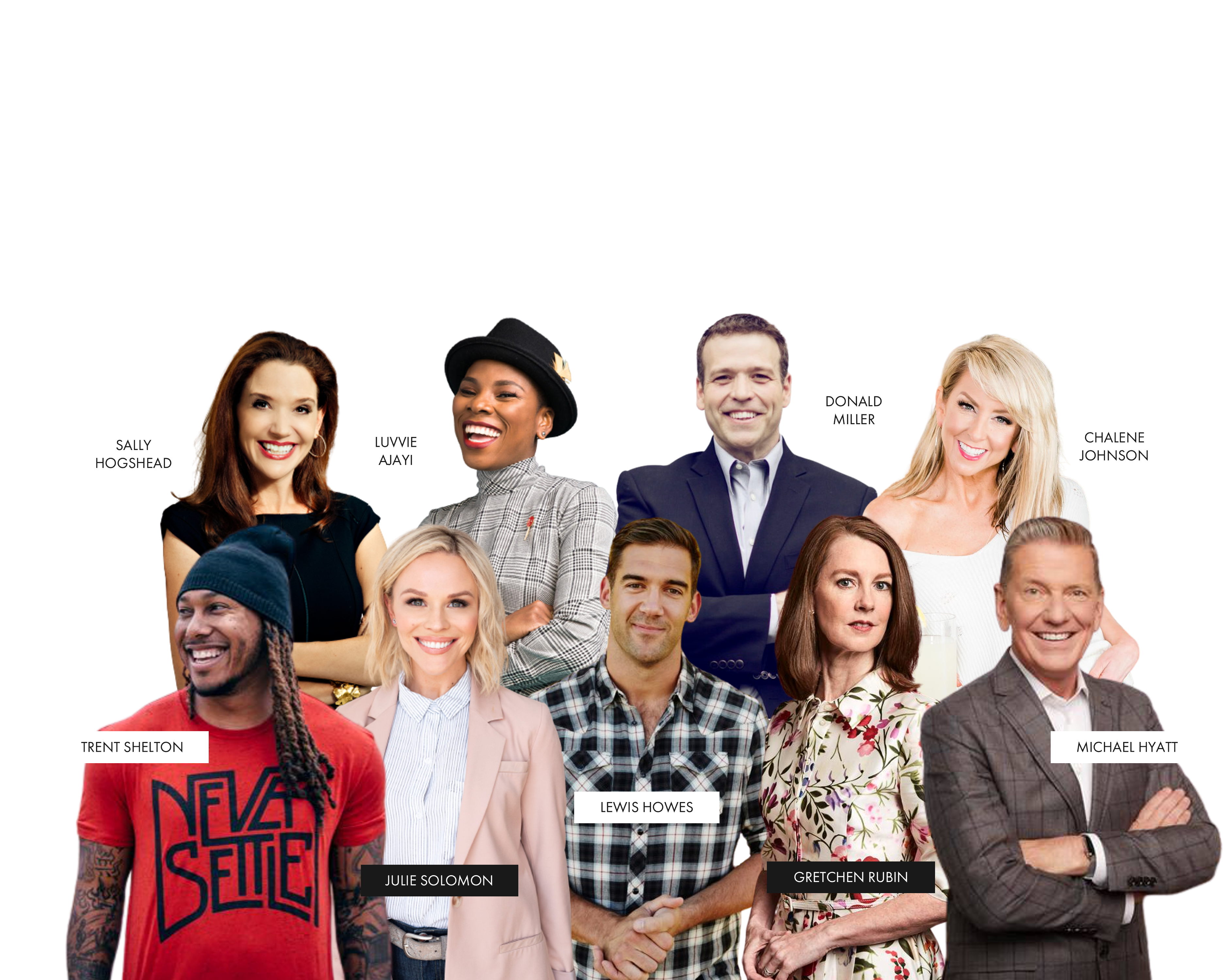
Gosh, you know, even as you’re saying that I’ve never really thought about this till this very second is that, you know, I’ve been on many of the biggest podcasts in the world Louis Howell’s Ed Millett, Amy Porterfield, Cody Sanchez, Jenna Kutcher, Trent Shelton, Dave Ramsey, right. These huge online platforms, 100% of those came from offline, the offline relationships.
01:10:51:12 – 01:10:54:15
Speaker 4
None of them found you because of your online.
01:10:54:17 – 01:10:57:20
Speaker 3
No, it was all offline relationships.
01:10:57:20 – 01:10:58:07
Speaker 4
That I’ve been.
01:10:58:07 – 01:11:03:05
Speaker 3
Telling, you know. Yeah. Well you’re right, I’m just it just took me a while, as usual. But
01:11:03:05 – 01:11:03:11
Speaker 3
that’s.
01:11:03:12 – 01:11:08:18
Speaker 3
why we define personal branding as the digitization of your reputation.
01:11:08:18 – 01:11:10:15
Speaker 4
Is already present. Reputation offline.
01:11:10:16 – 01:11:16:17
Speaker 3
Is offline, and then personal branding is just the digitization, multiplication of that offline reputation.
01:11:16:18 – 01:11:23:17
Speaker 4
Yeah. So I know that we’re going to talk about a lot of different things today. But I don’t want to forget to say this for the for the all of you who are listening. It’s like
01:11:23:18 – 01:11:29:11
Speaker 4
one of the best things that you can do to grow revenue in your company is to build offline relationships.
01:11:29:11 – 01:11:45:00
Speaker 4
To actually invite someone to coffee, to go take a lunch, to take that phone call or zoom meeting that you don’t think you have time for, to build the relationships, to build that relational equity with the person who referred you with the person they referred you to.
01:11:45:01 – 01:12:06:07
Speaker 4
To show up at a networking meeting, join a board that could be a nonprofit board. Go to an event, go to a conference. Don’t sneak off and check your emails in the corner at the break. Actually stand in line and meet someone like, go do the things that put you in proximity with other people that you can build networking relationships with.
01:12:06:12 – 01:12:24:16
Speaker 4
Like. And if you’re not, if you’re going, well, that’s just not me. It’s like, but that’s sales that has to become a skill set, a muscle that’s developed for you to go out and generate sales for your company, for your business, for your team. That’s not going to happen. You sitting in an office with paper.
01:12:24:20 – 01:12:38:11
Speaker 3
Yeah. And I would you know, another one I’d add to that list which sometimes people don’t like to say, but it’s true. It’s, you know, join masterminds, like many of the most powerful relationships that we’ve made have come from rooms we paid to be in.
01:12:38:12 – 01:12:38:22
Speaker 4
100.
01:12:38:22 – 01:12:43:21
Speaker 3
Percent with other people who are investing at really high levels. And here’s the thing
01:12:43:23 – 01:12:48:05
Speaker 3
Relationships are irrefutable accelerants to revenue.
01:12:48:05 – 01:12:59:21
Speaker 3
People are going like, what’s the hack going viral? You know, like being being famous, having a big podcast, being a bestselling author, you know, going going to like, you know, some prestigious school know
01:12:59:22 – 01:13:03:21
Speaker 3
if you’re looking for the shortcut, there is only one shortcut in is relationships.
01:13:03:21 – 01:13:15:06
Speaker 3
That’s the only thing that exists that is really a true shortcut. And so, you know, just to your point, joining those things, building those relationships is, is is critical.
01:13:15:07 – 01:13:36:10
Speaker 4
Yeah. I was like as you were talking, I was like, what if like the shortcut that everyone is looking for is the person sitting across from you, like, what if that’s the shortcut? Like, what if being a good friend, being a good resource, helping someone else is the shortcut that you’ve been looking for? And all this time, energy and money that’s being expended in all these other areas, all of that can be bypassed.
01:13:36:11 – 01:13:58:06
Speaker 4
If you just said yes to that coffee meeting, if you just engaged in that conversation, showed up at that evening networking group, like what if? And again, not saying one is more important than the other, but one most certainly cannot be forgotten. And in a world that is full of social media and content marketing and digital marketing, it is very close to being overlooked and overshadowed altogether.
01:13:58:06 – 01:14:00:12
Speaker 4
And that is the power of the offline relationship.
01:14:00:13 – 01:14:16:18
Speaker 3
And here’s the here’s the big advantage in a world of AI is as the world moves more towards artificial, they’re the people are the people who are going to win, are going to realize that actually relational is where the equity is.
01:14:17:00 – 01:14:19:16
Speaker 4
I’m going to predict this, that we’re.
01:14:19:16 – 01:14:20:01
Speaker 3
Going on.
01:14:20:01 – 01:14:30:15
Speaker 4
Record, we’re going on record. I have a strong prediction that over the next five years, there is a huge and enormous reemergence.
01:14:30:15 – 01:14:31:17
Speaker 3
Resurgence.
01:14:31:18 – 01:14:56:06
Speaker 4
Resurgence of live events. I think that the need for human contact, human connection for me, just to know that wasn’t AI, for me to know that was a real person, a real idea, a real conversation. Like we are on the verge of the live event business, the seminars, the conferences, networking meetings, humans getting together. I think that we are going to see it reemerge, a.
01:14:56:08 – 01:15:15:02
Speaker 4
Resurgence of resurgence like we’ve never seen before. Because when I think about the 20 years ago in my early sales career, there was like a seminar to go to every week. Like, I mean, it was like a networking meeting at every corner. I was getting invited something, every lunch, every dinner, every weekend. It was a bad networking meeting.
01:15:15:02 – 01:15:32:14
Speaker 4
It was the Chamber of Commerce. It was, you know, all the live events. We would go to the get motivated, the women of faith, like I was saying yes to, I was in that event all the time. And really, when I reflect over the last ten years, I have had to search for them. I have like really had to go out and be like, what do I want to go to?
01:15:32:15 – 01:15:42:02
Speaker 4
Maybe their micro events, maybe their big mega events? Again, I can just already tell you there’s already in this early signs of AI. There’s already a
01:15:42:04 – 01:15:47:13
Speaker 4
request and a need for. And I just want to see humans. Like I just want to be with people
01:15:47:16 – 01:16:02:09
Speaker 3
So here’s a behind the scenes statistic about Brand Builders group. So our own membership, what we have figured out is the number one most determining factor of whether or not someone stays in our program is if they’ve come to our events.
01:16:02:10 – 01:16:03:04
Speaker 4
100%.
01:16:03:04 – 01:16:04:04
Speaker 3
And and we’ve.
01:16:04:04 – 01:16:04:17
Speaker 4
Got how.
01:16:04:17 – 01:16:18:12
Speaker 3
Many we have. We have AI bots, we’ve got online courses, we’ve got digital community. We do. But it’s like the thing that is the needle mover is did they come to an event? Did they interact with other humans in the program?
01:16:18:12 – 01:16:19:19
Speaker 3
It’s the relationships.
01:16:19:19 – 01:16:40:03
Speaker 4
And so I just so for whatever it’s worth, I think there why not get ahead of the curve as you’re listening here. It’s like, okay, where am I missing the boat of just being in a room with someone else who might be my new best friend, who might be the person that refers me to my biggest deal I’ve ever had, who might be X, y, z.
01:16:40:03 – 01:17:12:15
Speaker 4
But you’re not going to know if you’re not there. And I think that’s just the value of the idea of expediting your personal brand. Yes, it happens online, but it can happen offline too. So does reputation matter when it comes to selling? Yes, 1,000% online, offline. Either way, they’re they’re both valuable. But that whole idea of a reputation that is established expedites the sales process is absolutely, undeniably true and accurate.
01:17:12:15 – 01:17:23:08
Speaker 4
I’ve had so many clients who’ve even come to us at Brand Builders Group that said, no offense, I would have never called you if I had not been referred by X. Like, no offense taken. Okay.
01:17:23:09 – 01:17:26:00
Speaker 3
We don’t take offense, but we do take your money. Yeah.
01:17:26:03 – 01:17:46:04
Speaker 4
But it’s like when I would say, well, why do you say that? Like, well, I’ve never heard of you before. And I was like, oh, it’s fair. Like, but I trust my friend. Friend like, this is someone I trust. And if they say that you’re good, I trust them. I’m like, that’s fair. You’ve never heard of us. Like, why I would want what I call a complete stranger and say, here’s all my money, please help me do this.
01:17:46:05 – 01:17:50:13
Speaker 4
Probably not that it makes sense if you just think about it.
01:17:50:14 – 01:18:14:15
Speaker 3
And I don’t. I don’t mean to sound like a jerk about this quoting our own book, but like, you know, the book again is free on audio, but we say in there because it’s true, if you do your job right, your customer force will become your sales force, right? If you serve the customer in front of you, they will have an amazing experience and the best marketing in the world as it changed life.
01:18:14:16 – 01:18:44:17
Speaker 3
They will tell people or other people will see the results. And so much of our business comes from the fact that our clients are crushing it. They’re having documented wins on a major scale and people say, how did you do it? And they go, brand builders group. You need to do that same thing. You need to make sure the people who are already giving you money or having a great experience and are getting a result, if they get a result, then they will bring you the result you want, which is more clients and I think that also is overlooked.
01:18:44:17 – 01:19:07:12
Speaker 3
So anyways, we talk a lot on this show about marketing, reputation, digital content strategy. Let’s talk about sales. Okay? I do want to get into the tactics of this of the sales conversation, but I actually want to flip what was in our show outline. And I want to talk about ethical selling first, because this is another place that I think at least our audience struggles with.
01:19:07:12 – 01:19:17:11
Speaker 3
And a lot of where I personally have struggled with of going, we don’t want to be unethical. Like we’re not willing to compromise our reputation for revenue.
01:19:17:12 – 01:19:21:19
Speaker 4
Well, could you just define for everyone who’s listening, what would you say is ethical versus unethical?
01:19:21:20 – 01:19:40:06
Speaker 3
That’s what I want to talk about. I want to talk about because I think, you know, I use Grant Cardone, and I actually don’t think he would mind me saying this, but like, they’re so hard. Chorus. Like their job is to close. It’s almost like a close at all costs. I think he takes pride in that. And I wouldn’t even say that’s wrong necessarily.
01:19:40:06 – 01:19:41:08
Speaker 3
That’s just not what we believe.
01:19:41:09 – 01:19:42:01
Speaker 4
It’s just on brand.
01:19:42:07 – 01:20:05:04
Speaker 3
Yeah. And that’s on brand. So what we believe is something different. It’s not weak though. It’s not like oh let them by if it’s comfortable. Right. It’s. So I want to talk about what. How do you define ethical selling. What do you think is different about our philosophies about sales? Because, you know, here, here we are saying we’re selling machines.
01:20:05:04 – 01:20:10:16
Speaker 3
We came up in sales. But there’s a lot that we won’t do in selling. And maybe we could start with that.
01:20:10:19 – 01:20:14:14
Speaker 4
I think that’s probably like an easy thing, like what are our nevers? And always when it comes to.
01:20:14:18 – 01:20:18:23
Speaker 3
What are the things we don’t do in selling that maybe other people who teach sales.
01:20:19:00 – 01:20:22:14
Speaker 4
We don’t lie, we don’t exaggerate, we don’t overpromise.
01:20:22:15 – 01:20:30:08
Speaker 3
And we don’t sell things to people that aren’t the right fit for them. Yeah. Like we we walk away from sales all the time.
01:20:30:09 – 01:21:02:21
Speaker 4
Well, I want to I want to clarify because it’s like, as I say, that I’m sure a lot of people are going, well, of course you don’t lie. And it’s I think let me define what that is. Are you saying things that you know to be true versus repeating hearsay or things you would like to be true? And like I can even say, like even in my own sales experience as a salesperson growing up without the proper education, I have said things before that I believe to be true because I wanted them to be true about maybe the products or the services or the company I was selling for, and then later came to realize,
01:21:03:01 – 01:21:22:09
Speaker 4
oh shoot, that was not accurate. That was, I need to go back and recant. I need to change my sales script. I need to go and call them and say, hey, I’m sorry I said this. That’s not accurate. And I don’t think a lot of people do that. They say something on a whim. The customer is like, well, hey, can you help do this?
01:21:22:10 – 01:21:31:23
Speaker 4
And you’re like, yeah, absolutely. Because it’s like, maybe you really don’t know what the delivery team does, right? Like the actual operations of your company does.
01:21:32:03 – 01:21:38:06
Speaker 4
It’s not that I think anyone is intentionally lying or they’re going, hey everyone lie.
01:21:38:07 – 01:21:43:22
Speaker 4
No, I think there’s a lot of documentaries about some companies that have most certainly done that
01:21:43:22 – 01:21:51:20
Speaker 4
But I don’t think most people do that. I think they say things because they want them to be true for the customer and they go, yes, we can do that.
01:21:51:21 – 01:21:55:11
Speaker 4
Yes. That’ll happen. Yes, on this timeline. And it ain’t true.
01:21:55:12 – 01:22:24:08
Speaker 3
Yeah. Here, here’s the most common form of lying that happens in a sale is not an outright blatant lie. It is an over promise of what you can actually deliver and or an exaggeration of what you can actually deliver. And a lot of times, if the sales person is not connected to what the delivery, this is why there’s internal conflict is like the sales person is promising things, whatever they have to promise to make a sale, and then the team is left holding the bag of like, how do I execute?
01:22:24:09 – 01:22:26:17
Speaker 3
Like we don’t? That’s not what we actually do this.
01:22:26:18 – 01:22:43:10
Speaker 4
I mean, like, we’re not perfect at this. Like, this has happened in our own organization where sales team promised something, then would call the delivery team. Hey, this is what I told them. Just making sure you can do it. The delivery team goes, no, we can’t. Then I hear from the delivery team and the sales team going, hey, this is what we said.
01:22:43:10 – 01:22:56:12
Speaker 4
They’re saying we don’t do that. And I’m going, yeah, we don’t do that. And they’re like, but this is what we told them. And the delivery team is trying to figure out a way. I’m like, that is not what we do. Call the person back, say you misspoke. And if that means we lose the sale, we lose the sale.
01:22:56:13 – 01:23:10:09
Speaker 3
And we just we have we have lost salespeople or we have removed salespeople as a result of this because it’s like, that is not something that we will do. We will not overpromise what we can’t deliver on.
01:23:10:10 – 01:23:35:11
Speaker 4
And not exaggerate. We will not over promise. Because at the end of the day, if you’re trying to help your customer force become your sales force, you have to overdeliver, which means you need to set proper expectations from the get go. I think the number one reason I in my opinion, this is just my opinion that there are customer service issues is there are unmet expectations.
01:23:35:12 – 01:24:09:07
Speaker 4
Something was said or heard, promised or wanted either way. And I’m not saying the customer is always right. I am not always right when I have an issue, right. But I do believe it all stems from the exact same place of unmet expectations. I was told this or your sales page said this, or your website said this, or all your testimonials said this, and I have had a 180 degree different experience, and now I’m pissed because what you showed me, what I believed to be true, is not.
01:24:09:07 – 01:24:14:03
Speaker 4
So setting proper expectations is what makes a happy customer.
01:24:14:04 – 01:24:37:15
Speaker 3
Yeah. One one of the things that we believe about sales that I think a lot of people don’t, is we don’t believe that the sale is finished. When you collect the money, we believe the sale is finished when the customer experiences the result that we talked about. And so many sales organizations are just get the money on to the next, get the money onto the next, get the money on to the next.
01:24:37:15 – 01:25:01:10
Speaker 3
And that’s not how you build reputation. That’s how you build. That might lead to an increase in short term revenue, but it is a decrease in long term reputation, which ultimately is a decrease in long term revenue. And I think a lot of times when people have a really fast start as an entrepreneur and they get out of the gates quickly, but then they hit these plateaus, it’s because some of their reputation is catching up with them.
01:25:01:10 – 01:25:18:16
Speaker 3
And now it’s a instead of being a tailwind that’s pushing them forward, it’s a headwind that’s going against them because they’re trying to sell something to people. But people are going, well, you’re saying this, but I’ve heard a bunch of your customers say something different. And and those aren’t those aren’t aligned. We got to be able to deliver the result to the person.
01:25:18:19 – 01:25:29:02
Speaker 4
Yeah. I think the other thing is that thing is really important is like those things that we don’t do, right? So we don’t lie, we don’t exaggerate, we don’t overpromise. What did you say? We don’t. You said something.
01:25:29:04 – 01:25:30:09
Speaker 3
I said, we don’t overpromise.
01:25:30:10 – 01:25:36:17
Speaker 4
We don’t have a promise. But I would say one of the other things is we don’t treat customers like numbers or transactions.
01:25:36:18 – 01:25:37:14
Speaker 5
Totally.
01:25:37:16 – 01:25:58:18
Speaker 4
And that’s easy to do when there’s high volume. That’s also really easy to do when you’re not in a one on one selling conversation, if you’re selling online, if it’s an e-commerce and we talk about units at units or people, right. Those are people like we even say our members. Right? But it’s like we used to call them users in the system.
01:25:58:18 – 01:26:16:04
Speaker 4
And I had someone call me out and they’re like, users are like, are they drug addicts? Like, what is what is happening here? And I’m like, oh yeah, I didn’t even hear that. Like, no, it’s like, yeah, these are human beings. These are our clients. These are our customers. And so we changed it. But it’s like it’s just a remember, it’s a reminder.
01:26:16:04 – 01:26:22:19
Speaker 4
It’s like, this is not a transaction. This is a relationship. And you have to treat it as so if you want it to beat one.
01:26:23:01 – 01:26:23:20
Speaker 3
Yeah. The
01:26:23:23 – 01:26:34:13
Speaker 3
even if someone bought from you and then they left. A lot of organizations are like, well, screw you. You left like you’re out. Like you’re not, you know, fine, I don’t, and it’s like you always preserve the relationship.
01:26:34:15 – 01:26:40:23
Speaker 4
Yeah. So those are some of the things we never do. I want to share just three quick things that we always do that we believe in.
01:26:40:23 – 01:26:51:11
Speaker 4
And this is at least destroy. And I and a shared sentiment at all three entities that we serve Mission Driven Press, Nashville, Creative Spaces, Brand Builders Group. Right. Those are our three sister companies.
01:26:51:14 – 01:27:01:18
Speaker 4
But there are three things that we constantly say to anyone who’s in a sales seat, which let me just preface this is everyone. We we talk about this a lot.
01:27:01:18 – 01:27:11:00
Speaker 4
It’s like everyone in every organization is in sales. And there are three types of revenue. I’m going on a tangent for a second. I’ll come back to what I was going to say in a second.
01:27:11:01 – 01:27:37:19
Speaker 4
But there are three types of sales that are always happening. The first is new revenue generation, right? That’s new sales, right? And that is probably most the sales and marketing department. Right. But that’s new revenue generation, new sales. The second is revenue retention, right. So it’s like how do we retain these customers, repeat customers. This is LTV and all the things that we’re doing to keep clients clients.
01:27:37:19 – 01:28:03:20
Speaker 4
But then there’s also revenue protection and retention. And protection is very different. And the protection side is what people usually don’t think is sales. And I consider that finance operations, HR, it, it’s all the behind the scenes infrastructure that are putting things in place to protect the client, to protect our team, and to protect the client, to give you
01:28:03:22 – 01:28:11:11
Speaker 4
easier, simpler experience with the organization, to remove friction, to make conversations happen faster.
01:28:11:11 – 01:28:34:14
Speaker 4
And a lot of people don’t consider themselves in sales. And I go, you are in revenue protection. You protect the revenue because you’re supporting the team and equipping the platforms and the technologies to do their job, to make our client experience better. So there is new revenue generation, there is revenue retention, and then there is revenue protection, which means every seat is in sales in
01:28:34:14 – 01:28:35:13
Speaker 4
some capacity.
01:28:35:14 – 01:28:42:09
Speaker 3
So you’re talking about like if I can’t log into my portal, that’s a risk of a loss sale. If I, if I, if the agreement is too cumbersome.
01:28:42:13 – 01:28:44:23
Speaker 4
And cage takes 30s to load and they bounce.
01:28:45:00 – 01:28:45:19
Speaker 5
And then if I can’t.
01:28:45:19 – 01:28:59:02
Speaker 3
Sign up for an event like any those would be things in our. It’s the logistical kind of like operational things that you go, what does this have to do with sales? And it’s like it has everything to do because that’s a customer that’s about to leave. If that goes wrong, that’s good.
01:28:59:03 – 01:29:22:01
Speaker 4
So those are the three categories. So just a reminder don’t think about sales in just the scripts or the, you know, sales talks that your sales team has is like no, we all play a role in sales in any organization. No matter what your job is, you play a role. Now back to the three always. Here are three philosophies that I hold firm to and probably bog my team to death on.
01:29:22:02 – 01:29:37:15
Speaker 4
Number one key philosophy there are no duds. This is so important because in sales it’s easy to say. And they were never going to buy, right? They didn’t have the money for this. They were just wasting my time. They just wanted free calls and free resources.
01:29:37:17 – 01:29:38:12
Speaker 6
Blah blah blah.
01:29:38:12 – 01:29:51:07
Speaker 4
And my philosophy is there are no duds. You talk to every single person and you have the exact same call with every person. There are no duds, right? That’s philosophy number one.
01:29:51:08 – 01:29:56:12
Speaker 3
And if they have a big enough vision, they’ll find the money. If if they don’t, it’s like.
01:29:56:15 – 01:30:13:19
Speaker 4
But I think that’s I’d say that’s like another personal philosophy, not one maybe shared by all, but I just firmly believe I never hear. I know it’s just not right now. And if I can’t make the cell right now, I want to build a relationship that equips me to make the sell one year, five year, ten years from now.
01:30:13:19 – 01:30:21:10
Speaker 4
So maybe they don’t have the money today. Maybe they don’t have the time or the resources or the capacity today. But I’m not making a sale today.
01:30:21:10 – 01:30:22:13
Speaker 3
But if they buy.
01:30:22:13 – 01:30:23:11
Speaker 4
You a path.
01:30:23:12 – 01:30:28:18
Speaker 3
That if they buy you today, even if they don’t have the money, well become a customer one day.
01:30:28:19 – 01:30:42:06
Speaker 4
One day. So the sale I’m making today is okay. Let’s stay in touch. So subscribe to the podcast. Follow me on social. Read the book. Here’s some free resources and when you’re ready, I’ll be ready. Amen. Right. So
01:30:42:06 – 01:30:45:07
Speaker 4
The second is no lead left behind.
01:30:45:08 – 01:30:47:23
Speaker 3
Oh yeah. Here she goes.
01:30:48:01 – 01:30:50:18
Speaker 4
No lead left behind.
01:30:50:19 – 01:30:52:05
Speaker 4
And this is like
01:30:52:05 – 01:30:57:02
Speaker 4
I’m sure as soon as I say it. Like eyes are rolling like Rory’s right now. But it’s like
01:30:57:05 – 01:31:06:14
Speaker 4
yeah. It’s like no, we did the work to attract the lead, do the work to engage the lead, do the work to get the lead on a call, do the work to convert the lead.
01:31:06:15 – 01:31:14:04
Speaker 4
No lead left behind Legatum into our system. So do something right. And that’s a heavy marketing job at Brain Builders Group.
01:31:14:06 – 01:31:19:03
Speaker 4
That’s a very big deal. I think for any company to go like you did the work to attract them.
01:31:19:04 – 01:31:21:13
Speaker 4
Don’t abandon ship once they come on board.
01:31:21:14 – 01:31:43:04
Speaker 3
Well, and you have so many superpowers. And inside of the skill set of sales, you have many superpowers. Relational being number one. Probably. But I think follow up is your most technical tactical superpower. You down? It’s not. You don’t have magic sentences you use to close people. What you do is you go, I will stay in touch with you and I will add value and I will.
01:31:43:05 – 01:31:51:03
Speaker 3
People will believe in you and they will eventually buy from you, even if it’s not today, because you just follow relentlessly.
01:31:51:05 – 01:31:57:16
Speaker 4
It’s like if you don’t buy from me comes you like, you like me, you’ll buy from me because you want me to go away, right? I’m just like, relentless.
01:31:57:17 – 01:32:03:07
Speaker 3
But it’s but it’s not just follow up. Like, are you going to buy or are you going to buy or are you going to buy its follow up? It’s relational followers.
01:32:03:13 – 01:32:21:10
Speaker 4
But I do, because that’s because I believe in the philosophy of no lead left behind. Like if you share a glimpse of interest, I latch on, right? It’s like I’m a latch. I’m all I’ve cued in that it’s not today, but one day, one day it might be. I have many.
01:32:21:15 – 01:32:23:19
Speaker 3
So you’re telling me there’s a chance.
01:32:23:22 – 01:32:46:01
Speaker 4
That is me? That is me. But I have many a story. Like Tracy Christman, who’s the CEO of Budget Blinds, a $2 billion company, where I followed up with her for five years and for five years, she said, I appreciate the follow up. It’s not a good time. Why don’t you touch base next year? And I’m like putting it in my calendar.
01:32:46:01 – 01:33:06:02
Speaker 4
Tracy five years. And finally she was like, oh good Lord, you are following my instructions. You followed up with me. I know she regretted it at the time. And then she was like, you know what? There’s a slot, there’s an opening. I’ll give you a chance. Like, yes. And it was like that turned into a five year relationship, almost seven figures.
01:33:06:02 – 01:33:22:06
Speaker 4
And we’re still in touch with her today. She texted us just last week asking for some new stuff as her role is grown, our relationship has grown, but she said no for five years so no lead left behind. Number two. Number three is an always list, which is once a client, always a
01:33:22:08 – 01:33:22:18
Speaker 4
01:33:22:18 – 01:33:23:00
Speaker 4
it’s
01:33:23:04 – 01:33:34:19
Speaker 4
hey, if you have to step away from being an active client, then just know we’re here and we’re ready if you’re ever ready to come back. And what’s our part? To make sure that we stay in touch, we stay engaged.
01:33:34:20 – 01:33:51:08
Speaker 4
There’s points of interaction, points of engagement, points of service to let you know that like we’re still here having update calls, reaching out, touching base, following them on social media, whatever it takes. But it’s once a client, always a client.
01:33:51:08 – 01:33:56:20
Speaker 4
That doesn’t mean they’re always a paying client, but if you treat them as so, one day they may become one again.
01:33:56:21 – 01:33:57:05
Speaker 3
Yeah.
01:33:57:05 – 01:34:03:04
Speaker 3
a lot of our clients. I don’t even know if they’re paying anymore. Like, I don’t even keep track of, like when I’m connecting them.
01:34:03:08 – 01:34:07:22
Speaker 4
It’s no longer about a business client relationship. It’s just a relationship.
01:34:08:02 – 01:34:12:03
Speaker 3
If somebody is out there right now and they are
01:34:12:03 – 01:34:13:02
Speaker 3
going, okay,
01:34:13:02 – 01:34:16:09
Speaker 3
I’m either not great at sales or I don’t love it,
01:34:16:09 – 01:34:23:01
Speaker 3
or I don’t buy into the philosophy and training of some of the more aggressive kind of like sales tactics.
01:34:23:02 – 01:34:29:21
Speaker 3
What are some tactical things that you can share with them right now that they can use to close more sales?
01:34:29:22 – 01:34:39:07
Speaker 4
Yeah, I would say I would just I would define aggressive, as you say that, because I consider myself a fairly aggressive salesperson and aggressive.
01:34:39:08 – 01:34:40:19
Speaker 3
Let me say manipulative.
01:34:40:20 – 01:34:43:11
Speaker 4
There you go. I think it’s completely fine.
01:34:43:14 – 01:34:45:17
Speaker 3
It’s a great distinction.
01:34:45:19 – 01:34:51:05
Speaker 4
Based on how you define it, which is bold, pro proactive
01:34:51:05 – 01:35:03:15
Speaker 4
a little bit rejection proof. Like, I don’t care if you say no, but like I’m still going to say this, but I think there is some element of you cannot be afraid to ask for the business. You cannot be afraid to go, hey, I believe this could be good for you.
01:35:03:15 – 01:35:23:10
Speaker 4
And here’s why. And I think a lot of that is that maybe aggressive is a strong word, but it comes from conviction and confidence in what you’re selling. And is it the right fit for the person. So that’s actually where I would start. It’s like if you’re if you’re hesitant and selling, I would first go, where is your hesitancy and your conviction?
01:35:23:11 – 01:35:36:01
Speaker 4
Because if there is something that’s holding you back or it’s not clicking or things aren’t converting, before I would look at tactics or closing techniques or objection handling, I would first take a gut check at your conviction and what you’re doing.
01:35:36:05 – 01:35:44:21
Speaker 4
It’s like, are you fully informed on what your product or service does? Have you seen the transformation or the benefits of it?
01:35:44:22 – 01:36:14:07
Speaker 4
Do you believe in it? Have you used it? Have you read the case studies? The testimonials? Have you met the people? Have you experienced it live? And I think a lot of companies, a lot, including us. We forget this sometimes too. They forget to make sure their sales team is immersed in the product or service, because they have to be the number one ambassador, the number one advocate, the number one believer of what we do and when they’re not, it’s when sales drops or they sell to the lowest common denominator.
01:36:14:07 – 01:36:34:02
Speaker 4
And it’s like, are you aware of what else is out there in the market? And that would be the second thing. It’s make sure that your your conviction is in place that you believe to your core, and what you’re selling and what you’re selling is 100% in alignment with what actually happens. That’s number one. Number two is you have to believe it’s the best in the market.
01:36:34:03 – 01:36:48:06
Speaker 4
Even if it’s not, you have to you have to believe that it is because you’re like, it changed my life. It’s changed these clients life. Even if there’s more products that are quoted better in the marketplace, that’s like, well, I don’t think those are better because of this.
01:36:48:10 – 01:36:55:02
Speaker 4
but you can only do that when you’re aware of all the other products, services, programs that are out there compared to what yours is.
01:36:55:03 – 01:37:03:15
Speaker 4
And you can speak intelligently about it. And like I can give you ten programs right now that charge ten times what we do on offer. Half.
01:37:03:17 – 01:37:24:03
Speaker 3
That’s how we build brand builders group. You go, people pay for masterminds. They pay for one on one coaching. They pay for courses, they pay for AI bots. They pay for implementation tools. They pay for live events. They pay for virtual events. And it’s like our members get all of that for a fraction, a fraction of what they would pay, what they are paying in other places.
01:37:24:03 – 01:37:26:06
Speaker 3
And that conviction is really good. Yeah.
01:37:26:06 – 01:37:29:09
Speaker 4
And then my third one is the powers and the questions.
01:37:29:09 – 01:37:41:18
Speaker 4
So the first one is that you’ve got to be relentlessly convicted in what you do. You have to have situation awareness and belief that your product or service is superior. And the third is that the power is in the questions.
01:37:41:18 – 01:37:55:08
Speaker 4
Any great sales conversation is just that. It’s not a monologue. It’s not a presentation. It’s a conversation because you are genuinely curious and interested, and you’re asking questions to listen, not so that you can move on to the next step.
01:37:55:12 – 01:37:56:18
Speaker 3
And I think
01:37:56:20 – 01:38:13:14
Speaker 3
if you’re nervous, it’s because you feel like you have to say the right thing. You have to have the magic words, the secret formula. And that’s self-centered. There is no fear when the mission to serve is clear. So the key to reducing that reluctance in a sales conversation is to not be thinking, oh, I have to have magic things to say.
01:38:13:14 – 01:38:32:19
Speaker 3
It’s I want to ask questions about them. And the number one thing you should be asking questions about is their dream. What what is their what is their vision? What do they want? What do they wish they could have? What is the thing that they are pursuing passionately for their life, their business, or whatever related to what you do?
01:38:32:21 – 01:38:54:14
Speaker 3
The key is you have to get them talking about that more than the conversation is about your product. If they are clear that they want this thing and they’re super passionate about it, then there’s only one question remains, which is does your product or service help them get closer to that? If yes, they will buy. If no, they might not.
01:38:54:18 – 01:39:01:22
Speaker 3
it’s as simple as that. But most salespeople are talking way too much. They’re not listening. They’re not asking the right questions.
01:39:02:00 – 01:39:05:20
Speaker 3
So ask them about their dream, their hopes, their futures, their ambitions. And
01:39:05:20 – 01:39:10:12
Speaker 3
this is our number one rule, like our number one rule, if I had to boil it down, is
01:39:10:18 – 01:39:15:08
Speaker 3
you always win the relationship. If you lose the sale,
01:39:15:10 – 01:39:17:19
Speaker 3
And I, I don’t think every company believes that.
01:39:17:19 – 01:39:28:06
Speaker 3
But you and I have always believed that in lockstep. And that’s what we’ve done, and that’s what we have encouraged our team to do, and that’s what we encourage our community to do. And hey, it’s worked out pretty well.
01:39:28:07 – 01:39:50:11
Speaker 4
Yeah. And I would just encourage everyone. It’s like, don’t be afraid to sell. Selling is not a bad thing. It’s how you actually sustain, grow and scale your business. If you don’t generate revenue, you won’t make it. Don’t be afraid to sell, but believe in the thing that you’re selling. So as you’re listening to this today, I would just encourage you if this was helpful to you.
01:39:50:12 – 01:40:14:16
Speaker 4
Do us a favor. Do yourself a favor, do your friend a favor, and share this episode with someone who maybe is experiencing a little sales reluctance, or maybe just a little sales frustration. And maybe this will be just a little bit of boost of confidence to help that person kind of step over that barrier, to embrace sales as what it should be, which is building relationships and helping people make decisions.
01:40:14:17 – 01:40:26:11
Speaker 4
Right. That’s what that is. If you liked it, we would appreciate a review because that helps other people know what episodes to listen to. And if you haven’t already, please subscribe so that you can join us again next time.
01:40:26:13 – 01:40:46:11
Speaker 3
If you need help coming up with some sales talk tracks for yourself. Some sales systems to grow your revenue, go to free brand, call free brand, call out, request a conversation with our team and we’ll show you how we can help our members to grow their revenue using those systems. And you know, this service centered mindset. But we appreciate you being here.
01:40:46:11 – 01:40:52:18
Speaker 3
That wraps up this edition of the wealthy and well-known podcast. Until next time, go serve the person you once were.