


Ep 440: Be An Author Entrepreneur with Allison Trowbridge
AJV (00:03):
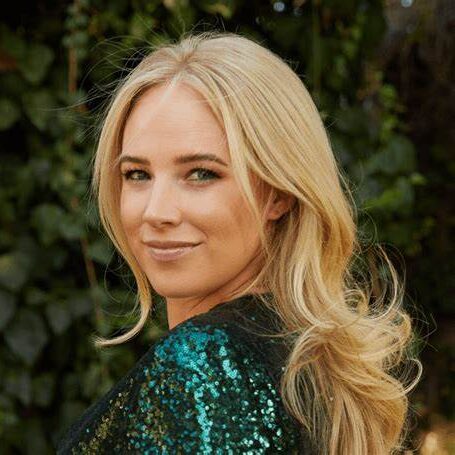
Hey everybody, and welcome to the Influential Personal Brand podcast. This is AJ Vaden here, and I’m so excited to introduce everyone to a new friend of mine, Allison Trowbridge, who also goes by Allie. Ubut if you’re gonna look her up online, you’re probably gonna find her by Allison. Now, before I do a formal introduction of Allison, I wanna make sure you guys know who this episode is for and why you wanna stick around. First and foremost, if you have a dream, a passion, a goal, or you’re even on the road to being an author, this is an episode that is curated for that person who wants to write a book and get it out into the world. So that’s who this is for. It is for the established, the aspiring, or the one day, maybe that might be a thing I wanna do. This is who this is for
AJV (01:07):
You’re an author of any sort. This is an episode for you. Second, it’s for everyone who considers themselves an entrepreneur or a solopreneur, and they’re going, well, how does this personal brand thing and content and writing, like, how does this fit into my entrepreneurial journey? That is also something that we’re gonna talk about. And then third and definitely not last, we’re gonna talk about how authors are entrepreneurs. And I think that’s really important. Being an author is like starting a business, and so it needs to be treated like one. And we’re gonna talk about everything that it means to be an author and an entrepreneur in this world of marketing and personal branding. Now, let me introduce you to the one and the only Allison Trowbridge,
AT (01:59):
Aj, I’m so thrilled to be here with you. Oh my gosh. I just have to say, I have to say, AJ and Rory are officially hands down my new favorite people, favorite people in Nashville, probably favorite people in the world. I adore the two of you, and I’m obsessed with your content. I, I met AJ and Rory recently, and I started just going down the rabbit hole on everything you guys do online. And I have learned and gained so much from everything that you, you share so generously. So thank you for being you and everything you do for authors.
AJV (02:35):
You know what I love connections like this because Allie and I were connected by a mutual friend. And you know, it’s kind of one of those things too, when you get a random email, even though it’s from someone that
AT (03:02):
This one
AJV (03:02):
AT (03:32):
The biggest the biggest thing is I, I just learned before we started recording that their son, Liam actually asked after me at church on Sunday. And so that for me, I’m like, I’m in
AJV (03:45):
AT (04:52):
It was just Harry Potter mode,
AJV (04:55):
So there’s all these different things that really kind of led to like, why are you such a well positioned person to talk about this author entrepreneur concept? So let’s hear it from you. Like, tell us a little bit about your journey.
AT (05:10):
Oh my goodness. Well, aj I got started actually in the nonprofit world. So I spent my, I mean, I grew up with a deep love of books and I always had this dream of writing a book someday, but I got my start in my twenties working in nonprofits, working in anti-trafficking, anti-human trafficking. And when I was 22, I was graduating from college and I pulled in all-nighter with one of my best friends. And I said, there has never been a book, like there needs to be a book called 22 that speaks to all of these existential questions that we’re wrestling with right now. There needs to be, we need a mentor and it needs to exist, and I don’t see it anywhere. And so whatever I do career-wise, I’m going to write that book someday. And it was, gosh, it was seven or eight years later before I actually got a book deal on that idea, and it started to come to fruition.
AT (06:02):
But it’s so interesting because I’ve, I’ve heard you and Rory say a lot that you are, you are most equipped to serve the person that you once were. And so it was so interesting to be going through that season of life saying, I need guidance, I need direction. Someday I’m gonna come back and I’m gonna do that for someone else. So just one thing I wanna say. If you’re, whatever you’re in the midst of right now, maybe you’re like, I have no idea if I will ever write a book, but I’m like, I’m just in it and I’m wrestling with certain things right now. Pay attention to what that is. ’cause That may be directing you to where you’ll go back and help someone else someday. But that was really, that was really my origin story. So spent my twenties in human rights also as a partner in an impact investment fund.
AT (06:49):
So I was in the business world, and then I always knew in the back of my head that I was gonna write this book. It wasn’t a career move, it was just, it was almost a, a soul calling it that I felt like I had to, I had to follow through on this. And so went down the, the route of, I, I mean, first I built a, a really meaningful network of other authors and people doing similar things. And I just wanna call that out too because I think a, a lot of a lot of aspiring authors have the dream of publishing a book and they just get kind of stuck with it, and they kind of sit in a silo thinking about it. And I think becoming an author starts with becoming a good literary citizen and actually supporting other authors supporting the community of, of that was so strange.
AJV (08:36):
That was so weird. But I know the last thing you said was being a good author, so, okay, we’ll just pick up there. Okay. So it’s still recording. Okay, perfect.
AT (08:48):
Becoming an author really begins with becoming a good literary citizen. And so I, I really got my start in the book space by befriending and supporting other authors and championing them, making connections for them, supporting their book launches. And so I just wanted to call that out just to be thinking, if you have this dream of, of writing a book, how can you begin by supporting others who are further along in that dream knowing that someday down the road, that community will also rally around and support you. So fast forward am able to find an agent, put together a book proposal. I didn’t have any social platform. I wasn’t a well-known figure, but it was really based off of this, this concept that I knew there was a huge audience for and really identifying and communicating that effectively. Now, I made the ill advised ti life timing decision to publish that book while I was doing my MBA at the same time.
AT (09:58):
Which I, I would not advise. That was a very, very intense year of
AJV (10:39):
Well, I love, well, I love too that all of this is kind of organic and following your calling, and I love what you said that it’s like more than a career move, writing a book is a calling. Yes. And I often feel like being an entrepreneur, entrepreneur should be like that too.
AT (10:58):
A hundred percent. It’s not worth it otherwise. It’s too hard.
AJV (11:02):
It’s not. But often I think people use this as, Hey, I’m gonna do this thing so one day I can get this thing, which is freedom of time, freedom of money, it’s whatever. But then you realize, oh, snap. Like this is all consuming. And if there’s not like that deep calling, it’s when we feel burned out, exhausted, spent tired, whatever is the word you wanna use. But you know, those are, those are the same. Those are synonymous. It doesn’t matter. It’s like whatever you do in life, it should be a calling, not just a career move. So I love that you called that out.
AT (11:42):
Yeah. And something else that AJ did my wifi.
AJV (11:49):
Yeah, you’re breaking up. All right. You’re back.
AT (12:10):
I have, I have no idea what’s going on. I think I, I, it says I have full bars on my wifi and it’s Google fiber, so maybe I’ll switch to my iPhone wifi just to,
AJV (12:23):
I mean, we can, whatever you think. I mean, we can just keep rolling with it if it
AT (12:26):
Okay. I’m sorry about that. That’s okay.
AJV (12:30):
Okay.
AT (12:30):
It’s like a little trap door keeps dropping me out.
AJV (12:33):
AT (12:34):
Well, I heard the last thing you said. I, I can run with it.
AJV (12:37):
Okay.
AT (12:38):
You know, aj what that, what that makes me think of, I actually, so right now at Copper, and we’ll fast forward to this, but, but we’re hosting an accelerator for aspiring authors, and we had my friend Donald Miller on earlier this week talking about his writing practice and, and the process of writing. And he said something that, that really, that really kind of shook me, which was about, he, he carves out certain, a certain set of time every single day to focus on writing whatever book he’s writing. I was asking him how he produces so much, and he said, you know, he is like, you’ve gotta love the process. And it’s funny because if I were to tell you, if you were to ask what is 22, about 22, the book, my book about, I would say the, the moral of the story is that the journey is the destination.
AT (13:30):
It’s about learning how to lean into and love the journey of our lives instead of thinking we’re gonna arrive at some point. And I think that that is such an important piece of wisdom to apply to authors, also to apply to entrepreneurs. I think the, the big temptation is to think that we’re doing these things for some end result. I wanna be an entrepreneur because I want the big payout when I sell my company someday, or I wanna be an author because I want the credibility of hitting some bestseller list. And you are really going to, to hate the entire process if you don’t fall in love with the journey. Fall in love with the actual creation and the writing. Fall in love with learning how to reach your reader, your, your audience, and identifying what their pain points are if you’re an entrepreneur, learning how to enjoy the building. So it was something that was a, a really important callback for me this week of, of just this reminder to, to love the process of these things that we feel called to create.
AJV (14:34):
Yeah. You know, it’s so funny, as soon as you were talking, it made me think about this quote, how, and I think I saw it on Instagram, but you know, you look around at everything you have today and you realize that many times you have today what you once dreamed of and what you have today is what drives you nuts. And it’s kind of like, man, the thing that we wanna dream of is now the thing that is crazy. And it’s like so true. I think we all need to be taken back sometimes to falling in love with the process and not this desire for an end destination. Because if it’s all about that one day, you’re gonna look around and be like, wait, what was this all for again?
AT (15:14):
Totally. Totally.
AJV (15:15):
It’s Hannah Montana. It’s all about
AT (15:18):
Time. Totally.
AJV (15:18):
It’s all about time.
AT (15:20):
Yes. And, and the thing that’s that’s funny is that if you want to continue on that journey, you’re gonna begin again and go through the process all over again. I know authors who not only have hit the New York Times bestseller list, they’ve been selected by Oprah as part of her, the Oprah’s book club, and they still are like, it feels like the first time every time. And I don’t know what I’m doing and I’m still learning. And so I, I think it’s the falling in love with that process because those mountaintop experiences are gonna be short-lived, and few and far between. But if you love the journey of getting there, if you love the hiking up the mountain, then you’re gonna, you’re gonna really enjoy your life a lot more, I think. Oh
AJV (16:02):
Yeah. So tell us about ’cause I know we’ve had conversations about this, but I, what I love is your take on being an author is being an entrepreneur. Yes. Yes. And it needs to be treated like that. This is a business, it requires a business plan, it requires that, and most people who are writing books, unless you’re a full-time author, likely don’t know that going in
AT (16:26):
Yes. Well, I, I think a lot of the frustration around becoming an author starts starts with this point. So a lot of people will say to me, how do you write a book? How do you get published? Tell me how you get published. And they get frustrated because they think that there’s a silver bullet. Like, why isn’t everybody telling me how this actually works? And that’s like someone, an aspiring entrepreneur saying, how do you start a company? It’s, the answer is, there’s a lot to it. And it’s, it’s, you have to be able to give that full life commitment into the pro.
AJV (17:41):
Okay.
AT (17:42):
I’m, I’m gonna switch to my phone wifi. This is ridiculous. And I’m gonna call Google Fiber after this. I’m sorry. I dunno. Okay. It says it’s paired. Can you hear me Okay?
AJV (18:12):
Can. All right. So the last thing you said is it’s a commitment.
AT (18:18):
Let’s see. I, I think I’ll go back to the beginning of the author, entrepreneur thing. Okay. how did you tee up the question, the idea of just
AJV (18:29):
The fact that most people don’t know that being an author is like starting a business
AT (18:35):
AT (19:33):
The author really needs to be the entrepreneur. So if you think about the book writing as being the product development, after you develop the product, then you need all the other parts of the business. So you’re gonna need marketing, you’re gonna need sales, you’re gonna need partnerships, business development, operations, finance to make this all happen. And I also think about when it, when it comes to choosing your publishing path, should you self-publish? Should you go with a traditional publisher? Should you go the hybrid route? I really think about that just like taking an equity partner. So if you work with a traditional publisher for your book, that’s like being a startup that’s taking venture capital. It’s not for everyone. It’s for a small percentage. And that, that finance partner is gonna give you money upfront, which is fabulous, and they’re gonna take a lot of ownership, and they’re going to expect a huge result.
AT (20:30):
And they’re, they’re investing and making these risky betts hoping that one outta 10 books that they invest in are gonna pay for all of the ones that they lose money on. So it’s understanding those economics. And if a traditional publisher isn’t jumping at your book, it doesn’t mean it’s not a great book or a great idea, or that you’re an amazing author, just means they’re looking for that like venture return, then it means that they’re not seeing that based on the market, based on your reach. And that’s okay. So, so traditional publisher is like having a venture investor. Self-Publishing is like bootstrapping where you’re, you have a startup and you’re like, I am going to learn to do all of the pieces of the puzzle, and I’m gonna do it myself. I’m gonna own the whole thing myself. I’m gonna figure it out. Or I’m going to hire for the pieces where I don’t have natural strengths.
AT (21:20):
I’m gonna hire brand builders group to help me with the book launch part and to understand the, the branding and marketing piece. So I’m, I’m gonna, I’m gonna get support in different areas. And then you have the, the hybrid publishing down the middle, which I kind of think of like having an equity partner. You get to own your intellectual property, you get a lot more control over the process. You still get the high-end professional results, but it’s a higher cost of capital. You’re putting more in on the front end. So I think shifting our thinking as, as authors and creatives realizing that if you just wanna write, there’s plenty of spaces to just write. There’s ck there’s, there’s blogging, there’s newsletters, there’s LinkedIn, there’s you can journal, there’s a lot of spaces to write, but if you wanna be an author and publish a book, you’re actually selling a product to a customer. And because you’re selling a product, the book, you’re gonna have to think about it in the same way that ACEO thinks around selling the product in a business.
AJV (22:31):
Oh my gosh. Every single person in the world needs to hear that
AT (23:12):
Yes. No, it is.
AJV (23:14):
You know, it’s like,
AT (23:16):
Yes. And, and I spent as much time, so I was able to get that traditional publisher, Harper Collins chose to work with me, but my book proposal took about as long as it took to actually write the book, which is crazy. But it’s because I had to show them that this is a worthy investment. Mm-Hmm.
AJV (24:03):
I mean, that’s so important for everyone who is listening to realize of as you’re, you know, thinking and dreaming of one day, you know, I’m, I have all these books in my office, but it’s like holding up this book, and it’s like, that’s a product.
AT (24:18):
Yes.
AJV (24:18):
And businesses produce products, and in order to make the product get into the hands of other human beings, there needs to be a sales pitch, a marketing plan, a distribution plan. And those things take human resource, human capital, capital and dollars. They take dollars. Yes. Yes. And it’s treating it like a business. So I would love to know from you, in this world today, as you think about this author, entrepreneur, what do you see? Because I think this is a great opportunity for you to also share like, what is Copper books and what does Copper Books do? Because you have so much access to authors aspiring and current, but what are they doing well, and what do you know they should be doing
AT (25:11):
Yes. Well, my, my heart in this journey has always been for the author. I, I believe for one, that a book can change your life. Like, quite literally, can, can change your life. It can change the world. I, and, and it sounds like a cliche, but I really mean it. I I mentioned earlier that I began my career in anti-trafficking and human rights, that entire social movement, the reason why you as a listener know about that issue right now is because of books. There were a series of books published in the early mid two thousands on, on this issue, and it laid the groundwork for an entire social movement. So I get so passionate about the way that, that a book can move the needle, but then even more so, I think there is no more transformative or meaningful process for a human than to write their story and to write a book.
AT (26:05):
So, wherever you are, however many people you think may wanna read your book, I could not encourage you more to do it, because going through the process, it will transform you. It will be a before and after. It’s a meaning making journey. So I, I love the transformative process. I also think that this should be the golden age of publishing. It used to be that that publishing was an industry of gatekeepers, because it takes time and energy to determine what content can potentially sell. It takes a lot of time to read a book, right? And so the industry has operated off of gatekeepers and a small group of people being able to publish their work that has gotten blown open, blown, wide open over the last decade. It has never been easier to self-publish a book. It has never been easier to reach readers yourself to build an audience yourself.
AT (27:04):
20 years ago that wasn’t possible. Authors weren’t able to build their own audience. And so a lot of people get frustrated by the fact that they need to build a relationship with their reader. I think it’s the most liberating thing possible. You need to be more intentional. You need to, to really strategize it, you need to develop your personal brand and think about how you’re gonna outsource that trust so that people are coming to you to solve these problems that they have. And there’s consistency in all of that. But I think it is the most exciting time. If you have a dream of writing a book, now is the time to do it. Okay. So fast forward to, to Copper. So we built actually a tech platform. So, so you’re in the, in the iOS store, you can download the Copper Books app. We, we made it a place where authors and readers can connect and build community around books in a way that was centered around the author.
AT (28:00):
So with, we always say the author is the star of the show. If you are a, an author with a book, however you published it, self-publish, hybrid, traditional, you get verified. We link your book. There’s a all of this book data on the back end of it. And then readers can connect directly with the author of the books that they’re reading. We have a live events feature. If you’re a reader and you just love books, it’s a really great place for recommendations. You can track what you’re reading, create bookshelves, all of these things. So that’s the, the platform we created. And I actually did that with venture capital backing, which was the hardest thing I’ve ever done in my entire life to, I think the number is about 2% of, of all venture funding goes to, to female founders. So, I mean, you wanna talk about a steep mountain to climb that was, was not the most enjoyable the entire way.
AT (28:50):
I’ve gotten a lot of rejections, pitching, pitching this company, but was, was able to build raise the capital, hire engineers, build the platform. Here’s what we learned, seeing all of our community and our users. I realized that the people who were leaning in the most, who needed the support, who needed, who needed the tools and the resources and education, was actually the aspiring author. And so I built this platform thinking it was a two-sided marketplace for authors and readers. What I discovered is that the aspiring author is the most underserved group. And so I say all that in that we have shifted the entire focus of the company into how do we serve the aspiring author? How do we serve the person who is getting woken up in the middle of the night because they have this dream, this calling in them, this idea that they wanna put on into the world and they don’t know where or how to begin with it.
AJV (29:53):
Mm. I love that. I love that you said that too. They get woken up in the night with this at least once a week. I will wake up around four or 5:00 AM like looking for Rory, looking for my husband on the other side of the bed, and he’s missing. And then I’ll usually like go back to sleep. ’cause I know where he is,
AT (30:40):
My gosh. Yes. Yes. I would say I, all of the best parts of, of my last book 22 were like one-liners that I voice noted into Evernote in the middle of the night. Like, so much of my writing process is sitting up in bed being like, oh my gosh, I have to get that down and, and I’ll, I’ll voice note it into voice to text. So then I get up in the morning and it’s half gibberish, but I’m like, that’s a really great idea. Buried in there. I gotta put that in the book.
AJV (31:10):
But a lot of that comes back to enjoying the process. Yes. The process. And it’s a calling. Yes. It’s not a career move. It’s a calling that needs to be one of your signature lines, ally. It’s a calling, not a career move. Oh,
AT (31:25):
That’s good, aj. That’s good.
AJV (31:28):
It’s gotta be one of your signature lines. But I think all of this is so important because for the author, right, it doesn’t matter if it’s your first book or your 10th book, the same business planning is required for every single book. So tell us about this new awesome course that you are launching the author entrepreneur.
AT (31:49):
Yes, thank you. Well, so one of the things that, that we’ve experimented with this, one of the things we experimented with this year was helping to solve this pain point for aspiring authors. And we launched an accelerator this fall for aspiring authors nonfiction specifically who are working on their book ideas. And AJ it was one of the best, most fun, most life-giving things I have ever done. Everyone who went through it said that it’s, I mean, it’s totally rocked their world. It’s been the fav their favorite thing in their life right now. It’s, it’s been an incredible, incredible ride. And that was kind of my test ground to see is this a real felt need and can we, can we solve it? Is this you know, are these the questions that aspiring authors are really asking? And so, coming off of the success of the Accelerator, we’re, we’re, we’re wrapping it this week.
AT (32:47):
We’re gonna transition that content into an evergreen course where someone can go through it on their own time. So, so the accelerator was a live accelerator twice a week, every week. It’s a, a much bigger commitment. And a lot of what I heard from these aspiring authors was, oh my gosh, I want to do this, but it’s, you know, I don’t have capacity right now, or I, I’m gonna focus on the book next year, or Is there any way, are you gonna do it again? And and so instead of trying to do the accelerator all over again, I, I said, well, what if I can make this easier for that aspiring author and cheaper, honestly, to do it on their own time? So that is this course that we’re launching, we’re announcing it and opening up registration on December 12th. And because we love Brand Builders Group, we wanna give a discount to anyone who comes through Brand Builders Group. So just use the code bb g Yeah. For $200 off the course. We would love, love to have you in it. Oh,
AJV (33:49):
That’s awesome. And if you guys are listening and you wanna check this out, you go to copper books.com/course. I’ll put that in the show notes, and then use BBG as a discount codes copper books.com/course. Use BBG for the discount code. Now, what I, I know we’re almost out of time, but what I wanna talk to you about is kind of what you just said. It’s like, are these the questions that these aspiring authors are really answering, and what are the answers they need to know? So if you were to highlight one or two things that an aspiring author needs to know, what would they be?
AT (34:27):
One of them would be get to know your reader, who identify who your reader is. So thinking about your audience is one of the most important parts. If you wanna write just for you, that is beautiful, and I could not encourage you to do it more, but if you want to sell a book and actually create meaningful transformation in the lives of the person who decides to read your book, then you need to, you need to write with them in mind. Mm-Hmm,
AT (35:23):
What are they struggling with? Because that is going to be the big umbrella idea that’s gonna be the consistent line through the book that you write. It’s gonna be the, the shareable the way that, that people talk about your book and share it with others is to, to solve that pain point. And then it’s gonna help you start to, to speak on that content and attract that kind of reader, that kind of audience now long before your offering something to sell to them. So, so that would be one. And the second, which is related to that is I would really get clear on what your big idea is. So if you could distill your book down to one sentence, I think that the books that go the farthest in the market are ones that can be easily distilled down to one big idea.
AT (36:16):
Because I know when I buy a book, I’m usually buying into the big idea that I know that the book stands for and saying, I want more of that. So I agree. Let me give an example. 4,000 Weeks by Oliver Berkman. I’ve given that book to so many people, and it’s, it’s about how, it’s about the shortness of life, and yet how you can expand your days. I, I call it the anti anti productivity productive productivity book. And so it’s easy for me to share the concept of the book with other people and encourage them to buy it. And many times I’ll buy a book because I love the idea. Maybe I read part of it, but I’m buying into the concept. So I would encourage you to really get clear on who your reader is and start to build a relationship with them now and then. And then really, once you’ve identified their problem, identify the big idea of your book that’s gonna solve that problem for them. And that is gonna help you make decisions around the content that goes into your writing.
AJV (37:19):
Hmm. I love that. And I think I love that. It’s just clarity. All right. You gotta know what yes. What it is and who is for
AT (37:25):
Yes. And, and it’s an act of service. It’s an act of service.
AJV (37:30):
I love that. All right, one last question. Yes. what is your favorite book?
AT (37:36):
Oh my goodness. Oh, I have so many. I would say my favorite book is Vitor Frankl. Man’s Search for Meaning. Okay.
AJV (37:45):
I’m
AT (37:45):
Obsessed. I’m obsessed with this. I with meaning, with meaning making. Mm-Hmm. And, and I think it is, is the most beautiful. I think it’s one of the greatest books of the 20th century and the most beautiful journey in how you create and build a meaningful life. And everything I do in my work is around trying to help people build meaningful lives, whether it’s through reading incredible books or creating them.
AJV (38:12):
Oh, I love that. Well, I always love a good book recommendation. Ooh, A man search for Meeting. I just wrote it down. Put it on the list.
AT (38:19):
Amazing. And 4,000 Weeks, too. You’ll love that one. All right.
AJV (38:23):
I’ll put that down too for you.
AT (38:24):
AJV (38:25):
AT (38:56):
Yeah. And
AJV (38:57):
Those are not exclusive. Those are, those are, you know, together. And we have to treat it that way. And that was such a good reminder to all of us. It’s one thing to write a book, it’s another thing for someone else to read it. And so thank you so much. Ally. If people wanna connect with you online, where should they go?
AT (39:16):
You can find me on Instagram at Allie Bridge also at Copper dot books, on Instagram and LinkedIn. All the places, all the normal places. Would love to chat with you all. Would love to hear what your book idea is. And lastly, I just wanna say, if, if that dream won’t let you alone, it’s, it’s there for a reason and follow it.
AJV (39:40):
Hmm. Love it. So good. Everyone please check out Allie go to copper books.com. Visit her online, chat with her on Instagram. Do whatever you gotta do. But get connected and stay connected. And also catch the recap episode, which will be coming up next. We’ll see you next time on the Influential Personal Brand. See you later, y’all.
Ep 438: How to Get Affiliates to Promote Your Product with Matt McWilliams
RV (00:02):
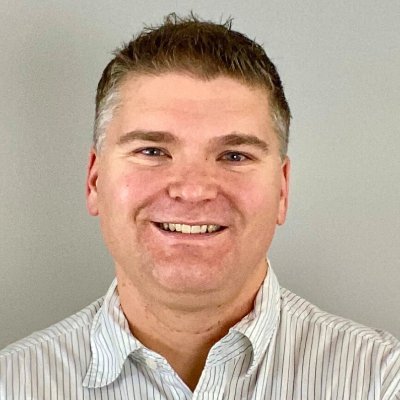
Hey, at Brand Builders Group, you know that we say the more specific, the more terrific. And you hear people say The riches are in the niches. We say you’re most powerfully positioned to serve the person you once were. And one of the things that I love about Matt is I have now known Matt, I don’t know, probably for 10, maybe 15 years, but Matt McWilliams is, if you ask me, who’s the expert on affiliate marketing, he’s the name that I think of. He owns that space. He has worked with several of my friends as their affiliate launch manager. Some of our clients, you know, this is people like Tony and Dean Tony Bins and Dean Graziosi, shark Tanks, Kevin Harrington, who’s a client of ours, Ryan Leveque Lewis Howes, obviously Brian Tracy Michael Hyatt’s a close friend, Jeff Walker’s a friend. And Matt has r has run launches for all of those folks.
RV (00:55):
Stu McLaren, on and on and on. And so a lot of the people I know and respect, they have hired Matt to help him run affiliate launches. And we’ve never done an affiliate launch per se at B B G, but our whole business model is more of an evergreen affiliate model where we pay people a lifetime referral fee when they refer people to us. But we’ve never done an affiliate launch where we have lots of affiliates all at once. But I know the power of it, and I just don’t know that much about how to do it. So I thought, let’s get our friend Matt in here to like drop some value bombs and teach us the affiliate game. So brother, welcome to the podcast. All
MM (01:33):
Right. Thanks for having me, Rory. And I, I love that. What was it you said that the, that your biggest something is in the, your previous pain point. I can’t, how did you word that?
RV (01:40):
Yeah, that’s one of our, that’s like our flagship thing, is that you’re most powerfully positioned Yeah. To serve the person you once were. Mm-Hmm.
MM (01:47):
RV (02:19):
Yeah. Did you
MM (02:19):
Trademark it yet?
RV (02:20):
MM (02:23):
The, alright. Trademark Roy Vaden. How about that? There
RV (02:25):
You go.
MM (02:26):
Yeah.
RV (02:26):
So the people you work with are obviously well known, right? And when you hear that, you go, well, yeah, of course everyone’s gonna promote for Tony Robbins and Dean Azizi, but like, talk to us about why do you need affiliates like e even if you’re small, even if you’re new, and can you really get them? And, and, you know, I wanna kind of hear a little bit about the why and the when. Like
MM (02:51):
Yeah.
RV (02:51):
Why do you need them and then when is the right time to go get ’em?
MM (02:55):
Well, I mean, first of all that yeah, people do promote for Tony and, and we, you know, promote for Jeff and promote for Stu and, and we help them, you know, two x their, their affiliate program and you know, Michael Hyatt, we helped him almost four x year over year when we took over. And, and while those are certainly easier, I mean, 90% of our clients nobody’s ever heard of, you know, because they’re in the parenting niche. And there, you know, it’s funny, when we’re in like a certain niche, I I always tell people this, when you’re in like a certain niche and you have that celebrity in your niche, so like Jeff Walker in internet marketing product launches, Stu McLaren in Membership world. I say go to Target. I call this the target test. You wanna know how non-famous Stu McLaren is outside of his little niche, go to Target, ask a hundred people. If they’ve ever heard of Stu McLaren, you’ll be lucky if one of them ever has.
RV (03:44):
Hmm.
MM (03:45):
You know, I mean, in in your niche, you know, you are famous in building brands and you’re famous in, you know, productivity kind of in your past life, right? And you’re famous as a speaker, but again, you’d be the first human may go to Target and ask a hundred people out, you know, go to a target in, you know, Columbus, Ohio, and you’d be lucky if one person’s ever heard of Rory Vaden.
RV (04:03):
Well, even Tony Robbins, like at Target. Yeah.
MM (04:05):
You know,
RV (04:05):
Might
MM (04:06):
Be five. Might be
RV (04:06):
Five. Yeah. Maybe five or 10.
MM (04:08):
Yeah. And, and, and he’s, you know, this larger than life person or Dean Grazi who’s sort of, and so yeah, most of the people outside of their little niche in the world, and even sometimes in their little niche, you know, we’re working with the, you know, people that are, you know, they’re not a lot of times seven and eight figure businesses. They’re people you never heard of. And this is working for them. And in fact, it’s one of the best ways to get known because the reality is you know, I I I say this a lot of times, like it’s never been harder to get noticed and therefore it’s never been harder to stand out. You know, there’s a, a, a correlation between the two. If you go back a hundred years ago, you know, no, most people outside of presidents and, you know, like a few politicians weren’t known out of their, before the advent of radio weren’t known out of, outside of a 10, 15 mile radius.
MM (04:55):
You know, it was almost impossible. The the problem with that is because now it’s easy for everybody to get their 15 minutes. It’s easy for everybody to go viral. It’s easy for everybody to get 10 million views or even, you know, a hundred thousand views that it becomes almost impossible to stand out. You know, there’s more content uploaded since you and I have been talking on YouTube than either one of us can consume in our lifetimes. So think about that, how hard it is to stand out. And so affiliates are one of those ways when you’re breaking into a niche, this is how I did, I mentioned back in 2005, we tried everything else. Now, this is before the advent of social media and, you know, targeting and all those things. But we tried all the stuff you do back in 2005 to break into our niche, which, which was the insurance world.
MM (05:37):
And it wasn’t until we started an affiliate program that we began to get some traction because, you know, couple things. Number one, you pay after the sale is made. So you, you pay only per for performance. You know, you pay later
MM (06:28):
And we’re still trying to figure things out. We don’t have to worry about targeting, which can take months or even years to figure out your affiliates do it for you. And what happens with affiliates is sometimes they will market to their list and you will discover niches or pockets of niches that you wouldn’t have thought you could profitably target. But you realize, oh my gosh, we had 12 people buy this week that are moms of, you know, such and such, right? We moms of special needs children. We never thought our course would be good for moms of special needs children, but you know what, maybe we could target them. And so you start to learn things. Obviously, you know, one of the biggest benefits is just the fact that the, the leads are warm. You know, the prospects are warm. The reality is, very few people woke up today thinking, you know what I need to do?
MM (07:17):
I need to buy so-and-so’s product. Or they’re scrolling through Facebook because they wanna see their niece’s new. I wanna see my new, you know, baby I didn’t think nephew. Now why? I had to think of, was it a nephew or niece
RV (08:16):
Wanna, so just some of the reasons why it’s great. I talk about, I wanna talk about that part right there about landing on the page. So, so, you know, let’s assume that you get affiliates is most of what’s happening in the affiliate world, like your world is, is that still today, like you’re recruiting people to basically promote some type of free training, either a free lead magnet or a free webinar, or a free, you know, like if it’s a Jeff Walker, it’s like a free video, like a little video, mini video course. Is that pretty much what’s happening is you’re still just promoting, everyone’s promoting to something for free, someone’s adding value, and then they’re selling something at the end,
MM (08:55):
Not necessarily in your world, you know, kind of in the, you know, if I think of your clients, yes, that’s the norm. Probably 97% of the time. It’s going to be a free report, a free webinar, a free, you know, launch sequence type thing. You know, like you said, the three video series, something like that. Other options, you know, if it’s a software could be a free trial, you know, that’s obviously a good entry point. One of the things we’re seeing that’s working really well with some of our clients is a free training, you know, free webinar with a backend. Make sure you claim this free trial of this software. ’cause We’re gonna show you how to use it on the webinar. You know, and that works really well because it, you know, now gets them into like using the software and if we can get ’em to use the software they’re gonna stick around, you know, seven times outta 10. And so there’s all types of things there. But yeah, I mean, there’s direct to sale, there’s direct to call, there’s all types of things. But yeah, in brand building world, typically it’s gonna be to a, some sort of a free resource or Okay. Video series or webinar.
RV (09:58):
And then is most of what you’re doing, like, you know, like when I think of affiliates, I tend to think of more information products, like mm-hmm.
MM (10:28):
Yeah, I mean, again, it’s all over the place. Retail products, obviously the commissions are lower, but they’re, they’re more commoditized. And you’ve got a lot of, you know you know, brands that spend the majority of their time promoting things that are retail products. And yeah, you might only make 10% of a $57 purchase, you know, five 70, but multiply that by a thousand people. You know, you’re making close to $6,000 for Facebook post. You know, that’s not a bad way to make some money, right? It’s really all over the place. But again, in, in your world, typically it is gonna be to a, a higher priced, you know, course or, you know, coaching. And we have some clients that are killing it with, you know, $24,000 a year coaching offers where we pay the affiliate of flat $3,000. And, you know, well that’s not a very high percentage, but at the same time it’s $3,000. You know, typically the higher the touch, which is we consider touch, meaning my time. So when I coach somebody for an hour, it costs an hour of my time. That goes into the cost of goods. So obviously the higher the cost of goods, the lower the affiliate commission’s gonna be. So the higher the touch, the lower the commission is gonna be. And that’s accessible.
RV (11:43):
That’s how brand Builders group works, right? I mean, this is how we built brand builders group so fast. We pay a 10% lifetime referral fee to any of our clients who refer someone because we’re, we do one-on-one coaching and live events. I mean, it’s, it’s so people intensive. It’s non-scalable. It’s not digital. Exactly. It’s completely the, the, the low margin human experience trying to pay people well and recruit ’em because we, we try to, we try to know people one-on-one and it’s less about like the courses and stuff. And and so it’s a lower percentage, but we just pay it forever and it just goes on mm-hmm.
MM (12:25):
Yeah, exactly. And that’s just normal and that’s expected. So when I promote something as an affiliate, ’cause it’s, you know, there’s a lesson by the way. If you’re gonna start an affiliate program, spend a little bit of time promoting something as an affiliate first just so you have the understanding of how it works. And, and a lot of times, like for me, the reason I’m a much better affiliate manager than I was my first five years. And, you know, to be clear, my first five years I built a program from scratch to more than a million dollars a month and had won affiliate managers of the year twice. But I’m still, I was 10 times better by 2014 than I was in 2000, you know, 10 because I became an affiliate and I started seeing things and I started going, I don’t like the way, you know, that works.
MM (13:08):
Like, I hated it as an affiliate not getting a leaderboard every day. You know, it drove me nuts. Like, did, did the thing I did, did yesterday, did I move up the leaderboard? Did I move down? I wanna know. ’cause I’m competing against my friends and I wanna beat them and I wanna win a better prize. And so we invented the live leaderboard back in 2013. Now it’s, most programs have one, you know, it’s just become ubiquitous because, you know, somebody got tired of the way that the norm was and changed something. And so we see things as an affiliate that drive us crazy. And so we address those, or we quite frankly can copy things from other people. I mean, I give all credit in the world to Danny Ney because in 2014, I was promoting him and he said, Hey, I’d like to get on a call with you.
MM (13:50):
And he, we got on a one hour zoom call and mapped out my entire promotion of his launch on a spreadsheet. And then he sent me the spreadsheet and I went, oh, I get what he’s doing. That’s the principle of commitment and consistency, right? Outta Robert Seal D’S playbook. Right? He’s holding me accountable to what I said I was gonna do versus me just saying, yeah, yeah, yeah, I’ll do that, that, that. And then there’s no documentation. And so we stole that idea from Danny. We started doing the exact same thing. If you look at the way we do it, if you look at one of my calls and one of his calls, you could overlap them and they’d be exactly the same. And so be an affiliate first. And when you do that, you’ll start to, to see those things that,
RV (14:27):
Well, how do you do that? Like, how do you, how do you find affiliates or how do you find affiliate opportunities? I mean, obviously your friends, right? Like they go, Hey, I have a book coming out, or I have a course launch. I mean, I guess that would be one way, but like, how do you find affiliates?
MM (14:43):
Let’s talk about the first one. How do we find like things to promote ourselves opportunities?
RV (14:47):
Sure.
MM (14:47):
I say, look around at your desk, you know, your virtual desk might be your computer. What sites do you log into? What software are you using? What tools are you using in your business? You know, you said it best, like your biggest area of, you know, strength is where you used to be weak. The, the be the best place for you to serve your audience is from the place where you struggled 5, 7, 10 years ago. You know, for me it’s now 18
RV (15:33):
Basically just promote the tools you love. Like find like the tools,
MM (15:35):
Promote love. Mm-Hmm.
RV (15:37):
Yeah. Promote the thesis,
MM (15:37):
Promote the brands that you love. Promote the, again, and it can be as simple as, okay, if I have a friend who says, who comes to me and, you know, they’re relatively well-known and they’re launching a book in a year, and they say, who do I need to talk to about, you know, yeah. Obviously us for selling books through affiliates, but who else do I need to talk to? Who, who on earth am I gonna recommend other Roy Vayan? I mean, literally it’s not, I, there’s, I mean if’s no reason.
RV (16:01):
You’re smart, you’re not gonna for sure Uhhuh
MM (16:03):
And so the fact that you have a referral program, all that does honestly, in my opinion, is kind of make it more top of mind. Mm-Hmm.
RV (16:10):
MM (16:11):
And to your stand, you know, from your standpoint. Let’s flip to the other side. When you send me that PayPal deposit for, you know, a good chunk of money, I go, huh. You know, I wonder if there’s anybody else I could proactively think of, right? Instead of just waiting for people. Come, you know what, I’m gonna reach out to a few people. I’m gonna reach out to my friend Brian, who I know has a launch coming up in eight months. And just say, Hey, do you need anybody? If so, I’d love to introduce you to Rory, and it takes me 20 minutes and two of them say yes, and I make a bunch of money for 20 minutes of my time. Like, what else could I do with 20 minutes of my time to make that kind of money? Probably nothing. So that’s the finding, you know, like finding affiliate programs to promote side. Many of those can turn into two-way relationships. I was just talking with one of our coaching clients the other day, and I
RV (16:59):
Go,
MM (17:00):
There we are. Yeah. I was talking to my friend the other day and one of our clients and introducing her to some other clients and I said, you know, here’s why these clients would be good partners, because they have your audience and you have their audience. So the question we ask and we wanna find affiliates is who, who already has my audience? So if you get a software that’s for course creators and coaches and somebody over here that teaches how to create content for course, you know, course creators and coaches to match made in heaven, let, let’s get those two people working together. So the simple formula, let’s, let’s say take a book. Let’s just take a book for example. I call it the Amazon Rabbit Trail because Amazon makes this super easy for us. We pick one book that we think is similar to ours.
MM (17:48):
That’s exactly what we did, did for our book. It’s, you can do this for products or anything. I’m just using a book as an example. And you look that book up on Amazon and you see, when did it launch? I wanna find a book with a launch date of, in the past three years. So I look and it says it launched in January of 2018. I’m not gonna use that one. Let me think of another one. All right? I look at the other book up, it launched in February of 2022. I’m gonna go to Google and I’m gonna look up all the search results from about one month before and one month after that launch date. ’cause I want to find specifically people who promoted, who interviewed, who did whatever for that launch period. Not that wrote about the book nine months later and said how good it was.
MM (18:29):
That that’s not who I want. I want people who promoted this book launch. And I’m gonna look those people up and I’m gonna reach out to them and I’m gonna say, Hey, this, I’m gonna give you the gist of the email here. Hey, I saw that you promoted such and such book a year ago. I’ve got a similar book coming out in nine months, and you wanna do this plenty of time in advance. ’cause People’s promo calendars fill up. I’ve got an, I’ve got a similar book coming out in a few months. It’s different in that it covers this, this and this. You know, whatever the specifics are. Can I send you a copy? Would you be, or would you be interested in having me on your podcast? Or would you be interested in promoting it as an affiliate? And it’s a very brief email.
MM (19:09):
We don’t write a 10 sentence, 12 sentence email. ’cause What do you do, Rory? When you get a long email from somebody you don’t know asking you to do something? You delete it before you even read it. So it’s a very short email with a specific call to action. And that’s how we find affiliates. The same is true for products. You have a product, what are some similar products? You have a coaching service. What are some similar, you know, things like what would other people, what would they have bought that is similar to yours? And it doesn’t have to be if you offer a coaching service, you don’t even have to reach out to affiliates of coaching services because people who bought courses or books or whatever joined a mastermind about this topic might have also, or might also be interested in your coaching service. So you reach out to those people who are affiliates for those products and ask ’em if they would like to promote you mm-hmm.
RV (19:56):
MM (20:02):
That’s what we do. Yeah.
RV (20:03):
If I don’t wanna do that, I go, I get an affiliate manager and I say, Hey, go recruit me some affiliates. Yeah. And then we share in the, we share in the pay together, right? Yeah.
MM (20:11):
I mean, like right now, I mean, you and I have been on, you know, for 20 minutes or so. I mean our team’s, you know, we have multiple people on our team right now finding affiliates for our clients. You know, obviously we have a huge database of people that have been affiliates in the past, but we’re breaking into new niches all the time. Like I, we’ve got a client in the parenting niche right now. We’ve never done anything in the parenting niche. Now there’s a little bit of overlap with the entrepreneurial side. So we reached out to our entrepreneurial affiliates about this parenting offer and we got a few and done had success with it. But now we’re kind of in that phase where we need to go out and find people who’ve promoted other parenting courses. We got another one that’s in the health and fitness niche. Her summit is, she’s doing a virtual summit. It’s all about getting off sugar. I don’t have a list of people for that. So we’re doing what I just said. And yeah, it’s extremely time consuming. And yeah, to your point, you know, there’s two types of people in this world. People have more money than time, and people have more time than money. And people who have more time than money go do it yourself. Like it’s, you can execute on this. It just takes a lot of time.
RV (21:11):
Mm-Hmm.
MM (21:55):
Well, again, the easy way you just said it, you know, hire us,
MM (22:44):
You know, any of the myriad of CRM slash shopping carts slash funnel builders, et cetera, et cetera. You have a built-in affiliate tracking system in there. It’s pretty, it gets a few clicks and it can take you as little as 15 to 20 minutes to set this up. Like it’s really easy, thankfully, if you are not on a system that has a built-in affiliate program. And I would venture to say I’ll put it this way, we’ve worked with 70 clients over the last eight years. And I’ve only had one who didn’t have a built-in affiliate tracking system in their software. I had two that they had a built-in, one that I didn’t like. So we used a different one. So three out of roughly 65 to 70 clients did we have to use an external thing. So again, it’s very rare.
MM (23:32):
There’s 50 good ones out there. Typ, you know, I don’t even wanna name ’em ’cause it depends on what platform you’re on, but depending upon what, whether you’re on WordPress or this or that, there’s plugins, there’s softwares, and I’ve never had one Rory that, and I’m not super techie. People are like, oh, you gotta be super techie. Like, dude, I don’t know how to edit my own WordPress posts. I have to message a teammate to do the thing that I want him to do because I don’t know how to do it. I barely can function on Google, you know, sheets and, and you know, stuff like that. And I literally just learned the other day how plugins work on WordPress. All right, so it’s 2023 and I can make these things work. They’re super easy, thankfully. So
RV (24:15):
What I hear you saying there is that a lot of the built-in functionality that come with the off the shelf tools, so whether it’s like for, for us, we’re, we’re heavy Infusionsoft Keap users, right? So we’re, we’re big fans of Keap. But a lot of our clients use ActiveCampaign. They’ll use ClickFunnels. Yep. They’ll use Kajabi, they’ll use HubSpot.
MM (24:38):
Everyone you just named has that built in.
RV (24:40):
Okay. And, and then I’m not as familiar with SamCart, but you’re saying that SamCart has, has it built SamCart I think of more as like a e-commerce, like a store? Is that not the way kind
MM (24:51):
Of is? Yeah,
RV (24:52):
Kind of is. It’s more like shop like I think of it as more like a Shopify
MM (24:55):
Not exactly. It’s it’s shopping cart. It’s
RV (24:58):
A shopping cart.
MM (24:59):
Now keep in mind I haven’t been, I haven’t logged into SamCart in seven years, so it might have changed, but I know it has affiliate tracking. ’cause We, we have an affiliate program that we promote that uses the SamCart link. You know, so, so,
RV (25:10):
So you guys are kind of tech agnostic in that way. Like you can grab, you can, you can work within, you’re just, you’re used to seeing all the different systems. And I,
MM (25:18):
I say all the time I’m platform agnostic. Yep. Uhhuh, I don’t, I mean outside of, and I’m not gonna say who it is publicly. There’s one and it doesn’t matter. There’s one that we can’t stand because the tracking doesn’t work properly.
MM (25:57):
I mean, it’s a eight minute process. 20 if there’s some nuance to it, like, oh, we told this person we’d do something different or what I don’t, you know, I can’t even think of it. Occasionally if you get some, you know, like big, big payments, we will pay those in a different manner. But usually it’s a download upload, right? I mean it’s download to a CS v, upload the CS v, it pays them. Now this is one little thing, and I’m getting a little bit advanced this why you hire people like us. ’cause Then we do this, we then send emails to all of those affiliates. You go, but PayPal sends them an automated email to Pauly sends ’em an automated email that says, you know, you made, nobody reads the automated emails. Right? At least I don’t, and I don’t very many people do.
MM (26:38):
We send ’em a personalized email that says something like, Hey Tom, thank you so much for supporting Amy this month. Just wanted to let you know we’ve got a PayPal deposit on the way for $8,226. You know, that’s pretty awesome. You know, that that’s, you know, you made 14 sales and people loved the webinar and we’ve, here’s three people who responded already saying they love the, the course, you know, that you referred, and by the way Amy’s big summit’s coming up in four months. Would you like to support it? ’cause What’s a better time to ask somebody to support something that you’re doing than when you just told ’em you’re sending ’em a boatload of money. And so that little extra step that I have never seen anybody outside of us. And I’m not saying nobody’s doing it. I just have never seen it. I have never seen anybody else take that one little extra step on those payment things. And, and it works every time. I mean, I would say one third of those emails get a response like, absolutely sign me up. I’m in for whatever you got going on.
RV (27:41):
Yeah. And man, I just, you know, I just have to say like, one of my favorite things of, of like, of my whole life is sending out our check the checks every month to our affiliates. I mean, we give them massive passive mailbox money. Yeah.
MM (27:54):
I mean,
RV (27:55):
We have several affiliates that have earned six, like six figures from a podcast interview with me. Like it
MM (28:02):
That’s crazy. You
RV (28:03):
Know, tens of thousands of dollars from one podcast interview and they’re still getting paid. And it’s, it’s such a fun thing to do. There’s like a part of it. That’s the
MM (28:13):
Right attitude. That’s the right attitude to have, by the way. ’cause Some people are like, oh my gosh, you’re gonna keep paying the affiliates. No, I mean, you’re, you’re re not only are you rewarding them, not only is it the right thing to do, but they’re gonna return in kind because every time you send one of those checks, they’re thinking, like I said earlier, Hmm. I wonder what else I could do to refer business to Rory. That’s
RV (28:32):
Right. That’s what I want. I mean, I, I have found that one of the best ways to make friends is to send them checks every month.
MM (28:48):
Buy me love
RV (28:50):
Well man, this has been awesome. I in, in the spirit of affiliate links, I want to give out an affiliate link for you all to meet Matt and to learn more about what he’s up to. So I’m gonna give you the link here. So the, the, the link is brand builders group.com/affiliate guy. So that’s what Matt McWilliams, he goes by affiliate guy. So brand, so brand builders group.com/affiliate guy. If you do that, Matt is gonna give you this download. I’ll let him explain it a little bit. Yeah. But it is called How to Get Your First a hundred Affiliates Free Report. And that is exactly what, if you’re getting exposed to this for the first time and you’ve never done it, you need, and affiliates has changed Brand builders. I mean this has, we’re an eight figure business in five years. And like the secret is affiliates, like this is the thing that we do. We send out money every month now we do it in perpetuity. So it never goes away. And that helps, that helps. Part of it helps people continue to refer people to us. Yep. But anyways, anything you want to tell ’em about that. So brand builders group.com/affiliate guy, how to get your first a hundred affiliates free report?
MM (30:01):
Yeah, it’s just, it’s got 15 places, you know, defined affiliates. A few, one of which I covered today. A few of which you probably never even thought of. I mean, again, it depends on your niche. We’ll show you how to work with like nonprofits and how to, you know, how to work with your friends, how to work with even competitors. That’s probably my favorite one. Like, you just have to read it because the working with competitors one when I was in the, the music business, you know, music construction business, that completely changed our business. I took one affiliate program for about one and a quarter million, over 6 million. And about half of that growth was working with competitors in some pretty cool ways. So we covered that in the report. You got some templates in there for emails you can use to reach out and all kinds of goodies. So yeah, go grab it.
RV (30:42):
That’s really cool, man. Well Matt, so great to see you. Thank you for making time and so great to talk to you. Really appreciate this. We haven’t talked enough about this. This is a key, key part of growing the business. So all the best my friend. Thanks Rory.
Ep 436: Become A Better Copywriter Using AI with Kyle Stout

AJV (00:02):
Hi everybody. Welcome to the influential Personal Brand podcast, AJ Vaden here. Super excited to have a conversation around something that everyone is talking about and continues to talk about. And so we’re gonna continue that conversation here today on the topic of AI and your personal brand. And so, before I introduce my awesome guest, Kyle Stout, I wanna tell you guys just a couple of reasons why you wanna stick around for today’s interview. So here are some things to ask yourself. And if you have the answer is yes to any of these questions, then this is an interview custom designed for you. Number one, do you want to use AI better? If you answer yes to that, stick around for this interview. Do you want to figure out better questions, better prompts to be putting into AI to get what you actually want? The answer is yes.
AJV (00:57):
Then you wanna stick around. And if you wanna talk about how AI can improve your email marketing, content marketing, or anything else that you’re doing online, then this is probably the conversation that you wanna stick around and listen to. So without further ado let me introduce you to our guest who’s going to make us better not only at using ai, but also becoming better email marketers for everything that we’re doing in our business. So Kyle Kyle Stout is the founder of Elevate and Scale, which is a marketing agency that helps with direct to consumer brands improve their revenue and put their sales on autopilot. Who does not want that
KS (01:52):
Thank you for having me.
AJV (01:54):
Yeah, this is gonna be a great conversation. I know everyone’s been talking about it. Everyone Conti continues to talk about it, and I feel like the same questions continually get asked from everyone in our community, everyone in our audience, which is, how do I become better at using ai? And so I would love to hear a little bit of your backstory about how you got to where you are and how have you learned so much about using AI in the most efficient and effective way?
KS (02:25):
Okay. So my background is in copywriting, and there have been a lot of these AI copywriting tools that have been out prior to what everyone now knows as like chat, G P T and that level of, of ai. And honestly, they weren’t really very good. I had, you know, but I was always kind of keeping an eye on it just because I thought, well, it would be really useful if it was really good someday. And then chat G p t, of course has changed everything and all of the new you know, technology that’s come about since then has changed everything to where now you can actually get really good copy. But what I have found to be the most important thing for getting, not just copy, but the best outputs in general from the AI tools that you’re using, is the detail in the prompts that you give it. And being specific with what you’re looking for in an answer as opposed to just asking a very broad question. Because you have to think that, okay, while this AI is very smart, it’s considering so many different possibilities of answers like way beyond the what we would ever consider in our mind. And it’s trying to come up with this, you know, generalized response that will cater to all those things instead of honing in on the specific, you know, variables that you really care about.
AJV (03:39):
Yeah, I love that. And I think that’s, well, one, I love that you have such a, a strong background in copywriting because I feel like you still have to be a copy editor to use ai. Well, and I still, I just know from our community at Brand Builders Group, we’ve got, you know, 750 monthly members and one of the biggest struggles that people still have is copywriting. And most of the use cases that we’re encountering from our community and even just increase from this podcast is, man, where do you find good copy? How do you write good copy? Who can, who can do it affordable and make it quality? And so I’d love to hear your take on just the AI generated copy as a copywriter, because I think what a lot of people think is, oh, this is going to solve this problem I have, or it’s gonna replace, you know, all of these people. And it’s like, I don’t agree with that. So I would love to hear your take on being a copywriter and using ai.
KS (04:39):
Yeah, so it’s definitely not as good as a, as a trained copywriter. And you know, I still have copywriters on my team who are writing the copy for our clients, but it is, I mean, it’s honestly pretty good to where in a lot of cases you can get copy that’s good enough to where you just need to go in, make some tweaks, of course, add in the personal language that fits your brand, that that’s the biggest piece is you want to mm-hmm.
KS (05:31):
So yeah, I think that you, it, again, it’s not as good as the copywriter, but you don’t have to have a copywriting background to use it. One thing about great copy is that it is very conversational. Mm-Hmm.
KS (06:17):
So things like that. So you’ll learn just by practicing little tricks of like your go-to things that you always include in the prompts, but really it’s gonna get you the, the base level of information you’re trying to convey. It’s pretty good at getting that. Then you just need to kind of massage it and humanize it to your brand. And that’s where you can really save a lot of time and money and you know, be able to produce really good copy without having to go hire a full-time copywriter if you’re, you know, not in a position to do so.
AJV (06:47):
Yeah. No, I love that. And I think you kind of nailed it on the head and a part of our conversation today is you have to know what you want in order to put in the right prompts so you get the right outputs. So let’s talk about that for a minute. Like, how do you get the best outputs? Like what’s the key to putting in successful prompts and like, how do you get better at telling it what you want so you actually get something that’s more usable?
KS (07:16):
So there’s a couple of pieces here. So before jumping to like, having this really detailed prompt, I think it helps to actually train the AI a little bit for, so let’s say for example, you’re using chat G P T and you open a new chat thread if I, for any business, any whatever it is, if it’s your personal brand, whatever, you keep all the conversation in that one chat thread. And I initially like to start off by having it do some research on creating an ideal customer profile for that business. Mm-Hmm.
KS (08:01):
So you know, a business that sells t-shirts online or, you know, whatever your business is. And then I put including information on demographics, psychographics, behavioral patterns, and customer needs and pain points. And that will give you a really detailed output of all of these demographics. And like, especially the really important stuff are like the big pain points, the, the wants, needs, desires, all of that of your ideal customers. So now the AI is familiar with, okay, the prompts you give, it’s going forward, it’s going to take into consideration this profile that you’re targeting. And then not only that, but you can take that output you just got from it, and then you can copy and paste that back into a prompt and say, now give me, you know, 10 topic ideas for videos or for emails or for whatever it is. And then that will usually give you 10 kind of broad ideas for your category where whatever, you know, industry you’re in, and then those broad ideas, you can actually go back and have it give you 10 more or even more than that.
KS (09:00):
But I like 10, you know, 10 more specific pieces of content. So now you have 10 different kind of angles to take to talk about that broader topic. And that’s how you can scale up the, or or solve the problem of, okay, what do I, what do I say in my content? So at, at this point now, there’s unlimited ideas for topics. And when you drill down to those specific subtopics and then you have the AI write the email or write the video script or whatever about that, now it’s gonna be a lot more refined. And so you can copy and paste in your ideal customer profile, in your prompt, you can copy and paste in the specific smaller, more refined topic that you wanted to write about. And then below that I would give it some details of like what, what type of content this specifically is.
KS (09:46):
So if it’s a, if it’s a sales email, if it’s a nurturing email, if it’s a, a video that’s, you know, and I tell it what objective I have for the video, and then I’ll, that’s at the end of that I’ll put in my little personal notes. So for example, I always tell it to use active voice because I find that a lot of times it uses passive voice, which is just not good copywriting. I might tell it to use a specific copywriting formula, and you can Google these if you don’t know any copywriting formulas that you might like. Little details like that. So other, other things would be like, don’t mention this, you know, ’cause you find that it kind of gets into patterns where it does certain things you like and does certain things you don’t like. So I always tell it not to do the things I don’t like. And with that kind of prompt, that’s how you’re able to get a really good rough draft of copy that now it only requires a little bit of editing and you don’t, you, it is not just completely off the mark to where you feel like you’re having to start from scratch each time.
AJV (10:39):
How long are your prompts
KS (10:43):
So here’s the thing, if you do this upfront as you go, because it remembers all your, your chat history, you don’t have to do that every single time. So for a while I was doing that every single time because I, because I was getting such good outputs, I started to think, oh, I guess I have to do these really long, detailed prompts every single time. What I have found is that if you take it through that journey of doing some customer research, then doing some topic research and then having it write specific types of content for you from that point on, I can say, Hey, write an email about this, this particular product or whatever. And it’s, it’s already on point. It remembers all the stuff I told it before, so I don’t have to be that detailed every time. So yeah.
KS (11:22):
But it does help to at, at some point be that detailed and to give it feedback of, I don’t like, you know, use less humor, use more humor, you know, be more concise, like whatever. And it, it just kind of picks up on on your preferences. And then from that point on, that’s where, that’s honestly, I think is the biggest difference where some people have a really bad experience with AI and some people have a really great experience and the people who are having a great experience, they maybe didn’t know this is why it happened, or they aren’t sharing that because they just spent so much time practicing and doing all these iterations that they’re, the, the AI is just working more effectively for them than for someone who just starts and they try to jump right into write a script for this video right from the very first prompt without a lot of detail of, you know, considerations of your brand and your target customers and all that.
AJV (12:13):
Oh, that’s so good. But it’s, you know, it’s like the more specific and the more detailed you are in the beginning, it’s gonna remember that and it’s, you’re gonna have to be less and less of that over the course of time.
KS (12:24):
Exactly. So I always, on my in chat, G P t I have like all my saved chats. So for whatever it is, whether I’m planning my YouTube videos, I have a chat that I only use for that. Or if I you know, for certain clients, you know, stuff I’m, if I’m researching ideas for emails, I have a certain chat for each one of them. So, and then that way I don’t have to go through that whole learning curve again. I just save it and go back and just pick up where we left off. And it’s, it’s super easy.
AJV (12:49):
Oh, love that. Super, super insightful. And although I’ve heard tons of people talk about you gotta just ask better prompts, you gotta have this, you gotta have that. No one has made some of the comments that you just did, which I think is really helpful because you have a copywriting background such as use more humor, be more concise, use an active voice, like those are all the things that I’m like, yes, that right there would even help. Like, you know, it’s like we do a ton of copy and we’ve been using custom G P T to kind of like train our own copywriting, like bot mm-hmm.
AJV (13:52):
You know, it’s like, but it’s because people aren’t using these type of nuanced just little tips. That’s awesome. So, so, so, so, so super helpful. So that kind of like leads me to my next questions, which would be, what do you think are some of the, the strengths and weaknesses of using AI to generate, you know, content and, you know, and I would say just content in general, but then super specific to email marketing content.
KS (14:22):
Yeah. So the biggest strengths and the things that I really love about it the most are doing the initial ideal customer profile type of research. Because when I first am am working with a client, that’s a, that’s a big time consuming task that we do. Before we write any copy, we need to nail down the messaging strategy. And a lot of that is just really dialing in on what are the big wants and needs and pain points, because that’s what’s gonna drive all of the topics we write about. ’cause Even if we’re, you know, if we’re selling supplements or, or t-shirts or whatever, it doesn’t matter what it is. If it’s a an online course, whatever, we’ve got to write the message in a way where the person who’s receiving the email feels like you care about them. They wanna know what’s in it for me.
KS (15:02):
And so you always wanna frame it around those things that, those desires and those problems that never go away for them. So that’s the first part, just saves a ton of time and helps us be, you know, really thoughtful and strategic with that. Then coming up with, you know, sometimes you just, especially if you’ve done a lot of emails for, you know, for your business or for a particular business, you get to where you’re like, okay, now you know, how do we find another way to talk about the same things? And that’s where chat PT is really mm-hmm.
KS (15:48):
So adding in those little, ’cause at first, if you just ask it for topics, it’ll give you a bunch of topics, but then you’ll run through those. So that’s where you start. You have to start throwing in extra things like, you know, I need topic ideas with this extra little detail to, you know, narrow down the list of topics. So that’s a, those are the two best things. I really like it to, to get alternative headlines, subject lines, things like that. So copy we’ve written, but we’re like it’s good, but we don’t love it. Let’s get some ideas. And it doesn’t always mean that we’re gonna use what chat p t gives us verbatim, but it will give us ideas. I’m like, oh, I like that thing. I didn’t even think of taking that angle and I’ll write my own version of it based on what I got from chat p t, but I would’ve never got the idea in the first place if it wasn’t for chat p t.
KS (16:35):
So those are the things I, I use, if those are the things I would say are the biggest strengths that I have found personally. And also just saving time and, and all the processes, actually, I guess that’s the biggest strength. The weakness would be that the copy is still not to the level that you can just copy and paste it in and, and send it off and, and be good to go. Like you, you’ve, you do need to, like you said, not everyone can, but every, all marketers can, you know, they can tell whenever it’s AI copy and it is a little bit more generic. And so it’s not like, it’s not a matter of will your customers know it’s AI or not, it’s just not going to resonate with them in the same way as if you personalize it more and you add in your personal touch and your own signature phrases and how you say things, that’s what’s going to take it from just okay copy that explains what you’re trying to communicate to copy that really connects with the person and forms that emotional connection where now they wanna do business with you over the other coaches who offer the exact same service you do, but they just like you better.
KS (17:38):
Right? So that’s what we wanna do with our copy. So that has been I would say that’s not a huge weakness. It’s, but that’s something to keep in mind. A weakness, another weakness just for me personally is there are some tools that are great for creating original art, but for creating the kind of graphic design I need. So designing really nice emails and I just haven’t seen one yet. There are some that are kind of, you know, testing the waters right now, but I have not seen any that come close. I mean, just, it’s just nowhere close to what a good graphic designer would do on our team. And so that would be a huge
KS (18:20):
Time and money saver
AJV (18:31):
Yeah.
KS (18:31):
But again, it’s like there’s a learning curve of how do you even put the prompts in to get the output the same way that I know copywriting and I know the little nuances to ask it. If you’re not a photographer and you don’t really know the nuances of a lens and different colors and aperture and all that kind of stuff, which I don’t know anything about, then you won’t be able to get as good of a prompt as someone who does have that background.
AJV (18:54):
Yeah. Like one of the things, and I’m so glad that you brought that up too our team plays around with Mid Journey a lot with just like, like we’re, we’ve been making, like taking all of our clients’ photos and turning them into like superheroes mm-hmm.
KS (19:11):
No.
AJV (19:12):
But one of the things that you kind of said, it’s like, and this is what I heard anyway, so tell me if I’m wrong, but it’s like, almost like you already have to be an expert in your field and then AI can just help save you time. But if you don’t know some of these nuanced things, it’s not gonna give you what you want. So instead of, you know, you don’t have to be a copywriter, but you still have to be able to copy edit, right? It’s like,
KS (19:36):
Yeah. You
AJV (19:37):
Know,
KS (19:38):
That, that’s exactly how I feel about it. So a lot of people, they, they feel threatened by ai and I’m not saying it won’t completely eliminate marketers, right? So it’s, it’s possible. But for the time being and, and in the near future, what it looks like is it’s just gonna make us way more efficient and effective at what we do. And like you said, so a a good copywriter with AI is gonna be way better than someone who is has no copywriting background using ai and they’re gonna be way faster than a great copywriter who is not using AI ’cause they’re just not saving as much time, right. So mm-hmm.
AJV (20:32):
We
KS (20:32):
Have an idea of how we would like our company to communicate to us and how we would like to be communicated to versus you know, photography and graphic design is a lot more technical in nature. And if you just have, if you’ve never had any experience with it, you would just never even even learn the terminology. So I definitely think it’s easier for the average person to pick up the copy side of ai.
AJV (20:53):
Yeah. And I love that too, where it’s well I have a question. Do you think that using like chat G P T and other AI sources is going to allow copywriters to lower their prices because now they can do more volume?
KS (21:10):
I def Well, so yeah, I think it’s gonna affect different parts of the market. So you definitely will have a lot of those people, you’ll have a lot of those services where it’s gonna be high volume, low cost. Mm-Hmm.
AJV (21:46):
They
KS (21:46):
Don’t, they’re not really, I, I thought people would not like the idea of us using ai. I found that they kind of, their attitude is, well, if you’re not using ai, you’re like, are you really even keeping up? Are you gonna be able to, you know, keep, are you, are you gonna be innovative and be able to help us keep up with everyone else? And they don’t seem to be like bothered by it at all as long as the final output, which is the emails we’re creating for them. As long as they like those mm-hmm. They like how it represents their brand, they’re performing well. They never really ask questions about about that.
AJV (22:19):
Yeah. No, that’s interesting. I think our response has been right nor wrong is yeah, I’m still happy to pay your full prices, but can you get it done faster?
AJV (23:11):
And they’re on a limited budget, which most of us have budgets. So super helpful. So I wanna kind of expand beyond AI before we went outta time. ’cause I could talk about this for a really long time ’cause I find it fascinating. But I would love to just talk about email marketing in general of, I think this is one of those things that over the last few years, at least in our circle in our community, that people have kind of stopped talking about. I think there has been such a unbelievably heavy focus and emphasis on social media that people have stopped talking about the value and the importance of your email list and email marketing. And at least for us, we find that we would much rather have a bigger email list than a big than a big social following. I care much more about our email marketing than a do just having a new, you know, social media campaign. I’m not saying it’s not important, I’m just saying I think there is, I there has been a devaluing on the importance of your email list and email marketing in the digital landscape. And I would love to kind of just be like, let’s, let’s talk about the importance of your email list and the importance of email marketing and let’s bring it back to, hey, don’t forget all this other stuff is not yours, but your list that’s yours.
KS (24:28):
Exactly. That, that’s really what it comes down to or comes back to for me, is that your email list is really the only channel that you own and control where you can directly communicate with your leads and customers versus social media. And so to your point, the, the two things I see the most often as far as, you know, why do people neglect email marketing is one, they’re just, you know, there’s so many new and sexy things out there with social media and AI and all this stuff that they know like, email’s always been there, it’s always gonna be there. I’ll get to it at some point. And so they think that, and they haven’t actually personally seen firsthand how valuable it can be. So it’s, it’s a lower priority for them. And then for other people, I think that it’s, it’s just kind of taken for granted. Like they maybe they have been doing it, but they didn’t realize that they haven’t been strategic about it. So maybe they do a monthly newsletter and so they’re like, yeah, we have a list and you know, we don’t really generate very many sales from it. So they’ve kind of written it off, but they, they never really did the deep dive into, okay, what can I actually do with email mm-hmm.
AJV (25:34):
KS (25:35):
They did that with everything they did on social media. They were just a sponge and they wanted to learn everything and they didn’t take that same attitude with email. So they haven’t gotten the same results out of it. And you know, I mean, truthfully, social media is awesome and a lot of businesses have have built their businesses off of social media and they get almost all of their sales from there, if not all of their sales. And so they might be thinking, why do I need email? But I can tell you on the other side, so like with the types of businesses we work with, email typically generates 30 to 60% of their total revenue.
AJV (26:09):
Hmm. And
KS (26:09):
It’s a lot easier to do than social media. It’s a, it’s a lot cheaper to do than social media and it’s a lot more reliable month to month. And you don’t have to worry about, you know, all of a sudden they make a change in the algorithm and now your people aren’t, aren’t getting your content as much, or you have to pay more for them to see your content. You don’t have those issues that you have on social media. Yeah,
AJV (26:31):
No, I love that. And you said something that I wanna dive into is people don’t know what they can do with their email marketing. So what can people do with their email marketing? I would, would, I would love to kind of bring this back to the focus of, you know, what we talk about at Brain Builders Group because it’s a huge part of our business. Like, I think less than 1% of all of our clients come from social. It’s like we track all of that so super diligently, not most of ours come from podcasts, but it’s, it’s so interesting of how we’re tracking it, but if we were to go to our email engagement and our email, it’s like, so monumentally more significant to us. So what can people be doing in their email list with email marketing? Like, what are some of the things that are really working?
KS (27:18):
So the first place every business should start is, I call it optimizing your sales process, which is really just creating all of the automated email sequences that make sense for your business to get someone to go from being a stranger to being a customer. Mm-Hmm.
KS (27:59):
Whatever your sales process is, map it out step by step. And in your analytics, look at how many people make it to each step. And then there’s gonna be typically at least one area where there’s a major drop off where lots of people make it to the webinar, but very few sign up for the call on the webinar. That’s gonna be the first place where if you put in an automated sequence to do follow up right there, where you’re gonna get the, the most immediate return on your effort because there’s just a lot of low hanging fruit. But ideally you won’t wanna have that follow up in place in between every single step in your sales process. And what it does is, is just more follow, you’re giving them relevant information for where they’re at in the sales journey. So depending on the software you’re using, for example, if you, if you have a webinar or a free training, typically there’s, you’re gonna have a pitch at the end.
KS (28:47):
You might have some value content for most of it, and you have a pitch at the end. And if the, so if you’re using the right software, you can see if people make it to the end or not. So if people don’t make it to the end, you can send them follow up information to send ’em the information that would’ve been in the pitch that they didn’t see. So a lot of times we assume, oh, when no one signed up, we assume they weren’t interested. Well maybe they didn’t even see the offer in the first place. So yeah, that’s, that’s the first place and that’s really where, I mean, to me that’s the, not only the highest priority, but you’re gonna get the most return for your effort. ’cause Once you set it all up, it’s just running 24 7. Beyond that, you wanna look at, okay, now how are we gonna start doing email campaigns on a regular basis to the different people on your list?
AJV (29:31):
Yeah. No, I love starting with the sales process because at the end of the day, most of this is for some sort of conversion. It’s nurturing, conversion, nurturing, conversion. So I love, love starting there. What would you say for the people who are going, okay, I have something in place, but it’s not really working, what would be some of the best things to put in the emails as you’re thinking of like, okay, maybe you have a webinar and they didn’t show up. Or maybe you have an application that people have to fill out and maybe they have to schedule a call and like all the things. And if they didn’t buy, what’s the follow up? What, what would you say for the people who are going, yeah, I have that, but it’s not really doing it, it’s not working. What would you say to go back and look at in terms of like, the actual words and content in the emails?
KS (30:19):
Okay, so let’s say if you had the webinar people sign up, but no one’s really responding afterwards. First thing is, ’cause you might need to, there’s multiple tests you might have to do here. But first let’s just assume that they like the webinar. And we, and we’re just gonna try to change the outcome with the emails, is I would look at, okay, at this stage, what information do they really need? Mm-Hmm.
KS (31:01):
Let them know about all of the, you know, unique value props of your business. But really you also want to make sure you are addressing questions and objections. So all of the big questions people have, all of the sales objections address those early and often in those emails because a lot of times you won’t get the opportunity, they won’t give you the opportunity to a, to answer those questions, right? So you’re not gonna hear them ask, but they still have those questions. So all of that stuff needs to be given to them early. So it’s very easy for them to make a decision to move forward. And then the, the overarching thing here is that all of the emails should be framed around them. Mm-Hmm. So even though I said you wanna introduce your brand, tell your brand story all that, I don’t mean you just go on and on about yourself and how great you are.
KS (31:43):
It’s all about what you bring to the table and what that means for them. What, what they are going to get out of it, what they are going to experience. So talk about the, you know, before and after of this, of their scenario. So if you offer some sort of you know, service, whether it’s coaching or professional service or whatever, know people are paying for outcomes. They’re not just paying for the service. So you wanna tell stories and you know, and involve the emotions of what someone is experiencing in this before state, before they have the results they want and what they’re going to feel and experience after they have those results. And so that’s gonna make, that’s just gonna resonate a lot more with people and it’s gonna make your, your marketing a lot more powerful. And then if that, if all of that doesn’t work, maybe it’s the offer, maybe you just need to try a different offer on the front end and the people who already signed up and didn’t engage with the first one, they’re not lost.
KS (32:35):
You can always just try to, you can pitch them on a new free offer and then get them involved in a new sequence. And you can bring of course, other new, new leads into that as well. But that’s a great way. Sometimes it might take two or three offers before you find the one that really resonates. And so if you keep testing these emails and nothing’s working, it’s not always the emails. Sometimes it’s just the, the way you started the relationship with them in the first place was either targeting the wrong people or it just positioned you with the wrong offer for what they’re looking for.
AJV (33:06):
Yeah. Super insightful. And I subscribe to all kinds of weird offers just so I can watch the email sequences
AJV (33:49):
Yeah, tell me more. It’s like, I’m not a prospect, but yet I’m interested and it’s really easy. And I would just say like, for anyone listening, if you don’t do that, do that. Right. Be a study of this process. There are plenty of people who do this well and plenty of people who don’t do it well. So just start kind of like testing things out out there and just, you know, kind of like put yourself in a bunch of funnels. ’cause You’ll see really quickly like how many are they sending? How long are they? Which I have a question for you about that. But also just reading like the meat of the emails is so insightful. And I love what you said. It’s like you can’t make it about you, you gotta make it about them. And that’s where looking at the analytics makes a big, big difference.
KS (34:32):
Yeah, definitely.
AJV (34:34):
Okay, so here’s the this is an ongoing debate in our company about email link. And there’s two schools of thought on this and I’m probably much more into tell ’em exactly what they need to know, what they need to hear and nothing else. And my husband, my business partner loves to tell them all the things. And so I’m gonna use you as our tiebreaker here. What would you say that you’re seeing in terms of trends when it’s like, how long should the email be?
KS (35:04):
So I would, I would say is the rule of thumb is to be concise. Like more often than not, lean towards keeping the emails short and to the point. But I will say the emails we do tend to be longer. On average, they tend to be a little longer. And, but it’s more challenging to have a really effective longer email ’cause you have to hold their attention. Mm-Hmm.
AJV (35:27):
Longer.
KS (35:28):
So it depends on what you’re selling. So for people, for a personal brand, I actually prefer just text only shorter emails, keep ’em brief, keep ’em specific around a specific topic. One call to action and, and keep it pretty simple. And, you know, if you, if you don’t get to cover everything you wanted to just send another email later to, to take that other angle. Just because again, people have short attention spans in the personal branding space. Whether you’re a coach, consultant, whatever it is they really, really wanna know about you and like they want to, it’s not just about your service because you probably have, you know, insane competition, whatever you’re offering. There’s just, there’s a ton of coaches and consultants. So it’s not always just about your unique mechanism. They have to relate to you. And, and so if you can keep these emails, you know, if they’re, if they’re not reading the emails, they’re not gonna relate to you.
KS (36:20):
So you want, if you keep ’em shorter, keep ’em specific, keep ’em friendly, conversational, that’s a great way. But just, just to throw it out there. And maybe this will give your husband some fuels. I will say a lot of our emails are longer and, but a lot of times it’s because for example, if we’re, ’cause we work with a lot of product-based businesses, so a lot of times we’re doing a combination of having educational content in the email with an offer, with a relevant offer at the end. So for example, if we’re selling supplements, there’s a million, you know, angles we can take for topics around, you know, you could, it could be as general as, you know, fat loss or building muscle, but we like to get specific into things like, you know, how to shop for healthy groceries on a budget, you know, those kind of things.
KS (37:03):
Mm-Hmm.
AJV (38:12):
No, those are super great. I think one of the things that I’ve noticed I don’t know if this is accurate or not, but the higher the price point, the more the coffee.
KS (38:22):
So that’s definitely, that’s all, that’s been a, a long time thing with copywriting. So like the, the really, you know, if you go to a long sales page for a big offer especially if it’s like, you know, multiple thousands or 10,000 plus. Yes. So you’re expecting this super long sales page with a, maybe a really long video sales letter on the sales page. But what’s interesting is that that doesn’t have to always be the case with the emails. In fact, I actually learned this from Frank Kern. I I did this program with Frank Kern and it was a huge investment and his, his emails were all very brief, but of course it was Frank Kern. He is, he is a legend in the marketing space and the copywriting space. So, so I was already pre-sold based on that, but he kind of taught us this format of, you have the, the offer section of the email stays pretty consistent from email to email when you’re selling these high ticket services.
KS (39:17):
Meaning that you’ll say like, you know, in this program you’ll, you’ll get, and then you list off like four or five bullets of the, the benefits, but it’s the copy that goes before that where you’re having a different conversation each time. So you’re trying to target a specific pain point specific benefit each time, then you lead to the offer. But really the email itself is pretty short, but he is having you do a high frequency of emails. So as opposed to it being one long email or maybe five long emails, it’s like 10 shorter emails Yeah.
AJV (39:46):
You know,
KS (39:46):
Within a certain timeframe. So yeah, I definitely feel like that, while that is the rule of thumb, you don’t have to go, you don’t have to feel the pressure of doing really long copy if you’re selling something high ticket.
AJV (39:59):
No, I love that. And I think in general, I, I find myself anyway preferring, I’d rather get a higher frequency and keep it short if I can. We follow the, the window pane policy, right? It’s like if I have to scroll, I’m probably gonna come back to it later, but if I can get the gist of it and just like what you see as you’re pulling up your outlook it’s like that’s gonna give me the gist of, oh, I do wanna read that. Versus my goodness if I see some of these emails where I’m like, I’m scrolling, I’m scrolling, I’m like, I’ll get to it later and then eventually I just end up deleting it. But that’s just me. That’s just, no,
KS (40:34):
No. I mean, that’s,
AJV (40:35):
You find
KS (40:36):
That that’s pretty normal. And I, I think really it’s like you have to have a, usually there’s a sales call involved with a high ticket offer mm-hmm.
AJV (40:42):
KS (40:43):
I think that that’s where you need to have a really good sales script and, and sales call, you know, experience dialed in for people and those short emails. It’s just, it’s not so much selling the full high ticket program. It’s like, we’re just trying to sell the call right now in those shorter emails and then let the sales call do its thing. Right. So, ’cause people will try to do too much in email and like you said, if you don’t read it, then the whole purpose was defeated.
AJV (41:09):
Mm-Hmm.
KS (41:25):
The, probably the most common mistake is relying too much on discounts and emails. A lot of people have this idea that if I’m, like, they think that they’re going to be annoying their list by sending an email. So they think if I’m going to email them, I have to make it really good, I have to make it special for them, or they’re not gonna buy, which is not true at all. But, you know, if you have that preconceived notion, you’re gonna, you can see that play out because that’s will, that will frame how you write your copy. But a lot of times, you know, people get addicted to the spikes in sales that come with offering a big discounted promotion, and then you end up training your list to only buy when there’s a discount when you do that. And so I see this, I mean, I see this all the time over and over where it’s, it is difficult to wean people off of those discounts. So you’re better off not getting to that place in the first place if you haven’t already done that yet. So that’s that’s probably the most common one. Another one, which is maybe a little bit lesser known would be that not sending every email to everyone on your list. Hmm.
AJV (42:25):
So
KS (42:25):
I, it is another assumption people, people make, which, you know, I can’t fault them because if, if you don’t, if this isn’t your world and you’re not nerding out on email marketing stuff, then you would just assume, well, I have this really valuable asset, which is my email list, and so I’m gonna get the most value I can out of this. So every time I send an email, I want it to go to everyone that can possibly reach it, because that’s how I’m gonna get the most amount of sales.
AJV (42:47):
Yeah.
KS (42:47):
And again, that’s, that’s actually not true. What would be better is to segment your list and create different segments of groups of buyers so you can segment them based on how recently they’ve engaged with you, based on their past purchase history, based on where they live, their gender, all kinds of things. And then you craft the content of the email more specifically to that group. And now you can actually send out more frequent emails, but not everyone is getting every email and the emails they are getting are a lot more personalized to them. So that’s a way to not only get more sales per email send, but have a way to scale up the volume of emails you send without annoying your list. Because not everyone in your list is going to be getting all of those emails.
AJV (43:30):
Love that. I love, just don’t try to make it so general that applies to everyone, but cater to the different segments of your list so you can make it more personable. Love that. Such a good tip. And all right, here’s my last question. So I love those, those are really good. What would you say that you would tell someone who’s asking, okay, but what kind of emails do I send to my list now that I have all these people on the list? Let’s say they’re not in like a sales funnel, but I just have a large list. Like, or even if I have a small list, what do people want? Like what do people want when it comes to emails today?
KS (44:08):
Okay, so you first have to have the attitude of, i I call it always be testing. Kinda like salespeople say, always be closing, where you have to be willing to have some emails just not perform well. Mm-Hmm. And know that you’re, you’re testing new topics. So if you’ve done the initial research of, you know, defining your ideal customer profile, you have some idea of the big wants and needs and pain points they care about, then first just start with the big ones and start crafting some content around a specific pain point or a specific benefit that ties to what you’re selling. And just first start with those. So keep it more like evergreen. These are, these are emails that would be relevant today and a year from today, and they would always be true. So first just start testing those to get an idea of, okay, of the big topics, what does my list care about the most?
KS (44:59):
And you’ll know, because you can’t judge the first email because if you haven’t sent an email in a long time, or if it’s the first one you’re sending, you have nothing to compare it to. So send one email a week for a month at the end of the month, look at, out of those four emails, okay, which one performed the best? What, what was said in that email? What was the offer if it was different? And then the next month, keep that same type of topic in rotation, but try talking about it from a different angle and then maybe mix in a couple of other, you know, slightly related topics. And then try something completely, you know, brand new left field as another one to test. And as you go on, you’re gonna start narrowing it down to certain benefits or certain things about your service that they care about most.
KS (45:41):
And there are a lot of times it’s surprising a lot of times the things that you think are most important are not really what they care about. And so that’s where a lot of times we have to give them what they want mm-hmm.
KS (46:20):
So I’ll, again, I’ll go with, you know, I always use supplements as a, as examples. So well, let’s just say jewelry for, for example. If say you’re selling jewelry, a specific pain point might be that people have a hard time defining their style. Mm-Hmm. So you just write an email, just give them a little few tips about how they could define their personal style. And then at the end of the email, you share some jewelry options that are great for matching with different outfits or different styles or whatever. They’re very versatile. And so now you have a very, it’s a non-salesy, very relevant offer for them. And if they’re not in the market to buy today, they at least got those tips and hopefully they learn something interesting. So they’ll keep coming back to open future emails. And if you, if you just take that, that framework and that attitude and just test different topics each time, after two or three months, you’ll have a pretty good idea of what works for your list and what doesn’t
AJV (47:14):
Love that. I just, even like, as you were talking, thinking about fun and creative ways that just thinking about our list, even at Brand Builders group of, you know, we cater so super specifically to people who are trying to build their personal brand to increase brand awareness for lead generation or speaking or writing a book of even doing something that would be super heavy incentivized for just people who are in the book stages of wanna know how to sell this many books. Here are the 10 things you can do right now. And that would be a super easy thing just as you were just even talking about that, about how to reengage people that we’re not doing. And so again, it’s just those little reminders of like, oh yeah, like we should do that.
KS (48:00):
Yeah. That’s and that’s exactly what I’m talking about, where the, the tendency is to, oh, we need to tell them every single time about the book part and about the public speaking part and about everything else. And what I always tell people is, well, you can do that sometimes, but hone in on one specific thing at a time. And when you see the reaction to it, you start to learn which aspects of your offer they really care about most. And you, then you can just lean into that more.
AJV (48:23):
Love that. So awesome. What an amazing conversation. Thank you so much. This has been so helpful and so insightful. And for everyone listening I will put all of this in the show notes, but also there is an awesome free resource that Kyle has provided if you go to when before you send.com. So when before you send.com, you can download a really awesome checklist that you can go through before you launch your next email marketing campaign. So go grab that resource. It’s going to be what we covered today and so much more, but win before you send.com. Grab that resource. And also if you wanna learn more about Kyle and his business, go to elevate and scale.com. And Kyle, if people just wanna follow you on social media, where should they go?
KS (49:18):
Yeah, the best place would be my YouTube channel, which is Elevate and Scale.
AJV (49:22):
Elevate and Scale. You got it. Kyle, thank you so much. This was so awesome. So many awesome tips. And for everybody else, stick around for the recap episode and we will see you next time on the influential personal brand.
Ep 434: How to get Publicity for Your Book Launch with Paige Dungan
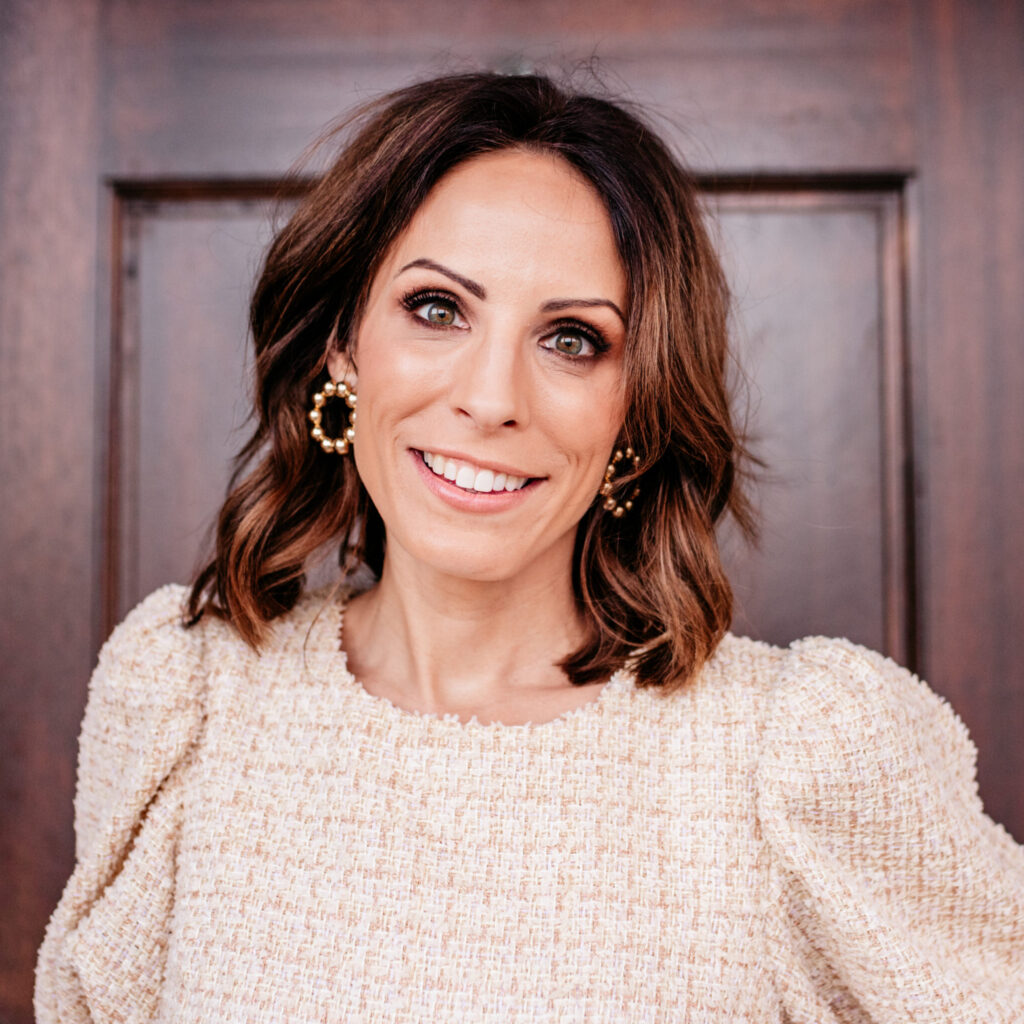
RV (00:00):
Well, if you’ve listened to this show for any amount of time, you’ve probably heard us talk a lot about book launches. Book launches is one of the things that we do really, really well. As of this recording, we have helped 17 different clients become New York Times or Wall Street Journal bestselling authors. We had two clients last year that pre-sold over a hundred thousand copies before their launch date following our system. But what we do is we help people come up with the sales strategy for how to sell the books, and then we help make sure those, those books sales happen in a way that get optimized and reported in the most optimized way for the bestseller list. What we don’t do is PR and we get asked this question all the time, who do you recommend for pr? Do you have someone for PR that we could talk to that can just like, just focus on getting you booked on shows and, and all that kind of thing?
RV (00:53):
So we’ve, we’ve worked with lots of people. We’ve talked with them, but today I want to introduce you to Paige Duncan, who’s a longtime friend of mine, and she is, her team is who we recommend for this service. And so we’re gonna talk about doing book launches, PR specifically for book launches, because this is a part of Paige’s expertise. So she was the head of PR and Talent at Success Magazine, which is where her and I met. So one of our brand builders, group clients bought the company. He asked me to be an interim editor for like a year. Paige was there. I met her immediately, was like, oh my gosh, this woman is awesome and good and smart and sharp and all the things. And she’s been in this industry for 15 years. She’s, she has sort of developed a very specific niche around PR for book launches. She’s been credited also with landing multiple authors on many of the bestseller lists, and she’s just super innovative and, you know, knows how to get an author attention in a crowded marketplace. So, Paige, welcome to the show friend. Woo.
PD (02:02):
Great. Thank you so much. It’s like we’re just grabbing a coffee today.
RV (02:06):
Totally, totally. So let’s talk PR for book launches. Yes. what do you think authors who are moving into this world, whether, whether they’re doing it themselves or they’re working with you, or they’re hiring somebody else, what do they need to know, like about getting media attention today for their book? Yeah. Like what are some of the big things where you go, man, I have to tell every author this over and over and over and over, and so we’re gonna tell ’em all right here one time, get it recorded.
PD (02:40):
Yes. Yes.
RV (02:41):
And
RV (02:41):
They’re gonna, they’ll come to you knowing, knowing this.
PD (02:44):
Yes. The number one thing where I tell all of the authors I work with is, the media actually doesn’t care about your book
RV (02:53):
That statement, what a great way. Can we cut? We need to cut that for social media. That’s the clip right there. The media doesn’t care about your book.
PD (03:03):
They don’t, and it sounds harsh, but here’s the thing that I, then I follow that up with. The media doesn’t care about your book yet, because what they have to understand is who you are, why you are the authority or expert in this space, and you have to build that trust with them first as an individual or as a company. Then they will care about your book. Mm-Hmm.
RV (04:22):
Mm-Hmm.
PD (04:51):
Exactly.
RV (04:52):
So what do you, how, how do you go about building that, you know, relationship and trust with the reporters?
PD (04:59):
Yeah. There’s two approaches that I teach. So number one is a approach that works really well, and that is you pitching yourself as a source to one of their stories. So if they, if you see them writing stories, let’s say about TikTok and all things happening at TikTok and your book is about the effects of social media of today or something like that, you simply find their email address and you reach out letting them know you really enjoyed their TikTok story on X you share a little bit of background about yourself and just leave it at, I would be happy to be a source for any other future articles you’re working on. You’re simply offering them, because journalists and media need sources every time they put out a piece of content, it’s part of the credibility of journalism. And they’re always desperate to find an expert to share a quote, share another perspective. And it’s a baby step in getting your name, like in quote, roundups, or like I said, if they just need you to come and give like an alternating view on that topic. And so what you do is literally Google search news stories about your book and your industry and what’s trending right now, and reach out to those reporters.
RV (06:15):
Got it. Uhhuh,
PD (06:16):
The second part of the so
RV (06:17):
Hold on, hold on. That I wanna hear, I do wanna hear, hear the second one, but, so, so when you say you find their email address, okay. So I love what you’re saying. So you go mm-hmm.
PD (06:54):
Easy. Yeah. Yeah.
RV (06:56):
How do you find the contact information? Like
PD (06:58):
What’s
RV (06:59):
The, how do you go about
PD (07:00):
That? That, this is my favorite part, Rory. ’cause You get to be a little bit of a spy in the best way. And so there’s a couple ways you can do this. Let me start with the free to like the page. Yeah. So the free way to do this is actually like Wall Street Journal and some of the outlets will list an email button for their journalists. So some outlets, but that’s probably a 20% Right. We’ll share the email upfront. The second thing you can do is you can find them on social media. Right. If you know their name like Rory Vaden, I’m gonna put ’em on Instagram. You can also start a relationship on social. Like if you cannot find their email free and you still wanna do free, find ’em on social. Yeah. And again, just serve them, interact with their content and message them there.
PD (07:46):
The third way you can do is you can pay for like a rocket reach or email lookup platform. Right. That can find their email. And so that’s a wonderful way, if any of you are in sales, you know about these different, and, you know, platforms that will help do a reverse email lookup. But then the last option is you can actually get a PR C R m. And so this d r m literally lists the database for all journalists and media unit talent bookers. And it allows you to be able to put in like an, a company like Forbes, like the media brand, Forbes, and it pulls up all the writers and what beats they cover. And the recent agencies, we almost all PR agencies have one, they do have cost effective solutions, though also if you’re just a one-on-one looking to have this access. But if you know you’re gonna go out and you’re like, at PR is my focus right now, this is, I’m going all in. I would suggest looking at the PR C R M because it will take, save you a lot of time compared to the free version to be able to find exactly who you need.
RV (08:52):
Is that, and is that like is that like Cision or something else that you’re talking about?
PD (08:57):
Yep. It’s like Cision. There’s one called MuckRack. There’s a cost effective one called Prowly. You’re exactly right. It’s any of the
RV (09:05):
Prowly,
PD (09:06):
Uhhuh
RV (09:10):
. I haven’t heard of that one. Uhhuh.
PD (09:54):
Too,
RV (09:55):
Way. ’cause Not only do you have to, you have to figure out who you gotta figure out what topics are they writing on, who is writing on it. Mm-Hmm.
PD (10:17):
It doesn’t work. And it’s too long. And I love what you’re saying before, and I wanna hop back a minute, to your point, Rory, of serving them, I always tell people, what problem are you trying to solve for the reporter? That’s what they wanna know.
RV (10:29):
Yes.
PD (10:29):
Like, what is the problem? How are you solving it? That’s news. And so, to your point on the communication, I always, always preach no longer than 250 words in your first email. It sounds super short, but all of my editor friends have told they get over a hundred to 150 emails a day of pitches that literally on top of every other news thing that come into the inbox,
RV (10:53):
Wow. They
PD (10:54):
Are not gonna read no longer do you just send that a press release. You’ve got to really build that relationship. And then the art of crafting a pitch is more critical than ever now. For sure.
RV (11:06):
Yeah. And it isn’t, it’s an art and it’s like anything, I mean, it’s, it’s like, are you likely to open your mailbox and mm-hmm.
PD (11:45):
RV (11:46):
PD (11:47):
Number two is tapping into what you just said as well, is serving them content. So becoming a contributor to their outlet and serving them with their expertise. So this works really well. Like, let’s take Fast company for example, right? And you are an expert in kind of business and innovation and even like team structure and management, reach out to the editors and share your story idea, right? Don’t ask them if you can be a contributor ’cause mm-hmm.
PD (12:37):
And nine times Outta 10, because they are desperate for content. Because teams are leaner than ever at all of these media brands, and there’s just not enough of them to create content. And so if you can really provide value as a contributor, also known as a bylined article, right? You get your name listed on Fast Company’s website, and if it’s picked up in print, the magazine, and you start to build that relationship of credibility with that brand serving them. So when you do go in for an ask for your book, you’ve already provided them immense value mm-hmm.
RV (13:20):
Yeah. Yeah. I, I mean I, there’s a couple things there going on. One, I love like treat it like a date, right? Don’t show up and ask to get married. Like, Hey, I wanna be a monthly contributor, right? Like, let’s go on a, let’s go on a date. Let me pick, you know, here’s an idea for a story. Mm-Hmm.
PD (13:42):
Yes, yes. Easy. Yes. Rory. And so many outlets are literally calling and needing it and quality content because like I said, they just don’t have the manpower to produce it anymore. Yeah. Unfortunately.
RV (13:55):
And just to pause, like a little side note here for you listening, if you’re a speaker or an aspiring speaker, you know, with speaking business is another thing that we know a lot about and have a lot of success with, and teaching people how to get speaking gigs. And we say, Hey, the number one reason you get booked to speak, which will never change, is because someone has seen you speak. That’s the, if you wanna be a speaker mm-hmm. You gotta go out and speak, but the number two way to get booked to speak is because someone has read something you have written. And you know, like a lot of speakers become speakers because they start writing. One is a book, which is much harder in longer process than you just start cranking these articles, you know, a couple times a week. And you know, I I, I think of, you know, I’ve got a couple friends, Dory Clark, Matthew Mayberry, like they have really built a great speaking career at a lot of it started from writing these articles and it’s almost better, like not almost better. Mm-Hmm.
PD (15:11):
Yes, it’s
RV (15:12):
Way more valuable.
PD (15:14):
It is. Ryan, I’m so glad you brought that up, because it leads to a much longer lifecycle right. Of promotion and opportunities for you doing this strategy. And like you said, it requires some upfront work, but nothing like, if you’ve already written a book, this is a walk in the park, right? This is nothing of your time. And the beautiful thing is you can pull elements from your book can serve as that content generator for years for you to pull from, so you don’t have to reinvent the wheel with what you’re writing about. Mm-Hmm. And you can
RV (15:43):
Find
PD (15:44):
Ways to thread the content together for soft promotion. But that is one strategy we help do immediately out of the gate, especially during pre-sale, right. In setting up those relationships and starting to build that awareness. It’s a great strategy to start, honestly now, like even if you haven’t thought of your book idea, just incorporate this into your media outreach plan.
RV (16:07):
Yeah. The the other thing that it does is it becomes a huge networking opportunity for you because you become a member of the media. Mm-Hmm. You go from trying to be mm-hmm. In the media
PD (16:15):
To
RV (16:16):
Being I am a, I am the media. Yes. And now you can network with pretty much anybody you wanna know because they, you, you’re in control of who gets mentioned in in that. The, the other thing I wanna mention here is on, on the, on the topic of like getting booked to speak from this mm-hmm.
PD (16:32):
RV (16:33):
And, and for beginners, you also don’t need to, it doesn’t have to be Forbes or entrepreneur No. Or fast company. Like those are the huge ones. But when you were saying they’re spread thin, the ones that are spread the most thin are the, like, trade industry journals. They gotta produce a magazine every month or every quarter.
PD (16:54):
Yes.
RV (16:54):
They’re begging their members to write an article. Nobody wants to do it. And yet, if you are in an industry or a vertical and you go, it’s easy to get those writing jobs and it’s literally, it may not have 500 million readers, but it’s gonna have a thousand of your perfect readers. And that’s, you know, that’s a really big key. You, you think
PD (17:18):
It is key, Rory, that is the other element of this. Make sure you’re contributing to where your target audience is, right? Mm-Hmm.
RV (17:51):
Create
PD (17:52):
A greater opportunity through those smaller publications.
RV (17:56):
Yeah. That, that’s the other thing is like, you’re never gonna get Forbes to send an email. Like even e even if you’re James Patterson, they’re not gonna send an email out about your book. No. But, but if you, if you have some relationships with some of these smaller ones, and that’s part of the deal mm-hmm.
PD (18:41):
I think that first mistake is that people do not plan PR the same way that they plan on writing a book. PR is always like an afterthought. Like, they’re like, oh crap, my book comes out in 60 days. I don’t have the sales I wanted. I need to do, you know, like, now is the time to start. No minimum, I beg you authors to start at least six months out because in media news cycles, it can take that long to place impactful stories. So the ones of the bigger outlets, the bigger podcasts, right, the bigger articles you need that longer lead time. And that’s probably the number one pain point that I see when authors come to us, is they’re scrambling. Right? And it doesn’t have to be that way. The second thing is, I always recommend you plan for a year strategy also, not counting pre-sale, but from when your book launches following that year. Because so many authors, and you’ve seen this already,
RV (19:37):
You’re saying post public, you’re saying post-publication,
PD (19:40):
Post pub, all the way through your year anniversary, have a robust media plan. ’cause Too many authors I’ve seen, they do amazing presale and amazing that first month of pub and then their media just like drops off and they’re, you know, it’s just sprinkled throughout, but it’s a sprint, right? And you need to continue that sprint. And so when you’re looking at planning, of course you wanna bank many of those large episodes as you know, in pre-sale. But it’s just as important to continue that momentum, especially through that first year. And keep your eye on the media and focus on the pr part of the book as well, because that’s where you’re gonna continue to reach new audiences and garner new attention and continue to bring that sales momentum going instead of letting your sales dip and then trying to inflate it back up with media like three months later.
RV (20:33):
Yeah. Yeah. Totally. I mean, you gotta, you gotta keep building the brand, building the platform being out there. So are there certain, are there certain mediums that you think mm-hmm.
PD (20:59):
Right?
RV (20:59):
And it can, it can help, but typically you have to be more focused. If you’re trying to make a sale like a conversion, you’ve gotta be doing other stuff far above and beyond pr. But, but when you,
PD (21:11):
Yes.
RV (21:12):
When you just go, what, what are the mediums or the outlets in PR that you think actually do move the needle on book sales? Like somebody going to buy, not just hearing about it, but actually going to make a conversion.
PD (21:27):
Do you know what we’ve seen the number one medium that sells through PR right now, books specifically is podcasting. Yeah.
PD (21:34):
So podcasts, podcast, podcast, which I know all of your listeners have probably heard before, but it’s still the leading way that converts to a sale, specifically when we’re talking about books. So what I already say is, don’t poo poo any podcast that might not seem like up to your elevation of where you think you should be. Right? Like, let’s not be too big for a britches if they have a target engage audience, those are customers and they’re waiting to buy your book. So it’s like you have to level set what you’re doing with podcasting during a book launch. Like, yes, your end goal might be on your podcast, Rory, it may be on Lewis’s podcast, but let’s also look at the, just like trade media. Let’s look at the ones that still have similar target audiences and do as many podcasts as you can. ’cause That is a huge driver. The other one, Rory, and I know this can seem like a little bit of a stretch, but it still rings true TV converts to sales.
RV (22:34):
Hmm. And
PD (22:34):
So when I’m talking, but I’m talking about like nation national, right? So if you have a book, I mean, for example, anytime we have a client on today’s show or Good Morning America, it moves a thousand to 2000 books, right? Like it moves a significant number of books depending on kind of where you are known wise to the audience. So I know, and national can be kind of far out of reach for some people. And so what I say with that is like, don’t throw away the local TV station. Don’t throw away that opportunity thinking it’s too small for you because they feed up into the national station. So if you have interesting content and you book yourself on your local N B C, it is much more likely for you to get picked up nationally by taking that clip and sending it to the Today Show how you’ve already been on the affiliate and the reaction that you’ve had there. And it is a great proof point to then take to the national media as you pitch them for that opportunity.
RV (23:37):
Yeah. That’s also huge for your, for your speaker demo video and to put, you know, screenshots of it in your book proposal and in your PR to get yourself booked on other podcasts to show those clips of you on tv. Yeah. All of those, all of those things. Your, your media sizzle reel, the, the, yeah. Let’s talk, oh, one thing on the podcast is, you know, just to echo what you’re saying, you know, to, to become a Wall Street Journal, hardcover, business bestselling author, which is like one of the ma it’s the easiest major list to hit. Mm-Hmm.
Speaker 3 (24:11):
RV (24:11):
I say easy, it’s not really easy
Speaker 3 (24:13):
RV (24:13):
Like, you know, to hit the New York Times, you need to, to sell well north of 10,000 units in a week. But to hit the Wall Street Journal business list, it’s typically like a few thousand units, two or 3000 units. So you don’t need millions of people to buy your book in order to become a legit bestselling author, you know? Mm-Hmm.
Speaker 3 (24:33):
RV (24:33):
From a major, you know, reputable list. So if there’s a podcast and they have a thousand of your perfect person and you can get a thousand people to move and buy something like, that’s, that’s huge. Plus, you know, that’s, if you’re lucky enough to get on the Today Show, you might move a thousand copies that way. So, but that’s a thousand out of a bazillion people versus Yes.
Speaker 3 (24:54):
You
RV (24:54):
Know, a thousand out of 5,000 because it’s your perfect audience. So I think that’s really good. You know, one I got one last question for you. Before we do that, I wanna let y’all know, so I mentioned at the start of the show, as you could see, right, Paige knows this space,
RV (25:43):
But in the subject line, I just want you to put book pr, that’s it. Just email us, put book PR in the subject line, send an email to [email protected]. And then we’ll have someone on our team connect you with Paige and walk you through, you know, the whole thing. So you can talk to her directly and her team and see how it works. And you know, I would say, you know, I can say this because I’m not in pr, we’ve seen a lot of people waste a lot of money on PR firms that don’t, they’re not accountable, they don’t have a good plan, they don’t do it, right. They do a total shotgun blanket approach. You know, they’re just sending out a giant press release and they’re not doing the kind of one-on-one follow-up work and building long-term relationships like Paige and her team. So, you know, it can be risky, risky business spending lots of money on pr. Yeah.
Speaker 3 (26:32):
So, you
RV (26:32):
Know, make sure you’re, you’re working with somebody who knows what they’re doing. In this case we’re, we’re totally sure about that with Paige. So email us [email protected]. Yeah, of course, Paige. So one last quick question is on the tv, ’cause this is the, this is the dream, right? Good Morning America Today course show. You know, of
PD (26:51):
Course
RV (26:52):
What you know, I know you’ve, I know you’ve had that happen for clients when it happens, when you get the big national dream television hit
PD (27:02):
Mm-Hmm.
RV (27:04):
How do you get it? What, what are the series of events that led up to that producer saying, yes, I’ll do this. Like, I know it’s always a long shot, but what, what can we do to tip the odds in our favor for a big national TV hit?
PD (27:21):
The first is make sure you’re communicating with the right people. So both at today, good Morning America, c b s, they have specific book producers. So you need to make sure you’re a first talking to the right people. ’cause Too many times people just go to the general producer. That’s not their beat. You need to find the book producer and then to be able to, I mean, it takes a six month plus lead time. They book their spots for books six months out at minimum. So you need to give yourself runway. However, if you miss that window, what you wanna do is tie it to a breaking news or element that’s taking a conversation that’s taking place in society right now, whatever that might be. And you need to be able, again, they don’t care about the book. So you’ve gotta go in first starting with you as a tool and how you’re gonna solve this problem.
PD (28:17):
And it takes months of communication. Like to even, I have relationships with all the book producers and it takes us months of communication and understanding. ’cause There’s only so much airtime that the gift to books. And so you’ve got to be very strategic in how you communicate. And that’s by not spamming them with follow up. Right? What do you think? Do you like my book? How is this doing? What do you think? Right? Am I gonna get a spot like respect their inbox? So only communicate when they respond. You respond back and then give it a couple weeks. Don’t stay on top of it like it is your best friend because you will get blocked very quickly from the show. Mm-Hmm.
PD (29:07):
And again, just serve and interact with them on social. They get to see your name continue to pop up. They get to see your content, kind of psychological play, right? And just the power of how many times you’re introduced to them. And then if you’re realizing your pitch is not working, redo it. That’s what I think so many people are afraid of. They forget. It’s just like email testing, AB testing. Obviously they’re not biting over here. So do, is there a new research study out that you can tie that research into how it relates to your book that’s newsworthy to them? Is there a social trend that is happening that somehow ties into your book? Right? So have some type of element that it’s research-based or fact-based to go with your book and something that’s new and approach it that way if your first pitch isn’t working.
PD (29:59):
And then number three, it’s honestly not give up. So if you realize your book is just not hitting and coming through again, go back to this drawing board and reach out just as a source and an expert. I know it kind of sounds like being in a deb horse, but it’s relationship building. You’re retooling. You are not going in with thinking you’re gonna pitch and your book’s gonna end up tomorrow. You’ve gotta give yourself that runway to be able to do it. So the more you can connect with them on email serving and social, the more you can tailor your pitch to that six month timeframe and have it be something newsworthy and exciting. Or if it has a celebrity angle that you can tie to it mm-hmm.
RV (30:40):
PD (30:41):
More likely you’re gonna end up on national news. ’cause You have to think this is National Morning news is lifestyle, right? It’s lifestyle and news. So it’s talking about some politics, cultural elements, right? All of those. But also the second and third hour of those shows are heavily like health, fitness, books, wellness. And so that’s where you’ve gotta pitch your news. And the book editor sit is typically in that second hour or third hour of the morning show.
RV (31:10):
I love it. I love it. So many helpful tips, Paige. So I know practical, I’m so passionate.
PD (31:36):
Thank you.
Ep 432: Charge More by Doing Less with David Baker
AJV (00:02):
Hey, everybody, welcome to the Influential Personal Brand podcast. This is AJ Vaden here today, and super excited get to interview a, a fellow Nashvillian today. And also David is a, a brand new acquaintance of mine. I actually got cold pitch pitched him, which I, one out of a hundred times will say yes to those. But I thought this conversation looked super interesting. So I thought this would be worth coming onto our show because he is teaching the business of expertise. And as you guys all know, we talk a lot about the importance of being an expert in your field on this show. So what a better way to kick off today’s show with some conversation around what it means to be an expert and the pros and cons and everything in between. So, before I formally introduce David, I just want to give you a little preview of why you stick, need to stick around to the very end.
AJV (00:59):
I would say these are some of the highlights that I kind of pulled out of this, but I’m like, yeah, I wanna, I wanna know the answers to these things. So if you have a question around why long-term relationships could be dangerous for your advisory practice, then you’re gonna wanna stick around if you wanna talk about productizing your service offerings. ’cause I know so many of us are constantly going, man, like, how do I get out of the business of exchanging time for money, constantly time for money? Then this is an interview for you, and if you wanna just in general talk about how to position yourself as an expert, then this is a show that you don’t wanna miss. So, stick around. Don’t fast forward, don’t hang up early. Listen to the entire show. And then you can also catch the recap episode shortly after this.
AJV (01:49):
So now let me formally introduce you to David Baker. Here’s something that’s fascinating. He grew up with a tribe of Mayan and Inmans Indians in Guatemala. And we were just talking. He said, why is your zoom in Spanish? And I’m like, oh my gosh. I was just in Mexico and I couldn’t get it out. And he was like, oh, well, you know, I speak Spanish. I grew up in Guatemala, but not just grew up in Guatemala. Grew up with Mayan Indians. He’s also a airplane pilot, a photographer. He rides motorcycles. He lives here in Nashville, which is a super plus for me. But his work has been featured in the Wall Street Journal, fast Company, U Ss a Today, Inc. Magazine, Forbes. I could go on and on and on, but instead of me telling you about him, why don’t I just introduce him? So, David, welcome to the show.
DB (02:37):
Thank you. Thank you. You got me all excited about sticking around for this. It’s like, wow, that’s sounds interesting. And how did I not pick up that? You’re in Nashville too. I, I when you told me that just a minute ago, I thought, well, how have we not met? I know. Yeah. That’s, that’s great. Thank you for having me.
AJV (02:53):
Love getting to meet other people who live in Nashville. ’cause I feel like so many of my friends today don’t live here. So when I meet somebody else who’s local, it’s a, it’s an extra treat. So as we get into this conversation just to help our audience a and b get to know you a little bit better, can you just kind of give us like a high level overview of how did you go from growing up in Guatemala to moving to Nashville, to writing books, to speaking and podcasting? Like how did this all come about?
DB (03:23):
Well, I’m a total fraud, and this is the, I’ve chosen to say that on your podcast the first time. No, I, my parents were medical missionaries. That’s how I grew up in Guatemala. So, lived in Costa Rica for a year while they learned Spanish, very poorly, learned it
DB (04:11):
And then one day, just with a lot of hubris, honestly, I was talking with my wife. I was sitting on the couch and I said, you know what? The ads in this local newspaper really suck. They’re just like, I could do better than this. I don’t know anything about it, but I think I could do better. So I started an ad agency, didn’t know, had never worked at one, didn’t know anybody else in the field, did it for six years. And it was a pretty ordinary, average firm, you know, it, it was successful, but not wildly successful. But as a part of that process, I subscribed to a newsletter. And part of what came with that subscription is that you could ask the newsletter editor questions for free. I think it was, that was his way of just staying in touch with the market. And one day I said to him, why don’t, why don’t you advise your clients rather than just doing a newsletter?
DB (05:02):
Why don’t you do consulting for them? And he gave me his reasons for why he wasn’t interested, but he said, why don’t you do it? And before I could even think about that, the answer to it, I, he said, and I’ll just put an ad in the newsletter, and you just gimme 10% of whatever you make. And I didn’t think much would come of it, but it seemed like kind of an interesting idea. And people started calling, and very quickly, within six months, it just completely took my life over. I think people were hungry for just business advice. And so that it was somewhat accidental, but I embraced it very quickly with sort of a combination of some expertise and a lot of curiosity and willingness to kind of be out in front of my skis a lot. And since then, obviously it’s been, that just really started the process of learning. And so I just, I feel like I’m just learning a lot all the time and helping people in the process process. So that was 30 years ago, next March when I started this firm and worked all across the world with thousands of firms, and just really love what I do. So I, I’m completely irrelevant to most of the world, but I want to be deeply relevant to a small part of it. And that’s small consulting, branding sort of firms.
AJV (06:16):
Well, I love that. ’cause I think that’s all of our challenges, right? If we try to be everything to everyone, then we are nothing to no one
DB (06:35):
Six, but only four of them were any good, but, so let’s just say four. Yeah.
AJV (06:41):
So a, a huge part of the audience that listens to this show. It’s also, you know, an aspiring author, aspiring speaker. Mm-Hmm. And so what would you say is like, how have you written so many books? Like what would you say is your inspiration? What’s your process and how do you find time to do that in also the midst of all the other stuff you have going on?
DB (07:02):
Hmm. Gosh, I love that question. Not many people ask it. I, I really, really love that question. You know, I think it starts in my mind with having a business that makes enough money that I don’t have to work all the time. So, a business that delivers enough extra time for me to, without any guilt, spend time working on it. That’s part of the answer. I think the other is that I feel like at my core, I’m an author who happens to be a speaker, and who happens to be a consultant. I’m, I’m really feel like I ha I have to say things, even if nobody’s listening, I have to say things. And so, what really makes me think I love this question is, so I, I’m getting ready to do a talk next week, and it’s a new one. I never give the same talk again.
DB (07:53):
I just can’t do it. I, I’m not saying you shouldn’t, I’m just saying I can’t do it. So I’m thinking about what am I gonna talk about? And the topic is, surely there’s more. And then realize, oh my gosh, do I really have anything new to say? And I, I just, just for fun, I added up all the stuff I’ve written, and it ended up being 2 million, 400,000 words over the last published words. So, and a 10th of those are across all of the books, right? So 90% were in other things, articles or podcast episodes or whatever. And so many things hit me after I realized that it’s like, okay, with a narrow focus focus, you, you never run out of things to say, now you think you’re going to, but the narrow your focus, the more you never run out of things to say, I have more unwritten articles now where I have the idea that I’ve ever had in my life, even after written two, 2.4 million words.
DB (08:50):
That’s one thing. The other is that I, like, not that many people read the articles I write, but the articles create an audience who then are going to buy the books and the articles are how I work out what I think. And those things get shaped into a book, right? So if I’d written a book without all of that, all those years of work writing articles, then I wouldn’t have an audience and I wouldn’t have thought through all of these things. So I feel like there’s sort of this mix, this weird mix. You’ve got to have a blog or something that forces you on a regular basis, maybe it’s a podcast, whatever it is that forces you to keep figuring out what you think mm-hmm.
AJV (10:03):
Hmm.
DB (10:03):
I’ll never figure that out until I start writing. So it’s not, oh, clarity. Now, let me write that down. No, it’s like, until I, I wrestle with articulating what I’m thinking, then the clarity comes. So to me, writing is how I figure out what I think.
AJV (10:19):
Hmm. That’s so good. And I loved your comment too about, you know, blogging or even podcasting or just creating content, whatever it is, it’s like, that is the arc of figuring out what you have to say. It’s, it, it takes practice, right? It’s like with anything, in order to be good at anything, you have to do it a lot. And the same thing goes with our thoughts and what we have to say. I love that. Yeah.
DB (10:43):
Yeah. I mean, you’re, so you’re doing this podcast and you’re doing it, I think it’s twice a week, right? Or, you know, it’s regularly. And there are probably times when you think, oh, today I am so excited about another time. It’s like, I don’t know really what I’m gonna say. I don’t know, do I have anything new to add? But this forces you to be on stage and people like you and me and your listeners, we don’t wanna look stupid. Yeah.
AJV (11:07):
We
DB (11:07):
Don’t wanna look stupid. And we’re trying to, we’re like, I wanna stand in front of a group, and then I want to open it up for questions, and I want to not fear a single question that would come my way. And unless you keep putting yourself on the stage in a light, you’re you, you don’t refine what you think. Right. Because, and what forces you to refine it is you don’t wanna look stupid. That’s just, it’s a natural instinct. Right?
AJV (11:33):
Oh, I love that. It’s the whole concept. It’s like, I love that just that idea of like, you can only refine what you think if you talk about it all the time. Right?
DB (11:41):
Right. Yeah.
AJV (11:42):
And I think that, you know, for most people, you know, myself included, sometimes it’s like we struggle with wanting to be a generalist. Like we struggle with, oh, you know, I just think about the amount of speaker press, Kitts that I review for our community at Brand Builders Group. And it’s like, I can speak on nutrition, health, fitness, mindset, goal setting. And I’m like, no, you can’t
DB (12:06):
Yeah. Yeah. I
AJV (12:06):
Can’t. Just because you can doesn’t mean you should. And I love that too. It’s like your entire thing is that like, like narrow it down, right? That’s the, that’s the goal of expertise, right? Mm-Hmm.
DB (12:47):
AJV (13:36):
Mm-Hmm.
DB (13:36):
That then allows you to have excess opportunity that you can waste some of. So if, if you’ve got two options, two potential clients that wanna hire you, then you just choose the one that’s the better client. That doesn’t take any courage at all. But what takes a lot of courage is to say no to one opportunity that isn’t a great fit. So don’t put yourself in those positions. Put yourself in a position where you don’t have to muster all that courage. It’s not a question of knowing the right thing, it’s a question of having the right courage. Hmm. So I I just added a second person recently, but up for all these years, it was just me. Okay. And Billings were somewhere between 900001.7 million, and that’s taking about 10 weeks off a year. I’m not proud of that. We don’t use all that money. We don’t need all that money. That’s not, I’m not saying that I’m better than anybody that way, I’m just saying mm-hmm.
AJV (14:33):
DB (14:33):
Can, you can make a lot of money. You don’t have to be a big firm to make a lot of money. And what that, what that income allows me to do, what it gives me is the freedom to go out and figure things out and then write books, and then that just layers better marketing on top and more opportunity. I can be choos or, and choos or, and it’s just this cycle that repeats and helps make you better and better. Right. The world is just way too complex anymore to pretend that you can know everything about everything you, I’m feeding back to the comment you just made about the generalist, right? Like, people don’t pay a lot of money for generalists. They just don’t, they want, like, if you’re in a messy divorce or some kind of bankruptcy or whatever it is that’s, or a medical issue in your life, all you care about is hiring somebody that knows exactly how to help you in this situation. And, and the money doesn’t matter. Right. But when it’s like you need something done around your house and you just find a handyman that can do most anything and maybe not great at anything, that’s good enough. Right? Like, this is how we think and that’s how our clients think too.
AJV (15:41):
Yeah. I think, you know, one of the things that people struggle with so much is being afraid to be narrow. Mm-Hmm.
DB (15:50):
AJV (15:50):
Right. They’ve got FOMO
DB (16:02):
Right, right.
AJV (16:03):
I know that in my previous consulting life, I said yes to all kinds of stuff that I should not have said yes to. ’cause I’m like, ah, if they can do it, I can do it. I’ll figure it out. Mm-Hmm. But then it took 10 times the amount of time and effort and energy and resources to go and do that for the same price. Mm-Hmm.
DB (16:19):
I
AJV (16:19):
Guess it wasn’t that thing that I could do in my sleep. Right,
DB (16:22):
Right.
AJV (16:23):
Yeah, go ahead.
DB (16:24):
Well, I was just gonna say that sort of ties in with the whole idea of packaging productizing your services too, right? Because you want the efficiency that comes from doing, like, you, you should be leading that relationship. You’re not simply listening to what a client needs, and then you’re taking orders like a waiter would and says, oh, you need that, that, that, okay, now I’ll put, I’ll put together the perfect solution for you. No, it’s like, you’ve done this enough that you know generally what they need, so much so that you can put together a package and either they buy the package or they don’t, and if they buy the package, this allows you to be very efficient in how you work with clients. It also allows you to notice the patterns from one client to the next because you’re doing similar things for each of them. So it just, it, it really builds your practice better.
AJV (17:15):
Yeah. And I love that. So let’s talk about that for a second because that was one of the other things that you had said earlier, is this idea of productizing, right? Mm-Hmm. Your service offerings. So what do you mean by that? How do you do that? Like, what advice would you give people out there going Yes, yes. Like, how do you do that? Help me. Help me. Yeah.
DB (17:33):
Yeah. So here, here’s an illustration. So let’s say I’m going under the knife for surgery, and I’m a little bit nervous, and I talk to the, you know, the, the anesthesiologist will come in first, and, and then the surgeon will come in and they’ll ask you some questions. And usually it’s very perfunctory. But what if you just slowed that down a little bit and you said, Hey, I’m nervous. Can you tell me how you do this? Like, what, what are the steps that you follow? Here’s what you don’t want to hear to the dancer. It’s like, well, listen, I’ve done this a lot. You really need to trust me. I’m just gonna cut you open first. That’s the first thing I always do. Then I’m just gonna kind of look around and figure out what seems like it’s in the right place and what isn’t.
DB (18:15):
And depending on, you know, and like, no, you want, you want 17 steps in order. You want to know that they have done this many times before, that they’re an expert, and you’re, you’re putting yourself in the hands of somebody else. Now, a consulting relationship is not quite as important or critical as that, but your clients have a right to know how you think in advance, what, how you think about certain things and how you go about things. Because what they want to know is that you have applied a process in the past, and if you apply the same process for them, it’s likely to result in something good for them. Right? There’s a good result at the end of it. Productizing your service means that you you approach things in a pretty normal way and this in a regular way. And that regular way should be informed by your, your positioning, right?
DB (19:17):
So, my productized service should be very different than yours. And I also use a productized service to protect myself. So if a client comes to me and they’re sort of a hot mess, they just need lots and lots of help, and I wanna help them, right? But they want a fixed price. And I’m thinking, man, I don’t have any idea. I I don’t wanna learn all this on my own dime and figure this out for you. Like with an unpaid proposal that’s 80 pages long or something, I, I want to protect myself. So if I’m gonna give you a fixed price, I’m gonna have to shoot really high to protect myself. That’s not in your best interest either. So let’s start with a diagnostic or a road roadmapping exercise. Maybe it lasts for two weeks. Mm-Hmm.
Speaker 3 (19:58):
DB (19:59):
It’s $10,000 or 20 or five or whatever it is. And if you’re gonna start going down the productized path, that’s what you would always start with, is how a relationship begins. Picture that you’re on a plane with somebody, you’re both in first class, you’re just chatting. It turns out that they’re possibly a client of yours, they’re a candidate client, they’re not happy with whoever they’re using now. And they’re so intrigued that they say, you know what? This is really interesting. I can’t believe we just kind of ran into each other here. How would you start with somebody like me? You ought to be able to pull up a webpage and say, this is exactly how we start. We call it this. It costs this, it takes this long. This is what it involves. That’s productizing your service offerings. And that’s how you do it to start with at the beginning. And then you can productize everything else as well down the line.
AJV (20:49):
Yeah. No, I love that. It’s like the first product that you sell is a diagnostic.
DB (20:54):
Yeah. Right. Right.
AJV (20:54):
I said, I can’t tell you what you need until I get in there and know what you need.
DB (20:59):
Yeah. Right. Right. Exactly. And, and this ought to be at least as profitable as anything else you do for the client. This should not be a loss leader, right? This is not, you shouldn’t have on your website. Click here for a free 60 minute consultation. It’s like, no, you’re giving away your very best thoughts at that point. Instead, those early conversations should be about whether it’s a good fit. Like, tell me what you’re, what you’re facing, and let me tell you how I approach things and, and how I think about these kinds of things now. Okay. It seems like it’s a good fit. Now let’s do this diagnostic and really figure out what’s wrong, and then we’ll spend the rest of the money way more effectively, rather than just sort of bouncing around at the beginning without knowing where we’re headed.
AJV (21:47):
Now, would you also suggest when people come back from a, you know, diagnostic research type of engagement, that they also have a, a set suite of offerings? Yes. Or, yeah. So can we talk
DB (21:59):
Absolutely about that
AJV (22:00):
A little bit? Like how do people determine like, what are my suite of offerings?
DB (22:04):
Yeah. In
AJV (22:05):
Consultative arrangement.
DB (22:07):
That’s, it’s really good to think about that one. And so not too far from where you’re, where you live. I think it’s at the what’s the mall? The really big, the Green Hills Mall near where you live, right? Mm-Hmm.
AJV (22:30):
45 pages long. Yes.
DB (22:33):
DB (23:31):
‘Cause This is the best client relationships mean that we do these things for you. Otherwise, and this is particularly true, if you have a large firm with a lot of people doing different things, if they don’t wanna use this one third of your services, then you’re gonna lose a lot, lot of money because these people are just sitting around, right? So the best advisors lead the relationship and they’re gonna listen to what the client thinks they need, but then they’re going to say, nah this is what you really need. You need this list of services. And so it should be very specific. It should be in order, and there should be less and less variety around them. And if more and more clients aren’t using a particular thing, then just drop it off. It’s hard to be more specific than that. But generally, you always want a first one, like that road roadmapping thing you were talking about.
DB (24:18):
And then you probably want four or five or six other things on there. If people wanna get a sense of how to productize their services, we just released a completely new website. And I like I’m not sure your listeners or clients of mine, I’m not saying it for that reason, but they might want to look at the service offering. So they’re all very specific. They’re packaged in different ways. They’re all priced. That’s how you want to think about it. You want to get away from Cheesecake Factory menu towards the fixed price sort of menu.
AJV (24:45):
Yeah. What’s what, what website should you go to? If you picked,
DB (24:49):
Oh, sorry. Yeah, I didn’t even say right. Punctuation.Com. Yeah, it just released yesterday. So
AJV (24:54):
Punctuation.Com, if you wanna go, just check out what a suite of offerings mm-hmm.
DB (25:09):
Right? Right,
AJV (25:10):
Right. A huge part of this, it’s like when you offer less, then you can become better at it, which means you can charge more for it. Right. You can charge at a, a premium. But it’s like when you have 20, 30 things that you’re trying to do, it’s like, then you’re never doing the same thing enough to go, man, I can literally do this in my sleep. Yeah. It doesn’t mean near enough time to complete the same task. And
DB (25:34):
Don’t you think there’s sort of a dirty secret in our industry that many of us in our hearts don’t really believe we’re worth the money?
AJV (25:42):
Oh, yeah,
DB (25:43):
Definitely. And, and so we overdeliver, we, we keep checking in more than we need to. We write reports that are totally unnecessary, and let it, let’s just like, if you wanna report, take notes, I mean, that’s how we ought to think about this stuff, right? But we’re still, we’re so oversensitive about delivering value that we’re undercutting ourselves constantly. And if you are, I wrote a more recent book called Secret Trade Craft, and one of the things I said in there is that as you mature in your particular field, you should deliver less for more. Mm-Hmm.
AJV (26:27):
Delivered
DB (26:28):
To clients to justify your views because you were you were not very confident, right? Yeah. And, and, and you strip all that stuff out and you get to the core of what they need to hear. And this is really, really valuable because experts know how to cut to the chase. Right. And they’re not embarrassed by how simple their advice is that, anyway, I just wanna, I I, I wish I could preach that from the mountaintops,
AJV (26:54):
DB (27:23):
Yeah.
AJV (27:24):
I now know why this book is constantly selling thousands of copies every single week. Mm-Hmm.
DB (27:42):
Mm-Hmm.
AJV (27:46):
Right name. Clear
DB (27:58):
Mm-Hmm.
AJV (27:59):
And there’s power in that. So I love that. I love that idea of productizing it by starting with a diagnostic and then, then you can go, okay, all the things I offer, you need one, four, and five.
DB (28:10):
Right, exactly. Right. Yeah. And I know how to charge for it. We don’t have to waste a lot of time figuring that out. Right. No scoping questions.
AJV (28:18):
I love that. That’s so, it’s, it’s good sage advice for all of us where we feel like we have to offer everything to remember. No, you don’t.
DB (28:27):
Yeah. No, you don’t. It’s motivated, it’s motivated by our own insecurities more than it is. And when you have a client who’s pushing you to deliver everything, they’re not a qualified client. Mm-Hmm.
AJV (28:36):
DB (28:37):
Like a qualified client trusts you to do just what they need and not, and not waste their time with anything extra.
AJV (28:43):
And that’s where that courage to say, no, you’re not of me. No, I don’t do that. That really comes in. I love that. So, so good. That’s such wanted advice. Okay, next question. ’cause I know I’m watching the clock and I promised, you know, 45 minutes. But I would love to know like, what are some of these like, positioning mistakes that people make? So we’ve been kind of talking about, you know, this idea of like, position yourself in a way that you are this expert mm-hmm.
AJV (29:27):
And now they’re like, how do I get out of this? Mm-Hmm.
DB (30:04):
Mm-Hmm.
DB (31:01):
And if you want, I leave this out, but if you want, did you enjoy the work? So those three things, and you’re gonna end up with this map of maybe five to 20 different options, right? Then the next thing you do is try to draw a circle around the things that you’re going to include in your new positioning. And this is where the tension comes, because your tendency is to want to draw the biggest circle possible so that you don’t waste any of the opportunity that you’ve had, right? Mm-Hmm.
DB (31:56):
It’s like, nah, you can’t really do that
AJV (33:24):
DB (33:48):
That right? That’s a more human approach, right? It’s a more human approach. It acknowledges how difficult it is. Like the, the way you said that just a second ago is like that logically, literally that’s what you should say. But it’s not what we humans do. Yeah. It’s just too hard, right? So, yeah, that’s exactly right. And I think we just need to recognize that this is a hard thing, right? What I don’t wanna do is, I don’t wanna wake up one day and realize it’s like hit myself on the head. It’s like, shoot, my business is, has been shaped entirely by what other people want me to do.
AJV (34:20):
Hmm.
DB (34:21):
Now, in a way, you kind of have to do some of that, right? You can’t just create a business that nobody
AJV (34:34):
DB (34:35):
Maybe it is, maybe it isn’t, right? Your clients want you to do this ’cause they love you. Well, that would make that client happy, but then what’s gonna happen to your life? I mean, you have, your business has got to serve you the business. It, you, you’ve gotta be in charge of this thing, right? Don’t let the, don’t wake up one day and realize, okay, I started this business years ago because I wanted more time, I wanted more money, and I wanted more control. And now I look at my business six years later and I realize I’m spending too much time working. I’m working harder than I was. I’m making less money and I don’t have as much control that is messed up, right? Mm-Hmm.
AJV (35:19):
DB (35:34):
And
AJV (35:34):
It’s like, well, it’s so full because I jam packed it full. That’s why. Yeah. No one else to blame just me. But it’s that, you know, it’s back to, it’s hard to say no.
DB (35:45):
It is, it is.
AJV (35:46):
It’s a lot of clarity, a lot of courage to go, that’s not good for me. Even though it might feel good when I say yes. Yeah. It’s not good for me, not good for business to be like that.
DB (35:59):
And you’ve gotta make some brutal decisions that are going to disappoint some people, right? I, I’m not a particularly a religious person, but there, there’s this story of Jesus walking through this town, and he had the power to heal everybody. And I’ve, by just touching them, and I’m wondered, you know what, why didn’t he just touch everybody? Hmm. Like, and that’s sort of like you and you, you’re not, we’re not Jesus, but we, we have the power to help a lot of people, and it’s really hard to walk away from that. But, you know, you’ve gotta put your own oxygen mask on first. And some of the things that look really selfish, if you didn’t, if you’d never heard that repeated at the beginning of flights all the time, and you saw parents putting their own masks on first before they help their kids, you’d think, well, geez, that is selfish. No, no. It’s, it’s, it’s how more of us are gonna survive than not. And we have to keep there’s just, there’s so much. When you are good at something and you’re a genuinely good person, you wanna help everybody. But that is sometimes done at the expense of who you are and the other people in your life, and it’s just gotta stop.
AJV (37:14):
Hmm. That is so good. You can say that 1000 more times because we all need to hear it. We all need to hear it. And the, the truth is, and I love that story about Jesus and it as it relation to how we run our businesses, it’s like we aren’t meant to help everyone,
DB (37:31):
Right?
AJV (37:31):
Like we are uniquely positioned to help the people that we were meant to help.
DB (37:36):
Yeah. And
AJV (37:37):
If we stay focused on that, we will help more. Yeah. In the right ways that we are, you know, only we can do. And I love that. That’s so good. All right, I’ve got one last question for you.
DB (37:47):
Okay.
AJV (37:48):
How do you make your, you, your expertise or what I would say your uniqueness, how do you make that more narrow mm-hmm.
DB (38:10):
Mm-Hmm.
DB (39:11):
And if you find a lot more than that, then you’ve got to narrow it further, right? If you find less than that, then you’re probably gonna run out of opportunity and you need sufficient opportunity. You don’t want to go into any specialist sort of advisory role, assuming that you can lock up more than about 1% of the opportunity. And so the math is pretty deep, it’s talked about in the book, but that’s how you decide exactly how narrow to go. And so, so you’re broad and you picture yourself walking towards the right solution. And there are two things that will stop you on this path. As you walk from generalist to specialist. The first thing that might stop you is courage. And you just gotta get over that, right? The second thing, the legitimate thing that would force you to stop on that path is running out of opportunity. So you want to be in that special place where there’s not too many competitors, but still enough opportunity. And that math is 10 to 200 competitors.
AJV (40:10):
Hmm. That’s good. I love that. And I think too, it’s like many of us, I think we forget to look around and go, what is everyone else doing? Not that we should do what we do based on what others are doing, but it’s still good to have that comparative analysis of what is out there, what are people doing? Mm-Hmm. What are people charging, right?
DB (40:30):
Is
AJV (40:30):
There enough demand? Is there not enough demand? Not that it would change who we are and what we do, but mm-hmm.
DB (40:36):
AJV (40:36):
To have that comparative analysis of is there enough demand in the marketplace? Is there too much supply? You know, just basic laws of economics. Super.
DB (40:45):
Yeah. I mean, if we, we could apply that to your, your business. So the people who know branding, there are tens and thousands of those people, right? You apply branding in a very narrow way in your business, and that’s personal branding. Mm-Hmm.
AJV (41:10):
And it’s so funny because we left the world of, you know, corporate consulting and sales specifically in sales when we started Brain Builders Group. And it was a, a very decided decision of we don’t work with companies.
DB (41:26):
Mm-Hmm.
AJV (41:26):
We work with people, right?
DB (41:28):
And
AJV (41:29):
The hardest temptation in the last five years has been to say no to all the people that we work with. They’re like, oh, we love what you’re doing for us. Can you come do this for our company?
DB (41:39):
Right. Because
AJV (41:40):
It would’ve been so easy to go. Sure,
DB (41:42):
Yeah. I’m not,
AJV (41:44):
It applies and it’s been the hardest thing in the, it’s where we’ve been most disciplined of going, we don’t work with companies. We, in fact, we had to put it in all of our branding to hold ourselves accountable.
DB (41:55):
Right, right, right.
AJV (41:56):
It’s everywhere. So that we remind ourselves, oh yeah, we said we weren’t gonna do that.
DB (42:00):
Well, the best, the the best way to understand positioning is that there are a lot more things you don’t do than there are things that you do. Right? So it’s choosing a positioning is, is an exercise in irrelevance. Yeah. You’re becoming irrelevant to more and more people. And in the process you’re becoming more relevant to a smaller group.
AJV (42:19):
Love that. And I’ll say my drop on that comment, that was awesome. Such a great interview. I love also the narrow focus of the interview, which is apropos for the conversation. Y’all, if y’all wanna check out David and learn more about all the things that he does, go to david c baker.com. I also wanna give him a shout out for his I don’t think it’s your latest book, but it’s
DB (42:46):
The next to last book, right?
AJV (42:47):
Next to last book. It’s expertise is. So go to expertise is, I’ll put both of those in the show notes. David, if people wanna catch up with you on social media, is there one place that you would send them?
DB (43:02):
Probably LinkedIn David C. Baker, my middle initial, sometimes help you get to the right place. Or just the whatever, the slash dc b on LinkedIn. Happy to connect with people there.
AJV (43:13):
That’d be awesome. And we’ll put that in the show notes. Again, so check him out on his website. David C. Baker, connect with him on LinkedIn, and then go check out his book expertise Is is the website. Pick up a copy. Read it. David, pleasure to meet you. Thank you so much for being on the show. Thank
DB (43:31):
You, AJ.
AJV (43:32):
And everyone else. Stay tuned for the recap episode and we will see you next time on the influential Personal brand.
Ep 430: How AI Will Reshape Customer and Member Experience with Pat Flynn

RV (00:02):
Oh, you are in for a treat today. You’re gonna meet one of the smartest men in this business. One of my favorite people that I have ever met in the space of personal branding. One of the godfathers of personal branding, certainly in the world of podcasting. The host of the Smart Passive Income podcast, pat Flynn. We’ve been friends, loose friends for years. Like we’ve always known each other. We’ve hung out a little bit here, a little bit there. And I, this is someone that I personally admire. He’s also the Wall Street Journal bestselling author of a book called Superfans. And and he is, will It Fly? Like he’s written, he’s written a couple books and most recently he has a YouTube channel that he’s grown to 700,000 subscribers in just over two years. So we’re gonna hear a little bit about that. He’s an advisor to many different SaaS companies, software as a service companies. I’m planning on asking a little bit about that, but I never know where it’s gonna go. We’ll see, we’ll see where the flow takes us. Anyways, pat, I’m really genuinely honored, man, that you’d make time to, to be here to share your story with our community.
PF (01:10):
Thank you, Rory. I appreciate that. And I’ve never been introduced as the godfather of anything, so I don’t know if I’ve reached that age now, where, or, or maybe it’s the beard. I don’t know. But I appreciate the amazing intro and I look forward to the chat.
RV (01:22):
Yeah, man, I, I mean, I think philosophically I’ve just, you know, we’ve been around a long time and you, there’s a lot of people who try to make a lot of money quickly from their audience. There’s a lot of people who, eh, bend the truth a little bit and kinda over sensationalize and hype up the bonuses and there’s a countdown timer, but not really, you know, and I just have always felt like you’ve not been about that stuff. You’ve been about adding value, serving people. And I wanna start there. I wanna start with the podcast. ’cause Obviously, so smart passive income. I saw this. So you’ve been podcasting now 13 years, 700 episodes, 80 million downloads. How do we do that?
PF (02:12):
Yeah, I mean, and I’m just a regular dude recording this out of my office at home in San Diego, you know, and that’s the cool thing. The ability to share your voice out there on a podcast and have it sort of amplify out there into the world and find your people is, is really amazing. Now, I started in 2010, actually. The, the fun story about that was I bought my equipment in 2008. I had gotten laid off from my architecture job, started a online business to help architects pass an exam. It started to do pretty well. And I started to share that information on a new blog called smart passive income.com. And I had always wanted to start a podcast. So I bought all this equipment and it was kind of just sitting there collecting dus. ’cause I was actually too afraid to put my voice out there, at least with a blog.
PF (02:51):
I could write something and edit it and make it perfect before I hit publish, but with my voice, like, that’s, that’s hardcore. And it wasn’t until I got some great advice from some mentors and finally just said, you know what? Screw it. Like, what’s the worst that can happen? Nobody’s gonna listen. But what if people do listen and then listen? They did. And not only did they listen, they shared, and then more people started to listen. And so now, 13 years later, it’s pretty crazy that I’ve, I’ve become somebody who’s like, oh, this person’s been around for a very long time. That’s not to say you can’t get started today. I think there’s a lot of opportunity in the world of podcasting. We’re still in the early days of podcasting, in my opinion. Even though it might seem saturated, there’s still, I think only two and a half to 3 million active podcasts that are out there versus, you know, with blogs and other, I mean, there’s 50 million or a hundred million of those.
PF (03:40):
We’re still in the early days of podcasting. And I think it’s because it’s a little bit more challenging, like I said, to put your voice out there. But when you do, people get to hear the real emotion, the real voice. And I think that’s my best advice is you just wanna be yourself on, on audio. And now in combination with video, with YouTube and YouTube picking up video podcasts now as well as Spotify, and there’s more and more people now going to YouTube to listen and watch podcasts the opportunity for growth is even better than when it was just audio only. And, and YouTube wasn’t really focused on that kind of long form content. So how do you do it? You gotta stay consistent, that’s for sure. But I think there’s something to be said for speaking the truth, being yourself, but also I think the, the idea of edutainment, you know, you can’t just share the information anymore.
PF (04:27):
You gotta be entertaining in some way, whether it’s the story you tell or the emotion that you put into it. I think we are now in an age, compared to when I started, when I started, information was valuable because it wasn’t always there, right? If you had the info that was worth paying for, that was worth getting access to, et cetera. Now we’re all sitting at a buffet and there’s so much information and everybody’s stuffing their plates full, right? So in this world that we’re in as like a buffet of content, and everybody’s just a glutton right now I wanna be the chef who specially prepares something in the other room. And I want it to be special and different and an experience, right? Love that. It’s not even just about the food, it’s about it how I treat you when you walk in and the place setting and the story behind this dish and why it’s so special to me, those are the things that today are standing out a lot more than just, oh, here’s the info that literally everybody else is saying too.
RV (05:21):
I love that illustration. I mean, it’s interesting when you talk about creating superfans, it’s just sort of like customer experience. In my mind I kind of put that together as like customer experience for a digital experience. Mm-Hmm.
PF (06:24):
I mean, as I often say, the riches are in the niches. And if you can niche down, you almost have a place setting that has a person’s name when they sit down. Have you ever been to a restaurant that you’ve maybe had reservations at and there’s like a, a, a placard on the table with your name or your, you know, you and your date’s name on it or something like that? Alone is an amazing first impression. Now, you can’t put anybody’s name at the beginning of the podcast and, you know, serve that to everybody. But if you can connect with who it is that you’re creating this for, what are their issues, speaking their language, and really get to know who it is the audience is. The more you can nail that niche, the more the episode, the audio, the stories you tell are gonna feel like it’s just for them.
PF (07:04):
And that’s what you wanna happen. You want to have the listener feel like that you made this episode just for them. And so, again, I keep saying the S word stories, tell stories, get emotional. If you can get a person to laugh, cry, smile, get angry, fight with you, fight against you, some sort of emotion, then it’s gonna, it’s just gonna resonate more and, and, and, and connect more. And, and that’s where it goes one level deeper than just information. It’s now emotionally affecting a person. And, and, and that’s where a person then will wanna come back or have something to say and engage or something to share, Hey, you gotta listen to this ’cause this made me, you know, this got me fired up. Right? Those are the things that are gonna get you to grow. And then beyond that, like connecting with the individual listeners in some way, shape, or form is very important.
PF (07:54):
Yes, it’s a scalable thing, much like anything, YouTube, blogging, podcasting, et cetera. But if you ever give yourself the opportunity to try to connect with an individual or individuals who are actually listeners, one thing that surprised a lot of people, I shared this on stage a number of years ago, but I still do this. I still try to make a connection, whether it’s through a DMM or a Skype call. It’s no longer Skype. It’s usually Zoom now, but, but back then it was Skype with 10 new email subscribers every single month I try to get on an actual live call with them, just, just me and them, not recorded or anything. I just want to get to know them a little bit more. And I do that every month with 10 different people. Wow. And those are some of the most golden conversations because now I get a pulse on exactly who I’m creating content for, what are their stories.
PF (08:38):
And so when I’m actually creating content for everybody, I can actually think of, you know, Jonah, who I just spoke to, who has a problem and a specific challenge, and I can actually feel like I’m creating it for that person. And of course, if I attract the right people, it’s not just Jonah, I’m affecting, it’s everybody else who fits in the same niche. And, and plus it’s just like inspiring to talk to somebody who you know, that you can have an impact on. And you actually don’t have to play that game of just making up an avatar. You actually have a real person that you can think about.
RV (09:07):
That’s awesome, man. 10 new people every single month. I mean, that’s a good, that’s a commitment, but what a great way to stay connected to, to the audience. I love that. So I wanna I wanna ask you about the SaaS stuff because I, I, I haven’t heard you talk a lot about it, but I, I’ve always noticed it in your bio and it’s something that I respect particularly because I, you know, really respect ConvertKit, which I, you know, you’re public about that you’re one of their advisors. And Circle has got a great reputation. You know, I’ve, we’ve had Nathan Barry on the show here before. Yeah. we, we personally use Keep and Infusionsoft, and, and so that’s what we tend to resell, but we’re technically technology agnostic. But I love Nathan. I love the product. A lot of our customers use it. It, it counts for a lot to me to know that people like you are there. So how does it, how does that work? Like, what does it mean to be an advisor to a company? I certainly don’t want you to share any, you know, specific details about your relationship with any of the companies that you’re an advisor on. But I think, you know, a lot of personal brands are looking to scale their income. One of the ways to do that, I think is to sort of take equity positions or profit positions
PF (10:22):
A hundred percent. You know,
RV (10:23):
So can you just like, tell us how does it work? What do you do? How does it come up? How do you have that conversation? You know, do Yeah. Do they fly you around on private jets or is it not quite that, you know, like, just a little bit about that.
PF (10:38):
No, I’ve, I’ve never been flown around in private jets yet. Maybe if any of the companies are listening, we might need to have a conversation about that, but No, I’m just kidding.
PF (11:33):
But I’m a trusted person who’s on the advisory team, who can offer genuine feedback, brutally honest advice, all those kinds of things based on my knowledge and where I’m at in this space. And it works out with a lot of these companies because I’m actually a user of most of these products, if not all of them. And as a result, I can sort of take that approach of a, of a user and just be honest and upfront about why this sucks or why this is great, or how I would present that to, to the bigger audience. That way they can get ahead on problems and things like that. Oftentimes the relationships that I bring to the table are of, of value and, and oftentimes are more valuable than the advice, just introductions to key people who can help grow the company or support the company in some way, shape, or form.
PF (12:16):
Sometimes it’s people asking, Hey, do you know about anybody if and then other times it’s me just kind of stepping into it and saying, Hey, I thought you guys might like this introduction. ’cause I feel like there’s some synergies there. So just kind of genuinely looking out for the company in, in that way and, and being sort of supportive when, when in need. And, and that’s kind of it. I mean, sometimes it requires a little bit more work when there’s something going on. For example, there might be a, a, a launch or some big news that’s coming and they need some help with the copywriting or, you know, sometimes it gets that technical, but not usually. But how do we get there? Typically these start with me being a user and then trying to become what I like to call a super user.
PF (12:57):
And that means not just using the product, you know, like everybody else, but using it in maybe innovative ways or, or challenging the company, if you will. Challenging the product, kind of overusing it, if you will. Breaking it often. And also being able to offer advice ahead of time. This is a very, very smart thing that you can do as a personal brand, is if you use a product a lot and you know that there’s improvements that can be made, imagine if you actually were in a way, a part of the company. That’s the approach you wanna take and imagine that even before it happens a couple times I’ve written like a two or three page p d f report to these companies that I was either an affiliate for or just used and said, Hey oh, interesting. Like proactively just said, Hey, here’s some thoughts.
PF (13:40):
Yeah, exactly. I mean, I think Noah Kagan did this to try to get hired at Mint. He wanted to become marketing director there, and they were like, no, who are you? You have no experience. And then he created like a 20 page report on what they should do, and then they hired him. So you can do the same thing proactively creating a plan or support or, or just kind of, here’s what’s missing with this product. I’d love to be able to be even more involved. I know I’m an affiliate and I know I’m a user, but might we be able to have a conversation of a more formal way that I can continue to help and serve the company? And that’s of the, of interest to them, because you are a user and you can almost, in a way, kind of get ahead on things because you’re proactively thinking about it, unlike a regular customer.
PF (14:18):
Not all companies are interested in that. Not all companies are set up for that. Some will get set up for that. And, and others already have that in place. And, and we’ll just add you on. It’s really interesting because the payout comes when that company is either, you know, IPOs or goes public or gets acquired. And of the 10 companies that I’ve advised two of them have been acquired fairly recently. Teachable was one a number of years back who got acquired by Hot Mart for I think nine figures. And, you know, nine figures is a lot. And a, a a fraction of a percentage goes a long way when it’s, you know, another zero added onto the end. And then more recently I’m proud to say a, a team that I worked with squad cast, got acquired by D Script, which is pretty cool.
PF (15:07):
And I got a nice little check from that too. So it’s like, you know, you work hard, you, you, you have a way of influencing these companies without actually like, working in the company as an advisor. And that’s the coolest part. Like, I feel like I now have like so many irons in the fire where I just have to like, share my expertise or share my honest take on something and, and be there as a resource or make introductions. And if that company wins and I was able to help support that, then we all win. Especially if there’s a big payday at the end.
RV (15:35):
That’s awesome. I love that. Now with the board, so if you take a board of directors seat, now you have, there’s some liability that comes with that in the, and an advisory role. You don’t have any of that, I guess, or less of that, maybe
PF (15:51):
Not in the same kind of way. I think I know what you’re talking about, but there’s still, there, there have been times where it’s gone gotten kind of weird, if you will. For example, you know, if I’m in a, a, an advisor for company A, but then another friend of mine creates a sort of similar product, if you will, and I wanna support my friend, it’s like, well, I can’t necessarily like, you know, do an email blast for you because you’re actually a competitor to this other tool that I’m actually an advisor for. So a couple times it’s been weird like that. Or another time another company created a feature that was literally the other company that I advised, but now it’s a tool that was injected into another company that I advised. So it was like, it, it became a weird, like, which one do you choose, pat? Like, right. It’s either us or them. And it was like, pick a, this is weird. Yeah, it was
RV (16:40):
Divided
PF (16:42):
Maybe my advisor ships are a little too close together. I don’t know. No, it, it, it, it’s great. I’m proud of like what circle’s done, ConvertKit’s done really well. Samcart as well. Just it’s fun to see these companies grow and know that you had some impact on it. And, and you know, to be there as even just a, a, a shoulder to cry on sometimes, or, or, or a piece of advice, you know, it goes a long way for a lot of these companies.
RV (17:07):
Wow. And so SamCart’s another one.
PF (17:09):
Yeah. Yeah,
RV (17:10):
Man. So you’re, that’s the other thing is you’re a affiliate of all of these. You u you u you use them, you super use them, you affiliate them, you giving a feedback ’cause you’re doing it. And, and you’re also helping promote the sales of them and then the relationships. Yeah,
PF (17:25):
That’s the other part about this. It’s like when, now when I promote ConvertKit, for example, I can say, Hey, I’m not just a user, like I’m actually an advisor. That’s how much I believe in this company. I’m actually an advisor, so you can trust my recommendation even more now. ’cause My name is like on
RV (17:39):
It, right? But you’re, you’re in, you’re in, you’re in all in on it.
PF (17:42):
Right? Which helps the affiliate earnings as well.
RV (17:45):
Yeah, I love that, man. That’s, thanks for sharing that. I know that that’s like, yeah, yeah. Pretty intimate question to ask somebody. But like, that’s really helpful. And I, I think, you know, there’s, there’s certain places where it’s strategic and it, it makes, it makes a lot of sense. So coming back to in general, how you’ve gotten to where you are. You, you’re doing, you’ve got this advisory thing going on. You, so you’re doing advi, you’ve got smart passive income, you’ve got the things going on there, you’re speaking, you’re writing books, you’re advising like it’s turned into a lot. One of the things that’s more recent is tell me about the YouTube channel and the whole Pokemon phenomenon. How did that come about? ’cause That’s growing really fast.
PF (18:35):
Yeah, this is, this is different. So in 2020, of course Covid hit, a lot of us were at home trying to figure out what to do to fill in that time. And my kids got into Pokemon, it was a trading card game. They started collecting them. Whatever the kids are into I wanna get into as well so that we can chat about these things. I don’t just want them to be interested in what I’m interested in. I wanna get interested in what they’re doing. Same thing happened in 20 18, 20 19 with Fortnite. My son and I, we entered a lot of tournaments together. It was a lot of fun. But then he got kind of outgrew that. Anyway, Pokemon came about and I started to dig into the world of YouTube and there’s a lot of YouTubers or poker tubers as they’re called, who talk about the cards and talk about the value.
PF (19:17):
And some of them are in it for more investment purposes, flipping others are in it for the passion and the collections and the completions. There’s like trophy cards, there’s more modern, there’s vintage, all this kind of nostalgic stuff. And I just went deep. And the kids eventually, after several months, like kind of just went on to something else. And I just kept going. So much so that I became involved in the community. I was a moderator for several of these channels. A lot of these creators go live and they opened these packs of Pokemon cards and there’s like a built-in mystery, right? You don’t know what’s inside until it’s open. But these guys open up these cards and there’s thousands of people around the world watching. They’re watching a person open up a pack of Pokemon cards. That’s like
RV (19:54):
Ryan’s toy review basically. Yeah.
PF (19:56):
Kind of like that. Kind of like that. And I was like, you know, all these guys are doing the same thing. I have done YouTube for a while. I think I can bring something different to this space and, and bring some story, bring some entertainment, bring some high quality footage, and all that kind of stuff. ’cause Everybody was kind of doing the same thing. So that’s what I did. And in January of 2021, deep Pocket Monster was created, and in 11 months and 27 days we hit a hundred thousand subscribers. And then we’re currently now approaching 700,000 subscribers in less than three years. Wow. And what’s crazy is we are approaching 200 million views so far which is like more than my podcast has gotten over the last 13 years more than my other YouTube channel for entrepreneurship has gotten ever 10 x more than ever.
PF (20:44):
It’s just blowing up and it’s pretty cool because community has become a big part of this. So much so that I hosted a live event in Anaheim called Card Party. And it was sort of experimental just to see like, Hey, how much does this community actually want to get together in person and hang out
RV (21:42):
Youtuber model. You’re creating content for a community and you’re letting ads, you just check a box that says, let run ad let ads run on my channel. And you collect a percentage of that for the, for the views.
PF (21:52):
Correct. But it is taking a lot of mental space and not just for like, let me get on video and, and film something. And if you watch the videos, you’ll see they’re, they’re different. They’re storytelling, they’re completing challenges within 24 hours. There’s, there’s a lot of notes of Mr. Beast in there in terms of how the story is told and and such. And it’s funny ’cause our, the majority of the audiences, 30 to 40 year old men, people Wow. My age, who grew up with Pokemon, who now have the money to spend on Pokemon, right? And, and they’re bringing their kids along with it too, there was a lot of families coming to Card Party actually. But yeah, that, that’s the model. But sponsorship dollars come into play as well, not just advertising. And then the affiliate stuff, I’m an affiliate for a binder company and I’m, I’m now the number one affiliate for that binder company now.
PF (22:42):
And we’re even doing partnerships where like, now they made, like, again, remember what I said, like adding value to that company. They’ll wanna work with you because they see the value that you have to add. This binder company called Vault X, they saw that I was doing a lot of volume for them, and I said, Hey, I think it’d be cool if we did a deep pocket monster branded version of, of the binder. So that’s what this is right here. And this is a prototype. And so now we’re working together on stuff and, and now everybody can win. So I’m taking a lot of the things I learned in business into this space that hasn’t ever seen anything like this before. Right? In our space, entrepreneurship events happen all the time, not in this space. So I was able to step up and be like, Hey, let me be the person to kind of round up everybody.
PF (23:22):
And what was nice is everybody, like I didn’t have to pay speakers or nothing. It was just people wanted a space to hang out. And all the big names came to you know, affiliate marketing and, and you know, creating my own merch. Now it’s, it’s, it’s kinda wild, but all the principles remain, which is providing value to an audience and, and making every piece of content. I create a gift. And that’s something that I think I heard Ryan Trahan say, which I really love. And it, it, it, it relates to both informational channels and also entertainment channels. Like, you want what you create to be a gift to your audience and you wouldn’t serve them crap, right? So why are we just publishing something? Because we just need to hit a schedule versus let’s create something of value, something that’s worth their time, something that tells a good story so that when they unwrap it, they feel something. Right. And again, going back to emotion, what I said earlier.
RV (24:16):
Yeah, I I I love that. I mean, I think, and community is something I think you’ve done really well in general with various brands and, and things that you’ve been a part of. As you think forward, personal branding, podcasting, YouTubing, when you look ahead, what do you see? Like what do you see are the biggest trends that are coming or the things that we should be paying attention to at sort of like a a a high level? What are you thinking about of going, eh, I have my eye on this, I got my eye on that, or I’m preparing for this, or I’m really leaning into this or that.
PF (24:55):
Yeah, it’s, it’s not AI or anything AI related, although that’s obviously here and it’s gonna have an impact one way or another. But all the more reason to focus on what I’m about to share with you, which is community micro communities, communities that are very specific to a certain group of people. We’re focused on community and s p i now, in fact, we changed our business model to be from online courses, which we started selling in 2017. And I mean, to give you an example, one of our courses Power Up Podcasting is sold over two and a half million dollars worth. But even though that was working and could still work, we noticed over time, especially during 2021, that the completion rates of our courses and just the interest in taking a solo course was waning. And it made sense because people were kind of getting tired of just learning and learning and learning.
PF (25:44):
They, they wanted and needed more. They needed accountability, they needed connection. And, and, and so we actually completely changed our business model. We still have the same courses. We have, I think over a dozen courses now and workshops and other things people can participate in, but we now call it community powered courses. We’ve actually hired for this, we’ve changed our business model for this, and we have something called the All Access Pass, which has been the most successful thing we’ve ever launched. And what it is, it’s a monthly subscription to a membership that gives you access to all of our courses. Now, if I were to just say that and that alone, that would not be a value just to say like, here’s more information. What it is, the secret sauce is you get the community and the guidance along with it. So no, you don’t take all the courses, you take the three that align in sequential order with where you are at in your journey right now.
PF (26:35):
So if you’re just starting out, for example, you get into the All Access Pass, you take Smart From Scratch, which is our course to help you find your niche, then you take Email Marketing Magic so that you can grow your email list from there. And then you can kind of choose your own adventure from there. If you wanna do YouTube, take the YouTube course. If you wanna do podcasting, take the podcasting course so you can kind of like choose your own adventure. If you are a podcaster, then take our podcasting courses and make sure to take our video podcasting course next. Excuse me. So you have these guided pathways, but what is most successful in the All Access Pass is throughout the year we have these things called accelerators. And an accelerator is, you can take the course with other people and a coach at the same time.
PF (27:16):
So this happens on a time to basis. So on September, you know, 19th, for example, this year we’re gonna host our podcasting accelerator, which means anybody who’s a member of Pro or of our, of of our All Access Pass can start on that same day, get fed which lessons and modules to view what to turn in by when. And after six weeks you’ll have your podcast and if you have questions, there’s a guide, my team’s there, you’re going through it together, you’re able to support each other, find partners, et cetera. Those have been the most successful things because now people are completing them at like a 80% completion rate, which is kind of unheard of for online courses, but it’s not, it’s because it’s not just an online course, it’s community powered courses. And what’s cool is people get a result and then they wanna stick around for the next thing and the next thing and the next thing.
PF (28:04):
So we now have m r r monthly recurring revenue on our business for the first time. And we no longer feel like we just have to keep serving the same solo one-off courses at a certain price. We can continually add to this library and add more value. And, and the more people that are in there, the more valuable it, it becomes micro communities are, are the future. And if you don’t have a microcommunity in your space, if you don’t have a space for your people, whether it’s your students, your subscribers, your clients to come together and meet each other, well then you have nothing that’s keeping people there, because again, the information and even the offering, even as a, even as a service can be found elsewhere. But as you often hear people come for the content, but they stay for the community. And so community’s got, like, to me that’s absolutely vital, like, like table stakes at this point. You have to have that safe space for your people to come together. ’cause That’s gonna be your, your your safety net. As things change, as AI comes, as competitors come that community’s gonna be that barrier between, you know, a person leaving and a person staying often. Mm-Hmm.
RV (29:11):
PF (29:59):
Yeah, I mean, we’re already preparing for it by doing what I just said, creating community, connecting people together. Like you said, just even small human interactions are gonna be that much more special, the more automated everything else becomes. Where I think a lot of us are maybe overlooking is with eventually where AI is gonna go as far as content creation. Like there’s gonna be videos that are created by AI that you wouldn’t even know are created by ai, right? We’re already seeing a lot of that and samples and, and snippets of that, taking a mid journey photo, putting it into another tool, mind runner, I don’t know. And then actually having it animate that thing. And, you know, you can use different tools to automate voices now. Those kinds of things. People aren’t going to trust content as much as they once did.
PF (30:51):
Even if your name’s on it. So how do we get people to trust us? It’s to make a real connection. To have a human-to-human interaction in some way, shape, or form. Alive I think is gonna be really important as well because of that. Because that’s something that is a lot harder to mimic or fake. And that’s not to say it’s never gonna happen, but when a person has a question and, and you have a genuine answer that’s heartfelt, it goes a very long way. And a a lot of us are trying to automate as much as we can, and I think we’re maybe over looking or even just forgetting about how important some human interaction is. Not everything has to be automated, right? And so keep that human touch as much as you can. Obviously you can’t reach out to every single subscriber and have a 30 minute conversation with them, but even with just a few, you’re able to stay more in tune with who your audience is in whole.
PF (31:48):
And hopefully again, just be more human. I mean, I think that’s the advice moving forward, is just be more human. And that, that, that is around caring. That’s like, as Gary Vaynerchuk always talks about, like just give it f right? And human as far as bringing story and emotion. A lot of people now that chat, g p t has been around for a while are starting to notice that it’s maybe a little bit too sophisticated, it’s a little bit too formal in a lot of its answers. And people are able to now understand that, well, that’s not from this actual person. It’s actually from a, a bot or a, a chatbot instead. So bring humanness into it. And I think the last thing I’ll say is, is also be vulnerable. And I think this is advice that always makes sense, but even more now with how perfect everything is becoming with AI and all, all these tools. I think sharing mistake or being vulnerable or, or showing maybe the, the scuff marks or the scabs that you have, not literally, but figuratively can do a lot for, again, that theme of just being more human.
RV (33:00):
Yeah, I love that. I love that. It’s making me think too that like, you know, what AI can’t really do is tell a story like of its own experience of something that it’s been the emotion it’s lived through, and maybe it’ll reach a point where it can emulate some of that, but like, it’d be pretty tough to do some of that. Yeah, I so I love that. I have one more question for you, but before we do that Sure. Where do you want people to go, pat, to like, ah, thank you, connect up with you and, and you know, if, if somehow they’ve not heard of smart passive income yet you know, obviously you’ve got your podcast, but like where would you, where would you direct people?
PF (33:41):
Yeah, thank you Roy. I appreciate it. And, and thank you all for listening. The one spot I’d recommend is perhaps our email list. It’s free, it’s called Unstuck. If you go to smart passive income.com/unstuck you can subscribe and you get a five minute read every single week to your inbox about a story. I either try to make you laugh or, or, or, or something. But it always comes with a lesson of getting unstuck in some way, shape, or form. A lot of us are stuck or, or will get stuck. And hopefully these stories can, can help you get a boost of energy or information or, or inspiration to, to get unstuck. So get [email protected] slash unstuck.
RV (34:18):
Love it. We’ll link to it in the show notes, obviously.
PF (34:20):
Thanks brother.
RV (34:21):
What what’s next on Pat Flynn’s Horizon? What’s the, your personal, when you think ahead, your personal goals and what you’re like, what has your attention and focus is, is it this YouTube thing or is there other things you’re seeing?
PF (34:35):
I mean the YouTube thing is definitely I’m having a lot of fun with it. I get to be a 40 year old man playing with cardboard, with cartoons on it,
PF (35:19):
I’ve been fishing a lot and it’s been a really nice break and a, a a way for me to get outdoors and put the devices and computer and the phone down and just kind of like, be in nature and, and meditate, if you will, and, and get focused. And I’ve been really falling in love with fishing again. I used to fish a lot with my dad when I was a kid, kid. And, and to do that and now do that with my son and my family as well, it’s been really great and, and, and really more needed than I thought, you know, when I started doing it. But of course, me being me, I’m like, oh, I should start a YouTube channel about this. And I’m trying really hard not to. But yeah, having, having a hobby and having something away from all the business stuff is, is key.
PF (35:58):
It gives me time to breathe and meditate and, and come back with more energy on, on Monday, on those, on those workdays. So that’s, that’s kind of what I’m gonna be focusing on. I will actually be competing in some tournaments next year for fishing and, and just kind of making sure to always have some space for me to do some stuff that I enjoy outside of business. ’cause I do enjoy it. But I’ve, I’ve gotten to the edge of, of burnout before and I’ve seen what it’s done to some of my friends and, and I don’t wanna have that happen to me, especially at this age where, you know, I gotta be there for my family and, and such.
RV (36:30):
Yeah. I love that brother. Well, I think probably the theme of this that will stick with me is just be more human. I mean, be more human. It’s phishing. Reaching out to your email subscribers is like creating those connections. Doing the live events community is just like probably the, the theme from today of, of just as it goes. More ai, more artificial, more automated gives, you know, hopefully a chance to be, to be more human. So thanks for being a great human man and for giving so much value to so many people for so long. And we’re cheering for you and we believe in you. And we’re just, we’re grateful for being here, for you being here. And we wish y’all the best, pat. Thank
PF (37:08):
You brother. Thanks everybody. Appreciate you.
Ep 428: Podcasting- Behind the Scenes Edition with Carli Van Heerden
AJV (00:00):
Hey, hey everybody, and welcome to another episode of the influential Personal brand, AJ Vaden here. And today is super awesome and exciting because we’re gonna talk about podcasting on the podcast. One of the things I was just sharing with our awesome guest, Carly who I’ll introduce in just a second, is there are probably within our community the, probably one of the most consistent requests that we’ve been getting here lately is how do you know when you should do a podcast? Or, Hey, I’ve been thinking about doing a podcast. How do I get started? Or, Hey, I have a podcast and now it’s taking off, but it’s a lot of work for me to keep up with. Or, Hey, I have this podcast and it’s not taking off
AJV (00:54):
We edit podcasts who we have used for the, since the beginning of this podcast, but this is our second podcast with We Edit podcast. We actually use them in our former podcast, but I don’t know, Carly might know more than me how many episodes you guys have produced for us thus far. But we are five, five years and some change in well over a hundred episodes. And so I just thought what a great way to both highlight what we’ve been able to do through the lens of podcasting. And it’s been such a gift for us. But also talk about it with the person who’s actually helping us behind the scenes bring this to life and make this a reality. So if you’re someone who is a podcaster who wants to be a podcaster or who just likes listening to podcasts, this is a great episode for you today.
AJV (01:46):
So stick around if you want to learn about the world of podcasting and how to make it work for you. Now let me introduce you to Carly, who is the founder and c e o of We Edit podcast. We were just talking about this. She’s also a full-time mama which I personally relate to and I love that. But we edit Podcast is a full service podcast production agency. You guys have been around since 2015. I’m positively sure we’ve been using you since you started in business
CVH (02:34):
Oh, thanks aj. It’s such a pleasure to be here and I’m excited for this conversation. ’cause You know, if I’m not doing something about podcasting, then what am I doing?
AJV (02:44):
I’m gonna, I love, I love this conversation too because, you know, right before I hit record I had said, Hey, I’d really love for you to tell everyone, like, how’d you get into this? Why did you get into this? Because I mean, I know podcasts are wickedly important today in terms of just, I mean, I think it’s more than 51% of Americans say that they listen to a podcast almost on a daily basis. But when you started this in 2015, I don’t imagine that was the case. I know it’s grown exponentially since then. So why did you get into this?
CVH (03:18):
My gosh. So I feel like we should backtrack in time for this one. It’s honestly such a, such a memory lane thing, but you know, I had been freshly graduated on university with my Bachelor’s of Commerce in my pocket. Here I go. I had actually moved across to South Africa to plan a wedding. And then after that all happened, we decided to do an impromptu travel through Southeast Asia for our honeymoon slash I don’t really know what we’re up to, just traveling around. And my husband had launched his podcast that year prior to that. And so he was spending so much time, obviously interviewing guests, going through the process and then sitting there editing his, his show. And I’m like, man, we could be doing something else about right about now. Like, is there so that he somebody that can help you with and his, and he’s like, you know, there’s probably some freelancers doing editing work and all this stuff that he, oh, some people that he know, but there, there’s not really like a company that you can just submit click and wait for the whole thing to happen. And I was like, Hey, here’s an idea. You know, why don’t we do something like that? Why don’t we just step into this world of helping people with their podcasts? And voila, there it was. We had a podcast was Born
AJV (04:37):
You know what the, I love stories like that because it starts with your own need. Exactly. It’s like, if I can solve this, you know, need for myself solve this problem for myself, then surely I can solve it for someone else. And I love it when stories start like that because it was, it’s organic and it’s like, we got a problem, let’s fix it and then let’s help other people fix it too.
CVH (04:58):
Exactly. That’s how it goes.
AJV (05:00):
And now eight years in oh
CVH (05:03):
My gosh, it’s grown to something I couldn’t even have imagined back then, right?
AJV (05:08):
I mean, I mean, it’s pretty awesome and I, and I just know that you guys are such a great partner for us and you guys do such a great job. And so I’m really excited to hear some of your thoughts behind the scenes of podcasting, right? Because that most people listen to the finished product, right? Like everyone listening right now, you’re getting, you’re gonna be listening to the finished product, but Carly and I are here sitting at the beginning of the product and there’s this whole middle part that nobody sees between this raw recording and then what actually gets published. And so I would love to talk about all the things that happen in between that people don’t realize and then very quickly get overwhelmed with. And this passion idea they had all of a sudden turns into a really big burden. So here’s my first question for you,
CVH (06:11):
So a lot of times, like I even think to back to myself, back then, I had no knowledge about editing a podcast. Like what did I know about any of that technical stuff? It’s quite technical if you wanna go into it. I mean, there’s a lot of options to do raw podcasts and just put out whatever you record. But if you want that finished, polished look and sound, then you’re gonna have to invest in knowing what it takes to edit. And so people just get thrown off of that and they’re like, oh, I don’t even know how to do that, so I’m not even gonna get started. I mean, nevermind this latest age of video podcasting. How do I even set up a camera that isn’t a FaceTime or a, you know, this and that? What do I plug in which headphones? Which this. So you can come become very overwhelmed initially with that, that initial start. You know, like, where do I even start? Because sometimes like some people think, oh, it’s gonna be about, I don’t know what to talk about. No, that’s not true. A lot of people have their why, they know what they’re gonna say. It’s just like, now how do I connect that to essentially a podcast, you know, in the end. Mm-Hmm.
AJV (07:17):
CVH (07:39):
So what I suggest is go into your listener’s shoes, what do they want to hear? Do they want to hear you like
CVH (08:34):
So you can find that information so easily and it, the people go through it, they step by step, like walk you through each microphone option, each headphone option, the recording software that you can use. You know, everything that you can find out is out there. So you can do some research, find out what works for your budget, what works for your commitment and time and everything, and what kind of quality do you want. Do you want something that’s a live show and you’re sitting with somebody in a room chatting? Sure. Go for that option and just kind of find out what is, what is it that you wanna give your listeners and then go from there.
AJV (09:10):
Hmm. I love that because it really is so varied in terms of how advanced and you know, how you know all in show production value. Do you wanna go versus, Hey, I’m, I’m just getting started. I, I hope that my parents listen I don’t know about anybody else, right? There’s a lot of in between there. Do you have a favorite microphone that you’re like, man, this is just a go-to.
CVH (09:35):
I’m loving this one
AJV (09:36):
Yeah. Which one is that? This is
CVH (09:38):
The sure. SMM seven B, you get the
AJV (09:42):
Sure M S seven B,
CVH (09:44):
SMM seven B
AJV (09:45):
S
CVH (09:47):
You get a smaller one too. That’s a, a lower price point, which is also the sure one, which is great. But there’s a ton of new ones always coming out right now. Like you can, I mean you can even use your headphones from your AirPods or whatever you want to if you aren’t ready to commit to something. But honestly, like the quality just makes a huge difference. And then when you do choose something like an editor or someone who can help produce your podcast, it’s much easier on their side too. ’cause They can’t out of thin air create great quality audio, but they can work with your audio when it’s got a base level standard that is good and make it polished. Right. So yeah, this one is great.
AJV (10:29):
Oh yeah, I think it’s, that’s important because I think one of the initial tips that we got when we first started our podcast and our first podcast, I don’t even know when we started. It was a long time ago, maybe 2008, nine, 10, I don’t know. It was a long time ago. And we did not invest into good equipment for a long time until finally someone said to us, you know, we really love the content, but it’s so miserable to listen to. And I was like, what is, are you saying my voice is miserable? And they were like, no. Like it, the, the audio goes up and down and half the time it sounds like you’re in an echo chamber. And it wasn’t until that we actually sat down, which is pro tip number one, listen to your own podcast. We sat down and listened and we’re like, oh my gosh, this is what people have been listening to. This is horrible. And so it’s like, if you haven’t listened to your own podcast, go listen to your own podcast and you’ll know in a gif what you need to make quick adjustments for. And 95% of the time I bet it’s audio. I bet it’s audio. And if you have good audio to your point, Carly, it’s easier for the editors behind the scenes to make it even better.
CVH (11:43):
Exactly. Just how you said it right there,
AJV (11:46):
Yeah. Well, and it’s true. It’s like I think about the best podcast that I listen to and it sounds, sounds like it’s a high production show even though I know it’s them in their home office with a microphone, right? But it sounds so good and it’s so easy to listen to and that, you know, regardless of how many people are, you know, watching the audio or the video versions, most people are still listening to the audio most of the time. And so really ramping up on the audio production makes a big difference. So, okay, here’s my next question ’cause I have a long list. I know I sent you
CVH (12:37):
What’s interesting, I was chatting to someone the other day about their process of starting their podcast and they said, you know what? I actually sat down and decided what is gonna be, what is my content strategy basically for my podcast? And you decide on the form, is it gonna be interview style? Are you gonna do a solo podcast? Are you gonna do live events? You know, so when you hone on that side of things, then you can kind of get a direction, okay, so if I’m gonna do guests now I have to email all these guests, find somebody to come on my show, book it all in. So it’s like a, it’s a whole process and you have to plan it on calendars not only yours, right? Because they’re not gonna be like, oh, I’m gonna start interviewing today. Oh sure I’m available. No, they’re booking out too.
CVH (13:21):
So you have to put that all into your planning. And then the interesting thing about that is like trying to find out when you’re gonna launch, which episode is it gonna coincide with that guest’s book launch or something to help them out? How can you make it more inviting for them to say, Hey, yes, that sounds like a great time for me to come on. But that’s the thing. Lot of us have our why we are already doing it in our business. Like for me, I’m already working in the podcast industry, so for me launching a podcast, I know what my why is I wanna teach podcasters or help them or give them tools. Okay, great, that’s what I’ve got, but how am I gonna convey that? What am I gonna do to get my message across in the most effective way? Mm-Hmm.
CVH (14:03):
So I would say you just have to put that type of planning into your content to begin with before you, you know, go off like, you know, on a whim. Like, I’m just gonna try out anything. That’s not to say you can’t experiment with your podcast format. Sure, be adaptable, be open to change, but have some kind of plan so that when you’re starting out, even if you start with step one, your step three might change, but hey, you had a step three to begin with so you have somewhere to aim to
AJV (14:34):
Yeah, I think that’s really a wise sage advice because otherwise we’re just stuck in, you know, analysis paralysis. It’s like, oh, there’s all these different options. What should I do? And it’s like, no, just pick one. You can change it later, but just pick one. Since you listen to, or at least your team listens to a ton of these as you’re editing, do you see that there is a very common format that most people are still doing today?
CVH (15:02):
Yeah, I mean it depends on how often they’re publishing their episodes. So if they’re doing like a few a week, then there’s quite a variety in there. Like a sample for you guys, you have the interview and then you have your recap. So that makes for great content for you to put out. But if you’re not somebody who’s doing a recap or multiple episodes in a week, then you kind of have one format. You’re sticking to it, it’s working for you and that’s the way that you go. But yeah, people love guest interviews ’cause it’s bringing the experts on. It’s getting down to the nitty gritty of your topic at hand. And it helps to create variety because a lot of people are like, oh my gosh, I can’t think about committing two a hundred episodes. What am I gonna talk about for a hundred episodes about the same topic? Voila, guests enter. And guess that is how you do it because every guest that you bring on expert that you bring on, or even like everyday human in the street that you bring on about this topic, we’ll have a unique point of view and then you can find a way to create variety for your content.
AJV (16:12):
Yeah. Like even to that. And I’m glad, I’m actually really glad you brought that up because we decided in the very beginning that we were gonna do our full interview episodes and then we would do like our version of like a Cliff Notes episode that was like much shorter. But I will tell you consistently, and we track this pretty diligently, and this potentially is maybe just a tiniest bit of an exaggeration, but I bet we still get 10 times the downloads on our interview format than we do on our solo recaps. So then we’ve had this debate internally, well then why are we still doing them? And
AJV (16:57):
So we may not be getting a ton of downloads on the recap episodes, but it’s giving us a whole new set of well produced video and audio content that we can then repurpose for blog and social media content. And it’s original and it’s now you have this amazing one hour interview that you can recap into a 10 to 15 minute recap where you’re not having to come up with all due content topics all the time that you’re pulling from these expert interviews. And it’s allowing us to take our spin, our take on it. And it’s a way of not necessarily are we expecting to grow the podcast with these recaps at this point. It’s pretty much proven we’re not going to be doing that. But it has been an amazing tool to give us fresh, new ideas and takes and twists on things to have fresh content that we can then repurpose for blogs, vlogs, social media and other things.
AJV (17:56):
And so I would just second, I was curious, it’s at least on our show anyway, the solo episodes so far underperform compared to the interview format. And I would even say our video show, our YouTube show version versus just the normal audio doesn’t even compare it’s audio downloads. 10 x and interview format. That’s the by far the runaway winner and our tiny little micro example. So it back to that’s like people love the conversation format as you’re beginning into those stages. Now I also have this question and this is totally your opinion and you don’t need any facts behind it. But since this is your world and it has been your world for a really long time, I would love to know what do you think makes a great podcast?
CVH (18:52):
Oh my gosh. Well, I know what the result is. Like if the result is an engaged, I’m not even gonna say audience, but community around your podcast that is like the result
CVH (19:55):
So for me, when I listen my personal podcast, things that I find the most valuable and the most amazing podcast is like, there’s something that really resonates with me on a personal front. Like whether it’s to do with your mom’s, like the way that your mom taught you how to do this and that, and somebody mentions it about their mom or something that it’s like, oh my gosh. Or whether it’s like with my kids or something to do with like, everyday life or like a, a personal failure in my business or something that I can totally relate to on a raw like vulnerable level. It’s like, that’s gold. ’cause Not a lot of people are open to being vulnerable on podcasts because you wanna be like super mm-hmm.
AJV (20:43):
Yeah. And I think that’s, it’s probably true across the board at some level because if you really think about it, it’s like we’re not in, most people are not in this anymore just for the information. You can get information in a multitude of ways. I mean, I mean, think about all the ways it’s like, there are blogs out of the wazoo. There’s, I don’t even know how many podcasts, but a lot, there’s YouTube shows now, there’s TikTok, there’s Instagram, there’s whatever this new one is. Threads can’t even keep up
CVH (21:37):
Yeah, yeah, totally. That and the thing is like, it could be, it could be vulnerability too, but it could be comedy like some of the comedy podcasts out there. Like, they become so, like they draw me in. ’cause Sometimes I’m just like, man, I need a good laugh. And obviously people have a habit of scrolling social media for those things, me included, right? Because you’re watching all these funny reels and things. But if you’ve listened to comedy or like comedians on podcasts, it is hilarious. And it just takes you right out of where you are into like their world of comedy. And it’s just, you could be watching a show if you close your eyes, you know, that’s where you can imagine you are. So yeah, you’re right. It just connecting on that level
AJV (22:21):
Yeah. So why, why do you think podcasts have taken off the way that they have?
CVH (22:28):
Oh my gosh. Because I, like, honestly, podcasts has been around so long, and to answer your question about how many podcasts the latest was, there’s almost 5 million out there. And in this last week, there’s like 200,000 new episodes that were launched and oh yeah, the stats are insane. But don’t let that scare you off
AJV (23:49):
Yeah, I love that. And I tell people all the time that there’s this hidden benefit, this hidden perk of getting to be the host of a podcast, which is Free Education
CVH (25:00):
Basis? Oh my gosh. On a weekly, oh, there are hundreds of, of episodes that we go through. I mean, from the start it’s been like 3,500 plus, you know, and we’ve worked with so many different kinds of podcasters, from individual ones to big companies, to even people who are white labeling our service. So I mean, then those people just push the episodes through because it’s all of their clients that coming our way too. But yeah, I mean, I cannot tell you how many I’ve listened to and how many show notes I’ve written Uhhuh
AJV (25:55):
Yeah. So knowing that I imagine through the years and through these thousands of podcasts that you’ve edited that there are a, a couple of things that you see people do consistently well and some probably some things that you see people consistently not do so well. So if you could share with us what are some tips of the trade to ensure that you have a great episode and then what are some of those avoidable mistakes that we should be on the lookout for? So
CVH (26:29):
One of my main things is if you are gonna start a podcast, be a host, learn how to be a host. And that means listening. So learn how to listen. ’cause You, it’s great if you are chiming in when the conversation happens. But I’ve, I’ve had a lot of people who as the host, they’re interrupting their guest the whole time. So then on our audio side of things, that’s jumping into their audio, sometimes it goes over what your guest is trying to say. I know from my transcriptionist, they always tell me it’s in Anau audible. I can’t hear what they’re saying ’cause somebody’s interrupted them. So find a way to be a host and, and learn how to be a host with from listening perspective. Number one, from the second thing, if you have something that comes to mind, write it down. Have your little notepad and your pen and write something down if you think about it.
CVH (27:21):
And when your guest is done saying their thought, then you bring it up. Because if you interrupt them halfway through, your listener might not have been thinking the same thought that you are thinking about. So you then you’re interrupting the listener as well as your guest. So instead find a way to make it cohesive in that way. And then the third way I say is listen to other hosts. Find people that you think are, man, they ask such incredible questions or Wow, I just love how they transitioned from that answer to their feedback and in seamlessly into a question like, how are they doing this? You know? And some of the most like amazing g hosts like that are actually speakers, right? They’re, they’re speakers on stages, so they know these things. They ha just have a way of phrasing things or reflecting it back to their guest and that the listener learns even more just from you being such a great host. So honestly, my main things are those like find a way to be a great host,
AJV (28:21):
I, you know, that’s so interesting to hear. ’cause I think a lot of people say, make sure you’re a good listener, but in context of this particular thing, you also have to think about, yeah, you need to be a good listener. ’cause If you’re cutting off your guests or talking over them or switching, it makes it really hard for the production component of this to turn out well, or the show notes feel discombobulated ’cause you were bouncing around. I had never thought about it that way. And so following that whole concept of being a great listener, not interrupting, writing it down actually helps you have a better produced show. Not just a better interview experience, but also, I, I didn’t even think about how complicated that would be if you’re like, oh, hold that thought. You just said something and then you’re like, okay, now continue. Right?
CVH (29:24):
Yeah, exactly. And it’s a lot, I mean, sometimes it is a conversation, like if you have two hosts, obviously you’re gonna banter back and forth. It’s laughter. It’s like, not shouting, but some people are like, ah, my gosh. You know, yelling over each other. And that’s, that’s fun because that’s not really, you know, that’s not interrupting somebody who’s trying to communicate with your listeners. It’s, yeah, it’s a banter and you expect it. That’s part of the show. So, but that’s part of knowing who you are as a host too, right? If that is what your format is, go for it. If not, hang back, listen and observe and think these things through. But yeah,
AJV (30:02):
Those things, I think a lot of it comes back to listen to your own show.
CVH (30:06):
Hey, you said it first.
AJV (30:08):
Yeah, listen to your own show. You’ll pr probably be your own worst critic. You would be the hardest coach on yourself, but listen to your own show. That’s a really important part of, you know, I think about it as a speaker, you know, we are like, one of the biggest things that we always did is like we forced ourselves to watch our footage. We would watch our footage and then we would watch it on rewind. We would watch it on fast forward. We would listen to it while not watching it, and then we would watch it on mute. And so it’s like we’re looking for all these different things. But we can do the same thing with our own show. It’s like you need to be a participant of the show. You need to know what it’s like to be the listener in order to be a really good host. And then I loved your comment too of like, what are the other hosts out there that you love? It’s like, man, I love the way that they’re a good host and the way they transition and that comes from studying your craft, is you gotta find other people that you think are doing a phenomenal job and picking up those tips. And so here’s my question. Who is some of your favorite hosts? Who would you say that you just think are crashing it in the podcast field?
CVH (31:15):
Oh my gosh. The last one that I was started, like just recently listening to was Natalie, Natalie Frank on the independent business podcast. She’s just, I don’t know, she just hits it. It sounds like she doesn’t skip a beat when she is replying to her guest. She’s converting it into a question. And I’m just like burning through those episodes, preparing for my own podcast, which has just been so inspiring. But yeah. And then some of the other ones, oh, I just interviewed Ashley Menzies, Baba Babatunde, and her voice is so calm and like she just really gets you centered and like, just relax. And I’m like, okay, yeah, that’s a good quality of a host because you need to, you know, don’t sound nervous and uptight about things. You need to be calm and collective
CVH (32:07):
So yeah, I’m just like soaking up everybody. Like I’m listening to the guests that they have on. Sure. But I’m out there to study the host to really get into like, in their shoes, like how are they doing this? Like what are their, what are their methods? And just listening to everybody. And obviously you guys, your conversations are so natural and you just like, yeah, I’m just like before I know it, I forgot that I was listening because I wanted to see your style. I’m like listening ’cause I’m drawn into the conversation, people into the conversation. Oh yeah. So I’m learning a lot.
AJV (32:43):
I love that. And you know, it’s, I think it comes back to, I think often, not just in the podcast world, in business, we forget to study, just to study. We forget that we gotta hone in in our craft. We get such in the rhythm of doing our thing that it’s like, oh yeah there’s probably ways we can improve. And two best ways you can do that are listen to yourself and listen to others. That is such a good refreshing reminder for me today of like, I can’t remember the last time I listened to one of my own episodes,
CVH (33:55):
Podcast? So this is actually something that I was struggling with personally is that whole thing of imposter syndrome. Like what makes me qualified to be here? And you might ask that as a newbie podcaster, you know, somebody who’s starting out but think is all of us have something to offer? The main thing is you have to figure out what it is, package it, and then put it out there. And instead of try getting trapped in this, why, why am I here? Am I allowed to be here? Turn your mindset and become the same thing I’ve been harping on in this episode is become a student. Like have a student mindset. If you’re just there learning, if you’re open about how you’re learning in this process, no one’s going to judge you. Like, I mean, no one’s gonna judge you anyways, but you yourself won’t judge yourself either because you’re like, I’m not imposing anybody. I’m here to learn. I’m doing this. You know, just adopting that student
Speaker 3 (34:51):
Mindset, you, your
CVH (34:55):
Journey as a podcaster, as a business owner, as anybody building a personal brand. It’s just finding a way to get through that obstacle, you know, packaging your who you are and what you have to offer. And then telling people, this is how I’ve learned to do it on my journey. And people will be so glad you did it.
AJV (35:15):
Hmm. You just reminded me of this quote I saw here recently and it said be you, there’s no one else like you, so why be anyone else? And it’s, it’s such a thing as we forget our own power, our own uniqueness. When we get stuck in that imposter syndrome state and you forget, it’s like, oh yeah. Like I, I am worth being here and what I have to say is going to help someone else. And it’s focusing on who you can help versus who you can’t. ’cause You’re not meant to help everyone and it’s just focusing on, there’s a group of people for you. Focus on them. Don’t worry about the people who aren’t for you. That’s not who you’re doing it for. You’re doing it for the people who need it.
CVH (36:02):
Exactly. And I just to add to that, like if you’re going out there to create a podcast, that’s for everyone. That’s probably not the right direction for you because not everyone is going to love what you put out there. But if there’s even one or two people that are touched by whatever you’re doing, how you’re helping them, and they, like I’ve heard so many people say, you know, I’ve got this feedback from this listener and somebody who said, oh, I helped them out here. And that’s just small things and it’s can like boost you into continuing to do what you wanna do and getting your podcast and your message out there and it’s just like, yeah, go for that.
AJV (36:39):
Mm. That’s such a good reminder. So before we go Carly, tell people what exactly you guys do at We Edit podcast.
CVH (36:48):
Oh my gosh. So we have involved for everything from edit, editing, audio for your podcast, video editing for your video, podcast transcription show notes. We even have a launch package for people who want some handholding on the launch podcast launch steps and you know, the whole process. So everything is so clearly laid out on our website. If you wanna find out anything about any services you could, we’re happy to hop on calls with you, making everything as easy as possible. And obviously our main thing is people love us because of our fast turnaround and great quality
AJV (37:47):
Well, I would second what you just said, and I can’t say this about every vendor we’ve ever worked with, but I can say it about you guys, that’s all true. It’s you know, we just submitted, I don’t know, 18 hours of content to your team to edit uhhuh. And I think like by yesterday you already had like the first three episodes done since Monday. It’s like you guys are crushing it. And on top of that you know, we’ve been monthly clients for over five years and not only are you guys reliable and you do good work and you fast, you hit your deadlines, but you’re also super affordable. And you didn’t mention that I think you’re super affordable for what you guys do. So they’re one of our preferred vendors. Highly recommend them. We’ve used them for years on multiple podcasts for multiple projects.
AJV (38:36):
You guys do an awesome job and if you guys wanna check them out I will put a link in our show notes so you can go learn about all of their services and all that they do. And Carly, thank you so much for being on the show. This was insightful and helpful and it’s so good to get a behind the scenes look at someone who is literally listened to, edited and produced thousands of episodes. So thank you so much. For everyone else, thanks for tuning in. Stick around for the recap that apparently no one else downloads, but maybe you’ll
CVH (39:08):
I listen to them.
AJV (39:14):
They’re awesome. Go check it out, be the first and we’ll catch you next time on the influential personal brand. Bye guys.
CVH (39:22):
Bye. Thanks.
Ep 426: Having a Miracle Mentality with Tim Storey
RV (00:02):
Well, you’re about to meet someone that I truly admire. His name is Tim Story. I admire him for several reasons. Uh, first of all, he’s the bestselling author of several books, most recently, the Miracle Mentality that was published by Harper Collins. Um, but Tim is super influential behind the scenes with lots of the world’s, uh, famous people, high profile people. Um, now he’s been featured as a public guest on shows, you know, like Oprah Winfrey and interviewed by Steve Harvey in the Today Show in Good Morning America. He’s been featured in People Magazine. He’s also worked behind the scenes with people in their private lives. This is people like Charlie Sheen and Kanye West, and, uh, Charlton Hesston and Robert Downey, Jr. Jr. Like, um, this man is known for his heart and for his love and for his passion and his message. Um, and he also has become one of the biggest personal brands in the world.
RV (00:58):
He’s got millions of followers online. Uh, he speaks at several of the biggest events. He works with lots of the biggest companies in the world, and he’s an amazing humanitarian. He does all this humanitarian work, donates his books to refugees, um, and is just a really wonderful guy. And we’re actually just meeting for the first time. But he also is very, uh, you know, like me, he takes his faith as a very serious part of his life, uh, as a believer in God, thus the miracle mentality, which is why we had to have him here today. Tim story, welcome to the Influential Personal Brand podcast.
TS (01:35):
What a privilege, and thank you for that nice introduction,
RV (01:39):
TS (02:10):
As you know, a miracle is something extraordinary uncommon, not normal and not natural. And then the mentality, as you know, as well, is a state of mind. It’s a perspective, and it’s been set for probably a hundred years that your mindset is yours to set your mindset’s, yours to set. So growing up in Compton, California, we had seven people in a two bedroom apartment. Cramped. Crowded, okay. But one of the things that my mother had was a miracle mentality. Hmm. She always used to tell us things like this, like, we may be lower income, but we’re not lower class.
RV (02:51):
Amen. And
TS (02:52):
This is only temporary and we’re on our way somewhere. So she really created hope and expectation, even though we were in a cramped and crowded environment. So, as I got older and I got into church, into faith, I started hearing all these great stories about David and Goliath and Abraham having a, a baby with his wife, Sarah. And they were both very, very old. And it just began to build my faith and build my mentality into this miracle mentality. And I took it into deep, deep research and decided to write a book about it, and it’s working.
RV (03:31):
Mm-hmm.
TS (04:13):
Okay. So I think it’s, I think it’s two things, is that I believe that number one, the miracle mentality is innate. I believe that we’re we’re made in the image and likeness of God. And so inside of us, we believe in the miracle mentality. And I, and I know this for a fact ’cause I’ve been to 78 countries of the world.
RV (04:34):
Wow.
TS (04:35):
When I go to third world countries and I talk to little kids in Soweto, South Africa, and I say, what do you wanna be when you get older? And they’re five or six, they’ll say things like LeBron James or a little girl will say Beyonce. Mm-hmm. They never talk about they want to be something that’s less. They talk about miracle mentality, little girls. They may wanna have a party that includes unicorns, little boys. They wanna play with Superman, spider-Man, Ironman. They never wanna play with something ordinary. So I think number one, it’s innate. Secondly, it’s learned. I think the main reason that people lose the miracle mentality, Rory, is because of disappointment. Mm-hmm. They got disappointed. So they believed for something, they expected something, and it did not happen the way they thought it would. And the disappointment started to break down the miracle mentality.
RV (05:34):
So that’s a good question. Right. So how do you handle that? Right? I mean, I think that’s what, I think that’s what, when people hear about prayer, you know, they struggle with it. And, and you know, of course, like scripture and ancient scripture says like, you know, if you, you believe in me, ask whatever you wish, and it will be given to you. But then you pray for, you know, like I think of my wife aj. So my wife, who’s also my business partner, and she’s the c e o of brand builders group. You know, her mom got cancer when she was 15, and her mom prayed fervently, fervently for healing, had prayer chains, and yet her mom died. Right. Um, she, she lived longer than they expected, quite a lot longer, uh, like a year longer. Um, but it was, you know, that’s, that can be devastating to people’s faith. So how do you reconcile that? Right? How do you reconcile believing for the miracle, having the miracle mentality, but when the miracle doesn’t show up, this gap between those is disappointment.
TS (06:39):
Yes.
RV (06:40):
What’s the response there?
TS (06:41):
That’s a great question and something that a lot of people are that are watching right now, you feel, ’cause we’ve all been through different disappointments with belief, and then it didn’t happen. So I think that life is not black and white, that it’s most times gray. It’s like in the middle, like, why do bad things happen to good people? Or why do some people say they got healed to cancer and then someone else did not? So it’s, it, it’s not, it’s not black, it’s not white. It’s many times gray. But here’s what I believe. I think that even though the miracle did not happen the way we wanted it to, I think in the, in the form of healing, healing is a process. Some people are healed instantly, some are healed gradually. And in the Christian faith, we believe some people don’t get healed till they go to heaven, where there’s no more sickness, more tears, no more sorrow.
TS (07:42):
So, you know, we want the miracle on earth, but the, the miracle of everlasting life is still a miracle. But I, believe me, I want the miracle on earth. Hmm. So I would say to somebody as a spiritual leader and advisor, that that is frustrating, that is disappointing. But we still have to believe in miracles and believe that God is still able. And in the cases where it does not happen the way we want it to, we kind of just put that in a file that we say, at this point in my life, I don’t understand, but I still believe it’s almost like following your parents. There’s times that they gave you, um, guidelines or guidance or direction, and you didn’t understand it, but maybe at times you still followed, even though you didn’t completely understand. But I, I go through this thing where I say, you have to learn to believe in miracles and expect miracles and expectation is a very difficult thing for people. Again, because of the disappointment.
RV (08:59):
Yeah. So when you, when you say expectation Yes. What, what, what do you mean by that? And, and I do think the parallel, I, it helps me a lot. I, I feel like I’ve learned more about my faith walk than ever before by having children, because I understand like, sometimes they, they ask me for candy, sometimes I give it to ’em, sometimes I don’t. Sometimes it’s the right thing, and sometimes it would be damaging to them even though they don’t realize it. Right. Sometimes they want to tip back in their chair and they think that’s fun. But I I, I say, Hey, no, we’re not gonna do that because I’ve got, I’ve got a perspective that they don’t have. I’ve got a foresight that, that they don’t have. Yeah. And, and then, but then, you know, how do you continue to have that expectation where you ask, and maybe you’re let down and maybe that happens again and again. Or like you pursue your whole life pursuing a dream, and then you don’t get it. Right. You don’t get to the, you don’t get drafted in the M B A, you don’t get the call from the record label. How do we keep expecting then?
TS (09:59):
So I think the expectation has to be based on something. Okay. Okay. And so, like for instance, I was at a friend’s house and, um, I had forgotten something and he said, let’s just order it on Amazon Prime, then it will come the next day,
TS (11:11):
And so, uh, a fantasy is something that does not have substance to it. And so sometimes people are chasing fantasies and they think that’s faith. But I think that it has to be based on something, whether it’s a promise that God gave you or a scripture that God gave you, or a knowing as, or as o Oprah Winfrey says, uh, aha moment where you have a download. And I think you’ve had that in your life where sometimes all you had was like a word from God, and you moved on that word from God and it worked. And so you, you based it on something you felt like you heard from God and you stepped out in faith.
RV (11:59):
How do you know, how do you hear the difference between God’s prompting Christ, what Christians would call probably the whole, the Holy Spirit? How do you know the difference between that and like a crazy idea or a fantasy or just you, you know, like how do you discern, which it’s like the voices inside my head, right? How do I discern which voice is the voice I should be listening to? Which voice is which voice is the one that guides me towards the miracle?
TS (12:33):
Yeah. Phenomenal question. So in the eighties, I wrote a book called Good Idea versus the God idea. Hmm. Good. Or is it God
RV (12:46):
Yeah.
TS (12:47):
And Good can be good, but God could be better. So there’s a scripture that says, trust in the Lord with all your heart. Do not lean on your own understanding, but in all your ways, acknowledge him and he shall direct your path. Okay, how so? I teach a very simple thing. We need to stop, we need to look and we need to listen. And then the Bible says, my sheep, they know my voice. Hmm. Now, when your wife calls you, even if she had a cold, you could recognize her voice. Is that correct?
RV (13:26):
Yeah. Mm-hmm.
TS (13:27):
If she coughed in the middle of the sentence, you’d go, that’s her
RV (13:32):
Yeah. Uhhuh
TS (13:33):
So the more you have a connection with somebody you can understand and know their voice with more clarity. Hmm. And the way I teach people is we have to stop, meaning we become human doings rather than human beings. We need to look to God and have a lion alignment with him. And then we need to listen. And that listen is that quiet, whether it’s meditation, whether it’s prayer, driving in your car, in the shower, in the ice bucket, uh, in the mornings, however you do things. But really that quiet time. Think about this in your own personal life. I bet there’s some times where you’ve got some really cool downloads by just stopping looking and then listening. Mm-hmm.
RV (14:26):
TS (15:08):
Add, I like to add something to that because I think that one thing I think that you’ll enjoy about my type of teaching is that, uh, I don’t think everything is like, just an absolute. And I feel that stop, look and listen, that’s part of it. But also in the Bible it says there’s wisdom in the multitude of counselors. Mm-hmm.
RV (16:02):
TS (16:09):
I think that, uh, Oprah Winfrey, who’s become a phenomenal friend, like we’re real friends, we were sitting in her backyard one time and she said, at what point did you know you were Tim Story? And I said, at 10. And she got very emotional. She said, about the same age for me. And she said, what did that look like? Because you have to understand, we were lower income. My mother worked at Windshield’s Donut Shop, my father died when I was 10, but he was just a guy who went to 10th grade and worked at Bethlehem Steel. And someday I would go to 70 countries, speak to 85,000 people by the time I was 28 and get a doctorate in World Religion, a master’s in therapy. I mean, who would’ve thought that when I was this lower income kid at 10? But man, I just knew, I knew that. I knew that I knew. And I think that most of you guys that are watching right now, if we asked you at what age did you know you were supposed to do something fantastic or that was supernatural, it was supposed to happen, you could probably give me an age. So at 10 years of age, there was a knowing I didn’t know how I was gonna get there, and I didn’t know exactly what it was, but I knew I was gonna have big impact. I really did.
RV (17:36):
Mm-hmm.
TS (18:28):
Yes. So I think Dennis Waitley said it close to the way I say it in the eighties. So I always like to cite people, but I talk about how we learn through education, conversation, and observation. Hmm. And one of the things I do with inner city kids is I take ’em to places that they’ve never been before. So if they live, like in a inner city in la, I might drive them to Beverly Hills and let them see Rodeo Drive, because that’s an observation of something bigger than themselves. Hmm. Or will take groups of kids to Disneyland because they’ve never seen Tomorrow land, frontier land. They’ve never seen anything like this. Right. And so I think that if you don’t know what you’re supposed to do through education of even watching documentaries through conversations like the one we’re having right now together, and through observation, it will stir up that thing that’s already been there. ’cause I believe it’s already doggone inside you. Mm-hmm.
RV (19:57):
Mm-hmm.
RV (20:42):
And then when we sold our company in 2018, we moved to that exact area. And it’s like, the awareness of it is a lot. And it’s, it’s, it’s almost like seeing it, you know, seeing somebody else do it, it makes it so much more real, so much more possible. Like the, the belief barriers that we set in our own minds, the, the limits that we set are exploded by by things you can go witness. I mean, I’ve never really thought about the power of just go and be in the environment, but like, I have that a lot nowadays. Like, you know, like Ed Millet, we were talking about him before seeing the response that his audience had during his book launch. Like blew my mind. Right. I had just never seen anything. And to be on the inside of like, what that looked like, it just raised my belief level by simply being an observer and just being around what was going on.
TS (21:34):
100%. And, um, there’s so much power in the site and as you know, biblically it says seeing those things that are not yet as though they are already. And so when you begin to project and you begin to see by faith, uh, but again, I think you saw your life before it started to manifest and, um, that we get these glimpses of, of what we should be doing. And part of it, yours was seeing a speaker, but then other things, seeing a house, seeing a neighborhood. And, uh, I’ve been fortunate enough to be, uh, mentored by a man named Quincy Jones for the last 36 years. And to be around Quincy Jones is pretty cool because he worked with anywhere from Frank Sinatra to Michael Jackson. And, uh, they just celebrated his 90th birthday the other day, the Hollywood Bowl. But, you know, in seeing what this man has done from coming from where he came from, has helped me to see that if he could do it, I could do it. If he could do it, I could do it. If he could do it, I could do it. So that’s very, very helpful.
RV (22:54):
Mm-hmm.
TS (23:34):
I think, I think I wanna say that, um, if someone does not have a faith background, I could see your point. ’cause I think that a lot of the representatives, um, of faith have not always brought like, clear messages by who they are, how they talk, how they do business. So I don’t blame anybody, but I would say again, that the miracle mentality is innate. ’cause even if you don’t have faith, I still believe you’re made in the image of God. And there’s something inside you that says different, better, more magical. And that’s my, my famous story about Walt Disney. He walks into an amusement park in the 1930s and he said, someday I’m gonna build my own amusement park, but mine’s gonna be different, better, and more magical. I’m trying to tell you, every one of you that are watching right now, at one point in your life, you thought different, better, and more magical. Hmm. Whether that’s because of faith, religion, or just what’s in you innately. But I would, I would say to you, step out in who you’re supposed to be different, better, and more magical. And then if possible, open yourself up to the supernatural realm because it’s pretty powerful.
RV (24:52):
Yeah. I think that’s, I think that’s really, really beautiful. And it, when you, when you, if you grasp hold and you do kind of take ancient scripture that says that you’re created in God’s image, it certainly is a lot of, there’s a lot of power there. Uh, you know, at your access. You know, if, if there’s,
TS (25:09):
There’s no doubt about it. And the more, the more I like to study, like, um, all these documentaries, like I was watching one on David Bowie. I mean, I, I watched ones that my inner city friends were like, would be like, why did you watch that one
RV (25:22):
TS (25:23):
Interested in human beings? And this dude had like a miracle mentality and he wasn’t into like religion or like Jesus Christ, but he just knew he was David Bowie. But I, I personally believe, again, ’cause he is made in the image of God and that side of him was thinking different, better, more magical. I mean, little kids, man, they just, they wanna rise.
RV (25:53):
So another another thing that I think is pretty amazing about you. There’s, there’s so, so much in, in your, your life story, but, uh, you’ve done stuff with the Dalai Lama and you, you get into a lot of conversations and a lot of circles where it’s like normally you wouldn’t like maybe have a pastor there having that conversation. Um, how have you balanced, you know, like when it comes to like building your personal brand and your public profile and making money from speaking and writing books and those things, how do you balance this strong conviction of your, your strong personal conviction of faith and a source of truth with a respect of other people who maybe don’t believe what you believe and how are you bold, but you know, kind of compassionate and like, you know, not hiding or, you know, not apologizing for what you believe, but you, you know, like, talk to me about that balance.
TS (26:56):
Yeah, I think that in the Bible that says that you are like an epistle read by men. Like, so if you’re walking around and you’re a Christian, that where you go, it’s like people are reading you. Another way of saying it is that you can walk around like a billboard. So a lot of my strength is not in what I say, but the spirit in which I walk in. So your buddy, my buddy Lewis house. Yeah.
RV (27:30):
Uh,
TS (27:30):
He did a documentary and Thank you Lewis for putting me in that documentary so much. And Jay Shetty was there and some other people, and one of the big influencers was there. And he shook my hand and we know each other. And he, he told his friend, he goes, every time I get around Tim’s story, I feel like this weird supernatural piece come on me.
RV (28:24):
TS (28:27):
But I really believe that, number one, I’m a chill dude anyway, but he will keep you in perfect peace of your mind is state on him, meaning God. And so my strength, whether I’m around the Dalai Lama or P Diddy or Jay-Z or whoever is, I’m not always talking Bible stuff. I’m just owning the gift and the life that God gave me. Hmm. And I’ll tell you man, I work with as you know, so many celebrities that are so far from the things of God and then get so close to the things of God just by somebody breaking it down and making it realistic. Mm-hmm.
RV (29:11):
TS (29:28):
And thanks, I think old school, go to tim story.com. I like what my boy Derek did on our website, so tim story.com and then on Instagram. I’m Tim, story official.
RV (29:41):
Thank you. Yeah. That’s so great. Well, um, and then if somebody is listening right now Yeah. Who is struggling with an addiction mm-hmm.
TS (29:56):
RV (29:57):
Or is in that dark place going, going, struggling with, you know, a marital affair got laid off from their job. You know, if, if they’re not anywhere near this space and this supernatural peace that you’re talking about, but they’re instead overwhelmed with anxiety and depression and fear and worry, um, what, what would you, what would you leave that person with?
TS (30:27):
Yeah, I, I would say number one, don’t put yourself down. So, um, a lot of clients I work with are famously on T M Z and people will say, man, you, I know you work with that guy or that lady, she’s still not fixed. Uh, I don’t think we ever all get cheered. I think we get better. So don’t put yourself down to for where you’re at, but what needs to happen is somehow you need to become awake. These are the steps of a comeback. You have to become awake somehow. The second thing you have to take inventory, like, where is my life really? Like what is this addiction doing? Or what is this affair doing in my life? Or getting caught in the fair or not getting caught? Uh, so you have to become awake, you have to take inventory number three, you have to partner with the right people. Hmm. So that’s what you’re doing today on this podcast. You’re partnering with people who actually care and we’re giving some clear answers. So you partner with the right people, but then you need the right principles in your life. And so we’re talking a lot about principles and so become awake, take inventory, partner with Right people, get the right principles and it’ll get you right back on the right path.
RV (31:41):
Yeah, man, I love it. Well, thanks for the inspiration and the reminder of the supernatural and the divine that lives in all of us. And, um, just the confidence that the miracle mentality is something that is available to all of us at any moment and that that can be something that transforms our life. So we’ll be praying for you, my friend, and cheering you on, and, uh, we wish you the best.
TS (32:05):
What a privilege. Thank you.
Ep 424: How Digital Marketing Could be Destroying Your Business with Tom Schwab

AJV (00:02):
Hey, everybody. Welcome to another episode on the Influential Personal Brand. And y’all are in for a treat today. In fact, I am in for a treat today because I am getting to connect with an old friend Tom Schwab, and he just reminded me today that, Hey, do you remember that one time we were on a cruise together? And I was like, oh my gosh. I had so completely forgotten eight years ago that that happened. So this was also a treat for me today. But before I introduce Tom, I want to tell you why you wanna stick around for today’s episode. So ask yourself this question. Have you ever thought that digital marketing might actually be hurting your business? If you have ever asked that thought that, or wondered how could digital marketing help me? Or is it helping me at all? This is an episode for you.
AJV (00:56):
I would also encourage you to stick away. Stick around if you have ever ventured into the idea of, I think one day I’d like a podcast. You know, everyone has a podcast. Do I need one? And I know from talking to so many of you I hear one of three things. I hear one, oh man, I’d love to start a podcast one day. That’s number one. Number two is, oh, there’s too many podcasts out there that market’s already saturated. There’s no room for another one. I hear that a lot. And number three is, oh, I have a podcast. Now, how do I get people to listen to it?
AJV (01:41):
This is an episode that you want to listen to. So, well, let’s get into it. Let me introduce you to Tom Schwab. There’s a couple of things I wanna just kind of highlight. But one thing that I love is he, he is coming with a refreshing new take, a new view on digital marketing and how to use it or not. He’s got a new book that has just come out. It’s one Conversation Away. And it’s based on a data and experience and expertise of working with over six or 700 leading brands. He’s also the chief evangelist officer, love that title at Interview Valet. And so if you are interested in the podcasting world, you probably wanna learn about interview valet and what they do and how that works. And in general, it, this is also just super fun because you always wanna reconnect with people that you actually know and that know you, and that you have shared friends and shared clients, and you know that what they’re gonna talk about brings value. And that’s what we get to do today. So, Tom, welcome to the show. Aj.
TS (02:46):
I am thrilled to be here.
AJV (02:48):
Oh my gosh, I am so excited. And I’m honestly, I’m, I’m so excited because of this first topic that we’re gonna start with. And we had just a quick chat about this before I hit record. And I, this is pretty compelling and it’s pretty provocative, which is how digital marketing is destroying your business. That’s a pretty provocative statement in a world where everyone else is selling you of, like, digital marketing is the way to go. And if you’re not online, you’re dead. So to hear you say that is like, we’re gonna start right there. We’re, we’re gonna bring that to the front. I wanna know, is it, is it, is it destroying your business? What do you think? I,
TS (03:26):
I think for a lot of business, it’s hurting the brand, not helping the brand. Hmm. And you say all the people that are telling you more and more, more louder, louder, louder. Right? You need to break through the noise. Did you ever notice that all the people that are telling you to break through the noise are the ones that are selling the megaphones and getting us all to yell louder, louder and louder? We’re yelling, but we’re not being heard. Right? We’re getting more efficient at things that are getting less and less effective. Oh, that’s good. And, and, and with that, it’s like, we know in our hearts this isn’t working, and this rat race isn’t going in the right place. And I I learned so much from our clients. And I can remember one client came to me and I’m like, why do you wanna do podcast interviews?
TS (04:15):
And I loved his answer. A ha he said, ’cause I think most of social media is the digital equivalent of advertising above urinals,
TS (05:11):
Well, if your customers aren’t there, why should you be? And I, I, I think back when my daughter was in middle school, Instagram was taking off, and she said, dad, you need to be there because everyone’s there. And I’m like, define everyone. And she’s like, me and all my friends,
AJV (05:48):
Oh my gosh, I love that I wrote this down. It’s like, most people today suffer from digital fomo. They do. It’s like, oh, it’s like, if, you know, know, you know, I have to, this is so embarrassing, I can’t believe I’m gonna admit this, but just two weeks ago we had dinner with some of our friends and one of our friends is also on our, our data team at Brand Builders Group. And we’re sitting down and he had said something about threads, and he was talking to Rory, and, and I’m just sitting there and I was like, not really paying attention. And finally they kept talking about it, and Rory was talking about his content on threads. And I was like, what is threads? And they both looked at me eyes wide, and they’re like, did you just say what is threads?
AJV (06:32):
And I was like, I don’t wanna seem dumb here, but what is it
TS (07:31):
Well, I think everybody is online in some area, right? And I would say trying to figure out where your clients are. Ask them, right? It’s a great, great marketing research. Find out other people that you are similar to, right? And you can figure out where they are, right? And if they’re finding success in those audiences, you can also, you know, sort of lookalike audiences. And I gotta admit that, oh, when we first started out nine years ago, it was more podcast guessing than podcast guessing, right?
AJV (08:48):
Yeah. We use Spark Touro ourselves, and I agree. It’s amazing. And it frighteningly ama it’s frighteningly amazing because it’s like, oh, that’s so creepy. You have all this data, but I love that it’s just ask your clients. Right? And it’s like, if you, but I think that’s where a lot of people make the mistake, is instead of asking who, they ask what, like, where, what should I be doing and where should I be versus going, no, who, who’s my audience? And where are they?
TS (09:16):
And I’ve always said, as business owners, as consultants, we always have opinions, right? But the people that have the answers are the ones that are voting with their dollars. Right. Our customers will tell us what they love and what they loathe if we ask them, and then listen to what they say.
AJV (09:36):
Yeah. So, I, I love that. What, what would you say is, is the best way for the person who’s listening going? I agree. I do wanna ask, I have no idea. What’s the best way to ask? How should I do it? Should I just send them an email? Should I put together a survey? Like what’s the best way to do it?
TS (09:52):
Once again, at, at times we get more and more efficient at things that are less and less effective, right? So you could send out a survey to all of these people, but I think you’re much better off having quality conversations with your super consumers. There’s a great book called Super Consumer by a a gentleman by the name of Eddie Yoon. And Eddie wrote it with the Harvard Business Reviews, and he said, or H B R he said that you just wanna market to your super consumer, not to everyone, right? So one of the examples that he uses in there is American Girl Dolls, right? They market to the people that buy every one, right. And all the accessories that go with it, because if you market to them, you’ll get that next ring with it. Mm-Hmm. And often those super consumers are gonna be the people that see your content and repost it. So I would look on that, and I, I’d rather have answers from 10 of my super consumers, my best clients, the people that I know I can bring a lot of value to than a MailChimp survey from a thousand people. Mm-Hmm.
AJV (11:05):
TS (11:50):
Well, I think there’s this idea in marketing today that you are just one funnel away, right?
TS (12:47):
No. If they wanna talk to you, they, you know, they wanna talk with the wizard and take action on there. And I think there’s a misunderstanding that what works for transactional sales at the low level can just be scaled up to relationship scale sales. You know, if that was the case, Boeing and Airbus would be, would be selling, you know, billion dollar contracts off of Facebook’s and funnels. Mm-Hmm.
AJV (13:25):
Yeah. So, you know, and I love, and I love that ’cause I agree, it’s like there’s a time and a place for all the things, but you gotta know what you’re selling and who you’re selling to, right? So in your world, would you say, you know, with some just industry statistics or trends or even your personal insights of like, when does a funnel make really good sense? Like, when, when is doing, you know, some, you know, pay-per click ads and some funnels really makes sense for who you’re going after, versus you gotta know these defining lines between when you’re gonna need to build relationships and work through referrals and, and have real conversations versus trying to just make more transactions. Mm-Hmm.
TS (14:06):
AJV (15:11):
Yeah. And I love that too, because I think that, you know, to that point, it’s like the person who maybe buys the course today with enough, you know, relational, you know, kind of credibility over time might be a prospect for the higher ticket sale. That knowing the difference between, what am I trying to do, where it’s just high volume, low margin, versus no, somebody’s gonna wanna talk to me, they’re gonna want references. And if I’m spending six figures on something, I’m probably gonna want more than just clicking on something online. Right? Well,
TS (15:41):
Well, you, you’re a good businesswoman and you figured out what he’s trying to do, right? He’s got the low margin and then the high margin, and in the middle is the coaching with that too. And so that’s his idea to go out there, do the course, right. And there’s gonna be a lot of people that say, I understand the course, but I want some help with this. Maybe they can’t afford the six figures, but they can afford the coaching. So I think it’s more of a continuum. Mm-Hmm.
AJV (16:23):
Yeah. And I love that we talk about that in our own business, in our own household all the time. It’s just like, it’s basic rules of economics, supply and demand, right? It’s the greater the demand, you can charge more, the lower the supply, you can charge more, right? And it’s like, if you’re on a two year waiting list, there’s a not a lot of supply and a whole bunch of demand, so you get to charge more versus that, you know, high volume, lower fee funnels. But again, time and a place for all the things, it’s just knowing when, what and for who. And I love that. No, on that note, there is something that’s kind of in this realm of how do you start bringing people in and a, attracting them and building a relationship with them that has nothing to do per se with, you know, you know, ads or funnels. But it, I would say that podcasting kind of falls into this, you know, digital kind of marketing realm in some respect. And I know obviously you’re a big proponent and fan of podcasting, so I wanna hear your take on like, how do people use podcasting to build their brand, build their business?
TS (17:38):
Well, I’ll talk about my personal one, right? And here, here’s being honest. Now I’m an engineer at heart, right? People joke that English is my second language and they’re not sure what my first one is, is. So I’ve written a lot of blogs in my life, but every one of ’em was a homework assignment. Hmm. Right? So for me, it’s very easy to talk, right? We can have this conversation here, and there’s a lot of problems in the world today, but there’s no better time to be alive, right? Because we can take this discussion that we had, we can get the transcript, we can clean that up and turn it into blogs, into articles to repurpose it. So really look at what’s the easiest way for you to make the content, and then what ways can you repurpose it so that you can give it to your ideal customers in the way that they wanna consume it, right?
TS (18:30):
Because not everybody consumes the, the same way, right? 51% of the US population listens to podcasts, right? If your audience is hearing impaired, they’re not gonna listen to your podcast. But it doesn’t mean that you couldn’t write a blog or do captions or something like that in order to repurpose that. And the great part is, from a digital marketing standpoint, it doesn’t take any more of my time, right? It used to be you’d have to spend a lot of money to do that, you know, relatively. Now with ai, you can chop that up, you can make it so much easier to get a lot of content through there. So I, I don’t look at it as an either or as an engineer. I, I look at how do you get the most with putting the least amount in? And so if I’m gonna invest the time to do a 45 minute interview, how much content can I get out of that? Mm-Hmm.
AJV (19:25):
Yeah. So what would you tell somebody that’s got a podcast and you’re, you know, they’re going, oh, whoa, whoa, whoa, I have not been utilizing all of the assets of these interviews. Hold on. What would you say to go back and do?
TS (19:40):
I would start with your best podcast, right? Whatever your, your top four, top five are, and we used to go out, out and get a journalism intern, right? And say, Hey, here’s our interviews. Could you write some blogs out of here? Could you make some clips out of these? Right? That’s what they’re trained to do. Now with ai, you can also do other ones where ask chat g p t to pull out the best quotes from there. There’s different tools online, and I’m not gonna mention any, because by the time this goes out, they’re gonna be saying, oh, those got superseded by this. But just go out there and look, and you can see the ones that click clip the best portions from that. So don’t feel like you’ve always gotta do more, more and more, right? Do more with what you have.
TS (20:26):
Often we’ll have clients that come to us and I, I can think of one that wanted to do a hundred podcast interviews in the month, and I was like, why? She’s like, oh, that’ll be massive exposure. I’m like, it seems like a massive amount of work to me.
AJV (21:02):
Yeah. And I think that kind of comes back to that thing that we talked about earlier with, is digital marketing destroying your business as people think, oh, more, more, more is what we need to do. I need to post 15 times a day. I need to be on it all the time. And no, not necessarily. So when it comes to podcasting, do you have a recommendation on like, this is a good, you know, flow of how often you should be releasing a podcast if you have a podcast?
TS (21:31):
Well, I’ve got an opinion, but I’ve also got data behind that too. Okay, let’s
AJV (21:35):
Do, I’ll hear it.
TS (21:36):
So for a podcast itself, right? You don’t wanna do it less than two times a month, right? Ideally is typically about once a month, or I’m sorry, once a week. So it comes out weekly. And you think about it, we’re used to that with television, right? When, you know, Seinfeld came out once a week there. So that pace, people get used to it. If you start taking long times off, long time off of it, the idea that you’re gonna come back and they’re gonna find you and get back in that habit, it probably won’t hurt. Hmm. So consistency is so important. Whatever you start out with, make sure you can consistently deliver that. You know, there’s certain people that will start out with the daily podcast and then life gets in the way, right? And then they drop to two a week, and people’s first question is, well, why’d you quit?
TS (22:29):
Why are you giving up? Right?
AJV (23:41):
Hmm. I love that. So speaking of better, what would you, you say makes podcasts better? Like you do a lot, have one, I’m sure you interview a lot. What makes a great podcast?
TS (23:56):
Well, I don’t know that I will say podcasts are better, right? For me, they’re better For 51% of the US population, they’re better, right? On average, above average income, above average education, right? If you are in the academic world, in peer reviewed, you know, maybe that podcast isn’t the ideal one for you. Mm-Hmm.
TS (24:49):
G p t
AJV (25:44):
Yeah. I love, I love what you said about that. ’cause It’s so true. It’s reading something versus listening where you can hear the tonality and the context, and and especially if you’re watching right, then you get all the other components of it. If you’re watching it in video, because I do think it’s true, it’s like people fall in love with the conversation, but more so they fall in love with the people having the conversation. So how do you let your personality come out and doing it on audio? And then specifically video really helps people feel like they know you before they ever know you, right? That that’s,
TS (26:22):
Yeah. I don’t know if you’ve ever had this experience, but it’s, it, it’s freaky the first time it happens. I remember being at an airport one time and somebody came up and said, are you Tom Schwab? And my first answer was, are you a process server? Right?
AJV (27:01):
Yeah. That’s so cool. I love that. No another question I have on this topic, and I have one other topic to get to and I’m watching the clock, but I just, I love this concept of podcasts since we’re on one, and we both have one. And I’m a, I’m a huge proponent and a fan of it for lots of different reasons. But in your opinion, for those people who have a podcast who are listening to this today, and they’re struggling with knowing, how do I make it better? Like, how do I become a better interviewer? Or how do I become a better interviewee? Or what makes my podcast worth listening to, to the end? Or how do I get people to want to even check out my podcast? Any tips or ideas around that?
TS (27:48):
Very much so. And often people will come to us before they have a podcast and they wanna be a guest so that they can go out there and almost see behind the curtain how other people do it. And if you go out there as a guest, there’s less pressure. You also can practice on someone else’s stage and see how they do it. And it’s like, oh, I like how AJ does this, and I’m gonna work that into my podcast. And so it’s a great way to do that. Another way to grow the podcast cliff Ravenscraft, I, I don’t know if you know Cliff, he used to be called the Podcast Answer Band. And I remember him saying early on, the best place to follow or find podcasts listeners is listening to podcasts
TS (28:45):
Hmm. So going out on other podcasts with your ideal audience is a great way to talk about your podcast, get them back there and grow it. The final thing that I would say on that is watch the game film. And you think about what’s the difference between a professional and an amateur in sports. You know, the amateur goes out there and just loves playing the game, right? The professional plays the game and then they watch the game film. And it’s always different, right? You always learn something from it. So I, I listen to all of our clients’ first interviews to give ’em feedback, but I also recommend that they listen to their interviews because the way I hear this interview is gonna be different than when I replay it and it’s like, oh, I should have done this, or I didn’t answer that question completely. And it helps you get better. Hmm. You know, because no matter what you do, your worst interview will be your first interview. Mm-Hmm.
AJV (29:56):
So I gotta know, since you I think that’s awesome and so fascinating, what great market research that you listen to all of those podcasts. So what’s the number one piece of feedback that you give most often?
TS (30:09):
The biggest one I talk to ’em about is slowing down. Hmm. The studies say that 70% of podcasts are listened to sped up, and I’ll speak for myself. When I get excited, I talk faster and faster and faster,
TS (31:02):
So slow down. And we had a, a client early on Arthur, Joseph Arthur has been the speech coach for the N F L for over three decades. And he’s written most of the Hall of Fame speeches and coaches him. And I remember being at the end of a call one time with him, and it was like, okay, Arthur, you do this, I’ll do that. And as a true professional, he just leaned in and he goes, Tom, you have children, don’t you? I’m like, yeah, Arthur, I do. He’s like, oh, do they listen better when you speed up or you slow down? And I’ve always remembered that,
AJV (31:39):
Oh, I love that
TS (32:39):
When they’re nervous and you know, Chris Voss from Never Split the Difference you know, great, great marriage book, great business book, great parenting book about hostage negotiation, right? And I love how he talks about mirroring. So if you’ve got somebody that talks a little bit faster, you can talk a little bit faster. If they’re very slow, you better be slow because mm-hmm.
AJV (33:17):
Oh, that’s good. That’s a great tip for anyone who’s a guest on a podcast specifically. I love that. All right, last topic. Why leveraging other people’s platforms is better or more valuable, maybe not better, but more valuable than leveraging other people’s money?
TS (33:36):
I made this comment back when interest rates were what 2%. I still, I still believe it at the current interest rates. And let me give you an example. Alright. Sarah Blakely, who started Spanx, right? How did she launch Spanx? It was largely off the Oprah show. Right? Now, if Oprah would’ve said, I love this product, you know, Sarah, I’m gonna give you a million dollars interest free, just grow your business. I’m sure she wouldn’t have said no. Right? But if it was here, I’ll give you a million dollars interest free, pay it back whenever you want, or keep it right, or I’d like to bring you on mm-hmm.
TS (34:38):
I remember seeing Rory a couple years ago up in Columbus at Lewis House event, right? He realized that it was worth his time and investment to go up there and tap into somebody else’s audience. And I think especially today when it’s not, doesn’t mean that you’ve gotta jump on a plane and, and, and take time away. It’s really just, you know, 45 minutes for a podcast interview. I think a lot of people try too hard to build their audience instead of using other people’s audiences, especially at the beginning, like, what you guys always teach, and I love this, you’re doing the right things in the wrong order. Right? If I’ve got a huge following, then it makes sense to do this. And, you know, often people will say, should I be a guest or a host on a podcast? And I’m like, it’s not an either or mm-hmm.
AJV (36:05):
Yeah. No, I love that. And I completely agree. You know, it’s interesting, as you were talking, I was thinking about how many people in the Brand Builders group community come to us initially, and their, their goal is, Hey, I, I, I hear this all the time. I wanna make money while I sleep. I’m like, I think we all wanna do that. What, what, how exactly do you wanna do that? And they’re going, well, I wanna launch a course. And it’s like, okay do you have anyone to sell the course too? Well, I need to do that too. I’m like, okay, do you have content for the course? Well, that’s what I’m hiring you for. And it’s like, their very first thing is, I wanna make money while sleep, so I’m gonna build a course. And they don’t yet have a platform, and they don’t yet have the content thought out for it.
AJV (36:47):
And most importantly they forget that building a platform and launching a course takes a lot of time and a lot of money. And it’s like, back to that, you know, kind of concept of like, well, if you don’t have the platform, you’re going to need to borrow someone else’s. So who do you know who can cross promote this? Or what shows can you be on? What speaking engagements can you do? And don’t be expecting to be paid for them, right? And it’s, do you have the time, energy, resources, and money to wait that out while you do all these other things? And that’s what I, I love about this whole thing of other people’s platforms is, you know, you don’t have to have a huge platform to make a huge impact. It’s like you don’t have to recreate the wheel to make this whole make this whole car turn here.
AJV (37:32):
Other people have the wheels. You just, you kind of need to jump on and, and take it while you’re building yours. And Sarah Blakely is a great example. And even us at Brand Builders Group, it’s like, when we launched this company five years ago, we had no podcasts, no. So no social media, no email list. We didn’t even have a website when we launched, but we had a great relationship and a solid reputation with Lewis House. And Lewis had a huge platform, and that Lewis had a huge reach, and we launched our whole business on his podcast.
TS (38:11):
That is a testament, and I didn’t realize that the, the other thing I would say is you had a great reputation, right? And I think people forget about that and they’ll say, well, you know, Tony Robin sells this course. Brendan Bouchard sells this course. I I can use the same funnel, the same script, all the same hacks, right? And it’s like, but you’re not them. Yeah. Right? They’ve had those conversations, they’ve had that reputation for a long, long time. People will vouch for ’em, and after that, it all becomes easy. And once again, I, I love how you guys say doing the right things in the wrong order. And at the end of the day, we’re not optimizing for activity. Mm-Hmm. Right? We’re optimizing for the value we bring to the market, because when we bring value to the market, we also get profits. Right? Right. And what you were talking about, the conversations you have around home about supply and demand, I wish more people would have that. Right? I see. Optimizing for leads, optimizing for likes, right? That’s not what we’re optimizing for. We’re, we’re optimizing for demand to exceed supply. Yeah. Because economics in high school said that’s where profits are. And if you’re getting profits, you’re delivering value to the community.
AJV (39:27):
Yes. I mean, basic, basic law of economics applies to every single part of what we’re talking about here today. I have loved this conversation. I have one one last random pop question for you. Do you have a favorite podcast that you would like to recommend that you’re like, man, this is my go-to podcast. I learned so much from this podcast.
TS (39:53):
I, I can think of one, but I’ll say, because I listened to everybody’s podcast, their first one. I love it because, you know somebody asked me one time, what was the last podcast you listened to? I looked on my phone and I said, adoption now. And they’re like, huh? And I’m like, yeah, one of our clients were on it. It was really interesting. So I encourage people, just listen to random podcasts or listen to a podcast that you totally disagree with, with their premise, because you’ll learn something or at least appreciate them. I think my go-to one is follow your different with Christopher Lockhead. Mm-Hmm.
AJV (40:56):
Hmm. I love that. That’s so good. Y’all, if y’all have enjoyed this conversation, I would just encourage you to check Tom out, learn more about him, and also check out his new book One Conversation Away. We’ll put a link to that in the show notes, but you can go to interview valet.com/ipb for influential personal brand. Again, check it out, interview valet.com/ipv. And before I let you go, Tom can you give us just a 62nd rundown so everyone knows what is Interview Valet and what do you do?
TS (41:34):
Sure. Interview Valet is a podcast interview marketing agency. Our mission is to personally introduce inspiring thought leaders to millions of people they could serve for the betterment of all. So working with high level coaches, high level consultants, brands, nonfiction authors, to really help them get on podcasts, not just as an ego thing, but to drive real business results. So we’ve got a team of 30 in Europe and North America. My microphone makes me sound good. My team makes me look good,
AJV (42:09):
I love that. So y’all go check it out specifically if you’re trying to figure out this whole podcast game. How do you grow your podcast? Well, one way to do it is to be on others podcasts. Use that borrowed audience, and this is one way you could do that. So again, interview valet.com/ipv and stick around for the recap episode and I’ll see you next time.
Ep 422: How to Build a $300 Million Training Company with Scott Jeffrey Miller

RV (00:01):
It’s not that often that someone cold pitches us for our podcast, and then we agree to have them on. But Scott, Jeffrey Miller and his team, when they pitched us, I immediately was like, yeah, this is an easy yes. He was at 25 years, he had a career where he served as the chief marketing officer and the executive vice president for a little company you may have heard of, called Franklin Covey. He even still to this day, is the senior advisor on thought leadership, where he leads their strategy and development and the publication of their, you know, the firm’s bestselling books. He leads a host, their podcast, which is one of the biggest podcasts in the world on leadership. He personally has written seven books. He’s a Wall Street Journal, bestselling author himself. He’s got a new book coming out from Harper Collins called The Ultimate Mentoring Guide. And he also runs an agency, a speaking literary and talent agency called Gray and Miller. So I recognized all of his friends, all the work he’s done, and blown away by who this man knows how successful he’s been, what he’s been a part of. And so anyways, I was like, yes, I want to talk to Scott Jeffrey Miller, and here he is, Scott, Jeffrey Miller.
SJM (01:19):
Rory, thank you for the spotlight. Thank you for the platform. Looking forward to coming over and swimming in that pool behind you someday, but let’s get it on
RV (01:27):
SJM (01:42):
We get the name right. And Rory, it’s the Ultimate Guide to great mentorship. You, you keep condensing it. Oh,
RV (01:48):
Well, this is what I got from your team, buddy. So we might wanna,
SJM (01:51):
Oh, they’re gonna be in trouble. We
RV (01:53):
Might
SJM (01:55):
Need some inventory.
RV (01:57):
I’m reading it. Well, and here’s what I would love, in all seriousness, I would, I would love to almost treat this as if I were a mentor of yours because at Brand Builders Group my wife and I started a company that we grew to eight figures, and then we sold it. And in that company I was more kind of like the c e o and, and and she was more of the business facing kind of person. And our new company, she is the c e o and I’m more like the C M O. And I’m just totally fascinated and curious about what was Franklin Covey like 25 years ago when you started, what did, what are all the things you did? How did you do that? I mean, obviously you have seven habits of Highly Effective People sells, you know, 20 plus million copies or however many it is. Like 50, is it, is that, is it 50 million now? 55 million?
SJM (02:52):
Yeah, keep going.
RV (02:53):
I mean, what’s another 20 million? Yeah, I mean,
SJM (03:14):
Are not that much younger than me. I mean, come on, let’s go Now. Wait, are you mentoring me or am I mentoring
RV (03:19):
You? You’re mentoring me. Uhhuh
SJM (03:23):
Don’t flaunt. Don’t flaunt your good luck.
RV (03:25):
I’m just, I don’t know how old you are. You look very young, but you say 25.
SJM (03:28):
You’re I’m, I’m 43.
RV (03:30):
43, okay, great. Yeah, so you’re, anyways, you’re mentoring me. Yeah, you’re my senior.
SJM (03:34):
I’m actually 55, but let’s answer your
RV (03:36):
Question. Ah, okay. There. It’s okay.
SJM (03:38):
Let’s see. Born and raised in central Florida. Orlando worked for the Walt Disney Company for four years until they invited me to leave, which is kind of how it goes there. So,
SJM (04:29):
The E V P of thought leadership had an amazing journey. This is of course a public global leadership firm. The most trusted leadership firm we think in the world. Never expected to say 25 years, but it was a great culture. People ask me why did I stay? I say, because the c e o loved me. So my advice to your wife is people don’t quit. Leaders who love them. Mm-Hmm. The CEO liked me with nothing in common. Right. I’m a Catholic, he’s a Mormon. He is like a Kona iron Man. I like, I walk past the Peloton and say hi. He’s very reserved.
SJM (05:19):
I became very aware of the difference between being effective and being efficient. One is not better than the other, but they’re very different. And we sometimes irresponsibly use them interchangeably. Right. Having an efficient mindset is not the same as having an effective mindset under our team’s leadership. We, you know, launched 10 New York Times. We journal bestsellers, which became the lifeblood of a company that really is at its heart, a leadership development firm. Wow. Books represent about 5% of the company’s revenue, if even that. And so books were the front of the spear, the tip of the spear, if you will. And so learned a lot, got humbled a few hundred times along the way, and had an amazing journey. Retired from the firm three years ago. I think the thing that I’m most proud of is I’m still married to my wife after 14 years, and the chairman of the board and the c e o still speak to me and hire me, and I’m still in good standing, not as an employee. And I’m very proud of my association. Yeah,
RV (06:12):
That’s really cool. That’s really cool about that. You, you know, you retired and you’re still, you’re still there. So you, you mentioned the revenue. Okay. ’cause and, and Franklin Covey is a public publicly traded company. Yeah. So were you, you were there when it was a privately held company. Was
SJM (06:30):
I was, when,
RV (06:32):
When did that happen and what was that like going from We are a small private company to now we are an actual publicly traded company because there’s one of the things that we talk about you know, like we have a, we have a course called Eight Figure Entrepreneur that’s one of the like you know, sections of curriculum that we have. And we talk about how almost no personal brands get to eight figures. Like very rarely they get to seven figures, multi seven figures. We call it the swamp. Between one and 3 million. They get stuck. Very few get to, you know, 10 you know, $10 million or eight figures. But then what you’re talking about are Franklin Covey is way past that. You’re in like Dave Ramsey land and like only a few companies that have ever gotten Yes. Into the nine figure territory. So like, how and why did you guys get there? Like how did you pull that off?
SJM (07:24):
Sure. It’s, it’s far, it’s a little bit complicated. You know, 300 plus million worldwide global company based here in Salt Lake City. I think I, I’m gonna answer your question two ways. One is, I think one of the reasons why these personality guru, you know, namesake companies don’t scale, is they become too contingent on the person. Mm-Hmm.
SJM (08:15):
A good friend of mine. And I don’t think Jim has made, in my opinion, all the right decisions on how to make sure his brand endures beyond his passing, like Stephen Covey did. So that idea of diversifying beyond you being the core brand, I think is important. To answer your bigger question, ours happened a little bit differently. So Covey Leadership Center was a private boutique leadership firm owned by Stephen Covey and Seven Investors. The Franklin Quest company, 30 miles North in Salt Lake City, was the planner company. Right. A much larger public company founded by Hiram Smith, but a public firm traded on the New York, New York Stock Exchange. They had a merger known as an acquisition. And so the public company, Franklin Quest, acquired the Covey Leadership Center and came to market as the Franklin Covey Company 25 years ago. Mm-Hmm.
SJM (09:13):
With revenue goals and cost of goods and margin and ebitda. So for 20, you know, six years we were consumed with ebitda. I think I was responsible for 100 quarters, quarter after quarter. You’re only as good as your EBITDA was this last quarter. That’s probably the biggest difference. The biggest challenge was as a private company, you could focus on top line growth and be a little less worried about ebitda. And as a public company, it was an all consuming passion because we had a fiduciary responsibility to not just individual investors, but to institutional investors that had put their, you know, their retirement funds and their, you know, their, their cash into our company. So we took it extremely seriously. And the stock at its low was, I think, under a dollar. We were threatened with de-listing, and I think a few months ago it hit 54. And so it’s been an amazing journey to be part of that wealth creation for millions of people, not to mention the hundreds of millions of people that access our content in their organizations.
RV (10:16):
Yeah. That is, that’s amazing. So it really happened then through the acquisition. So this, this company that did planners Yes. Saw the value of what Dr. Covey and the team was teaching, and then they basically acquired the IP and incorporated into their planners.
SJM (10:32):
That’s a great story. If that were, what happened, I think what really happened is you had kind of two arch rivals in the marketplace. Right? The Franklin Quest company was the world dominator in thought leadership around productivity and planning, planning tools, selling hundreds of millions of dollars of paper planners each year. They had hundreds of retail stores around the nation, but they didn’t have the, the organizational wide impact around leadership development and strategy execution. Franklin or the Covey Leadership Center also had a paper planner, had a few dozen retail stores, but that market was going to go away. The companies knew the future of productivity was not in a paper planner. We knew this, we’re often mocked about that, but I mean, we actually became the, the largest retailer of palm pilots in the world as we migrated from paper planning to digital planning. Although, you know, now paper planning is back with a resurgence. I don’t know anybody doesn’t use a paper planner tool, but it was the Covey Leadership Center that kind of came out on top because Dr. Covey’s brand was still peaking. And his book, the Seven Habits continues to sell, you know, a million copies a year, which is unheard of for a book published 29 plus 30 years ago. Right. Almost 40 years ago, actually.
RV (11:48):
Yeah, that is, that’s amazing. So if, so take so back in the days of Covey Leadership Center, like, like you said today, I guess you said 5% of revenue is books and I guess is that Well,
SJM (12:02):
Probably, probably 2%. I mean, books is about maybe three to $4 million a year of a $300 million company. It’s very small.
RV (12:10):
Okay. Is that what it was? So were you there when it was Covey Leadership Center? It was, I was, you were there. You were there before. Yeah. So what was
SJM (12:19):
The, I was there always
RV (12:21):
What was the business model back then prior to the acquisition? It
SJM (12:24):
Was still similar. I mean, the books were always meant to be marketing tools. Not now, not, you know, overtly. Right. I mean, you and I share some passions and some business competencies. I’m asked daily how to write a, how to get a bestselling book. And I say, write a great book,
RV (13:40):
Uhhuh. Whoa. Wait, say that last part about per the, the daily rate you’re talking
SJM (13:45):
About. Yeah. Dr. Covey was earning $150,000 a day after his book became this, you know, seminal leadership book, the Seven Habits of Highly Effective People. So the book definitely Dro drove his personal income, right. Which was speaking, but it was mainly a marketing tool for organizations. ’cause What happened, Rory, is, you know, every year 5 million people read the seven Habits of Highly Affected People. And a million of them were leaders in organizations. And they said, oh my gosh, this book was personally transformative. I need my 30 team members to learn these principles. They would call us and spend $25,000 hiring someone from our company to come in for three days and train their staff. Or we had to train the trainer model. So we had, at any given time, you know, eight or 10,000 employees of other companies that were certified in our Train the trainer model. And that’s where the margin was. The margin wasn’t in flying a consultant around the nation. The margin was, you know, certifying 20 people at Toyota or 200 people to train our content and go train 30,000 people in the content where the margin on the workbook was 90%. Right. That was, that’s where the margin, that’s where half of the margin of the company was. And proba no half of the revenue, and probably 80% of the margin was in the train the trainer model.
RV (15:03):
And that’s because it was in the kits. ’cause You were shipping kit, you’re basically at that point just shipping kits. That’s right. All over the
SJM (15:09):
World. You’re, you’re taking orders all day long from 8,000 certified facilitators who don’t work for your company. They’re just your brand ambassador. They work for all these major Fortune 5,000 companies, and they’re in human resources and they’re training their people to be effective, and they’re training as many classes as possible so that they can create density in the organization to have a highly effective culture. So for us, it was a genius model where we’re selling world-class intellectual property in the form of a participant kit, digital or print. Now it’s mainly digital, then it was exclusively print. And now we’re growing across the world with 60 offices licensing people to represent us. And now you’ve got content translated into 25 languages. So when Exxon comes and they wanna have a true cultural transformation and train 80,000 employees across 40 countries, we can do it.
RV (16:01):
Mm-Hmm.
SJM (16:33):
It was actually exactly what you just described. First. It was the book. It was hundreds of thousands of people a month buying this book. And in it was a little paper card you could rip out and fill out and mail back to the company. I want more in, more information. I’m interested in attending a public program at a local hotel for my own personal development. I’m interested in becoming a certified facilitator. I’m interested in a keynote. I’m interested in bringing in a consultant. And thousands of these cars flowed back in the mail, like put a stamp on it and mail it back. Wow. Thousands a week came in.
RV (17:13):
Wow.
SJM (17:14):
And then you had Dr. Covey out speaking to every association, every board of directors, every conference out three and four times a day, gin up, you know, thousands and thousands of leads, and the phones were ringing off the hook like they used to do. So then you had to onboard salespeople to take all these thousands of inbound phone calls. There was no email. It was the phone in the mail, and you called people back and said, Rory, we got your inquiry card. Are you still interested? And we were just booking, you know, thousands of engagements every month, not to mention hundreds of open enrollment public programs. So there you, Dr. Covey couldn’t deliver all these, so you had to scale before you know it, you had two Coveys and then eight Coveys, and then 10 Coveys, and then 150 Coveys, meaning certified consultants that worked for our company that were out training our content. And then it just kept growing and growing and growing. And then we, you know, obviously built a massive marketing machine, and it really was based on the foundation of several books. It was the Seven Habits of Highly Effective People. And then his son, Sean Covey, wrote the book, the Seven Habits of Highly Effective Teens. This book has sold 10 million copies, and now Franklin,
RV (18:23):
Like teenagers,
SJM (18:24):
Teenagers, it’s the most successful youth leadership book in history. Franklin Covey now has a $50 million education division where they just simply sell leadership training to K 12 schools to train students and faculty and staff $50 million in the K 12 business. And then his oldest son Steven, m r Covey wrote a book called The Speed of Trust that sold 3 million copies that then became a huge trust offering how to become a high trust leader. Then they wrote books on execution and sales. And everyone became a Wall Street Journal bestseller because we made it happen ethically by having, you know, just having a tenacious work ethic and writing great books. By the way, these books took like five and six years to write these books that did really well. They didn’t write these books in nine months like I do with my books. Right. My books sell, you know, six, eight, 10,000 copies a year. They sell 300,000 copies because they take, you know, a decade sometimes to write these books. Mm-Hmm.
RV (19:28):
SJM (19:34):
Well, it was private, so I don’t know their revenue. It was private. We probably had, you know, 40 salespeople. Now they have 250. And so I’m gonna guess it was probably 50 million or 30 million. I don’t know. I was 25 years old and it was 30 years ago. And it was a private company, so it wasn’t disclosed or discussed
RV (19:55):
Uhhuh
SJM (20:00):
Something like that. Yeah. Now there’s probably about 1200 around the world. And not to mention, you know, literally hundreds of thousands of ambassadors, because what happens is when Rory leaves Exxon and goes to Disney, he brings the content with them. And then when he goes to, you know Twitter or X, he, he go, takes it there too. They could use the content by the way. But it’s what, what Dr. Covey did was he very quickly checked his ego. Mm. And one of his best talents was he was a very humble man. He did not need to be the star of the company. He did not need to be on stage. And he realized if the mission was to impact billions of people, that in order to scale, he had to deputize people in his place. Same character, same competence, and sometimes better competence.
SJM (20:47):
I, I don’t think Dr. Covey was a great presenter. I think he was a great teacher. But I mean, there’s a hundred people that deliver the content better than Dr. Covey ever did, in my opinion. That has nothing to do with whether he wasn’t a, a person of enormous influence and character. He was. But he realized if I’m gonna change the world and I’m gonna grow this company into a juggernaut, I gotta step out of the way. I’ve gotta recruit talent. He was a, he was a college professor. He wasn’t, he didn’t know how to run a company. He did. And he, and he did it beautifully in the beginning, but what I think he did best was he stepped out of the way and hired operators and marketers and people understood process. And then he was the intellectual property genius, creating new content and connecting with audiences, and then stepped outta the way to scale it with great salespeople and great delivery consultants, presenters, keynote speakers. Mm-Hmm.
RV (21:41):
So when you think back over, like in the marketing role, c m o right? That’s a pretty big shift from 50 million to 300 million. That’s a long, that’s a lot of distance that you guys have covered. When you look at like, some of the big marketing initiatives that have, you know, made that effort. I mean, you talked about the pullout mailer card. Yes. Were there any other like really pivotal moments Yes. That you think back on
SJM (22:08):
One in particular, and it’s kind of a mantra at Franklin Covey where I no longer work or am an officer, but consult externally on a variety of things for the board and the chairman and the c e o and host two podcasts for them. The mantra is nothing sells Franklin Covey, like a Franklin Covey experience. Hmm. If you take Rory and you certify him as a bonafide Franklin Covey consultant, and you put Rory in, you know, a Western hotel room in Miami, and you get 70 chief learning officers, chief human resource officers, vice president of talent development in the room for three hours with Rory pro bono. Right. Serve a chicken lunch, no charge, get ’em in the room. Don’t try to sell anything to them. Just teach them the principles of engagement. Building a culture, how to be highly effective, how to build a high trust culture with where millennials come and stay.
SJM (23:06):
Eight of them will walk away and buy from you. 24, 22 won’t, but eight will and replicate that model. Get people to taste and feel the experience. It might be reading a book, it might be listening to an audio tape, it might be going to a three day public program at a Marriott with 40 people. You don’t know. It might be a marketing breakfast or a lunch might be a full day program where you invite, you know, CFOs to come and teach CFOs how to build an interpersonal culture where people choose to build their whole career under you. You’re gonna land 10 of them. And that’s what we did better than anybody in the world. Mm-Hmm.
RV (24:13):
Wow. And you were saying that those events might have like 30 people in ’em and typically something like that. They were small. It’s not like you’re packing out arenas, you’re just going No,
SJM (24:23):
Although we did, oh, we, we, we would have events at 200. But the magic model, honest to God, the magic model was, and this isn’t, you know, sales secret to Franklin Covey, but the magic model was curating the list very carefully, calling, inviting people to a non-sales event, underwriting it. Right. We’re not charging you for it. We’re gonna serve you lunch, you’re gonna be with your peers. There’ll be no sales pitch. We’re just gonna teach you X, Y, or Z. And, you know, you invite, you know, 200 and a hundred say yes. And then you vet ’em out and then 70 Promise they’re gonna come and 45 show up. So you set the room for 52, and then you’d give them just a quality experience where they can talk and you talk and they share, and you share and you share principles of effectiveness that they desperately need in their company.
SJM (25:13):
They desperately need people that have great skill sets around technical capabilities and hard skills, but most of them lack the soft skills now known as power skills. And you teach these power skills of interpersonal effectiveness. And we know to the precise algorithm who’s gonna buy, how long it will take and how much they will spend. And you get this formula, you tweak it, you tweak it, you massage it. What you do not do is you don’t shortcut it. You don’t invite ’em, pardon the phrase to a country. And in suites you don’t invite them to Ritz Carlton. You invite them to a, a a, an appropriate hotel that matches their culture and their comfortability. You put them in the right size room at the right time of the day for the right period of time, teach them great content, and then you follow up and you have a winning formula, of course, that, that, that contracted in the pandemic.
SJM (26:08):
Right. Everything became a podcast, a webinar, an email. And now I think they’re coming back to these live person events and they’re seeing enormous benefit because innately people are human creatures that crave connection and interpersonal relationships. And you get into a Franklin Covey room for even 90 minutes. Right. We have C-suite events that are just for the C-suite, 90 minutes. They’re usually breakfast seven to eight 30 ’cause a ’cause you know, a C-level person can do that. They can’t come to lunch, they can’t come to a three o’clock event or a 10 o’clock event. You’ll have an 80% no show rate. You’ll have a 90% show rate if you do a breakfast before the C-suite actually has to be in the office. Just kind of tweaking and playing.
RV (26:52):
Man, that is so awesome and simple and powerful, right. Of just, just adding value to people’s lives first and then letting it, letting it fall out from there. Yeah. You mentioned ego. I feel like the companies that get a chance to scale a a lot of times start to fall apart because of someone’s ego or a few people’s ego. And it’s interesting ’cause you wrote books while you were there, even though you’re retired now as your consultant. So you guys, you’ve mentioned even in the family, they had several personal brands, but also you had a personal brand that you were starting. What was the philosophy there? Because I feel like a lot of companies are not quick to embrace the idea of personal brands of the executives because there’s this fear of they’re gonna get too big for their britches and it causes conflict and jealousy and all these issues. But clearly you guys have done this. How have you balanced personal brands with the corporate brand
SJM (27:49):
Was not well received.
RV (27:50):
Ah,
SJM (27:51):
I was a pariah. The company’s culture, which by the way, I am an unabashed ambassador for Franklin Covey, if you want to change the culture of your company, Franklin Covey, in my opinion, is the most trustworthy, ethical provider of principles in the marketplace. I have nothing but a positive thing to say about this company, period. I’m an unabashed evangelist for them. They don’t pay me to do that. And at Franklin Covey, there was a philosophy that you can’t have a personal brand. It’s all about the company. It’s Franklin Covey. And I think it was a wrong decision. I think it was rooted in the culture of the dominant population in the state. You can read the lines there, but I think it was a dangerous misstep for the company because people don’t follow companies on Instagram. They follow people. People don’t follow people on LinkedIn.
SJM (28:48):
They follow people. And I think I was a pariah. I don’t think I was, I know for a fact I was a pariah for the last three years of my career there, where I started to write books. And my books did quite well because I marketed them and I built a brand with myself on YouTube and Instagram and LinkedIn and Facebook and you name it. I was very self-promotional. ’cause I knew that was the formula that was gonna take me. And I thought the company to the next level. I think the company is starting to really realize the benefit of raising up individual thought leaders in the organization. Not that are self-serving, but are in service to the brand, but can build a massive followership. People care more what Stephen, Mr. R Covey has to say about trust than they do what Franklin Covey has to say about trust. They care more about what Chris McChesney has to say about executing strategy. He’s the author of the Wall Street Journal, best history,
RV (29:49):
Foreign Disciplines of Execution. Yeah.
SJM (29:50):
Foreign disciplines. Right? Yeah. And so I think there’s a fine balance of not being a grandstander not being an opportunist while still building your brand. And so it wasn’t the case. I I I, there was a cross on the front yard with me and some flames on it for quite a while as I became the Johnny Apple seed of finding that delicate balance and tension of building your brand, not at the expense of, but in service with the overall all brand. And it’s, you know, not everybody gets it right. I didn’t always get it right. The c e o and I are very good friends to this day. He used to work for me, now I work for him. And so we talk a lot about that balance of not having your brand overshadow the company’s brand, but being able to each of you kind of ride each other’s waves in tandem for the service of the company, our clients and our shareholders. It, it’s a delicate balance.
RV (30:48):
Mm-Hmm.
SJM (31:52):
Over and over and over again. Franklin Covey was an interesting test because we were a public company. There’s very few public leadership development firms Yeah. That were, you know, eccentrically founded on a guy who passed 10 years ago. And the company has grown independent of his foundation. Interdependent. And, but at the same time, rising up thought leaders that may or may not stay. I mean, one of my biggest contributions to the firm has been to judiciously select authors that are employees of the company that aren’t gonna leave two years from now when the book’s been outta the marketplace for a year and have to rewrite the book or extract them from the book or whatever. So we take great care with the people that write our books. Sometimes they leave, sometimes they usually they stay, we’ve only had two leave and like 30 years of authors, maybe three.
SJM (32:42):
But they’re all in good standing. Right. it’s a precarious balance that takes a lot of care and commitment and non-disclosures and privacy agreements and high trust. At the end of the day, you know, anybody can violate a non-compete and not be sued. At the end of the day, it’s your character to say, I hope, like I have modeled, I wanna build my brand independent of Franklin Covey not on the heels of their brand and not at the expense of their brand and never in spite of their brand. And I always want that company to serve well. And I think it’s why I’m still able to consult with them and earn a nice living with them because they know that I’m not trying to diminish their brand and I care passionate about what they do and who they are. We don’t agree on all decisions, but as I mentioned earlier, I think it’s the thing I’m second most proud of in life is that I’m able to not just peacefully coexist, but work well interdependently with them in the marketplace.
SJM (33:39):
Mm-Hmm.
RV (34:16):
That’s really cool too. I mean, they, they, you know, to what you’re saying about Dr. Covey and his humility in the first place, that became a culture of philosophy, the whole company that definitely it is really wonderful that there’s never that they’ve been able to reach the size and the magnitude of the impact and not have a lot of those kind of, you know, things going on at, you know, in a public, in a public sense of scandals and all of that. So well, tell us, tell us quickly about the new book. Tell us what you’re up to these days and would love to just hear a a little bit about that before we wrap up.
SJM (34:49):
Thanks. the book I just released from Harper Collins is called The Ultimate Guide to Great Mentorship book. They actually approached me, they thought that the space needed a very practical book on mentorship and had written several books for them called Master Mentors that are books based on the podcast that I host for them on leadership with Scott Miller. And I’m very pleased with the success of the book out of the gates, including a a robust keynote roster that I have coming up, usually about three a week in person right now. So I’m on the road a lot, which is tough ’cause my wife and I have three young sons. I have a new book behind Me in yellow coming out in February called Career on Course from Baker Up in Michigan. It’s 10 strategies to take your career from accidental to intentional. I have two more books in the queue that are will be coming out in, in 2025. That’s
RV (35:39):
A lot of books, man. You’re cranking out some books.
SJM (35:41):
I like to write books and speak because as you mentioned, I’m a talent agent. I co-own a fast growing, speaking literary and talent agent. So I like to know what my clients are going through. I like to know how to make a bestseller, how to build a brand, how to build a website, how to build your social media, how to build a speaking career, how to productize and monetize your intellectual property in a book into courses and certifications. No one’s making money on books, but Donald Miller, he’s making some money. Amy Porterfield’s making some money. They
RV (36:13):
Sell a lot of books if you,
SJM (36:14):
What’s that? If
RV (36:15):
You sell enough books, right.
SJM (36:17):
Enough books. But yeah, the book business is really about influencing people and being able to monetize it in ways through speaking in courses and things like that. And I like to write books so that I am relevant to the clients I represent. Mm-Hmm.
RV (36:29):
Mm-Hmm.
SJM (36:35):
Champagne Region of France. We can link up and hook up down there in southern France. No you can visit Scott Jeffrey Miller dot com. I like a good glass of champagne, bro. You can visit great mentorship.com. Love to have you follow me on any social platform to my wife’s who I’m on them all multiple times a day.
RV (36:55):
Mm-Hmm.
SJM (37:33):
There’s no shortcuts. There’s no such thing as overnight success. Hmm. There is overnight fame and it’s usually Ill-gotten and fleeting. But you look at the consistency behind people like Seth Godin, Dan Pink, Liz Wiseman, Susan Kane, Kim Scott, Rachel Hollis, Lewis Howes, Donald Miller, Amy Porterfield, on, on and on. These people were not overnight sensations. I met Amy Porterfield four years ago. We were both speaking at Rachel Hollis and Dave Hollis’s Thrive Business event in Charleston. I didn’t even know who Amy Porterfield was. She obviously was a big name in the, you know, entrepreneurship email world. I didn’t even know who she was. Look at her today. Amy Porterfield owns America. It’s like amazing. This did not happen overnight. Look at Donald Miller’s influence, right? It’s just Rachel Hollis a good friend of mine. I think it took her six books. She wrote six books until her book was finally in a bookstore and became a bestseller.
SJM (38:37):
You never heard of Rachel Hollis’s first six books? You gotta build your brand consistently, carefully find who your niche audience is. I think Seth Golden is a genius. I’m honored to be friends with him and have him endorse my books. He talks about this idea of this smallest viable market. I think most of us that have been to business school, we think about the total addressable market or the largest market. Know what is your fa, smallest, viable market? How few people can you build your business around? What are their names? What are the things I like most about Rachel at her peak? And I still, like Rachel had a rough couple years, I see her back on the rise. I’m a big Rachel Hollis fan is she knew exactly who her customer was. She knew what her name was, her age, her fears, her passions, her talents, her weaknesses, her traumas, her dramas. She knew exactly who her customer was. Like no one I’d ever met in my life. Focus on your smallest viable market and take your time. Dr. Covey spent 10 years writing the Seven Habits of Highly Effective People. He was 54 when that book became a bestseller. Take your time. It’ll come.
RV (39:48):
Wow. I love that. What a word. What a word. Well, Scott, Jeffrey Miller, it’s great to meet you. I’m so glad your team cold pitched me such an impressive career, amazing story. And we’ll be following you closely, man, and wishing you the best. You
SJM (40:05):
And I gonna have lunch in Nashville. I’m treating
RV (40:07):
Sounds good. I’m in for it. I’ll see you then in touch.
SJM (40:10):
Thanks for the platform, Rory. Nice meeting you.