


Ep 123: Becoming a Profit First Personal Brand with Mike Michalowicz | Recap Episode
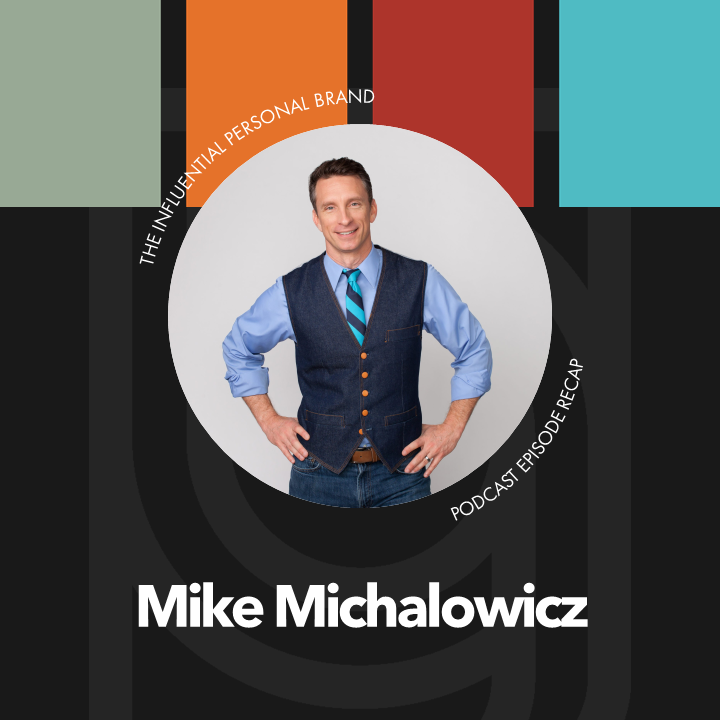
Welcome to the recap edition of the Mike Michalowicz interview on the influential personal brand podcast. It’s your man, Rory Vaden here. Breaking it down for you. I’m rolling solo tonight. We have had craziness. We our three-year-old went to the emergency room to get stitches for the second time, I think in like six weeks. And we also had power without power for a few hours today. So it’s been a wild day, so momma’s not here and I’m rolling solo. And this interview with Mike, I I loved, and I’ll tell you, tell you right up, right up front. Oh, okay. Actually I have an important announcement. So before we dive into this with Mike, I want to let you know those of you that listen religiously every single week. Next week we’re not going to have episodes. All right.
RV: (01:03)
So we’re not disappearing, but just next week we are gone. And we’re not gonna publish an episode, but then we’ll pick up the schedule. So I wanted to let you know that in advance. Okay. So back to the topic at hand, which is the brilliant Mike Michalowicz, and I wanted to say right upfront that if, if you follow brand builders methodology, okay. If you’ve seen our various trainings been to one of our events, if you’re one of our clients, if you’re familiar with, you know, our overall structure we divide our training into four phases. Okay. And each phase has three different sections. Each, so we basically have 12 different sections of our curriculum. They all represent each of the 12 sections is a different two-day experience. So you, you know, people come to it as an event or they get it through one-on-one coaching or our private strategy sessions.
RV: (02:01)
But anyways, so our whole body of knowledge is organized into these four phases. And phase four is what we call eight figure entrepreneur. So that is where we talk about scaling a personal brand into a real business, which almost nobody does, and almost nobody has ever done. There’s so few people who have ever scaled something, you know, to eight figures, scaled a personal brand, eight figures, and then very few who have ever actually been able to sell that or exit that business. And that’s something that we love talking about because we’ve got a lot of entrepreneur, friends, and we, we love understanding like the real nature of small business. And it’s something that we have actually done grown a business to eight figures and then had an exit. Well, this interview with Mike, and then the another interview we did with Jim combi a while back, I would say are the two interviews of all the guests that we’ve had that have focused the most on phase four, which is, you know, eight figure entrepreneur, the concepts and ideas around how to build a truly scalable enterprise, something with, with equity value beyond just the income that it brings to the personal brand.
RV: (03:23)
So I just wanted to kind of give a quick shout out to that other interview with Jim Comey, that if you loved this and you love this concept of like, you know, building a real business as a real entrepreneur, then you should go back also and listened to the Jim combi interview where we talk about business valuation. And also the recap of course. So just a quick mention for that. All right. So my big, my three biggest takeaways here from Mike we’re just so good and so important and so relevant specifically to this concept of scaling a real business. And I, and I honestly think this episode transcends far beyond personal branding as, as a lot of them do, but, but this one definitely applies to, you know, all entrepreneurs in general. And so the first takeaway was sending that, here’s what he said. He said, the big fallacy
Speaker 3: (04:20)
Is top line thinking. The big, big fallacy is top-line thinking, and this is such, this
RV: (04:30)
Is such an important concept because It’s the wrong way of thinking. But it’s like the thing that people brag about is how much revenue do they do. And it’s really like, okay, it’s, it’s one thing to, to measure. But the real question is how much drops to the bottom line, what really shows up in your bank account, right? And it’s like, would you rather be the company that generated 5 million a year in revenue and you kept a hundred thousand or would you rather be the company that generated 1 million in revenue and you kept 500,000 and, and, and the, the, the obvious is the second, right. Specifically for personal brands where it’s like, usually a personal brand is not going to have much equity value because it’s built around the personality and thus, it makes it difficult to actually scale and not to scale necessarily, but to sell to someone else.
RV: (05:30)
Because if you pull that personality out of the business, it’s like, what is left? That’s, that’s challenging, which we’ll talk about, but this, just this concept of focusing on profit, right? And like, you hear this all the time too, of like, Oh, they did a seven figure launch and immediately we go, Whoa, seven figure launch, right? It’s not that seven figure launches are bad. Seven figure launches are great, but in your mind, it’s like this thing that brag about, and you go, well, okay, well, wait a minute. So if you did a seven figure launch and you had affiliates and you paid 50% to your affiliates, now you’re down automatically to half a million, and then you go, all right. And you look at all the vendors, you had to hire to pull it off. And maybe you had copywriters and video editors and video production crew and staging, and, you know, depends on everything that went into it.
RV: (06:18)
And it’s like, I don’t know, maybe, maybe you spent a hundred thousand dollars to make it, and then you go, all right, how much did you run in and paid traffic? Right. And so you go, well, I had to run a quarter million dollars in ads. And so now I got 250,000 there and a hundred thousand. And so it’s like, well, my million dollar launch, really one, I mean, it’s a million dollars in revenue, but 500,000 out the door to affiliates a quarter million out the door to Facebook, another a hundred thousand expenses. What I really had was $150,000. And then after I pay my team and, and my staff and my, all of my overhead, it’s like, what’s really left. So, you know, it just, it’s just a good reminder to, don’t be impressed by external sort of frivolous numbers. And don’t be intimidated by them.
RV: (07:14)
You know, I, I think it’s, it’s kind of similar to social media followers is we can be so infatuated with how many followers that somebody has, right. And you go, Oh my gosh, they got, let’s just say a hundred thousand and go, they have a hundred thousand followers. That’s amazing. But when they post something on social, because of the algorithms, that hundred thousand followers might actually legitimately get viewed by two or 3000 people. So it’s not that that’s bad. Right. It’s w that’s why wouldn’t you want to have more, you, you, you would, I’m not saying that it’s, it’s not, I’m not saying that it’s bad at all, but I’m saying if you had a choice between a hundred thousand social media followers, followers of which two or 3000 of those might actually see your post versus building an email list of 20,000 followers, where you send an email and you get, let’s say a 20% open rate.
RV: (08:18)
So that means you’re reaching 4,000 people. Every time you send an email to 20,000 and you only quote, unquote only have 20,000 on your email list. So it’s like, what really matters at the end of the day, right? Is what’s the real impact we’re making? What, what is the, is the net result? The net gain, not just the, you know, fancy super superfluous kind of numbers. And, and, you know, the other thing is that I think personal brands are a lot like golfers, which is they lie about their score all the time. I mean, personal brands are, I mean, I, I, I don’t mean to like harp on our space too much, but I say this delicately, but man, there’s a lot of dishonesty in what people report. Right. People say crazy stuff. I mean, they they’ll say crazy things like, Oh yeah, I’ve sold a hundred thousand copies of my book.
RV: (09:20)
And it’s like, well, you know, and it’s like, Oh, I sold them in the back of the room. And it’s like, well, you know, by my count, that means, you know, even if you’re doing really great, you’ve gotta be in front of about a half, a million people in audiences to sell that much in the back of the room. So, you know, it’s maybe not that likely. And I, and I’m not harping on anybody. I’m just saying for you, don’t be impressed by fake numbers. Don’t be impressed by things that don’t matter. Focus on the things that really matter. It’s not revenue, it’s profit, it’s not followers, it’s engagement, right. It’s, it’s, it’s not like any of these, there’s so many of these, these indicators, it’s not what people are saying is what they’re actually doing. And be focused on real impact and real reach.
RV: (10:13)
And don’t, don’t be intimidated or impressed you know, too much by the external and don’t allow yourself to be caught up in like, Oh, we made a lot of revenue. And at the end of the day, it’s like I had no money left over. All right. So that’s the first thing, the big fallacy of top-line thinking, the second thing, which is very much related to an eight figure entrepreneur concept is he said, the number one driver of a healthy business is the removal of the dependency of that business on the founder. And this is true. This is the whole crux of our eight figure entrepreneur event, which is the, the problem is dependency. Now for if you’re early in your brand journey, you might want to just skip past this because it’s so advanced. It’s, it’s, it’s not like relevant to most people until much later, but it’s also not a bad thing to kind of be, be thinking about. You know, always kind of having the end in mind is as dr. Stephen Covey said, which is that, You know, you, if you want us, there’s two
RV: (11:23)
Things happening here with your business. One is the ability of the business to generate income, right? Income is super valuable. Income is super useful. It’s like the money that comes to you to pay your bills and do stuff with. And you know, there’s a lot of ways to do that. We talk about the five ways to earn income, what we call the paids. And then we help people look for the dares, D a R E S things that are digital automated, recurring, evergreen, and scalable, the digital automated, recurring evergreen and scalable. That’s a brand builders group, original concept about driving income, but income is different than equity. Income is, you know, like income value is different from equity value. Income is like how much money you bring in home at the end of the day, equity value is what does this business generate an income or, you know, or in profit, let’s just use the word profit, not to confuse things.
RV: (12:25)
What does this business generate and profit without you? If you are gone, if you went on vacation for a year, what would happen to that business? And if the revenues and the, and or the profit would, would go way down, then you don’t have much equity value, which can be okay, right. It’s not necessarily to say that OU equity value is better now in a true entrepreneurial sense. It is. If you’re a quote unquote, a real entrepreneur, and you’re trying to grow a business, then that business would operate without you. But when you’re building a personal brand, you’re not necessarily growing a business, you’re growing an income stream. Now it’s possible to do both. And if you, you know, if you work long-term with brand builders, we’ll talk about that. And we’ll show you how how we do it and what we do and how we delineate between a personal brand and a business.
RV: (13:28)
But they’re both good when they’re both important. And, and, and sometimes they compete against each other because sometimes the way that you build the equity value is to give up income and to reinvest money into the business, into hiring more staff and training and operations and policies and procedures and people, right. But if you, if you want income, it’s like, no, I’m just trying to throw off as much income as I can. So it’s not that one is better than the other. What matters is that, you know, the difference between the two and most of all that, you know, which one is most important to you. And that gets back to why we do one-on-one coaching, because there’s not a right answer. There is a right way and a wrong way to execute certain skills involved in running a business and in PR building a personal brand.
RV: (14:23)
But which skills you need, which strategy you deploy D is dependent entirely upon you. So you can’t necessarily just take blanket advice that is out there for everybody and apply it directly to you. If the answer is, it depends. Should you have a podcast? It depends. Should you launch a book? It depends. Should it be self published or commercially published? It depends. Now, do we know how to do all those? Yes. But path you take is dependent upon everything in your life. What you care about, what you love doing, how much money you have in the bank, how much money you need to make, what are your longterm goals? Like, what do you want to happen with the business one day when you die? I mean, all of those are, are individual factors, but you need to understand the difference of the two. And when you, when we take off the personal brand hat, which is really about income, most personal brands drive income.
RV: (15:20)
And we put on the true entrepreneur business hat, which is what Mike McCalla talks about and is really known for. And it’s what phase four of brand builders group is all about, which is building true equity value, not just income value, but equity value. Those are two different conversations. And when you talk about building equity value, it’s ironic that what got you here as a PR successful personal brand, won’t get you there as a thriving, scaling a business with true equity value, because the more the business is dependent upon you being there, the less equity value it has. Now there’s lots of things you can do to mitigate that, or, or, you know, or to maximize that. But you need to know the difference between income value and equity value. And when you’re talking equity value, it’s all about if it’s dependent on you, you don’t have equity value.
RV: (16:18)
So that was really a clear point for me, a reminder, a refresher and just something that was salient that I thought, you know, we need to make sure that that’s clear for everyone including myself, right. Just talking this out and going, yeah. Let’s, you know, let’s always be reminded of, of this long-term impact. And then the third thing that Mike said, which I’ve never heard him say, because it sounds like this is a subject of his, of his new book, but really hit me hard. And it hit AIG hard as well, even though AIG is not here during the debrief, she, she listened to the interview and she loved it. And here’s what he said. He said the biggest challenge that entrepreneurs face is knowing what the biggest challenge is that needs to be fixed. The biggest challenge that entrepreneurs face is knowing what the biggest challenge is that needs to be fixed.
RV: (17:16)
And I think that is fascinating. Right. I, I, and I think that as super, super interesting thought the, and, and I’m, I’m, I’m really interested to see what my, you know, Mike, how he lays this out in his, in his new book. And I think it is super important because if you don’t know, what is the next biggest challenge in your business, then what you do is you dilute all of your resources and your energy and your focus, trying to solve a lot of different things. A lot of insignificant things, a lot of trivial things. And this is where I think the focus funnel from my Ted talk, how to multiply time in my second book, procrastinate on purpose, where we, where we invented the focus funnel, and we presented it, the focus funnel is meant to help people figure out what is my next, most significant thing.
RV: (18:16)
What is the, the most important use of my time today? What is the thing that multiplies my time? And how do you multiply time? It’s very simple. And we invented this concept. Well, we, we, yeah, we invented the concept. We, we articulated it as you, and you multiply time by spending time on things today that create more time tomorrow. That’s it, that’s the subject of my whole second book, procrastinate on purpose. And, and the Ted talk had a multiply time, which, you know, are both based on this concept. So the focus funnel, which is the tool that we introduced in my Ted talk helps you identify what that is. And I haven’t read Mike’s new book. I’m really interested to see it. But, but I really think that that insight that he shared is super important, super powerful of going, not just solving every problem that exists in your business, but asking which problem is the most significant to solve, which is the next most significant thing, which problem do I need to solve that by solving that problem?
RV: (19:31)
I solve several others. Now I think for most people it has to do with, you know, lead generation and revenue generation. I mean, for most small businesses, that is their problem is their revenue isn’t high enough. They don’t know enough about marketing and sales, which, you know, I would say marketing sales and leadership influence is, is our area of expertise. It’s been our whole career. And that’s why we, we talk a lot about it, but you got to have some system in place now, for some of you, that’s not the case. Some of you have lots of revenue, right. But it’s, you’ve got more of that. The thing we talked about earlier, the top line thinking fallacy. And so your real problem is, is figuring out how do I keep it? And so it’s more about expense reduction and system systemization and, and optimization and reducing waste and things like that.
RV: (20:24)
But all of us need to have some process that we go through, even if it’s just thinking about what is the next most significant problem in my business to solve now inside of marketing specifically. And we’re not gonna have time to go through all this right now, but, but when we teach eight figure entrepreneur, we talk about the eight departments that every single business has, no matter how big or how small eight functions of every single business. And the reason it’s so hard to be a solo preneurs, cause you’re doing all eight of them by yourself, but in the marketing department specifically, which is one of the eight and really in all the departments, data is one of the best ways to know. And so for those of you that have funnels and you have traffic, but you’re not making profit, or you’re not keeping it, or you’re, you’re spending it all into ad spend.
RV: (21:30)
You need to become really, really good at tracking it and using data in what we use is digital dashboards that we set up to report on not only just our funnels, but all of our online traffic, all of our different traffic sources, including free traffic and paid traffic. And by the way, there’s a great interview. You can go listen to that we did with Aja Jaeger and Megan canal from Praxis metrics. We did an awesome interview, just talking about data, but, you know, I would say in terms of tools for you to use, to identify what is your next biggest challenge one, you know, it would just be thinking the second would be the focus funnel. So go watch my Ted talk. If you’ve never, if you’ve never watched it seriously, go watch it. Like it’s 18 minutes. It will. I mean, as humbly as I can say, this it’ll change your freaking life.
RV: (22:28)
I mean, it is, it’s, it is that powerful of a concept. And, and, you know, even though we kind of coined the term, we learned it from studying and profiling, lots of hype ultra performers, but go watch that. So the focus funnel would be your second tool. And then the third tool that ultimately you want to get to long term in every department of your business is using data to tell you what is broken and what needs to be fixed. And you know, so in our phase three experience, we have a phase three topic. One is called high traffic strategies. And that is where we teach digital dashboards. And we talk about breaking down every stage in the, in the funnel to identify where is the breakdown? You, we do a similar thing in that’s in the marketing department. We do a similar thing in the sales department when you create sales pipelines. And the reason you have to create a sales pipeline is again,
RV: (23:27)
So you have these stages, you have these, these checkpoints that you are measuring against and optimizing for. So that’s a lot, those were three, just big takeaways. You know, don’t get sucked into the fallacy of top-line thinking, make sure you, if you’re trying to build income or equity value. And if you’re trying to build equity value, that means that the business can’t be dependent upon you. And then number three, have a process and method for identifying what is your next biggest challenge that needs to be solved? Mike is a I’m in truly, I think one of the smartest guys that I’ve, I’ve met in this space, fabulous interview, make sure you listen to it. Of course, check out his new book that we talk about as well as, you know, profit first that is, is kind of his perennial long tail bestseller. And you can check out more with Mike. Thanks for being here as always keep going. We want to, we want to continue to support you. Thank you for tuning in we’ll catch you next time on the influential personal brand.
Ep 122: Becoming a Profit First Personal Brand with Mike Michalowicz

MM: (00:06)
[Inaudible]
RV: (00:09)
Hey, Brand Builder Vaden here. Thank you so much for tuning in to listen to this interview, we are so excited to bring you this information and wanted to let you know that, Hey, there’s no sales pitch coming from anything that we do with this is all our value add to you and the community. However, if you are somebody who is looking for specific strategies on how to build and monetize your personal brand, we would love to talk to you and we offer a free call to everyone that’s interested in getting to know us and is willing to give us a chance to get to know them and share a little bit about what we do. So if you’re interested in taking us up on a free strategy call, you can do that at brand builders, group.com/summit. Call brand builders, group.com/summit. Call, hope to talk to you soon on with the show.
RV: (01:03)
Mike Michalowicz is a new friend of mine, and he is a friend of friends. I actually met him at a mastermind group here in Nashville, and ever since we’ve, we’ve kind of been circling a couple different groups of, of authors and some mutual friends, Donald Miller, John Gordon, but he is the author of a huge best-selling book called profit first. And it is a long what we would call and referred to as a long tail bestseller, which are the books that I really, really respect the most. He also wrote a book called clockwork surge, the pumpkin plan, and then his newest books newest book is called fix this next. So he’s a writer, he’s a personal brand, but he also by age 35 had built and sold two companies. So one to private equity and another to a fortune 500.
RV: (01:59)
So he has the experience of being an entrepreneur and being a personal brand and writing about it. He used to also write for the wall street journal. He’s done a lot with business make-over special as a, as a business makeover specialist on MSNBC. And he’s just a great guy. So anyways, Mike, welcome to the show, Rory, thank you for doing this mask. It’s good to be here with you. So can I ask you about profit first because you know, I kind of, you know, tongue and cheek referred to myself as, as you know, a best-selling author, but I’m always been jealous of the people who sell, who have the books that sell week-in and week-out hundreds of thousands of copies every single week and profit first. It just, it is that book in, in the space of entrepreneurs. How did you, how did that happen?
MM: (02:54)
So, yeah, it’s a great question. I think what, how it happened. So first of all, let me qualify. You know, sellers become so bastardized. Like that’s the one thing I avoid. I got, well, I like now is a perennial popularity. Like, can you have something that’s perennially popular? And to do that when I was running profit first,uI wrote the book and I have this actually on my wall. I asked certain questions to myself. The first question is, will this concept be relevant 100 years from now? And because it’s for longevity, meaning if I wrote a book on like, you know how to advertise on Facebook, the longevity can be six months before they changed the engine again. And that would not qualify for what I’m looking to do. Uand then I put this, does this where on the Maslow’s hierarchy of needs is this so financial security is, is right there at the base level, needs up there with a breathing air and drinking water and eating food.
MM: (03:49)
So I determined where it is on there. And then probably the most important thing is, do I have a concept that is as fresh or new and perspective? So it’s this it’s this, maybe it’s the same old story, but told in a way that hasn’t been told before, or maybe it’s a new application, something that’s established and profit first is the pay yourself first system. So it’s not a new concept, but that’s always been in personal finance. I think it’s the first book that translated to business finance. So what I saw as it had life address a core foundational need for humanity, and it was, it was something that was was foundational in its execution. It was something that would work and that I think contributes to why it continues to sell.
RV: (04:34)
So that, did you, so talking about that, so one of the things that we described as thought leadership is kind of forwarding the thinking that has been done now advancing the conversation, not just regurgitating it. And what you just said was interesting. You said, it’s the pay yourself first concept, which is a concept that’s existed in personal finance, but you kind of brought it to the entrepreneurial community. Did you do that deliberately? Like, did you actually have that thought of like, Oh, this is a great concept over here that I should bring over here or was there,
MM: (05:07)
You know, what’s so funny in hindsight, so clear it’s like, of course that’s I saw that and I didn’t think about it. Maybe. I didn’t, I’ll say I conceived it was, I needed it for myself. So I was an entrepreneur. You should, you know, you share all the highlights. Really there’s more low lights than highlights and that’s true forever entrepreneurial story. It was in the low lights. I’m like, I was so frustrated. I couldn’t consistently make money. I couldn’t retain it. And I built and sold a couple companies. Yeah, fine. But those companies were never fiscally healthy. I did a really job running those. I was lucky in hindsight to sell those companies really? Yeah. Oh totally. I’m right place, right. Time. Right. Need from the acquirers. But not that they’re like, Oh my God, this guy is a genius. Uthat, that, and other things woke me up to my gosh.
MM: (05:54)
I’ve got to figure this out for myself. So once I had it figured out, I for myself, I said, Oh, this may translate to serving other people. I base it for myself on the payer self source system. Like, you know, how do you make money? How do you save money? And all these methods came up with think and grow rich richest, man in Babylon, you know, books and concepts from hundreds of years ago. And I was like, Oh, I need this personally. But by income sources, my business, let me apply to my business. I started doing it there. Once it started becoming, once it start getting traction for myself, I wrote an article in the wall street journal. And that’s when people started saying, Oh my gosh, I’m doing this. Where’s the book. So that brought about the book. It wasn’t such a deliberate, Oh my gosh, I’m taking an idea here. I’m moving here. I get this kind of, kind of to forming clay. It became that.
RV: (06:43)
So talking about the company. So this is important too. So how do you think the profit first? So not, not the book, but the actual concepts in the book. How do you think those apply to personal brands? Or can you talk about that? Because you know, a personal brand is interesting. It’s like you are both a personal brand and you are an entrepreneur. And so that I think is something that, you know, it’s amazing people talk about how many followers they have or how much revenue they do in launches, how much their speaking fee is. But in reality, how much are they actually keeping can be very, very little shockingly little. Yeah.
MM: (07:18)
Yeah. And it does it, does it add stuff matter? I remember when Twitter was getting popular, a, a, a person of influence in the Twitter realm was bragging effectively about the number of followers they had. And this person said just referenced your Twitter handle. You’re about to get X number of followers dot, dot, dot you’re welcome or die. You’re welcome. And does it really matter? I think at the end of the day, when it comes to financial viability, it’s how much money you’re retaining. So I would say profit first absolutely applies, listen, you may have one follower on your Twitter handle and they send, they spend $50 million with you. Here are the winner
RV: (08:02)
Winner, the winner.
MM: (08:04)
So I don’t know if those numbers matter. I listen and I try to get over my big fat ego constantly. It gets to my eye. And so if I have X number of followers, I’m like I only got mad at God and I’m comparing myself. I fought that same stupid game by realize at the end of the day, only thing that matters is for my business to continue, it needs to be financially viable. And the only, the only factor for that is profitability. If there is no money to live by and the businesses done, it’s all done. So profit first applies. It’s a system of as all these different sources of influence you have, as it becomes monetized, how much are you retaining, which then supports the longterm viability of the company. And also by the way, financial freedom for ourselves, like a profitable company, supports a profitable lifestyle, a lifestyle where you don’t have to worry about bills and you can be very comfortable. And then, you know, when you have that confidence, you can be even of greater service to your clients and followers.
RV: (09:03)
And so what do you think are some of the big mistakes that, that entrepreneurs make, if you can specify them to personal brands like you know, but this is also financial advisors, professional services, direct sales, like these kind of like very micro entrepreneurs and solo preneurs. What are some of the financial mistakes they make that compromise that, that viability or that financial health?
MM: (09:28)
I think, I think the, the lead bait concept is, is misunderstood, are MIS poorly executed. I should say. I think people go too far with it. So I’m very biased toward books, you know, you and I, and a group of authors had a call yesterday, actually just exploring how books work and stuff. And like, that’s, I thirst to understand that stuff. And I think some people publish books as lead bait, but a book, at least from my purview is, is something that has a permanent as permanent as it sticks as a historical document. That for whatever reason, when you say something in the spoken word versus the written word, the written word is seen as gospel. And the spoken word is seen as, as you know, flighting or fleeting. And I think some people put books out there and say, this is my lead bank, you know, free bucks spend $7 for shipping and you get my book.
MM: (10:22)
And I don’t realize, I don’t know if they really appreciate that, that book when someone receives it, it’s going to sit on the shelf for a lifetime. And if it isn’t the best, if you didn’t put your, every blood, every drop of blood, sweat, and tears and soul into it, you’re compromising your brand on the longterm. So it’s a short-term window. I can plop a book on a table and say, look how knowledgeable I am. But when people start to consume this, you actually maybe compromise your brand longterm, short financial gain for long-term financial agony. Then you, then you gotta just keep on kind of popping. Like what’s the new lead bait I can do. I think we give away when we give away free stuff, we’re giving it.
Ep 121: How To Build and Manage a Membership Site with Chris Ducker | Recap Episode
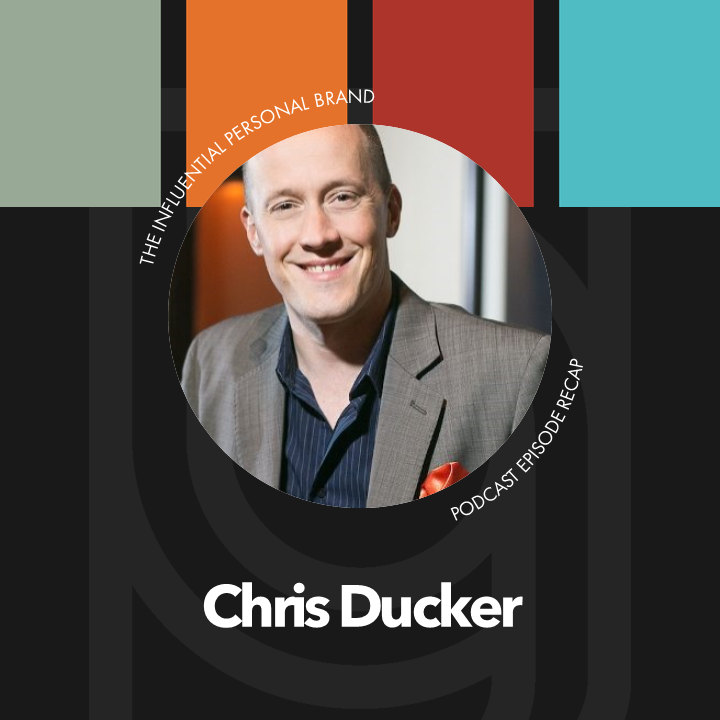
Hey, welcome to this recap edition of the influential personal brand podcast. It’s your man, Rory Vaden breaking down the interview with my good friend, Chris Ducker. I’m rolling so low on this one agent. Couldn’t be here, but I’ve known Chris for so long that I think it’s apropos that I got a chance to learn from him. And to just share with you, I think some of my highlights from somebody who I consider a friend, and I think that the first thing that Chris said that stuck with me was super simple and it’s related to something that we say ish, you know, like we, we, we talk about this concept a lot, but there was something about the way that he said it, that really,
Really resonated with me in, in a fresh way. And, and that was this, he said, when you’re building your personal brand, just focus on becoming someone’s favorite on something, right? Like, so we talk about finding your uniqueness. We talk about you know, staying, staying focused. If you have diluted focus, you have diluted results. So we kind of talk about it, like from the lens of you, of like you doing the work and our, our, our brand DNA experience is all about taking someone through these exercises to figure out what is their uniqueness. Right. But when he said it that way, it’s almost like coming at it in the reverse, it’s thinking about from your customer or from your, from your prospect’s perspective, what could you be someone’s favorite resource for, I mean, that’s such a good question. We should probably consider adding that question.
I mean, he didn’t say it that way. He just said become someone’s favorite about something, but to, to, to translate it, I guess, to a practical question and you know, maybe, maybe we should actually include, this is it’s it’s so good is to say, what could I become someone’s favorite resource for that causes you to ask the question, you know, it’s another way of coming at your uniqueness, but it also has the kind of the entertainment aspect of it to be like, you know, what do I learn the passion question of, what do I love? What am I good at? What do I know so well that I could just, you know, I could teach it in a way that so many people would, would absolutely just love it because I, I love it. And I know something about it. So that’s a question that I would, I would encourage you to just maybe think about for the week, what is something that you could become someone’s favorite resource for and think about it, think about it as the consumer, right.
As you think about, okay, who is my favorite person to follow that has spiritual messages. Here’s, who’s my favorite person to follow that has financial information. Who’s my favorite person to follow with like, you know, technology tips. Who’s my favorite person to follow in my industry. Who’s my favorite person to follow on like you know, fitness and nutrition and right. Like we another quote of mine, not a, not a quote of mine. Another one of my favorite quotes is from a guy named Scott McCain, Scott McCain, as a, as a mentor of mine. And he’s a hall of fame speaker and a bestselling author and all that. And, and one of my favorite quotes from Scott McCain, as he says, mind, share precedes market share. So it’s almost like, you know, the human brain, it’s almost like, there’s like these it’s like a filing cabinet, right?
And so we have a file for like, who’s our accountant and who’s our doctor and who’s our eye doctor and all that stuff. And so it’s people want to be able to like put you in a file. They, they want to be able to like, when I have this problem, this is the person I call. So you, you want to reverse engineer that and go, okay, what is the thing that I want people to think of when they think of, when they think of this, they call me I I’m their favorite resource for it. I’m their go-to person on it. I’m going to occupy that space in their mind. I’m going to work to own that question and to become their favorite resource so that when they have a problem that they need solved, they’re immediately going to think of me, mind is share proceeds market share.
So but anyways, the way that Chris said it was become someone’s favorite about something. And I just thought that was super simple, but super fresh in a different way of thinking about this, all important idea of finding your, your uniqueness. The second thing that he mentioned, which I really love, just because we don’t talk a lot about it. Like we don’t talk about pricing. We haven’t talked a lot about it so far in the other episodes now we have one of our events, one of our topics is called building your revenue engine. And then in the revenue engine, you know, we teach about offer structure and pricing and how to lay out your offer in a way that gets people to buy, et cetera, et cetera. But a lot of our guests, we haven’t had very many guests on this show where that has kind of come up.
And one of the things that Chris said, which I think is a very salient, you know, important nugget that you, you might’ve skipped over, but I think it’s a really big deal. And it was a, it was a big reminder for me too, is he said we almost never discount things. We almost never discount things. And I find that to be a really important principle. Like I would actually consider that to be a core financial principle that we would, we would talk more about later on in like our eight figure entrepreneur curriculum and event, which is, you know, there’s certain financial ways of thinking that are really important. And I think discounting is one of the big mistakes that people make is they just get into this habit of discounting. They set this culture of discounting. You know, when you start to scale your business, you have salespeople and then salespeople think, Oh, I can just go out and discount stuff.
And I mean, think about this for just a second, about how negative, how negative discounting can be. Right. So generally speaking for many, many businesses are for most businesses, a 10 to 20% profit margin would be really good. So like, I mean, break even it’d be 0%. Right. And that’s hard to do a lot of most businesses never succeed because they they’re never able to break even. And 10% profit margin is like, okay, that’s healthy. And 20% is like, all right, you’re, you’re crushing it. Like you’re killing it. Right. So think about discounts. Think about like coupons. Usually, what, what do you think is the most common percentage that people give away when they discount? You know, usually it’s like 10% or 20%. Like now when you go to department stores and stuff, sometimes you’ll like, see deal for 30% off or whatever. Now, you know, that’s a totally different model than a personal brand, which is a professional service.
But even in service-based businesses, 20% can be very difficult to get to if you start having a staff and a team and you really start to scale a real business. So when you do a a 10% discount or 20% discount, what did you just do? You gave away the profits of the business. That’s what happened, like all of the work and the time and the energy that would have gone into creating a successful customer acquisition and making a sale and delivering a service and making a reasonable, healthy amount of profit. All of that disappeared with the discount. Now, when we give discounts, we think, Oh, 10% is not a big deal. Even when we get discounts, right? Like if I said, Hey, I got a 10% discount for you. You probably would be like, man, whatever. But when you put on your entrepreneur hat, when you put on your business owner hat, when you put on your CFO hat, when you put on your do I have resources to invest back into a team and to grow this thing, if I gave a 10% discount, I just gave away the profit.
I just, I literally gave away the whole financial reason of being in business. That means that every, all the work that we did to find customer, you know, find a prospect, introduce ourselves to them, make them know who we are, earn their trust, make a sale, deliver a product, make them happy. They have a great experience. We did enough to pay our team, pay our employees, pay the, you know, pay the government, pay whatever, and literally nothing left over. Right. So discounting is, discounting is extremely detrimental. Discounting long-term is extremely detrimental, which, you know, if you have to do it initially to get some customers and to build some credibility, you know, I guess you do that or did to build momentum around a book launch or something like that. But it is not something that can be a part of your core business for you to scale a truly successful long term enterprise.
So, you know, and now, and what he said, which I also appreciate is, so what do you do? What you do is you add on bonuses and you can add on incentives and you can, you can do promotions. You know, like if you’re trying to create urgency, you’re trying to get someone to action. What you do is you add on something, you add on some type of of a bonus, but you don’t discount the actual price of what you collect. And if you’re building a personal brand, that’s one of the most amazing parts about being in this space is that you can create a lot of digital assets, right? Like block two hours on your calendar record of, of some videos or have a long video training. And now you have this really incredible bonus that you can offer without compromising the profit margin of your business.
So that’s just not a lesson. We hear a lot. And I thought that was really good. And then the third thing which I always love. I mean, you’re just, I think you, you, I never get sick of tired talking about it, but again, the way that Chris said it, I thought was cool. He said, do the unsexy work? Do the unsexy work like so many people get into the personal brand space specifically because it’s like, it looks glamorous, right? Ooh, I have a book, I’m an author. I’m on stage. I’m leading a webinar. I have a lot of social media followers, you know, whatever I’ve got endorsements from all these people. And yet it’s like that, isn’t the job. I, it takes me back to an episode, another really great episode that we had a while back with David Avron, who truly is one of my most influential mentors in my life.
And he was talking about getting speaking gigs. And he said something on our interview that I’d actually never heard him say, or it never stuck with me. What Dave said is he said, you know, speaking is not the business. It’s getting the speaking gig, which is what the real business is. Everybody wants to be a speaker, right? Like being on stage speaking is the fun part, but that’s not really the business. The business is getting the speaking gig. And that’s what, that’s what you need to, you need to be willing to do the unsexy work. You have to take the stairs to, to use the metaphor and illustration of my first book. In fact, there was an interview. There was an interview in the take the stairs book, one of the ultra performers that we profiled. I’ll never forget this guy. I haven’t talked to him a long time, but he’s a total stud, his name is Chad Goldwasser.
And at the time he was like the number one agent in the world out of like 76,000 agents for, for Keller Williams worldwide. And we profiled him for the take the stairs book. And Chad said, you have to learn to fall in love with the daily grind. Not just deal with it, not just get by, not just like stomach it and be okay with it. The real measure is can you fall in love with the daily grind? Can you fall in love with the hard stuff? Can you learn to embrace and enjoy the, the challenge and the struggle of the day to day? Because that’s, that’s how you’re going to make it right. Everyone can make it when things are easy, everyone can make it when the economy is booming. The question is, can you do the work when things aren’t going well, will you do the unsexy work?
Will you take the stairs? Will you fall in love with the daily grind? Because if you cannot or you are not willing, I think maybe you should just pull the plug on the thing right now, because that’s what happens to most people. Most people hang around while it’s fun while it’s easy, while it’s super lucrative. And then it’s like the moment it gets difficult, they’re out. But if you just resolve and decide and commit right now, and you say, I am going to do whatever it takes, I am going to become whoever I have to become. I am going to build the business in whatever way I have to build the business to get my message out into the world, because I believe that is the calling for my life. And I am, I am going to be driven by purpose and driven by calling and not driven by financial incentives or what is easy or what is convenient.
If you can make that decision right now, you will make it. You will make it. You will simply outlast everyone. You’ll figure it out. You’ll stay the course succeeding in this business. And really in any business, isn’t rocket science. It’s about commitment and determination and discipline. The same thing we’ve been talking about would take the stairs ever since I’ve stood on stage is discipline. And, and you hear these people come on like Chris Ducker and say it. And so we’ll say it over and over and over again. And we’ll highlight that you hear the true story, right? Like the reason we’re inviting these people on this podcast is so that you can hear the true story. You know, not the stuff you see on social, not that you see on their website, not that looks pretty.
You can hear the true story of some of the biggest personal brands in the world. And you can hear them tell the behind the scenes reality of what it took and what it takes to operate at that at that level, at their level, because that’s what we want for you. We want you to become that person. We want you to follow that calling. We believe that your message matters. We believe that you can become that person and that that calling on your life is inevitable to come true. If you stay the course, you follow some principles, tenure simply be disciplined. Thanks for being here. We love you. We’re cheered for you. Make sure you keep coming back. Come on back. We’ll catch you next time on the influential personal brand.
Ep 120: How To Build and Manage A Membership Site with Chris Ducker
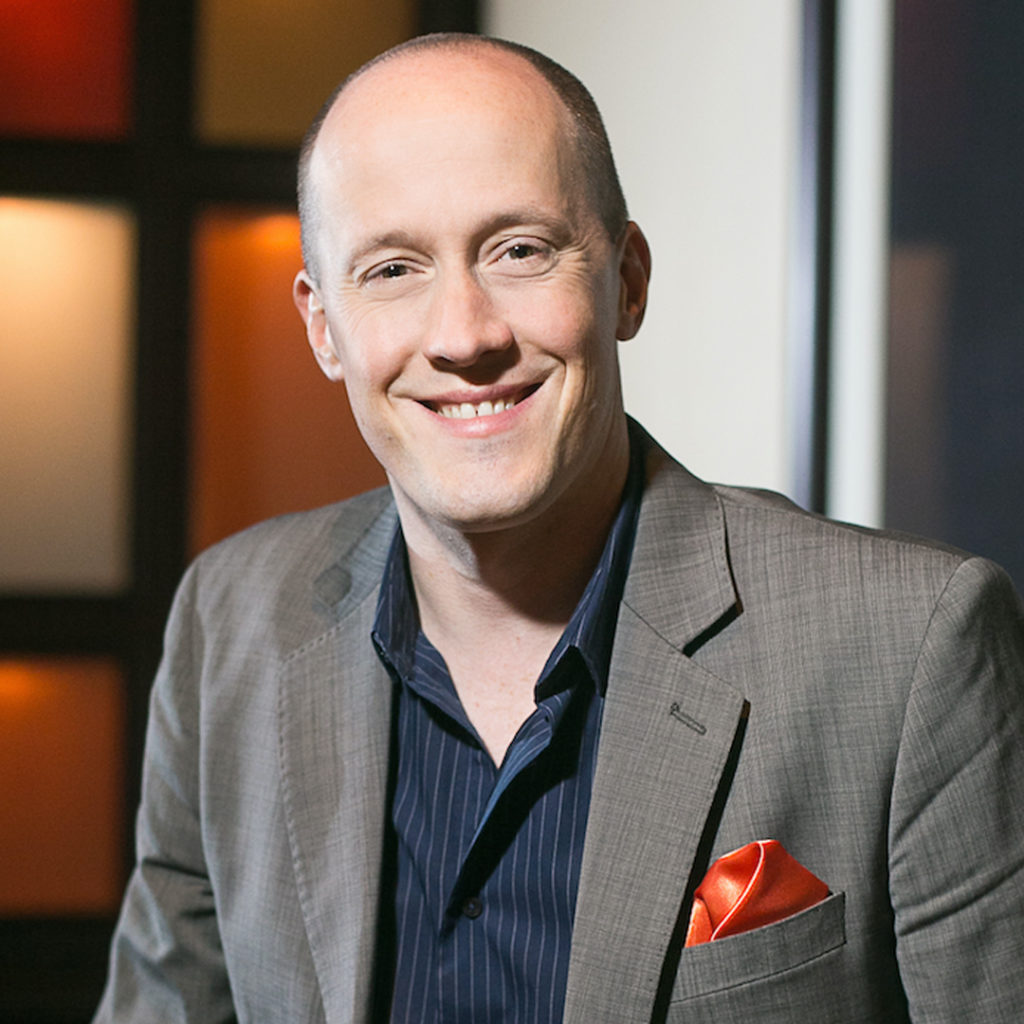
Hey Brand Builder Rory Vaden here. Thank you so much for tuning in to listen to this interview. We are so excited to bring you this information and wanted to let you know that, Hey, there’s no sales pitch coming from anything that we do with this is all our value add to you and the community. However, if you are somebody who is looking for specific strategies on how to build and monetize your personal brand, we would love to talk to you and we offer a free call to everyone that’s interested in getting to know us and is willing to give us a chance to get to know them and share a little bit about what we do. So if you’re interested in taking us up on a free strategy call, you can do that at brand builders, group.com/summit call brand builders, group.com/summit. Call. Hope to talk to you soon on with the show. Chris Ducker is easily one of my favorite Brits and probably like
I’m literally the only British person. You know, I think that is not true. That is not true. I would say that
Not true. I know quite a, quite a bit of British people, quite
A few Brits,
But man, he is amazing. I met him through Jay Baer, which just, we have close personal friends. Y’all know how much I love Jay Baer. And one of the reasons I love Chris because he’s a real entrepreneur in addition to being a, a phenomenal personal brand. So he’s written two books that are awesome, Virtual Freedom and Rise of the Youpreneur, but he owns and operates real companies. In fact, he has 350 full-time employees, mround the world. He’s got businesses in different countries. Umne of which is called virtual staff finder. For those of you looking for virtual assistance, we’ll, you know, we’ll talk more about that later. Um,t he’s also a blogger, you know, he’s a podcaster he’s, he’s got a great following. He’s built a huge personal brand himself. Uh,’s a speaker. He hosts an annual summit, u,,lled the Youpreneur summit, which, u,ually I think is in Cambridge or in England and is in London.
Okay. So he doesn’t event every year. And you know, we have a lot of overlap in terms of friends and audience and philosophy. And anyways, I just loved this guy and I, I, you need to know about him and what he does in his businesses and specifically his online business, which is the smallest part of how he makes his income because he’s got real companies doing real stuff. But he has a really big Academy called Youpreneur. It’s a membership Academy and I wanted to talk about how we built that and what does it take to really month in and month out manage a membership site because there’s good things and there’s bad things. And so anyways, Chris Ducker, my favorite Brit, glad you’re here. I’m glad
I just want you to keep talking about me. This is great. I could listen to you for hours.
Well, AJ always tells me she’s like, your introductions are too long. And I, and I, you know, I listened to everything. most everything AJ tells me, but I think it’s important cause I want you to know how much I love you. And I want, I want you listening to know every person that I bring on is here for a specific reason of someone that I learned from. And, you know, there’s you do so many of those things, but youpreneur.com, which is really the Academy, the membership site. I feel like Chris people, I feel like so many people get excited about a membership site. They start it, they run it for 15 months and then they’re like, this sucks and I’m out and you’ve done it. So how long have you done it?
We we have just hit our fifth year at the Youpreneur Academy. Which is fantastic. I mean, throughout the course of that time, gosh, I don’t know exactly how many people have swung through those doors. If I had to put a number on it, I’d say probably around about 3003 and a half thousand people have joined that period of time. We float anywhere between, you know, based on pre, you know, promotions and kind of mini launches to our lists and things like that, or float anywhere between kind of like six 50 to nine 50 members at any one time. So it’s a good sticking rate as well. I think the majority of people stick around for about a year and a half or so. Uyou know, but, but here’s the, here’s the big thing. I think the one reason why memberships, mome and go so quickly is because man it’s work that people that people think that it’s like passive income or something equally as sexy. And it’s definitely not passive. It’s probably about the most, you know, other than say, like coaching one-on-one or as well, we do, we do.
One-On-One like, it’s
That you guys, you guys would not be good poster Childs for the idea of passive income, but that’s your model you see, and that’s what everybody loves about you. And so look, here’s the deal. If you want that recurring reliable income on a regular monthly basis, you need to show the heck up every single month as well. And we do that. We do that through, you know everything from, you know, video training that goes live every month, right? The way through to a massive archive of stuff. We, the funny thing is actually we don’t produce that much new content on a monthly basis anymore. We’ve been gone well, we’ve been going five
Years, five years. You
Can talk about building relationships and, you know, providing solutions to people’s problems and packaging, your experience, which is what we do and what we’ve done, but what we, what we have been doing really successfully over the last year and a half or so is going in and revamping stuff and re kind of touching stuff up to bring it kind of more up-to-date and things like that. But there’s still a lot of stuff. I mean, without a doubt, the most fun that I have with the Academy is our monthly chit chats, which is where I get to sit down 99% of the time in person. Cause as you well know, I travel a lot and we actually usually, you know, when we’re at a conference or something, I’ll hire a suite and we’ll bring a crew in for an entire day and we’ll film like six videos in one day and then that’s our content for six months. You see? Uand you know, we actually, even though I haven’t recorded anything since March this year, which is the last time you and I saw each other in San Diego,uwe we’ve still got content good until like February next year. So, you know, we’ve
Six hours. So you batch are, are, are those like six hour long videos or are there
They run for about 30 to 40 minutes on average? I mean, how long are you going to actually honestly sit and watch two people talk to each other with like, you know, two different camera angles, you know, like people’s span of attention, pretty poor nowadays as it is. Right. But we, you know, we, we, we do great con you know, we’ve had some incredible people that we’ve sat down with over the years and that
Strikingly mediocre people like Jay Baer and Elsner Pat yeah, Pat Flynn, I know that given a large, large number of very average, average people, [inaudible] one time just wore the pants. I,uyou know, I think what it is is that that’s me,
I’m more of a talker than a typer. So, you know, I like to podcast, I like to do video work. I like to speak on stage and I like to coach and train people. And so everything else that revolves around the Academy and then also the incubator, which is kind of our higher level membership, which is more kind of one to group coaching. So if you imagine,
Are you comfortable sharing the prices with just like, so we were totally, yeah. Kind of give us a sense of like how many people and how difficult it is.
The, the Academy is 39 us a month. That’s it that simple, right.
I know I’m American, but we do have people who listen, but I appreciate that the, the th the, the U S translation, but I’m, we travel a lot. We are quite international,
Actually. It’s funny, you mentioned that on genuinely, because, you know, we, we have a massively like big worldwide audience as well. We’re very blessed like that. And so the question actually did come about, you know, what are we going to do? How are we going to charge? Are we gonna do it in GBP? Are we gonna do it in Euro? Are we going do it in the U S you know, USB? Those are really the only three currencies we talked about when we launched you know, online and Euro was kind of ditched pretty much straight away because people in Europe are used to paying, you know, in USD for stuff online. The, the, you know, the British pounds things was a conversation that went on probably for too long, purely, just because of the fact that I’m British. And since two years ago, we’ve now been based here, back in England. Whereas obviously, as you well know, we’re over in the Philippines for 18 years. Right.
So just, just for everyone to catch that, like you built these businesses living and operating and doing business in the Philippines, you moved for 18 years from England to the Philippines. I mean, that’s a, I don’t know. I mean, you’re definitely my favorite Filipino. Like, I don’t know. I don’t think I know very many and that’s, that’s amazing. Yeah. And I’m pretty sure you S you were charging us dollars when you were in the Philippines. I’m selling a very international membership site.
Totally. And I mean, you know, our businesses, you know, the, the larger of the businesses is fundamentally a B2B call center facility. So we, you know, we bill in USD and we pay all our bills and Philippine pesto, and it’s very, very profitable. And so with the Academy, it, the USD, it was just, you know, the other conversation, a lot of people have this who maybe are not, US-based, they’ll have this issue of if I’m going to write in English, obviously if I’m in Germany and I’m talking to a German audience, I’m writing in German. But if I’m international outside of the United States and I’m writing content in English, do I go with a U S spelling or do I go with British spelling? And that was an open discussion that we actually add to have. But, you know, we went, we do everything in American English. We do everything in USD billing mainly because of the fact that internationally pound for pound, the U S way of writing and charging for products and services online specifically is more universally accepted. So for your, all of your podcasts listeners slash viewers that are listening to this, there you go. I’ve just solved the problem.
Well, that is, and it makes me not feel quite as such a self-centered American. Even though that, that you, you know, so that’s interesting that that’s actually really helpful to have your perspective of that’s a conscious decision that you’ve made is just kind of the most transferable or universal. You know,
The thing is, you know, ever since my know, ever since I kind of got in, you know, left school and I didn’t go to university or college as you guys would call it. And so I went straight into the workforce strain and sales and marketing for a publishing company. I only ever had two jobs in my life prior to setting up my own firm. And,uit, it’s always, I’ve always dealt with people on an international setting. So pretty much from week one, I was talking to people all over Europe, for example, based in the UK, mhat when I went over to the Philippines, you know, set up the firm, et cetera, et cetera, I, you know, instantly knew that America was our big melting pot of prospect of customers. So, you know, it’s just one of those things. I’ve always done business on an international setting. Uh,u know, everything from time zones to international dialing codes, they’re all up here, baby. I don’t need to look any of them up so,
Well, yeah, I mean, you got tired, you got dialing codes, you have currency, you have taxes, there’s you have the writing. Like, [inaudible] like, like you’re saying the American English those are a lot of things. So, so $39 a month also gives you a very, you know globally affordable you’re factoring in certain countries that it’s like 99 a month. Like our lo our lowest price point is 99 a month, but you’re, you’re able to probably capture a much, a large percentage of the, of the world that maybe the 99 a month. Isn’t
The thing is, look, this, this is the way I look at it. Right. whether you’re just getting started online and you want to learn, you know, you want to learn how to build an audience properly and to, you know, become, I always say, you know, that you’ve got to try and become somebody’s favorite, right? So whether you’re looking to become somebody’s favorite podcaster or blogger or YouTube, or live streamer or whatever it might be when you get started, it’s good to have something other than just non-stop Googling that you can go to, that you can converse with other people that are in a similar situation and kind of learn from and brainstorm and you know, that kind of stuff. Right. But then the flip side of that kind of beginner coin is that there are people inside of the Academy who have been in business for 10 plus years, who are already running very profitable businesses, but I’ve never considered personal branding, or as I call it building the business of you ever before, it’s something they’ve never done.
And so, yeah, I’m, I’m profitable. I make money. But I’ve got no idea how to you know, build, build my website out properly to position myself as an expert. I’ve got no idea how to utilize my uniqueness as a person and my personality and my experiences to be able to bring in additional business et cetera, et cetera. Right. So this is, you know, the Academy really kind of just like it ticks all those boxes at a low price so that anybody can really afford it. Some might say, well, why don’t you just give it away for free? The reason being is because I didn’t give anything away for free. It’s really that simple. My time is a premium. And if it requires my time, even just a couple hours a month, if you want it, you’re gonna have to pay for it.
It’s really that simple. And so that’s why, you know, that, that’s one of the reasons why we got around to,ulaunching two years ago, the incubator, which is like, kind of like the next tier, mhich ends up, you know, it’s like 2,500 bucks for the year and us dollars. Yeah. And, and, and, you know, that is, you know, more time with me each month as a group one to many, no, one-on-one coaching one to many. Um, you know, it’s a smaller group of people, uh s up being around about a hundred people or so at any one time, some people come, some people go, um,a uh,i great because you know, those who do stick around for that entire year plus, uh,t see incredible, incredible growth. Uh, ioesn’t take much.
And, and, and even though you, you said you’ve been kind of hovering steadily between 600 to 900 members, you know, 40 bucks a month. That’s still, you know, whatever 20, 25, maybe $30,000 a month. And you’ve got, you got expenses, you’ve got some staff and stuff, but that’s, that’s a, a nice, healthy stream of consistent revenue that helps like pay the bills. And then the incubator becomes a little more profitable and a little more time. And then, you know, most of your time, your personal time, you’re actually putting into these other, other businesses. And so how do you, how do you fill it? How do you fill the membership? Okay. So I, I really love that it’s work, like hearing in that truth is important. How do you go about filling it? Like, do you do the big push twice a year? Like open cart, closed cart? Is it always open? Do people come and go, do you have affiliates? Do you run ads? Is it social? Is it Google, YouTube? Like, how do you actually sell the thing? Right. Like, how do you, how do you get people to pay money for this?
So we don’t do any affiliates. We don’t do any Google ads. We do a little bit of Facebook advertising, I guess we probably drop a couple of grand a month, us on Facebook ads for it. You know, it’s, it’s, it’s a low price point. So you’re going to look at like cost per acquisition, feature, new customers,
Right? Someone’s got to stay a long time,
Incubator incubator a little bit more. That’s a little easier to kind of warrant pushing more ad spend behind because it’s that 2,500 price point, right. Or if I have to drop a hundred bucks, 150 bucks to acquire a customer all day long, I’ll do that all day long. Right. But with the Academy a little bit different, I’ll tell you what we do. We produce [email protected], both from a blogging perspective. So written content along with graphical content. So infographics, Instagram stories we’ve got something that we do on my Instagram account called carousel wisdom, where people have to flick through and it sits on the grid. People love those. We do the podcast on a weekly basis, and there’s just one very simple formula that we follow to every single piece of content that we create. And this is what we teach our clients as well when we’re coaching them.
And it’s just as simple as this, always answer a question, that’s it. If you can create a piece of content that always answers a question, or for want of a better term, provides a solution to somebody’s pain point, regardless of what that might be. If you can do that with every piece of content that you create, it’ll have a long form effect on prospective customers, not only finding you, but then having those actually convert into paying customers for you. And, and by the way, that’s not a $39 like product strategy. That’s just a strategy for selling online. Consistently periods show up every single week, over and over and over again, with whatever piece of content that you feel most comfortable producing, but just make sure that you’re always answering a question or solving a problem. If you do that, people will find you
You’re constantly building trust. You’re, you’re blogging, you’re podcasting you you’re, you’re putting out that content. And then how do you what’s the conversion mechanism? Is it just, you literally send them an email and say, click and go to this. Like, here’s what it is. Click go to this, there’s a sales page. This is what’s included. It’s 39 bucks a month and sign up. Sure.
Ah, I mean, it’s, that’s pretty much it, you’ve just, that’s it’s I don’t like to complicate things out. And so you know, it, it, it really just comes down to obviously, I mean, we’ve, we’ve rewritten and rewritten them rewritten our landing pages, not sales pages. We tested things out. We know what you know, what terminology to use on our ads, but, but we never actually ever, will we ever spend money on cold audiences? All of the ads that we run are run to warm audiences, meaning they’ve either visited our website. They’re either on our email list or engaging with us or at the office.
So they’re all pixeled. They’re either pixeled audiences, or they’re an email list, custom audience that you have.
But for us, I mean, without a doubt, email is King. I mean, that’s yeah, you visit youpreneur.com. You’ll have multiple opportunities to get onto our email list. We have a great opt-in that we provide called the personal Brown roadmap. And it’s just a simple 10 step kind of checklist, 10 things to kind of pay attention to when you’re building a personal brand. Uwe get an average of around about a hundred organic opt-ins every single day and just every day, every day. Yeah. Every day, if we run ads that will double, triple that. Right? So this, this is because the website has been around long enough with, you know, four or five, 600 pieces of content on it that Google is indexing us for all of our search terms, right?
This is why the blogging is so important. Cause it’s like social media over time gets less valuable, but blogging content over time gets more valuable. The website.
Exactly, exactly. And I always say like, social media is great. You should absolutely utilize those platforms. Use that. Absolutely. Make sure that you’re focusing in on maybe one or two of them that you really like yourself, but his, the brutal reality of it, you don’t own those platforms. Google owns YouTube, Mark Zuckerberg and his friends own Facebook. You own Chris ducker.com or Rory vaden.com. You can control those. So you always have to utilize those other platforms to get people back to your hub. And then your number one goal as someone building a business online is to get them on your email list. And we went through five or six different opt-in magnets before we settled on the personal brand roadmap, which has been updated two or three times over the last three, four years. So it’s fully up to date links work, you know, resources are good, all that good stuff in it. But the fact of the matter is that once people are in that funnel, we can not only serve up more content that will obviously help and help them, but we can then obviously, you know, let them know as, and when we might be running promotions, you know, white, this is a good fit for them, et cetera, et cetera, et cetera. I stay away from launches. It’s not my style. It’s too stressful. Um, I do like running promotions two, three times a year where,
We’ll, we’ll very rarely
Discount anything we do, but we’ll add on certain bonuses to it. I stand behind our pricing because I feel like what we do is truly worth it, but I don’t mind giving somebody a free access to, you know, five videos for a month to learn how to XYZ, whatever it might be.
Well, I love it. You can see this, as we’ve mentioned, several times, you preneur.com. So this is, you know, several of our audiences, the perfect audience for this. So you guys go, go watch what he’s doing, check out what he’s doing, get on his email list. And I mean, Hey,
Everything, copy, swipe them and take them for yourself and get them
30, 39 bucks a month. I mean, it’s, it’s like 39 bucks a month. I mean, that’s like what you, you, you, you spend that on like sliced deli at the, at the grocery. So is there anywhere else you would drive people to Chris, Chris Ducker? Where do you want people to go?
I wouldn’t be much of a personal brand entrepreneur myself, if I didn’t have Chris docker.com. So that’s what it’s all about. Really. Chris ducker.com at Chris Docker, Instagram, there are two spots
And we’re going to talk more about virtual staff finder because we have a bunch of people who need help running our system, that we teach them, that we call the content diamond for managing social. And I need to talk to you about virtual staff finder because we need to see if we can hook up a deal for our audience on that. So
Would love to do that. Everybody should have a virtual assistant if they’re building, you know, a personal brand and
Yeah.
Helped just over 10,000 people in the 10 years we’ve been in business, actually find that. So yeah, we, we know a thing or two about it. Let’s do that
When you come back and talk about that. But anyways, Chris ducker.com check him out. He’s awesome. Cool guy. We love him. Appreciate your pre-state your transparency buddy. And showing us just like how straightforward and simple
It’s work, baby it’s work. I’ll do the work. You gotta do
The work, the unsexy work. That’s what you gotta do. You gotta do the unsexy work. I like it. Wish you the best. My friend.
Thank you, brother.
Ep 119: Blending Your Personal Brand and Network Marketing with Rebecca Louise | Recap Episode
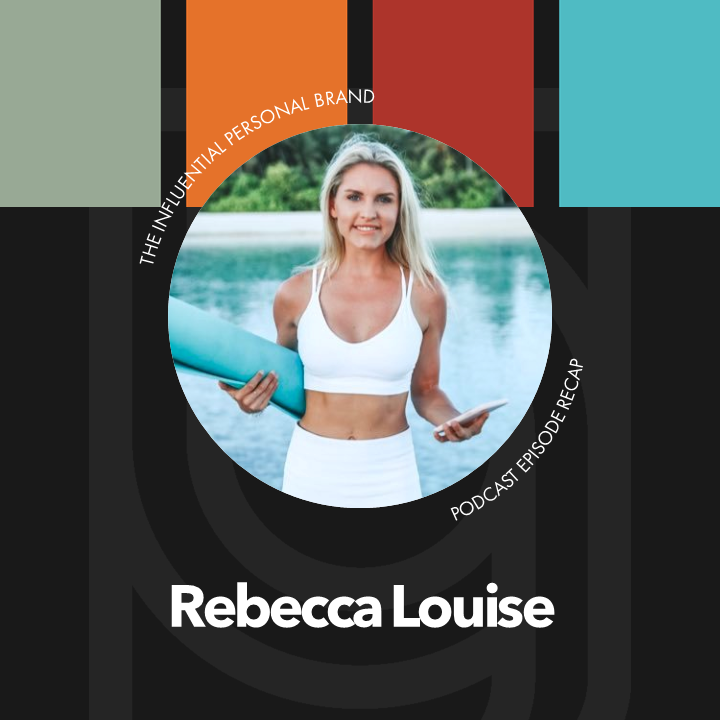
Hey, welcome to the recap edition of the influential personal brand podcast is Rory Vaden and AJ Vaden. Today we’re breaking down our top three highlights from Rebecca Louise. Why don’t you go?
Yeah, as far as well, I just love her. She s so spunky. It’s such a fun interview and she gives so much, so much transparency and value and this interview so highly recommend it I would say the thing that I’m going to start with, and we’ve mentioned this several times now on these recaps is the fact that we’ve heard it once we heard it again and again and again, and Rebecca just kind of came in and reiterated it again, is that YouTube is such a force to be reckoned with. And I just, I am just so I’m so awestruck of the amount of people that we talk to that talk about the fundamental elements of YouTube being a driver for their business, but yet, and kind of the external world, you don’t hear a lot of that being discussed. And what I loved about her, she said that, and this was my big aha takeaway.
So I’ll get to it. She said that the thing that’s awesome about YouTube is it helps you really determine what your audience wants from you so that you can just give them more of the same thing and that the more of the same thing that you give them. And the more that YouTube sees that that’s what people want from you. They, their own algorithm will help explode your videos. And that to me is just so awesome and just genius. And the fact that it’s like, yes, do more of what people want from you. Don’t try to do all the different things, just do more and more and more of the same thing.
I think for me, it was, it’s interesting because there’s technical takeaways from her like that, that I loved and took away also the emotional side of just her attitude and her mindset really stuck with me. And I, I love just this idea of, of starting where you are and just starting with what you have and just be willing to just start and just go, like, no matter how far or fast or slow you can go, just go and then reinvest and reinvest and reinvest, and you can make it bigger and better later on. But I think it was interesting because she, she is a client of brand builders also. And, and you know, her a lot of her personal brand message which I think is where she’ll end up going longterm is really about action. It’s really about helping people move and create motion and and just kind of get, get past being stuck. And, and it comes through in her personality. That’s a huge part of her uniqueness. So start with, start where you’re at and be willing to just reinvest and then, and then grow from there. And that’s similar
To my second takeaway. And my second takeaway was I thought it was such a unique description of how she said that she uses her direct sales business as a part of funding, her personal brand and vice versa, but how she spends her time in both of them as she goes all in on one of them in a season and takes the money that she has gained from one of them to help fund the other. She said, but I’m always all in, on one of them. So in some seasons is my direct sales business and on others, it’s my personal brand. But I think the thing that was most interesting, and she didn’t say this quite this way, but as the fact that they they’re both synonymous with each other, right, it’s her personal brand is actually driving a ton of leads to her direct sales business. And through her direct sales business to her personal brand is gaining an enormous amount of traction, but she’s spending super intentional time and seasons on each of them independently to make sure that they get what they need to get off the ground running. So I thought that was amazing and it goes back to the investment
Well, in my, and, and I, I, that was my second takeaway actually was the, the best way to monetize a personal brand is to bolt it onto the thing you’re already doing. Like the fastest path to cash is to just use it as an accelerant to what you’re already doing. And for her that was direct sales and in the beginning and still is. And I, gosh, I mean, there’s so many people in direct sales and other businesses, financial serves professional, all the professional services, all entrepreneurs that you can just take your personal brand and use it as a marketing engine for the thing that you already have. Why wouldn’t you be doing it? I mean, this, this, I think this is just like, it’s not just the, the, it’s the future of marketing in general. Like, this is what personal branding is, what marketing will look like in the future. It’ll be all about the personality. So I, I thought that was cool. Really cool. Example of her, you know, crushing it in both direct sales and her personal brand.
Yeah. And my third takeaway, and there were so many technical things, but for whatever reason, this really stuck out to me was the fact that she started by somebody else hiring her to do YouTube exercise videos, a casting call, and she was getting paid 40 bucks an episode. And I just want you to like, let that settle in. And here’s what I found that was interesting is she, wasn’t so sure about what her content was about. But it was, Hey, I know that this sounds good and I can do this and do this for her. It was talk, watch she works out. But here’s what I thought was fascinating. It wasn’t that she had this like compelling message within her to start is the fact that she started. Yeah. And from there she realized like, I really love this. I need to do more of this.
So then she got her certification. And then from that, she built her own show and now she just released a book and then she’s got her direct sales is like, now she’s got like this multi-million dollar empire, all because she said, I don’t know where this will lead, but I’m going to start with this. And it was doing somebody else just show getting paid 40 bucks an episode, but she was willing to just start. And from there, that’s where she fell in love with what she was doing and found her passion and found her message. And it wasn’t like all this work you do off by yourself and then trying to make it perfect. It was like, no, just get in and do it and figure it out as you go.
Yeah. I also thought her mentality, wasn’t like, Oh, I’m not making enough money. Or I’m being taken advantage of. She was like, Oh, I’m learning. This is fun. I’m doing it. And then it’s like, Hey, I’m going to do this myself and figure it out. Was super cool. W w one of the other things that, that she said, or we talked about that really reminded me of something that we say around here a lot is we say people don’t pay for information. They pay for organization and application. And when she was talking about that, she basically just puts her exercise tips on YouTube for free. And that’s what she does. That’s what she’s always done. And then what do people pay for? Well, they, they pay for more, but they pay, they pay for them more organized right.
Organization application
In a way it’s not just like some random, like three minute tip, it’s a full 20 minute workout or a series of workouts. And now she’s rolled that into, into her app, this awesome app. I mean, she’s just crushing the app business, which is so cool. And I think just a good reminder because all of us are either we don’t know what we would put out for free, or we go, well, I can’t just teach everything I know for free. What would people pay me for? And just don’t ever forget people don’t pay for information. They pay for the organization and application the assistance of implementing that knowledge into their life. That is,
Yeah. That’s such a good takeaway. And then too, that it’s like this just randomly came to me. It’s like the fact that she has taken this entire message and this archive of content and put it into an app, right. It’s like, it’s, yeah. It’s one thing to do social media, but it’s like taking it to a whole nother level in terms of what does a membership program look like for you? Now, you’ve got to have the money and the investment to do that type of infrastructure. But if you do this the right way and you go all in again, it’s take the money you make to reinvest it to make more money. And it’s building a business that you can have for a lifetime. That’s so much of what it’s all about.
The first, the out thousands of members, she had all sharing the same password. That was how she started. Right? Like it wasn’t, she she’s, she scrapped her way there and you can too. And Hey, you know, that’s why brand builders is here is also to help you apply the things that we’re learning and teaching. And that our guests are we’re in the business of one, on one coaching, help you apply this. So at some point we hope you request to call, talk to someone on our team. Umf nothing else, just keep coming back here and we’ll keep supporting you on your journey. That’s it for now? We’ll catch you next time on the influential personal brand.
Our Personal Brand Strategist Certification Program

Launching Our New Website

Announcing *NEW* 2021 Events

Ep 118: Using Your Personal Brand to Grow Your Existing Business with Rebecca Louise

Hey brand builder, Rory Vaden here. Thank you so much for tuning in to listen to this interview. We are so excited to bring you this information and want it to let you know that, Hey, there’s no sales pitch coming from anything that we do with this is all our value add to you and the community. However, if you are somebody who is looking for specific strategies on how to build and monetize your personal brand, we would love to talk to you and we offer a free call to everyone that’s interested in getting to know us and is willing to give us a chance to get to know them and share a little bit about what we do. So if you’re interested in taking us up on a free strategy call, you can do that at brand builders, group.com/summit. Call brand builders, group.com/summit. Call. Hope to talk to you soon on with the show.
I am so honored and excited to introduce you to my friend, Rebecca Louise. Those of you that follow her on social may know her as Rebecca Louise fitness. If you don’t know her, let me just give you a couple stats, I guess, cause I’m a big fan of, of people’s, you know, their actual results and what they have produced, which is what one of the things I love about her. So she, I guess was originally known for her YouTube following. I don’t know if that’s right to say, but she’s gotten about 648,000 followers subscribers on YouTube 250,000 on Facebook, 540,000 on Instagram. But here is to me that one of the coolest things, and one of the reasons I, I invited her on the show is she has an app that is now called BTES that has over 11,000 paying monthly subscribers.
She’s got two different pricing tiers, which we may talk about, and it is one of the, the best fitness apps in the world. And, and very longstanding, very reputable has a lot of success stories from clients. But she also is she kind of, she came out of, or one of the things that she does is network marketing as well. We’re not going to mention the name of the company here, but it is a very recognizable, very well known network marketing company. And you all know that we love network marketing. We believe in it. I’m a product of it. My mom, yeah. I grew up around it. I speak to a lot of network marketing, marketing companies. And then her newest thing is that she actually released a book this year called it takes grit which quickly became a bestseller. And anyways, she’s just an all around baller and awesome, awesome lady. I met her as part of a mastermind that I was a co-leading with Lewis howes for, for Lewis was Lewis’ mastermind. She was, she was in there and anyways, it was like, you got it. You got to meet Rebecca Louise. So welcome to the show, Rebecca,
Thank you so much for the lovely introduction. I go down, I’ll record that and just wake up to that every day. It’s going to be my new affirmations
It’s been recorded and I, you will have, it will be available to you whenever you want. So can you just talk to us a little bit about your journey? I mean, I that’s, we kind of think of this show is like the real life story. Because people go, Oh my gosh, you have millions of social media followers and, and, and literally, you know, hundreds of thousands of dollars in recurring revenue from your app every year. But you know, my guess is it didn’t start quite like that right out of the gate. So could you just give us like your, your backstory?
Yeah. So originally I’m from England and I came to America 22, 23 years old to get my commercial pilot’s license pilot’s
License. That’s awesome.
Yeah. And I ended up getting the whole license. I went back to the UK, did all my written exams. And then I was like, I just don’t feel like this is in alignment with what I’m supposed to do, but I loved Southern California and I grew up watching Laguna Hills on MTV. And I was like one day, you know, Lauren Conrad, I’m going to be driving down PCH in my convertible car and I’m going to go for lunch with my my OC crew. And so I got a visa managed to get myself a visa work visa to come to America because I’d done loads of random jobs in London before. So I had tried to do acting, you know, backing, dancing, TV, hosting, like all the things I got myself, a visa together to come to America. And when I got here, one of the first things that I did was I just started go for castings in Hollywood.
And I was like my British accent. It’s going to be fine. I’m going to be able to get jobs turns out that’s not the case. But what I did is I went to an audition to be on a YouTube channel. And I didn’t even know what YouTube was at the time. Yeah, it wasn’t even, it really wasn’t. It was, I mean, I feel so old. It’s like nine years ago now. And so I get that and it’s to be on a YouTube channel. That’s about fitness. Now. I grew up playing so much sports. I knew. What about fitness? Nothing about personal training. So I did not have my personal training license at the time. However, when I went to the costing and they’re asking you to do like a little workout and tool, I was like, Oh my goodness, this is my one talent in life. I can talk and workout the thing.
This is my thing. And so I remember getting the job and I got paid $40 per episode. And I was just so grateful and I would go up and I would film. And I was just in my element and off the 18 months of filming, we grew it to, I think, a million subscribers it’s now like 3.2 or something. And then they just filming. They stopped filming because I just wasn’t really a passion project. It was more a test or trial and error thing and probably to make some residual income. So after about a year of not filming workouts, people on my social media were like, are you going to film more workouts? Are you going to do this? And I’m like, I don’t know, because I’ve just built something to a million subscribers. I got to start again. She didn’t own it. I didn’t own it.
I was part of it. I just got paid $40 per episode to make these workouts. And I grew it because I was excited and I didn’t think about the residual income. I didn’t understand that. And so during this time where it was ending, I found network marketing and my coach in network marketing was like, you need to be doing it yourself so that you can make the money. And I was like, cause we talk about that in network marketing, right. I’ll do the work and I can do the, make the money, or you can do the work and you can make the money. Right. So I got started with network marketing and got amazing results on these nutrition products and then got my confidence to actually start my own YouTube channel. And I
Just a pause right there, even though you were doing network marketing, it was still kind of aligned with your audience because it was a nutrition, your network marketing business was a nutrition product, and which is kind of what you were building your whole personal brand around. So even though it’s like a different business model, it still fit inside of the personal brand that was becoming Rebecca Louise.
Absolutely. And I knew about fitness because I, by that time, I then got my personal training license. Cause I thought I better get this, this I’m doing these workouts online. And I actually didn’t know anything about nutrition. I’d really struggled in my teens with an eating disorder. I got down to 86 pounds and I’m 107 pounds right now. So 20 pounds lighter, that’s quite a difference for somebody who’s five foot, two and a half. So I didn’t actually know anything about nutrition, but it did fit and because it’s nutrition of fitness, but what it gave me was confidence. And, and energy and strength. And I got an incredible result from it as well. So yeah, I started the network marketing business and from the income that I got from that, I was able to invest it into creating my own brand.
Yeah. That’s, that’s such a common story that it’s like, you’re, you know, you do something to create income and then you’re taking that income and actually reinvesting it into the, the thing you, you wanted to do. So yeah. Talk to me about the, the mentality there of YouTube. Because I went through something similar here, we exited our former business and like one day you, one day you go to sleep, you’ve got hundreds of thousands, millions of people you’re reaching online. And the next day we literally wake up. It’s like, I have zero followers. And I’m starting on zero. So did you have some of that, like emotional, you know, head trash to deal with? Or like, how did you bounce back from going? There’s millions of people watching me too, nobody a hundred and I
100% I Didn’t have confidence. I was like, I’ve already built this. How am I going to start again from zero? So I actually started to do is I created a subscription model way before I even started my YouTube channel and I was trading. It was 9.99 a month. It was all on desktop. It was one video a day, which was 10 minutes. There was no recipes. There was nothing at anything else, but I was like, I need to be able to make money because I just, you know, hadn’t got money anymore from this $40 per episode. I mean, it wasn’t much, but at the time when somebody takes that kind of income away from you, you’re like, you know, even if it’s a thousand dollars a month and you’re only making 3000, that’s a lot of money. That’s a third of your income. Right. So I actually had this subscription because I was like, I needed to get money in.
And after about, I would say like nine months, I think I just, somebody told me like, you need to put this stuff out in the world. You need to just let it go for free. And you need to build your YouTube channel because that’s how you’re going to build your brand. And so my income and my network marketing company had kind of built up by that time. So I didn’t feel that, you know, letting all of this stuff and letting my subscription model go would be such a bad thing financially. So then about six years ago, I was like, you know what, I’m just going to put all my videos on YouTube. And for probably about two years, I just let all the videos go. And then I brought the subscription model back as a desktop version that was through Squarespace where everybody had the same password. So it looked like your unique password. Cause it was like que exclamation, Mark, lowercase, whatever. So it’s like number I like probably had, you know, five, 600 members at that time paying nine 99 with all the same password, no idea how to cancel anyone’s account, but I was just alone. And then it just evolved more.
And if you have, if you have five, if you have 500 people paying you 10 bucks a month, you had, you were having $5,000 a month coming in, just doing it yourself. Like, no, you didn’t have like the tech the about you’re using free Squarespace, like set it up, just password, protect a section. And that was how you started. Like that’s how you got to $5,000 a month.
Yes. Yeah, absolutely. Yeah. Squarespace. Same, same password for everybody. We’ll be fine.
Huh. But you’re so you’re just so you’re hustling it and, and now I don’t want to skip over. It sounded like you said for two years, you actually, when you went free, you gave everything away for free for two years and then went back to charging. Did, did I catch that right?
Yes I did. Because I just let go of everything of the subscription model because it wasn’t actually building my brand. Like it wasn’t building YouTube. And honestly that is where I get most of my referrals from that’s where I’ve grown most of my brand from. So I’m so glad that I wasn’t narrow minded to say, you know, no, I’m not going to allow any free videos out there because then nobody’s going to want to pay for my subscription. That’s not the case. You know, you can have hundreds of videos or hundreds of free content online and people will still pay for your product. So I had my mindset about that.
Yeah. So can we talk about that? Cause I was, that was one of the things I wanted to ask you is I think a lot of us struggle with, okay, what can I give away for free and how much can I give away for free and what should I charge for and where do I draw that line? And like how much and how frequent. So how have you wrapped your mind around that? Like, what’s your personal philosophy there, about how much you give away and what you give away versus what you charge for in the app?
Honestly, I’ve given out a free YouTube video every single week for almost six years. I’ve never missed a new workout coming out. That is one thing, consistency. So there are, I think there might be four or 500 videos on my YouTube channel, but what that does is it keeps the channel alive. It keeps new people coming in and that’s the whole thing. It’s new people coming in that you’re exposing it to one workout a week or even two a week with a couple of recipes here and there isn’t even a patch and what you get inside the app, like the app is just a whole other level. It’s all there in one place. It tracks your progress. You know, you can check off your workouts that you’ve done. You can get points for doing things in the app. So it’s just a whole other level. So there’s a massive difference in standard, but I can still put out content all the time with getting people to still want to purchase the app.
And so would you say those, like, I would classify a lot of that as like additional features beyond the content. So would you say that the way you do that, it was like, okay, I’m kind of giving away a lot of the content on YouTube, but in the app it comes with all these additional, these additional features. Is there also more content in the app or is it more about the additional features?
Yeah, there’s more content, there’s more, less, longer length workouts. So on YouTube every week I put a 10 minute workout out and that same workout is just a 28 minute workout with a warmup and a cool-down in the app. So you just get a lot more you know, there is 300 recipes inside of the app. You can filter them, you can search which ones that you want. There’s a whole video library that you can search through. It just makes it easier. And for a starting price of $3 and 99 cents a month, that will also track your workouts. It gives you what workouts to do each day as well. So that you, everybody’s kind of doing the same thing. It’s an accountability group. We have a Facebook group and people are just feel part of the community. They’re like, Oh my goodness. Did you do your BTS workout today? Yes, I did. Like how did you find it? So it’s more about a structure and being part of it, like being part of the community, rather than just saying, I’m doing a 10 minute workout here, 10 minutes here and I don’t really have anything that I’m missing.
Yeah. I love that. You know, I think brand builders group is very similar cause we do like a five minute video every single week, but then the, the, our, our, our entry-level product is $99 a month. And it’s two hour long virtual trainings every month where it’s like, it’s very similar to the content you would receive for free, but just spread out over forever and disorganized. So I think that’s, so that’s interesting to see in that application, even in inside of your world, inside of the, the fitness, the fitness space. So while we’re on the topic here of, of YouTube, I mean, this is one that I missed the boat on. I’ve missed the boat on YouTube, my entire career. It’s always been just like this, like, eh, I’ll throw something up there and now I’m like, Oh my gosh, I am stupid.
Like YouTube is where it’s at. W you mentioned consistency, which seems like everyone, everybody says, you know, that’s the ultimate secret is just consistency. Which, you know, don’t anyone skip over that and miss that in addition to that, is there anything else specific to YouTube? Cause you’ve done this twice. You’ve built a huge following, started over and built another huge following, which I find even more impressive than someone who’s done it once. Are there any other like tactics or strategies or mindsets or things that you think are out specific to YouTube?
Really, it’s just what your audience want. Like, I mean, that’s the thing with like any social platform? Like what is it that they want? Like I know which videos do really well on YouTube that AB workouts, you know, a lot of AB workouts, basically a lot of app, maybe some booty workouts. So I know that when I put one of those workouts out, it really does like help the algorithms. So, you know, you could just be a YouTuber. That’s like, Hey, this is the one thing that my people like, and you can keep putting the same content over and over and over again and not being worried like, Oh, well I just didn’t add work at like three weeks ago. No, they want more, they want another one and it helps the algorithms go up as well. And you know, I’ve sometimes made the mistake of going, you know what?
I want to give people overall fitness because that’s what I’m about. I’m about doing the cardio, the weights, you know, a bit of everything. So I try to put that on my YouTube channel, but it actually hurts the algorithm. You know, I have a girlfriend that’s done really well on YouTube and completely blown up this shit at everything is just abs abs and the same thing over and over. And again, so sometimes you want to be creative and do different things, but the algorithm on YouTube is very specific of, you know, what is working and it will really literally rocket you, you keep putting the same content that your audience is liking over and over and over again.
And you’re doing, you’re determining that by data.
Yes, you can tell. So as soon as you put a YouTube video out, it will tell you, Hey, this workout is doing higher than your other ones normally. And it will give you a ranking at a 10 with where it’s at, or it’ll say, Hey, this one’s just not picking up as many subscribers or it’s not doing as well. And then you’re like, Oh my goodness. Like I knew I shouldn’t have put that out there. So there is a little bit of like trial and error sometimes because you’re like, I want to put this out to see if my audience would be receptive to it because sometimes they’re not, you know, I started putting vlogs on my main channel and it hurt the channel because that’s just not what my audience were there for. So I had to pivot and put it onto a different YouTube channel.
Interesting. Okay. Yeah, I mean, that’s such a simple process. I mean, that’s, everybody’s create, that’s the way comedians they create and they test, they create a joke, they test it, they create and test and then they’re just responding from, from the audience. So I love that. Do you do you know, so you have the app, which is huge and y’all, if you didn’t catch this, so three $93 and 99 cents a month, like it’s, this is a very affordable deal. You’re loaded into this app. You have you have also a eight, what is it? Eight 99 for a VIP version. And then 11,000 paying monthly members on this thing that you’ve built over, how long
It’ll be three years in January that the app came out.
Interesting. Okay. So within three years now you had spent two years before that though building up the audience for free before you really started monetizing it. Okay. awesome. So one other question here about, I want to ask you specifically about network marketing, because we, you know, I mentioned we love network marketing as part of my background. My family’s background is we speak, it’s probably the number two audience that I speak to. And how do you balance? Because I think this is becoming a really big issue with network marketing is people make a lot of money in network marketing and it’s, it’s kind of a thing where it’s like a lot of people leave but they don’t leave because they’re still making money. And you know, we’re big fans of going, Hey, the, the fastest way to monetize your personal brand is to use it, to throw fuel on the thing that you’re already doing.
That makes money for some people that makes a lot of sense. They go, Oh yeah, for sure other people go, no, I actually like having kind of two different streams going here. So is there anything you can say about maybe your personal philosophy about how you kind of balance a brand of network marketing and then your personal brand, and, and, and I also would ask you in your network marketing company, do you have people on your team, like in your organization, you do right. You’ve got in your kind of downline, a bunch of people. So I think this is a question that network marketing leaders are also struggling with is like, okay, social media and personal branding is so powerful. What is the message I should give to my team about how to use it and not use it. So anything in that kind of mess, because I think that’s like a little bit of a mess that the network marketing world is trying to sort out and we’re trying to sort out and trying to help them, you know, Edify something that enforces the company, but also, you know, helps people succeed with their personal brand.
And, and you just hit the, like one of the top levels of your network marketing company. So you’re doing both. So yeah. Talk about that for a minute.
Yeah. And I love this and mine are completely intertwined and I love it that way. Because I really feel like net what marketing is, how I can help somebody have the life that I have. I have a brand, I, that’s a specific thing that I know if you want to learn how I did my brand, you have to pay me, you know money to do that. But I want to be able to give the opportunity to everybody. And that’s why I love network marketing over the last seven years. You have to be all in. And one of the things to really Excel at that. So first of all, it was my network marketing company. Like I was filling with that. Once I got that to a certain position for 18 months, I was like hard on in my network marketing company. When I got my check to a certain level, I started to work on my brand when I was starting to employ people.
I would get this to a level where then I would go back into the network marketing really heavy and get that to the next position. And so I would literally do one thing at a time because you really have to it’s, it’s trying to build a multimillion dollar business, both of them, you know, they’re going to take all of your time, but Hey, have you got employees that can just take over for a couple of months while you dive back into your network marketing company? This year was the only year that I have been a hundred percent in both because we’ve had so much growth because of what’s been going on. I’m like, I, can’t not, I can’t afford not to go all out with both of these, but how I’ve worked at over the years is that, you know, I worked in fitness and it’s nutrition is that it’s completely interlaced. So I have YouTube, Instagram, all of the things they funnel into a free 30 day program. After that 30 day program, they get on the app or maybe they get on there.
Okay. Sorry, hold on. So I back up a little bit, I’ve, I’ve started to miss that and I don’t want to, I don’t want to miss this. So tell me, this is kind of like how you see the flow of, of moving somebody in kind of through your system. So maybe from the beginning, they start with YouTube.
Yeah. Because if you have a personal brand, it’s like, how can you bring in those leads to actually have enabled them to become distributors? You know, this is my flow. This is how it works for me. So we have you come in through YouTube, Instagram, whatever, probably they’re followers of mine. They come in, they get onto the app after they’ve done like a free 30 day program that we offer or they get on the app. Once you’re inside of the app, there is a free, like five day better you program. And on that, they get a coach and I have nine frontline coaches and they talk with my new clients that come in through the app about, Hey, what results that you’re looking for? You know, are you allergic to anything? How can we get you started? And then they actually get started on a nutrition plan.
And so those leads come in and they get given to my well, I have my BTE as coaches, and they are all in my network marketing team and certain levels in my network marketing team. But they have to be a certain level to be able to apply, to become a BTS coach. So then they get those leads. And then what happens is those people then get started on a nutrition plan. They get amazing results and we tell them, Hey, do you want to be part of our girl group? Do you want to be part of our community of the BTS coaches and other people, you know, getting started and helping your friends and family get results. They’re like, Oh my goodness, of course, I want to be part of your girl, dang. Like this sounds amazing. Like I have 30 girls flying into my, you know, into my home this weekend to celebrate and recognize all of the new coaches.
We have a leadership development weekend. So then those people got started on a program, become distributors because they want to be part of it. And it just drip feeds from them. So I’ve used my personal brand to help build my network marketing because, you know, I love my network marketing company. I’m never going to leave it. My heart and soul is like some that web marketing companies you get in and you get out and you make the money. And that’s absolutely fine. All companies kind of different. We have people that have been there for 40 years. And when I got started as all the same people that are there, and I know that, you know, if I, I can’t film workout videos forever, like there’s going to be a point where I’m just too old and I thought move around. So I don’t know what’s going to happen with that business, but I know that I’m always gonna have my network marketing company and I can always flourish that, and that really is, I think the strong part of this top part here, it’s actually building this legacy forever.
Wow. So you basically, you’ve done exactly what we were talking about. You have taken a personal brand and you have basically bolted it on as the entry point to a network marketing business model. Now it’s, it’s, it’s also its own thing. It’s a sustainable thing of its own, but it’s also feeding back towards towards a long-term network marketing company. Yeah. Wow. I love that. I mean, I just, I think that’s so brilliant because it’s like, you’re living your passion. You’re helping lives. You’re building your personal brand, you’re making a difference. And some percentage of those people are going to be a fit for the ultimate thing that you’re building long term. And you’re not, it’s like a constant pool of people, but you’re not, you’re not offending anyone. You’re not forcing it on them. You’re letting them kind of self-select through the whole process.
That is fascinating. Love it, love it. Love it. Okay. I want to ask you about your book, but before I do that well, let me ask you about your book first, real quick. So it takes grit is, is now you are officially a bestselling author, which is so awesome. We were talking about that when I first met you whatever 18 months ago. And you know, some of those, some of those, some of those things tell us about the book and where does the book come from and how does that book kind of sit in between the space of your fitness personal brand and your network marketing business, and, you know, you’re the old Rebecca Louise and then the future, Rebecca Louise.
Yeah. So I started writing the book in 2019. So I was introduced to an agent in March of 2019 and pitched this idea. And I didn’t know at the time, like I was ready for a book, but I have all of this training inside of my head for the last six, seven years of working with mentors and going to masterminds. And I want it to be able to give my audience something that was like a no BS guide to how you get to where you really want to be. Because I feel like loads of people are like, Oh yeah, just do this and just do these Instagram posts and blah, blah, blah. And then you’re going to be fine. It’s like, Oh no, I’m going to prepare you for all the crap that’s going to happen. And when you’re prepared for that, you’re going to be like, Oh, Rebecca told me this was going to happen.
And this is how it happened to her. And this is how she overcame it because in my community, I have a lot of people who love the fitness and love the nutrition. But what changed for me, most importantly, as I got older was my mindset. You know, I was introduced to Jim Roan and Tony Robbins, and I was like, my community don’t know personal development. And I was like, I get to be the vehicle to share with them. And that’s why I started my podcast in January 28, 2019. It takes grit. And that, that involved into something that I can actually give people to say, Hey, you know, this is what it really takes to get to where you are. And you can look at somebody on a pedestal and be like, Oh my goodness, it’s amazing. How do they get there? But I share a lot of my own personal testimonials and stories of things that have happened to me that could have thrown me off, but instead I just like stepped forward and made it happen. And this is how I got to where I am today.
Wow. Well, I love, I love it. This is thank you for being so transparent with just your YouTube secrets, your app, your numbers your network marketing business. And I think it seems like, you know, transparency, there is like one of your, one of your superpowers and it takes grit. Seems like it’s a lot about the honest truth about what it has taken to build what you have built, which is incredible. And you know, you’re still so, so young, like I think it’s, it’s, it’s really exciting to see the trajectory of where people will be, you know, not just where they’re at today, but where’s the trajectory of go in 10 or 20 years. Like it’s nothing but extremely exciting. So where do you want people to go, Rebecca, if they want to connect with you, if they want to follow you and, and just plug into what you’re doing.
Thank you. Yeah. You can follow me on Instagram and Facebook, Rebecca Louise fitness, head on over to my YouTube channel, Rebecca Louise, you can get a free 30 day program or just go to Rebecca hyphen, the wheeze.com and all the details are right there. Check out the podcast. It takes grit, the book. And yeah, we have we have just an amazing gear coming up. We’ve got new transformation programs, you know, new features coming to the app and it’s just going to be an amazing 20, 21.
Love it, love it, love it. We’ll put links up to all of that. Rebecca Good luck to you and your organization and your team. I know we’ll be seeing you around the brand builders group, community, and our events more and more, and just really appreciate it and wish you the best. So we’ll, we will look forward to watching and monitoring your progress, tune into Rebecca Louise fitness. That’s it for today. Thanks Rebecca, for being here all the best.
Ep 117: Dynamic Speaking and Scaling Joy with Dan Thurmon | Recap Episode
Hey, welcome to the recap edition of the influential personal brand podcasts, Rory Vaden, coming to you. So low, a recap in this Epic interview with Dan Thurman and I’m covered for AIG to on this one just by myself. But you know, I’ve known Dan for so long. It’s, it’s fun to get to go back and listen to this and kind of analyze and break it down and give you my top three highlights. And there was so much going on in this interview. You know, we released these, these podcasts also on our YouTube channel. It’s actually not on the Rory Vaden YouTube channel. It’s on the brand builders group, YouTube channel and,
And you know, usually some people like to watch cause you see the facial expressions, but this one was, was crazy because there were a lot of visual components of it, which, you know, we tried to talk out for you for you visually, but anyways, so to dive in to the top three takeaways. So first of all, I thought the mindset to pivot and, and these were three mindsets that were my big takeaways from Dan and from that interview. And, and the first mindset is the mindset that it takes to pivot. And I loved the actual content that he was sharing, which is from his, his actual content that he, he teaches in his virtual keynotes, this idea that when things become uncertain, we can falsely feel uncertain about everything. And it’s like, when there’s change, not everything is changing. There’s a couple of things that are changing, but, but we sort of have this, if we’re not careful, we have this mental mushroom that we allow ourselves to do, right?
It’s if you’re not dissed, if you don’t have a disciplined mind, if you allow your mind to just run, it’ll run towards the negative it’ll it’ll, it will become just over-exaggerated and, and consumed with all of the, the, the negative possible outcomes. And I remember talking about this with Lewis Howes one time when I was interviewed on his podcast, actually the most recent time I was, I was on there and we were talking about how with successful people, there’s still always like this fear, no matter how successful you get, there’s like this fear that you’ll not just that you’ll fail, but that somehow you’ll fail so much that you’ll just become like homeless living on the street is like this, this deep rooted insecurity that drives someone to be so successful is always there. And it can get so out of control that like you just, when something goes wrong or doesn’t work out or you don’t get number one, or you’re not perfect your mind immediately freaked out and was like, Oh my gosh, I’m going to end up homeless.
Right? And it’s like, you’re so far away from that. Even though, even though things might be changing and you, you might not be winning or you’re just dealing with uncertainty. And, and I thought that was super powerful that, you know, Dan was reminding us that even though you’re uncertain about some things, you don’t have to be uncertain about everything and you can have faith in your, in yourself. And, and you can have faith in your ability that your entire life you’ve had to learn how to operate a new environment, your entire life. You’d ha you’ve had to learn new ideas and new skills and, you know, maybe work in new jobs or a new markets or verticals or industries, and you’ve been able to figure it out. So why do we become so scared and overwhelmed and frightened and stressed and anxious. When we face a little bit of change in our life, knowing that our entire life up to this point, it has been embracing change and learning new things.
We have the ability and the knowledge to figure it out. And if you can just embrace that, you’ll be able to pivot faster. And that’s going to put you in a, a much better position. So that I think was the first thing for me, was the mindset to pivot and, and what that looks like. The second mindset was, is really the mindset to up-level. And this one was more watching. It wasn’t so much what Dan said, like it wasn’t in the content. It wasn’t when he was like teaching his content, it was just kind of watching and processing his demeanor and looking at how quickly, you know, this is someone who’s made a career speaking in front of live audiences, and that’s like been the primary way that he’s made money. And that business model of the live keynote speaker has been disrupted. I mean, it’s been more than disrupted.
It’s been killed. It has evaporated. It has vanished. It, it went from, this is what I knew in my whole life to it disappeared overnight. So as much as like any business model the, the model of live keynote speaking in the physical sense in, in front of live audiences disappeared overnight. There’s no events, there’s no gatherings worldwide. It has shut down. Travel has virtually shut down. And so here you have somebody Dan, that that’s been his primary business, which, you know, we understand, we appreciate it. It’s, it’s always been a huge part of our business. But it’s actually, it’s become less and less over the years. It’s just been fewer engagements at higher fees, but still a smaller total of our proportionate revenue, because we’ve moved into more of building, you know, building a real business kind of outside of, of just being on stage speaking.
But that’s a, that’s a real scary thing. And what did he do? What has he done? He immediately turned to going, all right, I’m going to go virtual, but I’m not just going to do virtual presentations. I’m going to figure out a way to Uplevel the virtual experience. And he’s got a five camera shoot, three sets going on in his house with this ability to create this variation of, you know, the types of just kind of the type of energy in which he’s presenting with. And of course, if you watch, if you actually watch this video of the interview on our YouTube channel, you’ll get to just see. I mean, it’s, it’s worth going to look, even if you don’t watch the whole thing, but just kind of fast forward and see how this set changes. And it’s amazing. He just like walks out of the screen and into another, another screen, it looks like he was walking into a new room, different camera angles.
And it’s, it’s a simple bit of technology, but instead of being paralyzed and terrified and, and, you know, just scared, which would have been understandable, it is understandable. A lot of, a lot of speakers are still reeling with trying to figure out what the heck they’re going to do. He just said, how can I, how can I go virtual? And how can I, up-level the experience? How can I take this performance and this production to another level which people haven’t seen. And so we quickly did that. And, and so the mindset there, which he also did talk about is to go respond to uncertainty with new education, with new personal development, with new growth of, of, you know, he didn’t, he didn’t have all that technology before. He didn’t know how to do all that. He figured it out because he was leaning into the change and going great.
I’m going to, I’m going to use this opportunity for change and challenge and uncertainty to learn something new and, and to, and to prove that I have faith and confidence in myself, that I’ll be able to figure it out by investing and, and, and growing and learning and saying, you know what, there’s a way to learn how to do this and that. I mean, gosh, that is why I think brand builders, part of why we’re growing so much is because people are realizing that online. I have to be able to do business online. There’s, there’s, there’s no other way right now to really be steadily growing your business. And if you don’t have those skills, if you don’t have that knowledge, if you don’t know how to write copy, if you don’t know how to build funnels, if you don’t know what a words should be on a webpage, if you don’t know how to run a or to run Facebook ads, or if you don’t know how to do webinars, if you don’t know how to create content, if you don’t know how to manage social media, if you don’t have systems for training a staff to like, keep up with all this content production, you need to get going and you need to get going fast, sweetheart, like you’re, you need to get on it.
And I think, you know, God just had his hand on us in terms of guiding our life to be sitting in a place to provide this education to people in such a systematic way. And maybe that’s, you know, if that’s you, then, Hey, you should check out brand builders. We do it as good. If not better than anyone in the world, I really believe leave that. But maybe it’s not your personal brand. Maybe it’s some other part of your business that you need to learn. The point is is, and what I took away from Dan, both in what he said, and what he meant is that you respond to uncertainty with personal growth, with personal development, with education, with learning, with knowledge to go, all right, I’m going to adapt. I’m going to grow. And that’s not what most people do. I mean, let’s be honest.
Most of us want to hang onto the old days, rather sit around and commiserate about how things used to be and about how I wish it was the way it was and how, how hard it is been on me versus going, I’m going to educate, I’m going to indoctrinate. I’m going to learn. I’m going to develop. I am going to grow. And knowing that as I do that, as I push myself to, to develop and to grow and to learn out of that will come confidence and ability in the face of uncertainty, which of course is true because there’s always opportunity. Every problem creates new opportunity. And anyways, I just thought Dan modeled it. And you know, he talked about it and totally up-leveled his game to the point where, when I put on my virtual keynote speaker had I’m going crap. Like, you know, he, he sat in a new bar for what that looks like and, and going, man, we need it.
We need to figure it out. We got to find ways to up our production and, and up the exp up the virtual experience for our virtual keynotes. And so anyways, what are you doing, doing to learn? How are you growing your knowledge? How are you leaning in to change and uncertainty and instability with more education and more relevant education? And that was my, my second takeaway is, is the mindset to, to Uplevel. So that’s different from the mindset to pivot and just be safe is then adding onto it. Another layer, which is, which is the mindset to, and then for my third takeaway, I’m actually, you know, I wrote this down, it’s the mindset to serve the mind set, to serve. And this was the money line. Like this was the, this was the, the, the focal point point for me of the entire interview. And he said, yes, I can scale giving and helping on a global level. That is the type of success. I don’t even have to monetize.
Think about that for a second. If I could make worldwide impact, that is enough significance and value in my life that I wouldn’t even have to monetize it. And so that’s why he’s doing it. You got this 50 year old guy on Tik TOK going viral because he’s not, he’s not trying to figure out how do I suck the most money out of my audience. He’s figuring out what can I do that would give value to them? What would entertain them? What would educate them? What would encourage them? What would inspire them? What would teach them? What would, what would bring them a bright spot in their day, in a difficult time? And we say it, we talk about it. We say things like, you never feel fear when the mission to serve is clear. But, but when you look at people like Dan, they’re living it, they’re doing it.
And it’s, I think it’s like how many ultra performers do you have to hear? Talk about that extreme level of commitment to service before you really believe and adapt and buy into the idea that I’m going to serve my audience. Like that is what I’m trying to do. I will let the money follow. I will trust that the money will follow. I’ll have faith that the money will follow. But what I’m going to focus on is not the money. I’m going to focus on the impact. I’m going to focus on the service. I’m going to focus on making a difference. I’m going to focus on delivering value to people that I’m not even paid for. And, and once that, once that switch flips, you can’t be stopped, right? Like once, once that heart change really happens, like once that, that, that, that, that flip, that, that evolution wants that maturity.
Once, once that commitment happens, you can’t be stopped because you’re saying it’s not about the money. It’s not about the followers. It’s about making a difference and you can turn on your camera and reach across the globe in one button, right? Like it’s never been easier. So if you really want to make an impact, prove it, turn on the microphone, turn on the camera, pull up Canva and make a post type of caption. But like, if that’s what it’s about, do it make an impact and, and trust and know that the money’s going to follow and look, you know, Dan’s one of the highest paid speakers in the world. And, and he doesn’t know what life is going to look like in a post COVID area. That’s all still like sorting itself out. But you see him living that, that commitment to service in the midst of uncertainty and, you know, and you watch it from outside and you go, of course, he’s gonna win.
He’s focused on how can he, up-level the experience for his customers? How can he pivot quickly? How can he make a difference? Eventually the money’s going to follow that. And that is why we say we serve mission-driven messengers. It’s not that we don’t care about money. We do care about money. We, we we’re good at making money. We’re we, we, we consider it important, but it’s about the impact in the mission first. And, and trusting that if I serve enough people for a long enough time, I will eventually make money. If I serve enough people for a long enough time, there’s no way I don’t end up making money. But when all I focus on is money, it’s hard to, I’m not focused on service. And so when the money’s not there right away, I give up because it’s not fair today. And tomorrow and next week, and next month and six months, and maybe in a year, maybe even two years, and you go, I’ve been doing this for two years.
I’m not making money. Yeah. Eventually your going to burn out your going to give up, compare that to the person going I’m just here to serve. I’m just here to give value. I’m here to Uplevel the contribution I’m making to the world. And I can’t be stopped because there’s no measurement. That’s going to slow me down. Like I’m only going to make more impact. I’m only going to reach more people, whether it’s one or 1 million or 100 million, I know I’m going to, I’m going to naturally reach more and more people. And I I’m, I know the money is going to show up in some form or fashion, and that’s a switch that you need to flip. And, and it’s, it’s something that you have to flip regularly. It’s, it’s kinda, you know, it’s like what we talk about in the take the stairs book, success is never owned.
Success is rented and the rent is due every day. And the commitment to serve is never owned. It is rented and the rent is due every day. You have to wake up every single day and make that conscious decision that I’m putting impact first. And I’m all in, on making impact. And I’m going to trust that somehow some way, if I’m all in, on providing the best level of service and making the biggest difference, I can, I’m all in on that. And I’m all in on having the faith and the trust and the confidence of knowing it will eventually work out.
And that is how it is. That is always how it is. You just got to wake up and remind yourself of that every day, whether there’s one person watching or 1 million or 100 million, but if you can be making an impact, that’s something that it’s like, you don’t even have to monetize, but you can, and you will. And we’re going to show you how so thank you for hanging around here. Hope you enjoyed the interview with Dan. I loved it. You had listened to it yet. Go back and listen to it and just see if you can catch the mindset of what it takes to pivot to up level and to surf. We’ll catch you next time. [inaudible].