



Ep 500: The Mindset of Relentlessly Pursuing Excellence with Dean Stott
RV (00:02):
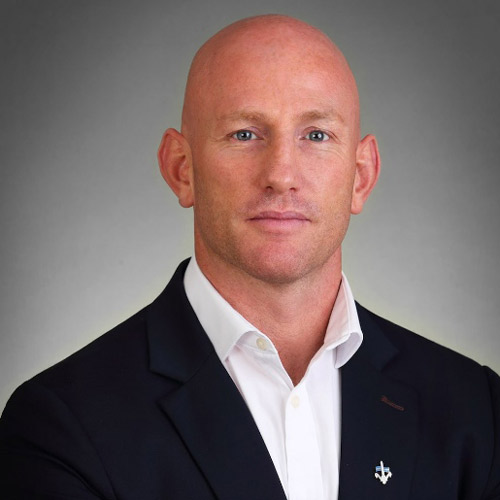
Every single month, we probably get about a hundred cold pitches for people to be on our podcast. And we say no to at least 99% of them. We usually only meet guests by people that we know personally, but every once in a while, there’s one that will grab me and I’m like, this is a no brainer. And this is one of ’em. And I am, so I’m just meeting Dean Stott, who you’re about to meet. We’re just meeting for the first time ourselves. But when you hear this guy’s story, it’s gonna blow you away. So he started out in the British Special Forces rose to the ranks to be in, you know, the, the kind of the, the premier in that whole world, right? He was in Special Boat Services. And then what happened is, after that, he got into private security.
RV (00:48):
He has evacuated people from Israel and Benghazi and like, I mean, this guy has been in the middle of like the craziest war scenes you can imagine. So he also is a world record setting cyclist. So fast forward here to a couple years ago and he rode, I want to get this right. So he began training to cycle the longest Motorable road in the world, the Pan-American Highway. He completed a 14,000 mile route from Argentina to Alaska. In May of 2018, he achieved two world records. He raised 1.4 million US dollars for mental health awareness charities. In the process, he passed through 14 different countries on this expedition, crossing some of the most dangerous passages in the world. And in the very final stretch, he continued for 17 hours and covered 340 miles on his longest day. So he then recently released a book called Relentless, just kind of sharing this experience, this inspiration, and I think the overall mindset of unrelenting pursuit of excellence.
RV (02:02):
And so I was blown away by a story. Plus I like having a lot of personal friends who are in special forces. And, and so with that, welcome Dean. I’m so honored to meet you, man. Thank you for being here. Morning, Roy. Thank you for having me. So I wanna start with what your dad told you Yeah. Early in your life because I am someone who I pretty much do everything to avoid physical pain. And so whenever I meet people who do the extraordinary physical feats, I’m just blown away. And you’ve, you, what part of what amazes me about you is you’ve become, like the number one in the world in three completely different, at least three completely different areas that are very competitive areas. But it started, the first one was this British Special Forces journey, and it started, and it didn’t sound like your dad was so much behind what you were doing there in the beginning.
DS (02:59):
Yeah, no, my, my father, he was in the military himself, which was quite shocking when I, I know, I, I always wanted to be a fireman. And I went through school went to college, and I decided that I didn’t really want to go through college. And I, I, I’ve always surfed since a young boy. So I went on a surfing holiday, which was supposed to be for two weeks, and it turned out to be six months. And this was long before the mobile phone. In 1994, my father found me working in a surf shop and sort of highlighted to me that I’d, I’d wasted my education and what was I now gonna do in my life. And so to silence him, I said, well, I will join the military. You know, I’d always wanted to be a fireman, but at the time, I think there was 2000 applicants for one job.
DS (03:37):
There was a huge recession in the uk. So I was not gonna get that, that job straight away. So my mindset was join the Army, do three years, get get what I can from the military, get some discipline, and also build up in the way I wasn’t the physique that you, you see nowadays, I was about five foot seven and weighed about 130 pounds. But my father told me I would last two minutes. It wasn’t the, the comfort and words of motivation I expected. And so for me, I was like, well, I can argue with my father all the way back home now for the next five hours, or I could just be silent. And the best course of action was action itself. So the Monday morning, I walked into the careers office and I joined the Army. But then my father, once he saw that I was being serious, he then started to get, get behind me.
DS (04:22):
But I never had aspirations of doing the Special Forces. My father was the the Ted Lasso of the of the British Army. He was the Army soccer manager and coach. So his career was very sports driven and not like special forces driven. So I didn’t really have an insight into that world. And in a very short period of time, within three years, I’d done every arduous course you could do in the military. I was a para airborne, I was a commando. I was a diver. And already in the tier two special forces. And then the next, the next option for me was tier one Special forces. And as you touched on in the opening dress, I joined the Special Boat Service which is your, your, the equivalent here is SEAL Team six. But I was in ar I was in the Army, and I was told I couldn’t go to the Special boat service.
DS (05:10):
It was just for the Royal Marines only. But unlike here where Delta Force and Seal Team six have their own training, ours is actually combined. And so again, I ignored them. I, I still put my application in and we started with 200 candidates, and then six months later, I was one of the eight candidates that was successful and the first, one of the first to join a special boat service. And I think now 15% of the special boat service come from the Army candidates. So again, yeah, there was a lot of times in my career and in my life that I was told that I couldn’t do anything and I just, just kept my head down or tried to keep my head down. As they say, they tell you to be the gray man on these courses. I was the gray man for about two minutes.
DS (05:51):
RV (06:29):
Yeah, I mean, I love what you said of like, rather than arguing with your dad, like you just take action. I like so many people, their first step is to run their mouth and like brag about all the stuff they’re going to do, or they tell everyone like, here’s the new thing that I’m doing. And they receive all this praise before they’ve actually done anything or, or all this resistance before they’ve actually done anything. Like that must be one of your core philosophies.
DS (06:59):
Yeah, it is. Yeah. And a lot of people, you know, yeah, as you said, they’ll run their mouth off. And some people don’t. I don’t think they realize what’s actually involved. And a lot of people, you know, I personally, I get a lot of messages from people I want to join the special forces. What, what can, what do I need to do? And they almost think it’s, it’s one pill, you know? Or it’s, it is 1, 1 1 one course that you go on. It is, it is an accumulation of, of stuff. You know, I’m not here now in front of you telling you my story because I did it in the last two years. It’s what’s I’ve done over the last 30 years to get here. And I think some people when they, they have the right intentions in their mind to do it, but actually when they realize how difficult or what’s involved, you know, and then there’s also things that can come in a way, you know, I’ve said it before, I’m gonna go do this, and actually something else happens and changes the course direction of my life, and then it, that doesn’t actually come to fruition.
DS (07:49):
So for me, I just think yeah, have it intentionally in your head. And also, I’ll give an example for some people say, I’m gonna run the LA marathon. I only only say that ’cause it’s next weekend. They have the intentions of doing it, but no one actually believes you until you’ve actually put a date in the diary or you’ve actually signed up for it. You know, that’s when I start to think, right? ’cause Once you’ve signed up for it, you’ve let the world know of your intentions, and then there’s that additional motivation to do it. Just talking about it, you know, you could keep talking about it for the next three or four years.
RV (08:20):
So, so this leads to a a, a question I wanted to ask you is, what happens when you sign up for something
RV (08:31):
And you have this moment where you suddenly realize it’s harder than you expected? Right? So, ’cause there’s the, there’s this like honeymoon period when you first sign up for something like, all right, I’m gonna do it. I’m gonna run a marathon, or I’m gonna join, you know, special boat service, or I’m gonna be the the first guy to like ride 14,000 miles on my bicycle. And then there’s gotta be a moment where, you know, you’re in training and you go, whoa, this is harder than I, like, this is harder than I thought it would be. It wasn’t just proving to my dad, like in the moment, like, oh, I was gonna prove to my dad. But then you get into, you know, training or whatever, there’s, you’ve gotta have had those moments. What do you do in those moments? Especially the first ones?
DS (09:15):
Yeah. Well, like, like the 14,000 miles, and that was in 2018. If I was a young 18-year-old boy, I probably wouldn’t have achieved that, you know? So when I was in the military, as I mentioned, I had no aspirations of special forces. But each time I went on a course, whatever course it was, I was physically getting stronger, but mentally I was getting stronger. And so I sort of took that experience in, into the next course and then into the next course. So I do, I, I always say you can’t be experienced without experiences. So my bike ride was an accumulation of everything I’d experienced in my time in the special forces for my time in the private security. And I just adapted that to that. So, so for me, I was confident that I could do it, otherwise I wouldn’t have put my name to it.
DS (09:57):
So for me, I think, yes, it depends where you are in your life and whether you’ve had experiences before that’s gonna help you with, with the new challenge. But I like to get out my comfort zone. So for me, I’ll, I’ll go back to the bike ride. I’d only cycled 20 miles before I applied for the world record. Wow. But what they did is I managed to get as much information as I could from books that I was reading. I spoke to the previous record holders. And I just literally used that information. I got the experts around me to help me. I knew that I could cycle. I knew I had the endurance and the mindset, and I had to choose cycling because I had a parachute accident, which ended my special forces career. So I had to find a sport, which, which wasn’t gonna hamper my knee. And so for me, I, I had been tested before, physically and mentally, so I knew that I just had to do that on, on a bike. But everything else, it was the planning, the coordination, the logistics. My wife ran all that as well around me for me. So also having a good team around you helps you as well. And getting, and getting knowledge of the experts as well.
RV (11:02):
Yeah. So I, I hear you on that, like sort of preparation, research and sort of strategic selection. What about, what about the moments though, when you want to quit? Or like, I mean, like you’re talking about building this mental toughness. Mm-Hmm.
DS (11:50):
Yeah, I think you have to, you have to have a motivation, which is personal to you. You have to be motivated to do, to do that. You know, when I was in the Special Forces, there was some guys there and they, they were there because their dads were in the Special forces. Oh, that’s not a motivation. ’cause When it gets hard, you know, it has to be personal to you. Why do you want to be it? Why is it, you know, when it gets hard, when it gets scary, you know, you need something that’s gonna, that fire to, to push you through. So that, that was that. But with the, with the bike ride, you know, we did it for, as you touched on, for mental health charities, there was 11 mental health charities that we raised the money for. And so I knew that one of the charities called Place to be the, they were gonna get a hundred thousand dollars, a hundred thousand pounds, which enabled 14,000 children to step into a school psychologist.
DS (12:41):
And so I would then revert that into miles. So every mile I was cycling enabled a child to do that. So there’s ways of tricking, tricking the mind. But actually, I, I never had pressure from the sponsors. I never had pressure from the charities themselves. I actually put my, it was my own pressure. I told the world that the ethos of the UK special forces was young, relentless pursuit of excellence. So how does it look to the world if I don’t finish this challenge? So I put myself under my own pressure, but my own motivations. But I also, that’s why I, I aim for the world record. So that’s why I applied for the world record. Sorry. So I had something to aim for, you know, in the military we’re very objective driven and target driven and mission driven. And so that was the mission.
DS (13:22):
And you know, I think after the first week I was 39 miles. The world record was 117 days. And I was aiming for 110 days because when I’d put all the planning together, looked at all the potential scenarios, it was natural disasters, coups, things that are out of our control. You know, you can’t control the uncontrollable. So I gave myself a week’s fudge. So should we encounter any of that along the way? It was eaten into that week. And I think the worst position I was in on the whole challenge was the end of the first week. ’cause We had such strong winds. I was 39 miles behind Target, but my target was still a week ahead of will record. And from then on, it was always gains. And so mentally wise, I was always in a, always in a good place. I was hitting the targets and I was now a ahead of target.
DS (14:06):
So I see people, other people doing challenges or doing, doing things, and they’re like, well, I’m 10 miles behind today, I’ll catch that up tomorrow. But you dunno what’s gonna happen the next day. You could have another bad day and then be 20, 30 miles behind. So that message with your head mentally when you go to bed. So I always say, stay on that bike, stay in that canoe, make those extra five phone calls at work. Make sure you where you are, where you are supposed to be at the end of the day because you are then in the right mindset and head space going in on the next day. You are not trying to catch yourself up.
RV (14:38):
Uhhuh.
RV (15:31):
I know that you have become perhaps what many would say is the, is the number one leading expert in the world in evacuations. Yeah. You’ve done evacuations in, you know, the, the highest stake situations you can imagine. Mm-Hmm. There you’re not facing pain as much as you’ve gotta be facing fear. Yeah. there is, you know, literally you could turn around at any second and lose your life. Yet you’re running into those situations. You’re going there repeatedly you’re thriving. How are you, what is your strategy for managing the fear in those moments of the, you know, the potential life and death at any moment?
DS (16:15):
Obviously there, there’s fear comes in all shapes and sizes. You can, there’s so many fears for me with, with this, I was confident in the plan. You know, I would be more fearful if I wasn’t confident in my plan or there wasn’t a plan in place. So the, the, the very first time I did this was back in May, 2011 in, in the Arab Spring in Libya. And I soon identified these, these largest security companies were charging six, seven figures, sums of crisis management evacuation plans, which weren’t actually in place. And that still seems to be a lot of the cases today. So I bought 30 weapons off the black market. I buried them between tuna and Egypt, and designed my own evacuation plans. And I put them in place. And then when your American ambassador got killed in Benghazi, I was there that evening and got an oil company.
DS (17:01):
And yes, there’s a lot of things going on, but where I’ve been successful in this is I don’t bring in westerns my own teams, guys that look like me. I use local resources. I use as many local people as possible. It’s understanding the demographics, the politics, and the tribal influences of the countries. So actually the success of the majority of mine has been down to local influence and, and support and sort of capitalizing on that. Because as you, as you touch on the Special forces, Hollywood doesn’t help matters. You know, what you see on the movies is called the offensive action. The bo the, the bombs, the bullets and the biceps. You know, that’s, that’s 25% of what we do. 50% of what we do is, is support and influence its hearts and minds. It’s being embedded by locals actually understanding what’s happening on the ground, ground truth, and not what’s being reported on the media. And so that’s where the success has been for me. And that’s, and going back to your question reduces my fear because I’m not fearful ’cause what I’m seeing on TV, because I actually know what’s going on the ground, the ground truth, where things are happening. And we are probably one or two stages ahead.
RV (18:08):
Interesting. That’s fascinating. So you said 25% is bombs, bullets, and biceps, 50% is influence, you know, the support,
DS (18:16):
Support, support and influence hearts and minds. Yes. Small things just being embedded with locals, working with better winds, working with tribes in all these countries and really understanding, you know, especially for ex for example, Libya. Libya has 167 tribes. You, you know, I mean, you have to really understand the nuances with that. So when I had the the Benghazi incident, the easiest option would be to drive from Benghazi to Tripoli in about eight hours along the coastal road. But coming from Benghazi, you can’t get a driver from Benghazi to Tripoli. You’ve gotta go through Misrata to Tripoli. There’s various tribes along the way. And so what I did is I headed south to Zella. I had a safe house in Zella. We stayed there for 36 hours. We just actually see what was happening because at this point we still didn’t know what was going on.
DS (19:04):
We didn’t realize the American ambassador had been killed. And that gave us this soap period. But unbeknownst to the drivers, I had other drivers coming in from Tripoli. And so I could send those drivers home and use those. Because again, if you didn’t really understand those tribal in infants and, and things like that, you could, you get yourself in trouble. You could think, right, I can just drive to to, to Libya. So they’re, they’re the sort of things I needed to understand is what people can I use, who are the best people that are gonna help me get to certain areas? And when I evacuated the Canadian embassy from Tripoli to T is 18 military in four diplomats. My fixer, he was from ra, which was the border of Tuni. So he knew everyone along there, but also his cousin was the president of the GNC, which was the new interim government.
DS (19:51):
So it’s really just having the right people, the right key people. And also the key to me is it is showing respect to the locals as well. So the British Embassy, when, when I evacuated the Canadian Embassy, the British Embassy got shot at, at every checkpoint the week before, which was obviously worrying the Canadians. So myself and my fixer went out to the checkpoints. We didn’t speak to the guys with the guns, we spoke to the tribal elders. And we actually just sat down with, and we were just very transparent. We’re like, this is who we are, this is our intentions, and this is when we’re gonna do it. And they, they let us in, let us through. It is just because the British embassy decided to speed through without stopping or even negotiating. So a lot of it’s, you know, it’s just simple communication and respect.
RV (20:36):
What’s the other 25%?
DS (20:38):
The other 25% is probably
RV (20:45):
Yeah.
DS (20:45):
‘Cause You obviously, you can’t act on, on any of that without without the, without the information itself. So surveillance.
RV (20:52):
Yeah, it’s fascinating. I mean, it’s almost like what you are doing also with like your bike ride you’re talking about. It’s like a lot of this is the gathering information and the intel on the front end. Yeah. Then, then creating a plan. And if you do that, then the last, it’s only the last 25% is like the muscle.
DS (21:09):
Yeah. Well, I, I, you know, one of the things we do in the special forces is I think that you guys in America, they call it a, a washup, we call it a hot debrief. So every time we came off the ground, whether it’s on operations, on exercise, anything we do daily before we clean our weapons, get showered, have food we do a hot debrief. ’cause It’s still fresh in your mind. And so as soon as the helicopter landed, we’d be off and the the ops officer would have us in. And it was three simple questions. It was, what worked, what didn’t work? And if you were to do that again, what would you do differently? And these are great lessons because each operation’s slightly different. So when I did the bike ride, I was getting information from books that I was reading and, and articles, but I wasn’t getting that critical information for my plan. And so I reached out to the previous record holders and I asked them those three questions and all their issues were in south and Central America, bureaucracy, languages, spares to the bikes. They all started in Alaska and finished in Argentina. So for me, I was like, well, why take a gamble with a second half? Why not get address those issues early? And so that’s what I did. I turned it 180, I started in Argentina and finished in Alaska. And that, that was my plan, and that was literally from the information I got from them.
RV (22:22):
Wow, that’s wild. They were willing to, they were willing to just talk to you and share it.
DS (22:26):
Yeah. Which was a great, a great surprise to me. Yeah. It seems to be, you know, with the world records, you’re there just to set a bar, you know, you want other people to help. You know, I’m helping a young gentleman at the moment who’s wanting to beat the world record next year. And so, yeah. You know, for me, I wasn’t a cyclist. I dipped my toe in it just to, to prove a point. I started cycling at the age of 40. And so, you know, he’s a younger guy. And so for me, I was like, well, here’s the information, here’s what I learned. And, you know, hopefully you can learn from that. But there are other factors that you can’t control. Weathers, you know, when I went through Nicaragua, I think four weeks later, there was a coup, you know, there’s certain things that are outta your control.
RV (23:05):
Yeah. So I’d like to talk about that for a second, because, you know, let’s say you do all the planning, right? Like you’re gonna launch a business or pursue some goal or dream, right? You do all the planning, you get all the surveillance, you get the right people on board, they go to help you, you then, you know, overcome your fear. You’re in the situation, you’re doing the stuff, but then sometimes there are things that just happen outside of your control. Yeah. There, like, you could do everything. You could do everything, right? Yeah. And suddenly there’s this thing that takes place that you, there’s no way you could have planned for, you didn’t plan for. What’s the mindset that you use in those moments to, to sort of deal with or reconcile and move past the things that happened that are like, that you didn’t prepare for that just were completely out of your control?
DS (23:55):
Well, there, there was a, the, I would use, probably use the bike ride as a good example. You know, I, I headed from south to north. I 10 days off the South America world record. My wife was the campaign director. My wife, you know, she, she’s the team. You know, I would talk about the success of individuals, you know, people would’ve seen me on social media, but it was the team around me. My wife was very much the, the lead for that. But actually we had a a, a RV and a four by four, which was gonna get shipped from Fort Lauderdale to Panama. Because coming from south to north, we were having to change vehicles at every, every border crossing we could get one from Alaska to Argentina if you crossed the Darien gap. And so my wife rang me when I was in Ecuador to tell me the vehicles hadn’t been loaded onto the shipping container.
DS (24:39):
So that was out of our control. But my wife and my pa and a couple of friends they drove, they flew over and they drove the vehicles 4,000 miles in eight days from Fort Lauderdale down to Panama, through Mexico and all the la Central American countries. Wow. So that was, you know, we didn’t see that, but we reacted to the situation change, and it kept to the team moving. I then get into North America on day 70, and I’m 14 days ahead of the world record. So mentally I’m, I’m in a good place. You know, I’m now in America. Everyone speaks my language, the culinary options a lot better. And my wife then rings me five times, and I think, you know, normally she keeps distractions away from me. I think there’s something wrong with our children. And she then tells me that we’ve been invited to Harry and Meghan’s wedding, which was, which was nice.
DS (25:26):
No, prince Harry and, and Meghan. Wow. So I was like, and this was their, this was the charity that we were doing for, was for Harry, William and Kate. It was one of their charities called Heads Together. And I said to her, I said, that’s nice. She goes, no, you don’t understand. You are now one day behind. So going into that phone call, I was 14 days ahead, 10 minutes late, I’m now a day behind, because the last flight out of Alaska in time for this wedding was Day 102. So I had to change that I way that I cycled in, in North America. I had the luxury being able to cycle at night because in South America and Central America, it’s safer to be off the road. And so I I cycled North America. I had 17 days planned. I did an 11 and a half days.
DS (26:06):
I literally, I got to Lubbock in Texas the next day. We had 16 mile an hour winds in tornado. So it’s now two days behind. And there’s a, there’s an app on your phone called Windy tv, which is very popular with sailors and cyclists. And it gives you the strength and directions that the winds forecast for two weeks every hour. And so I just put pen to paper. I had to cycle 340 miles in the next 36 hours to miss the next weather window and just played chess with Mother Nature. So I was using what resources I had available to me. I picked up a 50 mile an hour tailwind in Cheyenne, you know, which covered 270 miles in 11 hours. And so that’s where I gained that time. And so, you know, the, the situation that the objective hadn’t changed the timelines had.
DS (26:52):
And so I got a week outside and then I got a in a town called Whitehorse. And I get a, a phone call from a friend saying, have you seen this guy who’s, who’s a professional cyclist sponsored by Red Bull? He’s already got free hover endurance wheel records. He’d come out on social media that day and said he wanted to be the first person to cycle the Pan-American Highway under a hundred days. So every time I kept hitting my objective, my objective kept moving. And so I was, I could have stayed on the bike and just, you know, come in at reasonable time, but I just, for me, I wasn’t happy. So I, I pushed myself even harder. I cycled I cycled for 20, 28 hours in the last 36 hours to come in, in, in in 99 days, 12 hours and 36, 56 minutes in minus 18 winds and snowing in,
RV (27:41):
It was what it was 99 days.
DS (27:43):
99 days. 12 hours and 56 minutes. So again, and I think on the, on the last two days, I had 250 miles to do. And I was like, well, I’ll do 150 miles today, I’ll do a hundred on the last day. And we’re well in under a hundred days. I did the first 50 miles and we got to a a roadblock and they, they, they were like, you cannot pass. I, I hit the roadblock at noon. They said, you cannot pass till eight o’clock tonight. So they took eight hours off me. So even to the very last day, there were things that are outta my control. So I just, you know, the success of this was a, was having a plan, but also being flexible with that plan, just reacting to the situation changes. You know, for me, first question is, is anyone gonna die? No. Then we can always make a plan, get the kettle on, and we’ll make a plan. But yeah, that wasn’t, when I was back in UK making that plan, I didn’t factor this other cyclist. I didn’t factor tornadoes. I didn’t factor royal weddings. There was stuff that were outta my control.
RV (28:41):
Those dang royal weddings, man. I mean, you get invited to those things, they just screw everything. They just really screw everything up.
DS (28:48):
Yeah. Yeah.
RV (28:50):
Well that’s so cool, Dean.
DS (28:51):
Yeah.
RV (28:52):
I so, so the book is, the book is called Relentless Ya. Where do you want people to go to like, learn more about you and the book and stay in touch with what you’re doing?
DS (29:02):
Yeah, so you go to my website, deans.dot com. You know, a lot of this stuff will be up on there. I’m on the normal social media, media handles Instagram and Facebook. And you can also buy the book either on the website or through Amazon.
RV (29:17):
And then if there’s somebody right now who’s listening, who is in one of those moments where like either they are experiencing pain, right? Mm-Hmm. They have a goal. They’re either experiencing pain, they, it’s harder than they thought, or perhaps they’re experiencing fear. There’s some threat that has showed up, or perhaps they’re just facing some, you know, outside circumstance beyond their control. Yeah. And you know, they’re sitting in that moment right now debating whether or not they should keep moving forward and sort of pressing towards the objective and towards the goal and towards the mission. What, what encouragement would you give that person right now?
DS (29:58):
I think what I used to use for some of my recruits on the commando calls when they were fearful on certain tasks that we were doing was anticipation is worse than participation. You know, your mind plays tricks on you. You think that is impossible. I’m scared. And actually, once you push through, once you leaned in and got through it, you look back and think, actually that wasn’t as bad as I thought. So that was probably my, my leaving comment for them.
RV (30:23):
I love that. I love that anticipation is worse than participation. Make the plan, take the action, have faith in the plan. This is so good. Dean, thank you for sharing your insights with us, brother. And thanks for the protection you provide and for the way that you push and, and, and challenge all of us through what you’re doing, man, we wish you all the best.
DS (30:44):
Thank you so much, Rory. Appreciate it.
Ep 498: Important Things to Consider Legally When Starting a Business and Building a Brand with Matthew Miller

AJV (00:02):
Hey, everybody. Welcome to the influential personal brand, AJ Vaden here. So, so, so excited to get to introduce you guys to one of my closest friends, Matt Miller. And although I could literally spend the next 60 minutes just shooting the breeze with Matt, that is not the purpose of today’s conversation. So y’all, before I introduce you guys to Matt, I want to tell you what the premise of this podcast is all about and why you need to stick around. And then I’ll do a quick formal introduction. There are a lot of things changing in the legal landscape, and here’s what I know to be true. Most of us have no idea what they are,
AJV (01:01):
And so I have invited on a very, very knowledgeable wise individual to help us understand what it is that we need to know when it comes to protecting our business, protecting our personal brand, but then also just some things we need to know in the ever constant changing landscapes of what it means to do business today in the United States. So that is what today is about, which means if you’re in business, it pertains to you. So stick around. So now let me formally introduce you to Matt, formally Matthew, but I call him Matt Miller, who is a nationally recognized attorney and a legal advisor to businesses with a niche in healthcare companies as he lives in Nashville, Tennessee. Everyone has to do business in healthcare. But my love is that he has a focus on merger, mergers, acquisitions, private equity transactions, and general corporate law.
AJV (02:00):
I’ve been harassing him for months on how do you, how do you become my, my general counsel? I think eventually he will fold and say, fine, fine here. Here’s how we do it. But he is literally, when we say nationally recognized, he was named as one of the Bloomberg laws, 40 under 40, and being recognized as one of the nation’s most accomplished legal minds. He has been recognized in the best lawyers in America. He has overseen transactions ranging from a hundred million to over a billion dollars. That’s with a be. And that is why I have him come o come on the show today because I need someone who actually knows what they’re talking about to help us understand what is going on in the legal landscape today. So, Matt, welcome to the show.
MM (02:44):
Thank you, aj. This is amazing to be here. Are you guys a billion dollars yet? I think you’re getting close.
AJV (02:48):
MM (04:11):
Well, that’s, you know, like we said, broad questions are the name of the name, name of the game today, I guess. I mean, I, I think it’s amazing that, you know, a lot of people are getting their legal information off of Google today.
MM (04:52):
So what we do as lawyers is not just, you know, have the information in our heads and, and, and, you know, provide that to clients, but we try to organize and apply that information in a way that benefits the client. So I think with all that’s going on out there with, with the changes, and like you just pointed out, is it is an election year. There is is going to be potentially a change in the executive branch. There could be changes at the judiciary. There were certainly a lot in the last few years. There are changes happening at the regulatory level on the FTC side. There are changes happening at the antitrust level. There are changes happening in the small business domain. There are so many things happening. How do you get your mind straight around what’s important?
MM (05:41):
You know, what, what, what do I need to pay attention to? What is just you know, not applicable to me? And, and there’s a lot. So I totally see how it can be overwhelming at times for the small business owner. And, and that’s what I really would like to do, is help make that a little bit more accessible, make it a little more organized, make it a little more or understandable so that small business owners can go out and feel protected and, and have confidence in what they’re doing is compliant. So, I mean, I guess one of the, one of the areas I think, or I guess what I could say at the outset is, one thing that’d be good to like take off the table is that if you are a small business owner that is operating, you don’t need to really have your finger on the pulses of every legal, legal change.
MM (06:21):
I think you do need to be aware of a couple things. And those with, with, by and large, don’t change, right? So the typical rules around formation of your corporation, the tax rules around recognizing revenue and income those things, you know disclosures to your shareholders, if you have shareholders, how you treat employees, you know, discrimination, hiring and firing rules, all that doesn’t change by and large. But the things that do change, you hear about, right? And I, I think we were talking either before we started, or you just mentioned it, that we’ve all heard about the recent changes to the non-compete laws that have been proposed. And you, you’re right. I mean, the FTC, which is one of the agencies that oversees antitrust and anti-competition laws held a special session where they voted three to two to actually make illegal non-competition agreements for most workers.
MM (07:18):
Okay? Hmm. So this applies to both W2 employees and to consultants. And that’s a pretty revolutionary thing. And formerly you could apply a non-compete to an employee in most states. It just had to be narrowly tailored in terms of the scope and in terms of, you know, the geographic scope and then the duration of the non-compete. But what the FTC has said is that starting, and I, I, I apologize, I don’t remember the effective date of this, but it, you know, it’s not effective yet, but starting here in a few months, the proposal is that every non-compete would be defacto illegal in the United States. Now, there are a couple of exceptions to that. There’s, there’s the standing exception for if you sell your business, you’re not allowed to turn around and compete against the buyer. So non-competes in connection with the sell of the business will remain in effect, and non-competes for certain high level executives will be allowed, it seems again, with narrow prescriptions around duration and scope.
MM (08:19):
So that is one key area that has changed a lot, and it’s interesting to see that that happens right on the cusp of an election year. So you’re right to be mindful of those things. But I wouldn’t say that you need to be juggling all of this as a small business owner. You can talk to your tax accountant, talk to a CPA or talk to a lawyer who, you know or even if you have to Google it, and they’ll probably give you enough information at least, oh, ask an intelligent question
AJV (08:47):
Yeah. So on this topic of non-competes, like, just in case someone is listening, going like, okay, I hear this term tossed around a lot, but what does that actually mean? Can you like, help explain, like, what is a non-compete?
MM (08:59):
Right. Well, a non-compete is actually a it is a contractual agreement. It’s a restrictive covenant. Okay? So it’s a promise that you make as an employee or, you know, going forward a consultant that says that you will not participate in a business that is potentially competitive, or is comp actually competitive with the person or the company on the other end of that agreement? Right? So if you are an executive at a company and, and you’re privy to a lot of internal information, a lot of confidential information, then you go and leave that company and you want to start another business that your company will want to put certain restrictions around you to make sure that you’re not going to start a business that could compete and, and take away customers and take away take, take away business, take away employees to, to this new venture.
MM (09:56):
Mm-Hmm,
MM (10:48):
It goes beyond logos. You know, I think, you know, you talk a lot about reputation. It, it really is your, a reputation in the marketplace, or in other words, your goodwill. That’s the legal term for it. One way to really lock up goodwill is a non-compete. A non-compete means you can’t take that goodwill from one business and take it over to another one. It is restrictive. It is, it is in some cases could be deemed punitive. And so the law has always tried to reduce those and tried to make those reasonable and supported by consideration. But now it’s, it’s, it’s, you know, could be the law of the land. And now states have been doing this for many years. California has always made non-competes defacto illegal, and you can actually get in trouble if you try to enforce one in, in certain states. But the landscape is changed, is, is changing. And I think it’s important for brand owners to understand that it, this is actually a potentially good thing for them because it means that their, their goodwill is going to be protected and respected and not subject to unreasonable restraints.
AJV (11:58):
Yeah. You know, it’s interesting because this whole concept of a non-compete or a consultant Mm-Hmm.
AJV (12:54):
It’s like, right. There’s a lot of different things there that probably was not okay when I was in that world just even six years ago. And today it’s going, no, like I could go do whatever I want with all of your competitors, but then also I wanna talk about it as the, as the owner, as the CEO, as the founder. If I hire a consultant, the last thing in the world that I wanna do is give them keys to the kingdom of everything we have built, and then have them also go call up John Smith, you know, my top competitor and go do it for them too. So I see how it’s advantageous in one, you know,
MM (13:37):
Out? No, no. You, you are exactly right. And it’s a very astute question, and I’m trying to get too in the weeds on this, but, you know, consultants, you can restrict their performance, right? Because one of the tests to see if someone’s an employee versus a consultant or not, is whether or not the company or the employer is exercising too much control over the service provider, right? If you exercise too much control, then they actually convert from a consultant or an independent contractor into an employee. And one of the ways that you exert too much control is, is having something that’s an expressed non-compete against a consultant. So they have or, you know, so you, you, you will see, you will see things like conflicts of interest policies where they will say that if you are working for us on this project, you cannot go out and work again, you know, work for a competitor.
MM (14:30):
While you know, you know, you know, while you have this information with, with us, that is, that is a non-compete that would be potentially struck down under, under the analysis the FTC is now putting out. So conflict of interest type policies you know, you have to really word those correctly to have them only apply, like while the service provider is providing services. And you really can’t have a post-term period of a non-compete. And so that is potentially challenging for the business owner and potentially liberating or freeing for the consultant. Mm-Hmm,
MM (15:43):
There’s lots of different ways that you can address this new liberality that consultants have under these non-compete under the loosening of the non-compete laws. But but yeah, I mean, previously consultants were the most subject to these kind of ancillary non-competes that were, were enforceable. Now they’re seeing a, a great lifting of those restrictions in their ability to go provide services after the consulting agreement is ended. So during, during the period of, of service, you know, a non-compete or some sort of conflict of interest policy that’s reasonably tailored, that’s probably okay. Mm-Hmm,
AJV (16:41):
So that’s interesting. So it’s kind of like with anything, it was, there’s this natural ebb and flow, right? You’re gonna have some release of some of these restrictions, but it’s very likely, very possible and probably in the, you know, business owner’s best interest to then tighten up some areas of contract or service agreements and other areas like, you know, confidential information and trade secrets, right?
MM (17:07):
And, and that’s, those are usually the information that, those are usually the terms that the business owners know least about. Yeah. And there’s not great forms that really cover they’re sort of broad based, you know, templates that are out there, but they don’t really address your unique business and your individual business and your situation, and they may not be tailored to your laws. Particularly trade secrets are operate under a wholly different set of laws than just typical confidential information operates. So those are kind of separate concepts. You know, I think something else to keep in mind is that non-solicit will still be enforced. So there are certain things that the law will allow you to continue to do that have been historically the way we’ve done business for a long time. And things like non-disparagement clauses, other restrictive covenants that prevent someone from leaving a company and then saying bad things about that company later down the road.
MM (17:58):
Those will all be those will all still continue as will just general releases when you, whenever an employee, employee leaves a company. And, and if, if, you know, if there’s a, if you get a release from them, those will be upheld and enforced so long as they’re supported by consideration. Mm-Hmm.
AJV (18:35):
Yeah. So it’s so interesting because, you know, on the one hand, you know, our former business was heavy on, you know, 10 99 and, and we literally had to like, you know, check every t dot every i for, you know, all the compliance things. And I wonder just like, how much of this is just to deter, right? Hiring 10 90 nines and kind of forcing everyone towards the more W2 environment Mm-Hmm.
MM (19:04):
Tax. Sure. Well, and, and there’s another thing to keep in mind too, is that a lot of companies will have arbitration clauses with their consultants, and you have to word that arbitration clause correctly. I’ve seen this a lot lately where an arbitration clause that does not have a carve out or protecting your confidential information means that you’ll have to go to arbitration in order to protect your ip. Right? Now that is difficult because you’re going into court where there’s not a judge that can give you an order that can allow you to do an injunction. You’re really in front of a binding judge. But that, but they’re not a court of, it’s not a court of law. It’s not under the laws of our United States and our federalist system. It’s more of like a contractual agreement between the parties to go to a commercial resolution Mm-Hmm.
AJV (20:15):
And then you also mentioned the non-solicitation. So that will stand, so can’t solicit employees, can’t solicit clients. All of those things will stand, even though the non-compete will eventually fade away.
MM (20:30):
That’s right. Because, you know, that’s a restriction on on, on the, you know, not a restriction on someone’s ability to, to be employed and to go work where they want to work is different than the ability for someone to come and, and take employees from someone else. And now you, you can always generally advertise and, and invite people to come work for your company, and you just can’t do a targeted solicitation if there’s a non-solicit in your contract. And, and that will continue to be the case. But yeah, this is, you know, it, it, there’s a, there are also some changes happening that are relevant to the business owner in, in something, some things around corporate formation and reporting beneficial ownership. And I think, I think, you know, aside from the non-compete, there, there are some changes in the law regarding corporate information.
MM (21:24):
And, and that’s called the Corporate Transparency Act. You may have heard of it. This is a law that requires it, it was really put out for to prevent money laundering. And so people would companies were starting shell companies and no one really knew who owned these entities. And in order to deter fraud and, and in order to like cut back on Monday laundering and things like that, they have started requiring businesses to report their ownership. Now, it’s interesting because one of the carve outs or exceptions from the reporting obligation are large businesses or businesses with lots of employees. Those typically do not have to report their beneficial ownership, but small businesses do. And so this is one of those laws which is meant to target one group of, of individuals or, or, or companies or founders, but it ends up you know, having an effect on a d on a different class that they really intended.
MM (22:24):
A lot of people are still grappling with the requirements of the CTA. There are portals to register and, and to make reporting your information more efficient. Most people are not even aware of it, and there’s already a couple suits making their way up to the Supreme Court, hopefully about the legality of requiring people to disclose their ownership in, in these corporations. So that’s another development that if you’re not aware of it speak to your lawyer or talk to your even accountant would probably have some information on that. And then the the so,
AJV (23:01):
So on that note, really quick before you move on, so the Corporate Transparency Act is basically, so when you say small business, is this like under 5 million, under 10 million? Like, are, is it a revenue requirement? Is it employee requirement? What is it?
MM (23:16):
Yeah, I, so I think there is an employee requirement. If you have more than 20 employees then, then, you know, I think you, you fit into the large business. And I think that there’s, I, I can’t remember right now off the top of my head what the revenue requirement is. But we actually have a policy at our firm that any advice related to the CTA has to be run through a special team because it’s so new and it’s just so unclear what, what the process is. I mean, this happened January of this year, and now we’re just, just past April tax reporting season, and now people are starting to report for the first time. And
AJV (23:54):
How are people supposed to know about this?
MM (23:57):
AJV (24:30):
Yeah. So there’s a couple of things. So I just think this is so fascinating. I only knew about the Corporate Transparency Act because you told me and I consider myself pretty savvy when it comes to tax law and corporate law. And I mean, there’s been two or three things that have come up here lately that I’m like, well, what, where did I miss the memo on that? And I am generally someone, I subscribe to a lot of newsletters, I attend lots of webinars. I’m in different organizations to keep me up on that, and I’m still just like missing stuff left and right. And I’m just curious, for the average business owner who is head down in their business, who’s not checking in with an attorney on a regular basis and really only talks to their accountant during tax season, like, what are the repercussions for not doing this or not knowing about it? Like, are there gonna be penalties? Are there fines like,
MM (25:27):
Well, we don’t even know. That’s the point.
MM (26:22):
And if you keep that in mind, a lot of things that you think are the law, they could change because either they don’t align the incentives correct correctly, or they’re, they don’t promote efficiency. Hmm. You know, so that, that’s one of the things that’s, that’s cha challenging about the law, is that even when something is the law, like in the case of the non-compete that we discussed, that can change in a year or, or, you know, in, who knows, it may, it may come back and it may, it may be different in different states, but, but it, it looks like at least for now, that those are the two big developments this year are, is the change of the non-compete, which, which would be a federal law, meaning it applies to all states, and that a state could not go below that floor.
MM (27:07):
And, and the, the Corporate Transparency Act, which requires small businesses to report their beneficial ownership. I think it, if, if you could put that on the awareness radar of most of your audience and most of your listeners, I think then they can start asking the questions, well, what do I need to do? But in terms of the penalties for non-compliance, in terms of like, what happens if you don’t do it? You know, my advice would be do it follow the law, right? While it’s the law. But the truth is we don’t know because it’s so new. So even lawyers are grappling with these things.
AJV (27:41):
So fascinating. And part of why I wanted you to come on, because I think there’s just so much that, you know, unless you do have, like, you know, legal counsel on staff or accountant on staff, and most, I would say personal brands don’t, right? That this is a really hard thing to keep up with. So is there a place that if you don’t have an attorney that it’s like, oh, well, this is how I get federal updates or legal, like, does that exist? Like, how do you
MM (28:10):
Find this stuff out? You, you know, you know, unfortunately, it, I don’t, to my knowledge, there is no place other than having a lawyer to explain these things to you. There’s no place you can go that will give you legal advice. I mean, it’s, it there, the way that our legal system is structured and the way that our attorney-client engagements work, it’s very outdated. It’s very antiquated, and it, it, it, it, it’s not that it discourages the free full of information because you can get information and you can get people to help you. Like you can go to a conference, for example, Mm-Hmm.
MM (28:59):
You know, you know, about these changing trends, about these legal issues to the general public. Mm-Hmm.
MM (29:55):
I, I think the law firm model is, is really evolving from a, a fee for service institution to a, to a flat fee kind of project based or relationship based model where clients are able to get the information that they need based on their, their unique situation and, and not so much based on the billable hour as it has been in the past. And, and that, that is one big problem out there is that the affordability of good legal counsel, it’s hard, is not really available. Yeah. We don’t, and now, now there are legal clinics that are out there, right? There are, you know, there, there are services that will provide advice on a relatively budget basis but a lot of, a lot of founders, a lot of entrepreneurs that are actually making revenue and growing and growing businesses won’t qualify for a lot of that support Mm-Hmm.
MM (30:56):
AJV (31:57):
Yeah. Because at the end of the day, well, first of all, it seems like there’s a gap in the marketplace that you should go and fill. So I’m just gonna give some encouragement. There seems like a, well, I, I have,
MM (32:07):
I have some updates I can share on that if you, if you want.
AJV (32:09):
Yeah. Yeah. But then also I think it is kind of one of those things of, you know, really it’s like, it’s, it’s the beauty of content creation, right? It’s like the whole premise of, you know, give away the what for free charge for the how. Right? It’s like, just because I know about the Corporate Transparency act doesn’t mean I’m gonna go and DIY the whole thing. It’s like, tell somebody for free, tell me about it, and then tell me how you could help me do it. Right? It’s, you know, welcome, you know, to year 2024 attorneys. So,
MM (32:41):
Well, I mean, there are actually, there are actually in, in, in the, in the, for the average business, there are really five journeys that they go on and, and the lifecycle, right? And it’s, it’s starts with, with the, with the founding or the formation of the, of the business. And then it goes all the way through to the exit of the business. And as the business grows and evolves and goes through these different journeys, I like to call them their needs change. And so it’s not just about having advice at, at the stage that you’re at, it’s what are, what advice are you gonna need as you continue to grow and evolve? Because it, it does change every time.
AJV (33:19):
Yeah. So it’s a great transition that I think would be really good to talk about is since you have such specialty in mergers and acquisitions I would love to just hear from you, like, what are the things that people need to know or consider? Like if somebody is listening today going, Hey, maybe I’m in the beginning phases. Maybe I’m in growth phase, maybe I am, you know, ready to exit, whatever they are. But what are some things that you see that make a business worth buying? Right. Because I think there’s a difference in I’m trying to sell my business versus someone who’s trying to buy my business. Right? Right. And I think we just had this conversation a couple of weeks ago with a friend of mine of going, trying to sell your business means that you are trying to find someone versus someone who’s trying to buy it. So make it a business worth being bought. Right? Right. So, how do you make your business worth being bought? So since you’ve been through this, what are some of those things? Like what makes a business purchase worthy?
MM (34:22):
Yeah, so I mean, I mean, I, I guess the first thing is what you do in the early stages really matters at the end. Mm. And it’s not just, okay, now we’re ready to sell our business, let’s go to market. It’s, it really when someone comes to look at your business, they’re gonna do diligence on your business, and they’re gonna go all the way back to the moment that you formed your company till the present date. So things that you do in the beginning matter later. And that’s, that’s the first point. The second point is that, you know, the, the way you organize your business model matters a lot too. If, if you are going to be a services business, that is kind of one direction, if you’re going to be an ip business, that, that relies more on proprietary information and systems, that is another direction, right?
MM (35:06):
If you’re, if you’re gonna have a brand that does a little bit all the above, you know, that’s, that’s another business. And, and those businesses are valued differently and, and, and at the later stages of their, of their life than they are than the others. So not every process is the same, but, but what we look at when we’re trying to acquire a business is we wanna make sure that the risk is minimized as much as possible for the buyer. And that if anything was done that was not correct or not accurate you know, or not in compliance with law, that that risk remains on the seller. So you, you, it’s not like you can just sell your business and then you don’t have to worry about it anymore. I mean, the buyer will make sure that, that you are responsible and ultimately held accountable for that, and it could come out of the sales proceeds.
MM (35:56):
So it’s really in your interest you know, when the business is small and, and these things cost a few hundreds of dollars to deal with them now versus when they cost few hundreds of thousands of dollars later. And we see business owners have to put up large escrows large amounts of indemnification to offset certain risks and purchase price, price adjustments all the time because of things that were not caught early enough in the, in the process. So it, it’s really like, do yourself a favor. Save a ton of money later if, if you’re planning to ever exit by getting those things right today. You know, and I think as, I think really if you look at the early stage founder, one of the most important things that they can do is choose the right business partner. And I think that is something that often gets overlooked or, or not really fully appreciated, is that, you know, are you in business with the right person?
MM (36:53):
And does that person have the same vision as you? The same? Are the, are the skill sets complimentary? Are, are they gonna be able to take the business the long term? Do they have the same sort of goals as you, and, and, you know, it may be that they do initially and that changes over time, and that’s okay. I think it’s okay as long as you have the right documents in place. And that’s the third thing, is you wanna have, you know, the, the right business model, the right team, and the right documentation. And that documentation is really where the rubber meets the road, because say there is a change in the partnership, say there is a, a different direction that the founders want to go, and one founder wants to leave and the other founder wants to stay. And, you know, how do you negotiate that split? Because that is a very common that’s a very common scenario. Happens all the time. It’s nothing, it’s not like it’s a bad thing. It’s just you need to plan for that in some ways. Or at least you need to have mechanisms that allow that to naturally evolve without it destroying the business or harming the business. So that’s what we focus on a lot in the initial stages of the business.
AJV (37:59):
So when you talk about documentation, you mean like an operating agreement?
MM (38:03):
Correct. Yeah, the operating agreement. If you’re an LLC, if you are a corporation it would be something like a certificate of incorporation or a charter. Typically, we would organize businesses that want to raise capital. So if you’re a software business or a technology business, or you’re any kind of business that has a really high level of research and design r and d attached to it, you’ll probably, so if it’s capital intensive, you, you may need to raise money. Mm-Hmm.
AJV (39:07):
Why do they like ’em more?
MM (39:09):
Well mostly because they’re corporate in Delaware a lot of the time, and the Delaware corporate code is very investor friendly. Mm. Also for tax purposes, c corporations don’t have an automatic pass through. Mm-Hmm.
MM (40:15):
And you wanna protect the investors. So investors get a little, a little bit more protection in a, in a C corporation, but you can certainly invest in an LLC as well, like LLC operating agreements. Certainly can have investor provisions and they can issue units, common units and preferred units just like a corporation. They can even have you know, many of the same investor rights, hard is harder. And to, to make the same level of anti-dilution protections in an LLC as you get in C corp. And I’ve actually seen that a lot lately, or a couple times lately, where investors have been asking for anti-dilution protection, but it’s an LLC that they’re trying to invest into. And the way the partnership system works, because it is a pass through, it causes all sorts of issues from a tax perspective when you try to adjust for the varying levels of, of the company’s valuation amongst members in an LLC.
MM (41:11):
Interesting. So that’s one issue. And now it, now a lot of people have been asking about s corporations, and I’m not a tax attorney. But you’ll see people form S corporations or you’ll see ’em form LLCs and it’s Fast Corp, excellent LC and then right. And then file, then check the box, file a, it was called an 88 32 form election, which checks the box, and then they’ll file a 25 53, which is an s selection to essentially qualify for better tax treatment on their self-employment. And, and that’s fine if you are doing a consulting business or if you are, you know, just, you know what, what you don’t wanna do is start an operating company file an S selection and then go need to raise capital. Mm-Hmm. Because what you can’t be, if you’re an S corporation, is you can’t be a, you can’t be a business that has multiple classes of stock.
MM (42:07):
That’s one of the impermissible things in an S corp. And the moment you take investor money from investors, they’re going to want usually a preference or some sort of interest rate, and that creates a different class or different economic treatment on that stock. And that can invalidate your s selection. So if, if you’re forming an S corporation solely for the purposes of being a consultant and, and getting some tax efficiency on your, on your on your self-employment that, that’s one thing if you’re forming an S corporation because you want to be a corporation, but want to pass the treatment of an LLC but wanna raise preferred stock, that’s not okay. You’re gonna blow your s selection. So, oh, man, that’s one thing you can do correctly. And I’ve actually seen a business get all the way down to the end 10 years later thinking they’re an S corp and turns out that they had actually blown their s selection a long time ago, and now that’s a big tax bill that the company, the sellers have to come up with at closing in order to make the buyer comfortable enough to buy the business back.
AJV (43:11):
And not only that, it’s a very, make sure you form it correctly in the beginning. So it’s like really, like, you know, that old saying, start with the beg you know, start with the end in mind is
MM (43:20):
Like Yeah, yeah. Begin with the end in mind. Sure.
AJV (43:22):
This is such a great real life tangible business example of, I think a lot of people just rush to get their entity started, right? Mm-Hmm.
MM (44:03):
My, my favorite one is that people will say, I just want to do the simplest thing. I’ll do a 50 50 J, I’ll do a 50 50 LLC. So an LLC with each member has a even share. And, and most people think that’s the most simple way of going forward. It’s actually the hardest way to structure any entity formation because it raises all sorts of issues around voting. And the impasse you, when you, if you don’t have an agreement among the 50 50 members, then you can have a real problem. Not a, not a, not, it’s a, it’s avoidable. It’s fixable. Yeah. But you, it’s, it’s one example where most people think they’re doing the easy thing, but in reality, it’s actually the hardest thing you could possibly do. So it’d be much better to do, just do 50 51 49, please
MM (44:54):
Ah, but people often will say, no, 50 50, we’re just trying to be fair and reasonable, not realizing that they’re causing themselves a whole lot of information of, of, of, of a headache. Because now they have to go out and get a buy, sell clause into their LC agreement. And if they don’t have that, then they find themselves at an impasse where they have to really negotiate amongst themselves how they’re gonna wind down the business or, or, or come over or make a certain decision that might be a, a different change of direction for the company. And, you know, the company needs to have a decision maker. It needs to have someone at the helm and 50 50 LLCs are not always the best for that. So
AJV (45:32):
That’s good. All right. Last question. I know ’cause we’re running out of time, but since you do have a lot of this, there’s been a lot of talk and my circles at least around the, the valuation of companies has like, it’s like an all at, at an all time market low. Whether that’s true or not, I don’t know. ’cause I’m not in the business of buying companies and I’m definitely not trying to sell mine, but can you give us any updates on how are companies being evaluated today? I heard the other day it’s like, you know, what was getting 10, you know, 10 x multiple five years ago is like getting three today. What’s true, what’s not true? And what do we need to know when it comes to getting, you know, a valuation on your company today?
MM (46:15):
Yeah, so I mean, the thing about valuations, good businesses are selling at great multiples. Good
AJV (46:22):
To know.
MM (46:23):
Okay. So that, that has not changed. But, you know, a lot of valuation metrics are based on the appetite of the buyer and what they are looking to do with the business that they’re acquiring. In the healthcare space a lot of companies, private equity companies will go and acquire a, a healthcare practice, a a medical practice, and they’ll pay the initial the, the initial practice will, will get a high multiple, and then as they go and add other practices to that platform they, they will pay lower and lower multiples in, in order to arbitrage or or average out the average multiple paid. And then with hopes of growing the platform over time and then selling that platform to, you know, a higher bidder. By the way, healthcare private equity is also an area where there’s been a lot of change lately and a lot of attraction from the federal regulators.
MM (47:22):
So that’s also another area, but not so relevant maybe to your, to your audience. But you know, that it, it, you know, multiples are a function of the economy. They’re a function of, you know, interest rates. They’re a function of a lot of different socioeconomic and political forces. But ultimately good businesses will sell at the max multiple. You know, and, and, and that’s something that just won’t ever change. If a buyer wants the business bad enough, and if it’s accretive enough to their organization, their revenue you know, their, their own reasons for wanting to acquire the business, you know, they will pay it. Mm-Hmm.
MM (48:28):
You know, and that really is market timing, right?
MM (49:25):
And that’s really where brands come into play, right? Because ultimately a brand, the way that the law looks at a brand is, it’s a trademark, right? Mm-Hmm.
MM (50:15):
Mm-Hmm,
AJV (50:56):
Yeah, and I love that. ’cause It, it’s, it’s keep it simple. It’s like if you have a great business, then likely you would be naturally attracting a great buyer. And I love that. Matt, thank you so much for coming on the show today. So much wisdom, so much information and I love most of all that there’s nothing that you said that should cause anyone to get in a flurry or a panic, but nonetheless, we all need good resources. And this was a great resource for our community today. So thank you so much. Thanks for being on the show. And for all of you guys listening, stay tuned for the recap episode, which will be coming up next. And we will see you next time on the influential personal brand.
Ep 496: Build Your Money Machine with Mel Abraham
RV (00:03):
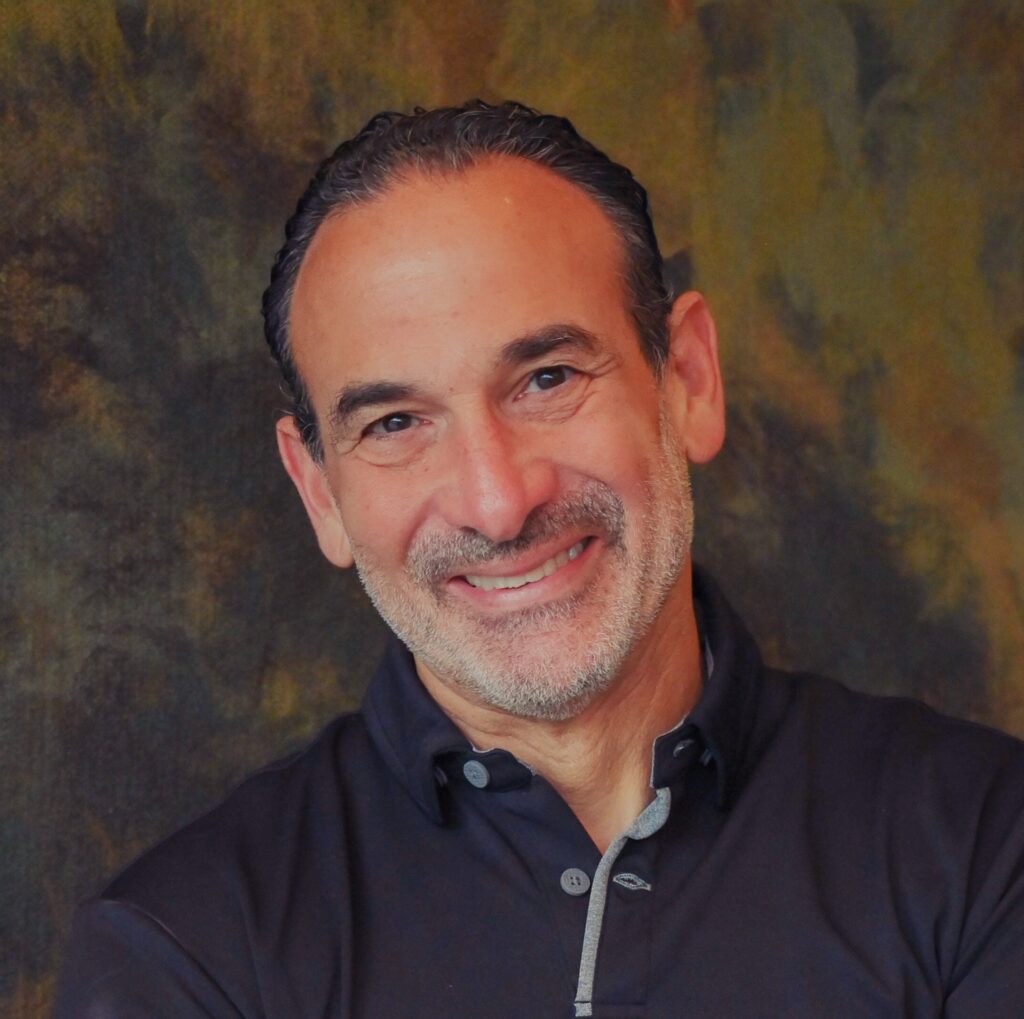
Anytime we can talk about money and financial freedom and being more rich and abundant and helping you grow your business, it is a powerful conversation. And today is especially going to be that because we have my good friend Mel Abraham on the show. Mel and I have known each other for several years now, and he is one of the most genuine amazing nice individuals that I’ve ever met. And everybody who knows him in real life will say the same thing by trade though, he is a CPA and he is a deep, deep expert on, on the subject of all things money. He is a globally recognized thought leader. He shares the stages with shares the stage with 400 Fortune 500 companies. He speaks at some of the biggest public events in the world. He is friends with a lot of the most influential people in this space, and he understands online business, understands offline business. He’s also a cancer survivor, which was something that he endured like in and around the, the pandemic and went through some of his own financial, you know, kind of issues dealing with that. And he’s just an amazing, amazing, genuine human. So he understands our space and he understands specifically, you know, he’s an expert in, in finance and all things money. So, without further ado, Mel, welcome to the show, buddy.
MA (01:25):
Rory, it is so good to be here. Thank you for having me, man.
RV (01:29):
Man, I’m so excited about your new book. So, building Your Mon Build Your Money Machine, which I love the title, build Your Money Machine. This book is fantastic. It is. It has diagrams and tools and charts and tables. You do such a brilliant job of making it clear and simple, you know just helping people understand money. So I’m excited to talk to you. I I, I wanted to ask you, where did your whole journey start? Like, how did you get into money and like, what, what happened early? I know you, you talk in the book a little bit about some of your earliest, like money memories and how that impacted you and has really like, set the trajectory of your life. So I’d love to hear that.
MA (02:16):
Oh my God, thank you. So, yeah, I look, most of our money lessons are caught not taught. And, and I was no different. I, I remember my, one of my earliest money lessons was was seeing my dad cry for the first time. Now, I’m, I’m a son of an immigrant family. My dad came here at 17 years old with nothing. He came here to go to school and, and he fought to get here and built a life, you know, he was an engineer, you know, aerospace engineer. But in my life, I looked at him as this tower of power and everything. And here he was in tears for the first time that I’d ever seen him in tears. And I didn’t know the specifics. I just knew it had to do with money. It was my mom and him having a conversation.
MA (03:07):
And I hear my dad say, I just feel like I’m letting down and disappointing the people I love. And I, I, and that hit me. And I didn’t realize how much it hit me, but I ended up carrying this idea that if I don’t make enough money, you’re gonna disappoint the people you love. Hmm. And I’m, it, it became this, this chase for me, the, the challenge was obviously I was wrong,
MA (04:02):
And Jeremy, at six years old comes running in and says, daddy, daddy, I drew a picture of you at school today. And so I kneeled down to grab this picture and look at it, and there I am, and blue felt tip pen, a stick figure with two computer screens and a phone in each ear, and the one on the desk ringing. And that was a mirror into my soul. He, he in a moment looked at me and said, dad, you know, you, you may want the profits because it pays the bills, but I don’t want the profits. I just want your presence. And that’s, it was in that moment where I ki I kind of looked at things and said, how, how is it and is it possible for the dream to be an entrepreneur, the dream to, to build and impact lives, to coexist with the gift of being a parent, giving, being, being a dad.
MA (05:01):
Because I knew that no matter what my financial success was, if I screwed up and messed up the parenting part, then I was a, I failed. I failed. Mm-Hmm.
RV (05:46):
Yeah. I love that. Well, so, so let’s talk about that specifically in the context of entrepreneurs, because there’s a part of being an entrepreneur that is like, when, when I think of it financially, there’s like these different buckets, right? So first of all, it’s like I have to make a lot of money. Like I have to generate revenue. That’s a, that’s an important part of being an entrepreneur. Then there is I have to manage expenses and I need to not spend more than I’m making. Then there is whatever past I had, like the debt I came in with to being an entrepreneur in the first place. And so I have to like, resolve that. But then it’s like, I’m also planning, I also have to plan for the future, right? For like retirement. And, and then I have like my personal finances. So if, if I just think about like, the businesses, okay, we gotta make money.
RV (06:43):
We have to spend money wisely. We have to pay off debt that exists. We have to plan for the future, and then we have to like pay our expenses now. And like, it is freaking hard. Like just, just even saying that out loud is overwhelming. It’s going like, yeah, I do feel like I need to get back to work. Like to do those five things really well is incredibly difficult. And then you go, how do I do that in some reasonable amount of hours inside of a week where I can still be a present dad and, you know, mom and friend and not, not work all the time? ’cause It’s scary going, how the heck am I gonna do those five things? So where do you think is the, is the, is most often the first place to focus? So like you look at those buckets, there’s making money, they’re spending money wisely. There’s paying off the past planning for the future and then like, you know, managing our personal, our personal lives. If, if, if, if that’s sort of overwhelming to me, where do I start first or just, you know, in those various areas, what are some things that we can do to kind of get more control Yeah. Financially.
MA (07:53):
So before we get there, I think the first thing that we wanna make sure we have clarity on is our direction. And that’s why everything I think starts with life. What is that life vision? What do we want for the business? What do we, you know, are we trying to, like I look at the stage of, I, I’m at my desire is to impact people as much as possible and have as much reach. My desire isn’t to build this huge organization. And so, so we, we need to be clear that we’re running our race first, because the tendency, and I watched, I watched a dear friend of mine start hiring a bunch of people because everyone else around him was hiring a bunch of people, and he felt it was the thing to do. He was miserable until he skinnied it back down to a small team to do the things that he really wanted to do. And, and so, so I think the very first thing, whether it’s in the personal or the business, is to ask ourselves, what’s my race look like? What’s my finish line look like? Where am I trying to go and why am I trying to get there? Mm-Hmm. Because then we allow that. So that will inform the plan. The vision will inform the plan. The plan will determine the strategy. The strategy will dictate the tactics. And then there.
RV (09:09):
That’s so good. That’s so good too. Because like, if you don’t, if you don’t do that, you literally, you scroll on social media and you see Lamborghinis and Ferrari’s and private jets, and you’re like, oh, my whole life needs to be about this. And then one day you wake up, you go, I don’t even care about that crap. Like, I don’t want five houses, five houses sounds like a fricking nightmare to me. Like all the, all, you know, mowing five yards and cleaning, having five, even if you’re not doing any of it, it’s like managing the contractors. It’s like, what a nightmare. But yet, if you don’t do this deliberately, you get like swallowed up into this current, like this, this mainstream current of like, more is better, bigger is better, nicer house, nicer car, bigger, nicer vacation. And, and you’re like consumed chasing something you literally don’t even want.
MA (10:01):
It’s, it’s so true. Patrick Beda, I saw an interview with him and he made a comment, he said, when we were growing up, and he grew up not far from, from where I grew up. And he says, when we were growing up, we would see a kid with a new bike. And that became our comparison set where we’re looking at new bike, I kind of want the new bike, but now because of social media, the comparison set is the Kardashian’s new jet and starts to create this, this need, this desire. And that that’s the definition of success. But the reality is, is that your definition of success might be a tent in Montana. And, and that’s okay as long as it’s of your own hands, of your own doing. I think that’s one of the biggest lessons that came out of the drawing that Jeremy made was because I had so many people saying, Mel, you have to get work-life balance.
MA (10:54):
But balance is a myth. This idea of a weight on one side, a counterweight on the other side, playing tug of war. And on average you’re balanced. And it’s like what we really needed was harmony. And harmony comes from intent. And I think when we become intentional with our life, with our time and our money, now we can direct it in a focused way to, to achieve the things that we’re trying to achieve. But too often we’re diluted in our, in our focus because we’re getting all, we’re getting barraged with all these messages, and we haven’t taken the time to define really what our lane is and what our race is
RV (11:31):
Gonna look. So when you define it, when you define it, like what, what does that mean? Does it mean like, I need to say exactly how much I money I wanna retire with, I need to describe exactly the kind of house I wanna live in, how many cars I want to have, what kind of college I wanna send my kids to, if I wanna send ’em to college? Like, what are the elements of going, this is what it means to be clear on the race that you’re running.
MA (11:58):
Yeah, so, so I look at it and I say, we’re gonna look at all the domains of life. So we’re not just gonna, so, ’cause it’s, it’s how we wanna live our life that matters. And then we put the price tag on it. So relationships, what do we want our relationships to be like? What do we want our family to look like? Where do we wanna live? What does our career look like? What is our health? So we, we define that and say, okay, what does it take to get there? Now let’s just be really clear. We can get as specific as we want, but we’re not gonna be exact. Because if I had that kind of crystal ball, then I’d be in a totally different business. I don’t have that crystal ball. So I look at things and say, where do I want to be in a decade?
MA (12:41):
Let’s just use a decade to start, because then a decade I can break to a five year milestone to a one year milestone, to 90 day increments, to action steps and projects. And it allows me to look at things through those eyes knowing that life’s gonna change. When, when my son was born, life changed. When I met my wife, life changed and things changed. And we have to revisit it. When my granddaughters were born, things changed. When I got cancer, things changed. So, so what we’re doing is setting a trajectory for a horizon to get us going the right direction and give us the boundaries that we want to operate within. And then as we start to live our life and we get closer to that time, we’ll refine it. And a lot of that refinement is realizing, I actually don’t like that, so I’m gonna put it away and I’m gonna just focus on this.
MA (13:38):
Like you said, I, I don’t own a ton of real estate directly, and part of it is I don’t want that lifestyle. I, the, the thought of having a bunch of properties and to manage it, even with a management company just stresses the hell out of me. I don’t want it. And so we tend to, to not do that. So the first thing is, is this is, let’s just figure out an idea of where we’re going. Let’s put a price tag a an estimated estimated price tag on it. So we kn we have something to go towards. Because the risk is if we don’t do that, we have no idea what the finish line is. And we don’t know how close we are, how far we are, and we have nothing to judge. So I just want to have something there. And every year, every couple years, you’re gonna revisit it and get more precise.
MA (14:28):
Then we can look at it and say, okay, great. Now I have an idea of where I’m going. Let’s look at where I really am. Because once I have those two points, my current reality, my desired future, we know the gap in between. Now we know the work we have to do. Mm-Hmm,
MA (15:19):
We gotta get a bigger shovel. We gotta get more income. And I think one of the biggest things, especially in a personal brand type of environment is that, is to ask ourselves, do I actually value myself? Do I actually own the value with conviction that I bring to the table because, and am I getting paid for it? Because that we grew up in this, the industrial age thinking of time clocks and time sheets and hourly rates and, and, and billable hours and all that stuff. Commoditize everything and, and cheapens it. And that’s the risk we create when we start to think in terms of a math equation, especially if we’re talking about expertise and personal brands and that kind of thing that we have to get away from that math equation. So one of the biggest, so how
RV (16:15):
Would you price it instead of that, right? Like how would you think of it instead of using like the math equation and is there a different way to think about it?
MA (16:24):
I look at, so part of it is, is looking at the, the value of the solutions you create. So for instance, in my world, what I originally started doing was I was A-C-P-C-P-M, still a CPA, I was valuing businesses to buy and sell, but I was also valuing businesses for purposes to fight, you know, tax, tax situations and litigation. Well, someone brings me in to do a valuation for an estate that’s gonna pay an estate tax at 40%, and I have the ability to create a value, you know, to come up with a valuation that supports a reduction of that, that tax by a million dollars. Me sending them a bill for a hundred grand is a drop in the bucket. And so I look at it, I started look at my business and say, I’m gonna, I’m gonna price it based on the solution that I’m providing more so than the hours it takes to do it.
MA (17:29):
Now, in some cases I got burned. In other cases, if you reduced it to an hourly eight rate, I got paid $10,000 an hour. You know, but I’m trying to, because the other thing is, I think it’s important for us to have the conversations with the potential clients. And, and in, in, in the frame of, of value, we don’t talk price without the context of value. It just, it just doesn’t, it doesn’t play well. And in the, the, the risk, I had a, a, one of the top tax attorneys, he, he since passed away in Beverly Hills. He brought me into to meet with a client, have the conversation, see if I was gonna be the one that they would hire. And then when the client says, how much is this gonna cost, I hemmed and hawed and I didn’t. And I, I hesitated.
MA (18:19):
And once the client left that the attorney Elliot looked at me, he says, if you ever do that again, I’ll never bring you another client. He says, you need to understand that you have a specific set of skills and expertise that you bring to the table, and you have to own them. The reason you hemmed and hawed is because, one, you didn’t own it. Two, you believe that it is your job to justify your price and your value to the client. He says, no, it’s your job to own your value. Put it on the table and sit there quietly. And the client is the client’s job to deal with it. And either they will or they won’t and, and leave it. Leave it that way. And so all of my pricing, other than government contracts, which required an hourly rate that I did all of my pricing was, was project pricing based upon what I saw the value of the solution was. And either they, they decided to hire me or they didn’t, and I was okay with it.
RV (19:16):
Mm-Hmm.
MA (19:23):
Yeah. And then, you know, and with, you know, post-cancer and all that stuff, you start to value time and, and, and your life. So I start looking at things and saying, how much of my life force is this gonna take away from me? Do I really want to get on the plane? Do I really want to do that? So, so I start to price things out saying, that makes it worthwhile for me. Now, is there a math equation behind it? Likely not. It’s, it’s me sitting back saying, I’m, I’m okay, this is the value of what, what I, what I can create for you and I’m willing to, to, to, to own it.
RV (19:59):
What if it’s not an empirical thing, right? Like it’s one thing to go, I can save you X percent on your taxes, or I can help you grow your revenue. You know, I can help you double your revenue, but what if it’s more you know, I can say, help you save your marriage or, you know, or like, I can help you get in better shape. I can, I can, it, it, it’s more per I can restore your relationship with your kids. Yeah. I, I get, you know, some of these like non non empirical types of scenarios. Is there a way to still do that, do you think? Or do you, is it, does it only work in certain environments?
MA (20:37):
You know, it’s, it’s harder to do it in there because it’s, it’s, it’s not as easy to quantify in, in that perspective. But I look at it and I go, the first doctor I went and saw for my, when they, they found the tumor was very flippant when we went in, he says, ah, it’s my bread and butter. And he just kind of, and, but he sat on the, on the original CT scan for 11 days. And I thought, and now he says, I need you in surgery right now. And I said, how is it that now it’s an emergency, but you sat on the CT scan for 11 days and I, so we made calls to different doctors and this, this one doctor came up three times and called his office sitting in the parking lot of the original doctor before we left. We called this doctor’s office. He says, we have an opening tomorrow morning, 9:00 AM do you wanna come in? And I said, yes. I didn’t ask the price,
MA (21:32):
I didn’t care. Now I was for, I’m fortunately in a financial position to not worry about it. But, but the solution was because I looked at it and go, this could be the death of me. You know, this could mean losing my life. And so I don’t know how to put a price tag on that. And so I didn’t ask the price, I didn’t look at it from that perspective. I just said, give me the best and I’ll figure out a way to make this work. Because the pain of losing life, not being here to live with my wife and my kids and the grandkids and all that stuff was too great. And so there was still a, a transactional analysis, even though it wasn’t monetary. It was, it was, it was still something. I looked at it and said, I, I can’t put a price on it other than the fact that I wanna be here.
RV (22:26):
Mm-Hmm.
RV (23:30):
It’s like, I’m, for my business to work, typically I have to be all in on the business. And it, it, it’s like having a baby, right? Especially the first five years. It’s like, it consumes all of your attention. So how should we, as entrepreneurs be thinking about retirement and, and are there any sort of retirement strategies specific to personal brands that you think that, that really lend themselves well to like experts, right? Yeah. Speakers, authors, coaches, financial advisors accountants, doctors, lawyers, like professional service providers, you know, people like that, direct sales, et cetera.
MA (24:38):
All right. I thought he would, I thought he wouldn’t bark, but
RV (24:41):
It’s all good. It’s all good. All good. We’ll edit it out. I made a note.
MA (24:47):
So this is a, this is a really important question to, to look at and to answer. The first thing that I, I’d like everyone to understand is that wealth creation is a muscle group. It’s, it’s a, it’s a behavior. Our ability to build that wealth is more about our, our actions and behaviors than it is about our money. So I’m not as concerned at the beginning, especially when you’re first starting out with how much you’re putting away. What I am concerned about is that we’re getting into the habit of putting something away. So, so no matter who or where you are, I just want you to put a little bit away and we’ll talk about where in a moment. But I, but I want you exercising the muscle. And so that’s, that’s one piece of it. The second, and I hear this all the time with entrepreneurs saying, I can make more money if I just reinvest in my business.
MA (25:42):
Mm-Hmm.
MA (26:46):
And so, so, but we set, we tend to just look at it and say, I can make more in the business by putting all my money back in the business. And the answer’s yes, as long as you can run the business and it can continue to run. But if that, if either one of those is not true, then you would’ve been better served to have a little bit put aside somewhere else to give you some cushion. And so that’s, that’s the, the foundational just philosophy behind it. I also look at things and say, I wanna build safety first, growth second. So my job is to keep, keep people safe. The way you keep ’em safe is, is to, to have some diversification, but also keep simplicity in it. You know, you mentioned all kinds of things, crypto and real estate and all that stuff. And you’re right, you’re trying to run a business.
MA (27:39):
You can’t learn about all that other stuff. And if you don’t have a passion for it, it’s gonna be hard to learn about it. So keep it simple. If all I had was 50,000, $10,000 to invest, you’re not going to buy a piece of real estate. At least you shouldn’t. Because again, we come back to risk. I can ba buy one property. If I have a bad tenant, a tenant that doesn’t pay someone I have to evict long-term, vacancy, bad repairs, all those things. I can’t carry it because I got into it and I don’t have safety first, growth second. And so I tell people when you first start out, let’s just keep it easy. I want you to put it in a diversified ETF or index fund. Buy 500 companies, 3000 companies. Make it easy. We know long term, 94% of the time in over 10 years or more, that that market’s gonna go up.
MA (28:38):
We’ll make eight to 10% in it. You have diversification, you have liquidity, and you’re in the game and you’re doing it simply. And if you’re not sure what to go into, you go into either an s and p 500 fund, a total stock market index fund, or you just turn around and do something called a target target date index fund. Say you don’t need the money for 30 years. You pick a 2055 fund with Vanguard or something and, and you just park it there and let it roll. There’s no, there’s not a lot of thought, there’s not a lot of analysis, there isn’t a lot of management, there isn’t a lot of fees, there isn’t a lot of expenses, but you’re in the game and the money’s starting to work for you. But it has to be long-term money to do it that way. And so that’s, and
RV (29:24):
That you can park that it started inside of an IRA, right?
MA (29:27):
Yeah. So I was just gonna go there so you can, you can park it inside of an IIRA. Now in the book, I talk about the wealth priority ladder, and I literally break down where you put each dollar, depending on where you are in that ladder. And, and so, so one of the things that we might do is early on, early on, if you’re not making a lot of income, we might have you put it into a Roth IRA first, because that’s gonna grow 100% tax free forever. You know, so, so early on, I wanna take the, the, the, the tax advantaged kinds of things, especially if I’m a low income bracket, low tax bracket. The tax deduction doesn’t mean a lot this year. Put it in, I’ve got a kid, 16 and a half year old kid who joined one of my programs. We had a conversation, 17 years old.
MA (30:23):
He says, he got, I got a job, what do I do? I said, open a Roth. I said, great. So three weeks ago we’re on a call and he says, I funded my Roth. I said, he says, I don’t know how to invest it, what do I do? I said, how much do you fund it with? I said, you’re still 17? He says, no, I just turned 18. So he’s 18 years old. He funded a Roth. And, and so I’m thinking he’s 18 years old. What did you put in it? 500 bucks, a thousand? And I said, how much you put in? He says, well, I fully funded 2023 and I already funded 2024. I go, hold on a second. You’re 18. You’re telling me you put 6,500 in for 2023 and 7,000 already for 2024? And he said, yeah, he says it helps because I’m living at home. But here’s what happens. If he just put it in an s and p 500 fund, let’s just say it grows at 8%, it will go up 107 times before he, before he ever get, you know, is at, at retirement age. That means that he’ll have $1.2 million or more without doing a thing. It’s in a Roth. He put 13,000 in, he gets 1.2 million out. He never pays a diamond tax.
MA (31:35):
And, and so at the very beginning, if I have low income and I’m eligible, ’cause there’s income limits for Roth, I’m probably gonna tell you to put it in a Roth. Take the tax advantage, have it tax free down the road, then you’re not not worried about it. Then as the income grows and we do, we have more income in the business, we might put a solo 401k in to get more because the Roth is limited to 7,000 bucks. Now but if I put a solo 401k in, I can put 23,000 and if I put a profit sharing piece to it, I can put up to 69,000 or so in there and more if I’m over age 50. So the, there is a, just like a recipe, you need to know the ingredients, the amount of the ingredients, and the timing in which to do it. So there is a hierarchy that I break down that literally says, if you’re here, this is what you do. If you’re here, this is what you do every step of the way. Because every dollar that comes into our life must have a job description before we earn it. If we want it to do the things intentionally, like we talked about the way to, to get us to the goal, we want
RV (32:45):
IEA budget and a plan or just a plan for that dollar. It’s a plan where, where it’s going. Yeah. A, a, a plan. Well, so that is, that’s why you need this book. You also building your money, build your money machine. And like I told you, like Mel has a knack for making it simple, breaking it down, the visuals, the ladder, the, this kind of stuff is super duper helpful and straightforward. So where should we, where do we want people go, Mel, to buy copy of the book and connect up with you?
MA (33:15):
I’ll go to your money machine book.com and you can, you can, you’ll see the, the links there to different booksellers in the uk in Australia, Canada, us You can buy the book, come back, give, give us the receipt and we’ll, I’ll give you some, some other wealth resources and gifts to help accelerate your path to financial freedom. And some additional trainings around, around that and resources. So, so yeah, that’s, that’s where they do
RV (33:44):
It. I love it. Your money Machine book.com. Mel is also a brand builders group client. So if even if you don’t wanna buy the book, you should go to your money machine book.com to see how he’s got his page structured and he’s given away some killer incentives for pre-ordering his book which are super duper valuable. And Mel, I’m so grateful for you, man. I, I, I’m grateful for your friendship and just for your partnership and, and letting us speak a little bit into your life and you speaking into ours today. Brother. We’re praying for you and your family and all the clients you help and, and we just wish you all the best.
MA (34:19):
I appreciate you, my friend. It is, it has been a journey and it’s good to have you on, on the journey with me.
RV (34:24):
Thanks, buddy.
Ep 494: How To Protect Your Personal Brand with Autumn Witt Boyd
AJV (00:02):
Hey everybody, and welcome to the Influential Personal Brand Podcast. So excited to get to interview a newer friend of mine, autumn Whit Boyd. And although we are just getting to know each other over the last several months we actually have a long history in common that we discovered at a Christmas party where her husband and I grew up in the same hometown, which Dalton, Georgia is a pretty small hometown, very small, so
AJV (00:52):
So we’re gonna be talking about different things you need to know in terms of maybe trademarks, copyrights, just intellectual property in general, but then also it’s in the litigious environment that we tend to live in here in the United States of America. What do, what do you need to know that you don’t know? And so, again, this is kind of one of those episodes that doesn’t matter where you’re at in your journey, this is going to be helpful for you. It does not matter if you are a beginner or you are super established. I promise you, there is something that you’re like, oh, I’m so glad I listened today. I had no idea. So this is one of those episodes you wanna stick around for. So let’s me formally introduce you to Ms. Autumn with Boyd. So Autumn is the founder and owner of a WB law firm, which in my opinion is really a law firm really built for personal brands.
AJV (01:47):
Now I’ll let you define that in a second, but I think that’s really important because I think that you have a really cr you have created a really unique niche in the market that you cater to the individual, the solopreneur, the entrepreneur, the small business owner who also has some sort of, you know, personal brand as a part of their business. And anything from contract templates to custom built contracts, to just even strategy on your ip, which is one of the things we’re gonna talk about today. This is a really unique business model that you have created to cater to people like me and everyone listening today. So to help them get to know you a little bit, I would love to hear from you, how did you create this niche in the marketplace? Because it is different than most other attorneys and other firms that we have met, that we have talked to over the years, because you have a deep knowledge in the personal brand space. So how did that happen?
AWB (02:50):
Absolutely. By accident. It was not a grand plan. I quit my last job, hopefully we’ll never have another one. And started this firm in 2015. And I tried a couple different things. I tried working with startups. I tried working with creative, more creative entrepreneurs service providers. And what I found is I tried lots of different things, was that my favorite people to work with were these personal brands, mostly folks selling either education products, doing speaking a lot of coaches. So all of them had a deep mission at the kind of core of their business. So they wanted to build something bigger than themselves. They wanted to have an impact. And they were just energetic and creative and fun to work with. My background was as a copyright litigator, so I used to go to court and mostly worked with photographers and stock photo agencies.
AWB (03:42):
So I have a deep knowledge of copyright. And what I found was for these personal brands, you know, I ended up building a team that we can really do everything they need. The good news is the business model is fairly simple, even as it scales now, as it scales, the complexity of some of the legal needs becomes more significant. But you know, in the beginning there’s not a lot of revenue streams, there’s not a lot of moving parts and pieces. So it’s easy for us to come in and really make a big impact with not a huge amount of, you know, legal spend or a lot of you know, complex legal protections.
AJV (04:19):
Yeah. So that’s a great opening to this conversation, and I love that you went to, like, you were in litigation for different copyright. Like yeah, that’s one of the biggest things that I think our audience, it’s just unaware about. And I think it’s, ’cause it’s one of those things where there’s just a lot of nuance to what can you copyright, what do you trademark, but what should you copyright? Yes. Or what should you trademark? So can you just like, define it, like what’s the difference between a copyright and a trademark?
AWB (04:51):
Yes. So we’ll dig in. So when we think about copyrights, think about content. So if you have a curriculum or a framework, things that you teach, a signature talk that you give all of that is going to be protected by copyright. Also, things that you think of more as like true art. So photos, sculptures, paintings, movies, music, all of that is covered by copyright. When we think about a, a trademark, think about a brand. So it could be your name if you are the personal brand, we certainly have helped some of our clients register their names as trademarks. Often it is the name of a signature concept, or it could be the name of a business. If you have a signature course or offering, it could be that name, it could be a podcast name. Anything you think of that is attached to your company. So the purpose of a trademark is to help customers find you basically, and to know that when they find you, you are the thing they were looking for. So in a more traditional corporate sense, think of like Coca-Cola or McDonald’s. Like those are big, big brand names. So you know, when you get a Coke off the shelf, you know what you’re getting because it has that Coke branding on it.
AJV (05:56):
Oh, that’s a really great distinguishing factor. And I love how simple that is. It’s just like copyright is content, right? Yeah. And I think, and I love too, it’s like it’s, it’s, it’s art is considered into like photos and anything like that, but it’s the, the creation, right? So it’s what have you created, whereas trademarks or anything associated with the brand, so your name, company name, curriculum names, so titles, yeah. And ultimately helping define that you are who you say you are and helping other people find you.
AWB (06:29):
Yeah. There’s a little bit of overlap when it comes to logos. So think of like, Mickey Mouse is my favorite example here. You know, that is a creative work, but it also signifies the Walt Disney brand. But for most of the people in our space, you’re not really gonna have a lot of overlap. Logos are
AJV (06:46):
So it’s interesting. So then with all of the people that you have worked with, like what do you think people should be like in our space? Right? So most of the people listening to this are in some sort of content creation Yeah. World, whether it’s you’re writing books or creating speeches, or you have coaching programs, consulting programs, or you’re just trying to come up with methodologies and frameworks for your existing business, right? So what should we be thinking about when it comes to, well, what should I go and get, you know, a trademark for what should I try to get a copyright for?
AWB (07:20):
Yeah. And I forgot to give my standard disclaimer, aj, which is, I’m a lawyer, but this is not legal advice, so I’ll plug that in. And I’m a bit of a contrarian when it comes to trademarks. So I really think for personal brands, the folks who are listening probably don’t need a lot of registered trademarks in their business. So what we usually recommend, we’ll kind of take an inventory when we start working with a new client, you know, what are the different brands you’re using in your business? And we’ll look at them and we try to prioritize what is making you money
AWB (08:04):
But usually there’s one or two that bubble to the top of like, oh, if someone copied this, you know, it would really confuse my audience. Or like, I would definitely lose sales. So we kind of prioritize it that way. Is it making you money? Number two, are you going to stick with it for a while? Because in the United States, the trademark registration process is expensive and it takes forever
AWB (08:53):
So I wanna make sure that you’re gonna stick with it long enough that waiting that time, spending a couple thousand dollars, usually if you’re working with a lawyer on a trademark registration, it’s not cheap. And you wanna do it the right way, very easy to mess up on your own. So I wanna make sure you’re gonna stick with it long enough to see some benefit from having that r in a circle. And then the last thing I always ask is, you know, would you be upset if it were copied? So sometimes there are things that aren’t necessarily a money maker, but they’re just very personal or you feel really attached to them. And so maybe it is, you know, if you do have the you know, extra funds in your business, it may make sense to register that just because you would be, you would feel very violated if someone else copied it.
AWB (09:36):
Mm. And what a trademark registration does for you, it gives you an easier way to enforce your rights. So if you’re not willing to send a cease and desist letter, if you’re not, if you don’t want to kind of become a little bit combative, now you don’t have to file a lawsuit, but to maintain a trademark registration, you have to enforce it. That’s one of the requirements. Or it will just basically become worthless. So you have to be monitoring the mar marketplace, seeing if anybody else out there is starting something similar. You gotta keep your eyes out. And then, and we do that for a lot of our clients and then you know, take appropriate action. So send a cease and assist letter or try and figure out, you know, can we coexist in this marketplace? Can you stay in your lane and I’ll stay in my lane? So the getting the registration is really just step one of a much longer process of protecting that brand. Yeah.
AJV (10:25):
So that’s a really good conversation. So registration is step one. ’cause You may not even get it right. Right. You may apply for it and be denied, but assuming you do get it, that’s really step one because then you have to have things in place to monitor the marketplace to see if any else is using it. And then you actually have to be willing, right. Both in emotion and in dollars Yes. To actually enforce it. So, and I love those questions. You said it’s like, Hey, is it making you money? Are you gonna stick with it? And would you be upset if somebody else was using it? And if the answer is yes to all of this, it’s gonna be a couple thousand dollars and a year and that stuff, or
AWB (11:02):
More, it could be two or three years depending on kind of some of the speed bumps that you may come across.
AJV (11:07):
Yeah. But they approve based on date of application date of when it was in use. How does that work?
AWB (11:14):
So there’s two ways you can file an application in the United States. One is you’re actually using the trademark. So that’s called an in use application. Those go the fastest. But you can also file an application if you’ve got an idea or something you’re planning to launch in the near future. And that’s called intent to use. So you go through the process and then you kind of hit a speed bump and you still do have to show you’re using it. So you can’t get to the finish line, but it will put you ahead of the line of somebody who comes after you to try and apply. But in the US it, the, the rights are all based on use. So we have what’s called a race system. So it’s a race to be the first to actually use your trademark in connection with selling something. So it’s not enough to just have a landing page up or a coming soon. You have to actually be using it in commerce.
AJV (12:01):
Yeah. So this is so
AWB (12:02):
Interesting. So it can get tricky.
AJV (12:04):
This is so interesting. So I have a question. So what about ’cause you mentioned slogans, but like, what about quotes? Mm-Hmm.
AWB (12:15):
It can be. If it’s something now it has to be used in commerce and you have to prove that to the US patent and trademark office. And they have specific ways they wanna see you using it. So it has to be used kind of near where you’re selling something. So you’d have to use it on a sales page or you know, in a brochure that has a way that you can call and buy something. There’s different ways, but they’re always looking for you to use it in like an advertising or marketing way. It can’t just be, I say this thing on my podcast a lot.
AJV (12:43):
What if it was something that makes sense? What if it was something in your book?
AWB (12:47):
Yeah. So you’d have to show that you’re using that quote, not just in the book. It would have to be featured in, you know, again, like a pull quote on a sales page or something. Yeah.
AJV (12:58):
Interesting.
AWB (12:58):
It’s very strict. They’re very stringent. This is why a lot of applications get denied. And that’s why I always say, you wanna work with a trademark lawyer who knows what they’re doing
AJV (13:06):
To have it in the right and necessary places, but really they wanna see it. How is it being used for commerce?
AWB (13:12):
Yeah, exactly. That’s what trademarks are all about. Copyright, you know, it could absolutely be in the book and be protected, but it has to be you know, a a quote would be too short to be protected by copyright. It has to be considered a, a work.
AJV (13:26):
Fascinating. Does that
AWB (13:27):
Make sense? Yeah.
AJV (13:28):
So what, what do you see are the biggest mistakes that people are making when it comes to copyright and trademark?
AWB (13:35):
So, on the trademark side, since we’ve been talking about that, the biggest one is choosing a brand and then not checking to see if anyone else is already using it. Because again, we’re a race system. So if somebody else, you know, you come up with this really great slogan or brand idea, someone else is already using it. It doesn’t matter if they stay very tiny and you, you know, achieve this great success and huge exposure, they would still have what’s called priority. So they, they win the race, they could come after you, you know, years later after you’ve really built that brand invested time and money into promoting it. Okay. So, so we always wanna start with a nice, fresh, clean brand that is really just yours that you can own.
AJV (14:19):
Agreed. So what should people be doing to go, oh shoot, is my stuff already being used out there? Like, where’s like the safest place to check? How would we do that?
AWB (14:29):
Yeah, so I usually recommend a couple. You can do these on your own. Now we have a paid tool that we use at the law firm. So if you wanna register your trademark, we’ll do a deeper search. But you can absolutely do it on your own. I always start with a Google, but go to like page five or six, like do a deep Google check any social media platforms that you may be using. So if you plan to be on LinkedIn, go check LinkedIn and see if that brand pops up when you search. Same if you intend to start a podcast, go check the podcast players, type in the brand, see what pops up. And then also the US Patent and Trademark office. But there are so many unregistered marks that could still cause you problems because in the US you can have what’s called common law rights, even if you never register your trademark.
AJV (15:12):
What’s that?
AWB (15:14):
So it just, it, you can file a lawsuit, you can take action to protect your brand, even if it’s not registered. It’s a state law, right? So it’s not quite as strong as, you know, the federal rights that you get when you register your trademark. There’s definitely advantages to registering. But there are people out there with common law rights that can cause you problems. So again, that’s why we wanna make sure we search and we see it’s not just the registered ones that could cause us problems.
AJV (15:41):
Yeah. So back to this litigious environment where anyone can file a lawsuit for anything for any reason.
AWB (15:48):
Correct.
AJV (15:49):
Yeah. That’s, thanks Americans that is that is definitely something to be on the lookout for pros
AWB (15:56):
And cons for sure.
AJV (15:57):
Yeah. And I, and I love that it’s like, do a Google search, you know, go through podcasts, right? Search, you know, apple, iTunes clearly the US Patent and Trademark office social media platforms what about Amazon? Like, should we be searching like Amazon for book titles, or does that really matter?
AWB (16:16):
So a single book title is never a trademark. Okay. But if you’re doing a series of books that can, because book titles are generally, you know, not really a brand when you think about if you’re looking for something Sure. Yeah. But if you have a book and a course that goes with it, or if you have a book and you know, a workbook or a series of things okay. That can’t, now there there is confusion among book titles, but I mean, I’m sure you’ve noticed if you search up a book title, there may be five different books with the same title. That’s pretty frequent.
AJV (16:45):
Yes. Or I usually don’t just like one word different. Yes. Yeah.
AWB (16:48):
I usually don’t worry too much about that if the plan is just to make it a book. Okay. Now, if you’re planning on making it a, a big brand, you may wanna consider choosing a different title ’cause you don’t want that confusion.
AJV (16:58):
So I wanna be clear really quickly. So using my husband as an example, who has his first book Take The Stairs, which was a, a New York Times bestselling book. So you’re telling me right now if some other person today decided they wanted to write a book called Take the Stairs? They could. And it’s not a big, like,
AWB (17:18):
It’s not a violation of any rights. Yes, I know.
AJV (17:22):
But we have
AWB (17:23):
Authors don’t like that
AJV (17:24):
AWB (17:34):
Not for a book title. Book titles are, are generally never a trait. But if he has other things connected to it that could be become a brand. Like does he have a signature talk or like handouts or, yeah, so usually there’s like a, a universe that grows a, around something when it’s
AJV (17:53):
Fascinating
AWB (17:53):
A slash like that.
AJV (17:54):
I think this is a really unique and important topic for our, the brain
AWB (17:58):
Vendor for sure.
AJV (17:59):
Right.
AWB (18:06):
Like a freebie. And a lot of people do this in publishing now. You know, you buy the, you buy the book early, you get some sort of online resource. Yeah.
AJV (18:14):
I
AWB (18:15):
You’re very familiar with that, aj.
AJV (18:16):
I know that and that’s why I’m asking. ’cause I just like, out of all the things, like this is something, it’s like, hey, it’s like if you’re gonna write a book, then you need to make sure you have, you know, the coordinated keynote speech to it. You wanna have some sort of like, Hey, free download it, you can get ahead. Yeah. And they, and they all need to have the same title. Correct. And then in that regard, if you had your, now it’s
AWB (18:34):
A
AJV (18:34):
Brand. Now it’s a brand. So now we can go and try to trademark trademark it. Yes.
AWB (18:38):
Exactly. Yep.
AJV (18:40):
Y’all deal. And this is always
AWB (18:41):
Something, a big deal, and this is always something I negotiate when my clients get book deals, is making sure that they own the trademark to the title. Because that is not something that most publishing companies think about.
AJV (18:51):
Yeah. But that is a huge deal.
AWB (18:53):
It’s a valuable asset for sure.
AJV (18:55):
Yeah. If you’re gonna publish this book, then we need you to at least publish this free workbook that’s three pages that goes with it and have your keynote title the same thing. Now we have a brand, now we can go trademark it. And that’s a really
AWB (19:09):
Important thing. And now you can exclude other people. Yeah. Yeah.
AJV (19:12):
That’s so nuanced, but so vitally valuable for every single person who has listened to this, who goes, one day I wanna write a book. ’cause We do this thing. So we have what we call the five title tests. And a part of those tests is, one of them is the availability test
AWB (19:47):
I Yeah, no, I agree. I would avoid it. Yeah.
AJV (19:49):
Find, find a new title. But ultimately if it’s just that somebody else could go, no, I’m gonna go for it, I’m taking it. It’s true.
AWB (19:57):
Yeah. If you’re really connected to it. Yeah.
AJV (20:01):
But that’s a big deal. Yeah. You know, our whole thing is like, Hey, if they’re already taken, let’s find something that can be unique. No,
AWB (20:08):
I agree.
AJV (20:09):
I agree. For sure. But somebody could on their own go, wow, they don’t even have a website, they don’t have a podcast, they don’t have a thing, they don’t have anything else. I’m going for it and I’m gonna take it. Mm-Hmm.
AWB (20:55):
Yeah. So when we think about most of those things, they’re gonna be protected by copyright, not trademark. And we, we’ve all probably heard you have automatic copyright protection as soon as you create a work. If you haven’t, good news, you have automatic copyright protection. As soon as it’s out of your brain, it has to be in a computer document or written or something. But in the United States, you cannot file a lawsuit until it’s registered. So it’s kind of the, the opposite of with trademark, you don’t have those common law rights. So if you have something, again, that’s a really key asset in the business, a signature course, a signature talk, something that would really have an impact. If someone copied it, we highly recommend registering that with the US Copyright Office. And it doesn’t mean you’re ever gonna file a lawsuit, but if you did have to send that cease and desist letter, you know, if I get a cease and desist letter and I check and it’s not registered, I’m like, I’m not really worried about it because I know they can’t really do anything. They, you know, it’s kind of an empty threat. Yeah.
AJV (21:51):
So that’s interesting.
AWB (21:52):
The good news is the copyright process is much simpler than the trademark process. So, and it’s really it’s almost the opposite. So with trademarks, they’re giving you a monopoly on that brand. So they’re very, they make it very difficult. It’s very hard to get through that process on copyrights. They want to encourage creativity. So the process is much simpler. I would still recommend working with an attorney, but if you want to try and DIY it, it’s pretty forgiving if you make mistakes.
AJV (22:18):
So what are some examples of things that people should get a copyright for?
AWB (22:23):
So an online course or curriculum? I have seen people do keynotes. Podcasts are hard to do because it’s episode by episode and that’s just a slog. It’s a lot of work and time and money books for sure. And if you’re working with a publisher, they may take care of that for you. They may not. That’s something to check your contract on whose job that is. But definitely, definitely a book. I’ve registered the copyrights to entire websites, especially if they have a, you know, a rich, you know, history of blog posts or really good content. Wow. so again, the analysis is, is it valuable to your business? Would it impact you if it was copied?
AJV (23:04):
That’s fascinating. So again, everyone who’s listening courses, books, yeah.
AWB (23:10):
We register a lot of courses. Yes.
AJV (23:12):
Yeah. And, and that’s a lot. The thing that,
AWB (23:14):
Yeah. The thing I will say, though kind of on the the flip side of this, people often ask, you know, how can I stop someone from copying my course? You can’t, you can’t actually stop someone. You can set yourself in a good position so that if and when it happens, you know, you can take action. But I usually tell people, don’t worry too much about it being copied. You know, go ahead and put some protections in place and then kind of put your blinders on. Mm-Hmm.
AJV (23:48):
That’s right.
AWB (23:48):
It’s not just that they wanna learn about Facebook ads or they wanna learn how to garden or whatever the thing is that, you know, you’re teaching about. So it’s very hard for a competitor to just copy your content and have any kind of impact. Yeah.
AJV (24:00):
And I love that you said that. ’cause That is so true. It’s like they could go learn this anywhere else. They’re coming to you because they wanna learn it from you. Right. Right. And I love that you said that there’s a time and a place to go, Hey, let’s, let’s be wise and protect the things that are valuable assets that make you money, that have meaning to you, that, you know, whatever. But at the same token, remember at the end of the day, they’re coming to you because it’s you. And No, I love that. I think that’s a really good checkpoint of not creating panic
AWB (24:35):
Can be, it can be a huge energy drain. I’m sure you’ve seen this. Oh yeah. And it can be very dis very distracting and very upsetting when you find that you’ve been copied so it doesn’t feel
AJV (24:45):
Good. So, so on that note, so what do you do if you discover that you have, right? Like if somebody has copied your work, like what do you do? What should you, yes.
AWB (24:56):
Yeah. So step one is always create a record
AWB (25:39):
And then step two, once you’ve got all that collected and organized depending on kind of how important it is and who it is, this may differ a little bit, but I like the idea of reaching out to the person before you involve lawyers and before you get really mean and strict about it. Mm-Hmm.
AWB (26:21):
Like whatever in your eyes would make that feel okay. And I would say 99% of the time they’re super embarrassed. Mm-Hmm. And they will comply right away. They’ll either take it down, they’ll apologize. And then that 1% of times, you know, they may get their backup and say like, no, I created this. Or they’ll deny it. And sometimes it’s obvious, sometimes it’s a little more of a gray area, like they’ve copied your ideas, but they haven’t copied your exact words. And that’s where it becomes a little harder. But then sometimes we do have verbatim copying where they say, no, I’m not gonna take it down. And that’s when you probably wanna get a lawyer involved if it is something that is, again, valuable to you because lawyers are expensive. Yeah. so not everything is worth, you know, spending thousands of dollars on hiring a lawyer to help you with. But if it is something essential to your business, then that would be the next step to kind of ratchet things up. Yeah. Is get a lawyer involved who can help you. You know, sometimes people can say things accidentally that they don’t know could hurt them later. Uhhuh,
AJV (27:22):
Anything you say can, will be
AWB (27:24):
Used, can and will be used against you. Yes.
AJV (27:26):
But I think that, I love that where it’s like, you don’t have to go right to level 10 immediately send a cease and desist. It’s like, Hey, make the person aware. Ask them to take it down. Make sure you take the proof. Then it’s like there’s a system of escalation. Yeah. Yeah. To
AWB (27:43):
AJV (27:45):
Which is good because nobody really wins in a lawsuit. The only, you know, I had, we were in a lawsuit once trying to get our IP back and you know, the lawyers were really upfront and they just said, I just wanna be upfront with you day one. You do not win here. The only people who win here are your attorneys, the lawyers.
AWB (28:05):
Yes.
AJV (28:05):
We just want you to know you. Even if we win, you’re not winning. We are winning. Right? Yes. And they were so correct and I was so appreciative of like, oh yeah, like, you won big time. You know? Yeah. Because it’s, it’s, it’s an emotional drain. It’s a financial drain. It’s a time drain, and it’s like, you better really be sure. Right. And, and also that should on the other side, people don’t wanna be involved in that on the other side too. Right. So I love your approach of most people are gonna be embarrassed and they’re, they’re gonna want to avoid that as well. So start with doing that before you involve attorneys. Now I do have a a, a personal question, and I’ll leave any names out of it, but in my husband’s first book, there’s a very famous quote Right. That he uses in, in his speeches in, in our courses and the book, it was just kinda like one of those signature pullout quotes. We call it the rent axiom, which is, you know, the rent is always due. And people really like that and took that. And
AWB (29:10):
This is his original Right. He didn’t borrow it from anyone else. Yeah,
AJV (29:14):
Yeah, yeah. And they took it and used it and quoted it and put it on t-shirts and put it on posters, shared it on national television and never cited it. Yeah. Now, I believe that some of these very well-known famous people probably didn’t know where it originally came from. They just heard it Right. From a, from a whomever. From a whomever, from a whomever. So what do you do in those cases where you’re like, Hey, like you are saying this and not giving yourself credit, but taking credit for it. What do you do in those cases?
AWB (29:46):
Yeah, I think again, you have to decide, like, is that impacting your business enough to spend the time and energy chasing it? And maybe it is, maybe this is something that’s really personal and means a lot to him, and that he wants to be attributed. I mean, I think if you see like memes and quotes, they are misattributed all the time. Totally. And so you’re definitely playing whack-a-mole at a certain point, trying to go after all the places that have, you know, cited that incorrectly. But there may be a couple, you know, if it’s Oprah, that you try and get in touch with their people
AJV (30:38):
Yeah. That’s interesting. So you’re kind of just SOL kind of
AWB (30:42):
A little bit. Yeah. Again, we all have limited time and resources, so even though I’m a lawyer, like you could spend all of your time and energy chasing after this stuff, and most of the time it’s not really having an impact on your business. So I’d rather see you focus on growing the business, being proactive.
AJV (30:58):
Yeah. And I, and I love that because what it is having an impact on is your banking account with all that money coming out. Yes. Yes. So back to be selective, be protective, but be selective. Yeah. Right. I love that.
AWB (31:10):
Yeah. You don’t, not every battle is one you have to fight.
AJV (31:12):
Amen. I love that. So, okay. What else do we need to know to protect our brand?
AWB (31:18):
Okay. This is the one that nobody talks about. ’cause Trademarks and copyrights are sexier. But contracts are
AJV (31:24):
Really Yes.
AWB (31:25):
The biggest, most important. Yes. Like legal foundation. This is really, even though we’re IP lawyers here at the A WB firm, we spend almost all day, every day working on contracts that may touch IPN may not. Mm. So tell me how you see contracts coming up with your clients. Like where are, because I can, I can think of a couple, but I’m curious what you’ve see.
AJV (31:47):
You know what’s so interesting? I feel like most people wonder if they need them
AWB (32:20):
I was about to say. Yeah. It’s, it’s
AJV (32:21):
In flux. It’s except for, except for right. Executives for X amount of periods. So there’s these nuances to it. And if you don’t live in the legal industry, which I do not, but I’m in the EO group with you, right? Yes. Entrepreneurs organization. And that’s just a really added bonus that people are always talking about these things. And I catch ’em really in the peripheral. Yeah. But for those of you who don’t, so like, this is a great example with this new non-compete walk. Does that mean that all of us as business owners need to go update all of our contracts today? Do we need to go and, you know, have previous signed assigned employment agreements refreshed? Like what do these laws mean? One thing that they passed, but then what are we expected to do? And if we don’t know because we’re not attorneys and we do have ’em in there, and then someone’s like, that’s illegal. Like, you know, so I think those are the nuances where I hear, I’m like, well, I didn’t know that. It feels
AWB (33:19):
Very overwhelming, best to
AJV (33:21):
Know that. And so I think it’s one, do I need a contract? But then two, it’s like, what do I need in the contract? And I’ll tell you the number one thing that people I hear from, at least our audience, is I don’t wanna 13 page contract and I want, I don’t want it to sound like some attorney wrote it. ’cause No one can understand that junk. Like, how do I get a normal everyday language agreement that I can understand and my clients can understand? Yeah. So, and that’s kind of hard to do.
AWB (33:48):
It is. So going back to the first question, a contract is better than no contract, even if it’s not perfect. So I will take an imperfect contract all day long. All a contract is doing is setting expectations between two people or two companies about what’s gonna happen, value that’s being exchanged, you know, if there’s money being exchanged services if you’re selling a course or curriculum or licensing your content to somebody else to use. So there’s still gonna be a lot of good stuff in there, even if you mess up some of the specifics. So, and most things will not go to court. So that’s the good news. Most of the time you’re negotiating with the other person if something goes wrong. So using a contract is better than not, even if it’s not perfect. Mm-Hmm. As far as keeping up with all of the changing things, I understand that is overwhelming. I have a resource to recommend, which is the a WB firm firm newsletter. So we send out a newsletter every week or so with these kinds of updates. So if you are in this industry you know, I can’t promise we’re gonna cover every single thing. But it’s a nice way to just get little, you know, snippets about things that could impact your business. And you’re not getting a bunch of junk that applies to like a giant corporation. It’s really focused.
AJV (35:03):
I give online business, I’m gonna give you a plug for this because I subscribed to this and the one that came out I think last week was are you mandatorily required to hand over sales recordings to your clients if they ask? Right. And I literally sent that to our VP of sales. I’m like, I need you to listen to this. Right. And it’s like, but it’s like, those are like things that wasn’t even on my radar, right? Yeah. And it’s like just subscribing to this newsletter. And just so you guys know, I’ll put this in the show notes. I’ll have all of the links for everything that you need and want and sh should do, even if you don’t think you do. But this one, if you go to awb firm.com/newsletter, a wb firm.com/newsletter, you can sign up for it. It’s free. But like, this is a great example of like, this is like things that I’m busy doing other stuff with. I’m like,
AWB (35:58):
Right, you’re not a lawyer, it’s not your job.
AJV (36:00):
Do we have to send these sales recordings and what are they gonna do with it? You know, so yeah. Little things like that I think are really, really valuable. Just a plug. Yeah.
AWB (36:09):
And the other thing I would mention is the way we approach legal protections and keeping up with all this stuff is proportional to the size of your business and to the risk of your business. So if you are just starting out, if you are getting your brand, your personal brand up and going, a lot of this stuff really doesn’t matter because you don’t have a lot of money in the business. You don’t have a lot to lose if you mess something up and you’re unlikely to be a target, frankly, for someone to sue you report you, you
AJV (36:36):
Know, bonus being a beginner. That’s
AWB (36:38):
Right. You’re, you’re, you know, little business, little problems
AJV (36:58):
Yeah. And I think that’s, so that’s so why so on some of these specifics, like just because these are things that I know have come up in our community a lot, like non-disparagement can’t do it. So at the same time though,
AWB (37:12):
In some scenarios,
AJV (37:13):
AWB (37:42):
Yeah.
AJV (37:42):
So is that in line? Is that okay?
AWB (37:45):
Yes. And that was our, sorry, that was already illegal. Like that’s liable or slander saying things that are false. So what defamation clause is really out, if you have a defamation clause in a contract, what it prohibits is saying things that are true
AJV (38:05):
That’s, but that’s you know, one of the things that’s come up in my eo, it’s a
AWB (38:08):
Fine line. Uhhuh.
AJV (38:09):
AWB (38:22):
Yeah. So if you were gonna sue someone for liable or slander for defamation, it can’t be a feeling. It has to be a fact. So it has to, it has to be a false, you know, statement that you could test or verify. And it has to have a negative impact on your business, succeed.
AJV (38:38):
So succeed, lemme give you an example, succeed. Yeah. this was something that came up in like one of the like forum chat groups I’m in and they took a screenshot and somebody had put on like Yelp or Google reviews or something, worst business ever. Worst money I’ve ever spent. And it’s like really was is it really the worst business ever of all time? Is that truly accurate? Is it really the worst money that Right. Spent really? It’s like, have you eaten at, you know, the gas station? I don’t know, like Right. You know, it’s like really? Right. So what do you do with stuff like that?
AWB (39:14):
I mean, that stuff is just part of being in business. You gotta let it roll off your back. You can try and respond, you know, I mean, I, I don’t know about you. I’ve had some clients get canceled and it’s often over like really silly things and it’s very painful, it’s very hurtful. Awful. But often the best advice is just to ignore it. Like, just to move on. Yeah. Go do something positive to kind of shut out the negative noise. But I understand a lot of them are like, well, I wanna sue them. And I’m like, that is a
AJV (39:43):
Waste of your time.
AWB (39:45):
Kind of the worst thing you could possibly do. ’cause Now your answer just attention.
AJV (39:48):
It’s just attention. It’s just attention. Yes.
AWB (39:50):
And I’ll often say, this is not a legal problem, this is a PR problem.
AJV (39:54):
Yeah. That’s good.
AWB (39:54):
So some of it you have to kind of handle that way.
AJV (39:57):
So what, so why did so what was the basis for getting rid of these non-disparagement clauses? Just
AWB (40:04):
They’ve been legal for a while, but no one was talking about them. Yeah,
AJV (40:07):
So I this is, I don’t know why it is like it’s, this has been in the last two years and
AWB (40:12):
People, it’s, yeah, it’s been talked about more. So it’s a federal trade commission rule and it’s consumer protection. So it’s meant to protect customers from being able to speak truthfully about their interactions with a business. So you can’t, it’s kind of like a gag on them being able to, which is why a lot of people want to include non-disparagement in their contracts with their customers. So it’s, it’s still legal in other scenarios. It is becoming a little more iffy in the employment scenario. And I’m not an employment lawyer, so Yeah. I’m not gonna misspeak about that. But it, it is nuanced there. I do know. Yeah. so if you are wanting to include a non-disparagement clause in a, like a severance agreement or a termination agreement, talk with your lawyer because first mm-Hmm.
AJV (41:04):
But I think just everyone, as you’re paying attention to that, just make sure that you are looking at your contracts to make sure they do say things that people are aware of. It’s like you cannot falsely exaggerate or make false claims. And I do contract reviews for some of our clients on occasion. Anyone listening, do not email me.
AWB (41:28):
You’re delighted to review your attorney, your
AJV (41:30):
Contract. Correct. In passing, like, Hey, can you look at this, this? And it’s like, and you don’t have anything in there about cannots. And I think that’s back to setting proper expectations of Yeah. However common sense at things. Sometimes it’s good to have common sense in writing. So that would be one. And then since you’ve kind of like, this kind of came up for both of us, like this new non-compete bill that has passed. Yes. Which will be nationwide.
AWB (41:53):
Yeah. And so that is actually a regulation from the Department of Labor. So it’s not a law, it’s a regulation, but it has just come out. It has not been, you know, they have a publication period where people can comment. So it has not gone into effect yet. And actually we’re sending out a client alert, I think it’s like on my desk to review
AWB (42:39):
But just kind of like, this is a great time to just see if this even matters to you. If you’re drafting new agreements, you might consider leaving it out because it may or may not be valid. One thing in the rule is it, it says if you include a non-compete after the rule goes into effect or maybe if you have one, I can’t remember exactly, but you have to actually send a notice to the person who signed that contract. Like, Hey, that non-compete you signed is no longer valid. Oh. So I think most pe most people don’t want to have to do that.
AJV (43:08):
Interesting. So, so what about preexisting signed contracts? Those stand, it’s just anything new?
AWB (43:14):
No, the non-compete would not be enforceable,
AJV (43:17):
But, but you wouldn’t have to send out something to previously signed yeah.
AWB (43:20):
Don’t quote me on this because it is detailed and nuanced, but read our client alert,
AJV (43:25):
AWB (43:28):
We had a Slack conversation that was like very long about all the nuances,
AJV (43:34):
It’s not simple. This is kind of back to the conversation at hand. It’s like, what do you need to know? And if you don’t know, how do you stay in the know? Right. Yeah. So that’s my last question for today. Other than signing up for this newsletter as a very entry level basic, have some sort of source of information. Yeah. Yeah. If people don’t have an attorney on demand or they don’t have a legal counsel, or they don’t, you know, that’s most people, right? Yeah, absolutely. How on God’s screen earth are we supposed to stay up to date with this stuff?
AWB (44:04):
You’re gonna do the best you can. And that is, you know, again, proportional to the size of your business and the risk. You know, this is something a lot of people start taking more seriously around half a million, a million, several million in revenue. So if you’re there and you still are not really up to date on all this like judgment free zone, do not beat yourself up. But you can always do better tomorrow.
AJV (44:27):
But
AWB (44:30):
Yeah. I mean, just the bigger your business gets, the, you know, some of my clients come to us saying, I feel like I’ve got a target on my back now. Mm-Hmm. And like, I’ve really gotta make sure I’m all buttoned up and that if somebody comes at me that I’m like ready to go. Yeah. So there, there will hit, you will hit a point in your business where it becomes more important. And I’m not saying ignore it, but
AJV (44:47):
Once you’re doing like seven figures and annual revenue, would you say, Hey, like this is,
AWB (44:51):
You definitely need a lawyer. Yes. Yes.
AJV (44:53):
So that’s everyone who’s listening.
AWB (44:55):
I would, I would say probably like half a million to a million is a great, that’s a great entry point for us. ’cause There’s enough to do you Mm-Hmm.
AJV (45:10):
You know, and I, you know, I say this lovingly because we’re friends, but not everyone really wants to pay attorneys. Like people don’t really want.
AWB (45:17):
I understand. It is not the most fun money to spend. I know. Oh.
AJV (45:20):
But I think that’s a good benchmark for everyone listening. It’s like, even if it’s, sometimes you just have to spend money even when you don’t want to, but
AWB (45:27):
In your budget, it’s like, it should be in your budget just like marketing or just like working with a bookkeeper or a CPA. Like, it really is a cost of doing business. You cannot ignore it.
AJV (45:37):
And I would just say from our experiences, it’s much cheaper when you’re proactive. It’s cheaper, it’s always cheaper when there isn’t anything pending. Right? Mm-Hmm.
AWB (46:07):
Information, not advice.
AJV (46:08):
Thank you,
AWB (46:11):
I’ll plug one other thing. Yeah. I’ll plug one other thing before we go, which is we have our own podcast, the Legal Roadmap podcast, which I have stopped publishing new episodes, but there is a ton of evergreen content. So if you’re looking for like the latest and greatest, it will not be there. But if you’re looking to learn some basics about copyrights, trademarks, employment law, all these things that you need in a personal brand business, go check out the legal roadmap.
AJV (46:34):
Yes. And we’ll put that in the show notes as well. Autumn, this is so helpful, so, so knowledgeable and helpful. And y’all just all got at least $650 worth of free legal information. That advice. Just information. That’s right. So thank you. This was so, so helpful. And again, I just wanna do one more plug for the newsletter because I subscribed to it and it is super helpful and I’m constantly telling people on our team, listen to this one, go watch this. Like, read this. It’s a wb firm.com/newsletter. And then also if you wanna just stay in touch with Autumn, get additional tips, learn stuff, and also the a WB firm, check them out on Instagram. A w firm is their handle. Again, I’ll put all of that in the show notes. And last but not least check out the podcast even though that they’re not posting new episodes you can go and get some evergreen content, which is the Legal Roadmap Podcast. Autumn, thank you so much. This was so helpful. Thank you hj, for asking great questions. This is a fun conversation. And for everybody else, check out the recap version that we will pose shortly. We’ll see you next time on the Influential Personal Brand. Bye everybody.
Ep 492: Creating a Limitless Life by building a Limitless Mind with Jim Kwik

RV (00:02):
Well, I’m honored to introduce you to one of the people who is my favorite friends and one of the smartest people I think, on the planet and truly has become one of the biggest personal brands in the entire world. And Jim Quick is someone that I just got to meet maybe just over a year ago. Actually a couple years ago. We met at Ed Mallet’s book launch. We became friends. He became a, a client of Brand Builder’s Group. And every time I meet this man, I’m just blown away by his brilliance, his network, his commitment to service, the depth of his expertise. You may not know this, but he is a brain coach that’s been has worked with people like Will Smith, Hugh Jackman, Jim Carrey, Alex Rodriguez, the Rock. I mean like major, major celebrities. And he’s well known for his speed reading and memory techniques, as well as just helping people optimize their brain overall.
RV (00:58):
He’s got millions of online followers. He’s trained many CEOs, obviously celebrities. He’s spoken for world renowned organizations like Virgin and Fox Studios, Nike, Zappos, Harvard and he’s been on the Today Show and all over national media. And then, you know, he wrote this book, limitless, which sold several hundred thousands of copies, became a New York Times bestseller. We got a chance to work with Jim on the expanded edition of Limitless, which just came out. And you can learn more about [email protected]. Anyways, Jim, thanks for making time for us, man. What an honor to have you,
JK (01:35):
Rory. I I really appreciate not only what you do, but the manner you do it. So thanks for your friendship. Thanks for your support and helping us with our brand. Yeah, we’re on a mission to build better, brighter brains. No, no brain left behind.
RV (01:48):
Yeah, man, I I, I love that. I, I for the people that don’t know you, can you just tell us the story of, of, you know, it’s in the book and you talk about it, but like why you started working on sort of brain optimization in the first place from your, from your personal childhood?
JK (02:03):
Yeah. I mean, I know your listeners are interested in this. ’cause Entrepreneurs, they, you know, your number one wealth building asset you have is your mind, right? I mean, and the faster you can learn, the faster you could earn today, knowledge is not only power, knowledge is profit. And so the more you know, the better decisions that you can make, the more you could expand your business, your bank account, and your brand, you know, the effect that you have in the world. One of the ways I share my messages on stages, we’re in front of about 250 to 300,000 people every single year. As a public speaker, you know, this is my 32nd year of, of speaking as a brain coach. I usually do, if there’s time these demonstrations, I know you and I have shared the stage numerous times.
JK (02:49):
For me, if I have time, I’ll pass around a microphone in an audience and maybe 50 or 60 or maybe even a hundred people introduce themselves and I’ll memorize all their names, or the audience will challenge me. Amazing. Memorize a a hundred numbers or a hundred words. Yeah. And I’ll do it forwards and backwards, but I always tell people, I don’t do this to impress you. I really do this to express to you what’s possible. Because the truth is every single one of you listening, you could do that too. Regardless of your age, your background, your career, education level, financial situation, gender history, iq we just weren’t taught, you know, school is a great place to learn what to learn, like math and history, science, Spanish, but there are zero classes on how to learn. And I think if there’s one skill your listeners like that, there’s like one idea to take away from this.
JK (03:32):
Your ability to learn rapidly and translate that learning into action is the ultimate competitive advantage today in the 21st century. Right? And I know it’s possible for all of us because it’s such an advantage, but I didn’t grow up with that advantage when I was five years old. I had a traumatic brain injury. I had a very bad accident in school. When head first into a radiator. I was rushed to the hospital, lost all this blood passed out. I mean, but really where I showed up was in school. I had learning disabilities after that. I was put in special education. I had poor focus, poor memory. I had migraines every single day when I was five and six, seven. I just thought it was like normal when I was, it took me three years longer just to learn how to read. When that was very frustrating.
JK (04:21):
It really laid into my, my self-esteem, my self-worth, you know, a lot of self-doubt because if I wasn’t like all the other kids, I would work hard because I came from immigrant parents. But it’s, you know, that installed that discipline. But I, I just didn’t do well. And I just felt like it was kind of unfair When I was nine years old, I was being bullied and, and teased for slowing down the class. ’cause I just didn’t understand lessons. Teachers would’ve to repeat themselves over and over again. And I would learn to pretend, but I didn’t really understand. And teacher came to my defense when I was being teased, pointed to me in a fellow class and said, leave that kid alone. That’s the boy with the broken brain. Oh. And I could tell you Rory, that that label became my limit. I didn’t understand it at the time.
JK (05:06):
Adults had to be very careful, their external words, ’cause they often become a child’s internal words. So every single word it play out. Every single time I did badly in school, which was all the time, I would always say, oh, ’cause I have the broken brain. Or to my parents, I didn’t do well on this quiz ’cause I had the broken brain, or I was in pick for sports. ’cause I have the broken brain. And you know, we’ll talk a little bit about that in terms of learned helplessness and how our self-talk. I believe our brain is this incredible supercomputer. And our self-talk is the program it will run. So if you tell yourself something like, I dunno, maybe your listeners say to yourself, I’m not good at remembering names. Right? Something pretty common. You won’t remember the name of the next person you meet.
JK (05:45):
‘Cause You program your supercomputer not to. Right? Your mind is always eavesdropping on, on your self talk. And so I struggled and then eventually I found a mentor at age 18. So I struggled. Those 13 plus years got introduced to the power of the mind, the power of the brain. I started leaning into starting getting curious, like, how does my brain work so I can work my brain, right? How does my, my memory work so I can work my memory better? You know, how does I got curious about how to make it practical every day. You know, if they say your brain is this incredible gift and superpower, why wasn’t I able to, why do we forget the keys? Right? Why do we forget what we just read,
JK (06:28):
So you know, and after I learned these things, I started to teach. And my, one of my very first students I started to tutor, she was a college freshman. She read 30 books in 30 days. Wow. Not skimmer scan. And I know you’re a book lover and reader. Yeah. But can you imagine that advantage? And I wanted to find out not how I taught her how to speed read, but I wanted and to understand even more than she would. I wanted to find out not how, but why I am always interested like you, why, like why do people do what they do? Right? How many, so many people know what to do, but they don’t do it. ’cause Common sense is not common practice. And I found out that her mother was just recently diagnosed with terminal cancer and doctors gave her mom only 60 days to live.
JK (07:13):
Wow. And the books she was reading were books to save her mom’s life. And with that leverage, you know, it was just, I, I wish her prayers six months goes by, I don’t hear from her. And I get a call one, one morning and it’s this young lady and she’s crying profusely. But when she stops, I find out there are tears of joy that her mother not only got, you know, survived, but it’s really getting better. Doctors don’t know how or why they were calling it a miracle, but her mother attributed a hundred percent to the great advice she got from her daughter who learned it from all these books. Wow. And in that moment, I realized that if knowledge is power, then learning is our superpower. And it’s a superpower we all have. It’s just, you know, people are struggling with their focus or their memory, or their overload or distractions, whatever.
JK (08:00):
It’s not really your fault. You know, we just weren’t taught how to be able to use your brain doesn’t come with an owner’s manual and it’s not user friendly. So that, that’s why I wrote Limitless, to be an owner’s manual for your brain, your most valuable asset that controls everything to be able to read faster, focus better, improve your memory, remember client information, product information, you know, give speeches without notes, do all these things. But yeah, I just feel like we wanna fill in the gaps of the education system, you know, for both education and, and professional personal development. And I feel like it’s a gift that everybody could give themselves.
RV (08:39):
Yeah. I mean, it, that’s what it is. It’s, it, it is an owner’s manual. Like it is an instruction guide and there’s mindset. There’s motivation, there’s daily practices like, it, it’s such a powerful book. And you, you know, you, you mentioned that your, that label became your limit, right? Early on. What do you think are some of the most common destructive labels that people have? I mean, like, you mentioned their names, right? Like, I’m bad with names, but like, when it comes to, let’s talk about personal brand specifically, right? So like, you had to overcome this learning deficit, this sort of, you know, these mental challenges with like your development. And you then became one of the world’s leading experts. And then you went, you know, kind of from being like, you’re pretty, like a lot of people don’t, maybe don’t know this, but like you’re pretty introverted guy. Yeah. And yet
JK (09:32):
Very, very,
RV (09:32):
You are one of the, become one of the biggest personal brands in the world. You’re reaching maybe a few hundred thousand people a year in your speeches, but millions through your videos and your podcast and social media, et cetera. Like, what were some of the labels you had to overcome or that you think personal brands often have to overcome to be able to get their message out to more people?
JK (09:54):
So for me, I, I believe it’s the person in the mirror. It certainly was in my case. My two biggest challenges growing up were learning. And because of it, public speaking, I would I remember I was failing high school English, and they called my parents in, and I was so ashamed you know, I wasn’t gonna pass the class. And the teacher, you know, talked to my parents, talked to me, and felt a little empathy and said, I’m gonna give you one last chance you could do this book report on Albert Einstein of all people, and to get extra credit to be able to pass, you know, class. And, and I I said, I’m gonna do it. I told my parents, told the teacher I made promise to them and myself. I spent this was back when people spent time in the libraries.
JK (10:41):
This, I was dating the, you know, pre-internet
RV (11:22):
Oh no,
JK (11:24):
I froze. ’cause At this time, you know, I never gave a speech before. I, I was my superpower. I talk about superpowers a lot. I was really being invisible. You know, as you mentioned, I was very, I’m very introverted, but I, back then I was extremely shy and awkward. ’cause I never knew the answer. So I was being, I would always shrink down ’cause I didn’t wanna be called on. ’cause I just never could know. I didn’t know anything. Wow. And I would sit behind the tall kid and even my posture was like slumped up to take up less space. I didn’t wanna be seen or heard, or maybe I did, but I didn’t, you know, want to. So out of fear. So I think fear is a big obstacle for a lot of us. It’s interesting that my two biggest challenges growing up are learning and public speaking,
JK (12:07):
‘Cause God has a sense of humor. You do it for a living. Those speaking, yes. All I do is public speak on this thing called learning. But it’s just a reminder to everybody that your struggles lead to strengths. Right? Our challenges lead to change and adversity can be an advantage. Like, I, I believe that sometimes there’s some things we can only learn in a storm, right? And some, some storms come to be able to clear our path. And we don’t know until hindsight looking back years from now, why things happened the way they they did. But I do believe I was guided and, you know, grateful for what I went through. But I bring this up because the things that kept me from growing even the impact was, you know, self-doubt. You know, people struggle with things like imposter syndrome. Who am I at 20 years old to be able to go into companies as I did and teach people three times my age?
JK (12:58):
Right? Like, and, and it was, it was interesting. So I, I would say the person in the mirror was, was my biggest obstacle. The doubts, the fears not being good enough, your failure. A lot of trauma that I had to kind of unravel growing up. And I just, even with the book, people Assume when the book came out in 2020 that I had like lots of books. But this was my first book. Mm-Hmm.
JK (13:46):
I feel like if I had that drive, I’ve maybe even helped more people. But because of it, you know, over 30 years, every opportunity to really scale, I always said no media book deals, train the trainer. I met with Kaplan, the franchise, you know, like to open up quick learning centers, you know, different places, infomercials and PBS specials. All those offers came. And I always said no. And then one day I, I was in a car accident and I I almost died and I definitely could have. And the next day that week, I, I signed the book deal that was in my inbox for like, 10 years. Wow. Because it just made me think about legacy. And you know, just to everybody listening, I don’t know who I’m talking to, but creating the life you want, you know, the contribution, the character that, you know, all whatever is important to you, it can be scary, but you know what’s a lot scarier is regret.
JK (14:45):
You know, I, I spent a lot of time in senior centers. I, I lost my, my parents, I mentioned they immigrated here, had many jobs. We lived in the back of a laundromat that my mom worked at. Didn’t speak the language or anything. My grandmother took care of me because my parents were always working. And when I was going through my challenges at five years old, she started showing early signs of dementia. And she, she eventually passed of Alzheimer’s when I was seven. So all those things like really informs where you go. Like, my inspiration really was my desperation to feel good enough to feel like, oh, is my brain gonna work when I’m older and, you know, with my accident? So, you know, it’s the idea where people listening where you make a decision where you take your mess and you turn it into your message.
JK (15:34):
And I totally agree with you that we are best suited to support and help the person we once, you know, were, you know. And so like, I want to help that 9-year-old boy that had so much doubt and, you know, was being teased and ridiculed and feeling like they weren’t enough. And I think we can improve our confidence, our self-esteem overnight if we just understand our, our, our brains. Like, ’cause it’s so fantastic. And, you know we’ve dedicated our life to getting this out there on stages. And we have one of the top where we’ll cross a hundred million downloads on our podcast this year.
RV (16:08):
Wow. I didn’t realize that it was that, that’s awesome, man.
JK (16:12):
Yeah. And the book, thanks to, you know, yourself, your team and the other supporters, like, you know, we’ve done over, over a million copies just, you know, on on limitless on audio books and Kindle and print 40 different languages. We’re just very, very, very proud. We donated all the proceeds to charity. We built schools in Ghana, Guatemala, and Kenya also supported Alzheimer’s research for women. Women are twice as likely to experience Alzheimer’s than men. So in, in memory of my, in my, my grandmother. But it’s nice. You know, I feel like, you know, we’re just getting started and you know, our goal is to be able to support people, you know, having their, the brain they desire and deserve.
RV (16:53):
Yeah. And I, I think, you know, that concept of, I, that’s probably one of the reasons why I was drawn to you right from the first time I met you. You know, we were backstage originally at, at that, at my lead event, and there were so many like major VIP important people both speaking and just like in general
JK (17:14):
That, that was, that was a, who’s who I remember was Jenna and Mel and everybody. Yeah.
RV (17:21):
But you were, you were so humble. And it was like what you just said, I think is what spoke to me was like, I’ve never ever caught a sense of ego from you or a, an ounce of like, posturing or positioning or who I know. I mean, before we started this interview, I had to even ask your permission to share. Like, are you okay if I tell people that like, you work with Hugh Jackman and the Rock and Will Smith? ’cause I know you’re like, you don’t share those things very often. And I’ve gotten to know that and I’m just like, I mean, this is amazing, Jim. Like, it’s, it’s incredible the, the, the, the people that you’re working with. And, and yet it’s the heart of going, it’s your heart of service, which has been really powerful to see and to go look at all the good you’re doing from your, from scaling.
RV (18:05):
Like look all the money you’re doing for charity and all of the people you’re reaching. And I just, I love that because to me that’s what, you know, we just, we define our audience as mission-driven messengers. Hmm. And it’s not that we don’t care about money. We do care about money, but, but money is subservient to the mission. And I’ve always felt that way about you. And I can’t say that about everybody else in this space. But I do feel that way about you and, and I and, and, and I, you know, I love that you, you know, you’ve got one book, like you put every so much into this one book. Not, not everything, you know, but like so much into this, you could have written 15 books. But like you’ve, you, this is one of the things that we, we tell our clients about books is a book should be a conclusion, not a hypothesis.
RV (18:55):
And a lot of, a lot of authors write books that are hypotheses. They have like, oh, an idea and then they put it out there. This limitless is, this is a series of conclusions of a lifetime of work and study. And it’s like, it’s banked. Dr. Mark Hyman wrote the Forward for this. Y’all like the, the, the, the doctors, some of the leading doctors in the world. Come on Jim’s podcast and everything. And I just, anyways, I, I love what you do and most of all, like the, the way that you do it I, I got one other question for you before you go, but, but, but where do you, before that, where should people go, Jim, if they want to, you know, connect up with you, obviously they can get limitless, expanded. Well else would you send them?
JK (19:38):
The book [email protected]. You get to where support your local bookstores, you know I would say social media, you know, take a screenshot of this conversation wherever you’re consuming it, and tag Rory, tag myself. Say hi. I’ll repost some of you know, some randomly and gift out a few copies of, of Limitless to your community as a thank you for having me on your show. We, we were not, we’re, we’re not hard to find, you know, just search my name in your podcast app. We just crossed a 1.5 million subscribers on YouTube. So we put, you know, regular content there and help how to read faster, improve your memory, best Brain Foods, changing your habits, unlocking limitless motivation and, and so, so much more. Yeah.
RV (20:29):
I mean, it’s amazing. And if you, if you just think about like the a hundred million podcast downloads and the, the millions of subscribers, all the people you’ve helped that never buy a book or never buy one of your courses or programs. Like what a what a what a gift.
JK (20:46):
Nine 95% of what we put out there is completely free. You know, we’ve just, again, we wanna positively impact at least 1 billion brains. It’s pretty bold and audacious. That’s why we appreciate you and your community and just helping us show people build a better, brighter world. I believe you change your brain, you change your life, you change your brain. You could change the world. And yeah, I’m, I’m very optimistic of, you know, what the next, in the years are for everybody here that’s listening, you know, in terms of their own potential and on performance.
RV (21:20):
Yeah. So last little thing. You know, if somebody is sitting in that moment right now, Jim, they’re listening to this and they, they have a label that’s a limit, right? They had somebody say something to them. Yeah. Or they had, they said something to themselves and maybe they, they do have a vision to go, I want to impact millions of people. I want, I wanna, I wanna create videos, I wanna create content. But they’re struggling in that moment. Like, what, what, what encouragement, what last little bit of encouragement would you give to that person?
JK (21:47):
I’ll if it’s okay, I don’t, I’m, I don’t really share this, but how I got started on my career, maybe people get a couple of little nuggets that they can relate to. When I, when I got accepted into a local university I thought freshmen meant I could make a fresh start. And I wanted to show the world that I could do it and make my parents proud. I’m the oldest of three siblings and I wanted to be a good example, right? And I took all these classes freshman year and I, I did worse because it’s so much more difficult. And I was ready to quit. And I don’t know if someone’s at that place right now, that they’ve tried a few things and they’re just kind of ready to quit. But but hear me out. Like I, I told a, a friend of mine that I didn’t know how to tell my parents because I didn’t, I didn’t have the money to be in school in the first place, so I didn’t wanna waste it, right?
JK (22:45):
And my friend said, Hey, why don’t you come with me to visit my family? I’m going this weekend and get a different perspective. And I, that word perspective really changes things for me. I think that if you’re anyone feels stuck, like they’re not making progress in some area of their life, maybe their brand, their business, their followers, their impact or income, whatever, it helps to change your point of view, right? And how you do that, you change your place or you change the people you’re spending time with. And I end up going the weekend visiting his family and pretty well off family, a beautiful home on the water. And the father walks me around his property before dinner and asked me a very innocent question, which is the worst question you could ask me. He says, Jim, how’s school? And I just, I start, and you mentioned how introverted I am, I start bawling, crying
JK (23:53):
It’s not for me. Don’t have the money. They don’t know how to tell my parents. I’m gonna be a total disappointment to them. And he’s like, Jim, he asked me a new question. He’s like, well, why are you in school? And besides perspective changing the place and people you’re with, maybe we need to ask ourselves new questions. ’cause I didn’t know why I was in school. I just thought, that’s something you do, right? You go to school, get a career and do that thing. But, you know, I was like, I didn’t have an answer ’cause no one’s ever asked me that question. And you ask a new question, you get a new answer, like a, a question like what’s the best use of this moment? Or what if it would’ve succeeded and I didn’t do it right? Like, it’s just a different thing. And, and then he says like, well, Jim, he saw I was struggling with the answering.
JK (24:38):
It’s like, well, what do you wanna be, what do you wanna do? What do you wanna have? What do you wanna share or contribute? I didn’t have any answer. And he really was patient with me. And I start to answer and he takes out a piece of paper to stop just, and he asked me to write it down, right? Like a bucket list, like all the things I want to do before I kicked the bucket. Mm-Hmm.
JK (25:22):
Yeah. Things I’ve never shared with anybody or even realized until I wrote ’em down myself. And when he’s done. And we’re all scared of being judged, right? Like, that’s why I was shrinking down all the time. ’cause I didn’t wanna be judged, right? Other people’s opinions or expectations. And I realized that if we fuel your life with other people’s opinions, then we’re gonna run outta gas. Right? It’s just not very sustainable. And I would remind everybody, don’t take criticism. ’cause That’s what keeps us from acting is like what people are gonna think. And you don’t wanna be criticized. I I, I live by this thing. I have this on my wall. Don’t take criticism from someone you wouldn’t take advice from. Don’t take criticism from someone you wouldn’t take advice from. And so he’s reading it, I don’t know how much time goes by. He’s like, Jim, you’re this close to everything on this list and I’m spreading my index fingers like a foot apart.
JK (26:09):
And I’m thinking, no way. Gimme 10 years. I’m not gonna crack that list. And very wise, ma man who was mentor to me, he takes his index fingers, Rory, and he puts ’em to the side of my head, meaning what’s in between was like the key that’s gonna get me everything on that list. And he takes me into a room of his home I’ve never seen before. You would love it. It is wall to wall ceiling, the floor covered in books. Awesome. And I remember I had my reading difficulties. I’ve never read a book cover to cover, and it’s like being in a room full of snakes for me, right? I’m so intimidated. But what makes it worse, Rory, is he starts going to shelves and grabbing snakes and handing them to me. And I’m freaking out, right? Because I’m thinking like, what does he want me to do with this?
JK (26:52):
And yeah, I started looking at titles of these books. And there are these biographies of some incredible women and men in history and some very early personal growth books. Like Norman Vincent Peele, the Power of Positive Thinking, Napoleon Hill, Dale Carnegie, right? All the classics. And he says, Jim you have to read to Succeed. I want you to read one book a week. And I automatically go and I say, are you kidding me? Like, did you hear anything? I was saying, I have a brain injury. I’m a poor reader, and I’m not that smart. I have all this schoolwork. And when I said schoolwork, he was like, Jim, don’t let school get in the way of your education. Right? That’s like a Mark Twain quote. And I was like, that’s very insightful. And yet I can’t commit to doing that. ’cause If I say I’m gonna do it, I have to do it.
JK (27:41):
I can’t. And I, people do this to me all the time at events. They know a memory guy. They’re like, Jim, I’m so glad you’re here. I have a horrible memory. You know, I’m, I’m just getting too old. And I always say, stop, if you fight for your limitations, you get to keep them. Hmm. If you fight for your limits, they’re yours. Right? But I’m fighting for my limits of, and I mentioned the schoolwork and he’s like, don’t let school get my education. I’m like, yeah, but I still can’t do it. Right? And then, very smart man, he reaches into his pocket and he pulls out my dream list, which he still has. And he has the audacity Rory, to read every single one of my dreams out loud. Oh my gosh. And imagine that, right? Like this insecure self-doubt. And you hear like someone who’s obviously doing well, complete stranger.
JK (28:24):
You hear your dreams and somebody else’s voice, enc canted out into the atmosphere, right? Yes. And it messes with my mind and my spirit something fierce. ’cause A lot of the things on that list were things I wanted to do for my family, you know, for my parents, things they, they can never afford to do. Or even if they had the money, they wouldn’t do it for themselves. Right? And with that motivation, having going back to purpose, if you have a reason, you’ll get the result. ’cause Reasons, re rewards, right? And a lot of people, they’re not, you know, if they’re, if they’re holding back with their brand or their book or something that they know they wanna get out there, like I did for so long, I didn’t have a, you know, I wasn’t, I knew intellectually the reason, but I wasn’t feeling allowing myself to feel that reason.
JK (29:08):
And with that leverage, I agree. ’cause I wanna help my family to read one book a week. So fast forward, I’m back at school and I have a pile of books sitting at my desk. I have to read for midterms. I have a pile of books that I wanna read that I promised to read, and I already couldn’t get through pile A. So what do I do? I don’t have the time. So I don’t eat, I don’t sleep, I don’t work out. I don’t spend time with, you know, people and anything. I just live in the library for weeks and weeks and weeks. And one night at two o’clock in the morning in the library, I pass out, out of sheer exhaustion, I fall down a flight of stairs, hit my head again. Oh my gosh. And I woke up in the hospital two days later.
JK (29:46):
And at this point, ’cause I wasn’t eating, I was very malnourished, hooked up to all these IVs. I was down to 117 pounds. Wow. Right? So I lost all this weight. I thought I died. And it was the darkest time in my life. And when I woke up, I thought, there has to be a better way. Right? And when I had that thought, and you know, God speaks this in in different ways, like the nurse came in and brought a mug of tea. And on it was a picture of Albert Einstein, you know, the person I did that book report about. And it was interesting that learning that he had learning disabilities and he processed things differently and all this. But on the mug was a quote that said, the same level of thinking that has created your problem won’t solve your problem. And it made me ask a new questions like, what’s my problem?
JK (30:35):
Well, I have a broken brain. I’m a very slow learner. Well, how do I think differently about it? Like Einstein, I was like, well, maybe I could fix my brain. Maybe I could learn how to learn faster. And I was like, okay, where do I do that? Well, school. And I asked the nurse for a course bulletin for, with all classes for next semester. And I start going through it a couple hundred pages. And they’re all classes again, of what to learn, but not how to learn. So I set my schoolwork aside and I started studying these books and then other things in the area of neuroscience, adult learning theory, multiple intelligence theory. You know, I wanted to, I was obsessed, like, how does my mind work? So I work my mind. I wanted to know what did, what did ancient cultures do to remember things before there were printing presses and, you know, computers, right?
JK (31:20):
And I started studying that, and then light switch went on. And I just started to understand, you know, about 60 days into it. And my grade shot up. And so did my confidence in my life. But to, to bring it back to my career, how I ended up teaching it was, I, I was upset that I struggled every single day for 13 plus years when there were solutions out there. And, you know, I felt a moral obligation to help people around me that were struggling the same way. And that moral impetus, I started to tutor and I wanted like friends just for free. And then I was like, well, how do I get more people? I was like, and I had that thought. There was a classroom that wasn’t being used on a Thursday night at seven o’clock. I was walking past. I said, okay, next week, same on Thursday at seven o’clock, I’m gonna just put five or 10 people in there, teach them for free for a couple hours.
JK (32:15):
And then maybe afterwards, one or two of them wants to be tutored and I can help them. And I go back, this is my first marketing. All right? So this is how free public seminar. Here it comes,
JK (32:58):
Not a lot. Fast forward to Thursday. The next Thursday I’m walking at seven o’clock and I just pray there are five people that show up, right? I turned the corner and outside of the room, there’s a crowd of people. And my honest thought Rory, was, wow, I hope whatever’s going on ends soon so I could do my thing. Right?
JK (33:47):
And I, I pushed my way in and packed, right? All the seats are taken, people standing in the back, and lo and behold, no one’s teaching. Right? And it takes my slow brain all that time to realize why they’re all there and who they’re all there for. And remember, I’m 18 years old. I look like I’m like 13 years old.
JK (34:37):
But when the class ended, I remember leaving the class, I, I reach into my book bag and I take out that, that professionally bound book report. And I, I threw it in the trash. And I think it symbolically it was like giving up hope. You know what I mean? Or my dreams or my potential. But that’s why Einstein coming back to me and giving that kind of, that, those words of wisdom. But going back, I, I still haven’t done any public speaking. So I’m freaking out. My heart’s being outta my chest. I I even talking about it, my mouth is going dry so I leave. Right? And, ’cause I can’t even talk with all those people there. You just left. Yeah. ’cause there’s not five or 10 people. I do a head count and there’s 110 people. Oh man. Right? So I leave, I told you it was a good hook.
JK (35:20):
It was a good marketing
JK (36:10):
And there’s a quote in Limitless from a French philosopher that says, life is the letter C between the letters B and D. Or B stands for birth and D stands for death, life, c, choice. We always have these choices, right? Our lives are the sum total of all the choices we’ve made up to this point. You know, I believe these difficult times, they could distract you these difficult times. They could diminish you or these difficult times they could develop you. You decide. And I made this choice to go back to the classroom. And I go there, I apologize, but I don’t remember what I talked about for two hours. But you ever, like, this stream of consciousness just kind of flows through you. And when I’m done, Rory, I came out of this trance. I was like, I don’t know how to help all of you, but if you’re interested, I need about 10 hours to teach you what’s working for me.
JK (37:00):
Maybe two hours a week over the next five weeks I get $30 an hour. This is what I got teaching tennis back in high school and just making this up there. And I say, I’ll be in the student center tomorrow at noon. If you’re interested, I’ll answer your questions. And I swear, Rory, a hundred people stand up and they leave. Not one person talks to me. Huh? So I am sitting 10 o’clock at night in an empty classroom and I’m totally confused. And I’m so exhausted. ’cause You know, when you do something you never thought you could do, I end up passing out on the carpet and it was the best sleep of my life. I get woken up the next morning, the class coming in at eight o’clock and the next morning and I run, I’m embarrassed. I run back to my dorm room, shower, go to breakfast, go to class, 12 o’clock I promised to go to the student center to answer questions.
JK (37:50):
And I’m going to the student center running a little bit late. And I just hope one person believed in me, just one. Right? And when I get there, Rory, that same crowd of kids were there. And at the end of 90 minutes or two hours, 71 of those students signed up for a program that didn’t even exist. And at $300 a, a person. ’cause I didn’t do the math. 10 hours times, $30 an hour. And I didn’t realize that students could go, they have a plastic card that goes into an ATM machine that takes out $300, right? Because I didn’t have that. And so I’m not even 19 years old and I have $21,000 cash in my pockets and my, my book bag. What? And, and I don’t even know, like, it’s so surreal. ’cause That’s a lot of money. But that was definitely a lot of money.
JK (38:38):
30 back then. Yeah. Years ago. That’s a lot of though. Yeah. And so I’m sitting there and I’m thinking, what do I do with this? And I hear my mentors phrase, don’t let school get in the way of education. I use practically all of it to travel the country by every program, go to every seminar get mentored and coached by some of the best people in the space. And I, I really feed my mind. And one of those 71 kids was this young lady who read 30 books in 30 days and saved her mom’s life. Wow. And that’s why I continued on the journey, you know, but I, I just wanna, men, you know, reiterate that it was, it was perspective. If I feel, feel stuck changing the people replaced to get a new point of view, asking new questions of yourself. ’cause You ask new questions, you’ll get new answers.
JK (39:31):
And stepping in a direction, making a choice, right? ’cause One step in another direction completely could change your destination. And if you’re listening to this, I feel like there’s a reason why to, to our, to listeners that, you know, maybe they could relate to some aspect of my story. That they feel like they’re here for a reason and they, and they went through adversity and they, they learned something from it. We hear a lot about post-traumatic stress. We do not hear a lot about the other side post-traumatic growth. People have gone through such difficult times that you wouldn’t wish upon anybody. But you discovered something. You discovered something about yourself, or you got clarity, or you found a mission, you found a traitor, a strength, right? And you, you know, and you want change what happened, right? And I feel like now’s the time that we have to so many people, like we dim our lights.
JK (40:23):
Like I was shrinking all the time because we didn’t want those light to shine in somebody else’s eyes. And I feel like we live in a, sometimes in a dark, dark world. And we need as many people to shine as possible. And and do the things. I feel like life is difficult for one of two reasons. Either you’re leaving your comfort zone, life gets difficult, right? And you’re in the unknown. Or life is difficult ’cause you’re staying in your comfort zone. And I feel like that for a long time, I stayed in my comfort zone because I just wanted to have my small little learning center and teach, you know, the, the a hundred people a month that I was teaching or whatever. But I also feel like that moral obligation that, you know, we’re here for a reason. And I feel like at the end of our life, I feel like that it’s like I, I visualize myself meeting the person that I could’ve been.
JK (41:20):
You know? And I just don’t wanna be disappointed. And my message for everybody here is that there is, and I promise you, I, I coached half of the Fortune 500 companies in the world. I, I, I, I, we have students online in every country in the world have a lot of feedback from people. And I could tell you without a doubt that there is a version of yourself or your brand, or your book or your bank account. There’s a or your brain, there’s a version of yourself that’s patiently waiting. And the goal is we show up every single day until we’re introduced. Right? And I just feel like we’re all on this quest to reveal and realize our fullest potential. And when, when would now be a great time to make that choice. You know? And it doesn’t have to be a big one.
JK (42:07):
It could be like little, a little thing you could do to kind of keep your momentum, you know, for me it was about getting my brain and my mind right? Because I knew everything was gonna come from that. But things have to go from your head to your heart, then to your hands, right? You know, it’s, it’s your mindset. It’s your motivation. It’s also the methods. So that, that, that’s, that’s what limitless is for me. I love that Limitless is not about being perfect. It’s not about, you know, it’s about progress. It’s about advancing and progressing beyond what you’re currently demonstrating or you believe is possible. And I just know that this is available to all of us. That I’m not, definitely not special in this case. You know, and so I, I look forward to people like staying in touch with, with both of us. ’cause I, I, I’m, I’m hoping that I get to read their books or see them on stage or watch their, their videos or however they’re getting their, their message out to the world.
RV (43:01):
Absolutely. Yeah. That’s so powerful. That’s why I get my kicks, I get my kicks these days from watching clients succeed and when they win. And it’s just awesome to be a part of it. What an inspiring message, buddy. So y’all get limitless. Follow Jim. Say hello. Learn from his stuff. I’m telling you guys, this is a guy has a heart of gold. And it’s, and, and, and brilliant insights that’ll change your life. Jim, you went way over time, buddy. Yeah. You gave us so much extra time,
JK (43:33):
RV (43:48):
Come on now. We’ll
JK (43:49):
Definitely. Yeah, yeah, yeah. So we’ll, we’ll talk, we’ll talk about that. But thank you, thank you for what you do. You’re, you’re an inspiring force of nature, you know, and unstoppable force for, for good and for God. So thank you.
RV (44:00):
Thank you, brother. Well, we’ll link up to everything y’all and Jim, we’re praying for you. We’ll talk soon, buddy. All the best.
Ep 490: How To Turn Your Business Book Into a Children’s Book with Eevi Jones

AJV (00:02):
E everybody, welcome to the influential Personal Brand podcast, AJ Vaden here. And y’all, I am so excited to get to introduce you to a friend but also a vendor like we are a client
AJV (01:07):
And as a mom of two young boys, there is nothing more important than me finding good books for them to read because there’s not a lot of them. So let me also formally introduce you to Edie Jones. She is a USA today and a Wall Street Journal bestselling and award-winning writer. She’s also the founder of Children’s Book University. She does writing, she does co-writing. She does a lot of this under pin names, so you would never know that it’s her, but she’s authored more than 60 different children’s books. She’s been featured in Forbes, business Insider, Huffington Post, scary Mommy, EO Fire, Kendall Preneur. I could go on and on and on. And she lives in DC and also has two young boys. And I am so excited for this conversation. So, Evie, welcome to the show. Well,
EJ (01:55):
Thank you so much. Thank you so much for having me, aj. I’m really so excited to be here.
AJV (02:00):
I mean, and I think this is going to be such a, a cool conversation not just for authors, but for anyone who creates content and who also has kids, nieces, nephews, no kids, like whatever it is. And I just, I love the whole idea that whatever we create for adults why don’t we also think about this? How does it have, you know, universal application and benefit to our kids? And you have done such an amazing job for us. So just for you guys know who are listening, we’ll talk about this later. But Evie was behind the scenes in helping us take Rory’s first book, take the Stairs, and turn it into now my favorite kid’s book, slightly biased, but it’s my favorite kid’s book called Be The Buffalo. And so she was able to help take this one memorable concept of an a book written for adults.
AJV (02:50):
And Rory wrote this kind of poem, right? And then she was able to take that and architect it and found illustrators and printing and publishing and all the things that we didn’t have to do. And we literally went from idea for this book to publication in just a few months. And it has been a dream of a project, and you have been so awesome to work with, so, so excited just to introduce you to our community. But those are all the things I know. So let me have you introduce yourself to our community. And I would just love to know, like, what is your background? How did you get into doing this? And just a little bit about your company so that our audience gets to know you.
EJ (03:31):
Yes. Well, so your introduction was already so amazing. You, you already hit all the main things. So yes, I’m Evie. I am a professional writer and award-winning children’s author and the founder of Children’s Book university, where I teach color aspiring authors how to write and also how to publish their very own children’s book. They always wanted to write and, and share with others. And so over the past few years, as you have already said, I have written and co-authored and ghost written over 60 children’s books for children ranging from pre-K all the way to middle grade, which of course includes, you know, picture books all the way to middle grade chapter books. Hmm. And so the way I got into all this, you know, I wrote my very first children’s book back in 2013 for my then 2-year-old.
EJ (04:19):
He’s my oldest and he just actually turned 14. And so he always, he’s always so embarrassed when I tell this story because my very first children’s book was a a party transition story. So he was already potty trained, but you know, he had a really hard time transitioning from a potty chair to a regular toilet. And yeah, because I, because I couldn’t find any books on this topic, I just decided to write my own. So my first children’s book was really born out of this particular need. And so to this day, my boys are such a huge inspiration to me and my writing. And so the books I wrote throughout the years are truly, you know, a reflection of the interests they had or the struggles they also faced over the years. And so, as for the teaching of other aspiring children’s authors and the ghosts and co-writing especially within the entrepreneurial space, that’s something I really just fell into.
EJ (05:17):
Hmm. So a couple of years ago I read Todd Herman’s Wall Street Journal bestselling book, the Alter Ego Effect. And I know that Todd has been on your podcast before as well. And yeah. So I loved his book so much that I wanted to share it with my two boys. And so I turned a book of nearly 250 pages into a children’s book with about 250 words. And so my boys loved it, and they loved it so much that I actually ended up reaching out to Todd and sharing it with him. And he loved it too. And so much so that we decided to co-author a children’s book version for his book. And he was planning on doing so anyway, so the timing was perfect. And so that’s how his children spoke.
AJV (06:01):
I wanna pause really quick. Yeah. And I wanna make sure everyone heard this, because I think this is really important for all of us when we’re trying to do something and we think somehow that we need to charge for our services before we do them. Like, you’re telling me that your whole business evolved because you saw something that you could do to serve your children, you did it for free, and then because of that you said, Hey, I just want you to know this is something I did. And that was the genesis for this entire business.
EJ (06:39):
It was Yes, absolutely. That’s interest.
AJV (06:42):
Make sure everyone, I make sure everyone heard that. Right. I just wanna, I think that’s important that everyone knows that often your business starts with doing stuff for free and you make it so good. Absolutely. It’s undeniably impossible not to do more with you.
EJ (07:00):
Yes, yes, yes. And so ex that’s how his children’s book, my Super Me was Born. And it’s a story where a little hero puts on his cape and learns to play through the fearless traits of his superhero stuffed animal Captain Storm, and where he finds the courage and resilience to show up in a more brave, more brave way and ultimately unlock his heroic self. And so, yes, through this collaboration, this project, this opened up a whole bunch of new doors and opportunities that I am really just so grateful for because Todd just kept introducing me to new people. So that’s how that got started.
AJV (07:40):
I love that. And, and really just added passion and interest of how do I share this with my kids, and how do I make something that helped me help them? I love that. Yes. I love that. So, so much. So at this point, tell us how you work with authors, right? So I’ll just we’ll use Rory as an example of, yes. Okay. So you’ve got this adult book.
EJ (08:07):
Yes.
AJV (08:07):
What does it look like to go from this book that was written for a, a business audience in this case to, and now we have something that would be great for a three year-old five-year-old, 10-year-old.
EJ (08:20):
Yes. So in your case, it was, you know, you, you guys, you and Rory reached out last year, and at this point, Rory had already written his beautiful story, which you guys called Be The Buffalo. Right. Which I, I immediately fell into in love with the story, you know, because writing in rhyme and reading stories in rhyme is just my absolute favorite just because reading these types of books to little ones is just so much fun for us grownups as well, right. Because we want to make sure that it’s fun for us also because we have to read these books over and over again to our little ones,
EJ (09:15):
And that’s because, you know, a children’s books are a lot shorter, meaning we only have a few hundred words to share what we want to say. So every single word here counts, and B, even though the concept we want to share in our story may be quite complex, we will need to share it in such a way that it is both interesting to our little readers while telling it in such a way that it is easily understood. And so, I think Be The Buffalo does just that, you know, it’s, it’s so much fun to read it and it’s it, this message is just so powerful. I wanted to actually tell you, you know, my two boys that are now nine and 14 so they’re already a little bit older, but my husband and I both constantly use the phrase, be the Buffalo Now you know, whenever our boys are faced, faced with a decision that might require them to choose between an option that seems easier at the moment and an option that seems harder at the moment, but better for them in the long run, we use that, that phrase now.
EJ (10:15):
And so I know that Rory tells the story of the Buffalo in his book, take the Stairs, and that the story has been shared many, many times over the years, often unfortunately, without attributing it to Rory. Right? So I really just love that it is now that he’s now sharing this valuable lesson with little ones in the form of a children’s book as well. Mm-Hmm. And so, yeah, so the way this usually happens is people often come to me not always, but often they come to me as a, as a fellow entrepreneur, and they already have a book written on the subject of expertise, usually, right? Just like Todd Herman had the book, the Alter Ego Effect that shares how to unlock Most Heroic Your Most Heroic Self. Or Brian Johnson, for example, with this book, Ari Taylor shows us grownups to become the best version of ourselves.
EJ (11:11):
So they either have a book or they have been teaching or coaching a particular topic, you know, using a specific proprietary process that they would now like to also share with children in the form of a story. And so, what many are essentially looking for and asking for is to take the essence of their books or the essence of their teachings, and then convert it into something that we can share with little readers in, in such a way that it is easily understood. And I really love this so much because what we are essentially doing is we are taking all these amazing teaching points that took us grownups, decades to learn, right? And, and internalize, and we make them understandable and ac accessible to little ones so they can learn about them in a fun and creative way, which then in turn helps them create these habits and healthy mindsets early on in life. And yeah, you know, knowing what I know now, I would give anything, if I could have learned about the power of the alter ego early on in life, you know or the power my words can have on others, or knowing that sometimes taking the seemingly harder path often turns out to be the better one, right? So instead of waiting until our twenties or thirties or forties, we can share these incredible nuggets of wisdom early on with our little ones in the form of a children’s book. Yeah. I could
AJV (12:38):
Not not agree more. I could not agree more. Like one of the, honestly, like, just for everyone listening, like one of the reasons I wanted to have Evie on the show is because there is such a void of good kids books. Yes. Like, I literally find myself spending hours sorting through reviews, reading the first few pages, and then putting it back, putting it back. I’m like, Nope, nope, this makes no sense. This has no story, this has no plot. And there’s definitely no lesson that I want my kids to learn. And I love what you just said, and I think this is so important for anyone out there who is a content creator, whether you have a book, wanna have a book, or you never thought about it, but you have a lot of content of why wouldn’t we want to empower our kids the next generation with all of the life lessons we’ve already learned? Why should they wait till they’re 20, 30, 40? I love that you said that, ed, of going, no, look, we have an ability to teach them those things now. Like right now, all the things that we wish we would’ve known and we can do it through actually helpful kids books versus some of the nonsense.
EJ (13:41):
Yes, exactly. Yeah. So
AJV (13:44):
What, so what does it look like? So, okay, so we’ll just use like any book, right? So let’s just say I’m an author and I, I have a, you know, business book about, you know, whatever, it doesn’t matter what it is. And I’m like, yeah, I’d love to figure out how to turn this into a kid’s book. Like what do you do? Like, you have, you do have a gift, you’ve got some magic behind the scenes and, and doing this. And a lot of it’s ’cause you’ve done it for a long time and you’ve done it many times. Yes. Right? But what does that process look like for the person going, yeah, I would love for my book to be a kid’s book.
EJ (14:20):
Yes. So usually what I do when, when people come to me is I actually read this book myself, and I’m very active within the entrepreneurial space. So I, the chances are actually pretty high that I have already read the book. But either way I will read the book and really also have a one-on-one conversation. You know, what is it that you want to get out of this book and what do you want little kids to get out of the children’s book? And so then this will always help me really condense this message down because that’s what we need to do, right? Like I said, we have to turn 250 pages into 250 words. And so yeah. So once we are clear on the main teaching points or the main purpose of the children’s book, we want to figure out what age group we want our book to be for.
EJ (15:06):
That’s really, really important because something most aspiring children’s authors don’t know or don’t realize is that they need to be really clear on their audience, very much like businesses in general, but we need to know who we are writing our book for as well. Right? Many often tell me that they want their children’s book to be written for any child, so that no matter the age, whether they’re two or they’re 12 years old, you know, everyone will enjoy it. But looking at our own kids, right? We know that that’s just not possible. A 2-year-old won’t really enjoy what a 12-year-old is reading and vice versa. And that’s simply because we develop cognitively the most during our childhood. And that’s why, you know, there is such a vast difference in the use of vocabulary and also the word count within children’s books and the number of pages and the number of illustrations and things like that. This is not random, you know, it’s all based on our target audience, the age group. And so that’s why we want to be very clear on what age range we want to be writing for so we can then choose the right length of words or the right length of the story and the right type of story. So
AJV (16:15):
I have a question for you about that. So yes, this is basically figuring out what is your core target audience for your children’s book. And so what would you say are like the age ranges? Does it go from like two to four, five to seven, eight to 10? Or like, because you’re right, like even the books, like my kids grow out of books probably every year, if not every two years. So that is a really interesting insight of like, you’ve gotta be really micro specific of who your book is going after.
EJ (16:47):
Exactly. So that you, the age ranges you gave is exactly that. And so based on each, it’s, you know, you make the story a little bit longer or you can also use a little bit more challenging vocabulary. And so also, do we want to have illustrations on each page, or would it, for older kids, they only have, you know, illustrations, maybe a couple of pages, every couple of pages. How much text do we want to have on each page? Things like that. So yeah, it’s really important. That’s
AJV (17:15):
Really insightful. ’cause You know, what you said in the beginning is probably what I hear most people say is like, I want it for all kids. And it’s like, yes, you are right. A 2-year-old and a 12-year-old are very different and want very different books. Just you know, just thinking about that. I’m sure me and Rory even said that like, we wanted to apply to all kids, and that’s not how it is. Right. That’s really, really insightful of how narrow it must be for children. Mm-Hmm.
EJ (17:43):
Exactly. Yeah. And so that’s usually, that usually takes part of the story writing part because, you know, I will then usually take it and write something have, first we have a conversation of where I would like to take it based on the book, and then I write something and then, you know, it’s, it’s very much a co collaborative work, right? Where we go back and forth tweaking it and just seeing to seeing where we would like to take it, or, you know, sometimes it’s either spot on or sometimes we need to still tweak it a little bit. And so that’s what we work on there. And so then after that, it’s re really about the visual part. This is what’s so beautiful about children’s books, because it’s not just the story, it’s also the visual, right? The through illustrations, which is always so much fun.
EJ (18:29):
And so most children’s books are passion projects, meaning we usually just start writing and then start envisioning the different illustrations. You know, and the really, that’s really the exciting part for me as well. And so because we are mainly driven by our passion, we don’t really think about the more technical things like, you know, the illustration sizes or the book size that are available to us, or, you know along with the orientation, you know, should we have a landscape or the other way, you know, and things like that. And so I remember wasting so much time with my very first children’s book because I didn’t think about any of these things, you know? And so all illustrations ended up being the wrong size, and I essentially had to start all over again, and I lost so much time. And so before reaching out to an illustrator, we always want to already have these things in mind, you know, know the size we want for our book, or at least have an idea.
EJ (19:26):
Or like, you guys, you, you came and you said, you know, we really like these llama lama books, you know, and so that was really helpful. So that helps. And so we also want to already have an idea of what kind of illustration type we like, you know, where we what we want our children’s book to look like. Because if we start looking for an illustrator without already having some sort of vision, we can get overwhelmed really easily and really quickly, because there are just so many different styles out there. So we first want to get clear on what style we like and then go from there. And that’s really, you already had a vision, so I could you, you know, that you shared with me that was so, that made it so much easier for me. So that was amazing.
AJV (20:08):
But I’ll tell you, as content creators, that was the most challenging part for us. Like, before we found you, which we’re so glad we got referred to you, you know, I don’t know if Rory told you how the Be the Buffalo came to be, but we were literally putting our kids to bed one night, and I was tucking him in, and we always usually do it together. And Rory looks at me and he goes, I have to go. And he just left the room, and I’m like, are you sick? Are you like, what is going on? And he just disappeared. And so I finished putting our two boys down at that point, Liam was probably two, and Jasper was four, and Roy disappeared. So like 30 minutes later I went looking for like, what, what is wrong with you? Where are you? And I couldn’t find him.
AJV (20:51):
And he was downstairs in his office. And so finally he emerges and he goes, babe, I just had a download from God. I just wrote a kid’s book. And I’m like, I’m sorry, what? What you, what whatcha talking about? And he goes, I don’t know what happened, but we were just putting the kids down. And I literally just got this message and I just wrote a kid’s book. And he goes, will you read this? And I was like, if you wrote a kid’s book in the last 30 minutes, what are you talking about? So I pull up his phone and I read it, and I literally, I start crying. I’m like, this is exactly what we wanna teach our kids. This is, this is exactly the heart of the parenting that we want to have with our kids. And I immediately said, this has to be a book.
AJV (21:34):
This cannot stay with us. Fast forward 18 months. Right? So, like, he had written that, and immediately we were like, we need an we, we know we need an illustrator, right? And we, it took forever to find anyone who would even talk to us about it. And then we hired someone paid several thousand dollars, and it was like we would get an image or two every few weeks and not in a book format. And finally we were like, listen, you can keep the deposit, but we had a bail on this. And then Rory was like, babe, we just don’t have time for this. Long story short, we finally got introduced to you. And from the time that we got introduced to you to like a book in hand, it was just a couple of months. And so much of the power of working with someone who knows what they’re doing has a lot to do with like, we didn’t have to think of all the things you said, these are the illustrators I use based on what you told me.
AJV (22:26):
This is what I need from you. Get, fill this, fill this out, fill this out. And I, I share that because I think it’s so important of going, we could have had this book out a long time before because the, the book itself, the poem, right, it came in 30 minutes, but it took us 18 months to finally find someone who knew what the heck they were doing to allow us to create something. And that was you. And it was so much of the guidance and the coaching, and this is what I need from you next. This is what I need from you next. And the, the illustrations was a huge part of it. ’cause We don’t know, we had never written a kid’s book before, right? We just knew that we wanted this for our kids and our friends’ kids and any kid. And I think that’s, that is what is the problem with so much of our businesses. Doesn’t matter if you’re writing for adults or for kids, it’s like what you’re good at is the content, right? But putting it all together, getting it printed, getting it in a course, putting it in a keynote, that’s, that’s what stops a lot of us from getting the message that we feel called to share from actually ever getting out. There are the technical and tactical things. And in this particular case, you take care of all of that. If you wanna put ’em in a kid’s book.
EJ (23:47):
Yes, exactly. Well, I’m just so grateful that you kept nudging Rory to really do turn it into a children’s book.
AJV (23:55):
More like harassing, but
AJV (25:08):
Absolutely. To do it for children. Mm-Hmm.
EJ (26:09):
AJV (27:02):
Yeah. So you wanna be an establ you wanna be established in your
EJ (27:06):
Personal brand. Yes, exactly. Brand.
AJV (27:07):
Mm-Hmm.
EJ (27:24):
Yes. I mean, but if you have, you know a proprietary system that you’re using that you, that you have in your course, then you can, then you do not necessarily need a book. Okay. Yes. But it always helps me if you have material like a book that always helps me just to draft your story. But I can also, I often also go through my client’s courses. So, you know, if they don’t have a book, I go through their courses and then I just get inspired there. So that also works.
AJV (27:53):
But it’s most important that you’re just clear and established and who you are. Mm-Hmm.
EJ (28:05):
Exactly.
AJV (28:06):
Okay. So that’s all
EJ (28:07):
I need.
AJV (28:07):
So and then, so then kind of my second question is that is how do you determine if the content is suitable to turn into a kid’s book? Or have you ever told someone, I love your content. I don’t think it’s good for kids.
EJ (28:24):
Yes. I mean, you know, a lot of people think that a, a children’s book about business just has to be really about business. Like, you know, marketing or selling or having a lemonade stand, because I see those books all the time, right? Mm-Hmm.
EJ (29:16):
Just like their language becomes second nature, this knowledge is simply a given. And simply they grow up with this, right? And so if you are asking yourself, is this worth a children’s book? Then I would say, you know, in today’s fast and ever changing world, we all need to be asking ourselves, how am I impacting and supporting others with my life and my energy? How do I leave a lasting positive impact on my little ones that leaves them for the better long after I’m gone? Right? And so my providing of these services is my attempt to help others do just that. So yes, I hopefully that answers your question.
AJV (29:55):
Yeah, I think that’s really good. And I, and I think it’s, it’s what I hear you saying is that there’s an opportunity no matter what your message is Yes. To find an application for it to be meaningful for kids.
EJ (30:07):
Mm-Hmm.
AJV (30:09):
Yeah. I love that. So then my next question is kind of like, how could this help you built Mm-Hmm,
EJ (30:33):
Yes. So for many of my clients that so for example, Todd Herman, he uses his and Phil Jones. I know that Rory knows Phil Jones, and you maybe also they just take their children’s books anywhere they go because this is just another angle to share your own message. You know, and this is why I was saying earlier, it’s really helpful that if your children’s book you know, shares the same message as your own, as your own brand, right? If it ties together what you are teaching and what your children’s book is teaching, if that ties together, that’s really great. And that you can then later on share your message from different angles, because a lot of our clients have children. So then you can share your children’s book that way and tackle things that way. Or for example, my, my client Brian Johnson with his book Ari Te, for him it is really important to reach as many people as possible.
EJ (31:32):
And so, again, that’s why he, he create, he has this book Ari Tale for regular people then, but then he also has programs that reaches athletes, for example. So, you know, he wants to reach athletes, so he creates material that specifically targets them. And so that’s why we wrote his children’s book series heroic for his heroic brand to reach children. And so that’s, I think how this ties it all together, just being able to share it with a different generation, the same teachings that are important to you to be able to reach other generations with that message.
AJV (32:11):
Yeah. Well, I love it. Well, I’ll tell you, for everyone who’s listening, and for you too, Evie, as a consumer, as a parent, I often buy way more kids books than I do adult books, right? It’s like, absolutely. I, I pretty much am like for every Christmas present for my niece and nephews, it always includes a book for most birthday presents. ’cause I wanna give something that’s not just a toy that’s going to disappear in three weeks. I almost always include a book. Like, that’s just who I am. Maybe not everyone is like that, but I buy way more kids’ books. And when I find a kid’s book I love, I’ll buy like 20 or 30 of ’em. ’cause Then I’m like, I know your kid needs it. I know your kid needs it. I know you want your kid to have it. There’s very few adult books that I’ll do. I’ll recommend ’em, I’ll share them. But like the kids’ books, because kids can’t buy them. I do that. And so for whatever it’s worth to everyone listening out there, people will buy more books for their kids than often they will even for themselves.
EJ (33:17):
Absolutely. I, I absolutely agree. Especially what you were saying with as a gift. Right? I, I very rarely give books. Maybe my husband, I give him books all the time, but friends, not so much. The only time when I do give books to friends and family is when it’s a children’s book.
AJV (33:34):
Yeah. So, so for anyone who’s listening, just going, it’s kind of a big deal. And then I think another thing that we’ve really seen is just doing special times throughout the year of like where we package. You know, you, you buy this book and you’re gonna get the kids’ book with it. Mm-Hmm.
AJV (34:22):
I I sometimes I’ll just flip through be the buffalo as reminders of things that I won’t necessarily pull out, take the stairs and flip through it, because it doesn’t have pictures. There’s not that emotional visual reminder and there’s a lot of pages and a lot of words, but sometimes I’ll just flip through it for those like quick subtle reminders that Yes. And I think part of it is ’cause I lo it, I love it in a poem version. I know you mentioned you do too, but the simplicity and the, the shortness of how quick you can get through that is a really powerful reminder when the, I can only think of like maybe two books ever that I reread. Like, there’s just not a lot. But with kids’ books, to your point, you’re gonna read them until you’re exhausted of ’em. You’re like, oh my gosh, can we never read this book again? But those reminders really mean a lot when they actually have a plot, a story, and a lesson, and it’s just as impactful for me, the adult, the reader, and in this case, the parent to read it to my kids as it is beneficial for them.
EJ (35:23):
Exactly. Yeah. I love that you say this because that’s what I get a lot about my own books also, that when people read it, and it’s supposed to be for children, but they say, oh my goodness, that was so amazing to just read for myself. So, and you know, if you have a book like this that is really, that’s something special, you know, if if both can get something out of this yeah. I love that.
AJV (35:47):
I love that. So okay, two quick questions left, and I’ll be sensitive to time, but how long does this process take? So if somebody’s like, oh yeah, I’ve been, I’ve been wanting to do this, like what is like a timeline of expectations to get something out into the world?
EJ (36:02):
Yes. So your timeline was super short. Right. And because, and the reason why this is not always the case. The reason why was whenever I send something your way for a thumbs up or you know, your feedback, you were on it. So it really depends on, you know, my client’s feedback, how quickly can they return my calls or my emails and things like that. And so yeah, based on that I don’t remember, but it wasn’t, was it three to six months? Right? Yeah. So it was really quick. It
AJV (36:34):
Was not long. It was not long.
EJ (36:36):
Yes. And so yeah, around that timeframe, I would say. But again, it really depends on how quickly, you know, the client can respond. But I always try to write my story very quickly, thoroughly, but quickly because I know that people are so excited, you know, to get this going and to share it with the world. And so, yeah, so I work as quickly as possible, and then we just always take it from there.
AJV (37:01):
Well, I’ll just tell yer, if you haven’t yet written a book, the idea if you could get a kids book out in three to six months is about 10 x shorter
EJ (37:44):
Yeah. Well, so I would, I would say as a children’s author is that if you have ever thought about writing a children’s book, whether it is for your brand or as a passion project, I would encourage you to really look into it and just go for it. You know, it’s 90% of the people that hear that I write children’s books, they tell me that they always wanted to write their own. Hmm. But so few actually end up doing so for, for various reasons. But really, it’s never too late to write a children’s book. Something people often are held back by is the thought that they don’t have any experience either in writing children’s books or, you know, in writing in general. Or oftentimes people share with me that they don’t have kids or, you know, that they, that because of that they don’t feel like they are fit to write a children’s book.
EJ (38:32):
But, you know, there are really, there’s no reason to think that having kids or not having kids disqualifies us to write a children’s book. You know, I have worked with many clients that also don’t have children, or where the children are already fully grown and have already moved out. So it isn’t necessarily about having kids or being around kids, it’s about having been a kid, you know, and remembering similar experiences or having overcome similar struggles that kids go through today. That’s what we’ll connect with little ones, not whether or not the author is around children on a daily basis, you know? And yeah, it’s just so funny too, because so many don’t know that some of our most beloved authors we remember from our own childhood also don’t have children, or didn’t have children. For example, Dr. Seuss, he didn’t have any children, you know, and Louis Carroll, the, the author of Alice in Wonderland didn’t either or, or she Silverstein or Marie Sendek, you know, who wrote where the Wild Things are. Or Margaret Wise Brown, the author of Goodnight Moon, all Without Children. And yet they all have, these are some of our most beloved children’s book authors. So I think that’s something to just keep in mind also.
AJV (39:46):
Yeah, those are iconic books for the most part. Mm-Hmm,
EJ (40:00):
Absolutely.
AJV (40:01):
And how can you impart that gift to this next generation? That’s so good, so wise, I love that so much. Everyone who’s listening if you are curious about this, if you’re going, I would love to learn more about what it, what it’s like to write a kid’s book or turn my book into a kid’s book. Evie has put together a special link just for our community, for our podcast listeners. So if you wanna check this out, if you wanna learn more, go to Evie Jones. It’s EEVI jones.com/brand builders. So evie jones.com/brand builders. I’ll put that in the show notes. And she’s gonna do a 15 minute call for free with anyone who’s interested. Most of her services are not for free, so this is a very generous offering of just to go like, what’s it about? Could I do it? How would I do it? And what, what’s the process like? So if you wanna learn more, check her out. Evie, if people just wanna connect with you on like, your preferred social platform, where should they go?
EJ (41:06):
They can just go over to Instagram. That’s Evie Jones. That’s where you find me, that’s where I am. And you can also message me there as well.
AJV (41:15):
Awesome. And then one last bonus question for me, but if it’s for me, bet other people would like to know it as well, what is your favorite kid’s book to recommend to other parents?
EJ (41:28):
Well, I have so many because, you know, I, I write and read so often. I read so many, so I would say I absolutely love The Little Blue Truck Series by Ali Shirley and the Lama Lama series, which I know you love so much by Anna Ney because they express so much with so little, you know, so just so few words. And so for older kids, I adore Andrea Beatty’s, the questionnaire series, if you are looking for something for your boys like, you know, she has books like Rosie Revere Engineer, or Iggy Peck Architect. So I’m really drawn as, you know, to rhyming stories because they, they’re my favorite way of writing. And so for older kids, Mary Pope Osborne, you know, her Magic Treehouse series, I absolutely love this one. And then of course, I have to mention my favorite illustrators who are Peter H. Reynolds and Lauren Long. I love them so much. So yes. And then of course, your book. I love it so much. I hope lots of people get it. It’s absolutely adorable. And like I said, the first time I read it, I, I just knew it was something really special. And we use this phrase all the time now. So, you know, when we see a set of stairs or you know, an escalator,
AJV (42:50):
I love it. And I promise I did not ask her to say that I did not
EJ (43:41):
Bye.
Ep 488: Creating Operational Infrastructure with Kelly Roach
RV (00:01):
Well, Kelly Roach is a new friend of mine and who says You don’t make real friends on social media because we met on social media and now are becoming real life friends. And I think she’s just delightful and really intelligent and very successful, which you’re, you’re gonna hear this story, which when I saw the arc of her kind of career journey and path, it really impressed me because she started out as it didn’t start out, but she was a former NFL cheerleader. Mm-Hmm.
RV (00:54):
We’re gonna talk about that. She also is a, a, a multi-time bestselling author. She has been featured in A, B, C and Fox and Forbes and Inc. 5,000. She’s been on Inc. 5,000 list. And one of the other things that I love about her is she’s done, she’s built this business with no debt, no investors or outside funding, which is also what we believe in how we operate. And it’s, it’s pretty unusual for a company to get to eight figures in annual revenue without those things. So I was like, yeah, let’s, let’s talk to Kelly and let’s see what she’s about. So Kelly, welcome to the show.
KR (01:31):
Well, thank you. Thank you for the intro, and I’m so happy to be here. Thanks for having me.
RV (01:35):
Yeah. So tell me how, first of all, so you were NFL cheerleader, so I want to hear about all these leaps because Yeah. You know, a lot of the people we talk, I mean, we do personal brand strategy. Yeah. So a lot of people are going through a pivot of some type Mm-Hmm.
KR (02:07):
Absolutely. So I, it, it all started one day on the free lunch line. So I was on the free lunch line. There was five kids in my family. My dad worked for a nonprofit. He decided that he wanted to give his life to that work. My mom was a stay at home mom. You can do the math. Okay. Five kids, right. Stay at home mom, dad worked for the nonprofit. I’m on the free lunch line. No one knows. I’m on the free lunch line holding it all together. One day there’s a, a fill-in cafeteria lady, and she rips open my envelope in front of everyone and there’s no money in it. And that moment was a turning point for my life because in that moment I was just, so, I call it naked in the lunch line, like vulnerable. And I was like, I’m not gonna live that life.
KR (02:52):
And so I was, you know, early in middle school. And at that moment I was like, I’m gonna do every possible thing that I can to change my circumstances, to live a different life, to make my life what I believe it can be, and I don’t wanna be naked on the lunch line again. Right. And so you said, how did I go up an NFL cheerleader? Well, I cleaned the dance studio floors after school almost every day for seven years, so that I could go to the best dance school in the area. I would go, oh,
RV (03:22):
That’s like how you paid for your,
KR (03:24):
That’s how I paid for my lessons. I would go after school, I would eat my dinner in the car, I would go clean the dance studio, and then I would stay for lessons. And I was able to go to the best dance school in the area. It was a very competitive dance school that produced professional dancers that went on to have careers. And so I did that for seven years. Loved it. I loved performing, I loved entertaining all of those things. Got into high school and college, and I was like, you know, I, I think I had five jobs in college. Being an NFL cheerleader was one of them. So I was the youngest NFL cheerleader
RV (03:58):
People. People don’t often realize that the cheerleaders don’t make what the players make.
KR (04:04):
I mean, and, and yeah. And I completely did it because it was, it was an ability to continue my craft, right? Sure. Because I went to the college where I was gonna be in the least amount of debt they had like a D three dance team, D three cheerleading team. I was like, all right, I don’t think I can do this. So I was like, I’m either going to shrink back to my circumstances, or I’m gonna leap forward and just go for it and audition for the NFL. And I was like, F it, let’s do this. So I auditioned for the NFLI made the team my freshman year. So I was teaching aerobics. I was cheering for the NFLI was a cocktail server. I was babysitting all the things. And it was great because I always had money. I was able to have these amazing experiences, all of that. And, you know, as I was progressing through college, I had been on the, the cheerleading team for a couple years and I was like, okay, it’s time to get really serious about my career. And I was going to school for communications because I was like, I have no idea what I wanna do with my life. I just didn’t wanna sit in spreadsheet
RV (05:00):
All day. You’re using your, of all the people who went to college, I feel like you’re actually using your degree, isn’t
KR (05:06):
It wild? So I picked a communications degree. ’cause I was like, I just don’t wanna sit in a spreadsheet, like in a cubicle. I won’t interact with the world. I had no idea what that was gonna look like. So I got the most entry level job in the Fortune 500. ’cause I was like, if nothing else, this girl knows how to put in the work. I was willing to do the work. And I was like, I can get promoted here. I can grow here. I can become financially free, I can learn business. So I was the first one in, last one out basically every day for a decade. I was promoted seven times in eight years. I went from being a single producer in the most entry level job in the company to becoming a senior vice president. I was managing a $50 million portfolio.
KR (05:43):
I built a team from one to a hundred, interviewing, recruiting, hearing, training, and I was managing 17 locations. And so over the course of this journey, I got this amazing business education. Like I fell in love with sales and marketing and teaching people and coaching. And I was like, this is unbelievable. Like, I just was like, I need to share this with others. But when I got to the top of that, you know, ladder corporate, I was traveling all over the place. I mean, I had branches from New York City down into the Carolinas, and I was like, I had been dating my husband at that time. We’ve been together for 18 years now. And, you know, I was starting thinking about, well, what do I want for my actual life? And I was like, it’s not this, right? I don’t wanna be on planes and trains and buses and be away.
KR (06:32):
I wanna have a family. I wanna have a life. And I, I loved the work, but I did not feel that I was making the kind of impact in the world that I felt that I was intended to with those skills. And so I said, well, who can I help? Like, who can I share these, these principles, these lessons with? And I was like, I know small business owners because small business owners start a business. ’cause They’re graded a think necessarily. Have the operations and the sales and the leadership and the management, which is why 85% of businesses, you know, go outta business. So I started this side hustle. I actually went to my employer and I said, I’m doing this. You can fire me if you want, but I’m doing this. And, and I I said, if you see my performance drop, you can also come back and fire me. And they didn’t. They let me because this performing person in my role. So they let me build my business on the side. Even even, you know, while I was working full-time, build it to seven figures, became a full-time entrepreneur, took it to eight. I have six companies now in the portfolio that I’m growing. And here we are now I’m interviewing with you, Rory Uhhuh
RV (07:43):
KR (08:21):
Yeah. That’s a really good question. Let me answer both sides of it because I think it’s, it’s pertinent to the conversation that we’re having. First and foremost I focused on building and mentoring teams. So over a 10 year period, not only did I coach and hire and manage the entry level people that were gonna be the ground floor producers on my team, but I promoted internally managers, senior managers, pre vice presidents, senior vice presidents. And so what I was doing was I was building autonomy and I was building this very high performance, very systematic high growth team instead of leaders. And so I went from being the manager where I had my hands in everything and I was part of everything day to day. And I needed to be active on the floor, you know, hip to hip coaching producers every day to getting to the point where over, you know, a period of years I was able to elevate leaders.
KR (09:18):
They had worked with me. There was a cadence, there was predictable performance. We had metrics and KPIs and structure to what we were doing. And it got to the point where they really only needed me in a much more consultative capacity day to day versus like the kind of the, the fire, the flames that you have to be in. And so I had breathing room intellectually, and I actually built my business on the side, basically doing an hour before work in the morning. I would go outside and sit in my car on my break, and I would take an hour on my lunch break, and then I would basically service my clients in the evening, like seven, eight o’clock at night. So that’s, that’s kind of how I got it off the ground in terms of how did I get customers? That’s such a great question.
KR (10:03):
I started running ads from literally almost day one, really my business. Wow. Yes. One of the best things I ever did. I, there’s three things that I did that I feel fundamentally changed and formed my ability to be where I am today and to do what I’ve done. One, I hired my first coach before I had my first client. Two, I, I started building a team from day one. So I had, I had support in the business before I had a client and I had a coach before. I had a client, number one and number two. And number three, I started running ads right away. And the simple ads that I started running were for people to book a free consultation. And I would take consultations either on my lunch break or in the evenings. And I started off by selling high ticket one-to-one services until I got to the point where I was like, okay, I can’t do that anymore. And then I obviously pivoted into a group program. But running the ads allowed me, when I was at work during the day, I had an automated machine that was building my email list, building my audience, booking consultations for me. So that gave me this duality of, I’m at, I’m at work, I’m managing my team, I’m running the business, but I have ads over here that are working all day, even when I’m not available. What
RV (11:20):
Year was this?
KR (11:23):
Okay, so 20. We’re talking 20 12, 20 13. Yeah.
RV (11:28):
Okay. Yeah. So you were running like digital Facebook ads kind of a thing?
KR (11:33):
Yeah, I wasn’t running them, but I paid someone to run them. Yes,
RV (11:36):
Sure, sure, sure. Yes. Yes. But yeah, I mean, that was like the heyday of ads, right? Where they were just coming on. Oh, it
KR (11:42):
Was so different. It was
RV (11:43):
So
KR (11:45):
Do you even remember those days?
RV (11:47):
I mean, did you, did you even, so were you driving, were you driving ads directly to a free consultation? I mean, you mentioned building your email list. I was, were you trying to drive right your
KR (11:56):
Email first? I was both doing both. It’s so funny. I wish I had it. So I had like the cd Did you have the CDs? Did
RV (12:02):
Cds
KR (12:02):
Nice. Of course. Oh yeah. We had couple loads of CDs. So yes. So I had
RV (12:05):
Secret and then we went to SB b thumb drive secret, like mail the thumb drive. We did that for a hot minute. Yep. Secret. Yes,
KR (12:10):
Yes. So I did both, right? So I was always running the opt-in ads where they could get the digital thing and then they could also add a, an address and we would physically ship them. I still remember them with the little sleeves. But yeah, then I also simultaneously was running ads direct to consult. And that’s how I got like the majority of my customers in those beginning years was, you know, email list, audience building ads and then running ads directly to consultation. And that kind of was like my salesperson until I was ready to hire my first salesperson. Uhhuh
RV (12:46):
Yeah, I mean, it’s, it’s interesting. Like the one-on-one coaching model is what we tell almost everybody. Like, if you’re trying to build an escape path from your corporate career, it’s like one-on-one coaching is the thing. ’cause Consulting takes absolutely. Time to build. Speaking takes time to build writing books takes time to build. And then a lot of the things like the courses in the eBooks, it’s like you can’t make enough money selling a $99 widget to, to really leave until you have a monster audience. Yes. You’re not making enough. So it’s interesting that that’s like your exact path
KR (13:19):
And that story. I mean, that’s exactly it. And, and that’s exactly what I tell people today. Everyone wants to go right to like the digital product, the course, the, the low ticket thing, but they don’t realize the size and scope of the brand and audience that you have to build. So I do those things now, but I’ve had 10 years of audience building behind me to do that. Right. You’re absolutely right. I mean, for anyone that’s early stage, whether you’re working job or whether your business just isn’t at the point yet where you can support your family. Like that one-to-one coaching model is beautiful. And the thing that’s so powerful about it is you become so so well versed in the exact trends and language and, and break points and all of that, that it’s so easy to sell group coaching. When you’ve done one-on-one, I find people that try to go straight to group coaching really have trouble selling it because they haven’t been in the trenches and gotten to the point where it’s like they could look at someone’s, you know, situation in three seconds, they can pinpoint exactly what the person needs.
KR (14:22):
‘Cause They’ve been there, done that. It’s like they can do it in their sleep. And it’s so much easier to sell and to scale a product when you understand your avatar to that degree versus trying to do it in theory. Right?
RV (14:34):
Mm-Hmm.
KR (15:11):
Yeah. It it’s, it absolutely is. And it’s so funny because I’m sure you get this question from people all the time, and so do I, because like I pump out a ton of content. You do too. Right? And, and people are like, how do you think of your content? How do you know what to create? How do you, how are you always create, I’m like, if you’re having conversations with your people, you are never creating, in theory, you’re always creating to answer questions and to solve problems Yeah. That people are already pushing to you Anyway. So I think that’s kind of the danger of, you know, in today’s market, there’s so much focus on like automation and digitizing things and all of that. And listen, I have a Black Belt six Sigma operations manager that help like automate and digitize things and like get stuff dialed in. But the human element is so essential to sell with ease. Because when there’s connection there and there’s congruency and you’re not trying to take an idea and force it on the market, but instead you are like in cohesion right. With your people. That’s where it is. Like it’s fun and it’s easy because what you’re producing is is what they’re already craving. They’re just waiting for it. Right? Mm-Hmm.
RV (16:24):
Well, and it’s interesting how simple, like, you know, the other thing about running ads to a consult, which is really great, is we call it chicken on a Stick in the Brand Builders group community, which is, I love, like giving people that sample, right? Is just going like, how do they sell chicken in the food court? They don’t say, we’ve got the best chicken in the world. Yeah. They hand you a piece of chicken on a stick and you eat it and you’re like, wow, that was amazing. Like, I think I will have a chicken sandwich. That’s
KR (16:48):
So good.
RV (16:49):
Like doing a free coaching call. Even if you don’t sell them, you get all these other benefits that you’re talking about.
KR (16:55):
For sure. They
RV (16:56):
Get to trust you. They become a referral source, they become a fan, and hopefully they become a client. But even if not, like you get all these other things but it’s, you’re so right. Like everybody wants to jump to the like, scalable digital empire of reaching millions of people and then they, they, they don’t give themself enough financial runway to ever get the plane off off the ground
KR (17:19):
That that’s a thousand percent in. And I mean, I go off on my like soapbox about this all the time because, you know, you can, you can do a quick Google search. It, you know, you don’t have to spend a lot of time and, and you can look up the fact that, you know, the average business is not profitable for two years. If you go into a business and your only focus is, let me extract every single dollar out of this business as fast as I possibly can, the chances are it’s gonna fail. Because you need to be able to love and nurture and invest in that business building a foundation that is gonna be sustainable, that’s gonna last a profitable foundation for growth. So number one, I feel like so many people are starting and growing businesses from a place of financial, like dire straits, right?
KR (18:02):
And, and, and then how do you make good strategic decisions? How can you be a visionary if you’re making decisions you know, in financial dire straits? But, but also I think people are very quick. Like, I know the whole like, mindset is burn, burn the boat and, you know, don’t give yourself any other option. And I tell people all the time, I’m like, if you have a job, like find a way to get your business off the ground on the side before you quit, because you need to fund getting that thing off the ground and you’re gonna be a much better CEO if you’re making strategic decisions and not very transactional ones because you’re trying to survive. Like, it’s, it’s not a great place to build a company from, you know? Yeah.
RV (18:41):
I mean, it’s just desperation. Like very few things are good to do. Like from desperation, specifically financial ones
RV (18:52):
I love that. So I wanna come back to something you said a few minutes ago, which was that before you had your first customer, you hired your first person. Mm-Hmm. That’s the other thing that I think small business owners really struggled to go, well, I can’t afford to hire somebody. And it, and it, and it’s, it’s not just the first person. It typically stays with them for like many years where they’re constantly going, I can’t afford to hire. I’m not making enough money to hire somebody. Yeah. How did you flip your mindset there and how, how did you, how did you get yourself to do that?
KR (19:22):
Well, I think there’s a couple things. And one I got so off about exactly what you just said, that I wrote a book about it. Because no one is teaching entrepreneurs how to build teams. And this is why entrepreneurs are, are so burnout and overwhelmed and frustrated and stressed in their businesses because they don’t have the appropriate support. To answer your question specifically,
RV (19:41):
What’s that book called?
KR (19:41):
Oh, it’s called Bigger.
RV (19:42):
You have 11. You have 11 books. So
KR (19:44):
What’s that one? It’s bigger than You. The Entrepreneur’s Guide to Building an Unstoppable Dream Team. And it literally walks you through step by step by step, the strategy, the thinking, the mindset, and the tactical action plan of how to go through building a team that will be profitable. So to answer your question, almost any role that you hire for, especially in the beginning of your business, you know, you’re, you should hire, basically there’s a front of the house and a back of the house, right? We, let’s just make it really, really simple for people. Front of the house is sales and marketing. Back of the house is operations and client support. One is driving new customer acquisition and one is making sure you get paid. You service the people that are already paying you, you keep them and you grow them. Almost any role that you hire for in your company can be monetized.
KR (20:32):
So when I hired, when I brought on my first person, they had a element of their role that was already built into it that was going to monetize. They were helping me to get referrals. They were helping me to do upsells. They were helping me to do contract renewals. So I knew before I hired this person that yes, they’re gonna cost me this amount each month, but this is what I’m gonna do to monetize their roles. That instead of this being an expense, this is gonna be an investment. And that’s how I look at any person that I’m hiring in any one of my companies today, before I go and bring someone on board, I’m saying, how is this role gonna be sustainable in my organization? Because as the CEO, your plan is the survival, your responsibility is the survival of the business. It’s how does this business stay in business?
KR (21:22):
How does this business stay profitable? How does this business keep growing? And if you start building a team with either a, the mindset that this team is gonna cost me money, then you have a scarcity mindset, and you’re probably not gonna hire the right people or the best people, or any people at all. To your point, rari or on the flip side, we have people that go out and they hire all these people, but there’s, there’s no plan, right? And when you hire people without a plan to monetize their roles, it it’s, it’s a heavy burden. So now you end up working to pay their payroll instead of them working for you. But I think the beautiful thing, and this is what I remind my clients all the time, is this is all decisions we have free will
RV (22:14):
Wanna, I wanna, I wanna zoom in on that because Yeah. You know, you, you mentioned like, there’s certain roles where you go like, hey, referrals or repeat customers or renewals or you know, collecting cash or like outstanding payments even. Yep. What are some of the, how do you, so, so I I’m curious to know, like you mentioned front of the house, back of the house, sales, marketing, operations, delivery. Have you seen a consistent pattern in who you should hire first versus who you should hire second, who you should hire third? Or is that different? Yeah. For every business, yes. And then, and then also what I really am also curious about is how do you tie operational roles like assistance and, you know, people like that. How do you tie those to a metric to where both, like you can feel like, oh, I’m getting the business is getting the money back for this person.
KR (23:09):
Yeah. These are really good questions. Thank you for asking these questions. I think these can change people’s lives that are listening here today. So listening. Totally,
RV (23:16):
Totally.
KR (23:17):
Okay, so, so let’s start with the first question that you asked, which is, is there an order of hiring? And this is what I’ll say. Obviously there’s nuance to every situation, so it’s not gonna be like, yes, it’s the same for every person, but let’s just talk about like, the trend, the pattern of, of what I see with the thousands of clients that I’ve worked with, right? First things first, you need to buy back your time period, right? Because as the CEO of the company, you need to be doing things that are forward market facing, creating content, getting on podcasts, generating leads, having consultation called, doing launches, right? Which means that the first thing that you need to do is to get your time back on admin operations. Just all that transactional stuff that takes your time during the day that keeps you, I say like, behind the scenes instead of out front.
KR (24:05):
So the first thing to think about is how much of your time is actually being spent out front driving the business forward, versus how much of your time is being spent behind the scenes, basically just maintaining the tasks that have to get done. So that tends to be the very first role. And it doesn’t need to be a full-time person. It could be a, a fractional admin, it could be a part-time person. You know, there’s all different ways you can slice that, you know, equation. But that’s number one. Then number two is you need someone whose only role is gonna be to generate cash. So someone who’s gonna probably be a hybrid of sales and marketing with a goal of taking the leads that you’re generating, building relationships with them, nurturing them, getting them into consultations or getting them on your calendar for consultations. That tends to be the second one, which then puts you the business and puts you in a position to be able to afford to hire the third person, which is now, oh my gosh, I have more clients than I can service well myself.
KR (25:01):
How do I make this business scalable? Point number three is, okay, now we need someone that can actually do client servicing, that can take your methodology, that can take your, your, you know, scientific approach to what you do and can empower other people to go through that process. It doesn’t mean you’re totally removed from it, but it means you can elevate your role and then you can have support roles, right? That are taking the nuances and, and helping the application of them. So that tends to be the most effective order. And I’m not saying it’s like that with everyone, but I’m saying that is a pattern that tends to work very, very well because first person gives you back time so you can sell more. Second person is selling more directly or indirectly, and then third person is able to then help you to make sure that you retain, upsell, get renewals, get referrals from the people that you’ve now brought in. Mm-Hmm,
RV (25:54):
KR (26:56):
Yeah. It’s such a good question. And, and the answer is that it changes as the business grows very dramatically. So like, I’ll give an example of like, here’s what this looks like. I have, I have some companies right now that are only 1-year-old. I have my original company that’s now 12 years old. So let’s talk about the difference between an operations person in a baby company versus an operations person in a a established company. ’cause It’s so different, right? Totally. In a baby company that’s just getting started, your operations person is very much gonna be in like a hybrid role, okay? So this person is gonna be doing tasks related to scheduling your customers, renewing their contracts. They’re gonna be kind of interacting and engaging. They’re not servicing your customers, but they are going to be kind of that, that touch point, right? They’re doing all of your scheduling, they’re coordinating with customers on all different things that come up.
KR (27:46):
They’re, you know, managing billing to make sure that, you know, all, all things go in order. All of those things, right? And, and many times, the first time that you hire for any role in your company, when your company’s very small, the role is gonna be a hybrid role. Meaning they’re gonna be doing a lot of kind of different things because you don’t need a full-time person that’s gonna sit there all day long to do operations for a little baby business, right? When I was fi first building this role, and I still do this with my newer companies now, I tend to have kind of someone in an operational, hybrid, hybrid role that in many ways, even though they may not be the person that is servicing the customer, they are almost like the customer care person for all intents and purposes, which means that they’re getting referrals, right?
KR (28:33):
When I first started doing this, I literally had my ops person send thank you notes and, and touch points for our referral program, and she would generate new referrals every single month. She was a brand new college kid. I hired her as an intern. She had no sales experience, she had no marketing experience, and I was literally training her from the ground up on operations. But I said, what’s something that is systematic and can produce profits that someone that’s brand new can do well? Anyone can build relationships by caring anyone, right? Sure. And so I said, I’m gonna have this person, I’m gonna look at my client base and I’m gonna say, who are the right people that I could be generating consistent referrals from? And I simply had her manage the monthly touch points for referrals. And we consistently saw that we got sales coming in and introductions coming in because of her just doing these kind of thoughtful monthly touch points to our own customers.
KR (29:30):
And a lot of people think, well, I’m a small business, you know, I’m just getting started. It doesn’t make sense for me to have a referral program. If you have one customer and you get one referral, you just double the size of your business. Amen. If you have five customers and you get five referrals, you just double the size of your business. So you can do this on a really small scale, or you can do this on a really large scale. But when I was starting at the very beginning, that was how I monetized that first role. They got us referrals. They got people to renew their contracts and do upsells. Let’s say someone was in my group program, they could add a VIP day with me. At the time I was still doing a lot, like, you know it looks different for everyone now when I look at, you know, our operations manager, you know, in my coaching company that’s 12 years old, right?
KR (30:18):
He’s a black Belt six Sigma, and his job is helping us buy back the time of every other person in the organization by finding efficiencies in the business systematically. And then getting them to work like a well-oiled machine so that every other person in the company’s productivity is lifted up so that they can actually open up their bandwidth, open up their productivity to sell more, to serve more clients, to get more leads to, to close more whatever it’s gonna be. So it looks, it looks really, really different. It’s kind of much more scientific over here ’cause it’s like deep dive, like systems efficiencies, you know, process orientation. Whereas in the beginning stages it’s just like, well, what are the things that most small businesses don’t do? And, and Rory, this is what, if I can just take one minute on this. Most small businesses, they do not consistently reach out to their customers for referrals.
KR (31:14):
They do not consistently reach out to their past customers. This was the other thing I had my operations manager do. Whenever someone rolled off a contract, she would stay with in touch with them every month. And then we would consistently see them come back and they would come back and they would come back. So that was the other thing. It was just she wasn’t selling, she was just literally staying in touch with them. Right. We would put together mailers or a handwritten note or whatever the case. So I’ll just pause there. I know that was kind of a lot.
RV (31:41):
No, that’s great. I I was actually gonna ask you what are these monthly touchpoints that you’re systematizing for referrals? Yeah. Like what are, what are they doing? ’cause Like you say you is intern fresh outta college, like not the sales and marketing wizard. Yes. But clearly you’ve developed some type of process or system that they’re able to run.
KR (31:59):
Yeah. Yeah. So we do everything digitally now because we run much larger scale programs. But back then, and even I would say if you’re running a small business and you’re just getting off this off the ground and you’re not talking about you know, hundreds of people that you’re reaching out to you know, we sent handwritten notes. You know, we might share an interesting article with them and say, you know, I thought of you this, you know, I thought you would enjoy this. She might share a resource with them. We did send out gifts, we sent physical gifts. So I mean, again, I’m in the high ticket world, primarily that this business that I’m talking about is in the coaching consulting world. So when someone works with you, you, and, you know, the equivalent of a relationship is a hundred, $200,000 over the lifetime of the business, it makes sense to spend 50 bucks on a gift for someone, right?
KR (32:49):
So we did gifting, we did thank you notes, we sent out articles we would make connections if there was someone that we thought that it would be relevant and meaningful for them to, you know, have a connection with you know, she would answer questions here and there. So it, it was nothing genius. It was just literally the consistency of doing it at all. And that’s kind of what my point was. Most small businesses never follow up with their past customers. Your past customers know you. They like you, they trust you, and they’ve gotten a result working for you. But if you don’t care enough to reach back out to them and say, Hey Rory, I saw we haven’t worked together for two years. What have you been up to? I’d love to see you back in our world again. Why would you come back to us?
KR (33:32):
Right. You’re gonna go to someone who’s pursuing you and saying, I’d really like to work with you. Right? So that’s one of the easiest money makers that sit in every single business that most small businesses, they don’t have any cadence to how they’re going after that business. And that’s free money. That’s free money because most people buy things cyclically and habitually, meaning they’re gonna buy in that category for life, but they’re not gonna buy every day for forever. And people buy from top of mind awareness, which means they’re gonna buy from one of the last three people that they interfaced with. So if you put those two things together, people buy habitually, meaning they buy typically in a category for life. If you’re a person that believes in coaching, you’re probably gonna keep investing in some way, shape or form in expanding your education and growing and whatever. Right? So we know that people, when they buy in a category, tend to buy in that category long term. We also know that people’s lives go like this. They’re, they’re not ups and down, they’re not
RV (34:33):
Ups and downs. Yeah.
KR (34:34):
There’s constant ups and downs and season
RV (34:37):
Have kids, you go to college, you move da, you get a new job, you start a new company, whatever, Uhhuh,
KR (34:43):
That’s exactly it. So where someone might be your best customer spending 50 grand, a hundred grand, $200,000 with you for three years straight, something might happen in their life where they don’t work with you for three or four years. I’ve actually had this happen. And, and then, and then when it’s time because we maintained a relationship, they’ll come back again. Right? And it’s not to say that people never will if you don’t maintain a relationship, it’s saying that you’ll 10 x 20 x 50 x the amount of people that will if you focus on just maintaining a relationship, right? Mm-Hmm.
RV (35:14):
KR (35:33):
Amazing. Uhhuh And, and you know what’s so funny, Rory, to your point, people will come back to us all the time now and they will literally say, thank you so much for following up with me. Like, I’m, I’m just here ’cause you followed up with me. And like, they’ll come back and they’ll buy again and they’re, they’re just simply there because we like reminded them. Mm-Hmm.
KR (36:28):
Most people focus singularity on customer acquisition and the bottom of their business is like a funnel and it’s just pouring out the bottom. And so they’re just on this constant hamster wheel of they have to sell just to maintain. There’s no continuity of building the brand because they’re only focused on customer acquisition. They’re not focused on retention, renewals, referrals, upsells the lifetime value that creates really nice stability in the business. And no one’s selling you that course. No one’s selling you that methodology because it’s not like the bright, shiny Right. You know, exciting thing. No one’s
RV (37:04):
You to like how to be successful eventually one day through Exactly. Long-Term relationships and long-term strategy, you know? No, exactly. I’ll teach you how to quadruple your revenue over the next 10 years
KR (37:17):
No, it’s not exciting. But the thing is, it’s what it, it’s what will keep you in business and it’s what will make you a multi, multi multimillionaire. I mean, it’s, it’s, it, it, listen, it’s very hard to retain really high level performance in a company if you don’t get the backend right. Totally. Most will never scale because they figure out the front end, but they never figure out the backend. So it falls out the bottom as fast as it comes in the top. Mm-Hmm.
RV (38:06):
Absolutely. Well you know, I’m sitting here thinking to go you know, I’ve interviewed so many different people on this show, amazing, amazing thought leaders. But if like someone asks me to say, Hey, who’s a, who’s a business coach you would recommend, like, there’s not somebody that I really go like, ah, this people share same philosophies and similar things. And I think so much of what you shared is so similar in our philosophy and what we’ve, our experience more than our philosophy, just our, our experience. So I love that. So Kelly, where do you want people to go if they wanna connect with you learn about you, obviously you’ve got your podcast, which I know is really important to you and, and is a great show. We’ve had so many of our, our clients on there. So many of my friends have have been on there. So you got the podcast. Is that the best place or where else should they go?
KR (38:53):
Yeah, I mean, definitely come listen to the Kelly Roach show. I bring it, you know, there’s a thousand episodes you can literally grow your business for free. Just come and listening to the show or connect with me on Instagram, Kelly Roach official come DM me. My team’s in there all the time, but I pop in too. And, and they’re there as themselves. So if it comes from Kelly, it’s coming from me and I love to meet you. So come say hello.
RV (39:13):
I love it. Well, we will link up to all that. Thank you so much for this. It just never amazes me. You know, I can, I can always tell when I meet a real eight figure entrepreneur because they’re not talking about the flashy tactics and trending things. They’re talking about the principles that have always worked and will always work that are not sexy. But they are simple and they’re not, they’re not easy, but you can execute on ’em and they will make a big difference. And that’s what I think today has been all about. So we really appreciate it, Kelly and so great to connect and we wish you all the best.
KR (39:49):
Thank you. Thanks for having me.
Ep 486: Turning Your Passion Into Your Business with Sara and Ben Jensen

AJV (00:02):
Hey everybody, welcome to the influential Personal Brand podcast, AJ Vaden here, and y’all, I’m so excited to introduce you to two. Yep, you heard me Two new friends. It’s very rare that I get to do another podcast episode with a husband and wife couple, and it’s super sweet and special to me since I’m in business with my husband, Rory, as most of you listening, know that. So to get to introduce you guys to Sarah and Ben today, is this going to be a sweet, sweet story? But before I do a formal introduction to Ben and Sarah, I want you to know why you need to stick around for this episode. So before you decide if this is for you or for not, here’s what I would tell you is number one, if you have been delving into the idea of going full-time into that thing that is tugging at your heart, this is the episode for you.
AJV (00:50):
If you’ve been trying to figure out how do you turn your passion into your business or how do you figure out how to weave your message and this calling that you have on your life into the thing that makes you money, then this is an episode that you want to listen to. ’cause You’re today gonna get to hear from two people who have done and who are doing that right now, taking their life experiences, things that they feel called to do and said, you know what? We’re gonna go all in and we’re not just gonna take this information for ourselves. We’re gonna turn it into a business and we’re gonna make it useful and helpful for other people. So that is why you wanna stick around. Today is one of those unique episodes that doesn’t matter who you are or where you’re at in your journey, you want to stick around and listen.
AJV (01:31):
So without further ado, now, let me give you a quick introduction Ben and Sarah Jensen, and then we will get into having this awesome episode. So Sarah and Ben have founded Human Grace, which is a lifestyle wellness brand that promotes hormone health with life-changing skincare, health and home products. Y’all, I’m already interested in this and I don’t even know what you do. So
BJ (02:04):
Thank you. So excited to be here.
SJ (02:05):
I know this is, this is great. Love your audience.
AJV (02:08):
Well, and I love too that we got introduced by mutual friends ’cause that already carries so much weight and you know, we talk a lot about the power of reputation and personal brand and trust. And when other people are reaching out to me on your behalf, already says a lot about the good work that you do. So help our audience get to know you a little bit. What I’d love to do is just start, is just to hear a little bit about your story. Why don’t you kick us off, Sarah
SJ (02:36):
So, so Ben and I, we’ve, we found our company almost three years ago, but we, it was really, the genesis was a very long personal struggle. So we got married young, we married for almost 22 years. And we, but we spent 14 of those years struggling with unexplained infertility. Got married young. I was 23 and Ben was 26, you know, started trying to get pregnant. I was around 25 and we were very healthy. I think outside looking in, you know, I was an ultra marathoner. Ben was doing CrossFit, you know, didn’t drink smoke, you know, had, you know, all the green drinks and all the, all the protein all did everything quote unquote right. But, but we could not get pregnant and being diagnosed with unexplained, it was like, find something and just wrong and fix it. So we just did a ton of research.
SJ (03:20):
It was after I think my sixth round of IVF where our doctor said like, what chemicals do you spraying around your house? What skincare are you using? What wellness stuff? And that’s what really kind of triggered us going deeper into research. And even, even the thought, like from I, my rounds of IVFI read a hormone cream on my leg, get my blood levels tested the next day and my hormones had spiked. And just not dunno why we didn’t earlier put two and two together that what you put on your body actually can impact your hormones. The amazing part of our story is Ben’s sister volunteered to be our surrogate and gave birth to our little hue. And then when he was almost one, my sister called and said, I wanna try to give Hugh a sibling. And so she volunteered to be our second surrogate. So gave birth for our little grace. The name Hugh means heart, mind, and spirit and grace means goodness, goodness, generosity and love and which the things that brought us our kids. But it was after having our kids and realizing that, so when we were learning about these hormone disrupting chemicals and hormone health topic of hormone health and hormone disruption, we were just thinking of infertility. ’cause That was just our sole focus,
BJ (04:23):
That that was our pain. Yeah.
SJ (04:24):
Yeah. But then looking at the data and looking at the research, these chemicals, they are linked to infertility, but they’re also linked to autoimmunity, diseases and anxiety, depression, cancers, obesity, strokes,
BJ (04:35):
The, and the list goes on. Yeah.
SJ (04:36):
And then the, the then thinking the flip side, what is hormone health? And that’s better sleep, less stress, their skin better like no joint pain. So just thinking like, these are things benefits that everyone needs and wants. And so that’s when we decided that we should create human grace.
BJ (04:54):
So yeah, I, I’ll tell you and, and give it right back to you. But Sarah came to me, we have our two children and I’m finally at peace and I’m holding our, you know, our daughter at this point. She says, Ben, you know, we have to do something about this. I said, what are you talking about? We have our kids. We, we don’t have to do anything. I would hold my kids. You know, we had very comfortable careers. You know, we, we knew the path that we were on and it was, it was, I dunno, easy is the right word, but it was clear like we, we kind of knew what we were doing. And she just felt this passion kept coming back to me. And after she kind of explained to me the, the vision that she had had and, and, and that we could help other people while helping build something meaningful while earning an income on it, it became interesting as, as we dived into the research she talked about, we started looking at the market opportunity instead of focusing specifically on infertility, which is our, you know, you always hear the best businesses are solving pain or solving a problem.
BJ (05:48):
That’s what led us to do this. It wasn’t wasn’t ’cause I necessarily wanted to start a business ’cause we kind of had to, felt, felt compelled. I
SJ (05:57):
Just felt this huge responsibility because what Ben and I went through nearly broke us, us individuals, us our marriage many, many times. And like, we’re, we’re, we’re strong. Like we, you know, Ben was, Ben’s being modest about his career. He started, he’s very successful. He was operating a multi-billion dollar family office out of Beverly Hills. I had my MBA from USC and I was working with our top alumni, my parents in philanthropy. So raising transformative gifts from the university. And I said, Ben, what we went through nearly broke us. And we’re strong individuals. And I said, and this really impacts everyone and no one really knows about it. And I said, between, like, between our professional networks, we can get to anyone. You know, I’m a professional fundraiser. I can ask for help if I feel like it’s meaningful. And we said, what can, what can we do where we can actually also spend time with our kids? ’cause We were working long hours traveling a ton, and we said, we wanna be with our kids now. So what, what can we do to help? That’s, that’s really meaningful.
AJV (06:50):
Yeah. So this is what I was gonna ask earlier because lots of people discover things, make life changes and then move on. So I need to know like, what was this vision? What was this passion like? What was so convicting about what you went through and what you learned that said, no, we have to do this. We can’t not do it.
BJ (07:15):
Yeah. It’s, it, it, it’s interesting. I think there, there were a few things when we had our family, we, we started looking, put it this way, until we had our children, we were thinking about having children, right? That was the only thing we could do is, is think of that, that thing in the future, right? We weren’t thinking about our lives. We were living our lives. We didn’t sit on our hands. We got graduate degrees, we traveled the world. ’cause We, you know, but we, we always wanted to have a family, even though the two of us rarely talked about that. Like, it was too painful. But when we got to the other side of it, now we have our kids. Now what kinda life do we wanna live, right? How do we want to spend time with our family? And as she was saying, we were working a lot and we were working for other people, which was great.
BJ (07:57):
But, you know, cynically, my, my the definition of my job was to make very wealthy people wealthier. And Sarah’s job was to make a wealthy university wealthier. And we thought we’ve got talent and ability. We, we, you know, I’ve, I’ve operated businesses, had a hundred employees and, but I’ve never done it for, for us. And if we had pain that deep, there’s gotta be other people that are going through it. And maybe we can prevent something. Maybe we can help something. Maybe we can provide community, provide support. And so our whole business is, is built around that concept. It’s actually, when we started talking about how we would go to market is when I got interested in it. ’cause If we could help people, products are one thing, right? Yes. We have great products that work really well, but then there’s education, then there’s community building and then support.
BJ (08:45):
We could put all those things together. We’re creating almost a movement. And that, that was interesting. And then if we could do it in a, in a profitable format where it’s, you know, she talked about fundraising, charity’s amazing. But charities are often not self-sustaining. Almost never are they. And so if we’re creating community and there’s profit built in, that’s a sustainable business model. That means the people that are, that are, are selling our products, the people that are you know, affected by, in a positive way by our products, we could build something that would be built to last. So that, that got interesting.
SJ (09:15):
I think also, you look at your life, we look back at this 14 years of hell. But you look back and like, you know, we were put in this position, we went through, we learned what we did, and it was almost like, this is what we’re supposed to do. I, I couldn’t sleep at night. Not ’cause I daughter was a newborn, but like, I just, just kept me up saying like, we need to do something and we can do something. And just that, I think that drive of, you know, you talked earlier just about like, you feel like there’s a calling in life and what, what we could do and what we could bring together and who we could have help us. Like we, we need to do this. We cannot, we can’t not do it.
AJV (09:50):
I love that. Hasn’t been either
BJ (09:52):
AJV (09:55):
BJ (09:57):
Starting business during a pandemic is awesome.
AJV (09:58):
AJV (10:43):
And it was like, we couldn’t not do it. We would’ve been stupid to not do it with such clarity of what, you know, like what our giftings were and what we were able to do. And to find other people who have found that is one, it’s really special. So congratulations to you. But it’s also really hard, right? Like starting anything is not easy. So I would love to hear from you, from both of you, because I’d love to hear both perspectives of, for the person who’s listening, who’s going, that’s great. I know this thing that I’m called to do, but what do I do? Like, yes, I, I know that there’s something in my heart, there is something that is calling me, but I’m also like pretty successful. I’m comfortable and doing this over thing, this other thing over here. And to leave that and just like cold Turkey do something else, feels kind of like irresponsible. What would you say to that person of going like, here’s the, the the first step that you should do. Or here’s what you should be asking. Here’s what you should be doing. Here’s what you should be thinking. And I would just love to hear it through what you guys did.
BJ (11:47):
You wanna start or you want me to start? You guys?
BJ (11:53):
I’m gonna speak on her behalf. ’cause She, she, she’s, I think the thing that is probably the most important is whatever you do is not gonna be perfect, but if you do nothing, you’ll get nothing. Right? So the the first step is to take action, right? You, you don’t have a plan, you don’t have a clear path. I think what held me personally back at the beginning was, you know, this idea of, well, I don’t wanna do this unless it’s really, really good. Unless it’s perfect. And what I’ve learned about a startup, the definition of a startup is can you make and learn, make enough mistakes and learn from those mistakes to, to get to profitability before you run outta capital
BJ (12:45):
And so if you, if you look at that, the definition of success is making those mistakes. And so it’s okay. And that was hard for me to accept. And you know, I remember working on this financial model for weeks and weeks and not being one to, to to, to put it in front of everybody in case it wasn’t right. Well, of course it’s not right. You’re guessing about the future, it’s not gonna be right. But it took many, many months for me to kind of work through that. It took us a few months to figure out how to work together. Unfortunately we have very complimentary strengths. We don’t compete. You know, I I I’m on the operations and the finance and the strategy side, and she’s very much people and passion and community and pr I mean, she’s great at all of those things. And so it works for us. But I, if I had distill it down, it is just move right? Take a step, take another step, take another step, make a mistake, turn a little bit. The word pivot is probably overused, but it’s exactly right. You know, w when we were started looking at doing this business, it was gonna be an infertility support business, but we couldn’t figure out how to make that work.
SJ (13:47):
Not this business business concept.
BJ (13:49):
Correct. But when we started down this path, that’s what we were looking at. And then we started looking into different research and our eyes open. And so I think it’s also good to remember what you think you’re gonna start with is not where you’re gonna end. And that’s okay. Right? Don’t fall in love with something so much that the, the, the numbers and the data and your customers, they tell you what you are if you listen.
AJV (14:09):
Mm-Hmm. That’s wise.
SJ (14:11):
No. And so I was working at a university. I would go and hear amazing speakers. So billionaires come to speak and they, they talk about like your, think of the end of your life, your eulogy, what you want your eulogy to be. And so while we said like we, I made a wealth university of wealthier. Yes. It was fil Phi philanthropic. And I, I got a lot of grad, a lot of meaning from that. Like, we knew we could do better. And I think also the, the more you learn, the better you do. And so we couldn’t unlearn, we couldn’t say like, just keep it to ourselves. We said we, this truly impacts everyone. And so, and we have, we have resources. We, we can do this. And so, but it is taking that first step and then like, write it down, write down what you want and look at it, power of manifestation, say it, and, and then just go for it. And you, people always doubt themselves. We doubt ourselves plenty of times. But it’s that belief daily,
BJ (15:04):
Daily
SJ (15:04):
AJV (15:05):
I relate.
SJ (15:06):
But no, it’s the belief and then, and then doing the work. ’cause It is, that is work.
AJV (15:12):
You know, I love what you, I I love that you said that because you said it’s you know, we all doubt ourselves. But you just gotta go. And I, I think a lot of people are stuck. They can’t get beyond their doubting, they can’t get beyond the what ifs. But you did, so how did you do it? Like how did you go like, this is good enough? Like we are good enough, we can figure this out. Like, because I, I don’t think that’s common. An everyday mindset to go, I got this. I can figure it out.
SJ (15:42):
I, I joke. I said, Ben, we were able to figure out how to have two genetic children without us giving birth. Without me giving birth.
BJ (15:54):
Yeah. I, you know, in my prior role working in a family office, I did lots of different things. And I always looked at that as a liability. Everybody says, you know, to to, to really be successful, you gotta be specialized deep in one skillset. And that’s true. If you, if you’re a doctor, if you’re, you know, even an attorney, you wanna be, you know, specialized. But if you’re an entrepreneur, being able to do a lot of different things comes in helpful. ’cause You’re not, you don’t quite know. Like, I’m still, I excel models and fortunately I have that skillset and sometimes we have to put together presentations and I can do that myself if I have to. And so I think often what we think are liabilities, if we reframe it can be the asset that you need. And that can give you the confidence.
BJ (16:37):
I, I have all kinds of, you know, doubts. We all have our personal struggles, but I know I’m extremely resourceful. And if I’m put in a situation, I can fix just about anything. I can figure just about anything out. So while I may doubt other things, I know I can figure stuff out if I just give it a little bit of time and then I’d, I’d add a second piece to it. Nobody achieves success on their own. So find yourself either a partner or somebody that’s an accountability person, a partner or or friend, somebody that that’s got your back that that can support you. And that was one of the things too. When we made the decision, it was who are we gonna surround ourselves with to make us better people and to make the world a better place? And it’s gotta be positive people, right?
BJ (17:25):
We need to create a work environment that’s positive and and uplifting. And if, if we don’t have that in our lives, let’s go. Let’s go build it. Let’s build, let’s build the environment that we want. Let’s build the life. And, and that was another thing. We, we decided let’s be intentional about how we live. And now that we have this family, I wanna spend time with them. And if I have to go and I have a desk job and I have certain things that take me away from that family, I, I don’t get to control that. And we worked so hard to have a family. We decided let’s, let’s figure out how to write our own, our own future. And that meant for us, we needed to, to create a business so we could mix our lifestyle with our livelihood.
AJV (18:02):
Mm. All right. So there’s like so many thoughts in my head, right? I have right now. So I’m gonna try to organize them. All right, so my next question, and then I have like three other topics and I’m like, oh my gosh, I wanna know this so much. But my first question is, you guys kind of mentioned like, we kind of started down this whole first concept of, you know, kind of like fertility support, infertility support, education. But eventually you have ended and a very different lane with, you know, hormone products. And so how did you end up there? And then tell us about, tell us about your products. Like how did you come up with this?
BJ (18:38):
I’ll take part one and I she’ll take part two. I think that would be a great setup. So you know, again, in my prior role I did a lot of different things from operating businesses to investing in, in venture capital opportunities to private equity investing to real estate. And so you start seeing patterns and you start seeing things and you start understanding that a key to a successful business is making sure that you have a large enough market. ’cause You’re never gonna own a market. So if you’re gonna get a small slice of something, it better be a big slice. You know, a small piece. Let’s make it a big pie, right? And we had these challenges. We, we knew that the infertility journey and process was, was painful and was confusing and felt helpless. And we thought if we could create a system, if we could create an app, if we could create this, we create that.
BJ (19:25):
All of that sounded good. And it felt good. The problem I was having as I was looking at the market size and saying, wait, if you think about it, you know, only 20 or 30% of the population at any given time is trying to have a family right? Of childbearing age. And then only 20% of that has infertility problems. And then nobody wants to talk about infertility, which means you’re not gonna get a word of mouth recommendation. And as soon as they get pregnant, they’re gonna churn out. So it was that process, and this is a little bit maybe more analytical, but this, this is literally, I went through it and chopped it all the way down. I’m like, man, in order for us to make this a profitable endeavor, we’re gonna have to charge a lot of money, which is the opposite of what we wanna do.
BJ (20:03):
So then it was, well, if we can’t do that, what attached to our problem, our pain, what else could we do? So we flipped it around and started asking a different question. And it was that process. And reading the same studies and the same research with a different lens, instead of just infertility, what other things could we attach to, well, the studies that talked about hormones and hormone disruption and even hormone health next to infertility would be cancers would be weight would be developmental disorders, would be correlations with depression. And, you know, even autoimmune things. And then I was like, wait a second. Those are all of the things that all of us are dealing with one way or another. Either on a first order ourselves or second order our families. So that means this is everyone. When we’re talking about hormones, everybody has an endocrine dis endocrine system.
BJ (20:54):
A hormone system. Hormones are the chemical messengers that tell our bodies what to do and when to do. It tells us when we’re tired, tells us when we’re hungry, tells our muscles to build or for not build, right? The testosterone there bone density, it regulates our temperature, right? All of these things happen through our hormones. And when they are in what’s called homeostasis, when they’re in balance, good things happen. And when they’re out of balance, bad things happen and we don’t feel well, and we don’t look well. Right? And over time, if they happen repeatedly, that’s when you have things like cancer that creeps in. ’cause You’re turning these switches on and off. It’s like, like you flip a light switch enough times, the light will fail. It’s the same kind of thing. You’re turning these, these switches off and on. And then hormone disruptors, this will lead into the products piece.
BJ (21:39):
But hormone disruptors, they’re, they’re chemicals in our environment that can mimic the, the hormones. So think of like a lock and key system. Well, there’s some chemicals that can go and turn open up a door that it shouldn’t, right? Or close it when it shouldn’t. And that, that has un unintended consequences. And so when that happens enough during key developmental times, like in utero, right? If you, if the mother’s exposed to chemicals that can be passed on to the baby mm-Hmm. And if it’s a male baby, there’s too much estrogen. Now you see sperm counts that are declining around the globe. And it can sound scary or it can be hopeful. Like, okay, well I know some of these things, nobody knows about this. If I share that with them, knowledge is power. And if we provide some products that help people make better choices, that’s positive too.
BJ (22:23):
We should have smiles on our faces, not scare people, right? So that, that was once we started looking at that and said, okay, if we can make this a positive thing, not point people and tell ’em, you’re, you’re, you’re making bad choices. No, let’s give you, let’s give you some information so you can make better choices. And then let’s provide some products that help on these, these, these health principles of, of better hydration and better sleep and less stress you know, better nutrients you know, reduction of inflammation. Those are the pillars that we, we build all our products around. Well,
SJ (22:52):
So we read a study that said the average American woman puts on 12 products a day, which is over 160 chemicals a day. Average man puts on over 80 chemicals a day. And then we’re surrounded up to hundreds of chemicals every day in
BJ (23:03):
Our environment. In our
SJ (23:03):
Environment. Yeah. And so we said, if we can really simplify this, and let’s just talk about what was, what goes on, in and around your body. So are three product pillars we can make these are make better choices. We have world renowned doctors on our medical advisory board, and one of our doctors, Kareem, is Dr.
BJ (23:42):
Yeah. And this, this was, we don’t think about that. What you put on your skin gets in your bloodstream. She talked about hormone cream, but think about a pain patch, right? Literally put a patch on your, on your lower back and you, it it’s absorbing through your skin a nicotine patch. All of those things, medicine absorb. So the the, the corollary or the alternative to that is also bad things get absorbed into your skin. Right?
SJ (24:05):
And so we, we launched with skincare and Ben’s prior career, he, he ran a, a very big wine company. Large.
BJ (24:12):
And I knew, I knew nothing about wine, but I, yes. And
SJ (24:14):
So, but he was looking, we we didn’t drink alcohol growing up. We didn’t know that wine. It was like the number one wine store on the west coast. And he said, why is there a $5 bottle of grape juice and a $5,000 bottle of grape juice? Like what, what what actually goes in it? It’s, so we,
BJ (24:27):
That’s what happens when you don’t know anything about something
SJ (24:30):
Analytically, but then we start learning. It’s, it’s the quality of the products. Yeah. Yeah. Where, where everything’s grown. It’s the soil. It’s, it’s how, how it’s crafted. And so we actually had that mentality when we were saying skincare. So it’s crafted, it’s making sure you have the right quality ingredients, but also the right amount of each ingredient when, when you’re formulating. And so really looked at that process. And so we have incredible skincare. We try to, everything we have is gender neutral, it’s safe for kids, safe for pregnancy. And we looked at that chemical number of people, products, people are putting in their bodies and said, let’s make everything really versatile. So people say they, you know, we have a two step regimen. So our, our more, our J serum people say it replaces their moisturizer, their serum, their eye cream, their vitamin C serum, and their toner all with one product, which is amazing because rate performance, but then also you’re now reducing the number of chemicals you’re putting on your body every day
BJ (25:24):
With us, without us having to preach about it. We just create a product that solves, solves multiple pro problems. ’cause You know, too often products are the result of just marketing efforts, another way to sell things. And if you strip it back, well, can I get the same results with fewer things? Yeah. That does two things. It gives you back time. Oftentimes it gives you back money, right? And it reduces the number of chemicals so that then you, you’re, you’re doing something better for your health. So that was kind of our initial premise.
AJV (25:52):
You know, what I love about what you guys have just said is it’s both a passion focused endeavor, but also with some logical business minded decisions. Which is why, you know, you know, one of the things that we talk a lot about at Brand Builders Group is like, you know, just because you can doesn’t mean you should Mm-Hmm.
AJV (26:46):
And it’s like, not all passion projects make it. And I think a lot of that is because the business piece of it, which is a part of it doesn’t come into consideration sometimes. It’s like you gotta, you gotta go through the thought process that you guys thought process that you did of how big is this market? And you know, if we zone in here, what’s the tertiary, and, you know, the secondary. And, but I think there’s a really important part of that, of going, it’s one thing to be feel called to do it, which should be like, you know, the act, the activator. But then there’s also gotta be the analysis part to go, is it viable? Right? Will it last? Can I make it? And you guys have done both of those things really successfully because you did both of those things.
BJ (27:30):
I what, what I’m hearing you say is it’s gotta make sense in your heart, but also in your mind. Yeah. If it’s, if it’s one without the other, it’s not gonna work.
AJV (27:38):
Yeah. And I think that’s, it’s, it’s rare, but when it comes together, like magic happens. And so here’s my next question for you guys. You just, you said earlier, you guys started this three years ago. Can you tell us a little bit about the journey from three years ago to today?
BJ (27:54):
Yeah. Our, our three year anniversaries, well our, our 22 year wedding anniversary is May 2nd, but our, our three year business anniversary is May 22nd. So it’s coming up in 23 days. The journey, well, I’ll, I’ll kick us off. It starts with a concept, starts with an idea, and, and then you have an idea of how you’re gonna take it to market. And you fall in love with that idea. And we’re gonna have plenty of resources. We’re gonna have all the money we need, we’re gonna find investors, we’re gonna go to market and it’s gonna work. And we had that all lined up and it was we actually were concepting this a year before we launched, right? So we were trying to get, we were hoping to launch four years ago. So we concepted this thing. We had a partner that was a, a large family office that was gonna back us.
BJ (28:43):
And they said, look, we’ll look programmatic approach, which means I’ll give you a check now at a certain valuation and when you hit these milestones, we’ll give you another check. And then it was ideal. Like we could not have to go out and worry about cash. And we’re getting deeper and deeper into conversations. It’s looking very promising. We’re not looking at any other potential investors. We hire our first two employees and Covid hits, this is March, right? All this stuff in March of 2020 Covid hits. And we are, we have our products that we have figured out, but now the lead time goes from like, you know, six weeks to six months. And what it did it forced us to do a whole bunch of testing. ’cause We didn’t really have product. So we, we, we took us a different approach to get to market.
BJ (29:28):
We had to go hands on. We didn’t have the capital that we thought we would have, so we had to be extremely scrappy. So we, you know, we developed a business model that was really powered by word of mouth, mouth. And then we went out and started building community to support the overall message. And we did a lot of in-person events, you know, even, even even during covid, like we would do it in a safe way. And things got better as, as our products came in. The, the wave had had slowed down. There was a lot more education and, you know, you could start traveling. You just wear a mask and things like that. But it took, it took months to get there. So maybe Sarah could talk about this, like the, the community building element of it. ’cause I think it’s, it’s interesting when you’re doing live events, when we’re talking to people and we’re sharing our brand and our story, we would learn by the response on people’s faces. If we’re saying words, like, we started talking about endocrine disrupting chemicals and toxic load and all these things, and people’s eyes would nod, but their eyes were off.
AJV (30:29):
You just got way too fancy from me.
BJ (30:32):
Yeah. And then we have a, this kind of affiliate, affiliate plus program where people can sign up and sell our products and they, you know, they get their own links and all this stuff. Well, they’d say, I, I love your story. They love hearing our infertility story. But, and I’m, I’m gonna sign up and sell these products, but I need about two weeks to study all this stuff before I open my mouth. You know? And so that’s the exact opposite. You want it to be so easy that it comes out naturally. So we learned that by testing and our form of testing was in person. Other people you can learn it from doing, you know, you, you, you talk about building a business. How do you do it? Test, test without, you know, make your mistakes, learn what works and what doesn’t. Try not to spend a lot of resources and do it efficiently. We were forced to do that because of you know, what, what would’ve been the worst thing is we thought we had it all figured out. We had all the money that we needed, and we went out and spent a bunch of money going down a path that ultimately wouldn’t have worked. Yeah, you can, you can convince yourself. But when you’re standing in front of people having a conversation, the feedback is live. Like, so we tell ’em, tell her how, how we started. Well, I
AJV (31:30):
Wanna clarify one thing really quickly. These, all these events you were doing with community building, I’m gonna make a big assumption that those events were free, but tell me if they were paid.
BJ (31:40):
No, we, they were free and we would, so
SJ (31:43):
Go ahead. So I’ll tell you what, we chose our business model. So we were learning about these chemicals and just like, I had no hormone, hormone health, but also like the fact, like I had no clue that my products were causing me not to get pregnant. Like, or, or could, could, yes. But like, oh my gosh, I had no clue the importance. And so we said, you know, we are gonna create products, but if we’re just gonna sell them at a store, that doesn’t solve the solution because people don’t know. So we, we need to create awareness, we need education, content, community with products. That’s really the holistic solution. And when I was at graduate school, my favorite Harvard business case study was on a lady named Brownie Weiss. She invented the Tupperware party back in the fifties. And so she created a platform for women back in the fifties when they, no one was working outside the home.
SJ (32:26):
She’d be able to, to have, bring in resources. And at the end of her video, we watched this black and white the case study watched a black and white film of her recognizing woman on stage and seeing these men just cry. They were so imp impacted. And so I actually flew and went to her museum in Orlando after I graduated 15 years ago-ish. But then we were saying, you know, Ben, like our go-to-market strategy, it’s more than just selling products. We need, we need this. And how do we elevate this? How do we modernize it? Where we make it? Where, you know, you’re already asking your friends for product recommendations. I mean, if I’m gonna buy something I, you know, see my friend’s leg. And so like, people are already spending that way. They’re, and they, they’re recommending products already. How do we make this modern?
SJ (33:10):
How do we make it elevated? How do we do it where you can go? And so when we first launched, we had 200 advocates. They have 21. And we, we said, Hey, if you guys get 50 people in a room, we will fly in and support you and we’re gonna show up. And so we gave ’em some budget. She was to help pay, you know, for, you know, some products or charcuterie, whatever it was. But then they were in 60 cities the next few months. And then we, we came back and we said, well, we wanna actually be in this business so we can see our kids
AJV (33:39):
So,
SJ (33:40):
So how do we do this where we can have our kids go with us? And
BJ (33:43):
We grew really rapidly but we were out hustling. And I think that’s another lesson. Like it doesn’t just happen. It doesn’t just happen. Some people get lucky and those are the stories that everybody wants to hear, but it doesn’t happen, especially if you’re gonna build a brand and you’re gonna build about a topic that’s not, not widely known. You gotta, you gotta really, you know, move the needle yourself.
AJV (34:02):
I wanna, I wanna highlight two things ’cause I think this is so important and it’s what nobody talks about. Because everyone wants to figure out how do you make mailbox money? How do you build it one time and then make money while you sleep? I still don’t know how people do that.
AJV (34:52):
I just like to be sharing some honest truth that likely won’t happen. But if you’re willing to get on a plane and go 60 places for free to go, I care about this so much, I’ll be there. And you get other people to come along with you, guess what? It’s gonna work. Maybe not on your timeline, but eventually it’s gonna work. And so I just wanna like one, say kudos to the both of you. ’cause I know what it’s like to be that person along with my husband. And that is not a message you hear from a lot of people today. And so I just, one, thanks for sharing that and calling some spotlight to what you actually did and are doing, because that is actually how business is still built today. And I think it’s really important to highlight in rooms with people building community, sharing it and making it where it’s this human relationship again.
SJ (35:40):
It’s so interesting you’re saying that. So we have our story, our story really enables other people to share their stories. And whether it’s simple swaps, these are, you know, great products or whether, you know, we’ve had an event last summer, this lady had her child had cancer and just saying like, this, these are products I’m already using, but being in there and showing up and then also what you’re talking about, bus building a business that’s makes money while you sleep. So like, all of our products are consumable. So these are products people, like we have over 50% of our, our revenue comes in from subscriptions because people try our products, they love it, and then they just have it every month since them.
BJ (36:16):
Yeah, yeah. But we also build systems to encourage that and to encourage the conversation. And I think one of the rewarding parts though of building a business, we just, so our, our, we call ’em advocates, our human grace product advocates. Our advocates can earn money, but they can also earn, like we set up a point system and they can earn into a, an incentive trip, right? Mm-Hmm.
AJV (36:38):
Awesome. Love that.
BJ (36:40):
It was incredible. Yeah. And they had a, we had an amazing time and came together. And what is is cool is we knew that we wanted to build something. We wanted to be surrounded by people that were good people. And so we needed to build a foundation of community that way. And we have an incredible community of advocates who support each other, cheer each other on, you know, they’re, they’re in theory, they’re in competition trying to outperform, but they’re also, they’re all doing it in a, in, in a positive way. Like, we have such a great culture. And, you know, I think some of that, they, they, our advocates have told us it’s because we have showed up and we didn’t really realize what we were doing. But I think when you lead by example, the, it comes through in your brand and it, it, it bring, brings a brand of, of both authenticity and integrity. Hmm. And that’s that’s something that’s super important.
AJV (37:28):
Yeah. I think one of the other things that you guys mentioned that I, I wanna circle back to is this whole idea of getting to start a business with one, something you’re passionate about and you’re helping people, but also being able to design how you want your family to run is a really important part of that. And then you just mentioned that again, of like, well, after doing 60 events in just a few months, we realized maybe we’d like to see these kids of ours. And so I’d like to hear about what are you guys doing to create a family, right? As a business. And I think that’s why so many people are attracted to entrepreneurship is because there is this idea, this dream of creating your own schedule, designing your life the way you want it. And then unfortunately, if you’re not super intentional about it, all of a sudden that ain’t happening.
AJV (38:15):
Right? And you’re like, why am I doing this again? This is, I’m working longer hours and seeing my family less than I was before I did this. And it does take some intentionality of working together as a married couple, right? So I’d love to hear about how that’s been the last three years, but also making the decision of like, no, how do we, how do we grow this? How do we commit to this and design a family and a marriage and a life that fits within what we said we wanted? So I’d love to hear both of those things
BJ (38:46):
Start. Mm-Hmm. Talk about rrb. Oh, so it was his idea, Richard. Yeah. We, we did that first summer. And summer summertimes are typically when we, we would go out because in our business we have a, it’s mostly women who sell our products. So o often I’m the only guy in the room actually,
BJ (39:27):
But then I, I started thinking, well, what we’re doing is we’re reacting to demand instead of scheduling it, right? So it was too much, I mean, you talk about this, we, we weren’t intentional. We were reacting to what was working right? And trying to do more of that. And then we didn’t think, well, if it’s working, we, we could still do that. But what if we said, we’re going to be here in this city on this date. If you wanna host something, let’s coordinate it there and then just put it out in advance. And if we did that, we still could. And we wanted to bring our kids, well, it doesn’t make sense to have four plane tickets. And then since we work together, we have to have somebody come with us, a help, a babysitter, a nanny. So now you’re talking about five, which means now you got two hotel rooms and, and I just got this idea, maybe we should just buy an RV and just kind of flip it around.
BJ (40:15):
So it was
BJ (40:57):
So we we’re, we’re driving in, we’re 15 minutes out from the dealership and he says the RV that you described to me just pulled in from the factory and it, it still got its stickers all over it. You guys want to come take a look? And we said, we’ll be there in 15 minutes.
SJ (41:41):
From LA to Seattle, Boston, DC and back. Oh my gosh.
BJ (41:45):
Yeah. It was too much
SJ (42:15):
Well, so the topic of hormone health is trending, which is super exciting. And, but, and especially our business grows. But, so in November, Ben and I didn’t get to see our kids for 20 nights. We are housed, the kids are in private school with nanny. But like, we wait, so I came back back, it’s like after Thanksgiving and Ben’s like, okay, you could find a new nanny who will homeschool travel. Oh, be fine. Living an rv, going anywhere we go. And I,
BJ (42:39):
It’s because we work together, we, it’s, you can’t, you can’t, you can’t shift it. Like we we’re cover the mornings
SJ (42:44):
Co CEOs 24 7. And so I started calling universities, universities didn’t wanna have, you know, graduates go to private family. And so put an add out on care.com and found, I found her, but I think it’s, it’s okay. We have,
BJ (42:58):
She had spent, she had spent the prayer year backpacking around the world. So she was fine with it, that she had grown up in a small community. She had been homeschooled, so she knew how to, to homeschool. So, but it’s, we thought let’s test it. Let’s try it. Yeah.
SJ (43:09):
But it’s also love that I think say like, what kind of life do I wanna live? Mm-Hmm.
BJ (43:23):
This was before we started the business.
SJ (43:24):
Yeah. Went pro walk. And we said, what would our lives look like if we had zero restrictions, no jobs, no house, no. Like what, what
BJ (43:32):
Life do we money is not an issue. What does it, what does it look like? What does it feel like? How, where are we? How, how, you know.
SJ (43:38):
And so it was really that exercise of saying, okay, we want, I wanted to work with him. He didn’t really want work with me originally
BJ (43:59):
We, we are not let’s just No, no,
SJ (44:00):
We we’re not true. Not, but it’s not private jets that make us feel whole, you
BJ (44:06):
Know, it’s, it’s clearly, it’s, it’s an RV
SJ (44:11):
Drugs for different folks.
BJ (44:12):
It’s our, it’s Orlando. There we go. But, but
SJ (44:14):
Truly like, like we’re so much more present and intentional our rv because we’ll go somewhere. We’ll be there for a week. So we wanna go explore all the, the local farmer’s markets and, and show our kids. And so that has been like, and so we’ve had this dream. We wrote it out. We said, this is okay, now how do we backfill this? So we got rid of our house. We, we did different things that, you know, but this, like, we, I’m so much more fulfilled in my life now and like being able to be in Hawaii, we’re Grand Wale, which is incredible hotel.
BJ (44:46):
This is a little plug for my wife. So Grand Wale is a Waldorf Astoria property, and she built a relationship with the executive team and eventually got introduced to the spa. So Grand Wale in their new $55 million spa that just finished a renovation is selling Hu and Grace products, our wellness products. That’s amazing.
SJ (45:06):
Yeah. It was so incredible to go be there with a hundred of our top advocates with our cue and our grace to walk into saw, see the kids. But the very last night we did a white party and we had one of our advocates speak and she said, you know, I, I said, what if she goes, I never thought I could do anything like this. But she goes, I saw Hawaii, I love the products. She goes, what if I could do it? And so I think it’s saying, what if, and then what can I do to get there?
AJV (45:33):
I love that. And I think just the whole concept of actually spending time to go, what kind of life do I want? Right? I, you know, you hear statistics all the time about people spend more time planning their annual vacation than they do their life. Like what would it be like if you actually said, this is the life that we want. So how, how do we get there? How do we build it? And I love, I love hearing stories like that. Now how old are your kids now?
BJ (46:00):
Grace just turned five. Hugh is six, about to turn seven. And my, you
AJV (46:04):
Guys are traveling the country with a 5-year-old and a 6-year-old. Yeah.
SJ (46:08):
And it was started when they were two and four. So Yes.
BJ (46:12):
We just, we just had some friends over, we’re currently in California, in Malibu, and we, we were from, we lived in LA for 15 years. So this is, this is, you know, home if, if we pick a home that’s not on wheels. But, so we came into town, we’re, we’re, we’ve got a, a ocean view lot in right off the PCH and our kids are out riding their bikes. We invite some friends over, they bring their kids over our kids instantly make friends because they, they’re, I think kids like a schedule, but they also like to be free. Hmm. And so while they’re this age, you only get this shot once. And we’ve, that, that’s what we decide is we’re not gonna wait to be parents and we’re not gonna wait. We’re gonna, we’re gonna just do it now. We’re gonna be here and be present.
BJ (46:50):
So every single morning they have, we have our, our, our master bedroom in the back, you know, a quarter of the, of the rv. It’s got a door and the kids have bunk beds on the other side of that door. And every single morning we wake up before the kids and we just lay in bed and we hear the, the, the door open. ’cause They’re kinda like closet doors. And we hear footsteps. And then our son rushes in through the door, jumps on us laughing, and we hold him every single morning. Mm-Hmm. And it’s the absolute best thing. And when we, we, you know, we have a house in Utah and it’s a good sized place. When we’re there, they kind of get distracted and they go do other things. They don’t come up to the, to the room. But in the rv it’s just, it’s, it’s so small and intimate. So every morning we have that family time. We don’t, you know, and it’s not, it’s not late. We start our days on time, you know, but we, we start with that, that does mean I’m not up exercising. I’m just laying there taking hugs. But that’s, that’s not gonna last. And so we’re just trying to take, take it while we can, how we can.
AJV (47:47):
That’s a great reminder of the, the power of proximity.
BJ (47:50):
Yeah.
AJV (47:51):
Right. For family, for friends, for whatever. But there’s a lot of power in proximity. That’s a great reminder. Sarah, what were you gonna say?
SJ (47:59):
No, you said, you asked how we do marriage and parenting and, and business owners. So mornings are our kids and like we, we go, we’ll do that. We’ll try to go for a walk, you know, be with them in the morning, then we go to work and it’s work time. And then at night we really try to shut it off. I’ll leave my phone in the other room. If I have an idea or need to tell Ben, I’ll actually go send him an email and he can check it the next day. She,
BJ (48:24):
She ping, she pings me all night long. I’m like, why are you doing this?
AJV (48:28):
Spilling up your inbox.
SJ (48:29):
But you need, but you need a mean, we need to have our marriage too.
BJ (48:33):
You know? And, and I think you, you just have to be open. Like this morning we were, we were actually driving in here, we’re at a, a an office building. We were driving from Malibu to, to la and Sarah was on her phone plugging away. And I just said, Hey, can, can I have my wife for a minute? You know, can
AJV (48:59):
Absolutely.
BJ (49:00):
Otherwise you build resentment. If you don’t, if you don’t say it, she can’t, she can’t know it. Mm-Hmm.
AJV (49:10):
Well, I, you guys have learned a lot in only three years of working together because my husband,
BJ (49:15):
Well, it was also, there’s
AJV (49:16):
Together for 17 years and it took us way longer than three years to learn those lessons.
BJ (49:21):
Yeah. Way longer. We’re still, we’re still learning them.
AJV (49:25):
Y’all, this is, I I, I have loved all the different assets or facets of this conversation. And one of the things that I wanna make sure we get to before we run outta time is I want people to know about, you know, just the humane and grace products, right? So you mentioned the skincare line. What else do we need to know when it comes to finding high quality products that are, that are healthy and good for you, that don’t do more damage than they do good. And then where should people go to learn more about human grace? So tell us a little bit about what are the products, right? And then where do we go?
SJ (49:58):
So we also have, we have skincare, which is amazing. We just got, actually, we just got picked up in Forbes for Best Bo one Top five Body Butters. We had no clue that you don’t have pr. So
BJ (50:39):
Which, which, which is the Master de detoxifier reduces inflammation.
SJ (50:42):
Patent prebiotic probiotic. There’s magnesium’s fiber, electrolytes. But we said, going back to the premise, excuse me, it’s like all in one mm-Hmm.
BJ (51:27):
You have more energy. I mean, it’s, it’s natural. None of this is caffeine based. This is natural energy production. So coq 10, which helps your mitochondrial activity. And, and I think part of the premise too was people, we all need to drink water, but we like to drink stuff that tastes good. So if we drink water that tastes good, why wouldn’t we put something in it that’s functional? So we need an electrolyte complex. And if we’re gonna do that, why don’t we put a couple other things in there that we all need. We need a reduction of inflammation. Mm-Hmm. The, the body needs to be detoxified, not on monthly basis, on a daily basis. You, you need to be flushing things outta your system. And to do that, you need hydration. And then you need things that help reduce inflammation. And then our guts need to perform well.
BJ (52:07):
And when our guts perform well, we look better, we feel better, we think clearer. So we put all of that into one product. And that hydrate detox product is become our number one seller. And interestingly, we talked about this. We had a vision of, of what our company would look like and what, you know, initially it was a skincare company. Well, if you look at our numbers, we’re a wellness company. Mm-Hmm.
SJ (52:51):
So some of the most toxic chemicals are under your kitchen sink. And so our one house, house clean product replaces every chemical in house. Yeah. Amazing. We been really intentional. We’ve been fortunate through our networks to be able to get introductions to some of the best formulators in the world. Like our home cleaner. They do all of like the top of the line home, clean home cleaners, non toxic cleaners,
BJ (53:12):
Formulation group.
SJ (53:13):
And they now exclusively use our human grace products to clean their lab. So it’s also fun to hear, like, because people, they want, they want to help others. I think even formulators, they, they fall in love with what we’re building. Because it isn’t just Sarah and Ben’s business. These are thousands of people that they’re impacting. And we were able to tell those really cool ingredient stories, product stories, how it’s impactful. It’s, it’s fun. It’s exciting.
AJV (53:38):
AJV (54:21):
And then also I just wanna share this with all of our listeners, and this will be in the show notes as well, that Sarah and Ben have been so gracious and so kind. To also give us a very special link just for all the influential personal brand listeners. So if you would like to learn more about these products, if you go to Hugh and grace.com/brand builder, that is where you can learn about these. And if you go to that place, you’re gonna get an opportunity to also get 10% off, which is so generous and so kind. So if you’re looking for cleaner and better products to help you with your skincare in, on and around, you know, that’s good. If I can remember it go to Hugh and grace.com/brand builder, check it out, get some products. And then Sarah, Ben, if they just wanna connect with you as individuals, what’s the best platform for people to go to you
SJ (55:17):
Probably Instagram or LinkedIn, but
BJ (55:19):
We, yeah. Go to our Instagram page and you, what you’ll see if, if you follow the stories, we have our advocate community. We now have 6,000 people who are selling our products or have signed up over time. And you’ll get to see their stories and what they’re doing and things demonstration. RV
SJ (55:39):
And, and yeah, HelioScope, HUGH people do ask that question.
BJ (55:42):
Yeah. Hugh and Grace, H-U-G-H-A-N-D-G-R-A-C e.com. Or you can find the same thing on Instagram and
AJV (55:50):
I’ll be sure to put all those in the show notes as well. Yeah. Awesome. Y’all, thank you so much. Such an awesome conversation. And for y’all listening, I’ll put all the links, all the handles on the show notes. So go there, grab ’em, connect with them, check out these products, and then stick around for the recap episode. That will be coming up next. We’ll see you next time on the influential personal brand.
Ep 484: Overcoming Impossible Odds with Rory’s Mom Part 1
I think, one of the most dramatic, compelling, true stories of, of a person who has made a huge impact, not just in my life, but in the whole world. So what other introduction can I do except say I’m so grateful for this woman and everything that she’s done for me and all the sacrifices she has made in my life for me and my brother, and my dad and our family. So, welcome to the show, Rory’s mom, Tessie Gale. Hi, mom.
Hi, Rory. Well, thank you so much for having me. I feel very honored and blessed and, and yeah, I’m glad to be here. And if my story can impact anybody, even one person to, to, to have hope and, and you know, know that, that whatever they’re going through right now is, is for a reason. And, you know, the Lord has a plan for every each one of us.
Yeah. And, and I, that is what I, I I wanna, I wanna start by understanding the real story of where you were at when you became a mom and what was going on in your life. So be, because I think, you know, I think a people look at, you know, me and AJ and our family and where we’re at today, and they might assume like, Hey, you guys have always been successful and had nice things and lived in nice homes and traveled the world and dah, dah, dah. Even our own grandkids or, you know, your grandkids, my kids, right? Yeah. Jasper and Liam. I, I remember we, we went to a we went to a, a sporting event not that long ago, and I remember we walked in and Jasper looked at us and he said mommy, where’s our room? Because we got free tickets from our bank to have box seats.
And they have had so many of sporting events they’ve been to where they’ve sat in a box. And I’m like, you little spoiled brats. I never ever had box seats ever until like my, my late twenties. And, and then I, I compare that and contrast that with how I grew up, and then really how you grew up and, and where you were. And so I wanna share that story. So, so talk us through, let’s start with high school. I think, and you can go back a little bit, but, but tell me about when you got pregnant and kind of walk me through what your life was like in high school when you first got pregnant and kind of like up through those, you know, the first five years of Randy being born, and then, you know, you having me.
Sure, sure. Well, I, you know, I was the oldest of five children, and I was born to a lower middle class Latino family. My dad was an iron worker, and my mom was a nurse’s aide and, and cooked for the, the priest. And growing up Catholic, we went to Catholic school and I went to Catholic school for 11 years. And my, I was junior class president and very involved in school. And my junior year of high school, I, I went to I started working at Winchell’s Donuts, was my first job. Nice. And, and I met Danny who was not you know, wasn’t part of my, my circle of friends or anything like that were very different anyway, so we were in love, right? And so at 17 ending my junior year, I got pregnant with my first child with Randy.
And I was going to be obviously I didn’t sit very well with my folks. However I was going to be 18 and, and by the time Randy was born, and so we, my dad gave us a wedding in backyard, and that’s summer in 76. And we got married and he joined the Navy so that we could, so we could pay for our child, right? I mean, how, how are we gonna pay for him? So, so we did that. And then soon after, I, I, I had left high school my senior year because of obvious reasons. However, I was really close to getting my high school diploma. I was short like a couple credits. And so I was able to go to the local adults night school and actually receive my high school diploma right after Randy was born. And so I, I got my high school diploma, and I made a commitment that someday I would go to college. And
And so just to be so, so you got pregnant when you’re 17?
About 17 and a half, almost
17 and a half. But so when, when Randy was born, you technically were 18, so you had, you got to determine whether or not you were gonna raise him. So you were very, very young, but they, you didn’t have to put him up for adoption or into the system ’cause you were an adult. You got to make that decision technically by the time he was actually born.
Absolutely. And that was a, that was a very very important, very important. But
That had to be a tough dec decision. I mean, I mean, not knowing what you know now, like, like having a son, but I mean, I mean, being, being pregnant in high school like that can’t, couldn’t have been an easy, that can’t be an easy circumstance.
No, no. But I, I was the oth the other thing too was I, being the oldest of five, I raised my, my siblings Mm-Hmm. And so I had, I mean, I was changing diapers with your aunt when she was a baby. I was seven years old. So I’ve been changing diapers and playing mommy with kids since I was seven years old. Yeah. basically, and that, I think that is where my love for children come from, was one of the places. Right.
So then walk me through what happens next? And, and so in your first, in your first marriage, I know that there were a couple difficult things that happened over the subsequent years. So obviously you and your first husband didn’t have a lot of money. You pregnant, you had a baby. You’re 18 years old, you finish, you get your high school diploma by going to night school, and then what happens those next couple years?
So then Randy Dan and I moved down to San Diego, and he gets out of the service. He just basically did bootcamp and he was able to get outta service and got a job at Winchells. And I was eight weeks Randy was eight weeks, I’m sorry, Randy was eight weeks when I got pregnant again. And you’re right. I mean, we had no money, nothing. And so he drove me down to San Diego, downtown San Diego to the abortion clinic. And I had my first abortion there. And it was really awful. I was really scared. And, but there was no way, I mean, in my mind, at that time, there was no way. And the, when he picked me up, he just said that, you know, we would never, ever talk about this again. And that, you know, we wouldn’t tell no one, not even our parents, nobody. And if I ever got pregnant again, that he would leave me. And so, of course, you know, 18 years old and, and you know, so, so you gotta remember I was raised in the church. I knew that that was wrong. And yet I had no network, no family, nobody around me except him at that time. So we did that. And then you know, our marriage was always a struggle. And then what happened was in
I mean, clearly, I mean, that I, that’s understandable, right? Your young, your young kids, kids, you have a child, you go through this abortion experience. You, you have no college education at this point. You’re trying to make it, you’re working at,
I didn’t have a job.
You didn’t have a job. He’s working at, I didn’t have
A job at this point.
He’s working at Winchell’s Donuts, right? You get pregnant, have an abortion, then what happens?
Then we ended up moving to Colorado. We came for Thanksgiving. And I didn’t wanna go back. And so he went back, got our stuff. And so we ended up his parents lived here, or his mom and, and his mom’s wife, or his mom’s, not wife husband. And so Grammy Elaine and Mike lived here and in Colorado. And then they leave, we are there only, they’re only there for six months, and then they get transferred to Texas. So now I’m alone. And we’re 19 years old, 20 years old, and they leave. So in January of 1980, we end up moving to, to Boulder, Colorado. And we get a donut shop to manage, and we, we become the managers of that in, in Boulder. And we, we had enough money to get a mobile home at this time.
And so we moved in next door to Don andShelly, which, you know, God, God blessed us with these neighbors. And we, we, we ran the donut shop for probably a year, couple years maybe, and that one, probably a year or so. And so then again, we were growing apart. We were growing apart. And I think that I had that resentment from, I always wanted another child. I mean, I always wanted another child. And, and Randy wanted a sibling. I mean, Randy wanted a, a sibling. So at three and a half years old, I get pregnant again, but this time I don’t tell my husband right away.
And then at 11 and a half weeks so almost three months, he drives me to the hospital. And for the second time, I have a second abortion. And I, I remember waking up and the nurse saying to me, she’s gone, and you can go back to your life now. And so that day, I, I, I cried out to God, and I promised that I would never, ever allow this to happen again. And the little love that I had for Dan was gone, died that day. But the shame and guilt stayed with me for a long time. But I do want you to know, Rory, that on that bed, before I left that hospital, I also begged God that if I ever got pregnant again, that I would offer that child to him uhhuh to share and to help me his will or whatever.
So, so then what happens with Danny, so you, so you have a, we split up second abortion, you split up and then what?
So we split up, and my mom used to always say, it’s too bad you guys couldn’t have stayed business partner. But we split up and he went back to California. And this time, it was like around 1981. And he went back in the summer, well, there was a man, his name was Tom McLaughlin, who was a customer, a local customer. He, he worked at the CU Boulder. He was the paint foreman at the time, and would come in. And so we started dating. I mean, he was handsome and and tall. He was 12 years older than me. So at this time, I’m like 23 years old. And, you know, he, he was intelligent. He had huge dimples, and he was a very, very handsome man. And he was from New York. I, I had never been anywhere west east of Colorado up to this point. And so we started dating and I got pregnant with you. And he was thrilled. He was absolutely thrilled. So he was 35 years old, somewhere around there. Never been married, never had any children. However, the, the, I was eight months pregnant when I walked down the aisle with you. And that was the month that he lost his job. And so what I didn’t realize was that he was an alcoholic. And that day that, or that time period, he started becoming very verbally and emotionally abusive when he wasn’t drinking. He was wonderful. He was wonderful.
And when you, when you talk about verbally and emotionally abusive, what are the, I mean, this is now your second marriage. Mm-Hmm.
Oh, oh, oh, oh, no, let’s back up. So, you know, God always provides a way, and God works in mysterious ways. I’ve told you that your whole life. And so one of the things was when Dan went back to California, Randy and I stayed, and I got a job because of a customer of mine at a company called Storage Tech. And so they were a computer-based company, and I ended up getting a job in their cafeteria at that time. And I was the banquet coordinator. I used to serve, serve the lunches to all the c-suite executives, and, you know, the high-end clients, Xerox, Honeywell, you know clients like that. 3M how
Much are of you, how much are you making in that job? Because now you’re your ex, your fir, your ex-husband left. Mm-Hmm.
$5 and 64 cents an hour.
Gosh.
But I had life insurance and I had medical benefits, and that’s what I paid to have you. That’s how I was able to have you. And so Tom and I are struggling at this point. I had moved in, or he had moved in with, with me and Randy while I was pregnant with you, and, you know, had my mobile home and didn’t like my mobile home. And you know
So you had me. So he moved in with us. So you had, so, so you had me, you guys got married?
I got married at eight. We got married when I was eight months pregnant with you. And so he moved in. Okay. And then you were born one month later? Just one month later.
Okay. And when you say abusive, can you just, like, what exactly does that mean? So he wasn’t physically abusive, but he was
Right? No, he was not. He’d never, he had never hit me. He had never hit me up to this point. And he would just be, he was always ranting and raving. His father died, his father committed, committed suicide when he was older, when, when he was in his fifties or whatever. And, and Tom was older. He was in his twenties, and he, that affected him a lot, I think. And well, I know. Sure. And, and he was drinking. And so he would just get very belligerent very argumentative, call me names. Which by the way, the first one used to do that too. But anyway, so, so, you know, my self-esteem is starting to go into the toilet. Right. And but again, I had the Lord, even though I knew that I had, had been separated from him and, and walked away from, from my values, and I, at this time, I wasn’t going to church.
Right. The church kind of disowned me. I mean, I wasn’t going to church. And so but I, I, I knew, I just knew that I had, that there was something better. And so we, we struggled too. But Don and Shelly, I mean, and at this time also, you know, Charlie, you know, you know him as Uncle Charlie. I mean, he had a print shop next to Win’s Donuts, and we became friends. He was a single dad. And and we were just friends. And he had a boy that was just a year older than Randy. And so you know, he, he was in the picture, I guess, you know, the three of them were pretty much, and Betsy, I mean, from, from from work. So before I left Tom, so at this time I’m working in storage tech as cafeteria. In the cafeteria.
Six months later, I meet who I call my Colorado dad, Chuck Tillman. And he needed to create a job because of the rule breaking cowboys that engineers, he used to call ’em, that were losing all these parts all over the country. And it was costing the division a lot of money. And so he had to find the right person for this position. This was a brand new position, never been cre hadn’t been created. And so he interviewed me because he, he liked, he liked the fact that if I could work at a donut shop and deal with all these personalities, that sure surely I could corral these guys.
I mean, clearly that’s one of the things, like, you’ve always been very resourceful with relationships, being adaptable to people and environments. Like even in high school, I know you were the, you were friends with the, like, the, the, the Latinos, and you were friends with the nerds and friends with the jocks and friends with the popular, like, and, and then at Winchell’s you’re meeting all kinds of people. And here at Storage Tech, you go from basically being cafeteria
Marketing
Person to marketing and managing like a bunch of engineers, and then, you know, making friends with, you know, the neighbors and, and all that sort of stuff. So, so when does, so when does Tom leave? So, so, so Tom never hits you or anything like that, but you guys split up when,
Okay, so, so so, so Tom did hit me, but before that, so, so one time he trashed our house. I came home and he was just, you know, he, he was drunk and he just trash, it was trashed our house. So we, you were a baby. And Randy was five and a half. So he remembers this. And so we went to the Boulder Safe House for three days, just for three days. And when we came back, I told him, you know, he apologized and all that, but I told him, if you ever raise your hand to hit me or my child, Randy, we would be gone. And of course, he’s like, I would never do that, da da da. So in right, right after your first birthday, so in August of eighty, eighty three, we, we moved because he didn’t like my mobile home, so he talked me into leaving it. So now I have to declare bankruptcy. So now I’m working at, at Storage Tech, and I’ve started creating a network of people and friends, and we move to, to a rental house. And my brother died. Okay. So this was right, this was actually right after you were born from back up, but right after you were b you were born in July of 1982. And my brother, my only brother committed suicide in October of 1982. So here I am with a tiny infant and a five and a half year old, and an alcoholic husband. We go to California, and that’s how your parents, that’s when your grandparents met you, that’s when the whole family met you. I mean, you were the bright light of that whole
Is that Chuckie’s funeral?
Yeah. You were the bright light of that.
How old? So Chucky, how old was Chucky when he committed suicide?
He was 20 years old.
So I never met, I never, I literally never met him. No. I was there at his funeral, but I had never met him when he was living.
Right. He never got to see you. Mm-Hmm. But he did call the day before to congratulate me or you. And he used to live with us in Boulder. He came for a little bit, and then him and Danny left. And, and Tom, Tom and him didn’t get along, and he was into drugs and stuff. So he, he went back home. He went back to California and he wasn’t even there. He was there about a year. He was there about a year.
So, and so then, did you, so that, so that’s a couple months after I was born. And then, and then you and Tom split up shortly after that.
We split up the net. The, the no, we split up the following year after that. We were still together. ’cause You weren’t, you weren’t a year old yet. But then we moved in August of 83 to, to Boulder to the house. But that whole time, right, I’m, I’m working full time. He’s trying at storage tech. He’s trying to get his paint business off the ground because he decided that he didn’t want to, you know, be, they offered him a position that I didn’t know till years later. They offered him a position as a painter, and he didn’t take it. It was beneath him, I guess. And so instead he, he said, no, I’m going to start my own thing. And so that’s what he did during this time. But he was mismanaging money, you know, he had a, he had a champagne taste on a beer budget.
And then when did you guys separate? So
Then we, so we finally separated and, and moved out on my 25th birthday. So that was December of 1983.
All right. So I’m a year old. I’m a year, like a year and a half old. Year,
Year a year, almost a year and a half old. My sister Letty, your Aunt Letty, she came to live with us. And she was living with us in the, in the mobile home, or not in the mobile home, but in the rental house. She came in October and we left on my birthday night, December, we were at Don and Shelly’s, no cell phones at this time. He’s supposed to, Tom’s supposed to come over. He calls, he’s at the bar. He tells me to come and pick him up. I could tell he’d been drinking. And I said, we are in the middle of dinner, and I, I’ll come and pick you after that. Well, obviously that didn’t go over real well, right? So we get there and we’re all in the car. We’re all in the car. And he throws my cake out of, out in the birth my birthday cake out the window while we’re driving. And, you know, he, it’s very tense. Your brother now is almost, it’s like six and a half or whatever. And he, he’s old enough to know that it, it’s not a good scene. I told him and Letty to take you upstairs, and then when we get home, we proceed to have an argument and it gets very heated. And he swung at me and clipped the head of, top of my head, just with his hand. But I called the police and I’m like, I’m done. I’m done. And so this
Is on your birthday?
Yeah, yeah. So on my birthday, so the 25th, yeah, I, I try not think about that one too much
So he missed your birthday. So what happened was he missed your birthday dinner. He was at the bar, then you go get him, then all this stuff unfolds. Then he hits you because this is, you know, these are the stories that Randy tells me about. He remembers those encounters. He remembers being at the safe house. He remembers the yelling. Like the only thing I really remember is I remember being at the bar with Tom very young. I remember, because I remember eating cherries, which is funny ’cause that’s what Jasper and Liam liked to do. They liked to eat the cherries. And I used to eat the cherries out of the like, little thing that would sit up on the bar. And then I would play like the video games. And
You were, see, you were little. You gotta remember that. So that’s when we left that night is when we physically never, we never lived with him again. Yeah. But he was still in the, you know, he was still there at that time. He was still living in car, still
In the area. And like, it’s
Occasionally, but I, I had to work all day. So he would take you, he would take you with him. ’cause I’m not gonna pay for a babysitter. He’s not working.
I see. That makes more sense. ’cause I, I mean, I must have been still, I, so I must have seen him still when I was like three or four, like old enough to remember the bar because he wasn’t So he didn’t have a job then. Really? For like years. You’re working during the day He’s watching me taking the bar. Yeah. And then I got it. So, so there, so at this point, you’re 25, you’ve been divorced twice. You have two children, two abortions. Single mom, you’re making go ahead.
$5 and 65. Oh no, I had, you’re starting to
Make more money.
I was making, when I started working for Chuck, I was making almost $7.
All right. So Chuck pulls you outta the cafeteria roll. And he goes like, Hey, you’re gonna come like, join me. So now you’re making seven bucks an hour. But he had insurance. And then were we on food stamps?
Yes. We were on, we, you know, we were able to get on WIC and a little bit on, and, and you know, what happened was, do you wanna know what happened?
So, and then, you know, I remember we used to live in the dun the dungeon. So this must have been before. So this was after you left Tom? We lived in a dungeon, or we lived in
The dungeon. Okay. And you don’t remember it because you were less than two years old? I,
I only remember Randy telling me about it.
So, so the night we left, after the cops came, we all went to Uncle Charlie’s house. And we stayed in his basement. You know, his, his, his basement was finished. We stayed in his basement for two weeks. This was gotta remember, this was in December in Colorado. Mm-Hmm.
It had no ceilings. It was just the wires and the insulation like exposed. It was all exposed. And there was just a little closet walk-in closet. And that’s where Randy had a bed. That was it. He had a little twin mattress on the floor. And then the kitchen didn’t have any formica. It was actually duct taped. The counters were duct taped. We had a tiny little little table, but you, they had, we had this big furnace in the middle of what was our kitchen. And you were crawling around at this time. And I was always so afraid you were gonna burn yourself because it was big and it was in the middle. And you and I had another room to ourselves. And, but you slept with me in the bed. That we had a mattress on the floor. And I don’t even know if we had a couch. We, it had, it had two chairs and a tiny table. I don’t, I don’t even think we had a couch. I don’t remember. Couch. And we were there for four months.
Wow.
Your grandpa came, he wanted us to move back to California. I didn’t, I didn’t wanna leave. I had a net network. I had a good job. And I wanted to raise you guys in Colorado. I rem I, I I didn’t wanna leave again. And so Letty got a job at Littleton and took the bus. And then we finally moved to Louisville. That’s when we moved to Louisville, and we moved in with a bus driver friend of hers. And then we weren’t there very long. And then we just started moving. And, and the thing was, Louisville was real close to our job, my job. And so we moved for the record, let’s get the records right? Yeah.
How many times did we, so how many times did we move because we were bouncing around a bit, right?
So from the time you were born and until the time you were 11 years old, we moved nine times in 11 years. Wow. But this is the thing, Rory, the reason we moved so much was every year your mom would get, make a little bit more money and we would get a litter. Better, better place. Mm-Hmm.
Were, we were upgrading. Well, the mobile home, you abandoned and went Yeah. And declared bankruptcy, but then
So how did we m how did we make it right? Like, I’m trying to do the math here, going like, you know, six bucks an hour raising two kids. Well, like, I, I mean, we have, you know, AJ and I have more resources. We’ve got, we have people to help. And I’m just going, I don’t, how do you raise two kids, work during the day, raise these two kids. Letty is there, but like, oh, but
Letty’s not living with us anymore. she moved out.
No, let out.
sHe’s moved out
Some somewhere in those first, in those five years. I mean, you know, Tom is gone. Dan is gone, parents are gone. Your family is, you got, how are you covering the spread here?
Well, there was several things. First of all, life was a lot simpler back then. You gotta remember that life was a lot simpler back then. You didn’t need, I didn’t need a lot of money. We didn’t need a lot of money. But God provided, he always provided, you guys never slept in the car. You never went to bed hungry. Now we did a lot of Top Ramen. We did mac and cheese. And your mom was very you know, in, smart in in, I did a lot of improvising. And I made mac and cheese casserole with tuna and hot dogs and all kinds of things. And so, so that was one thing. And, and Don and Shelly in the early days, I mean, we would go over at dinner time, they would invite us for dinner. But the biggest factor was all the guys I worked at Tech support, remember with these engineers and, and, and Chuck, he, he was your godfather. And you know, he, he loved us. I mean, they would, him and Maryanne his wife, we would, you know, we’d go out to dinner. You guys went everywhere with me. Everywhere. We didn’t have babysitters. You went with me. And so we would go to the pizza, whether we went to the pizza bar place or wherever. Trail dust. Do you remember the trail dust? I
Do remember the trail dust. Yeah, I
Do. Ken Campion used to pay for us to go to the trail dust. And and you guys loved that place. And, and so, so I had a, a family
And and this is your boss. So this is your boss. That’s
My boss. And all the looking after
My coworkers and all their friends, all their
Coworkers, my coworkers. So Eric he was my banker. He was, he was, he was our banker. He, he, he was, he was one of my meaning.
He’s loaning you my not an actual banker, meaning he’s loaning you money.
No, he’s making me money. Right. So, so one of the things was, I never had to pay interest, but I always paid him back. And so that taught you guys how, you know, you need to pay your debts. And one, one year you wanted to go see the faces. You were like,
Oh, in South Dakota, Mount Rushmore.
Yes. Seven. And you were like, mommy, I wanna go see the faces. Can we go see the faces for, for, for our summer break? And so I saved enough money, $200, and we were gonna go. But at that time, the car that I had needed tires and one tire blew up. And, and, the guy was like, you, you can’t go anywhere on these tires. And it’s definitely not with two kids in the car. So I had to take that money and buy four sets of, you know, a set of tires. And Eric, Eric gave us the money to go on vacation. And at $25 a week, I paid him back. It took me six months to pay him back. But you got to go see the faces. And we got to go camping, which he didn’t like. But Randy likes camping.
I still don’t like camping. I mean that, maybe that’s why I don’t like camping. It was like, you
Don’t like camping.
You like being the freezing to do, you
Like being
Outside you all dirty. Right? but
We went to a lot of parks when you were little. That was the other thing we did. We visited all kinds of parks. They were free. We went to dollar movies. We would, we would go to McDonald’s and Rob your piggy banks. That’s how we would go. I would get the, the change out of my, do you remember pulling the change outta my car and my console?
Uhhuh
So that’s what we would do. And we had, we had friends, but the biggest, the biggest friend was one of my other coworkers. Dan Dan’s been in your life since you were born. And you know, he didn’t have a family at the time. And you know, he, he, he spent a lot of time helping me with you guys paying for jackets at Christmas. And, you know, it was the reason you went to kung fu school.
Ep 482: Launching a Live Event Business with Ryan Pineda
RV (00:02):
I’m so excited to introduce to you one of my favorite new friends. Also one of my favorite people in all of social media to follow. His name is Ryan Pineda. And Ryan was a former pro baseball player. We’re gonna talk about his journey. He went from professional baseball to real estate investor. And that started in like 2010. And he since has invested over a hundred million dollars in over a hundred million dollars of real estate. And then he became an entrepreneur. And he has founded seven different businesses that have gone on to generate seven or eight figures in annual revenue. He also has 2 million social followers online, has generated over a billion views with his his videos. He lives in Vegas with his wife, Mindy. They got three kids. And he’s just a really amazing guy. We’ve got some fun stuff going on together that will tell you about if you stick around to the very end. Ryan has a, a conference that I will tell you about and we’ll talk a little bit about that. But we wanna hear the journey of how all of this happened. Ryan, welcome to the show.
RP (01:11):
Thanks for having me, Rory. And man, I just appreciate, by the way, all your help behind the scenes, you know your willingness to, to answer questions and all the different things I got going on and serve and everything else, dude. So it means a lot.
RV (01:24):
Yeah. Well, it’s my pleasure, man. I, I you know, I love helping people as much as I can and, and obviously networking and you know, people know that I’m a hardcore bible thumping Jesus freak. And especially when I find other believers out there in the business world, I’m always like, Hey, like, I wanna help. I wanna help however I can. So, walk me through this story. You, so you were playing for the Oakland A’s, right? Is what the, the story was. So how do you go from pro baseball to real estate investor? Take me on that journey quick.
RP (01:57):
Yeah, so I grew up just wanting to play baseball my whole life. It was all I ever did, and I was fortunate to be, you know, a really good player. Every step along the way. You know, I was on varsity as a freshman, then I get a D one college scholarship and become an All American, all those things. And then I get drafted by the Oakland A’s in 2010. The only problem is in pro baseball, you have to start in the minor leagues. It’s not like the NBA and the NFL, where, you know, you go straight to the top and you start making millions. And the minor leagues in baseball, you make 1200 bucks a month. Yeah, that’s what it was back when I was playing. Wow. And you only get paid while you’re playing, so it’s six months outta the year.
RP (02:38):
So I was essentially making seven grand a year in the minor leagues. Wow. Yeah. So I didn’t have a choice. I did not want be an entrepreneur. I didn’t want to do real estate. I did wanted to eat
RP (03:25):
And so when, you know, your commission is based on the sales price and prices are at all time lows and no one has money to buy, it becomes really tough. And you’re 21 years old and you don’t even know what you’re doing. So it was a really hard time. You know, the average price of a home back in 2010 in Vegas, which is obviously a big market, was a hundred thousand dollars. Wow. So if I was lucky, I could make $3,000 selling a home that was super hard to sell back then. And I quickly learned, I hated it. As far as representing, you had a, you had an early knack for picking careers to go broke, it sounds like.
RP (04:08):
I got really mad, honestly, because I knew these were great deals. You know, I and I, after a couple of years, one deal just finally put me through the edge. You know, it was a house that was built in literally two years before, 1800 square feet in Vegas, four bedroom, three bath. It was a hundred thousand or it was $90,000. That’s was the list price. Wow. Literally never been lived in. And I’m telling this guy, I’m like, dude, this is a crazy deal. Like, you can’t lose, you know, you could go rent this right now for 1200 bucks, you know, like you can’t lose. And he’s like, ah, I don’t know, man. I think it’s gonna go down. And I’m like, what’s it gonna go down to? Is it gonna be free
RP (04:51):
Where do you go down from zero? Yeah. Like, yeah, this house just sold for 400,000 a couple of years ago, and you, you think it’s going down from 90, you can’t even build a house for 90 grand. So, you know, he is like, you don’t get it, kid. One day you’ll get it. And you know, at that point, that was the tipping point for me. I was like, all right, this ain’t for me. So I actually quit real estate along this path. What ended up happening was I, I met my now wife and so, you know, we get engaged. And, and while we’re engaged, I actually get released from the Oakland A’s. So, you know, I I spent three years in the minor leagues with them, and I get released in spring training. And so we’re engaged and I’m like, well babe, I really don’t know what I’m gonna do because I thought I was gonna, you know, make it in baseball.
RP (05:40):
I’ve already, you know, failed at that. I failed at real estate and now we’re about to get married and you’re in college not making any money and getting in debt. And she was gonna school to be a teacher, so she was never gonna make money. And I was like, I really don’t know what I’m good at or what I’m gonna do, but I’ll figure it out. So we ended up getting married and I end up furnishing our apartment with all of our wedding money. You know, we got some gifts and stuff, Uhhuh,
RP (06:25):
So like, I just had this knack for finding deals and flipping, which is why it frustrated me as a realtor because I was finding great deals and people weren’t buying ’em. That’s why I got so mad. So I look at the furniture and I was like, what if I just bought one piece of furniture a day and I flipped it, I could make great money. So I was like, you know what, I’m just gonna do it. So I buy a couch and I bring it back to our little apartment. She’s like, why did you buy another couch? Like, trust me. Okay. I, I have this idea. I ended up selling the couch and making 200 bucks, and I was like, okay, I’m gonna just do this like every day. If I just buy one couch a day, I’m gonna make six grand a month. And sure enough, that’s exactly what happened.
RP (07:09):
I ended up interesting. I ended up starting my first business flipping furniture. You know, I, I got a storage unit. I was putting all the couches there. I was cleaning ’em, posting ’em on Craigslist, offering free delivery. And sure enough, it went from 2000 a month to 4,000 to 6,000 to 8,000. I was like, we are freaking rich. This is crazy. I’m making more in a month than I was making it a year as a minor league player. And, you know, that was my first successful business. Now, during this time too, I was also still playing baseball. So I ended up signing a deal with an independent team, and I ended up going to play five more seasons. So I played eight seasons overall in professional baseball. Cool. But during every season I was always hustling, you know, making money in weird ways,
RP (07:56):
And so from there, 2015 happens. So this is five years after the fact. We’re on our one year anniversary and well, this is late 2014, early 2015. And I’m praying, and I’m like, God, you know, I’m grateful that I, you know, I’m providing for my, my family. Now, my wife, we didn’t have kids yet. You know, I’m grateful for this couch flipping thing, but I know I’m called for more. You know, I’m not supposed to just flip couches the rest of my life. And I was like, what should I do? And it was the first time I ever like really heard God, like, audibly tell me something. And I just heard like this whisper of real estate. And in my mind I’m like, real estate, I already did that and failed. I’m not gonna do that again. Like, it sucked being a realtor.
RP (08:45):
And sure enough, I see this TV commercial pop up like no more than an hour later. And it’s like, you wanna learn how to flip houses today, this big infomercial, you know, with no money, no credit, nothing. And I’m like, scam, I’m not doing that. And I just felt like the Holy Spirit in me telling me to look further into it. So I get on Google and I’m like, I’m like, what’s, what’s, can you buy real estate with no money? Nobody ever taught me this in realtor school. Like, that’s not true. And so I look it up and I find this website called BiggerPockets, and it’s like, oh yeah, you can totally buy real estate without money. Here’s how you know, you can do wholesaling, private money, all these different things. And I was like, holy crap. This is exactly what I’ve been looking for.
RP (09:29):
I always knew how to find deals. That was never my problem. I just didn’t have money. If I could just sell these deals and make money, I’ll kill it. So sure enough, I told my wife, I was like, Hey, we’re flipping houses. And she’s like, all right. It’s just like flipping couches, but with more zeros. I mean, what could get wrong? Yeah.
RP (10:10):
My wife and I weren’t sitting together ’cause we were so cheap, we didn’t want to want to pay for a signed seating. So forget about that. Right. That’s, that was the old me. All right. Now this guy sitting next to me and I’m sitting here reading this book about how to flip houses with no money. And it was by my friend Brandon, my now friend Brandon Turner, who’s a great dude. And he’s basically like, you know, talking about all these ways you can flip houses. And the guy goes, Hey, what are you reading? I was like, well, I’m reading you know, about flipping houses. I’m, I’m about to go into this business. And he’s like, so I don’t talk to people a lot like on planes and stuff, but God wants me to tell you that you’re gonna be very successful in this and you’re gonna change a lot of lives.
RP (10:54):
Wow. By doing this. Mind you, I’d never flipped the house. You know, this was just an idea. This is some random guy on the airplane. And he goes, and on top of that, I wanna give you my information. He’s like, ’cause I flipped hundreds of homes. He was an older guy. He’s like, I’ve done all these different things that the book was explaining that I didn’t even understand yet. He was talking about seller finance and all these weird terms. He’s like, dude, I’ve been doing that forever. He’s like, you need any help? Here’s my stuff. And it wasn’t that I wasn’t gonna do it, but that was like the confirmation I needed of like, alright, it’s about to go down. Fascinating. Yeah. So we ended up getting back home. I find my first deal I had to max out all my credit cards to get a down payment. So I maxed out our credit cards between me and Mindy for 50 grand. Wow. And got a hard money loan at like 13% and bought our first flip. Now fast forward through it, you know, we ended up making good money. We made 25 grand on that first deal. And
RV (11:58):
Walk me, walk me through that a little bit. So you’re, you’re putting, you’re putting $60,000 down on a $300,000 house or something?
RP (12:07):
Well, prices weren’t that high yet. So what happened was we had 50 grand in credit. So I’m like, well, we might as well just get it all, you know, even if we don’t need it, like, let’s just have cash in the bank. So I cash advanced, I had like these 0%, you know, credit offers and balance transfers. And so I’m like, let me just get it all at 0%. So we got it all at 50 grand in the bank to show liquidity for a hard money loan. And then, you know, I find this deal for $99,000 in Vegas. And so we buy that first home. I sold it in 51 days for 135,000. And I, I put like a thousand bucks into it. So we made money really quick and during that time I bought a second home with the rest of the cash and another hard money loan. That ended up making me 15 grand. And so did really good on the first two rolled that into every dollar back into another deal and another deal. I kept my credit cards maxed out for years. You know, just continuing to roll cash into new deals. You know, flipped five houses that first year in 2015. The next year I flipped 20. The next year after that I flipped 50. And then I flipped 150 in the fourth year. Wow. And then we’ve been doing over a hundred ever since, even to this day.
RV (13:23):
Wow. That’s pretty ballsy
RP (13:32):
That’s how I always have operated though. You know, at the end of the day, it’s like, if I feel this convicted about an idea, you know, we’re either all in or we’re not doing it. There’s no in between.
RV (13:42):
Fascinating. Yeah. So then you go from that. So you’re learning how to flip houses, you’re learning how to basically secure financing. You’re doing this, you’re good at, you’re good in making deals. So you’re basically just buying them, fixing them up, turning around, selling them. Yep. Making a profit on the difference.
RP (13:58):
Yep.
RV (14:00):
And then all of a sudden, what, what, where does social media come on the scene? Like, why do you start going, oh, let’s do a podcast and let’s put a bunch of time and money into social media. Like where does that show up?
RP (14:11):
Yeah, so let’s say from 2015 to 2019, all I really did was flip houses. And a lot of people don’t know that. You know, most people think, oh, this dude just had a bunch of businesses all at once and like, they grew. It’s like, no, that’s not what happened. Like, I pretty much spent five years only focused on flipping houses and becoming really, really good at it. Now, during that time, like I learned how to run a business. Like I was raising millions of dollars of capital. I was hiring people, we were marketing, we were selling, I was handling construction projects like anything with running a business, I was learning it. I was also still playing baseball at this time too. I retired in 2017, so I probably flipped 80 homes while I was playing. Which people don’t know either. So I had to learn how to delegate in order to keep playing baseball. ’cause That was still my dream, dude. Like real estate was plan B, you know, getting to the big leagues was plan A and for many years. So anyways I ended up retiring and you know, real estate’s going great. And I ended up opening up our real estate brokerage ’cause that was a logical thing to do. And we grew that to over 200 agents. So that was a success. Then I ended up opening a, a
RV (15:24):
Regular retail real estate brokerage. Yeah.
RP (15:27):
Because I was selling all my flips anyway on the ml. I’m like, why not get my own brokerage? All the exposure from all my own deals. And so that was the thought process. So then I ended up opening a tax firm because so many people were starting to ask me, dude, where do you do your taxes? You know, all this crap. I, ’cause I was developing influence locally, and I ended up opening a tax firm, not really thinking anything of it. I was just like, you know what, if I could just own the tax firm, I’ll like have control of our finances, our bookkeeping, and if we make enough money where it’s like basically pays for itself, that would be great. That was literally my mindset. But that’s not what happened. What ended up happening was it, it built into a multimillion dollar firm, you know, that made millions of dollars. And, you know, we had hundreds and hundreds of clients. I actually sold that company last year to my partner. So that was very successful. But long story short, where social media enters is in 2020 during the pandemic. Yeah. And
RV (16:28):
Hold on a second. So just backing up on the tax firm, like nowhere in your history do I hear accounting
RP (16:53):
Correct. You know, I ended up going through a bunch of accountants over the years, and I finally found one young guy too that I really liked. And he was working for another tax firm at the time. And you know, I remember this was back in late 2019, he was just, you know, we were doing one of our quarterly parties and he was like, man, you know, I, I really want to quit the firm and start my own. And I was like, why don’t we just start one together? Like, I, I know how to get clients like that won’t be a problem. And we’re like, all right, deal. Let’s do it. Like, that was literally it,
RP (17:42):
But yeah, you know, I never, I know a ton about tax, obviously from having a tax firm now and being in real estate. It’s real estate’s the most tax efficient mechanism like in the world today, period. There’s nothing that gives you more tax benefits than real estate. So it all went hand in hand. But anyways, you know, 2020 happens in March and you know, obviously the world gets shut down. And dude, at the time I had 50 house flips going, so, you know, I got like $20 million of debt on the streets, you know? Wow. Just sitting there and I’m like, huh, I wonder what’s about to happen? You know, like they’re saying that the world might crash, the economy might crash. Like, I don’t know man, and I can’t really do anything about it. You know, these properties are here and there’s nothing I can do.
RP (18:29):
I’ve already bought ’em and I can’t do, like, I can’t go to the office. I can’t do anything. So this is probably the second big God moment I ever had in my life. The first I told you about with flipping houses. The second was, I had multiple people during this time tell me, Ryan, you should make YouTube videos. You should do TikTok. I’m like, dude, what am I gonna do TikTok this stupid kids app? Like, what are we doing here? And I’m like, who watches YouTube? Honestly, that’s what I thought. I was like, who literally watches YouTube? They’re like, people watch YouTube. What are you talking about? I’m like, I go to YouTube to learn how to tie shoes or something. Like how to tie a tie. I don’t go there to like watch stuff. And I soon learned that obviously people go to YouTube to like, watch stuff.
RP (19:14):
And I start watching all these entrepreneurs well I wouldn’t even call ’em entrepreneurs. They’re more just like content creators at that time. So I started seeing these real estate guys. ’cause I was like, who do you guys watch? Just tell me who you think sure is the best. So they start telling me these guys who are now my friends, like Graham Stefan and meet Kevin and, and these other YouTube guys. And I was like, okay, so what have they done? And the reality was at that point, they hadn’t really done much. Like they couldn’t hold a candle to anything I had done in the real estate world. And I was like, so you guys get all your information from them when it comes to real estate. You know, they own like 10 houses. Like I flipped hundreds of homes. And they’re like, yeah, but they’re great.
RP (19:58):
I was like, okay. So I start watching their videos and they start talking about how much they’re making just from like YouTube AdSense and sponsors. They’re making hundreds of thousands a month. And I was like, wait a minute. These guys have no overhead, no office, no debt, no employees, none of this crap that I gotta deal with. And they make more money. Explain to me how this makes any sense. Like, I’m just thinking in my head, I’m like, I’m not gonna be a hater. Like I’m in the wrong business. I need to be where they’re doing media is the business. Like, it just clicked. And it was only because, like I said, I, I know God’s trying to speak to me when I ignore things. And then it just keeps coming up over and over again. And so that’s what happened. I was like, YouTube’s stupid.
RP (20:52):
Then another person’s like, Hey, you should look into YouTube. Hey, you should look into YouTube. And I was like, all right, fine. Lemme look into it. So anyways, long story short, during the pandemic, I start making YouTube videos in tiktoks. Now, dude, at that time people were laughing at me because I was this real estate guy making tiktoks and nobody understood it at that time. Entrepreneurs weren’t on it yet, but I was like, dude, let me tell you, I think this thing’s gonna be big. ’cause I’m not even a social media guy, but this is addicting watching this stuff. So I just start frigging making videos, it pops off, I get like 400,000 followers in 90 days or something crazy. Like it went nuts fast. And then YouTube starts to pick up, actually my most famous video was about flipping couches, which I told you that story before.
RP (21:39):
And people were like, dude, this helped me so much during the pandemic. How, because I just went through a tutorial. I’m like, this is how you flip couches. And you could go all make five grand plus a month easily. I guarantee it. And people are like, this changed my life. I still, people, I see people to this day who are like, bro, I flipped couches and it really helped me out. So, you know, long story short, I make these videos, YouTube’s tiktoks, everything. My following grows pretty quickly in 2020. And 2021 I launched the podcast and that thing grows pretty quickly. And you know, now it’s basically like I’m four years in the game of taking media seriously. And it was probably the smartest move I ever made. And, you know, that stemmed into, you know, other businesses raising more capital learning, digital marketing, learning, you know, all the tricks of the trade. And you know, it’s opened up the doors to so many relationships. And so you know, that’s kinda like how it all came about to where we’re at today.
RV (22:43):
Amazing. So, so on social, how do you think about social media today? Like h how, how do you think about the strategy for how frequently you’re posting what you’re posting? Because you do have multiple businesses going on, but you found a, you found a banner and a container for all of this, which is basically money, right? The wealthy way, which is like so that isn’t, is an, is a nice container that holds real estate and tax and entrepreneurship and, you know, whatever, all things business. But like strategy wise, what, what, what, what’s working on social media? How are you doing it now? How are you thinking about it? Like, talk to me about some of that. So
RP (23:32):
I think social media is always changing, right? Just like business. And so what worked four years ago does not work today. And so you gotta kind of always be at the forefront of testing new things, trying new things and everything else. So what I can say is this, okay, as an entrepreneur the number one way that social media helps us obviously is our business. And so the first thing to understand is what’s the goal of your social media? Are you trying to drive leads to your business or are you trying to become like a straight up influencer and make new streams of income from ad revenue and sponsors and all that stuff? That was never my intent, you know, I was always like, I’ll make far more money pushing traffic to my business. I don’t need to be an influencer. So I think number one, staff clarity on what you’re doing it for as far as business goes.
RP (24:26):
Now here’s the other part. Social media leads to a lot of other things too with relationships. That’s how we got connected, right? Yeah. It leads to opportunities would just different businesses that you otherwise wouldn’t have been in different streams of income. So like, there’s a lot of benefits to doing it. The question is, what’s the best way today? That’s basically what you’re asking. My my philosophy is this, for somebody to become a customer in your company, the number one thing they have to do is trust you. That’s how somebody buys. They have to first trust you. So then the deeper question becomes, well, how do you build trust? Right? And I I you’re a branding expert, so what do you think? How do you build trust with somebody?
RV (25:13):
I mean, the way that part of how we describe it is we trust people that we see, we trust people that we know intimate details about their life. Mm-Hmm.
RP (25:35):
So how would you go about learning those things about them?
RV (25:40):
I mean, you’re sharing ’em on social, I mean that basically turned Yeah. That, that, that inverts into like a social strategy, right? Is like teaching what, teaching what, you know, sharing who you are, like sharing some of your belief systems Yeah. And then physically them seeing you, right? As a matter of like, basically video and photography is like, they have to be able to see you. Like
RP (26:01):
Yeah. They trust you. So I would, I would take it in a step even deeper, right? So I’ll ask this with another que this is what Jesus did, right? He just asked a bunch of questions all the time. He never gave a straight answer. So like, with aj, your wife, how long did you guys date before you got married? Mm. I know the answer ’cause I listened to your podcast, but just for
RV (26:22):
Everyone you listened to our Eternal Life podcast.
RP (26:24):
Yeah. Yep. Yeah.
RV (26:27):
The yeah. So we started dating in 2007 and then we got engaged in the fall of 2009. So it was like two and a half years.
RP (26:37):
So you had two and a half years to get to know each other. Yeah. And then you got, you got engaged and, and you got married. So the simple answer is, in order to trust somebody, it requires time. You have to spend time with somebody. That’s literally the number one thing. Like all those things that you described happen by just spending time. Sure. And so the question then becomes not necessarily how many views you can get somebody to watch you or how many impressions you can get, but how much time do they actually spend? Because there are people that see me, let’s say on a reel or something or an ad, but they’ve never spent time with me. They, they could recognize me and they could be like, oh yeah, I, I know that guy with the hair, right? But they don’t know me. Like you said, they don’t know the intimate side of me.
RP (27:27):
What I believe they’ve never learned from me. They could just, I’m recognizable to them. The key is for somebody to become a customer, they have to spend time with you. That’s it. Right? And so we know from like sales and stuff that, you know, there’s like the seven hours, if somebody spends seven hours with you, you know, there’s a good chance they’re gonna buy. And this is why events are so effective. ’cause It’s like a hyper way to spend time with somebody. If I throw a full two day event, dude, you just spent 48 hours with me, you know, like, we’re gonna really get to know each other. You’re gonna develop a lot of trust. So how this plays into the social media strategy is very simple. The number one way to spend time with somebody in today’s world of social media is a podcast.
RP (28:08):
There’s no other form of content that’s long form like that, that’s raw, that you actually get to hear what they’re really like. It’s not scripted. You truly get to know the person through a podcast. And the beauty of a podcast is you can chop it up, repurpose it, get all your other short form clips and everything else that you need too. So it’s not only like the best way to build trust, it’s also the most efficient way to film content. And then the way we look at it is we simply just use our short form repurpose clips as like marketing to get them to watch the long form. And so through our research, what we have discovered is that the longer your podcast is, the better. Most people have the wrong idea about podcasts thinking that, oh, well, you know, people don’t wanna listen to like a super long podcast.
RP (29:01):
It’s not true. Joe Rogan’s been doing three hour podcasts for a long time. Patrick vda, his podcasts are going ultra long. You go look at the biggest podcast in the world right now, they’re all an hour and a half to three hours every episode. And you just start to think about how much trust these guys are building with their audience because of the time spent. And so now the new thing that we look at is not followers or views, but it’s watch time. That’s our most important metric. And so last year on YouTube, we had 1.2 million hours of watch time on YouTube. Wow. Wow. And when you think about that, that’s 150 years almost. So people spend 150 years with me in one year. And so you start to think about the concept of leverage in that way. It’s like, man, if I could go get 10 million hours, you know, in the next year or two, that’s 1500 years that people are gonna spend with me.
RP (30:02):
That’s an insane number. Is your YouTube the podcast also? I mean, is that how you think of it as like, it’s this video podcast. Now I doing that and that’s not even counting the audio downloads and ’cause audio downloads don’t tell you watch time and the way YouTube does, you know, they just go by downloads. So it’s actually the number’s a lot higher than that. But that’s just the, the clear number. I know that YouTube tells me that’s the most important metric because I know if you spend time with me, we’re gonna do something together. Like that’s all that it comes down to. So we just want to get people spending time with us as much as possible. And that’s the game of social media and business. Now, you know, we’re in competition with Netflix, we’re in competition with books, we’re in competition with YouTube.
RP (30:48):
We’re in competition with literally anything that’s entertainment. Here’s another thing to think about. For all the entrepreneurs listening, we know that money can be printed. And so there’s an infinite supply of money at the end of the day. But time is the one thing that we, it it is truly capped per person. Basically the studies have found that we have about four hours per day of discretionary time. You know, think about it, we’re gonna sleep eight hours, we’re gonna work eight hours the other four hours, you know, we gotta go eat. We gotta, you know, put our kids to bed. We gotta, you know, do things. But we basically have four hours a day to do whatever we want. Those of you with toddlers know that you spend four hours a day trying to put your kids to bed. Exactly.
RP (31:37):
Yeah. So, but the average is four hours and that’s never gonna change. It just isn’t. Unless they figure out how to make people not work and not sleep. So four hours is literally capped per person. So if I’m like Rory, like when you tell me that, you’re like, dude, you’re one of my favorite people to watch. That means a lot to me because I know you have four hours to go spend on whatever you want. You could go watch Netflix, you could go watch a movie, you could go watch a TV show, social media, a podcast, a listen to an audio book. They’re all competing for the same four hours. And so the fact that you chose to listen or watch something of mine says a lot about, you know, what you value. And, you know, it means a lot to me because I know like the cost of it, it’s easy for you to go pay me a thousand dollars. That’s not as significant as choosing to go spend hours consuming content. Mm-Hmm.
RV (32:46):
So I wanna come back to the events conversation. Yeah. So this is something else that you do really well. When we started our first business, so we started in 2006. You know, we ultimately grew it to 200 people. It was eight figures when we sold in 2018. But for the first four years, from 2006 to like 2010, all we did was live events. Like we, all we did was put like 750 to a thousand people in a room. And it was grueling, right? Like we did not do digital marketing, we did all human sales force, like calling outta the phone book. Then we’d go to their office, we’d do a free one hour presentation, we try to convince ’em to buy tickets to come. And we would do that for four months and we would generate revenue, right? We would generate a few hundred thousand in revenue. But like when you add up the venue, the, the av, the speakers, the coffee, the like workbooks, like we would lose money at least a third of the time. Mm-Hmm
RP (33:54):
For our big events? Yeah. But we’ll even run little workshops at the office like, you know, once a month or every other month.
RV (34:00):
So how are you doing events once a quarter. So tell us about the event. First of all, give us a sense of the order of magnitude here of like how many people are coming to these events and where are they? Yeah. And what it looks like and who the speakers are, et cetera. And then I want to hear about like how you’re doing that and not losing your tail constantly.
RP (34:20):
I know people, it’s, it’s an interesting thing, right? So we have an event called Wealth Con, which you’re talking about, so anybody can go look it up. Wealth con.org is the website and we hold it once a quarter. And if you look on it, it’s advertised as a real estate business and social media event, right? So we have speakers on all three topics. I would say 50% is real estate and then the other 50% is business slash social media. So anyone who wants to learn content, you’re gonna learn some content, you’re gonna wanna learn some business principles, and then you’re gonna learn a lot about real estate. Now the way all this started to just backtrack a little bit, is that back in 2020 when I got on social media, I started doing coaching too. So I never wanted to be a guru or anything.
RP (35:05):
I hated gurus. I don’t know why. I was just like, eh, you don’t need to learn. Like you can learn for free. And yeah, sure I learned for free, but I never leveled up until I started paying people. And very few people are good enough to learn for free. That’s just the reality. So once my mindset shifted you know, we started doing coaching and that first year with no marketing or anything, we made 700 grand. And with that, I just randomly was like, Hey, we should meet to all of our students. And they’re like, yeah, that’d be great. So we had our first ever, well what’s now known today as Wealth Con at my house with eight people in my living room. That was my first group of students. This. Yep. This was right before the pandemic. So this was in like February, late February of 2020.
RP (35:58):
We didn’t know we were about to get shut down. So anyways, I was like, guys, we should just meet. ’cause I think it would be cool. That was it. It was one day. So the next event, the pandemic, you know, they let people out and stuff. And so we meet in like June of 2020 and we meet at my office this time and we have about 50 people or 40 people I can’t remember. And they’re like, yeah, this is great. So once again, this isn’t costing me anything. I’m not making anything. It’s just kind of part of fulfillment for coaching, even though they were never promised it. I was just like, this would be cool. So then August hap or like August, September happens and sure enough, we have another one at the office, but this time the program’s growing.
RP (36:36):
We have like a hundred people and I’m like, dude, we can’t even fit everyone in here. This is too big. So the next meeting in like January of 2021 we get this space downtown with like this big classroom and stuff, and people come, they love it. We go to the bars afterwards downtown Vegas, and it’s great and we just have a good time. So then we do that again one more time and we outgrow that space. So then now I’m in a dilemma. I’m like, all right, well I gotta actually go pay now to have a venue. Up to this point. I’ve never paid anything other than like food costs, like nothing crazy. And I’m like, I’m gonna have to like go spend some coin to go throw this event. So
RP (37:23):
It could fit like 250 people. And I’m like, all right, well I don’t know. We got 150 students, so I could sell like a hundred tickets. Let me just see if I could kind of break even on my cost. That was my mindset. And so didn’t do any ad spend or anything. But yeah, we go sell a hundred tickets. We make some money on the front end and then at the event, because most of it are students, I don’t wanna pitch or anything. So I’m just like, Hey, if you’re new, join us. Just talk to the team, whatever. That was it. And sure enough, people join and it’s cool. Like we, we make, I don’t know, let’s say a hundred grand profit. And I’m like, wow, now this event actually makes money. It’s not just like hanging out with the current students. That’s cool.
RP (38:02):
So we go and do it again. Well, the next quarter it gets bigger. And so I gotta run a bigger hotel. So we rent the Sahara, which is like a, a little south now. So we’re moving from downtown, which is like the ghetto is part of Vegas South towards now we’re getting to the nice places. So this event has like 500 people now. And now it’s like, all right, well crap, if we’re gonna do it like this, let’s do two days. So we do a two day event now. And same thing, right? We’re not spending any money on marketing the, the, the venue cost for that venue. I don’t even remember now. Maybe it was like a hundred grand or something. And it’s great. We end up making money. Not nothing crazy. I’m not like pitching. When you say
RV (38:43):
You’re not spending money on marketing, you’re just selling these seats through your own direct email and social basically like your own podcast, your own like, just directly to your existing audience and
RP (38:52):
Exactly. Yep. No traffic. Other than organic, right? So we do that two times. So at this point though, they’re starting to get pretty big. And I’m like, all right, this next one, let’s get like, we need a bigger venue. We’re gonna do this legit. I’m gonna get like a speaker lineup. ’cause The other ones were literally like me and three friends. I would just head up three of my buddies. I’m like, come speak, whatever. So this is the first one. This was I think October of 2022. We get 700 people in the Mandalay Bay. I got Alex and Layla Hormoze. They did it for free. They were just friends. And you know, they were already blowing up, but this was obviously like even before they got super, super big. And they killed it. I had other speakers. It was just crazy. And I think we made a million bucks at that event net. Wow. And now you’re saying
RV (39:47):
You’re making a million bucks ’cause you’re selling your coaching at the, at on,
RP (39:51):
At the Yep. So that was my first time ever doing a real pitch, structured the way an event would be. And, you know, I did a real pitch. We structured it, you know, we made money on the front end with ticket sales. Like, everything about it was just, it was a great event. And the value was great. It, and by the way, it wasn’t called Wealth. It still was not called Wealth Con at this point, you know, it was just like the Future Flipper Mastermind. That was what I called it. ’cause My, the company used to be called Future Flipper. That was my real estate education. So then going into 2023, I was like, all right, I’m becoming more than real estate. And I just published The Wealthy Way. And I was like, I’m going all in on this wealthy brand and I’m, I’m rebranding everything to be wealthy.
RP (40:34):
And so we ended up what’s it called? Changing Future Flipper to Wealthy Investor. And then basically all of our other things became wealthy. So eventually we launched Wealthy Creator, which was for teaching people content creation. And we have Wealthy business, and now we have Wealthy Kingdom for Christians. And so everything went around this overall brand, and we changed the event name to Wealth Con. And yeah, you know, in 2023, every single event had over a thousand people. You know, we had, you know, great speakers like Louis House, who’s I know a friend of yours you know, Cody Sanchez, ed Millet the list goes on. Like we’ve had so many crazy great speakers at each event. And this next one’s gonna be at the Caesars Palace April 18th of the 20th. And I think we can get 2000 now. And really all that’s changed is the last about, let’s call it three events.
RP (41:33):
We actually finally started doing paid ads. We never did paid ads up to that point. We sold ’em all organically to that point. So that was why we were always profitable because number one, we didn’t have the ad spend cost that everyone else had. Number two, I just have so many friends in the industry. I never paid for a speaker for years. So we didn’t have that cost. Three, I’m in Vegas, so people don’t mind coming to Vegas. It’s freaking easy to get people here. I, you know, four, we, we just, I I I would say our team is really good at just getting deals for the venues and everything else. So we usually sign two event deals with the venue and get better costs that way. So, you know, overall, I would say now, for example, with the Caesars event, we’re gonna be, let’s just say hard cost all in like 400 grand on hard cost for 2000 people, which is a great, in my opinion, a super good deal. And like our production’s crazy, you know, like the room is sick, we got after parties, we got all this cool stuff. And then whatever I wanna spend on ads, we’ll be on top of that. But we’re gonna spend multiple six figures in ads over the next, you know, 90 days between events.
RV (42:47):
What do you spend the money on ads too? Do you just take them directly from an ad to a sales page? Like directly from an ad to a page that says, here’s the event, here’s the speakers, here’s the video.
RP (42:57):
You know? Yep. So this is where people make the s
RV (42:59):
Platinum, whatever.
RP (43:00):
Yeah. So here’s where people screw up in events is they think people are gonna self select buying a ticket. That’s not true. We sell probably 95% of our tickets over the phone. Hmm. So what happens is, in order to see the price, you have to give us your information. And so within a minute you’re getting a call and we’re gonna hit you up about the event because most people will just not buy a ticket on their own. Especially our tickets. Our tickets are priced from a thousand to $10,000. So these are not, you know, a a hundred dollars event where yeah, people will self-select for a hundred dollars event. You know, like the event that we’re gonna be doing together. That one, we’re not gonna do sales calls ’cause like there’s gonna be tickets for 27 bucks. You know, like people will self-select buying those. But overall, if it’s a higher price ticket event, you have to have a sales team.
RV (43:54):
Got it. So you drive an ad to the page, get ’em excited about the event to, in order to, you know, learn about the ticket prices, click here, request a call, and we’ll call you and figure out what’s right.
RP (44:05):
Yeah. So to give some context too, like at the end of the day, the event space and everything’s changing pretty dramatically. So is the coaching space overall I am, look, I haven’t been in this industry for a long time, but I’m fortunate enough to know the top people who have and just get their feedback about everything.
RP (44:30):
The days of just, you know, structuring these events for a pure pitch and like doing NLP and, and all this stuff. I think it works for guys like Tony Robbins and everything else. He’s been doing it for 30, 40 years. But that’s not how I’ve built my events. My events have always just been new speakers. Every event they’re given just tremendous value. And will that hurt conversion on like, at the event? Sure. Because if I had structured it in a way to like get people in the mindset of buying coaching, then yes, there we, we could potentially do better. But I look at the brand and lifetime value of it. Like Wealth Con is becoming a brand in itself where people are like, bro, like that event, that’s a sick event. Like yeah, they’re gonna sell you something. Every event’s gonna sell you something.
RP (45:20):
People are savvy enough to know that. But it’s not overtly just like fluff like people, you’re gonna go, you’re gonna know the quality of the room is really high because the tickets are expensive. You’re gonna know that the speakers are gonna give great game. ’cause You could see who they are and you know that yes, even though I’m gonna be sold something either way, I’m gonna have a great experience whether I buy or not. And so for me, what I know is, hey, you know what? Even if they don’t buy at the event, it’s all good. ’cause Guess what, back to what we talked about, you know, 20 minutes ago with trust, you just spent two full days with me. We’re gonna do something at some point. You know, I don’t need you to commit to me that event you’re gonna commit down the road.
RP (46:02):
‘Cause You can’t just stop you. It’s inevitable. That’s my point. And so I don’t need to monetize at the event itself and, and go crush it. But just to give you some rough context and numbers, you know, like I said, I think the event let’s just say we’re all in hard costs, like 400 grand. And once again, like other events, they got 400 grand on speakers. You know this Mm-Hmm.
RP (46:51):
So my model has always been, well, how can I make sure you know, like that we do this the right way. So my my costs are really low relative to pretty much every other event. And there’s no way anyone can really replicate it because it just, it’s, it’s relationship based. So that’s that. Number two, I don’t chase shiny objects. I do ’em all in Vegas. I don’t really care. People are like, well bro, don’t people get tired of it? Like, don’t you need to switch city to city? And I’m like, yeah, if, if you’re trying to just get local people, right? So like I got friends for example, my friends run the Aspire tour and we talk all the time about events, like obvious it’s what they do. You know, their tickets are very cheap to go to their events. And let’s say 80% of their people are local.
RP (47:38):
So yes, if you’re only getting local people, you have to keep switching cities. But 80% of our audience is not even in Vegas. They fly to come to this event ’cause it’s so good. And so it’s different. Nobody else really has it. And it’s because I, I really value the experience and the value and everything else. So anyways, if my hard costs are like 400 grand to throw it it’s then just a matter of how much I wanna spend. And for us, we, and this is unheard of in the event space, but we are doing about two and a half to three x on the front end of ticket sales on ad spend. So if I go spend 200 grand, 300 grand, I’m gonna make 500 to 800 grand, you know, on ticket sales in revenue.
RV (48:26):
You’re saying in revenue.
RP (48:27):
In revenue. And so if you just start to think about that, you’re like, all right, well, you know, if I spent let’s say two 50 and I made 700, you know, now my all in cost is six 50 between ad spend and hard cost, and then I made 700 grand in ticket sales. So I’m already in the green, like going into the event.
RV (48:51):
Going into the event, right?
RP (48:53):
Which very few people ever are. And so whatever we sell at the event, it’s all gravy. And that way I’m not stressed about, man, dude, we gotta like hitting numbers. We’re we’re a million bucks in the hole going to this event, which by the way many people are. And so it, it changes the dynamic of what we can do at the event because we’re not stressed out. And that’s what’s allowed us to have longevity and build brand because of the business model, which I don’t know that’s replicatable, but the only way we’re able to really get a two and a half, three x on ticket sales is because brand, you know, we’ve, we’ve proved it at quarter after quarter that it’s a great event. And then two, just, I’m really good at sales and marketing. So like I, I know that they gotta call ’em, they gotta hit ’em up to sell that many tickets.
RV (49:41):
Yeah. So, and
RP (49:42):
We know that by the way, we know 10% of the room is gonna buy something from us at the event.
RV (49:48):
Uhhuh. Yeah. That’s awesome man. I think so why don’t we tell ’em, so let’s land the plane. This has been awesome, Ryan. Like it’s so cool just to, to hear your philosophy on podcasts and long form and time spent and everything we do at BG is request a call. Right? That’s our whole model is just like everything we do request a free call and then our team talks to ’em, right? And figures out. ’cause We, we basically have like three different programs at three different tiers. One that’s very affordable, one that’s kind of mid, and then one that’s like private clients that are extremely customized. The so we, we really believe in that. So let’s tell ’em about the event that we’re doing. Because this, this is an event that I’m doing. I’m speaking at it for free, which I never do. Mm-Hmm.
RP (50:53):
Yeah. So, you know, wealth Con is our secular event and, you know, we run it every 90 days. It’s great. It’s a business event. One aspect that we included in Wealth Con was we started doing this two events ago, was a full on worship service. And so on the last day at nine o’clock, I freaking, we rock out and it, it’s optional. I tell people, I’m like, Hey, we’re gonna do this worship service. A pastor’s gonna come speak if you don’t wanna participate, come at 10 30. But if you do come at nine and 80% of the room comes at nine just to see what it’s all about. And so it’s been crazy seeing the feedback from that. You know, I did an altar call at the last one, and we literally had 400 people come up on the altar call. I’m like, Hey, if you wanna give your life to Jesus, or you want prayer, you wanna rededicate your life, come up to the stage in the side.
RP (51:46):
Half the room did it. Like we could, we, we had to like, delay the event for 30 minutes, praying for all these people. It was nuts. And so, anyways I’ve seen the change in that. And you know, I mentioned like the, the two things that God, I feel like audibly spoke to me first was real estate back in 2015. The second was social media back in 2020. The third is this movement with Wealthy Kingdom. And so to give two minute context of this, ’cause I know we’re coming up on time. I’ve been holding Bible studies in my office, in my home for eight years straight. And it’s just something I’ve been doing for a long time that has really helped me, helped people around me and everything else. And back last year, I was like, man, we need to bring this to the masses.
RP (52:34):
I’ve had enough people now ask me where they can find this. And it doesn’t exist. Like, churches just don’t have these bible studies or groups for entrepreneurs. And I was like, I’m gonna change that. So we start Wealthy Kingdom with the whole goal of getting people into local Bible studies led by entrepreneurs and business people. And so last year we launched 50 bible studies nationwide. This year I think we can launch hundreds and every week you just meet up. We got men’s groups, women’s groups and we all follow the same curriculum, you know, so we create a curriculum. So it’s super easy to lead. You don’t have to be a theologian. You don’t have to be an apologist. You just gotta be willing to show up as you are and lead the group. Now with that, you know, we finally got nonprofit status last month.
RP (53:27):
And so I’m like, oh, we’re at nonprofit now. It’s go time, baby. We’re about to go crazy with this. And you know, part of it is I already know how effective events are for life change and getting people bought in. So I’m like, all right, so we’re gonna start holding events for Wealthy Kingdom. And, you know, the mission of the event, well, the goal of the event is obviously life change at the event, but you know, from there, funnel them into local Bible studies nationwide. And once they get into these local Bible studies, they’re gonna have friendships, relationships, they’re gonna have spiritual growth. And then the third level from that is, all right, great, now let’s get them serving. Okay, so how do we get them serving? Well, one way is let’s get ’em into their local church now. ’cause So many people are not gonna step foot in the local church the way it is today, but they would show up to a Bible study at an office, right?
RP (54:18):
Especially your coworkers and everyone are there. Like, that’s much easier to step into than a Sunday service where you’ll never talk to anyone, right? You’ll show up and then you’ll usually leave. That’s kind of how it goes in America today. So if I can get them in a more small environment, I know that’s where life change happens. ’cause I’ve just seen it personally in the last eight years. And then they will funnel into the local church. They will start giving, they will start tithing, they will start going on mission trips. You know, they will start serving in their local community and different charities and other things. Like all that will happen. But for me, it all starts with that top funnel of like awareness and where does awareness come from. I mean, events, groups, all that. Then we get ’em into Bible studies, then we get ’em into serving Mm-Hmm.
RP (55:03):
So that’s our mission at Wealthy Kingdom. And with this event, this is gonna be our first event. You know, I’m hoping for just like all the other events, we throw a thousand plus people. It’s called the Kingdom Summit. The website’s not up, but it might be by up, by the time that this is released, you can go to kingdom revivals.com. So all of our events are gonna be there. I’m, I’m basically gonna restart the Billy Graham Crusades and go full force at this. And with that, you know, Rory’s gonna be speaking with everything he did with his Eternal Life podcast and everything, which by the way, you asked me like, did I listen to the whole thing? I did listen to the whole thing. It was like 15 hours. You listened to all 15 episodes of the Eternal Life podcast.
RP (55:49):
I did. I listened to all of them. Wow. So they were great, by the way. I think the way that you laid it out. I also think that the references you gave, you know, and I know you pulled a lot from Case For Christ from Randy Alcorn a lot of great sources. Like I’d never read Randy’s book. So I’m actually now listening to Randy’s book too. So it’s led me to other things as well. But you know, you’re gonna be speaking ed Millet is also gonna be speaking for free, which he never does either. Like, you know, once again, it goes back to a business model that can’t really be copied. It’s like, dude, when people resonate with the mission, they want to come out and support. So like Ed’s gonna come out and support. Tim Ross is coming out to support rulan, who’s a big YouTuber’s coming out. Girls Gone Bible are coming out. My friend Jordan Feliz, huge Christian singer is gonna be doing a full set.
RV (56:42):
Oh yeah. I love him.
RP (56:44):
Yep. So he lives in Nashville too. Uhhuh
RV (57:49):
Yeah, man, I love it. I really love it. So I, I am going to be speaking on Eternal Life. The Eternal Life podcast, which if y’all don’t know, that was where I basically walked through seven questions every intelligent skeptic should ask about Jesus of Nazareth. And I started a separate podcast to house all that content, which is 15 episodes, which Ryan has made his way through. And so I’ll be crafting a one of a kind, never before, first time ever, a keynote version of that just for this event. ’cause I’m, I’m so excited about it. And I believe in Ryan and, and, and I think the, the, it’s not replicatable, but kind of it is. Mm-Hmm.
RP (58:34):
Yeah. True.
RV (58:35):
If, if people build relationships and they add value to people who, whoever’s next to them and whoever is in their life and whoever they have access to, and they overdeliver to the people in front of ’em, they’ll build brand, they’ll build relationships. And then that opens up different opportunities and, and, and and different things. So, you know, we’ll, we’ll link to that, Ryan. So kingdom revivals.com is the place to go look for that particular event, which is this summer, and then yeah, A 31st. Where else do you want people to point? Where do you, where else do you wanna point people to Ryan to like, learn more about you and what you’re up to?
RP (59:11):
Yeah, just follow me on social media, Ryan Pineda. I mean, we got so many things going on that
RV (59:24):
It’s really cool. Well, we are, we’re praying for your event and grateful for your knowledge and your wisdom, man. Love what you’re up to. Thanks for sharing, sharing some of the, the insider kind of philosophies and strategies. Really, really cool man. So we’re pulling for you, praying for you. And I’ll see you in a, I’ll see you in a couple months. Yep.
RP (59:43):
Thanks for having me, man.