



Ep 617: One Rich Relationship Is Worth More Than 100 Casual Connections with Selena Soo

Welcome to the Influential Personal Brand [00:00:10] podcast. This is the place where we help mission-driven messengers, just like you [00:00:15] learn how to build and monetize your personal brand. My name is Rory Vaden [00:00:20] and I’m the co-founder of Brand Builders Group, a hall of Fame speaker, and New York Times [00:00:25] bestselling author.
And this show is to help experts learn how to become more [00:00:30] wealthy and well-known. I know you’re gonna love it. Thanks for being here. Let’s get started. [00:00:35] One of the things that I believe firmly is that relationships are the [00:00:40] irrefutable accelerant to success. And I think a lot of people think [00:00:45] they’re good at relationships when they really are not.
And today you’re going to hear from [00:00:50] one of my good friends, uh, Selena Sue, and she is now a USA today [00:00:55] national bestselling author of this book, rich Relationships. She is also a [00:01:00] multis seven figure entrepreneur. She’s done many multi six figure and seven figure launches. [00:01:05] She’s worked with a lot of the biggest personal brands, uh, in the world.
Uh, she is featured [00:01:10] regularly in major news media outlets. She also gets a lot of her friends and clients [00:01:15] into major news media outlets and on stages and in front of audiences that they need to meet. And [00:01:20] this book teaches you exactly how to build meaningful relationships, deep [00:01:25] relationships, not just casual networking.
So we’re gonna talk about how you can do that to [00:01:30] get more speaking engagements, to get more consulting, coaching clients, more uh, clients for your [00:01:35] practice, for your advisory business. And we’re gonna do it authentically and genuinely with my [00:01:40] friend Selena Sue, welcome to the show friend.
Selena: Thank you for having me.
Rory: Yeah, totally. [00:01:45] So, um, I wanna talk about, I wanna start with the six circles. Okay. So you have a concept [00:01:50] in here about the six circles, um, and then actually there’s the six and five. [00:01:55] And you also talk about the mentors that everybody, or the relationships that everyone needs to have. So. [00:02:00] Pick one of those and let’s dive into those two frameworks.
Selena: Yeah, I would love to. So first, [00:02:05] I just wanna begin by defining what a rich relationship is. Okay? So a rich relationship is [00:02:10] one that brings financial abundance to your life. Mm. They’re with people who want to help you reach your [00:02:15] goals and dreams faster. They’re connected to your goals and dreams. And then last but not least, these are healthy relationships.[00:02:20]
They’re supportive. They’re people who inspire you. And so if you find yourself in a relationship with someone [00:02:25] where you don’t feel. Safe or you feel like they don’t have your best interests at heart, but they’re powerful and [00:02:30] influential. That is not a rich relationship.
Rory: Mm.
Selena: So just kind of starting there.
So it’s gotta be
Rory: like mutual, you gotta [00:02:35] feel safe and it, and you’re saying it’s, it’s specifically financial. Yeah. It’s
Selena: a relationship that can [00:02:40] create abundance for you. But there’s different kinds of abundance. Right. And sometimes it. Direct and [00:02:45] sometimes indirect. So if we look at, for example, the five rich relationships that you need to have.
Yeah.
Rory: So [00:02:50] this is what I was asking you about. Let’s start with there. Yeah.
Selena: So one, you need to have mentors, right? Mm-hmm. To help you [00:02:55] reach your goals and dreams faster. Right? They can shortcut things for you. Um, and then you also need [00:03:00] to have supportive peers so you don’t feel alone in your journey. Um, then I [00:03:05] also believe that everybody should have promoters in their corner.
So promoters could be referral [00:03:10] partners or affiliate partners who directly send business to you. Um, or they could be media or [00:03:15] other people who are singing your praises out in the world.
Rory: Mm-hmm.
Selena: And then of course, we all need [00:03:20] team members. And even if you’re a solo printer, you still need people to help you with different things.
Totally. You can’t [00:03:25] do everything on your own to reach your full potential. And then last but not least, we need [00:03:30] confidants. And so these are people who we can open up with about the hard things that we’re going through. [00:03:35] And so a confidant might make you help. Help you get your confidence back. So you go out there, it could even be a [00:03:40] therapist or an executive coach.
Um, maybe the therapist isn’t directly helping you [00:03:45] make money, but because they’re a part of your support network and a rich relationship, like [00:03:50] in, in a different way, they are helping you move forward with your business.
Rory: Mm-hmm. So it’s like you’ve got [00:03:55] you and your center and then you’ve got mentors, people who are helping you.
You’ve [00:04:00] got promoters. Mm-hmm. You, you’ve got uh, team members, you’ve got your confidant, [00:04:05] what was the, and then your peers. And then your peers. Yeah. Yeah. So I think, uh, it’s [00:04:10] funny about peers ’cause I really, really value that. And I think a lot of people don’t, they [00:04:15] underestimate how important it is to be like, like I respect the feedback of my [00:04:20] peers so much.
Like I will listen to what. Another writer or a [00:04:25] speaker tells me before, like the general population or the general Totally. The general public. [00:04:30] Yeah. Um, so I love that. And you go, these are [00:04:35] relationships that bring you abundance. Yeah. Money that create wealth. Yeah. Energy time. Mm-hmm. [00:04:40] And I love the word about feeling safe.
I think that’s important in any relationship. But, [00:04:45] um, yeah, if you don’t feel that, what, what was the thing that you said at the end? You said if, if there’s [00:04:50] someone who’s like. Intimidating to you, or they’re like very successful or they, or they don’t have your best back interests
Selena: at heart, they [00:04:55] don’t wanna see you win, then that’s not a rich relationship.
How do you know,
Rory: how do you, [00:05:00] how do you know who really has your back? Like what are some of the things, ’cause it’s like, you know, you have social [00:05:05] media friends that you kind of meet and people are like, oh, you don’t ever meet real friends. I’m like, I actually have met some [00:05:10] people on social media that have become like really important to me.
Yeah. That I really trust. Um, [00:05:15] but you know, what are some of the things that you look for in terms of going. [00:05:20] How do you know if somebody really does have your back?
Selena: Yeah, so I think that [00:05:25] people who have your back, like you see it in their actions, how they consistently show up. I mean, there is [00:05:30] also, you know, what happens in business sometimes is there is, you know, love bombing or people coming on [00:05:35] really strong really quickly where you’re like, oh my gosh, this is my new best friend.
But the reality is, is if you’ve only [00:05:40] had one or two conversations, you don’t actually know them. Right? So everything gets revealed over [00:05:45] time. Just seeing how they consistently show up for you. Do they follow through on their word? I think [00:05:50] there’s a lot of people that get excited and they say things, they make promises, but they’re not personally [00:05:55] organized and so they don’t follow through.
And that doesn’t mean that they don’t have your back, but there are gonna be [00:06:00] people who, it’s like time and time again like. They’re always there. You know, it’s like when you’re [00:06:05] like, I’ve got my book coming out, or I’ve launched my podcast, or I need help in this way. They’re always the [00:06:10] first to be like, I’m leaving that Amazon review.
I’m promoting your podcast. I’m showing up to the event. [00:06:15] I’m bringing friends. Right? And so it’s just kind of observing that. And I think a lot of people, you [00:06:20] know, they think about, well, who’s powerful, who’s influential, who feels hard to reach, [00:06:25] who’s got followers? And they think that those are the rich relationships.
Rory: Hmm.
Selena: Right. But your rich relationships are [00:06:30] people who are really there with you through the thick and thin.
Rory: Mm-hmm. You are such a great example of [00:06:35] that. As a friend, you promote not just for me, but like definitely for me, but all of [00:06:40] your friends that like, I know, it’s like mm-hmm. Selena is the one doing reviews.
She is sending out emails. She [00:06:45] is introducing people. Yeah. Constantly. Like if she says, I’ll, I’m gonna try to connect you to so and so, like, [00:06:50] you connect them to so and so. I think that’s a really, really beautiful thing about you. Thank you. Like [00:06:55] practicing what you preach. Um, so I want to, you have a phrase [00:07:00] that you, as you say about mm-hmm.
One rich relationship is worth. Um, and I want [00:07:05] you to talk about the difference between, um, connections versus [00:07:10] real relationships.
Selena: Yeah. So, yeah, so the phrase is that one rich relationship [00:07:15] is more valuable than a hundred casual connections. You know, that’s so good. [00:07:20] It’s
Rory: one rich relationship is better than a thousand, a hundred, a hundred casual connections.
[00:07:25] Although
Selena: really, like a thousand or 10,000. Yeah. Yeah, I came up with it during my BBG intensive, by [00:07:30] the way. It just, like, there it’s, yes. Came outta my mouth. So co-creation, so good. Um, but yeah. [00:07:35] Yeah. So, you know, people sometimes think like they go to events, they take pictures with celebrities. These are not your [00:07:40] rich relationships.
Right. So I think this is a perfect time to talk about the six [00:07:45] circles of connection. Yes. Because everybody, you know, falls into the six circles. And I think the [00:07:50] biggest challenge that I find with people, Rory, is that they feel overwhelmed by. [00:07:55] How do I manage my network when over my decades of life, I’ve literally met multiple thousands of people.[00:08:00]
So how do I manage my network? Sure. Right. So the first thing to do is think about, well, where [00:08:05] do people fall in the six circles? And the sixth circles are based on trust and the [00:08:10] proximity you give to them.
Rory: Hmm. So
Selena: we’re gonna start with circle one. So circle one. [00:08:15] These are your innermost circle of connections.
Okay. These are the people you’re doing life with. And [00:08:20] typically there’s only gonna be a handful, one, three, maybe four or five. [00:08:25] This would be your life partner. This would be your longtime very best [00:08:30] friend. Maybe if someone speaks to a therapist weekly and they’ve had that relationship over [00:08:35] multiple years, maybe they fall in there.
Um, but it’s people that you’re really [00:08:40] opening up to completely about everything that you’re going through. And you feel like if you said, I need help. [00:08:45] Like it’s automatic. Like you can count on them. You know, they say with relationships you shouldn’t [00:08:50] expect things, but for your circle one and your circle two, it’s healthy to expect your [00:08:55] most important relationships to show up for you.
Mm. Right. So if I asked a circle one in your [00:09:00] life, um, you know, what’s Rory up to this week? What’s happening with him? Like, they would have [00:09:05] an answer. So that’s how you know their circle one, they’re kind of on the pulse of what’s happening, if not day by [00:09:10] day, week by week. So are really close. And these are, these are circles
Rory: that are like.
Moving [00:09:15] out. Moving out? Yeah. From you in the center of like, uh, concentric circles. Is that, is that the term? Maybe not. [00:09:20] It’s concentric. Yeah. Okay. So
Selena: one is like the closest. So, and some people have zero, you know, in circle [00:09:25] one. Um, but typically it’s just a handful, like usually one to three.
Rory: Mm-hmm. Um,
Selena: then you have circle [00:09:30] two.
So these are your treasured connections. And these could be people who are like very [00:09:35] close team members, maybe a business partner. Um, really [00:09:40] close friends. Colleagues, maybe your, you know, top supporters in your business that [00:09:45] just consistently show up. You know, you can count on them. These are your circle two, right?
So that’s usually [00:09:50] like half a dozen to a dozen people.
Rory: Okay?
Selena: So six to 12. I’m thinking about Jesus
Rory: here. Like [00:09:55] Jesus had his three best friends and then he had the 12 disciples. Oh, like that is like. I love this [00:10:00] classic, uh, exactly what you’re talking about. Oh my goodness. In terms of the numbers. Yeah.
Selena: Okay.
Yeah.
Rory: [00:10:05] So then you get circle three.
Selena: Yeah. So circle three, this is a pretty broad circle. So this is your active [00:10:10] network, right? And so these are people that you’re close to and there’s three [00:10:15] characteristics. So these are people that you respect. Right. These are people that you’d feel comfortable [00:10:20] recommending and introducing to other people.
And these are people that are also responsive. [00:10:25] So sometimes we might think someone’s in our circle two or circle three, but if we’re texting them [00:10:30] and we need help and we’re like, and they’re ignoring us, they’re not in that circle. They’re in an outer [00:10:35] circle, right? So circle one and two, like two is always one and two will always show up for [00:10:40] you.
The things that one is on like the weekly pulse of what’s going on, right? Super, super inner [00:10:45] circle and then three, they might not, it might not be a guarantee that they can always do everything [00:10:50] that you want ’em to do, but they really would like to, they’re not gonna
Rory: ignore you flat out. Or if they do, they’re like, [00:10:55] I’m so sorry, I just couldn’t get back to you.
But they re respond. I think that’s a really key responsive, they’re responsive. [00:11:00] Yeah. So you respect them and they’re also responsive to
Selena: you. Yeah. So you would invite them to the party, you would feel [00:11:05] comfortable introducing them to treasured people in your network. But then if there [00:11:10] is someone where you’re like, ah, like I still want them in my network, but I feel like they need to be [00:11:15] a little bit of an arm’s length.
I’m not, I don’t want to be like, I can’t be their friend. There’s still [00:11:20] benefit. Okay. But there needs to be a little bit of distance. That’s circle four. Right. So circle four [00:11:25] are your distant connections. These are also called weak ties. So there’s, you know, three different [00:11:30] reasons why people are in circle four.
So one might be, okay, there’s things I like about them. Maybe we have [00:11:35] history, but there’s not total alignment. I just need to kind of manage that relationship. [00:11:40] Thoughtfully might, they might not even be good for your reputation to be like, closely aligned, but you’re like, you know what, they’re okay. [00:11:45] Right?
You can have them around
Rory: or there could be like a certain, a very specific type of person [00:11:50] you would introduce them to, or. Uh, introduce to [00:11:55] them, uh, if there’s like, maybe something like that. Yeah, yeah, yeah, yeah. So maybe
Selena: they’re, but it could [00:12:00] be something like, maybe they drop the ball, maybe they’re super negative and it’s like, okay, there’s a little bit of distance.[00:12:05]
Or another reason might be like, they’re just an acquaintance, right? Like, your life is so full and maybe [00:12:10] what they do is not as relevant to you and the people in your circle. So it’s like they’re more of an [00:12:15] acquaintance, okay? And like you value and appreciate them, but you’re not actively in touch all the time, but you [00:12:20] can tap into them.
When you need them.
Rory: Okay.
Selena: Um, or if you just met someone like the [00:12:25] first and second meeting, someone’s still gonna be in circle four. ’cause you could feel like, wow, they’re amazing. But the [00:12:30] reality is, after one or two meetings, someone is still a stranger, okay? And it takes time to build [00:12:35] trust in order to let them into the more inner circles.
Rory: So five. What’s then the difference between [00:12:40] circle five and Circle four?
Selena: Yeah. Yeah. So a lot of people are in Circle four and there will not be many [00:12:45] people in Circle five. Oh, so Circle five is disconnected. So these are people that have [00:12:50] perhaps betrayed you. Um, these are people where you don’t feel safe around them.
It’s not [00:12:55] healthy for you to be in close proximity. Oh, interesting. You don’t wanna be associated with them [00:13:00] and. Most people have like a couple people over the course of their lifetime that have put [00:13:05] themselves into that category, and it’s just part of, um, you know, healthy boundaries. Basically. You [00:13:10] can be kind and cordial, but if there was a small brunch with four people and you were [00:13:15] invited and you were sitting next to your circle five, you’d probably be like, I don’t wanna go to that event.[00:13:20]
You know, and, and that’s not someone that I would recommend at all to others. Right.
Rory: Okay. And
Selena: what about Circle six? So Circle [00:13:25] six is everyone else out into the world. Strangers, basically. Yeah. So that’s like, you know, billions of people in the world, [00:13:30] but everyone falls into these different circles. And so I think that this is helpful to know, not because you’re going to [00:13:35] announce to someone, you’re in circle four or you’re in circle two, but you know, so if [00:13:40] you notice that someone is treating you a particular way and it’s like, wow, I like go for bat, I go above and beyond [00:13:45] for them, but they’re treating me like this or they’re showing up in this way, like right now, mentally.
I’ve moved [00:13:50] them to circle four.
Rory: Mm-hmm. And then
Selena: just being really aware of who are the people that show up for you? Who, who [00:13:55] prioritizes you? Who do you feel safe around? Who is responsive? Who supports you? [00:14:00] Right. These are your circle one, twos and threes. So those are gonna be our priority people. That being said, it [00:14:05] is good to have weak ties as well, um, but they don’t get the same consistent [00:14:10] energy from you.
Rory: All right. So let’s talk about how to get access [00:14:15] to influential people. Yes. Because. You know, influential people tend to [00:14:20] be influential for a reason. They can introdu, they can make things happen, right? Yeah. They, they can [00:14:25] knock down walls, they can get things moving, but they also tend to be the people [00:14:30] everyone is trying to get to.
And so it can be really hard to get to them. [00:14:35] And, um, also they, they reach, they reach a point I think [00:14:40] where they, they start to know that people are trying to get to them and it’s, mm-hmm. People want [00:14:45] something from them. And so they tend to, they, it’s like the more influential someone [00:14:50] becomes, a lot of times, I feel like the more guarded they become.
Yeah. Mm-hmm. Um, how do [00:14:55] you build relationships with some of those people? Right. And it’s like, I’m thinking it’s like, it [00:15:00] could be a literary agent, it could be someone who runs a speaker’s bureau. It could be someone with a huge podcast. It could [00:15:05] be someone who’s a TV show host. It could be somebody who writes for a, an important publication.[00:15:10]
And over time, they’re like, oh, okay. Like a lot of the people who want access to me [00:15:15] don’t really care about me. They really care about my audience or my thing or my whatever. Mm-hmm. And so it’s like, [00:15:20] it’s sort of a tricky thing to go, how do I build trust with that person that [00:15:25] everyone else is sort of trying to get to?
Or it could be just like a celebrity endorsement or something like, [00:15:30] something like that.
Selena: So much to say about this. Yes. I feel like this is really power. Well, you’re really good at this. I
Rory: want to hear how [00:15:35] you approach this. Yeah,
Selena: so when I think about a busy, influential person, I think of them as his train, and [00:15:40] they’re on the tracks.
They’re going full speed ahead, and there might be moments where the train stops and it [00:15:45] opens up the doors and let people’s on. On, but then it, you know, continues forward. Hmm. And so a lot of [00:15:50] people, when they’re trying to connect with that busy, influential person, it’s like they’re trying to pull the train off the [00:15:55] tracks.
They’re like, Hey, this is my agenda. This is what I need from you. And it’s just simply [00:16:00] not going to work.
Rory: Hmm.
Selena: And so the way to really connect with busy, influential people [00:16:05] is when there’s an opening, you just. Jump on the train and help them get to their end destination [00:16:10] faster. And so you wanna be really good at understanding what people need.
And a [00:16:15] concept that I’ve coined is breathtaking generosity. Yes. And so it’s this idea [00:16:20] of, you know, being so kind, so.[00:16:25]
And it’s like your their new favorite person. [00:16:30] And so there’s two primary ways to be breathtakingly generous. So one is being a [00:16:35] pain detective. And I first heard Joe Polish, use this word, so a pain. Pain [00:16:40] detective. Detective, okay. Yeah. So it’s being really attuned to the pain in the people [00:16:45] who matter to you.
So some people might say, you know, Selena, Rory, how do I know when people are in pain? They’re not [00:16:50] telling me they’re in pain. And I would say it’s actually pretty obvious. There’s usually a few different categories of [00:16:55] pain. So one would be natural disaster. You know, many of us know people who’ve been [00:17:00] affected by hurricanes and floods and fires, right?
So that’s one category. [00:17:05] Um, relationships, maybe someone is going through a divorce or maybe they’re having [00:17:10] behavior. Issues with their kids or maybe their, you know, parents are aging and sick, [00:17:15] right? Health, um, maybe they have a chronic illness, right? Or someone that they care [00:17:20] about, um, financial, maybe their business is not doing well and things are falling [00:17:25] apart, or identity where it’s like.
I’m not married to this person anymore. I’m not a [00:17:30] part of this community. The, the business, um, topic that everyone knew me for is not [00:17:35] even a thing I do anymore, right? Mm-hmm. And so I think if we all slowed down a little bit, [00:17:40] I think that we could identify people in our world who are in pain. And so when I say when people are in [00:17:45] pain, be the first to show up and not the last to show up.
So I feel like I’ve [00:17:50] always been really good at just spotting when people are in pain and need help and I’m [00:17:55] just like, I’m right there, like right away. Mm-hmm.
Rory: And
Selena: I think that people don’t do it. Not because they don’t [00:18:00] care, but because they haven’t. Consciously prioritize that when they see people in [00:18:05] pain, it’s like, be the first, right?
Don’t be the last or the person who doesn’t show up at all. So that’s [00:18:10] one. The second is being a dream amplifier. And so really paying [00:18:15] attention to when people have these big goals and dreams, and you know what they are because they’re sharing them, they’re sharing them on [00:18:20] social media, they’re sharing them at.
On their newsletter, they’re sharing them in conversations. Whether it’s [00:18:25] like, you know, I wanna be a new and noteworthy podcast. I dream of being on the New York Times [00:18:30] bestsellers list. I wanna speak on stages. I wanna get this new business idea off the ground. Oh my gosh, I would [00:18:35] die if I could get connected to this person and maybe one day earn their endorsement.
Right? So [00:18:40] if you’re a really close to someone, you could. Them. But the reality is, let’s say if we [00:18:45] look at just entrepreneurs or personal brands, most people’s goals and dreams are exactly the same. You know what I [00:18:50] mean? Mm-hmm. They want to connect with other people that inspire them. Um, [00:18:55] they want to, you know, make more money.
They want. People to take things off their [00:19:00] plate. They want to have more peace, more ease. Um, and so when you really become that pain [00:19:05] detective and that dream amplifier and consistently show up with breathtaking [00:19:10] generosity, and when I say consistently, I don’t mean that like every moment of your life you have to do that.
But [00:19:15] when there is someone that’s important to you. And you see that opportunity, right? Just be the first to [00:19:20] show up and not the last.
Rory: Your metaphor about the train is so good. [00:19:25] I, I think that’s so powerful. And, and I know that you were talking about that a little bit before the [00:19:30] pain detective, but the idea that everybody is on a path to do [00:19:35] something.
Mm-hmm. And it’s like instead of trying to pull them over [00:19:40] to what you’re doing Yeah. If you can just like hop on. To their [00:19:45] train and help them do the thing that they’re trying to do. Like that is [00:19:50] the easiest way to, to get noticed. To be valuable. To be useful, yeah. [00:19:55] Um, I think not enough people understand.
Not enough people understand [00:20:00] that. And I think about, and I, I always use this story. Mm-hmm. Um, so a, a, a few weeks ago [00:20:05] I finally, um, well, so the story is of a woman named Gretchen Rubin who wrote The [00:20:10] Happiness Project. Oh yeah. Mm-hmm. And I just thought, oh my gosh, she’s just so cool. And, [00:20:15] um, she was amazing.
And I saw that she had a new book coming [00:20:20] out and I reached out to her and I was just like, Hey. Is there any chance you’d come on my [00:20:25] podcast? By the way, I know I don’t have the world’s largest podcast. I have a great show, but I [00:20:30] also have a lot of friends that have podcasts. And if you’d be willing to come on my [00:20:35] show, I will proactively introduce you to all of these other shows.
Oh, [00:20:40] and she said yes, and then I did. Yeah. And that started a relationship, which has [00:20:45] now been going for like. 13 years and Oh wow. We just met [00:20:50] in person like a few weeks ago.
Selena: Oh, that’s incredible. And our
Rory: entire relationship was just over [00:20:55] like virtual. Um, but I met her because it was like that, [00:21:00] you know, book launches.
Are one of the times, yes. Where everybody needs [00:21:05] help and they’re open to receiving help. Like we use, again, that train metaphor of like the door [00:21:10] opens when someone is launching a book. Like you just need to know this. If someone has a book [00:21:15] coming out, they need help. They’re trying to get the word out and a lot of their [00:21:20] friends are ghosting on them and like they scatter like cockroaches.
And you’re going like, if you can show [00:21:25] up and be like, I’m excited about this project. I want to help and you do something that’s a great. [00:21:30] Window. And like you’re saying, you, you look for those windows Yeah. When someone’s starting a [00:21:35] new company. Mm-hmm. That, that would be, uh, you know, very similar when someone enters a [00:21:40] contest or, or if they’re going through a difficult time.
But it’s, it, it’s like you’re talking about it being a pain [00:21:45] detective. Mm-hmm. But it also seems like when they’re being like a dream chaser Yeah. It’s like [00:21:50] those two moments are like Exactly. That’s, that’s, those are the [00:21:55] two moments where people are most receptive. To help and thereby most receptive [00:22:00] to new relationships, right.
That they might not otherwise be. I love, I love that. So [00:22:05] yeah,
Selena: so there’s like golden moments of opportunity and you just have to be very good at stopping up there. Stops on the train. Yeah, [00:22:10] there’s, they’re, yeah. That’s a train stop. Yeah, that’s a train
Rory: stop.
Selena: And the other thing is, you were talking about the relationship with [00:22:15] Gretchen is that I think we need to cover this concept of reciprocity because I’m not a [00:22:20] fan.
Most people are always like, I’m looking for reciprocal relationships. Right? Or they feel like I [00:22:25] help people a lot and they don’t help me. So here’s the thing. I don’t believe in reciprocity at all. I [00:22:30] believe in generosity and I believe in energetic abundance. So, for example, in your relationship with [00:22:35] Gretchen, you proactively reach out to her.
I would love to feature you and you know, [00:22:40] and if you’re. You know, a yes to this. I also wanna, you know, make all these, you know, introductions and [00:22:45] support you even more. But it’s not like, let’s say if you hooked Gretchen up with 13 [00:22:50] interviews, you’re like, Hey Gretchen, can you introduce me to 13 of your friends?
Right. That’s not like the way [00:22:55] that Totally you do it.
Rory: Totally. And I
Selena: think that also sometimes. People are at different levels, right? [00:23:00] Of business, um, and in their careers. So we’re all equal as human [00:23:05] beings. Amen. Everyone deserves like respect and kindness. But if you’re reaching out to [00:23:10] maybe somebody that you really look up to, that’s like 20 years further ahead, that has [00:23:15] millions of followers and you support their.
Book launch and breathtakingly generous [00:23:20] ways, it is not realistic to expect that they reciprocate in the same [00:23:25] way. You know, they might have like 500 people in their book launch team. They just simply can’t do that. [00:23:30] And so, you know, when people try to create these tit for tat relationships, and I think that [00:23:35] if some people wanna do that, that’s fine.
The reality is it’s just extremely limiting. [00:23:40] And so I think it’s more important to think long term and think about how do I create energetic abundance? [00:23:45] Because there may be someone where it’s like, I’m gonna help them and they may never help me. But if they’re [00:23:50] grateful and we’re building that connection and I’m feeling alive and they’re feeling alive from it, it’s positive.[00:23:55]
You know, with like, say a mentor mentee relationship, typically the mentor is [00:24:00] always gonna give a lot more than the mentee, right? Sure. So looking for 50 50, [00:24:05] um, and looking for transactional relationships is very limiting. I call that transactional [00:24:10] giving. And then there’s indiscriminate giving where someone just feels like I need to say yes to everyone.[00:24:15]
Um, so that everybody likes me and you know, they kind of center everyone else and they forget about their own [00:24:20] needs. And then there’s rich giving, which is what I teach, which is being really [00:24:25] clear on who do I intentionally want to pour into which relationships. Feel [00:24:30] energizing and abundant, which relationships I would give even, you know, just because it [00:24:35] feels good to give.
That being said, there are nuances. Of course. If you feel that the person is [00:24:40] draining or they don’t care about you at all and they only want to use you, that’s not a rich relationship. [00:24:45] That’s not energetic abundance. Right. Um, so I think that that’s the way [00:24:50] is don’t look for reciprocal relationships if you’re saying, you know, people don’t help me, it’s.[00:24:55]
Because you’re either doing one of two things. One, you’re choosing the wrong people to invest in you because [00:25:00] the right people, when you show up with kindness and generosity consistently, they wanna help you too, [00:25:05] right? So either you’re investing in the wrong people, or two people don’t know what your goals and [00:25:10] dreams are, so they don’t know how to help you, or you never told them explicitly what they can [00:25:15] do to support you.
Rory: Mm-hmm. Yeah. I’ve always found too that [00:25:20] like you don’t really have to keep score because it’s like. [00:25:25] Even if, even if Selena gives me something and I don’t directly [00:25:30] reciprocate to you. Mm-hmm. I have found that like you can’t outgive God, like you can’t outgive the [00:25:35] universe. So even if I don’t reciprocate back to you equally, [00:25:40] someone else will like, it always comes back to me where it’s like.
It [00:25:45] may not happen through that person.
Selena: Right.
Rory: But eventually the blessings come back. You [00:25:50] always get paid, you always get rewarded for how generous you are to people. Always. Yeah. [00:25:55] Sometimes it’s from that person. Oftentimes it’s from another, but sooner or later it will, [00:26:00] it will come back to you. And here’s something I wanna, I [00:26:05] wanna articulate.
Well, let me, I wanna share. The single biggest thing, I’ve gotten clarity [00:26:10] on relationships in my own life just recently. Mm-hmm. And it’s about when I introduce [00:26:15] people to each other. Yeah. Because, you know, over the years we’ve built [00:26:20] some relationships with people who are like pretty, pretty influential.
Mm-hmm. And pretty much, there’s not a day that [00:26:25] goes by that somebody’s like, can I meet Lewis Howes? Will you introduce me to Amy Porterfield? Like, will you introduce me [00:26:30] to Cody Sanchez? Or who, you know, whoever the person is.
Selena: Yeah.
Rory: And. [00:26:35] I struggled with this for the longest time. It was so hard because I was like, [00:26:40] well, it’s, it’s not that I don’t want to introduce you because I, I [00:26:45] want to help you.
Selena: Mm-hmm.
Rory: But I, there’s something that doesn’t feel right and I [00:26:50] couldn’t, I couldn’t put my finger on. Why don’t I feel right about it? And [00:26:55] recently I did, maybe it’s like six months ago, or maybe a year ago, and it has been so clarifying for me. [00:27:00] And now I only have one rule when it comes to introducing people to each other.
Mm. [00:27:05] I say, I will introduce you to Lewis Howes. The moment you can [00:27:10] add as much value to him as he can add to you. Mm. And [00:27:15] if that moment comes. You won’t have to ask me. I will automatically [00:27:20] introduce you. Right. Because I care about you and I care about Louis. Mm. But if, you [00:27:25] know, I can’t add value to Oprah right now in a way [00:27:30] that she can’t get access to it somewhere else.
Right, right, right. So it’s gonna be hard for someone [00:27:35] to introduce me to Oprah. Right. Until. Or un [00:27:40] until it’s not right. Yeah. Until she’s maybe struggling with something that I have a specific expertise in. [00:27:45] Yeah. Or, you know, something that she can’t get anywhere else. Um, but I think [00:27:50] as, as we evaluate our [00:27:55] relationships with people and how much someone has been giving to us, I think it’s like we have to [00:28:00] also be mindful that we can’t be upset at friends who can’t deliver [00:28:05] things for us that aren’t.
Equally yoked with who we are.
Selena: Right. That’s so true. Yeah. [00:28:10] But,
Rory: but then it’s like, you know, sometimes they are so, like Lewis is a good example, right? Is to go, [00:28:15] well, I can’t introduce you to be on Lewis’ show, like mm-hmm. Because you’re a brand new person, [00:28:20] whatever, right? Yeah. Mm-hmm. But then I go, oh, well, you know, the moment that Lewis [00:28:25] becomes.
Super. He comes, he becomes super interested and like, you know, [00:28:30] uh, you know, there’s a health crisis in his family and he needs a person who can help with da dah, [00:28:35] dah, dah. It’s like, oh, now I can introduce this person, because he has, [00:28:40] he has that need. Mm-hmm. And, and so I think you go, if you go through life just going, [00:28:45] and this is something you do really well, if you just go through life going, how can I add value?
Selena: [00:28:50] Yeah.
Rory: Where can I add value? Where can I contribute? Then. Sooner or [00:28:55] later, your name’s gonna show up in the hat on the receiving end of that. Somewhere else. Totally. Somewhere else. [00:29:00] Yeah.
Selena: I mean, you’re building your reputation, you’re building goodwill. I like to think of it that when you’re [00:29:05] investing in these relationships and you’re giving generously, you’re actually investing in your overall [00:29:10] network and your network just starts to get stronger.
Right. I
Rory: love the breathtaking generosity. [00:29:15] Yeah. Because that, that, that’s it too, is to aspire to go, how can I. [00:29:20] Blow their mind. Yeah. Like how can I knock their socks off? I would
Selena: love to share one example of this. Yeah, please. Yeah. It’s in [00:29:25] my book. So basically, um, this was a couple years ago and [00:29:30] things were, well, first of all, they were like up and down in my business launches that used to do, you know.[00:29:35]
Really well, we’re not doing well anymore.
Rory: Mm.
Selena: Um, I, you know, I had also moved to Puerto Rico [00:29:40] and everybody was like, you know, you should be investing in crypto. And, you know, you hear of people that put in a hundred [00:29:45] thousand and it becomes 10 million and you’re like, oh my gosh. Like, why am I not doing it?
And so I converted [00:29:50] my retirement savings into a self-directed IRA so I could invest in crypto. [00:29:55] Wow. Yeah. I didn’t know that. Yeah. And then I lost a hundred thousand dollars. Oh. Um, so [00:30:00] that happened. And then at the same time I was investing in real estate. ’cause you know, they say passive [00:30:05] income is so important.
I had a second property. But then what happened is that there were other properties [00:30:10] that were like popping up around that were more suited for that area. It was more a family focused [00:30:15] area. And so I was losing like $6,000 a month on my two bedroom. Oh man. So everything was like [00:30:20] kind of all happening at once and I was like, I need a money coach.
Like whenever I need help, I [00:30:25] always invest in a coach. So even though I’ve never done this, I need to find a money coach. So I just like Googled [00:30:30] online. I found like the Dave Ramsey website, I answered some questions and they assign me to this [00:30:35] coach, and her name’s Jenna Rose and she’s amazing. And I just start to feel very [00:30:40] confident and I have my game plan.
I’m like, okay, I’m like fixing things and really, you know, feeling good. And I have the kind [00:30:45] of personality where if I think someone’s great, I just like to tell everybody like, you gotta work with them. And [00:30:50] I would tell like certain friends, like my best friend, like seven different times to hire Jenna [00:30:55] Rose.
And she didn’t do it. And so I just thought, I just need to buy sessions for [00:31:00] everyone. And at around the same time, I was promoting a friend who had a money course. So I needed a [00:31:05] kind of like a cool bonus package. Package giveaway package. Yeah. So I went to Jenna Rose and said like, [00:31:10] what if I just bought like sessions and just gave them to tons of people, like I, you [00:31:15] know, um.
Like, what if it was like ended up being like a hundred sessions or whatever, what kind of price [00:31:20] point could you give me? So it’s like a no-brainer for me to use as some bonus packages and things like [00:31:25] that. And so this is a number that she came up with, not me. Um, but it was basically [00:31:30] she was willing to give me a package of four sessions with her for $200.
Hmm [00:31:35] one-on-one because she knew that a lot of times she might have to have like one or two [00:31:40] conversations or more, like before somebody even becomes a client. So she’s like, oh wow, Selena’s putting me in front of all these [00:31:45] dream clients. Like I’ll do it for 200 bucks. And so when I noticed people around me, ’cause I [00:31:50] wasn’t the only person that was experiencing these shifts in the marketplace, right?
Um, [00:31:55] people that were struggling with money, like dear friends of mine, people that were going through divorce, and [00:32:00] there’s like a huge financial consequence there. I would just like send a little voice note, like [00:32:05] 90 seconds like, Hey, I was thinking of you. You know, I recently worked with this person and it has [00:32:10] created so much transformation and I would love to gift you some sessions.
Wow. And just to [00:32:15] be super clear, like I do not need anything in return. I just wanna support you as a friend. Let [00:32:20] me know if you’re open to an intro and people. All my friends said yes. [00:32:25] And so I would introduce him to Jenna Rose. And I remember one person, she’s um, a single [00:32:30] mom, and she was like, wow, Jenna Rose also made me realize all this money that I’m entitled [00:32:35] to my divorce.
I didn’t expect another person was like, Jenna Rose showed me how to save [00:32:40] $15,000 a month. So I’m doing the math like 15,000 a month. 12 months. [00:32:45] That’s 18,000 in one year.
Rory: Hmm.
Selena: So I put $200 in. [00:32:50] It was probably two minutes of my time to send the voice note and make the intro. Jenna [00:32:55] Rose is doing the sessions, not me, and I’ve helped someone who’s important to me save [00:33:00] $18,000 a year.
And so breathtaking generosity doesn’t have to take [00:33:05] up a lot of your time. It might be connecting people to the right resources, gifting them a [00:33:10] session, right. But I’ve. I don’t remember how many people I did that, but I remember [00:33:15] after like losing $7,000 in Facebook ads, I just had like this personal goal, I’m gonna spend at least [00:33:20] $7,000 just gifting people sessions.
Rory: Mm-hmm. And
Selena: so there’s different things that I do like that, [00:33:25] or even with publicity. Um, you know, I might gift a session with my media coach, so it’s [00:33:30] not my time, but you know, the time with my media coach, if it’s something I’m paying internally, [00:33:35] it’s not. You know, it’s something that is financially manageable and then we can even get someone a [00:33:40] win from like one call, and then I make one introduction.
And in some cases it’s like, wow, now they’re in [00:33:45] Forbes. You know? And that could have cost them. You know, many thousands, you know, [00:33:50] working with a publicist. Sure. Right. A 10,000, 20, $30,000 contract. Sure. Make an introduction. But [00:33:55] we’re only, but I’m also mindful, I’m obviously not going to do like, you know, three months of [00:34:00] services for free, but like, maybe, you know, one call.
With a coach and one connection. So you [00:34:05] just have to be clear on what feels good for you, like how much are you willing to give [00:34:10] that actually feels expansive and exciting and creates so much abundance. And then just do [00:34:15] that same thing over and over again.
Rory: Mm-hmm. Um, and,
Selena: and that’s the important thing, like when you’re building [00:34:20] relationships, it’s not about doing a million different things.
It’s doing like two or three things. [00:34:25] Over and over again, whether you’re like the person that hosts dinner parties or you’re the person that gifts this [00:34:30] kind of service. Um, and it really has that compound effect.
Rory: Mm-hmm. I love what [00:34:35] you said about introducing vendor partners.
Selena: Yeah.
Rory: Because I’ve [00:34:40] come to realize that like I, I literally in the last [00:34:45] couple weeks I said this to aj, I said, I now [00:34:50] believe that more.
Then [00:34:55] 70% of solving a problem comes down to just finding the [00:35:00] person who knows how to solve the problem.
Selena: Right? Right. Like
Rory: it’s just going, if you can just [00:35:05] find the person who already knows how to do the thing you’re trying to do or has done the, I mean, it’s [00:35:10] like mm-hmm. The problem’s basically solved, um, and going, introducing great [00:35:15] vendors.
Is one of the easiest things that any of us could do. Now you’re doing it with money, right? Yeah. [00:35:20] You’re like buying a session, which is so awesome. Mm-hmm. But it’s like even if you’re not, yeah. If you go, you know how hard it is to find a good [00:35:25] babysitter, a good cleaner, a good chef, a good mechanic. Like [00:35:30] all a good lawyer.
A good dentist, a good CPA. Yeah. Like all of us [00:35:35] have vendors.
Selena: Yes.
Rory: And we never think of how [00:35:40] valuable, like if a vendor is blowing your mind. To go, like, I wanna [00:35:45] help them by in, I want to tell all of my friends and family about this vendor, right? Like these people do what [00:35:50] they say they’re gonna do. They’re really good at what they do.
They really can help you. And like they [00:35:55] have integrity and it’s like everybody wins and you get caught in the [00:36:00] crossfires. So much of how I built my relationships mm-hmm. Is like. I’m introducing people [00:36:05] to people who are way more influential than me. Like, I don’t even belong in the conversation, [00:36:10] but I like get caught in the crossfire of introducing people [00:36:15] to each other.
And then, you know, it’s like you introduce them to five people and they’re like, Hey, what [00:36:20] can I do for you? Right.
Selena: Right. And like, they’re really
Rory: like, they’re like, I, I honestly feel kind of bad. Like you, you’ve [00:36:25] connected me to all these amazing people. Like how can I help you?
Selena: Yeah. And then
Rory: it’s like, [00:36:30] okay, well, you know, so I I, it’s all in that breathtaking generosity.[00:36:35]
Um, and I love the tactical thing of introducing vendors, but that’s [00:36:40] super cool that you bought, like use your own money to pay sessions to help people [00:36:45] avoid making mistakes that like you’ve personally struggled with.
Selena: Yeah, and I think. I, I believe that [00:36:50] everybody should be investing money into their relationships.
I think a lot of people are comfortable making an [00:36:55] introduction, but when there’s anything financial like, uh, Uhuh and it like comes, you, you have a generosity fund. Yes. You have a concept. So I [00:37:00] actually like, recommend that everybody create a generosity fund Yes. For their business. [00:37:05] Right. And so I know like with, for example, we’ll Adera a reasonable hospitality, like what they would [00:37:10] do is they would carve out like 5% and just do these breathtakingly generous.
[00:37:15] Unreasonably hospitable things for people. Mm-hmm. And that was like, you know, that was just like a part of their business [00:37:20] model. And so think about what is it for you? Maybe it’s 2%, maybe it’s a [00:37:25] flat, you know, dollar amount. Maybe there’s a percentage of your services that you’ll gift to [00:37:30] people in need.
But when you think about like your VIP clients, your top [00:37:35] affiliate partners and promoters, and you think about all that they do for you and all that they invest in you. [00:37:40] If you carved out like 5% or 2% and like invested it back in them, [00:37:45] obviously like, you know, it would pay dividends, right? So, yeah, I think that’s really [00:37:50] important to think about.
Okay, who, who do I want to invest in? Like who is my generosity fund [00:37:55] for? Right? Is it clients? Is it team members? Is it promoters? Is it new [00:38:00] relationships I’m looking to build? How much do I wanna put in there? Whether it’s a percentage or a flat [00:38:05] fee. And then what are the specific things I’m going to give?
What are the services I’m gonna [00:38:10] give? What are the things I support? Maybe it’s something like around, um, you know, it could be a [00:38:15] charitable initiative or something that is like religious, but whatever it is, like these things I’m like [00:38:20] always a yes for that.
Rory: So great one. One of the best marketing promotions that we started doing at Brand [00:38:25] Builders Group is we give our clients.
A golden ticket where the client [00:38:30] actually doesn’t have to pay us the money. Yeah. We, but we gift them one ticket to [00:38:35] go give this to a friend. Yeah. And then we actually will pay our, our, our [00:38:40] client. A, a referral fee if they give it to a friend and a friend signs up. Right. But we [00:38:45] started doing that ’cause it creates this like, generosity loop of just like, we’ll give you a, a [00:38:50] ticket to give to somebody.
And that’s a really, uh, effective example of, of, [00:38:55] you know, doing that. But like, you know, that’s to what you’re saying, like, as a company, we [00:39:00] budget for that X number of seats for to be able to gift. You know, for our clients to be able to [00:39:05] gift. Yeah. Um, that’s really good. I, I got, I, I, I want, I want to know where you wanna [00:39:10] direct people, but before I do, I got one more question for you.
Mm-hmm. Um, I have to, I, I’m [00:39:15] so curious. This is completely a little bit off subject. Okay. But I’m so, I’m so curious [00:39:20] about your philosophy about AI and how is a, how is AI [00:39:25] gonna change the future of relationships [00:39:30] and relationship building? Do you see it? Being something that will change it [00:39:35] dramatically or not change it dramatically, like relationships are gonna, like.
I’m just [00:39:40] curious because you, you and I are both aligned in like Yeah. How important relationships are. [00:39:45] Are you, do you spend time thinking about how AI will. [00:39:50] Interrupt that or not really? Or what? Like what’s, what’s your thought there?
Selena: Yeah, I think that [00:39:55] business is being done differently now. So I think that there was a time where mass marketing was really [00:40:00] effective.
And I’m not saying don’t do it. I think you still do it, but I think mass marketing alone is not [00:40:05] enough. You know, before you could spend a ton of money on Facebook ads or send a million emails or [00:40:10] just do whatever, and you could get people. Into your programs and now like trust is lower than [00:40:15] ever. And when I think about when I’m making buying decisions, I’m always just asking my friends.
[00:40:20] I’m asking my friends, my mentors, my peers, people that I trust, who do you work with? Who do you [00:40:25] recommend? Like that’s the way I’m doing it. And so you want to be building those relationships with [00:40:30] people of influence. Right? And so, and and that’s something that money can. Buy. You [00:40:35] know, I remember a former team member wanted to get in touch with a very influential entrepreneur who I’m friends [00:40:40] with, and she wanted to support her with her launch.
And there’s no amount of Facebook [00:40:45] ads and Mars mass marketing or cold email, you know, marketing that would get that [00:40:50] highly influential person to say yes to that meeting. Um, but when I knew that was a dream of hers, I was like, let me [00:40:55] just send her a Voxer note and I just sent a note and then, you know, like two hours later they’re in touch, [00:41:00] right?
Mm-hmm. So like rich relationships can take you places that mass marketing never can. [00:41:05]
Rory: Mm. And the
Selena: other thing is now it’s easier to stay in touch because there’s more tools. And so I feel like [00:41:10] if you aren’t. Staying in touch with people, but others are, um, then [00:41:15] you’re not gonna be considered right, like out of sight, out of mind.
And I think that the [00:41:20] biggest thing that people need to focus on right now when it comes to rich relationships is actually the nurture piece. [00:41:25] I think yes, we can expand and build more relationships, but the way in which we’re [00:41:30] struggling as nurture, so there’s build, gotta know the right people and gotta know what my goals and dreams [00:41:35] are and create those initial connections.
Nurture. I have to stay in touch with people. So I’m top of [00:41:40] mind and people feel that I’m important to them, right, and that they matter. And then third is [00:41:45] activate. But you can’t activate successfully if you haven’t done the nurture, because [00:41:50] if you go from build to activate, then people will feel that you’re a transactional person and they’re not going [00:41:55] to want to support you.
So I just would love to like share this final example. So with my book [00:42:00] launch. One thing that I, I’ve always done well, but I definitely did this with my book launch, is like, I’m very [00:42:05] good at Nurture. So like, let’s say, you know, I’m working on the book cover [00:42:10] and, you know, texting people individually, Hey, here are three covers.
Which one do you like the [00:42:15] best? Um, I did something called rich Relationships Behind the Scenes, which was like [00:42:20] a webinar where I brought together my rich relationships. I didn’t send, you know. Mass [00:42:25] email. I reached out to people individually and said, Hey, you’re such an important person in my world and I’m launching my book.[00:42:30]
Um, I would love to share with you the behind the scenes what my big goals and dreams are. Um, [00:42:35] and so I did that and I got like a hundred influential connections. Cool. And then I shared my bulk buy [00:42:40] packages at the very end, right? And I did a lot of like different events to bring people together, virtual events, [00:42:45] in-person events.
Um, and when I hit, you know, the USA today bestsellers list, [00:42:50] thanks to you, I screenshot that in my phone. And then also. Um, LA Times [00:42:55] number three. And I started, yeah, I texted people like the two screenshots and [00:43:00] then the first sentence was always the same. Like, I hit number 10 on USA today and number three [00:43:05] on LA Times.
And then I would add a sentence like, thanks for pre-ordering our copy and making my [00:43:10] dream come true. Thanks for having me on my, your podcast. Thanks for having me on, uh, being on [00:43:15] my book launch team. That’s good. Thanks for cheering me on. Right. So it was, um. So, [00:43:20] but because I like organized in a way, and this is like going back to like, you wanna be doing the same [00:43:25] action again and again.
You don’t wanna be doing like, you know, 47 different actions you wanna do, like one action, [00:43:30] but just slightly personalize it. So it’s like upload, upload the two pictures, copy and [00:43:35] paste the one sentence, and then write one sentence. So, you know, at first I was like just [00:43:40] maybe reaching out to like, I don’t know.
Seven people, and then I’m like, you know what? Let me push myself. [00:43:45] And so that day I reached out to 70 people. Wow. And by the next day, I’d reached out to maybe like [00:43:50] 120 people. And then people started. I didn’t ask for anything. I wasn’t trying to activate, I was just [00:43:55] trying to tell people that you’re important to me and I’m so excited and I wanna share my [00:44:00] win with you.
So, you know, people like, um, you know, our mutual friend Jim Quick was like, oh yeah, I got the [00:44:05] book here I need to post. So then he did his Instagram story and then, you know, Mike Mcal is [00:44:10] like, oh my gosh, yeah, I’ve been meaning to support you. Okay. It’s going in the newsletter today. Um, and then a [00:44:15] colleague who’s a Circle four, um, his name is Francis and he’s just circle four because we’re not in [00:44:20] touch all the time.
But he sees my Instagram stories and even that’s a form of nurturing. ’cause people see what [00:44:25] you’re up to. Mm-hmm. And he was like, Selena, do you think I would make a dent if I emailed my list of [00:44:30] 600,000 people about your book? And I was like, are you for real? And I was like, okay, let me make it [00:44:35] so easy. I wanna create custom swipe.
But I didn’t ask anyone for anything, but I [00:44:40] did keep them posted on the journey. And when you just circle back in the right moment, [00:44:45] the right people are gonna be like, oh my gosh, let me jump in. So that’s, that’s like my number one piece of advice for [00:44:50] everyone. So
Rory: good is
Selena: nurture your network and the easiest way is just little pings to keep them [00:44:55] updated on what is happening in your world.
Rory: That’s so good. You are so good at that. And uh, [00:45:00] I love how you circled back folks. Rich relationships create a million dollar network for your [00:45:05] business. As you could tell. There was, so there I had like 20 questions I didn’t even get to. There’s so much. [00:45:10] Uh, there’s so much tactical frameworks mm-hmm. Into this whole world of [00:45:15] relationships.
As you can tell from our conversation. So, uh, Selena, where else do you want people to go [00:45:20] to? Learn about you and follow you and stay connected to what you’re doing.
Selena: Yeah, they can [00:45:25] go to rich relationships book.com/scripts. So one of people’s favorite [00:45:30] things in the book is scripts because you build rich relationships through conversation, right?[00:45:35]
And so this is how I’ve built my, you know, a hundred million dollars network, have achieved all these big things. So [00:45:40] I package all of my scripts in one place, and you can get [00:45:45] [email protected] slash script.
Rory: Awesome. We’ll link to the show notes. Uh, hopefully you enjoyed this [00:45:50] episode. Ask yourself right now who is a rich relationship for [00:45:55] you that you need to nurture.
Let them know how much you appreciate them. Figure out a way to add value [00:46:00] to them right now. Uh, and if you wanna be a part of our journey, you could [00:46:05] follow Selena on social. Say hello to her. We would always love a review or share this episode, [00:46:10] and maybe that’s what you need to do is share this episode with someone that you think it’ll be useful for.
Thanks for being [00:46:15] here. We’ll catch you next time on the Influential Personal Brand [00:46:20] [00:46:25] Podcast.
Ep 318: How to Get Publicity with Selena Soo
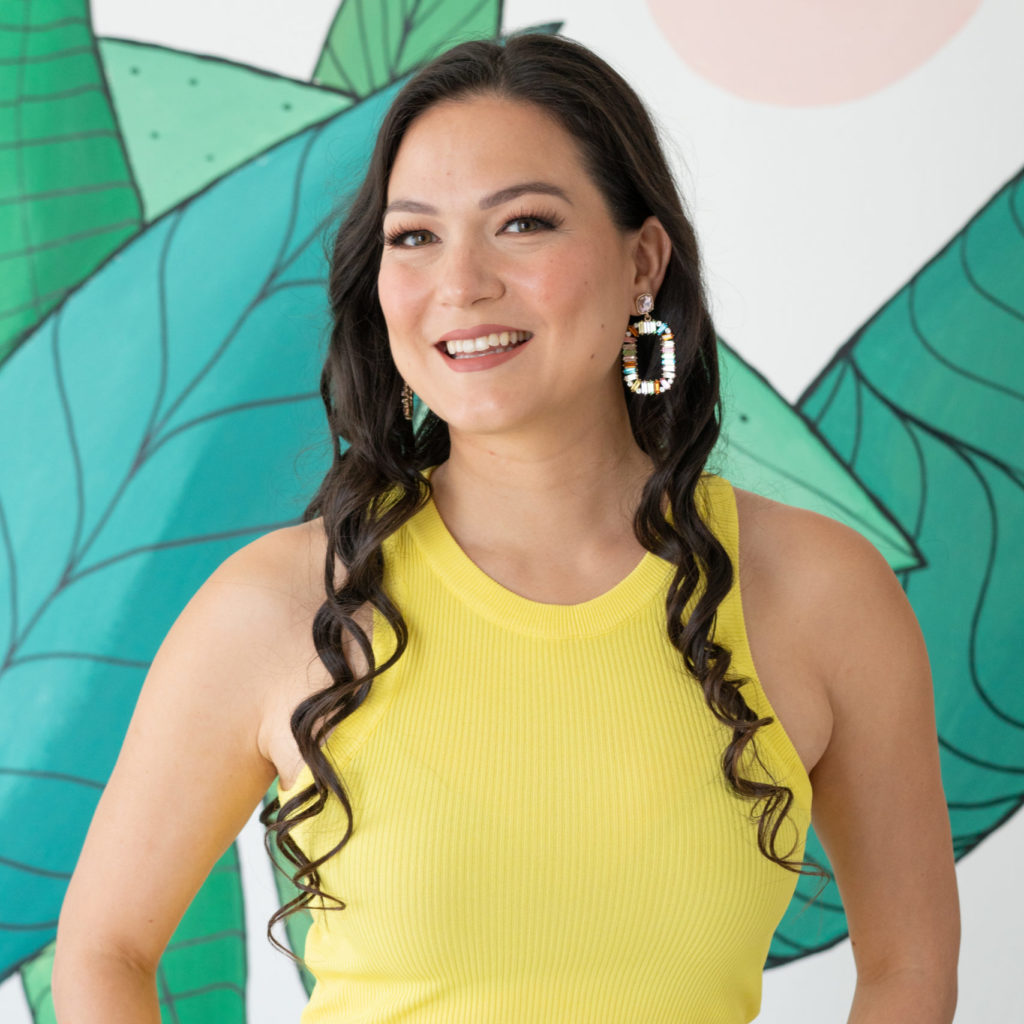
RV (00:02):
If you’ve hung around here for any length of time, you know, that the way that we define personal branding is simply the digitization of reputation. And one of the ways that I vet podcast guests, that we’re gonna bring on to introduce you to is through their reputation. It’s what do I hear about somebody from other people? And that is why you are about to meet Selena Soo. Selena is friends with lots of people that we know, Julie Solomon and Susie Moore, and just like I’ve heard her name for years, Celine Da Costa, who we’ve had on this show, who I really love and adore. And I think she’s brilliant. She actually was the one who finally connected us directly to Selena and Selena is an expert in publicity, you know, visibility and just helping people get seen and, and have more reach.
RV (00:57):
So she, for I think 18 years lived in New York, she had a publicity agency. She’s helped people get featured in Oprah and Forbes and Inc. And she works with lots of you know, experts and entrepreneurs, very similar obviously to our core audience. But specifically in the area of publicity. And so publicity is one of the things that we sort of lightly touch on, but we usually farm out that work to vendor partners. And so she’s a total, a total pro and I was like, we gotta get her on the show so that we can, we can get a chance to meet her. So Selena, welcome to the influential personal brand podcast.
SS (01:34):
Thank you, Rory. I’m so thrilled to be here.
RV (01:37):
So yeah. So let’s talk about publicity and let’s start with the easy ones. How do you get on good morning America?
SS (01:46):
RV (02:33):
Oh, we love frameworks. We love frameworks. Yes.
SS (02:36):
OK, great. So, you know, imagine a pyramid, a triangle at the bottom of the pyramid that is your home base, that is your online presence, right? That’s your personal brand. Cause the first thing that people are gonna do when they hear about you, whether it’s Oprah’s producers or someone else is Google you, and if they Google you and nothing shows up, then they’re not gonna
SS (02:54):
Like exactly. Right. So even just having like a solid website, a social media presence with content like that is step one, right? To really like be present online. And then step two is guest posting. Cause that’s a natural extension from writing content on social media or your blog or your newsletter. So now you’re sharing that same content, but on third party website so that other people can see you. And the great thing about guest posting is oftentimes you can include a link back to your website, right? So that’s good for SEO. It can be good for list building. You know, if you can link up to a lead magnet and there are some amazing places like Forbes, mind, body green that are built on this model of guest posting thrive global, right? All these different places. So that would be the second layer of the publicity pyramid. And then the
RV (03:42):
Third before you, so before you go onto the third one, which as I do wanna hear this, but I will say like, you know, we’ve been on Fox, we’ve been on good morning, America, we’ve been on Fox and friends. We’ve been on, you know, several local. I will say I would rather have a online article with a link to my site than I would be on good morning, America. Like the power of an article that people can read. I mean, being on good morning, America and stuff helps a bunch with credibility, but it’s mostly, it’s kind of like you drive for show and you put for dough and golf. Like most of the national TV is like the publicity perception. Yeah. But when it comes to driving traffic and sales and leads, man, I love a link. I wanna a link
SS (04:31):
Yeah. I’m still on the same page. And that’s, you know, how I started, like following this publicity pyramid framework where, you know, I had my website and you know, my social media, but then I was writing articles and writing guest posts, including writing guest posts for influencers who yeah. You know, mail the guest posts, like to their email list. And that’s how I got, you know, my first gosh, like maybe 2000 subscribers through that strategy. Wow. Yeah. So guest posts,
RV (04:57):
Your first 2000 email, like in your database came from just putting articles on other people’s sites.
SS (05:05):
Exactly. Yeah. So that was my, you know, starting point for really like getting my name out there to the public. And then from there, the next level is podcast interviews and video interviews or guest teaching would also fall into this category. You know, when you’re getting started as an expert, you wanna start with, you know, sharing your ideas through it in content, and eventually then you’re gonna have these back and forth conversations with people. Now, this is really where I hang out on the publicity pyramid because, you know, even though podcasts or doing guest teaching, it can be more niche, but these are people that are raising their hands saying, yes, I wanna be in the room. Or I wanna be listening to this conversation and learning 30 minutes or an hour. Those are the same kinds of people that buy online courses and coaching programs. So that’s really, you know, where I primarily hang out and maybe, you know, a certain podcast might not have the brand name recognition of as Forbes, but again, not all publicity is created equal and it’s not just about the branding. It’s about are my ideal clients who are right for my offers hanging out there.
RV (06:05):
Totally. Yeah. I mean that, I think this is a great example. Like you’re, you, you likely would get more clients from this podcast than probably from a national TV thing because it’s like, you know, there’s a random smattering of people listening, but you know, I, well, something you just said, I’ve never really thought about, which I love is when someone listens to a podcast mm-hmm,
SS (06:47):
Yeah.
RV (06:48):
All right. So is there a step four?
SS (06:50):
Yeah, there’s four. There’s the next level? There’s four and five. Okay. So now we’re moving up, the publicity here, we’re getting more mainstream, so that’s gonna be magazines and, you know, magazines are powerful because people read magazines on the plane at the beach or the dentists office. Like you’re literally getting in front of millions of people. That being said with magazines, typically when you’re being mentioned in a magazine or featured, it’s usually, you know, your expertise, a quote versus like a fully written piece by you. Yeah. So you’re reaching millions, but it’s you know, less in depth. Right. And then with TV, which is at the top of the publicity pyramid, because it tends to be harder to get on TV than to get a podcast interview. That being said, as we move up, we’re reaching more people. But it can be less in depth. Like for example, a lot of TV interviews are just three or four minutes long. Yeah. So it’s kinda really
RV (07:41):
Powerful, even if you’re Tony Robbins like Tony, even if you’re Tony Robbins, you get you Dave Ramsey, you get four minutes and you’re out.
SS (07:48):
Exactly. Yeah. So, I mean, it’s a huge credibility builder to say you’re on good morning, America or CNN. And all of that. And it can be, you know, powerful if you’re spreading your message to the masses with like a mass product, whether it’s a book, an iPhone app or some kind of physical product. So it really depends on, you know, is your message one really for the mainstream mainstream masses, or are you going for a more niche audience? And then also like considering where do you really shine? You know, for some people they really wanna stick to the written word and that’s really where their magic comes out for other people like videos where it’s at. So but I would say in terms of like the law of least effort, the most natural path, it would be building out some basic online presence then going into guest posting then podcasting. And then if you want to moving your way up to magazines and TV.
RV (08:38):
Yeah. It’s interesting. You know, just that whole, this whole conversation that you just went through, which I love the publicity pyramid is what you call it Uhhuh. So, so great. Such a simple framework is so powerful is, you know, people go, oh, magazines and TV is so sexy, but like you’re gonna get way more business from podcasts and guest posting mm-hmm
RV (09:34):
They’re super credible, you know? Or they’re like, you know, some world renowned person in, in, in their field. Yeah. You know, or they’re like famous for, for whatever. And in TV a lot of times it’s like, oh yeah, of course they’re gonna have Brad pit or whoever on there for something. But when it comes to featuring books, I’m often surprised that if you’re a mainstream person, it’s not an automatic laydown they might not have Gary Vayner Chuck on just because it’s Gary Vayner, Chuck, sometimes they do. But a lot of times they have newer authors on or people that I, that you haven’t heard of. In other words, it’s, it feels more random in terms of the, in terms of the selection. It’s not like, oh, this person checks every single box. And so they get invited on this huge show. It’s a little bit of that, but I, you know, a lot of times they they’ll, they’ll grab people that are like newer. I mean, I got on Fox and friends as a first time author. Like the week after my first book came out was my first national TV appearance. And I was like, well, that’s random. Like what are they doing with, what are they doing with me? So like, how do, is there anything you can speak to until like, how do you get those spots? Do, is there anything they are looking for or not looking for? Like for TV specifically?
SS (10:48):
Yeah. I mean, I would say, you know, you wanna differentiate between local news and national news because for local TV they have a responsibility to share the stories and ideas of local experts. So, you know, if you’re an author, you know, think about, well, what cities am I connected to? Where was I born? Where did I go to college? Where have I worked? Where am I living
RV (11:09):
Now? Oh, that’s good.
SS (11:10):
Right. So I would identify all those places and really start with those markets. Because if you can mention your local connection, then you’re kind of at the top of the priority list. So that’s, you know, that’s important. And I would say that before you go on national TV, I mean, that’s incredible that, you know, you were on these national shows, but I also think a big part of it is that you done an amazing job of building your personal brand, that they, they probably had confidence that, you know, you were good on video, but I will say for national TV, they’re gonna wanna see that someone has ideally been on local TV first. Because you know, just cuz someone’s good at the podcast interview doesn’t mean that they’re gonna be good at TV. They’re gonna consider like, you know, do they have a great setup with lighting?
SS (11:52):
Can they, they speak in soundbites because some people, yeah, they can talk on a 30 minute or one hour podcast interview, but can you speak succinctly in a four minute interview? So there’s a lot more at stake and it’s not like with podcast interviews where they’re gonna be editing it later, like you kind of gotta get it right at the first shop. So I will say for like the big leagues, like the big national outlets they’re definitely doing the research in terms of what that person’s personal brand is. Have they done TV before? Are they confident? Do they, you know, smile? Are they presentable? So I would say the first stop is really, you know, to start with local news. And then once you have those TV clips, then when you’re sending in your pitch, you wanna share that so they can see, you know, you have that experience.
RV (12:34):
That’s so good. And, and that, that is, that is so true. Selena that like, you know, I love podcasts. I feel so super at home on podcast. TV goes so fast, it’s it? It four minutes blows by and it’s like, you don’t have time for a setup. There’s no time for backstory. It’s like, you just gotta deliver sound bites. They gotta be tight and sharp. It’s, it’s a different, it’s a different, it’s a different skillset. And, and being on local TV is, is, is, is huge. I love that tip about too, you know, what’s your connection to local. And I would, I would, I would tell somebody, listening, you know, you think you wanna be on good morning America right now, but you actually don’t, you, you don’t want to be on there until you’re ready for it, which is until you’ve had some, you’ve had some reps at local TV, you have the sound bites and like your website is ready for it. And you’re like prepared to like receive that traffic and capture. But yeah, TV is a TV is a is a, is a different beast.
SS (13:38):
And the other thing that I will say is with TV, like they’re really looking to capture people’s interests, you know, with visuals, right. Cause you’re watching TV. So, you know, if you have good role of you, you know, I don’t know, working with clients or if you have like live exercise that the TV audience can do, like those are gonna be things that are interesting if you’re just a talking head like, and it’s just, you know, all they’re seeing is someone talking for four minutes straight. It’s not as interesting. So just know that when the producers are thinking about, well, I have a person on their show, they’re gonna think about not just what are the words are gonna kind of the person’s mouth, but is there something that the person that can share that can capture visual interest or is there activity that would be engaging to the audience?
RV (14:21):
Gosh, that’s so simple, but that’s, that makes so, so much sense. So when you make a pitch, would you include notes about like B roll that you would show or like a, if there’s a visual or something?
SS (14:33):
Yeah. So if you were say a love coach and you were pitching you know, you could talk about, you know, that you have clients that could come onto the show or you have like B role of you working with clients and so forth, or maybe there’s like an activity for someone to do to attract, you know, their soulmate. And maybe you would write out like what the activity activity would look like. Like maybe they need to have a journal that they did. They, they journal in 30 days and you would like mention all these different props so that the segment would look very dynamic where there’d be the talking head, but there would also be props and activities involved.
RV (15:06):
Yeah. That, and that’s why you see probably all the time you see like chefs on there, cuz it’s very visual. Cause they can cut and show the food and like show, show all the stuff. So it’s almost like you, when you’re pitching for TV, what I hear you saying is it’s like, you’re not even just pitching like the content of what you’re gonna say. Yeah. But almost like you’re pitching, think of it as pitching a segment to them of like how this could fold out visually and that makes it an easier. Yes.
SS (15:34):
Yeah, exactly. I mean, you know, TV producers are so busy and, you know, think about like with a podcast, there’ll be a certain number of episodes that are released, you know, per month, but TV, I mean it’s kind of 24 7, right. It’s every day. So they constantly need new content. They need to keep it interesting. So if you, as an expert can pitch yourself or as a publicist pitch, you and you’re kind of like mapping out what this segment could look like. You’re presenting something on a silver platter and making it easier for them to say yes. So when there’s so many options, of course we’re gonna say yes to the person who makes our job easy for us.
RV (16:08):
Mm-Hmm
SS (16:56):
That’s such a great question. So I think it’s important to get clear on with your expert topics. Are they niche or are they mainstream? So when I’m speaking of expert topics, it’s like the things that you wanna be known for. And I know a lot of entrepreneurs can be multi passionate at the end of the day. You wanna hone in on a few key things. So for example, at one point I had a business mastermind and people in the mastermind would ask me questions about scaling their business and you know, if they should hire a senior project manager, well, if I started getting bored of my regular expert topic and just wanted a podcast talking about how to grow your team, well then people are gonna circle back and be like, oh, I wanna work with you to grow my team. But like my mastermind is something that maybe is only four 20 people.
SS (17:39):
Whereas with my programs, let’s say I have 500 people you know, in a particular group program. Right. So my primary group program has been a program called impacting millions and that’s about publicity. So if my intention was, I wanna get people enrolled to my publicity program, then what I’m talking about in the media should match my offerings. Right? So looking at your own business, what’s the 80 20, what does the majority of revenue come from? Which offering will, you know, based on that offering, that should be what your expert topic is. And so when you look at your expert topic, is it mainstream or niche? So for publicity, I would consider that to be a niche topic. For me, a mainstream topic is something that applies to most people. For example, if I was to talk about being an introvert, well, you know, half of the population are introverts like approximately.
SS (18:27):
So that would be mainstream. Or if I were talking about networking or relationship building that applies to everyone, whether you’re a student at college or you have, you know, professional job or you’re an entrepreneur, whereas publicity typically, you know, it applies to entrepreneurs who are building their personal brands. So that’s a bit more niche. So knowing that with my offerings, I’m looking for a niche audience, not just kind of anybody I’m gonna target more niche media. So it might not have the same reach, but it’s gonna help me get in front of the right people. So those are the things I consider. But then there’s also, you know, there is a role for just personal brand building in terms of media. You know, there are certain brand names that are very recognizable, like Forbes and business insider. And so, you know, being featured in those outlets can also be really powerful whether or not your ideal client has actually read the article that you’re featured in.
SS (19:23):
But if they just see those media logos on, you know, your site, they see you as a credible expert. And the other thing that you can do with your email list is when you get your media features, you know, put them in front of them, you can add them to your email nurture sequence. You know, you can add those, you know, media logos and trust symbols next to you know, places where people opt in or, you know, make purchasing decisions. So I think that when it comes to publicity, it’s sort of multifaceted. I would say primarily you wanna get in front of people who are your ideal clients, but there is also something to be said about prestige media as well.
RV (19:58):
Yeah, that, I mean, I, I love that. And I agree with that so much. The I have found that most of the major national stuff, the real, the primarily the only real value of the media appearance is how you repurpose the appearance, basically putting it on your website. Also those of you that are speakers, you know, in your demo videos, or even if you’re a coach and you’re not a speaker, you could still have like a little, you know, little bio video. And I’m just pulling up, I’m pulling up a data point on this just for everybody. So one of the things that we did Selena was we led this trends in personal branding, national research study. And we we partnered with this PhD led research firm. And we asked, you know, all these different questions, but one of the questions was how important are each of the following when it comes to paying someone more for a product or service.
RV (20:58):
So I just wanna put a data point here behind something that Sina is saying. So, and we asked you have a, a Ted talk, a New York times bestselling book, a wall street journal, bestselling book a social media file. I’ll go ahead and show this on the screen for those of you that are watch watching this on YouTube. So I had to, I had to pull it up quick. So page 60 of our, of our report which is free, y’all know that you can, you can download this at on brand builders, group.com. But the number one thing that clients say they’re willing to pay more money for is when they see testimonials from their, from their customers. The second is that they’re paid to consult or speak, but the fourth. So this is a list of like 20 things, the fourth, and this is waited to the us census.
RV (21:49):
52% of Americans say they are more likely to pay more money to, to buy a product or service from someone who has been featured in the media as an expert. So that is an actual data point that is supporting what Selena is saying. And of course, we’ve, we’ve talked about this study in other times. And usually the point we make is actually the average pub person in the public doesn’t care that much about a New York times bestselling book or a wall street journal or a viral, you know, Ted talk, they care about testimonials and they care about, are you being paid to speak or, or consult. And then the fourth is that they care are that you’re appearing in the media. 52% of Americans say, they’ll pay you more money just because you have those logos on your site. So like Selena, that is amazing. Like, what do you call it? Prestige? Is that what you called it? Prestige. Pre
SS (22:45):
Prestige. Yeah. Yeah. Mm-Hmm
RV (22:48):
I love that. So prestige PR, so that’s really, really cool. And so the mainstream stuff too, is like, you know, so it’s like money, sex, careers relationships, like, you know, self
SS (23:03):
Productivity, success,
RV (23:04):
Productivity. Yeah. Those mm-hmm
SS (24:08):
I think it’s the same thing. Like having media, it builds your credibility as a go to expert, as you said, people are willing to pay you more, but also people are more interested inviting you to come in to be a speaker at their event. You know, there’s just more trust or more likely to take the meeting. Right? One of the first things that anyone does, you know, before they respond to someone or say yes to a request is they do a quick Google search on them. And when they land on their website, if they see media logos, it’s like, okay, this person is the real deal. And it just also shows that like, you’re taking your work seriously. If someone is just like quietly, you know, doing their work, but they’re not out there sharing their ideas. They’re not building that body of work. They’re not really seen as the real deal. So I would say that media is the ultimate credibility marker. It’s something that every person understands. Whereas if you’re like, oh, I had a webinar with, you know, a thousand people on people don’t really know what that means, but they understand what it means to be featured in a top, you know, magazine, newspaper, podcast, and so forth.
RV (25:07):
Yeah. Yeah. It is. It’s definitely this like universal credibility indicator. I, I I know we’re wrapping up one thing I wanna do how do you find these people? Okay. So, so let’s say, I mean, of course you could hire a publicist and then when you hire a publicist, you’re sort of treading off of that. They already have contact information and relationships with people, and that’s really what you’re paying for. You know, when you, I, I feel like when you hire a publicist, you’re paying for someone who has the contact information readily available and who has relationships to make that for you? They don’t, none of them guarantee results. Yeah. And and they get varying results partly based on their relationship, but largely based on your position in the marketplace. But if you’re gonna do it yourself and, and we’ve, we’ve actually had a lot of people be very successful doing it themselves. I, it how, how do you find the outlets? Like how do you find the people? I mean, do you basically just go to Google or like there anything specific you’re typing in to like find the right person to pitch to?
SS (26:13):
Yeah. I think the first step is figuring out what are the right media outlets for me. So I can share like a couple of very quick strategies that I think will help people a lot. So one of my favorite techniques is called the follow, the leader technique. That’s something that I created. Yeah. So getting clear on, okay, what’s my expert topic. So let’s say someone’s expert topic was, you know, public speaking then they wanna think about who are some other leaders either in their industry or connected to them, right. So they might be looking at well, who else is teaching on visibility? Maybe it’s a publicity expert. Maybe it’s a public speaking coach. Maybe it’s someone that specializes in getting people Ted talks, right. And then doing a Google search on them and seeing what kind of media they’ve been featured in, you know, maybe going to their website and seeing if their media page or even going to specialize search engine.
SS (27:05):
So there’s a search engine called listen, notes.com.com it’s for podcasts. And so if you type in someone’s name into that search engine, within moments, all the podcasts that they’ve been featured on are gonna come up. So if you do that exercise with five people in your industry in no time, you’re gonna have a media list of dozens of targeted outlets that top leaders in your industry have been featured in. And so these are places that you’ll wanna be considering for your own media list. So, you know, using the fall a leader technique is super, super powerful. Also even doing things like leveraging existing research, if you wanna be on top business podcast, literally type into Google, a top business podcast, and people have compiled the top 20, the top 50, the top, you know, a hundred business podcasts. And you can leverage that existing research to start building your own personal media list.
RV (27:55):
Yeah, that’s funny. Yeah. That’s how I, that’s how I met Celine. Actually, she was doing a four podcast on the top personal brand. No, I think it was top podcast for business and, and somebody. Yeah. John Lee Dumas introduced her to us. So that was actually, she put an article together, which was an amazing article. Yeah. And yeah, you mentioned listen notes, which is a great one because that is I was gonna, I was gonna mention, I was gonna mention that there’s another really great tool and I’m trying to remember what it is that will tell you that’s kind of similar listen notes is the best for podcasts for sure. There’s another one that you can like search by topic and it will tell you all of the people who are spark Toro, have you heard of spark Toro?
SS (28:49):
No, I feel like I need to write this down.
RV (28:51):
SS (29:54):
Absolutely. So the thing I’m most excited to share is my 12 month publicity calendar, because when it comes to getting to the media, there’s a few things that you need to understand. First of all, like what kinds of story ideas are they looking for? And one of the things that they’re looking for are timely story ideas. So every single month there are certain themes. And if you can hit on these themes, you’re more likely to get accepted onto podcasts, onto TV, in magazines and so forth. So I have a 12 month media calendar it’s full of 40 pages worth of store ideas, special hooks and dates to help you get into the media. And you love it. Yeah. Impacting millions.com/calendar. And people have used this to not just map out their publicity plans for the year, but they’ve also used it to map out their social media content, their newsletter content. So people can go ahead and get an impacting millions.com/calendar. This took me like a ridiculous number of hours to put together. And it’s 40 pages worth of time saving tips and resources and dates to help you get into the media. So you can go ahead and check it [email protected] slash calendar
RV (30:59):
Genius. I we don’t even have an affiliate link for this, but I went and did it myself. Great lead magnet, so useful and so practical because yeah, it gives you a way, like, all you need to know is what are the topics they’re interested in every month and then just like position what you do to that. Fantastic. So I’m downloading that we’ll put a link to impacting millions.com in the show notes slash slash calendar, impacting millions.com/calendar. You guys can check it out make sure you follow Selena online and send her some love. If you picked up some tips, let her know that you found her from our crew here. And gosh, Selena, this is just so cool. And I’m so great. I’m so glad to finally meet you in person. You, you are an example of your reputation procedures, you, and that’s what we want all of our clients to be. It’s what we try to aspire to be. And you got great tips, a great lead magnet, just, you know, I love it. So we wish you, we wish you the best. Thanks for coming.
SS (32:00):
Thanks so much.