



Ep 106: From Mentors to Millions with Kevin Harrington and Mark Timm
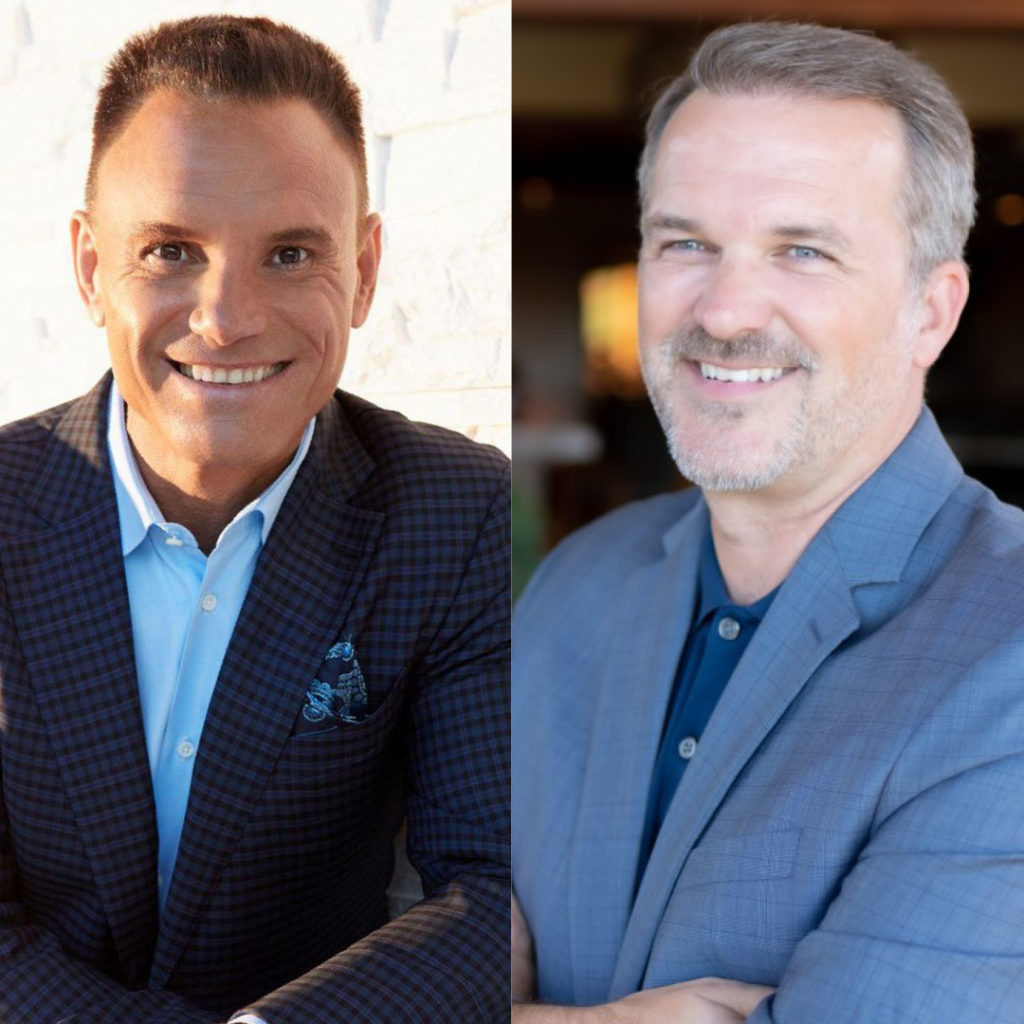
Speaker 1: (00:04) [Inaudible] RV: (00:07) Hey, brand builder, Rory Vaden here. Thank you so much for tuning in to listen to this interview, we are so excited to bring you this information and wanted to let you know that, Hey, there’s no sales pitch coming from anything that we do with this is all our value add to you and the community. However, if you are somebody who is looking for specific strategies on how to build and monetize your personal brand, we would love to talk to you and we offer a free call to everyone that’s interested in getting to know us and is willing to give us a chance to get to know them and share a little bit about what we do. So if you’re interested in taking us up on a free strategy call, you can do that at brand builders, group.com/summit. Call brand builders, group.com/summit. Call, hope to talk to you soon on with the show. RV: (01:03) So honored and excited to bring back to you to have people that I would consider mentors and to friends, to people that we have worked with. Kevin Harrington, most of you probably know because we had him on, when we originally did our influential personal brand summit, he was the original shark on the show shark tank. He is a co founding board member of EO entrepreneurs organization, and really the inventor of the infomercial, which has led to him selling over $5 billion in global sales. You know, these are products like Billy Mays and Jacqueline, Elaine, and Kim Kardashians and 50 cent and George Foreman. And he’s just amazing. And then my other friend, Mark, Tim, who you’ll, you’ll hear his story right now, we’ve Mark is someone that we met through the Ziglar family, and I know that’s how him and Kevin met and he is a serial entrepreneur himself. RV: (02:01) He has started more than a dozen companies. Several of them have grown and been sold. He has spoken professionally for more than 25 years. And I consider Mark a personal mentor because of the way that he runs his family life and the way that him and his wife and just, you know treat their family like a business. And that’s probably the biggest thing that I have taken from Mark over the years. So the two of them have teamed up to write a book here that is called mentor to millions, which has we already know has pre-sold thousands and thousands of copies. It’s a fantastic book from two amazing people. So guys, welcome to the show. Hey Rory, thanks for having us. It’s great to be here. Thanks buddy. So let’s talk about how y’all met because obviously, you know, this book is really interesting. You write it from you know, about the power of having a mentor. And I think in this relationship, Mark plays like the mentee, Kevin plays the mentor. But how did you guys meet? Because the three of us all share sort of a, an unusual, Cool and unique bond MT: (03:07) Yeah. So I’ll jump in and do that because we actually met through our mutual mentor. So I had Zig Ziglar as a mentor when I was a young man and Kevin had Zig Ziglar as a mentor, as a young man in guests who else had [inaudible] better than you Roy. So so this is the, the book wouldn’t even exist if it wasn’t for zigs mentorship. So we, we, we owe a lot to him and Tom Ziglar wrote the forward, but that’s the why we had to write this book because the, the, the book’s title is mentor to millions. That’s not millions of dollars. That’s millions of people impacted. So I didn’t know, I didn’t know Kevin. Okay. I didn’t know you, but because of our mentorship of Zig Ziglar, even after his passing from the earth, we all knew the children Zig Ziglar. MT: (04:00) And it was the children of Zig Ziglar that introduced me to Kevin, that introduced me to you. They introduced Kevin to you. And so you see impact of zigs legacy is now rippling on, you know, way past his passing on the earth. So that is how impact, that’s the kind of impact that we’re talking about, the exponential impact of mentorship. And that’s why we had to write this book because that’s the secret that crazy awesome successful people have is they had mentors in their lives. And would you say that, so, so Kevin for you who were RV: (04:34) Of your other mentors. So like, I know Zig you talk about cause secrets of closing the sale and you, you know, you guys have done a lot with that, you know, who are some of your other mentors in addition to Zig? And did you have a lot of mentors growing up? I know you’ve been a mentor to so many. KH: (04:50) Yeah, good question. And I think I go all the way back. I kind of joke a little bit, but it’s it’s for real, that I had my first mentor when I was 11 years old happened to be my father Charlie, because my, my father was, was a bartender. I’m one of six kids and there wasn’t a lot of money and, and great surplus as I was growing up. And, but my dad said, Hey, I’ve saved up enough money. I’m opening up my own restaurant. Harrington’s Irish pub. So I was in there at 11 years old, not just washing dishes and serving trays of food. I was in the back with him counting the money at the end of the day and looking at the suppliers. And it was pretty amazing how he brought me shoulder to shoulder with him. We’d go out and pick up supplies. And, and, and of course I was going to school also, but grade school at the time, but make a long story short. My dad was, he mentored me to start my own businesses when I was young. So I started a business when I was in high school and then another one in college and, and et cetera. But so as I KH: (05:58) Got out of, out of getting into the, the TV business and sold some of the businesses I started during high school, one of the first big mentors for me was, was somebody that I needed desperately. Cause I built a business in this SMTP space. I had a lot of orders that were sitting, but I couldn’t fulfill them because I didn’t have the inventory. So I needed capital to have inventories. And I went to bank after bank people say, Oh, go to the bank and get lines of credit, get financing. Right. Well, there was no assets for them to lend against. I was a young entrepreneur. This is 35 years ago, but I got a former bank president who was retired that came in and said, let me tell you the deal I’m going to do. You got five banks that turned you down. KH: (06:48) I’ll get you financing probably from one of those banks that turned you down. I’m going to get you a $3 million line of credit, which is what you need. And then after that’s all done, there’s no cost. That’s straight mentoring me, helping you because you deserve it. You need it. I want to help you. And then at that point, if you want to do some business with me, we can sit down and talk about it, but I’m going to have brought you an amazing gift in the process. 90 days later, 3 million bucks in my account, we took that and grew the business. I mean, we went 10 fold from there and it was just unbelievable because I was a great marketing guy, but I needed cash. I needed capital and inventory. So this, this was an amazing step for me. And of course, beyond that, people don’t know that before Russell Brunson ever started ClickFunnels, I was in this as seen a TV business. KH: (07:41) And I said, I’m losing all my viewers TV viewership is dropping. So I reached out to Russell and Russell gave me some great tips on digital marketing. And I, I actually came out of that meeting with Russell and sold a bunch of my at semen TV assets. Cause I realized the handwriting is on the wall. This is a business I’m on TV today. But now I say today, that was 10 years ago today. It’s digital, it’s Facebook, it’s Instagram, LinkedIn it’s you know, so I’ve had some great transitions from Russell Brunson to Zig Ziglar to my father, to the banker that was retired to even getting a, a couple of days with Richard Branson down at the famous Necker Island. He gave me some really powerful advice. So mentors have been near and dear to me. And to this day I still have quite a few in my life. So RV: (08:35) Let me ask you about this, Kevin, cause this is interesting. You mentioned Russell Brunson you know, and he’s younger than you and he’s much younger than you and you also came to Veda years, I think that’s right. Well, you and your son and your team and Mark came to Vaden Villa for a day of strategy stuff with us and you know, amazed me was, which is, and it amazes me to hear you say it now that you’ve not been afraid to have mentors younger than you. So, you know, how do you pick a good mentor? Cause I know this is part of the book, the book, again, mentor to millions. What are some of the things that you guys use to, to pick mentors? Cause age obviously is not necessarily the key criteria. And I’d love to hear from both of you on that. KH: (09:24) Mark, go ahead and I’ll give you my thoughts from, from my perspective, MT: (09:28) you know, when, when I looked at Kevin, he, it doesn’t matter. The age matters. Do they have wisdom and experience in an area that you need? And, and more than anything, Kevin can speak a lot on the mentor side, I can speak a lot on the mentee side as well, because you know, Kevin is my mentor and that’s the journey we take in the book. But one of the things that you should be looking for in a mentor is number one, have they failed? You know, because it’s hard to learn from somebody that hasn’t had some failure in their life. Wow. And that’s big. We talk a lot in the book about failure and how you respond to failure and you need mentors that know and have failed because you’re going to fail, but you need to know you can lean on them and they’ll pick you up and they’ll help you learn from that process. MT: (10:13) It’s not about failure. It’s about how you respond to that failure. You know, our mutual mentor Zig said, nobody drowns from falling in water. They only drown. If they stay in the water, you know, he knew you’re going to fall down, stay there. And so you need mentors to pull you up. So you’re looking for someone that isn’t a one hit wonder that doesn’t just have one way. And the other thing you look for in a mentor is do they listen because you need them to hear you out. What are you trying to accomplish in this world? What’s your unique gift to the world and let them listen long enough to then know how to really pour into you. And so when that happens, again, it doesn’t matter if they’re younger than you or older than you. I have to tell you right now, I’ve got younger mentors that are mentoring me in technology. MT: (10:56) I mean, I, you know, I just, I can out myself right now and say, I didn’t have a cell phone at 25 years old. I was in my late twenties. I got a cell phone. So the things that are happening in technology are just intuitive auto Metronic for these young people. And so I have young people that are mentoring me to be able to use technology in a much more robust way to get the message out there. So it’s really do they know something. And one of the other things that people look for in mentors are getting a lot of phone calls right now from folks that are building up a little business. They’re getting some sales on Amazon and some places, and now they’re like, Oh, okay, we need capital. Or maybe we should exit. So finding a mentor, that’s been through a few exits because too many people would come on shark tank and they just want a lot of money for this teeny little percentage of their company. Right now I own equity and a private may never KH: (11:54) Be able to get my money back. Right. So finding an exit or a way to, you know, to monetize your investment is an important thing in today’s world. So and there’s a lot of roll-up companies that are buying up the Amazon type entities and things like this. So there’s a lot of good folks out there that, I mean, I, I know a neighbor bought a house and came in and found out, Oh, he’s a lawyer and he’s 35 years old. And he, and he used to work for major league baseball, but he’s selling, he’s starting Amazon businesses, buying Amazon businesses and crushing it. So he’s in his fifth or sixth acquisition right now. So there’s a very smart, young mentor that could help a lot of companies that are out there in the marketplace of, of monetizing an exit strategy. Well, and so most of them RV: (12:48) People listening here are our entrepreneurs in some sense, right. It might be their side hustle or something, but do you think mentorship applies directly to like personal brands and people specifically that are like in this space? Cause a lot of, I think a lot of personal brands are like both of you in that they achieved something and now they’re kind of moving into more of like a teaching role. So do you, do you think that this message still applies directly to them? Or, or how, or is it, is it different from how you would mentor someone in a corporate environment or just in a classic kind of entrepreneur entrepreneurial setting at all? KH: (13:30) Well, you know, I think certainly personal brands, it is a personal brand is still it’s a business. It has, it needs customer acquisition you know, metrics. So you’re building funnels, you’re acquiring followers customers. Yes. So and, and again, you, you mentioned my age, so, you know, it, it Russell Brunson’s way younger than me, but here a lot of the, the younger generation has tuned into the world of digital and much more powerful way. So, so yeah, I do believe that even on the branding, I mean there, there are, what are the outlets that personal brand should go after me now there’s something new with LinkedIn, LinkedIn live and there’s obviously Facebook live came and was very powerful for, for quite a bit and still is so you know, so one of the questions for personal brands is where is the best place to spend your time focus your energies? And if you do have some dollars to invest to invest. So you know, it, I try to keep myself on the cutting edge of what’s happening out there in the world. And I, you know, from artificial intelligence to virtual reality type things, I’m already KH: (14:52) Starting to explore ventures like this that will you know, maybe be a little bit pioneering where you get your legs, blood running down your ankles kind of thing from, from being too early in the market. But I like experimenting with things like this and I think sometimes mentors can help steer you in certain directions. RV: (15:15) Yeah. Yeah. And so Mark for you specifically, you know, in terms of mentoring, personal brands, like it’s interesting cause being a personal brand, it often happens like in the cracks of time, in your day, like in between meetings, you’re checking social media or you’re like, you know, you don’t often have like blocks of just days at a time unless you’re writing a book. But outside of that I find that there’s this real temptation to have it creep into taking over your whole personal life. And one of the things that both of you have done is not just scale businesses, but you know, like I know Mark specifically for you, you study this a lot about scaling your, your, your life and running your household like a business. Can you just share with us, that’s been a one way, I think that you’ve mentored me directly. Can you share a few thoughts on that? And you know, if it’s specific to personal brands or not, but just that we have this temptation to always be like on social media, doing DMS, doing comments, doing posts during dinner, you know, and after hours and in bed and like, how do you, how do you deal with some of that? MT: (16:26) Yeah, it’s a challenge. And so, and I gotta tell ya, just to be candid with everybody listening, I got it wrong longer than I got it. Right. I can only share what it feels like to get it right, because I know what it feels like to get it wrong. And I was there building the brand of company, a personal brand, 24, seven, always on my family saw me and you know what they did, they resented what I did. The book starts out with me at the end of my driveway, having one of the most pivotal moments of my life, a driveway moment where I realized I had everything upside down, that I was giving my family and my last and my lease instead of my first and my best. And I didn’t know what to do about it. I just knew it was wrong. And I was always searching like all these entrepreneurs and brands for this perfect work life balance. MT: (17:10) And then I figured out it’s a myth. There’s no such thing as work life balance. You’re never in complete balance of work and life, but you can integrate. And that’s what we talk about in the book. What if your family becomes your most valuable business? What if the business you’re going home to is the most valuable business you’ll ever own ever operate everything and be a part of what is the most valuable brand is your family. Okay. Then versus the one you’re going to. And by the way, I took it to the next level. That day in that driveway, I came home, I incorporated my family. I actually created a brand out of my family. We have a logo, we have a mission statement. We had meetings on Sunday nights. And what I did was I started taking everything I knew to do in business and started applying it at home. MT: (17:56) So if you’ve got a great personal brand, create a family brand, one of the coolest things we ever did was do a family logo cost is $99 on 99 designs. And we had 185 designers submit designs for our little family logo. It was Epic. And we were sending surveys out to aunts and uncles and cousins and friends, and they were voting on it. And the family was so proud when it was done and we had this common ground. And so the bottom line is if you’re building a family brand and it’s all consuming, integrate your family, involve them in that family brand involve them in your personal brand, tell them what they’re doing, what you’re doing, integrate what’s happening. Let them be a part of it, be transparent with it. And they’ll not resent. It they’ll want to dive in and help you do it. And that’s a huge difference. And that’s where we want to be as moms and dads, husbands, fathers, wives. We want our family to embrace us as a business and brand not resent it. Wow. RV: (18:59) I love that. And I mean, being at the book is about being a mentor. You’re actually mentoring your family first. Like by the, by the, by the work of doing that is, here’s a real, this is funny. So a few nights ago, AJ and I are putting Jasper down for bed, you know, Jasper has now so Jasper’s three, like three and a half. He was baby last, basically the last time when you guys got to meet him. And he said you know, basically he was like, what are we doing tomorrow is tomorrow family day. And we said, no, tomorrow is Workday. And he said, Oh, okay. I go to work. And AJ said, do you think you want to work with MT: (19:39) Best in the business one day Jasper? RV: (19:41) And he says, yeah, but I’m going to need a cell phone for that. RV: (19:48) So he’s negotiating his package already, which I love. Kevin, last, last little question just for you. What are some RV: (19:59) Things that you, you know, advice that you would give to personal brands? I mean, you’ve been on TV, you, you like, you’ve played this, you know, such a big role in the world, 30 last kind of parting thoughts that you’d have for anyone that kind of aspires to have the kind of worldwide impact and reach that you’ve been able to have. KH: (20:16) Yeah. So let me get this pandemic has shown a lot of interesting developments and what happened at the very beginning, I started getting a lot of phone calls, people wanting to collaborate and, and because time to challenge you hunker down, but reach out, talk to your mentors, talk to folks. And I, I believe that collaboration is good, venturing together, doing things together. So I’ve been, we’ve been doing Mark and I outside of the book. We we’ve been doing KH: (20:48) A lot of things together, but I’m also with other organizations with Roland Frasier war room with Joe Polish’s genius network and Mike Calhoun at board of advisers, you know, these collaborative efforts and even writing books. I mean, Zig Ziglar created amazing content, you know 30 some books and dozens of languages. I collaborated with the family to relaunch some of those books in, in partnership. So so in fact, with, with this one, Rory, but this was a book that was rereleased secrets sale with Kevin Harrington shell. And by the way, Zig has 4.7 or 4.9 million followers on Facebook. So you know, when you collaborate, you tie in to the network of the followers of the collaborator that you’re collaborating with. So if I just, I believe in, in creating lots of content, putting it out there, joining groups, LinkedIn groups writing books, writing lead magnets, and, and just continuing to push and build the brand. But this is a great opportunity to be able to reach and collaborate into some really powerful networks followers with other folks. I love it. RV: (22:09) A mentor to millions is the name of the book. Where do you guys want people to go? You have some amazing bonuses and stuff. MT: (22:16) Yeah. We have a lot of amazing bonuses and stuff that they can do as well. But the biggest thing we want to share, if they go to Kevin mentor.com, Kevin, and I want everybody to develop the habit of mentorship. So we’re giving away 30 days of mentorship and that’s above and beyond. The other bonus is just something Kevin and I came up with and said after 30 days of seeing what it’s like to have mentorship, and some of that will be library. And so, you know, so we’re 30 different areas of mentorship in their life. We know after those 30 days, they’re going to want to raise their hand and say, I need a mentor in my life always. And so Kevin mentor.com go there. That’s where your mentorship journey. RV: (22:56) Well, I love it. Collaboration, mentorship. I’ll never forget Kevin. One time told me that the secret to negotiating is to make sure it’s a win for everybody. That’s how you know, it’s going to be a healthy partnership. And we appreciate you guys so much. We’ll put links to all that. The book has mentor to millions. Y’all go get it. Let us know on social. What you thought about these guys, guys. We wish you the best. KH: (23:19) Thanks, Rory. Always a pleasure
Ep 105: Get Your Foot in the Door and Kick it Down with Paula Faris | Recap Episode
RV: (00:06) welcome to the special recap edition of the influential personal brand. I am Rory Vaden. I’m filling in for my wife and CEO. AJ Vaden. And I’m rolling solo on this recap edition, which is cool because I got a chance to meet Paula in person. You know, we spoke at the same event here recently and you know, I just, she’s a new friend. And, and so it’s cool to get a chance to introduce you to her so quickly and such a high-level performer, I mean, in terms of hosting, right? Like it doesn’t get much bigger than being a host on good morning America and the view. So I want to just share with you my three biggest takeaways, which I think are pretty clear in the interview, but I specifically want to talk about them as they relate to you as a personal brand. RV: (01:02) And I think the, you know, Paula talked about hosting, right? And that was sort of the direction that the interview went was how to be a great host. And of course, you know, as always, if you haven’t listened to the interview, go listen to it. But I think the, the biggest things that I took away from her interview are really just about you on camera in general. And so that’s my first big takeaway is to be conversational, even when your rehearsed be conversational, even when you’re hurt rehearsed. And you know, this, this thing that she was talking about, where when you go on camera, because we find that a lot of our clients are struggling with this is, is yeah. How do I, what do I say on camera? How do I, what personality am I when I turned the camera on? And yes, social media gives me the ability to like reach across the globe instantly, but I still gotta like, turn the camera on and overcome that fear. RV: (02:04) And when she said, just speak the name out loud of the one person that you’re talking to on the other side of that camera, I think that is so powerful and so useful. That is a technique we teach in our captivating content event about the secret of writing is that you don’t write to people, you write to person, you pick one person in your life and you write at that person. And she was saying the same thing on camera, which I guess I’ve never thought about so directly, but hearing her say it. And it’s interesting to write at that high of a level. That’s the kind of simple thing that they’re focused on. She’s focused on her audience. She’s focused on one person that she’s trying to serve. And there’s a good chance that if your nervous, before you get on camera, you’re not thinking about the person you’re trying to serve. RV: (03:03) You’re thinking about yourself, right? You’re thinking about is my hair out of place. Just do you know, do I look, do I look good? Do I look weird? Is my face funny? Is there something in my teeth is what I’m saying? Valuable. Like you’re so consumed. It’s so easy for us to become consumed with ourselves that we immediately disconnect and, and, and lose contact with the person on the other side of the camera. And that simple idea is the difference between everybody in the world. Like she hands wall, right? Everybody who’s consumed in the noise and the alarming majority and the few people that break through the wall, even as a host. And so I just thought that was so powerful. And it allows you to be relaxed. It allows you to be comfortable in your own skin because you’re not putting on a facade. You’re not acting, you’re not even performing. You’re not pretending you’re just serving. RV: (04:15) And if all you have to do is serve, if all you have to do is help, you’re not so freaked out about it, right? It’s like, you know, maybe this is silly analogy, but if you go into like a soup kitchen, and this is not the same thing, but just, if you think about serving at a soup kitchen, like you probably don’t care so much what you’re wearing. And do you have designer clothes on and is your car clean? And, and, you know, does everybody there know how great your job is? Like, you don’t care about any of that stuff. You’re just there to help. Like you’re just there to contribute and you’re not worried or afraid of being judged. And that is the power of being focused on your audience. And I think that’s the key to being conversational, even when it’s rehearsed. So it’s like, you’re thinking a little bit about what you’re going to say, but you’re, you’re, you’re really just being in the moment of trying to serve. RV: (05:13) And I think that’s, so that was my, my biggest thing, which is a lesson that I feel like I’ve, you know, learned, but always, and always want to be reminded of, but never had really thought of as a host. And it was just powerful for me to go, wow. The biggest hosts in the world are doing the same things that we do as speakers or that we do as authors. And to hear that from Paula was, was just really incredible. So that was the first thing. The second thing was actually what she talked about that she learned from Whoopi Goldberg, which is this idea of save it for the table, save it for the table. And what is she talking about there? Well, you know, when they would talk about topics in the pre meeting before the show of like, which topics are we going to cover once they could tell like, Oh, this is going to be heated, or this is going to be funny, or there’s a lot of energy or emotion around this topic. RV: (06:13) Let’s not talk about it now let’s save it for the camera. And I think that’s so wise and that’s, you know, obviously Whoopi Goldberg has had a very famous career. You know, I don’t know, you might have different views about what you think about her views or whatever, but like you can’t, you can’t refute that. The woman has been very successful at building a lot of reach and being in TV for a long time and movies and lots of movies and, you know so she knows something about that medium and for, for her to say something so clearly like save it for the table. Here’s how I interpreted that. And here’s how I think that applies to you. I think it’s easy to over rehearse so you can over rehearse. And what happens when you over rehearse is you lose the rawness of the emotion when you deliver it on camera, because you’re so focused on delivering what you practiced and you’re delivering from a place that you have been practicing rather than delivering from a place of just raw emotion and authenticity and what you’re feeling. RV: (07:36) And so you need to have a little bit of this rehearsal, right? So that you’re not just babbling off in a, in a random direction all the time, but you’re not saying you’re not just reciting everything verbatim that you’ve already kind of mapped out. You’re allowing the natural evolution of your emotion to come through and to portray how you’re really feeling, save it for the table, you, which, you know, in the view that meant save it for the live production, save it, save it for the TV, save it for the cameras. That’s what she’s saying. And I think the same could be true for you even as like a speaker, right? Or as, as a webinar, like I think scripts can be good to the extent that they reduce our fear and they give us an idea of what they, of what to say. But I think we can over rehearse. RV: (08:28) I think we can, we can put too much pressure on ourselves to say every single word. And it’s not that each individual word is magical. What’s magical is the raw human experience what’s magical is you and I connecting as humans. What is, is, is magical is you feeling the energy and the emotion and the enthusiasm, the power that when I give you something, this idea will change your life. This product will help. This coaching program will, will, will shift your career. And if you’re too rehearsed, you don’t have it. So save it for the table. In other words, save some of it for the camera. Don’t over rehearse. I thought that was just really, really huge and really helpful. And again, hearing it from Whoopi Goldberg or hearing it in this case, third party through Paula, that was, that was cool. I thought that was, that was pretty cool. So like you get to hang out with these people who are on national television so much just, you know, any day of the week to figure out what they think about it. So that was really good. But my favorite thing about Paula’s story was when she said, you’ve gotta be willing to kick down the door and prove yourself. RV: (10:02) You gotta be willing to kick down the door for your dream. And she’s she told a 13 year story of going from this like production assistant, earning nothing to being on, to like weaseling her way into local TV to, and even though she got on camera, she wasn’t even, she didn’t get a raise. She just had more work and more responsibility. And it was a 13 year journey to go from there to good morning America. And you know, you look at her and you go, gosh, she’s young. Cause you know, she looks young like she’s young, but you go, when you hear her story, it’s like 13 years. And this drives me bananas because people spend 18 months, 12 months, six months trying to launch a business or a personal brand. And they go, you know, it’s just not working. I’m not making money fast enough. RV: (11:07) Like none of this stuff works. I’m overwhelmed. Like I don’t get, I don’t get upset that people get discouraged, discouraged as a natural part of this. What was frustrating is how improper the expectation is about how soon you would succeed. And it’s not that I’m mad at the person that’s experiencing this. I have empathy for that person. I have been that person. I am that person I’m constantly struggling and frustrated with things. I’m trying to figure out constantly. I’m frustrated with the way that the world operates and that the messages that you’re receiving is that like, if you’re not making six figures, you know, within the first six weeks failing or that if you don’t have a million followers you’re failing, or if you don’t have a a hundred million downloads on your podcast, you’re failing. Or, you know, if you’re not fiving and are flying around in a private jet, you’re failing all of that. RV: (12:06) First of all is crap. Like in terms of you can impact one life today. And that is what matters. And the other thing is none of those people did it in six months. None of them did it in six weeks. Like, because none of them did it in six years. They did it in 10 years, in 15 years, in most cases, 20 years, 25 years. So when you’re struggling and you’re getting your face kicked in and you’re like beat up because you’ve been at this for two years and it’s like, it’s not happening for you. It is happening. Like you’re doing the right things. You gotta stay that. You gotta stay the course. The question is the challenges. Are you willing to kick down the door for your dream? Are you willing to sit there and kick and kick and kick and cut and bang and chisel and drive like, have you made the resolution like, have you actually come to the decision that no matter how long it takes your going to be successful, that’s the decision I want you to make? RV: (13:21) That’s the commitment I want you to make. That’s the place I want you to stand. I don’t want you to say, I’m willing to give this a try for six months. I’m willing to give this a try for a year. Like what is try? Like if you are a mission driven messenger, if you were called to this profession of being a personal brand, whatever that looks like for you, whether you’re in direct sales or you’re an entrepreneur, or you’re a corporate executive, or you’re, you know, more of like an influencer author, speaker information marketer, type of whatever, whatever your personal brand is about. If you have been called to do that, your life will get easier. The moment you decide that you will do whatever it takes for as long as it takes for that dream to come true, that’s it, your life will be difficult when you are living in the world of going GAF. RV: (14:25) I get results. I’ll stick with this. If I see enough likes, I’ll hang in there. And most of that happens on a subconscious level, right? Like we go for, you know, a year we go for a year and a half and we were like, gosh, it’s not working. It is working. It’s working. It takes time. It takes time to build, you know, the Dubai tower, the Burj Al Arab, like you gotta dig deep the ground before you get to, before you, you gotta build the foundation. You gotta, you gotta, you gotta lay the groundwork. And this is the truth of every story. And I just, for me, it was so cool to hear Paula, because it’s, it’s the story of a host, which is not a story that we hear that often we hear about authors. We hear about speakers, entrepreneurs, information, marketers, like all these people we have had here on the podcast. RV: (15:13) They tell them that story. But this is also for a world-class host. And it’s just the more we do these interviews, the more we meet these people, the more we share the stage with them, the more it’s like the truth of success is take the stairs. It was our first book from so many years ago now, like, it’s that simple? Have you made a decision that you’re going to kick the door down for your dream? Have you made the commitment that you’re going to do whatever it takes, as long as it takes. Now, that doesn’t mean you don’t have to like keep your day job or, or, or have a corporate gig and build something on the side or, you know, start small and work your way up. I mean, it means different things for different people. But if this is what you want, if this is what you feel called to do, you can do it. RV: (16:02) You can do it. I mean, particularly if it’s in the world of personal brands, like we can teach it to you. Like we’ve studied this stuff. We know how to do it. We know the truth of, you know, if there is a shortcut brand builders group, is it like, this is all we do. It’s what I’ve spent my personal life, my whole career studying. Like how do you, you build your audience and build your reach so it can be done. But the thing we can’t do for you, we can’t teach you is that commitment, that fight that hunger, that drive that desire to be scrappy and to go, you know what? I’m going to, I’m going to go for 13 years. I’m gonna do whatever it takes. I will take the hits for 13 years to get to where I want to go. So it’s like, you know what, call me after five. RV: (16:59) If it’s not like, if you’re, if it’s not working, keep doing it for five years and then call me and tell me it’s not working because it is working. It is working. You are building the foundation, but nobody sees the foundation, right? When you drive around the neighborhood, you’re like, wow, that house flew up. No, it didn’t. They spent, they spent a year doing permits. And then once they got permits and saving money and then finding their architect and their builder, and then, and then they got the plans and then they finally started digging and then they laid the foundation and then they had problems and then it rained. And then dah, dah, dah, and then one day you’re driving by. And you’re like, Whoa, look at that whole thing is framed and flew up. Where did that come from? The same is true for you. So just decide, decide that your dream matters, decide that you’re willing to kick down the door. RV: (17:51) Because if you feel that calling on your heart, we believe that it is there for a reason that it was divinely placed in you, which means you can’t fail. You can’t lose. As long as you keep serving and you keep fighting and you keep going. So do that and keep coming back here, hanging out with us and the influential personal brand podcast in Kali. As soon as you can, if you’re not already get into our coaching program, let us talk to you every month, come to our events. We can help you. We can help you reduce the pain. And I hope I get to see you there. If not hang out here as long as you have to, we love you. And you know, hopefully we get to meet you, but in the meantime, just keep kicking butt and helping people. We’ll get you next time on the influential personal brand.
Ep 104: Get Your Foot in the Door and Kick it Down with Paula Faris

Speaker 1: (00:05) [Inaudible] RV: (00:06) Hey, brand builder, Rory Vaden here. Thank you so much for tuning in to listen to this interview, we are so excited to bring you this information and wanted to let you know that, Hey, there’s no sales pitch coming from anything that we do with this is all our value add to you and the community. However, if you are somebody who is looking for specific strategies on how to build and monetize your personal brand, we would love to talk to you and we offer a free call to everyone that’s interested in getting to know us and is willing to give us a chance to get to know them and share a little bit about what we do. So if you’re interested in taking us up on a free strategy call, you can do that at brand builders, group.com/summit. Call brand builders, group.com/summit. Call, hope to talk to you soon on with the show. RV: (01:02) So you’re listening and probably your dream at some point in your life as a personal brand is to like be on good morning America or be on the View, or you know, this America this morning. And you’re about to meet the host. One of the hosts and Emmy award winning journalist, a new friend of mine, Paula Faris. She was a co-anchor of good morning America weekend. And she was also the cohost of the view for like three years. She has been on world news now and anyways, she’s awesome. And I met her at the global leadership summit. She was another one of the speakers, totally connected with her. She has a new book that’s called, Called Out, which we’ll talk a little bit about, but I thought you had to hear her story about how she got to where she is. Some of the things that we can steal from her and learn in terms of some of her skills. And then also hear a little bit about her new book and why she wrote that. So anyways, Paula, welcome to the show. I’m the interviewer and you’re the guest. PF: (02:12) It feels kind of awkward, but you buried the lead, which is one thing that you don’t want to do in broadcast journalism. Don’t bury the lead. You forgot to mention that I am the global leadership summit, cornhole champ in some capacities, because if Rory just mentioned that we met at the global leadership summit in Chicago, what he failed to mention was that I schooled him in Cornwall and if you’re familiar with unfamiliar with cornhole, some people call it what what’s bags, which I don’t understand that, but I have to say you were really gracious in defeat though. So RV: (02:54) As long as you want, cause we’re going to edit this entire section out. So just let me know when you’re done. PF: (03:00) I’m done. I’m done. RV: (03:03) Yeah. Well, you, weren’t the only person who embarrassed me. There’s a great video of Sadie Robertson Sadie, Huff destroying me as well. So, you know, I wouldn’t, yes, it’s true. It is true. But I wouldn’t, I wouldn’t take too much pride in it. You weren’t, I’m not like a formidable foe. PF: (03:22) Oh, well, I, listen, I think there’s plenty of room for growth there. RV: (03:27) Definitely. Definitely. Well, so I, I just thought, you know, it was really cool because you got at GLS, you, you were, you got, I got to see you kind of in both roles, like you were kind of doing the hosting kind of MC thing. And then you were also speaking about the, about the new book, but I, you know, short of just thinking you’re awesome and you know, me and AJ kind of connecting with you and your daughter and just like that whole thing, I really thought, wow, this is a rare opportunity to learn about hosting because I think like a lot of our clients and even myself, my dream was to be a speaker. Like I wanted to be a speaker and there’s a lot of people who talk about that and then there’s like writing and then there’s social media, but more and more like to me, the podcast medium is the most rabid fan base that we had at our former company. RV: (04:25) And it’s still the most rabid fan base of email and social and book readers and people who see me even speak live. Our podcast listeners are, they are there week in and week out. And yet nobody talks about how to be a great host. Like where do you go to, to learn this? So I really just want to hear, like, how did you even get started and, and how did it become, how do you become an, an a co-anchor of good morning America? Like, or the view, like how do you get to that level? So just, you know, tell us a little bit about that. PF: (04:59) Sure. Well, I didn’t grow up thinking that I wanted to be a broadcaster. It just kind of happened. My high school drama teacher, his name was mr. Barsoon, and he would, he would continually cast me as the narrator of our school productions. And of course I thought I was like a leading lady and he thought otherwise, so he cast me as the narrator and I actually really loved the role because you’re telling the story and you’re really setting the stage and setting the tone. And he’s the one when I was kind of floundering in my junior year in high school, I said, I don’t really know what I want to go to college for. He said, you should consider broadcasting because he knew who I was inherently. I’ve always been innately, curious my nickname growing up, Rory was Paula 20 questions. So I’ve always been innately curious. PF: (05:59) I love to ask questions. I like to champion and challenge people. He knew that about me. And then coupled with the fact that I can tell a good story would be my intonations and connecting with people the way that I narrated the school productions. So he, that was honestly the first time I thought about going into broadcasting. And so I did, I went to college for it, but I, instead of pursuing on air, I pursued off-air. So I was producing, editing and writing because I wasn’t confident in who I was. I was so scared of failure. And, you know, fear is one of those. It’s one of those tenants that has gripped me throughout my life and paralyzed me from taking the next step. And so fear for a long time, paralyzed me from really pursuing, being on camera, because I thought I wouldn’t have the words to say, even though I had people speaking life into it, I had my college professors, I had my high school drama teacher. PF: (06:56) I had people around me saying that this is what you’re inherently good at, and you’re comfortable on camera. I didn’t believe in myself. And it wasn’t until nine 11. When I was working in radio sales when nine 11 happened, I was so gripped by the coverage and the ability of these broadcasters and hosts to just unite the country through tragedy and the way that they were able to tell a story and tell it sensitively, with dignity through pain. I was, I really felt like that was the first time I accepted that dream for me, that that was the first time that I accepted the dream that other people had for me, because I, I said, okay, I’m going to step into my fear. And so I applied, I quit my job in radio sales. I was making killer money for a 25 year old. PF: (07:46) I was making like 50, $60,000 a year. We’re talking, you know, nine 11. So 2001, I quit my job. And I said, I’ve got to get back into broadcast. I’m going to pursue this. I’ve got to stop allowing fear to grip, to grip me. And I applied at the local television stations in one station called me back. And he said that he wanted to bring me in for an interview to be a production assistant. I was going to make seven Carolina are in Dayton, Ohio at the time I was in Dayton, Ohio. And I got hired to be a production assistant, making seven bucks an hour. And I had told him, in the initial interview, I said, I eventually want to report. I know that Dayton is a large market. I doubt it’s going to happen here. And he said, yeah, it’s not going to happen here. PF: (08:33) But unbeknownst to him in my downtime, I was borrowing the camera equipment battery pack the tripod from the guys in the sports department on my downtime. I’ve put together a tape. I shot my own standups, which if you’ve never worked in television or worked with a video recorder or of any sort, and you know, it’s hard to shoot your own standups. I had nobody helping me shot my own interview is all my highlight, but edited it. I handed it to the news director and I said, I just want you to take a look at this. His name was Ian Rubin. I said, Ian, if you could just take a look at this and give me some constructive feedback, I didn’t anticipate him to put me on the air at all. I just was literally trying to get some feedback. And he took a look at it and said, you did this by yourself. I said, yeah, I shot it. I edited it. And that’s where my production my production, RV: (09:19) You stole the equipment, right? So he was, I’m sure he was impressed by that. PF: (09:24) Yeah. I stole equipment yeah. RV: (09:30) Resources at the office too. PF: (09:32) I, my downtime, I, my downtime, but he asked me to make another tape for him, a resume reel as we would call it. And I was in the midst of making that and he decided to put me on the air. And that was that I had worked in Dayton, Ohio, that I worked in Cincinnati, Ohio for three years. And then I moved up at the chain to Chicago, which is the number three television market. And then nine years ago, I got the call from the network, which is the pinnacle. It’s like getting a coaching job in the NFL. Okay. You started PV leagues and you moved your way up. I got a job at ABC news and they wanted me to anchor their overnight newscast. And I was like, you have an overnight newscast. So I, I initially went to ABC nine years ago with my family, two little kids. We moved from Chicago to New York. And I anchored the overnight news. I worked third shift. I did that for a year. Then they promoted me and then they promoted me again to good morning, America weekend anchor. And then they promoted me again to, you know, cohost of the video. So it happened quite quickly, but it was through a lot of hard work and tenacity to get promoted RV: (10:41) When they tell me. So like, when did you, what year is it that you get on in Dayton? And then what year do you get to ABC overnight and then good morning America. And then the view PF: (10:51) 2001 is when I was on the air in Dayton, Ohio. RV: (10:56) Okay. So you went from seven bucks an hour, PF: (10:59) 2001 to 2002 was my first like was in Dayton, Ohio. But I, by the way, when you put me on the air in Dayton, I still didn’t get a pay raise. So I was still making seven bucks an hour, but that’s why I say, take the opportunity, get your foot in the door and kick it down. Don’t wait for the opportunity to come to you. And that’s what I tell a lot of young kids. They’re like, well, I don’t want to take this, take it and prove yourself. And you make it what you want because no one, he didn’t tell me that interview. You know, if you want to report, you can borrow the equipment. Like you, you have to take your, and you have to take the initiative and you have to dream for yourself and you have to be tenacious and be persistent. Nobody told me that that was a possibility, but I just, I wanted to go for it. RV: (11:43) Yeah. And I just, I mean, when you go like, Hey, I’m going to be on TV. And it’s like, woo, you’re making seven bucks an hour. Like get excited. Like what could feel further away? Like the national network morning show, like you couldn’t possibly feel the further away than seven bucks an hour. And so then when do you get to New York? When do you go to ABC? PF: (12:05) I went to New York in the end of 2011. So 10 years later and that I good morning, America happened in August of 2014. And I anchored that show for four years until September of 2018 and write about it. I got burnt out. RV: (12:22) Yeah. But that was, so that was a, still a 13 year. I mean, that was a 13 year journey as, as a host, which I think that’s, that’s really powerful to see, like even that’s fast. But it’s third. It’s still 13 years from dream to reality. And I think there’s a lot of people that go, Hey, I’m going to start, I’m going to start an Instagram account today. And I hope to be making six figures within two months. And then if it doesn’t happen, it’s like, Oh, I suck. And it’s like not, it does not really. RV: (12:52) So what about, can we talk about the hosting part? RV: (12:58) What do you think is the difference between a good host and a great host? PF: (13:07) Their ability to connect that? I think that’s, if I’m watching the news or I’m watching a show and I feel like that person is speaking, isn’t speaking to me, they’re speaking. Or speaking at me, they’re speaking to me and speaking with me, if they’ve made me part of the conversation, if they’ve invited me into the conversation and invited me into the environment, then I feel like that’s a connection because so often, you know, we’re so polished and, it’s funny because my sister is getting ready to start a YouTube channel. And her husband started a YouTube channel and I’m looking at their videos and I’m like, guys, you need to be more conversational. And it sounds so simple, but it’s so true because if you’re too stiff and too polished, you’re speaking at people, you don’t want to speak at people. You want to, the only way you invite them into the conversation is by being conversational. PF: (14:10) Okay. Well, looking into the lens and pretend, I always say, pretend like you’re talking to one of your closest friends, somebody that you let your guard down around. And I asked, I encourage my sister to do this one exercise. I said, I want you at the very beginning to verbally say your best friend’s name or your husband’s name at the end of the, at the end of the sentence. So whatever she might be saying, she’d be like, so today drew, I want to tell you about this really cool thing I want to do. So you’re, you’re injecting that person’s name into, into what you’re articulating. And then you take a step back and then you’re just thinking that person’s name, and then you’re seeing their face. But what you’re doing is you’re, you’re, you’re creating a conversation, you’re being conversational and you’re inviting people and you have a conversational tone, right? PF: (15:02) So I think connecting with people and you connect with them by being conversational. Because when you’re, when you’re speaking, you really only have one path. If you’re reading something, you know how many times they say you have to read it X amount of times in order to absorb it. But that’s why it’s so important. You have one shot when you’re speaking and you have to be incredibly engaging and incredibly conversational. And not that you’re dumbing it down by any stretch of the imagination, but just connecting on a level where you’re being extremely conversational, I think is the most important thing. And I think that’s where people have felt like they’ve connected with me and they feel like I’m authentic. If you can also be authentic within that conversation. I think that’s a, that’s a win, win combination. RV: (15:52) Were you always conversational as a host or did it, did you develop, was it intentional? Was it accidental? Like how did you like that exercise is awesome, but how, which I, I think that’s killer like of going, Hey, pretend you’re actually talking in real life. Like there is a one person on the other side of the camera and saying their name as powerful. Is that, is that something you had to develop consciously? PF: (16:16) Totally. I think, I mean, I, I think there are certain aspects that you’re born with it or you’re not, but I think it’s definitely something that I had. It’s a skill I had inherently a little bit of, but I had to grow it and the way that I had to grow it was just, you know, if you look at some of my early work, it’s awful, it’s not great. But I, you know, I think I was trying too hard. Sometimes we try way too hard to be funny, or we’re just trying too hard in general. And I, I think just the more relaxed I got weirdly, it, it’s not like I cared less, but it was just the more relaxed I got and the more comfortable I was, some of that came with experience. But some of that just came with being confident in my own skin and being confident about what I was talking about and confident about the topic. I think if you’re not prepared, you won’t be confident and you’re, and you will be conversational and you can, or your ability to connect is based upon whether or not you’re prepared. That’s one of my big fears is not being prepared. RV: (17:25) Yeah. But, okay. So let’s talk about the preparation thing, because how much of hosting is like on a teleprompter versus like you’re talking about being conversational, but some of it is on a teleprompter, isn’t it? PF: (17:43) It’s very tough. And that’s the thing I was when I first, when I had my first gig in Dayton, Ohio everything, when I was anchoring, I would what we say. And I don’t want to get too deep in the, in, you know, in the weeds with television speak, but you know, you’d be on cam and you’d say, here’s my role, acute a video. And I would just give them a roll cue to VO. So we’d come back on cam and that you’re on camera. Like, Hey, tonight, the Dayton dragons are playing then blah, blah, blah. And you’ll never guess who showed up and who showed up with that’s in the prompter would be my role cue to VO. Okay. So VO means voiceover. So that means when we go to tape and I’m voicing over the highlights. When I first started, I would just say roll cue to VO, and I would ad lib everything. PF: (18:29) I would ad lib the highlights cause I started doing sports. That’s how I really cut my teeth in television. And when I was out in the field reporting, you don’t have a teleprompter out in the field either. So I’m learning probably a little differently than, than a lot of people, a lot of my other peers and colleagues. And just cause that’s the way that I was trained in our sports department. So the challenge is, is when you have a teleprompter, it can. And I feel like in sports, sports anchors are usually really good at their job because they’re, they can, they’re quick on their feet. They can improvise and they can tap dance and they can talk around things. And they’re, you know, they’re, that’s just, that’s the sort of situation that they’re used to. They’re used to add living highlights and ad libbing stories, whereas a news it’s much more produced. PF: (19:23) And so when I came from sports to news, because when I, when I was in Chicago, Dayton, Cincinnati, and Chicago, I did sports. And then I decided to do news, which is one of the reasons I took the job at ABC because they wanted to give me an opportunity to kind of get my news leg, my news, sea legs, because I’d done sports for so long. And everything’s very scripted and it’s, it’s challenging because it’s hard to have that conversational tone when, when everything has been scripted for you. So, but there have been moments where the teleprompter has died and I’m like, finally, you know that this is, I mean, this is, this is how I, this is how I was trained. This is probably where I’m most comfortable. But it is a mix if you’re in the field and you see a reporter out in the field, like in front of the white house or in front of a stadium, there’s no, there’s typically no teleprompter for any of that. That’s just all off the cuff. But if you’re in studio, most of the time there is a teleprompter and I hate teleprompters because I just think they become a crutch and you just, and they take that conversational tone, which I think is so imperative to the connectivity. They remove that from the situation. RV: (20:33) Now what about like on the V on the view? Oh, that’s not a teller. PF: (20:38) No, that’s like, no, there’s no teleprompter. There, there might be a teleprompter for sponsored segments, but no, that’s all off the cuff and it’s, it’s, it can be a little, it’s very nerve wracking because you’re not really sure what everybody’s going to say. Whoopi Goldberg, I love Whitney. And she would always say, you know, we would have the hot topics meeting in the morning. We would show up at, I think our meetings were at eight 30. Yeah, eight 30. And then the show was 11 o’clock Eastern. And so we would have the hot topics meeting and we get this huge packet. And most of the times we didn’t get it the night before, but then it was revised by morning. And you just, we pick out the stories that we want to talk about that day. And based upon our fire and our passion for the stories, the producers are then pick the stories that we are gonna do for the show. PF: (21:31) Right. And what we are going to cover. We didn’t. And if we got a little too heated in the hot topics meeting at eight 30, what we would say, save it for the table. So she didn’t want us to totally go there cause she didn’t want, she wanted him so much of and kudos to her. She wanted so much of it to wait for the table for the hot topics table so that we didn’t know where we didn’t know what the other person was going to say. Cause it keeps you on edge and it keeps the conversation like really fiery. So that was a situation where it would, we would say, yeah, let’s not, don’t give too much of it away. Save it for the table. RV: (22:10) Yeah. So you went from like totally impromptu to totally scripted to all the way back to like completely impromptu. PF: (22:18) Yes. Like sitting on the edge of my seat and not sure what the hell was going to happen. It’s very, it can be scary. And for a journalist, you know, and I, I had the added pressure. I was still, when I was doing the view, I was still anchoring good morning, America weekends. So I was still a journalist and I, I didn’t want to say anything that was going to foil my news career. Cause I, my number one objective was to stay neutral on, to stay objective and really kind of like tip toe around a lot of the political talk because when I was first hired, this is pre-Trump this isn’t, you know, he, he was just throwing his name into the hat and the primaries and you know, and then he became a nominee and then, and then he became president and then it became a really political show. PF: (23:03) And but it was tough for me cause I was given explicit directions by my bosses on the news side, ABC news that I couldn’t give political opinions because of, because I was a journalist and still anchoring one of their flagship shows. So when it became a new, a strictly, when it became very political, the show, it was really uncomfortable for me. And I felt like I couldn’t go there and I felt like I couldn’t give the audience what they really, really wanted. And that was probably one of the first times that I felt like I felt like a failure in many regards because I wasn’t able to connect with the audience because the audience it’s called the view for a reason. They want you to give your opinions and give you our muse. And I would give my opinion and views on most everything except for abortion and politics. And that’s really the, that the show started turning towards when it became political. It was really uncomfortable. RV: (24:03) You think this translates pretty directly for a podcast host. I mean like, or a YouTube, like a YouTube channel. Like if you’re not, do you think this con this topic, these kind of lessons, do you think they apply to just somebody with a Mike? You know, like me, right. I mean, is it going, is it the same? Is it the same idea? Whether it’s, you know, national television or it’s a local podcast? The idea is just to connect is to connect honestly with the audience. And that is the most important thing. PF: (24:34) Absolutely. I think that is a, that’s the baseline, that’s the foundation of everything. And you can do that through a myriad of ways. Like the way that you were able to connect with me early on, like kind of telling a joke and cornhole RV: (24:48) Part of my strategy. So we were already connected, PF: (24:52) But you put me at ease as a host. I will tell you, put me at ease because you have done your research on me. And I, I detected that just from what you, the way that you introduced me. And for me, if I’m doing a big interview with someone and I haven’t read their book and that’s why I’m sitting down with them, or if I haven’t done my homework they’re going to know that, okay. So what you do is I always say it’s so important to do your research on whomever you’re interviewing whoever you’re sitting down with, whether you’re hosting a podcast or you’re conducting an interview, do your homework. It’s so important to put the other person at ease and you don’t have to, like, you can just, you don’t have to say, Oh, I read your book. And it’s amazing. You can just say, yeah, I read this. PF: (25:36) I, you know, I remember this one line in your book and you said this and that to them triggers, Oh my gosh, they took the time to read the book or they took the time to do some research on me. And it’s just one book to open the book, but you’ll see that other person guard kind of come down and like, and I can open up to you now because you have put me at ease and you’ve made me feel comfortable. And you showed me that you care enough about this interview, that you’ve done a little bit of homework, but if you haven’t done any homework and haven’t done any research, then the way that I interpret that as the person that’s being interviewed is that you don’t care. And if you don’t care, then why should I care? Why should I open up? RV: (26:19) Interesting. All right. So last little part here, why’d you leave 13 years. You’re like at the top of your game, you’re at two, I mean, literally two of the biggest shows PF: (26:31) More than 30 years. More than that. RV: (26:33) Oh yeah. It was 13 to get there. And then you were like, you were at the peak, you were like doing the thing here for five, six years. And then all of a sudden you made a decision to leave. PF: (26:44) Yeah. I made a session, a decision to step away to pump the brakes at the height of my career, which I thought was totally insane. And, but I was burnout. And I think what I was doing for so long as I was chasing these accolades and achievements, and it never seemed to satiate and I became addicted to this thing. And so often we misplace our significance in something that shifts like a job or your bank account. And for me, I had misplaced my significance in something that shifted and I was at a professional high, but it was at what cost, what good is it for a man to gain the world, but to lose his soul? And I just, it came for me, it came at too high of a cost. I, my relationships with my, with my kids and husband were really not doing well and I wasn’t going to church. PF: (27:34) My health started suffering and I thought, okay, I don’t think I was called to do this. If this is what it was going to cost. And I don’t think everybody is called to walk away or to blow it up, you know, for all intents and purposes. But for me, I really felt like, and I’m a person of deep faith. I really felt God called me out of that space where I was addicted to what I did. I was really scared to walk away cause I was scared. I was like, I built this career. I don’t want to just disappear into the ether. I was scared of being irrelevant. I was scared of what people would think of me. I didn’t know what was on the other side. I just knew I needed to get my life back because I was working crazy hours and I wasn’t seeing my husband and kids. PF: (28:21) And the things that I said were of value to me, Rory, you wouldn’t have known those based upon the choices that I was making professionally and personally. So I didn’t really truly walk away until I went through a really tough season. Like a season that a lot of us are going through right now with the pandemic. But my personal hell happened in seven months and I had a miscarriage with an emergency surgery. Then I got hit in the head before a live shot for good morning America. Some kid threw an object at my head, 60 miles an hour, had a concussion. The day I was cleared to go back to work, I was out of work because of that incident for three weeks. And the day I was cleared to go back to work, I get in a head on car crash and then I got influenza and then I got pneumonia and that was seven months. PF: (29:07) So I knew at that point, it wasn’t just a string of bad luck. That was, God’s saying, you need to slow down. You need to find out who you are because you have, you have wrapped up your entire identity in this, but it wasn’t until I stepped. And it was after that season of how I decided I needed to slow down and walk into this space where, you know, I told my bosses, they were gracious enough to kind of like, you know, they said, well, we want you to stay here. We’ll let you work Monday through Friday. And you can walk away from the view and from good morning, America weekend. And you know, he can be a correspondent and I asked them to a faith podcast, but I’m still kind of figuring it out. I knew I just needed to get my life back, but they were gracious enough to let me do that. PF: (29:47) And but it was scary cause it was, I write much of the book in that space where I walk away from these two things that I didn’t realize that defined me and they had, and I had no clue who I was outside of them. I didn’t, I didn’t know myself anymore because I was Paula Ferris, the anchor of good morning America and coasted a view. And then all of a sudden I wasn’t, and I, I didn’t know how to process that. And so I read a lot of the book about finding out, like, who are we outside of what we do outside of the things that we place our significance in. And there’s nothing wrong with loving what you do, but how do you find that balance between loving what you do and not being defined by what you do? And so that’s what much of the book was for me finding out the parts of me that won’t change in a pandemic and the parts of me and so who I am and that won’t change in a personal crisis, just digging into that because our society tells us to lean in and to find our calling and it’s always career related. PF: (30:44) And we do when we press in and guess what career will change at some point in our lives. And if we, you know, status on Instagram will change, our bank accounts will change. And if we placed our significance in those things that are going to shift, and we’re not going to know who we are outside of them. So it’s so important to find your true purpose outside of doing, to find to discover that personal mission statement, but to find the parts of you that won’t like, what parts of you won’t change. I’m in a crisis for me, I would have said, I’m Paula Ferris. I’m the anchor of good morning America and the view. And, and when that changed, I had to figure out what my mission statement was. And now it’s my purpose statement. I just say, I’m Paula Ferris. I love Jesus. PF: (31:28) I am a wife, I’m a mom. I’m curious, I ask lots of questions and I like to champion and challenge people. And so those, those, you know, championing people and being curious and question, asking a lot of questions. Those made me an effective communicator and made me an effective broadcaster. But those things aren’t going to change the way that I, that I go about manifesting them will weather through it’s a broad broadcast capacity or through another capacity. So that was really important for me to, you know, to figure out and when I wrote the book, RV: (32:01) Wow, well, the book is called, called out. And of course you can get it anywhere. Great books are sold. Don’t go looking for it. Wherever crappy books are sold, you won’t find it there. Where do you want people to go Paula, to connect with you? Or if they want to link up, I mean, obviously Instagram and all that kind of stuff, but where would you point people? PF: (32:24) You know, I, I developed this gift of telepathy during the Panasonic. So people can just reach out to me through their minds if they want. I know I don’t know what happened, but Instagram’s probably the best place to reach me. And it’s Paula Ferris. My last name is spelled just like the city of Paris with an act like Frank, Paula Ferris. So, and pick up the book, support it. I really appreciate it. Let me know how, how how you connect with it. And it’s just been great to see, to hear from people and say, Oh my gosh, I feel like you were writing my story men and women indiscriminately. So yeah, reach out to me. I’d love to hear from you. RV: (33:10) Yeah. I love this. I mean if, if you’ve ever had a struggle with identity, which is all of us, particularly those of us with personal brands is separating that, you know, what we want to be seen as, from who, you know, online or wherever, but we really are. This is a really, really key discussion from someone who was at the top of her game and left that all behind. So we’ll link up to called out. We’ll obviously AIG and I’ll do the debrief of this on the next episode, you can check it out, but follow Paula and connect with her. It’ll be interesting to see how she reinvents herself, but in this next phase. And thank you so much for being with PF: (33:53) My pleasure. And I can’t wait for that. That redemptive game of Cornwall, RV: (34:01) I don’t know what you’re talking about. We edited out that PF: (34:04) I beat him at [inaudible].
Ep 103: One Core Message with Dan Miller | Recap Episode
RV: (00:00) Hey, welcome to this special recap edition of the influential personal brand. We’re breaking down the interview today with our longtime friend, Dan Miller, who I absolutely just love. I just love his energy, him and Joanne are awesome. And we met them on a cruise a few years ago and I’ve just been, been friends. So we got your top three takeaways from AJ and from me. So, get us going. AJV: (00:32) Yeah, I think the first thing he said this like really close to the beginning of the interview and I loved it. And he said if somebody or three different people ask me the same question more than three times, I’ll just make a product for it. I think the whole concept of what should I make a product about or where do I find content is really simply answered when you just figure out what do people already come to you for? And so instead of repeating the exact same thing over and over and over again, why not turn it into a product, a course or a video series or a book or a coaching program or certification or all the things that he has done and is doing really, he said most of that comes from just, you know, if I get asked the same question more than three times, then I really consider turning that into a product. RV: (01:24) Yep. I love that. I was one of my takeaways too, is just, you know, the power of listening to your audience. And I think one of the, one of the techniques or strategies that you can use is to ask your audience. So in his case, he’s just listening. But the other thing you can do, like if you need content ideas or you need product ideas, or if you need copy for like your sales page, send a survey to your audience, ask them some questions about what they want and what they’re struggling with, and then take their words that they write back to you and use some of their language in CRE in actually marketing what you’re doing and create a product for them. So that was one of my takeaways too. I just love that. It’s such a simple, a simple, practical, actionable thing that any of us can do, you know, right away. So that was good. So what was your second one AJV: (02:17) Second one was this concept of not doing the new and trendy thing that everyone is doing. And he said, I’ll try to recap it here. He said, but I, I resist the temptation to do every single new and trendy thing that is out there. And he talked about, he said, could I be missing out on lots of money? Maybe do I care? Not really. And I think that’s really just really powerful. It’s like, if what you’re doing is working, why would you derail? What’s working to do just what everyone else is doing. That’s new and trendy. And one of the things that I thought was really insightful and something that you don’t hear a lot about, he said, now I’m not saying anything is wrong with funnels or webinars or with anything he said, but you hear all these people all over social media promoting, I made six figures, seven figures in this launch. AJV: (03:10) He said, what you don’t hear about is how much money they had to give back and refunds. And I thought that was really interesting because you hear a ton of people. You see a ton of ads. It’s like how I made six figures in this funnel, or there’s this one out. And I don’t, I won’t say what it’s called, but it’s how do you have a seven figure funnel? And then he talks about how he came up with this whole thing. And yeah, probably you could do that. I’m sure people are doing that all the time every day. And Dan said, but what you don’t hear about is how much of that they’re actually giving back in refunds because a buyer’s remorse or they didn’t get what they thought it was, or it was a little bit misleading or a little bit of a bait and switch. And I’m not saying everyone is but I do think there’s some accuracy in the fact that you hear a lot of the revenue promoted and that a lot of the backend of what was it even profitable and how much did you actually give back and refunds? And I thought that was just very insightful. RV: (04:09) Yeah. I mean, you got the refunds, you also have affiliate fees and, you know, Facebook ads and paying your graphic designer. And, you know, at the end of the day, it’s like, how, how much do you really keep in? Which is but I think his thing into your point is more about the reputation and like the, AJV: (04:26) Oh yeah, no, I love when he said, he said it, he said, I’m way more about building a consistent audience than having huge infusions of cash said, I’m way more about the consistency time, over time, over time, that will last me 20 years than I am about this one time, big infusion of of cash. And everyone is different. Perhaps you are someone who’s looking for that big infusion of cash and like go for it, do it. But I loved what he said. It’s about playing the long game and making this a, a true, a true business versus this one time push. RV: (05:00) Yeah. So for me, the other thing that I thought was fascinating you know, we teach something to our brand new members that we call the fast cash formula, which is how do you, if you need to make money quickly. And we talk about how coaching a lot of times is the fastest way. If you need to replace an income is to offer coaching. And when he was telling his story, that was how he started. And still to this day, he does one day a month of one-on-one coaching work. And I love that because he was a real life example of what we talk about that, you know, coaching is the fastest path to cash in terms of replacing a large you know, income need, but it’s the least scalable longterm. And, and yet, so he sort of toward the story about how he started with that. RV: (05:51) And then after he had done enough coaching, he created a course for the people who couldn’t afford coaching. And, and so he was teaching this course and then people invited him to come speak because there were people seeing him teach the course. And that, you know, basically out of that coaching work came his content which became also his business model. And I just think that’s a really great way to do it is to do the work, to kind of get your hands in there. And obviously we love coaching. We, we believe in coaching in the power of one-on-one and I just, I just thought that was really encouraging. And, and, you know, he, he does have multiple streams of income, but it’s been developed over years and it’s, it really started from one great body of work, you know, that he flushed out with coaching and real life scenarios then applied it to a course, you know, then applied it to live events and speaking. So I thought that was just a great, a great example. AJV: (06:51) Yeah. There’s a great evolution of evolution. That’s a great one. And I think that’s somewhat similar to my third and final point, which is which I thought is very indicative of what you hear a lot. But yet there’s this mystery around it. He said, but I don’t count on any income from my books. And, you know, in his book is super successful and has been out there, just did a 20 year edition, right? 20Th year, RV: (07:18) 20Th or 25th. AJV: (07:20) Yeah. But a long time, right on. He said, but here’s what I have found. He said, it’s not the book itself that makes all the income, it’s the actual content within the book. So the book is the calling card. It’s the credibility source. Then not to say that you won’t make income. He just doesn’t count on that in his forecast or his budget. But it’s the content of that book that he then takes that and turns it into all these different curriculums. It’s a coaching curriculum. It’s a certification curriculum. It’s a course, it’s a video series, it’s a live event. It’s all these different things that are all circulated around the content of the book. And the book is at the center, but probably isn’t, what’s bringing in the most income for him. However, from that, there is just this entire huge circle of all these things that are moving to make this very successful, a very healthy business, even though most of the income is not from the center of it, which is the book it’s from all these other ancillary income streams that have become his primary revenue. RV: (08:27) Yeah. That’s good, good perspective on the book. For me, my third takeaway, which he talked a little bit about, but it’s more of, of what we know about him and Joanne behind the scenes. And I don’t know that he said this directly, but every time I’m with Dan and Joanne, it always occurs to me how they build their life or, or they build work around their life. They don’t build their life around their work. And so it’s, it’s one of the great possibilities of a personal brand is to be able to like fit work in and around your life. And it’s hard to do cause when you’re an entrepreneur, especially early on, it’s like a lot of times, you know, we’re kind of his life, but you, you want to get out of that and you can get out of that. And AJV: (09:14) I think that goes to a lot of what he talked about, where he resists the temptation to do all of the new and trendy things. Because, well, for what reason, it’s like, are you living to work? Are you working to live? And he talked a lot about his time and his schedule, but I think that is a part of it is resisting the temptation to do. RV: (09:34) Yeah. And I, and I hope for you, like, w w I wonder, I would bet if we could take all the podcast listeners and ask if you’ve heard of Dan Miller, I bet less than half of you have actually heard of him. You’ve probably heard of some of our other guests yet. He has one of the biggest businesses of everyone we’ve ever had on the podcast. And, and his example speaks to the power of steady consistency and just trust and playing the long game and plodding along. He’s the tortoise man. That’s a, that’s such a great that’s a great metaphor. And, and, and we mean that AJV: (10:14) It was his, he said, he said, I’m the tortoise. RV: (10:18) Yeah. That’s. And, and that is, you know, and we say that in the most honoring way, AJV: (10:23) He said it so we can say it. RV: (10:26) But even to that extent, it doesn’t mean you have to be slow. It’s just, it’s the idea of consistency. You don’t have to be the person with a million followers. And, and you know, this, these huge extravagant launches and given away cars, and like, you can do those things like, but, but you don’t have to be that person in order to be successful. Like you can just do the right thing for a really long time, and it will work out like you can’t fail if you just pour back into people’s lives. So I’m as encouraged by that. AJV: (11:01) Yeah. Well, I think it just, in general, there are a million different ways to build your personal brand. And Dan gives a one, one really great perspective of how to do it. And there are many other different perspectives that you will hear from other guests, but to what Roy is saying, it’s like, it’s, it’s all about. And what we talk about a lot, it’s playing the long game and Dan is a great example of the long game. RV: (11:26) Yeah. So there you have it. So hopefully you’re playing the long game and you’ll keep coming back here. We’re going to keep working to provide amazing guests for you and hopefully useful insights. We’re so glad that you’re here. We’ll catch you next time on the influential personal brand.
Ep 101: The Battle Against Reactive Busyness with Juliet Funt | Recap Episode
RV: (00:00) Hey, good news. You just listened to the 100th episode of the influential personal brand podcast. HOOORAYYY pretty amazing to start a brand new podcast and get to a hundred episodes, it’s exciting for us. Hopefully you enjoyed it. So the interview was with Juliet Funt one of our good friends and like always, we’re going to be breaking it down for you here, give you the recap kind of cliff notes and just our takeaways of, of what it meant for us. So why don’t you kick us off first, babe? AJ: (00:43) I think my biggest thing was more on her personal brand, which is just the importance of having white space. I think all of us are plagued by the life of busy-ness and what’s next. And how much can I fit in versus providing a little time to think process brainstorm, strategize, and I love what she talked about. It’s just like how many of us have time in our calendars to think, just to think me with nothing to do no emails, no podcasts, no projects, no calls, no meetings, just white space. And I think that’s amazing because so much of our creative time happens during just blank space. Right. I just, that’s such a great term. And I just, I think out of everything, I love that the most of just making sure that every single day your calendar has white space to just think, to create, to imagine, to just be in what you’re doing. And I think that that’s hard that actually takes quite a bit of discipline to do that versus, okay, great. I’ve got five minutes. How many emails can I check off? Or how many of this can I do? And I’m totally guilty of that. And just building in white space. I love that. That was my, that was by far my biggest thing. RV: (02:05) Yeah. I mean, that’s a big takeaway of mine too. It is, you know, the way she describes it, like it could even just be this interstitial sip of space. It doesn’t have to be like a 30 minute or a 60 minute block necessarily, but I think the interstitial, yeah. AJ: (02:24) And he knew I was going to ask that didn’t you? Right. So even when she was saying it, I was like, interstitial RV: (02:32) Fancy. AJ: (02:33) I need to figure out how to work this into conversation RV: (02:38) The day here, Brand Builders Group interstitial. Not really, but I kind of, I’m kind of guessing, but AJ: (02:46) Taking it and being like, Oh, I can repeat this. RV: (02:51) Here’s the, here was the thing in terms of, you know, like for me, I think I, I almost feel like a slacker if I stop and pause and just like have nothing. I’m like, well, you’re not being like I’m not being productive. And the way that she described it was like, if you’re busy every second of the day, you’re not allowing yourself to catch the brilliant innovations. Like you’re not allowing yourself to catch the big ideas and the big creative moments. And so it’s almost like having that white space, if you’re a personal brand, it’s essential, like it’s a part of the creative process. And so having that permission, I just, I just thought that was powerful, powerful as well. So my second big takeaway was really about her lifestyle and I thought it was interesting to me that, you know, she’s almost been two years. RV: (03:47) Her family have been gone from the United States for two years, living on the road, providing, you know, a whole income funding, their team, and being able to do everything virtually. And, you know, even if that’s not your dream or my dream or our dream, like the idea of saying, of having that as an option in your life, like having your business set up in a way that it can be flexible and virtual like that, and still be able to finance a great living. I, I thought that was really cool. And, and also a great example of her living out her uniqueness and actually doing the things that she talks. AJ: (04:29) Yeah. You know, it’s so funny because I was listening to this podcast and for like a whole minute, I was like, Oh, that sounds so good. And then I remembered that my kids are one and three, and then I had hot flashes. I was like, Oh no, no one had this idea. Maybe when they’re older. Yeah. But it was like one of those moments, I’m like, Oh, this is awesome. And then I was like, Oh, not, not for one and three year olds. Yeah. I love that too. And I just, I think that’s the power of where we kind of are in today’s world and creating a business that allows you to do whatever you want to do. So even if it’s not traveling, just the concept of creating a business that fits your lifestyle. My second one I thought was just a very kind of like high level takeaway, but I loved how she talks about how she was so far along. AJ: (05:23) She is so far along in her career and is just now launching her first book. And that people just assumed she had one because she is a successful speaker and has this business. And of course you have a book. And I just think that’s really hopeful and introspective for so many things of you can be so established as a personal brand, without a book. You can also be super established with one, but you don’t have to have one to make your Mark. And I just think that’s really great for all of you who are like, Oh my gosh, the thought doing that just seems daunting. Well, don’t do it. There are so many other ways like she has been incredibly successful up until now and now is just doing the book. So I just, RV: (06:09) Yeah, again, that’s interesting, an interesting permission that it’s like, there’s multiple ways to do this. Like there’s not just one way to be successful as a personal brand, as a speaker, as a whatever you influence or whatever you want to call it. So I like that. The other thing that I actually liked was one of my takeaways, which is kind of similar to this which is sort of different than what we preach a little bit at brand builders group. Not really, but she said you have permission to be iterative and speak on lots of things as a way of finding it. Right. And so that’s for those of you that if you’ve been to our, our kind of our flagship first event is called finding your brand DNA or strategy day, that is where we help people find their uniqueness and figure out like, what were you uniquely designed to deliver? RV: (07:01) Which I think is still powerful. But I also think what she’s saying is powerful that, you know, absent that kind of clarity, you can learn by trying and by testing some things out, hold on, hold on, hold on. I know you’re like dying to like get in here, but and, and even, I’m not so sure that I love, like I personally kind of follow the idea of speak about lots of things at, at one time, but I do like the idea of being iterative and going, Hey, I’m going to do something and I’m going to be great on that. And then I’m going to reinvent it and then I’m going to reinvent it. And then I remember, so I really liked the iterative idea that even if you’re, even if you’re going after you, you, your uniqueness, it doesn’t have, you don’t have to sign a stone tablet that says, this is what I’m going to talk about the rest of my life, which were a great example of that. We are in a new season, AJ: (07:50) Cause you kind of started with this is contrary a little bit to what we say, but it’s really not. Because she said it’s like speak on many things, but once that, but one at a time, one at a time, and I think that’s the key it’s like, you cannot be a wellness and nutrition speaker and a leadership speaker and a sales speaker and an economist at the same time. That just makes no sense. It’s like, maybe you could speak on fitness and wellness and nutrition, but those are all like lumped together. But I just think now over time, maybe you start as this and then it evolves into this and then into this. And that’s what I think you were saying and what she came around to saying too, it’s wasn’t like, you’re, you’re speaking on a body image and marketing at the same time. That’s, that’s not what happened. It evolved into that. And then into another thing, and I think that’s a natural process of just finding your niche and then reinventing I think that’s all really natural. I knew you were going to say that. RV: (08:53) And, and the other thing about that that made me think of is just like, you know, what brand builders group, we don’t teach people to only talk about one thing. We teach people to have a very clear message and that message can be applied to multiple different, multiple different things and angles. So anyways, that, that, but again, that was kind of a different perspective. So what was your third takeaway? AJ: (09:12) I think my third takeaway was just the general conversation of how you grow into your personal brand. I just think that, so for so many people you just have to get started, right? And it’s such a great reminder that many times, your first speaking engagement or your first 100 sometimes will be free, but that doesn’t mean you don’t do it. And hers, you know, she was doing this a lot until she got paid $750 whoop right. Big paycheck that it’s like, this is all a part of the journey. It’s all a part of the mission. And she’s been doing this for a very long time and it’s just now doing her book. And I love what she said about that component, which is if she had written this five, 10 years ago, it wouldn’t be the book that it deserved to be that you needed to wait until this moment for her. AJ: (10:01) And I just, I think that’s so important for us all to like, not feel pressured by what everyone else is doing. And if we can just like stop the comparison game and go, well, I have to have a book or I’m going to no, no, no, no, you don’t. You do it, as soon as you feel called to and not until and I think just like listening to your own internal guide on that is so important because there is, there is no secret recipe for so many of us. It’s just, what do you want to do and do it at the right time and at the right pace. And I just thought that was a good reminder of just the growth pattern of how she started her personal brand and her career. RV: (10:39) I love that. And I, I, she, I know that she wouldn’t mind me saying this roughly, but the other thing is she got a very large, the largest book advance. I know of, for, of like a first time, a first time author, because she, she did it right. And she built it and she waited until she felt like now is the time. And she, now she has a huge platform. And so there you have it, there’s, there’s multiple ways to do this. You can figure it out. It can be done. Don’t compare yourself to what other people are doing. AJ: (11:09) Yeah. I love this all the time about, it’s like, don’t compare your step one to someone else’s step 1000 and it’s so easy to do. And maybe you thinking, Oh, first time author, but she is not a newbie. She is not a beginner. I think those are all in context of like, Oh, first time, like, okay, well that, that’s very broad and context of like first time author, but that does not mean newbie. Right. So I just think all those things are RV: (11:37) Bama was a first time author too. I think Speaker 3: (11:41) Oland content content, AJ: (11:43) I think again, just don’t compare your step one to someone else’s stuff. RV: (11:47) And hopefully you’ll stay here as a source of encouragement and education. We’re so excited. Hey, thank you for all the reviews. I was checking out the reviews. Thanks for sticking with us a hundred episodes. We’re just getting started. We’ve got so many great people for you to hear from, but we’re glad you’re here. We want to follow you and continue encouraging you on your journey. We’ll get you next time. Speaker 4: (12:13) [Inaudible].
Ep 99: Seven Principles To Make Your Company Irresistible with Jim Cumbee | Recap Episode
RV: (00:07) Welcome to this special recap edition of the influential personal brand podcast. We’re breaking down the interview episode with our good friend Jim Cumbee, and this was a different interview for us. AJV: (00:19) Yeah, it was awesome. And Jim is just such a wealth of knowledge, truly one of the smartest people we know truly. RV: (00:25) Absolutely. And I, I think you know, if I had to boil the whole interview down to, you know, one big takeaway for me, which would be the thing that I’ve always learned from Jim was that it’s really simple, like as an entrepreneur, whether you’re a personal brand or you’re building any real business, the ultimate objective is to build a business that operates without you. And that is AJV: (00:49) Also, it’s kind of interesting because I think it’s such a dichotomy of, if it’s a business worth selling, then it’s also a business worth keeping. And if you can keep a business without it needing you, why would you ever sell it? RV: (01:03) Yeah. I mean, that’s how valuation basically works. Right. And, and you know, by the way, I just want to make a shameless plug that if you loved that conversation and the topics of that conversation, you should come to our event, that’s called eight figure entrepreneur. Cause it’s the whole event is about that kind of thing. Buying you’re evaluating your, your company. But so yeah. What was, what were some of your big takeaways? AJV: (01:24) Yeah, so I think this is for everyone. If I think for a lot of you listening, you have a personal brand, but then you also have another company, right. A personal brand and everything you do within that courses and speaking, and coaching and consulting they also lead into something else that you may do. And this is both for those, with a personal brand and those without a personal brand. But I think one of the, it’s kind of to what you said, one of the big questions you have to ask yourself is can the business continue without me? And I think that’s just a great question, a great gut check for those of you who are going like, can my business continue without me? And if the answer is no, it’s probably not very sellable. RV: (02:07) Yeah. And I think so what was interesting for me as a personal brand and someone who thinks in that framework. So that was a takeaway, which is something that I always get when I talk to Jim. And then I think my second kind of big takeaway was I’ve always kind of thought, okay, well, if you’re a personal brand, like if your business is built around a personal brand, this is a struggle that is really unique to you. Like, because you’re the personality and you’re the face or whatever. And then Jim said, every founder struggles with this problem. And so it’s not actually a problem that is specific to personal brands. It’s specific to every small business, which is that if you take out the owner or the founder or the original person, like my whole thing starts to break down. Yeah. And so that was enlightening in a weird way to go, Oh, well, it’s not just, it’s not just us and our clients, you know, that our personal brand people. So AJV: (03:04) Yeah. Just can the business continue without you. Right. And I think that that’s for any business, not my second one was around this concept of recurring revenue and just the simple fact that, you know, we talk a lot about this at brain builders group and an acronym that we call dayers, which is how, how many of these can you check, right? Can you make your business digital, automated, recurring, evergreen, and scare scalable, right. And this is all about this recurring component, which is just by the pure fact of how businesses are sold and purchased that I recurring business well, typically sell for more because it’s less risky. And I think that’s just a great for all of you who are trying to figure out your business model, like, do I do a course or do I do a membership program where they pay monthly? And then you’ve got to ask yourself, do I think I would ever sell this one day? And I think having that longterm perspective will help you make those short term decisions of going typically recurring businesses will sell for more and are more likely to sell because they are less risky thing. That was just a great aha and good takeaway for anyone who thinks maybe one day I’d like to sell this. RV: (04:17) Yeah. And I, I would say on the note of the recurring revenue, if it’s less risky to someone else, it’s probably also less risky to you, right? So there’s some real value to that recurring revenue model. At the same time, you got to sort of ask yourself, all right, do you do, I think people would only stay, let’s say it’s a hundred bucks a month. If they’re only going to stay three months on average, it’s like, well, if I sold it as a thousand dollar course, I might be able to get a thousand dollars versus, you know, a hundred a month for three months. And those are all the kinds of questions you gotta answer. And it’s not like there’s a right answer. There’s only a right answer for you. There’s a right answer for you. AJV: (04:54) Well, it’s also leveraging that question with a question of, do I want to sell, or do I want to keep this as a lifestyle business? Because I think those are also two very, very important. RV: (05:03) And that was my third takeaway, which was, you don’t have to build the company to sell it. Right? Like you, you could just build it to operate. Exactly. Like you said, is, is a business worth selling looks a whole lot, like a business worth keeping. If you can get that thing running on autopilot and it’s fun and it’s not burning you out, you know, hate it. You know that it’s like, why say why? At least on most days, why would you sell it? Why, why not do it? And I think that was super powerful. It’s like, you don’t have to be the person who does an IPO or like sells your company for a ton of money. You can fly a private jet to be successful. It’s like it pays your bills. You have fun. You make a difference. And you make some money along the way. What, what a great thing to aspire to? AJV: (05:52) Yup. My third one was not, that was completely office it, which is, I think this was a great aha for again, to me, I don’t, I have never built our business in the mode of one day. We’ll sell it. Right? So some of this is just like really great, more for purchasing and acquisition, not for selling. And I think that’s something too, for all of you who are listening, it’s not just whatever, sell my business, but what is a thought process that I would, would want to go through if I was to purchase or acquire someone else’s business. And that was how I process interview because I don’t ever foresee selling this business, but I do foresee potentially growing it, expanding it through acquisitions and mergers and buying other businesses. So you can also filter this through that lens. And one of the things that caught my eye as I was watching this and listening to it was this whole concept of now, not that you would tell somebody this per se on the, on the buyer side, but sometimes it’s not the product or the services that you’re buying. AJV: (06:53) It’s just the contact base. And if you have, so some of you are going okay, well, I don’t like what program or subscription or course would I ever have. That would be worth selling. That’s not it for all of you. Some of you it’s because you’re going to build an enormous list that somebody else will want access to. And that has to do with an enormous list that has a proven track record of success. And people will be likely to buy that for the same reason as they would your recurring business model or anything else. So I think that was just a, Hey don’t discount. The power of just contacts, right? Instagram back in the day, sold for a billion dollars to Facebook before $1 of revenue was generated. They were buying access to contacts. You can do the same thing. RV: (07:44) Love that. Yeah. I mean, it’s like these days, instead of buying a real estate building, you might just be buying a database of emails and contacts. So listen to the interview. It’s not everyday. You get to talk to a Harvard MBA about buying and selling companies. Go check it out. Stay encouraged, stay focused. We’re playing the long game, always at brand builders group. And we’re happy to be alongside of you. Thanks for being here. We’ll catch you next time. [inaudible].
Ep 98: Seven Principles To Make Your Company Irresistible with Jim Cumbee
Speaker 1: (00:05) [Inaudible] RV: (00:06) Hey, brand builder, Rory Vaden here. Thank you so much for tuning in to listen to this interview, we are so excited to bring you this information and wanted to let you know that, Hey, there’s no sales pitch coming from anything that we do with this is all our value add to you and the community. However, if you are somebody who is looking for specific strategies on how to build and monetize your personal brand, we would love to talk to you and we offer a free call to everyone that’s interested in getting to know us and is willing to give us a chance to get to know them and share a little bit about what we do. So if you’re interested in taking us up on a free strategy call, you can do that at brand builders, group.com/summit. Call brand builders, group.com/summit. Call. Hope to talk to you soon on with the show you are about to meet one of the smartest people that I know Jim combi is a J D and MBA from Harvard. RV: (01:13) He is a former attorney general in the state of Missouri, and he is one of the most recognized experts. I think in specifically the South wheat Southeast of buying and selling businesses. So he’s a business transition specialist. He wrote a book on the topic it’s called home, run a pros guide to selling a business, and he’s just become a Jay and I have become close with him over the years. I’ve learned a tremendous amount from him. One of our events, eight figure entrepreneur, it’s a, one of our phase four events. We actually talk about a lot of the principles that we’ve learned from Jim. And so we thought, Hey, you should hear from him directly and, and get to meet him. He’s also a brand builders clients. So those of you that are clients, you may, you may see him at one of our events, he’s in the community. JC: (02:04) So Jim, welcome to the show. JC: (02:07) Great to be here. Let me, let me clarify. I was not a former attorney general of Missouri. I was a former assistant attorney general in the state of Missouri. So I don’t, I don’t want my boss, my old, my, my boss and good friend, John to think I was trying to co op to sidle. RV: (02:26) That’s good. Yes. Thank you. Thank you for that. But you’re also a Tennessee Supreme court general civil mediator. I mean, you’ve got a lot of stuff going on, but when I think of you, I think of you as like the, one of the go to people on my life for understanding business valuation buying and selling companies, how do they, how does it work? What’s the process. And so, you know, AIG and I were talking about people we should have on the show and, and personal brands are interesting because they are businesses, but they have some specific dynamics, which I do want to talk about. But before we get into that, can you just talk in general, if somebody doesn’t understand how businesses are valued, like when you sell it, like, we all know like how to sell a car or how to sell our clothes on Craigslist or something, but how is a company valued when you go to sell a company, just like walk us through the basic mechanics of that? JC: (03:27) Well, it’s a lot more art and science because no two businesses are alike. You know what let’s think about the house parallel. For example, if I, if I sell my house, I want to value my house. You know, the, the, the appraiser will look at comps in the neighborhood, you know, square footage. Does it have a pool? I have a porch and, you know a fourth bedroom, a finished basement and they add or detract subtract, and they kind of reach a, a, an appraised valuation. This is, are not like that at all. You have to kind of balance a quantitative look at the business and a qualitative look at the business, but a quantitative is what people are most used to seeing and hearing and talking about. And that is, you know, a function of their, their EBITDA, which is a EBITDA is a, is an acronym for or stands for earnings before interest taxes, depreciation, and amortization, even you could think of it as net operating income or cash flow RV: (04:37) Terms. It’s kind of like, think of, think of profit, right? JC: (04:40) Right. But you take that number, EBITDA, a profit, and then you have apply a multiple to it. You know, and people walk and talk at the country club or cocktail parties or gatherings. And what kind of multiple did you get, or this guy got this multiple of this gal got that multiple. And that can be a gift, very confusing metric. But, but quantitatively, you’ve got to look at the growth of the business. The, the revenue, the revenue growth, you’ve got to look at the profit margin percentage. And then you have to look at the course of total size of the, but those three things for a triangulate to give you a multiple, RV: (05:21) Say that again, the revenue growth, the profit margin percentage JC: (05:26) Margin, and then the overall size of the business. I mean, for example, a $1 million EBITDA, well, we’ll sell for less than a $2 million EBITDA. Multiple will be larger. The multiple itself would be larger. Let’s say all things considered equally the multiple on a $1 million business may be, let’s say seven. I would say the same business with the same characteristics. If it’s a $2 million EBITDA would probably get a multiple higher than seven, maybe even as high as eight, just because just the rationale that buyers will pay more for size size does matter. So obviously the business will is more valuable to me than 1 million by definition, but it also will get a higher, multiple, so size revenue, growth and profit margin are the quantitative factors. And that’s often where people stop. And that’s a really big mistake because, RV: (06:32) Well, hold on a sec, cause I want to talk about the qualitative too, but so basically if I have a multiple, it’s kind of like going, I have one year of profits is some number, and then I multiply that times, the multiple, which is a determined by these kind of three factors you’re figuring out. And then that’s what gives me the quantitative part of, of this as like the business would be worth, like if I had a a million dollars in profit and a 10 multiple, then that would be a $10 million valuation. Right, JC: (07:04) Right, right. Okay. Now, so that’s, that’s where most people stop, but the smart buyers start there that the smart buyers go to the qualitative factors. And that’s what I wrote my book on home run a pros guide to selling a business. I called them the seven principles of irresistibility and the seven principles are the qualitative factors by which a buyer really is thinking, this is really what’s filtering through a buyer’s mind. And by the way, that buyer, whether it’s, whether she’s buying a business worth a million dollars, or whether she is head of merger, requisition, and buying a business for a hundred million dollars at a large company, these are the same factors that sort of filter through a buyer’s mind. And these qualitative factors are kind of what moves the multiple up or down. So the quantitative you kind of get a basic understanding. JC: (08:13) And then the example you used earlier of a 10. So the buyer looks at the quantitative evidence that says this business is worth a 10, but let’s now look at the qualitative evidence and see how that might move that multiple up or down. And the qualitative factors are the diversity of the customer base, the sustainability of the revenue stream, the quality of the financial statements, the scalability of the businesses, the business demonstrated an ability to get more profitable as it grows. Is there a uniqueness to the business that really is the state that that creates value is the business independent of that owner. Can the owner walk away? And I know we’ll talk about this principle later. Can the owner walk away from the business and the business continue? And then, then finally, is there a believable growth strategy, any buyer eyes on the premise of future growth? So if you can communicate a growth strategy and I don’t mean put more money in marketing, that’s not really a growth strategy. So those are the seven factors. So how, how you, how you kind of judge a business and those seven factors may move that multiple. Often they move it down and that’s the art that’s. I have to stop there because that’s the art. There’s, there’s, there’s no way to really quantify how that moves. RV: (09:38) So I missed one of them. I got diversity of the customer basis, JC: (09:44) The sustainability of the revenue stream. RV: (09:46) That’s the one I missed. Okay. Sustainability of the revenue streams, quality of the financial statements, scalability of the business uniqueness of the business, independence of the owner, and then the believable growth. JC: (09:59) Right? Right. So these are the, these are the factors. It’s kind of like when I wrote the book, I really spent a lot of time over having done this for over two decades. Kind of really thinking about RV: (10:13) You’ve sold hundreds of millions of dollars of businesses, JC: (10:19) Including my own. I, I, I sold my own. I left the Walt Disney company 20 years ago, 20, 25 years ago, and bought a radio business, how I got to Nashville by the way, and bought a radio business and bought it out of bankruptcy. And four years later, I actually made three acquisitions and cobbled together. And four years later, I sold that business to a publicly traded company. So I’ve, I’ve been I’ve been a buyer and a seller and I’ve been an advisor. So yeah, so these, these seven factors are really how a buyer thinks. And every situation is different. In some cases, the sustainability of revenue is less important than the growth story. Sometimes the diversity of the customer base is more important than older independence. That’s all a function of the buyer objective. And this is where I go back to the buying a house is much more of a science. Whereas this business is much more of an art because every buyer’s objectives are different. So there is no absolute right or wrong as to how to value a business. That’s kind of a long answer to your question. How do you value a business? Well, kind of a, it depends is the real answer. RV: (11:30) Yeah. But it gives you, it gives you an idea and then you have, you know, basically like strategic buyers would be somebody who knew that, like, if they knew that your house was, you know, buried or was built on top of a gold mine or something, or built on top of some natural resource that they could mine. Now that house is more valuable. It’s kind of like going like, well, the house is worth, but we’d pay more for it because it’s right next to our country club or it’s right next to ramp. Right. JC: (11:58) Right. I was outside. I was, I was outside this morning with my grandchildren playing in the backyard and my neighbor’s house is for sale. And I was thinking, boy, I’d love to buy that house and have one of my children move in next door. I would pay more for that house. RV: (12:15) Yeah. So, JC: (12:18) Well, I’m not sure my children, I’m not sure my children have such a good idea. RV: (12:24) They’d be into it. But I think so there’s a lot that goes into the valuation part, but specifically for personal brands here, do you think it’s possible? You know, cause I think when someone starts a personal brand, a lot of times like our audiences mission-driven messengers and we go, Hey, I want to start. Cause I just, I wanna, I want to help the world. I want to make the world a better place. And then you get into it. And you know, at first it’s like basically sucks a bunch of money and time, but then you start to be successful at it. And hopefully you’re learning some things and then you go, wow, I’m making real money. And then it’s like, gosh, I’m making real, real money. And then at some point there’s a few personal brands that seem to get to the point. You know, I think like Dave Ramsey, it’s a hundred million dollar company where you go, this is, this is the kind of thing that changes generations. Is that possible? I mean, do you think it is possible for a personal brand to become a business that has a sellable equity or because of your number six, if a personal brand is built around the personality of the person you’re saying that that maybe isn’t as independent. So is it not sellable or like you just talk, talk, talk to us about, JC: (13:39) Well, those are not, those are not mutually exclusive principles to build a business around a personality. As long as it is sustainable after that personality exits. So unless let’s take, let’s take Dave Ramsey as an example he has a fabulous business and, you know, hundreds of employees and that’s tremendous value to people all around the world. And I know he is working very hard over the past several years to develop, you know, a sustainable business that, yeah, it depends on him. This is radio, his voice. But having, having a business that if he steps out, if he got hit, you know, the proverbial, if he got hit by a bus, right. Would the business continue? That that’s, that’s an example. JC: (14:32) I use David’s example, guess what? Because he’s done it right. You know, he’s done, he’s done most things, right? It’s not all things. He has, he started as a very much a business around Dave Dave’s personality point of view and Dave’s presence, but he’s, he’s very hard to develop myriad of products that go beyond his voice on the radio. And that’s what those hundreds of people down there know office building do. They, they create products, they deliver them to the customer base. So they’ve done a great job of developing a business that is sustainable outside of his presence. It’s built on his name, but it’s not built any more just around him, but that’s been in, in fairness, he’d be the first to tell you that’s not easy to do. That takes a lot of time and energy and focus. And I think to your point about missing mission-driven messengers, which I hope I’m would be considered myself one as well. We get so focused on our mission and doing our work. And most of us love the work we do. It’s kind of a mandation. What drives us to it? It’s been hard to kind of separate it and think about, okay, am I really creating something that has sustainability and goes and extends beyond beyond me? And that’s, that’s the, that’s the leap, most mission driven messengers don’t make. RV: (15:58) Yeah. Yeah. Well, and, but that’s interesting to hear you say that, you know, as someone who’s buying and selling businesses, helping people do that back and forth, that you actually could have a business that had a very strong personal brand. And it doesn’t mean that it wouldn’t be a sellable company just because it had a strong brand, but you should work as much as you can to kind of go like what would happen if we, if we took that personality out of it, is that the way to think about it? JC: (16:27) Yeah. The, the it’s and I communicate this to business owners all the time. And by the way, this, this is a problem, right? Not just for mission-driven messengers, this is a problem for, you know, a lot of business owners out there, RV: (16:43) The author, it’s still just whoever the founder is. JC: (16:46) Well, I’ve got a, I’ve got a client in, in North Tennessee, 30 miles North of here guy has a really, really good business 68 years old and wants to retire. But if we sell the business on a Friday and he’s gone on Monday the customer base won’t know what to do. And the, the people that run to the manufacturing floor, he really is the glue that keeps, it, keeps it running. So that’s the same, that’s the same problem. He’s got a fabulous business. And you go up, there’s a lot of activity, a lot of people that if he leaves, RV: (17:23) Like, what do you, how do you, how do you get around this? JC: (17:27) Well, there’s two answers. Number one. Well, there’s three answers. Number one, you don’t sell the business. You just close the doors and you, you, you, you, you milk it for you can, as long as you can. And then when you’re, when you’re ready to retire, you lock the doors right. Or, or that’s kind of the second alternative. You should sell it for less than its potential. Or thirdly, you say, I’m going to, I’m going to stop. And I’m going to try to fix this. And I, I can’t sell the business now, but I may take two or three years. I’ve worked with business owners for doing that to help them really kind of develop their business in a way that and that requires training people with development in a way that’s sustainable health. And that’s the real point is to get into common, common sense way of looking at it is you sell the business on a Friday. JC: (18:19) And what happens on Monday that business owner doesn’t show up. Those people know what to do when they come to work. Did the customers still have the product that they want or the services that they want? So it’s it’s a challenge. It’s a challenge that I’ve had to have a lot of. Let me tell you, I’ve had some difficult conversations with business owners to say, Hey, your, your, your business is not saleable in this, in this format. And they go, well, I’m making great money here. The guy that I was telling you about, he’s got a really strong business and made a fabulous amount of wealth over the course of time. And he, you know, my biggest situation where he can afford to close the doors and walk out, but not everybody can do that. RV: (19:02) So I want to talk again as this dynamic specific, as I think this is fascinating. I don’t think I’ve never been in rooms talking about personal branding, where people are talking about this. And I think it’s like, I think this is incredible opportunity because the tools exist today to launch a personal brand faster than ever before, build it meaningfully. And I want to talk about recurring revenue specifically. So first just highlight for us. I feel like in general and correct me if I’m wrong on this recurring revenue is sometimes valued differently than most businesses. And can you talk about when and if so, and how, and then I want to talk about specifically, you know, that, like, there’s just, there’s a lot of recurring revenue type of models that you see in personal branding. And, you know, I’d love to kind of just talk about those for a minute, but, but is, is recurring revenue value differently typically? And if so, when and how and why JC: (20:11) The answer is? Yes. the reason goes to my second qualitative factor, which is sustainable revenue stream. Recurring revenue is perceived and, and, and well, let’s say it this way. It is perceived as less risky because whether it may be contracted or it’s an ongoing delivery of service, it doesn’t have to be sold every month or every, every week or every year. So in theory, it should be more profitable revenue because you’ve got the customer on a recurring on a, on a recurring purchase behavior. So that’s why it’s more valuable. If you kind of peel the onion back, a few layers, you go, the recurring revenue is more profitable because it’s perceived as less risky and people by definition, the way the world’s financial markets work, it’s always a trade off between risk and reward and the higher, the risk, the less you’ll pay for something. So recurring revenue is perceived as reducing the risk. So buyer pays more. RV: (21:26) And then how are recurring revenue companies value different from, you know, like you were saying before, basically a multiple of EBITDA or multiple of profits. JC: (21:36) Well, they, they, that as a category, they’re not, and a lot of people were confused about that, but let’s go back to our example of the million dollar EBITDA business. And we just look at it from a the quantitative factors. And we’re going to say it has a multiple of 10 just for discussion purposes. And then I look at it, you know, wait a minute, hold on a second. That million dollars is recurring that, that that may in dollars is automatic, that million dollars is on a farm or something. So what does that tell me about the million dollars revenue or million dollar EBITDA is it’s less risky? Well, by definition, I’ll pay more. Now. I don’t, I don’t think of it as a category goal because it’s recurring revenue. I’m going to pay 15. I just, I just looked at it and go, it is a less risky proposition to buy that business because of the sustainability and the, and the, the the less risk of the revenue. So, so therefore I’ll, I’ll, I can pay more. RV: (22:47) So when you’re in your eyes, you just see it as, like, it’s going to help skew the calculation of the multiple, maybe to be a little bit higher, because it’s less risk. Okay. JC: (22:57) Because ultimately it’s about risk and reward. Just if you grab that premise, it makes sense. RV: (23:02) Yeah. So, so, so now we’ve got a lot of our clients who are like, you know, they either have a monthly leadership training or a monthly entrepreneur program, or monthly fitness. We have a bunch of people that have like some monthly, monthly fitness product. Do you think that those, I mean, are those more sellable than like, let’s say, let’s say if, if you created a video course or something, and you said, Hey, I got a onetime course here that’s available for sale, and I have a model for going out and selling it versus, you know, like if I have say, say I have a, a thousand dollar course that I sell one time versus I have 10 customers who pay a hundred dollars, you know, a year or whatever, the, whatever the timeframe is, is one more sellable than the other, do you think? Or is it just basically come down to what’s the sustainability of the profits? What’s the track record? How long has it been going on? How likely is it to be? JC: (24:05) Yeah. And, you know, the, for the very first quality is what’s however, green is the content. I mean, because at some point that that thousand dollar product has to be, you know, reconceived or represented or improved. So it, it, it, it’s so dependent Rory on the, on the factors, and that’s why I’ll say it over and over and over business valuation is much more of an art to the science, but let’s grab holding the principle. The recurring nature of the revenue is more valuable. That’s what we’re trying to communicate. RV: (24:43) I’ve always kind of, I’ve always wondered, like, you know, if we had a fitness business, let’s say as an example, I’m always wonder to go. I wonder if there would be some type of a strategic buyer maybe that would come in and they don’t even want the content, they just want the customers, and they’re just going to pluck the customers out and put them on whatever their platform is. And be like, well, I already have, you know, I already have, we already have our own fitness system and machine. We just want these paying customers. And we know that, you know, based on data, some percentage of them will stay over some period of time. And is that, is that a, is that a JC: (25:21) I’ve made acquisitions? I’ve made acquisitions like that in the past? When I was at Salem communications for nine years I oversaw lots of transactions. And w when you, when you, when you look at a business that has that kind of sustainability you’ll, you’ll, you’ll buy it. I mean, you don’t, you’re not really telling the seller, you’re just buying the customer list, but that’s sort of what you’re doing. You’re you just, you know, that customer has a certain purchase behavior and they’ll, they’ll buy from party a, or party B kind of whoever’s there to deliver that purchase behavior. And, and so now you can buy a customer list. You try to figure out how much of that customer, let’s say you’ve got a hundred customers and they reach spending, you know, a thousand bucks a year, that’s on the thousand dollar revenue stream. So, well, I think that I’d get 70% of those to, to transition over to my platform. So you didn’t look at it as this as a $70,000 revenue stream. Then you kind of start your evaluation on that number, but that’s very much a a normal principal in business acquisition, and would certainly work in the personal services side, for example, fascinating, RV: (26:44) Fascinating stuff. Jim Cumbee, so the book we mentioned is called the ho a home it’s called home run a pros guide to selling a business. You can check that out, Jim, where else do you want people to go? If they want to learn more about you or connect with you, or, Hey, if they have a business and they’re going, I want to sell this thing and I need someone to help me. JC: (27:05) Well, I appreciate that my website is TN Valley group.com. My business is Tennessee Valley group, by the way, I’m not sure we said that. So my website is T N Valley group.com. There are all sorts of ways to connect with me there. I have a BI monthly blog called entrepreneur say the darndest thing where I every time I meet with an entrepreneur, I tend to hear something that kind of this blog worthy. And I, I write a blog twice a month about things I’ve learned through talking to entrepreneurs. I always change the name and the fact pattern. So I’m not giving away any personal secrets, but I hear some, some crazy things and we’ll try to communicate stories. So you can subscribe to that on my website, but there’s all sorts of content there that can help you figure out your company valuation. JC: (27:54) I’ve got, I’ve got actually a questionnaire called know your value. That takes you through the seven principles of irresistibility to help you grade yourself on that. I’ve actually had people come back to me and say, Hey, I’m not going to show my business, but we’re going to start grading ourselves on these similar principles, because we want to sell it two or three years. We want to make progress on each of these seven principles. So there’s a lot of content there and that’s the best way. And then my phone number and emails is on my website T and Valley group. RV: (28:24) All right, well, we’ll put a link up there to Tennessee Valley group.com. Thanks for being here. And I think hopefully for expanding our minds, like of just going, Hey, there’s a big, it’s not just how much money do you make every year, but it’s like, if we do this the right way, we can draw off an amazing income and actually have some big pot of gold, maybe at the end of the tunnel. So or at the end of the rainbow, I guess you’d say, JC: (28:50) Well, you know, it can be, it can be a part of bronze or a pot of silver. It doesn’t happen, but there’s a, there’s a pop there. If you think about it and do a little planning, I think the point is do a little planning. And Stephen Covey said begin with the end in mind and you’ll have a better result. RV: (29:09) I love it. Thanks so much, Jim. We wish you the best. We’ll, we’ll catch up again sometime in the future, JC: (29:14) Right? Talking with you as always, man, have a good day. [inaudible].
Ep 87: Embracing Vulnerability as Your Superpower with Dave Hollis | Recap Episode
AJV: (00:06) [Inaudible] RV: (00:06) Hey, welcome to this recap edition of the influential personal brand podcast. It’s Rory Vaden joined by our CEO, my wife, best friend, Amanda Vaden. We’re breaking down for you. The Dave Hollis interview, which was a powerful interview for me. I, I was not familiar with Dave. I mean, I was familiar with Dave, but we, that was like our first conversation for the most part. And so anyways, we’re breaking that down for you with our top three and three and I guess, babe, why don’t you kick this off? AJV: (00:36) All right. Well, my first one was this concept of that you have secret shoppers in your brand every single day. And I loved that. I think that is such a great reminder to all of us, that every single day we have secret shoppers who are observing, interacting, buying from receiving content, from interacting with our personal brands on a daily basis. And just keeping that in mind and, you know, does even for us, as I think about both of our personal brands, but then also our company Brand Builders Group who are the secret shoppers around us and how are they engaging with us interacting with us? What is the perception they’re getting from us? And I think too, something that would really hit me is that our brand is also represented, by our team and they are an extension of our brands. AJV: (01:31) And for all of you who have a personal brand or company brand, making sure you take that into consideration is that the people who work with you are an extension of what you want to be known for and how you want to be known. And it’s not just how they interact with you directly. It’s how do they interact with the people around you that are supporting your personal brand? Because they too are the ones giving impressions of your, of your personal brand and what you want to be known for this concept of secret shoppers, which is nothing new, but a great aha and reminder of, Oh, yes, I do know this, but it was a really great refreshing way to, RV: (02:10) Yeah. That is, that is, that is cool. That didn’t stick with me. So hearing you say that as like, Oh, that’s a good insight to draw out of it. That even for me to go, wow, that was a, that was a good, a good thought, for sure. So for me, the whole theme was really sort of summed up when he said vulnerability is not a liability. Vulnerability is a superpower. Vulnerability is not a liability. Vulnerability is a superpower and we just watched Brenae Brown’s call to courage the net, which was incredible. Yeah. Her Netflix special. And you know, it’s interesting. And, and, you know, you may not be aware of this, but there is a little bit of a context going on here. You know, like our hearts really go out to Dave and Rachel. They announced here with a few weeks ago when this came out, that they’re actually going through a divorce, which is something that’s you been, they’ve been talking about and praying about for years. RV: (03:02) And they kind of made that decision. And it reminded me of, of, I’ve been trying to make some sense of some of this with Brenae Brown, where she said, you know, vulnerability doesn’t mean you’re telling everybody everything that’s happening in your life. And that I think is a really big takeaway, not necessarily sharing the details and the facts of everything happening in your life with everyone in the world. That’s not vulnerability. She defines vulnerability as emotional exposure. And so that’s just sort of like sharing feelings that have happened and sharing stories about certain times in your life. But it’s not the same thing as just saying here’s everything here, here’s everything. And that people bond to the feelings, not necessarily to the facts of everything that’s going on in your life. And so anyways, that was just a, you know, something that I’ve been kind of questioning and trying to draw some clarity about. And I, I felt like I got a good, a good distinction there for me. AJV: (04:02) It’s so interesting because throughout the entire interview with Dave, I didn’t even pick like none of my takeaways have anything to do with vulnerability or openness or anything at all. It’s like, I’m looking at Rory’s points and I’m like, can we listen to the same interview? Because that is not at all what I got. So here’s my second one was this this piece of the interview where he talks about this meeting, that he got to sit in with Steve jobs during his time at Disney, he got to sit in with this meeting with Steve jobs. And Steve was talking about perception and customer loyalty and customer interaction and engagement. And he said, you just have to remember it. I’m gonna quote this because I’m not really about the facts here. I, you said everyone who interacts with your brand is giving you a brand deposit or a brand withdrawal based on their experience. AJV: (04:54) And I think that is a really big takeaway. And I don’t think we spend enough time talking about that as entrepreneurs and business owners and influencers and whatever you are, author speaker so forth is that every scene, every single interaction that you have with a customer or a potential customer is doing one of two things. It is putting a deposit into your credibility bank account, or just taking one out scary. And I think that this was such an aha enlightening conversation for me on a completely different perspective from you, because I am so in touch with all of our customer touch points. And it was just like tightening up every single system of how are we engaging on social media? What are we putting on the podcast? And it’s, I think it’s really important. I’m just remembering, it’s like, Hey, every single thing is going towards you or against you. And it’s knowing how to get more of the deposits and less of the withdrawals without us taking all of the word withdrawals so negatively, because there’s going to be some of those regardless. And I just think that was just a good reminder, too, of like every interaction is doing one of two things, are you even thinking about it that way? RV: (06:07) Yeah. Well, and as you were talking there about are kind of the way you and I processed the interview different, which I think is fun. You know, so the book right, has his new book get out of your own way. It’s interesting because he shares as a man sort of his resistance to vulnerability. That’s a big part of like what the book is about. And I think that really hit me hard, which is like, okay, where am I? Where am I resistant to being vulnerable? Where am I resistant to sharing? And one of the questions he shared that I thought was so powerful was he simply, he simply said this, where was pain present? Where was pain present? And if you think back to any circumstance or story in your life, and again, you don’t necessarily have to share all the details every time you share a story, but, but to go, where did I experience pain? RV: (07:01) And this to me is actually transcends the vulnerability conversation to just even copywriting, right? When we talk about the 15 P’s and when you lay out, okay, why did you create this course? You should ask yourself, where did you experience pain when you were trying to learn the lessons? Like we always say, you’re most powerfully positioned to serve the person you once were. And so asking yourself that question, I think is really interesting, where was pain present? That is a place of emotional connection with other humans is to be like this was a place or a time or a way in my life that I experienced pain. And just even allowing other people to see into the idea that you, to experience pain creates the connection beyond and outside of the facts of what caused or didn’t cause that pain it’s just the, the feeling. So I thought that was a really good question on both the tactical level and you know, an emotional level where, where was pain present? AJV: (08:01) Yep. That’s good. Alright. My third one is criticism is the price of entry for building a personal brand. RV: (08:09) You’re stealing my that’s my third one. AJV: (08:11) That’s my third one, but mine are probably still a little bit different. And I liked how he talked about how unfortunately, most of us pay attention to the 10%, not the 90%. He goes, have you got 10 people? You’re going to pay attention to the one that was unhappy versus the nine who were incredibly happy. And he said, you got to build your business for the 90%. Not for the 10%. You’re always going to have people who criticize you welcome to the club. You’re always going to have somebody who doesn’t agree with you, but build your personal brand in a way that aligns with your value. So much to the point of when people don’t agree with you and they don’t align with you. You’re still okay with that because your brand stands for something that is so aligned with your values and your mission and your message that the 10% no longer really matters. Not to the point of like offending anyone, but to the point of, you know what, that’s okay. Just follow me. Just don’t buy from me. My brand wasn’t built for everyone. That’s okay. But I need to focus on the 90%. Not the 10 person. RV: (09:15) Yeah, well that was my, my takeaway too. And it reminds me of a rule that I learned from a guy named David Glickman, who was one of the guys that I studied early on when I was learning the psychology of humor. And he said, you got to remember the rule of 2%. The rule of 2% says, 2% of the audience will hate you. Why? Because 2% of the audience always hates you. They just hate you. There’s no explanation. Like you’re gonna have people that just happen to intersect with you. That just don’t. And I don’t know if it’s exactly 2% or whatever, but you know, to realize it doesn’t matter how small or how big you are, like, you’re gonna have people that disagree with you. And you know, to what age I said, it’s just being, if you’re rooted in truth, like you’re rooted in your own identity, your own principles, your own values, then you’re not offended by the people who don’t like you. Cause you’re not trying to win them over. Like you didn’t lose, neither of you lost. It’s just, this is what is, and so anyways, AJV: (10:18) I likened it to this. It’s like, as long as you know, what you stand for, you have to be okay with the people who don’t stand for the same thing. And that is the crusher. Just knowing what you stand for. And as long as you know, then you also have to be okay with the people who don’t stand for the same thing. Loved it. It was great. RV: (10:36) And for you listening, don’t be afraid to go where there has been pain. We love you. We’ll catch you next time.
Ep 86: Embracing Vulnerability as Your Superpower with Dave Hollis

What if you’d worked hard so hard to create a brand with all the right optics and suddenly, it all came crashing down? Dave Hollis, today’s guest, experienced this when his wife Rachel wrote her renowned book, Girl, Wash Your Face. Rather than having the devastating effects he feared, Dave instead witnessed more authentic connections […]
Ep 55: Blogging: The Gift that Keeps Giving with Elizabeth Rider | Recap Episode

RV: (00:06)
Hey, welcome to this special recap edition of the influential personal brand podcast. Holy moly. What a powerful and technical interview with Elizabeth Rider. And there’s, there’s so many things that I loved about that interview. One of them is that perhaps you’ve never heard of Elizabeth Rider because you know, she doesn’t have a huge social media following but she dominates her niche and she has more web traffic by far. Then probably most of the major social influencers who are out there. And that is why this is such an important interview because this is something that we align with on, you know, for Elizabeth and Andy. I think my, my first big takeaway or just thing that I want to punctuate for you to make sure that you didn’t miss this [inaudible] where she said your blog is the home of your business. And that is what we are constantly preaching and brand builders group that the, your blog is the, the headquarters.
RV: (01:21)
It’s the central like home location of your personal brand, your relationship engine, which is what what we call the entire ecosystem. You know, for us, we use the term relationship engine, which refers to an automated ecosystem that is digital that works 24 hours a day, seven days a week, introducing your content, two new people, and constantly bringing people in to your business and into your funnels and generating revenue for you. But the blog is, it’s the anchor, it’s the, it’s the cornerstone of that whole thing and people just don’t talk about that. And that’s because of, I think exactly what Elizabeth said. Mmm. Which is that we’re, we’re so concerned with the vanity of, of, of metrics of how many followers that we have, like in recent years, it’s just been about like the perception versus the substance and the reality of how many people are coming to a website that, that we own.
RV: (02:30)
And I love that exaRVmple that she was sharing about a blog post that she wrote eight years ago is bringing in 100,000 visitors a month to her site. That’s crazy. Meanwhile, the same amount of time as writing one blog post that you put into writing a social media post, that social media post is going to disappear in 24 hours. Like if you’re lucky it’ll last 24 hours. It’s just to get pushed down the feed. No one’s going to go back and look at that, but it’s like what you post on social media over time, the value of it diminishes. But what you post on on the web, like as a on your website or specifically as a blog article, over time it gains traffic. It’s like a, it’s like a growing snowball. It’s, it’s almost like the time on social media is like spending money.
RV: (03:26)
The time on your blog is like investing money. The time on your social media is spending money because it disappears and it never really comes back. The time spent on a blog is investing money because it starts even, it starts small, but it grows and grows and grows and grows over time and one post years later can be bringing you more traffic than it ever did when you first posted. And that’s just something that you don’t hear about. And so I hope that you caught that and it made sense to you in if you’ve been fighting those of you that are members, if for some reason you’ve been resistant to this strategy we’re talking about with making the blog that everything revolves around the blog. Hopefully you’re onboard now. Mmm. Yeah. And hearing about how much money it can make and generate for you. Now, one thing that we were not in alignment on with Elizabeth, just to kind of comment on this, you know, she talked about not using the sidebar.
RV: (04:25)
Okay. W we just [inaudible] flat out would disagree with that. We are all about the sidebar. Mmm. Yes. A course on mobile. The sidebar doesn’t display. So it’s a, it’s a both. And for us, we want to see the sidebar on the desktop view because there’s still a large amount, almost 50% of traffic is still coming, you know, depending on what you’re looking at, you know, 40 to 50% of traffic is still coming from desktop. So it’s not like you want to not do that. But I also very much adamantly agree with her that when you’re on mobile, you need to have a different type of lead capture, a mechanism that scrolls with people because they’re not going to see the sidebar like they will as they are reading on desktop. So the other thing was there was, you know, she was talking about RSS feed and that she doesn’t use an automated RSS, which [inaudible] stands for real simple syndication and RSS is a little technical term, which means that when someone subscribes it, the, the system automatically emails them every time you post a new blog.
RV: (05:33)
Well Mmm, I would, I would agree with her to the standpoint where I can say, yeah, Hey, if you can do a manual broadcast every time you post a new blog, do that. Like that’s better cause it’s going to be fresh and customized and all that. Yeah. Most of you, you know, most of us are just struggling to barely keep up with all the moving parts of a digital marketing machine on a weekly basis anyway. So that’s why we, we are very big fans of the RSS, you know, automated email system because we’re trying to automate as much of this as we can so that, you know, you can be out doing all the things that you need to be doing, but you know, so anyways, that’s not really a disagreement. That’s more of like an in addition to if you can do custom broadcast, fine.
RV: (06:18)
Yeah, if you’re not able, if you don’t have the [inaudible] time to do that or you don’t have the staff, then just do an automated RSSV to start and you can always grow later. But I mean, the blog, the blog, the blog, just really, really huge. And some of the things that she was talking about related to SEO of naming your blog post, don’t, don’t, don’t name it something like clever, right? We talk about this a lot. Clear is greater than clever. Clear is greater than clever. Name it something that somebody would type into a search engine. That’s what you want to name it. Mmm. And when you get to phase three, our phase three event high traffic strategies, one of, one of the six sections in that phase three event is understanding like the Google algorithm and search algorithms and how those all things work.
RV: (07:07)
And those are called your H one tags, which is your, your title tags for an article. So those are really, really important that what you actually name your blog posts is really, really important. The second thing, which is related to what we were just talking about that she just really nailed I think is how some of this is as a business strategy issue. But a lot of it is a heart issue. Like a lot of this is an ego issue is, is that there’s an ego in social media of like, as I spend my time there and I have more followers, like that makes me maybe look better on the surface to some people. But unfortunately that’s why there’s so many people that are Twitter rich and dollar broke. And, and I say that like meaningfully and honestly and, and in a heartbroken way that there’s a lot of people who have a lot of social media followers and they really, really struggled to convert that to real dollars or significant or scalable dollars because they don’t control that relationship that the third party platform controls that relationship.
RV: (08:17)
And it doesn’t mean that third party platforms are bad. They’re, they’re good, they’re providing a service for free and we want to provide value back to them by producing content. But it just means you don’t, you don’t want to build your house on rented real estate. You know, people talk about all that time. You know, I think Michael Hyatt was the first person that I heard say that. And it’s just, yeah, that’s a great, yeah, a great analogy. But I also want [inaudible] I want to highlight for you something that I am now referring to as the 1% rule, the 1% role. So here’s what the 1% rule is, and this is this an ego, it’s just, it’s an ego thing. It helps you give get perspective, right? When you look at somebody’s social media profiles and you see how many people are following them, it’s easy to be intimidated, right?
RV: (09:03)
It’s to go, well man, they have a million followers. Holy moly. But in reality, just do 1% of that number because that is realistically, you know, a much more consistent look at how in gay, what is the engaged number? So 10% would be a hundred thousand 1% 10,000 yeah, right? Now let’s steal. Great. Like I want to have a million followers. There’s no reason I wouldn’t want to have a million followers. But again, it’s like if I could choose between having a million followers on social and 100,000 and email, I would take the 100,000 on email every single day of the week without a shadow of a doubt because those 100,000 I can reach whenever I want, as much as I want, as long as I want. I’m in control of that relationship. The million could disappear tomorrow, right? Like literally the algorithm changes, it disappears tomorrow. So just keep that in mind. It’s kind of like don’t compare your step number two to someone else to step number 27 and you know, just keep in mind that what appears on the surface, the people hit it hit hardest by the algorithms are the people with the biggest followings like yeah, for people starting out, we got crap, you know, I got a few thousand followers and now it’s like I’m lucky if a couple of hundred people see the post.
RV: (10:28)
But imagine how painful it is. If you have a million and you’ve got hundreds of thousands of people and you’ve done all this work to build this audience and then only only a few thousand of them see it, that’s painful. Painful man. We don’t want to see that happen to you. Like we want our community to be sure or build on social media. It doesn’t have to be one or the other, but it’s like make sure if it is one or the other that you’re, you’re bringing people over to the area that you control. And that should be your blog and your website in your properties in the, in the longterm. So that’s the 1% role. That’s the heart issue. And then the third thing that [inaudible] Elizabeth shared that I, well, it’s just so I think relevant and always good to hear and is scarcity versus abundance. Scarcity versus abundance.
RV: (11:20)
Yeah. More and more as time goes on, the people who I meet who are not only the wealthiest but the happiest, they are sharing what they know, they’re, they’re giving it away. They’re teaching people, they’re impacting lives. You know, [inaudible] [inaudible] discouraging to me how many times, cause this is what, you know, this is our business now. Brand builders group is what we’re doing all day. Every day is helping leaders and messengers grow their influence. And people say, I want to make an impact on the world. But then it’s like all they ever think about is like how much money they’re making. And that’s important too. We gotta be able to pay the bills and we want people to grow and make money. But it’s like they don’t, they’re afraid to teach people anything because they want to charge for everything. And, and so they never build a following because to get the real value you have to pay for it and nobody’s sure if it’s worth the value because they haven’t gotten any value yet.
RV: (12:17)
The abundance mentality is give it away first. Give it away first. Teach everything you know for free. Just teach it one bite at a time in all random order. Remember this quote, right? We say this all the time. People don’t pay for information. People pay for organization and application. People don’t pay for information. They pay for organization and application. You don’t have to be worried about giving away too much content for free. You don’t have to be worried about putting your best ideas out there. It’s not that you’re going to put all your best ideas out there and people aren’t going to buy from you. It’s that as you put their best ideas out there, you increase the chances that people are going to buy from you because they want to know what else and they want to see the full system and they want to see things in order.
RV: (13:06)
And most of all, they want help applying the ideas. Right? You can’t give away application because, I mean I guess you could, I guess you could give away. You’re doing work for people, but that’s, that’s not really what we’re talking about. We’re talking about giving away the ideas and that people are going to pay you for the assistance to help them get it implemented. People don’t pay for information. They pay for organization and application. So be of abundance. Share your best stuff, provide tons of value. And, and you know another way of thinking about this as the way that we try to process it is we want people to feel like they’ve gotten 10 times the value of what we’re charging for something before they ever give us any money, right? So if we’re going to come out and make a $3,000 offer, our goal is that by the time somebody sees a $3,000 offer, they feel like they have gotten ideas and strategies and insights from our free content that could help them make $30,000 and so by the time we asked for the sale, it’s almost like they feel like they owe us.
RV: (14:21)
It’s not even like they’re buying the thing that w it’s not even like they’re taking a risk on buying the thing that we’re promoting. It’s almost like they’re going, man, I’ve already gotten so much value from here. Like of course I’m going to buy like I’m going to keep buying and keep buying because you just keep over-delivering and over-delivering and that’s the brand you want to build. That’s the reputation you want to build and, and here’s the other thing that’s amazing. The more you give away for free, the more great ideas you develop. Like when you’re giving away stuff for free, you’re always advancing your thinking. You’re pushing yourself, you’re, you’re allowing for new space to explore new ideas at a deeper level. When you hoard the few ideas that you have and you feel like, Ooh, I want, I want to wait until someone pays me for it.
RV: (15:14)
It’s like you’re so busy hoarding these things and then [inaudible] manufacturer something on, on the, on the external, on the surface that people can digest for free and suddenly that’s, that’s meaningful. You, you never have this base or the energy to actually just develop more content. So the have the abundance mentality, give it away. Change lives. Like, yes, make money. We are all about making money to turn your reputation into revenue. That’s one of our slogans. But our, our, our thought process on that is like, we want to work with mission-driven messengers. We work with people who really want to make a difference in the world. So make a freaking difference in the world. Like go do that first, do something right now today that adds value to people’s lives. And, and I promise you somehow sooner or later it’s gonna come back to you in money and influence and all the above.
RV: (16:14)
I just, I just don’t, I can’t think of an example in my life or in anybody else’s life that I know where they, they provided so much value to the world that it didn’t flow back to them. And that’s just a mindset, a switch that you gotta make. So those are my three big takeaways from Elizabeth. I just, I’m so impressed with her. I love what her brand’s all about. I love the quality of the content that she puts out, the consistency, the clarity of her whole business model. And she’s just really, really awesome. So, you know, I encourage you to [inaudible] follow her and check out some of the stuff that she’s doing and stay tuned. As always, we’re working to help you mission-driven messengers turn your reputation into revenue and make a greater difference in the world. We’ll catch you next time.